Feeling uncertain about what to expect in your upcoming interview? We’ve got you covered! This blog highlights the most important Nutrition and Feeding interview questions and provides actionable advice to help you stand out as the ideal candidate. Let’s pave the way for your success.
Questions Asked in Nutrition and Feeding Interview
Q 1. Explain the difference between macronutrients and micronutrients.
Macronutrients and micronutrients are both essential components of a balanced diet, but they differ significantly in the quantities needed and their roles in the body. Macronutrients are the energy-yielding nutrients that we require in relatively large amounts: carbohydrates, proteins, and fats. Micronutrients, on the other hand, are vitamins and minerals, needed in smaller quantities but crucial for various bodily functions. Think of it like building a house: macronutrients are the bricks and mortar (providing the bulk structure and energy), while micronutrients are the finishing touches, like the paint, electrical wiring, and plumbing (essential for proper function, even in smaller quantities).
- Macronutrients: Provide energy and building blocks for tissues. Carbohydrates are the body’s primary energy source, proteins build and repair tissues, and fats provide energy, insulation, and protect organs.
- Micronutrients: Support metabolic processes, enzyme function, and overall health. Vitamins act as coenzymes, aiding in chemical reactions, while minerals contribute to bone structure, nerve function, and fluid balance. Deficiency can lead to significant health problems.
Q 2. Describe the role of protein in the body.
Protein is a vital macronutrient, acting as the body’s primary building block. It’s composed of amino acids, some of which are essential (meaning we must obtain them through our diet). Proteins are involved in a wide range of functions:
- Tissue repair and growth: Proteins are constantly being broken down and rebuilt, crucial for muscle growth, wound healing, and maintaining healthy skin and hair.
- Enzyme production: Many enzymes, which catalyze biochemical reactions, are proteins. They are involved in everything from digestion to DNA replication.
- Hormone production: Several hormones, chemical messengers that regulate bodily functions, are protein-based, such as insulin and growth hormone.
- Immune function: Antibodies, which fight infection, are proteins. A sufficient protein intake is vital for a healthy immune system.
- Energy production: While not its primary role, protein can be used as an energy source when carbohydrate and fat stores are depleted.
Imagine a construction crew building a house. Proteins are like the skilled workers – they construct, repair, and maintain the entire structure. A deficiency can lead to muscle wasting, impaired immune function, and slower wound healing.
Q 3. What are the essential fatty acids and their importance?
Essential fatty acids (EFAs) are fatty acids that our bodies cannot synthesize and must be obtained through our diet. There are two main categories:
- Omega-3 fatty acids: These include alpha-linolenic acid (ALA), eicosapentaenoic acid (EPA), and docosahexaenoic acid (DHA). Omega-3s are crucial for brain function, reducing inflammation, and supporting heart health. Good sources include fatty fish (salmon, tuna), flaxseeds, and walnuts.
- Omega-6 fatty acids: The primary omega-6 fatty acid is linoleic acid (LA). Omega-6s are also important for various bodily functions, but an imbalance between omega-6 and omega-3 intake can contribute to inflammation. Sources include vegetable oils (sunflower, corn, soybean).
The balance between omega-3 and omega-6 intake is crucial. A diet rich in omega-3s and moderate in omega-6s is generally recommended for optimal health. Think of it like a finely tuned engine: the right balance of EFAs ensures smooth, efficient bodily processes.
Q 4. Explain the glycemic index and its relevance to health.
The glycemic index (GI) is a ranking system for carbohydrate-containing foods based on how quickly they raise blood glucose levels after consumption. Foods with a high GI are rapidly digested and absorbed, leading to a sharp spike in blood sugar. Low GI foods are digested and absorbed more slowly, resulting in a gradual increase in blood glucose. The GI is relevant to health because consistently high blood sugar can contribute to various health problems, including type 2 diabetes, heart disease, and weight gain.
- High GI foods: White bread, sugary drinks, potatoes.
- Low GI foods: Whole grains, legumes, most fruits and vegetables.
For optimal health, a diet emphasizing low GI foods is generally recommended. This helps to regulate blood sugar levels, preventing those harmful spikes and promoting sustained energy.
Q 5. Discuss the dietary recommendations for individuals with type 2 diabetes.
Dietary management is crucial for individuals with type 2 diabetes. The goal is to achieve and maintain healthy blood glucose levels, manage weight, and reduce the risk of complications. Recommendations include:
- Control carbohydrate intake: Focus on low GI carbohydrates, emphasizing whole grains, fruits, and vegetables. Portion control is key.
- Increase fiber intake: Fiber helps to slow down glucose absorption and improve blood sugar control. Good sources include whole grains, legumes, fruits, and vegetables.
- Choose lean protein sources: Protein helps to regulate blood sugar and promote satiety. Good options include fish, poultry, beans, and lentils.
- Limit saturated and trans fats: These can negatively impact blood lipid levels and increase the risk of heart disease. Choose healthy fats like olive oil and avocados.
- Regular physical activity: Exercise enhances insulin sensitivity and improves glucose control.
- Weight management: Weight loss can significantly improve blood sugar control and reduce the risk of complications.
Working with a registered dietitian is crucial for developing a personalized meal plan that meets individual needs and preferences.
Q 6. What are the nutritional needs of pregnant women?
Pregnancy significantly increases a woman’s nutritional needs to support the growth and development of the fetus. Key nutritional requirements include:
- Increased calorie intake: The additional calories are needed to support fetal growth and maternal physiological changes. The amount varies depending on the woman’s pre-pregnancy weight and activity level.
- Folic acid: Essential for preventing neural tube defects in the developing fetus. Supplementation is often recommended.
- Iron: Needed to support increased blood volume and provide oxygen to the fetus. Iron deficiency anemia is common during pregnancy.
- Calcium: Crucial for fetal bone development and maintaining maternal bone health. Dairy products, leafy green vegetables, and fortified foods are good sources.
- Protein: Needed for tissue growth and repair in both mother and fetus. Good sources include lean meats, poultry, fish, beans, and lentils.
- Iodine: Essential for thyroid hormone production, crucial for fetal brain development.
- Vitamin D: Plays a role in calcium absorption and bone development.
Pregnant women should work closely with their healthcare providers and registered dietitians to ensure they are meeting their increased nutritional needs and maintaining a healthy pregnancy.
Q 7. How would you counsel a patient on weight loss?
Counseling a patient on weight loss requires a holistic approach, focusing on sustainable lifestyle changes rather than quick fixes. My approach would involve:
- Assessment: A thorough assessment of the patient’s current eating habits, physical activity levels, medical history, and potential barriers to weight loss. This includes understanding their goals and motivations.
- Setting realistic goals: Weight loss should be gradual and sustainable. Aiming for 1-2 pounds per week is generally recommended.
- Dietary changes: Focus on increasing intake of fruits, vegetables, and whole grains while reducing processed foods, sugary drinks, and unhealthy fats. Portion control is crucial.
- Increased physical activity: Recommend at least 150 minutes of moderate-intensity aerobic exercise per week. Incorporate strength training exercises to build muscle mass, which boosts metabolism.
- Behavior modification: Address any emotional or behavioral factors contributing to overeating. Techniques such as mindful eating can be helpful.
- Support system: Encourage the patient to involve family and friends in their weight loss journey. Consider support groups or professional counseling.
- Regular monitoring: Regular follow-up appointments are essential to track progress, address any challenges, and make adjustments to the plan as needed.
It’s important to emphasize that weight loss is a journey, not a race. Celebrating small victories and focusing on overall health and well-being are vital for long-term success. A multidisciplinary approach, involving healthcare providers, dietitians, and potentially psychologists, often yields the best results.
Q 8. Describe the signs and symptoms of malnutrition.
Malnutrition encompasses both undernutrition (deficiency in essential nutrients) and overnutrition (excess intake of calories or specific nutrients). Signs and symptoms vary depending on the type and severity of malnutrition but can include:
- Undernutrition: Weight loss, fatigue, weakness, muscle wasting (cachexia), dry skin and hair, brittle nails, impaired wound healing, swelling (edema), stunted growth in children, impaired immune function, and increased susceptibility to infections.
- Overnutrition: Obesity, high blood pressure, high cholesterol, type 2 diabetes, heart disease, certain types of cancer, and fatty liver disease.
For example, a child experiencing protein-energy malnutrition might show significant weight loss, edema in the legs and abdomen (kwashiorkor), and thinning hair, while an adult with prolonged overnutrition might display symptoms of hypertension and elevated cholesterol levels.
Q 9. Explain the importance of fiber in the diet.
Fiber, a type of carbohydrate that the human body can’t digest, is crucial for optimal digestive health and overall well-being. It’s found in plant-based foods like fruits, vegetables, whole grains, and legumes. The importance of fiber stems from its two main types:
- Soluble fiber: Dissolves in water, forming a gel-like substance that helps lower cholesterol levels and regulate blood sugar. Think of oats, barley, apples, and citrus fruits.
- Insoluble fiber: Doesn’t dissolve in water, adds bulk to the stool, promoting regular bowel movements and preventing constipation. Examples include wheat bran, whole wheat bread, and vegetables like broccoli and carrots.
Adequate fiber intake promotes a healthy gut microbiome, contributing to improved immunity and nutrient absorption. It also aids in weight management by increasing satiety (feeling full) and preventing overeating. A diet lacking in fiber can lead to constipation, diverticulitis, and increased risk of certain chronic diseases.
Q 10. What are the risks associated with a low-calcium diet?
Calcium is essential for building and maintaining strong bones and teeth, muscle function, nerve transmission, and blood clotting. A low-calcium diet increases the risk of several health problems:
- Osteoporosis: Weakening of bones, increasing fracture risk. This is particularly concerning in postmenopausal women due to reduced estrogen levels, which play a role in calcium regulation.
- Osteomalacia: Softening of bones, leading to bone pain and deformities. It can be due to vitamin D deficiency, which is essential for calcium absorption.
- Increased risk of fractures: Even minor falls can result in broken bones in individuals with low bone density due to inadequate calcium intake.
- Muscle cramps and weakness: Calcium plays a key role in muscle contraction and relaxation. Low calcium can lead to muscle spasms and weakness.
Imagine building a house with substandard materials – the structure would be weak and prone to collapse. Similarly, a body deprived of calcium constructs weaker bones susceptible to fractures.
Q 11. How do you assess a patient’s nutritional status?
Assessing a patient’s nutritional status is a multi-faceted process involving several methods:
- Anthropometric measurements: Height, weight, BMI (Body Mass Index), waist circumference, and skinfold thickness are measured to assess body composition and identify potential weight problems.
- Biochemical tests: Blood and urine tests measure levels of nutrients like glucose, cholesterol, electrolytes, and vitamins, revealing deficiencies or excesses.
- Dietary assessment: This involves analyzing a patient’s food intake through 24-hour dietary recalls, food frequency questionnaires, or food diaries to identify dietary patterns and nutritional deficiencies.
- Clinical examination: A physical examination checks for signs and symptoms of malnutrition, such as poor skin condition, muscle wasting, edema, or other visible signs.
- Patient history: Information regarding medical history, medications, socioeconomic status, lifestyle, and dietary habits provides valuable context.
Combining these methods provides a comprehensive picture of the patient’s nutritional status, allowing for targeted interventions. For instance, a patient with a low BMI and low serum albumin (a blood protein) indicates potential protein-energy malnutrition, necessitating dietary adjustments.
Q 12. Describe different methods for measuring body composition.
Several methods are used to measure body composition, which is the proportion of fat mass to fat-free mass (muscle, bone, water, organs).
- Bioelectrical Impedance Analysis (BIA): A small electrical current is passed through the body, and the resistance to the current is measured. Higher resistance indicates higher fat mass.
- Dual-energy X-ray absorptiometry (DEXA): Uses low-dose X-rays to measure bone density and body composition. It is considered the gold standard for body composition assessment.
- Skinfold caliper measurements: Measures subcutaneous fat thickness at specific body sites using calipers. It’s less accurate than DEXA but more accessible and less expensive.
- Underwater weighing (hydrodensitometry): Measures body density by weighing the individual in air and then underwater. It’s highly accurate but less accessible.
- Air displacement plethysmography (Bod Pod): Measures body volume using air displacement. This method is less invasive than underwater weighing and offers similar accuracy.
The choice of method depends on factors like cost, accessibility, and the level of accuracy required. For example, BIA is widely used in clinical settings due to its convenience, while DEXA is preferred in research studies for its high precision.
Q 13. Explain the importance of hydration and its impact on health.
Adequate hydration is crucial for numerous bodily functions. Water plays a vital role in:
- Temperature regulation: Sweating helps cool the body, requiring adequate water replacement.
- Nutrient transport: Water carries nutrients to cells and removes waste products.
- Joint lubrication: Water cushions joints and facilitates smooth movement.
- Organ function: Kidneys, liver, and other organs rely on water for proper function.
- Blood volume regulation: Water is a key component of blood, affecting blood pressure and circulation.
Dehydration, even mild, can lead to fatigue, headache, dizziness, constipation, and decreased cognitive function. Severe dehydration can be life-threatening. Maintaining adequate hydration is essential for optimal health, and daily water intake should be adjusted based on factors like activity level, climate, and overall health.
Think of your body as a highly efficient machine; water is the lubricant and coolant that keeps it running smoothly. Without sufficient water, it will start to malfunction.
Q 14. What are the common food allergies and intolerances?
Food allergies and intolerances are common issues affecting many individuals. The key difference lies in the immune system’s response:
- Food allergies: Involve an immune system reaction to a specific food protein. Symptoms can range from mild (hives, itching) to severe (anaphylaxis, life-threatening). Common food allergens include milk, eggs, peanuts, tree nuts, soy, wheat, fish, and shellfish.
- Food intolerances: Don’t involve the immune system but cause digestive discomfort such as bloating, gas, diarrhea, or abdominal pain. They often result from a lack of enzymes needed to digest a specific food. Lactose intolerance (difficulty digesting lactose in dairy products) is a common example.
It’s crucial to differentiate between allergies and intolerances, as the management approaches differ significantly. Food allergies require strict avoidance, while food intolerances may be managed through dietary modifications or enzyme supplements. Accurate diagnosis by a healthcare professional is essential to determine the appropriate management strategy.
For instance, while someone with a peanut allergy needs to completely avoid peanuts to prevent a potentially life-threatening reaction, a person with lactose intolerance might be able to tolerate small amounts of dairy or use lactose-free alternatives.
Q 15. How would you address a patient’s concerns about food safety?
Addressing food safety concerns involves a multi-pronged approach focusing on education, practical advice, and reassurance. It’s crucial to understand the patient’s specific anxieties – are they worried about bacterial contamination, pesticide residues, or food allergies?
Education: I’d start by explaining the basics of food safety: proper handwashing, cooking temperatures (using a food thermometer is key!), safe storage (refrigeration and freezing), and avoiding cross-contamination. I might use the mnemonic ‘Fight BAC!’ (Be Clean, Separate, Cook, Chill) to help them remember key steps.
Practical Advice: I would provide personalized recommendations based on their lifestyle and dietary habits. For example, if they’re concerned about pesticides, we’d discuss strategies like washing produce thoroughly, peeling fruits and vegetables when possible, and choosing organically grown produce when feasible (considering budget and availability). If they are concerned about bacterial contamination, I might suggest regularly cleaning their refrigerator and avoiding leaving perishable foods at room temperature for extended periods.
Reassurance: It’s important to acknowledge their concerns and validate their feelings. Many people have legitimate anxieties about food safety, and minimizing their fears through clear, evidence-based information is essential. I’d emphasize that following safe food handling practices significantly reduces the risk of foodborne illnesses.
Example: A patient concerned about salmonella in poultry would receive specific guidance on cooking chicken to an internal temperature of 165°F (74°C) and thoroughly washing hands, cutting boards, and utensils after handling raw meat.
Career Expert Tips:
- Ace those interviews! Prepare effectively by reviewing the Top 50 Most Common Interview Questions on ResumeGemini.
- Navigate your job search with confidence! Explore a wide range of Career Tips on ResumeGemini. Learn about common challenges and recommendations to overcome them.
- Craft the perfect resume! Master the Art of Resume Writing with ResumeGemini’s guide. Showcase your unique qualifications and achievements effectively.
- Don’t miss out on holiday savings! Build your dream resume with ResumeGemini’s ATS optimized templates.
Q 16. Describe the role of vitamins and minerals in maintaining health.
Vitamins and minerals are essential micronutrients, meaning our bodies need them in small amounts to function properly, but we can’t produce them ourselves, so we must obtain them through diet. They act as catalysts and building blocks in numerous bodily processes.
Vitamins: These are organic compounds, typically categorized as either fat-soluble (A, D, E, K) or water-soluble (B vitamins and C). They play vital roles in energy metabolism, immune function, cell growth and repair, and vision. For example, Vitamin D is crucial for calcium absorption, preventing bone diseases like rickets and osteoporosis, while Vitamin C is an antioxidant that protects cells from damage.
Minerals: These are inorganic elements, needed for various bodily functions. Major minerals (like calcium, phosphorus, magnesium, sodium, potassium, chloride, and sulfur) are required in larger quantities than trace minerals (like iron, zinc, iodine, selenium, copper, manganese, fluoride, chromium, molybdenum). Calcium is vital for strong bones and teeth; iron is essential for oxygen transport in the blood; and iodine is necessary for thyroid hormone production.
Deficiencies: Inadequate intake of vitamins and minerals can lead to a wide array of health problems, from fatigue and weakness to more serious conditions like anemia (iron deficiency), scurvy (Vitamin C deficiency), and rickets (Vitamin D deficiency). A balanced diet is crucial to prevent these deficiencies.
Q 17. Explain the concept of MyPlate and its application in dietary guidance.
MyPlate is a visual guide to healthy eating, developed by the USDA. It’s a simple yet effective tool that helps individuals understand the proportions of different food groups they should consume daily. Instead of focusing on calorie counting, it emphasizes the balance of five food groups: fruits, vegetables, grains, protein foods, and dairy (or dairy alternatives).
Application in Dietary Guidance: MyPlate illustrates the relative proportions of each food group with a plate divided into sections. The largest sections are for fruits and vegetables, emphasizing their importance in a healthy diet. The grains section is slightly smaller, suggesting whole grains are preferred over refined grains. The protein and dairy sections are smaller still.
Practical Application: When developing a meal plan, I use MyPlate as a framework. For instance, for a client aiming for weight management, I’d ensure their plate reflects the recommended proportions, encouraging increased fruit and vegetable intake, choosing whole grains, and incorporating lean protein sources. For a vegetarian, I’d focus on plant-based protein sources and ensure they are getting adequate iron and calcium.
Example: A balanced lunch might include a large salad (vegetables), half a cup of brown rice (grains), 4 ounces of grilled chicken or lentils (protein), and a small serving of yogurt (dairy).
Q 18. What are the potential nutritional deficiencies associated with vegetarian and vegan diets?
Vegetarian and vegan diets, while offering numerous health benefits, can be associated with specific nutritional deficiencies if not carefully planned. These diets exclude certain food groups, potentially leading to inadequate intake of essential nutrients.
Vegetarian Diets (excluding meat but including dairy and eggs): Potential deficiencies include iron (found in red meat), vitamin B12 (primarily found in animal products), and sometimes zinc and calcium if dairy consumption is limited.
Vegan Diets (excluding all animal products): Vegan diets pose a greater risk of deficiencies due to the complete exclusion of animal products. These deficiencies can include iron, vitamin B12 (crucial for nerve function), vitamin D, calcium, omega-3 fatty acids, iodine, and zinc.
Strategies to prevent deficiencies: Supplementation is often recommended, particularly for vitamin B12. Careful food choices are also crucial: consuming iron-rich plant foods (like spinach and lentils) with vitamin C to enhance absorption, including fortified foods (like plant milks fortified with calcium and vitamin D), and incorporating foods rich in omega-3 fatty acids (like flaxseeds and chia seeds).
Example: A vegan individual might need to take a vitamin B12 supplement, consume fortified plant milk, and incorporate seaweed or iodized salt for iodine intake.
Q 19. How would you develop a personalized meal plan for a client?
Developing a personalized meal plan requires a comprehensive assessment of the client’s needs and preferences. It’s a collaborative process, not a one-size-fits-all approach.
Step 1: Assessment: This includes gathering detailed information about their dietary habits, health history (including allergies, intolerances, and existing medical conditions), lifestyle (activity level, work schedule), food preferences, and dietary restrictions (religious, cultural, or ethical).
Step 2: Goal Setting: Clearly defining the client’s goals is essential. Are they aiming for weight loss, weight gain, improved energy levels, disease management, or simply a healthier diet?
Step 3: Nutrient Needs Calculation: Based on the client’s age, sex, height, weight, activity level, and health status, I calculate their estimated energy requirements (EER) and recommended daily intakes (RDIs) for essential nutrients.
Step 4: Meal Planning: I design a meal plan that meets the client’s nutrient needs and aligns with their preferences and lifestyle. This involves selecting foods from different food groups to ensure balanced nutrition. I also consider portion sizes, meal timing, and meal frequency.
Step 5: Monitoring and Adjustment: Regular follow-up appointments are crucial for monitoring progress, addressing any challenges, and making adjustments to the meal plan as needed. The plan is a living document, adaptable to the client’s evolving needs.
Example: For a client with type 2 diabetes, the plan would focus on controlling blood sugar levels through portion control, carbohydrate counting, and the inclusion of fiber-rich foods. For an athlete, the plan would emphasize energy needs and sufficient carbohydrate intake to support their training.
Q 20. Explain the role of nutrition in disease prevention.
Nutrition plays a pivotal role in disease prevention. A balanced diet rich in fruits, vegetables, whole grains, and lean protein can significantly reduce the risk of developing chronic diseases.
Chronic Disease Prevention: A diet high in fruits and vegetables provides essential vitamins, minerals, and antioxidants, protecting cells from damage caused by free radicals. Whole grains are rich in fiber, promoting healthy digestion and reducing the risk of heart disease, type 2 diabetes, and some cancers. Lean protein sources support muscle mass and overall health.
Specific Examples:
- Heart disease: A diet low in saturated and trans fats, cholesterol, and sodium reduces the risk of heart disease.
- Type 2 diabetes: A diet rich in fiber and low in refined carbohydrates can improve blood sugar control and prevent or delay the onset of type 2 diabetes.
- Some cancers: A diet rich in fruits and vegetables and low in processed meats is associated with a reduced risk of certain cancers.
- Obesity: A balanced diet with appropriate calorie intake contributes to a healthy weight, reducing the risk of obesity-related diseases.
It’s important to remember: Nutrition is just one factor in disease prevention. Other factors such as physical activity, stress management, and sufficient sleep also play vital roles.
Q 21. What are the ethical considerations in providing nutrition counseling?
Ethical considerations in nutrition counseling are paramount, ensuring the well-being and autonomy of clients.
Confidentiality: Maintaining client confidentiality is crucial, safeguarding their personal information and ensuring they feel comfortable sharing sensitive details. This involves adhering to relevant privacy regulations and professional codes of conduct.
Competence: It’s unethical to provide advice outside one’s area of expertise. I would only offer services within my scope of practice, referring clients to other specialists when necessary. Staying current with the latest scientific evidence and best practices is also essential.
Objectivity and Non-Judgement: It is essential to approach each client with empathy and understanding, avoiding judgment or biases regarding their food choices or lifestyle. The client-counselor relationship must be based on mutual respect and trust.
Informed Consent: Clients have the right to be fully informed about the services provided and the potential risks and benefits. They must freely consent to the counseling process, understanding their right to withdraw at any time.
Avoiding Conflicts of Interest: It’s unethical to promote or sell specific products or services for personal gain during counseling sessions. Any recommendations must be unbiased and based solely on the client’s needs.
Cultural Sensitivity: Consider cultural factors when providing advice. Dietary preferences and practices should be respected, while still ensuring nutritional adequacy and safety.
Q 22. Describe your experience with different types of nutritional assessment tools.
My experience encompasses a wide range of nutritional assessment tools, from basic anthropometric measurements (height, weight, BMI) to more complex methods like biochemical analyses (blood tests for albumin, pre-albumin, etc.) and dietary assessments (24-hour recalls, food frequency questionnaires, food diaries). I’m proficient in using software programs that analyze dietary data to estimate nutrient intake and identify deficiencies.
- Anthropometry: I routinely use height and weight measurements to calculate BMI and identify potential weight issues. For example, a consistently low BMI might indicate malnutrition requiring further investigation.
- Biochemical Indicators: Blood tests provide objective measures of nutritional status. Low albumin levels, for example, can signal protein deficiency. I interpret these results in conjunction with other assessment methods.
- Dietary Assessment: I’ve used various dietary assessment techniques including 24-hour recalls (recording everything eaten in a single day), food frequency questionnaires (assessing consumption of specific foods over a longer period), and food diaries (detailed records kept for several days). Each method has its strengths and limitations, and the choice depends on the patient and clinical context.
- Software Analysis: I’m experienced with nutritional analysis software which calculates the nutrient content of reported diets, helping to pinpoint areas where intake may be insufficient or excessive.
Q 23. How do you handle situations where a patient is non-compliant with their dietary plan?
Non-compliance with dietary plans is a common challenge. My approach is to understand the *reasons* behind the non-compliance first, rather than simply blaming the patient. I employ a collaborative, patient-centered approach.
- Open Communication: I initiate a conversation to understand the barriers to adherence. Are there cost issues? Are the dietary recommendations too restrictive or difficult to follow? Are there cultural or religious factors involved?
- Problem-Solving: Together, we brainstorm solutions. Perhaps we can adjust the meal plan to better suit the patient’s lifestyle, preferences, and budget. We may explore community resources for food assistance or cooking classes.
- Setting Realistic Goals: Instead of aiming for drastic changes overnight, we set small, achievable goals. Small wins build confidence and motivation.
- Ongoing Support and Monitoring: Regular follow-up appointments and ongoing support are crucial. This allows me to monitor progress, address challenges promptly, and make adjustments as needed. Using tools like regular phone calls or text message check-ins can increase engagement.
- Referral if necessary: In some cases, referral to a registered dietitian or other support groups may be helpful.
Q 24. Explain the principles of enteral and parenteral nutrition.
Enteral and parenteral nutrition are both methods of providing nutritional support when oral intake is insufficient or impossible. They differ significantly in how nutrients are delivered.
- Enteral Nutrition: This involves delivering nutrients directly to the gastrointestinal tract through a tube. It’s preferred when the gut is functioning, even partially. Different routes exist: nasogastric (NG) tubes (through the nose), nasoduodenal (ND) tubes (to the duodenum), or gastrostomy (G-tube) or jejunostomy (J-tube) (directly into the stomach or jejunum surgically). Enteral formulas are customized to meet individual needs, considering protein, carbohydrate, fat, and micronutrient requirements.
- Parenteral Nutrition (PN): This involves administering nutrients intravenously, bypassing the gastrointestinal tract. It’s used when the gut is non-functional or when enteral feeding is not possible. PN solutions are highly individualized, prepared in a sterile environment, and meticulously monitored for accurate delivery and to prevent complications.
Choosing between enteral and parenteral nutrition depends on factors such as the patient’s gastrointestinal function, the severity of their illness, and their overall nutritional needs. Enteral nutrition is generally preferred when possible, as it maintains gut integrity and reduces the risk of complications associated with intravenous lines.
Q 25. Describe your experience working with electronic health records (EHRs) in a nutrition setting.
I have extensive experience using electronic health records (EHRs) in a nutrition setting. EHRs are essential for documenting nutritional assessments, interventions, and patient progress. I am proficient in using EHR systems to chart dietary intakes, create and update nutrition care plans, record patient education, and track progress toward goals.
For example, I use EHR systems to:
- Input and analyze patient data, such as lab values and anthropometric measurements.
- Document nutrition-related problems and interventions. This could include details like the type of enteral formula used, the quantity administered, and the patient’s tolerance.
- Generate progress notes that reflect the effectiveness of interventions and any necessary adjustments.
- Communicate with other healthcare professionals through secure messaging systems within the EHR. This ensures efficient and seamless collaboration on patient care.
Q 26. What are your strategies for communicating effectively with patients and healthcare professionals?
Effective communication is paramount in my role. With patients, I use clear, simple language, avoiding medical jargon. I actively listen, encourage questions, and ensure they understand their nutritional plan and its importance. I adapt my communication style to suit each individual’s needs and preferences.
With healthcare professionals, I prioritize concise and accurate communication. I use EHR systems to share information efficiently and collaborate on patient care. I am assertive in advocating for my patients’ nutritional needs, ensuring that their plans are integrated into their overall care plans.
I use different methods to improve communication: I create visuals like simple charts and pictures to illustrate concepts and encourage patient self-monitoring using mobile apps or journals to enhance understanding and adherence.
Q 27. How do you stay current with the latest research and advancements in nutrition?
Staying current in the rapidly evolving field of nutrition requires continuous learning. I achieve this through several strategies:
- Professional Organizations: I’m an active member of professional organizations like the Academy of Nutrition and Dietetics, which provides access to journals, continuing education opportunities, and networking events.
- Peer-Reviewed Journals: I regularly read peer-reviewed journals, focusing on high-impact publications in nutrition science. This keeps me informed about the latest research findings and evidence-based practices.
- Conferences and Workshops: Attending conferences and workshops offers opportunities to learn from experts and network with colleagues.
- Online Resources: I utilize reputable online resources and databases like PubMed and Google Scholar to access research articles and clinical guidelines.
- Continuing Education: I participate in continuing education courses and webinars to maintain my certifications and expand my expertise in specific areas of nutrition.
Q 28. Describe a challenging case in your experience and how you overcame it.
One challenging case involved a patient with severe gastroparesis (delayed stomach emptying) who was severely malnourished. Oral intake was difficult and she was losing weight rapidly. Initial attempts at enteral nutrition were unsuccessful due to vomiting and discomfort.
To overcome this, I collaborated closely with the gastroenterologist, pharmacist, and nursing staff. We carefully assessed the patient’s tolerance to different enteral formulas and feeding schedules. We eventually found a low-volume, continuous feeding method with a specialized formula that minimized her symptoms. We also addressed underlying causes of her gastroparesis, including medication adjustments. Through careful monitoring, adjustments, and a multidisciplinary team approach, we improved her nutritional status, increased her weight, and enhanced her overall quality of life. The successful outcome demonstrated the importance of a flexible, patient-centered approach and effective inter-professional collaboration.
Key Topics to Learn for Nutrition and Feeding Interview
- Nutritional Assessment: Understanding anthropometric measurements, biochemical indicators, and clinical assessments to determine nutritional status.
- Dietary Guidelines and Recommendations: Applying knowledge of dietary guidelines (e.g., MyPlate) and tailoring recommendations to diverse populations and health conditions.
- Medical Nutrition Therapy (MNT): Developing and implementing individualized MNT plans for various diseases (diabetes, heart disease, renal failure, etc.).
- Enteral and Parenteral Nutrition: Understanding the principles and applications of enteral and parenteral nutrition support.
- Community Nutrition: Addressing community-level nutrition challenges through program planning and implementation.
- Food Safety and Sanitation: Applying principles of food safety and sanitation to prevent foodborne illnesses.
- Infant and Child Nutrition: Understanding the unique nutritional needs of infants and children at different developmental stages.
- Geriatric Nutrition: Addressing the nutritional challenges faced by older adults.
- Ethical Considerations in Nutrition: Navigating ethical dilemmas related to patient autonomy, informed consent, and confidentiality.
- Data Analysis and Interpretation: Analyzing nutritional data to make informed decisions and evaluate program effectiveness.
- Interprofessional Collaboration: Working effectively with other healthcare professionals (doctors, nurses, dietitians) to provide holistic patient care.
- Problem-Solving in Nutrition: Applying critical thinking skills to solve complex nutritional problems and develop creative solutions.
Next Steps
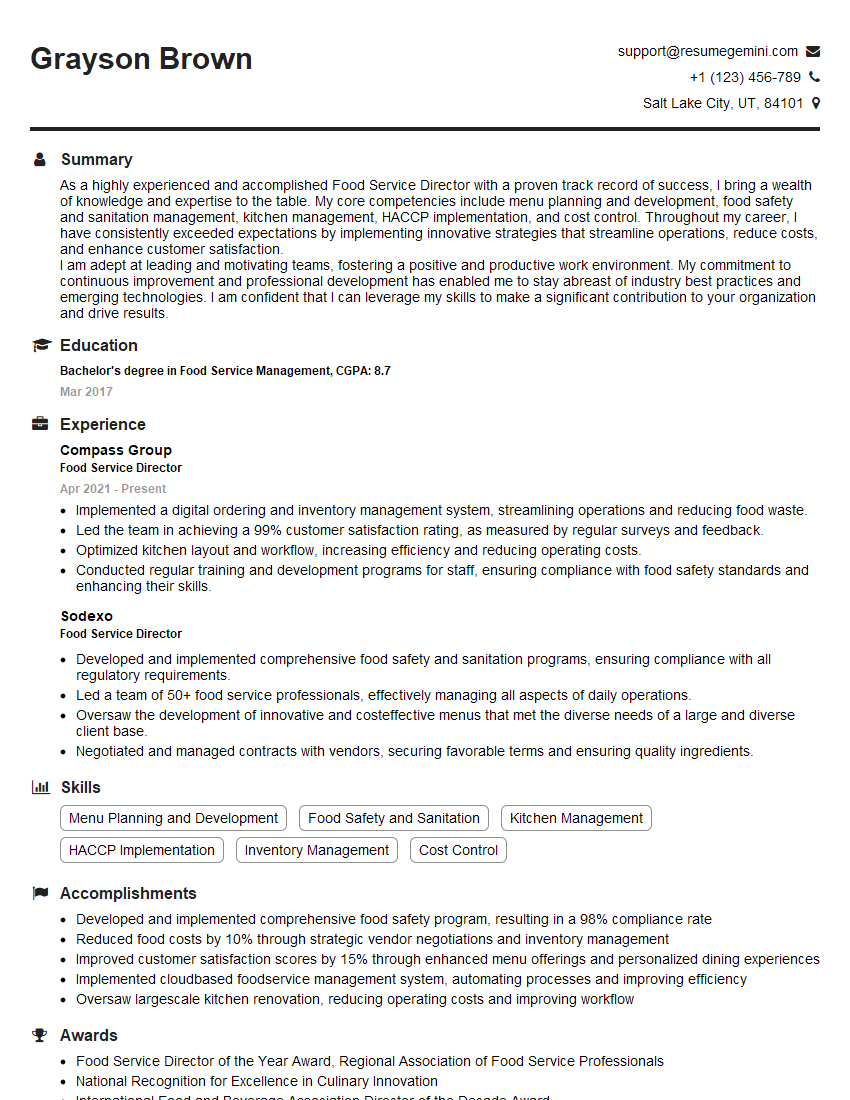
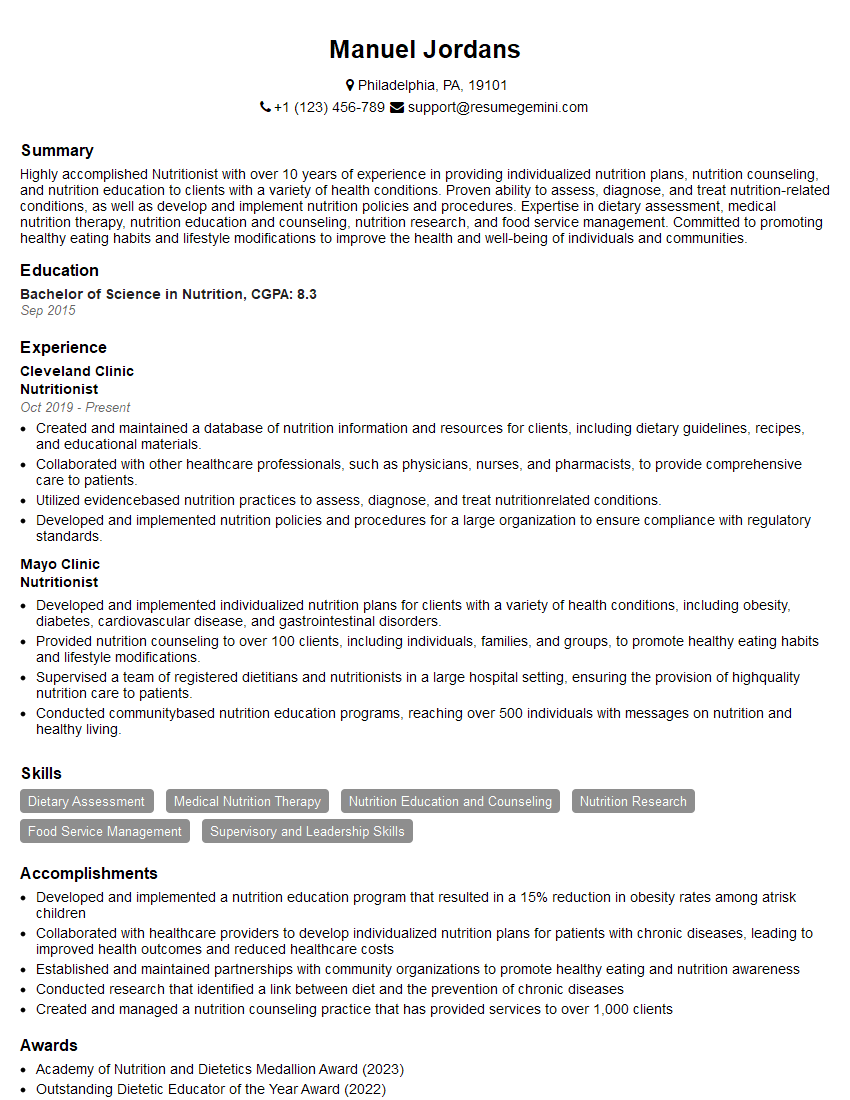
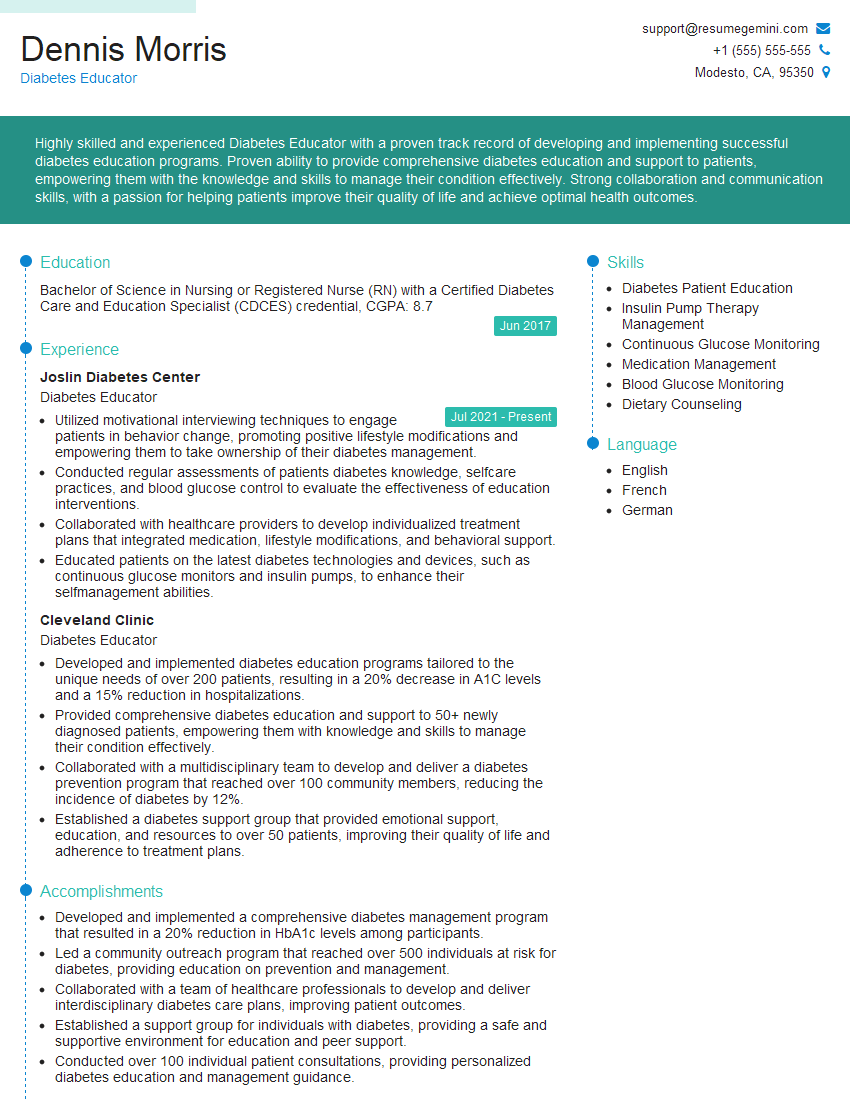
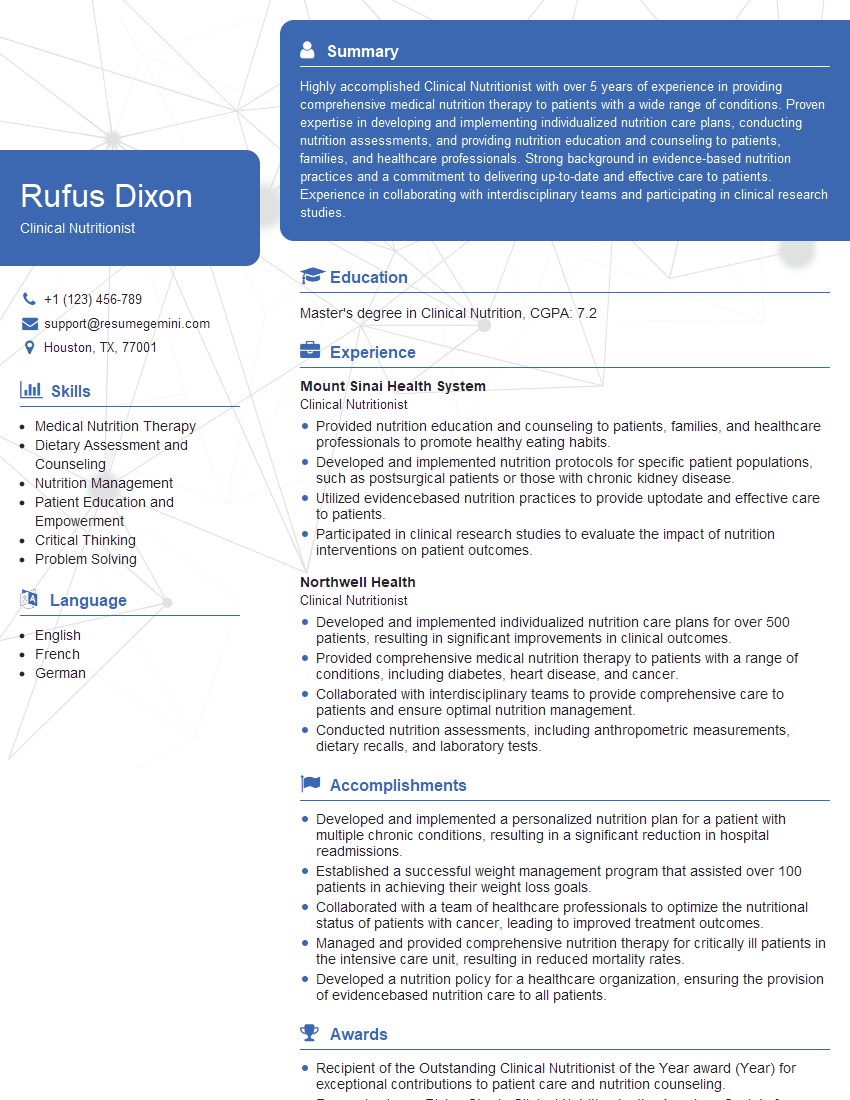
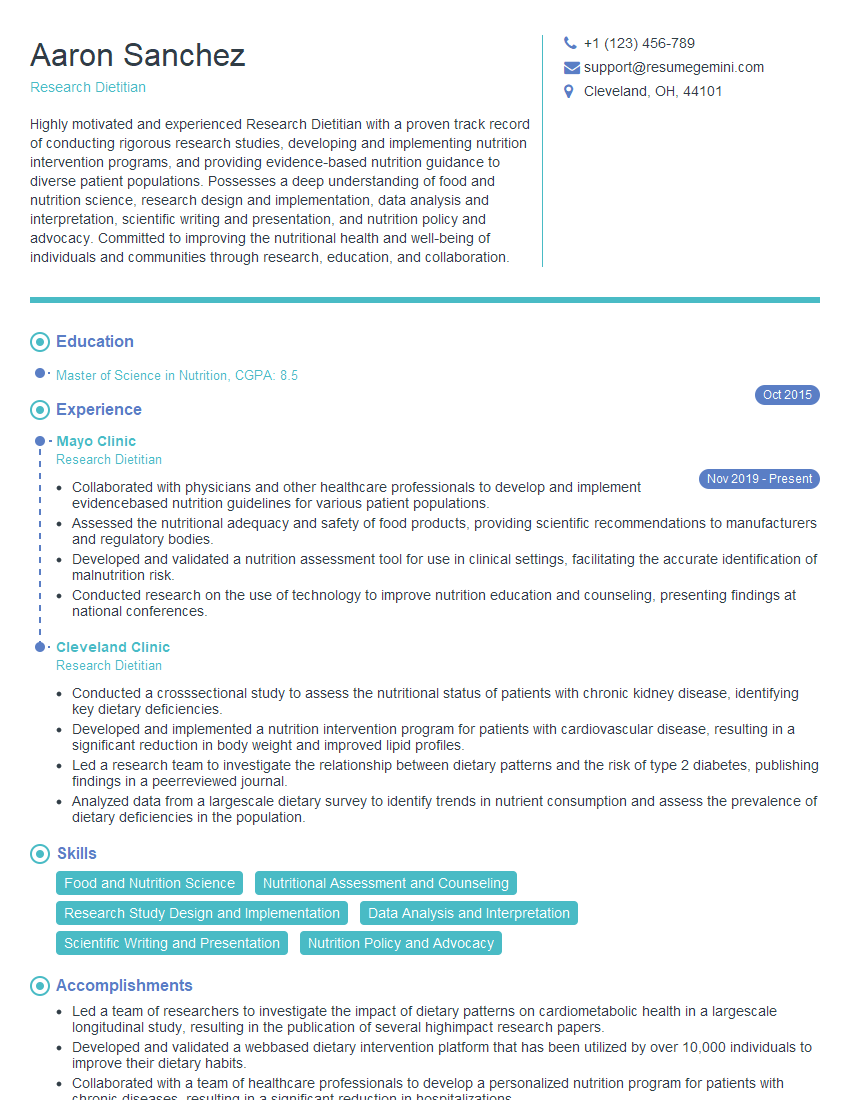
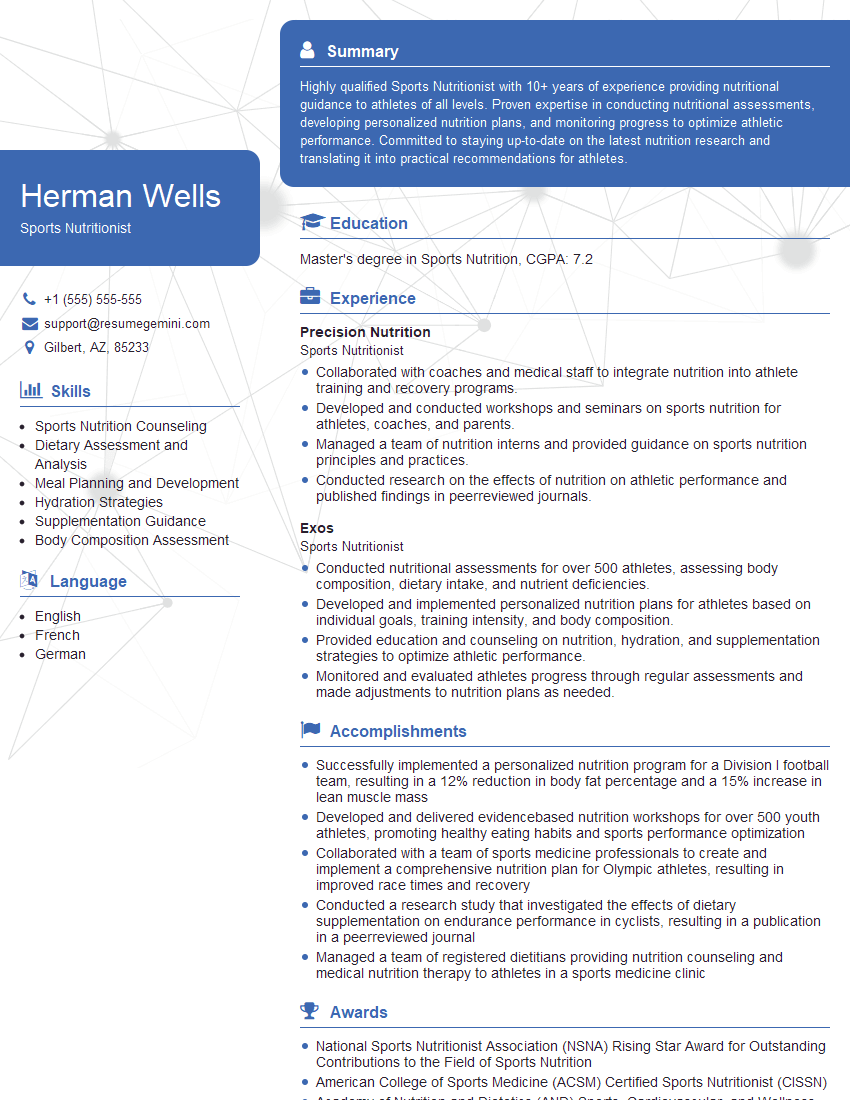
Mastering the principles of Nutrition and Feeding is crucial for a successful and rewarding career in this vital field. A strong understanding of these concepts will significantly enhance your job prospects and allow you to make a positive impact on the health and well-being of individuals and communities. To maximize your chances of landing your dream role, crafting a compelling and ATS-friendly resume is essential. ResumeGemini can help you build a professional resume that highlights your skills and experience effectively. Take advantage of their resources and examples of resumes tailored to Nutrition and Feeding to showcase your qualifications and stand out from the competition.
Explore more articles
Users Rating of Our Blogs
Share Your Experience
We value your feedback! Please rate our content and share your thoughts (optional).
What Readers Say About Our Blog
Really detailed insights and content, thank you for writing this detailed article.
IT gave me an insight and words to use and be able to think of examples