Feeling uncertain about what to expect in your upcoming interview? We’ve got you covered! This blog highlights the most important Naturalistic Intervention for Teaching Language and Social Communication (NITLS) interview questions and provides actionable advice to help you stand out as the ideal candidate. Let’s pave the way for your success.
Questions Asked in Naturalistic Intervention for Teaching Language and Social Communication (NITLS) Interview
Q 1. Define Naturalistic Intervention for Teaching Language and Social Communication (NITLS).
Naturalistic Intervention for Teaching Language and Social Communication (NITLS) is a family-centered approach that emphasizes teaching language and social skills within the child’s natural environment. Instead of structured drills or worksheets, NITLS leverages everyday routines and activities to create opportunities for learning. Think of it as weaving language and social skills into the fabric of a child’s life, rather than treating it as a separate subject.
Q 2. What are the core principles of NITLS?
NITLS rests on several core principles:
- Child-centered approach: The intervention is tailored to the child’s individual interests, strengths, and learning style. The child’s preferences guide the activities.
- Natural environment: Learning occurs in the child’s typical settings – home, school, community – using naturally occurring events and interactions.
- Functional communication: The focus is on teaching communication skills that are meaningful and useful in everyday life. For example, teaching a child to request help instead of just pointing.
- Incidental teaching: Learning opportunities are embedded within ongoing activities, using the child’s interests to initiate interaction and learning.
- Collaboration: Therapists work closely with parents, caregivers, and educators to create a consistent learning environment across settings.
Q 3. How does NITLS differ from other language intervention approaches?
Unlike traditional approaches like Discrete Trial Training (DTT), which utilizes highly structured, repetitive exercises, NITLS prioritizes natural contexts. DTT might involve flashcards and structured prompts, while NITLS would use those same targets within play, mealtimes, or other daily routines. Another key difference is the emphasis on generalization – NITLS aims to promote the use of learned skills across different environments and interactions, whereas some more structured methods may see less transferability.
Furthermore, unlike some approaches that heavily focus on adult-directed activities, NITLS maximizes child-initiated interactions, allowing for greater engagement and motivation.
Q 4. Describe the role of environmental arrangement in NITLS.
Environmental arrangement is crucial in NITLS. It involves strategically manipulating the child’s environment to increase the likelihood of communicative opportunities. This might include:
- Positioning materials strategically: Placing a desired toy just out of reach to encourage a request.
- Creating opportunities for interaction: Arranging activities that require collaboration or communication with others.
- Using visual supports: Incorporating pictures or schedules to aid understanding and communication.
- Minimizing distractions: Creating a calm and focused environment to maximize attention and learning.
For example, if a child loves cars, I might place a favorite car partially hidden behind an obstacle, prompting them to ask for help retrieving it, thereby encouraging communication.
Q 5. Explain the importance of incidental teaching within the NITLS framework.
Incidental teaching is a cornerstone of NITLS. It’s a technique where the therapist uses a child’s interest or ongoing activity to create a learning opportunity. The therapist ‘follows the child’s lead’ and waits for the child to initiate communication. Then, the therapist responds with prompts, expansions, or other strategies to facilitate further learning.
Imagine a child playing with blocks. They reach for a block the therapist is holding. Instead of simply handing it over, the therapist might say, “You want the blue block? Say ‘blue block please.’ ” This naturally embeds the language target within the play activity.
Q 6. How do you utilize naturally occurring opportunities for language learning in NITLS?
Utilizing naturally occurring opportunities is about being responsive and observant. I constantly look for situations where a child might need to communicate. This could be during mealtimes (requesting food), playtime (negotiating turns), or daily routines (getting dressed). I use these moments to embed language and social targets in a meaningful way, creating a seamless blend of therapy and everyday life.
For example, if a child is struggling to open a container, I might wait for them to show some frustration or attempt to open it. Then, I can teach them to verbally request help, making the language learning relevant and functional.
Q 7. Describe your experience with developing individualized intervention plans based on NITLS principles.
I have extensive experience developing individualized NITLS plans. The process begins with a thorough assessment of the child’s strengths, weaknesses, interests, and communication skills. This includes observing the child in their natural environments, conducting formal assessments, and collaborating closely with parents and caregivers. Based on this comprehensive assessment, I create a personalized plan that outlines specific targets, strategies, and activities. The plan focuses on functional communication goals within the child’s natural environment, emphasizing naturalistic strategies like incidental teaching and environmental arrangement.
For instance, with a child who struggles with turn-taking, I might design activities that involve shared play and explicitly target turn-taking skills within those interactions. Regular monitoring and adjustments ensure the plan remains effective and responsive to the child’s progress. Documentation is key, and I regularly update the plan based on the child’s response and progress toward the stated goals.
Q 8. How do you assess a child’s language and social communication skills for NITLS implementation?
Assessing a child’s language and social communication skills for Naturalistic Intervention for Teaching Language and Social Communication (NITLS) is crucial for tailoring effective interventions. It’s not a one-size-fits-all approach. We use a multi-faceted assessment, combining standardized tests with naturalistic observations and parent/caregiver reports. Think of it like building a puzzle; each piece gives a different perspective of the child’s abilities.
Standardized Assessments: These provide a baseline measurement of language abilities across various domains like vocabulary, grammar, and expressive/receptive language. Examples include the Clinical Evaluation of Language Fundamentals (CELF) or the Preschool Language Scale (PLS). However, results from standardized tests alone are not sufficient.
Naturalistic Observation: This involves observing the child in their natural environment – at home, in preschool, or playing with peers. We look at how they initiate and maintain conversations, understand social cues, and use language in context. For example, we might observe how the child plays with toys to see if they engage in pretend play or symbolic communication.
Parent/Caregiver Reports: This provides invaluable insights into the child’s communication habits at home, such as how often they initiate conversations, the types of language they use, and any challenges they face.
By combining these methods, we obtain a comprehensive picture of the child’s strengths and weaknesses, leading to a more personalized and effective NITLS plan.
Q 9. What strategies do you employ to increase a child’s motivation and engagement during NITLS sessions?
Motivation and engagement are key to successful NITLS. We make learning fun and relevant to the child’s interests. Think of it like a game – we want them to actively participate and enjoy the learning process.
Child-Centered Activities: We start with the child’s interests. Does the child love dinosaurs? We’ll use dinosaur toys and stories for language activities. Love trains? Let’s build a train track and have conversations about it!
Play-Based Learning: Integrating play naturally incorporates language and social communication skills into fun activities. This approach minimizes pressure, making learning enjoyable and motivating.
Positive Reinforcement: We celebrate successes, no matter how small. Praise, encouragement, and small rewards build confidence and reinforce desired behaviors. Think high fives, stickers, or verbal affirmation, tailored to the child’s preferences.
Choice and Control: Giving children some control over their learning increases engagement. For example, let the child pick which toy to use or which book to read.
By incorporating these strategies, we create an environment that encourages active participation, builds confidence, and makes learning an enjoyable experience.
Q 10. How do you incorporate play-based learning within the NITLS approach?
Play is the cornerstone of NITLS. It’s not just playtime; it’s a powerful vehicle for learning language and social skills. We leverage children’s natural inclination to play to teach these essential skills seamlessly.
Dramatic Play: Pretend play allows children to practice social interactions and language in a safe and engaging environment. A child playing ‘doctor’ can practice using language to describe symptoms, ask questions, and follow instructions.
Turn-Taking Games: Simple games like rolling a ball or building a tower teach turn-taking and communication. This develops conversational skills and mutual engagement.
Joint Attention Activities: Activities that encourage shared attention, such as looking at books together or playing with toys, help children learn to follow social cues and engage in communication.
Theme-Based Play: This allows for introducing vocabulary and concepts related to the chosen theme. For example, when focusing on a ‘farm’ theme, opportunities to discuss animals, their sounds, and actions arise naturally.
In essence, play provides a context for language learning that is intrinsically motivating and allows for natural opportunities to practice communication in a low-pressure setting.
Q 11. Explain how you adapt NITLS strategies for different developmental ages and abilities.
Adapting NITLS strategies is essential due to the wide range of developmental ages and abilities. We adjust our approach based on the individual child’s needs and capabilities.
Younger Children (Preschool): We focus on play-based activities, using simple language and visual supports. We emphasize building foundational skills like joint attention, turn-taking, and basic communication.
Older Children (School-Aged): We incorporate more complex language activities, such as storytelling, conversations about different topics, and using language to solve problems. Social skills instruction may focus on peer interactions and understanding social cues in more complex settings.
Children with Varying Abilities: We differentiate instruction based on individual needs. For children with more significant challenges, we may use augmentative and alternative communication (AAC) systems, visual supports, and simpler activities. We celebrate every step of progress, adjusting the level of support as the child’s abilities grow.
Flexibility is paramount. We continuously assess and adapt our strategies to ensure the child’s optimal progress and maintain their motivation.
Q 12. Describe your experience working with families to support language and social communication development at home.
Family involvement is critical for successful NITLS. We don’t just work with the child; we work with the whole family. They’re the child’s primary caregivers and play a crucial role in the child’s development.
Parent Training: We teach parents strategies to support their child’s language and social communication at home. This often includes modeling appropriate communication techniques, creating opportunities for language use, and providing positive reinforcement.
Home-Based Activities: We design activities the parents can easily incorporate into their daily routines. These activities are tailored to the child’s interests and developmental level.
Regular Communication: We maintain open communication with parents through regular meetings, phone calls, or emails, discussing progress, challenges, and making adjustments as needed.
Collaboration and Support: We view parents as partners in the child’s therapy. We work collaboratively to create a consistent and supportive learning environment at home and in clinical settings.
A successful intervention relies heavily on a strong partnership between the therapist and the family. We create a collaborative and supportive relationship, empowering parents to continue the work at home.
Q 13. How do you measure the effectiveness of NITLS interventions?
Measuring the effectiveness of NITLS interventions requires a multi-pronged approach, combining quantitative and qualitative data. We track progress across various domains to gauge the success of the interventions.
Standardized Assessments: We use pre- and post-intervention standardized assessments to measure changes in language skills over time. These tests provide objective data on the child’s improvement.
Naturalistic Observations: We conduct regular observations to assess the child’s communication skills in naturalistic settings. This allows us to see how the child is using their skills in real-world situations.
Parent/Caregiver Reports: We regularly collect information from parents to understand how the interventions are impacting the child’s communication at home. This provides valuable insights into the generalization of skills.
Qualitative Data: We collect qualitative data through observations and parent reports, documenting the child’s progress in areas such as social interaction, communication initiation, and engagement in play.
By combining these diverse methods, we gain a rich and comprehensive picture of the intervention’s impact on the child’s language and social communication development.
Q 14. What are some common challenges encountered when implementing NITLS, and how do you address them?
Implementing NITLS can present various challenges. One key element is recognizing these hurdles and developing strategies to overcome them.
Limited Opportunities for Naturalistic Interactions: Sometimes, structured environments, such as classrooms, can hinder spontaneous interactions. We address this by creating opportunities for naturalistic interactions within the structured environment or by scheduling sessions in more natural settings.
Maintaining Parent Engagement: It can be challenging to maintain consistent parent participation. We address this through open communication, clear expectations, and ongoing support and training. Regular check-ins and providing clear, practical strategies help families stay involved.
Measuring Progress: Documenting progress can be challenging in naturalistic settings. We overcome this using various methods, like video recording, detailed observation notes, and regular communication with parents.
Child’s Resistance or Lack of Motivation: If a child resists participation, we adjust our approach by identifying motivating factors, offering choices, and incorporating preferred activities. We focus on making learning fun and engaging.
Proactive problem-solving and continuous adaptation of our strategies are crucial to successful implementation and overcoming the challenges encountered.
Q 15. Describe your experience collaborating with other professionals (e.g., teachers, therapists) in an NITLS setting.
Collaboration is the cornerstone of effective NITLS. I’ve consistently worked in multidisciplinary teams, including teachers, speech-language pathologists, occupational therapists, and special education instructors. Our approach involves regular meetings to share observations, analyze student progress, and collaboratively modify intervention strategies. For example, in one case involving a student with autism, I worked closely with the classroom teacher to integrate social communication skills into the daily curriculum. The teacher focused on creating opportunities for peer interaction during structured activities, while I provided targeted interventions during individual sessions, focusing on initiating conversations and responding appropriately to peers. This integrated approach maximized the student’s learning opportunities across various settings.
Another example involved a student struggling with pragmatic language. I worked with the occupational therapist to address sensory sensitivities that were impacting the student’s ability to participate in group activities. By addressing these underlying sensory needs, we created a more conducive environment for the student to practice social communication skills and improve interaction.
Career Expert Tips:
- Ace those interviews! Prepare effectively by reviewing the Top 50 Most Common Interview Questions on ResumeGemini.
- Navigate your job search with confidence! Explore a wide range of Career Tips on ResumeGemini. Learn about common challenges and recommendations to overcome them.
- Craft the perfect resume! Master the Art of Resume Writing with ResumeGemini’s guide. Showcase your unique qualifications and achievements effectively.
- Don’t miss out on holiday savings! Build your dream resume with ResumeGemini’s ATS optimized templates.
Q 16. How do you ensure cultural sensitivity and responsiveness within your NITLS practice?
Cultural sensitivity is paramount in NITLS. I begin by actively seeking to understand the student’s cultural background, family values, and communication styles. This involves engaging in meaningful conversations with families, utilizing culturally relevant materials during sessions, and adapting intervention strategies to resonate with their cultural norms. For instance, if a student’s family primarily speaks a language other than English at home, I incorporate bilingual strategies into therapy sessions and collaborate with interpreters when needed. Furthermore, I avoid using culturally biased materials or activities and ensure that the learning environment reflects the student’s diverse background and experiences. A key aspect is respecting individual family preferences and values regarding communication styles and learning approaches.
I also actively seek out professional development opportunities to enhance my cross-cultural competence. Staying updated on culturally responsive practices is a continuous process, requiring ongoing learning and reflection.
Q 17. Explain your understanding of evidence-based practices in NITLS.
Evidence-based practices in NITLS are crucial. This means relying on research-supported strategies and constantly evaluating their effectiveness. We base our interventions on a strong foundation of peer-reviewed research focusing on naturalistic teaching strategies, social interaction, and functional communication. For example, we use techniques like incidental teaching, mand-model, and milieu teaching, which are demonstrably effective in promoting language and communication development. Our interventions are always data-driven, using systematic data collection to monitor student progress and make adjustments to the intervention plan as needed. We also regularly review the latest research to stay current with best practices and adapt our strategies as new evidence emerges. This iterative approach ensures our intervention is constantly refined to maximize effectiveness.
Q 18. What are some specific examples of language goals you’ve achieved using NITLS?
Using NITLS, I’ve witnessed significant improvements in various language areas. For one student who struggled with initiating conversations, we used a combination of incidental teaching and structured play activities to encourage turn-taking and communication initiation. Through these strategies, the student progressed from rarely initiating interactions to spontaneously initiating conversations during play activities within six months. Another student with limited vocabulary demonstrated remarkable improvement in expressive language after incorporating mand-model techniques within everyday routines and activities. We saw increases in both the frequency and complexity of the student’s verbalizations, enabling more effective communication. In another case, I worked with a student who struggled with understanding complex sentences. By breaking down sentences into smaller components and using visual supports, I facilitated a gradual increase in comprehension skills.
Q 19. How do you address challenging behaviors that may interfere with language learning in NITLS?
Addressing challenging behaviors requires a multifaceted approach within NITLS. We first conduct a thorough functional behavior assessment (FBA) to identify the function of the behavior. This means determining what the student is gaining by engaging in the behavior (e.g., attention, escape from a task). Once the function is understood, we develop a positive behavior support (PBS) plan that focuses on teaching replacement behaviors and modifying the environment to reduce the likelihood of the challenging behavior occurring. For example, if a student is exhibiting disruptive behaviors to escape a task, we may modify the task by breaking it into smaller, more manageable steps, or providing more frequent breaks. We also teach the student alternative ways to communicate their needs or discomfort.
Reinforcement strategies are also vital. Positive reinforcement for appropriate behaviors is significantly more effective than punishment for inappropriate ones. Consistent application of these strategies creates a positive learning environment where students feel supported and encouraged.
Q 20. Explain your approach to data collection and analysis in NITLS.
Data collection and analysis are integral to NITLS. We utilize a variety of methods, including direct observation, anecdotal records, and structured assessments. Direct observation involves systematically recording the student’s communication behaviors during specific activities or interactions. Anecdotal records provide more detailed descriptions of specific incidents. Structured assessments offer standardized measures of language skills. For example, we might use a standardized language test to get a baseline measure of language abilities, then track progress using observation checklists and data sheets created specifically for the individual student’s goals. This data is then analyzed to determine the effectiveness of the intervention and identify areas needing adjustment. We use graphs and charts to visualize the data, making it easy to see trends and patterns in student progress.
Q 21. How do you use data to inform your ongoing intervention plan adjustments in NITLS?
Data informs every aspect of our ongoing intervention plan adjustments. Regular review of collected data allows us to identify what is working and what is not. For instance, if data shows that a specific strategy is not resulting in meaningful progress, we collaboratively discuss alternative approaches with the team. If a student is not making progress toward a particular goal, we might adjust the intensity of the intervention, modify the teaching strategies, or change the target behavior. We might also reassess the student’s goals to ensure they are still appropriate and achievable. The data provides objective evidence to guide our decision-making process, ensuring that our intervention remains relevant, effective, and tailored to the individual student’s needs. This cyclical process of data collection, analysis, and adjustment ensures we are always working towards optimal outcomes for our students.
Q 22. Describe your experience with different types of communication supports in NITLS (e.g., AAC).
Naturalistic Intervention for Teaching Language and Social Communication (NITLS) leverages the child’s natural environment and interests to facilitate communication development. My experience with communication supports within NITLS is extensive, encompassing various Augmentative and Alternative Communication (AAC) systems. I’ve worked with children using aided AAC, such as picture exchange systems (PECS) and speech-generating devices (SGDs), and unaided AAC, like sign language and gestures.
- PECS: I’ve used PECS to help non-verbal children initiate communication by exchanging pictures for desired items. For example, a child might exchange a picture of a juice box to request a drink. We gradually fade the visual support as their verbal skills improve.
- SGDs: With older children, I’ve incorporated SGDs to expand their vocabulary and sentence structures. We start with core vocabulary words and build up to more complex phrases and sentences. The selection of the SGD is highly individualized, based on the child’s needs and preferences.
- Sign Language: In some cases, incorporating basic sign language alongside verbal communication helps bridge the gap and allows the child to express themselves even before verbal skills are fully developed. This often serves as a stepping stone to more complex communication.
The key is to integrate these supports seamlessly into natural activities. We don’t isolate AAC training; instead, we use it within play, mealtimes, or other daily routines to make it relevant and functional.
Q 23. What are your preferred methods for documenting progress in NITLS?
Documenting progress in NITLS relies on a multi-faceted approach that goes beyond simply tracking target behaviors. I utilize a combination of methods to create a holistic picture of the child’s development. This includes:
- Data Sheets: I use structured data sheets to record specific occurrences of target behaviors during therapy sessions. This might include the frequency of using specific words, initiation of communication, or successful social interactions. The data sheets are usually tailored to each child’s individual goals.
- Anecdotal Records: I also maintain detailed anecdotal records, which capture rich qualitative information about the child’s progress. This involves describing the context of the interactions, the child’s engagement, and any insightful observations about their communication strategies. For instance, I’d note if a child used a new communication strategy during free play or spontaneously initiated a conversation.
- Video Recordings: When appropriate and with parental consent, video recordings can provide valuable visual evidence of progress. Reviewing these recordings helps me track subtle changes in communication behaviors and refine my interventions.
- Parent Reports: Crucially, I regularly solicit feedback and observations from parents. They offer unique perspectives on the child’s progress in various environments, helping to identify generalization of skills and address potential challenges.
The combination of quantitative (data sheets) and qualitative (anecdotal records, video, parent reports) data paints a comprehensive picture that guides ongoing intervention planning and demonstrates the impact of NITLS.
Q 24. How do you promote generalization of skills learned through NITLS?
Generalization of skills is paramount in NITLS. We aim for children to use their newly acquired language and social skills across various settings and with different individuals, not just within the therapy setting. To promote this, I employ several strategies:
- Programming for Generalization: We purposefully incorporate diverse activities and settings into therapy sessions. For example, we might practice requesting items at a pretend store, engaging in conversations during a pretend tea party, or using communication skills during a community outing.
- Collaboration with Parents and Other Professionals: Close collaboration with parents and other professionals, such as teachers, is vital. We work together to ensure consistency in expectations and strategies across various environments. This involves shared goal setting, strategy discussions, and regular communication.
- Naturalistic Teaching: By incorporating naturally occurring opportunities for communication throughout the child’s day, we significantly enhance the generalization of skills. For example, during a trip to the park, we might facilitate communication opportunities related to playground equipment or other children’s activities.
- Reinforcement across settings: Consistent reinforcement from multiple individuals across different environments helps solidify new skills and encourages their natural usage. We work with parents and teachers to develop consistent reinforcement strategies.
Think of it like learning to ride a bike: you wouldn’t just learn in one place; you’d practice on different surfaces, hills, and environments. Generalization in NITLS follows a similar principle of expanding the context of learning to foster real-world application.
Q 25. Describe your experience working with children diagnosed with autism spectrum disorder using NITLS.
My experience with children diagnosed with Autism Spectrum Disorder (ASD) using NITLS has been incredibly rewarding. Children with ASD often benefit greatly from the structured yet flexible approach of NITLS because it caters to their individual needs and preferences. I adapt the interventions based on their strengths and challenges. For example:
- Sensory Considerations: I pay close attention to the child’s sensory sensitivities and modify the environment accordingly to ensure optimal engagement. This might include reducing distractions, offering preferred sensory items, or adjusting the activity duration.
- Visual Supports: Visual supports, such as schedules, picture cards, and social stories, are commonly integrated into sessions to increase predictability and reduce anxiety. This is essential for many children with ASD who thrive on routine and predictability.
- Focus on Interests: Building upon the child’s specific interests is crucial. If a child is fascinated by trains, we incorporate train-related activities and vocabulary into our sessions. This makes learning more engaging and motivating.
- Behavioral Considerations: I address challenging behaviors using positive behavior support strategies. This involves identifying the function of the behavior and replacing it with more appropriate communication or self-regulation strategies.
The key is individualized instruction within a child’s natural world, making learning less of a chore and more of an enjoyable experience.
Q 26. Explain your understanding of the role of social interaction in language development within NITLS.
Within NITLS, social interaction is the cornerstone of language development. It’s not enough to teach isolated words or phrases; we must embed language learning within meaningful social contexts. Vygotsky’s sociocultural theory strongly informs this approach; language develops through social interaction, where a child’s current abilities are scaffolded by a more knowledgeable other. This means:
- Joint Attention: We focus on fostering joint attention, where the child and therapist share a focus on the same object or event. This is a critical precursor to language development.
- Turn-Taking: We encourage turn-taking in communication, such as during games or conversations. This helps children learn to anticipate and respond to conversational cues.
- Reciprocal Interactions: The emphasis is on reciprocal interactions, where the child and therapist are actively engaged in a back-and-forth exchange of communication. This fosters natural communication flow.
- Social Pragmatics: We work on social pragmatic skills, which encompass the understanding and use of language in social contexts. This includes understanding nonverbal cues, adjusting communication style based on the context, and initiating and maintaining conversations.
In essence, we view language acquisition not as an isolated skill but as an integral part of social engagement, creating opportunities for natural interactions and fostering communication competence.
Q 27. How do you ensure the ethical and legal considerations are addressed within your NITLS practice?
Ethical and legal considerations are paramount in my NITLS practice. I adhere to strict guidelines to ensure the well-being and rights of the children and families I serve. This includes:
- Informed Consent: Before initiating any intervention, I obtain informed consent from parents or legal guardians, ensuring they fully understand the nature of the intervention, its potential benefits and risks, and their right to withdraw at any time.
- Confidentiality: I maintain strict confidentiality regarding all information shared by families, adhering to HIPAA and other relevant privacy regulations. All information is kept secure and only accessed by authorized personnel.
- Cultural Sensitivity: I am mindful of cultural differences and tailor my approach to respect the child’s and family’s cultural values and beliefs. This involves understanding their communication styles and preferences and adapting the intervention accordingly.
- Evidence-Based Practice: I base my interventions on current research and evidence-based practices, ensuring the effectiveness and ethical soundness of my approaches.
- Professional Boundaries: I maintain clear professional boundaries with families, avoiding dual relationships and conflicts of interest.
Ethical practice is not just a set of rules; it’s a commitment to providing high-quality, respectful, and effective services.
Q 28. Describe your experience with parent training and education related to NITLS.
Parent training and education are integral components of my NITLS practice. I believe that parents are the child’s primary teachers, and their active involvement is crucial for successful outcomes. My approach to parent training involves:
- Collaborative Goal Setting: We work collaboratively to set realistic and achievable goals for the child’s communication development. This ensures that the intervention aligns with the family’s values and priorities.
- Strategies and Techniques: I demonstrate and explain various strategies and techniques that parents can use to support their child’s communication in everyday settings. This includes modeling appropriate language, using visual supports, and responding effectively to the child’s communication attempts.
- Regular Consultations and Feedback: I provide regular consultations and feedback to parents, addressing their questions and concerns, and providing ongoing support. This might involve reviewing progress data, brainstorming strategies, or problem-solving challenges.
- Resource Provision: I provide parents with resources and materials that can support their child’s learning, such as books, websites, and community programs.
- Empowerment and Advocacy: I work to empower parents to advocate for their child’s needs and access appropriate services. This includes helping them navigate the educational system and connect with other resources.
Ultimately, successful parent training means empowering parents to continue the child’s communication growth long after formal therapy concludes, making them active partners in their child’s journey.
Key Topics to Learn for Naturalistic Intervention for Teaching Language and Social Communication (NITLS) Interview
- Core Principles of NITLS: Understand the philosophical underpinnings of naturalistic teaching, focusing on child-led learning, incidental teaching opportunities, and embedding language and social communication goals within naturally occurring activities.
- Assessment and Goal Setting: Learn how to conduct functional behavioral assessments (FBAs) and develop individualized education programs (IEPs) aligned with NITLS principles. Master the art of identifying teachable moments and creating specific, measurable, achievable, relevant, and time-bound (SMART) goals.
- Strategies for Language Intervention: Familiarize yourself with various techniques like mand-model, incidental teaching, milieu teaching, and script therapy within a naturalistic context. Be prepared to discuss the strengths and limitations of each.
- Social Communication Skill Development: Explore strategies for teaching social skills, including joint attention, turn-taking, perspective-taking, and pragmatic language use, within naturally occurring social interactions.
- Data Collection and Analysis: Understand the importance of accurate and reliable data collection to monitor student progress and inform instructional decisions. Become proficient in various data collection methods and their applications within NITLS.
- Collaboration and Communication: Practice articulating your understanding of NITLS to parents, other professionals (e.g., SLPs, OTs), and administrators. Discuss effective strategies for building collaborative relationships and communicating student progress.
- Ethical Considerations: Review ethical guidelines related to working with children with communication disorders and ensuring culturally responsive and inclusive practices within the NITLS framework.
- Addressing Challenging Behaviors: Explore proactive strategies for managing challenging behaviors within a naturalistic intervention framework, focusing on positive behavior support and functional communication training.
Next Steps
Mastering Naturalistic Intervention for Teaching Language and Social Communication (NITLS) is crucial for career advancement in special education and related fields. It demonstrates a commitment to evidence-based practices and child-centered learning, making you a highly sought-after candidate. To significantly boost your job prospects, create an ATS-friendly resume that highlights your skills and experience effectively. ResumeGemini is a trusted resource for building professional resumes, and we provide examples of resumes tailored to Naturalistic Intervention for Teaching Language and Social Communication (NITLS) to help you get started. Invest time in crafting a compelling resume – it’s your first impression on potential employers!
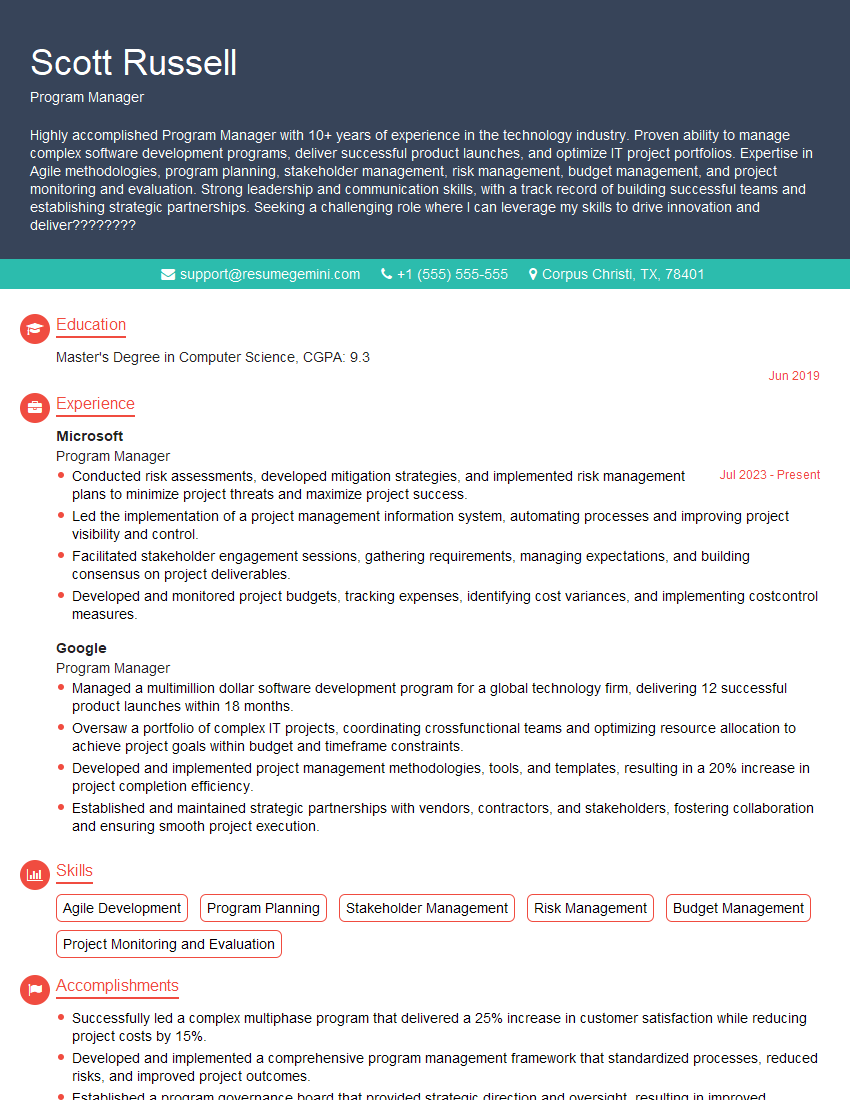
Program Manager Resume Sample

Instructor Resume Sample
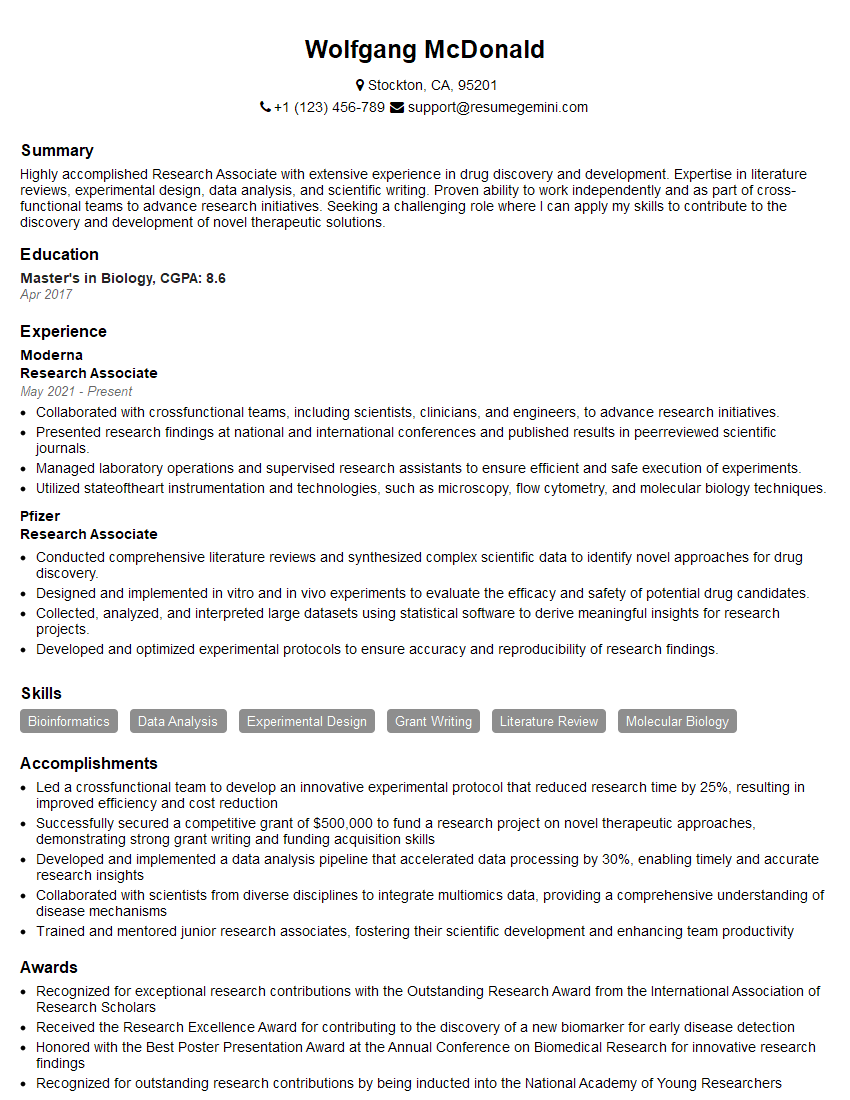
Research Associate Resume Sample
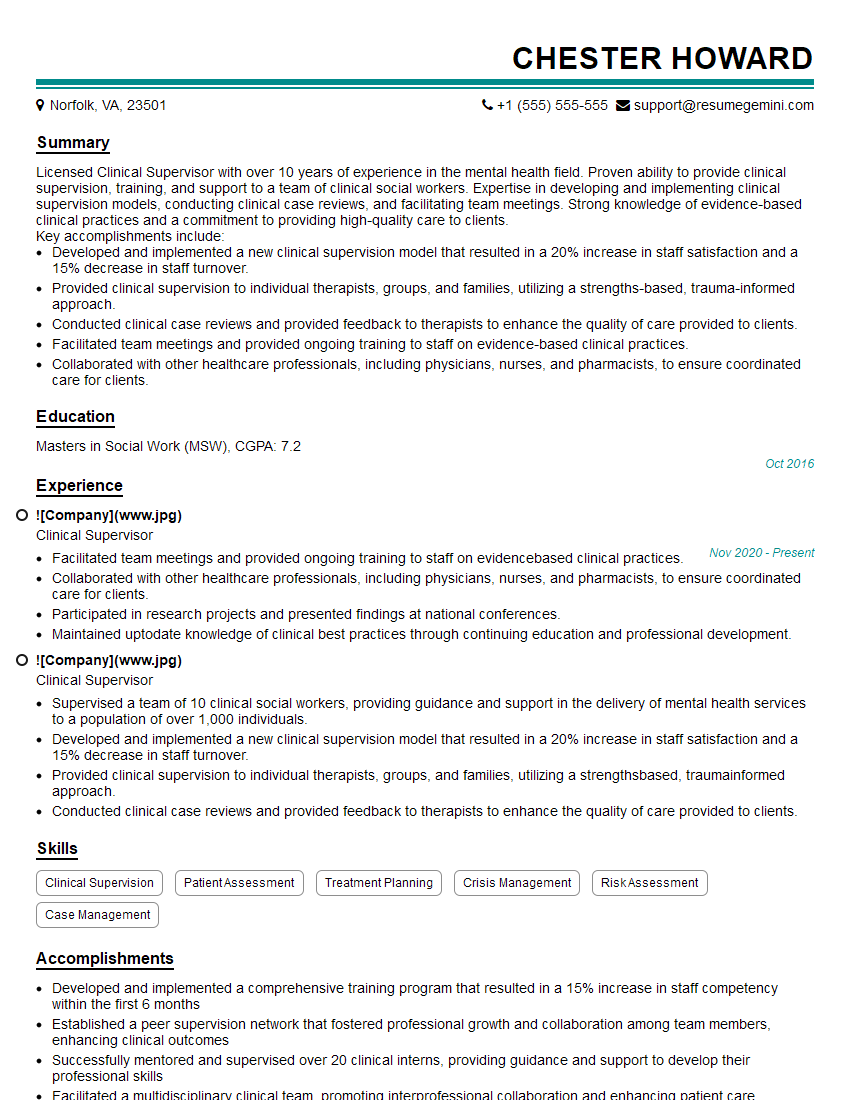
Clinical Supervisor Resume Sample
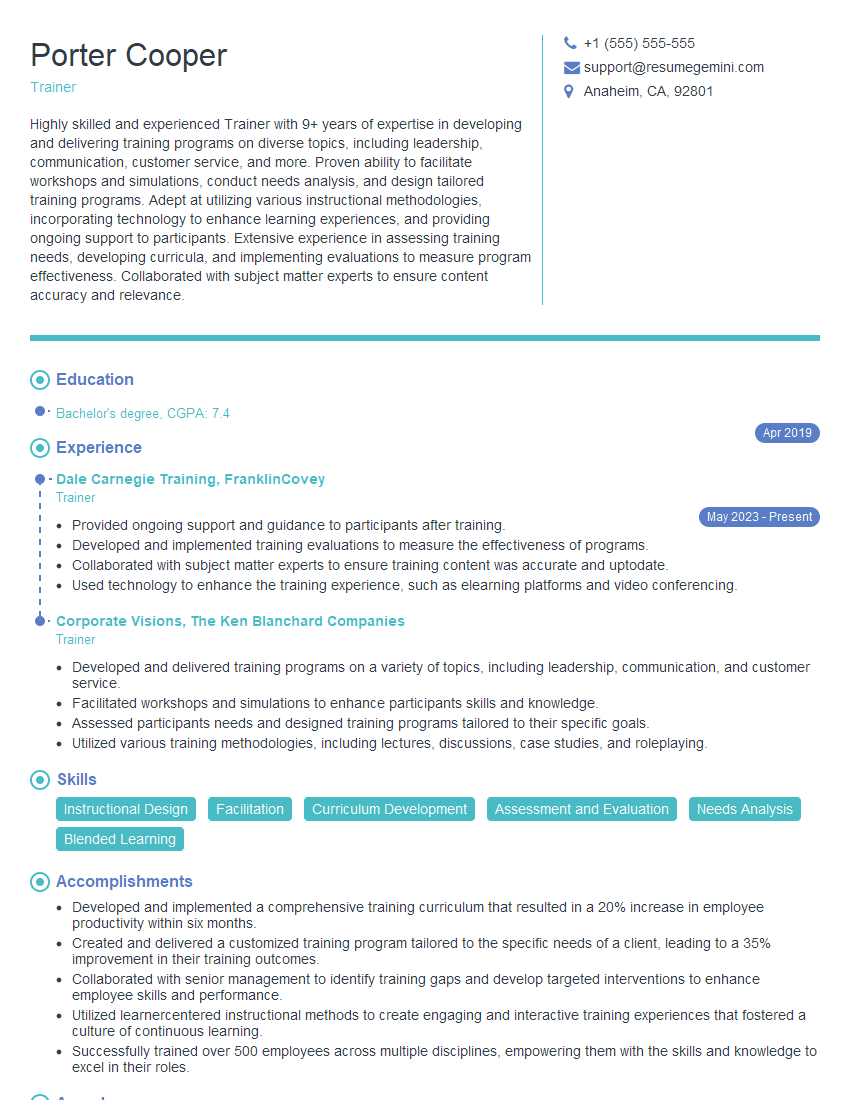
Trainer Resume Sample
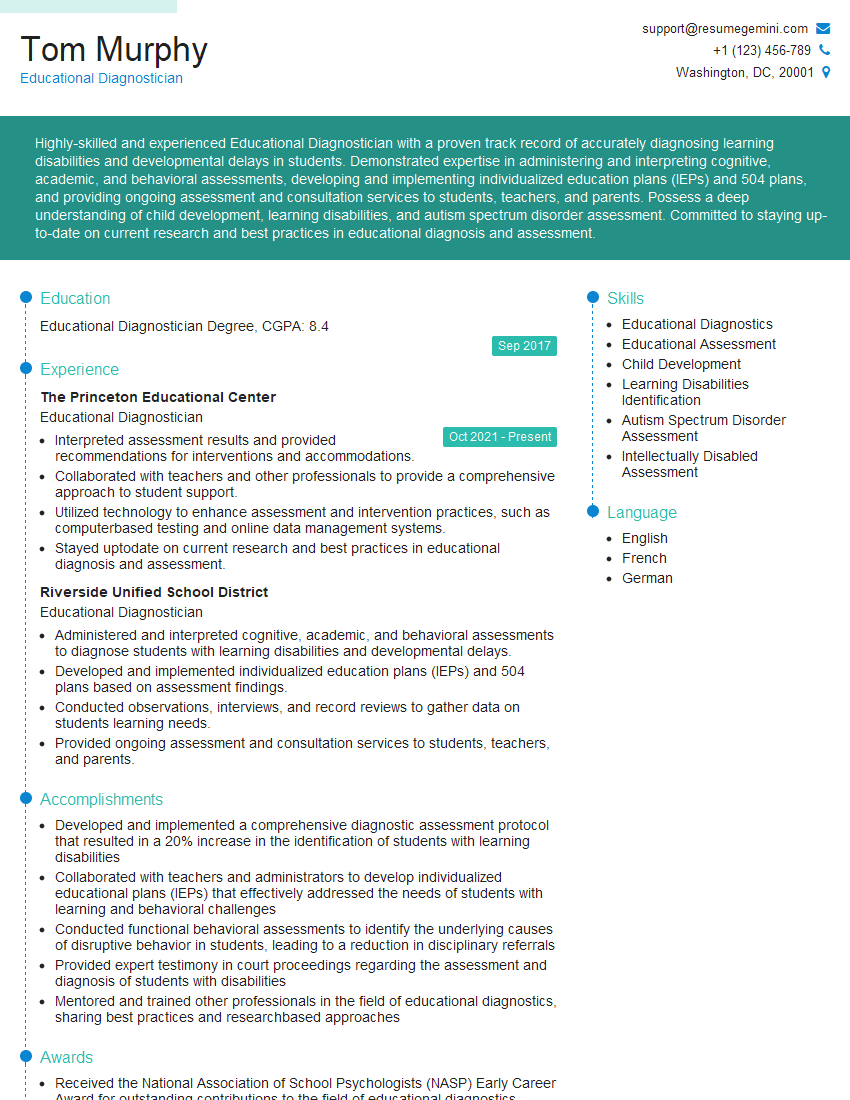
Educational Diagnostician Resume Sample
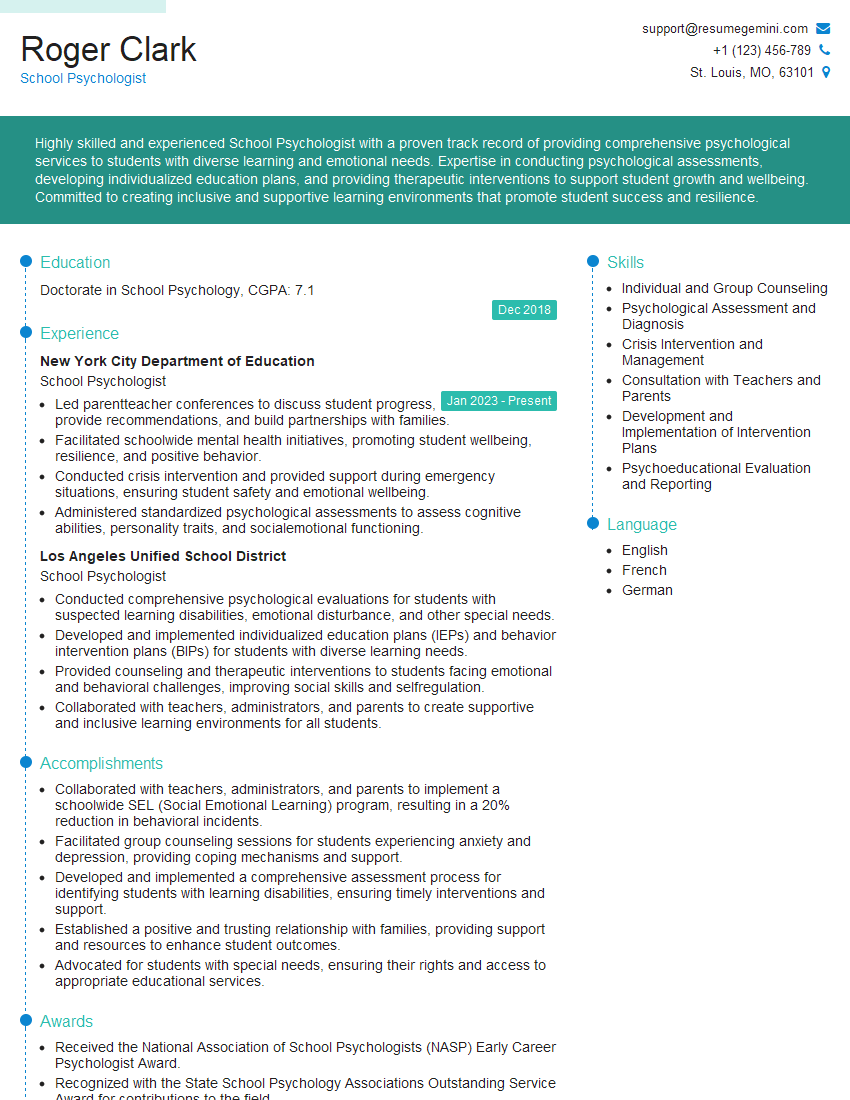
School Psychologist Resume Sample
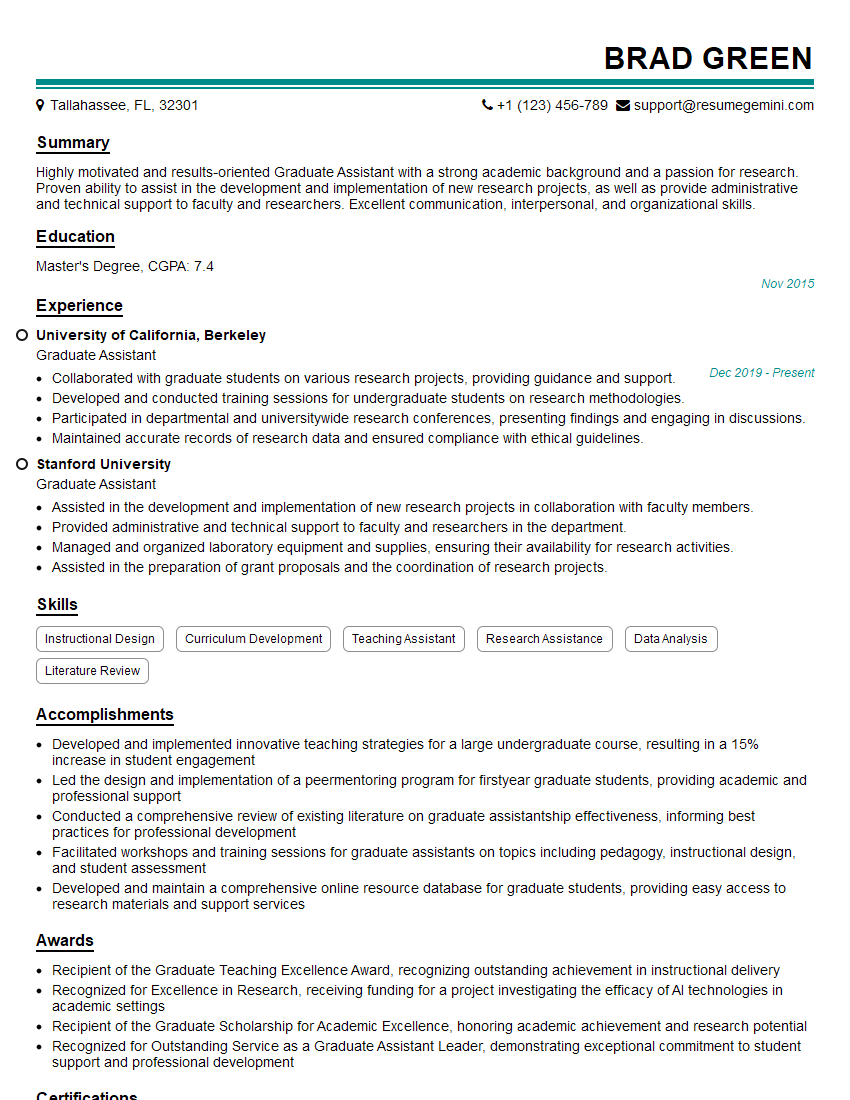
Graduate Assistant Resume Sample
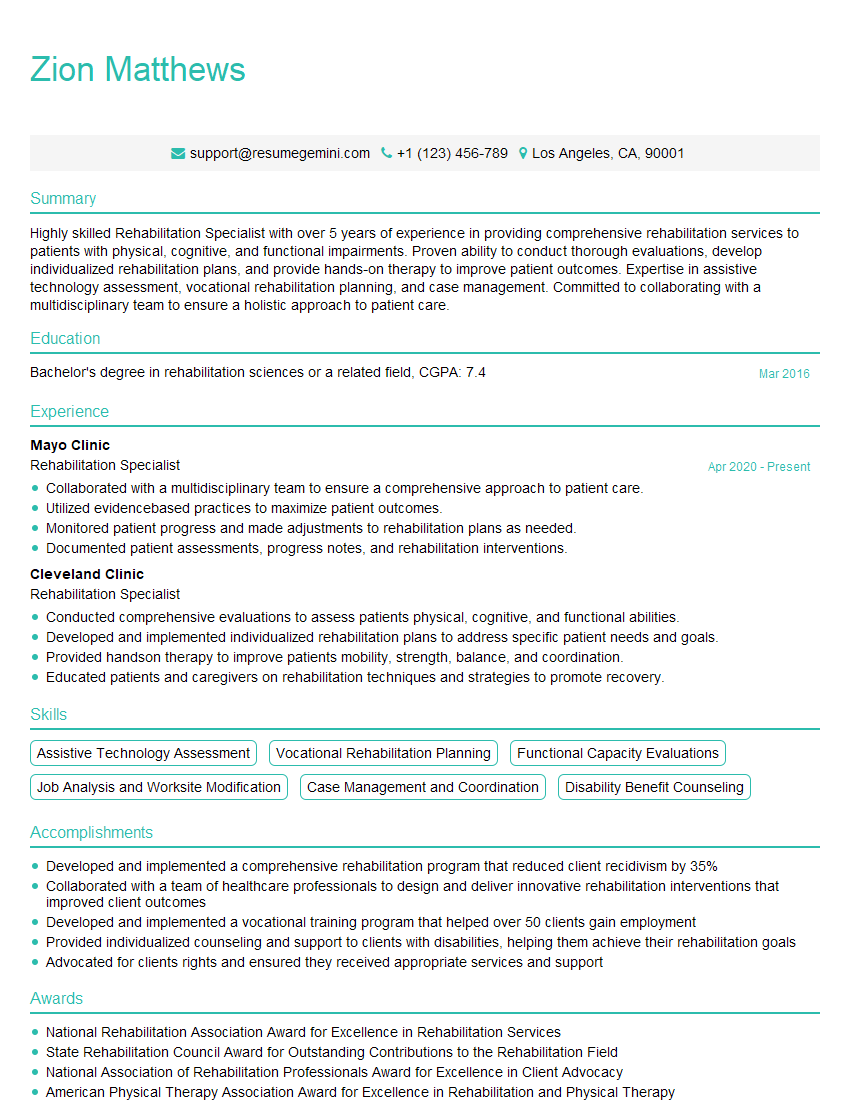
Rehabilitation Specialist Resume Sample
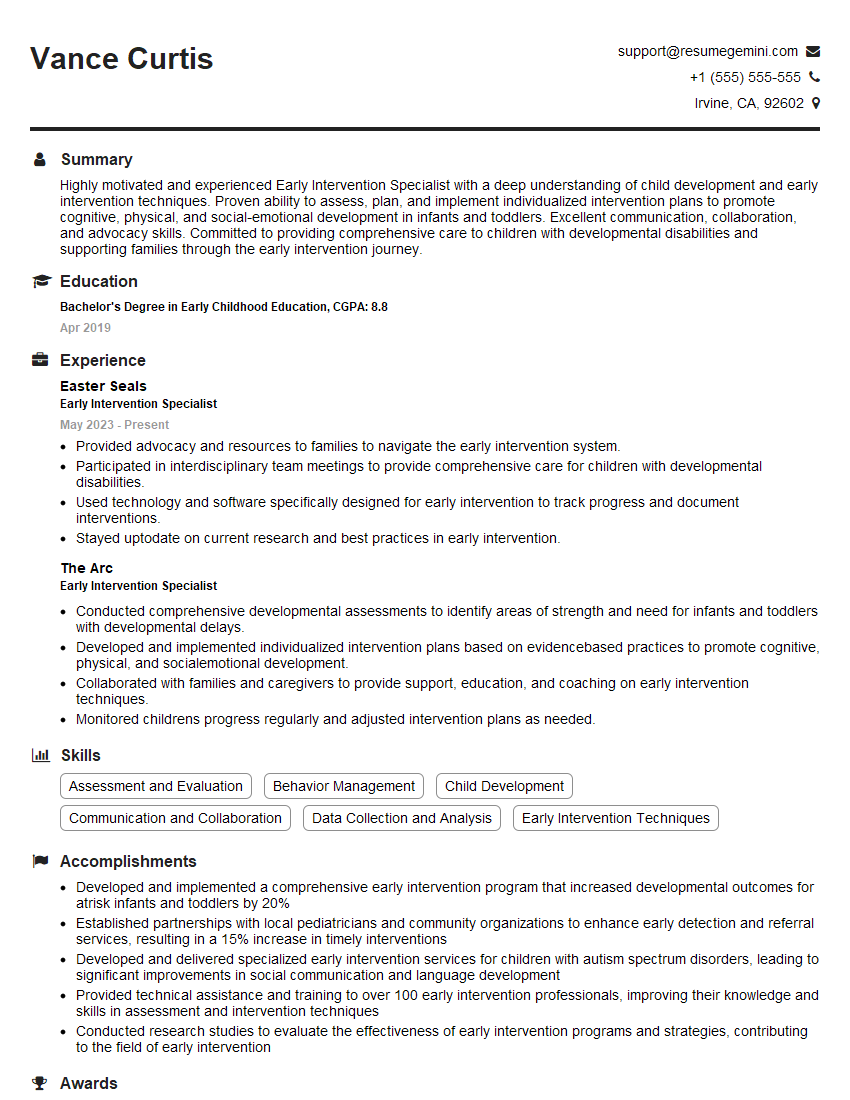
Early Intervention Specialist Resume Sample
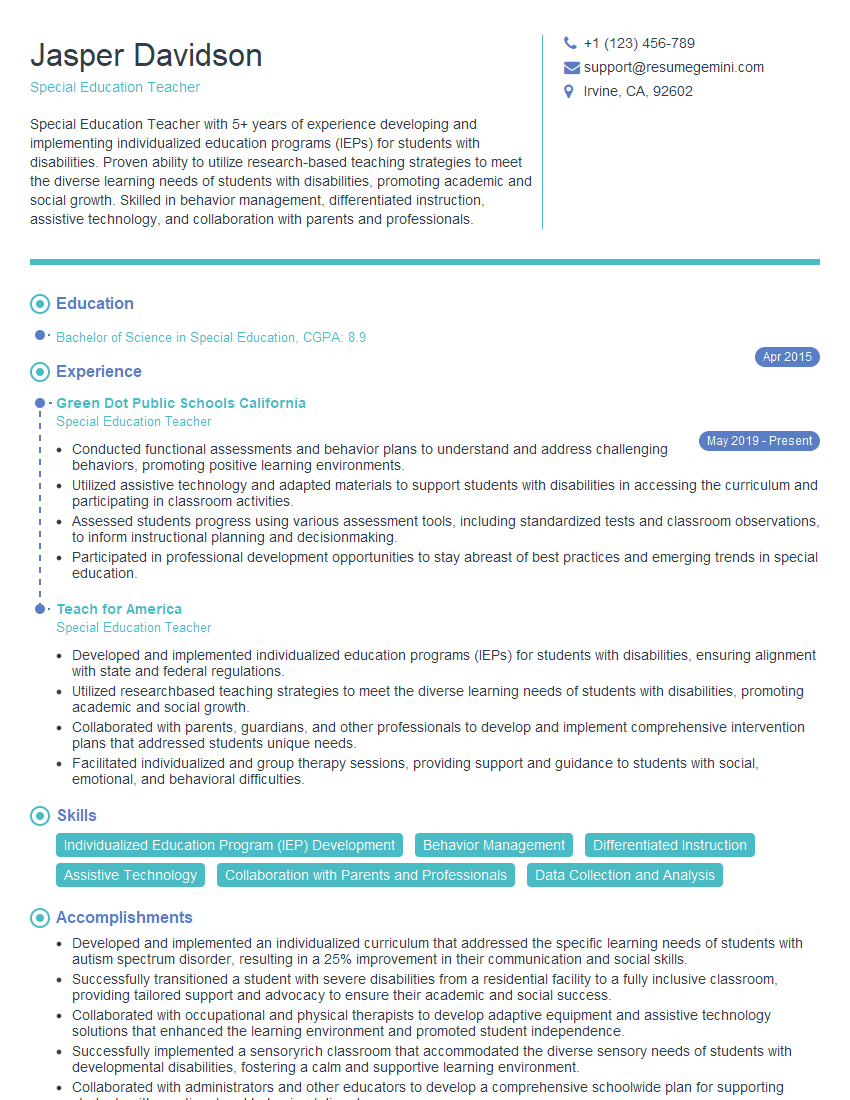
Special Education Teacher Resume Sample
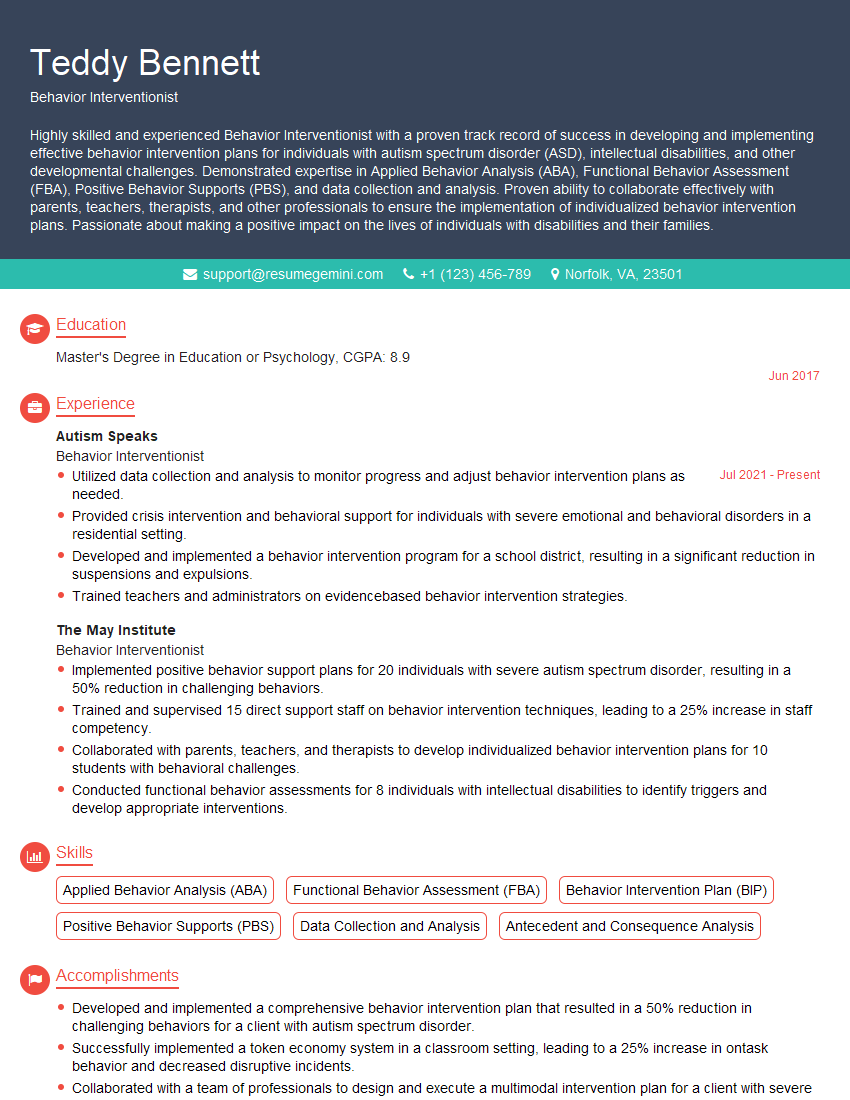
Behavior Interventionist Resume Sample
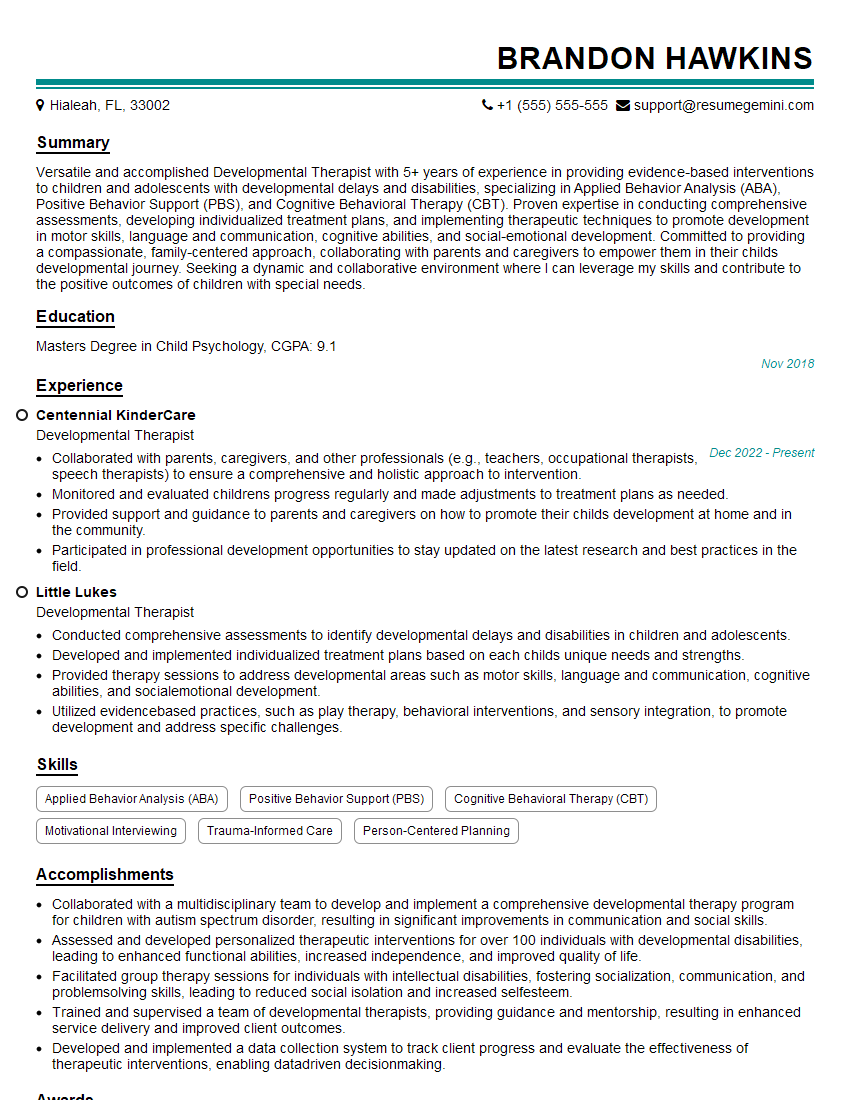
Developmental Therapist Resume Sample
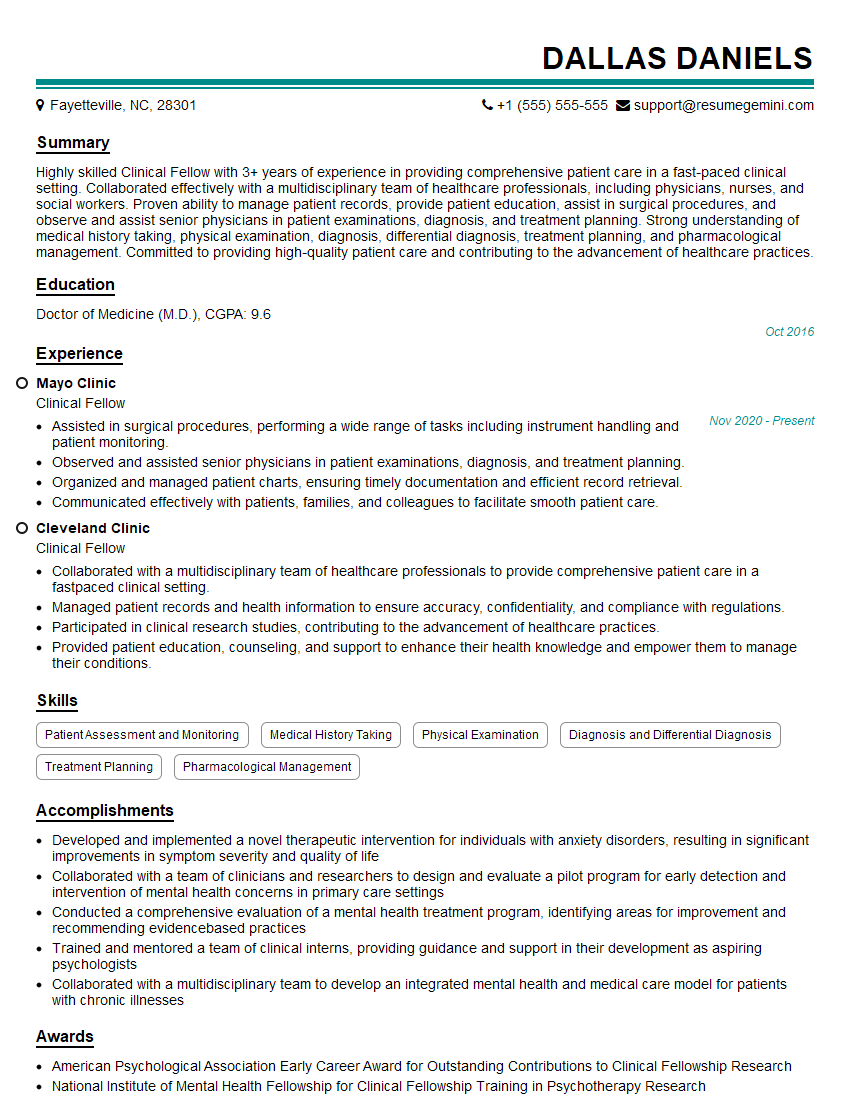
Clinical Fellow Resume Sample
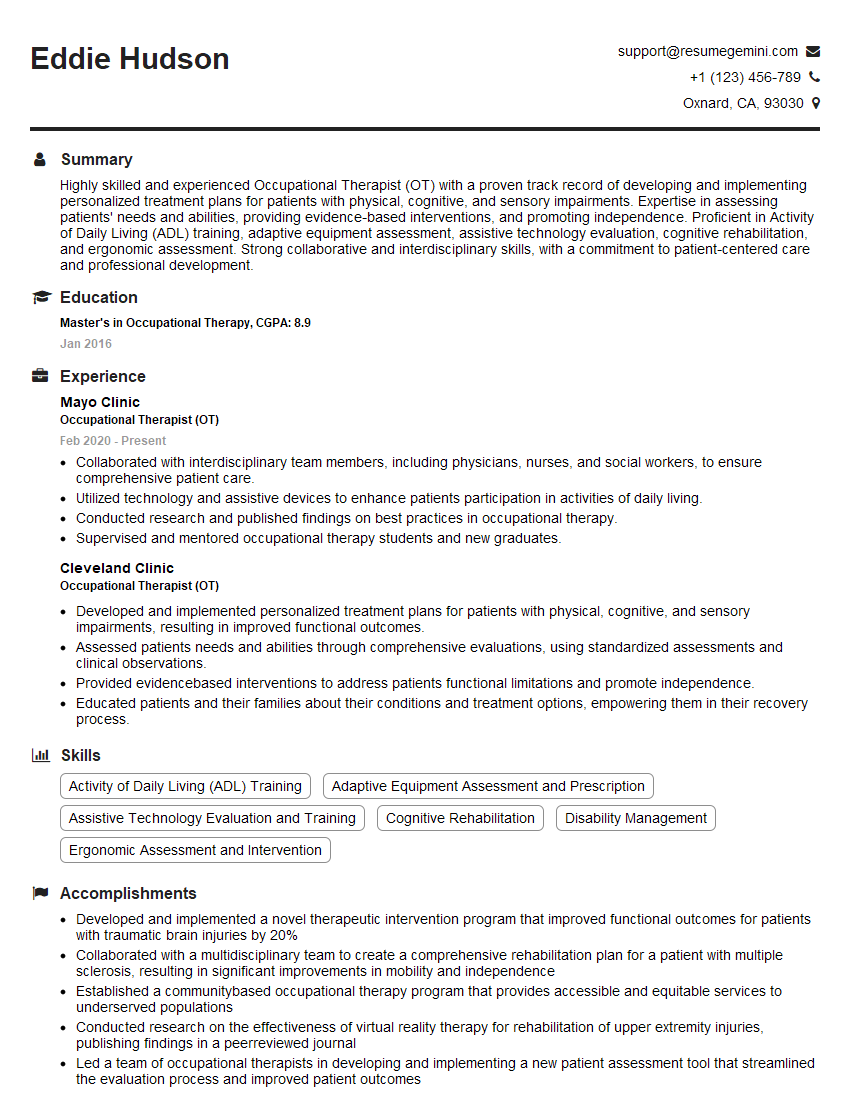
Occupational Therapist (OT) Resume Sample
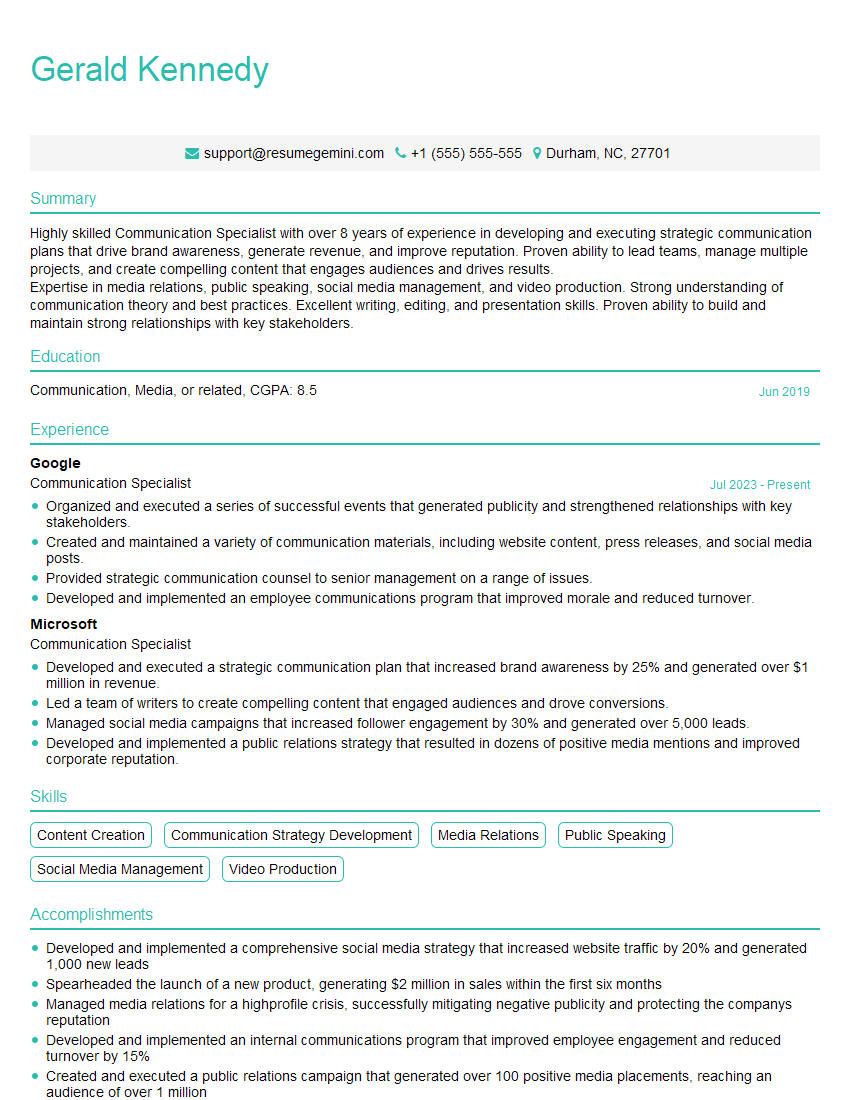
Communication Specialist Resume Sample
- Program Manager
- Instructor
- Research Associate
- Clinical Supervisor
- Trainer
- Educational Diagnostician
- School Psychologist
- Graduate Assistant
- Rehabilitation Specialist
- Early Intervention Specialist
- Special Education Teacher
- Behavior Interventionist
- Developmental Therapist
- Clinical Fellow
- Occupational Therapist (OT)
- Communication Specialist
Explore more articles
Users Rating of Our Blogs
Share Your Experience
We value your feedback! Please rate our content and share your thoughts (optional).
What Readers Say About Our Blog
I Redesigned Spongebob Squarepants and his main characters of my artwork.
https://www.deviantart.com/reimaginesponge/art/Redesigned-Spongebob-characters-1223583608
IT gave me an insight and words to use and be able to think of examples
Hi, I’m Jay, we have a few potential clients that are interested in your services, thought you might be a good fit. I’d love to talk about the details, when do you have time to talk?
Best,
Jay
Founder | CEO