Feeling uncertain about what to expect in your upcoming interview? We’ve got you covered! This blog highlights the most important Anti-Bullying Training interview questions and provides actionable advice to help you stand out as the ideal candidate. Let’s pave the way for your success.
Questions Asked in Anti-Bullying Training Interview
Q 1. Describe your experience developing and implementing anti-bullying programs.
My experience in developing and implementing anti-bullying programs spans over a decade, encompassing work in diverse settings including schools, workplaces, and community organizations. I’ve designed and delivered programs tailored to specific age groups and cultural contexts, always focusing on a multi-faceted approach. This includes creating engaging workshops, developing comprehensive policies, training staff and students/employees on bystander intervention, and establishing effective reporting and response mechanisms. For example, in one school district, I developed a program that integrated social-emotional learning into the curriculum, coupled with peer mediation training for students and staff awareness sessions. The program resulted in a significant decrease in reported bullying incidents and an improved school climate as measured by student surveys. In another project, I worked with a tech company to create a digital platform for reporting bullying incidents anonymously and tracking trends, allowing for a more proactive and data-driven response. This involved close collaboration with HR to ensure compliance and a supportive response system.
Q 2. What are the key differences between bullying, harassment, and cyberbullying?
While the lines can blur, bullying, harassment, and cyberbullying have key distinctions. Bullying is repetitive, aggressive behavior intended to harm or intimidate another person. It involves an imbalance of power, where the bully has some form of control over the victim. Harassment, on the other hand, can be a single incident or repeated actions, and while it aims to distress or humiliate, it doesn’t necessarily require a power imbalance. It can include sexual harassment, racial harassment, or other forms of discrimination. Cyberbullying utilizes technology, like social media, text messaging, or online gaming, to bully or harass someone. It often extends beyond school or work hours, making it particularly pervasive and difficult to manage. Think of it this way: bullying is repeated aggressive behavior with a power imbalance; harassment is unwanted behavior causing distress, with or without a power imbalance; and cyberbullying is harassment or bullying that takes place online.
Q 3. Explain different types of bullying behaviors.
Bullying behaviors manifest in various forms. Verbal bullying includes name-calling, insults, threats, and spreading rumors. Physical bullying encompasses hitting, kicking, shoving, and damaging property. Relational bullying, also known as social bullying, involves manipulating friendships, excluding individuals, or spreading malicious gossip to damage someone’s social standing. Cyberbullying, as discussed earlier, uses technology for harassment. Sometimes, bullying can be more subtle, such as emotional bullying, which involves intimidation, humiliation, or manipulation to control or distress someone. For instance, constant criticism, controlling behaviors, or isolating someone from their peer group can all constitute emotional bullying. It’s important to note that a single act can be considered bullying if it creates a significant power imbalance and inflicts fear or distress.
Q 4. How do you identify and assess the root causes of bullying incidents?
Identifying the root causes of bullying requires a multifaceted approach. We need to look beyond the immediate incident and consider individual, relational, and environmental factors. This involves interviewing the involved parties, witnesses, and observing the dynamics within the group or environment. Individual factors may include low self-esteem, lack of empathy, learned behavior from home, or mental health challenges in the bully or victim. Relational factors encompass the dynamics between the bully and victim, the role of bystanders, and the overall social climate within the group. Environmental factors might be school or workplace policies, lack of supervision, or a culture that tolerates or even encourages aggression. A systematic approach, using various assessment tools, interviews, and observations, is key to uncovering the complex interactions that contribute to bullying behavior. For example, analyzing social maps within a class or workplace can reveal patterns of exclusion or cliques contributing to bullying.
Q 5. What strategies do you use to create a positive and inclusive school/work environment?
Creating a positive and inclusive environment involves a combination of strategies. First, clear and consistently enforced anti-bullying policies are essential. These policies need to be understood and accepted by everyone. Secondly, promoting empathy and respect through education is crucial. This might involve integrating social-emotional learning into the curriculum, implementing peer mediation programs, or conducting workshops on conflict resolution and communication skills. Furthermore, creating opportunities for positive interaction between individuals, such as team-building activities and inclusive events, strengthens community bonds and reduces the likelihood of bullying. Fostering open communication and providing accessible channels for reporting bullying incidents also ensures that issues are addressed promptly and effectively. Finally, regularly assessing the school/workplace climate through surveys and feedback mechanisms helps identify areas needing improvement and track the effectiveness of anti-bullying efforts.
Q 6. Describe your experience with restorative justice practices.
Restorative justice focuses on repairing harm caused by wrongdoing and involving all stakeholders in the process. My experience with restorative practices includes facilitating circles where bullies, victims, and bystanders meet to discuss the impact of the incident and collaboratively develop solutions. The goal isn’t punishment but understanding and reconciliation. This approach emphasizes accountability, empathy, and taking responsibility for actions. For example, in a school setting, we might use a restorative circle to address a bullying incident where the bully can directly hear the impact of their actions on the victim and develop a plan to repair the harm. This could involve an apology, making amends, or creating a community project to address the underlying issue that contributed to the bullying. The success of restorative justice lies in creating a safe and supportive environment where open communication and collaborative problem-solving are possible. It requires training and careful implementation, but it can yield positive and lasting results.
Q 7. How do you involve bystanders in bullying prevention initiatives?
Bystanders are not passive observers; they play a crucial role in either escalating or de-escalating bullying situations. Involving bystanders in prevention initiatives is vital. This involves educating them about the impact of their inaction and empowering them to intervene safely and effectively. We teach bystanders various strategies: Direct intervention involves confronting the bully directly or intervening to help the victim. Indirect intervention could involve seeking help from a trusted adult or reporting the incident anonymously. Supporting the victim later involves offering comfort and friendship. Our training programs emphasize that it’s okay not to intervene directly in high-risk situations, but reporting the incident is crucial. Using role-playing and simulations, we demonstrate these strategies and encourage discussion about the ethical considerations and potential risks involved in different interventions. Empowering bystanders to become ‘upstanders’ rather than passive bystanders is key to creating a safer and more supportive environment.
Q 8. What methods do you employ to engage students/employees in anti-bullying training?
Engaging students and employees in anti-bullying training requires a multifaceted approach that moves beyond simply lecturing. I focus on interactive methods that foster empathy and empower participants to become active bystanders and allies.
Interactive Workshops: Instead of passive lectures, I utilize role-playing exercises, group discussions, and case studies. This allows participants to explore real-life scenarios and practice their responses in a safe environment.
Multimedia Integration: I incorporate videos, short films, and powerful testimonials from individuals who have experienced bullying, both as victims and perpetrators. This personalizes the issue and makes it more relatable.
Gamification: Using games and interactive quizzes can make the learning process more engaging and memorable, particularly for younger audiences. This helps to reinforce key concepts in a fun and less intimidating way.
Peer-to-Peer Learning: Encouraging participants to share their experiences and perspectives in a respectful and guided setting can build a sense of community and shared responsibility.
Real-world Application: I always tie the training back to real-world scenarios relevant to the specific context (school or workplace), so participants understand how to apply what they’ve learned in their daily lives.
Q 9. How would you address a situation where a student/employee refuses to participate in anti-bullying training?
Refusal to participate in anti-bullying training requires a sensitive and strategic approach. It’s crucial to understand the reasons behind the refusal. Sometimes, it’s due to apprehension, prior negative experiences, or a feeling of being unfairly targeted. I would:
Private Conversation: Schedule a one-on-one meeting to understand their concerns in a non-judgmental environment.
Empathetic Listening: Actively listen to their perspective without interruption. Validate their feelings and demonstrate that you understand their concerns.
Address Concerns Directly: If their resistance stems from misunderstandings, address them directly. For instance, if they believe the training is pointless or accusatory, explain its value and purpose.
Offer Alternatives: If their concern is the format of the training, explore alternative approaches, such as self-paced online modules or individual mentorship.
Involve Management/School Administration: If the refusal persists despite these efforts, it might be necessary to involve higher authorities to ensure compliance with mandatory training policies. This step should be taken only as a last resort.
Documentation: Maintain clear records of all interactions and attempts to engage the individual. This is crucial for legal and administrative purposes.
Q 10. What are the legal implications of bullying in your specific context (school/workplace)?
The legal implications of bullying vary depending on the context (school or workplace) and the severity of the bullying. However, there are common legal frameworks:
Schools: Schools are legally obligated to provide a safe and supportive learning environment. Failure to address bullying effectively can lead to lawsuits from parents or students alleging negligence. Laws vary by state/country but often include requirements for reporting and investigation of bullying incidents.
Workplace: Workplace bullying is often covered under existing laws related to harassment and discrimination. Depending on the severity and nature of the bullying, it can lead to legal action under anti-discrimination legislation, worker’s compensation claims, or even criminal charges (in cases involving assault or threats).
Specific examples: In schools, repeated harassment leading to emotional distress could be grounds for a lawsuit. In a workplace, a pattern of bullying resulting in a hostile work environment could lead to a discrimination claim. It’s crucial to be aware of relevant legislation in your specific jurisdiction.
Q 11. How do you track and measure the effectiveness of anti-bullying programs?
Tracking and measuring the effectiveness of anti-bullying programs involves a multi-pronged approach combining quantitative and qualitative data. This includes:
Pre- and Post-Training Surveys: Assess participants’ knowledge, attitudes, and behaviors related to bullying before and after the training to measure changes in awareness and understanding.
Incident Reporting Data: Track the number and types of bullying incidents before, during, and after the implementation of the program. A reduction in reported incidents is a positive indicator.
Focus Groups and Interviews: Gather feedback from students, employees, and staff members on their experiences and perceptions of the program’s impact.
Observation: Conduct classroom or workplace observations to assess the presence of positive behaviors like bystander intervention and inclusive interactions.
Anonymous Feedback Mechanisms: Establish anonymous reporting systems to encourage students and employees to share their experiences without fear of retaliation.
Analyzing this data helps to identify areas of success and areas needing improvement, leading to program refinement and greater effectiveness.
Q 12. What metrics do you use to evaluate the success of your anti-bullying initiatives?
The success of anti-bullying initiatives is evaluated using various metrics. These include:
Reduction in Bullying Incidents: The primary metric is a demonstrable decrease in reported and observed bullying incidents.
Improved Bystander Intervention: Increased instances of students and employees intervening to stop bullying, demonstrating a shift in culture.
Enhanced Empathy and Understanding: Measured through pre- and post-training surveys, showing improved attitudes and knowledge towards bullying.
Improved School/Workplace Climate: A more positive and inclusive school or workplace environment, reflected in surveys and observations.
Increased Reporting of Incidents: While seemingly counterintuitive, an increase in reporting might reflect increased confidence in reporting mechanisms and a safer environment.
Combining these metrics provides a comprehensive picture of the program’s impact.
Q 13. How do you adapt your training approach to different age groups or populations?
Adapting the training to different age groups and populations is crucial for effectiveness. My approach involves:
Age-Appropriate Language and Content: Using language and examples relevant to the specific age group. For younger children, I use storytelling and simpler language; for adults, I focus on professional scenarios and legal implications.
Differentiated Learning Styles: Catering to diverse learning preferences through various activities (visual, auditory, kinesthetic). Some may benefit from group work, while others prefer individual reflection.
Cultural Sensitivity: Understanding and respecting cultural norms and sensitivities when discussing bullying. The definition and experience of bullying can vary across cultures.
Accessibility Considerations: Ensuring the training is accessible to individuals with disabilities through appropriate accommodations (e.g., visual aids, alternative formats).
Specific Needs: Addressing the unique needs of specific populations, such as LGBTQ+ students/employees, students/employees with disabilities, or those from marginalized communities.
This ensures the training resonates with each group and promotes inclusivity.
Q 14. Describe your experience working with diverse student/employee populations.
I have extensive experience working with diverse student and employee populations, including those from various cultural backgrounds, socioeconomic levels, and with different abilities. This experience has taught me the importance of:
Culturally Responsive Teaching: Adapting my teaching methods and communication styles to be culturally sensitive and relevant.
Inclusive Language: Using inclusive language that avoids stereotypes and promotes respect for all individuals.
Creating Safe Spaces: Establishing a safe and inclusive environment where everyone feels comfortable sharing their experiences and perspectives without fear of judgment.
Addressing Power Dynamics: Recognizing and addressing power dynamics that may contribute to bullying, such as those based on race, gender, or socioeconomic status.
Collaboration with Stakeholders: Working closely with school administrators, human resources professionals, parents, and community organizations to create a comprehensive anti-bullying strategy.
I believe in fostering a collaborative environment where everyone feels valued and respected, and where differences are celebrated as strengths.
Q 15. How do you address cultural sensitivities within anti-bullying training?
Addressing cultural sensitivities in anti-bullying training is crucial for creating an inclusive and effective program. It’s not a one-size-fits-all approach; understanding the diverse backgrounds and experiences of participants is paramount. This involves recognizing that what constitutes bullying can vary across cultures, and certain behaviors might be interpreted differently depending on cultural norms. For example, direct confrontation might be considered acceptable in some cultures but highly offensive in others.
- Curriculum Adaptation: The training materials should be adapted to reflect the diverse cultural backgrounds present. This includes using examples and scenarios that resonate with different cultural groups, avoiding stereotypes, and ensuring the language used is accessible and inclusive.
- Facilitator Training: Trainers themselves need cultural sensitivity training. This helps them recognize potential biases in their delivery and ensures they can respond appropriately to diverse perspectives and experiences. They should be equipped to handle potentially sensitive discussions with respect and understanding.
- Inclusive Language: Using inclusive language is essential. Avoid generalizations and instead focus on specific behaviors rather than broad cultural labels.
- Feedback Mechanisms: Establish clear and safe channels for participants to share feedback and concerns about the training’s cultural appropriateness. This ensures continuous improvement and adaptation of the program.
For instance, a training program might include scenarios depicting cyberbullying within the context of different social media platforms popular among various cultural groups, ensuring representation and relevance.
Career Expert Tips:
- Ace those interviews! Prepare effectively by reviewing the Top 50 Most Common Interview Questions on ResumeGemini.
- Navigate your job search with confidence! Explore a wide range of Career Tips on ResumeGemini. Learn about common challenges and recommendations to overcome them.
- Craft the perfect resume! Master the Art of Resume Writing with ResumeGemini’s guide. Showcase your unique qualifications and achievements effectively.
- Don’t miss out on holiday savings! Build your dream resume with ResumeGemini’s ATS optimized templates.
Q 16. What are some common challenges faced in implementing anti-bullying programs?
Implementing anti-bullying programs presents several challenges. One major hurdle is gaining buy-in from all stakeholders—students, staff, parents, and administrators. Without a unified approach, initiatives can fall short. Another significant challenge is the difficulty in accurately identifying and documenting bullying incidents. Bullying often occurs subtly or in hidden spaces, making it hard to track and respond to effectively.
- Lack of Reporting: Many bullying incidents go unreported due to fear of retaliation or a lack of trust in the reporting system.
- Consistency Challenges: Ensuring consistent application of anti-bullying policies and procedures across different settings and among different staff members is difficult.
- Bystander Effect: The bystander effect, where people witnessing bullying fail to intervene, is a persistent challenge. Training needs to empower bystanders to become active upstanders.
- Defining Bullying: Establishing a clear and consistent definition of bullying, encompassing different forms (physical, verbal, cyberbullying, etc.), is vital but can be challenging due to the evolving nature of bullying.
For example, a school might struggle with inconsistent reporting because different teachers have different interpretations of what constitutes bullying. Addressing this requires clear guidelines and training for staff on how to identify and document incidents.
Q 17. How do you handle conflicts between students/employees involved in bullying incidents?
Handling conflicts between students or employees involved in bullying incidents requires a structured, fair, and impartial approach. The goal is not to simply punish but to address the underlying issues and promote restorative practices.
- Gather Information: Thoroughly investigate the incident, gathering statements from all involved parties and any witnesses. Use a neutral and unbiased approach.
- Mediation/Restorative Justice: Explore mediation or restorative justice circles as a way to facilitate dialogue between the involved parties. This process aims to repair harm and foster understanding.
- Consequences and Support: Implement appropriate consequences for the bully, while also ensuring support and resources are provided to the victim. Consequences should be restorative and aim to teach empathy and accountability.
- Documentation: Meticulously document the entire process, including all statements, actions taken, and outcomes.
- Follow-up: Regular follow-up is crucial to monitor the situation and ensure the conflict is resolved effectively and that further incidents are prevented.
For instance, a school might facilitate a meeting between the bully and the victim, guided by a trained mediator, allowing them to express their perspectives and work towards resolution. This approach focuses on accountability and reconciliation rather than just punishment.
Q 18. Explain your approach to parent/guardian/supervisor involvement in bullying prevention.
Parent/guardian/supervisor involvement is critical for effective bullying prevention. It creates a unified front, reinforcing the message that bullying is unacceptable both at school/work and at home.
- Open Communication: Establish open channels of communication with parents/guardians/supervisors, keeping them informed about anti-bullying initiatives and any incidents involving their children/employees.
- Collaborative Approach: Work collaboratively with parents/guardians/supervisors to develop strategies for preventing and addressing bullying. This includes sharing resources and strategies for addressing bullying at home.
- Parent/Guardian/Supervisor Training: Offer workshops or training sessions for parents/guardians/supervisors on recognizing the signs of bullying, how to respond effectively, and the importance of fostering positive home environments.
- Consistent Messaging: Ensure consistent messaging about bullying prevention and response across all settings (home, school, workplace). This creates a cohesive and supportive environment.
For example, a school might host a parent workshop on cyberbullying, providing practical tips on monitoring children’s online activity and communicating effectively with them about online safety.
Q 19. How do you ensure the confidentiality of those involved in bullying incidents?
Maintaining confidentiality is paramount in bullying incidents. It’s crucial to balance the need for a thorough investigation with the protection of the privacy of all involved.
- Clear Policy: Establish a clear policy on confidentiality, outlining who has access to information and under what circumstances.
- Need-to-Know Basis: Share information only on a need-to-know basis. Avoid unnecessary disclosure of personal details.
- Data Protection: Ensure all data related to bullying incidents is stored securely and in compliance with relevant data protection regulations.
- Informed Consent: When possible, obtain informed consent from all parties before sharing information.
- Anonymous Reporting: Provide avenues for anonymous reporting, allowing individuals to come forward without fear of reprisal.
For example, a school might use a coded system to identify students involved in bullying investigations, ensuring privacy while still enabling effective tracking and intervention. All information would be stored securely and only accessible to authorized personnel.
Q 20. What resources do you utilize to support individuals who have experienced bullying?
Supporting individuals who have experienced bullying requires access to a range of resources. The most critical aspect is providing a safe and supportive environment where they feel comfortable sharing their experiences without judgment. This often includes both direct and indirect support mechanisms.
- Counseling Services: Access to professional counseling services is essential, helping individuals process their experiences and develop coping mechanisms.
- Peer Support Groups: Connecting victims with peer support groups allows them to share their experiences with others who understand and can offer empathy and encouragement.
- Educational Resources: Providing access to educational materials on bullying, its effects, and strategies for self-care can empower victims to take control of their situation.
- Advocacy Services: Connecting individuals with advocacy services can provide additional support and guidance in navigating the challenges they face.
- Crisis Hotlines: Providing readily available access to crisis hotlines offers immediate support during times of distress.
For instance, a school might partner with local mental health organizations to offer counseling services to students who have experienced bullying, and organize peer support groups facilitated by trained staff. Providing these varied support systems ensures that those affected receive the care they need.
Q 21. Describe your understanding of trauma-informed care in the context of bullying.
Trauma-informed care recognizes that bullying can be a traumatic experience for victims, leaving lasting emotional and psychological impacts. A trauma-informed approach prioritizes safety, trustworthiness, choice, collaboration, and empowerment.
- Safety: Creating a safe and supportive environment where victims feel protected and respected is paramount. This involves reducing fear and promoting a sense of security.
- Trustworthiness: Building trust is key. This is achieved through consistent and reliable interactions, clear communication, and respecting individuals’ boundaries.
- Choice: Offering choices empowers victims and allows them to regain a sense of control, even in situations where they may have felt powerless.
- Collaboration: Working collaboratively with victims and their families promotes a sense of partnership and shared responsibility.
- Empowerment: Focusing on the strengths and resilience of victims helps them reclaim their agency and build a sense of self-efficacy.
For example, rather than forcing a victim to recount their experience in detail, a trauma-informed approach might allow them to share only what they feel comfortable with, providing a supportive space where they control the pace and level of disclosure. The focus is on healing and recovery, rather than re-traumatization.
Q 22. How do you collaborate with school/workplace administrators to address bullying?
Collaboration with school or workplace administrators on anti-bullying initiatives is crucial for creating a safe and supportive environment. It’s not just about delivering training; it’s about building a comprehensive, proactive system.
Policy Review and Development: I work closely with administrators to review existing anti-bullying policies and procedures. This ensures they are current, comprehensive, and effectively address all forms of bullying, including cyberbullying. We might add specific clauses about reporting procedures or consequences.
Training Alignment: I tailor my training to the specific needs and context of the school or workplace. This includes understanding their existing culture, student demographics, and any unique challenges they face. The training won’t be effective if it doesn’t address their unique needs.
Data-Driven Decision Making: I advocate for the collection and analysis of bullying data to identify trends, hotspots, and the effectiveness of current interventions. This data-informed approach helps us focus resources where they are needed most. For example, if data shows a spike in cyberbullying, we can adjust the training to focus on digital safety and online etiquette.
Ongoing Support and Consultation: My role extends beyond initial training. I offer ongoing support, consultation, and resources to administrators and staff, empowering them to handle bullying incidents effectively and consistently.
For example, in one school, we discovered through data analysis that a majority of bullying incidents occurred during lunch breaks. We then collaborated to implement strategies like supervised lunch areas and peer mediation programs during that time, leading to a significant decrease in bullying reports.
Q 23. What is your experience with using technology to prevent and address bullying?
Technology plays a vital role in both preventing and addressing bullying. My experience encompasses leveraging various technological tools to create a safer online and offline environment.
Cyberbullying Prevention Training: I incorporate modules in my training on responsible digital citizenship, online safety, and the potential consequences of cyberbullying. This includes discussions on appropriate online behavior, privacy settings, and how to report online harassment.
Anonymous Reporting Systems: I work with administrators to implement anonymous reporting systems, allowing students or employees to report bullying incidents without fear of retaliation. These systems can be integrated with existing school or workplace communication platforms or dedicated third-party apps.
Social Media Monitoring (with appropriate legal and ethical considerations): In some cases, where a school or workplace provides explicit consent, I may explore using social media monitoring tools to detect potential bullying situations online. This is done with utmost respect for privacy and in full compliance with relevant data protection laws. The focus is on identifying patterns and potential escalation rather than acting as a surveillance tool.
Utilizing Educational Apps and Games: Interactive games and apps can make learning about bullying prevention more engaging and memorable, especially for younger audiences.
For instance, I’ve worked with schools to implement a secure online reporting system where students can confidentially report bullying incidents. This system allowed us to address issues quickly and efficiently, providing timely interventions.
Q 24. Describe your experience with data analysis related to bullying trends.
Data analysis is crucial for understanding bullying trends, identifying at-risk groups, and evaluating the effectiveness of anti-bullying interventions. My approach involves collecting data from multiple sources and using statistical methods to draw meaningful insights.
Data Collection: I work with schools and workplaces to collect data from various sources, such as incident reports, surveys, focus groups, and disciplinary records. This data provides a comprehensive picture of the bullying landscape.
Data Analysis: I use statistical software and techniques to analyze the collected data. This might involve identifying trends over time, examining the relationship between different variables (e.g., age, gender, location, type of bullying), and comparing different groups (e.g., students vs. staff).
Data Visualization: I present the findings in clear, accessible formats, such as charts, graphs, and reports, to make the information easily understandable for administrators and stakeholders. This is crucial for creating an actionable plan based on what the numbers show.
Reporting and Recommendations: I prepare reports summarizing the key findings of the analysis and make recommendations for improving anti-bullying strategies. This often includes suggestions for targeted interventions, resource allocation, and policy changes.
For example, in one case, data analysis revealed a significant increase in bullying incidents among a particular age group during after-school activities. This prompted the implementation of additional supervision and targeted programs during those times, leading to a decrease in bullying reports within that cohort.
Q 25. How do you ensure your anti-bullying training is relevant and up-to-date?
Keeping anti-bullying training relevant and up-to-date is critical. The landscape of bullying is constantly evolving, with new forms of harassment emerging alongside existing issues. My approach is multi-faceted:
Continuous Research: I actively follow the latest research on bullying trends, prevention strategies, and best practices. This includes staying informed about changes in technology, social media, and legal frameworks.
Feedback Mechanisms: I incorporate feedback mechanisms into my training to gather input from participants. This allows me to assess the effectiveness of the program and identify areas for improvement. Post-training surveys and focus groups are vital.
Curriculum Updates: I regularly review and update my training curriculum to reflect the latest research findings and address emerging trends. For example, if a new social media platform becomes popular among youth, I would incorporate information about responsible use and potential risks associated with that platform.
Collaboration with Experts: I maintain relationships with other experts in the field, attending conferences and workshops to stay informed and exchange ideas. This collaborative network ensures that my training remains cutting-edge.
For example, the rise of cyberbullying necessitated incorporating specific modules on digital safety, responsible online behavior, and the legal ramifications of online harassment. This ongoing evolution ensures that the training remains practically useful.
Q 26. What professional development activities have you undertaken in anti-bullying training?
My professional development in anti-bullying training is an ongoing commitment. I actively pursue opportunities to enhance my skills and knowledge:
Conferences and Workshops: I regularly attend national and international conferences focused on bullying prevention, intervention, and research. These events provide opportunities to network with other professionals, learn about new approaches, and stay abreast of the latest advancements in the field.
Professional Certifications: I hold several relevant certifications in anti-bullying training and conflict resolution, demonstrating a dedication to maintaining high professional standards.
Continuing Education Courses: I actively participate in continuing education courses and workshops to stay updated on new research, best practices, and legal developments related to bullying prevention.
Mentorship and Peer Learning: I actively engage in mentorship programs and peer learning opportunities with other professionals in the field. This allows for the sharing of best practices and the collaborative exploration of new solutions.
For example, a recent workshop on restorative justice practices significantly improved my ability to facilitate conflict resolution sessions and promote positive relationships between students or colleagues following a bullying incident.
Q 27. How would you handle a situation where a false bullying accusation is made?
Handling false bullying accusations requires a fair, thorough, and impartial investigation. The process must protect both the accused and the accuser.
Impartial Investigation: I conduct a thorough and impartial investigation, gathering information from all relevant sources (witnesses, involved parties, security footage, etc.). It is crucial to avoid bias and consider all perspectives.
Due Process: I ensure that all parties involved have an opportunity to present their side of the story. The investigation follows due process, ensuring fairness and transparency throughout.
Documentation: All evidence and findings are meticulously documented. This creates a detailed record of the investigation, protecting against future disputes or challenges.
Supportive Measures: Even if the accusation is deemed unfounded, support is offered to both parties. The person who made the accusation might be experiencing distress or misunderstanding, which requires empathy and guidance. Similarly, the person falsely accused may require support to deal with the emotional toll.
Clear Communication: The outcome of the investigation is clearly communicated to all stakeholders. The communication should be sensitive, respectful, and explain the reasoning behind the decision.
It’s important to remember that false accusations can stem from various reasons, including misunderstandings, misinterpretations, or even deliberate attempts to harm someone’s reputation. A comprehensive investigation helps unravel the truth while ensuring everyone involved feels heard and understood.
Q 28. Explain your understanding of the role of bystander intervention in bullying prevention.
Bystander intervention is a critical component of bullying prevention. Bystanders are often silent witnesses to bullying incidents, and their actions—or inaction—can significantly impact the situation. Empowering bystanders to take positive action is essential.
Education and Awareness: My training programs educate participants on the different roles bystanders can play and the potential consequences of their inaction. Bystanders are taught that their silence can inadvertently encourage bullying behavior.
Intervention Strategies: I provide participants with practical strategies for intervening in bullying situations safely and effectively. This might include direct intervention (e.g., confronting the bully), indirect intervention (e.g., reporting the incident), or seeking help from adults.
Upstander vs. Bystander: We emphasize the importance of being an ‘upstander’ – someone who actively works to stop bullying – rather than a passive bystander. This encourages a culture of responsibility and positive peer influence.
Safety and Self-Protection: It is crucial that bystanders understand the importance of their own safety and security when intervening. I teach them how to assess the situation and choose the most appropriate and safe course of action. They shouldn’t put themselves at risk.
For example, I teach students techniques like using assertive language to tell the bully to stop, finding an adult to report the incident, or offering support to the victim after the event. Encouraging bystander intervention creates a strong protective layer against bullying within a community. It shifts the dynamic from a situation where a few are victimizing others to a situation where many actively work to stop bullying.
Key Topics to Learn for Anti-Bullying Training Interview
- Defining Bullying: Understanding different forms of bullying (verbal, physical, cyberbullying, social exclusion) and their impact on individuals and communities.
- Bystander Intervention: Learning effective strategies to safely intervene when witnessing bullying, including understanding the role of an upstander.
- Conflict Resolution Techniques: Mastering mediation and de-escalation skills to resolve conflicts peacefully and constructively. This includes understanding different communication styles and active listening techniques.
- Creating a Safe and Inclusive Environment: Developing and implementing strategies to foster a positive school or workplace culture where bullying is unacceptable and reporting mechanisms are effective.
- Legal and Ethical Considerations: Understanding relevant legislation, school policies, and ethical guidelines related to bullying prevention and response. This includes understanding reporting procedures and legal ramifications of inaction.
- Trauma-Informed Approaches: Recognizing the potential impact of bullying on mental health and employing trauma-informed approaches in intervention and support.
- Prevention Programs: Evaluating the effectiveness of different anti-bullying programs and understanding the principles of preventative education.
- Data Collection and Analysis: Understanding methods for tracking bullying incidents, analyzing trends, and evaluating the impact of interventions.
- Collaboration and Communication: Effective communication with students, parents, staff, and community members to build a cohesive approach to bullying prevention.
Next Steps
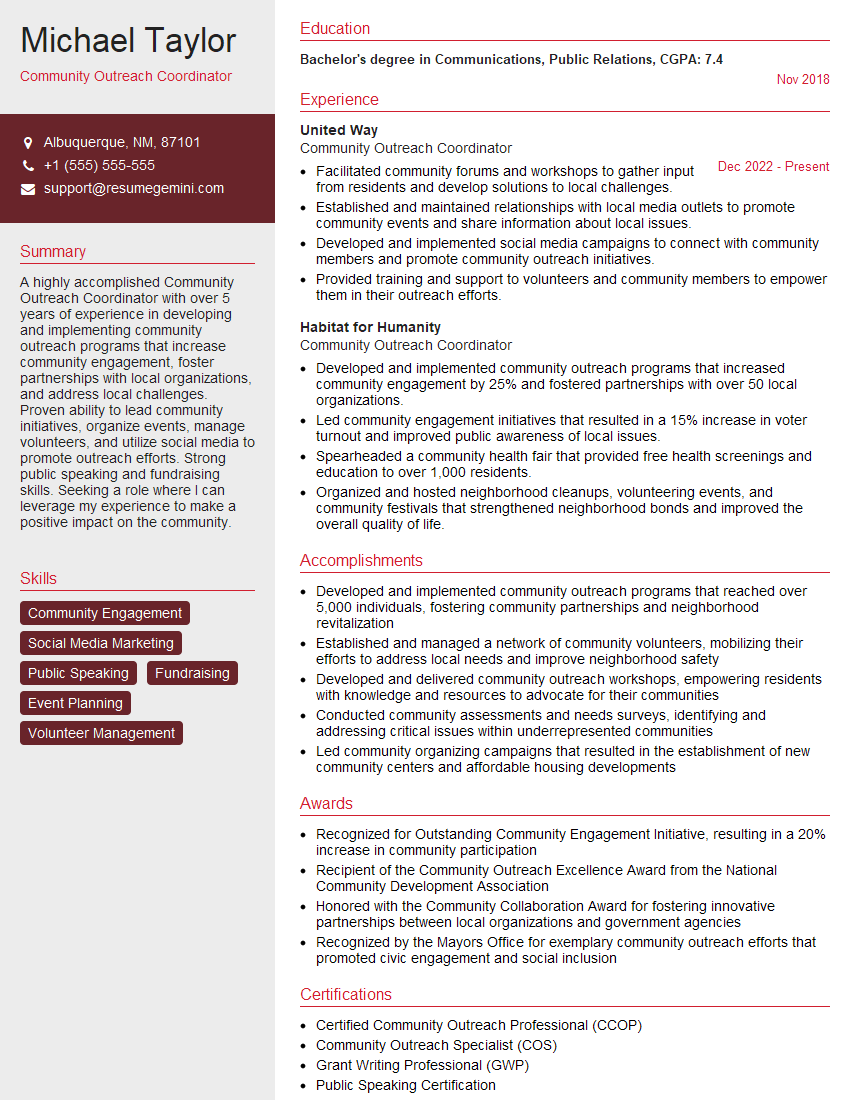
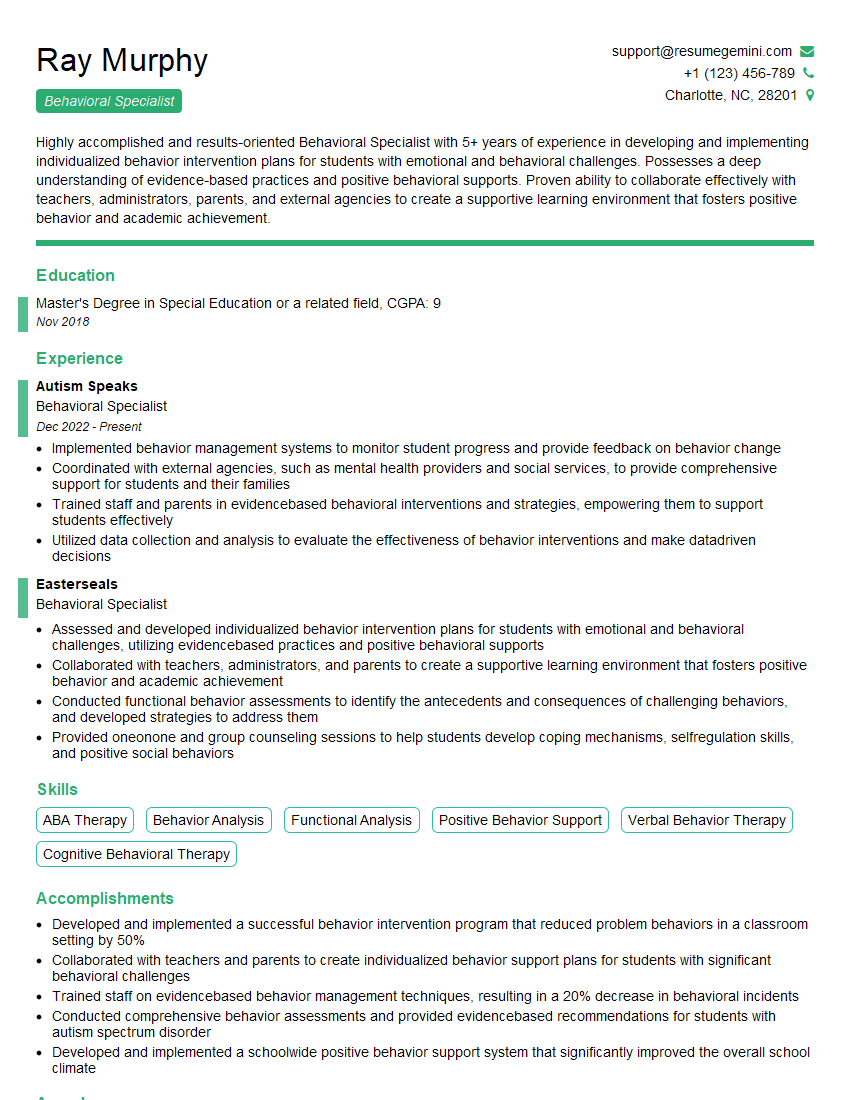
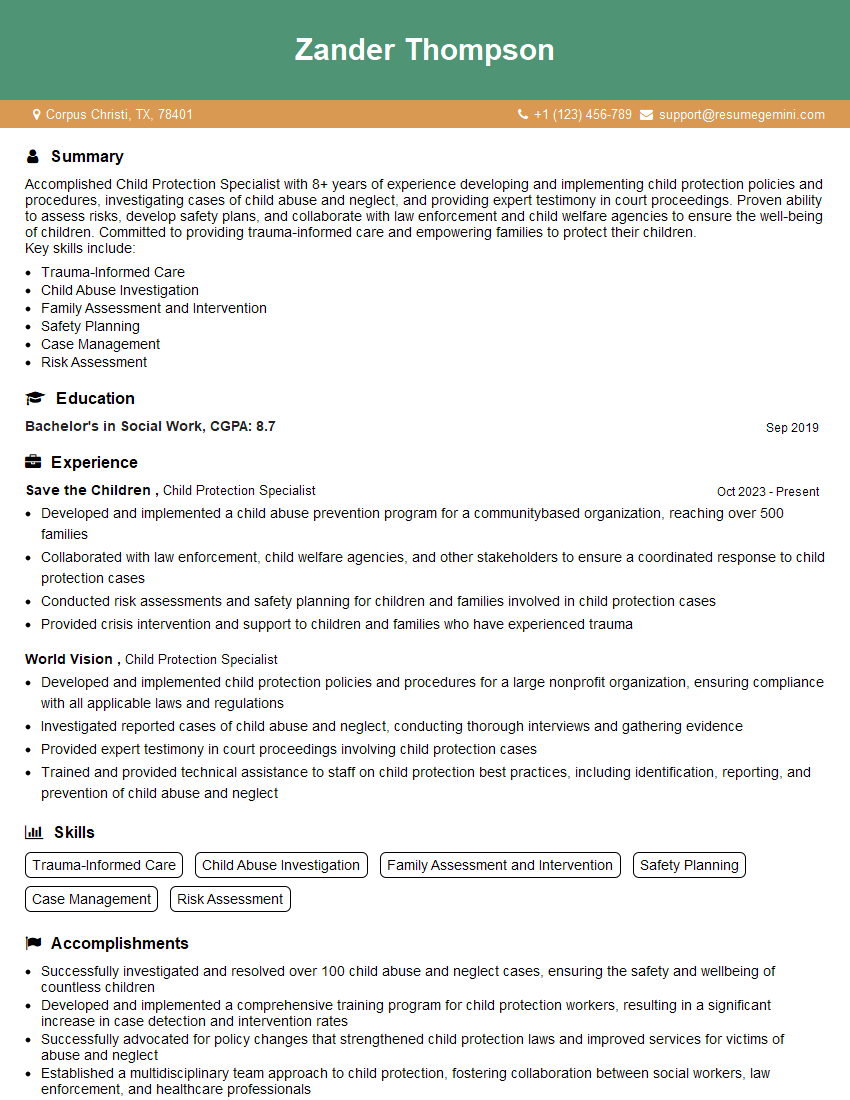
Mastering Anti-Bullying Training demonstrates a crucial commitment to creating positive and safe environments, significantly enhancing your career prospects in education, social work, human resources, and many other fields. To stand out, a strong, ATS-friendly resume is essential. ResumeGemini is a trusted resource to help you craft a compelling resume that highlights your skills and experience effectively. Examples of resumes tailored to Anti-Bullying Training are available to help guide your creation process. Invest the time in building a powerful resume – it’s your key to unlocking exciting opportunities.
Explore more articles
Users Rating of Our Blogs
Share Your Experience
We value your feedback! Please rate our content and share your thoughts (optional).
What Readers Say About Our Blog
Really detailed insights and content, thank you for writing this detailed article.
IT gave me an insight and words to use and be able to think of examples