Interviews are opportunities to demonstrate your expertise, and this guide is here to help you shine. Explore the essential Coordinate with other departments to ensure smooth production processes interview questions that employers frequently ask, paired with strategies for crafting responses that set you apart from the competition.
Questions Asked in Coordinate with other departments to ensure smooth production processes Interview
Q 1. Describe your experience coordinating with different departments to meet production deadlines.
Meeting production deadlines hinges on seamless collaboration between departments. My experience involves proactively anticipating potential roadblocks, establishing clear communication channels, and tracking progress meticulously. I’ve worked on projects requiring coordination between engineering, manufacturing, marketing, and sales. For example, in a recent product launch, I worked closely with engineering to ensure designs were finalized on time, then coordinated with manufacturing to optimize production lines and meet the marketing team’s launch date. This involved regular status meetings, progress reports, and proactive issue resolution.
- Proactive Planning: I always start by creating a detailed project timeline, outlining key milestones and dependencies across departments.
- Regular Communication: Daily or weekly status meetings are crucial for keeping everyone informed and addressing issues immediately.
- Risk Management: I identify potential delays and develop contingency plans to mitigate risk.
Q 2. Explain a time you resolved a conflict between two departments impacting production.
In one instance, the marketing department requested a significant design change close to the manufacturing deadline. This conflicted with the manufacturing department’s production schedule, threatening the launch date. To resolve this, I facilitated a meeting including representatives from both departments. We explored the feasibility of the design change, evaluated its impact on the manufacturing timeline, and developed a compromise. This involved adjusting the marketing campaign slightly to accommodate a revised launch schedule and manufacturing prioritizing the essential aspects of the design change while maintaining quality.
The key was active listening and understanding each department’s constraints and priorities. We collaboratively identified a solution that minimized disruption and ensured project success. Open communication and finding common ground were crucial in diffusing the conflict.
Q 3. How do you prioritize tasks when multiple departments require your attention?
Prioritizing tasks when multiple departments need attention requires a structured approach. I use a combination of urgency, impact, and dependencies to prioritize. I employ a matrix that weighs the urgency of each request (high, medium, low) against its impact on overall production (high, medium, low). Tasks with high urgency and high impact naturally take precedence. Dependencies are also factored in; tasks that unlock other crucial activities are prioritized.
For example, if manufacturing needs a critical component from engineering, and that component is delaying the entire production line, this will be prioritized over a less impactful request, even if the latter has a higher urgency rating. Think of it like a traffic jam – clearing the main bottleneck takes priority over addressing minor issues elsewhere.
Q 4. What methods do you use to ensure clear communication across departments?
Clear communication is paramount. My approach involves a multi-pronged strategy encompassing regular meetings, detailed documentation, and leveraging technology. I ensure all stakeholders are using the same project management software, and that key decisions and updates are recorded meticulously. We utilize a combination of methods:
- Regular Meetings: Stand-up meetings to discuss daily progress, weekly meetings to review milestones, and ad-hoc meetings as needed to address specific challenges.
- Detailed Documentation: Creating and updating shared documents, such as project plans, meeting minutes, and progress reports ensures everyone is on the same page.
- Project Management Software: Using platforms like Asana or Jira for task assignment, progress tracking, and communication enhances transparency and accountability.
- Visual Communication: Using Gantt charts, Kanban boards, and other visual tools help to make complex information easier to understand.
Q 5. Describe your experience using project management software to track interdepartmental progress.
I have extensive experience using project management software, such as Asana, Jira, and Microsoft Project, to track interdepartmental progress. These tools allow for centralized task management, real-time progress updates, and clear communication channels. For example, in one project, I used Jira to assign tasks to different teams, set deadlines, and track their completion status. The built-in reporting features allowed me to monitor overall progress, identify potential bottlenecks, and proactively address issues before they escalated.
The use of such software enhances accountability and transparency, allowing all departments to visualize their contribution to the larger project goals. It also facilitates better reporting and analysis of project performance.
Q 6. How do you identify and address potential bottlenecks in the production process involving multiple departments?
Identifying and addressing bottlenecks requires a proactive and systematic approach. I utilize a combination of data analysis and collaborative discussions. Regularly reviewing project timelines, production reports, and communication logs helps pinpoint areas of slowdown.
For instance, by analyzing production data, I might identify a delay in the supply chain impacting manufacturing, or a lack of communication between design and engineering causing delays in product development. Addressing such bottlenecks involves collaborating with relevant departments, exploring solutions, and implementing corrective actions such as streamlining processes, adjusting resource allocation, or renegotiating deadlines.
Q 7. What metrics do you use to measure the effectiveness of interdepartmental coordination?
Measuring the effectiveness of interdepartmental coordination involves tracking several key metrics. These include:
- On-time delivery rate: This measures the percentage of projects or tasks completed on schedule.
- Project completion time: This measures the total time taken to complete a project, highlighting any delays or inefficiencies.
- Defect rate: This measures the number of errors or defects identified, indicating the quality of communication and collaboration.
- Customer satisfaction: This assesses the overall customer experience, indirectly reflecting the effectiveness of interdepartmental collaboration.
- Resource utilization: This measures how efficiently resources (personnel, materials, budget) were utilized.
By monitoring these metrics, we can identify areas for improvement and refine our coordination processes to enhance efficiency and productivity.
Q 8. How do you handle conflicting priorities from different departments?
Conflicting priorities are inevitable in a multi-departmental environment. My approach involves a structured prioritization process. First, I gather all conflicting demands, documenting the urgency and impact of each from each department’s perspective. Then, I use a weighted scoring system, considering factors like deadlines, resource availability, and overall business impact. This allows for a data-driven decision, which I then communicate transparently to all involved parties, explaining the rationale behind the chosen prioritization.
For example, if Marketing wants a product launch expedited and Engineering requires more time for testing, I’d assess the potential financial losses of a delayed launch versus the risk of launching a faulty product. The higher-risk option will be addressed first, with careful mitigation strategies implemented for the other.
Q 9. Describe your experience in implementing process improvements that required interdepartmental collaboration.
In my previous role, we implemented a new inventory management system. This required collaboration across procurement, warehousing, and production. The initial process was cumbersome and inefficient, resulting in stockouts and excess inventory. To improve this, I facilitated workshops involving representatives from each department. We used Lean principles to map the existing process, identify bottlenecks, and brainstorm solutions. The new system, implemented in phases with continuous feedback loops, significantly reduced inventory holding costs and improved order fulfillment times. Key to success was establishing clear communication channels and regular progress reports to maintain buy-in from all parties.
Q 10. How do you ensure all departments are informed of changes affecting the production process?
Keeping all departments informed is crucial for smooth production. I employ a multi-pronged approach. This includes regular departmental meetings, utilizing a central project management platform accessible to all (like Asana or Monday.com) for updates and document sharing, and employing targeted email communication for specific announcements or changes. For major changes, I schedule formal presentations or training sessions to ensure complete understanding and address any concerns proactively. Visual aids like flowcharts and presentations make complex information easier to grasp.
Q 11. What strategies do you use to build strong relationships with colleagues in other departments?
Building strong interdepartmental relationships is paramount. I prioritize active listening, understanding each department’s goals and challenges, and showing genuine respect for their expertise. Regular informal check-ins, even outside of formal meetings, build rapport and foster trust. Celebrating shared successes, both large and small, reinforces team spirit and strengthens the collaborative environment. I also actively seek opportunities to assist colleagues in other departments whenever feasible, demonstrating my commitment to teamwork.
Q 12. Describe a time you had to negotiate with another department to achieve a production goal.
We once faced a critical deadline for a major client order. The production department was struggling to meet the schedule due to unforeseen technical difficulties. I negotiated with the Engineering department, explaining the urgency and potential financial consequences of missing the deadline. We agreed on a prioritized solution focusing on resolving the most critical issues first, while deferring less crucial aspects. This involved a temporary reallocation of engineering resources and overtime for the production team. Open communication and mutual understanding led to successful order fulfillment, strengthening our cross-departmental relationships.
Q 13. How do you handle situations where departments have differing opinions on the best approach to a production problem?
Differing opinions are opportunities for innovative solutions. I facilitate structured discussions to ensure all perspectives are heard. We use a collaborative problem-solving framework – defining the problem, brainstorming potential solutions, evaluating their feasibility, and selecting the best option based on objective criteria. Data analysis and objective metrics can help resolve conflicting opinions. Ultimately, the goal is a consensus-based decision that incorporates the best aspects of each approach, leading to a stronger overall solution.
Q 14. How familiar are you with different communication tools for interdepartmental collaboration (e.g., email, instant messaging, project management software)?
I’m proficient in a range of communication tools. Email is vital for formal communication and documentation, but for quicker exchanges and real-time updates, I rely on instant messaging platforms like Slack or Microsoft Teams. Project management software such as Asana, Trello, or Jira allows for centralized task management, progress tracking, and collaborative document editing. I adapt my communication method to the situation, prioritizing clarity, efficiency, and appropriate formality.
Q 15. What is your experience with risk assessment and mitigation strategies in a multi-departmental production environment?
Risk assessment and mitigation are crucial for smooth production. My approach involves a proactive, multi-stage process. First, I identify potential risks across all departments through brainstorming sessions, reviewing past incidents, and analyzing production data. This might include things like equipment malfunctions, supplier delays, or skill gaps within teams.
Next, I categorize these risks by likelihood and impact using a matrix. This allows us to prioritize the most critical threats. For each identified risk, I develop specific mitigation strategies, assigning responsibilities and timelines. For example, if a supplier consistently delays deliveries, we might explore alternative suppliers or negotiate stricter contract terms. If equipment malfunctions are frequent, we might invest in preventative maintenance programs or redundancy systems.
Finally, I regularly review and update our risk assessments, incorporating feedback from all departments and adjusting mitigation strategies as needed. This iterative approach ensures our production process remains resilient to unforeseen challenges. It’s like building a sturdy house – you anticipate potential problems (e.g., earthquakes, floods) and take measures (reinforced foundations, flood barriers) to protect it.
Career Expert Tips:
- Ace those interviews! Prepare effectively by reviewing the Top 50 Most Common Interview Questions on ResumeGemini.
- Navigate your job search with confidence! Explore a wide range of Career Tips on ResumeGemini. Learn about common challenges and recommendations to overcome them.
- Craft the perfect resume! Master the Art of Resume Writing with ResumeGemini’s guide. Showcase your unique qualifications and achievements effectively.
- Don’t miss out on holiday savings! Build your dream resume with ResumeGemini’s ATS optimized templates.
Q 16. How do you adapt your communication style to effectively collaborate with different personalities and departments?
Effective communication is key when collaborating across diverse departments. My approach emphasizes adapting my style to the individual and the situation. I use clear, concise language with technical teams, focusing on data and metrics. With management, I offer concise summaries, highlighting key achievements and challenges. For teams with less technical expertise, I simplify complex information using analogies and visual aids.
Active listening is paramount. I make sure to understand each department’s perspective before offering solutions. This might involve asking clarifying questions, summarizing their points to ensure mutual understanding, and demonstrating empathy. I also utilize various communication channels effectively – email for formal updates, instant messaging for quick queries, and face-to-face meetings for complex discussions. Think of it as having a toolbox filled with various communication tools, and I choose the right one for the task at hand.
Q 17. Describe a time you had to escalate an issue to senior management due to interdepartmental disagreements.
In a previous role, a significant disagreement arose between the engineering and marketing departments regarding a new product launch. Engineering claimed the product wasn’t ready due to unresolved technical issues, while marketing felt the launch date was crucial for meeting sales targets. This led to a stalemate, threatening the launch and potentially damaging company reputation.
After several attempts to mediate the situation internally, I escalated the issue to senior management. I presented a concise report summarizing each department’s perspective, the potential consequences of the delay, and proposed compromise solutions—for example, a phased launch or adjusted marketing campaign. Senior management’s involvement facilitated a productive discussion, leading to a revised launch plan that addressed both engineering’s concerns and marketing’s goals. This taught me the importance of transparent communication and the value of utilizing hierarchical support when internal conflict hinders progress.
Q 18. How do you track and measure the overall efficiency of the production process across all departments?
Tracking production efficiency requires a comprehensive system combining both qualitative and quantitative data. I utilize Key Performance Indicators (KPIs) to monitor various aspects of the production process across all departments. These might include:
- Cycle time: The time it takes to complete a production cycle.
- Throughput: The rate at which products are produced.
- Defect rate: The percentage of defective products.
- On-time delivery rate: Percentage of orders delivered on time.
- Employee satisfaction: Measured through surveys or feedback sessions.
I use data visualization tools to present this information clearly, allowing for easy identification of bottlenecks and areas for improvement. Regular meetings with departmental heads allow for a collaborative review of these metrics, fostering a shared understanding of performance and driving improvement initiatives. The data is not just numbers; they represent the health and efficiency of the entire production process. We aim for continuous improvement, targeting incremental gains across all departments.
Q 19. How do you ensure that all departments adhere to quality standards and regulations during production?
Maintaining quality standards and regulatory compliance is a shared responsibility across all departments. My strategy involves several key elements. Firstly, I ensure that clear quality standards and procedures are documented and accessible to all employees. This includes detailed specifications, checklists, and training materials. Secondly, regular quality audits are conducted by dedicated teams, focusing on different aspects of the production process.
We utilize statistical process control (SPC) techniques to monitor and manage variations in product quality. Finally, we foster a culture of continuous improvement through regular feedback sessions and employee empowerment. Everyone from the production line to management is encouraged to report and resolve quality issues promptly. We see quality not just as a goal, but as a continuous journey, driven by collaboration and a shared commitment to excellence. Non-compliance is not tolerated, and we have robust procedures in place to address any infractions.
Q 20. What are your strategies for maintaining consistency and accuracy in data transfer between departments?
Data consistency and accuracy are crucial for efficient production. I employ several strategies to ensure smooth data flow between departments. First, I standardize data formats and naming conventions across all systems and departments. This prevents inconsistencies and simplifies data integration. For example, we use a central database system to store and manage all production data, ensuring data integrity.
Secondly, I implement robust data validation checks at each stage of the data transfer process. This involves automated checks for data completeness, accuracy, and consistency. Thirdly, we utilize secure data transfer protocols to protect sensitive data and prevent unauthorized access. We also provide regular training on data handling procedures, emphasizing the importance of accuracy and consistency. Our goal is to ensure that the data flowing through our system is as reliable as the machinery on our production line.
Q 21. Describe your experience in implementing new technologies or processes that improved interdepartmental communication and collaboration.
In a previous role, I spearheaded the implementation of a new Enterprise Resource Planning (ERP) system to improve interdepartmental communication and collaboration. The existing system was fragmented, leading to communication silos and inefficiencies. The new ERP system provided a centralized platform for sharing information, tracking progress, and managing resources across all departments.
The implementation involved a phased rollout, including extensive training for employees and robust change management strategies. The results were significant: improved data visibility, reduced lead times, and increased overall efficiency. For instance, the sales department could directly access real-time inventory data from the production department, eliminating delays caused by manual data requests. The success of this project highlights the importance of selecting and implementing the right technologies to support interdepartmental processes. It’s about choosing the right tool to build a strong bridge between departments.
Q 22. How do you proactively identify potential problems in interdepartmental processes before they impact production?
Proactively identifying potential interdepartmental problems requires a proactive, multi-faceted approach. It’s not about waiting for things to break; it’s about anticipating potential friction points.
Regular Cross-Functional Meetings: I schedule routine meetings with representatives from each department involved in the production process. These meetings aren’t just for problem-solving; they’re for collaborative planning and risk assessment. We use a structured agenda that includes reviewing upcoming tasks, identifying potential bottlenecks, and brainstorming preventative measures. For example, if Marketing launches a new product campaign, we’d discuss with Sales the expected demand and with Manufacturing the capacity to meet that demand, proactively addressing potential stockouts.
Data Analysis: I leverage production data to identify trends and patterns that might indicate future issues. For instance, a consistent delay in material delivery from a specific supplier could signal a problem that needs proactive engagement with procurement and the supplier. Analyzing historical data helps predict these issues before they become major roadblocks.
Process Mapping and Flowcharts: Visually mapping out our processes helps identify dependencies between departments and potential points of failure. This allows us to pinpoint areas where improvements can be made or where additional resources might be needed before problems arise. We can spot delays caused by unnecessary handoffs or inefficiencies in information sharing this way.
Open Communication Channels: Encouraging open communication and feedback is vital. I establish channels for employees to report potential issues or concerns without fear of retribution. This could be through regular surveys, suggestion boxes, or informal communication channels. This proactive feedback loop allows for early detection and resolution of problems.
Q 23. Describe your experience working with diverse teams and handling potential cultural differences in communication.
Working with diverse teams is a strength of mine. I’ve found that understanding and respecting cultural differences is key to effective communication and collaboration. My approach focuses on building trust and fostering mutual respect.
Active Listening: I make a conscious effort to actively listen to individuals from different backgrounds, paying attention not only to what they say but also how they say it. Body language and communication styles vary greatly across cultures, and recognizing these nuances is crucial for preventing misunderstandings.
Clear and Concise Communication: I ensure my communication is clear, concise, and avoids jargon or slang that might not be universally understood. I also make sure to provide ample opportunities for questions and clarification.
Cultural Sensitivity Training: I strongly advocate for and participate in cultural sensitivity training for all team members. This helps to raise awareness of cultural differences and promotes understanding and respect. In one instance, I facilitated a workshop focusing on intercultural communication styles, resulting in a noticeable improvement in team dynamics and productivity.
Building Relationships: I believe strong relationships are essential for overcoming cultural barriers. By actively engaging with team members from different backgrounds, showing genuine interest in their perspectives, and building rapport, I foster a collaborative environment where everyone feels valued and respected.
Q 24. How do you deal with resistance to change from other departments when implementing new production processes?
Resistance to change is common when implementing new processes, but it’s crucial to address it constructively. My approach is collaborative and focuses on education and engagement rather than coercion.
Demonstrate Value: I start by clearly articulating the benefits of the new process and how it will improve efficiency, reduce costs, or enhance quality. Providing data-driven evidence is crucial to demonstrating value and gaining buy-in.
Involve Stakeholders Early: I involve representatives from each department in the planning and implementation phases. This participatory approach allows stakeholders to contribute their insights and concerns, resulting in a sense of ownership and commitment.
Address Concerns Directly: I actively listen to and address any concerns or resistance directly. I try to find common ground and work collaboratively to find solutions that accommodate the needs of all parties involved. Sometimes, this means making adjustments to the new process to address specific concerns.
Pilot Programs: Implementing a pilot program on a smaller scale allows for testing and refinement of the new process before full-scale implementation. This reduces risks and allows for adjustments based on feedback.
Provide Training and Support: Adequate training and ongoing support are essential for successful implementation. I ensure that employees receive the necessary training and resources to effectively use the new processes. This minimizes frustration and resistance.
Q 25. How do you measure the success of interdepartmental collaboration in achieving production goals?
Measuring the success of interdepartmental collaboration in achieving production goals requires a multifaceted approach focusing on both quantitative and qualitative metrics.
On-Time Delivery: Tracking on-time delivery rates for finished products is a key indicator of efficient interdepartmental collaboration. Improvements in this metric demonstrate smoother workflow and effective communication.
Reduced Lead Times: Measuring the reduction in lead times from raw materials to finished product showcases improvements in process efficiency and communication across departments.
Defect Rates: Lower defect rates suggest improved quality control and effective collaboration between departments responsible for different production stages.
Employee Satisfaction Surveys: Gathering feedback from employees in different departments helps assess their perception of collaboration and identify areas for improvement.
Cost Reduction: Measuring reductions in production costs indicates the effectiveness of collaboration in optimizing resource utilization and streamlining processes.
Project Completion Timelines: Tracking adherence to project timelines shows effective coordination and teamwork.
Q 26. Explain your experience in developing and maintaining effective documentation for interdepartmental processes.
Effective documentation of interdepartmental processes is crucial for maintaining consistency, efficiency, and knowledge transfer. My experience involves creating and maintaining documentation that is clear, concise, and easily accessible to all relevant personnel.
Process Flowcharts and Diagrams: I use visual tools like flowcharts and diagrams to illustrate the steps involved in each process, clearly showing the interactions between different departments. This visual representation makes the processes easy to understand.
Standard Operating Procedures (SOPs): Detailed SOPs provide step-by-step instructions for each task, ensuring consistency and reducing errors. These are regularly reviewed and updated to reflect any changes in processes.
Shared Online Platforms: I utilize online platforms like SharePoint or Google Drive to store and share documentation, ensuring all departments have easy access to the latest versions. Version control is essential to prevent confusion.
Training Materials: I develop training materials, including manuals and presentations, to educate employees on the documented processes. This ensures everyone is on the same page.
Regular Review and Updates: The documentation is not static. I establish a regular review process to ensure the documents remain accurate and up-to-date, reflecting any changes in processes or technologies.
Q 27. What are your preferred methods for facilitating meetings and discussions with representatives from different departments?
Facilitating effective meetings with representatives from different departments requires a structured approach focusing on clear objectives, active participation, and respectful communication.
Clear Agenda and Objectives: I begin each meeting with a clear agenda outlining the objectives and expected outcomes. This ensures everyone is on the same page and that the meeting remains focused.
Structured Meeting Format: I typically use a structured format, such as brainstorming sessions, presentations, or roundtable discussions, depending on the meeting’s objectives.
Active Participation and Feedback: I encourage active participation from all attendees, creating a safe space for sharing ideas and concerns. I actively solicit feedback and ensure all voices are heard.
Conflict Resolution Strategies: I am prepared to address any conflicts or disagreements that may arise, utilizing conflict resolution strategies to facilitate a productive discussion.
Actionable Outcomes and Follow-Up: I ensure each meeting concludes with clear actionable outcomes, assigning responsibilities and setting deadlines. I also follow up with attendees to monitor progress and address any issues.
Q 28. How do you ensure that all departments have access to the necessary resources and information to perform their tasks effectively?
Ensuring all departments have access to necessary resources and information is paramount for effective operations. My strategy involves a combination of proactive resource allocation, transparent information sharing, and robust communication channels.
Resource Allocation Planning: I participate in resource allocation planning, ensuring each department receives the necessary budget, personnel, equipment, and technology to perform their tasks efficiently. This includes regular assessment of resource needs and adjustments as necessary.
Centralized Information Repository: I advocate for and help maintain a centralized information repository, such as a shared database or intranet, where all relevant documents, procedures, and data are readily accessible to all departments.
Training and Development Programs: I support the development of training programs to ensure employees have the necessary skills and knowledge to utilize the resources and information effectively.
Open Communication Channels: Establishing open and clear communication channels is crucial. This can include regular meetings, email updates, and instant messaging platforms to ensure seamless information flow.
Feedback Mechanisms: I implement feedback mechanisms to gather information about resource needs and identify any potential gaps or challenges. This allows for proactive adjustments and prevents bottlenecks.
Key Topics to Learn for Coordinating with Other Departments to Ensure Smooth Production Processes Interview
- Interdepartmental Communication Strategies: Understanding effective communication methods, including email etiquette, meeting protocols, and active listening techniques to facilitate collaboration.
- Project Management Fundamentals: Applying basic project management principles like task delegation, timeline management, and dependency identification to ensure smooth workflow across departments.
- Conflict Resolution and Negotiation: Developing skills in identifying and resolving conflicts that may arise between departments, negotiating compromises and finding mutually beneficial solutions.
- Stakeholder Management: Identifying key stakeholders in different departments and understanding their needs and priorities to align efforts and expectations.
- Process Improvement and Optimization: Identifying bottlenecks and inefficiencies in interdepartmental processes and proposing solutions for streamlining workflows and enhancing productivity.
- Data Sharing and Collaboration Tools: Familiarity with various platforms and tools used for seamless data sharing and collaboration across departments (e.g., shared drives, project management software).
- Understanding Department Roles and Responsibilities: A clear grasp of the functions and contributions of different departments to anticipate potential roadblocks and proactively address them.
- Problem-Solving and Decision-Making in a Collaborative Environment: Demonstrating the ability to analyze issues, gather input from various departments, and make informed decisions that benefit the entire production process.
Next Steps
Mastering the art of coordinating with other departments is crucial for career advancement in virtually any organization. Effective collaboration significantly boosts productivity, enhances project outcomes, and showcases your ability to work within a team setting. To maximize your job prospects, focus on building an ATS-friendly resume that highlights your relevant skills and experience. ResumeGemini is a trusted resource to help you craft a professional and impactful resume. We provide examples of resumes tailored to highlight expertise in coordinating with other departments to ensure smooth production processes, helping you present your qualifications effectively.
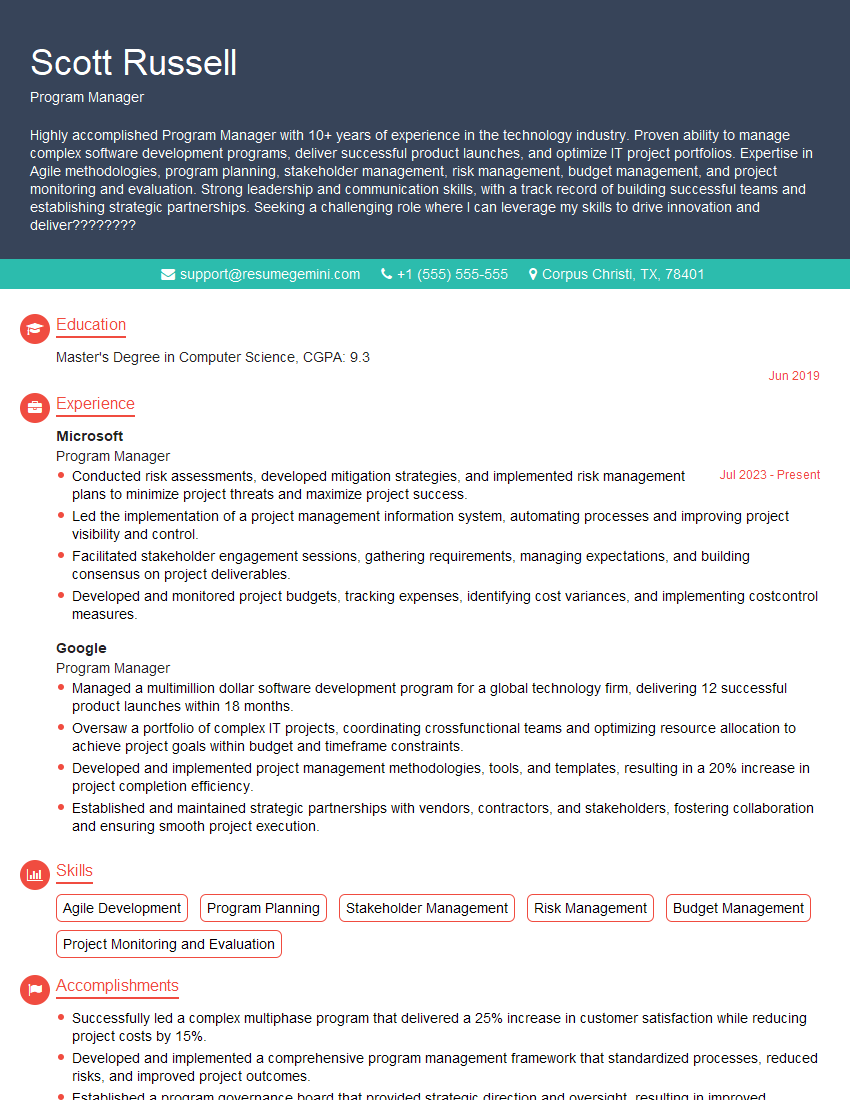
Program Manager Resume Sample
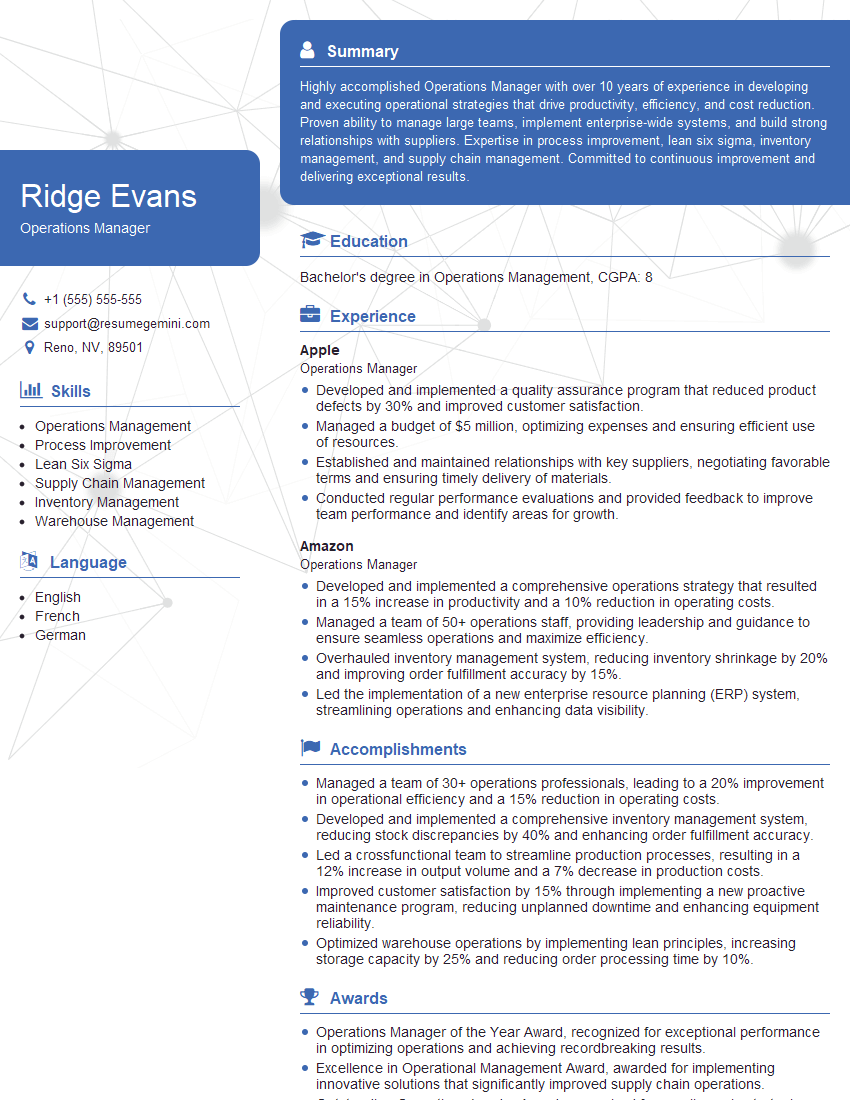
Operations Manager Resume Sample
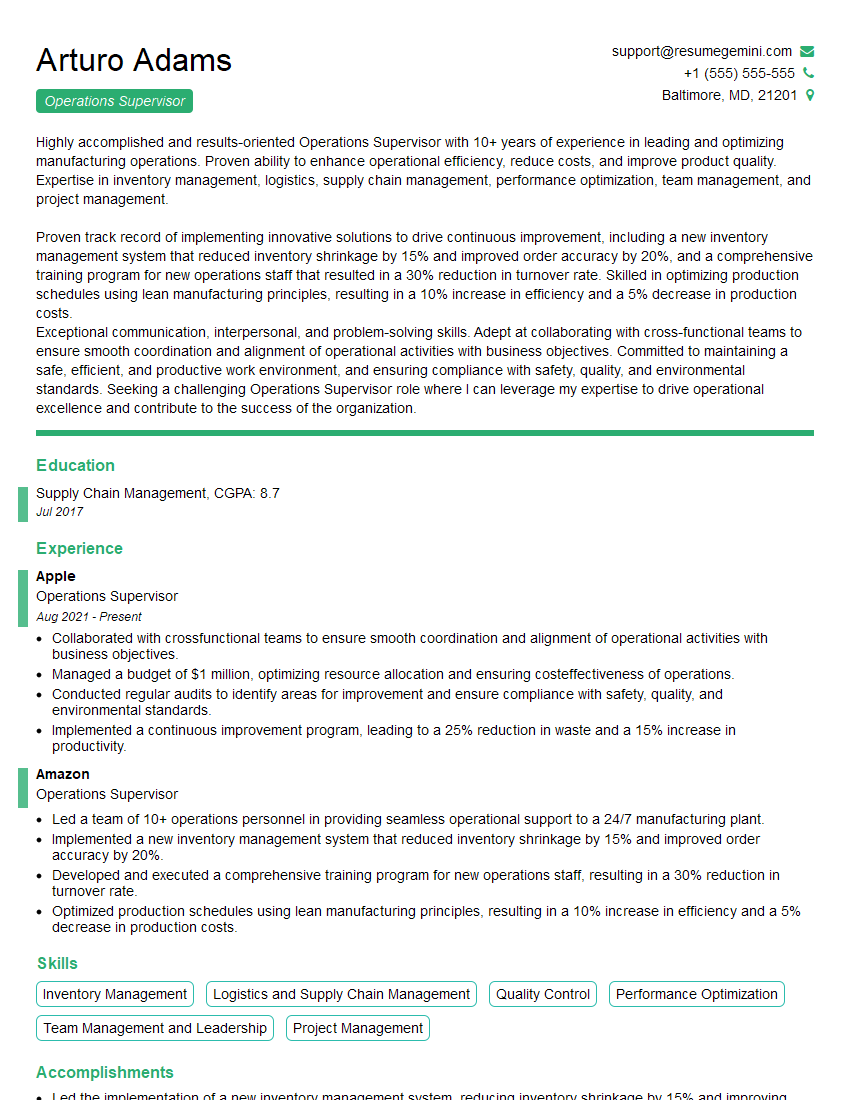
Operations Supervisor Resume Sample
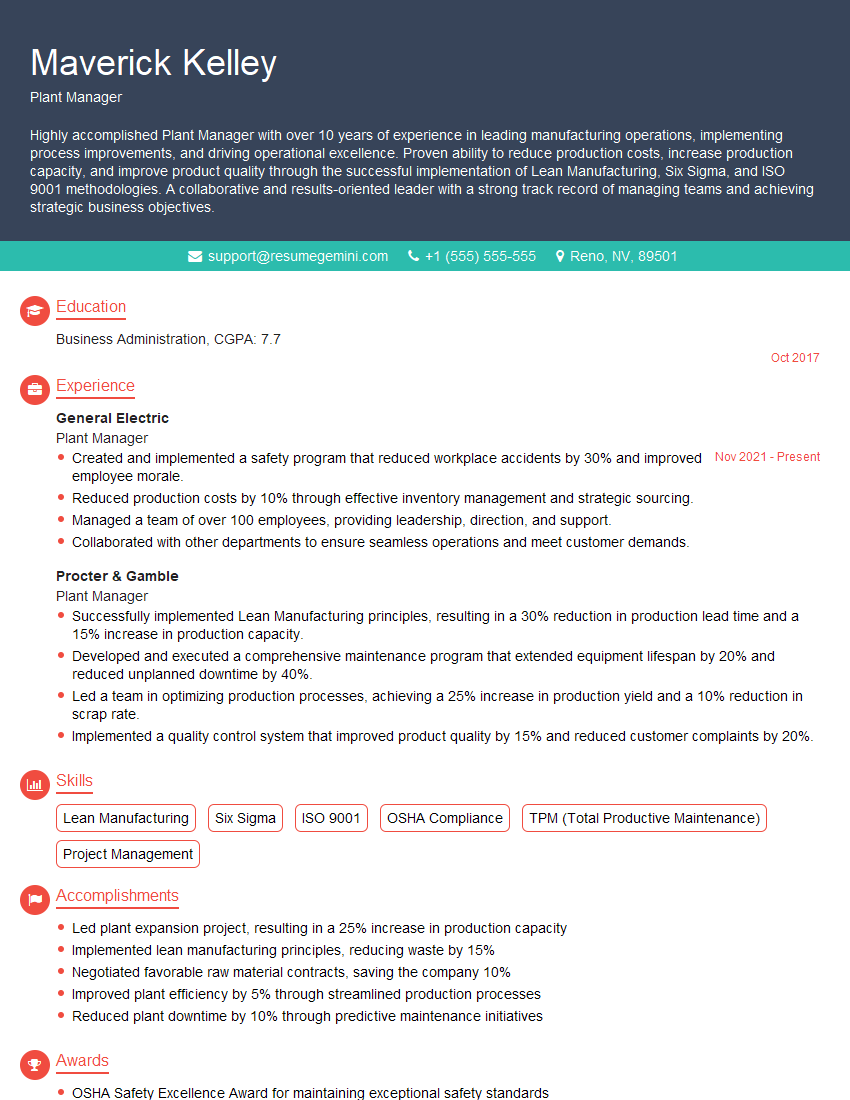
Plant Manager Resume Sample
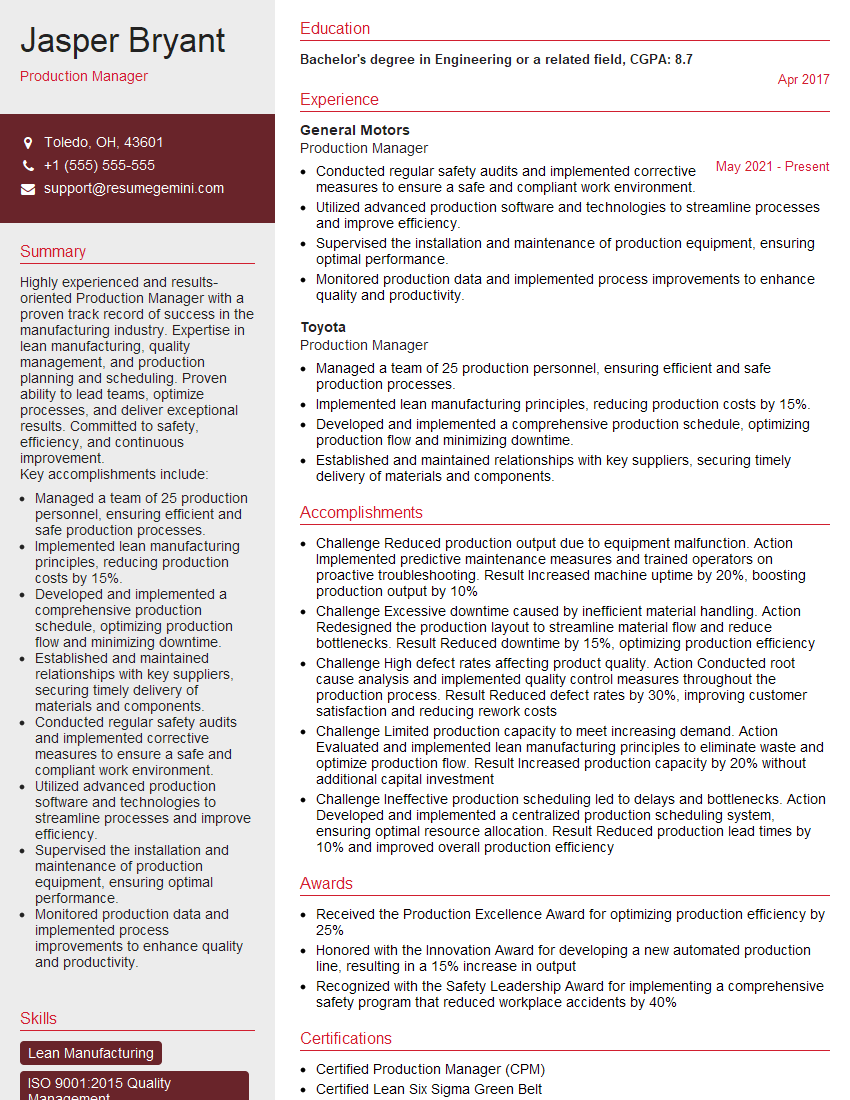
Production Manager Resume Sample
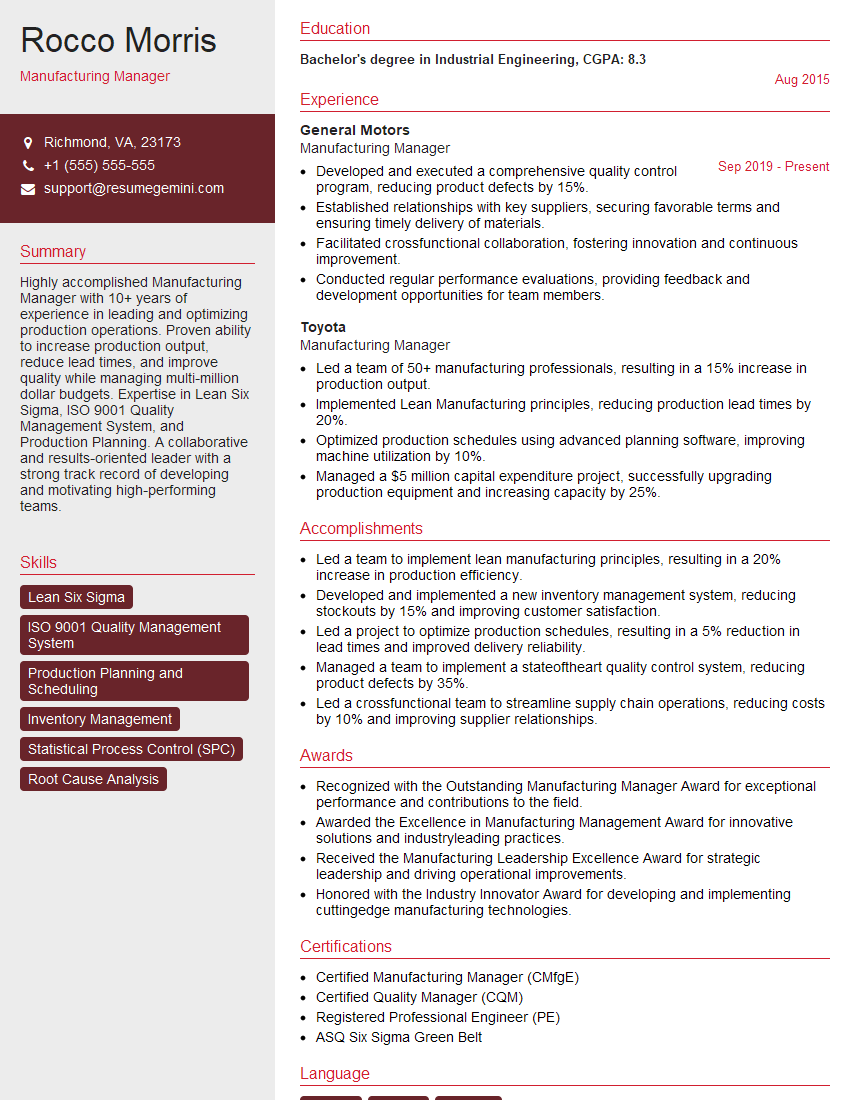
Manufacturing Manager Resume Sample
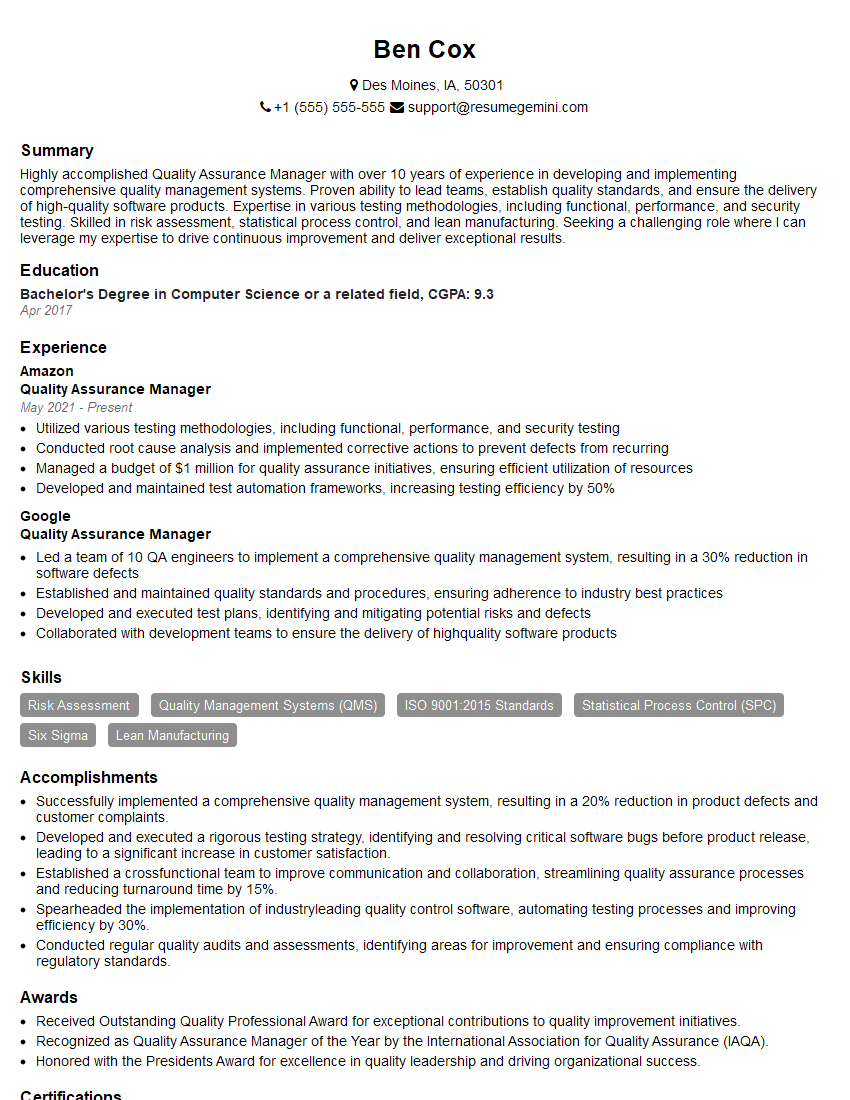
Quality Assurance Manager Resume Sample
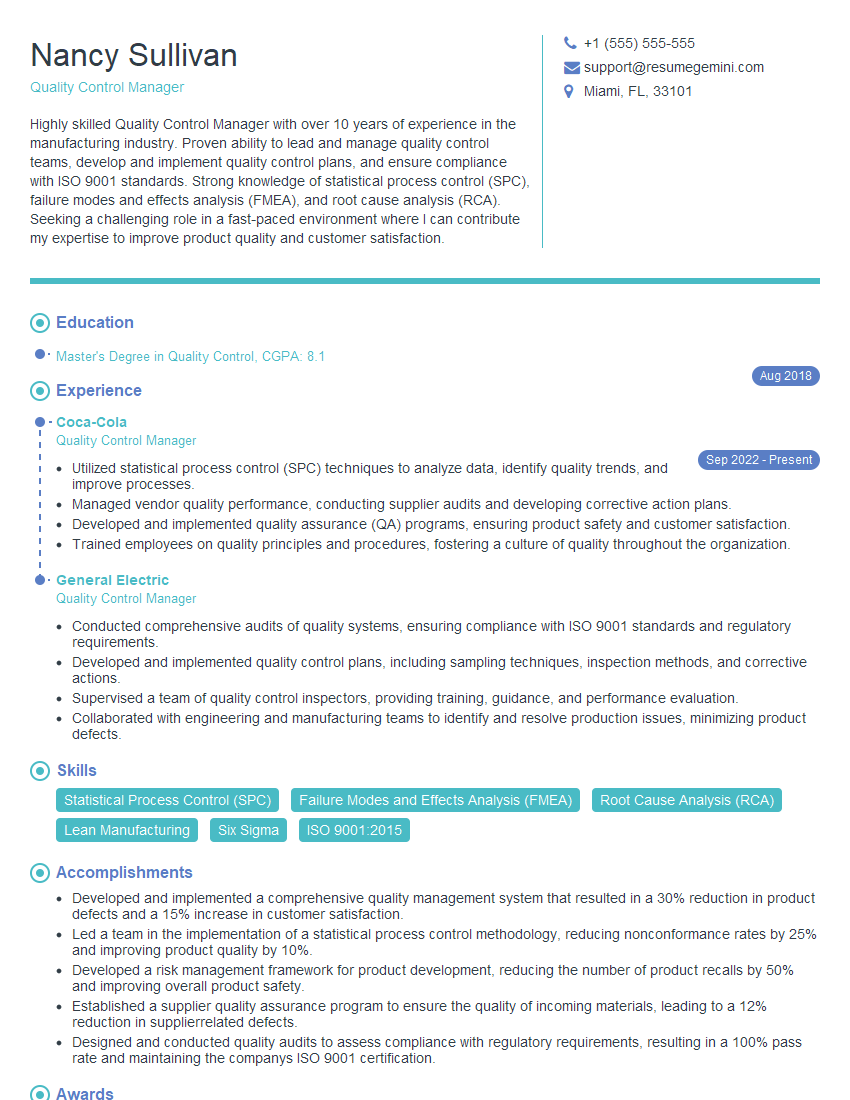
Quality Control Manager Resume Sample
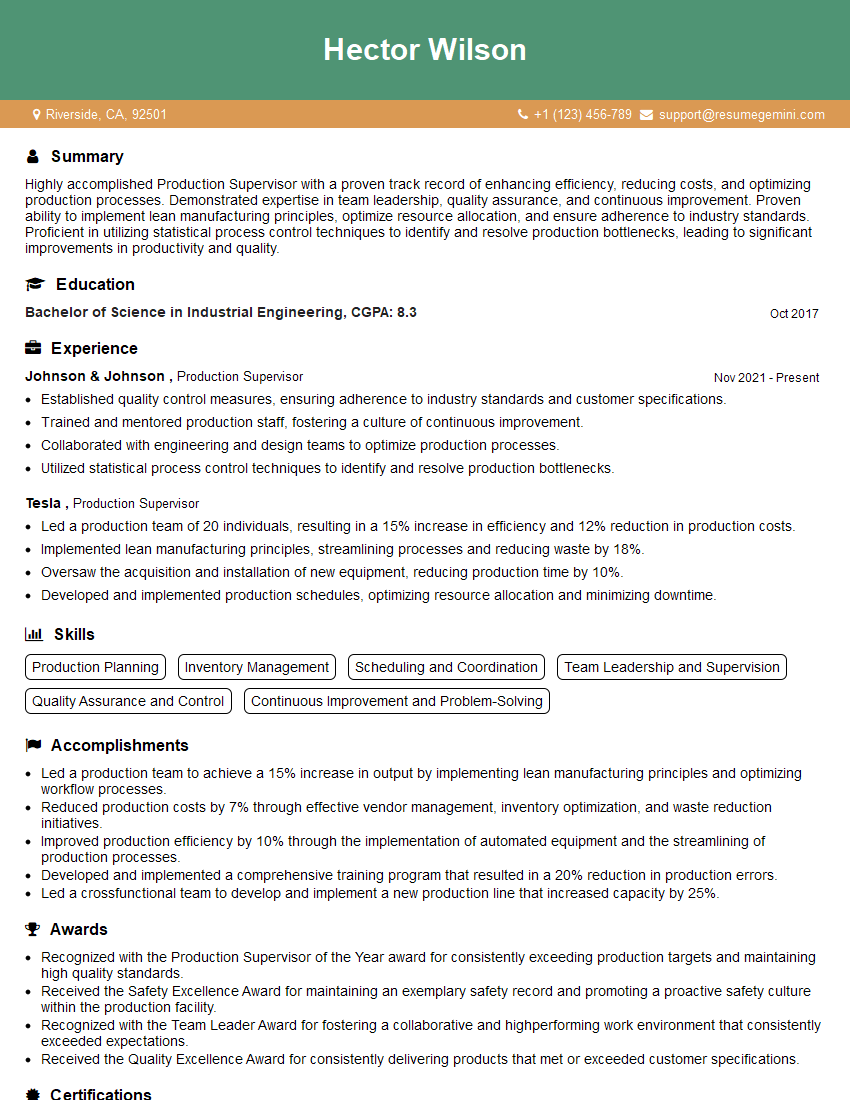
Production Supervisor Resume Sample
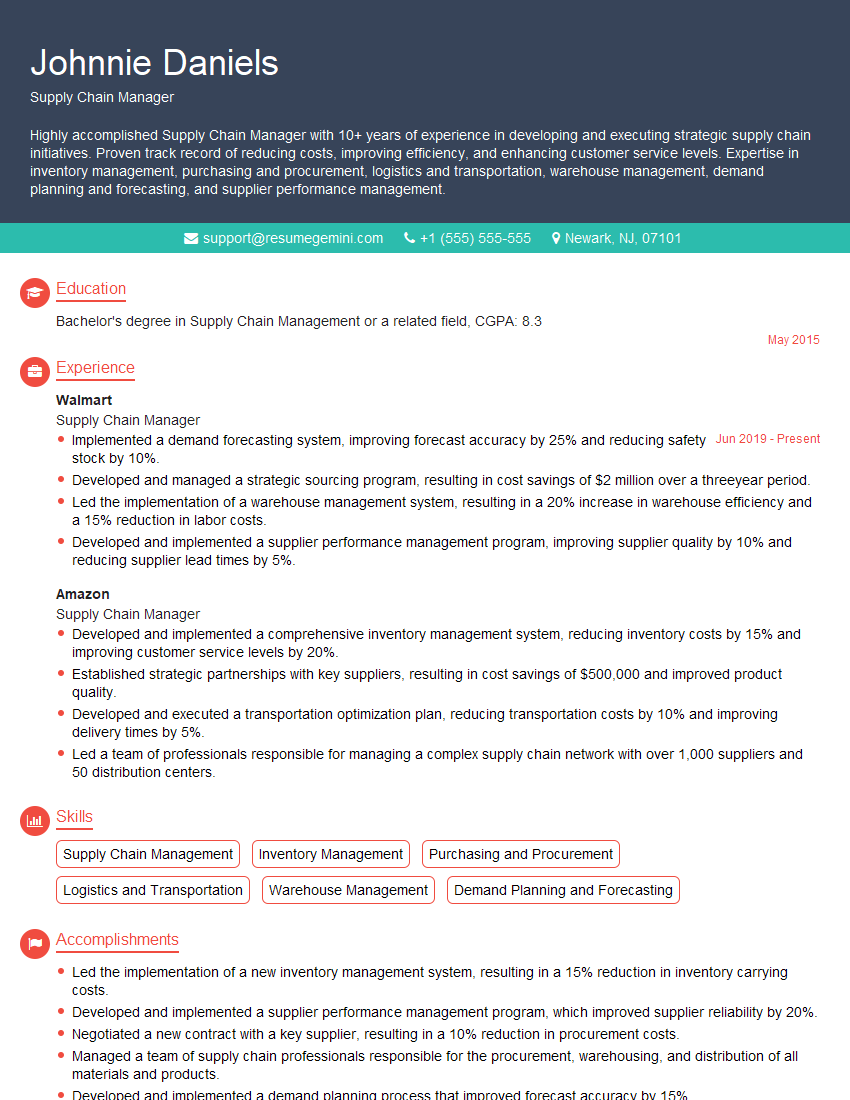
Supply Chain Manager Resume Sample
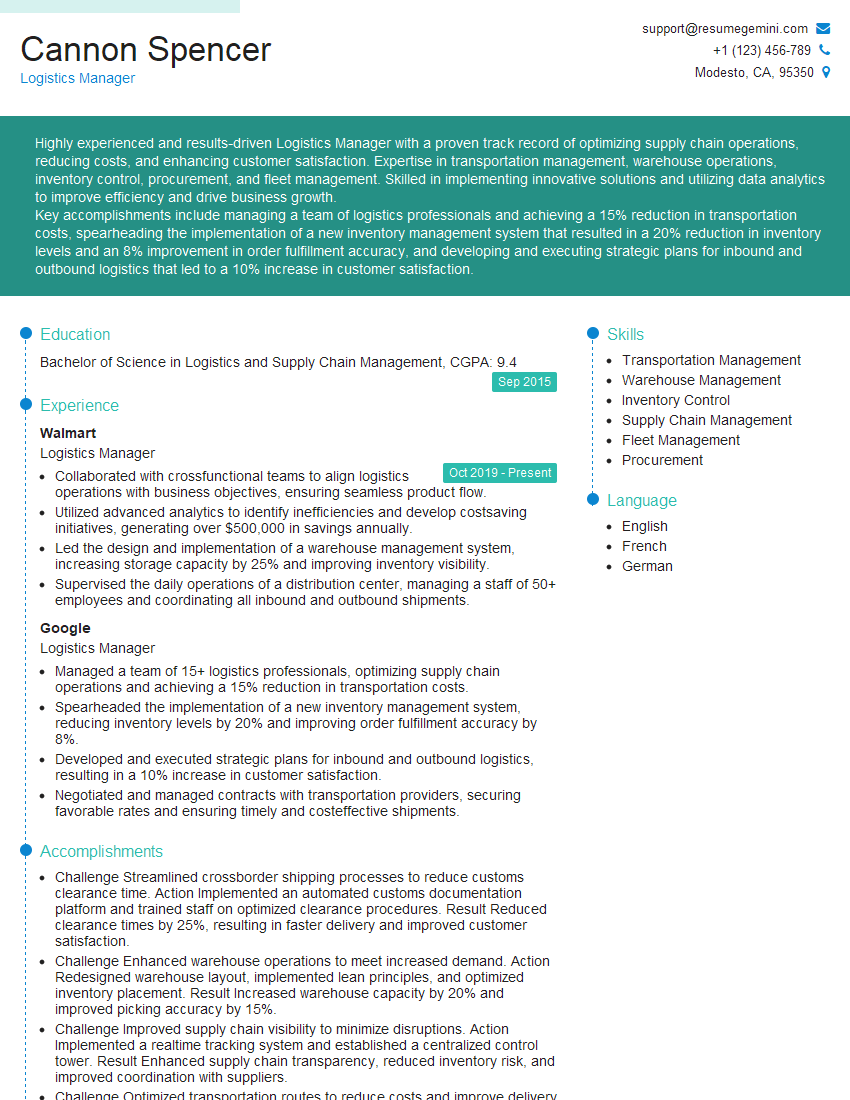
Logistics Manager Resume Sample
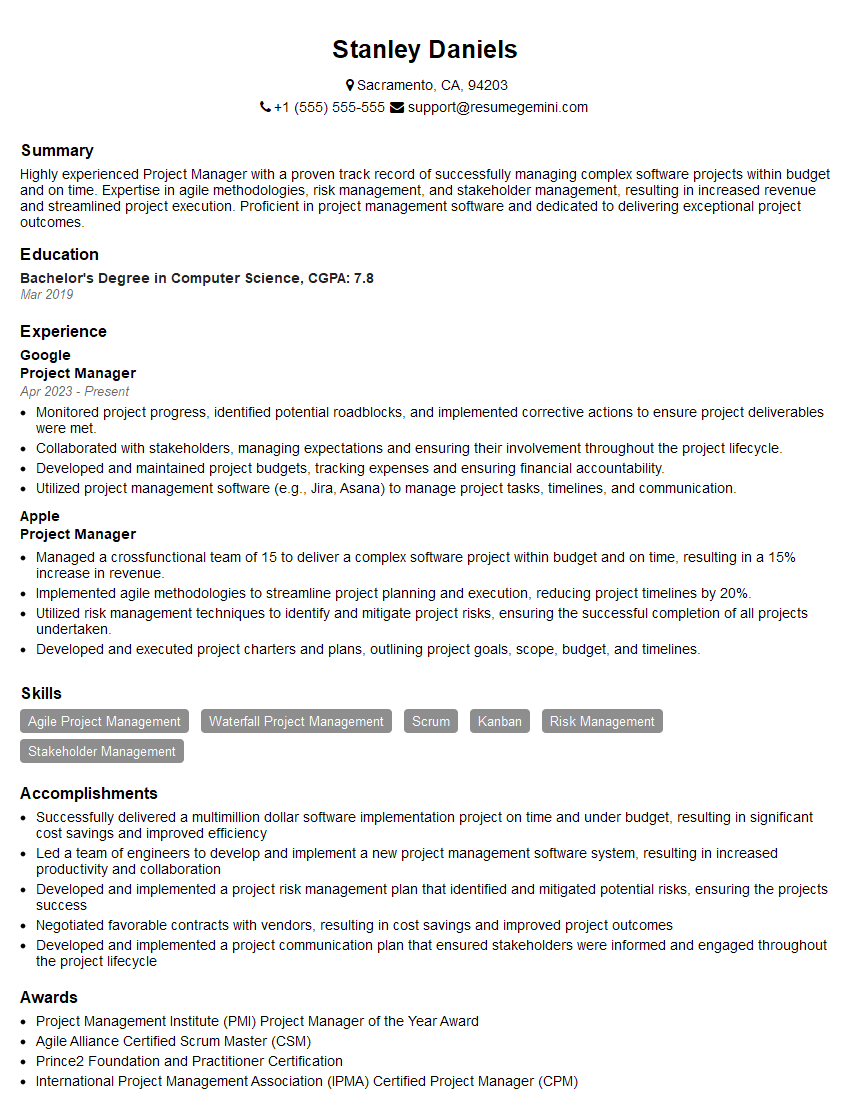
Project Manager Resume Sample
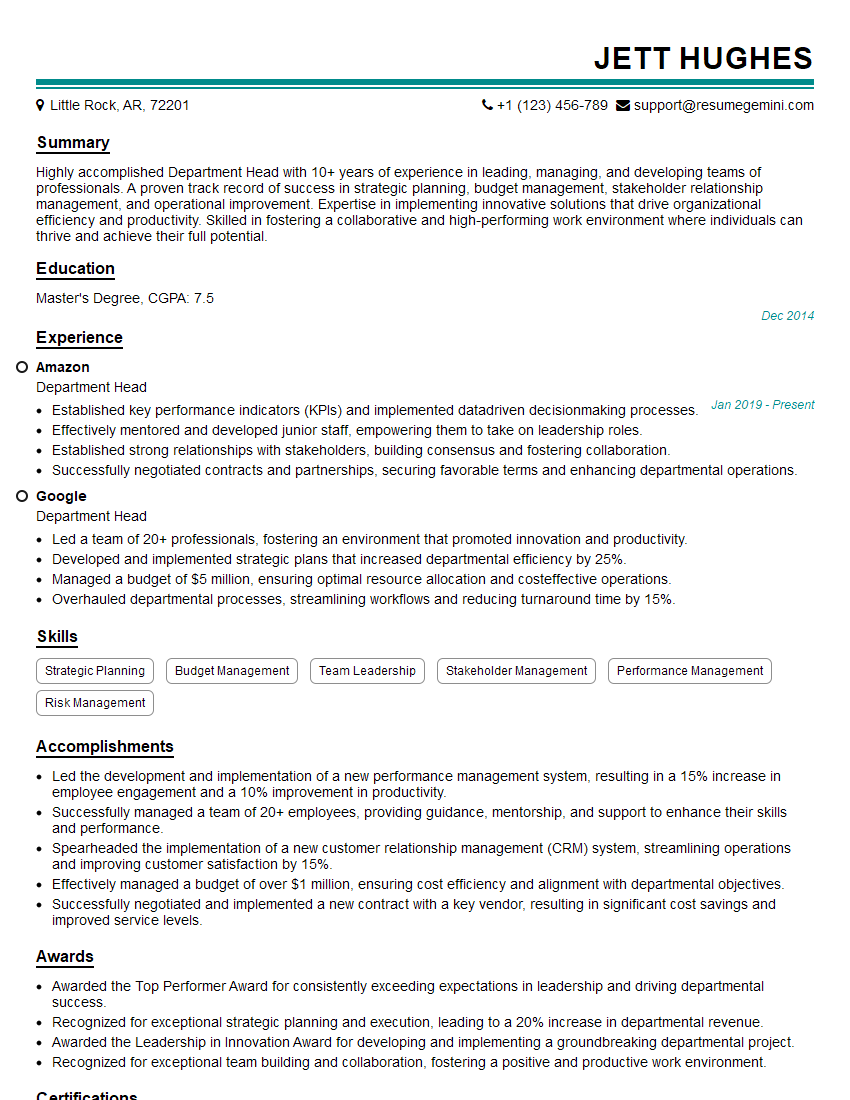
Department Head Resume Sample
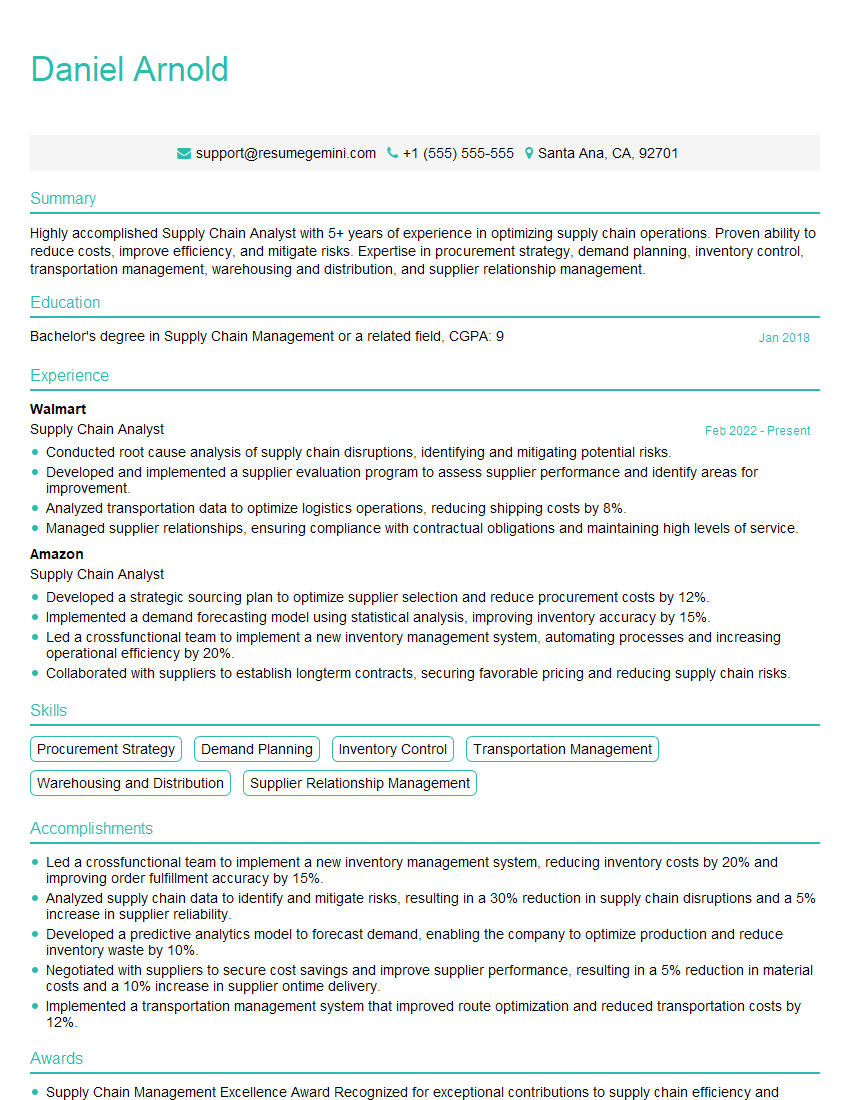
Supply Chain Analyst Resume Sample
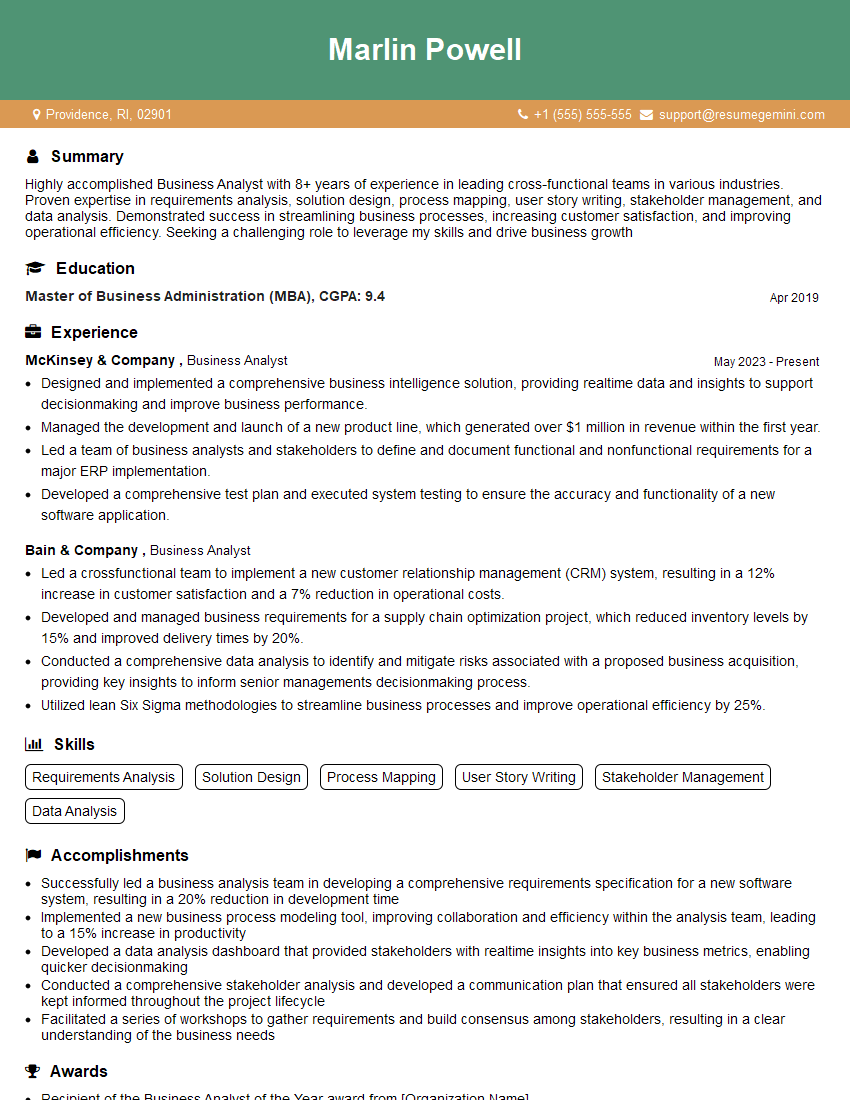
Business Analyst Resume Sample

Scheduling Coordinator Resume Sample
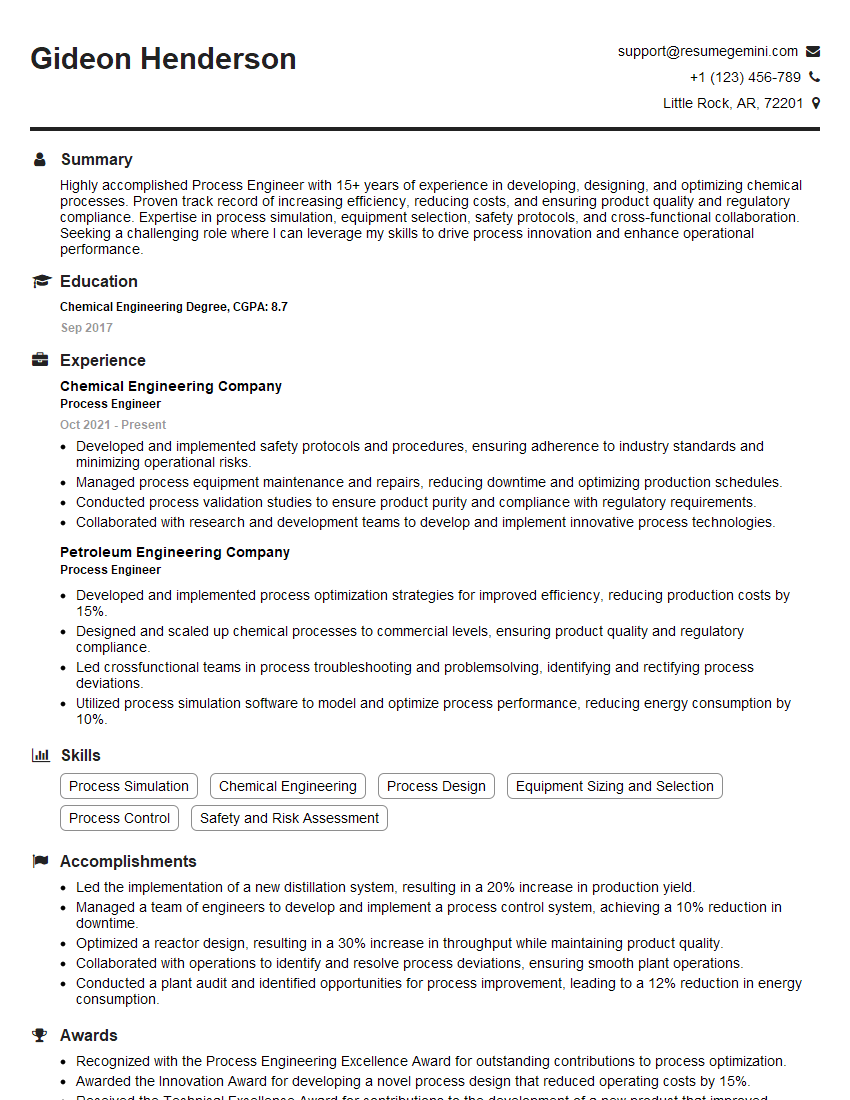
Process Engineer Resume Sample
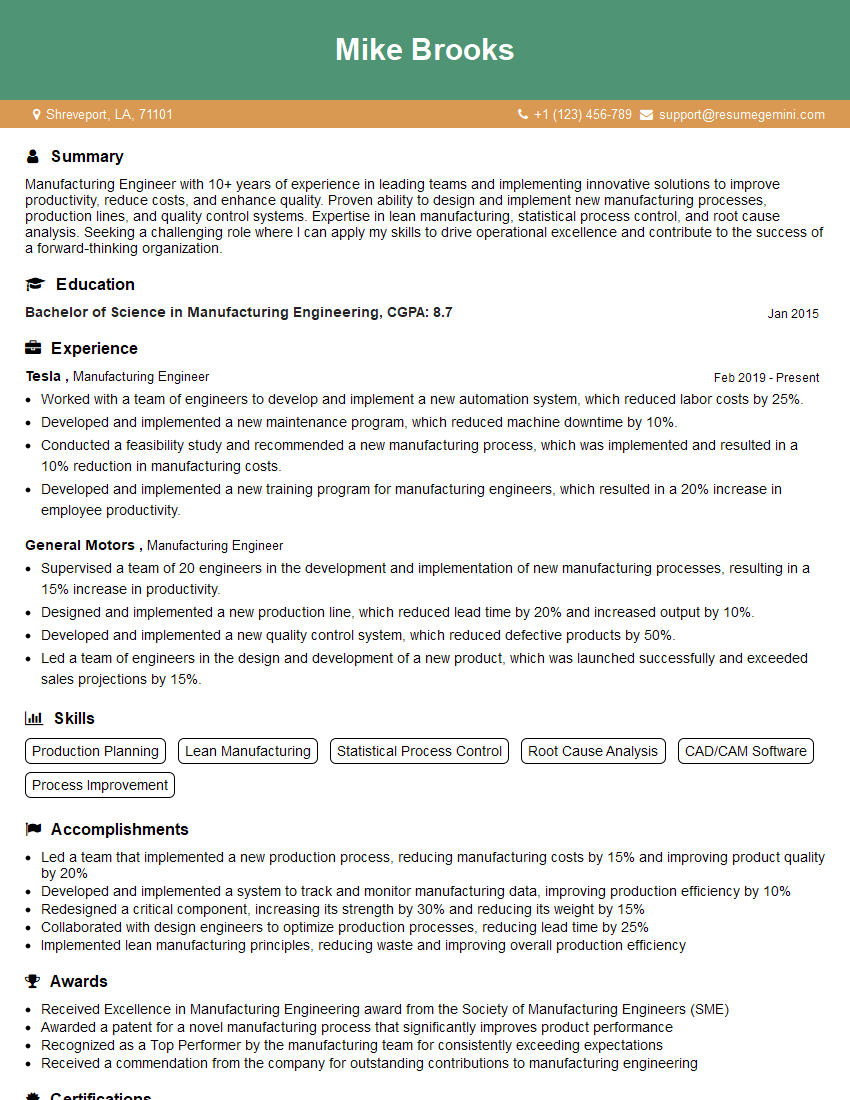
Manufacturing Engineer Resume Sample
- Program Manager
- Operations Manager
- Operations Supervisor
- Plant Manager
- Production Manager
- Manufacturing Manager
- Quality Assurance Manager
- Quality Control Manager
- Production Supervisor
- Supply Chain Manager
- Logistics Manager
- Project Manager
- Department Head
- Supply Chain Analyst
- Business Analyst
- Scheduling Coordinator
- Process Engineer
- Manufacturing Engineer
Explore more articles
Users Rating of Our Blogs
Share Your Experience
We value your feedback! Please rate our content and share your thoughts (optional).
What Readers Say About Our Blog
Really detailed insights and content, thank you for writing this detailed article.
IT gave me an insight and words to use and be able to think of examples