Cracking a skill-specific interview, like one for Experience in a GMP or FDA-regulated environment, requires understanding the nuances of the role. In this blog, we present the questions you’re most likely to encounter, along with insights into how to answer them effectively. Let’s ensure you’re ready to make a strong impression.
Questions Asked in Experience in a GMP or FDA-regulated environment Interview
Q 1. Describe your experience with GMP documentation practices.
GMP documentation is the backbone of any regulated manufacturing process. It’s all about meticulously recording every step, ensuring traceability and accountability. My experience encompasses various aspects, from creating and reviewing batch records and Standard Operating Procedures (SOPs) to managing change controls and deviations. For instance, in my previous role at PharmaCorp, I was responsible for ensuring that all batch records were complete, accurate, and reviewed by qualified personnel before release. This involved checking for correct signatures, accurate weighing and dispensing records, and verification of in-process testing results. We used a document management system that allowed for electronic signatures and version control, significantly improving efficiency and reducing the risk of errors.
- Batch Records: These detailed records track every step in the manufacturing process, providing a complete history of the product.
- Standard Operating Procedures (SOPs): These are step-by-step instructions for performing specific tasks, ensuring consistency and compliance.
- Change Controls: A formal process for managing any changes to procedures, formulations, or equipment to minimize risks.
- Deviation Reports: Documentation of any unplanned event or variation from established procedures.
Q 2. Explain the difference between GMP and GLP.
While both GMP (Good Manufacturing Practice) and GLP (Good Laboratory Practice) aim to ensure quality and reliability of results, they apply to different areas. GMP focuses on the manufacturing process of pharmaceuticals, medical devices, and other regulated products, ensuring their quality, safety, and efficacy. GLP, on the other hand, governs the non-clinical laboratory testing of chemicals and pharmaceuticals – think toxicity studies and other pre-clinical research. Imagine it this way: GMP is about making the product correctly, while GLP is about testing if the product is safe and works as expected.
Think of it like building a house. GMP is like the construction process itself – ensuring the house is built according to the blueprints and using high-quality materials. GLP is like the inspections done on the building materials and the final inspection to ensure it meets safety and building codes.
Q 3. How would you handle a deviation from GMP procedures?
Handling GMP deviations requires a structured approach. The first step is to immediately investigate the cause. Then, we would document everything in a deviation report, including the date, time, location, description of the deviation, and the impact on product quality. Next, we’d determine the root cause using tools like fishbone diagrams or 5 Whys analysis. Based on the root cause, we’d implement corrective actions to prevent recurrence. Finally, we’d conduct a thorough review to assess the effectiveness of these actions and ensure they have been properly implemented and documented. For example, if a critical parameter was outside the specification during a manufacturing run, we would investigate potential causes like equipment malfunction, operator error, or raw material issues. Corrective actions might include equipment recalibration, operator retraining, or changes to the raw material specification. This entire process would be documented in detail, and reviewed by management.
Q 4. What is your understanding of 21 CFR Part 11?
21 CFR Part 11 is a set of FDA regulations governing the use of electronic records and electronic signatures in regulated industries. It establishes criteria for ensuring the integrity, reliability, and authenticity of electronic data. It’s essentially about using technology responsibly within GMP, ensuring that electronic records are as trustworthy as their paper counterparts. Key aspects include validation of systems, audit trails, access controls, and electronic signature verification. This is critical to ensure data integrity and traceability. Non-compliance can lead to significant regulatory issues. For instance, failing to adequately secure access to electronic records could compromise data integrity. Similarly, inadequate audit trails can hinder investigations and regulatory inspections.
Q 5. Describe your experience with validation protocols.
My experience with validation protocols spans various aspects of equipment and process qualification. I’ve been involved in developing and executing IQ (Installation Qualification), OQ (Operational Qualification), and PQ (Performance Qualification) protocols for manufacturing equipment, analytical instruments, and computer systems. For instance, during the validation of a new high-performance liquid chromatography (HPLC) system, I developed and executed the IQ protocol, verifying the correct installation and setup of the equipment. This involved checking all the components were present and functioning correctly per the manufacturer’s instructions. The OQ protocol then tested the system’s operation parameters to confirm it was performing as expected, according to the manufacturer’s specifications. The PQ protocol involved a series of tests using known samples to ensure the system’s accuracy, precision, and linearity.
Q 6. How do you ensure data integrity in a GMP environment?
Data integrity is paramount in a GMP environment. It’s about ensuring data is complete, consistent, accurate, reliable, attributable, legitimate, enduring, and available (ALCOA+). We achieve this through various methods: using validated systems with audit trails, implementing robust data management systems, establishing clear SOPs for data handling, conducting regular data reviews, and establishing clear roles and responsibilities for data ownership. Regular training on data integrity principles is also critical. An example would be the use of electronic batch records with an audit trail which records all changes made, the person making the changes and the date and time stamp. This allows for complete traceability of all data. Another critical element is using validated software with robust access controls and change management processes.
Q 7. Explain your experience with CAPA investigations.
CAPA (Corrective and Preventive Action) investigations are crucial for continuous improvement and compliance. My experience involves leading investigations, identifying root causes, implementing corrective actions, and verifying their effectiveness. We typically use a structured approach following a defined CAPA process. For instance, if we discovered a batch of product failed a quality test, we would initiate a CAPA investigation. This would involve interviewing personnel, reviewing production records, conducting equipment checks, and potentially performing additional testing. Once the root cause was identified (e.g., faulty equipment or insufficient training), we would implement corrective actions (e.g., equipment repair or retraining), then verify their effectiveness through monitoring and follow-up reviews. All of these steps, including the results and conclusions of the investigation are meticulously documented.
Q 8. How would you approach an audit from the FDA?
An FDA audit is a rigorous examination of a company’s adherence to current Good Manufacturing Practices (cGMP). My approach is proactive and collaborative. It begins long before the audit even begins. We conduct thorough internal audits, utilizing mock FDA inspections to identify and rectify weaknesses in our systems. This pre-audit preparation is crucial.
During the audit itself, I ensure complete transparency and open communication with the FDA inspectors. This includes providing immediate access to all requested documentation and readily answering all questions accurately and completely. I focus on demonstrating a thorough understanding of our processes and our commitment to quality and compliance. We’ll use our documented quality systems, such as Standard Operating Procedures (SOPs) and deviation reports, to support our answers and demonstrate compliance. A key element is maintaining a calm and professional demeanor, even under pressure, thereby building rapport and trust with the inspectors.
Finally, after the audit, a comprehensive follow-up is essential. We meticulously review the FDA’s observations and implement any necessary corrective and preventative actions (CAPAs) promptly and thoroughly. We document everything, ensuring traceability and accountability in our remediation efforts. The entire process aims not just to pass the audit, but to continuously improve our GMP compliance.
Q 9. What is your understanding of change control processes?
Change control is a systematic process designed to manage any modifications to products, processes, or equipment within a GMP environment. Its primary goal is to ensure that changes are implemented safely and without compromising product quality, safety, or efficacy. Think of it as a controlled and documented way to improve or update things without disrupting the established order.
In my experience, effective change control involves a defined workflow. It usually starts with a formal change request, which is then reviewed and approved by relevant stakeholders based on a risk assessment. The impact on the product’s quality, safety, and regulatory compliance is carefully considered. Once approved, the change is implemented following a detailed protocol. Thorough verification and validation steps follow to ensure the change achieves the intended outcome and doesn’t introduce any negative consequences. Finally, the change is documented fully and a thorough post-implementation review is conducted to confirm success and assess any lessons learned.
For example, a change request might involve a new supplier for a raw material. The change control process would involve evaluating the new supplier’s quality systems, ensuring their compliance with our standards, and validating the quality and consistency of the supplied material before switching suppliers. The whole process is documented meticulously and is readily auditable.
Q 10. Describe your experience with quality control testing.
My experience in quality control testing spans several years and numerous products, focusing on both in-process and finished product testing. This includes a wide range of analytical techniques, such as HPLC (High-Performance Liquid Chromatography), UV-Vis spectroscopy, and microbiological assays. In my previous role, I was responsible for developing and validating new test methods, ensuring they met regulatory requirements and provided reliable and accurate results.
Beyond the technical skills, I’ve been instrumental in managing the QC laboratory’s operations, including instrument calibration and maintenance, ensuring compliance with SOPs, and training personnel. A key aspect of my role involved investigating out-of-specification results, identifying root causes, and implementing corrective actions. Data integrity is paramount. Every test result is meticulously documented and reviewed, maintaining an auditable trail of all QC activities. I am proficient in LIMS (Laboratory Information Management System) and understand the importance of accurate data entry and data management.
For example, I led the implementation of a new HPLC method for the analysis of a key drug substance. This involved method development, validation, and the creation of a detailed SOP. The new method significantly improved the accuracy and efficiency of our testing process.
Q 11. How do you handle out-of-specification results?
Out-of-specification (OOS) results are critical deviations that demand immediate and thorough investigation. The response to an OOS result must be swift, methodical, and fully documented, following a pre-defined protocol. My approach follows a structured investigation that considers all possible factors.
The process begins with confirming the OOS result through retesting and potentially using alternative analytical methods. We then identify all potential sources of error, including sampling errors, instrument malfunctions, or human errors. A thorough investigation is carried out, including a review of the batch manufacturing records, equipment logs, and any relevant data. Once the root cause is identified, corrective actions are implemented to prevent recurrence. The findings are documented thoroughly, including the root cause analysis, corrective actions, and preventative actions to prevent future occurrences.
A significant OOS event I handled involved a microbiological assay. Initially, the result indicated contamination. After a full investigation, we discovered a faulty incubator that caused a temperature fluctuation, leading to an inaccurate result. The faulty incubator was immediately repaired, and the implicated batch was investigated further. This situation highlighted the importance of equipment calibration and routine maintenance. All of these actions are documented in a comprehensive deviation report.
Q 12. What is your experience with cleaning validation?
Cleaning validation is a critical process in GMP manufacturing, ensuring that equipment is thoroughly cleaned to prevent cross-contamination between batches. It’s all about proving that the cleaning process is effective and consistent, protecting the quality and safety of the final product.
My experience encompasses developing and executing cleaning validation protocols for various types of equipment. This involves selecting appropriate cleaning agents, defining cleaning procedures, and developing analytical methods to measure residual levels of the previous product. I’m familiar with different sampling techniques and data analysis methods required to demonstrate that cleaning is effective, such as swab sampling and rinse sampling, analyzed by methods such as HPLC or residual protein analysis. The acceptance criteria must be scientifically justified, and a robust validation protocol is key.
For instance, I worked on validating the cleaning procedures for a high-speed tablet press. We carefully considered the different surfaces and potential contamination points, including dies, punches and surrounding surfaces. The validation study demonstrated consistent and reliable cleaning, ensuring that the residual levels of the previous product were well below the pre-defined acceptance criteria.
Q 13. Explain your experience with equipment calibration and maintenance.
Equipment calibration and maintenance are fundamental aspects of GMP manufacturing, directly impacting product quality and data integrity. Properly calibrated and maintained equipment ensures that all measurements and operations are accurate and reliable.
My experience involves developing and implementing calibration and maintenance schedules for various types of equipment, including analytical instruments, manufacturing equipment and utility systems. This includes selecting appropriate calibration standards, performing calibrations according to established procedures, and generating comprehensive calibration records. Preventive maintenance activities are scheduled to minimize downtime and ensure equipment remains in optimal working condition. This includes regular inspection, cleaning, and lubrication of equipment, reducing the risk of malfunction and extending equipment lifespan. All maintenance activities are carefully documented to provide a clear auditable trail.
One example I’ve dealt with is the calibration of our HPLC systems. This involves regular calibration checks against standards to ensure the accuracy of peak area measurements. Any discrepancies require immediate investigation and recalibration as needed, and it’s all documented meticulously. This ensures the integrity of our analytical data.
Q 14. Describe your experience with supplier audits.
Supplier audits are crucial for ensuring the quality and compliance of materials and services supplied to our organization. It’s about making sure that your suppliers meet the standards and requirements you need to maintain quality and regulatory compliance.
My experience involves conducting both on-site and desk audits of suppliers, evaluating their quality management systems (QMS), manufacturing processes, and quality control procedures. I’ve developed audit checklists based on regulatory expectations and our specific requirements. During the audit, I assess supplier’s adherence to GMP principles, documentation practices and their corrective and preventative action (CAPA) systems. The findings are summarized in an audit report and a follow-up is completed to ensure any identified issues are resolved.
I recently audited a key supplier of a critical raw material. The audit revealed minor gaps in their documentation practices. We worked collaboratively with them to implement corrective actions, resulting in significant improvements in their quality system. This collaborative approach ensures that our suppliers maintain high standards and ensures the quality of the materials they provide us.
Q 15. How do you ensure the accuracy of laboratory data?
Ensuring accurate laboratory data in a GMP environment is paramount. It’s not just about getting the right numbers; it’s about establishing a robust system that guarantees the reliability and traceability of every result. This involves a multi-faceted approach.
Calibration and Validation: All instruments must be regularly calibrated against traceable standards. We use validated methods to ensure our techniques are accurate and precise. For example, in a microbiology lab, we’d validate our plate-counting method by using reference materials with known concentrations of microorganisms. This ensures our results are reliable and comparable across experiments.
Standard Operating Procedures (SOPs): Detailed, validated SOPs are critical for every test procedure. These SOPs leave no room for ambiguity, standardizing everything from sample handling to data recording and calculations. Deviation from an SOP requires a documented justification and approval.
Quality Control (QC): We incorporate QC checks throughout the testing process. This includes using positive and negative controls in assays and performing replicate measurements to assess variability. Any significant deviation triggers an investigation to identify and correct the root cause. For example, if our QC samples show unexpected results, we’d review everything from reagent quality and instrument function to technician technique and environmental factors.
Data Integrity: This is paramount. Raw data should never be altered or deleted. Electronic data systems must be validated and maintained with a clear audit trail. We use electronic laboratory notebooks (ELNs) that track every change made by every user with date and time stamps. This ensures the complete transparency and traceability of the data.
Training: Technicians must receive comprehensive training on the use of equipment, procedures, and data handling. Regular competency assessments ensure they maintain the necessary skills. We track training records meticulously and ensure that staff are sufficiently qualified to perform their tasks.
In my previous role, we implemented a new LIMS (Laboratory Information Management System) that greatly enhanced data integrity and reduced manual errors, significantly improving the overall accuracy of our laboratory data.
Career Expert Tips:
- Ace those interviews! Prepare effectively by reviewing the Top 50 Most Common Interview Questions on ResumeGemini.
- Navigate your job search with confidence! Explore a wide range of Career Tips on ResumeGemini. Learn about common challenges and recommendations to overcome them.
- Craft the perfect resume! Master the Art of Resume Writing with ResumeGemini’s guide. Showcase your unique qualifications and achievements effectively.
- Don’t miss out on holiday savings! Build your dream resume with ResumeGemini’s ATS optimized templates.
Q 16. What is your understanding of risk assessment in GMP?
Risk assessment in GMP is a proactive, systematic approach to identify, analyze, and control potential hazards that could negatively impact product quality, safety, and compliance. It’s about preventing problems before they happen, rather than reacting to them. It is not a one-time activity, but rather a continuous process.
Identify Hazards: This involves brainstorming potential problems at every stage of the process, from raw material receipt to finished product release. This could include equipment failure, personnel errors, contamination risks, or deviations from established procedures.
Analyze Risks: We use risk matrices to assess the likelihood and severity of each hazard. Likelihood refers to the probability of the hazard occurring, while severity describes the impact if the hazard occurs. This helps prioritize risks.
Evaluate Controls: For each identified risk, we develop and implement controls to mitigate the potential impact. Controls can be preventive (designed to prevent the hazard from occurring) or detective (designed to detect the hazard if it occurs).
Review and Update: The risk assessment process should be regularly reviewed and updated based on changes in the process, new information, or audit findings.
For example, in a pharmaceutical manufacturing setting, a risk assessment might focus on the potential for cross-contamination between different products. This could involve evaluating the cleaning procedures, equipment design, and personnel practices to minimize the risk. A robust risk assessment might then suggest implementing more stringent cleaning validation processes or utilizing dedicated equipment for specific products. The results of the assessment guide decision-making and resource allocation for improved safety and quality.
Q 17. Describe your experience with internal audits.
I have extensive experience conducting and participating in internal audits within GMP environments. These audits are crucial for ensuring compliance and identifying areas for improvement. My role often involved leading audit teams, developing audit plans, executing audits, and documenting findings.
Planning: I would collaborate with subject matter experts to develop comprehensive audit plans based on established procedures and regulatory requirements. These plans would define the scope of the audit, the areas to be reviewed, and the specific criteria used for evaluation. We’d focus on areas of high risk and previous issues.
Execution: During the audit, I ensured that we adhered strictly to the audit plan, meticulously documented observations, and collected evidence. We’d use checklists and interview key personnel. It was essential to maintain an objective and unbiased approach.
Reporting: Following the audit, we prepared a detailed report summarizing the findings, including both positive observations and identified deficiencies. This report would include specific recommendations for corrective actions, timelines for implementation, and responsible parties.
Follow-up: I was also heavily involved in the follow-up process, ensuring that corrective actions were implemented effectively and verified through re-auditing. This closed-loop approach is critical to demonstrating continuous improvement.
In one instance, an internal audit revealed a gap in our training program for new equipment. The resulting corrective action included developing a comprehensive training curriculum, updating SOPs, and re-training all relevant personnel. The follow-up audit confirmed the effectiveness of the corrective action.
Q 18. How do you manage discrepancies in documentation?
Discrepancies in documentation are a serious matter in a GMP environment. They can compromise data integrity and potentially impact product quality and patient safety. Our approach to managing discrepancies is founded on investigation and corrective action.
Immediate Action: When a discrepancy is discovered, we immediately quarantine any affected materials or documentation. No further action is taken until the root cause is identified.
Investigation: A thorough investigation is launched to determine the root cause of the discrepancy. This might involve interviewing personnel, reviewing records, and analyzing data. We use a structured approach like a 5-Why analysis to identify the root cause.
Corrective and Preventive Actions (CAPA): Based on the investigation, we implement corrective actions to resolve the immediate issue and preventive actions to prevent recurrence. CAPAs are documented and tracked to ensure effectiveness.
Documentation: The entire process, from discovery to resolution, is thoroughly documented. This documentation includes the discrepancy itself, the investigation findings, the corrective and preventive actions taken, and verification of their effectiveness.
For example, a discrepancy in a batch record might trigger an investigation into the training of personnel involved in that batch. This could then lead to updated training materials and a refresher course for relevant staff, preventing similar issues in future batches.
Q 19. What is your experience with quality system improvements?
My experience with quality system improvements involves a combination of problem-solving, process optimization, and technological implementation. Continuous improvement is key in a GMP environment.
Process Mapping and Analysis: We frequently employ process mapping to identify inefficiencies, bottlenecks, and potential areas for improvement. This visual representation of a process helps identify areas of complexity or redundancy. Lean principles are often used to identify waste and improve workflow.
Data Analysis: We use data analysis to track key metrics and identify trends that suggest potential problems. This includes analyzing batch records, deviation reports, and audit findings. Control charts and other statistical techniques are frequently used to identify patterns and trends.
Technology Implementation: I’ve worked on projects to improve quality systems through the implementation of new technologies such as LIMS (Laboratory Information Management Systems), MES (Manufacturing Execution Systems), and automated data capture systems. This enhances data integrity and traceability, reducing the risk of errors. Validation of these systems is also critical.
Change Management: Introducing new systems or processes requires effective change management to ensure personnel adopt new techniques and methodologies. Training, communication, and supportive leadership are crucial to ensure a smooth transition.
In one project, we implemented a new MES system that automated data collection and reporting, significantly reducing manual data entry errors and improving overall efficiency. This project included comprehensive staff training and system validation to ensure seamless integration and compliance.
Q 20. Explain your understanding of process validation.
Process validation in a GMP setting is the documented evidence that provides a high degree of assurance that a specific process will consistently produce a product meeting its predetermined specifications and quality attributes. It’s not a single event but a lifecycle approach.
Stage 1: Process Design: This initial stage involves defining the process parameters (e.g., temperature, pressure, time) and critical quality attributes (CQAs) of the product. Risk assessment plays a key role here in identifying potential process failures and establishing control strategies.
Stage 2: Process Qualification: This phase encompasses equipment qualification (EQ), which verifies that the equipment functions as intended, and process qualification (PQ), which assesses the reproducibility of the process with defined ranges of inputs and environmental conditions. Three separate qualifications are usually performed: Installation Qualification (IQ), Operational Qualification (OQ), and Performance Qualification (PQ).
Stage 3: Continued Process Verification (CPV): After the initial validation, a continuous monitoring program is essential. This involves periodic reassessment of the process, reviewing trending data, and making adjustments as needed to maintain process consistency. This ensures that the process remains robust over time.
For example, validating a manufacturing process for tablets might involve demonstrating consistent tablet weight, hardness, and disintegration time across multiple batches. This requires careful monitoring of various parameters like compression pressure, granulation process, and drying time and the implementation of effective controls.
Q 21. How do you handle complaints related to product quality?
Handling complaints related to product quality in a GMP environment demands a systematic and thorough approach focused on identifying the root cause, taking corrective actions, and preventing future occurrences. It’s crucial to handle these complaints efficiently and transparently.
Complaint Intake: All complaints are logged and investigated according to a predefined process. The details of each complaint—including the nature of the issue, the lot number (if applicable), and the affected consumer—are meticulously recorded.
Investigation: A thorough investigation is initiated to determine the root cause of the complaint. This might involve reviewing manufacturing records, conducting laboratory testing, and interviewing personnel. The investigation should document findings and any required testing or analysis.
Corrective and Preventive Action (CAPA): Based on the investigation findings, corrective actions are implemented to address the immediate problem, and preventive actions are implemented to prevent similar issues from occurring. This may include changes to manufacturing processes, improved quality control measures, or enhanced training for personnel.
Communication: Appropriate communication channels are utilized to update relevant parties—regulatory agencies, internal management, and affected consumers—about the investigation, implemented actions, and their effectiveness. The complaint and subsequent actions should be properly documented and maintained for future reference.
Continuous Improvement: Complaints are opportunities for improvement. Regular reviews of complaint data can highlight trends or recurring issues which helps in identifying areas requiring more attention for preventive measures.
For example, if we receive a complaint about tablet breakage, the investigation might reveal a problem with the tablet compression process. Corrective actions could involve adjusting the compression pressure, and preventive actions could include more frequent monitoring of the compression equipment. All this is documented via a detailed investigation report.
Q 22. What is your experience with root cause analysis?
Root cause analysis (RCA) is a systematic process used to identify the underlying causes of problems or deviations, rather than just addressing symptoms. In a GMP environment, this is crucial for preventing recurrence. My experience involves utilizing various RCA methodologies, including the ‘5 Whys,’ Fishbone diagrams (Ishikawa diagrams), and Fault Tree Analysis (FTA). For instance, during a batch failure investigation where a critical parameter was out of specification, we used the 5 Whys to drill down from the initial symptom (failed assay) to the root cause – a faulty sensor that wasn’t calibrated properly. This led to updated calibration procedures and improved sensor monitoring.
I’m proficient in documenting the entire RCA process, including defining the problem, identifying potential causes, verifying the root cause through data analysis and evidence gathering, and recommending corrective and preventive actions (CAPAs). A well-executed RCA ensures that corrective actions are effective and prevent similar issues from arising in the future.
Q 23. Describe your understanding of analytical methods validation.
Analytical methods validation is the process of demonstrating that an analytical method is suitable for its intended purpose. This involves proving its accuracy, precision, specificity, linearity, range, limit of detection (LOD), limit of quantitation (LOQ), and robustness. In my experience, I’ve been involved in validating various analytical techniques, including HPLC, GC, and spectrophotometry, across different pharmaceutical products and raw materials. For example, I worked on validating a new HPLC method for the quantification of an active pharmaceutical ingredient (API). This included developing the method, performing validation studies, documenting the results, and writing a detailed validation report compliant with regulatory requirements (e.g., ICH Q2(R1)).
Understanding the regulatory expectations for validation is paramount. Failing to properly validate a method can lead to inaccurate results, which can have significant consequences for patient safety and regulatory compliance. A rigorous validation process safeguards the reliability and integrity of analytical data used in quality control and release testing.
Q 24. Explain your experience with deviation investigations.
Deviation investigations are a critical part of ensuring GMP compliance. A deviation is any unplanned event or circumstance that deviates from established procedures, specifications, or standards. My experience in deviation investigations involves a structured approach: First, we define the deviation, gathering all relevant data. Then, we assess the impact of the deviation, using risk assessment tools to determine the potential consequences. We then conduct a thorough investigation, following the principles of RCA, to identify the root cause. Finally, we implement CAPAs to prevent recurrence and document the entire process in a detailed report.
For instance, we had a deviation where a batch failed visual inspection due to discoloration. Our investigation revealed a problem with the storage conditions of an intermediate, leading to degradation. The CAPA included implementing stricter temperature monitoring and alert systems, as well as improving training for personnel handling the intermediate.
Q 25. How do you ensure compliance with current Good Manufacturing Practices?
Ensuring GMP compliance requires a proactive and multifaceted approach. It begins with a strong understanding of the relevant regulations and guidelines. This includes comprehensive knowledge of FDA regulations (e.g., 21 CFR Part 210 and 211), as well as relevant ICH guidelines. In my experience, this involved not only adhering to standard operating procedures (SOPs) but actively participating in their creation, review, and updating. We implemented a robust quality management system (QMS) with regular audits and inspections to ensure continuous improvement and compliance.
Furthermore, effective training of personnel is critical. We conducted regular training sessions to ensure all personnel understood their roles and responsibilities regarding GMP compliance. Documentation is also a crucial aspect; all processes are meticulously documented, reviewed, and archived according to established procedures. Proactive identification of potential risks and their mitigation is also a significant part of maintaining compliance.
Q 26. What is your experience with process monitoring and control?
Process monitoring and control is about ensuring that manufacturing processes operate within predefined parameters to maintain product quality and consistency. This involves the use of various tools and techniques to monitor key process parameters (KPIs) in real-time. My experience includes implementing and managing process analytical technology (PAT) initiatives, which allows for real-time monitoring and control of critical parameters. For example, we implemented in-line spectroscopy for real-time monitoring of a key reaction parameter, allowing for immediate adjustments if the process deviated from the target.
This proactive approach significantly reduced the risk of out-of-specification batches and improved overall product quality. Real-time data analysis helps in early detection of potential issues, thus enabling timely interventions and minimizing waste. Control charts and statistical process control (SPC) techniques are employed to ensure the processes remain within acceptable limits and to detect trends that could indicate potential problems.
Q 27. Describe your experience with handling non-conformances.
Handling non-conformances requires a structured and documented process. A non-conformance is any instance where a product or process does not meet predefined specifications or requirements. My experience involves thoroughly investigating each non-conformance to determine its root cause, assess its impact, and determine appropriate actions. This includes evaluating whether the non-conformance necessitates quarantine, rejection, rework, or other corrective actions. A crucial element is proper documentation of the entire process, including the investigation, decision-making, and implemented CAPAs.
For example, if a batch of tablets failed a weight uniformity test, we would investigate to determine the root cause (e.g., faulty equipment, improper blending), quarantine the affected batch, and implement CAPAs to prevent recurrence. A detailed report documenting all actions taken is essential for regulatory audits and traceability.
Q 28. Explain your understanding of regulatory requirements related to product labeling.
Product labeling is subject to strict regulatory requirements to ensure patient safety and accurate information. My understanding encompasses the regulations governing labeling content, format, and accuracy. This includes knowledge of specific requirements for prescription drugs, over-the-counter medications, and medical devices. Ensuring compliance involves careful review and verification of all label components, including the product name, active and inactive ingredients, dosage, warnings, and storage instructions. Furthermore, it’s critical to understand the requirements for specific labeling elements such as barcodes, lot numbers, and expiry dates.
Any deviation from the established labeling requirements can have serious consequences. For instance, incorrect dosage information on a label could lead to medication errors with potentially fatal outcomes. Therefore, a thorough review process and adherence to regulatory standards are vital to ensuring patient safety and regulatory compliance.
Key Topics to Learn for Experience in a GMP or FDA-regulated environment Interview
- GMP Principles & Regulations: Understanding the core principles of Good Manufacturing Practices (GMP) and relevant FDA regulations. This includes familiarity with 21 CFR Part 11, current Good Manufacturing Practice (CGMP) guidelines for specific products (pharmaceuticals, medical devices, etc.), and the importance of compliance.
- Documentation & Record Keeping: Practical application of meticulous record-keeping, including batch records, deviations, change controls, and CAPAs (Corrective and Preventive Actions). Understanding the importance of accurate and complete documentation for audits and investigations.
- Quality Control & Assurance: Exploring the roles of QC and QA in ensuring product quality and compliance. This includes understanding testing methods, quality control procedures, and the investigation of Out-of-Specification (OOS) results.
- Validation & Qualification: Understanding the principles of equipment and process validation, including IQ (Installation Qualification), OQ (Operational Qualification), and PQ (Performance Qualification). Knowing how to approach and solve validation challenges in a GMP environment.
- Audits & Inspections: Preparing for and understanding the process of internal and external audits, including FDA inspections. Knowing how to respond to audit findings and implement corrective actions.
- Deviations & CAPAs: Investigating and documenting deviations from established procedures, implementing CAPAs to prevent recurrence, and effectively communicating findings to relevant stakeholders.
- Safety & Hygiene: Understanding and adhering to safety protocols and hygiene practices within a GMP environment. This includes proper gowning techniques, environmental monitoring, and contamination control.
- Problem-Solving & Root Cause Analysis: Applying problem-solving methodologies (e.g., 5 Whys, Fishbone diagrams) to identify root causes of quality issues and implement effective solutions. Demonstrating proficiency in data analysis to support problem-solving efforts.
Next Steps
Mastering the concepts of GMP and FDA-regulated environments is crucial for career advancement in many scientific and manufacturing fields. A strong understanding of these principles significantly enhances your marketability and opens doors to higher-level roles with increased responsibility and compensation. To maximize your job prospects, creating a compelling and ATS-friendly resume is essential. ResumeGemini is a trusted resource to help you build a professional and impactful resume that highlights your relevant skills and experience. Examples of resumes tailored to GMP/FDA-regulated environments are available to guide you. Invest in your career success – build the best possible resume today!
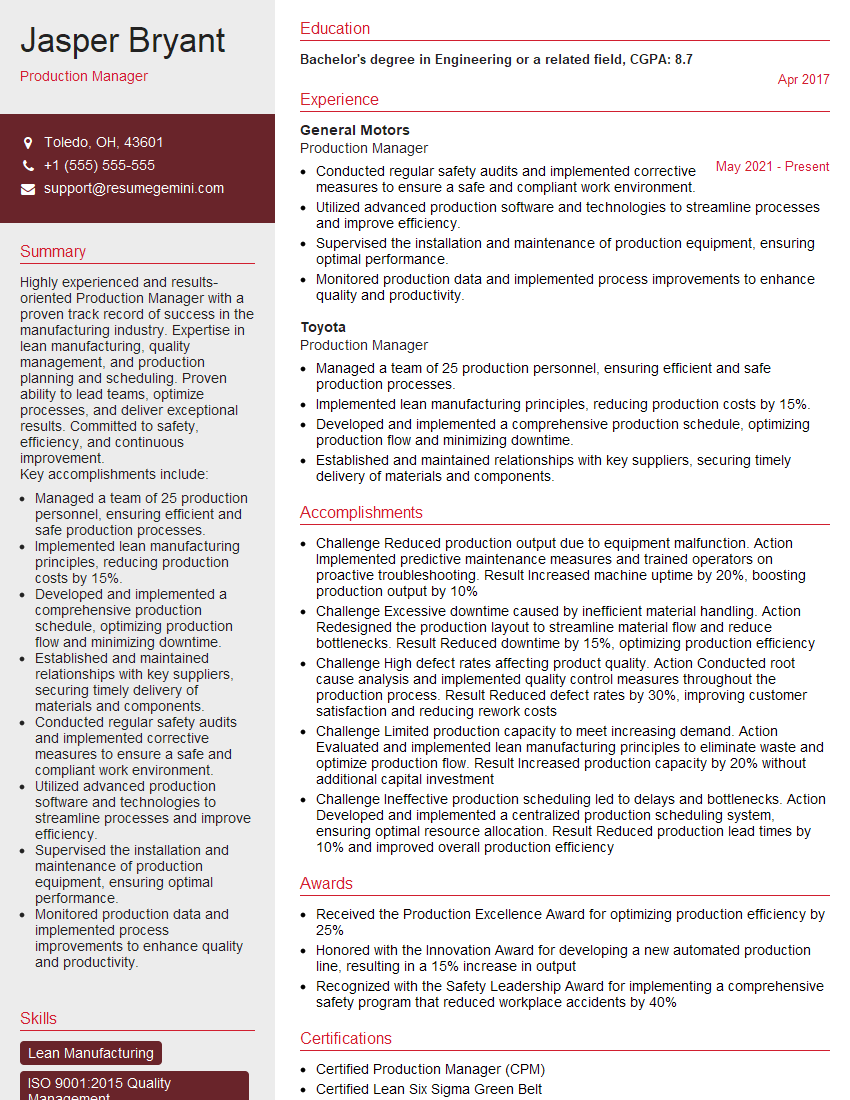
Production Manager Resume Sample
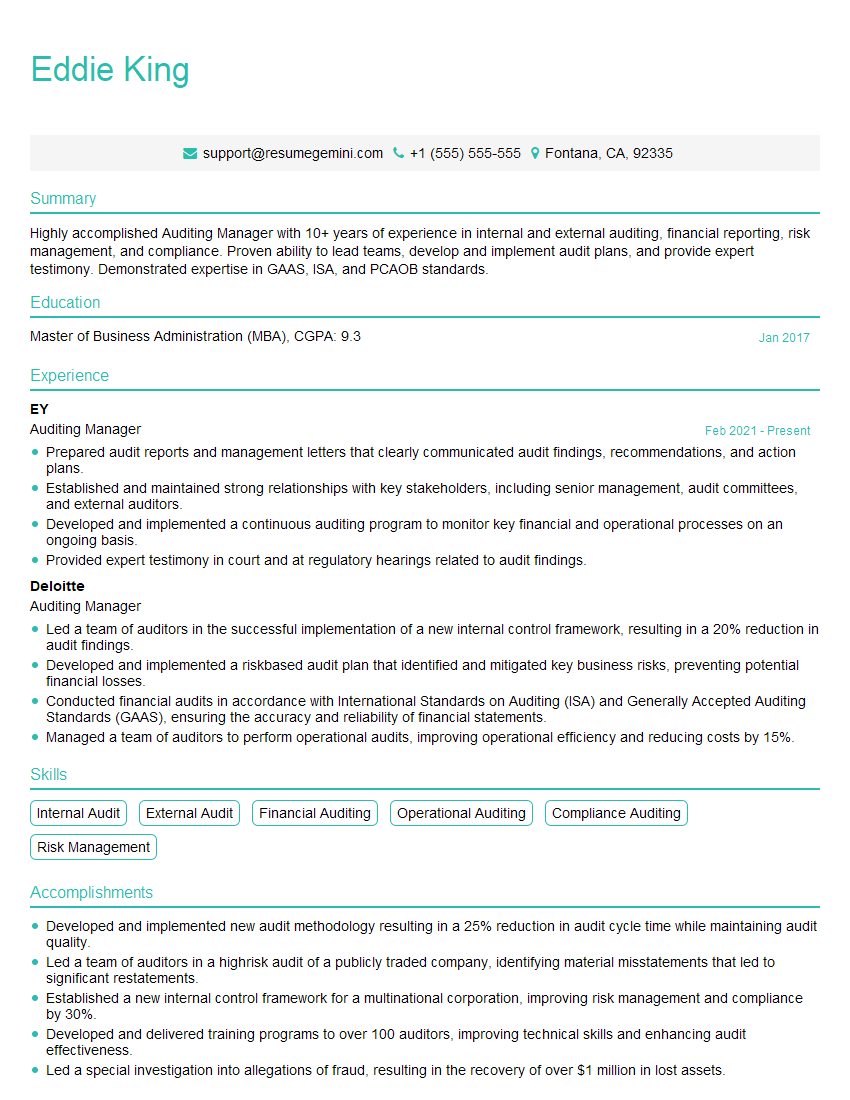
Auditing Manager Resume Sample
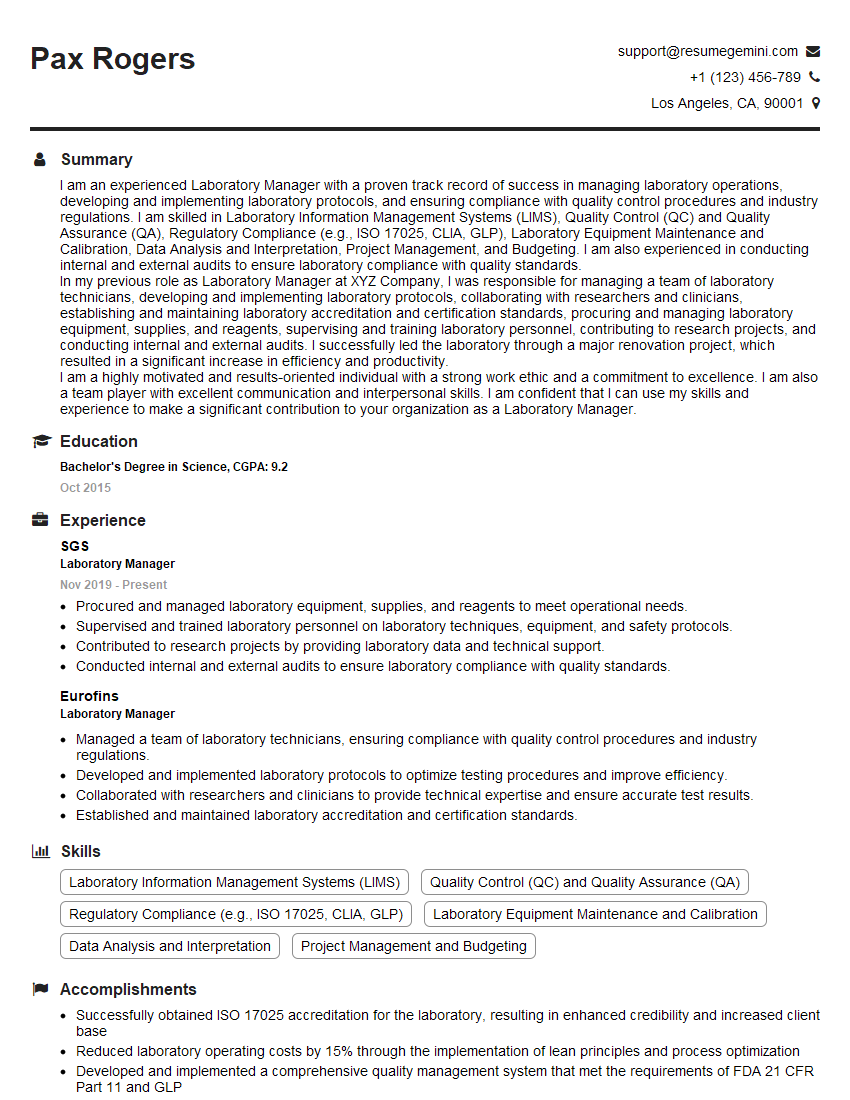
Laboratory Manager Resume Sample
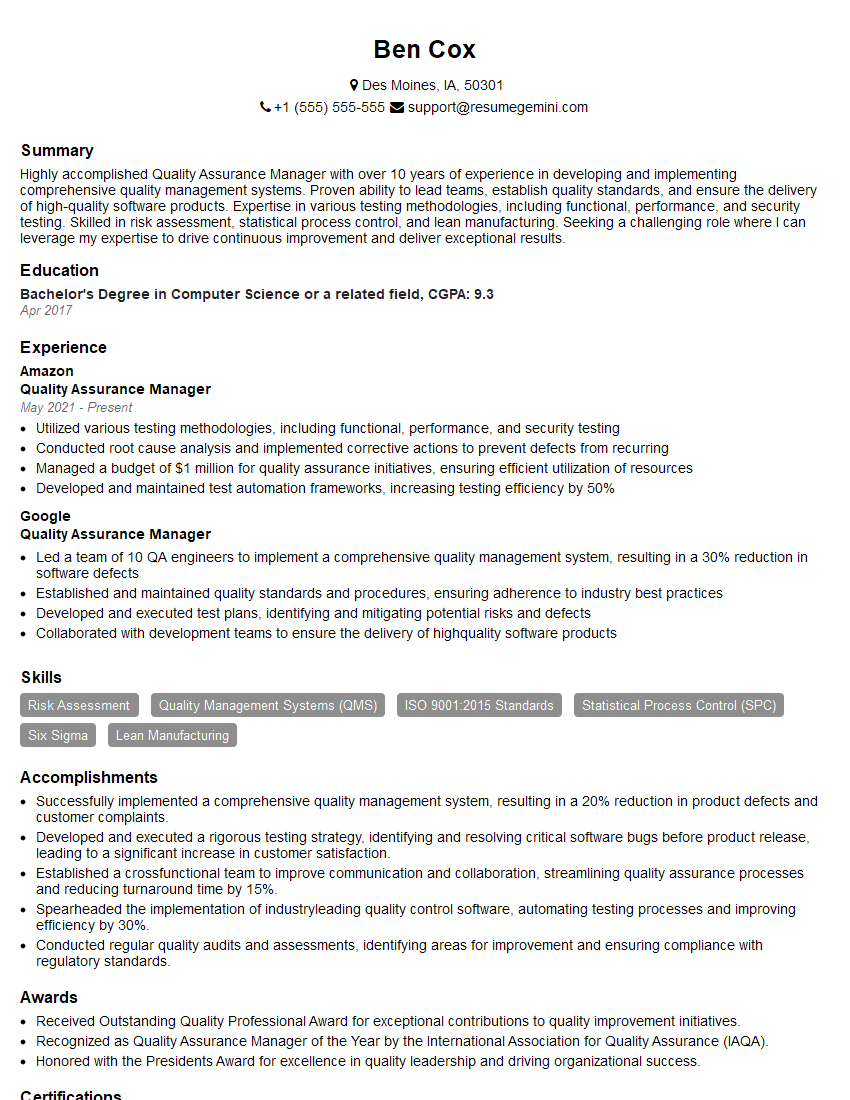
Quality Assurance Manager Resume Sample
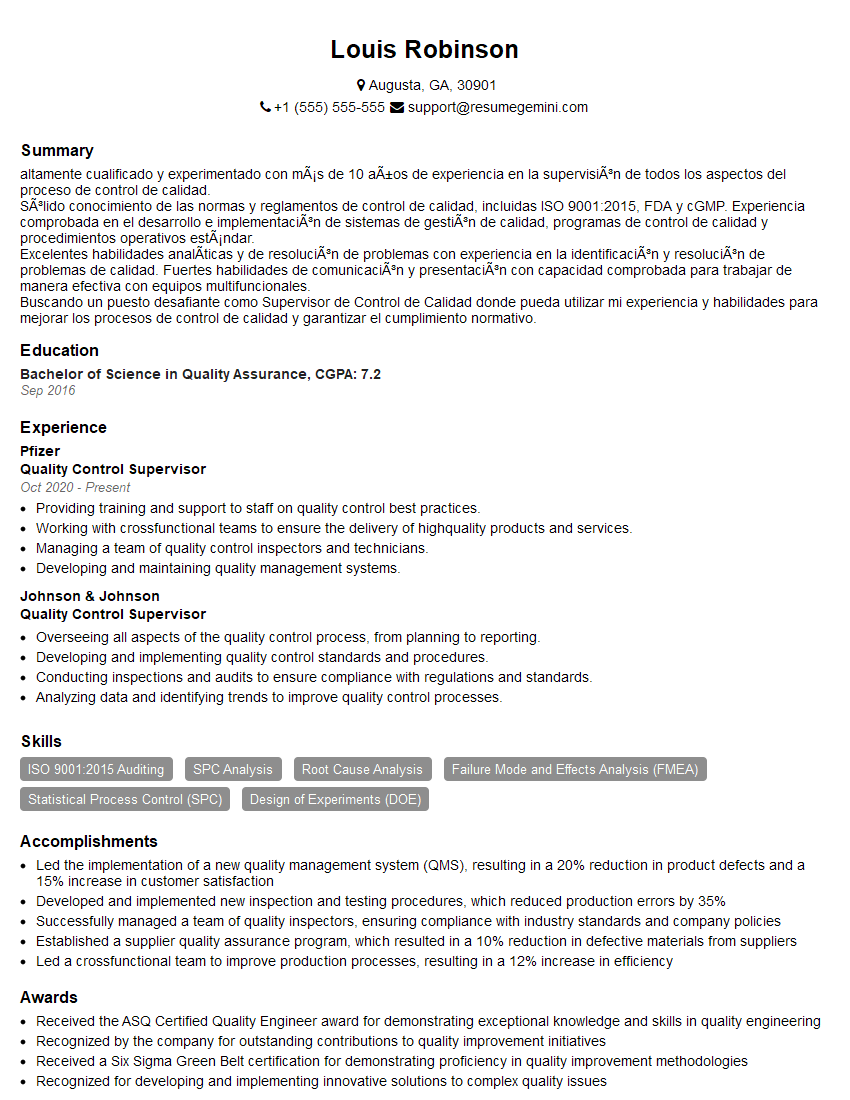
Quality Control Supervisor Resume Sample
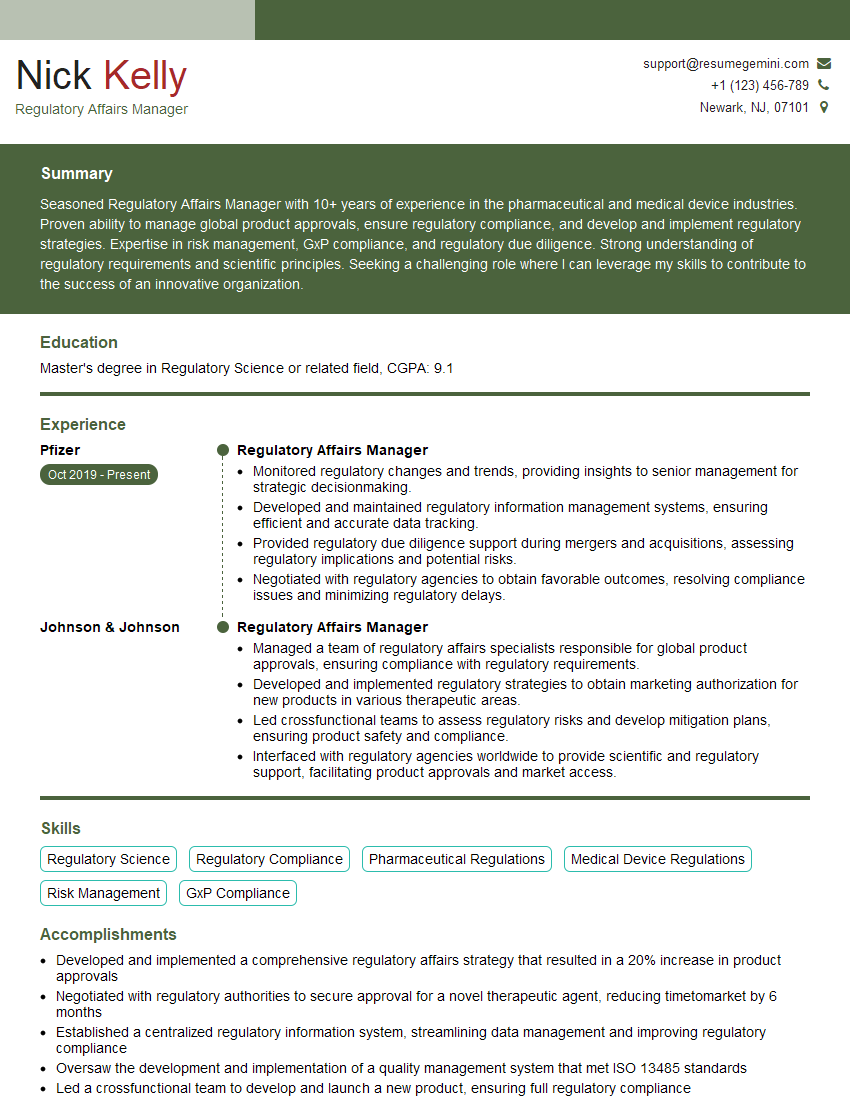
Regulatory Affairs Manager Resume Sample
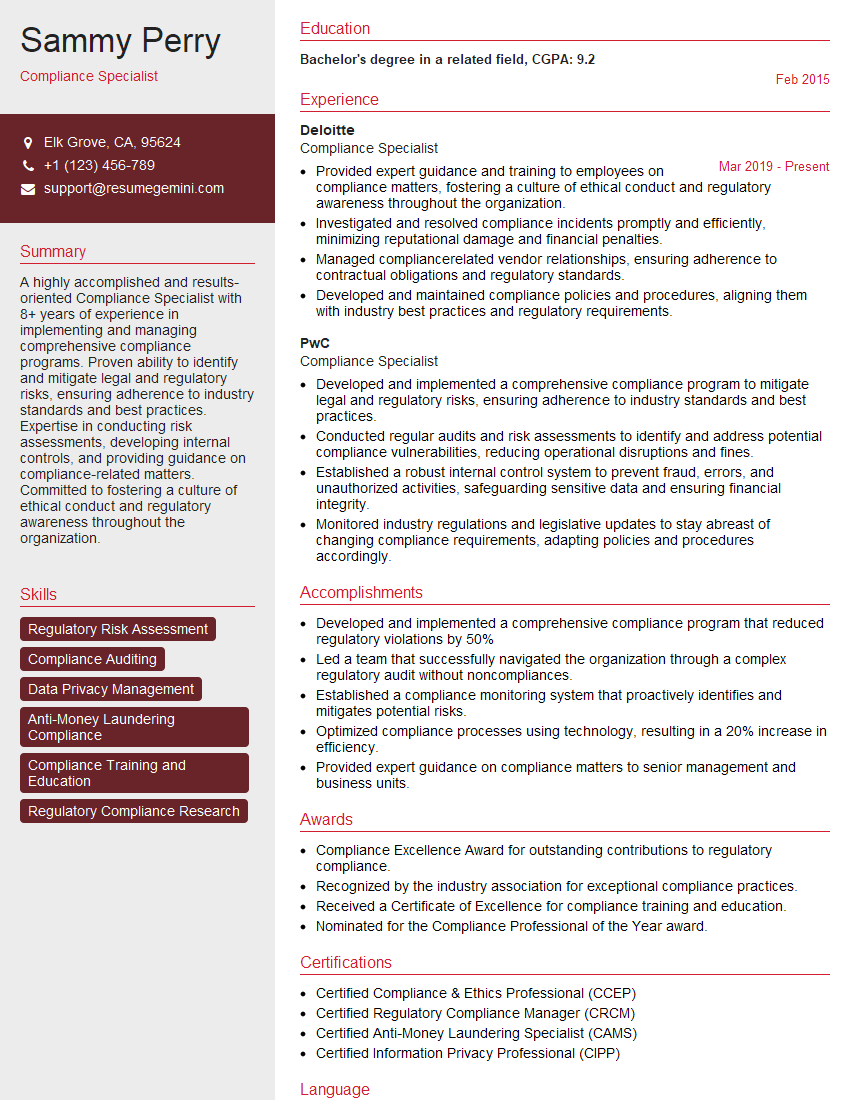
Compliance Specialist Resume Sample
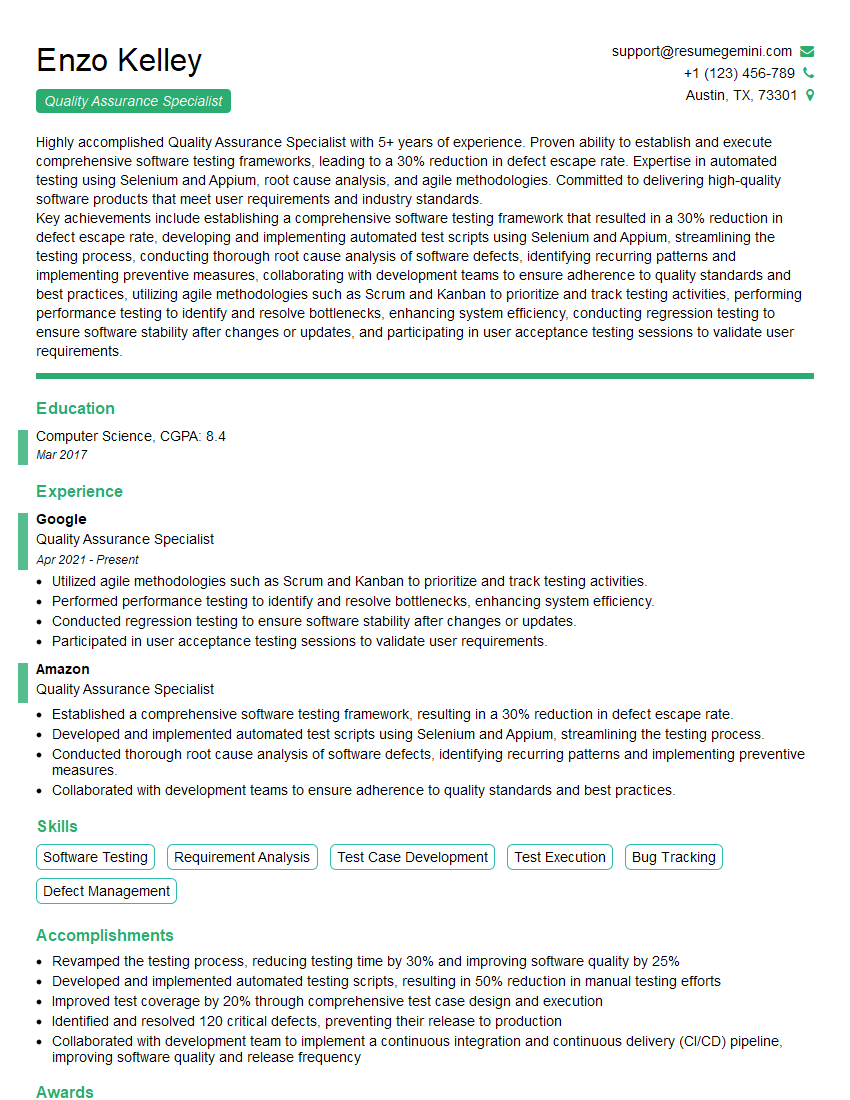
Quality Assurance Specialist Resume Sample
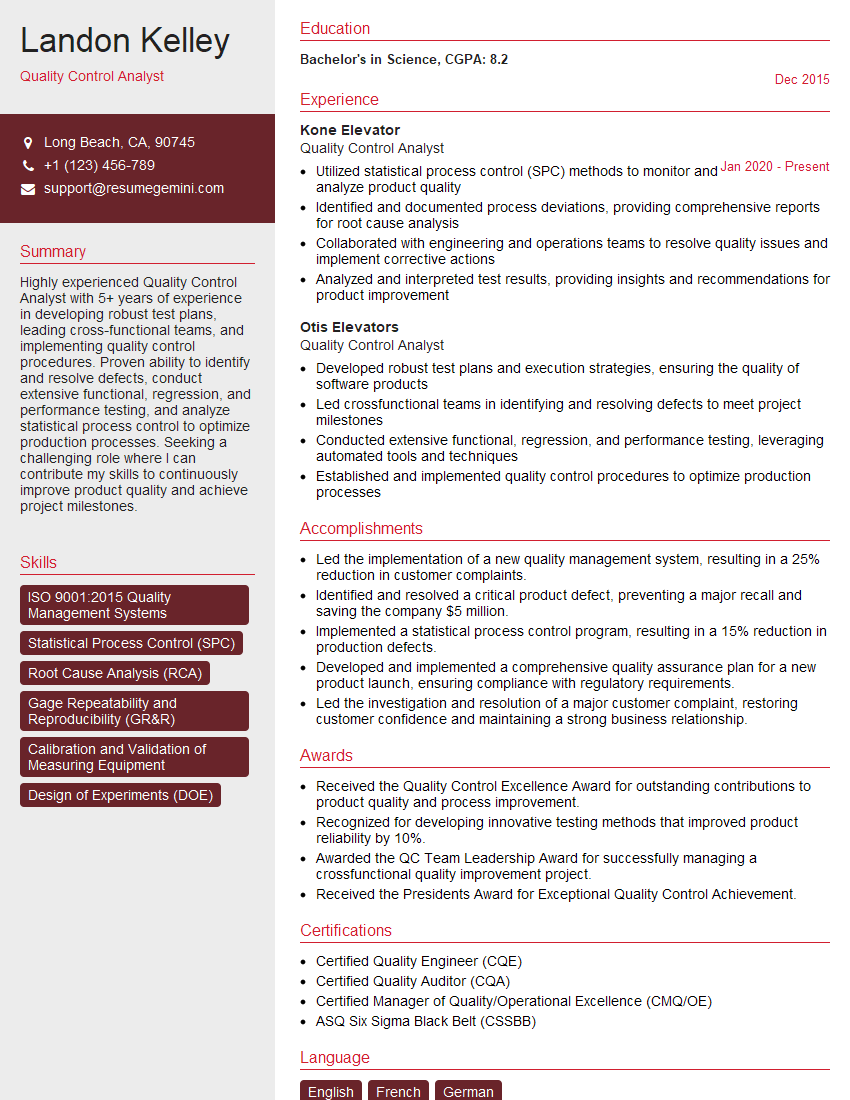
Quality Control Analyst Resume Sample
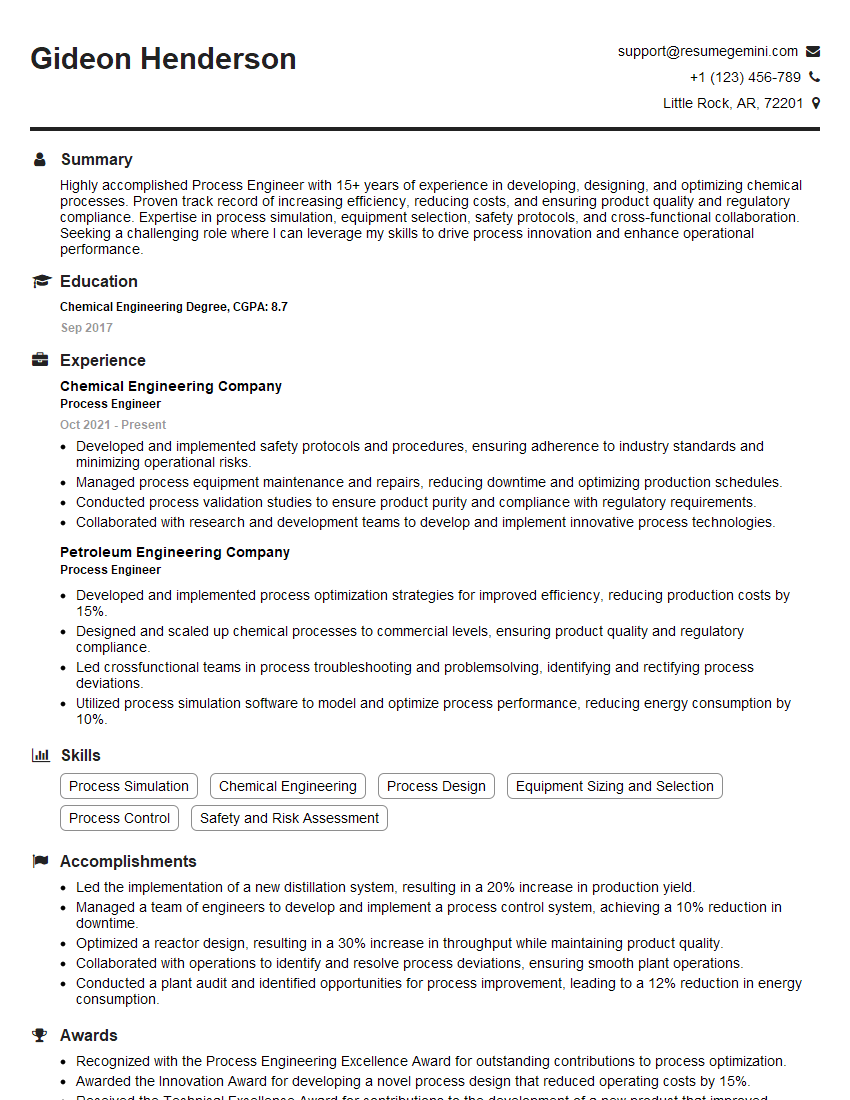
Process Engineer Resume Sample
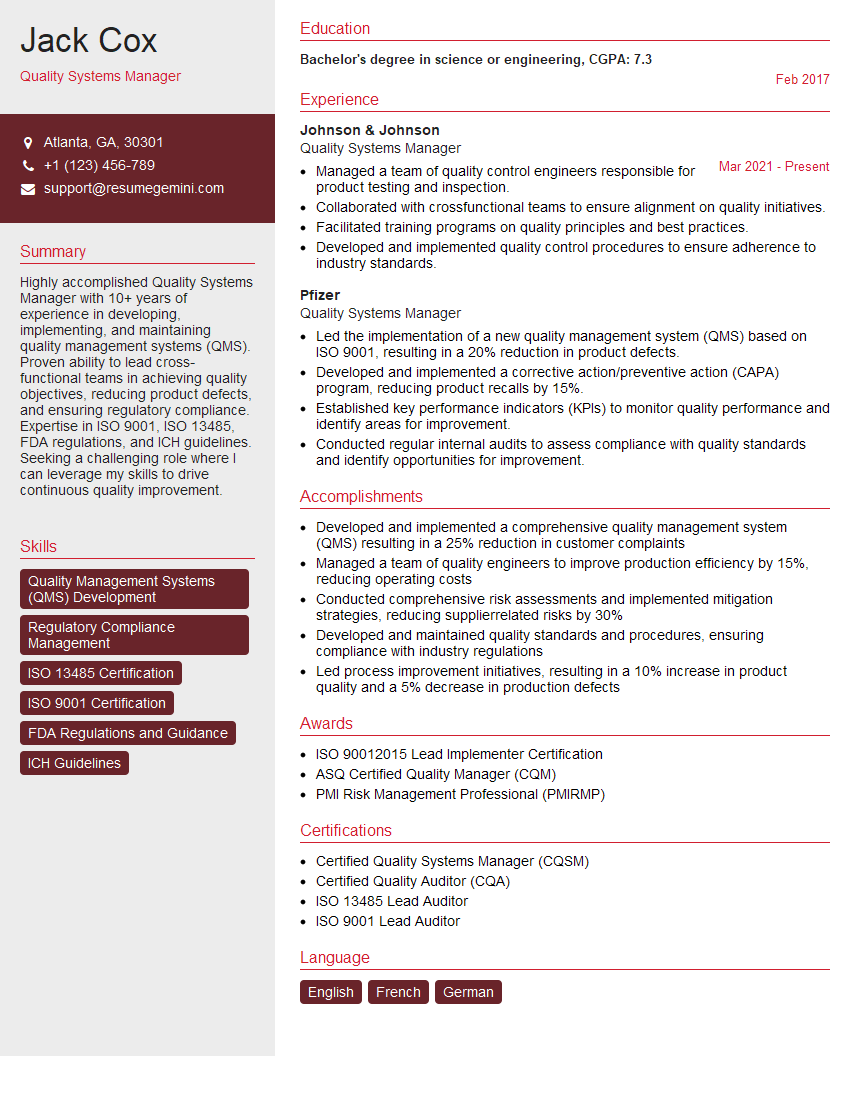
Quality Systems Manager Resume Sample
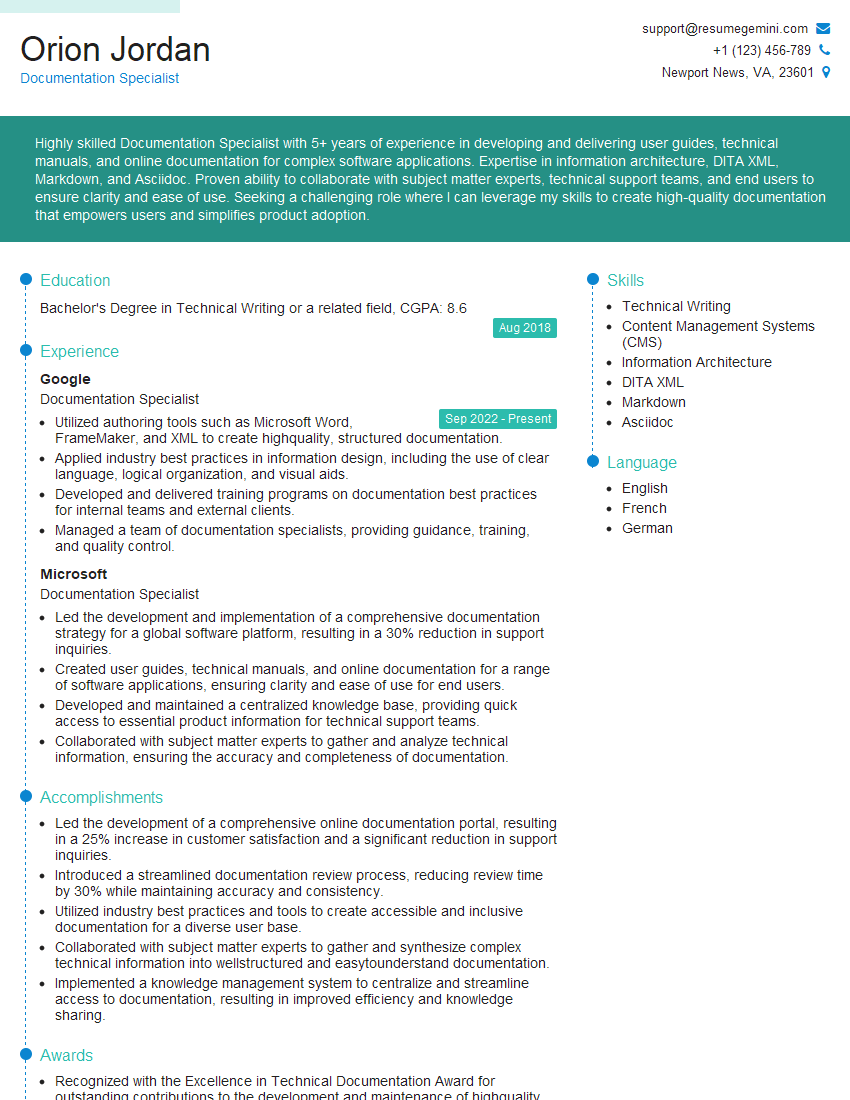
Documentation Specialist Resume Sample
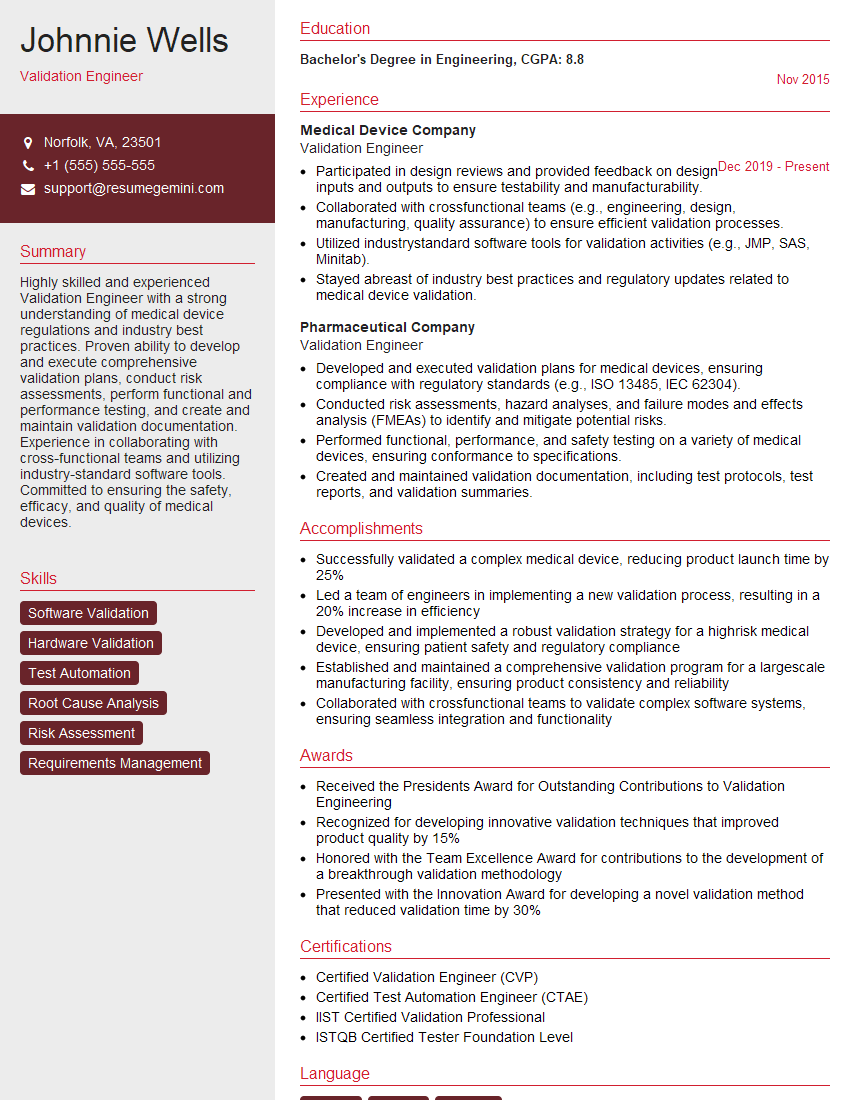
Validation Engineer Resume Sample
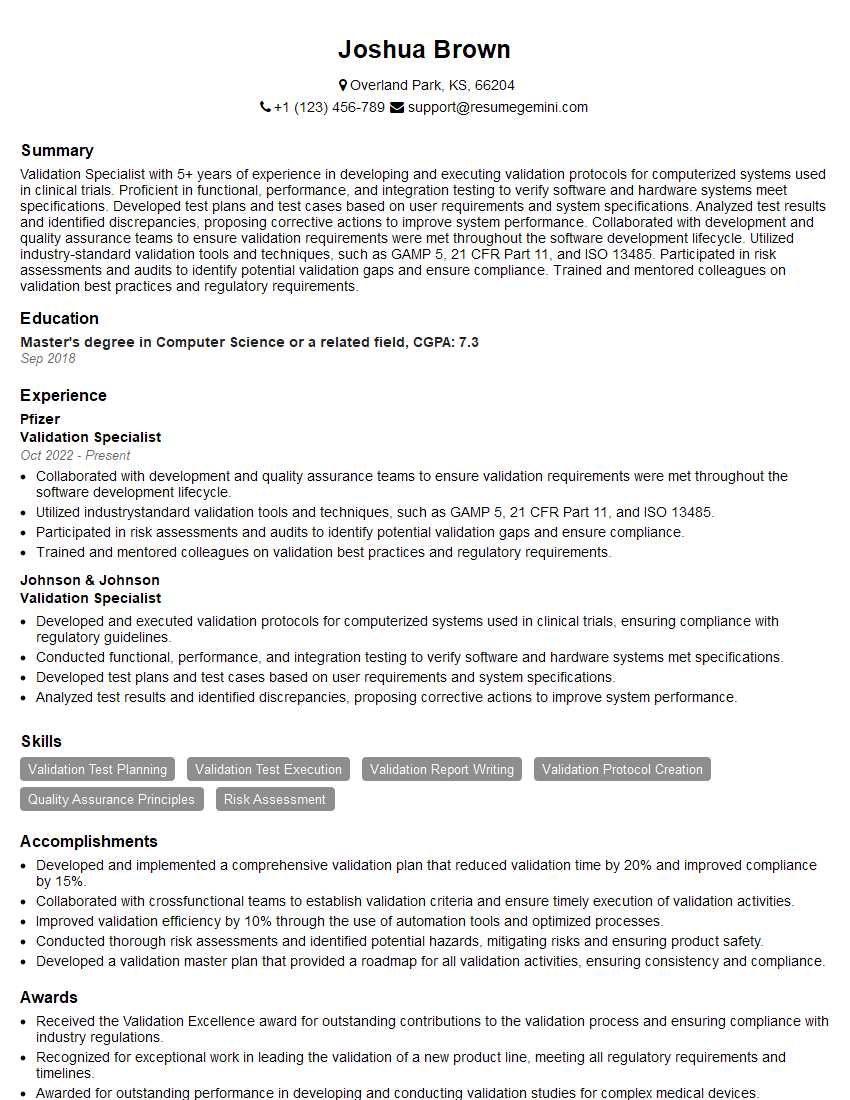
Validation Specialist Resume Sample
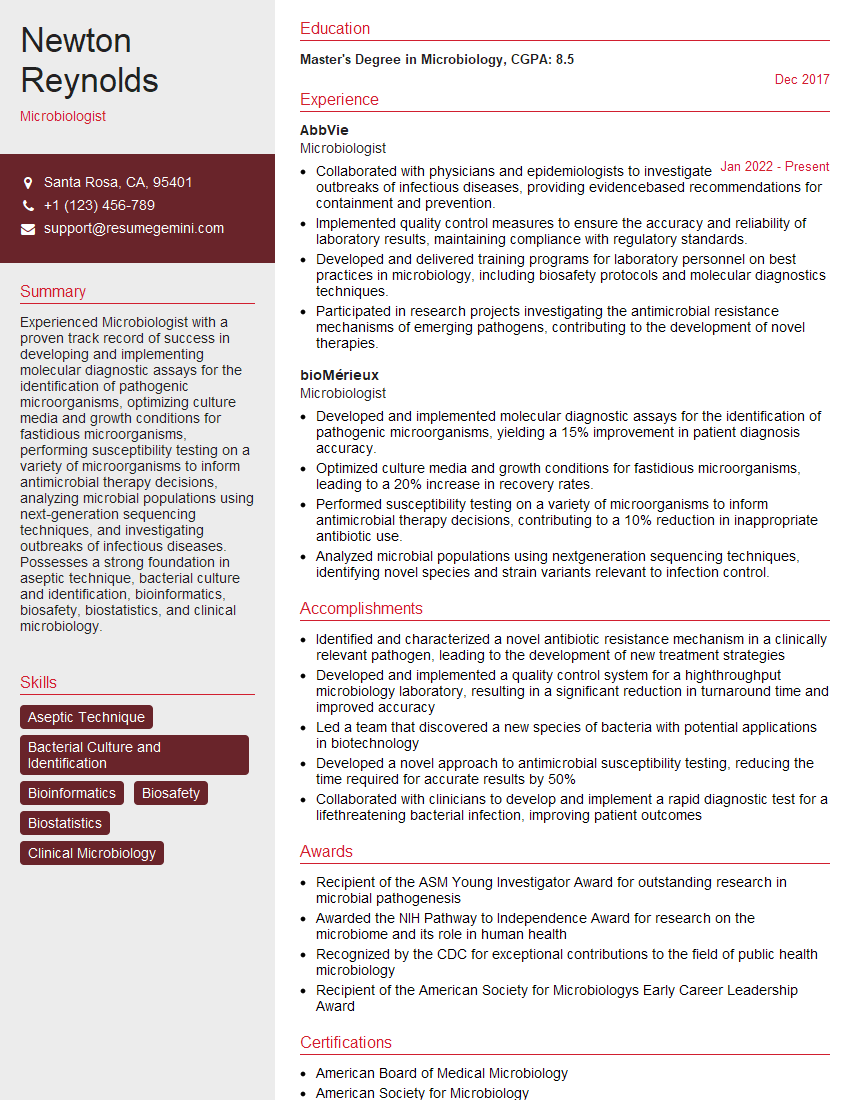
Microbiologist Resume Sample

Analytical Chemist Resume Sample
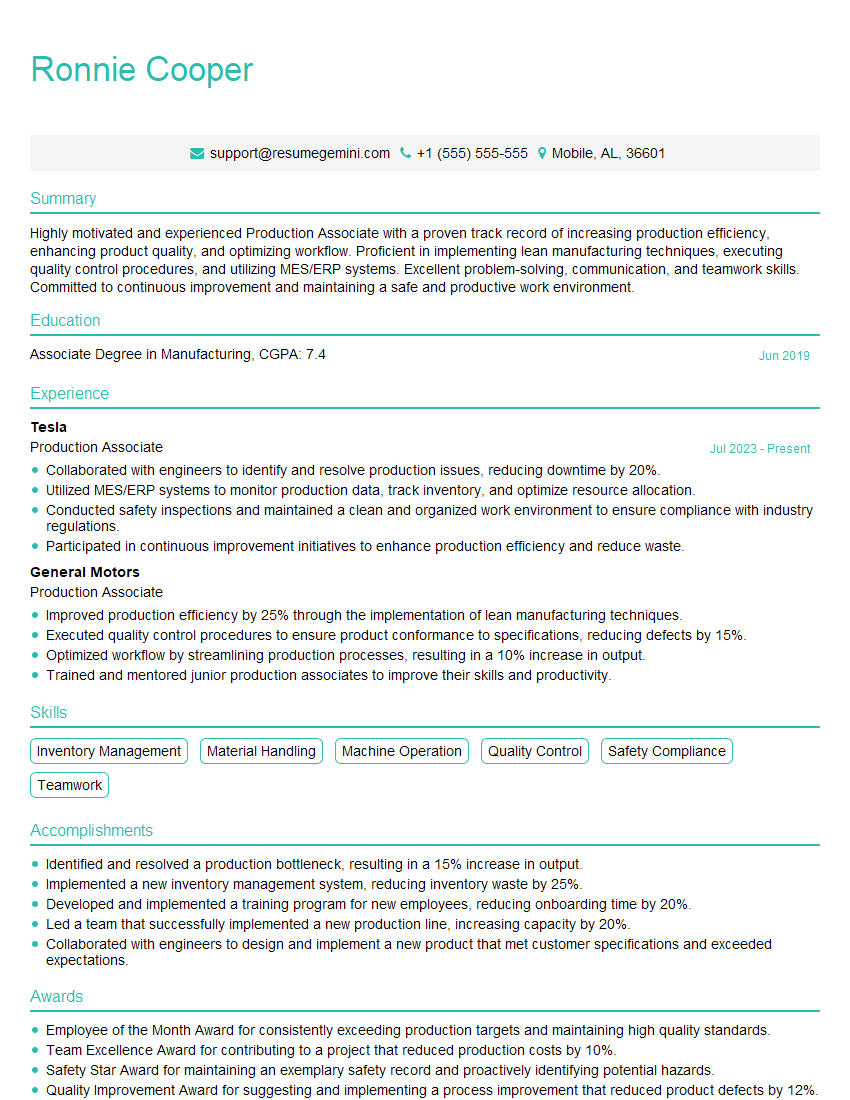
Production Associate Resume Sample
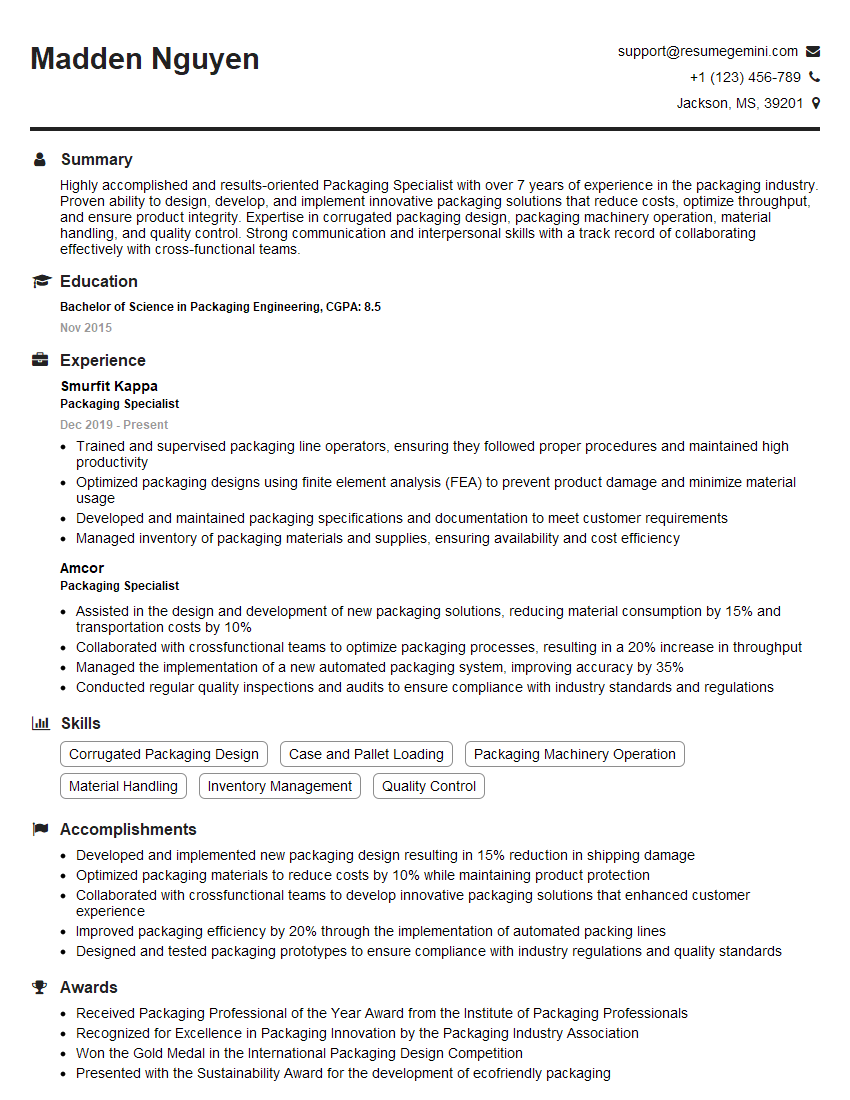
Packaging Specialist Resume Sample
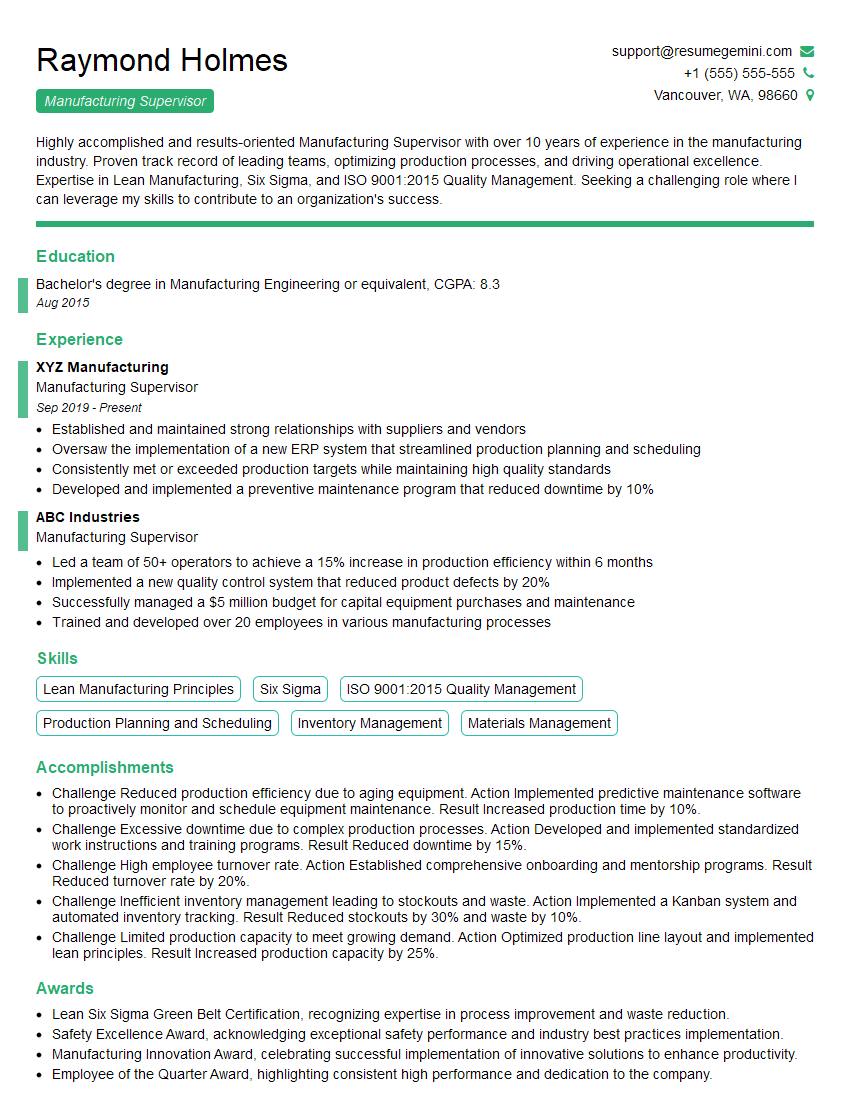
Manufacturing Supervisor Resume Sample
- Production Manager
- Auditing Manager
- Laboratory Manager
- Quality Assurance Manager
- Quality Control Supervisor
- Regulatory Affairs Manager
- Compliance Specialist
- Quality Assurance Specialist
- Quality Control Analyst
- Process Engineer
- Quality Systems Manager
- Documentation Specialist
- Validation Engineer
- Validation Specialist
- Microbiologist
- Analytical Chemist
- Production Associate
- Packaging Specialist
- Manufacturing Supervisor
Explore more articles
Users Rating of Our Blogs
Share Your Experience
We value your feedback! Please rate our content and share your thoughts (optional).
What Readers Say About Our Blog
Really detailed insights and content, thank you for writing this detailed article.
IT gave me an insight and words to use and be able to think of examples