Interviews are opportunities to demonstrate your expertise, and this guide is here to help you shine. Explore the essential Proficient in Root Cause Analysis interview questions that employers frequently ask, paired with strategies for crafting responses that set you apart from the competition.
Questions Asked in Proficient in Root Cause Analysis Interview
Q 1. Explain the 5 Whys technique and its limitations.
The 5 Whys is a simple yet powerful iterative interrogative technique used in Root Cause Analysis (RCA). It involves repeatedly asking “Why?” to peel back the layers of an issue, progressively uncovering the root cause. Each answer becomes the basis for the next ‘Why?’ question. The goal is to drill down beyond surface-level symptoms to the underlying problem.
Example: Let’s say a machine is malfunctioning (the initial problem).
- Why? Because the motor is overheating.
- Why? Because the cooling fan is broken.
- Why? Because the fan belt snapped.
- Why? Because the belt was worn out.
- Why? Because preventative maintenance was neglected.
Therefore, the root cause identified through the 5 Whys is neglected preventative maintenance.
Limitations: The 5 Whys, while straightforward, can be overly simplistic. It might not uncover complex root causes that involve multiple contributing factors or systemic issues. It can also lead to premature conclusions if not applied carefully, especially with experienced users who might make assumptions. It’s best used as a preliminary tool or for simpler problems.
Q 2. Describe the Fishbone diagram (Ishikawa diagram) and its application in RCA.
A Fishbone diagram, also known as an Ishikawa diagram, is a visual tool used in RCA to brainstorm and organize potential causes contributing to a specific effect (the problem). It’s shaped like a fish skeleton, with the problem stated at the head and potential causes categorized into “bones” branching out. Common categories include:
- People
- Methods
- Machines
- Materials
- Measurements
- Environment
Application in RCA: During a brainstorming session, a team identifies potential causes within each category and adds them to the appropriate bone. This helps visualize the relationships between different contributing factors and identify potential root causes. The diagram facilitates group discussion and encourages a more comprehensive understanding of the problem.
Example: If the effect is ‘High Customer Complaints,’ one bone (‘People’) might have sub-causes like ‘Lack of training’ or ‘Poor communication.’ The ‘Methods’ bone could include ‘Inefficient processes’ or ‘Unclear guidelines.’ The diagram helps prioritize potential root causes for further investigation.
Q 3. What are the key differences between reactive and proactive Root Cause Analysis?
Reactive RCA addresses problems *after* they occur. It focuses on identifying the root cause of a problem that has already happened to prevent its recurrence. It’s often driven by immediate needs, such as a production downtime or customer complaint.
Proactive RCA aims to identify potential problems *before* they occur. It’s a preventative approach that analyzes processes, systems, and workflows to identify weaknesses and potential risks. It allows for corrective actions before issues arise, preventing problems from happening in the first place.
Key Differences summarized:
- Timing: Reactive is after the problem; proactive is before.
- Focus: Reactive is on fixing the current problem; proactive is on preventing future problems.
- Motivation: Reactive is driven by an existing issue; proactive is driven by risk assessment and continuous improvement.
Q 4. How do you determine the scope of a Root Cause Analysis investigation?
Defining the scope of an RCA investigation is crucial for efficiency and effectiveness. It involves identifying the boundaries of the problem and the areas to be investigated. This includes:
- Clearly defining the problem: What exactly is the problem you are trying to solve? Be specific.
- Establishing the timeframe: When did the problem start? What is the relevant period to investigate?
- Identifying the affected areas: Which systems, processes, or departments are impacted?
- Setting boundaries: Are there any limitations or constraints on the scope of investigation (budget, time, resources)?
- Defining success criteria: How will you know when you’ve identified the root cause?
Example: If a customer complains about late delivery, the scope could be limited to the order fulfillment process of that specific customer and the relevant shipping timeframe. It wouldn’t necessarily encompass the entire logistics system of the company.
Q 5. Explain the Pareto principle and its relevance to RCA.
The Pareto principle, also known as the 80/20 rule, suggests that roughly 80% of effects come from 20% of causes. In RCA, this means that a small percentage of root causes often account for the majority of problems.
Relevance to RCA: Understanding the Pareto principle helps prioritize investigation efforts. It focuses attention on the vital few root causes responsible for the most significant problems, rather than getting bogged down in less impactful factors. Data analysis, such as histograms and frequency distributions, is crucial to identify the significant 20% of causes that yield the 80% effect. This ensures effective resource allocation and a faster resolution of major issues.
Example: If 80% of product defects are due to two specific manufacturing steps, these steps should be the primary focus of the RCA investigation, rather than examining every aspect of the production process.
Q 6. Describe a situation where you used Root Cause Analysis to solve a complex problem. What methodology did you use?
In my previous role, we experienced a significant increase in customer churn. We employed a combination of methodologies to pinpoint the root cause. We started with a 5 Whys analysis on a sample of churned customers to identify initial patterns. This led us to a high number of negative feedback related to customer support interactions. Then, we used a Fishbone diagram to brainstorm potential causes within various categories: People (training, experience), Methods (customer support processes), Materials (tools, technology), and Environment (workload, stress levels). This revealed a correlation between understaffing and inadequate training as key contributors. Finally, we employed data analysis using customer service logs to quantify the impact of understaffing on response times and resolution efficiency. The combination of these methods helped identify the root cause: insufficient staffing and subsequent inadequate training of customer service representatives, leading to poor customer support and high churn.
By addressing these root causes through increased staffing and enhanced training programs, we saw a dramatic reduction in customer churn within three months.
Q 7. What are some common pitfalls to avoid during a Root Cause Analysis?
Common pitfalls to avoid during RCA include:
- Premature conclusions: Jumping to conclusions without sufficient data or investigation. It is crucial to thoroughly investigate all potential causes before drawing conclusions.
- Focusing on symptoms, not root causes: Addressing surface-level problems without digging deeper to find the underlying cause. This leads to temporary fixes rather than lasting solutions.
- Ignoring human factors: Neglecting to consider the role of human error, training, or motivation in contributing to problems.
- Bias and assumptions: Allowing personal biases or pre-conceived notions to influence the investigation and analysis. Remain objective and gather evidence to support your findings.
- Lack of data or insufficient data analysis: Relying on assumptions instead of evidence-based analysis. Data analysis techniques, such as Pareto analysis, are important for identifying the most significant causes.
- Not involving the right people: Excluding key stakeholders or individuals with relevant expertise in the investigation. A multidisciplinary approach is often most effective.
- Failure to implement corrective actions: Identifying the root cause but not taking appropriate actions to prevent recurrence. RCA is not complete without a clear plan to implement changes and monitor their effectiveness.
Q 8. How do you validate the root cause you have identified?
Validating a root cause is crucial to ensure that the identified problem is truly the source of the issue, not just a symptom. I use a multi-pronged approach. First, I apply the 5 Whys technique to drill down to the underlying cause, confirming each ‘why’ with data and evidence. Then, I utilize fault tree analysis (FTA) to visually represent potential contributing factors and systematically eliminate unlikely causes. Finally, I conduct a confirmation test. This involves implementing a solution directly targeting the identified root cause and observing whether the problem resolves. If the problem is resolved, it strongly validates the root cause. If not, it indicates that further investigation is necessary and I’ll revisit the previous steps.
For example, if a production line is experiencing frequent jams, repeatedly asking ‘why’ might reveal that the root cause is inadequate worker training leading to incorrect machine operation. The FTA would further show the relationship between training deficiencies and jamming incidents. A targeted retraining program (the confirmation test) would be implemented and its effect meticulously monitored.
Q 9. How do you prioritize root causes when multiple are identified?
When multiple root causes emerge, prioritization is vital. I employ a structured approach combining quantitative and qualitative factors. Firstly, I assess the impact of each root cause on the overall problem, using metrics like downtime, financial loss, or safety risks. Secondly, I consider the feasibility of addressing each cause, including the resources, time, and effort required. Finally, I evaluate the potential for future occurrences. I use a prioritization matrix or a simple scoring system to weigh these factors, enabling a data-driven decision on which root cause to tackle first. This might involve a Pareto analysis (80/20 rule) to focus on the few root causes with the highest impact.
Imagine a software system experiencing performance issues. RCA might reveal slow database queries, inadequate server capacity, and inefficient code. Prioritization could involve focusing on the database queries first if they contribute to the majority of performance bottlenecks (high impact, relatively easy to fix).
Q 10. Explain the difference between correlation and causation in the context of RCA.
Correlation simply means that two events happen together; they have a relationship. Causation, however, implies that one event directly causes the other. In RCA, distinguishing between them is crucial to avoid misdiagnosing the problem. A correlation doesn’t necessarily prove causation. For instance, ice cream sales and drowning incidents might be highly correlated in summer, but one doesn’t cause the other; both are caused by the warmer weather.
Consider a manufacturing process. High defect rates might correlate with a specific machine operator. However, the operator’s skill level might not be the cause; the root cause could be faulty equipment, inadequate training provided to the operator, or even a flawed design in the production process. Thorough investigation, involving data analysis and rigorous testing, is vital to establish causation, not just observe correlation.
Q 11. How do you handle resistance to change when implementing solutions derived from RCA?
Resistance to change is a common hurdle in implementing RCA solutions. Addressing it effectively involves a proactive and empathetic approach. I begin by involving stakeholders early in the RCA process, fostering a sense of ownership and buy-in. This includes actively soliciting feedback and addressing concerns throughout the analysis and solution development phases. Clearly communicating the impact of the problem and the benefits of the proposed solutions is essential. Highlighting successes achieved through similar initiatives in the past can also boost confidence. Finally, I develop a change management plan that addresses training needs, resources allocation, and a clear communication strategy.
For example, if an RCA identifies a need for process automation, resistance from employees accustomed to manual processes could be anticipated. Proactive communication highlighting the benefits of increased efficiency and reduced workload, combined with adequate training on new tools, can minimize this resistance.
Q 12. Describe your experience using data analysis tools for RCA (e.g., statistical software).
I’ve extensive experience using various data analysis tools for RCA, including R, Python (with libraries like pandas, numpy, and scikit-learn), and statistical software such as Minitab and SPSS. These tools allow me to analyze large datasets, identify trends, and statistically validate potential root causes. For instance, I’ve used regression analysis in R to determine the relationship between different process parameters and product defects, or control charts in Minitab to detect variations and anomalies within production data.
In a recent project involving a manufacturing process with high scrap rates, I used Python’s pandas to clean and organize the production data and then employed regression analysis to identify key process variables significantly impacting the scrap rate. This allowed us to pinpoint the need for improvements in the raw material handling procedure.
Q 13. How do you document your RCA findings and recommendations?
Thorough documentation of RCA findings and recommendations is critical for future reference, continuous improvement, and accountability. My reports typically include:
- Problem Statement: A clear and concise description of the problem.
- Methodology: A description of the RCA techniques used (e.g., 5 Whys, FTA, Fishbone Diagram).
- Data Analysis: Presentation of the collected data and statistical analyses, if any.
- Root Cause Identification: Clearly identified root cause(s) with supporting evidence.
- Recommendations: Specific, actionable recommendations to address the identified root cause(s).
- Implementation Plan: Outline of steps needed to implement the recommended solutions, including responsibilities and timelines.
- Metrics for Success: Definition of KPIs to measure the effectiveness of the implemented solutions.
I use standard templates and tools like Microsoft Word and Excel, ensuring the reports are well-structured, easy to understand, and readily accessible to all stakeholders.
Q 14. What are the key performance indicators (KPIs) you use to measure the effectiveness of RCA?
The KPIs used to measure RCA effectiveness depend on the nature of the problem and the implemented solutions. However, common KPIs include:
- Reduction in defects or errors: This could be measured as a percentage reduction in defect rates, error rates, or scrap rates.
- Improved process efficiency: This might involve tracking metrics like cycle time, throughput, or production output.
- Cost savings: This tracks reductions in costs associated with the problem, such as downtime, repairs, or waste.
- Increased customer satisfaction: This assesses the impact of the RCA on customer satisfaction, through surveys or other feedback mechanisms.
- Improved safety performance: This involves tracking metrics like accident rates or near-miss incidents.
Regular monitoring of these KPIs, post-implementation, is crucial to evaluate the long-term effectiveness of the RCA and identify any further improvements needed.
Q 15. How do you ensure the root cause analysis is unbiased and objective?
Ensuring objectivity and eliminating bias in root cause analysis (RCA) is crucial for effective problem-solving. It requires a structured approach and a conscious effort to avoid preconceived notions. This is achieved through several key strategies:
- Structured Methodology: Employing a formal RCA methodology, like the 5 Whys, Fishbone diagram, or Fault Tree Analysis, provides a framework that guides the investigation and reduces the influence of personal biases. Each method has its own strengths, but they all encourage a systematic approach.
- Data-Driven Approach: Relying heavily on objective data, such as logs, metrics, and witness statements, rather than assumptions or gut feelings, is paramount. This involves meticulously collecting and analyzing data from various sources to build a robust case.
- Diverse Team Composition: Forming an RCA team with members from different departments and backgrounds fosters a wider perspective and reduces the risk of groupthink. Different individuals bring unique perspectives and may identify factors that might be missed by a homogeneous group.
- Challenging Assumptions: Actively questioning assumptions and challenging potential root causes is vital. This includes actively seeking contradictory evidence and exploring alternative explanations. It’s often helpful to appoint a ‘devil’s advocate’ to play this role.
- Documentation: Thorough documentation of the entire RCA process – including data collection methods, analysis techniques, and conclusions – ensures transparency and allows for scrutiny of the findings. This is crucial for building credibility and ensuring accountability.
For instance, in investigating a software crash, instead of immediately assuming programmer error, we’d thoroughly examine system logs, network performance data, and user activity to identify the actual cause, whether it be a server overload, a software bug, or a hardware failure.
Career Expert Tips:
- Ace those interviews! Prepare effectively by reviewing the Top 50 Most Common Interview Questions on ResumeGemini.
- Navigate your job search with confidence! Explore a wide range of Career Tips on ResumeGemini. Learn about common challenges and recommendations to overcome them.
- Craft the perfect resume! Master the Art of Resume Writing with ResumeGemini’s guide. Showcase your unique qualifications and achievements effectively.
- Don’t miss out on holiday savings! Build your dream resume with ResumeGemini’s ATS optimized templates.
Q 16. Explain the concept of ‘failure modes and effects analysis’ (FMEA) and its relationship to RCA.
Failure Modes and Effects Analysis (FMEA) is a proactive methodology used to identify potential failures in a system and assess their impact. It’s a predictive technique, unlike RCA which is reactive. RCA addresses a problem *after* it’s occurred, while FMEA tries to prevent problems *before* they happen.
The relationship between FMEA and RCA is complementary. FMEA helps prevent problems identified in previous RCAs from recurring. By identifying potential failure modes and their effects, FMEA helps to proactively mitigate risks. If a failure does occur despite the FMEA, the RCA process can then pinpoint the precise cause and further refine future FMEAs.
For example, an FMEA for a new manufacturing process might identify a potential failure mode as ‘machine malfunction due to overheating’. The team might then implement preventative measures like installing temperature sensors and automatic shut-off mechanisms. However, if the machine still overheats, RCA would then be used to determine the *specific* reason for the overheating (e.g., faulty cooling system, incorrect settings).
Q 17. How does Root Cause Analysis relate to risk management?
Root Cause Analysis is intrinsically linked to risk management. Identifying the root cause of an incident is the first step in mitigating future risks. RCA provides crucial information about vulnerabilities in a system, highlighting areas that need improvement.
By understanding the root cause, organizations can develop effective countermeasures to prevent similar incidents from happening again. This might involve implementing new procedures, upgrading equipment, enhancing training, or revising existing policies. The findings from RCA directly inform risk assessments, allowing for a more accurate and comprehensive evaluation of future risks.
Imagine a data breach. RCA reveals the root cause was a lack of employee training on security protocols. This knowledge directly informs risk management by highlighting the need for improved training programs, strengthening security policies, and regularly testing employees’ understanding of these protocols. This proactive approach greatly reduces the risk of future data breaches.
Q 18. How would you handle a situation where the root cause is unclear or difficult to pinpoint?
When the root cause is unclear, a systematic and iterative approach is needed. This often involves:
- Expanding the Scope of Investigation: The initial scope of the investigation might need broadening. Gathering more data, involving additional experts, or revisiting assumptions may provide clues.
- Employing Multiple RCA Methodologies: Using several techniques concurrently (e.g., 5 Whys combined with a Fishbone diagram) can provide a more holistic view and uncover interconnected factors.
- Data Analysis Techniques: Advanced statistical analysis may be required to identify correlations and patterns in large datasets. This helps separate correlation from causation.
- Scenario Modelling: Creating hypothetical scenarios that explore different possible root causes can help to test theories and refine the understanding of the problem.
- Expert Consultation: Seeking external expertise, especially in specialized areas, is valuable in complex situations. This might involve engineers, statisticians, or other specialized consultants.
- Acceptance of ‘Undetermined’: Sometimes, despite diligent effort, the precise root cause remains elusive. Accepting the possibility of an undetermined root cause is preferable to forcing a conclusion based on insufficient evidence. This necessitates a focus on mitigating the symptoms in the interim.
For example, a sudden drop in website traffic might not have an immediately obvious cause. Employing various tools (web server logs, network monitoring, social media sentiment analysis) and consulting with web developers and marketing experts may be necessary before pinpointing the root cause – it might be a server outage, a search engine algorithm change, or a negative social media campaign.
Q 19. What is the difference between Root Cause Analysis and Fault Tree Analysis?
While both Root Cause Analysis (RCA) and Fault Tree Analysis (FTA) are used to identify the causes of failures, they differ significantly in their approach:
- RCA is a general problem-solving methodology focusing on understanding the underlying cause of an *already occurred* event. It’s often inductive, working from the observed effect to identify the root cause(s).
- FTA is a deductive technique used to analyze potential failures in a *system* to determine the likelihood of top-level events. It works backward from an undesirable outcome (top event) to identify potential contributing factors (lower-level events) and their probabilities. It helps predict future failures.
RCA is like detective work, investigating an existing crime. FTA is like a safety audit, predicting potential threats before they materialize.
For example, if a power plant fails (the event), RCA would investigate the sequence of events leading to the failure, determining if it was a faulty component, human error, or some other cause. FTA, on the other hand, might be used *before* the plant is built to analyze potential failures in the power generation system, such as a pump failure or control system malfunction, and assess the likelihood of these failures causing a plant shutdown.
Q 20. Describe your experience with different RCA methodologies (e.g., 5 Whys, Fishbone, Fault Tree Analysis).
I’ve extensive experience with various RCA methodologies. Here are some examples:
- 5 Whys: This is a simple yet effective technique for drilling down to the root cause by repeatedly asking ‘why’ until the underlying issue is uncovered. It’s particularly useful for simple problems but may not be sufficient for complex issues. I’ve used it effectively in resolving minor software bugs and operational hiccups.
- Fishbone Diagram (Ishikawa Diagram): This visual tool helps to brainstorm and categorize potential causes under various headings (e.g., people, methods, machines, materials, environment, measurement). It facilitates group discussions and helps to identify potential root causes that might have otherwise been overlooked. I used this extensively during a process improvement project identifying causes for production line bottlenecks.
- Fault Tree Analysis (FTA): For complex systems and high-consequence events, FTA is invaluable. It provides a structured, graphical representation of potential failures and their relationships, allowing for a quantitative assessment of risk. I’ve utilized FTA in safety critical projects related to industrial equipment and software systems.
- Pareto Analysis: This statistical method helps identify the ‘vital few’ causes responsible for the majority of problems. It focuses efforts on the most impactful root causes. I’ve applied it to analyze customer complaints, identifying the key factors driving dissatisfaction.
My experience has shown that the best approach often involves a combination of methods to obtain a comprehensive understanding of the root cause.
Q 21. How do you communicate your RCA findings to both technical and non-technical audiences?
Communicating RCA findings effectively to both technical and non-technical audiences requires careful tailoring of the message. I usually adopt this approach:
- Summary for Non-Technical Audiences: For non-technical stakeholders, I focus on the high-level findings, explaining the problem in simple terms and outlining the key actions to be taken. I avoid technical jargon and use clear, concise language. Visual aids like charts and graphs are highly effective.
- Detailed Report for Technical Audiences: For technical audiences, I present a more detailed analysis, including technical explanations, data analysis, and the methodology used. This might involve presenting detailed diagrams, code snippets, or statistical data.
- Visual Aids: I always incorporate visual aids, like charts, graphs, flowcharts, and diagrams, to make the information accessible and engaging for both audiences.
- Storytelling: Framing the RCA findings as a narrative helps to engage the audience and make the information easier to understand. This helps in building a compelling case for proposed corrective actions.
- Interactive Presentations: Interactive presentations, including Q&A sessions, allow for open discussion and help to clarify any doubts or misunderstandings.
For example, when presenting findings on a network outage to executives, I would focus on the impact on business operations and the steps taken to resolve the issue and prevent recurrence. When discussing the same issue with technical staff, I’d delve deeper into network diagnostics, error logs, and technical solutions implemented.
Q 22. What is your experience with using RCA in a cross-functional team environment?
My experience with RCA in cross-functional teams centers on fostering collaboration and leveraging diverse perspectives. I’ve found that success hinges on establishing clear communication channels and a shared understanding of the problem from the outset. For instance, in a recent project involving a software deployment failure, our team—comprising developers, testers, operations, and product managers—used a structured approach. We began by defining the problem concisely, using a statement like “The software deployment on October 26th resulted in a system outage lasting two hours.” Then, we used a fishbone diagram to brainstorm potential root causes, categorizing them by development, testing, deployment, and infrastructure. Each team member contributed their domain expertise, ensuring we considered all angles. We also used a shared online document to track progress and maintain transparency throughout the process. This collaborative approach resulted in a significantly faster and more accurate identification of the root cause—a configuration error overlooked in the final testing phase—than would have been possible with a siloed investigation.
Q 23. How do you handle conflicting information or opinions during the RCA process?
Conflicting information is inevitable in RCA, especially in complex situations. My approach is to treat disagreements as opportunities for deeper investigation, not roadblocks. I facilitate open discussion, encouraging all team members to present their evidence and reasoning. I employ techniques like documenting all viewpoints, identifying discrepancies, and prioritizing data sources based on reliability and validity. For instance, if a developer claims a code change caused an issue, but logs show no such change, I’d prioritize the log data for further analysis. We use data analysis and cross-referencing to resolve contradictions, and when necessary, we involve subject matter experts to clarify ambiguities. The goal is not necessarily to reach complete consensus on every detail but to arrive at a shared understanding of the most probable root cause, supported by strong evidence.
Q 24. Describe a time when a Root Cause Analysis led to unexpected or surprising results.
During an RCA on a significant drop in customer satisfaction scores, we initially suspected issues with product features. However, as we delved deeper, using surveys and customer service call transcripts, we discovered the root cause was actually a recent change to our customer support procedures. The new procedure, while intended to improve efficiency, inadvertently resulted in longer wait times and less personalized support. This was surprising because the feature improvements we’d launched concurrently had received positive feedback. This experience highlighted the importance of a holistic approach, going beyond the obvious symptoms to uncover hidden factors. It also reinforced the need to assess the impact of all changes, not just those related to the product itself.
Q 25. What are some of the limitations of Root Cause Analysis?
While RCA is a powerful tool, it has limitations. One major limitation is the potential for human bias. Investigators can unconsciously focus on certain aspects while ignoring others. This is why using structured techniques, such as the 5 Whys or fishbone diagrams, is crucial. Another limitation is the complexity of some problems. Interconnected systems and cascading failures can make it exceedingly difficult to isolate a single root cause. Sometimes multiple contributing factors exist, and isolating them requires advanced analysis techniques. Lastly, a lack of comprehensive data can hinder the RCA process. Without access to relevant information, conclusions may be flawed or incomplete. Therefore, it’s critical to plan data collection early in the process.
Q 26. How do you stay current with best practices in Root Cause Analysis?
Staying current with best practices in RCA involves continuous learning. I regularly attend industry conferences and workshops focused on reliability engineering and quality management. I actively participate in online communities and forums dedicated to RCA, engaging in discussions and sharing knowledge with other practitioners. I also follow leading experts in the field, reading their publications and attending their webinars. Additionally, I regularly review and update my knowledge of various RCA methodologies and tools. Staying informed enables me to adapt my approaches to fit the complexities of evolving systems and technologies.
Q 27. How do you balance the need for thoroughness in RCA with the need for timely results?
Balancing thoroughness and timeliness in RCA is a delicate act. I address this by employing a phased approach. Initially, I prioritize a rapid assessment to identify immediate actions to mitigate the problem and prevent further damage. This phase involves using quick methods like the 5 Whys to get a preliminary understanding. Then, I launch a more thorough investigation, using data analysis and potentially more advanced techniques, to determine the root cause. The time allocated for each phase is determined based on the urgency and severity of the problem. Regular updates to stakeholders are crucial to maintain transparency and avoid unnecessary delays. It’s important to prioritize finding a *sufficiently* thorough answer to prevent recurrence, rather than an absolutely exhaustive one that may delay critical actions.
Q 28. Describe a time you had to adapt your RCA approach due to unexpected challenges.
During an RCA of a manufacturing line shutdown, we initially planned to use a traditional fishbone diagram. However, we encountered a large volume of seemingly unrelated data points. The sheer amount of information threatened to overwhelm the analysis. To adapt, we shifted to a data-driven approach. We used statistical process control (SPC) charts to identify anomalies in production parameters and then leveraged data mining techniques to correlate these anomalies with sensor readings and maintenance logs. This allowed us to uncover a subtle pattern of vibration in a key component, leading us to discover a previously unknown manufacturing defect. This unexpected challenge forced us to move beyond our initial method and adopt a more data-centric approach, ultimately yielding a more effective and efficient root cause identification.
Key Topics to Learn for Proficient in Root Cause Analysis Interview
- Defining Root Cause Analysis (RCA): Understanding various RCA methodologies (e.g., 5 Whys, Fishbone Diagram, Fault Tree Analysis) and their appropriate applications.
- Data Collection and Analysis: Mastering techniques for gathering relevant data, identifying patterns, and using statistical methods to support conclusions.
- Identifying Contributing Factors: Differentiating between root causes and contributing factors, and understanding the importance of addressing both effectively.
- Problem Solving Frameworks: Applying structured problem-solving methodologies to systematically investigate and resolve issues.
- Effective Communication and Reporting: Clearly articulating findings, recommendations, and the rationale behind your RCA process to both technical and non-technical audiences.
- Practical Application in Different Industries: Understanding how RCA is applied across diverse sectors (e.g., manufacturing, IT, healthcare) and adapting your approach accordingly.
- Bias Mitigation and Critical Thinking: Recognizing potential biases in data and analysis, and employing critical thinking to ensure objectivity and accuracy.
- Preventive Measures and Corrective Actions: Developing and implementing effective strategies to prevent recurrence and improve overall system reliability.
- Using RCA Software and Tools: Familiarity with common software and tools used in RCA, demonstrating proficiency in data visualization and reporting.
Next Steps
Mastering Proficient in Root Cause Analysis significantly enhances your problem-solving skills and demonstrates a valuable asset to any employer. This expertise is highly sought after and can lead to increased career opportunities and higher earning potential. To stand out from other candidates, creating an ATS-friendly resume is crucial. This ensures your application gets noticed by recruiters and hiring managers. We recommend using ResumeGemini to build a professional and impactful resume that highlights your RCA skills effectively. ResumeGemini provides examples of resumes tailored to highlight Proficient in Root Cause Analysis, helping you craft a winning application.

Operations Manager Resume Sample
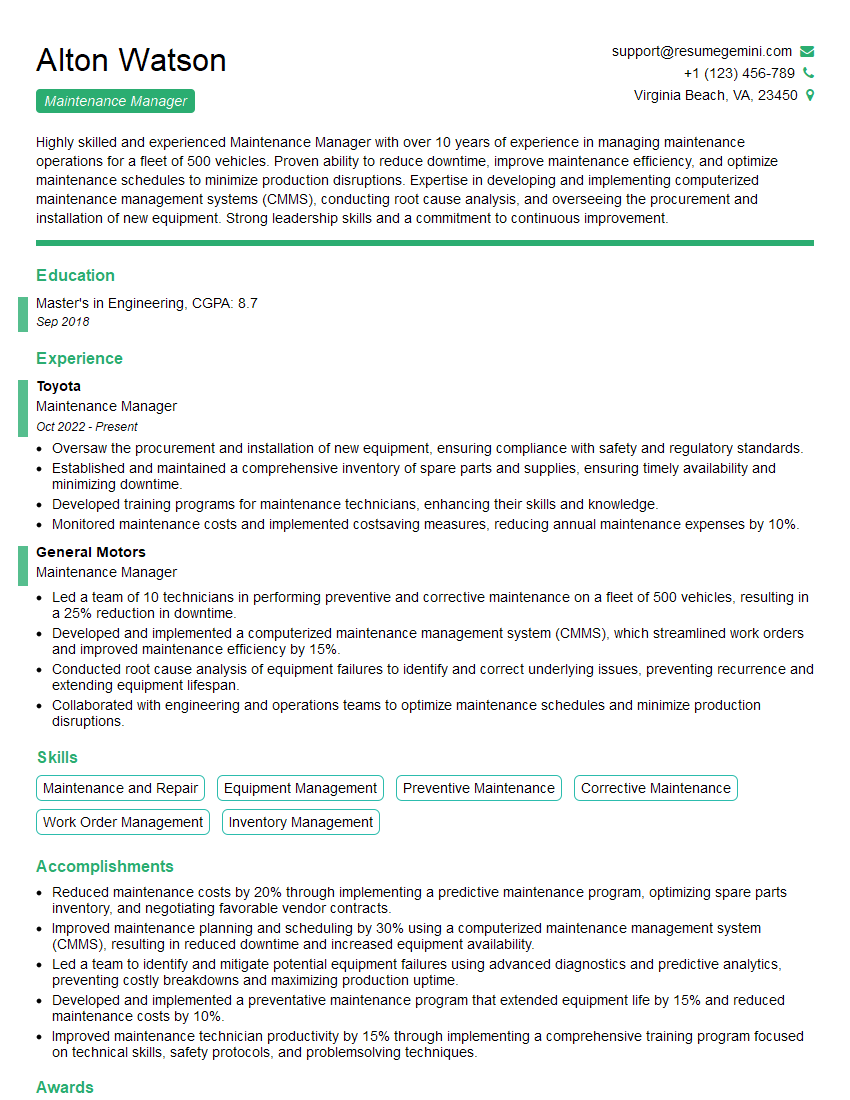
Maintenance Manager Resume Sample
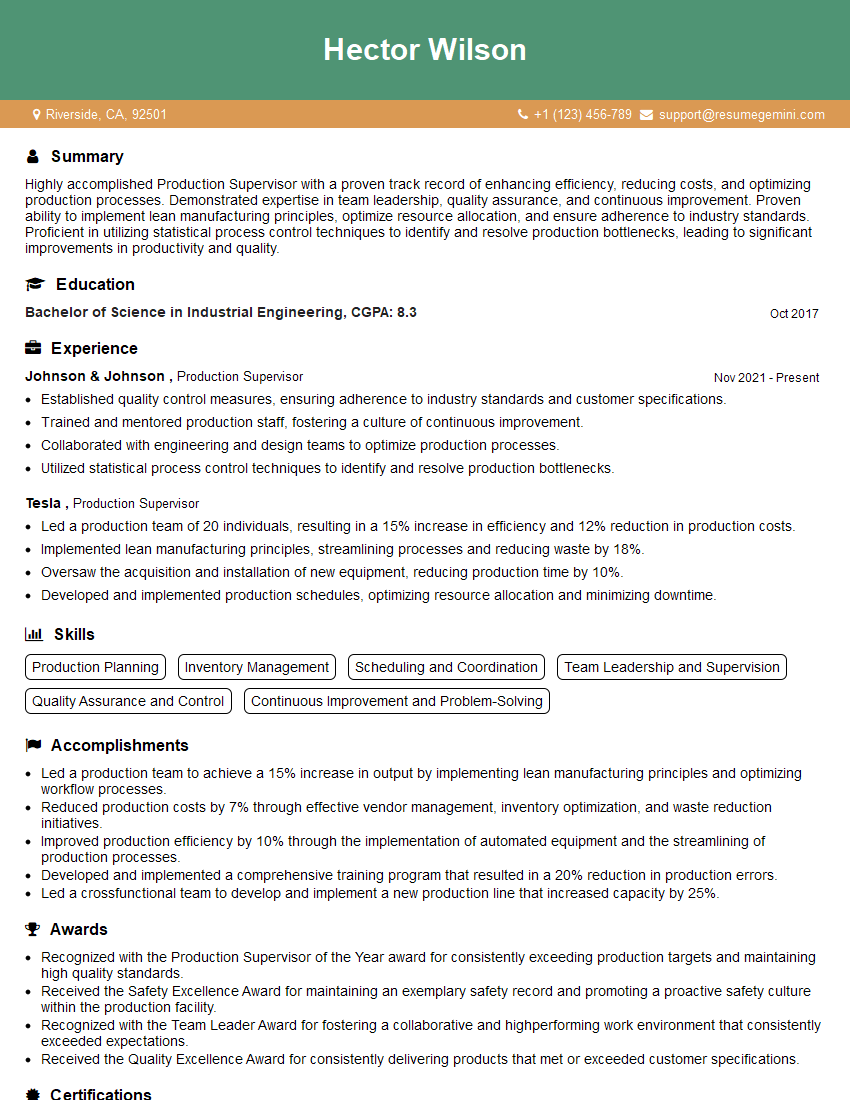
Production Supervisor Resume Sample
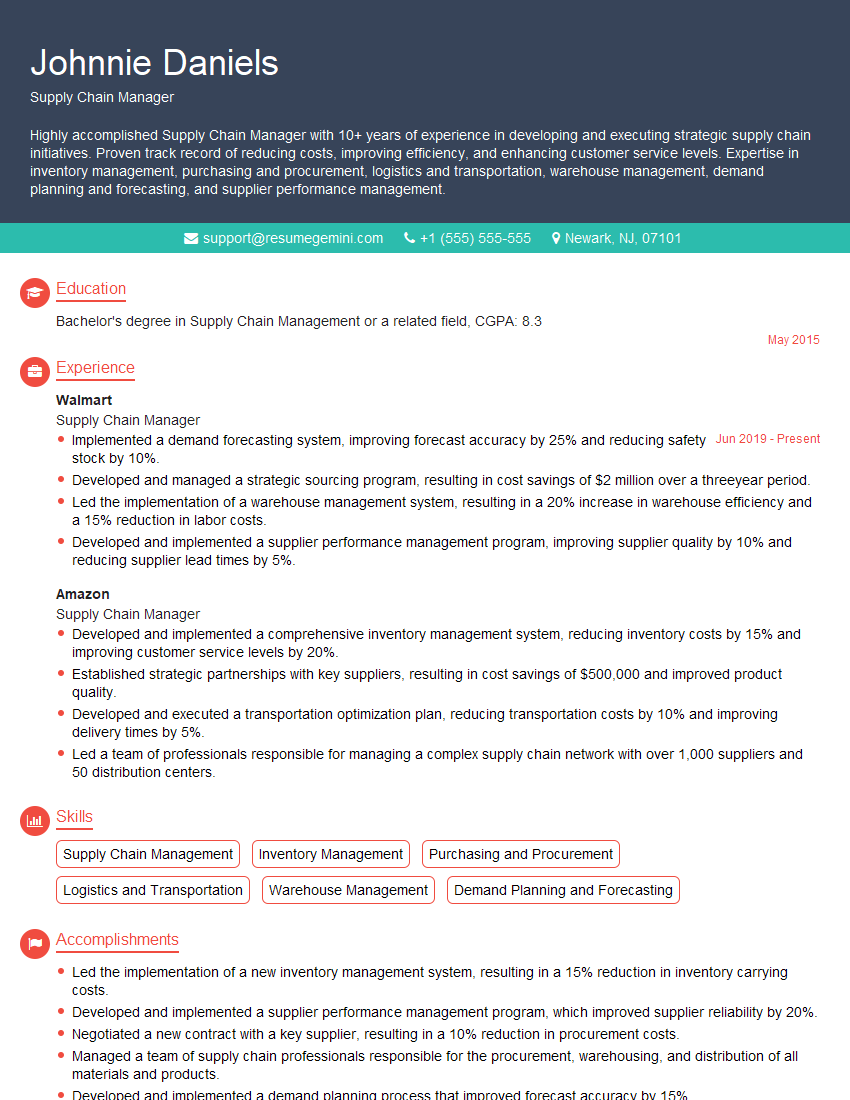
Supply Chain Manager Resume Sample

Project Manager Resume Sample
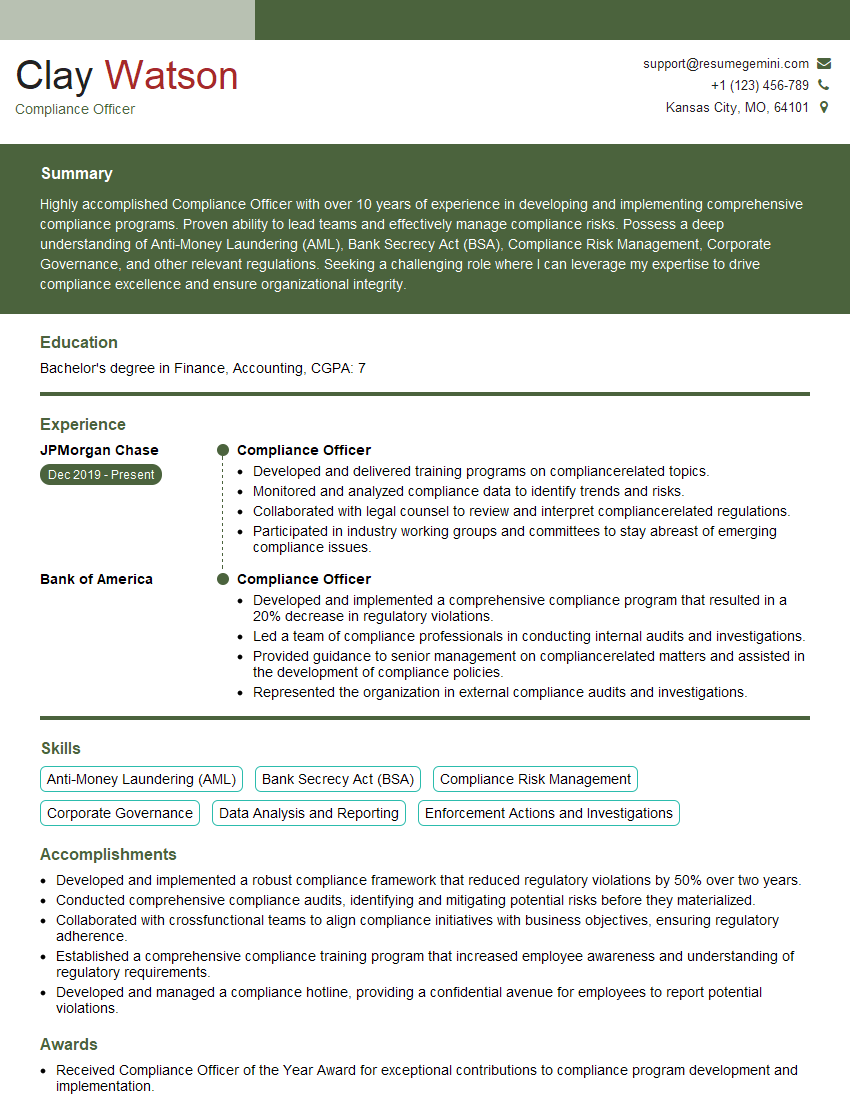
Compliance Officer Resume Sample
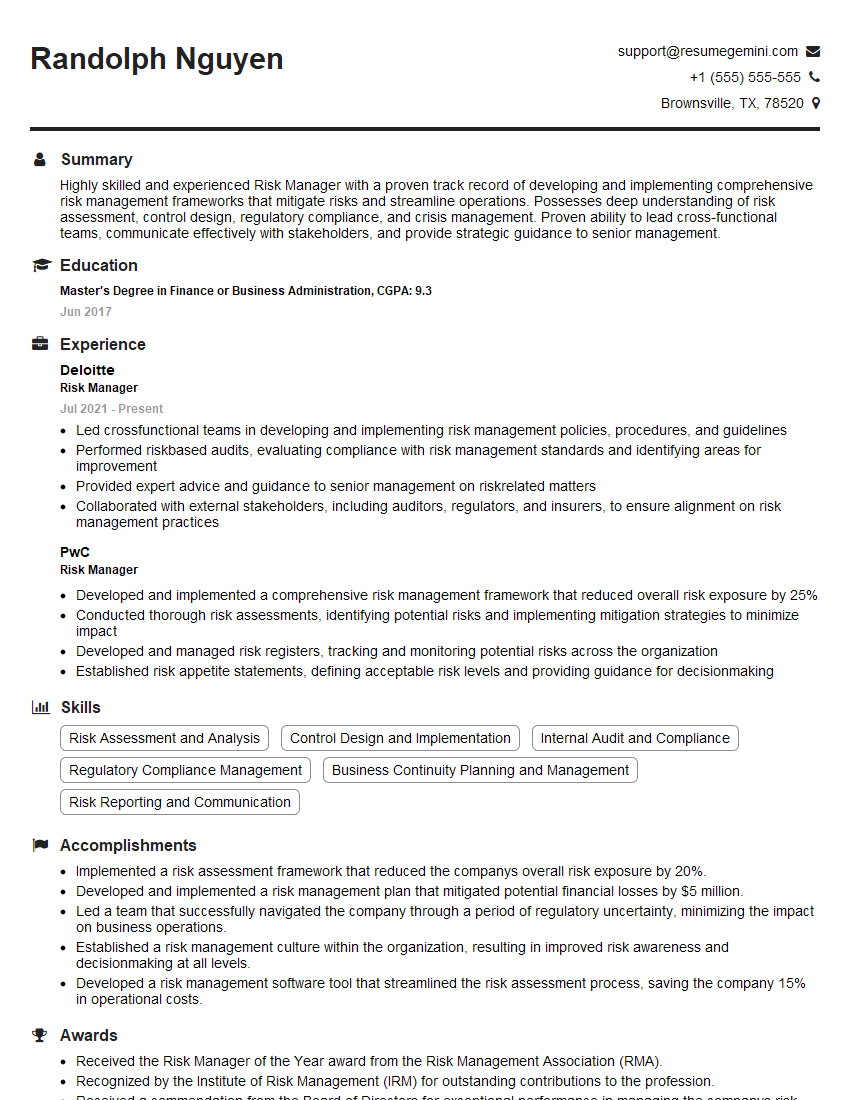
Risk Manager Resume Sample
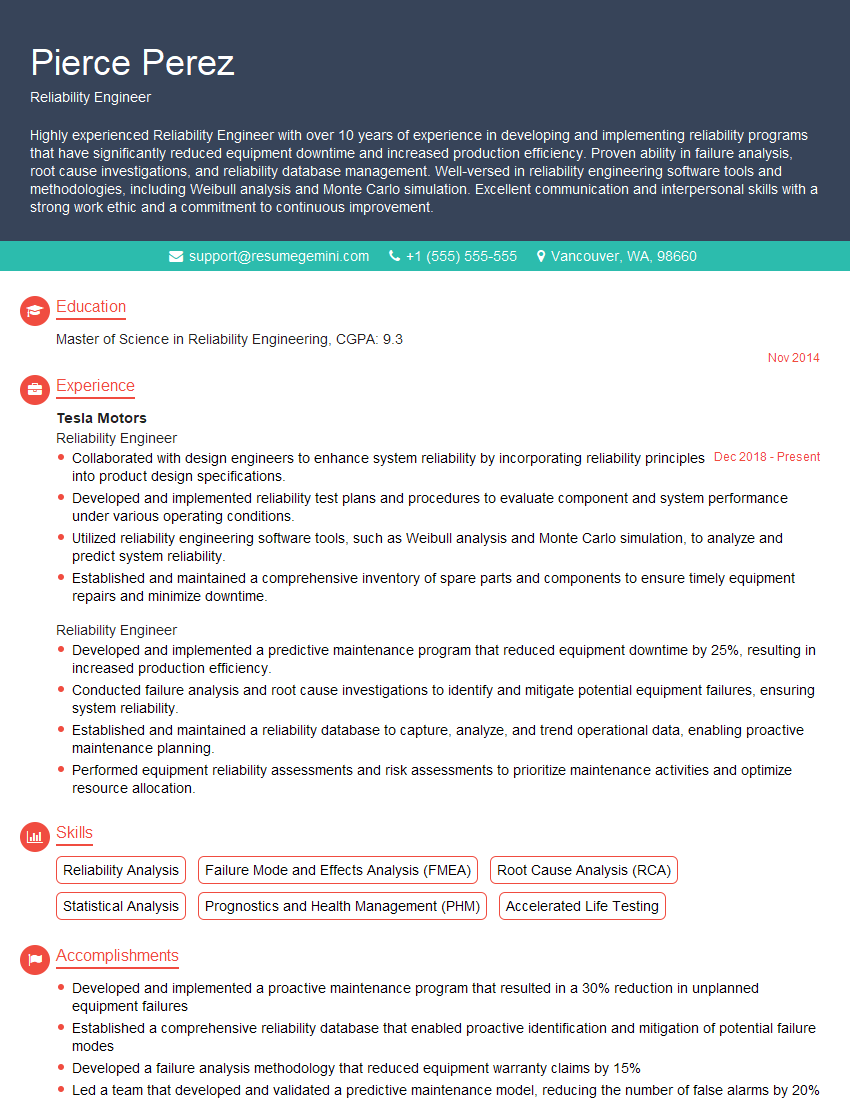
Reliability Engineer Resume Sample
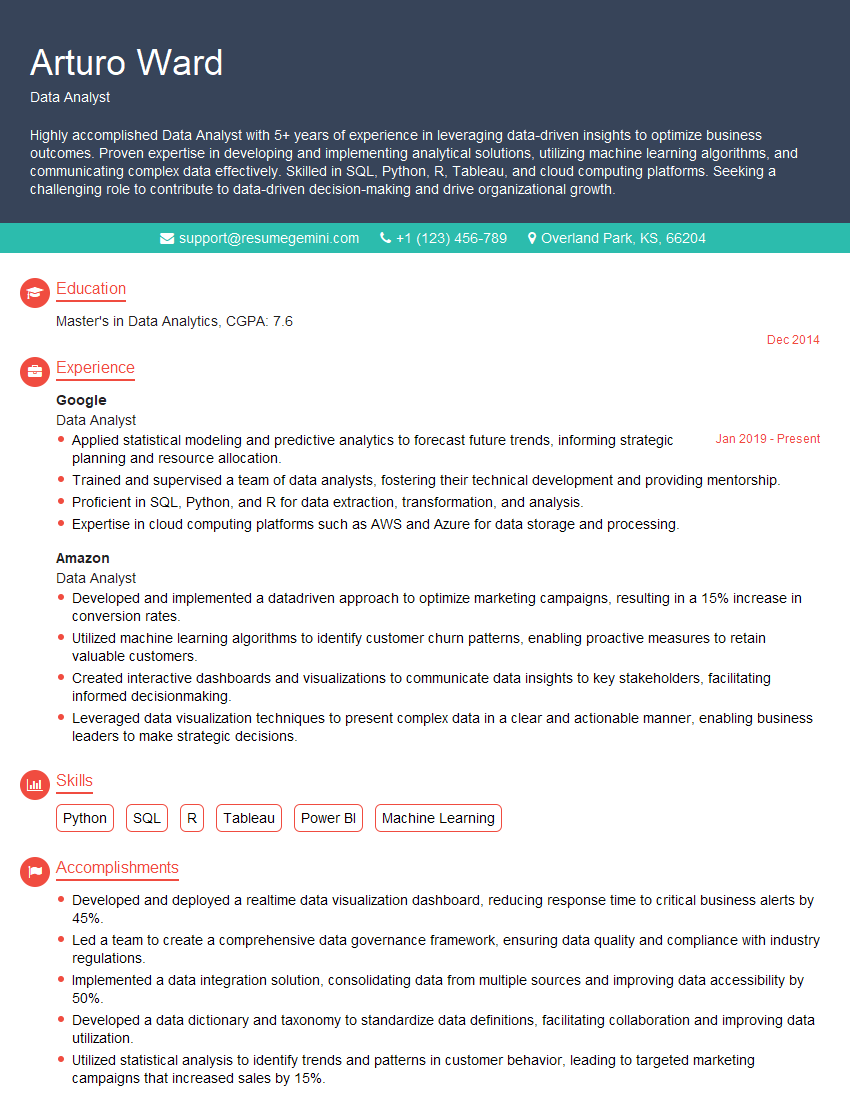
Data Analyst Resume Sample
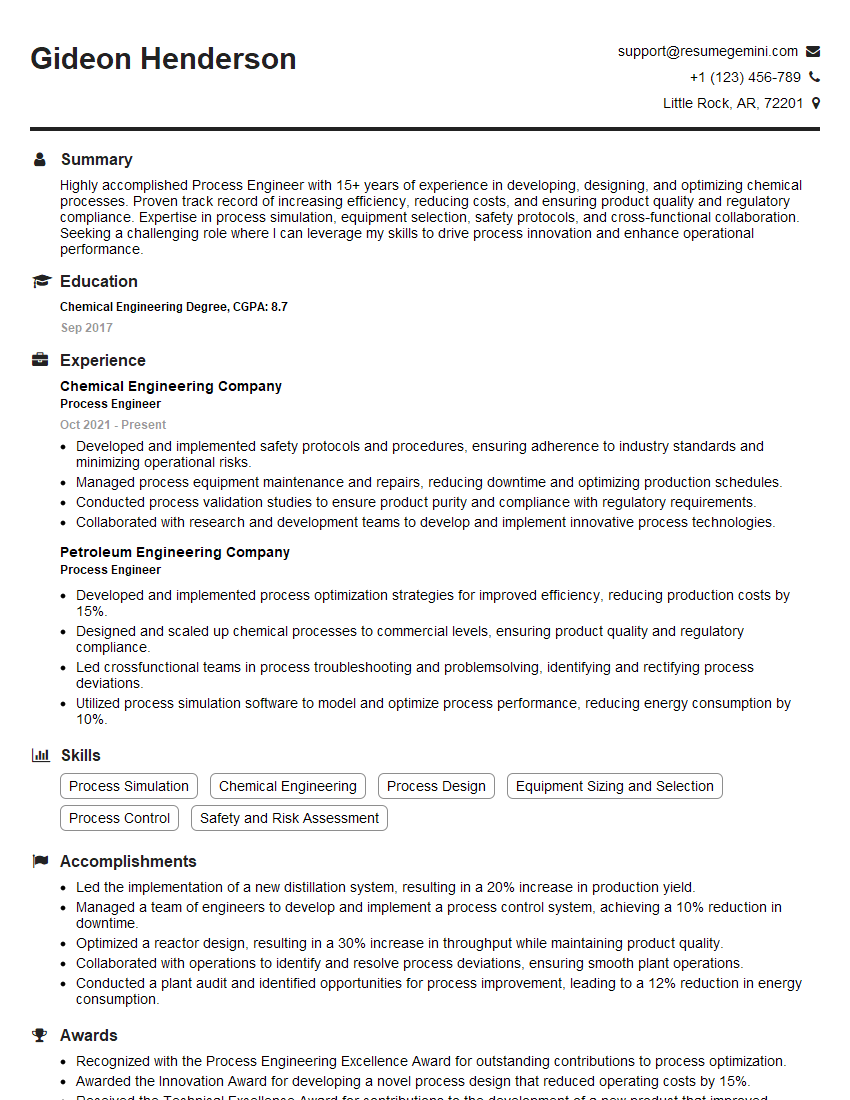
Process Engineer Resume Sample
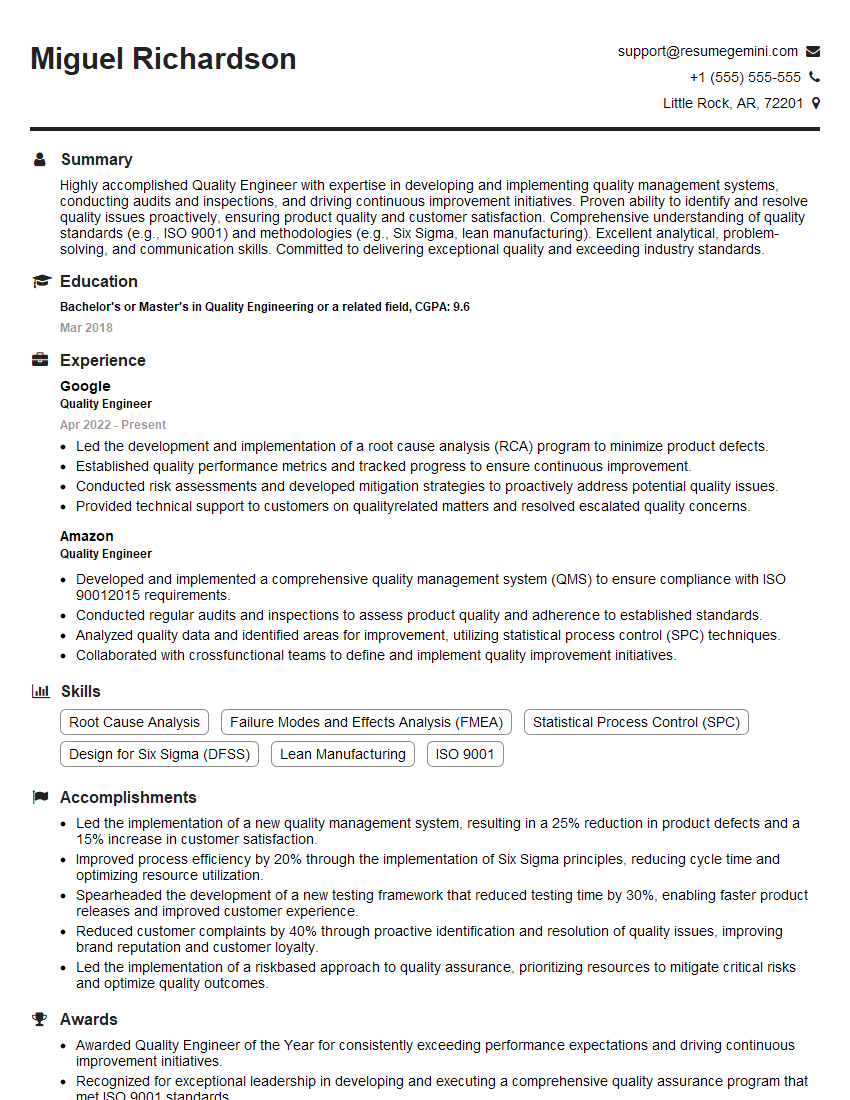
Quality Engineer Resume Sample
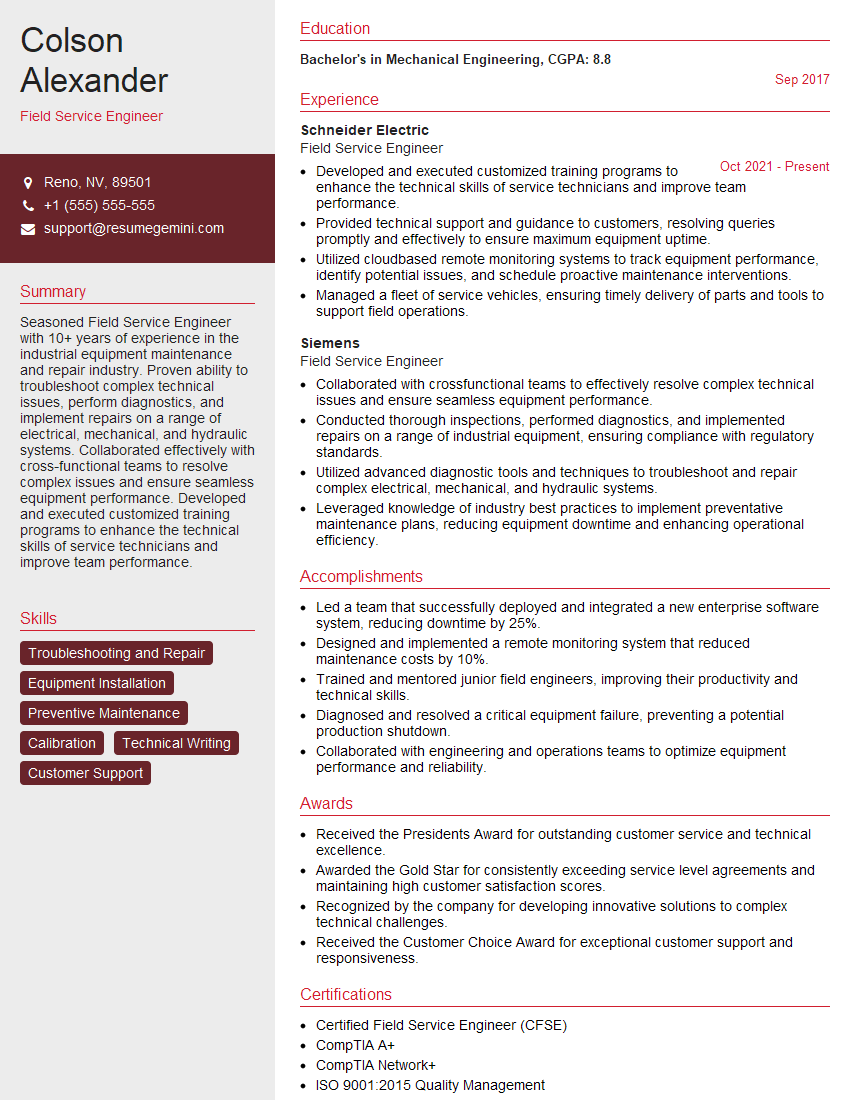
Field Service Engineer Resume Sample
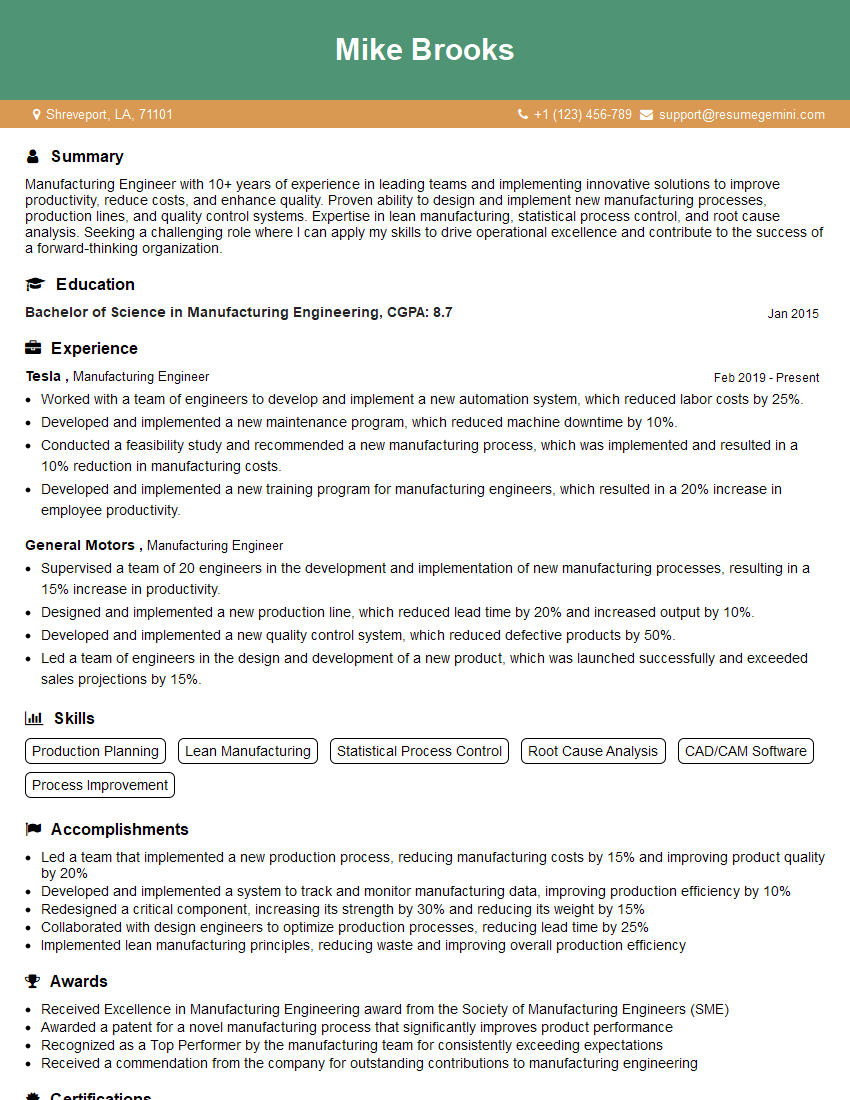
Manufacturing Engineer Resume Sample
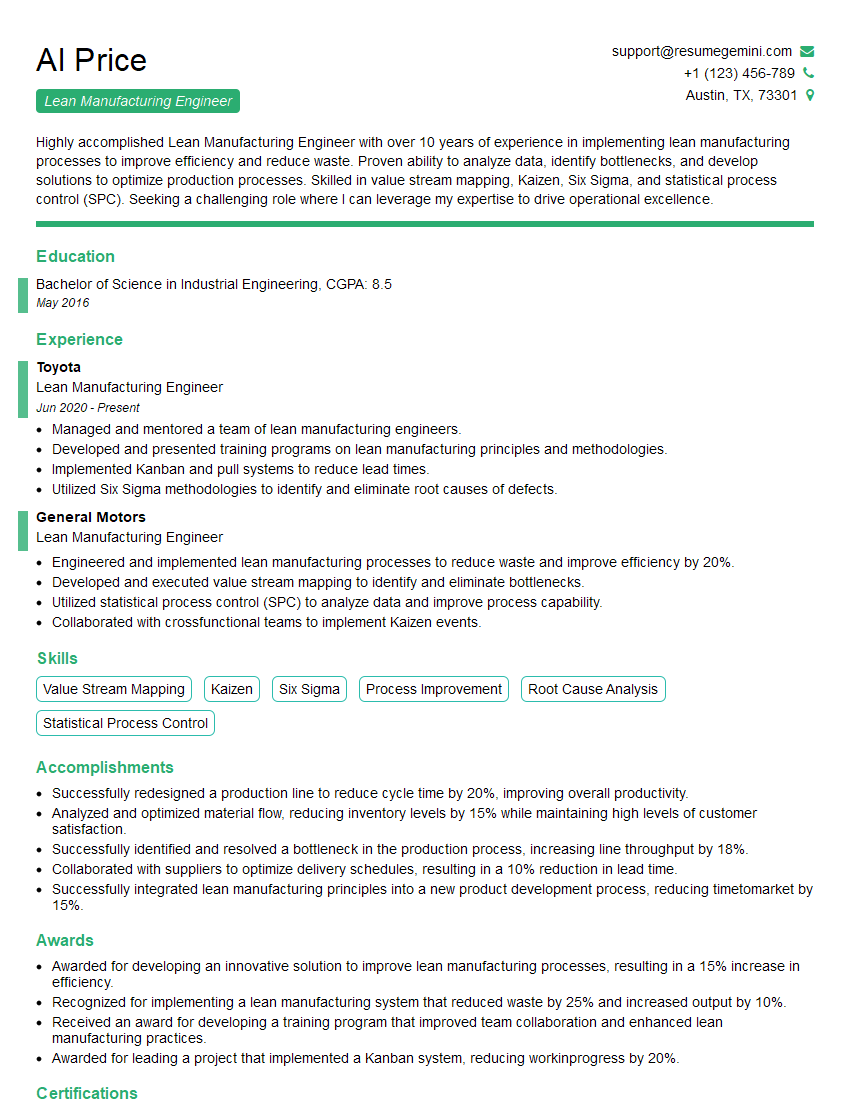
Lean Manufacturing Engineer Resume Sample
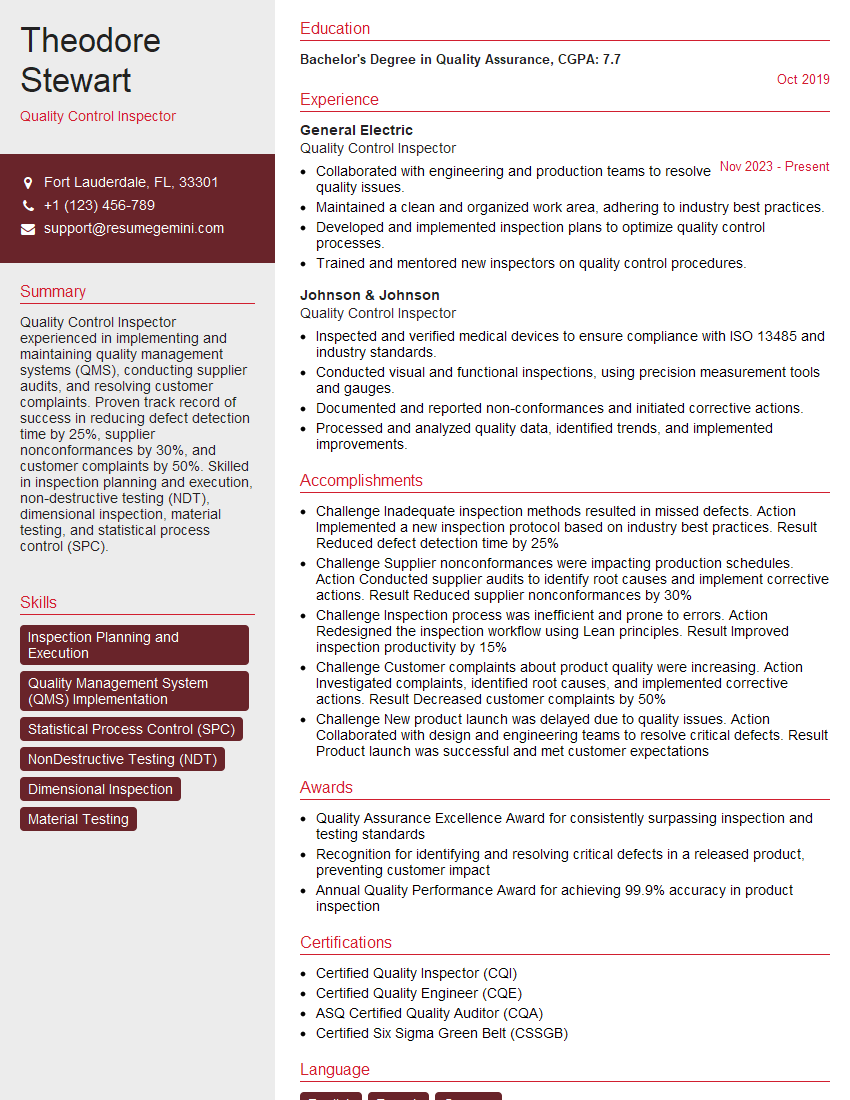
Quality Control Inspector Resume Sample
Explore more articles
Users Rating of Our Blogs
Share Your Experience
We value your feedback! Please rate our content and share your thoughts (optional).
What Readers Say About Our Blog
Really detailed insights and content, thank you for writing this detailed article.
IT gave me an insight and words to use and be able to think of examples