Unlock your full potential by mastering the most common Grammar Expertise interview questions. This blog offers a deep dive into the critical topics, ensuring you’re not only prepared to answer but to excel. With these insights, you’ll approach your interview with clarity and confidence.
Questions Asked in Grammar Expertise Interview
Q 1. Define the difference between a restrictive and non-restrictive clause.
Restrictive and non-restrictive clauses are both dependent clauses—meaning they can’t stand alone as sentences—but they differ significantly in their function and punctuation. A restrictive clause is essential to the meaning of the sentence; it limits or defines the noun it modifies. Think of it as providing crucial information without which the sentence is incomplete or ambiguous. A non-restrictive clause, on the other hand, adds extra, non-essential information. It’s like adding a parenthetical aside; removing it doesn’t change the core meaning of the sentence.
Key Difference: Punctuation
- Restrictive Clause: No commas.
The book that I borrowed from the library is overdue.(Removing ‘that I borrowed from the library’ changes the meaning completely.) - Non-restrictive Clause: Commas surround the clause.
My car, which is ten years old, still runs well.(Removing ‘which is ten years old’ doesn’t fundamentally alter the sentence’s meaning.)
In essence: If you can remove the clause without losing the core meaning, it’s non-restrictive; otherwise, it’s restrictive.
Q 2. Explain the rules for subject-verb agreement.
Subject-verb agreement means the verb in a sentence must agree in number (singular or plural) with its subject. This sounds simple, but it can get tricky! Here’s a breakdown:
- Singular Subjects Take Singular Verbs:
The dog barks. - Plural Subjects Take Plural Verbs:
The dogs bark. - Indefinite Pronouns: Some indefinite pronouns (e.g., everyone, anybody, someone) are always singular, even though they seem to refer to multiple people.
Everyone is happy. - Collective Nouns: Collective nouns (e.g., team, family, group) can be singular or plural depending on whether they refer to the group as a single unit or to the individual members.
The team is playing well.(team as a unit) vs.The team are arguing amongst themselves.(members of the team) - Intervening Phrases: Ignore phrases that come between the subject and verb.
The box of chocolates is delicious.(The subject is ‘box,’ not ‘chocolates’). - Compound Subjects: With compound subjects joined by ‘and,’ use a plural verb.
John and Mary are friends.However, if the subjects refer to the same thing, use a singular verb.My best friend and confidante is Sarah.
Mastering subject-verb agreement enhances clarity and professionalism in writing. Incorrect agreement often leads to awkward phrasing and miscommunication.
Q 3. How do you identify and correct comma splices?
A comma splice occurs when two independent clauses (complete sentences) are joined only by a comma. This is grammatically incorrect. There are several ways to correct it:
- Use a semicolon:
The game was exciting; the crowd went wild. - Use a coordinating conjunction (and, but, or, nor, for, so, yet):
The game was exciting, and the crowd went wild. - Use a colon: This works if the second clause explains or illustrates the first.
The game was exciting: the score was tied in the last second. - Make two separate sentences:
The game was exciting. The crowd went wild. - Use a subordinating conjunction: This creates a complex sentence, changing one independent clause into a dependent clause.
Because the game was exciting, the crowd went wild.
Identifying comma splices involves looking for two complete sentences joined only by a comma. Correcting them ensures grammatical accuracy and enhances readability.
Q 4. What are the common errors in pronoun usage?
Common errors in pronoun usage include:
- Pronoun-Antecedent Agreement: The pronoun must agree in number and gender with its antecedent (the noun it refers to).
Incorrect: Every student should bring their book. Correct: Every student should bring his or her book (or 'their' if using a gender-neutral singular 'they'). - Ambiguous Pronoun Reference: It must be clear what noun the pronoun refers to.
Vague: John told Jim he was wrong. Clear: John told Jim that Jim was wrong. - Pronoun Case: Use subjective case (I, he, she, we, they) for subjects; objective case (me, him, her, us, them) for objects; and possessive case (my, his, her, our, their) to show ownership.
Incorrect: Me and John went to the store. Correct: John and I went to the store. - Incorrect Use of Reflexive Pronouns: Reflexive pronouns (myself, himself, herself, etc.) should refer back to the subject of the sentence.
Incorrect: John gave the gift to myself. Correct: John gave the gift to me.
Careful attention to pronoun usage avoids confusion and maintains clarity in writing.
Q 5. Describe the rules for using parallel structure.
Parallel structure (also called parallelism) means using the same grammatical structure for items in a list or series. It ensures balance and readability. Consider this example:
Incorrect: She enjoys swimming, to hike, and cycling.Correct: She enjoys swimming, hiking, and cycling. (all gerunds)
Incorrect: He is intelligent, hardworking, and has a good attitude.Correct: He is intelligent, hardworking, and positive. (all adjectives)
Parallel structure makes writing more concise and impactful, and its consistent application is a hallmark of professional communication.
Q 6. Explain the difference between active and passive voice.
The difference between active and passive voice lies in the subject’s role in the sentence.
- Active Voice: The subject performs the action.
The dog chased the ball.(Dog = subject; chased = verb; ball = object) - Passive Voice: The subject receives the action.
The ball was chased by the dog.(Ball = subject; was chased = passive verb; dog = object of the preposition ‘by’)
While passive voice isn’t inherently wrong, overuse can make writing sound weak and indirect. Active voice is generally preferred for its clarity and conciseness, especially in professional settings where directness is important.
Q 7. How do you identify and correct dangling modifiers?
A dangling modifier is a phrase or clause that doesn’t clearly modify any specific word in the sentence. It’s like a word or phrase floating without a proper anchor.
Incorrect: Walking down the street, the building seemed imposing. (The building wasn’t walking.)Correct: Walking down the street, I saw that the building seemed imposing. (Now ‘walking’ clearly modifies ‘I’).
Incorrect: After eating dinner, the dishes were washed. (The dishes didn’t eat dinner!)Correct: After eating dinner, I washed the dishes. (Now ‘after eating dinner’ clearly modifies ‘I’)
To correct dangling modifiers, ensure that the modifier clearly and logically connects to the word or phrase it’s intended to describe. Clarity is paramount.
Q 8. What are some common errors in punctuation?
Common punctuation errors stem from misunderstandings of their roles in conveying meaning and structure. Let’s explore some frequent mistakes:
- Comma Splices: Joining two independent clauses with only a comma.
Incorrect: The sky was blue, it was a beautiful day. Correct: The sky was blue; it was a beautiful day. OR The sky was blue, and it was a beautiful day. - Missing Commas: Forgetting commas in lists (before the ‘and’), after introductory phrases, or to set off nonrestrictive clauses.
Incorrect: I bought apples bananas and oranges. Correct: I bought apples, bananas, and oranges. - Incorrect Apostrophe Use: Misusing apostrophes for plurals (its vs. it’s) or possessive forms.
Incorrect: The dog's bone's were everywhere. Correct: The dog's bones were everywhere. - Overuse or Underuse of Exclamation Points: Exclamation points should be used sparingly for emphasis; overuse weakens their impact.
- Incorrect Semicolon/Colon Use: These are often confused; they have distinct grammatical functions (explained further in answer 3).
Addressing these errors involves careful reading, understanding sentence structure, and consistent application of punctuation rules.
Q 9. How do you ensure consistency in style and tone?
Maintaining consistent style and tone is crucial for readability and professional credibility. It involves several key strategies:
- Style Guide Adherence: Using a recognized style guide (like Chicago, AP, or MLA) ensures uniformity in formatting, punctuation, and terminology.
- Consistent Voice: Maintaining a consistent voice – formal, informal, humorous, etc. – throughout the document is essential. Imagine a news report suddenly shifting to a playful tone; it would be jarring.
- Word Choice and Sentence Structure: Choosing words and constructing sentences that align with the chosen tone is vital. Formal writing uses more complex sentences and precise vocabulary than informal writing.
- Review and Editing: Thorough review and editing are indispensable for catching inconsistencies. Fresh eyes are particularly helpful.
- Templates and Automation: Using templates and style-checking software can automate many aspects of consistency.
Consistency is not merely about aesthetics; it contributes significantly to the document’s overall clarity and impact.
Q 10. Explain the difference between a colon and a semicolon.
Colons and semicolons, while both used to connect clauses, serve different purposes:
- Semicolon (;): Connects two closely related independent clauses that could stand alone as separate sentences. It indicates a closer relationship than a period but a looser connection than a conjunction.
Example: The storm raged; the trees swayed violently. - Colon (:): Introduces an explanation, elaboration, list, or example following an independent clause. It signals that what follows is a clarification or further development of the preceding thought.
Example: I need three things: a hammer, nails, and wood.
Think of the semicolon as a stronger pause than a comma but weaker than a period, while the colon introduces something that follows naturally from the previous statement.
Q 11. What are the rules for using hyphens and dashes?
Hyphens and dashes are easily confused but have distinct roles:
- Hyphen (-): Used to join words or parts of words, often to create compound adjectives (
well-known,twenty-five), or to avoid ambiguity (re-signvs.resign). - En Dash (–): Longer than a hyphen, it’s used to represent a range (
pages 10–20), connections (the Paris–London flight), or to show a contrast (pro-choice–pro-life debate). - Em Dash (—): Even longer, it’s used for parenthetical insertions or to create a dramatic pause (
The truth—a harsh one—must be faced).
Using the correct dash depends on its intended function. Word processors often have automated dash insertion, or you can use Unicode characters for precise control.
Q 12. How do you handle inconsistencies in grammar or style in a document?
Handling inconsistencies requires a systematic approach:
- Identify Inconsistencies: Carefully review the document for deviations in grammar, style, tone, or formatting.
- Establish a Standard: Decide on a consistent style guide or set of rules to follow. This might involve selecting a specific style guide or establishing internal standards.
- Apply Corrections: Make the necessary changes to ensure uniformity throughout the document. Be mindful of preserving the original meaning while improving consistency.
- Track Changes: Using track changes allows you to document alterations and facilitates collaboration if working with others.
- Multiple Reviews: Multiple reviews by different individuals can catch inconsistencies that a single editor might miss.
Consistency is a cornerstone of effective communication, and addressing inconsistencies enhances the document’s overall professionalism and clarity.
Q 13. What resources do you use to verify grammar and style rules?
I rely on a combination of resources:
- Style Guides: The Chicago Manual of Style, the AP Stylebook, and the MLA Handbook are invaluable references for grammar, style, and punctuation rules.
- Grammar and Style Dictionaries: These provide in-depth explanations of grammatical concepts and usage guidelines.
- Online Grammar Checkers: Tools like Grammarly, ProWritingAid, and language-specific checkers can assist in identifying errors, but should be used in conjunction with human review, as they aren’t foolproof.
- Professional Resources: Consulting with experienced editors or proofreaders can provide expert insight and catch subtle inconsistencies.
No single resource is perfect; a combination is essential for comprehensive verification.
Q 14. Describe your approach to editing a complex technical document.
Editing a complex technical document requires a structured approach:
- Understand the Content: Thoroughly familiarize yourself with the subject matter before beginning the editing process. This may involve research or consultations with subject matter experts.
- Develop a Framework: Outline a plan for editing, considering the document’s structure, audience, and purpose.
- Focus on Clarity and Accuracy: Prioritize making the technical information clear, concise, and accurate. This often involves simplifying complex concepts and ensuring precise terminology.
- Check for Consistency: Pay close attention to consistency in terminology, notation, style, and formatting throughout the document.
- Multiple Passes: Often, several editing passes are needed – one for big-picture issues, another for grammar and style, and a final proofread.
- Seek Feedback: Involving subject matter experts or other reviewers can ensure accuracy and clarity in the technical content.
Editing a technical document is not just about grammar and style; it’s about ensuring the technical information is conveyed effectively to the intended audience.
Q 15. How do you prioritize editing tasks when working under a deadline?
Prioritizing editing tasks under a deadline requires a strategic approach. I typically begin by assessing the urgency and importance of each task. This involves identifying the most critical pieces – those with the tightest deadlines or the most significant impact on the overall project. I then break down large tasks into smaller, manageable chunks. This allows for a more focused and efficient workflow, preventing feeling overwhelmed. For instance, if I’m editing a lengthy report with multiple sections, I’d prioritize the abstract and introduction first, as those set the tone and are crucial for the reader’s initial impression. Then I’d move on to the conclusions and key findings before tackling the body paragraphs. Using a project management tool to track progress and allocate time slots for each task ensures I stay on schedule and maintain momentum. Regularly checking my progress against the timeline allows for adjustments if unexpected delays arise. This combination of strategic planning and consistent monitoring enables me to deliver high-quality work, even under pressure.
Career Expert Tips:
- Ace those interviews! Prepare effectively by reviewing the Top 50 Most Common Interview Questions on ResumeGemini.
- Navigate your job search with confidence! Explore a wide range of Career Tips on ResumeGemini. Learn about common challenges and recommendations to overcome them.
- Craft the perfect resume! Master the Art of Resume Writing with ResumeGemini’s guide. Showcase your unique qualifications and achievements effectively.
- Don’t miss out on holiday savings! Build your dream resume with ResumeGemini’s ATS optimized templates.
Q 16. How do you deal with disagreements about grammar or style with colleagues?
Disagreements about grammar or style are common in collaborative projects. My approach is always collaborative and respectful. I start by actively listening to my colleagues’ points of view and understanding the reasoning behind their choices. Often, these disagreements stem from differing interpretations of style guides or preferences for certain grammatical constructions. I present my perspective, supporting it with evidence from reputable style guides or grammatical resources, such as the Chicago Manual of Style or the AP Stylebook. If the disagreement persists, I propose a compromise or suggest referring the matter to a senior editor or a designated style authority within the organization. It’s crucial to remember that maintaining a positive working relationship is as important as resolving the grammatical issue itself. I believe that open communication and mutual respect are key to navigating these differences constructively. The goal is not to ‘win’ the argument, but to achieve the most effective and consistent communication possible.
Q 17. Explain the concept of grammatical ambiguity and how to resolve it.
Grammatical ambiguity arises when a sentence or phrase has more than one possible meaning. This can lead to confusion and misinterpretations. For example, the sentence ‘I saw the man with the telescope’ is ambiguous. Did I use the telescope to see the man, or did the man have the telescope? Resolving ambiguity requires careful attention to sentence structure and word choice. Strategies for resolving ambiguity include:
- Clarifying pronouns: Make it clear which noun a pronoun refers to. For instance, instead of ‘John told Michael he was wrong,’ rewrite it as ‘John told Michael that Michael was wrong’ or ‘John told Michael that John was wrong.’
- Adding or rearranging words: Rewording the ambiguous phrase often resolves the problem. In our telescope example, we could say ‘Using the telescope, I saw the man’ or ‘I saw the man who had the telescope.’
- Using more precise language: Avoiding vague or general terms often helps. Instead of ‘He went to the bank,’ you could write ‘He went to the river bank’ or ‘He went to the financial institution.’
Addressing ambiguity is vital for ensuring clear and effective communication. In professional writing, ambiguity can lead to significant errors in interpretation, which can have serious consequences. Therefore, always carefully examine sentences for potential ambiguity and revise accordingly.
Q 18. What is the difference between a sentence fragment and a run-on sentence?
A sentence fragment is an incomplete sentence lacking a subject, a verb, or both, while a run-on sentence (or fused sentence) combines two or more independent clauses without proper punctuation or conjunctions. Imagine a sentence as a complete thought; a fragment is a half-formed idea, and a run-on sentence is several complete thoughts crammed together without proper separation.
Sentence Fragment Example: Walking in the park. (Lacks a verb and a complete thought)
Corrected: I enjoyed walking in the park.
Run-on Sentence Example: The dog barked loudly the mailman ran away. (Two independent clauses joined incorrectly)
Corrected: The dog barked loudly, and the mailman ran away. or The dog barked loudly; the mailman ran away.
Identifying and correcting fragments and run-on sentences significantly improves clarity and readability. These errors hinder smooth comprehension and often leave the reader struggling to understand the intended meaning.
Q 19. How do you use a style guide effectively?
Effective use of a style guide ensures consistency and clarity in writing. I approach style guides as authoritative resources, not inflexible rules. I carefully review the guide’s guidelines on punctuation, capitalization, number style, abbreviation, citation formats, etc., tailoring my editing accordingly. For example, different style guides may have different preferences for serial commas (the comma before ‘and’ in a list) or for the use of italics versus quotation marks for titles. I familiarize myself with the specific style guide required for the project, and I use it as a reference point throughout my work. It’s important to maintain consistency; if a style guide dictates a specific format, I maintain that format throughout the document. This consistent application is vital for the professional look and readability of the work. If there’s ambiguity in the style guide, I’d usually seek clarification from the relevant stakeholders before making a stylistic decision.
Q 20. What editing software are you proficient in?
I am proficient in a range of editing software, including Microsoft Word, Adobe Acrobat Pro, and Grammarly. My expertise extends beyond basic functionality; I’m adept at using advanced features like track changes, spell and grammar checking tools, and style customization options. I’m also familiar with using editing tools specific to different content management systems (CMS) such as WordPress, allowing for efficient editing within their respective platforms. I consider my software proficiency an integral part of my efficiency and ability to deliver high-quality work.
Q 21. How do you maintain accuracy and attention to detail in your editing work?
Maintaining accuracy and attention to detail is paramount in editing. My approach involves a multi-step process. First, I always read through the text thoroughly at least twice – once for overall content and coherence, and a second time for detailed grammatical and stylistic review. I utilize software tools for initial checks, but I also rely on my own grammatical expertise for detecting nuances that software might miss. I often use printouts for the detailed review process, finding that this reduces screen fatigue and improves concentration. For complex documents, I sometimes break the editing into smaller sections, reviewing each part individually. Then, I ensure that the final version conforms strictly to the provided style guide and that all corrections and suggested changes have been accurately implemented. I meticulously cross-check every detail, including figures, tables, captions, and references to guarantee accuracy and consistency. Regular breaks during the editing process help maintain focus and prevent errors caused by fatigue.
Q 22. Describe your process for reviewing and editing your own work.
My editing process is multi-staged and iterative. It begins with a comprehensive first read, focusing on the overall flow, logic, and argument. I then move to a second read, concentrating solely on grammar and mechanics. This includes checking for subject-verb agreement, pronoun usage, tense consistency, punctuation, and sentence structure. I often use a printed copy for this stage as it aids in visual clarity. Following this detailed grammatical review, I conduct a final read-through to ensure the corrections haven’t disrupted the original flow or meaning. Finally, I always run a spell-check, although I rely more on my own grammatical awareness than solely on automated tools.
This layered approach is crucial for effective self-editing. It prevents rushing and allows me to approach the task methodically, improving the quality and accuracy of my work.
Q 23. How do you identify and correct spelling errors effectively?
Identifying spelling errors effectively involves a combination of techniques. I start by relying on my own knowledge and proofreading skills. Then, I leverage technology; spell-checkers are invaluable, but I’m careful to avoid over-reliance, as they don’t catch everything (e.g., incorrect word usage like ‘their’ instead of ‘there’). I find that reading the text aloud is particularly helpful – hearing the words helps my ear pick up inconsistencies or misspelled words that my eyes might miss.
For particularly challenging cases or lengthy documents, I might use a second reader or compare the text against a style guide. It’s also essential to maintain an updated vocabulary and be aware of common spelling pitfalls to improve my accuracy over time.
Q 24. What is your understanding of grammar’s role in clear communication?
Grammar is the bedrock of clear communication. It provides the structure and rules that allow us to convey our thoughts and ideas accurately and effectively. Without proper grammar, meaning can become ambiguous, confusing, or even lost entirely. It’s like the scaffolding of a building; it’s often unseen, but crucial for stability and overall integrity.
For instance, a simple error in subject-verb agreement can fundamentally change the meaning of a sentence. Imagine the difference between “The dog chases the ball” and “The dogs chases the ball.” The first is grammatically correct and easily understood, whereas the second is incorrect and causes confusion. Effective grammar ensures that our message reaches the intended audience with precision and clarity, fostering understanding and avoiding misinterpretations.
Q 25. How familiar are you with different grammatical styles (e.g., AP, Chicago)?
I’m proficient in several grammatical styles, including AP (Associated Press) and Chicago styles. I understand their nuances and can adapt my editing to align with the specific requirements of each. The AP style is commonly used in journalism and emphasizes brevity and clarity; whereas the Chicago style, often used in academic writing and books, allows for a more expansive and detailed approach to citations and formatting. Knowing these styles allows me to edit a wider range of documents effectively, catering to different professional contexts.
My familiarity extends beyond these two styles, encompassing the various stylistic choices applicable across different media – from technical manuals to marketing copy, each demanding a unique grammatical approach tailored to its audience and purpose.
Q 26. Can you explain the difference between ‘affect’ and ‘effect’?
The words ‘affect’ and ‘effect’ are frequently confused, but understanding their distinct roles clarifies their usage. ‘Affect’ is primarily a verb meaning ‘to influence’ or ‘to produce a change in.’ ‘Effect,’ on the other hand, is usually a noun meaning ‘a result’ or ‘consequence.’ However, ‘effect’ can also be a verb, albeit less commonly, meaning ‘to bring about’ or ‘to cause.’
Example:
The weather affected our plans.(Affect as verb)The effect of the rain was flooding.(Effect as noun)She effected a change in company policy.(Effect as verb)
Remembering this distinction helps avoid common grammatical errors and enhances the precision of one’s writing.
Q 27. How would you edit this sentence [Insert a sentence with a grammatical error]?
Let’s assume the sentence with a grammatical error is: Him and me went to the store.
The error lies in the pronoun case. ‘Him’ and ‘me’ are objective pronouns, and the sentence requires a subjective pronoun because they’re the subjects of the verb ‘went.’ The corrected sentence is: He and I went to the store.
Q 28. Describe a situation where you had to correct a significant grammatical error.
In a previous role, I was editing a significant technical report intended for publication. The original draft contained a critical error in its description of a complex algorithm. The author had incorrectly used the passive voice extensively, making the explanation convoluted and almost incomprehensible. The sentence structure obscured the logical sequence of events within the algorithm, potentially leading to misinterpretations of the process.
My correction involved rewriting several paragraphs using the active voice, restructuring sentences for improved clarity, and adding appropriate transitional phrases to highlight the logical flow. This involved extensive collaboration with the author to ensure the accuracy of the changes while maintaining the original intent and technical precision. The corrected version was significantly easier to understand and avoided potential confusion for the report’s readers. This experience solidified my understanding of how seemingly small grammatical errors can have significant consequences in technical writing.
Key Topics to Learn for Grammar Expertise Interview
- Parts of Speech & Sentence Structure: Understanding nouns, verbs, adjectives, adverbs, and their functions within sentences; mastering complex sentence structures like compound and complex sentences.
- Punctuation & Mechanics: Correct usage of commas, semicolons, colons, apostrophes, hyphens, and other punctuation marks; mastering capitalization rules and avoiding common punctuation errors.
- Verb Tense & Agreement: Accurately using various verb tenses (present, past, future, perfect); ensuring subject-verb agreement in all sentence structures.
- Pronoun Usage & Case: Correctly using pronouns and understanding pronoun-antecedent agreement; mastering the different pronoun cases (nominative, objective, possessive).
- Parallelism & Consistency: Maintaining parallel structure in lists and sentences; ensuring consistent tense, voice, and style throughout written work.
- Common Grammatical Errors: Identifying and correcting common errors like dangling modifiers, misplaced modifiers, subject-verb disagreements, and faulty parallelism. Practice actively identifying these errors in sample texts.
- Style & Tone: Understanding how grammar choices affect style and tone; adapting writing style to suit different audiences and purposes.
- Advanced Grammar Concepts (for Senior Roles): Exploring concepts like relative clauses, participial phrases, gerunds, and infinitives; understanding their impact on sentence clarity and style.
- Practical Application: Practice editing and proofreading various text types (e.g., emails, reports, articles) for grammatical accuracy and clarity. Focus on improving your ability to identify and correct grammatical errors quickly and efficiently.
Next Steps
Mastering grammar expertise is crucial for career advancement across numerous fields, improving communication, and enhancing professionalism. A strong grasp of grammar is essential for building credibility and achieving success in your chosen career path. To maximize your job prospects, create a resume that is ATS-friendly – easily parsed by Applicant Tracking Systems. ResumeGemini is a trusted resource to help you build a professional and impactful resume tailored to your skills and experience. Examples of resumes specifically tailored for Grammar Expertise roles are available to help guide you.

Curriculum Developer Resume Sample
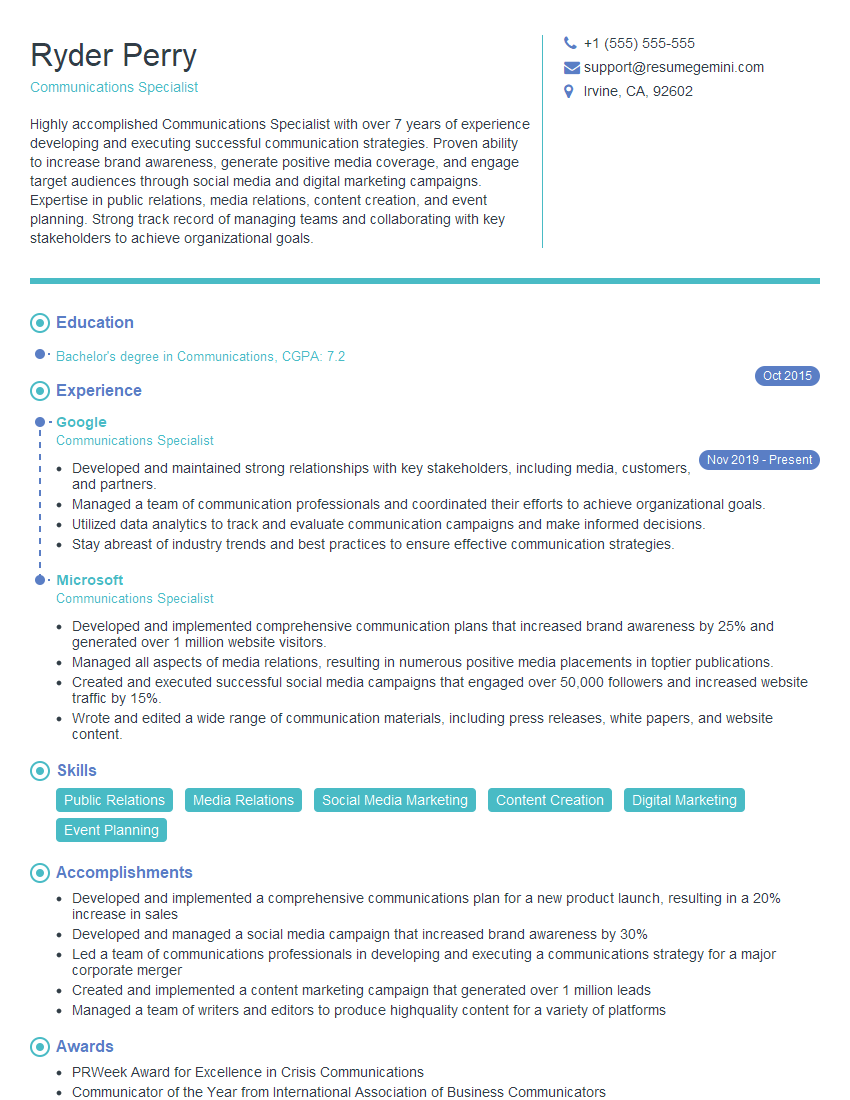
Communications Specialist Resume Sample
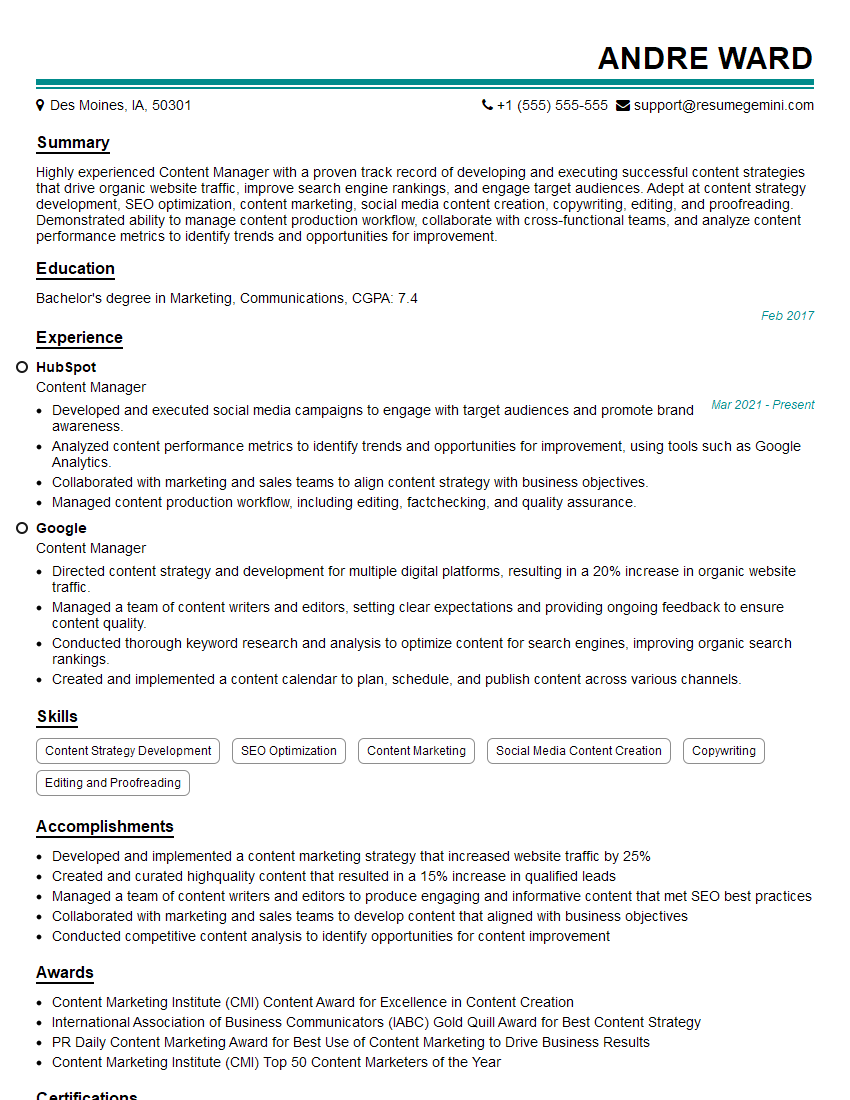
Content Manager Resume Sample
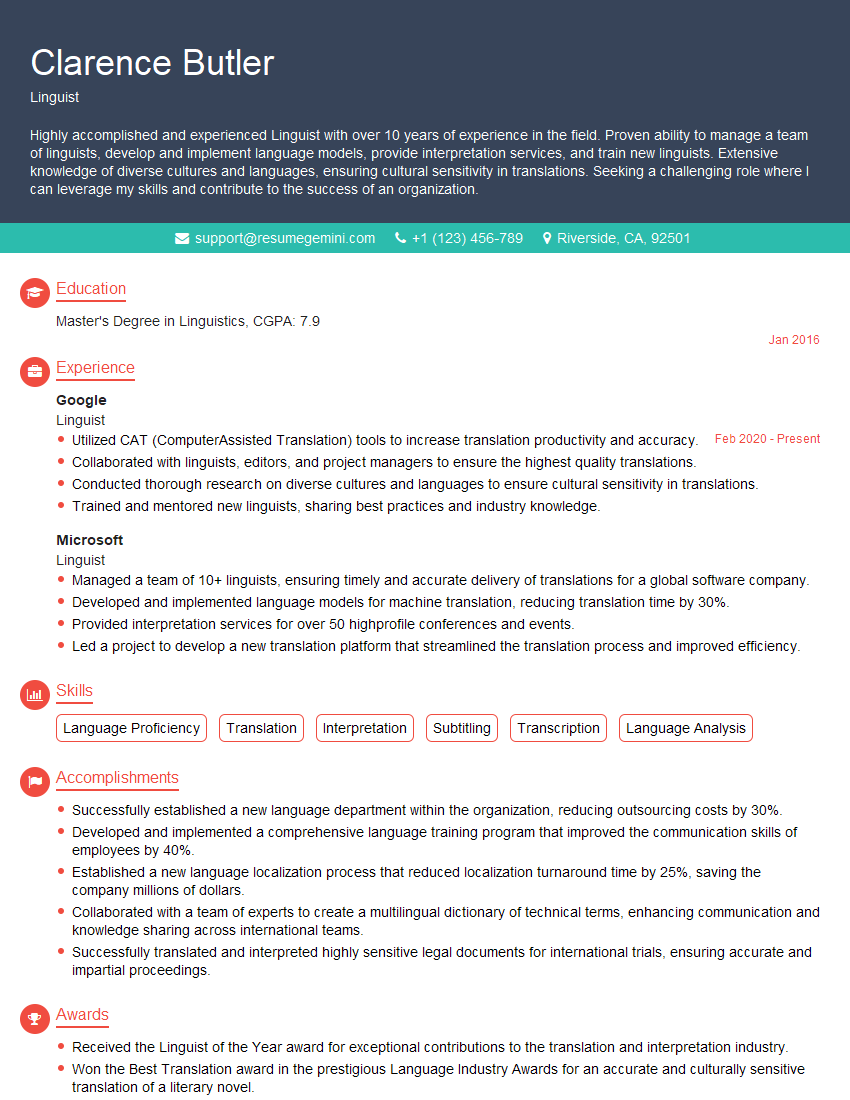
Linguist Resume Sample
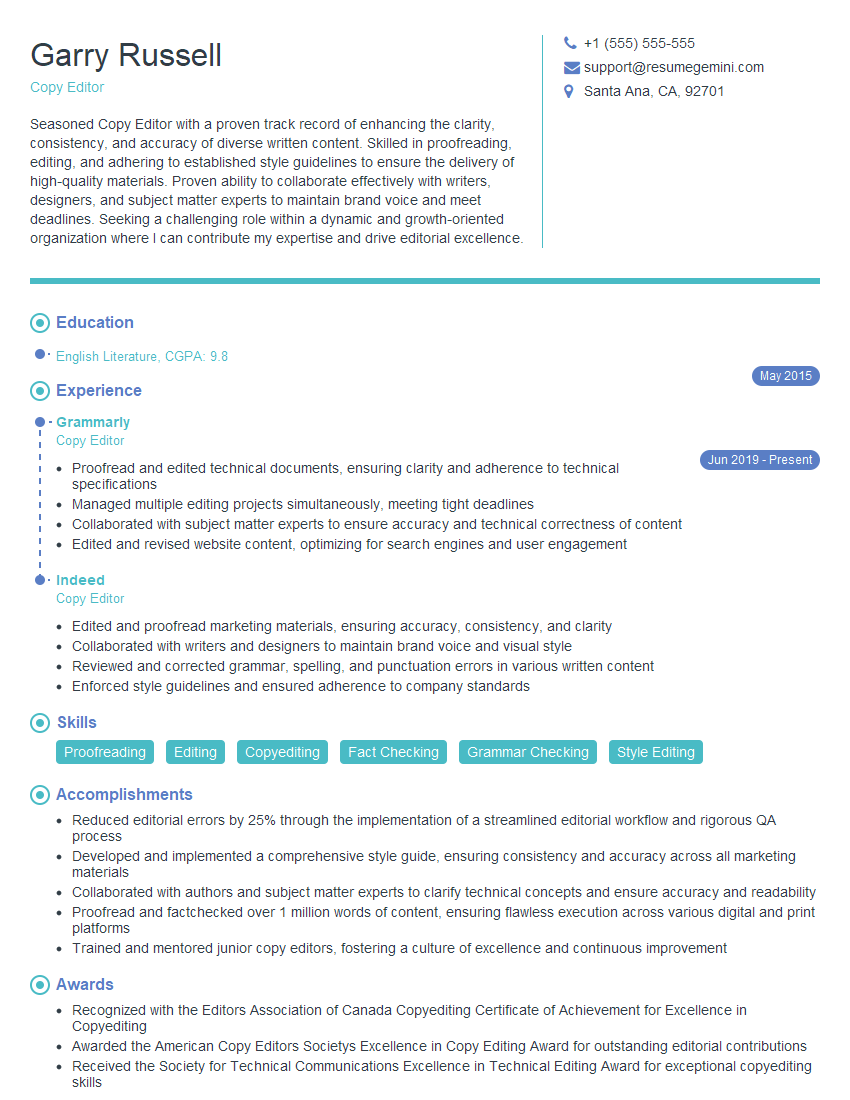
Copy Editor Resume Sample
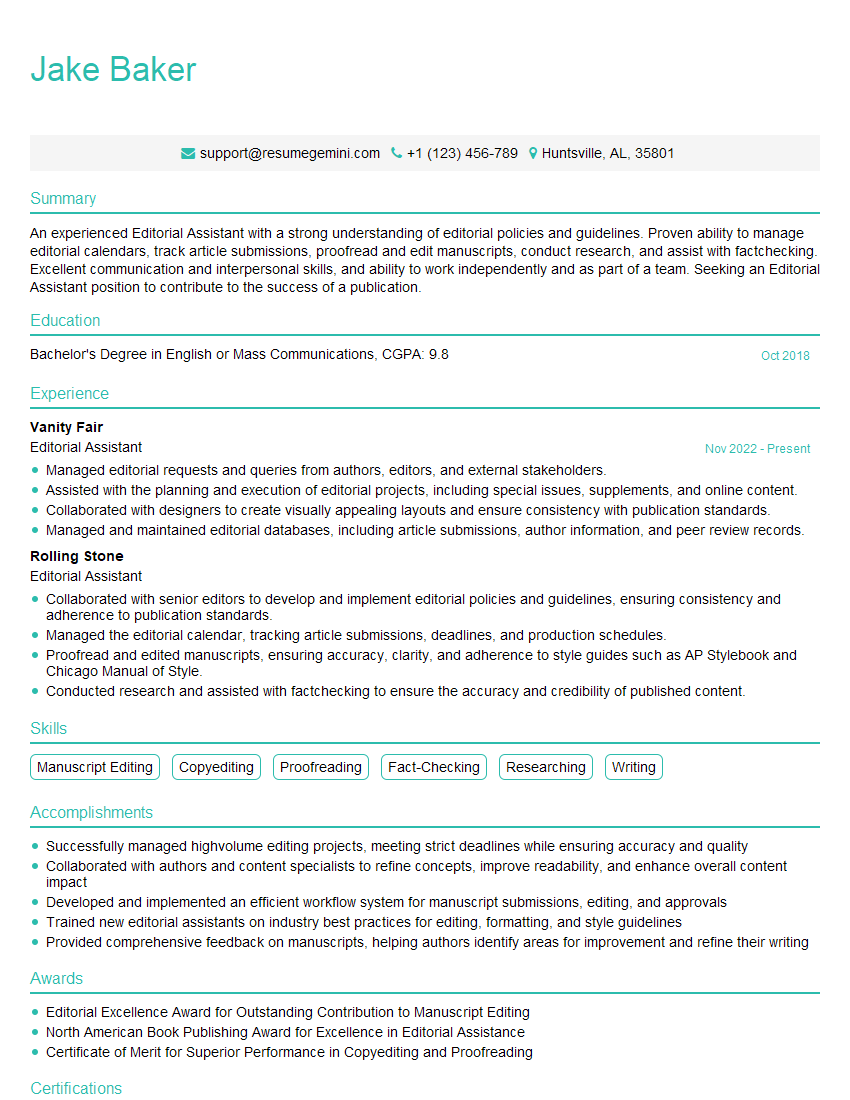
Editorial Assistant Resume Sample
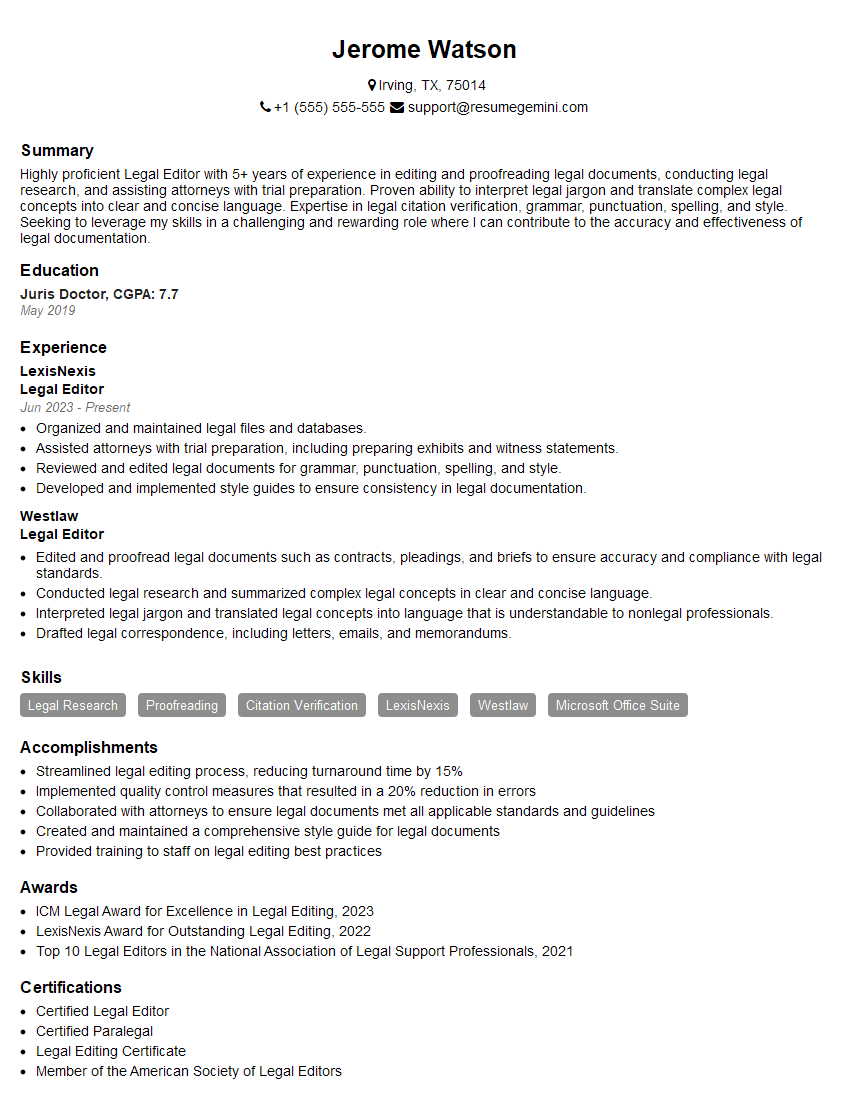
Legal Editor Resume Sample
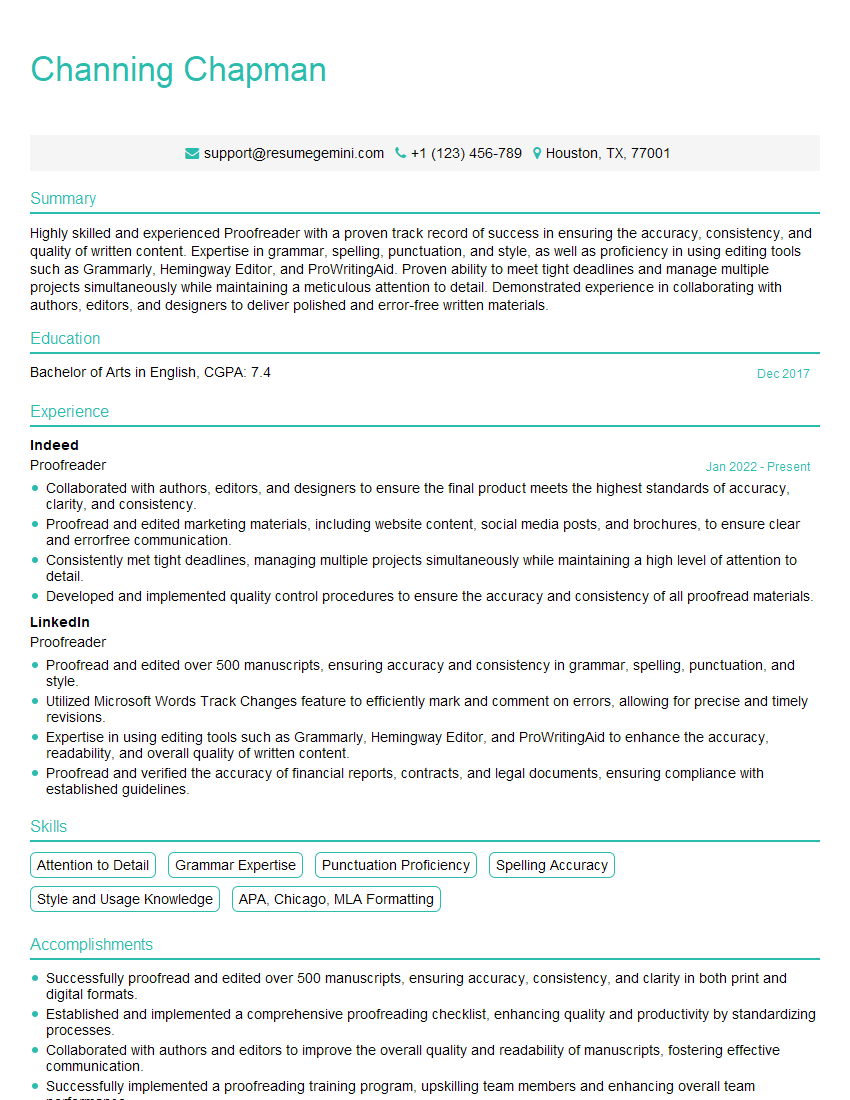
Proofreader Resume Sample
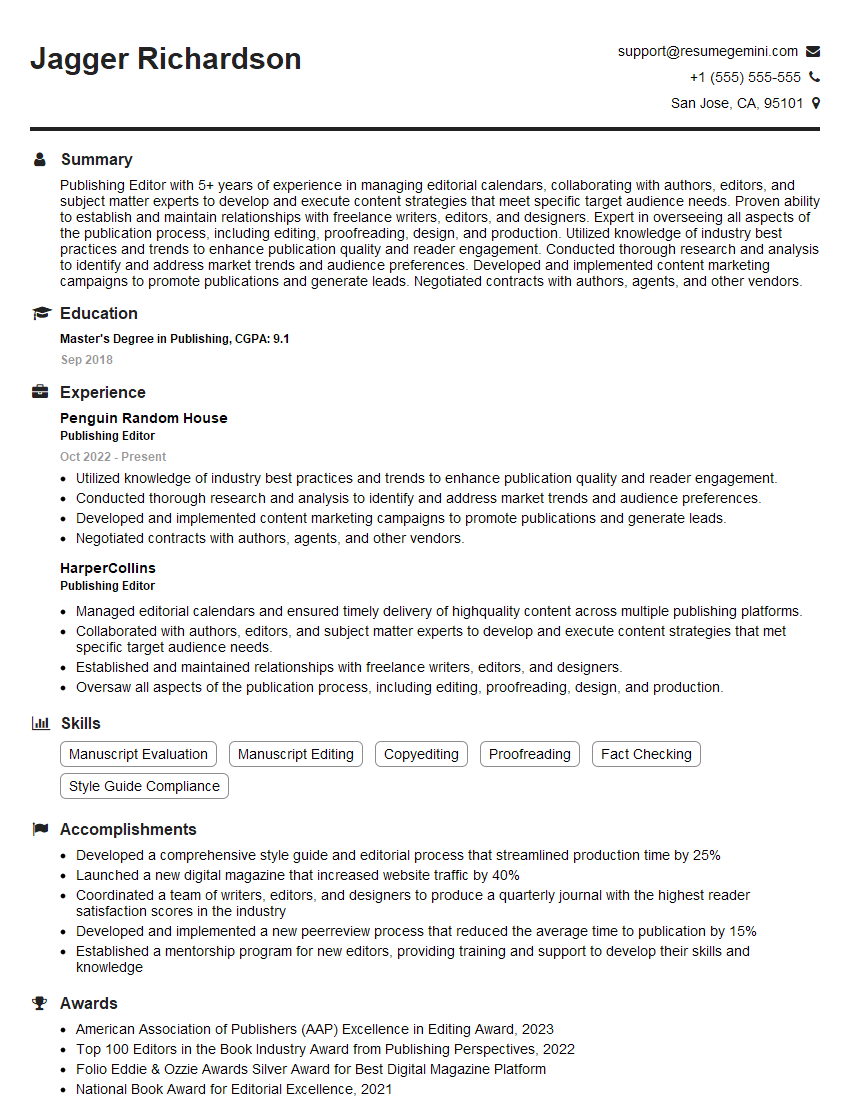
Publishing Editor Resume Sample
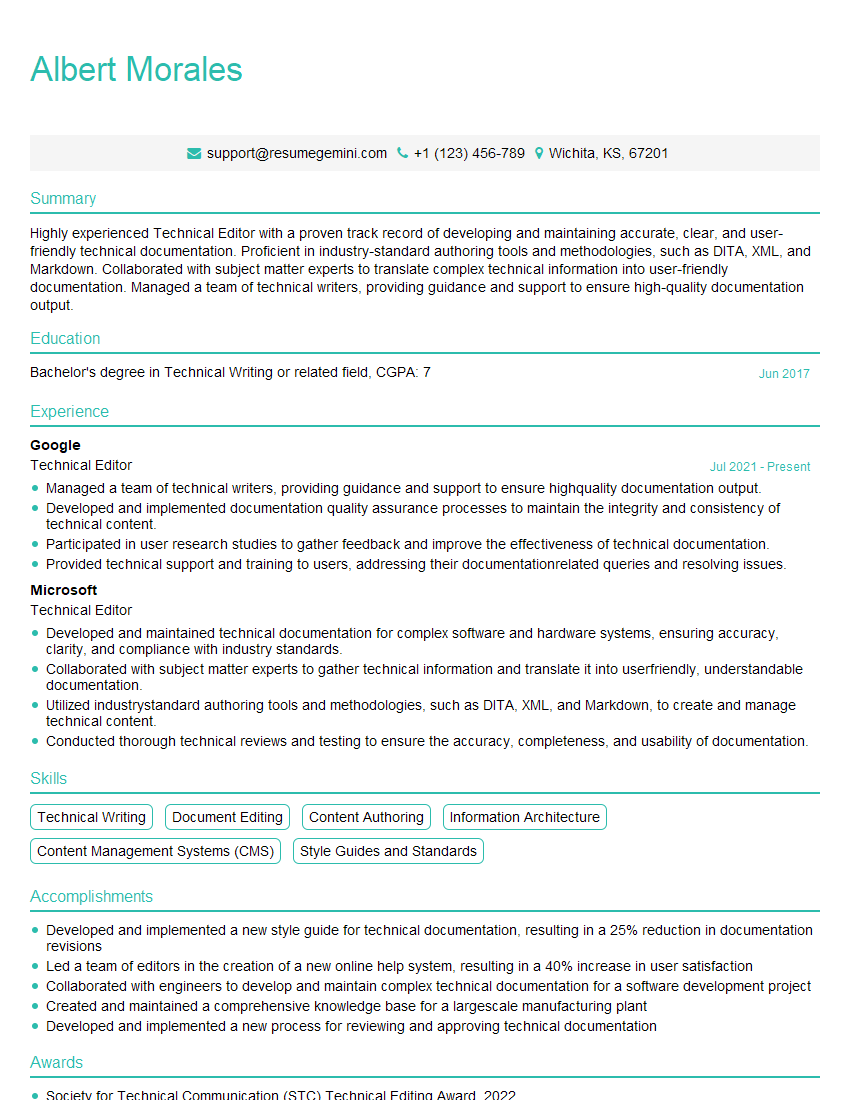
Technical Editor Resume Sample
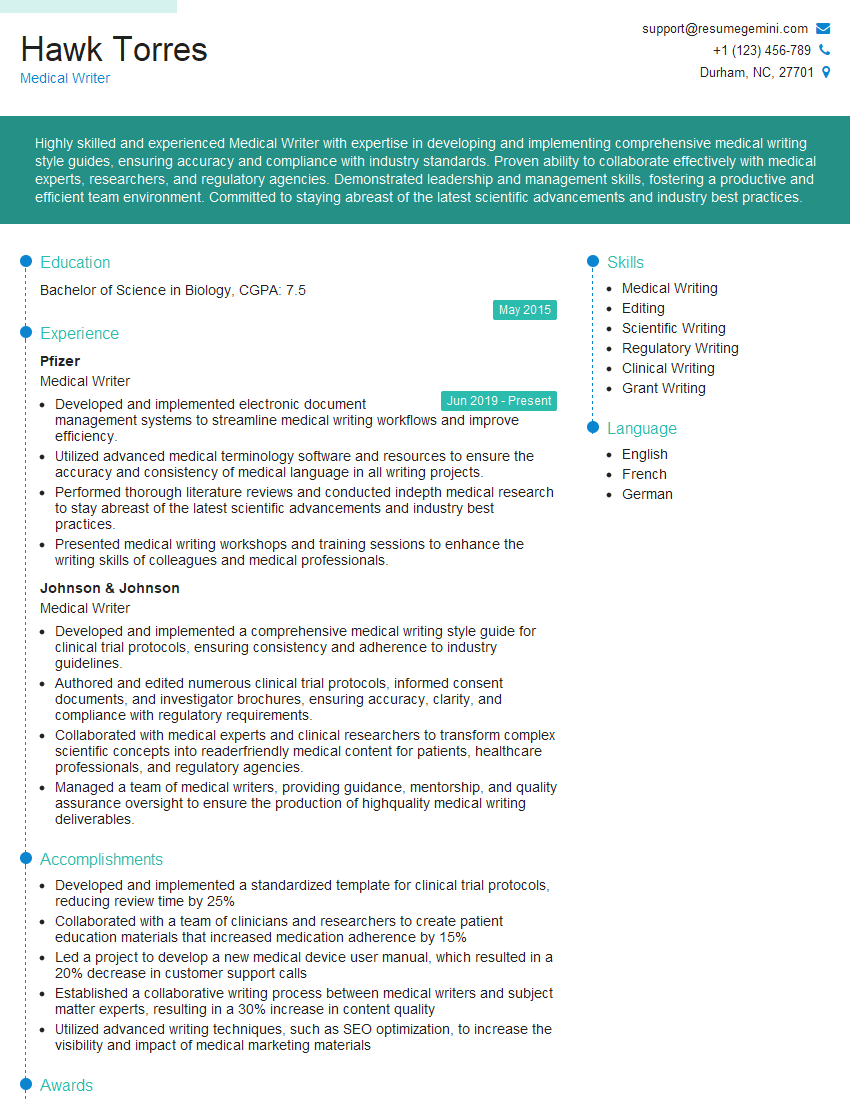
Medical Writer Resume Sample

Technical Writer Resume Sample

Copywriter Resume Sample
Explore more articles
Users Rating of Our Blogs
Share Your Experience
We value your feedback! Please rate our content and share your thoughts (optional).
What Readers Say About Our Blog
Really detailed insights and content, thank you for writing this detailed article.
IT gave me an insight and words to use and be able to think of examples