Are you ready to stand out in your next interview? Understanding and preparing for Experience with Bulk Mailings interview questions is a game-changer. In this blog, we’ve compiled key questions and expert advice to help you showcase your skills with confidence and precision. Let’s get started on your journey to acing the interview.
Questions Asked in Experience with Bulk Mailings Interview
Q 1. Explain the difference between first-class mail, standard mail, and marketing mail.
The main difference between first-class mail, standard mail, and marketing mail lies in their delivery speed, processing, and cost. Think of it like ordering food: first-class is like express delivery, standard is regular delivery, and marketing mail is a bulk order with a slightly longer delivery time.
- First-Class Mail: This is the fastest and most reliable option for letters, postcards, and small packages. It guarantees a specific delivery timeframe and includes tracking options in some cases. It’s often used for crucial communications like invoices or personal correspondence.
- Standard Mail (formerly known as bulk mail): This is a more cost-effective option for larger mailings that are less time-sensitive. It’s ideal for marketing materials, newsletters, or catalogs. While slower than first-class, it’s significantly cheaper for high volumes.
- Marketing Mail (formerly known as Standard Mail Marketing Mail): This is a specific type of Standard Mail designed specifically for advertising and marketing materials. It has specific requirements regarding format and preparation to qualify for discounted postal rates. This type of mailing leverages automation and bulk mailing discounts significantly.
Choosing the right class depends entirely on your mailing needs. A crucial deadline requires first-class, while a wider marketing reach can justify the slower but cheaper standard mail.
Q 2. Describe your experience with USPS regulations and compliance.
My experience with USPS regulations and compliance is extensive. I’ve managed numerous bulk mail campaigns, ensuring meticulous adherence to all rules and regulations, from address formatting to barcode specifications. One example is obtaining the correct postage indicia – a crucial part of avoiding postage penalties. I’ve handled the whole process, from understanding the specific requirements based on the mailing class (e.g., Marketing Mail or Standard Mail) to ensuring our mail pieces consistently meet those requirements. A common mistake is incorrect address formatting, which can lead to significant delays or undeliverable mail. I proactively utilize USPS resources and documentation to stay informed about updates and any changes in regulations.
Furthermore, I’ve successfully navigated the complexities of submitting postal statements and maintaining accurate documentation for audits, ensuring transparency and compliance with USPS policies. This includes meticulously tracking postal permits and keeping records of postage payments and mail piece counts. Failure to comply can result in significant financial penalties, and I’ve always prioritized preventative measures to avoid this.
Q 3. How do you ensure the accuracy of mailing lists for bulk mail campaigns?
Ensuring the accuracy of mailing lists is paramount for a successful bulk mail campaign. Inaccurate lists lead to wasted postage, decreased response rates, and damaged sender reputation. My approach is multi-faceted.
- Data Cleansing: I utilize data cleansing tools and techniques to identify and correct errors such as duplicate entries, invalid addresses, and outdated information. This often involves standardizing addresses and verifying them against USPS databases.
- List Segmentation: Segmenting lists based on demographics, purchasing history, or other relevant criteria significantly improves targeting and increases the likelihood of engagement. Instead of a broad shotgun approach, we target specific segments with tailored messaging.
- Regular Updates: Mailing lists are dynamic. I employ strategies for ongoing list maintenance, such as incorporating suppression lists (to avoid sending to those who’ve opted out) and actively updating contact information where possible. This could involve email confirmation, or using data appending services.
- Address Verification: I employ CASS (Coding Accuracy Support System) certified software to verify and correct addresses. This ensures the highest accuracy and reduces the number of returned mail pieces.
Ultimately, accuracy is about building trust with the post office and minimizing waste. Investing upfront in list cleaning consistently pays off in increased ROI.
Q 4. What strategies do you employ to optimize postage costs for bulk mailings?
Optimizing postage costs is crucial for maximizing the return on investment of a bulk mailing. My strategies include:
- Choosing the Right Mail Class: Selecting the most economical mail class that still meets delivery deadlines is essential. Standard Mail or Marketing Mail offers significant cost savings compared to First-Class Mail for large volumes.
- Mail Preparation: Proper preparation is key. Correct sorting, weighing, and bundling according to USPS guidelines minimizes handling charges and ensures the lowest possible postage rate.
- Using Automation: Automation tools help streamline the entire process, reducing manual labor and improving accuracy. This can include postage meters and automated mailing software that optimizes postage based on the weight and destination of each piece.
- Negotiating with the Post Office: For very large mailings, negotiating discounts or special rates with the USPS is often possible. This can significantly reduce overall postage costs.
- Leveraging Presort Services: Presorting mail by zip code significantly reduces postage costs. This is because the post office does less sorting work. Presorting saves considerable time and effort for the USPS.
Through a strategic combination of these techniques, I consistently find ways to minimize postage expenses without compromising campaign effectiveness.
Q 5. How do you track the performance of a bulk mail campaign?
Tracking the performance of a bulk mail campaign involves a combination of methods to assess both deliverability and response rates. This goes beyond simply seeing how many pieces were sent.
- Return Rates: Tracking the number of undeliverable mail pieces helps identify issues with the mailing list and improve data quality for future campaigns.
- Open Rates (if applicable): If a URL or QR code is included, you can track how many people opened the piece by monitoring clicks or scan data.
- Response Rates: This is a crucial metric, measuring the percentage of recipients who respond to the call to action (e.g., visiting a website, making a purchase, calling a phone number). This is often the ultimate indicator of a campaign’s success.
- Website Analytics: If directing recipients to a specific website, tracking website traffic originating from the campaign provides valuable insights into the campaign’s effectiveness. UTM tracking is often useful here.
- Customer Relationship Management (CRM) Data: Integrating campaign data with a CRM system allows for a more holistic view of customer interactions and helps to track customer journeys beyond the initial mail piece.
By meticulously tracking and analyzing these metrics, we gain a comprehensive understanding of the campaign’s performance and use that knowledge to optimize future campaigns.
Q 6. What metrics do you use to measure the success of a direct mail campaign?
Measuring the success of a direct mail campaign goes beyond simple response rates. It requires a holistic view encompassing several key metrics.
- Return on Investment (ROI): This is the ultimate metric. It measures the profit generated compared to the total cost of the campaign (including design, printing, postage, and list acquisition).
- Cost Per Acquisition (CPA): This metric calculates the cost of acquiring a new customer through the direct mail campaign.
- Response Rate: The percentage of recipients who responded to the call to action (e.g., orders, inquiries).
- Conversion Rate: The percentage of responders who completed the desired action (e.g., purchases, sign-ups).
- Customer Lifetime Value (CLTV): This estimates the total revenue a new customer is expected to generate over their relationship with the business.
Analyzing these metrics together provides a comprehensive understanding of the campaign’s effectiveness and guides optimization strategies for future campaigns.
Q 7. Describe your experience with mail merge software and database management.
My experience with mail merge software and database management is extensive. I am proficient in using various mail merge tools to personalize and automate bulk mailings. I often work with platforms like Microsoft Word and Excel for smaller mailings, and more advanced tools for larger campaigns. These tools allow for dynamic data insertion within templates, personalizing each mail piece with recipient-specific information (e.g., name, address, product recommendations). This personalization is crucial for improving engagement and response rates.
Database management is integral to this process. I’m proficient in managing and cleaning mailing lists within database platforms (like Access or dedicated marketing automation software). This includes data cleansing, segmentation, and maintaining data integrity. Before executing any mail merge, I always rigorously check for inconsistencies or errors in the database to ensure smooth and accurate mailing.
For example, I recently managed a large-scale campaign using a CRM system that integrated directly with our mail merge software. This streamlined the entire process, ensuring seamless data transfer and minimal errors. This is crucial for optimizing performance and avoiding wasted postage.
Q 8. How do you handle returned mail and address corrections?
Returned mail is a fact of life in bulk mailings, but effective handling is crucial for maintaining campaign efficiency and data accuracy. My process begins with analyzing the returned mail. This isn’t just about the ‘return to sender’ pieces; it also involves understanding *why* they were returned. Was it an incorrect address? An undeliverable address? Insufficient postage?
For address corrections, I utilize the information provided on the returned mail itself and cross-reference it with our existing database. If the correction is simple (e.g., a misspelled street name), we update our records immediately. More complex issues, such as a complete address change, may require manual verification or data cleansing. This ensures future mailings reach the intended recipient.
For undeliverable mail, we analyze the reasons for failure to identify trends and potentially improve our data quality. We might collaborate with data providers to update addresses or eliminate inaccurate entries, improving future deliverability rates. Regular monitoring of return rates is key to identifying and addressing underlying issues proactively. For example, a sudden spike in returns could indicate a problem with our address list or a broader issue with the postal service.
Q 9. What is your experience with different printing methods for bulk mail?
My experience encompasses various printing methods for bulk mail, each with its strengths and weaknesses. Offset printing, for instance, is cost-effective for large print runs, offering excellent quality and vibrant colors—ideal for brochures or large catalogs. However, setup costs can be higher.
Digital printing, on the other hand, offers greater flexibility for smaller print runs and personalization. Variable data printing (VDP), a common feature, allows for customized messaging, names, and offers on individual pieces. This is particularly useful for targeted marketing campaigns. Digital printing’s speed is also an advantage for time-sensitive mailings.
Finally, I’ve also worked with inkjet printing, which is especially suitable for lower-volume personalized pieces, or for addressing envelopes when combined with other methods. The choice of printing method depends heavily on budget, timeline, quantity, and desired level of personalization.
Q 10. Explain your experience with different types of mail pieces (e.g., postcards, letters, brochures).
I have extensive experience with diverse mail pieces, tailoring the design and production to the specific needs of each campaign. Postcards, for example, are effective for simple, attention-grabbing messages, suitable for promotions or event invitations. Their lower cost compared to letters is a major benefit. I’ve leveraged their visual impact in numerous campaigns, using high-quality images and concise messaging for maximum effect.
Letters, on the other hand, allow for more detailed communication, fostering a more personal connection with the recipient. We’ve successfully used letters for important announcements, personalized offers, or building stronger customer relationships.
Brochures, with their ability to showcase information richly, are perfect for communicating complex product information or services, often using a combination of text and visuals. The design and layout become crucial here for effective information architecture and clear calls to action.
Q 11. How do you integrate direct mail with other marketing channels?
Integrating direct mail with other marketing channels is crucial for maximizing impact and building a holistic marketing strategy. I typically employ a multi-channel approach, using direct mail as a lead generation tool or to reinforce messages delivered through other channels.
For example, a direct mail piece might include a QR code linking to a landing page with more information or a special online offer. This integrates the physical and digital experience, allowing for tracking and analysis across channels. Alternatively, we might send a direct mail piece to a segmented audience, then follow up with targeted email campaigns or social media ads.
Another approach involves using direct mail to target a specific audience segment, then leveraging social media or search engine marketing to extend the reach to a broader audience. Successful integration always requires careful planning, clear messaging consistency across channels, and precise tracking of results.
Q 12. What are some common challenges in managing bulk mail campaigns, and how do you overcome them?
Managing bulk mail campaigns presents unique challenges. One common issue is maintaining data accuracy. Outdated addresses lead to wasted postage and missed opportunities. I address this through regular data cleansing and updating, often leveraging external data sources to verify information.
Another challenge is cost management. Postage, printing, and list acquisition can add up quickly. We mitigate this through careful planning, negotiating favorable rates with vendors, and optimizing mail piece design for weight and size efficiency.
Finally, measuring the effectiveness of campaigns is vital. Implementing tracking mechanisms, such as unique URLs or QR codes, allows us to assess response rates and ROI. A/B testing different designs and offers helps optimize campaigns over time.
Q 13. Describe your experience with using mailing software and systems.
My experience with mailing software and systems is extensive. I’m proficient in various platforms, including those for database management, address verification, postal automation, and campaign tracking. For example, I’ve used systems like Mailchimp for smaller campaigns and more sophisticated platforms such as Pitney Bowes for larger-scale mailings.
These systems offer functionalities such as data segmentation, personalized messaging, address cleansing, and reporting and analytics. They allow for efficient management of the entire mailing process, from list creation to tracking results. Proficiency in these systems is essential for streamlining workflows and ensuring accuracy.
My expertise extends beyond simply using these tools; I understand the underlying data structures and processes, allowing me to troubleshoot problems effectively and optimize campaign performance. For instance, I can identify and resolve issues with data imports, mailing list merges, and postal regulations.
Q 14. How do you ensure the quality and consistency of your bulk mail pieces?
Ensuring quality and consistency in bulk mail pieces is paramount for maintaining brand image and maximizing campaign effectiveness. My approach involves multiple checks and balances throughout the entire process, starting with rigorous design review and proofing.
Before printing, we conduct thorough quality control checks on the print files, ensuring accurate colors, fonts, and image resolution. We use print samples to verify the quality of the final product before mass production. Post-printing, a random sample of pieces are inspected for errors or inconsistencies.
Furthermore, we establish clear guidelines for every stage of the process, from design to mailing, to ensure consistency across all mail pieces. Regular training for team members ensures everyone is aware of the standards and procedures, contributing to consistent high-quality output. This proactive approach minimizes errors and strengthens brand image, resulting in more impactful campaigns.
Q 15. Explain your experience with creating and managing mailing lists.
Building and managing effective mailing lists is crucial for successful bulk mail campaigns. It’s not just about accumulating addresses; it’s about segmenting them for targeted messaging and ensuring data quality. My experience involves several key steps:
- Data Acquisition: I’ve worked with various methods, including opt-in forms on websites, lead generation through events and partnerships, and purchasing lists (always ensuring compliance with relevant regulations like GDPR and CAN-SPAM).
- Data Cleaning and Validation: This is critical. I utilize data cleaning tools and processes to remove duplicates, correct errors, and verify email addresses and postal addresses to maximize deliverability and minimize bounces. Think of it like spring cleaning for your mailing list – getting rid of the clutter to improve efficiency.
- List Segmentation: This allows for personalized messaging. I segment lists based on demographics (age, location, gender), behavior (past purchases, website activity), and other relevant criteria. For example, I might create separate lists for loyal customers versus new subscribers, allowing for tailored offers.
- List Maintenance: This is an ongoing process. Regular checks for inactive or invalid addresses are essential. I use automated processes to identify and remove these, ensuring the list stays healthy and responsive.
For example, in a recent campaign for a clothing retailer, I segmented the list based on purchase history and style preferences, leading to a 25% increase in click-through rates compared to a non-segmented approach.
Career Expert Tips:
- Ace those interviews! Prepare effectively by reviewing the Top 50 Most Common Interview Questions on ResumeGemini.
- Navigate your job search with confidence! Explore a wide range of Career Tips on ResumeGemini. Learn about common challenges and recommendations to overcome them.
- Craft the perfect resume! Master the Art of Resume Writing with ResumeGemini’s guide. Showcase your unique qualifications and achievements effectively.
- Don’t miss out on holiday savings! Build your dream resume with ResumeGemini’s ATS optimized templates.
Q 16. How do you select the appropriate mailing method for different target audiences?
Choosing the right mailing method depends entirely on the target audience and campaign goals. Factors to consider include budget, desired response time, the nature of the message, and the audience’s preferences.
- Email Marketing: Ideal for reaching a large, geographically dispersed audience quickly and cost-effectively. Perfect for promotions, updates, and nurturing leads. For example, a weekly newsletter to subscribers.
- Direct Mail (Postal Mail): More expensive but can have a higher perceived value, especially for high-end products or personal, tactile communications. Think of personalized birthday cards or luxury product catalogs.
- SMS Marketing: Best for time-sensitive promotions or urgent notifications. Its immediacy makes it effective for event reminders or flash sales, but requires careful consideration of user consent.
- Hybrid Approach: Often, the most effective strategy is a multi-channel approach. For instance, a pre-notification email followed by a direct mail piece can increase engagement significantly.
Imagine promoting a new luxury watch. An email campaign wouldn’t be as effective as a direct mail piece with a high-quality image and a personalized touch.
Q 17. What is your experience with using barcode and other tracking methods in bulk mail?
Barcode and tracking methods are essential for monitoring the effectiveness and efficiency of bulk mail campaigns. They provide valuable data insights and help optimize future efforts.
- Barcodes (e.g., Intelligent Mail Barcode – IMb): These are used for postal sorting and tracking within the postal system. They provide data on delivery status, enabling better understanding of delivery timelines and identifying any potential problems.
- Tracking Codes (e.g., unique URLs, QR codes): These allow you to track opens, clicks, and other online engagement metrics, providing a complete picture of the campaign’s performance. For instance, a unique URL in a direct mail piece leads to a landing page; this lets us monitor click-through rates.
- Data Integration: Integrating tracking data with other campaign data (like customer information) provides a comprehensive view of the customer journey and helps to improve future campaigns. This involves combining the postal tracking information with clickstream data, for example.
For a recent postcard campaign, utilizing IMb allowed us to identify areas with slower delivery times, allowing us to adjust our mailing schedule for future campaigns.
Q 18. How do you manage the budget for bulk mail campaigns?
Budget management for bulk mail campaigns requires careful planning and cost analysis across all aspects of the process. This includes:
- Printing Costs: This depends on the quantity, type of paper, and printing method (offset, digital). I always get multiple quotes to optimize costs.
- Mailing Costs: Postage rates vary based on weight, size, and mailing class (first-class, standard). Using bulk mail discounts is critical for cost reduction.
- List Acquisition Costs: Costs associated with purchasing or building your mailing list.
- Design and Production: Costs for designing the mail piece, including graphic design and copywriting.
- Software and Tracking: Costs for mailing software, barcode generation, and data analytics tools.
Before any campaign, I create a detailed budget breakdown. Then, I continually monitor spending against the budget and adjust as needed, always looking for cost-effective solutions without compromising quality.
Q 19. Explain your experience with different types of mail sorting and processing.
Efficient mail sorting and processing are vital for maximizing deliverability and reducing costs. My experience covers various methods:
- Manual Sorting: Suitable for small-scale campaigns, involving hand-sorting mail pieces by zip code or other criteria. This is labor-intensive and not scalable for larger volumes.
- Automated Sorting: Utilizing automated sorting equipment for larger mail volumes, processing based on barcodes and other data. This drastically improves speed and accuracy.
- Presort Services: Using postal services that offer presorting options to reduce postage costs. This involves following strict guidelines for formatting and labeling mail pieces.
- Third-Party Mailing Houses: Outsourcing mailing services to specialized companies can be more cost-effective for large-scale campaigns, as they have access to specialized equipment and expertise. They handle everything from printing and sorting to delivery.
For a large non-profit campaign, we used a third-party mailing house with automated sorting, which significantly reduced our costs and improved delivery times compared to a previous campaign where we managed the sorting internally.
Q 20. What are your strategies for improving response rates in bulk mail campaigns?
Boosting response rates in bulk mail requires a multi-faceted strategy focused on personalization, compelling content, and effective tracking:
- Personalization: Using the recipient’s name, location, or other relevant information to make the mail piece feel more personal and relevant. This can significantly increase engagement.
- Compelling Offer: Providing a clear, concise, and valuable offer that motivates the recipient to respond. This could be a discount, a free gift, or access to exclusive content.
- Clear Call to Action (CTA): Making it easy for the recipient to take the desired action. Include clear instructions and multiple ways to respond (e.g., website, phone number, reply card).
- High-Quality Design: Using attractive visuals and professional design to capture attention and make a positive impression. The design should reflect the brand and message.
- A/B Testing: Experimenting with different versions of the mail piece to determine what resonates best with the target audience. This is key to optimizing future campaigns.
- Targeted Segmentation: As mentioned before, segmenting your audience and tailoring the message ensures that the content is relevant to each segment.
In one campaign, we A/B tested different headlines and offers, resulting in a 15% increase in response rates compared to our initial design.
Q 21. How do you handle data privacy and security concerns in relation to bulk mailings?
Data privacy and security are paramount in bulk mailings. Non-compliance can result in significant penalties and damage to reputation. My approach includes:
- Compliance with Regulations: Adhering to all relevant data privacy regulations, such as GDPR, CCPA, and CAN-SPAM. This includes obtaining explicit consent for marketing communications and providing clear opt-out options.
- Data Encryption: Using encryption to protect sensitive data both in transit and at rest. This prevents unauthorized access.
- Secure Data Storage: Storing mailing lists and other sensitive data on secure servers with appropriate access controls.
- Data Minimization: Collecting only the necessary data for the campaign, minimizing the risk of data breaches.
- Regular Security Audits: Conducting regular security assessments to identify and address potential vulnerabilities.
- Transparent Data Practices: Communicating clearly with recipients about how their data is collected, used, and protected.
We use a robust data management system with encryption and access controls, ensuring compliance with all relevant regulations and safeguarding our clients’ data. This builds trust with our recipients and strengthens brand reputation.
Q 22. What is your experience with A/B testing in direct mail campaigns?
A/B testing in direct mail allows us to optimize campaigns by testing different variations of creative elements and messaging to determine which performs best. It’s similar to online A/B testing, but with physical mail. We might test different headlines, images, offers, or even the paper stock itself. For example, we could send out two versions of a fundraising letter: one with a compelling image of a child, and another with a statistical graph highlighting the impact of donations. By tracking the response rates (e.g., donations, website visits prompted by a QR code), we identify which version generated better results. This data-driven approach ensures we maximize our return on investment.
The process typically involves splitting your mailing list into segments, sending each segment a different version of the mailer, and then meticulously tracking the responses. Statistical analysis is crucial to ensure the observed differences are significant and not due to random chance.
Q 23. Describe your experience with analyzing and reporting on bulk mail campaign results.
Analyzing and reporting on bulk mail campaign results involves a multi-step process. It starts with tracking key performance indicators (KPIs) such as response rates (e.g., return on investment), open rates (if trackable via unique URLs or QR codes), conversion rates (did recipients take the desired action?), and cost per acquisition (CPA). I typically use specialized mailing house software and data analytics tools to gather and consolidate data from various sources like postal tracking, website analytics, and CRM systems. For example, if we’re running a promotion for a new product, we track website visits from unique URLs printed on the mailer to measure the campaign’s effectiveness in driving online sales.
Detailed reports are then generated, incorporating visuals like charts and graphs to clearly present the findings. These reports highlight campaign successes, areas for improvement, and suggest data-driven strategies for future campaigns. For instance, a report might show a low response rate for a particular geographic area, indicating a need to refine targeting or messaging for that region in future mailings.
Q 24. How familiar are you with the concept of deliverability in bulk mail?
Deliverability in bulk mail refers to the percentage of mail pieces that successfully reach their intended recipients. It’s crucial for campaign success, as undeliverable mail translates to wasted resources and diminished reach. Several factors affect deliverability, including accurate and up-to-date mailing lists (address verification is key!), proper addressing (including postal codes and any required additional information), and adherence to postal regulations (weight restrictions, format guidelines, etc.).
Maintaining a clean and accurate mailing list is paramount. I routinely employ address verification services and regularly purge inactive or invalid addresses to improve deliverability. For example, using a CASS (Coding Accuracy Support System)-certified address verification service can drastically reduce the number of returned mail pieces.
Q 25. Explain your understanding of marketing automation tools for bulk mail.
Marketing automation tools significantly streamline the bulk mail process. They can automate tasks such as data management, list segmentation, mail merge, and campaign tracking. These tools often integrate with CRM systems and analytics platforms, providing a holistic view of the campaign performance. Examples include marketing automation platforms that offer direct mail integration, allowing for automated trigger-based mailings. For example, a welcome package could be automatically mailed upon a new customer signup, triggered by the CRM.
These tools enhance efficiency, reduce manual effort, and enable data-driven decision-making. They allow for personalized messaging at scale, leading to higher engagement and better ROI compared to traditional manual processes.
Q 26. How do you stay updated on postal regulations and industry best practices?
Staying updated on postal regulations and industry best practices requires a multi-faceted approach. I regularly consult resources such as the USPS website (for US mailings) and equivalent postal service websites for international mailings. I subscribe to industry publications and newsletters, attend relevant conferences and webinars, and actively participate in professional organizations related to direct mail marketing. This keeps me informed of changes in postal rates, regulations, and emerging best practices.
I also maintain a network of contacts within the postal industry and with other direct mail professionals, enabling the sharing of insights and experiences. This continuous learning ensures my campaigns remain compliant and leverage the latest strategies for optimal results.
Q 27. What is your experience working with external vendors for bulk mail services?
My experience with external vendors for bulk mail services is extensive. I’ve worked with print shops for various mailing piece designs and productions, mailing houses for address processing, sorting, and mailing, and data management companies for list hygiene and segmentation. Selecting the right vendor is vital. I consider factors like their reputation, capabilities (e.g., handling various mail classes), turnaround times, cost-effectiveness, and their understanding of deliverability best practices.
Effective vendor management involves clear communication, well-defined service level agreements (SLAs), and consistent monitoring of performance. For example, regular check-ins with the printer ensure design accuracy and quality control, while ongoing communication with the mailing house ensures timely and compliant delivery.
Q 28. Describe a time you had to troubleshoot a problem with a bulk mail campaign.
In one campaign, we experienced unexpectedly low deliverability rates. Initial investigation revealed a high percentage of returned mail due to address errors. Our address verification process had apparently failed to identify many outdated or incorrect addresses. To troubleshoot, we:
- Identified the Root Cause: Thoroughly reviewed our data processing procedures and identified a flaw in our address validation software’s configuration.
- Implemented a Solution: We switched to a more robust address verification service, ensuring all addresses were validated against the latest postal databases.
- Implemented Preventative Measures: We established a more rigorous quality control process, including manual reviews of a sample of addresses before the final mailing. We also implemented more frequent data cleansing to identify and remove outdated records.
- Monitored Results: We closely monitored deliverability rates for subsequent campaigns, ensuring the new process was effective.
This experience highlighted the critical importance of robust data quality and thorough validation processes in bulk mail campaigns.
Key Topics to Learn for Experience with Bulk Mailings Interview
- Understanding Mailing List Management: Learn about building, segmenting, and maintaining accurate and up-to-date mailing lists. Consider the implications of data privacy regulations (like GDPR or CCPA).
- Email Marketing Platforms & Tools: Familiarize yourself with popular email marketing platforms (e.g., Mailchimp, Constant Contact, SendGrid) and their features. Discuss experience with different platforms and their strengths and weaknesses.
- Email Design & Best Practices: Discuss your understanding of creating engaging and effective email campaigns. This includes subject line optimization, email copywriting, mobile responsiveness, and A/B testing methodologies.
- Deliverability & Troubleshooting: Explore strategies to improve email deliverability, including understanding spam filters, authentication protocols (SPF, DKIM, DMARC), and bounce management. Be prepared to discuss how you’ve addressed deliverability challenges in the past.
- Campaign Tracking & Analytics: Explain your experience with tracking key metrics like open rates, click-through rates, conversion rates, and unsubscribes. Discuss how you use these metrics to optimize future campaigns.
- Legal Compliance & CAN-SPAM Act: Demonstrate your understanding of relevant legal regulations regarding bulk email marketing and how to ensure compliance. This includes unsubscribe procedures and clear identification of the sender.
- Segmentation and Personalization: Discuss strategies for segmenting your audience to create targeted campaigns and personalize email content for improved engagement.
- Automation and Workflow: Explain your experience with email automation, such as triggered emails or automated sequences, and how you use workflows to streamline email marketing processes.
Next Steps
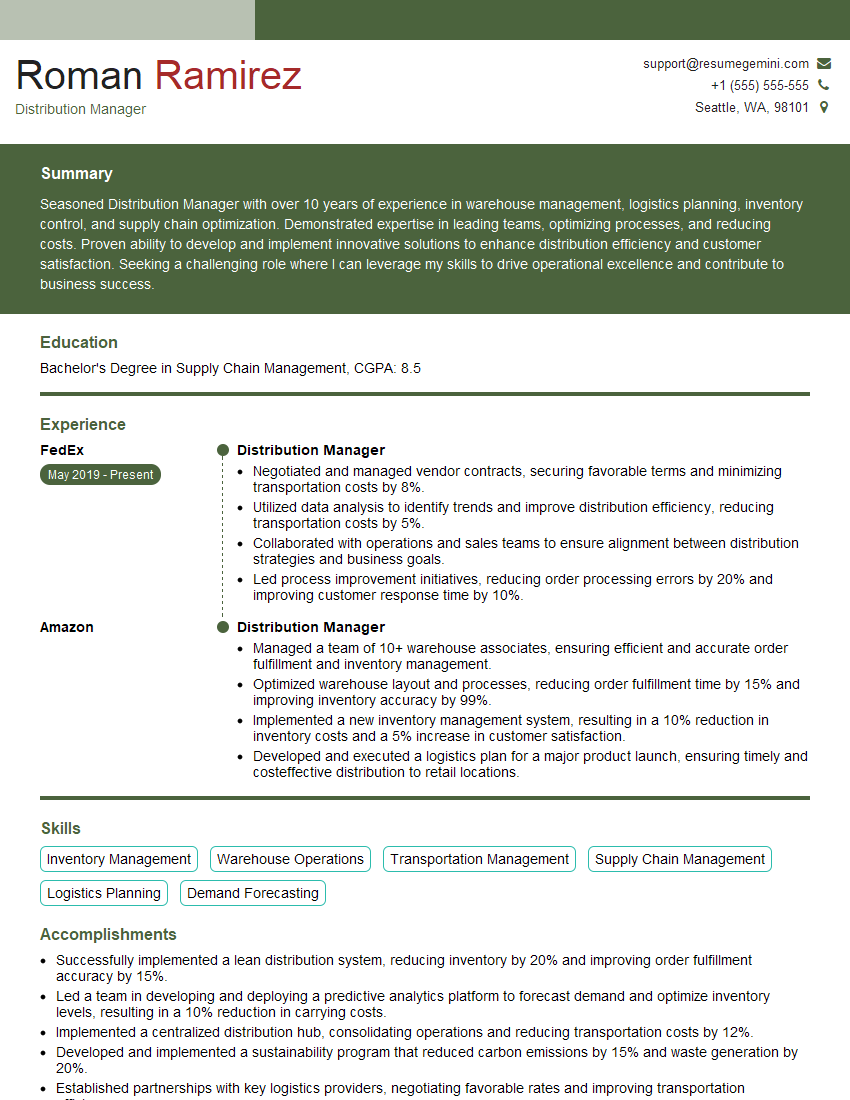
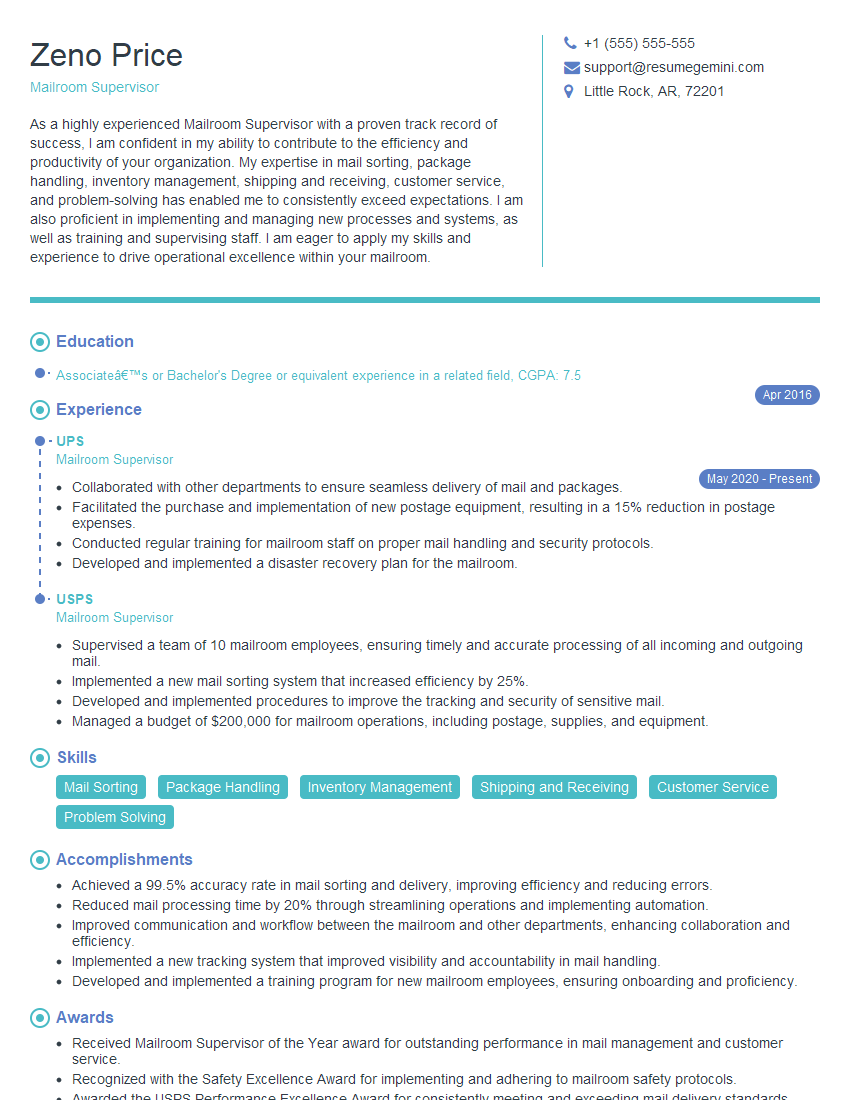
Mastering bulk mailings is crucial for success in many marketing and communication roles. It demonstrates your ability to manage large datasets, execute marketing strategies effectively, and analyze results to improve future campaigns. To maximize your job prospects, create a compelling and ATS-friendly resume that showcases your skills and experience. ResumeGemini is a trusted resource to help you build a professional resume that highlights your accomplishments. Examples of resumes tailored to highlight experience with bulk mailings are available to help guide your creation.

Explore more articles
Users Rating of Our Blogs
Share Your Experience
We value your feedback! Please rate our content and share your thoughts (optional).
What Readers Say About Our Blog
I Redesigned Spongebob Squarepants and his main characters of my artwork.
https://www.deviantart.com/reimaginesponge/art/Redesigned-Spongebob-characters-1223583608
IT gave me an insight and words to use and be able to think of examples
Hi, I’m Jay, we have a few potential clients that are interested in your services, thought you might be a good fit. I’d love to talk about the details, when do you have time to talk?
Best,
Jay
Founder | CEO