Cracking a skill-specific interview, like one for Parent and Community Outreach, requires understanding the nuances of the role. In this blog, we present the questions you’re most likely to encounter, along with insights into how to answer them effectively. Let’s ensure you’re ready to make a strong impression.
Questions Asked in Parent and Community Outreach Interview
Q 1. Describe your experience in building relationships with diverse parent communities.
Building strong relationships with diverse parent communities requires a multifaceted approach rooted in empathy, cultural sensitivity, and consistent communication. It’s not just about attending meetings; it’s about actively listening, understanding their unique perspectives, and demonstrating genuine care for their children’s well-being.
In my previous role, I established relationships with parents from various socioeconomic backgrounds, ethnicities, and levels of education. This involved attending community events, holding informal coffee mornings, and organizing workshops tailored to their specific interests and needs. For example, I organized a series of bilingual workshops on parenting strategies, partnering with local community leaders to ensure accessibility and cultural relevance. I also proactively sought feedback through surveys and focus groups, using this input to improve our outreach efforts and create more inclusive programs.
Furthermore, I prioritized building trust by being transparent and responsive to parent concerns. I ensured that communication was accessible and easily understandable, utilizing various channels like emails, phone calls, text messages, and social media platforms in appropriate languages.
Q 2. How do you identify and address barriers to parent involvement?
Identifying barriers to parent involvement requires a combination of proactive data gathering and empathetic observation. Often, barriers aren’t immediately obvious and require careful consideration.
- Socioeconomic factors: Lack of time due to work schedules, transportation challenges, and childcare costs are significant hurdles. To address this, we need to offer flexible meeting times, provide transportation assistance where possible, and explore options like on-site childcare during events.
- Language barriers: Providing translated materials and employing bilingual staff/volunteers are crucial. Offering interpretation services at meetings is essential.
- Cultural differences: Understanding and respecting varying cultural norms regarding parent-school involvement is paramount. This might involve adapting communication styles, adjusting meeting formats, and ensuring cultural sensitivity in all materials and interactions.
- Negative past experiences: Some parents may have had negative experiences with schools in the past, creating a barrier to trust. Building trust requires open communication, demonstrating a commitment to inclusivity, and providing personalized support.
Addressing these barriers often involves a collaborative effort with community partners and school staff, creating a supportive network that offers accessible resources and overcomes logistical challenges.
Q 3. What strategies do you use to effectively communicate with parents from various backgrounds?
Effective communication with parents from various backgrounds requires a multi-pronged approach that considers language, cultural nuances, and preferred communication channels.
- Multilingual communication: Translate all important documents into the most prevalent languages within the community. Provide information in various formats (printed materials, emails, text messages, social media posts).
- Culturally sensitive messaging: Avoid jargon and use simple, clear language. Tailor the message to resonate with the specific cultural values and norms of the community.
- Diverse communication channels: Don’t rely on a single method. Utilize phone calls, emails, text messages, social media, newsletters, and in-person meetings to ensure broad reach.
- Feedback mechanisms: Regularly solicit feedback from parents to gauge the effectiveness of your communication strategies and make adjustments as needed. Consider using surveys, focus groups, or informal feedback sessions.
For instance, in a community with a high proportion of Spanish-speaking families, I ensured all school communications were translated into Spanish and offered parent-teacher conferences in both English and Spanish. I also established a dedicated WhatsApp group for Spanish-speaking parents to facilitate quick communication and address immediate concerns.
Q 4. Explain your approach to planning and executing parent engagement events.
Planning and executing parent engagement events requires careful consideration of logistics, accessibility, and inclusivity. The key is to create events that are both informative and engaging.
- Needs assessment: Conduct surveys or focus groups to understand the interests and needs of parents. This will help you tailor the event to their preferences.
- Theme selection: Choose a theme that is relevant and engaging, focusing on topics of interest to parents.
- Logistics and accessibility: Ensure the venue is accessible, affordable, and convenient for parents. Offer childcare, transportation assistance, and translation services where necessary.
- Program development: Create a program that is interactive, engaging, and informative. Incorporate diverse activities like workshops, presentations, demonstrations, and social time.
- Marketing and promotion: Promote the event through various channels, including email, text messages, social media, flyers, and school newsletters. Highlight the benefits of attendance.
- Evaluation: Collect feedback from attendees to evaluate the success of the event and make improvements for future events.
For example, for a back-to-school night, I organized a series of workshops focusing on different age groups and incorporated interactive activities, multilingual signage, and childcare, to ensure all parents felt comfortable and involved.
Q 5. How do you measure the success of your parent and community outreach initiatives?
Measuring the success of parent and community outreach initiatives requires a multi-faceted approach that considers both quantitative and qualitative data. We cannot solely rely on participation numbers; we need a more nuanced understanding.
- Attendance rates: Track attendance at events and meetings to gauge overall engagement.
- Parent feedback: Collect feedback through surveys, focus groups, and informal conversations to understand parent satisfaction and identify areas for improvement.
- Volunteer participation: Monitor the number of parents who volunteer their time and expertise to support school initiatives.
- Improved student outcomes: While not a direct measure, increased parent involvement often correlates with improved student academic performance and behavior. Tracking these metrics can provide indirect evidence of success.
- Changes in parent perceptions: Conduct pre- and post-intervention surveys to measure changes in parent perceptions of school climate and their confidence in supporting their child’s education.
Analyzing these data points provides a comprehensive picture of the impact of outreach efforts and informs future strategies.
Q 6. Describe a time you had to resolve a conflict between parents or community members.
In one instance, a disagreement arose between two parents regarding their children’s participation in a school play. One parent felt their child was unfairly excluded from a lead role, while the other parent felt their child’s casting was justified.
My approach was to facilitate a calm, structured conversation. I first met with each parent individually to understand their perspectives and concerns, emphasizing active listening and empathy. I then brought them together in a neutral setting, reiterating the school’s commitment to fairness and inclusivity. I guided the discussion by focusing on the children’s best interests and ensuring a positive experience for all participants. Ultimately, we developed a solution where both parents felt heard and their concerns addressed, leading to a more positive resolution and improved relationships within the school community.
This experience highlighted the importance of clear communication, conflict resolution skills, and a focus on collaborative problem-solving in navigating complex situations within a diverse parent community.
Q 7. How do you adapt your communication style to meet the needs of different parent groups?
Adapting communication style is crucial for effective parent outreach. Different parent groups have diverse communication preferences and levels of comfort.
- Formal vs. Informal: Some parents may prefer formal written communication, while others may respond better to informal, conversational approaches. I adjust my tone and language accordingly.
- Direct vs. Indirect: Some cultures favor direct, explicit communication, while others prefer indirect, subtle approaches. Understanding these cultural nuances helps tailor my messaging for optimal impact.
- Technology proficiency: Some parents may be highly tech-savvy, while others may prefer traditional methods like phone calls or mail. Offering multiple communication channels ensures inclusivity.
- Language and literacy levels: Utilizing simple language, translation services, and diverse formats (visual aids, audio messages) allows all parents to access and understand important information.
- Individual needs: Acknowledging individual learning styles and communication preferences (e.g., visual learners, auditory learners) enables me to provide information in formats most accessible to each parent.
For example, I might use detailed emails for formal updates and community-wide announcements, while utilizing shorter, more informal text messages to remind parents of events and answer immediate queries. I might also offer one-on-one meetings for parents who prefer face-to-face interactions or require additional support.
Q 8. What are some effective strategies for engaging parents who are hesitant to participate?
Engaging hesitant parents requires a multi-pronged approach focused on building trust and demonstrating value. It’s not about forcing participation, but rather creating a welcoming and supportive environment.
Personalized Communication: Instead of generic emails, try personalized phone calls or home visits to understand their concerns and address them individually. For example, if a parent expresses concerns about time constraints, offer flexible meeting times or shorter sessions.
Showcase Success Stories: Share testimonials from other parents about the positive impact of programs. Seeing tangible benefits can be incredibly persuasive.
Low-Barrier Entry Points: Start with small, informal events like coffee mornings or drop-in sessions rather than large, formal meetings. This reduces the pressure to commit to a significant time investment.
Focus on Benefits Relevant to Parents: Frame program benefits in terms of their direct impact on their children’s learning and development, or offer workshops addressing their specific needs, such as parenting skills or financial literacy.
Build Relationships: Regular, informal communication helps to foster trust and a sense of community. This might involve simple check-in calls or sending updates about school events.
Q 9. How do you utilize technology to enhance parent and community outreach efforts?
Technology is invaluable in amplifying parent and community outreach. It allows for broader reach, increased efficiency, and more personalized communication.
School Website and Social Media: A well-maintained website with a dedicated parent portal provides easy access to information, school calendars, announcements, and online forms. Social media platforms like Facebook and Instagram can share updates, photos, and event announcements, creating a sense of community.
Email and SMS Communication: Targeted email campaigns can share specific information relevant to different parent groups. Text messaging is ideal for time-sensitive updates or reminders.
Online Event Registration and Surveys: Online platforms simplify event registration and feedback collection, saving time and streamlining processes. Online surveys allow for gathering data on parent preferences and needs.
Video Conferencing: Tools like Zoom allow for virtual parent-teacher conferences, workshops, and community meetings, overcoming geographical barriers and accommodating busy schedules.
Parent Communication Apps: Dedicated apps can facilitate two-way communication between teachers and parents, providing updates, sharing assignments, and facilitating quick question-and-answer sessions.
Q 10. Describe your experience working with volunteers in a parent and community outreach role.
My experience with volunteers has been incredibly rewarding. Effective volunteer management is crucial for successful outreach.
Recruitment and Training: I’ve developed and implemented comprehensive volunteer training programs, ensuring volunteers understand their roles and responsibilities. Clear guidelines and ongoing support are vital.
Matching Volunteers to Tasks: I carefully match volunteers with tasks that align with their skills and interests. This ensures high engagement and job satisfaction. For instance, parents skilled in technology might assist with website maintenance, while those passionate about reading might lead story time sessions.
Recognition and Appreciation: I prioritize recognizing and appreciating volunteers’ contributions through regular feedback, social events, and small gestures of appreciation. This fosters a strong sense of belonging and encourages continued involvement.
Example: In my previous role, we had a team of parent volunteers who helped organize school events, translated important documents into multiple languages, and mentored struggling students. Their contributions significantly enhanced our outreach efforts and improved parent engagement.
Q 11. How do you build partnerships with community organizations to support families?
Building strong partnerships with community organizations is fundamental to providing comprehensive support to families. This involves proactive outreach and a shared commitment to improving the well-being of children and families.
Needs Assessment: Identify community resources and align them with the needs of families within the school community. This might involve surveys or focus groups to understand existing gaps in services.
Collaborative Project Planning: Partner with organizations to co-create programs and events that address identified needs. For example, collaborating with a local health clinic to offer health screenings or with a food bank to address food insecurity.
Joint Resource Allocation: Pool resources to maximize the impact of initiatives. This could involve sharing funding, volunteers, or expertise.
Regular Communication and Meetings: Maintain consistent communication with partner organizations to ensure alignment of goals and coordination of efforts. Regular meetings help to maintain strong relationships.
Q 12. How do you ensure that parent and community outreach initiatives are culturally sensitive and inclusive?
Culturally sensitive and inclusive outreach is paramount. It ensures all families feel valued and respected, regardless of their background.
Language Access: Provide materials and communication in multiple languages to ensure accessibility for all families. Consider interpreters for meetings and events.
Cultural Awareness Training: Undergo training to increase awareness of cultural differences and sensitivities to avoid unintentional offense or miscommunication.
Inclusive Programming: Design programs and events that reflect the diversity of the community. Incorporate various cultural traditions and perspectives in activities and materials.
Community Input: Seek input from diverse community members during the planning and implementation phases to ensure programs are relevant and resonate with the needs and preferences of various groups.
Example: In one project, we partnered with community leaders to ensure our parent workshops were culturally sensitive and incorporated traditional methods of communication and engagement that were valued by the specific community we were serving. This fostered trust and significantly improved participation rates.
Q 13. Describe your experience in developing and implementing parent education programs.
Developing and implementing parent education programs requires careful planning and a deep understanding of parent needs.
Needs Assessment: Identify specific needs through surveys, focus groups, and discussions with parents and teachers. This helps tailor programs to address relevant challenges and concerns.
Curriculum Design: Develop a curriculum that is engaging, practical, and accessible. It should align with the needs identified during the assessment phase. For example, offering workshops on effective parenting techniques, child development, or educational strategies.
Program Delivery: Offer programs in various formats (workshops, online courses, webinars) to accommodate different learning styles and schedules.
Evaluation: Regularly evaluate program effectiveness through feedback mechanisms, such as post-program surveys or focus groups. This allows for continuous improvement and ensures programs remain relevant and impactful.
Example: I developed and delivered a series of workshops on positive discipline techniques, which were well-received by parents. Feedback from post-program surveys indicated increased confidence in managing challenging behaviors and improved parent-child relationships.
Q 14. How do you track and report on key metrics related to parent and community engagement?
Tracking and reporting on key metrics is crucial for demonstrating program effectiveness and informing future improvements.
Quantitative Data: Track metrics such as program attendance, parent feedback scores, and changes in student academic performance (where applicable). This offers a numerical representation of program impact.
Qualitative Data: Gather qualitative data through parent interviews, focus groups, and open-ended survey questions. This provides rich insights into program effectiveness from the perspective of the parents.
Data Analysis: Analyze both quantitative and qualitative data to identify trends, areas for improvement, and program successes. This information guides future program development.
Reporting: Prepare clear and concise reports summarizing key findings, successes, and challenges. Use data visualizations (graphs, charts) to effectively communicate results to stakeholders.
Example: In my previous role, we tracked attendance at parent workshops, collected feedback through surveys, and analyzed changes in student behavior referrals. This data allowed us to demonstrate the positive impact of our programs and inform future program improvements.
Q 15. What are some common challenges you’ve faced in parent and community outreach and how did you overcome them?
One of the biggest challenges in parent and community outreach is overcoming communication barriers. This can manifest in several ways: language differences, varying levels of technological literacy, differing cultural norms around communication and engagement, and scheduling conflicts due to work or other family commitments. To overcome these, I employ a multi-pronged approach. Firstly, I ensure materials are translated into multiple languages and utilize various communication channels, such as text messaging, phone calls, email, and in-person meetings, to reach diverse groups effectively. I prioritize community events, hosting them in accessible locations and at times convenient for the families I serve. Finally, I build trust through active listening, demonstrating cultural sensitivity, and consistently being responsive to parents’ concerns.
Another challenge is fostering genuine engagement, not just attendance. For instance, I once struggled to get parents involved in school decision-making processes. To address this, I implemented a system where parents could share their input through anonymous surveys, one-on-one meetings, and informal group discussions. I made sure all their inputs were carefully considered and incorporated into relevant policies, demonstrating the direct impact of their participation. This increased trust and participation levels significantly.
Career Expert Tips:
- Ace those interviews! Prepare effectively by reviewing the Top 50 Most Common Interview Questions on ResumeGemini.
- Navigate your job search with confidence! Explore a wide range of Career Tips on ResumeGemini. Learn about common challenges and recommendations to overcome them.
- Craft the perfect resume! Master the Art of Resume Writing with ResumeGemini’s guide. Showcase your unique qualifications and achievements effectively.
- Don’t miss out on holiday savings! Build your dream resume with ResumeGemini’s ATS optimized templates.
Q 16. How familiar are you with relevant legislation impacting parent and community involvement?
I’m very familiar with the relevant legislation impacting parent and community involvement, especially the provisions related to parental rights, student data privacy (FERPA), and equal access for all families. For instance, I have a strong understanding of the Every Student Succeeds Act (ESSA) and its emphasis on parental engagement in school improvement planning. I am also aware of state-specific laws regarding the rights of parents with disabilities or limited English proficiency to participate fully in school activities. Keeping up-to-date with legal changes is crucial to ensure our outreach efforts remain compliant and effective. I achieve this through regular professional development opportunities, subscribing to relevant legal updates, and collaborating with school legal counsel when necessary.
Q 17. How do you prioritize outreach efforts to address the needs of the most vulnerable families?
Prioritizing outreach to vulnerable families requires a strategic approach. I begin by identifying those families facing the greatest barriers to participation – families experiencing homelessness, families with limited English proficiency, families with children with disabilities, and those facing economic hardship. Data analysis plays a crucial role here (more on that later). Then, I tailor my outreach strategies based on their unique needs. This might include providing transportation assistance, offering childcare during events, translating materials, or connecting them with social service providers for additional support. I also establish strong relationships with community organizations that serve these populations, leveraging their expertise and resources to reach the families more efficiently.
For example, I partnered with a local food bank to distribute flyers for parenting workshops during their food distribution, ensuring we reached families who might not otherwise have been aware of our programs. This targeted approach significantly increased participation among low-income families.
Q 18. Describe your experience in creating effective marketing materials for parent and community outreach.
Creating effective marketing materials for parent and community outreach requires understanding your target audience and their preferences. I use a variety of formats, including visually appealing flyers, concise email newsletters, informative videos and short, shareable social media posts. I always test different versions to see what resonates best with parents. For instance, I once found that using images of families from the community in our marketing materials significantly increased engagement. I also personalize messaging whenever possible, addressing parents directly, and highlighting how participation directly benefits their children and families. Key to success is ensuring materials are clear, concise, and easily accessible across multiple platforms and languages. I always ensure the language used is straightforward and avoids jargon.
Q 19. How do you manage competing priorities and demands in a fast-paced parent and community outreach environment?
Managing competing priorities in a fast-paced environment requires effective time management and prioritization skills. I utilize project management tools to track deadlines and delegate tasks whenever possible. I also proactively communicate with stakeholders, setting clear expectations and timelines for projects. I regularly review my priorities, adjusting my schedule as needed to address urgent matters while maintaining progress on long-term goals. Prioritizing the most impactful outreach initiatives that align with school goals is key. This often involves assessing the potential impact of each initiative and aligning it with available resources.
Q 20. How do you utilize data analysis to inform your parent and community outreach strategies?
Data analysis is fundamental to refining my outreach strategies. I collect data on various metrics, including attendance rates at events, participation in programs, feedback from surveys, and website traffic. I use this data to identify successful strategies, areas for improvement, and emerging needs within the community. For example, if attendance at a specific event is low, I can analyze the data to understand the reasons why (e.g., inconvenient time, lack of awareness, inaccessible location) and adjust the event accordingly. This data-driven approach helps us allocate resources effectively and tailor our messaging to maximize engagement.
Example: Analyzing attendance data by demographic group might reveal that a particular program isn't reaching a specific population, prompting us to develop targeted outreach strategies.
Q 21. What strategies do you employ to build trust and rapport with parents?
Building trust and rapport with parents requires a consistent and genuine approach. I focus on active listening, demonstrating empathy, and creating a safe and inclusive environment where parents feel comfortable sharing their thoughts and concerns. Regular communication, transparency about school initiatives, and consistently following through on promises are all crucial. I also make a point to show appreciation for parents’ time and efforts, recognizing that their involvement is a valuable contribution to the school community. Building personal relationships through informal conversations, attending community events, and visiting families at home (when appropriate and with permission) all help to foster a strong sense of trust.
Q 22. Describe your experience working with school administrators and staff to support parent involvement.
Building strong partnerships with school administrators and staff is crucial for successful parent involvement. My approach centers around collaborative planning, open communication, and mutual respect. I initiate regular meetings with principals, counselors, and teachers to discuss parent engagement strategies, identify areas needing improvement, and align initiatives with school-wide goals. For instance, in my previous role, I collaborated with the principal to develop a parent mentorship program, where experienced parents supported newer families navigating the school system. We jointly determined program goals, recruited mentors, and provided ongoing training. This collaborative effort ensured that the program was well-integrated into the school’s overall structure and effectively supported families.
Furthermore, I advocate for providing staff with the necessary resources and training to effectively engage with parents. This might include workshops on effective communication techniques, cultural sensitivity training, or using translation services. I believe in empowering school staff to be the primary point of contact for many parent questions and concerns, while I focus on broader initiatives and strategic outreach. This shared responsibility makes our parent engagement efforts much more sustainable and effective.
Q 23. What methods do you use to gather feedback from parents and community members?
Gathering diverse feedback is paramount. I employ a multi-faceted approach that combines quantitative and qualitative data collection. Surveys, both online and paper-based, are used to gather broader feedback efficiently. For instance, I might use a short survey to assess parental satisfaction with school communication methods. To understand the nuances of parental perspectives, I use focus groups and individual interviews. These offer richer qualitative data that provide context and depth to the survey results. These deeper conversations allow parents to express their opinions more freely and offer detailed explanations for their responses.
Furthermore, I actively participate in school events, such as parent-teacher conferences, open houses, and community gatherings. This allows me to collect informal feedback and build relationships with parents and community members. I often utilize suggestion boxes or online comment forms to encourage informal feedback on a regular basis. This combination of formal and informal methods provides a holistic understanding of parent and community needs.
Q 24. How do you stay up-to-date on best practices in parent and community engagement?
Staying current in this field requires continuous learning. I regularly attend professional development workshops and conferences focused on parent and community engagement. These events allow me to network with other professionals, learn about innovative strategies, and stay informed about emerging trends. I am also an active member of professional organizations such as the National PTA and subscribe to relevant journals and newsletters.
Online resources like the U.S. Department of Education’s website and research databases provide valuable information about best practices and research findings in the field. I actively seek out articles and studies related to equity in education, culturally responsive practices, and effective communication strategies. Continuous learning is essential to ensuring that my approaches remain relevant, effective, and aligned with the latest research and best practice.
Q 25. Explain your experience using different communication channels (e.g., email, phone, social media) to reach parents.
Effective communication is vital. My strategy involves a multi-channel approach. Email is used for disseminating general information, such as school newsletters, event announcements, and important deadlines. Phone calls are reserved for more personal or urgent matters, such as addressing individual parent concerns or following up on specific issues.
Social media platforms, such as Facebook and Instagram, are used to create a sense of community and share quick updates. I ensure that posts are visually appealing and easily accessible on mobile devices. For example, I might use short videos to showcase school events or student achievements. For families with limited internet access, I utilize traditional methods like printed newsletters and phone calls to ensure that no one is left out. Understanding the varying comfort levels and access to technology in the community is paramount to effective communication.
Q 26. How do you adapt your approach to parent outreach based on the specific needs of the community served?
Adaptability is key. My approach to parent outreach is highly contextual and tailored to the specific needs of each community. Before designing any outreach initiative, I conduct a thorough needs assessment to understand the unique characteristics of the community. This includes demographic data, cultural norms, language preferences, and the primary communication methods parents prefer.
For instance, in a community with a high percentage of Spanish-speaking families, I would ensure that all communication materials are available in Spanish and that staff members proficient in Spanish are involved in outreach efforts. In a community where many parents work non-traditional hours, I would schedule meetings and events outside of traditional working hours, perhaps offering evening or weekend sessions. By carefully considering the unique circumstances of each community, I can create more effective and inclusive outreach programs.
Q 27. Describe your understanding of the importance of equity and accessibility in parent and community outreach.
Equity and accessibility are fundamental principles guiding my work. I firmly believe that all parents, regardless of their background, should have equal access to information and opportunities to be involved in their children’s education. This requires addressing potential barriers to participation, such as language differences, transportation challenges, lack of technology access, and differing levels of educational attainment.
To ensure equity, I focus on providing materials in multiple languages, offering translation services, and utilizing a variety of communication methods to reach families with varying levels of technology access. I proactively seek out and engage with parents from underrepresented groups to ensure their voices are heard. I also ensure all events and meetings are accessible to parents with disabilities and those who need childcare support. Building trust and fostering a culture of inclusion is essential for equitable parent engagement.
Q 28. How do you ensure that parent feedback is incorporated into program planning and implementation?
Parent feedback is not just valuable—it’s essential for program success. I establish clear mechanisms for incorporating feedback into the planning and implementation of all parent engagement initiatives. This typically involves analyzing the data collected from surveys, interviews, and focus groups to identify recurring themes and trends.
For example, if feedback reveals a lack of understanding regarding a specific school policy, I would use that information to revise communication materials to improve clarity. If parents express a need for more childcare during school events, I will advocate for providing such services. I regularly report on parent feedback to school administrators, presenting findings and making recommendations for improvements. This demonstrates the value placed on parental input and ensures that programs are responsive to the needs of the families we serve. This continuous feedback loop is key to developing effective and sustainable parent engagement programs.
Key Topics to Learn for Parent and Community Outreach Interview
- Building Relationships: Understanding the nuances of communicating effectively with diverse parent populations, building trust, and fostering collaborative partnerships.
- Communication Strategies: Developing and implementing effective communication plans using various channels (e.g., newsletters, emails, social media, events) to share information and engage parents.
- Needs Assessment & Program Development: Identifying the needs and priorities of parents and the community, and designing relevant and impactful outreach programs.
- Event Planning & Management: Organizing and executing successful community events, workshops, and meetings that promote engagement and participation.
- Volunteer Management & Collaboration: Recruiting, training, and managing volunteers to support outreach efforts and build a strong community network.
- Conflict Resolution & Problem-Solving: Addressing concerns and challenges effectively, mediating conflicts, and finding solutions that benefit all parties involved.
- Data Collection & Analysis: Tracking participation rates, gathering feedback, and analyzing data to evaluate the effectiveness of outreach initiatives and inform future planning.
- Cultural Sensitivity & Inclusivity: Demonstrating understanding of and sensitivity towards diverse cultural backgrounds and adapting outreach strategies to be inclusive of all community members.
- Resource Navigation & Referral: Connecting parents with relevant resources and support services within the community.
- Budgeting & Resource Allocation: Managing budgets effectively and allocating resources appropriately to maximize the impact of outreach programs.
Next Steps
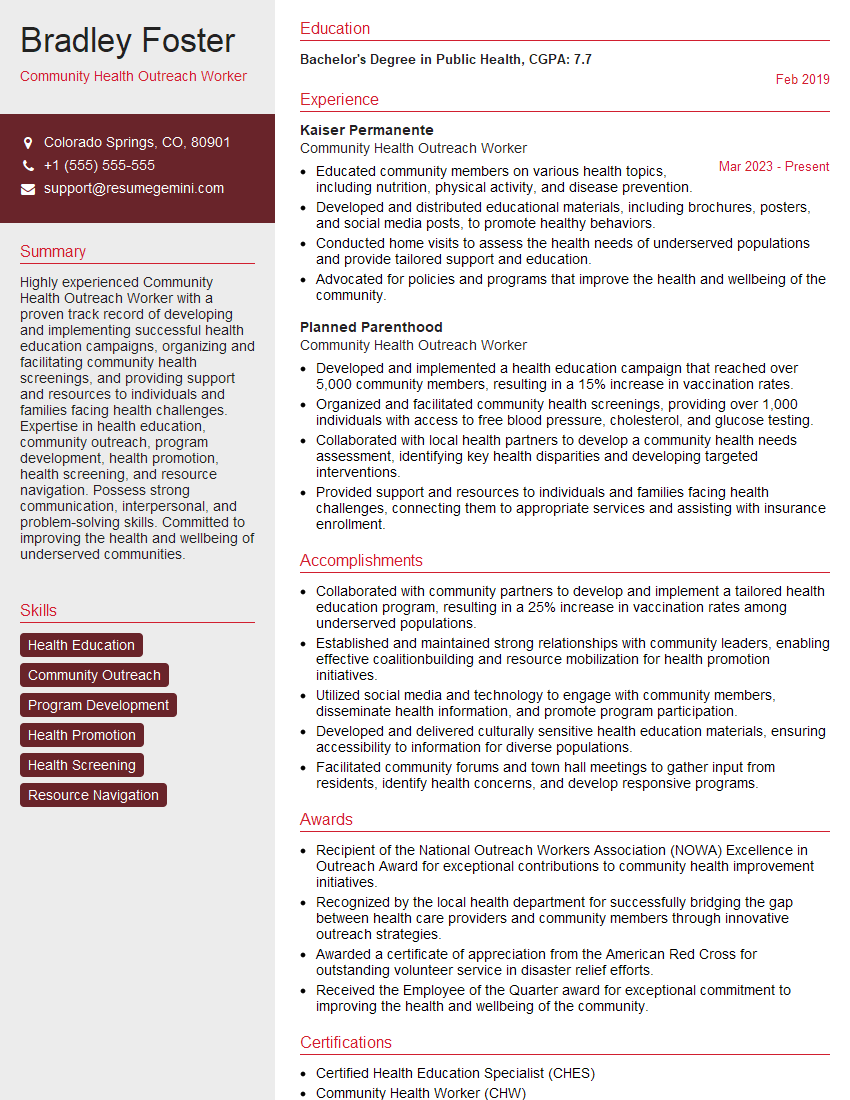
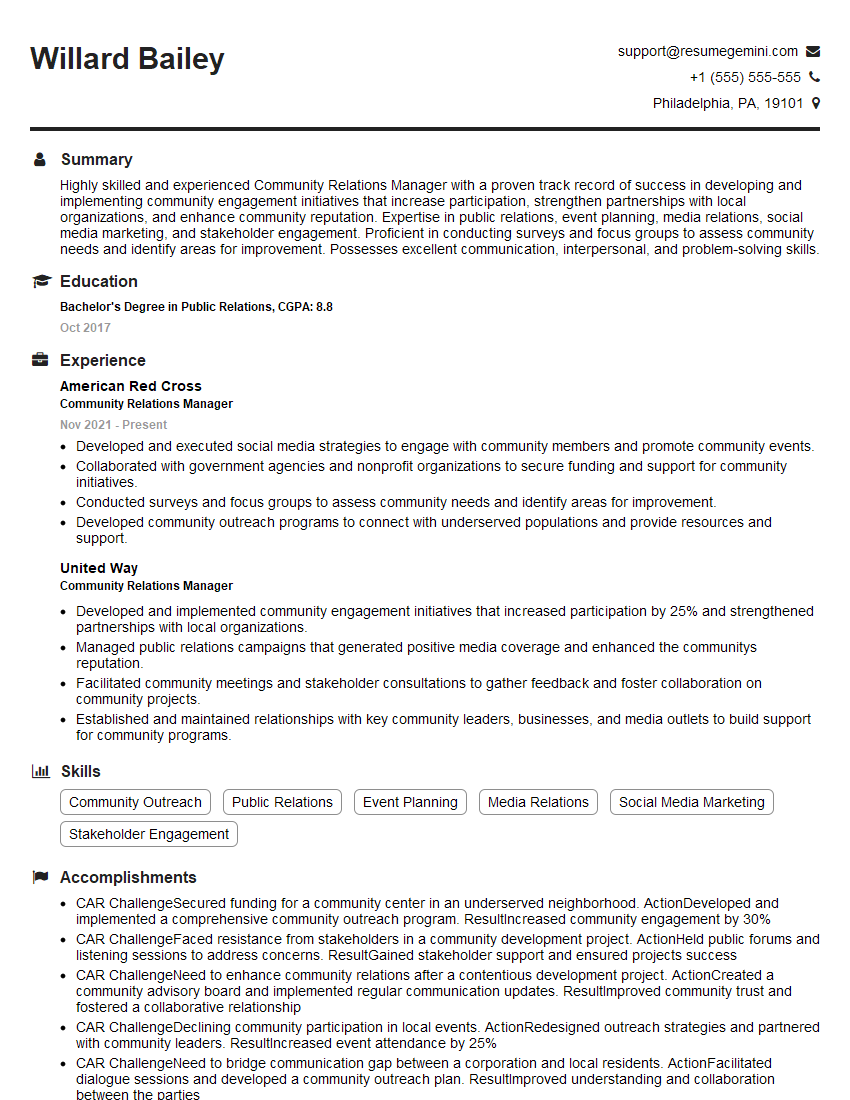
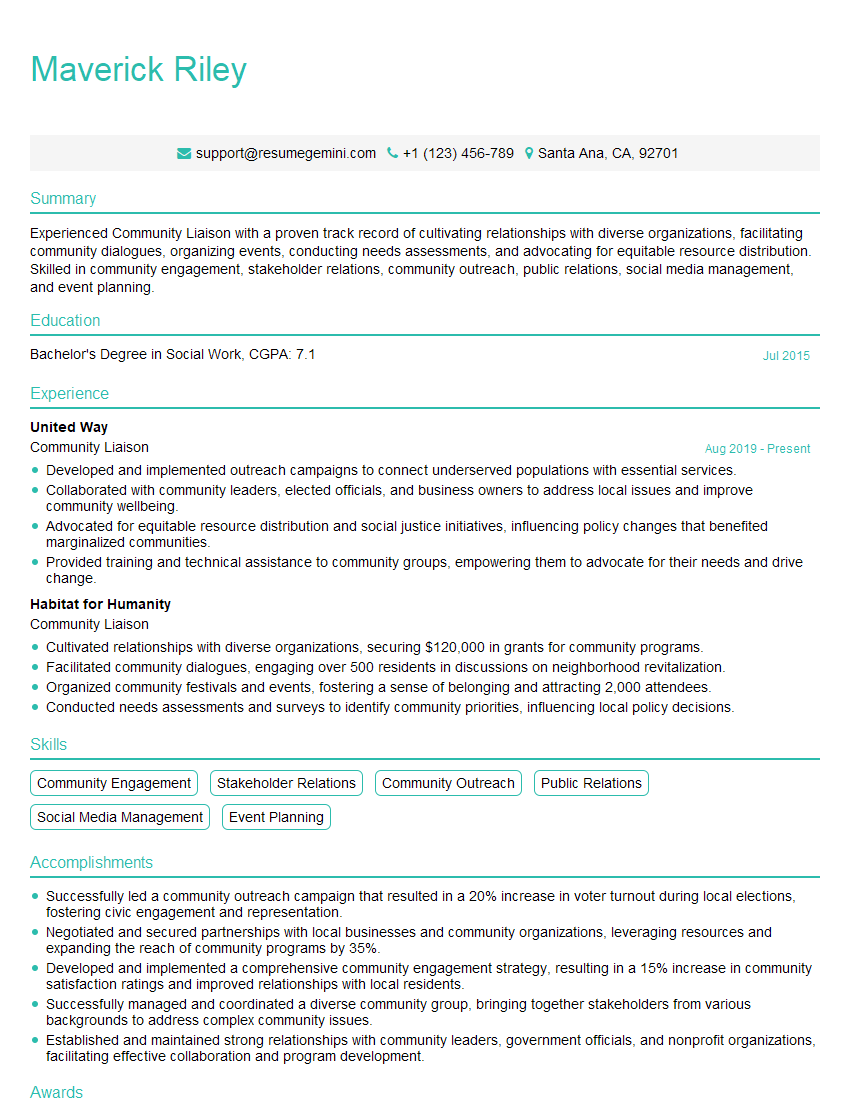
Mastering Parent and Community Outreach is crucial for career advancement in education, social work, and non-profit sectors. It demonstrates valuable skills in communication, relationship building, and community engagement – highly sought-after qualities in today’s job market. To significantly increase your job prospects, create an ATS-friendly resume that highlights your relevant experience and skills. ResumeGemini is a trusted resource to help you build a professional and impactful resume. Examples of resumes tailored to Parent and Community Outreach are available to guide you. Invest time in crafting a strong resume; it’s your first impression on potential employers.
Explore more articles
Users Rating of Our Blogs
Share Your Experience
We value your feedback! Please rate our content and share your thoughts (optional).
What Readers Say About Our Blog
I Redesigned Spongebob Squarepants and his main characters of my artwork.
https://www.deviantart.com/reimaginesponge/art/Redesigned-Spongebob-characters-1223583608
IT gave me an insight and words to use and be able to think of examples
Hi, I’m Jay, we have a few potential clients that are interested in your services, thought you might be a good fit. I’d love to talk about the details, when do you have time to talk?
Best,
Jay
Founder | CEO