Every successful interview starts with knowing what to expect. In this blog, we’ll take you through the top Heat Tolerance interview questions, breaking them down with expert tips to help you deliver impactful answers. Step into your next interview fully prepared and ready to succeed.
Questions Asked in Heat Tolerance Interview
Q 1. Define heat tolerance and its physiological mechanisms.
Heat tolerance refers to an individual’s ability to withstand exposure to high environmental temperatures without experiencing adverse physiological effects. It’s a complex interplay of various physiological mechanisms working together to maintain core body temperature. These mechanisms include:
- Sweating: The body’s primary cooling mechanism. Sweat evaporates from the skin, taking heat away with it. The efficiency of sweating depends on factors like humidity and air movement.
- Vasodilation: Blood vessels near the skin’s surface widen, increasing blood flow to the skin and facilitating heat dissipation.
- Cardiovascular adjustments: The heart pumps blood more efficiently to increase heat delivery to the skin for cooling. This often involves an increased cardiac output.
- Respiratory responses: Increased breathing rate helps remove heat through the lungs. Panting in animals is a related mechanism.
- Behavioral thermoregulation: This refers to conscious actions taken to regulate body temperature, such as seeking shade or reducing activity levels. This is a crucial component of heat tolerance, especially in humans.
Think of it like this: your body is a finely-tuned engine, and heat tolerance is its ability to handle a high-temperature workload without overheating. The better the engine’s cooling system (sweating, vasodilation, etc.), the greater its tolerance.
Q 2. Explain the difference between heat acclimatization and heat adaptation.
While both heat acclimatization and heat adaptation involve improved tolerance to heat, they differ significantly in their timescale and underlying mechanisms.
- Heat acclimatization is a short-term, reversible process that occurs within days or weeks of exposure to a hot environment. It involves physiological adjustments like increased sweat rate, decreased heart rate, and improved circulatory efficiency. Think of it as your body’s quick response to a heat challenge. For example, a marathon runner training in a hot climate will experience heat acclimatization within a few weeks, showing improved performance in the heat.
- Heat adaptation is a long-term, often genetically influenced process that takes place over generations. It involves permanent physiological or anatomical changes, such as changes in body size or shape, sweat gland density, or the efficiency of sweating. For instance, populations living in hot and arid climates may have genetically evolved traits that enhance their heat tolerance, such as higher sweat gland densities compared to populations in cooler climates.
Essentially, acclimatization is a temporary adjustment, while adaptation is a permanent, often inherited change.
Q 3. Describe the various methods for assessing an individual’s heat tolerance.
Assessing an individual’s heat tolerance involves various methods, ranging from simple observation to sophisticated physiological measurements.
- Exercise tests in the heat: These involve performing exercise at a specific intensity in a controlled hot environment and monitoring physiological responses like core body temperature, heart rate, and sweat rate. This provides a direct measure of the body’s ability to cope with heat stress during physical activity.
- Heat exposure tests: These involve exposing individuals to a hot environment (e.g., a climate chamber) and monitoring their physiological responses. These can be passive (sitting in the heat) or active (performing light exercise) exposure tests.
- Thermal comfort surveys: These questionnaires assess subjective feelings of thermal comfort, providing valuable information about an individual’s perceived tolerance of heat.
- Measurement of sweat rate: Sweat rate can be measured directly using specialized equipment, providing a quantifiable measure of the body’s cooling capacity.
- Core body temperature monitoring: Measuring core body temperature using rectal or esophageal probes is a key method for assessing the effectiveness of the body’s thermoregulatory system.
The specific method used depends on the context, resources available, and the level of detail required.
Q 4. What are the key physiological indicators of heat stress?
Several key physiological indicators signal heat stress. These are often monitored during heat exposure tests or in occupational settings where heat stress is a potential hazard.
- Increased core body temperature: A rise in core body temperature above the normal range (typically above 37°C or 98.6°F) is a major indicator. This reflects the body’s inability to dissipate heat effectively.
- Elevated heart rate: The heart works harder to compensate for decreased blood volume and increased metabolic rate. A significantly elevated heart rate, particularly during low-intensity activities, signifies heat stress.
- Increased skin temperature: High skin temperature indicates that heat dissipation is compromised.
- Reduced sweat rate (in some cases): Dehydration or other underlying health issues may lead to decreased sweating despite high heat exposure.
- Electrolyte imbalances: Excessive sweating can lead to the loss of electrolytes (like sodium and potassium), potentially leading to muscle cramps or other symptoms.
- Decreased blood volume (hypovolemia): Loss of fluid through sweating reduces blood volume and can compromise cardiovascular function.
Monitoring these indicators provides valuable information for assessing the risk and severity of heat stress.
Q 5. How does hydration affect heat tolerance?
Hydration plays a crucial role in heat tolerance. Adequate hydration is essential for maintaining blood volume, facilitating sweat production, and aiding in heat dissipation.
When dehydrated, blood volume decreases, leading to a reduced ability to deliver heat to the skin for cooling. Sweating also becomes less efficient as there’s less fluid available. This can lead to a rapid rise in core body temperature, even during relatively mild heat exposure. Imagine trying to cool a car engine with a low coolant level—it will overheat quickly. Similarly, insufficient fluid means the body’s cooling system is less effective.
Conversely, proper hydration allows for efficient sweating and helps maintain blood volume, enabling the body to cope with heat stress more effectively. It’s recommended to consume fluids regularly, especially during physical activity or exposure to high temperatures. Electrolyte drinks can be beneficial to replenish electrolytes lost through sweat.
Q 6. Explain the role of clothing in heat stress prevention.
Clothing plays a significant role in heat stress prevention, but its impact is often paradoxical. The goal is to find a balance between sun protection and breathability.
Light-colored, loose-fitting clothing reflects sunlight and allows air to circulate, facilitating evaporative cooling. Dark-colored clothing absorbs more heat. Tight-fitting clothing restricts air circulation, hindering evaporative cooling. The type of fabric also matters; breathable fabrics like cotton or linen are preferable to synthetic fabrics that trap heat and moisture.
In extremely hot conditions, minimizing clothing may be necessary to maximize evaporative cooling. However, protection from direct sunlight is essential, especially in high UV index conditions. Consider wearing a wide-brimmed hat and sunglasses to protect vulnerable areas from the sun.
Q 7. What are the symptoms of heat exhaustion and heat stroke?
Heat exhaustion and heat stroke represent different stages of heat illness, with heat stroke being far more severe and potentially life-threatening.
- Heat exhaustion is characterized by symptoms such as heavy sweating, weakness, dizziness, headache, nausea, and muscle cramps. Core body temperature is typically elevated but not excessively high. Resting in a cool place, drinking fluids, and removing excess clothing are usually sufficient to alleviate symptoms.
- Heat stroke, in contrast, represents a medical emergency. It involves a dangerously high core body temperature (often above 40°C or 104°F), altered mental status (confusion, disorientation, or loss of consciousness), seizures, and potential organ damage. Immediate medical attention is crucial, including rapid cooling measures and intravenous fluid replacement. Delaying treatment can lead to permanent disability or death.
It’s vital to recognize the symptoms of heat exhaustion promptly to prevent progression to heat stroke. If anyone experiences symptoms of heat stroke, seek immediate medical assistance.
Q 8. Describe the first aid treatment for heat-related illnesses.
First aid for heat-related illnesses focuses on rapid cooling and rehydration. The severity dictates the response. For heat exhaustion, move the person to a cool place, loosen clothing, apply cool, wet cloths (or a cool shower/bath), and offer them sips of water or electrolyte drinks. Do not give them anything with sugar as this can worsen the dehydration. For heat stroke, this is a life-threatening emergency requiring immediate medical attention. While waiting for help, actively cool the person by any means necessary – immerse them in cool water if possible, apply ice packs to major arteries (neck, groin, armpits), and fan them vigorously. Monitor their breathing and be prepared to perform CPR if needed. Always call emergency services for heat stroke.
Think of it like this: heat exhaustion is a warning sign; heat stroke is the alarm bell demanding immediate action.
Q 9. What are the legal and regulatory requirements concerning heat exposure in the workplace?
Legal and regulatory requirements concerning workplace heat exposure vary by jurisdiction but generally involve compliance with Occupational Safety and Health Administration (OSHA) standards (in the US) or equivalent regulations in other countries. These regulations often mandate employers to implement strategies to control heat stress, including providing adequate water breaks, scheduling work during cooler parts of the day, and implementing engineering and administrative controls. Penalties for non-compliance can range from fines to legal action. Specific regulations frequently outline permissible exposure limits (PELs) for heat, often based on the WBGT index, triggering mandatory protective measures when exceeded. Regular training and monitoring of employees’ health are also usually legally required in high-heat work environments. Failure to comply can lead to significant fines and reputational damage, not to mention the potential for serious injury or even death among employees.
For example, OSHA’s regulations may include provisions for medical surveillance programs and requirements for employers to keep detailed records of heat-related incidents.
Q 10. Explain the concept of the Wet-Bulb Globe Temperature (WBGT).
The Wet-Bulb Globe Temperature (WBGT) is a measure that combines air temperature, humidity, and solar radiation to estimate the heat stress on a worker. It’s a more comprehensive index than simply air temperature because it accounts for the impact of humidity (which hinders evaporative cooling) and solar radiation (which adds heat). The WBGT is calculated using different formulas depending on whether the environment is indoors or outdoors and whether there is significant solar radiation. The lower the WBGT, the less severe the heat stress. Many safety guidelines recommend work restrictions based on the WBGT value, with stricter limitations as the WBGT increases. A high WBGT suggests a greater risk of heat-related illness. For example, a WBGT of 80°F (27°C) may prompt a work/rest schedule modification, while a WBGT above 90°F (32°C) might necessitate halting work altogether in certain situations.
Imagine it as a more realistic way to measure how hot it *feels*, not just how hot the thermometer says it is. It is a key component of effective heat stress management programs.
Q 11. How do you design a workplace to minimize heat stress?
Designing a workplace to minimize heat stress involves a multi-pronged approach integrating engineering, administrative, and personal protective equipment (PPE) controls. The first step is a thorough heat stress risk assessment to pinpoint the areas and tasks with the greatest heat exposure risk. This assessment informs the selection and implementation of effective mitigation strategies. For example, using lighter-colored materials for building exteriors and roofs can reflect sunlight reducing interior temperatures. Proper ventilation systems with exhaust fans can help expel hot air. Optimizing work schedules to conduct strenuous activities during cooler times of the day is critical. Similarly, introducing cool-down periods and sufficient hydration breaks can lessen the strain on workers’ bodies. Insulation of buildings, especially those with metal roofing, can significantly decrease internal temperature.
Q 12. Describe different engineering controls for heat stress mitigation.
Engineering controls for heat stress mitigation focus on modifying the work environment to reduce heat exposure. These include:
- Ventilation systems: Implementing effective exhaust systems or air conditioning to remove hot air and replace it with cooler air.
- Insulation: Improving building insulation to reduce heat absorption from external sources.
- Radiant heat barriers: Installing reflective materials to reduce the amount of radiant heat absorbed by surfaces.
- Shielding: Using barriers or shields to block direct exposure to heat sources.
- Misting systems: Employing evaporative cooling systems to cool the ambient air temperature.
For instance, a construction site could install misting fans to reduce the ambient temperature during peak sun hours. A factory could improve ventilation by installing larger exhaust fans or air conditioning units.
Q 13. What are some administrative controls for managing heat stress?
Administrative controls manage heat stress by adjusting work practices and schedules. These include:
- Work-rest schedules: Implementing regular breaks in shaded or air-conditioned areas.
- Hydration programs: Providing ample access to cool water and/or electrolyte drinks.
- Acclimatization: Gradually increasing exposure to heat over time to allow the body to adapt.
- Job rotation: Rotating employees between different tasks to reduce exposure to high-heat situations.
- Training and education: Educating employees about heat stress, symptoms, and prevention measures.
For example, a landscaping company could implement a work-rest schedule that includes frequent breaks in the shade during the hottest parts of the day. A factory could provide shaded rest areas and ensure that drinking water is readily available to employees.
Q 14. Explain the role of personal protective equipment (PPE) in heat stress prevention.
Personal Protective Equipment (PPE) plays a crucial, albeit supplementary, role in heat stress prevention. While PPE can’t eliminate heat, it can reduce exposure to some heat sources. However, it’s critical to remember that PPE often adds to the heat burden on the wearer, so it should be used judiciously and in conjunction with other control measures. Suitable PPE choices might involve lightweight, breathable clothing designed to reflect sunlight, including hats and protective eyewear to reduce direct sun exposure. However, using heavy PPE in hot environments can be counterproductive, potentially increasing the risk of heat-related illnesses. The selection of appropriate PPE must be based on a comprehensive risk assessment and should always prioritize worker comfort and safety. Regular inspection and maintenance of the PPE is also essential to ensure its continued effectiveness.
For instance, welders might use specialized heat-resistant clothing, but this should be combined with proper ventilation and work-rest cycles.
Q 15. Discuss the importance of heat stress monitoring programs.
Heat stress monitoring programs are crucial for protecting workers and individuals in high-heat environments. They’re designed to proactively identify and mitigate risks associated with heat exposure, preventing heat-related illnesses and ensuring worker safety and productivity. These programs involve regular monitoring of environmental conditions (temperature, humidity, radiant heat), individual physiological responses (heart rate, core body temperature), and work practices. Effective monitoring allows for timely interventions, such as scheduling adjustments, hydration breaks, and the implementation of preventative measures. Without such programs, workplaces and individuals remain vulnerable to significant health risks and economic losses.
Imagine a construction site in the middle of summer: a heat stress monitoring program would involve using instruments to measure the wet-bulb globe temperature (WBGT), a key indicator of heat stress. The program might also include regularly checking on workers for signs of heat exhaustion, providing access to cool water, and implementing mandatory rest breaks. This proactive approach saves lives and reduces lost workdays.
Career Expert Tips:
- Ace those interviews! Prepare effectively by reviewing the Top 50 Most Common Interview Questions on ResumeGemini.
- Navigate your job search with confidence! Explore a wide range of Career Tips on ResumeGemini. Learn about common challenges and recommendations to overcome them.
- Craft the perfect resume! Master the Art of Resume Writing with ResumeGemini’s guide. Showcase your unique qualifications and achievements effectively.
- Don’t miss out on holiday savings! Build your dream resume with ResumeGemini’s ATS optimized templates.
Q 16. How do you conduct a heat stress risk assessment?
A heat stress risk assessment is a systematic process to identify hazards and evaluate the risk of heat-related illness in a specific work environment or activity. It involves several steps:
- Hazard identification: Identifying factors contributing to heat stress such as high ambient temperature, humidity, radiant heat, workload, and personal protective equipment (PPE).
- Risk evaluation: Assessing the likelihood and severity of heat-related illnesses based on the identified hazards and the vulnerability of individuals. This often involves using indices like the WBGT.
- Control measures: Developing and implementing control measures to reduce or eliminate heat stress risks. These might include engineering controls (e.g., improving ventilation), administrative controls (e.g., modifying work schedules), and personal protective equipment (e.g., cooling vests).
- Monitoring and review: Regularly monitoring the effectiveness of the control measures and reviewing the risk assessment to ensure its ongoing relevance.
For instance, a risk assessment for a manufacturing plant might involve measuring the temperature and humidity in different areas, analyzing the physical demands of different jobs, and surveying workers about their experiences. Based on this data, the plant could implement changes such as installing fans, scheduling more frequent breaks, or providing workers with cooling vests.
Q 17. What are the limitations of current heat stress assessment methods?
Current heat stress assessment methods, while valuable, have several limitations. One major limitation is the reliance on general indices like WBGT, which may not accurately reflect the individual variability in heat tolerance. Factors such as acclimatization, fitness level, and underlying health conditions are not fully accounted for in these indices. Moreover, these methods primarily focus on environmental factors and may not adequately assess the combined effects of environmental and workload factors. Furthermore, the subjective nature of some assessment methods, such as self-reported symptoms, can lead to inaccuracies. Finally, existing methods may not be readily adaptable to all work settings and populations.
For example, the WBGT index is excellent for broad assessment, but it doesn’t account for individual differences in sweating rate or body composition, which significantly influence heat tolerance. A highly fit individual might tolerate a higher WBGT than someone less fit, even in the same environment.
Q 18. Describe the different types of heat-related illnesses.
Heat-related illnesses range in severity from mild to life-threatening. They include:
- Heat rash (prickly heat): A skin irritation caused by blocked sweat glands.
- Heat syncope (heat collapse): Fainting caused by dilation of blood vessels.
- Heat cramps: Muscle spasms due to fluid and electrolyte loss.
- Heat exhaustion: A more serious condition characterized by heavy sweating, weakness, dizziness, nausea, and headache.
- Heat stroke: A life-threatening emergency characterized by a high body temperature (above 104°F or 40°C), altered mental status, and potential organ damage. This requires immediate medical attention.
It’s crucial to understand that these illnesses are on a spectrum, and early symptoms of heat exhaustion can progress to heat stroke if not treated promptly. Recognizing these signs and taking appropriate action is vital.
Q 19. Explain the impact of environmental factors on heat tolerance.
Environmental factors significantly impact heat tolerance. The primary factors are:
- Air temperature: Higher temperatures directly increase core body temperature, making it harder to dissipate heat.
- Relative humidity: High humidity reduces evaporative cooling (sweating), making it more difficult to regulate body temperature.
- Radiant heat: Heat from the sun or other sources increases the heat load on the body.
- Air movement (wind): Wind aids in evaporative cooling and enhances heat dissipation.
- Solar radiation: Direct sunlight increases heat absorption by the skin.
For instance, working outdoors on a hot, humid day with direct sunlight will be far more stressful than working indoors in a cool, well-ventilated environment. The combination of high temperature, humidity, and radiant heat creates a much greater challenge for the body to regulate its temperature.
Q 20. How does age and fitness level influence heat tolerance?
Age and fitness level significantly influence heat tolerance.
- Age: Older adults generally have reduced physiological capacity to regulate body temperature. Their thermoregulatory responses are less efficient, and they may have pre-existing health conditions that exacerbate heat stress.
- Fitness level: Fit individuals have a higher cardiovascular capacity, allowing them to better deliver blood to the skin for evaporative cooling and to tolerate higher workloads in the heat. They also tend to acclimatize more effectively.
For example, an elderly individual with heart disease may be much more vulnerable to heat stroke during a heatwave compared to a young, fit person. Similarly, a marathon runner will likely tolerate strenuous work in the heat better than someone who is sedentary.
Q 21. Describe different strategies for promoting heat acclimatization.
Heat acclimatization is the physiological adaptation to heat exposure that improves tolerance to higher temperatures and workloads. Strategies for promoting heat acclimatization include:
- Gradual exposure: Gradually increasing exposure to heat over several days or weeks. This allows the body to adapt physiologically without overwhelming the system.
- Regular exercise in the heat: Performing physical activity in a hot environment stimulates the body’s thermoregulatory responses and enhances acclimatization.
- Hydration: Maintaining adequate hydration is essential for efficient sweating and thermoregulation. Consume plenty of water before, during, and after heat exposure.
- Electrolyte replacement: Replenishing electrolytes lost through sweat helps maintain proper muscle function and prevents cramps.
- Proper clothing: Wearing light-colored, loose-fitting clothing promotes evaporative cooling.
For example, a worker starting a new job outdoors in the summer might undergo a gradual acclimatization period, starting with shorter shifts and gradually increasing duration over several weeks. This approach, combined with ample hydration and appropriate clothing, helps minimize the risk of heat-related illnesses.
Q 22. What are the ethical considerations related to heat exposure in the workplace?
Ethical considerations surrounding heat exposure in the workplace center around the employer’s responsibility to provide a safe and healthy working environment. This is a fundamental moral and legal obligation. Failing to address heat risks can lead to serious health consequences for workers, including heat stroke, which can be fatal. Ethical dilemmas arise when cost-cutting measures conflict with worker safety. For example, an employer might be tempted to postpone implementing cooling systems or providing adequate hydration, despite knowing the risks. This creates a conflict between profit maximization and the ethical duty of care for employees. Further ethical considerations include ensuring equitable access to protective measures. Vulnerable populations, such as older workers or those with pre-existing conditions, might require more stringent protection. Transparency and open communication about heat risks are crucial. Workers should be fully informed about potential hazards and the steps being taken to mitigate them. Finally, proper reporting and investigation of heat-related incidents are ethically mandatory to prevent future occurrences and demonstrate a commitment to worker well-being.
Q 23. How do you communicate effectively about heat stress risks to workers?
Effective communication about heat stress risks requires a multi-pronged approach. It’s not enough to simply post a sign; you need to ensure the message resonates with the workforce. Start by using clear, concise language, avoiding technical jargon. Visual aids, such as posters and infographics showing the symptoms of heat stress and preventive measures, are highly effective. Regular training sessions, incorporating interactive elements like quizzes and real-life scenarios, reinforce learning. Include diverse communication channels—safety meetings, email updates, and even short videos—to reach everyone. Furthermore, tailor the communication to the specific work environment and tasks. For example, outdoor workers will need different information than those working in a factory. It’s vital to actively solicit feedback from workers, ensuring the communication is understood and that workers feel comfortable reporting concerns without fear of reprisal. Finally, leadership buy-in is crucial. If management visibly champions heat safety, workers are more likely to take it seriously.
Q 24. Explain how you would train workers on heat stress prevention.
Worker training on heat stress prevention should be comprehensive and engaging. It should begin with explaining the physiology of heat stress and the various heat-related illnesses, including heat exhaustion and heat stroke, using easily understood language and visuals. The training should detail the risk factors—high temperatures, humidity, strenuous work, and personal factors like age and health conditions. It should cover preventive measures, including hydration strategies (emphasizing the importance of regular water intake and avoiding sugary drinks), appropriate clothing choices (lightweight, light-colored clothing), and work-rest schedules that incorporate frequent breaks in shaded or cool areas. Hands-on practice is crucial: role-playing scenarios where workers identify and respond to heat stress symptoms in colleagues is very useful. Training should also cover the proper use of any personal protective equipment (PPE) provided, such as cooling vests or hats. Regular refresher courses are essential to maintain knowledge and awareness. Finally, the training should empower workers to report heat-related symptoms and concerns without fear of repercussions.
Q 25. How would you investigate a heat-related incident or accident?
Investigating a heat-related incident requires a systematic approach. First, secure the scene to prevent further harm and preserve evidence. Then, gather information from all relevant sources: eyewitnesses, the affected worker (if possible), supervisors, and medical personnel. Document everything meticulously: the environmental conditions (temperature, humidity, wind speed), the worker’s activities before the incident, and their medical history. Review existing safety protocols and training records to identify any gaps or inadequacies in the heat safety program. Analyze the worker’s work pattern, including work intensity and hydration levels. Determine whether appropriate preventive measures were in place and effectively implemented. Use the findings to create a comprehensive report detailing the contributing factors, lessons learned, and recommended corrective actions. The investigation shouldn’t focus on blame but on identifying systemic issues that need to be addressed to prevent similar incidents from happening again. Finally, implement the corrective actions promptly and follow up to ensure their effectiveness.
Q 26. Describe the principles of thermal comfort.
Thermal comfort refers to the state of mind which expresses satisfaction with the thermal environment. It’s subjective and influenced by individual factors like clothing, activity level, and acclimatization. Several key principles govern thermal comfort. First is the balance between heat production and heat loss from the body. If the body produces more heat than it can lose, discomfort results. The second principle involves the ambient temperature—the air temperature surrounding the body. This interacts with factors like radiant heat (heat emitted from surfaces like walls and sun), air velocity (movement of air), and humidity (moisture in the air) to influence heat loss. The third principle centers on personal factors, including metabolic rate (heat production from activity), clothing insulation (resistance to heat loss), and individual preferences (some individuals are naturally more sensitive to temperature fluctuations than others). Understanding these principles helps in designing thermal environments conducive to productivity and well-being, such as properly designing workplace ventilation and providing appropriate personal protective equipment (PPE).
Q 27. How does humidity affect heat stress?
Humidity significantly impacts heat stress by hindering the body’s ability to cool itself through evaporation. Sweat evaporates from the skin, drawing heat away from the body. High humidity reduces the rate of evaporation, meaning less heat is lost, leading to a rise in core body temperature and an increased risk of heat stress. Imagine trying to dry a wet shirt in a humid environment versus a dry one—the humid environment significantly slows down the drying process. Similarly, in high humidity, the sweat on your skin evaporates more slowly, reducing your body’s ability to regulate its temperature. This makes it harder to cool down, increasing the risk of heat exhaustion and heat stroke. The combined effect of high temperature and high humidity is often expressed using the Wet-Bulb Globe Temperature (WBGT) index, which provides a more accurate assessment of heat stress than air temperature alone.
Q 28. Explain the effects of heat stress on work performance.
Heat stress negatively impacts work performance in several ways. As body temperature rises, cognitive functions like attention, concentration, and decision-making are impaired. This translates to slower reaction times, increased error rates, and reduced productivity. Physical performance also suffers, with reduced strength, endurance, and dexterity. Workers may experience fatigue, dizziness, and nausea, leading to decreased efficiency and increased risk of accidents. Furthermore, heat stress can lead to absenteeism due to illness, further impacting productivity and profitability. Studies have shown a clear correlation between high ambient temperatures and reduced workplace productivity, highlighting the economic impact of heat stress on businesses. Implementing heat stress mitigation strategies is therefore not only an ethical imperative but also a sound business decision aimed at protecting both worker health and organizational efficiency.
Key Topics to Learn for Heat Tolerance Interview
- Physiological Responses to Heat: Understanding thermoregulation, sweating mechanisms, cardiovascular adjustments, and the role of the hypothalamus.
- Heat Stress Indices: Familiarize yourself with WBGT (Wet Bulb Globe Temperature), heat index calculations, and their practical applications in workplace safety and environmental monitoring.
- Acclimatization and Heat Adaptation: Explore the physiological changes that occur with repeated heat exposure and the individual variations in heat tolerance.
- Protective Measures and Mitigation Strategies: Discuss engineering controls (e.g., ventilation, cooling systems), administrative controls (e.g., work-rest cycles, hydration strategies), and personal protective equipment (PPE).
- Heat Illness Recognition and Treatment: Learn to identify the signs and symptoms of heat exhaustion, heat stroke, and other heat-related illnesses, and understand appropriate first aid and emergency response procedures.
- Occupational Health and Safety Regulations: Understand relevant legislation and guidelines concerning heat stress in various industries and work environments.
- Heat Tolerance Assessment Methods: Explore various methods for assessing an individual’s heat tolerance, including physiological tests and subjective measures.
- Case Studies and Problem Solving: Practice analyzing real-world scenarios involving heat stress and developing effective solutions to mitigate risks.
Next Steps
Mastering Heat Tolerance is crucial for career advancement in numerous fields, including occupational health and safety, environmental science, and ergonomics. A strong understanding of these concepts will significantly enhance your job prospects and demonstrate your expertise to potential employers. To make your application stand out, it’s essential to create a professional and ATS-friendly resume that showcases your skills and experience effectively. ResumeGemini is a trusted resource that can help you build a compelling resume tailored to highlight your Heat Tolerance expertise. Examples of resumes specifically designed for Heat Tolerance roles are available to guide you.
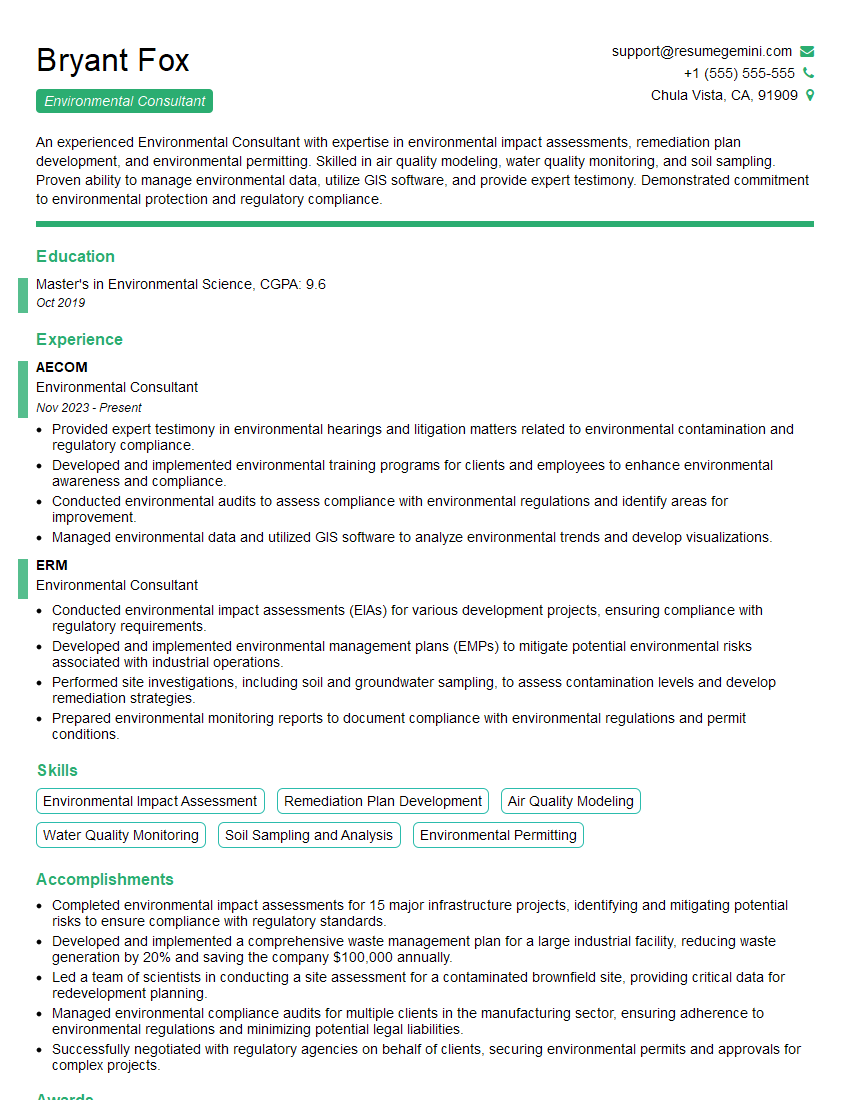
Environmental Consultant Resume Sample
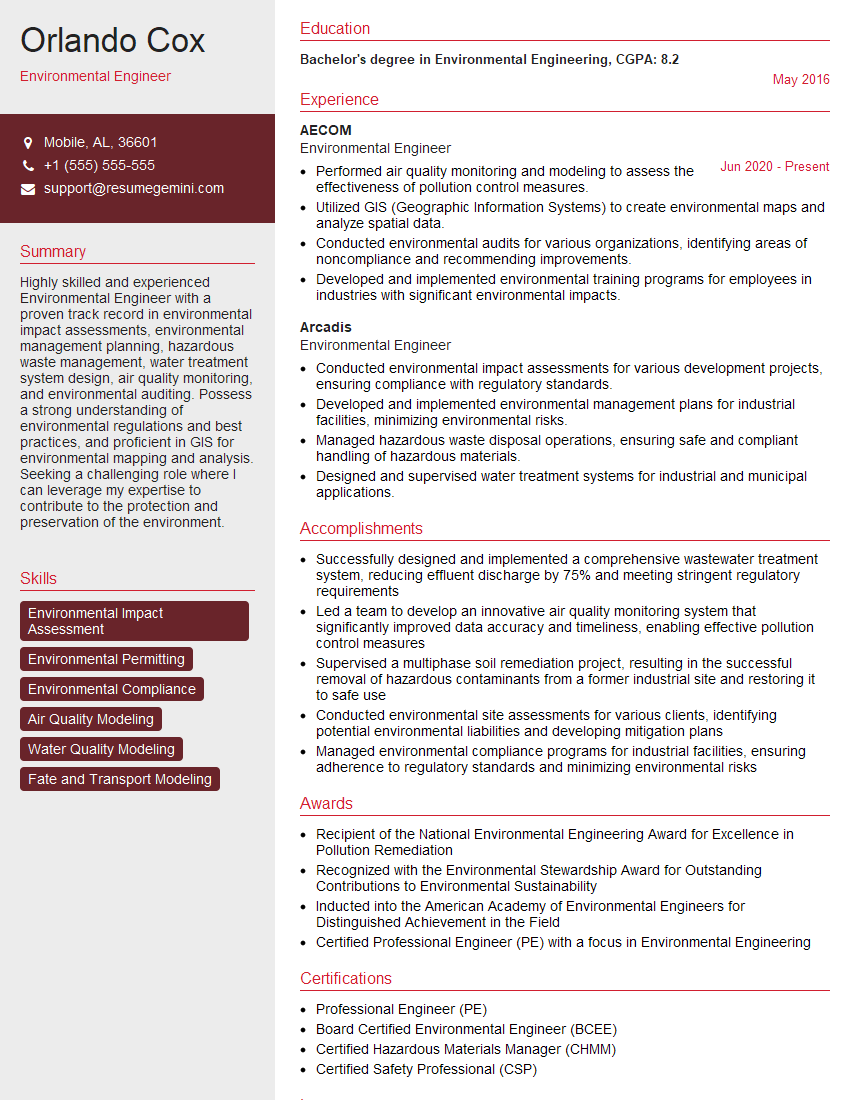
Environmental Engineer Resume Sample
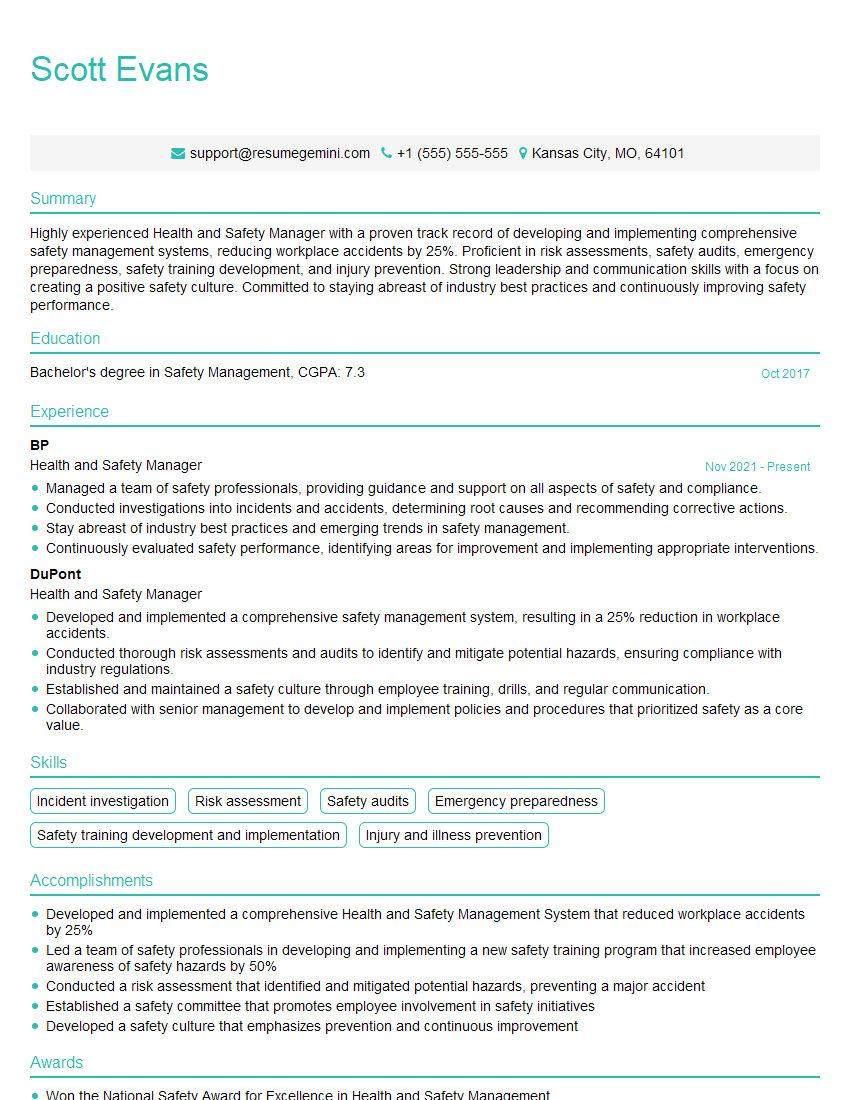
Health and Safety Manager Resume Sample
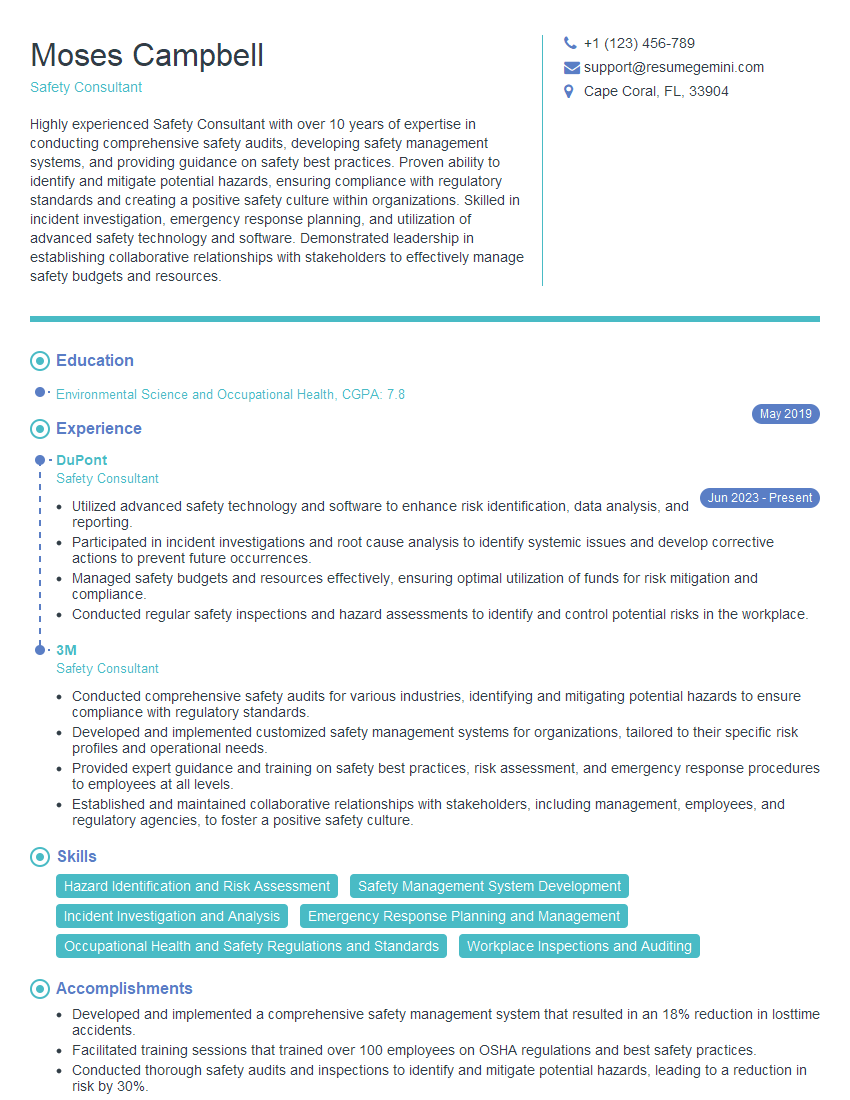
Safety Consultant Resume Sample
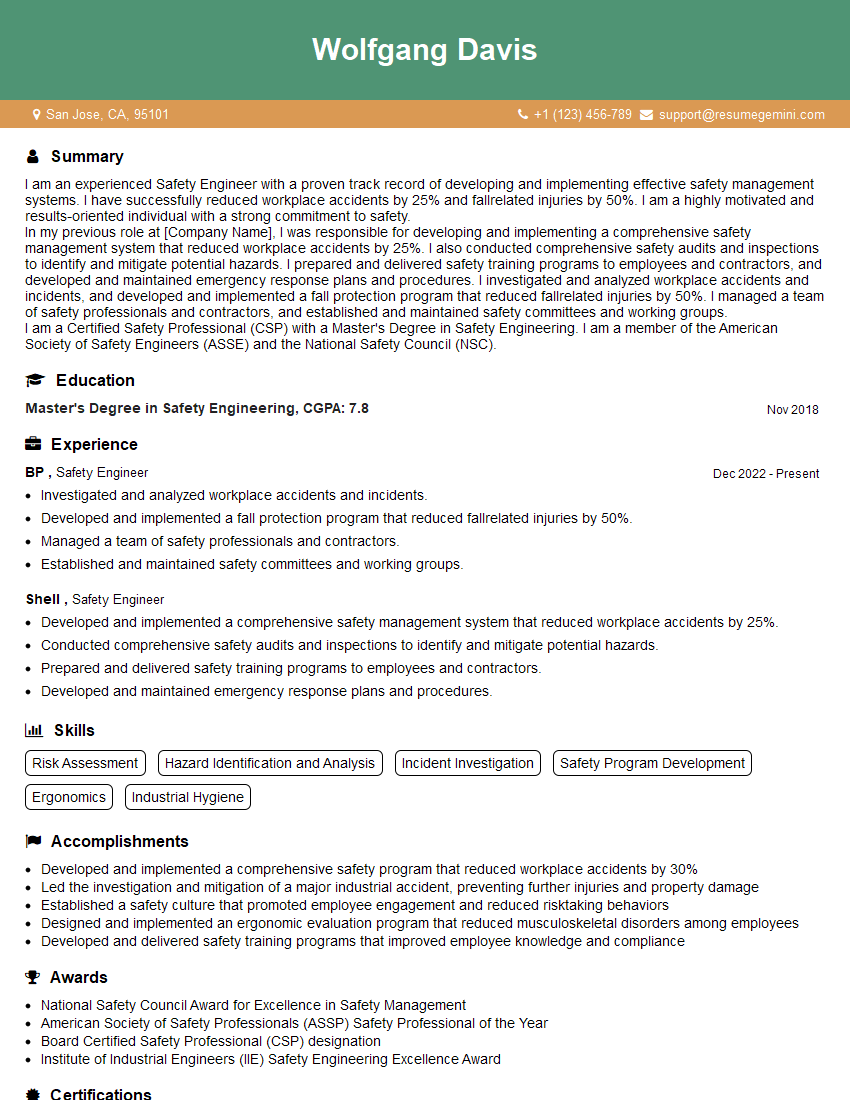
Safety Engineer Resume Sample

Ergonomics Consultant Resume Sample
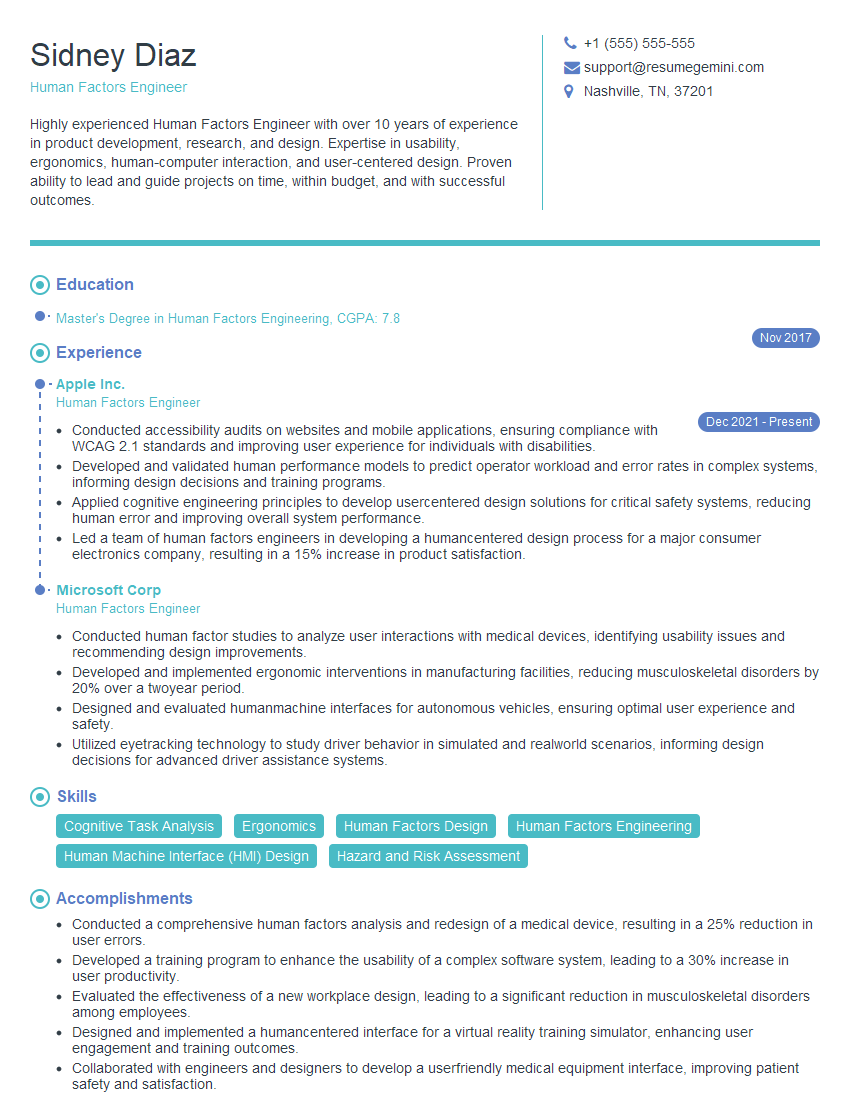
Human Factors Engineer Resume Sample
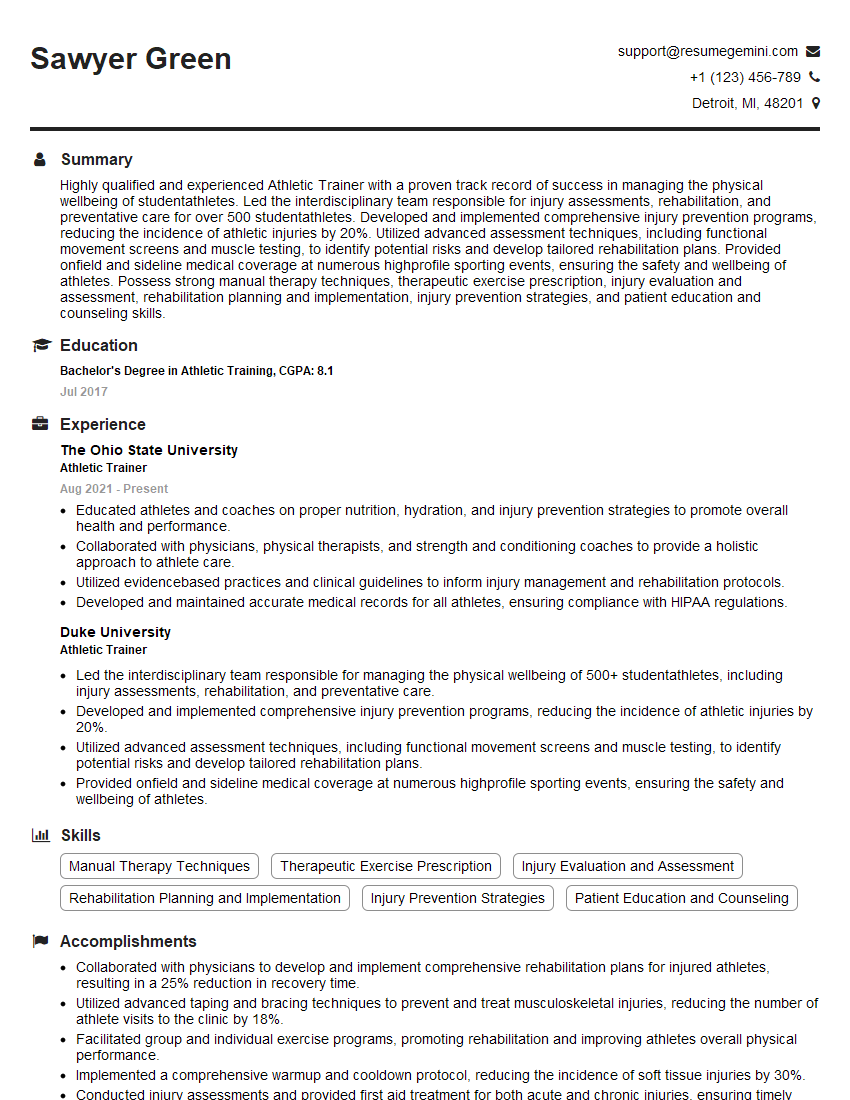
Athletic Trainer Resume Sample
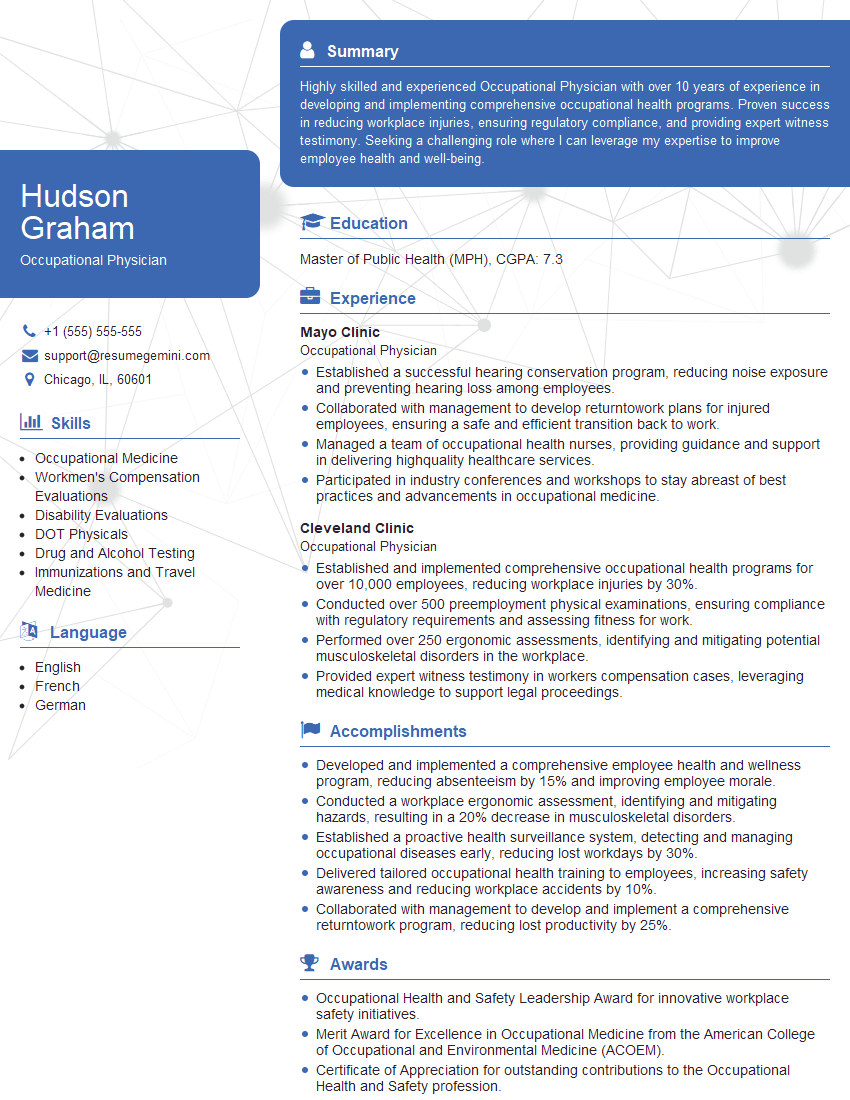
Occupational Physician Resume Sample
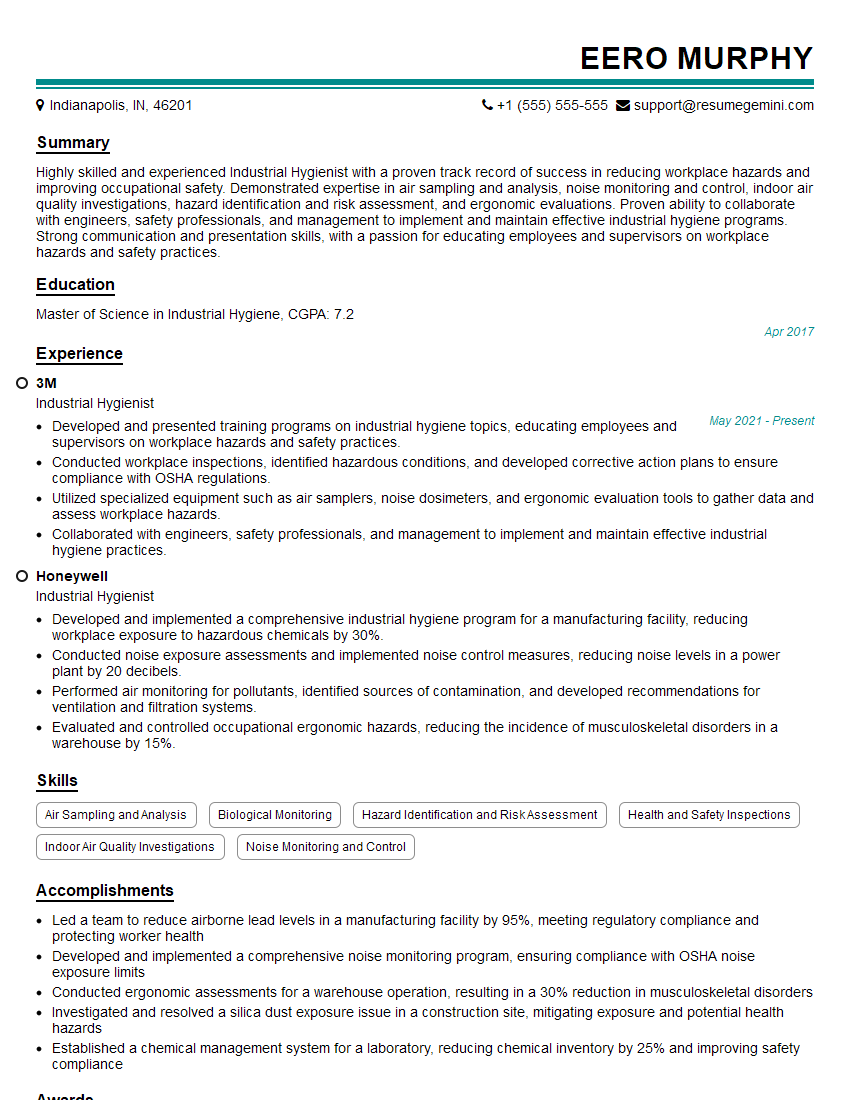
Industrial Hygienist Resume Sample
Explore more articles
Users Rating of Our Blogs
Share Your Experience
We value your feedback! Please rate our content and share your thoughts (optional).
What Readers Say About Our Blog
I Redesigned Spongebob Squarepants and his main characters of my artwork.
https://www.deviantart.com/reimaginesponge/art/Redesigned-Spongebob-characters-1223583608
IT gave me an insight and words to use and be able to think of examples
Hi, I’m Jay, we have a few potential clients that are interested in your services, thought you might be a good fit. I’d love to talk about the details, when do you have time to talk?
Best,
Jay
Founder | CEO