Unlock your full potential by mastering the most common Regulatory Compliance Assurance interview questions. This blog offers a deep dive into the critical topics, ensuring you’re not only prepared to answer but to excel. With these insights, you’ll approach your interview with clarity and confidence.
Questions Asked in Regulatory Compliance Assurance Interview
Q 1. Explain the difference between compliance and risk management.
Compliance and risk management are closely related but distinct concepts. Compliance focuses on adhering to external rules, regulations, laws, and industry standards. It’s about ‘following the rules.’ Risk management, on the other hand, is a broader process of identifying, assessing, and mitigating potential threats and opportunities that could impact an organization’s objectives. It’s about proactively managing uncertainties.
Think of it like this: compliance is a subset of risk management. Meeting compliance requirements reduces certain risks, but risk management encompasses a much wider range of potential issues, including those not directly covered by regulations (e.g., reputational risk, operational risk). For example, a company might comply with all data privacy regulations (compliance), but still face reputational damage from a data breach caused by a poorly implemented security system (risk). Effective risk management ensures that the organization doesn’t just comply with the letter of the law but also proactively addresses potential problems to protect its overall interests.
Q 2. Describe your experience with conducting internal audits.
Throughout my career, I’ve conducted numerous internal audits across various industries, focusing on regulatory compliance. My approach is systematic and rigorous. I typically begin by developing a detailed audit plan based on the relevant regulations and the organization’s specific operations. This involves identifying key areas of risk and selecting appropriate audit procedures. The plan includes a clear scope, timeline, and methodology.
During the audit, I gather evidence through document review, interviews, and observation. I always maintain a professional and objective perspective, ensuring confidentiality and adhering to ethical guidelines. After collecting evidence, I analyze the findings, identify any gaps or deficiencies in compliance, and document these clearly in a comprehensive report. This report then includes recommendations for corrective actions, which are typically prioritized based on the severity of the risk. Finally, I follow up to ensure that the corrective actions are implemented effectively and that the organization maintains a strong compliance posture. For example, in a recent audit of a financial institution, I uncovered a deficiency in their anti-money laundering (AML) procedures. My report detailed the findings, provided recommendations for improvements, and included a timeline for remediation. The institution successfully implemented the changes, demonstrating a commitment to ongoing compliance.
Q 3. How do you stay updated on changes in relevant regulations?
Staying updated on regulatory changes is crucial in my field. I utilize a multi-faceted approach: I subscribe to reputable legal and regulatory news sources, attend industry conferences and webinars, and actively participate in professional organizations like ISACA and IIA. Furthermore, I regularly review regulatory agency websites for updates and guidance documents. Many regulatory bodies offer email alerts or RSS feeds to keep subscribers informed of changes. I use these tools to receive notifications on key updates. I also maintain a network of contacts within regulatory bodies and the industry, allowing me to discuss emerging trends and interpretations of regulations. This proactive approach ensures I am always aware of the latest developments and can advise my clients effectively.
Q 4. What is your approach to identifying and mitigating compliance risks?
My approach to identifying and mitigating compliance risks is proactive and systematic. It starts with a thorough understanding of the applicable regulations and the organization’s specific operations. I employ a risk assessment framework, often incorporating a combination of qualitative and quantitative methods to determine the likelihood and potential impact of different risks. This could include evaluating vulnerabilities in systems, reviewing internal controls, and conducting scenario planning.
Once risks are identified, I prioritize them based on their severity and likelihood. Mitigation strategies are then developed and implemented. These strategies could range from enhancing internal controls to implementing new technologies or providing employee training. I also regularly monitor the effectiveness of these mitigation strategies to ensure they are achieving their intended purpose. For example, in a recent engagement, we identified a high risk related to data breaches. We implemented multi-factor authentication, enhanced security awareness training for employees, and implemented robust data encryption measures. This layered approach minimized the risk considerably.
Q 5. Explain your understanding of Sarbanes-Oxley Act (SOX) compliance.
The Sarbanes-Oxley Act (SOX) of 2002 is a US federal law designed to protect investors by improving the accuracy and reliability of corporate disclosures. My understanding of SOX compliance centers around the key requirements related to financial reporting. This includes the establishment of internal controls over financial reporting (ICFR), the independent audit of these controls, and the attestation of management’s assessment of ICFR.
SOX compliance requires a robust system of internal controls, including segregation of duties, authorization procedures, and regular reconciliations. Organizations must document their internal control processes and test their effectiveness regularly. This requires strong documentation, clear responsibilities, and a culture of compliance. I have experience working with organizations to implement and maintain effective SOX compliant systems. This includes assisting with the design of internal controls, facilitating internal audits, and coordinating external audits. A key element of SOX compliance is maintaining a strong audit trail, ensuring that all financial transactions can be tracked and verified. Non-compliance with SOX can lead to significant financial penalties and reputational damage.
Q 6. Describe your experience with GDPR or CCPA compliance.
I have extensive experience with both GDPR (General Data Protection Regulation) and CCPA (California Consumer Privacy Act) compliance. Both regulations focus on protecting personal data, but they have different scopes and requirements. GDPR applies to organizations processing personal data of individuals within the European Union, regardless of the organization’s location. CCPA, on the other hand, applies only to businesses operating in California.
My experience encompasses conducting data mapping exercises to identify personal data processed, implementing data privacy policies and procedures, conducting data protection impact assessments (DPIAs), and managing data subject requests. GDPR compliance, for example, requires organizations to appoint a Data Protection Officer (DPO) and to adhere to strict data processing principles, including lawfulness, fairness, and transparency. CCPA, similarly, requires businesses to provide consumers with transparency about data collection and processing practices and to honor consumer requests for data access, deletion, or correction. I’ve helped several clients achieve compliance with these regulations by implementing robust data governance frameworks, conducting employee training programs, and developing comprehensive incident response plans.
Q 7. How would you handle a situation where a non-compliance issue is identified?
When a non-compliance issue is identified, my approach is systematic and focused on remediation and prevention. The first step is to thoroughly investigate the issue to understand its root cause, scope, and potential impact. This involves gathering evidence, interviewing relevant personnel, and reviewing related documentation.
Once the issue is fully understood, a corrective action plan is developed. This plan outlines specific steps to address the non-compliance, including immediate actions to mitigate any immediate risks and longer-term actions to prevent recurrence. The plan also specifies responsibilities, timelines, and key performance indicators (KPIs) to track progress. Finally, the plan is implemented, and its effectiveness is monitored through regular follow-up reviews. Documentation is crucial at every stage of this process, ensuring transparency and accountability. The findings are reported to relevant stakeholders, and any necessary remedial actions are taken. For instance, if a data breach occurred, we would immediately contain the breach, notify relevant authorities, conduct a forensic investigation, and implement corrective measures to prevent future occurrences while also carefully documenting every step. A key aspect is to learn from the mistake and improve the compliance program to prevent similar incidents in the future.
Q 8. What metrics do you use to measure the effectiveness of a compliance program?
Measuring the effectiveness of a compliance program isn’t just about ticking boxes; it’s about demonstrating a culture of compliance. We use a multifaceted approach, relying on both quantitative and qualitative metrics. Quantitative metrics provide objective data, while qualitative metrics offer a deeper understanding of the program’s impact.
- Key Risk Indicators (KRIs): These track the likelihood and potential impact of compliance breaches. For example, the number of near misses, the rate of identified vulnerabilities in systems, or the number of reported non-compliances. A rising KRI indicates a potential weakness that needs addressing.
- Compliance Audit Scores: Regular audits—internal and external—assess adherence to regulations and identify areas for improvement. A consistently high score indicates a robust program, while low scores pinpoint problem areas.
- Training Completion Rates: Tracking completion rates helps measure employee engagement with compliance training and awareness programs. Low completion rates might signal a need for more engaging or accessible training materials.
- Number of Incidents/Breaches: The number of actual compliance failures (e.g., data breaches, violations of regulations) is a crucial indicator. A decreasing trend demonstrates program effectiveness. However, even a single serious breach necessitates a thorough investigation and program review.
- Employee Surveys and Feedback: Gathering employee feedback on the clarity, accessibility, and effectiveness of compliance processes provides invaluable qualitative insights. Anonymous surveys ensure honest responses and promote continuous improvement.
By combining these metrics, we gain a comprehensive view of compliance effectiveness, allowing for data-driven decision-making and continuous improvement of the program.
Q 9. Explain your experience with developing and delivering compliance training.
I have extensive experience designing and delivering compliance training, tailoring it to different audiences and regulatory requirements. My approach focuses on engagement and practical application, moving beyond simple lecture formats. For example, in my previous role at a financial institution, we developed a series of interactive modules on anti-money laundering (AML) regulations. These modules incorporated real-world case studies, interactive quizzes, and scenarios, fostering active learning rather than passive absorption.
For senior management, we used workshops focused on strategic risk and governance, emphasizing the link between compliance and overall business objectives. We employed a blended learning approach, combining online modules, in-person workshops, and scenario-based exercises to ensure maximum retention and practical application. Post-training assessments helped measure the effectiveness of the training and identified areas for improvement. The success of this program was reflected in a significant reduction in AML-related compliance issues and an increase in employee confidence in handling compliance-related situations.
I also have experience in developing multilingual training materials to cater to a diverse workforce, ensuring everyone has access to the information they need, regardless of their native language. This inclusivity is crucial for ensuring program effectiveness across the entire organization.
Q 10. How do you prioritize compliance initiatives?
Prioritizing compliance initiatives requires a strategic and risk-based approach. We use a framework that combines risk assessment, regulatory urgency, and resource availability.
- Risk Assessment: We identify and assess the potential risks associated with each compliance area, considering the likelihood and potential impact of a breach. Higher-risk areas, such as data privacy or financial regulations, are prioritized.
- Regulatory Urgency: Compliance deadlines and upcoming regulatory changes drive prioritization. We focus on addressing imminent requirements before tackling less urgent areas.
- Resource Availability: We assess the resources (time, budget, personnel) needed for each initiative. High-impact projects with readily available resources are tackled first.
We use a risk matrix to visually represent the relative priority of each initiative, allowing for clear communication and efficient allocation of resources. This helps ensure that we address the most critical compliance challenges first, mitigating potential risks and maximizing the impact of our efforts. Think of it like triage in a hospital – attending to the most critical cases first.
Q 11. Describe your experience with regulatory reporting.
My experience with regulatory reporting spans various industries and regulatory frameworks, including GDPR, SOX, and HIPAA. I’m proficient in gathering, analyzing, and reporting data to meet regulatory requirements. This includes:
- Data Collection: Establishing processes for consistent and accurate data collection across various systems and departments.
- Data Analysis: Analyzing collected data to identify trends, anomalies, and potential compliance issues.
- Report Generation: Producing accurate and timely reports that meet specific regulatory requirements. This often involves using specialized software and adhering to strict formatting guidelines.
- Submission and Tracking: Submitting reports to the relevant regulatory bodies and maintaining accurate records of all submissions.
In a previous role, I was responsible for the annual submission of a complex financial report to a regulatory body. This involved collaborating with multiple departments, implementing quality control measures to ensure accuracy, and adhering to strict deadlines. Successfully navigating this process required strong organizational skills, meticulous attention to detail, and a deep understanding of the relevant regulations.
Q 12. How do you communicate compliance requirements to different stakeholders?
Communicating compliance requirements effectively to diverse stakeholders is paramount. My approach involves tailoring the communication style and content to the specific audience.
- Executive Management: Focus on high-level risks and the impact on business objectives, using concise executive summaries and presentations.
- Department Managers: Provide practical guidance on how to integrate compliance requirements into their daily operations and responsibilities.
- Employees: Utilize clear, concise language, interactive training materials, and accessible resources. Focus on practical examples and real-world scenarios.
- External Auditors: Provide transparent and thorough documentation, facilitating a smooth and efficient audit process.
I leverage multiple communication channels, such as emails, newsletters, intranet updates, town hall meetings, and training sessions, ensuring that the message reaches all stakeholders in a format they can easily understand and engage with. This multi-faceted approach fosters a culture of compliance across the entire organization.
Q 13. What is your experience with using compliance management software?
I have extensive experience using various compliance management software solutions, including Archer, ServiceNow GRC, and MetricStream. My experience encompasses the entire lifecycle, from initial implementation and configuration to day-to-day management and reporting. This includes:
- System Configuration: Customizing the software to align with the organization’s specific compliance requirements and processes.
- Data Management: Inputting and managing compliance-related data, ensuring accuracy and completeness.
- Workflow Automation: Utilizing the software to automate compliance tasks and workflows, such as risk assessments, audits, and issue tracking.
- Reporting and Analytics: Generating reports and dashboards to monitor compliance performance and identify areas for improvement. This often involves using the software’s reporting capabilities to create customized visualizations of key performance indicators (KPIs).
For instance, in a past role, I led the implementation of a new GRC platform. This involved collaborating with IT, legal, and various business units to map existing processes, configure the system, and train users. The successful implementation resulted in improved efficiency, reduced manual effort, and enhanced visibility into our compliance posture.
Q 14. How do you ensure the accuracy and completeness of compliance documentation?
Ensuring the accuracy and completeness of compliance documentation is critical for maintaining a strong compliance posture and avoiding potential penalties. I employ a multi-layered approach:
- Version Control: Using a version control system (e.g., SharePoint, a dedicated document management system) to track changes, prevent accidental overwriting, and maintain a clear audit trail.
- Regular Reviews: Implementing a schedule for regular reviews of all compliance documentation to ensure it remains up-to-date, accurate, and relevant.
- Quality Control Checks: Implementing internal review processes to verify the accuracy and completeness of the documentation before it’s finalized or shared externally.
- Centralized Repository: Maintaining a centralized repository for all compliance documentation, ensuring easy access for all authorized personnel.
- Access Control: Restricting access to documentation based on roles and responsibilities, protecting sensitive information.
Furthermore, using digital signatures and encryption for sensitive documents ensures integrity and prevents unauthorized modifications. This rigorous approach guarantees that our compliance documentation is reliable and defensible, safeguarding the organization from potential legal and reputational risks.
Q 15. What is your experience with conducting compliance investigations?
Conducting compliance investigations involves a systematic process to uncover and analyze potential violations of laws, regulations, or internal policies. It’s akin to detective work, requiring meticulous attention to detail and a strong understanding of the relevant regulatory landscape.
My experience encompasses investigations across various sectors, including financial services and healthcare. For instance, in a recent investigation at a financial institution, we uncovered a potential violation of anti-money laundering regulations. The investigation involved reviewing suspicious activity reports, interviewing employees, and analyzing transaction data. This required not only proficiency in regulatory frameworks but also strong analytical skills to identify patterns and anomalies. The process followed a clear methodology: defining the scope, gathering evidence, interviewing witnesses, analyzing data, drawing conclusions, and documenting findings. The final report provided recommendations for corrective actions and preventative measures.
- Defining Scope: Clearly outlining the specific area of concern and parameters of the investigation.
- Evidence Gathering: Collecting relevant documents, data, and witness statements.
- Witness Interviews: Conducting structured interviews with key individuals involved.
- Data Analysis: Scrutinizing data to identify trends, patterns, and anomalies.
- Report Writing: Documenting the investigation’s methodology, findings, and conclusions.
Career Expert Tips:
- Ace those interviews! Prepare effectively by reviewing the Top 50 Most Common Interview Questions on ResumeGemini.
- Navigate your job search with confidence! Explore a wide range of Career Tips on ResumeGemini. Learn about common challenges and recommendations to overcome them.
- Craft the perfect resume! Master the Art of Resume Writing with ResumeGemini’s guide. Showcase your unique qualifications and achievements effectively.
- Don’t miss out on holiday savings! Build your dream resume with ResumeGemini’s ATS optimized templates.
Q 16. Describe your experience with remediation of compliance issues.
Remediation of compliance issues is crucial for preventing future violations and mitigating potential risks. It’s not simply about fixing a problem; it’s about implementing sustainable solutions that strengthen the overall compliance program. Think of it as preventative medicine for your organization’s regulatory health.
My experience involves developing and implementing remediation plans that address the root cause of compliance issues, not just the symptoms. In one case, we discovered a weakness in a company’s data security protocols, leading to a potential breach of customer data. The remediation involved not only implementing new security measures but also retraining employees on data handling procedures and strengthening internal controls. Key elements of a successful remediation strategy include:
- Root Cause Analysis: Identifying the underlying causes of the issue, not just the immediate problem.
- Corrective Actions: Implementing immediate steps to address the violation and mitigate risks.
- Preventative Measures: Implementing long-term solutions to prevent future occurrences.
- Monitoring and Evaluation: Tracking the effectiveness of the remediation plan and making adjustments as needed.
- Documentation: Thoroughly documenting the entire process, including root cause analysis, corrective actions, and preventative measures.
Q 17. How do you ensure that compliance programs are aligned with business objectives?
Aligning compliance programs with business objectives requires a strategic approach that integrates compliance considerations into all aspects of business operations. It’s not about compliance being a separate function; it needs to be woven into the fabric of the organization. Imagine it like the safety guidelines for a construction project—it’s not an afterthought, but an integral part of successful project delivery.
I achieve this alignment by:
- Risk Assessment: Identifying and assessing compliance risks across all business units and functions.
- Policy Development: Creating clear, concise, and comprehensive policies and procedures that reflect both business needs and regulatory requirements.
- Training and Awareness: Educating employees on compliance policies, procedures, and relevant regulations.
- Integration with Business Processes: Embedding compliance checks and controls into everyday business processes.
- Performance Measurement: Tracking compliance performance and identifying areas for improvement.
- Communication: Ensuring open and transparent communication between compliance and business units.
This ensures that the organization meets its regulatory obligations while simultaneously pursuing its strategic goals, thus avoiding costly fines and reputational damage.
Q 18. What is your understanding of the role of technology in enhancing compliance?
Technology plays a vital role in enhancing compliance by automating processes, improving data analysis, and facilitating effective monitoring. Think of it as a powerful tool that allows for more efficient and effective compliance management.
In my experience, technologies such as:
- Compliance Management Systems (CMS): Automating tasks like policy management, training, and reporting.
- Data Analytics: Using data analytics tools to identify trends, patterns, and anomalies that may indicate compliance risks.
- Workflow Automation: Automating key compliance processes to ensure consistency and efficiency.
- AI-powered tools: Utilizing artificial intelligence to detect anomalies and potential violations in large datasets.
have significantly improved the effectiveness and efficiency of compliance programs. For example, using a CMS to track employee training completion ensures that all staff are adequately trained on relevant policies. Data analytics can help identify potentially fraudulent transactions, preventing violations before they occur. Implementing robust technologies not only saves time and resources, but importantly, contributes to a more robust and proactive compliance posture.
Q 19. How would you handle pressure to compromise compliance for business reasons?
Pressure to compromise compliance for business reasons is a common challenge. My approach is to uphold the highest ethical standards and to advocate for compliance, even when faced with such pressure. I’d compare this situation to a doctor who must prioritize a patient’s health even if it conflicts with the patient’s wishes.
My response to such pressure involves:
- Understanding the Business Context: Carefully listening to the business rationale behind the pressure and seeking to understand the underlying concerns.
- Evaluating the Risks: Assessing the potential legal, financial, and reputational risks associated with compromising compliance.
- Proposing Alternative Solutions: Identifying alternative solutions that meet the business needs without compromising compliance.
- Escalation: If necessary, escalating the matter to senior management or the compliance committee to ensure that a decision is made that aligns with ethical standards and regulatory requirements.
- Documentation: Maintaining meticulous documentation of all communications and decisions related to the matter.
Ultimately, the ethical obligation is to protect the organization from potential harm and ensure long-term sustainability by adhering to the highest standards of compliance.
Q 20. Explain your understanding of the ethical considerations in compliance.
Ethical considerations in compliance are paramount. It’s about more than just following rules; it’s about acting with integrity, transparency, and accountability. Think of it as the moral compass guiding the organization’s conduct.
Key ethical considerations include:
- Transparency: Openly communicating compliance expectations and procedures to all stakeholders.
- Accountability: Holding individuals and teams accountable for their compliance responsibilities.
- Fairness: Ensuring that compliance procedures are applied fairly and consistently to all employees and stakeholders.
- Confidentiality: Protecting sensitive information related to compliance investigations or issues.
- Objectivity: Maintaining an impartial and unbiased approach in compliance investigations and decision-making.
By adhering to these principles, compliance becomes more than a set of rules; it becomes a commitment to ethical and responsible business conduct.
Q 21. Describe your experience with building and managing a compliance team.
Building and managing a compliance team involves creating a high-performing group that is well-equipped to meet the organization’s compliance needs. This is like assembling a skilled orchestra—each member needs to play their part perfectly for the whole to sound harmonious.
My experience includes:
- Recruitment and Selection: Identifying and hiring individuals with the necessary skills and experience.
- Training and Development: Providing ongoing training and development opportunities to keep the team up-to-date on relevant regulations and best practices.
- Team Dynamics: Fostering a collaborative and supportive team environment.
- Performance Management: Setting clear performance expectations and providing regular feedback.
- Resource Allocation: Ensuring the team has the necessary resources to effectively perform its duties.
- Communication: Maintaining open and effective communication within the team and with other stakeholders.
A successful compliance team is proactive, knowledgeable, and committed to ensuring the organization operates within the bounds of the law and ethical standards. The result is a culture where compliance is not seen as a burden, but as a cornerstone of sustainable success.
Q 22. How do you assess the effectiveness of your own compliance efforts?
Assessing the effectiveness of compliance efforts is a continuous process, not a one-time event. It involves a multi-faceted approach combining proactive monitoring, reactive responses, and periodic reviews. I employ a framework built around three key pillars: Monitoring, Measurement, and Improvement.
Monitoring involves establishing key risk indicators (KRIs) aligned with our regulatory obligations. These KRIs are regularly tracked using dashboards and reports that highlight potential compliance gaps. For example, if we are subject to data privacy regulations like GDPR, a KRI could be the number of data breaches or incidents reported. Consistent monitoring ensures early detection of potential issues.
Measurement focuses on quantifying our compliance posture. This includes regular audits – both internal and external – to assess adherence to policies and procedures. We use metrics like the number of compliance training completions, the frequency of policy updates, and the number of successful audits to objectively measure our effectiveness. We also conduct gap analyses to identify areas needing improvement.
Improvement is the crucial feedback loop. Results from monitoring and measurement inform improvements to our compliance program. This could involve refining policies, enhancing training programs, investing in new technologies, or adjusting our risk management strategy. For instance, if our data breach KRI shows an upward trend, it triggers a review of our security protocols and training programs.
Ultimately, effectiveness is judged not just by the absence of violations but by the robustness and resilience of the compliance program itself. It’s about having systems and processes in place to proactively prevent issues and effectively address any that arise.
Q 23. What is your experience with working with external auditors?
I have extensive experience collaborating with external auditors, ranging from small boutique firms specializing in niche regulatory areas to large international audit organizations. My approach centers around fostering a collaborative and transparent relationship.
Before the audit begins, I ensure all relevant documentation – policies, procedures, audit trails, and supporting evidence – is readily available and organized. This proactive approach streamlines the audit process and minimizes disruptions. I actively participate in all audit meetings, providing clear and concise responses to questions. I view the external audit as an opportunity for continuous improvement, not as an adversarial process.
During the audit, I maintain open communication with the auditors, promptly addressing any queries or concerns that arise. I take detailed notes and follow up on any action items identified by the auditors. Post-audit, I carefully review the audit report, implementing any recommended improvements and documenting the corrective actions taken. This ensures continuous learning and strengthens our compliance posture.
For example, during a recent SOC 2 audit, my proactive preparation and transparent communication resulted in a smooth audit process and a positive report, showcasing the effectiveness of our internal controls.
Q 24. Explain your understanding of different compliance frameworks (e.g., ISO, COBIT).
Compliance frameworks provide structured approaches to managing regulatory and organizational requirements. My understanding encompasses several key frameworks.
- ISO 27001 (Information Security Management): This framework provides a comprehensive approach to establishing, implementing, maintaining, and continually improving an information security management system (ISMS). It focuses on protecting sensitive information assets through risk management, security controls, and ongoing monitoring.
- COBIT (Control Objectives for Information and Related Technologies): COBIT is a governance and management framework for information and technology (IT). It provides a holistic approach to managing IT risks and ensuring that IT supports business objectives. It’s a valuable tool for aligning IT with business strategy and optimizing IT performance.
- NIST Cybersecurity Framework: This framework offers a voluntary set of standards, guidelines, and best practices for organizations to manage and reduce their cybersecurity risks. It’s widely used in the US and focuses on identifying, assessing, managing, and responding to cybersecurity threats.
- HIPAA (Health Insurance Portability and Accountability Act): This US law regulates the privacy and security of protected health information (PHI). It sets stringent requirements for organizations handling PHI, covering everything from data access control to breach notification procedures.
- GDPR (General Data Protection Regulation): This EU regulation sets out the principles for processing personal data and gives individuals more control over their personal information. It’s known for its stringent requirements regarding data processing, consent, and data breach notification.
My experience involves applying these frameworks to develop effective compliance programs, tailoring the specific requirements to the organization’s context and risk profile. The selection of which frameworks are relevant depends heavily on industry, location, and the types of data handled.
Q 25. How do you handle conflicting compliance requirements?
Conflicting compliance requirements are a reality in many industries. Handling them effectively requires a structured and prioritized approach. My process involves:
- Identification and Documentation: Clearly identify all conflicting requirements, documenting their source and specific implications. This often involves reviewing multiple regulations and standards.
- Prioritization and Risk Assessment: Assess the potential risks associated with non-compliance with each requirement. Prioritize based on the severity of potential penalties and the likelihood of non-compliance. This often involves engaging subject-matter experts.
- Legal Counsel Consultation: Seek legal advice to understand the legal implications of each requirement and to explore potential solutions. This can help determine the most appropriate course of action.
- Develop Mitigation Strategies: Devise practical solutions that address the conflict, such as developing tailored policies or implementing robust controls that satisfy the overlapping requirements. This may involve creative solutions that minimize disruption.
- Documentation and Communication: Document the conflict, the chosen solution, and the rationale behind the decision. Communicate the chosen approach to relevant stakeholders, including employees, management, and legal counsel.
- Monitoring and Review: Regularly monitor the effectiveness of the chosen solution and review its relevance as regulations or business needs change. This ensures ongoing compliance and flexibility.
For example, if a particular data protection regulation allows for a specific data retention period that conflicts with another regulation requiring longer retention for auditing purposes, we will need to find a solution that complies with both – perhaps by implementing robust data access controls to limit access to sensitive data after the shorter retention period.
Q 26. Describe your experience with developing compliance policies and procedures.
Developing compliance policies and procedures is a crucial aspect of my role. My approach is to ensure they are comprehensive, practical, and easily understood by all stakeholders. The process I follow is:
- Needs Assessment: Thoroughly assess the organization’s regulatory obligations, considering relevant laws, standards, and industry best practices. I also look at the organization’s risk profile to identify key areas for focus.
- Policy Drafting: Draft clear, concise, and unambiguous policies that address identified requirements. Policies must be easily understood and accessible to all employees.
- Procedure Development: Develop detailed procedures that outline the steps required to comply with each policy. These procedures must be practical, actionable, and regularly reviewed.
- Stakeholder Consultation: Involve relevant stakeholders in the review and approval process, ensuring buy-in and addressing any concerns before implementation.
- Training and Communication: Develop and implement comprehensive training programs to ensure that all employees understand their compliance obligations. This includes regular communication and updates on any changes.
- Implementation and Monitoring: Monitor the effectiveness of policies and procedures, making adjustments as needed to ensure ongoing compliance. This involves regular reviews and updates based on performance data and industry best practices.
For example, I recently developed a comprehensive data privacy policy and corresponding procedures for a client, addressing data collection, processing, storage, and disposal, all in compliance with GDPR and local laws. This involved stakeholder consultations, training, and ongoing monitoring to ensure effectiveness.
Q 27. What are your strengths and weaknesses related to regulatory compliance?
My strengths lie in my analytical skills, meticulous attention to detail, and proactive approach to risk management. I am adept at translating complex regulatory requirements into practical, actionable policies and procedures. I possess excellent communication skills, enabling me to clearly articulate complex concepts to both technical and non-technical audiences. My experience working with diverse compliance frameworks allows me to navigate varied regulatory landscapes effectively.
An area where I am continuously striving for improvement is staying abreast of the ever-evolving regulatory landscape. While I am diligent about monitoring updates and changes, the sheer volume and complexity of regulations necessitate ongoing learning and development. To address this, I actively participate in professional development courses, attend industry conferences, and engage with relevant professional organizations. This ensures my knowledge remains current and relevant.
Q 28. How do you adapt to changes in regulations and industry best practices?
Adapting to changes in regulations and industry best practices is crucial in regulatory compliance. My approach is multifaceted and proactive.
- Continuous Monitoring: I actively monitor regulatory updates through official government websites, industry publications, and professional networks. I subscribe to relevant newsletters and alerts to stay informed about changes.
- Regular Reviews and Updates: I regularly review and update our compliance policies, procedures, and training materials to reflect changes in regulations and best practices. This ensures that our compliance program remains current and relevant.
- Gap Analysis: Whenever significant regulatory changes occur, I conduct a gap analysis to identify any inconsistencies between our current practices and the new requirements. This allows for proactive adjustments and avoids potential non-compliance issues.
- Professional Development: I actively participate in professional development programs and conferences to stay updated on industry trends and best practices. This enhances my knowledge and skills in handling evolving regulatory challenges.
- Collaboration and Networking: I engage with industry peers and regulatory experts to share knowledge and learn from their experiences. This provides valuable insights into emerging trends and effective approaches to compliance.
For example, when GDPR was implemented, I proactively conducted a gap analysis of our data handling practices, updated our policies, and implemented new controls to ensure compliance with the new regulations. This ensured a seamless transition and avoided potential non-compliance issues.
Key Topics to Learn for Regulatory Compliance Assurance Interview
- Regulatory Frameworks: Understand the core principles and applications of relevant regulations (e.g., SOX, GDPR, HIPAA, etc.) Focus on how these frameworks impact different industries and organizational functions.
- Risk Assessment and Management: Learn how to identify, analyze, and mitigate compliance risks. Practice applying risk assessment methodologies and developing effective risk mitigation strategies.
- Internal Controls: Master the design and implementation of internal controls to ensure compliance. Understand the different types of controls (preventive, detective, corrective) and their application in real-world scenarios.
- Compliance Auditing and Monitoring: Familiarize yourself with audit methodologies and techniques used to assess compliance effectiveness. Explore how to design and implement effective compliance monitoring programs.
- Data Privacy and Security: Develop a strong understanding of data privacy regulations and security best practices. Practice applying these principles to protect sensitive information and ensure compliance.
- Policy and Procedure Development: Understand the process of creating, implementing, and maintaining effective compliance policies and procedures. Focus on how to ensure policies are clear, concise, and easily understood.
- Communication and Reporting: Learn how to effectively communicate compliance issues and findings to stakeholders at all levels. Practice crafting clear and concise reports that highlight key risks and recommendations.
- Problem-Solving and Critical Thinking: Develop your ability to analyze complex compliance challenges, identify root causes, and propose effective solutions. Practice applying your knowledge to real-world case studies.
Next Steps
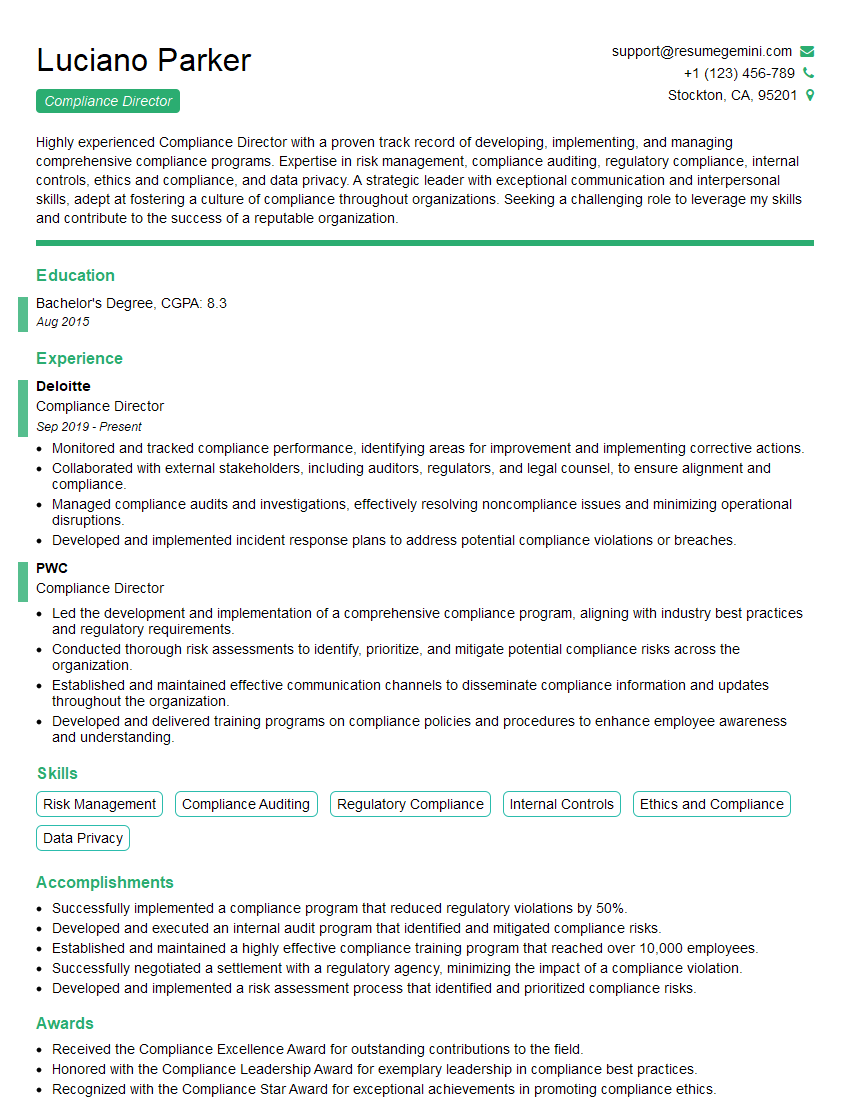
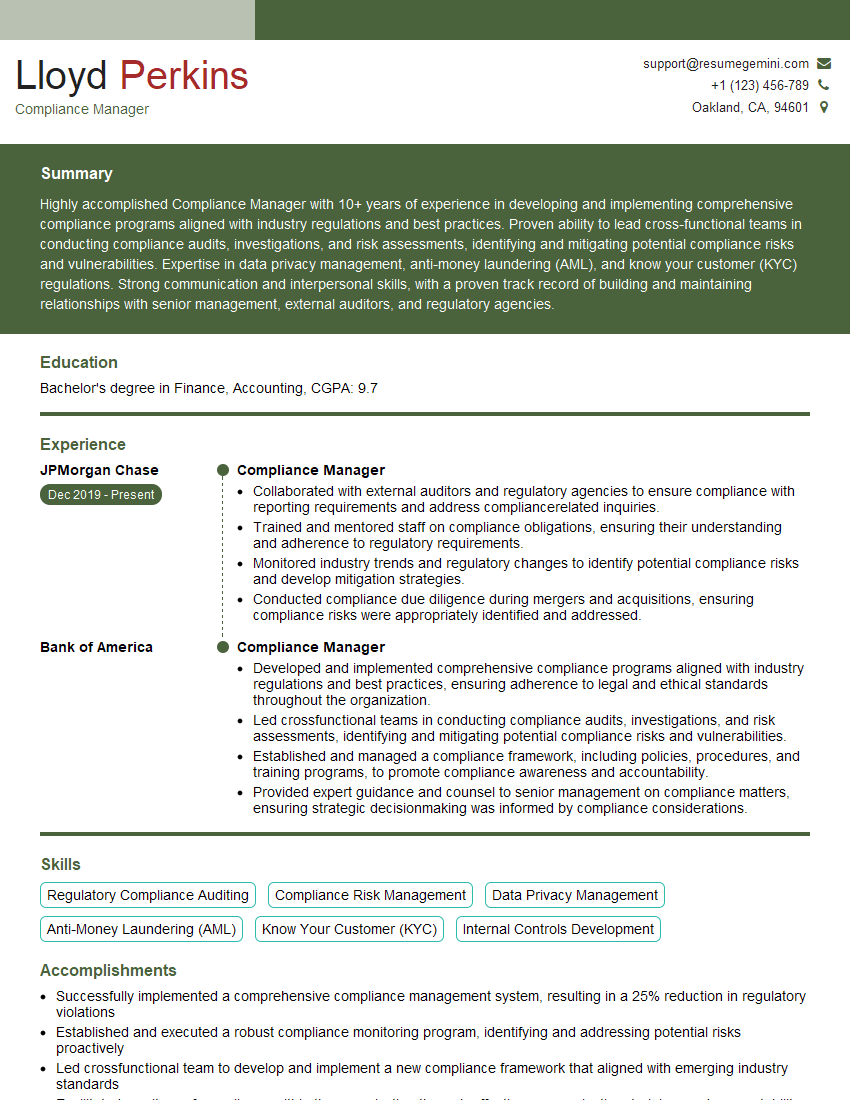
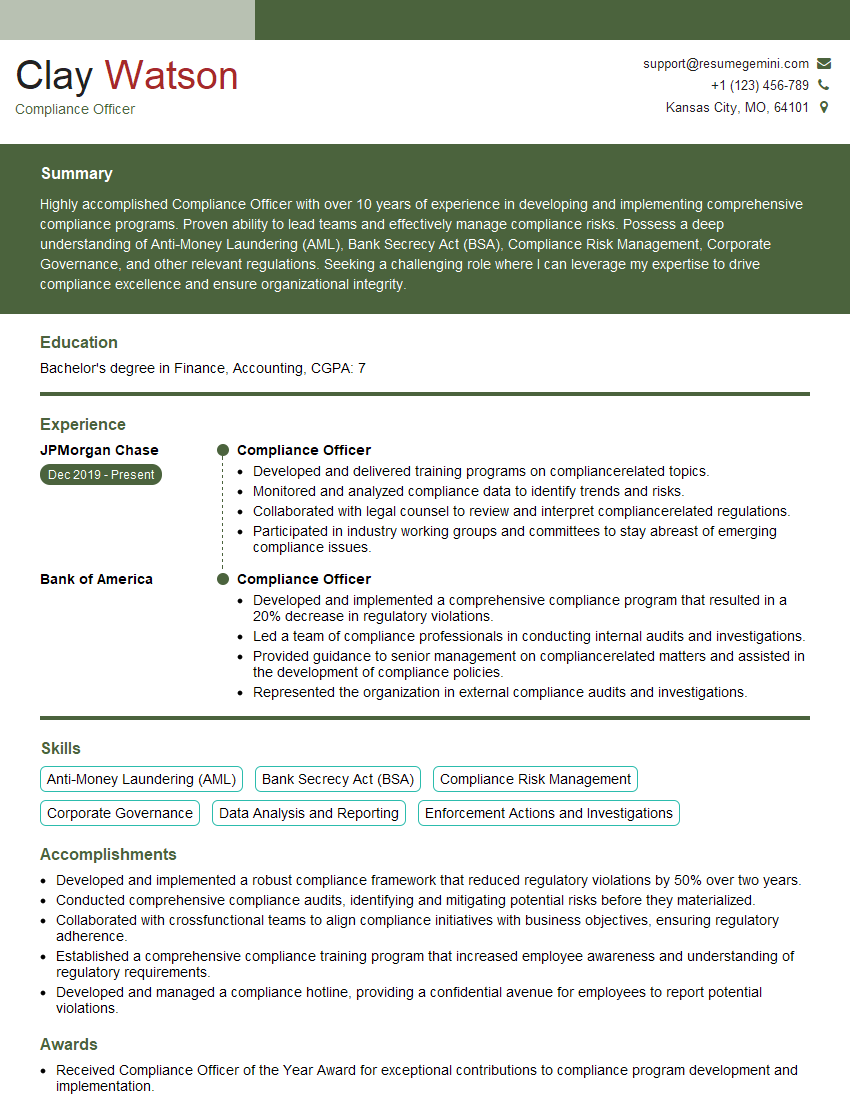
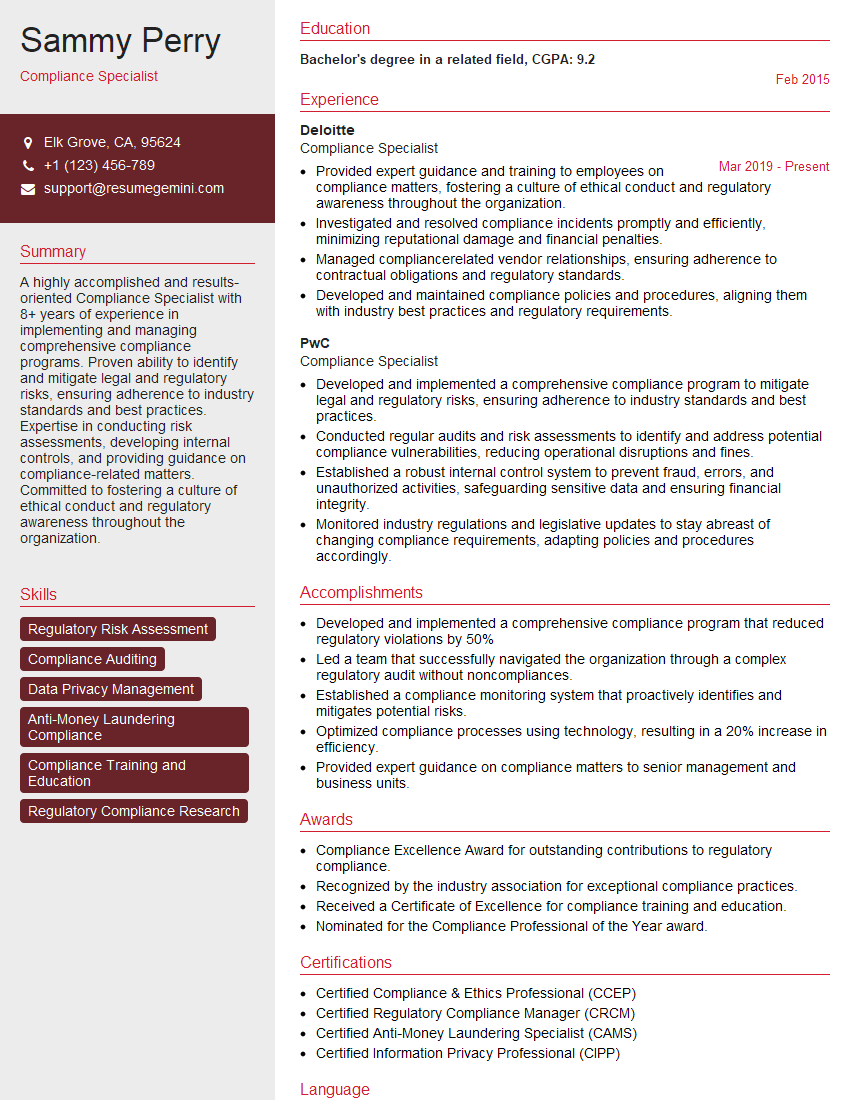
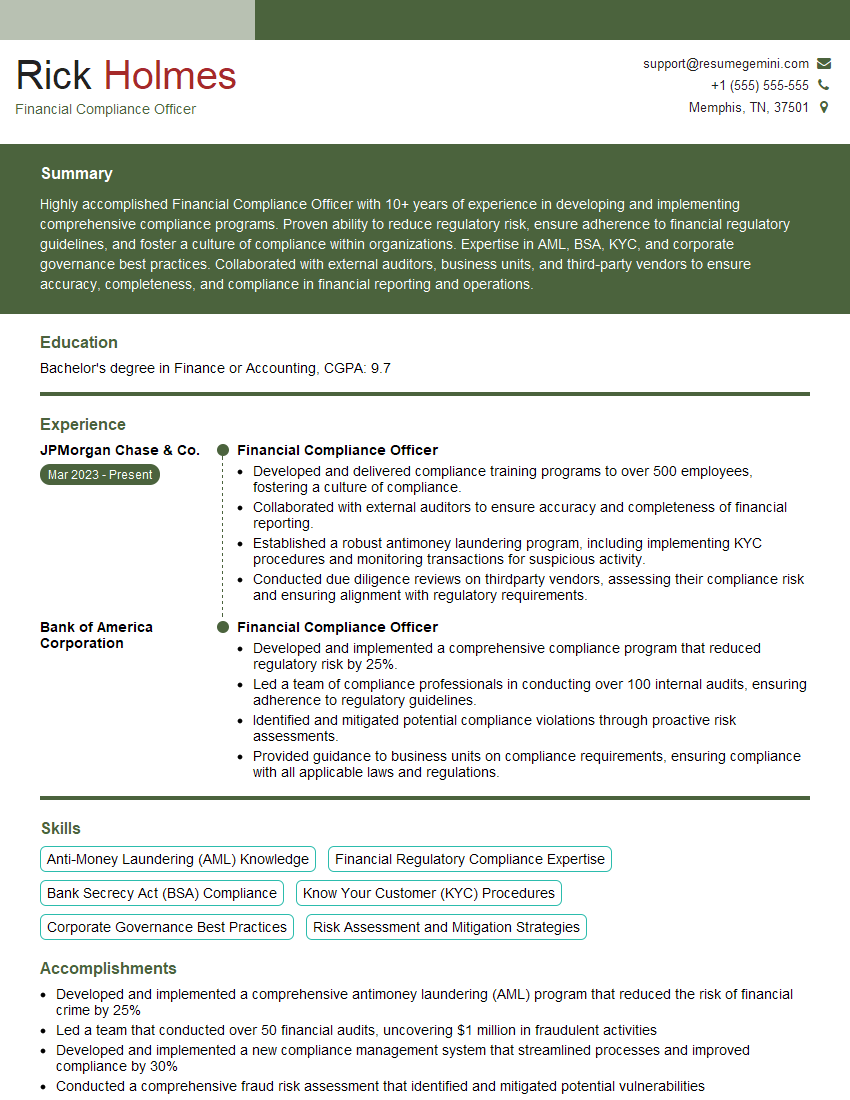
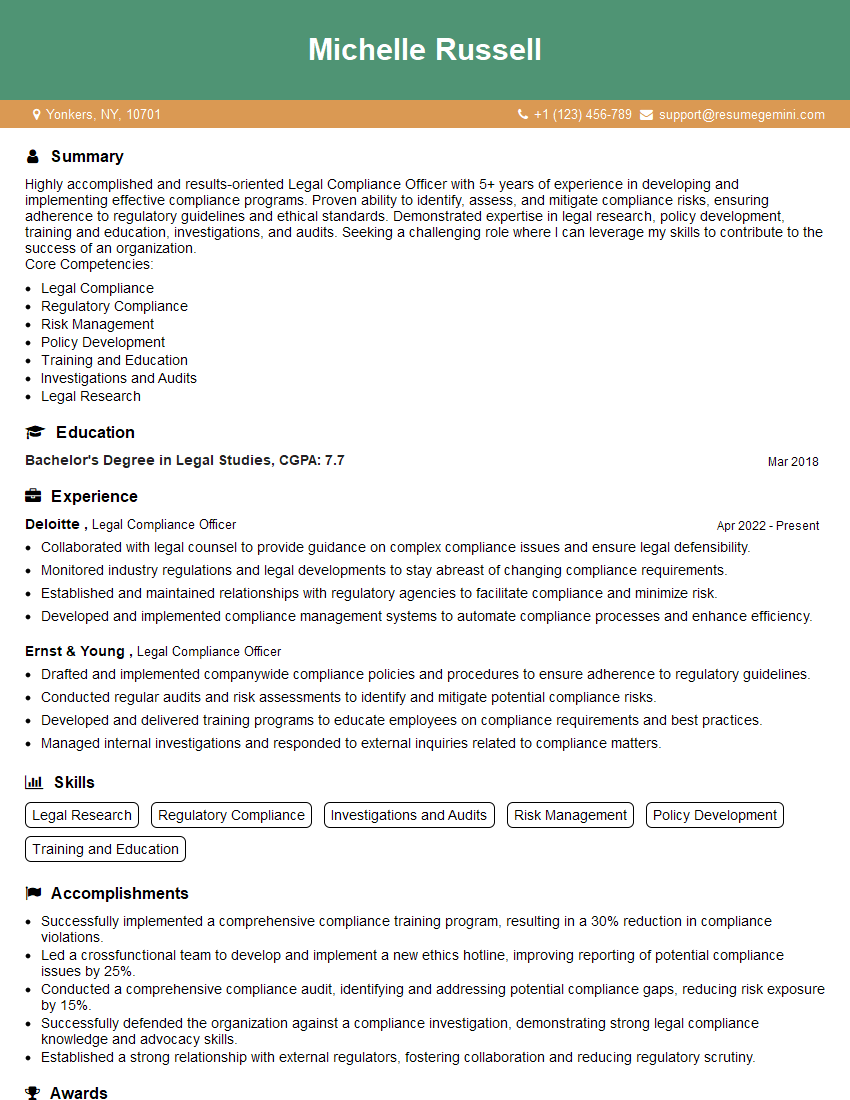
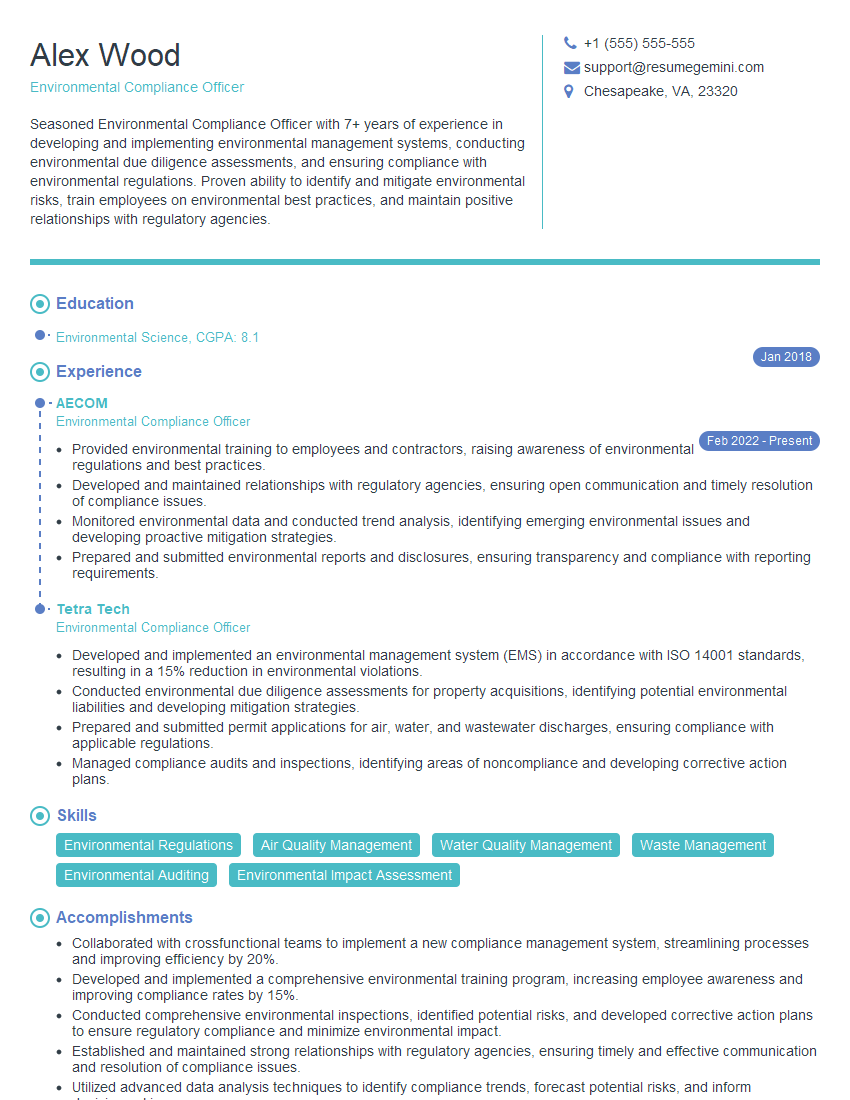
Mastering Regulatory Compliance Assurance opens doors to exciting and impactful careers, offering significant growth potential and high demand in various industries. To maximize your job prospects, crafting a compelling and ATS-friendly resume is crucial. ResumeGemini is a trusted resource to help you build a professional and effective resume that showcases your skills and experience. We provide examples of resumes tailored to Regulatory Compliance Assurance to guide you. Invest time in creating a strong resume; it’s your first impression and a key step to securing your dream role.
Explore more articles
Users Rating of Our Blogs
Share Your Experience
We value your feedback! Please rate our content and share your thoughts (optional).
What Readers Say About Our Blog
Really detailed insights and content, thank you for writing this detailed article.
IT gave me an insight and words to use and be able to think of examples