Feeling uncertain about what to expect in your upcoming interview? We’ve got you covered! This blog highlights the most important Animal Shelter Collaboration and Networking interview questions and provides actionable advice to help you stand out as the ideal candidate. Let’s pave the way for your success.
Questions Asked in Animal Shelter Collaboration and Networking Interview
Q 1. Describe your experience building and maintaining relationships with other animal shelters.
Building and maintaining strong relationships with other animal shelters is crucial for effective collaboration. It’s about more than just exchanging emails; it’s about fostering trust, understanding shared goals, and recognizing the unique strengths each shelter brings to the table. My approach involves proactive outreach, regular communication, and demonstrating mutual respect and support.
- Proactive Outreach: I initiate regular meetings, both formal and informal, with neighboring shelters. This might involve attending regional animal welfare conferences, participating in joint training sessions, or simply scheduling coffee chats to get to know colleagues personally.
- Transparent Communication: Open and honest communication is paramount. I ensure clear, consistent messaging about our shelter’s capacity, needs, and priorities. This transparency prevents misunderstandings and fosters mutual trust.
- Mutual Support and Resource Sharing: I actively seek opportunities to share resources, whether it’s expertise in a specific area (e.g., veterinary care, fundraising), physical resources (e.g., medical equipment, kennel space), or simply offering support during a crisis. For example, during a local disaster, we helped a smaller shelter relocate their animals and provided temporary shelter space.
- Relationship Building: Strong relationships are built on trust and mutual respect. I prioritize getting to know individuals working in other shelters, understanding their challenges, and appreciating their dedication to animal welfare.
Q 2. How would you approach resolving a conflict between two collaborating shelters?
Resolving conflict between collaborating shelters requires a diplomatic and collaborative approach. The key is to focus on the underlying issues, not personalities. My strategy involves:
- Identify the Root Cause: The first step is to understand the source of the conflict. This might involve separate conversations with each shelter to understand their perspectives without judgment.
- Facilitate Open Communication: Create a safe space for open dialogue, encouraging all parties to express their concerns and needs. Active listening is crucial. Using a neutral facilitator can be helpful.
- Find Common Ground: Highlight shared goals and values to find common ground. Emphasize the benefits of collaboration and the potential negative consequences of continued conflict.
- Develop a Mutually Acceptable Solution: Work collaboratively to find a solution that addresses the concerns of all parties involved. This might involve compromise, negotiation, or mediation.
- Establish Clear Expectations: Once a solution is reached, clearly document expectations, responsibilities, and timelines to prevent future misunderstandings.
- Regular Follow-up: Regular check-ins help to ensure the solution is effective and address any emerging issues proactively.
For example, if two shelters disagree on the allocation of limited veterinary resources, we could establish a transparent system based on animal urgency and available capacity.
Q 3. Explain your strategy for identifying potential collaboration partners for a specific shelter initiative.
Identifying potential collaboration partners for a specific shelter initiative requires a strategic approach. I typically start by defining the initiative’s goals and identifying the resources or expertise needed. Then, I research shelters with complementary strengths and capacities.
- Define the Initiative’s Goals: Clearly define the objectives, desired outcomes, and required resources for the initiative.
- Identify Resource Needs: Determine the specific resources or expertise required to successfully implement the initiative. This might involve veterinary care, foster homes, transportation, volunteers, funding, or specialized training.
- Research Potential Partners: Identify shelters that have the needed resources or expertise. This might involve reviewing online databases, attending conferences, networking, or consulting with regional animal welfare organizations.
- Assess Partner Compatibility: Evaluate the potential partner’s mission, values, and capacity to ensure compatibility and a shared vision. Consider factors like their geographical proximity, animal populations, and organizational culture.
- Establish Initial Contact: Reach out to potential partners and present the initiative proposal, highlighting the mutual benefits of collaboration.
For instance, if our shelter needs to expand its adoption program, we might seek collaboration with shelters specializing in community outreach or those with strong online adoption platforms.
Q 4. What metrics would you use to evaluate the success of a collaborative animal shelter project?
Evaluating the success of a collaborative animal shelter project requires a combination of quantitative and qualitative metrics. These metrics should align with the project’s initial goals.
- Quantitative Metrics:
- Increased Animal Adoptions/Transfers: Track the number of animals successfully adopted or transferred to other shelters.
- Reduced Animal Euthanasia Rates: Monitor the euthanasia rate to gauge the initiative’s impact on animal lives.
- Improved Animal Health Outcomes: Assess animal health indicators like weight gain, disease prevention, and recovery rates.
- Increased Funding/Resources: Measure any increase in funding or resources obtained through collaboration.
- Cost Savings: Analyze cost reductions due to shared resources or services.
- Qualitative Metrics:
- Partner Satisfaction: Gather feedback from participating shelters on their experience and satisfaction.
- Staff/Volunteer Morale: Assess the impact of the collaboration on staff and volunteer morale and engagement.
- Community Impact: Evaluate the broader impact on the community, such as increased public awareness or improved animal welfare.
Regular monitoring and evaluation using these metrics are essential for course correction and improvement.
Q 5. How would you manage a collaborative project involving multiple stakeholders with differing priorities?
Managing a collaborative project with multiple stakeholders and differing priorities requires strong leadership, effective communication, and a well-defined process. My strategy includes:
- Establish a Shared Vision: Clearly define the project goals and ensure all stakeholders understand and buy into the overall vision. This shared vision provides a guiding framework for decision-making.
- Define Roles and Responsibilities: Clearly outline the roles, responsibilities, and reporting structures for each stakeholder. This prevents confusion and ensures accountability.
- Develop a Communication Plan: Establish a clear communication plan that outlines how information will be shared, when meetings will be held, and how decisions will be made. Regular meetings and progress reports are essential.
- Establish Decision-Making Processes: Determine how decisions will be made, considering the differing priorities of stakeholders. This might involve voting, consensus-building, or a combination of both. Transparency is vital.
- Conflict Resolution Mechanisms: Develop mechanisms for resolving conflicts that may arise due to differing priorities. This could include mediation or negotiation processes.
- Regular Monitoring and Evaluation: Continuously monitor progress and evaluate the project’s effectiveness. Adapt the project as needed based on feedback and performance data.
For instance, we might use a project management software to track progress, share documents, and facilitate communication among stakeholders.
Q 6. Describe your experience in developing and implementing a collaborative animal welfare program.
I have extensive experience in developing and implementing collaborative animal welfare programs. One example was a regional spay/neuter initiative where we partnered with several shelters and veterinary clinics. Our shared goal was to reduce pet overpopulation in our region.
- Needs Assessment: We started with a thorough needs assessment to identify the biggest challenges to spaying and neutering, including access to affordable services and transportation.
- Resource Allocation: We pooled our resources – staff, volunteers, facilities, and funding – to create a more efficient and effective program.
- Program Design: We designed a program that offered low-cost spay/neuter services to low-income pet owners. This included coordinating transportation, providing education on pet care, and fostering relationships with community organizations.
- Marketing and Outreach: We launched a comprehensive marketing and outreach campaign to promote the program to the community.
- Monitoring and Evaluation: We continuously monitored the program’s progress and used data to adjust our strategies and improve efficiency.
This collaboration resulted in a significant reduction in the number of animals entering shelters due to unwanted litters. It also fostered stronger relationships between our shelters and created a model for future collaborative initiatives.
Q 7. How familiar are you with different models of animal shelter collaboration (e.g., resource sharing, joint programs)?
I am very familiar with various models of animal shelter collaboration. These models often overlap and can be tailored to specific needs and resources.
- Resource Sharing: This involves sharing resources like medical equipment, volunteers, foster homes, or even administrative staff between shelters. For instance, one shelter might have a surplus of kennels, while another needs more space. This is a simple yet highly effective model.
- Joint Programs: This involves shelters collaborating on specific programs, such as joint adoption events, community outreach initiatives, or spay/neuter programs. This collaborative approach allows shelters to achieve more than they could individually.
- Consortia or Networks: This creates a formal structure for collaboration, often involving multiple shelters working towards common goals and sharing resources systematically. This approach is often useful for larger-scale initiatives and regional coordination.
- Data Sharing: This focuses on the collaborative collection, analysis, and use of data to improve shelter management and animal welfare outcomes. For example, shelters might collaborate to track animal intake and outcome data across the region.
- Disaster Response: Shelters collaborate in emergency situations to provide shelter, food, and medical care to displaced animals.
The most effective model depends on the specific circumstances and the goals of the collaborating shelters. A combination of models is often the most effective approach.
Q 8. How would you handle a situation where a collaborating shelter fails to meet its agreed-upon obligations?
Addressing a collaborating shelter’s failure to meet obligations requires a structured approach prioritizing open communication and collaborative problem-solving. It’s crucial to avoid immediate confrontation and instead focus on understanding the root cause of the issue.
Initial Contact: Begin with a friendly, informal conversation to explore the reasons behind the unmet obligations. Perhaps unforeseen circumstances, such as a staff shortage or unexpected influx of animals, are hindering their ability to fulfill their commitments. Active listening is key here.
Joint Problem Solving: Once the reasons are understood, collaboratively brainstorm solutions. This might involve renegotiating deadlines, redistributing responsibilities, or providing additional resources. For example, if one shelter is struggling with vetting animals, another shelter might offer assistance with their veterinary contacts.
Formal Documentation: If informal discussions fail to resolve the problem, refer back to the original collaborative agreement. A well-defined agreement, which includes clear expectations, timelines, and consequences for non-compliance, is invaluable in such situations. This might lead to a formal meeting involving all stakeholders.
Consequences and Mediation: If the situation remains unresolved after attempts at collaboration, consider the consequences outlined in the agreement. This might involve reducing the scope of the collaboration or, in extreme cases, temporarily suspending the partnership. Involving a neutral third party mediator can prove beneficial in resolving complex disputes.
For example, in a previous collaboration, one shelter was consistently late in transferring animals as agreed. Through open dialogue, we discovered they had experienced a sudden surge in intake and were overwhelmed. By temporarily adjusting transfer schedules and offering staff support, we successfully resolved the issue and maintained a strong collaborative relationship.
Q 9. Explain your approach to negotiating resource allocation within a collaborative network.
Negotiating resource allocation within a collaborative network requires transparency, fairness, and a focus on shared goals. It’s not about simply dividing resources equally but about strategically distributing them to maximize impact for animal welfare.
Needs Assessment: Begin by conducting a thorough needs assessment of each participating shelter. This should include factors such as animal intake, available resources (staffing, facilities, funding), and specific needs (e.g., specialized medical care).
Data-Driven Allocation: Use the data gathered from the needs assessment to inform resource allocation decisions. Prioritize shelters with the greatest need and capacity to utilize resources effectively. This could involve weighting certain criteria based on their importance to overall animal welfare outcomes.
Transparency and Communication: Maintain open and transparent communication throughout the process. Clearly explain the criteria used for resource allocation to ensure fairness and build trust among collaborators. Regular updates and feedback sessions are essential.
Conflict Resolution: Develop a clear process for addressing potential conflicts that might arise during resource allocation. This might involve a predetermined process for resolving disputes through mediation or voting.
For instance, in a collaborative fundraising campaign, we allocated funds based on each shelter’s ability to match the funds raised and their capacity to effectively manage the additional animals they would be able to take in. This ensured that funds were used efficiently to benefit the largest number of animals.
Q 10. Describe your experience in leveraging technology to improve communication and collaboration among shelters.
Technology plays a vital role in enhancing communication and collaboration within a network of animal shelters. Effective technology solutions streamline workflows, improve data sharing, and enhance overall efficiency.
Shared Database: A centralized database system allows shelters to share animal information, including medical history, behavioral notes, and adoption status. This reduces duplication of effort and ensures consistency in animal care. For example, we used a shared database to track animals transferred between shelters, reducing the risk of losing track of animals during transfers.
Communication Platforms: Secure communication platforms like Slack, Microsoft Teams, or dedicated animal welfare software provide a space for real-time communication, file sharing, and task management. This improves coordination and reduces reliance on emails, improving response times significantly.
Volunteer Management Systems: Systems for managing volunteers simplify recruitment, scheduling, and communication, freeing up staff time and ensuring better coordination of volunteer efforts across shelters.
Adoption Management Systems: Streamlining the adoption process through dedicated software can improve efficiency, reduce paperwork, and enhance the overall adopter experience. This can also help in tracking adoption outcomes and animal health post-adoption.
In my experience, implementing a shared database and a collaborative communication platform substantially improved the speed and accuracy of information sharing between shelters. This improved inter-shelter collaboration and led to increased adoption rates and a reduction in shelter animal stays.
Q 11. How would you identify and address communication barriers in a collaborative animal shelter setting?
Identifying and addressing communication barriers within a collaborative network requires proactive measures and a keen understanding of the dynamics at play.
Identify Barriers: Begin by identifying potential communication barriers. These might include differences in communication styles (formal vs. informal), technological limitations, language barriers, or organizational silos within individual shelters.
Establish Clear Communication Protocols: Implement clear communication protocols, outlining preferred methods of communication, response times, and escalation procedures for resolving issues. This ensures consistency and reduces confusion.
Regular Communication Meetings: Schedule regular meetings, both formal and informal, to facilitate open communication and provide opportunities for problem-solving. Regular check-ins significantly enhance communication flow and allow addressing problems promptly.
Training and Support: Provide training and support on communication technologies and effective communication practices to enhance collaboration and address any technological or skill-related barriers.
Feedback Mechanisms: Establish mechanisms for collecting feedback on communication effectiveness. This feedback is invaluable in making necessary adjustments to improve communication strategies.
For instance, one collaborative network struggled with inconsistent updates on animal transfers. By implementing a centralized database and weekly check-in meetings, we improved transparency and accountability, effectively resolving the communication bottleneck.
Q 12. What strategies would you employ to build trust and rapport with representatives from other animal shelters?
Building trust and rapport with representatives from other animal shelters is crucial for successful collaboration. This requires a proactive and relationship-focused approach.
Open Communication: Establish open and honest communication from the outset. Share your shelter’s goals, challenges, and successes. This helps build mutual understanding and identifies areas of potential synergy.
Relationship Building: Invest time in building personal relationships with representatives from other shelters. Attend events, participate in professional development activities, and actively engage in informal networking opportunities.
Shared Goals and Values: Focus on shared goals and values related to animal welfare. This creates a sense of shared purpose and facilitates collaboration. Emphasize common ground rather than focusing on differences.
Demonstrate Reliability and Competence: Consistently fulfill your commitments and demonstrate expertise in your area of responsibility. This builds confidence and reinforces trust among your partners.
Transparency and Accountability: Maintain transparency in your actions and be accountable for your responsibilities. Openly share information and actively address any concerns raised by your partners.
One example involved establishing a mentorship program, pairing experienced shelter staff with newer ones. This improved information exchange and fostered collaborative problem-solving between shelters.
Q 13. How do you measure the impact of collaborative efforts on animal welfare outcomes?
Measuring the impact of collaborative efforts on animal welfare outcomes requires a data-driven approach focusing on key performance indicators (KPIs).
Adoption Rates: Track overall adoption rates, both individually and collectively, to gauge the effectiveness of joint marketing campaigns and resource sharing in finding homes for animals.
Live Release Rates: Monitor live release rates (the percentage of animals leaving the shelter alive) as a key indicator of successful collaboration in reducing euthanasia.
Length of Stay: Measure the average length of stay for animals in shelters. Reduced length of stay indicates improved efficiency in finding homes or transferring animals appropriately.
Return-to-Shelter Rates: Track the number of animals returned to the shelter after adoption. Lower return rates indicate improved matching of animals to adopters.
Animal Health Outcomes: Evaluate animal health outcomes, including the rate of successful medical treatments and overall animal health, to assess the collective impact on animal well-being.
By tracking these KPIs, we can demonstrate the positive impact of collaboration on animal welfare. For example, we saw a 15% increase in our live release rate after implementing a regional collaborative transfer program, showcasing the significant value of collective efforts.
Q 14. What is your experience with developing and implementing joint marketing or fundraising campaigns with other shelters?
Developing and implementing joint marketing or fundraising campaigns with other shelters requires a collaborative and strategically planned approach.
Shared Goals and Messaging: Begin by defining shared goals and crafting a consistent message that resonates across all participating shelters. This ensures a unified brand and a cohesive marketing message.
Target Audience: Identify the target audience for the campaign and tailor the messaging and media channels accordingly. Understanding the demographics and preferences of potential donors and adopters is crucial for effective marketing.
Resource Allocation: Clearly define the roles and responsibilities of each shelter in the campaign, including tasks like content creation, social media management, and event planning. This prevents duplication of effort and ensures efficient resource allocation.
Campaign Measurement: Establish metrics to measure the success of the campaign, such as website traffic, donations, and adoptions. This data provides insights into the effectiveness of the campaign and informs future collaborative efforts.
Legal and Ethical Considerations: Ensure compliance with all relevant legal and ethical guidelines, including data privacy regulations and transparency in financial management. This maintains trust and credibility.
In one instance, a joint fundraising campaign focusing on the theme of ‘Hope for the Holidays’ resulted in a significant increase in donations for all participating shelters. The coordinated messaging and shared promotional efforts significantly boosted the impact of the campaign.
Q 15. Describe your experience in facilitating communication and information sharing between collaborating shelters.
Effective communication and information sharing are the bedrock of successful animal shelter collaboration. I’ve facilitated this through various methods, prioritizing a multi-faceted approach. This includes establishing regular meetings – both in-person and virtual – using platforms like Zoom or Google Meet for geographically dispersed shelters. We utilize shared online platforms, such as a dedicated shared drive or a project management tool like Asana, to streamline document sharing, updates on animal intake and outcomes, and collaborative work on initiatives. We also implement standardized reporting formats to ensure consistency and comparability across shelters. For example, we might use a common database system for tracking animal records and outcomes. Finally, clear and consistent communication channels—such as email lists and newsletters—keep all partners informed of progress and upcoming events.
In one instance, I worked with five shelters facing overcrowding. By establishing a shared database and coordinating transport of animals between facilities, we achieved a 20% reduction in overall shelter occupancy within six months.
Career Expert Tips:
- Ace those interviews! Prepare effectively by reviewing the Top 50 Most Common Interview Questions on ResumeGemini.
- Navigate your job search with confidence! Explore a wide range of Career Tips on ResumeGemini. Learn about common challenges and recommendations to overcome them.
- Craft the perfect resume! Master the Art of Resume Writing with ResumeGemini’s guide. Showcase your unique qualifications and achievements effectively.
- Don’t miss out on holiday savings! Build your dream resume with ResumeGemini’s ATS optimized templates.
Q 16. How have you successfully navigated differing organizational cultures in collaborative partnerships?
Navigating differing organizational cultures requires sensitivity, empathy, and a proactive approach. Understanding that each shelter has its own unique history, values, and operational styles is crucial. I begin by fostering open dialogue and building trust amongst partners. This often involves informal discussions to identify shared values and goals before diving into operational details. I also emphasize the common ground—the shared commitment to animal welfare—to unite diverse perspectives. I actively listen to concerns and actively address them collaboratively, ensuring all voices are heard and respected. Compromise is key; finding solutions that accommodate different preferences and operational constraints is essential. For example, some shelters might be more technologically advanced than others, so finding tech solutions that are flexible and easily accessible to all is important.
In a past project, one shelter was strongly resistant to implementing a shared database system due to concerns about data security. By presenting transparent data security protocols and addressing their specific concerns, and by demonstrating the system’s user-friendliness through hands-on training sessions, I was able to overcome this resistance and foster buy-in.
Q 17. What challenges have you faced in collaborative animal shelter projects, and how did you overcome them?
Challenges in collaborative animal shelter projects are inevitable. Funding limitations are common – securing consistent and sufficient resources to support collaborative initiatives requires strategic grant writing and fundraising efforts. Differing priorities amongst shelters can also create friction; some shelters might prioritize specific animal breeds or focus areas, requiring careful negotiation to balance competing needs and maintain collective progress. Data inconsistencies between systems can complicate data analysis and reporting, necessitating the establishment of standardized data entry protocols. Finally, unexpected events such as disease outbreaks can disrupt collaborative workflows, requiring rapid adaptation and crisis management.
For example, during a distemper outbreak, we had to quickly establish quarantine procedures and implement stringent sanitation protocols across all collaborating shelters. This involved daily communication and flexible coordination to manage the crisis effectively.
Q 18. How would you ensure transparency and accountability within a collaborative network?
Transparency and accountability are maintained through clear communication, well-defined roles and responsibilities, and regular progress reports. A shared online platform, mentioned earlier, is crucial. It provides a central hub for all information, ensuring everyone has access to the same data. Regular meetings provide opportunities to review progress, address concerns, and make adjustments as needed. Each shelter should have designated representatives responsible for communication and data submission. These representatives should undergo training on data accuracy and ethical considerations. Finally, a transparent system for budget allocation and expenditure, along with regular audits, maintains fiscal accountability.
Using a shared spreadsheet to track progress towards agreed-upon metrics, for example, adoption rates or successful foster placements, provides a transparent view of the collective effort.
Q 19. Describe your experience in developing shared protocols or standards for animal care and handling in a collaborative setting.
Developing shared protocols for animal care and handling requires a collaborative and evidence-based approach. I typically initiate this process by convening a working group representing all participating shelters. This group reviews existing best practices, relevant legislation, and scientific literature to identify consensus-based standards. We focus on areas like intake procedures, medical protocols, enrichment activities, and humane euthanasia techniques. These protocols are documented clearly and concisely, often utilizing flow charts and visual aids to ensure easy understanding and consistent implementation. Regular reviews and updates of these protocols ensure they remain current and reflect advancements in animal welfare standards.
In one case, we developed a standardized intake form with a common clinical assessment protocol, leading to better consistency in recording animal health data and improved efficiency across shelters.
Q 20. How familiar are you with the legal and regulatory considerations involved in animal shelter collaboration?
I’m very familiar with the legal and regulatory considerations surrounding animal shelter collaborations. This includes compliance with federal, state, and local animal welfare laws and regulations, such as those pertaining to animal housing, handling, euthanasia, and record-keeping. Understanding data privacy regulations like HIPAA (if applicable) and adhering to them is critical. Ensuring each shelter’s licensing and permits are up to date is also essential. We need to be aware of liability issues and implement appropriate insurance coverage. Working with legal counsel to review collaboration agreements and ensure they align with all relevant regulations is crucial for risk management.
For example, we’ve worked closely with legal counsel to create an agreement that outlines responsibilities, liabilities, and data-sharing protocols among participating shelters, ensuring compliance with all relevant laws and regulations.
Q 21. How do you ensure that all collaborating partners are actively involved and contributing to the shared goals?
Active engagement from all partners requires fostering a sense of ownership and shared responsibility. This starts with clearly defining shared goals and objectives and ensuring buy-in from all stakeholders. Regular communication channels keep everyone informed and engaged. We implement mechanisms for feedback and input, encouraging active participation in decision-making processes. We celebrate successes together and constructively address challenges collaboratively. Rotating leadership roles or task assignments can help to distribute workload and foster a sense of equity. Regular evaluation and adjustment of collaborative efforts ensure continued relevance and engagement.
We’ve used methods such as rotating responsibility for leading working groups and monthly progress updates to ensure each shelter feels integral to the collaborative process and their input is valued.
Q 22. Describe your experience with developing and managing a collaborative budget for an animal welfare project.
Developing and managing a collaborative budget requires meticulous planning and open communication. It’s not just about pooling resources; it’s about strategically allocating them to achieve shared goals. My approach begins with a comprehensive needs assessment, identifying the key programs and initiatives each shelter prioritizes. We then collaboratively define measurable objectives for each initiative, ensuring alignment with the overall project goals.
For example, in a recent project aimed at reducing pet overpopulation, we identified three key areas: spay/neuter programs, community outreach, and fostering initiatives. Each shelter contributed data on their existing capacities and needs. We used a shared spreadsheet to track expenses and revenue streams, ensuring transparency and accountability. This allowed us to distribute funds strategically, prioritizing high-impact activities with measurable outcomes. Regular budget review meetings were crucial, allowing for flexible adjustments based on progress and unforeseen circumstances. The process culminated in a detailed budget report, outlining expenditure, demonstrating accountability and justifying investment to stakeholders.
Think of it like baking a cake; each shelter contributes specific ingredients (resources), but a skilled baker (project manager) is needed to combine them according to a recipe (strategic plan) to achieve the desired outcome (project success).
Q 23. How would you handle disagreements among collaborating shelters regarding animal placement or adoption policies?
Disagreements are inevitable in collaborative ventures, and differing viewpoints on animal placement or adoption policies are common. My approach emphasizes proactive communication and a commitment to finding mutually beneficial solutions. I believe in starting with a shared understanding of the overarching mission: to provide the best possible care for animals and facilitate successful adoptions.
To address disagreements, I facilitate structured discussions, encouraging each shelter to clearly articulate its perspective and concerns. We use data to inform our decisions, analyzing adoption rates, success metrics for different policies, and the welfare outcomes of adopted animals. We look for common ground, identifying areas of agreement and compromises that address the needs of all stakeholders while maintaining ethical standards. If a consensus cannot be reached through dialogue, we might employ mediation techniques or a voting system, ensuring a fair and transparent process. The key is to prioritize collaboration over confrontation and finding solutions that value the viewpoints of all participating shelters.
For instance, if one shelter prefers a strict adoption screening process while another is more lenient, we might develop a tiered adoption system that accommodates both approaches while ensuring responsible pet placement.
Q 24. How would you evaluate the long-term sustainability of a collaborative animal shelter partnership?
Evaluating the long-term sustainability of a collaborative partnership requires a holistic approach that encompasses financial stability, operational efficiency, and strong interpersonal relationships. I assess the following key factors:
- Financial sustainability: This involves analyzing diverse funding streams (grants, donations, fundraising), ensuring financial diversification to mitigate risk and operational costs. We create projections to anticipate future needs and identify potential funding gaps.
- Operational efficiency: We assess the effectiveness of shared resources, identifying redundancies and streamlining processes to enhance overall efficiency and reduce costs. This includes analyzing workflows and evaluating technology integration.
- Relationship dynamics: Strong partnerships are built on trust and mutual respect. I evaluate the strength of relationships among participating shelters, focusing on communication channels, conflict resolution mechanisms, and shared values. Regular meetings, clear roles, and responsibilities are crucial.
- Adaptability: The capacity to adapt to changing needs, new challenges, or external factors (e.g., economic downturn, disease outbreaks) is vital for long-term success. We develop contingency plans and ensure the flexibility to respond to emerging situations.
By considering these factors, we can create a comprehensive assessment of the partnership’s long-term viability and identify areas for improvement.
Q 25. What is your understanding of the ethical considerations involved in collaborative animal welfare initiatives?
Ethical considerations are paramount in collaborative animal welfare initiatives. The guiding principles should always be the well-being of the animals and the transparency and fairness of our actions. Key ethical considerations include:
- Animal welfare: Prioritizing the humane treatment of animals at every stage, from intake to adoption. This includes ensuring appropriate veterinary care, adequate housing, and minimizing stress.
- Transparency and accountability: Open communication, clear decision-making processes, and transparent use of resources build trust among participating shelters and stakeholders.
- Data privacy and security: Protecting the confidentiality of animal and adopter information is essential. Implementing secure data management practices is non-negotiable.
- Conflict of interest: Identifying and managing potential conflicts of interest to maintain impartiality and avoid favoritism.
- Equitable resource allocation: Ensuring fair distribution of resources among participating shelters, based on need and contribution.
Ethical breaches can severely damage the reputation of the collaborative and erode public trust. A strong ethical framework, coupled with regular ethical reviews, ensures responsible and effective operations.
Q 26. Describe your experience in securing funding or resources for collaborative animal shelter projects.
Securing funding for collaborative projects involves a multifaceted approach that leverages the strengths of each participating shelter and targets diverse funding sources. My experience includes:
- Grant writing: Collaboratively developing compelling grant proposals that highlight the collective impact of the partnership and address pressing community needs. This requires a deep understanding of funding priorities and a strong narrative that resonates with funders.
- Fundraising events: Organizing joint fundraising events (e.g., adoption days, galas) that maximize community engagement and leverage the combined networks of participating shelters.
- Corporate sponsorships: Developing relationships with businesses and corporations interested in supporting animal welfare initiatives. This involves creating tailored sponsorship packages that offer various benefits in exchange for financial support.
- Individual donations: Building a strong online presence (website, social media) to cultivate individual donations and foster ongoing support. This includes storytelling that showcases the impact of the collaborative effort.
- Government funding: Exploring opportunities for funding from local, regional, or national government agencies that support animal welfare programs. This requires understanding government guidelines and submitting competitive applications.
Success relies on a well-defined budget, a compelling narrative showcasing impact, and a strong collaborative spirit that conveys a united front to potential funders.
Q 27. How would you adapt your collaboration approach to work effectively with different types of animal shelters (e.g., large, small, specialized)?
Adapting my collaboration approach to different shelter types requires a nuanced understanding of their individual capabilities, needs, and resources. Large shelters often have extensive resources and established programs, while smaller shelters might focus on specific niches or have limited capacity. Specialized shelters cater to specific animal types or needs.
My strategy involves:
- Needs assessment: Conducting thorough assessments to understand each shelter’s unique strengths and limitations, fostering customized collaboration plans rather than a one-size-fits-all approach.
- Flexible structures: Designing flexible collaborative structures that accommodate various levels of commitment and participation. This might include task-specific collaborations, resource sharing agreements, or full-fledged mergers.
- Tiered participation: Allowing shelters to participate at levels that align with their capacity. For instance, a small shelter might contribute to a community outreach program, while a larger shelter leads on veterinary care coordination.
- Communication tailored to the context: Adapting communication strategies to meet the needs and preferences of different stakeholders. For example, regular briefings might suit larger shelters, while individualized support might be more effective for smaller organizations.
- Recognizing expertise: Leveraging the specific expertise and strengths of different shelters. For example, a specialized shelter might provide training or guidance on handling specific animal breeds or medical conditions.
By embracing flexibility and understanding the unique contributions of each shelter type, we can build robust and effective collaborative partnerships, benefitting both the shelters and the animals in their care.
Key Topics to Learn for Animal Shelter Collaboration and Networking Interview
- Understanding the Shelter Ecosystem: Learn the various types of animal shelters (municipal, private, rescue organizations), their respective roles, and common challenges they face.
- Collaboration Strategies: Explore effective methods for inter-shelter communication, resource sharing (e.g., medical equipment, foster homes, volunteers), and joint fundraising initiatives.
- Networking & Stakeholder Engagement: Develop your understanding of building and maintaining relationships with veterinarians, animal control officers, community groups, and potential adopters. Practice articulating the value of collaboration to diverse stakeholders.
- Conflict Resolution & Negotiation: Learn strategies for resolving disagreements between shelters, managing competing priorities, and reaching mutually beneficial agreements.
- Data Sharing & Best Practices: Understand the importance of secure and efficient data sharing between shelters to track animals, manage resources, and improve outcomes. Familiarize yourself with industry best practices.
- Community Outreach & Public Relations: Learn how to effectively communicate shelter needs and successes to the public, building trust and fostering community support.
- Fundraising & Grant Writing: Explore the strategies and techniques involved in securing funding for shelter operations and collaborative projects.
- Animal Welfare & Ethical Considerations: Demonstrate a strong understanding of animal welfare principles and their application in collaborative settings.
Next Steps
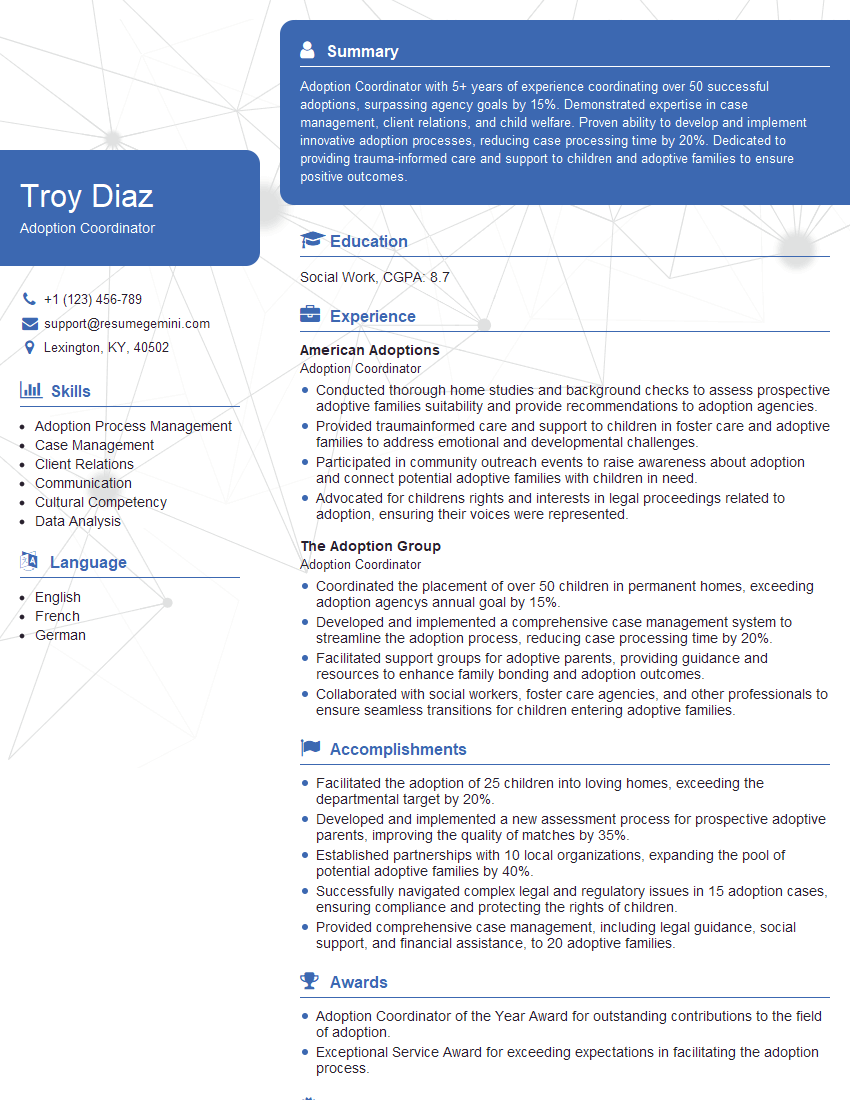
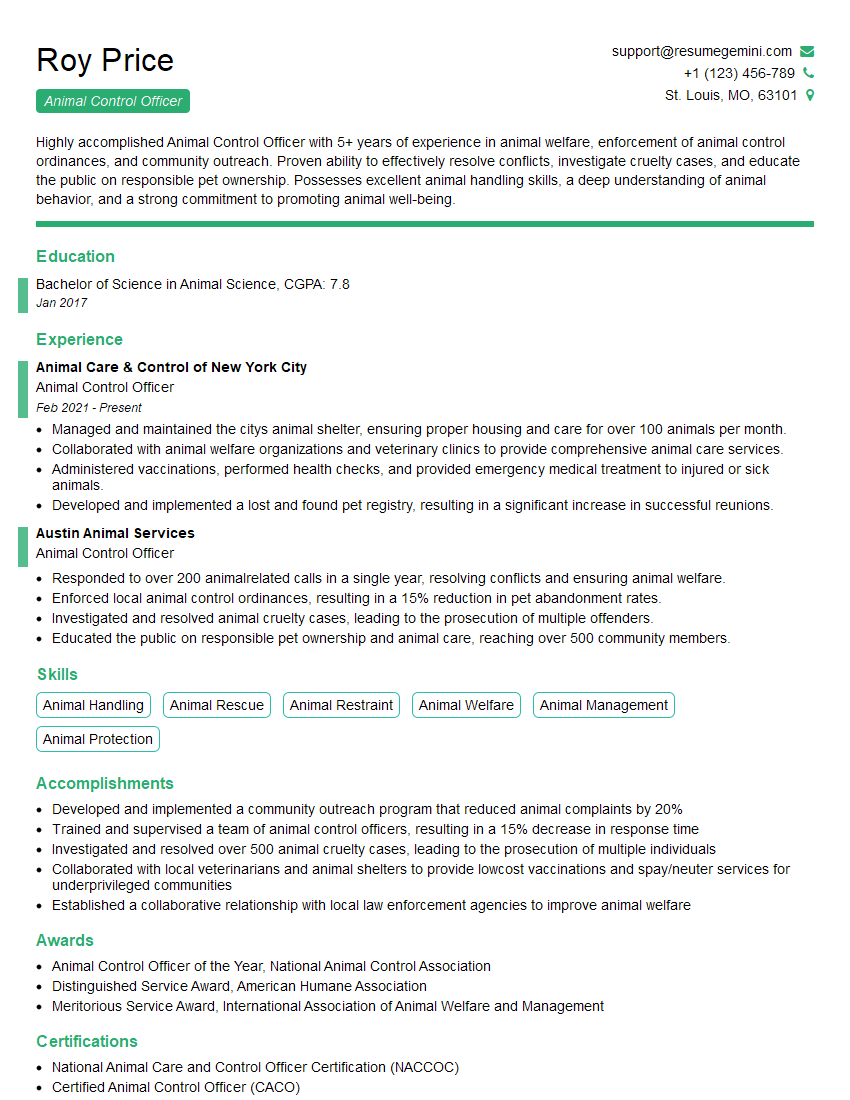
Mastering Animal Shelter Collaboration and Networking is crucial for career advancement in this field. It demonstrates your ability to work effectively in a team, solve complex problems, and advocate for animals on a larger scale. To significantly boost your job prospects, invest in creating a strong, ATS-friendly resume that highlights your relevant skills and experience. ResumeGemini is a trusted resource that can help you build a professional and impactful resume. Examples of resumes tailored to Animal Shelter Collaboration and Networking are available to guide you.
Explore more articles
Users Rating of Our Blogs
Share Your Experience
We value your feedback! Please rate our content and share your thoughts (optional).
What Readers Say About Our Blog
Really detailed insights and content, thank you for writing this detailed article.
IT gave me an insight and words to use and be able to think of examples