Every successful interview starts with knowing what to expect. In this blog, we’ll take you through the top Safety Culture Assessment interview questions, breaking them down with expert tips to help you deliver impactful answers. Step into your next interview fully prepared and ready to succeed.
Questions Asked in Safety Culture Assessment Interview
Q 1. Define safety culture and its key components.
Safety culture is the shared values, beliefs, and behaviors regarding safety within an organization. It’s not just a set of rules, but a deeply ingrained way of thinking and acting that prioritizes safety above all else. Think of it as the organization’s ‘personality’ when it comes to safety. A strong safety culture is proactive, not reactive; it anticipates and prevents hazards, rather than just responding to incidents.
- Leadership Commitment: Visible and consistent demonstration of safety as a top priority by leaders at all levels.
- Communication and Reporting: Open, honest, and transparent communication channels where safety concerns can be raised without fear of retribution.
- Competence and Training: Ensuring employees have the necessary skills, knowledge, and training to perform their tasks safely.
- Accountability: Establishing clear roles and responsibilities for safety and holding individuals accountable for their actions.
- Risk Assessment and Control: Proactive identification, assessment, and control of hazards through robust risk management processes.
- Employee Involvement and Participation: Actively engaging employees in safety initiatives and encouraging their input and participation.
- Learning from Incidents: Thoroughly investigating incidents to identify root causes and implement corrective actions to prevent recurrence.
For example, a company with a strong safety culture might have regular safety meetings, readily available safety training, and an open-door policy for reporting near misses or unsafe conditions. Conversely, a company with a weak safety culture might prioritize production over safety, leading to a culture of silence and a higher risk of incidents.
Q 2. Describe the different models or frameworks used to assess safety culture.
Several models and frameworks exist for assessing safety culture. No single model is universally superior; the best choice depends on the organization’s specific needs and context. Some popular models include:
- The Safety Culture Maturity Model: This model assesses the maturity of an organization’s safety culture across various levels, from reactive to proactive and ultimately to predictive.
- The DuPont Model: This framework focuses on specific elements like safety leadership, employee involvement, communication, and performance measurement.
- The HSEQ (Health, Safety, Environment, and Quality) Management Systems (e.g., ISO 45001): These standards provide a comprehensive framework for integrating safety into all organizational aspects and establish a structure for ongoing improvement.
- Surveys and Questionnaires: These tools allow for the collection of data on employees’ perceptions of safety culture through quantitative and qualitative methods.
- Behavioral Observation: This method directly observes employee behavior in the workplace to assess adherence to safety procedures and identify potential risks.
- Incident Reporting and Analysis: Examining incident trends and patterns can reveal underlying issues within the safety culture.
Many organizations combine several approaches for a more comprehensive assessment. For instance, a company might use a survey to gauge employee perceptions, supplement it with behavioral observations, and analyze incident reports to get a holistic view of its safety culture.
Q 3. Explain the importance of leadership commitment in fostering a positive safety culture.
Leadership commitment is paramount in fostering a positive safety culture. Leaders set the tone and model the desired behaviors. Without visible and consistent commitment from the top, safety initiatives will likely lack momentum and effectiveness. It’s not enough for leaders to simply say they value safety; they must demonstrate it through their actions.
- Visible commitment: Leaders actively participate in safety meetings, training, and inspections.
- Resource allocation: Adequate resources (time, budget, personnel) are dedicated to safety programs and initiatives.
- Accountability: Leaders hold themselves and others accountable for safety performance.
- Leading by example: Leaders demonstrate safe behaviors and follow all safety rules and procedures.
- Open communication: Leaders create an environment where safety concerns can be freely communicated without fear of reprisal.
Imagine a scenario where a CEO constantly emphasizes production targets while paying lip service to safety. This sends a clear message to employees that safety is secondary. However, if the same CEO actively participates in safety audits, addresses safety concerns promptly, and rewards safe behaviors, the message becomes significantly different, fostering a strong safety culture.
Q 4. How would you measure the effectiveness of a safety culture improvement program?
Measuring the effectiveness of a safety culture improvement program requires a multi-faceted approach focusing on both lagging and leading indicators.
- Lagging Indicators (reactive): These measure the outcomes of safety performance, such as the number of accidents, injuries, or near misses. While important, they only reflect past performance and don’t proactively identify risks.
- Leading Indicators (proactive): These measure factors that predict future safety performance, such as the number of safety training hours completed, the frequency of safety inspections, employee participation in safety programs, and the number of safety suggestions implemented. These are more powerful for early detection of issues.
Effective measurement might involve tracking changes in lagging indicators (reduction in accidents) alongside improvements in leading indicators (increased safety training participation). Regular monitoring, analysis, and adjustments are crucial. For example, if the number of near misses decreases but the number of safety inspections remains low, it suggests a possible problem with the inspection program that needs attention. Using data visualization tools to present this information clearly is beneficial for tracking progress and making informed decisions.
Q 5. What are the common barriers to establishing a strong safety culture?
Several barriers can hinder the establishment of a strong safety culture:
- Lack of leadership commitment: As discussed previously, without visible and consistent support from leaders, safety initiatives will struggle.
- Poor communication: Inadequate communication channels can prevent safety concerns from being raised or addressed effectively.
- Insufficient training: Inadequate or insufficient training can leave employees unprepared to perform their tasks safely.
- Lack of accountability: If employees don’t feel accountable for their safety actions, a strong safety culture is difficult to cultivate.
- Production pressure: Prioritizing production over safety often leads to compromises that increase risk.
- Fear of reprisal: Employees may be hesitant to report safety concerns if they fear negative consequences.
- Complacency: A long period without incidents can lead to complacency and a decreased focus on safety.
Addressing these barriers requires a multifaceted approach involving improved communication, enhanced training, strengthening accountability mechanisms, and addressing production pressures through collaborative problem-solving. Open dialogue and continuous improvement are key.
Q 6. What are some leading indicators of a weak safety culture?
Leading indicators of a weak safety culture often manifest as subtle cues before serious incidents occur:
- High number of near misses or minor incidents: These are often early warning signs of underlying problems.
- Low participation in safety training or meetings: This suggests a lack of engagement and prioritization of safety.
- Resistance to safety improvements or changes: This could be a sign of a lack of trust or buy-in.
- High turnover of safety personnel: Constant changes in safety personnel can hinder continuity and effectiveness.
- Lack of open communication about safety concerns: A culture of silence indicates a lack of trust and openness.
- Ignoring or downplaying safety recommendations: Dismissing safety suggestions reveals a lack of value placed on safety.
These indicators highlight a need for immediate intervention. Addressing them promptly can prevent escalation to more serious incidents. For example, a high number of near misses should prompt an investigation to identify root causes and implement corrective actions before an actual injury occurs.
Q 7. How do you identify and address unsafe behaviors in the workplace?
Identifying and addressing unsafe behaviors requires a multi-pronged approach that balances corrective actions with a focus on understanding and preventing future occurrences.
- Observation and Reporting: Supervisors and safety professionals should regularly observe workplace activities to identify unsafe behaviors. Establish clear reporting mechanisms for employees to report observed unsafe acts or conditions.
- Coaching and Feedback: Address unsafe behaviors through coaching and constructive feedback. Focus on understanding the reasons behind the behavior rather than simply punishing the individual.
- Training and Reinforcement: Provide additional training on safe work practices and reinforce safe behaviors through positive reinforcement programs.
- Investigation and Root Cause Analysis: Investigate incidents and near misses thoroughly to identify underlying causes of unsafe behaviors. This may involve reviewing procedures, equipment, and training programs.
- Corrective Actions: Implement corrective actions to prevent recurrence of unsafe behaviors. This might involve changing procedures, improving equipment, or addressing systemic issues.
- Accountability: Hold individuals accountable for their actions, but focus on improvement and learning from mistakes.
Remember, the goal is not solely to punish unsafe behavior but to foster a culture where safety is valued and employees feel empowered to report and address hazards. A combination of disciplinary measures (when necessary) and proactive measures like improved training and communication is most effective.
Q 8. Describe your experience with safety culture surveys and audits.
My experience with safety culture surveys and audits is extensive. I’ve designed and implemented numerous surveys using various methodologies, from quantitative questionnaires to qualitative interviews, focusing on aspects like safety perceptions, behaviors, and leadership commitment. These surveys help gauge the overall health of a safety culture. Audits, on the other hand, involve a more direct, observational assessment. I’ve conducted both internal and external audits, examining safety procedures, documentation, training programs, and worksite conditions to identify potential hazards and compliance gaps. For example, in one project at a construction site, we used a combination of employee surveys and on-site observations to pinpoint a significant lack of awareness around fall protection protocols. The survey highlighted the perception that safety rules were cumbersome, while the audit revealed inadequate equipment maintenance and inconsistent enforcement of procedures.
Q 9. How do you analyze data from safety culture assessments to identify areas for improvement?
Analyzing data from safety culture assessments requires a multi-faceted approach. It begins with consolidating data from various sources – surveys, audits, incident reports, and near-miss records. We then use statistical analysis to identify trends and patterns. For instance, we might look at correlations between safety training participation and reported unsafe behaviors. Qualitative data, such as interview transcripts, helps provide context and deeper understanding. We prioritize areas with the most significant negative impact or highest risk. A crucial part is using visual aids like charts and graphs to illustrate key findings to communicate effectively to stakeholders. For example, a high number of reported near misses in a specific department might highlight the need for targeted training or improved supervision. The goal is not just to identify problem areas but to provide actionable insights for improvement.
Q 10. What are some effective methods for communicating safety information to employees?
Effective communication is crucial for a positive safety culture. We employ various methods tailored to the audience and context. This includes toolbox talks, interactive safety training sessions, posters and visual aids, newsletters, and regular safety meetings, all designed to engage employees at different levels. We also utilize digital platforms, such as intranets and dedicated safety apps for disseminating information and encouraging employee feedback. A recent project involved creating short, engaging safety videos featuring employees sharing their experiences and best practices – this proved significantly more effective than traditional methods. The key is to use multiple channels and formats to ensure the message reaches everyone and resonates with them. For example, a visual representation of leading and lagging indicators would effectively communicate the success and impact of the ongoing safety program.
Q 11. How do you engage employees in safety initiatives and promote ownership?
Engaging employees is paramount. We foster ownership by empowering them to participate in safety initiatives. This involves setting up safety committees where employees can voice concerns, contribute ideas, and actively participate in problem-solving. We encourage reporting of hazards and near misses without fear of retribution through anonymous reporting systems. Recognition and rewards for safe behaviors and contributions significantly boost participation. For example, we implemented a peer-to-peer safety recognition program where employees nominate colleagues for exceptional safety performance; this fostered a culture of mutual respect and accountability. Finally, incorporating employee feedback into safety procedures and policies demonstrates that their contributions are valued and their voices are heard.
Q 12. How would you handle resistance to change when implementing safety culture improvements?
Resistance to change is common during safety culture improvements. Addressing this involves a multi-pronged approach. Firstly, we involve employees in the change process from the outset, ensuring their concerns and suggestions are considered. This fosters a sense of ownership and reduces resistance. Secondly, we clearly communicate the rationale behind the changes, highlighting the benefits and addressing any potential negative consequences proactively. Open and honest communication is vital. We also provide comprehensive training and support to ensure that employees are equipped to adapt to the new procedures and technologies. Finally, recognizing and rewarding early adopters helps build momentum and encourages others to follow suit. Addressing concerns empathetically and creating a safe space for feedback are also key strategies. Addressing the root cause of the resistance rather than simply suppressing it is crucial for long-term success.
Q 13. Describe your experience with root cause analysis related to safety incidents.
My experience with root cause analysis (RCA) for safety incidents is extensive. I utilize various techniques such as the ‘5 Whys,’ fault tree analysis, and fishbone diagrams to systematically investigate incidents. This involves gathering data from multiple sources, including incident reports, witness statements, and physical evidence. The goal is to identify the underlying causes of the incident rather than just addressing the immediate symptoms. In a recent case involving a machinery malfunction, we used fault tree analysis to identify a series of contributing factors, including inadequate maintenance, insufficient training, and a flawed safety procedure. RCA isn’t just about blame; it’s about learning from mistakes and preventing recurrence through corrective actions. Detailed documentation of the RCA process is crucial for future reference and ongoing safety improvement.
Q 14. How do you use data to track progress and demonstrate the effectiveness of safety culture improvements?
Tracking progress and demonstrating the effectiveness of safety culture improvements relies heavily on data. We use key performance indicators (KPIs) such as incident rates (both leading and lagging), near-miss reporting rates, safety training participation rates, and employee safety survey scores. We monitor these KPIs over time to identify trends and measure the impact of implemented initiatives. Data visualization tools are used to present this information clearly to stakeholders. For instance, we might show a graph illustrating the reduction in incident rates after the implementation of a new safety program. This data-driven approach demonstrates the return on investment of safety initiatives and provides a clear justification for continued investment in safety culture enhancement. Regular reporting and communication of progress are vital to maintain engagement and accountability.
Q 15. What are some best practices for investigating safety incidents and accidents?
Investigating safety incidents and accidents effectively is crucial for preventing future occurrences. It’s not just about assigning blame, but about understanding the root causes and implementing corrective actions. My approach follows a structured methodology, often using a technique like the ‘5 Whys’ to delve deep into the causal chain.
- Immediate Response and Secure the Scene: First priority is ensuring the safety of everyone involved. The scene must be secured to prevent further incidents and preserve evidence. This involves documenting the scene with photographs and sketches.
- Fact-Finding and Data Collection: This involves gathering comprehensive data from various sources, including witness statements, incident reports, maintenance records, and physical evidence. I use standardized forms to ensure consistency and completeness.
- Root Cause Analysis: Techniques like the ‘5 Whys,’ fault tree analysis, or Fishbone diagrams are employed to identify the underlying causes of the incident, not just the symptoms. For instance, if a worker was injured by a falling object (symptom), the 5 Whys might reveal inadequate maintenance procedures, poor training, and ultimately, a lack of management oversight (root causes).
- Corrective Actions: Based on the root cause analysis, specific, measurable, achievable, relevant, and time-bound (SMART) corrective actions are defined and implemented. This might include improved training programs, enhanced safety procedures, or new equipment.
- Reporting and Follow-up: A detailed report is compiled, documenting the incident, the investigation process, the root causes, and the corrective actions taken. Follow-up is essential to ensure the effectiveness of these actions and prevent recurrence.
For example, in a recent investigation of a near-miss involving a forklift, the 5 Whys revealed a lack of clear pedestrian walkways, leading to improved site layout and signage as corrective action.
Career Expert Tips:
- Ace those interviews! Prepare effectively by reviewing the Top 50 Most Common Interview Questions on ResumeGemini.
- Navigate your job search with confidence! Explore a wide range of Career Tips on ResumeGemini. Learn about common challenges and recommendations to overcome them.
- Craft the perfect resume! Master the Art of Resume Writing with ResumeGemini’s guide. Showcase your unique qualifications and achievements effectively.
- Don’t miss out on holiday savings! Build your dream resume with ResumeGemini’s ATS optimized templates.
Q 16. How do you develop and implement safety training programs?
Developing effective safety training programs requires a needs assessment, a clear learning objective, engaging content, and robust evaluation methods. I begin by identifying the specific hazards and risks in the workplace. This informs the content and focus of the training.
- Needs Assessment: Identify skill gaps, existing knowledge, and specific training needs through interviews, surveys, and job hazard analysis. For example, conducting a hazard analysis to identify risks associated with operating heavy machinery.
- Learning Objectives: Clearly define what participants should be able to do after completing the training. These should be measurable and specific, e.g., ‘Participants will be able to identify three types of hazards and implement appropriate control measures.’
- Engaging Content: Use a variety of methods such as interactive exercises, case studies, videos, and simulations to keep the training interesting and relevant. Avoid lengthy lectures. Tailor the content to the specific audience and their learning styles.
- Delivery Methods: Choose the appropriate delivery method, such as classroom training, online modules, or on-the-job training, depending on the subject matter and the learner’s preferences and needs.
- Evaluation: Implement methods to assess the effectiveness of the training, such as pre- and post-tests, practical demonstrations, and observations. Feedback should be collected and used to improve future training programs.
For example, I recently developed a hands-on training program on lockout/tagout procedures, incorporating practical exercises and simulations to ensure workers fully understand the process and can apply it safely.
Q 17. What are some effective strategies for promoting safety awareness in the workplace?
Promoting safety awareness requires a multifaceted approach that engages workers at all levels and utilizes various communication channels. It’s about fostering a culture where safety is everyone’s responsibility.
- Leadership Commitment: Visible and consistent support from top management is crucial. Leaders should actively participate in safety initiatives, lead by example, and communicate the importance of safety.
- Communication and Engagement: Use a variety of channels to communicate safety information, such as safety meetings, newsletters, posters, toolbox talks, and regular updates. Make safety information accessible and easy to understand.
- Incentive Programs: Reward safe behavior and recognize individuals and teams that demonstrate a strong commitment to safety. This could include awards, bonuses, or public acknowledgment.
- Incident Reporting System: Encourage reporting of near misses and incidents without fear of reprisal. Use these reports to identify trends and implement corrective actions. An anonymous reporting system may be crucial for gathering accurate data.
- Safety Campaigns: Organize targeted campaigns focusing on specific hazards or risk areas. Use creative and engaging materials to raise awareness and encourage safe practices.
For example, a successful campaign I led involved using humorous videos to illustrate the importance of proper personal protective equipment (PPE) usage, resulting in a significant increase in PPE compliance.
Q 18. Explain your experience with different safety management systems (e.g., ISO 45001).
I have extensive experience with various safety management systems, including ISO 45001. My understanding extends beyond mere compliance; I focus on integrating these systems to build a proactive and engaged safety culture.
ISO 45001: This standard provides a framework for establishing, implementing, maintaining, and continually improving an occupational health and safety management system (OHSMS). My experience includes conducting gap analyses to identify areas for improvement, developing and implementing the necessary documentation, conducting internal audits, and supporting management review meetings. The focus is on proactive risk management, worker participation, and continuous improvement. I understand the importance of aligning the OHSMS with the overall business strategy and integrating it into daily operations. I’ve successfully led several organizations through ISO 45001 certification, ensuring that the system enhances safety performance beyond mere compliance.
Beyond ISO 45001, I’m familiar with other standards and best practices, and I tailor my approach to the specific needs and context of each organization.
Q 19. How do you incorporate safety culture into project management processes?
Integrating safety culture into project management is paramount to ensuring project success while minimizing risks. Safety shouldn’t be an afterthought; it needs to be embedded into every phase of the project lifecycle.
- Project Initiation: Safety considerations should be included in the project charter and scope statement. This includes identifying potential hazards and risks, developing a safety plan, and allocating resources for safety management.
- Planning and Design: Integrate safety into the design process, considering ergonomics, hazard prevention, and risk mitigation measures. This might involve incorporating safety features into the design of equipment or processes.
- Execution and Monitoring: Implement the safety plan during project execution, regularly monitor safety performance, and take corrective actions as needed. Conduct regular safety inspections and toolbox talks.
- Closure and Evaluation: Review the project’s safety performance upon completion, identify lessons learned, and update safety procedures to prevent future incidents. Conduct a post-project safety review to identify any areas of improvement.
For example, in a recent construction project, we integrated safety into the design phase by incorporating features like improved scaffolding and fall protection systems, resulting in zero workplace accidents.
Q 20. Describe your approach to managing safety in a multi-cultural or multi-lingual workforce.
Managing safety in a multicultural and multilingual workforce requires sensitivity, cultural awareness, and effective communication strategies. It’s about creating an inclusive environment where everyone feels safe and respected.
- Language Accessibility: Ensure all safety information, training materials, and signage are available in all relevant languages. Provide interpretation services as needed during meetings and training sessions.
- Cultural Sensitivity: Understand the cultural norms and communication styles of the diverse workforce. Adapt communication strategies accordingly, ensuring they are respectful and effective across different cultural backgrounds.
- Inclusive Communication: Use diverse communication channels to reach all workers effectively. This might include using visual aids, storytelling, and interactive methods in addition to written materials.
- Cultural Training: Provide training to managers and supervisors on cultural awareness and sensitivity, enabling them to effectively manage and communicate with diverse teams.
- Employee Engagement: Create opportunities for workers to voice their concerns and participate in safety initiatives. Establish channels for feedback and ensure that their input is taken seriously.
For instance, in a project involving workers from various countries, we used visual aids and multilingual signage to communicate safety procedures effectively, fostering a strong sense of inclusivity and safety among the team.
Q 21. How do you ensure that safety culture assessments are fair and unbiased?
Ensuring fairness and unbiasedness in safety culture assessments is critical for obtaining accurate results and building trust. This requires a systematic and transparent approach.
- Standardized Methodology: Use a validated and reliable assessment tool that employs standardized questions and scoring criteria. This reduces subjectivity and ensures consistency across different assessments.
- Anonymous Participation: Allow employees to participate anonymously, eliminating the fear of reprisal and encouraging honest feedback. This ensures that responses accurately reflect the true state of the safety culture.
- Diverse Sampling: Include a diverse sample of employees from various departments, levels, and backgrounds. This ensures that all perspectives are considered and prevents bias towards certain groups.
- Data Analysis: Analyze the data objectively and avoid drawing conclusions based on individual responses. Focus on identifying trends and patterns across the dataset.
- Transparency and Feedback: Communicate the findings transparently and provide constructive feedback to all stakeholders. Use the results to develop targeted interventions to improve safety culture.
For example, in a recent safety culture assessment, we ensured anonymity by utilizing an online survey with a unique ID system, enabling unbiased collection of data and generating reliable insights to improve our safety program.
Q 22. What are the ethical considerations associated with safety culture assessments?
Ethical considerations in safety culture assessments are paramount. We must prioritize confidentiality, ensuring that individual responses remain anonymous and protected to encourage honest feedback. This builds trust and allows for a more accurate assessment. Furthermore, the assessment process should be fair and unbiased, avoiding any potential for discrimination or retaliation against individuals who raise concerns. The data collected must be used responsibly, solely for improving safety and not for punitive actions against employees or departments. Transparency is also key; employees should understand the purpose of the assessment, how the data will be used, and what actions will be taken based on the findings. Finally, any recommendations resulting from the assessment must be ethically sound and feasible to implement, ensuring that they don’t create new risks or disproportionately affect certain groups within the organization. Think of it like a medical check-up; the goal is to improve health, not to punish the patient.
Q 23. How do you use technology to enhance safety culture assessment and improvement?
Technology significantly enhances safety culture assessments and improvements. Surveys can be easily distributed and analyzed using online platforms, offering immediate feedback and identifying trends. For example, platforms like SurveyMonkey or Qualtrics can automate data collection and provide insightful visualizations. Furthermore, apps can be used to track near misses and incidents in real-time, creating a more dynamic and proactive approach to safety. This data can then be used to inform interventions, predict risks, and identify areas requiring immediate attention. Data analytics tools can analyze trends and patterns, which might be missed in manual review, offering more precise recommendations for improvements. For instance, analyzing incident reports might reveal a correlation between specific work shifts and higher accident rates, leading to targeted interventions. Virtual reality and simulations are also helpful to train employees in safe practices, allowing for immersive and risk-free learning experiences.
Q 24. Describe a time you had to deal with a conflict related to safety in the workplace.
In a previous role, I faced a conflict between a foreman who prioritized speed over safety and a group of workers who felt unsafe performing a task at the requested pace. The foreman argued that delays would impact project deadlines, while the workers expressed valid concerns about potential risks, citing past incidents. I facilitated a meeting with all parties involved. The workers detailed their safety concerns, backed up by specific examples and safety regulations. The foreman acknowledged the pressure to meet deadlines but also acknowledged the validity of the workers’ concerns. Together we identified alternative solutions, including a revised work plan that addressed the safety concerns without significantly delaying the project. Implementing clear safety protocols and providing additional training addressed future similar conflicts. This experience highlighted the importance of open communication, active listening, and collaborative problem-solving in maintaining a positive safety culture.
Q 25. How would you assess the maturity of a company’s safety culture?
Assessing the maturity of a company’s safety culture involves a multi-faceted approach. I would employ a combination of methods including surveys, interviews, observations of work practices, and a review of safety records. A mature safety culture isn’t just about following rules; it’s about proactive risk identification, open communication, and a genuine commitment to safety at all levels. I’d look for indicators such as high levels of employee engagement in safety initiatives, proactive reporting of near misses, consistent follow-through on corrective actions, leadership’s visible commitment to safety, and low incident rates. A framework such as the Safety Culture Maturity Model could provide a structured approach. For example, a company with a low maturity level might have reactive safety processes, poor communication and high incident rates, whereas a highly mature organization exhibits proactive risk mitigation, high employee engagement, and excellent safety record.
Q 26. How do you handle situations where safety procedures are not being followed?
When safety procedures are not being followed, my approach is to understand the root cause before addressing the behavior. I’d start by talking to the individuals involved to understand why they deviated from the established procedures. Were there unclear instructions? Was the procedure impractical or cumbersome? Were there pressures to cut corners? Based on this understanding, I can take appropriate actions which might include providing additional training, improving the clarity of procedures, addressing any underlying pressures, or improving the usability of safety equipment. Disciplinary action should be a last resort and only applied when willful disregard for safety has been established, always fairly and consistently.
Q 27. What are your strategies for motivating employees to participate actively in safety programs?
Motivating employee participation in safety programs requires a multi-pronged approach. Firstly, it’s crucial to demonstrate that safety is a core value of the organization, not just a compliance requirement. Leadership must visibly support and actively participate in safety initiatives. Secondly, recognition and rewards for safe work practices are vital. This could involve public acknowledgment, incentives, or even a simple ‘thank you’. Thirdly, ensuring that safety training is engaging, relevant, and accessible is important. Lastly, fostering a culture of open communication and feedback, where employees feel comfortable reporting near misses and voicing concerns without fear of retribution, significantly boosts participation. Think of it as a team effort – everyone plays a role in ensuring safety.
Q 28. Explain how you would address a situation where safety concerns are not being taken seriously by management.
Addressing a situation where management isn’t taking safety concerns seriously requires a systematic approach. I would first document all safety concerns, including dates, times, and the individuals involved. Next, I would escalate the concerns to higher management levels, providing concrete evidence of the risks and potential consequences of inaction. If the issue persists, I might consult with internal or external safety experts to provide independent verification and recommendations. In extreme cases, depending on the severity of the risks and the organization’s policies, reporting the issues to relevant regulatory bodies might be necessary. My ultimate goal is to ensure that the safety concerns are addressed to minimize risks to employees and maintain a safe work environment. It’s essential to document every step taken to protect both oneself and the employees. This demonstrates your commitment and leaves a paper trail.
Key Topics to Learn for Safety Culture Assessment Interview
- Defining Safety Culture: Understand the various models and frameworks used to define and assess safety culture within organizations. Consider the impact of leadership, communication, and employee involvement.
- Practical Application: Discuss how you would identify and analyze leading and lagging indicators of a strong (or weak) safety culture. Be prepared to explain methods for collecting data (surveys, observations, incident reports) and interpreting the results.
- Behavioral-Based Safety (BBS): Explore the principles and applications of BBS, including how to observe and coach safe behaviors, and how to use this information to improve safety culture.
- Safety Management Systems (SMS): Demonstrate your understanding of SMS frameworks and how they contribute to a positive safety culture. Be ready to discuss elements like hazard identification, risk assessment, and control measures.
- Root Cause Analysis (RCA): Explain your familiarity with various RCA techniques (e.g., Fishbone diagrams, 5 Whys) and how they are used to prevent future incidents and improve safety culture.
- Improving Safety Culture: Discuss strategies for fostering a positive safety culture, such as promoting open communication, providing safety training, recognizing and rewarding safe behaviors, and addressing safety concerns promptly.
- Measurement and Evaluation: Understand different metrics used to evaluate the effectiveness of safety initiatives and demonstrate your ability to track progress and identify areas for improvement.
Next Steps
Mastering Safety Culture Assessment is crucial for career advancement in many safety-critical industries. A strong understanding of these principles demonstrates your commitment to safety and your ability to contribute meaningfully to a company’s overall success. To enhance your job prospects, creating a compelling and ATS-friendly resume is essential. ResumeGemini is a trusted resource that can help you build a professional and impactful resume tailored to highlight your safety culture expertise. Examples of resumes specifically tailored for Safety Culture Assessment roles are available within ResumeGemini to further guide your preparation.
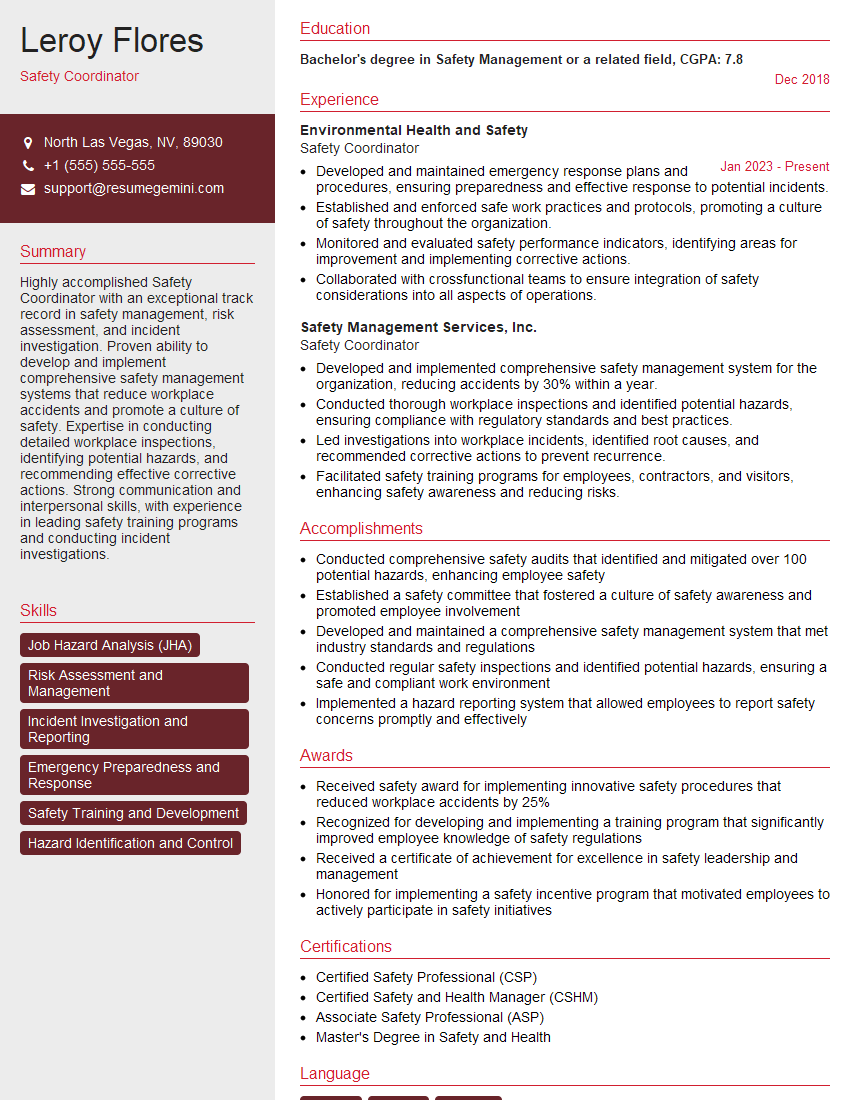
Safety Coordinator Resume Sample

Compliance Officer Resume Sample
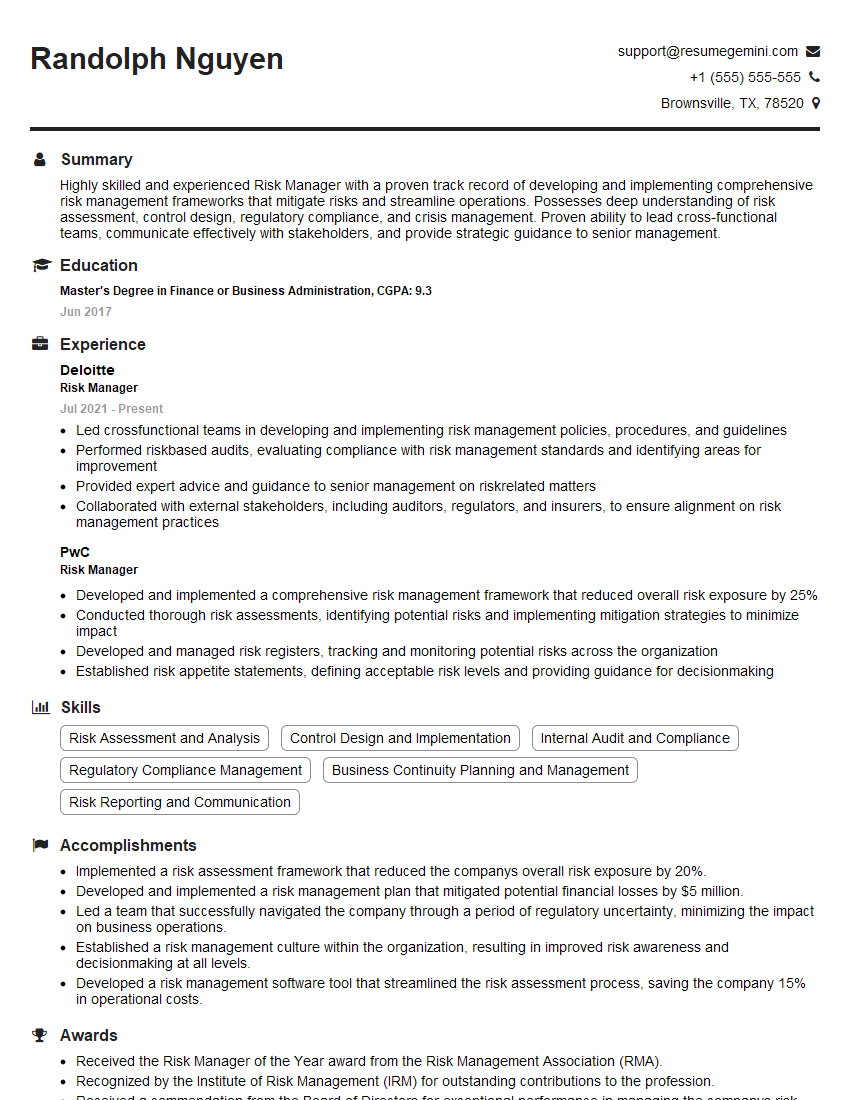
Risk Manager Resume Sample
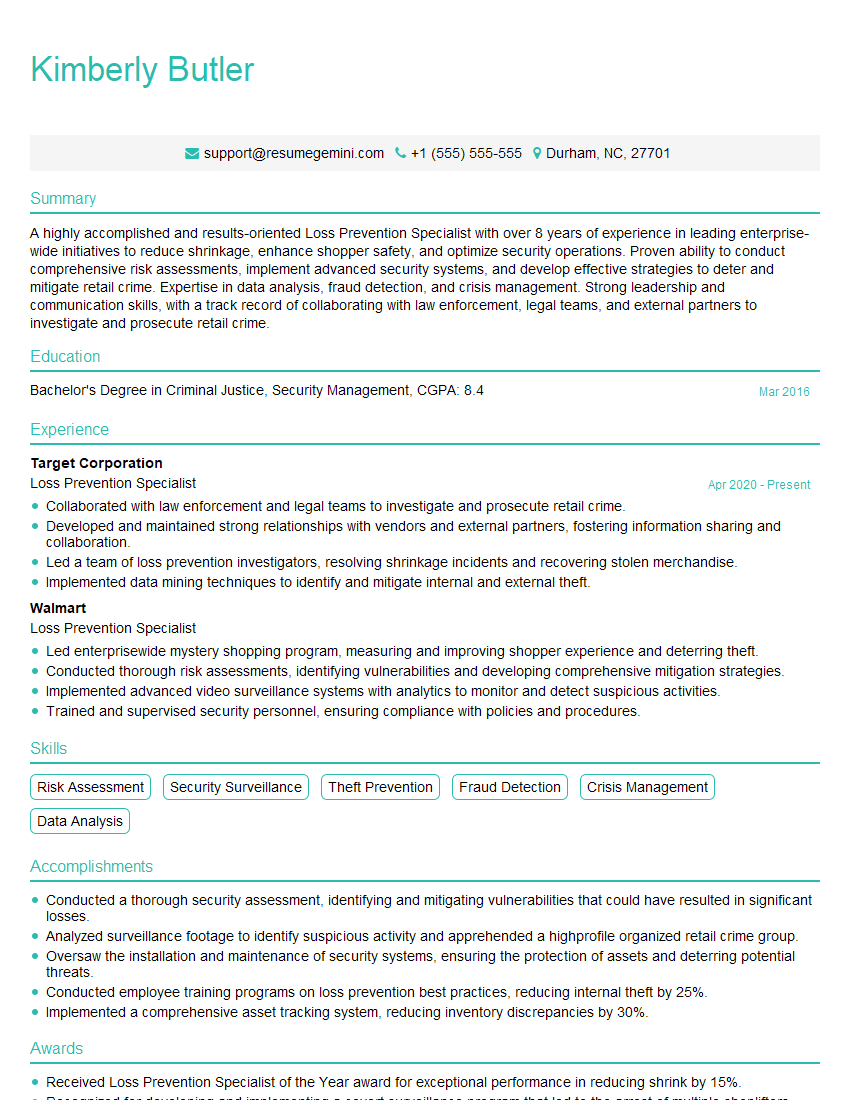
Loss Prevention Specialist Resume Sample
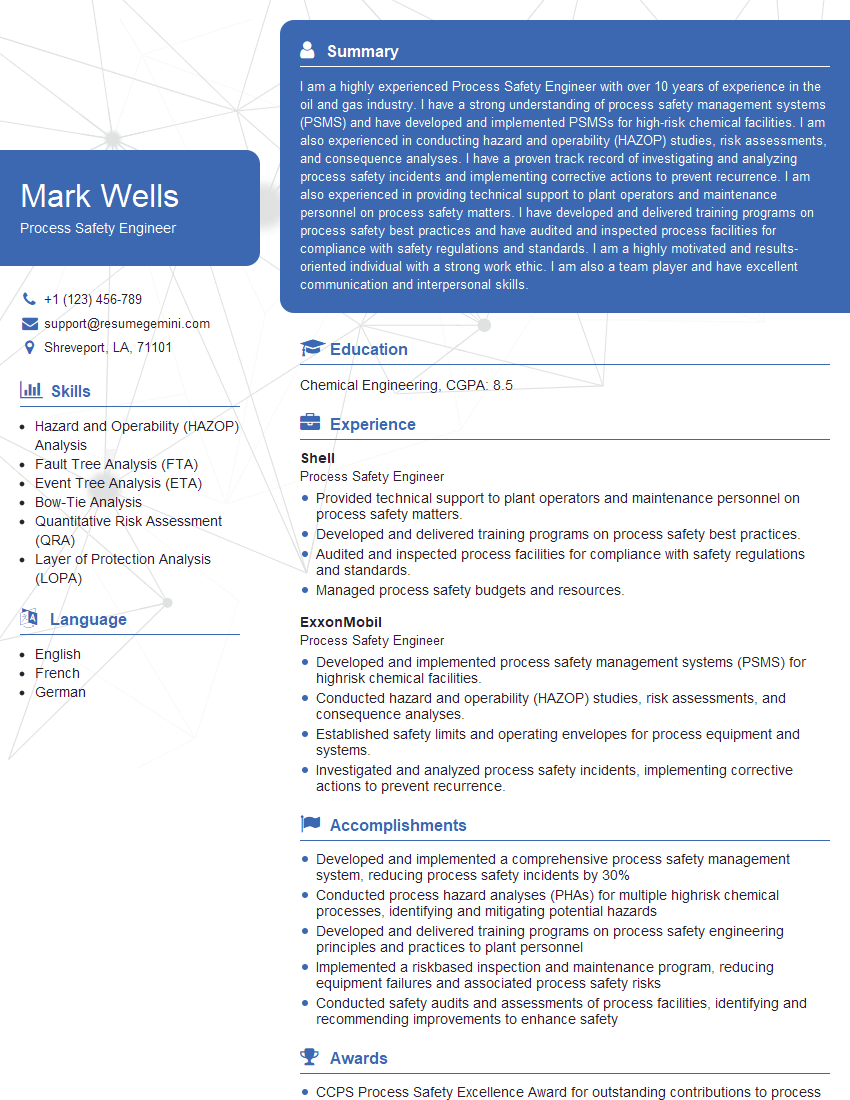
Process Safety Engineer Resume Sample
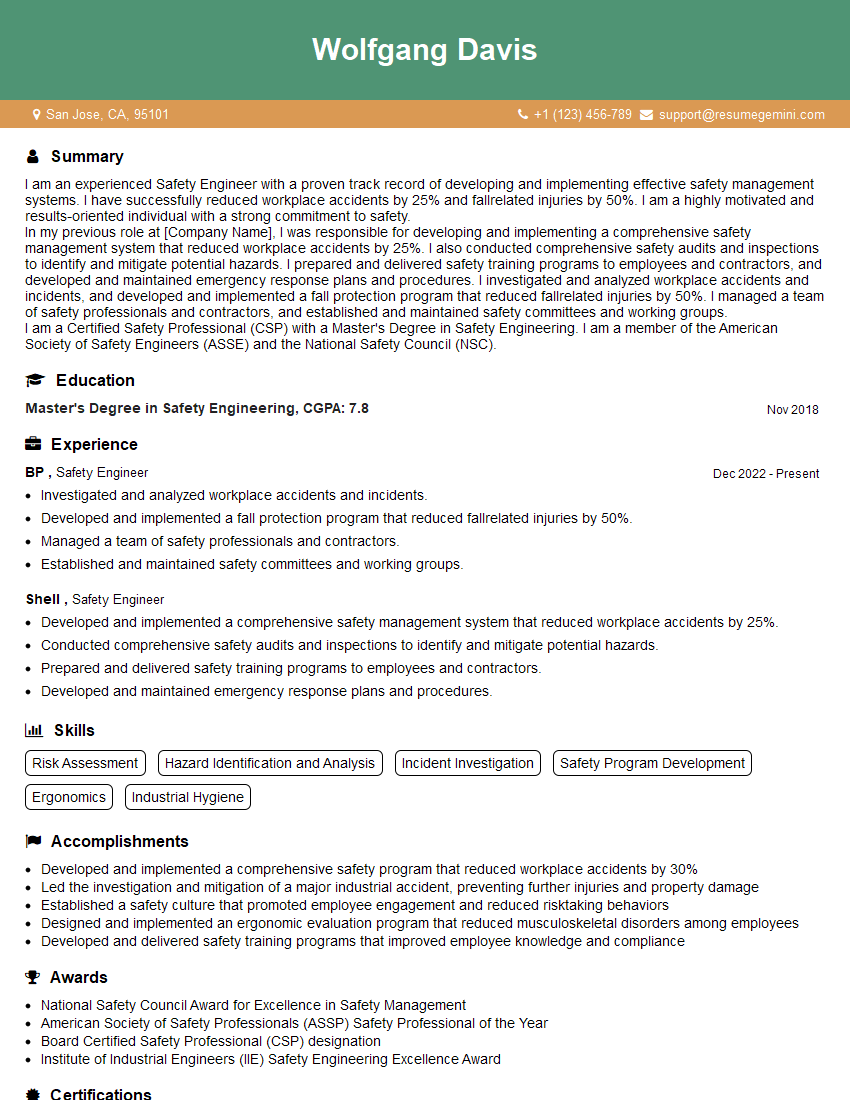
Safety Engineer Resume Sample
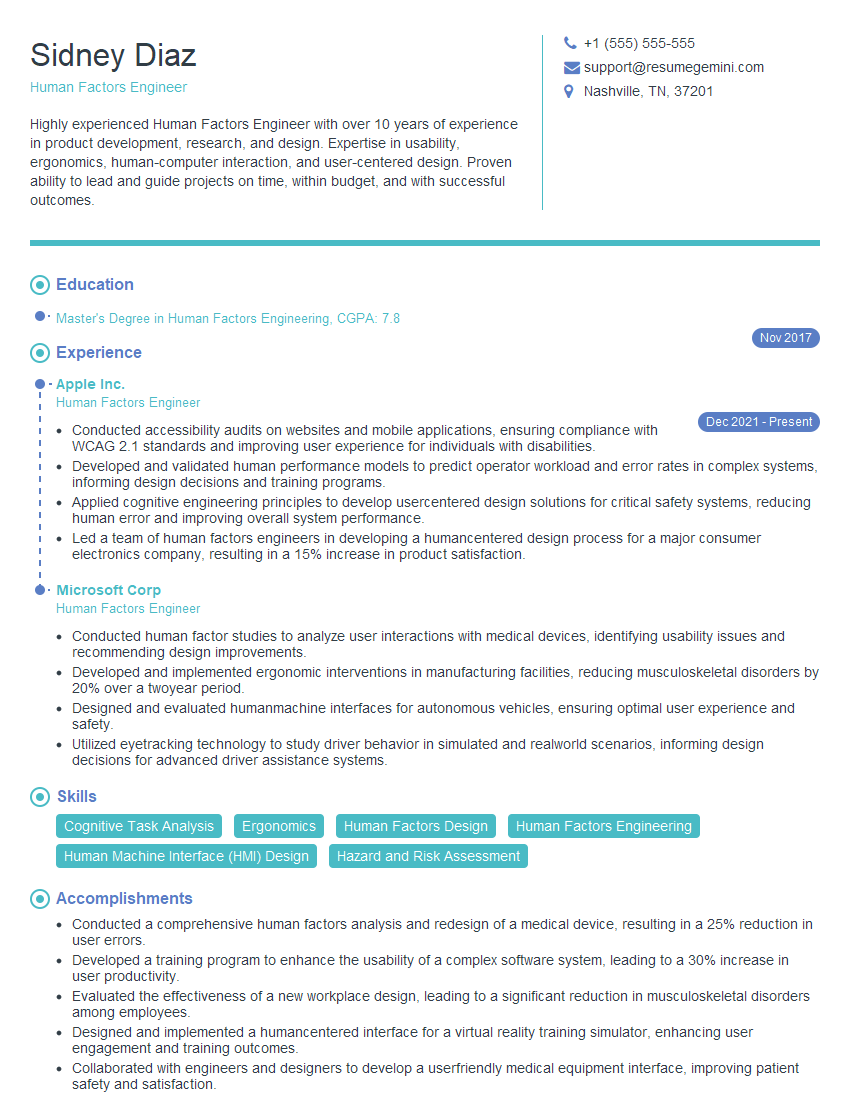
Human Factors Engineer Resume Sample
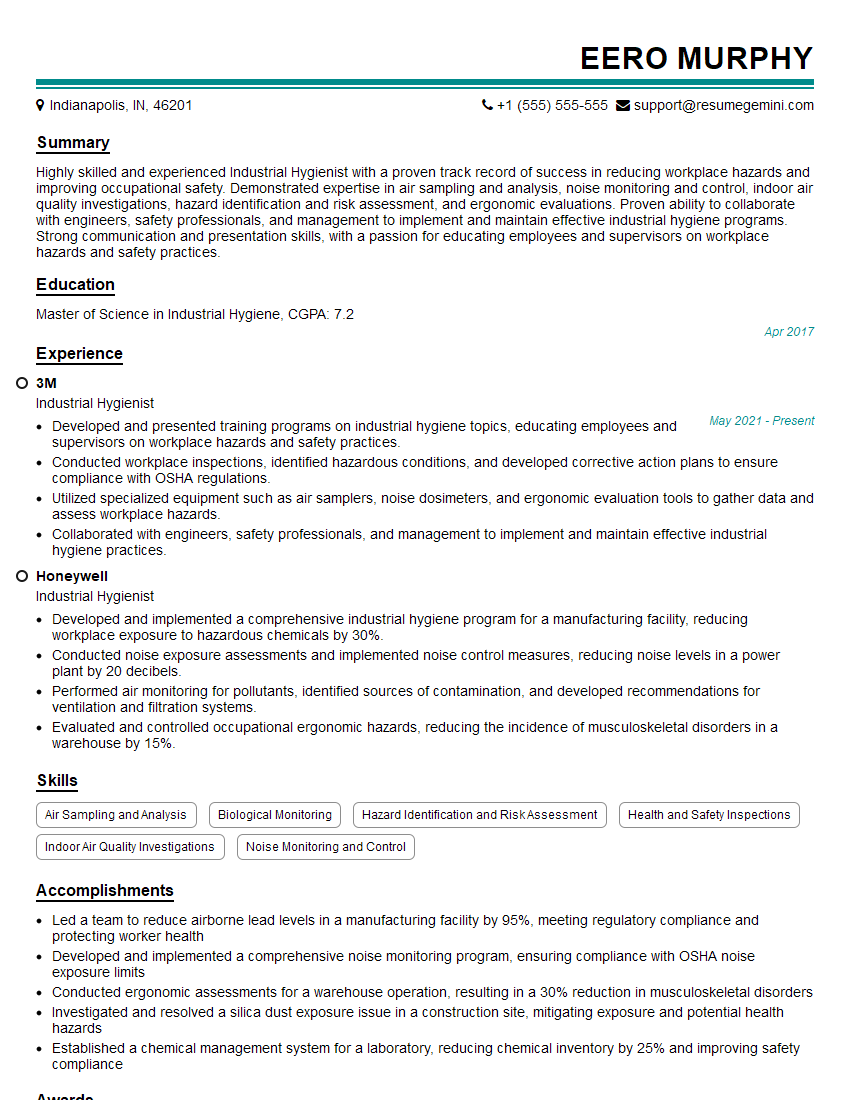
Industrial Hygienist Resume Sample
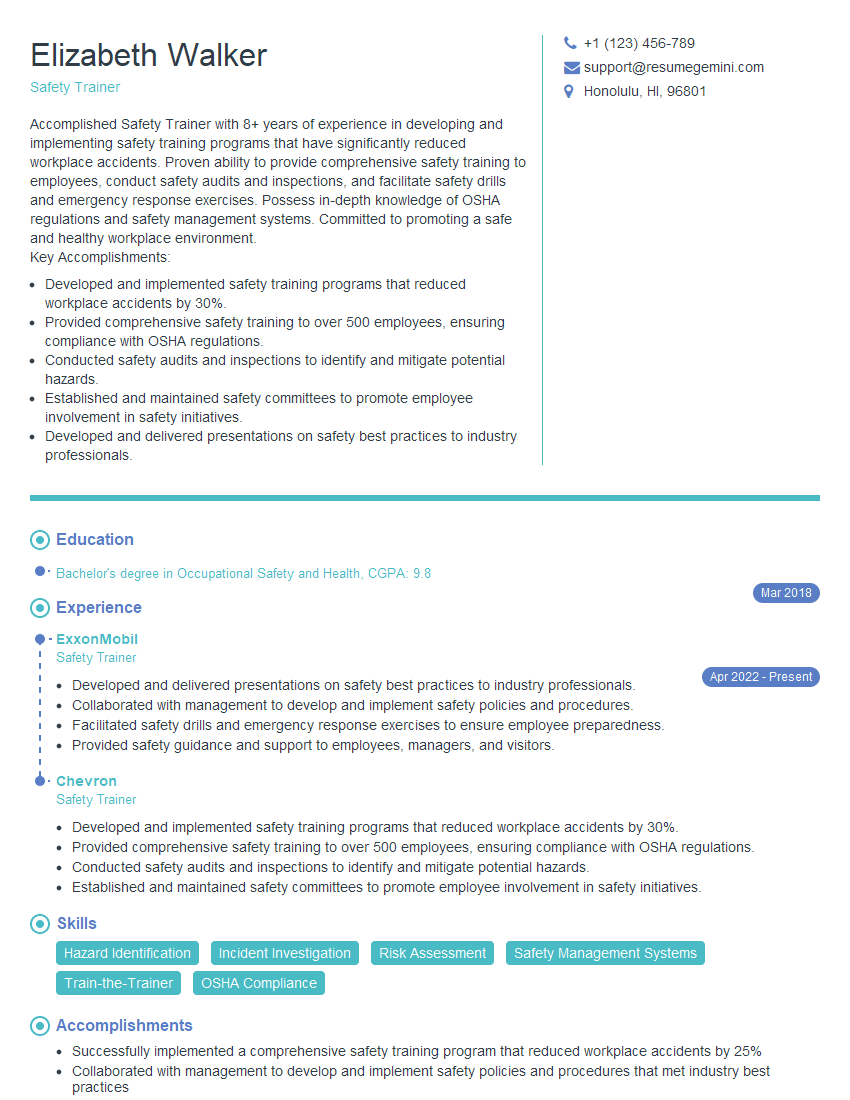
Safety Trainer Resume Sample
Explore more articles
Users Rating of Our Blogs
Share Your Experience
We value your feedback! Please rate our content and share your thoughts (optional).
What Readers Say About Our Blog
Really detailed insights and content, thank you for writing this detailed article.
IT gave me an insight and words to use and be able to think of examples