Interviews are opportunities to demonstrate your expertise, and this guide is here to help you shine. Explore the essential Toxicology and Safety interview questions that employers frequently ask, paired with strategies for crafting responses that set you apart from the competition.
Questions Asked in Toxicology and Safety Interview
Q 1. Explain the difference between acute and chronic toxicity.
Acute toxicity refers to the adverse effects that occur within a short period after exposure to a toxic substance, usually less than 24 hours. Think of it like a sudden, intense reaction. Chronic toxicity, on the other hand, involves adverse effects that develop gradually over a prolonged period, often weeks, months, or even years of exposure. It’s like a slow burn, where the damage accumulates over time.
Example: Acute toxicity might be seen after accidentally ingesting a cleaning product, resulting in immediate symptoms like nausea and vomiting. Chronic toxicity is exemplified by the long-term effects of exposure to asbestos, potentially leading to lung cancer decades later. The key difference lies in the timeframe: acute is immediate, while chronic is delayed and cumulative.
Q 2. Describe the process of risk assessment in toxicology.
Risk assessment in toxicology is a systematic process used to evaluate the likelihood and severity of harm from exposure to a hazardous substance. It typically involves four key steps:
- Hazard Identification: Identifying the inherent toxic properties of the substance and the potential adverse health effects it can cause.
- Dose-Response Assessment: Determining the relationship between the dose of the substance and the severity of the resulting health effects. This often involves laboratory studies and statistical analysis.
- Exposure Assessment: Determining the extent of human exposure to the substance, including routes, frequency, and duration of exposure. This can involve environmental monitoring, modeling, and questionnaires.
- Risk Characterization: Combining information from the previous steps to estimate the overall risk to human health. This involves considering the probability of exposure and the severity of potential effects.
Example: Imagine a new pesticide is being developed. Risk assessment would involve lab tests to determine its toxicity (hazard identification), studies to see what levels cause what effects (dose-response), measuring how much might end up in the environment and in people’s food (exposure assessment), and finally putting all this together to decide whether the benefits of the pesticide outweigh the risks (risk characterization).
Q 3. What are the key components of a Material Safety Data Sheet (MSDS)?
A Material Safety Data Sheet (MSDS), now often called a Safety Data Sheet (SDS), is a document that provides comprehensive information on the hazards and safe handling of a chemical product. Key components include:
- Identification of the substance/mixture: Product name, manufacturer’s information, emergency contact information.
- Hazard identification: Classification of hazards (e.g., flammable, toxic, corrosive), health hazards, and precautionary statements.
- Composition/information on ingredients: Chemical identity and concentration of hazardous components.
- First-aid measures: Instructions on how to treat exposure.
- Fire-fighting measures: Suitable extinguishing media and protective measures.
- Accidental release measures: Steps to take in case of a spill or leak.
- Handling and storage: Safe handling procedures and appropriate storage conditions.
- Exposure controls/personal protection: Recommended personal protective equipment (PPE) and engineering controls.
- Physical and chemical properties: Physical characteristics like melting point, boiling point, and flammability.
- Stability and reactivity: Chemical stability and potential hazards.
- Toxicological information: Health effects associated with exposure.
- Ecological information: Environmental impact.
- Disposal considerations: Proper disposal methods.
- Transport information: Regulations for transportation.
- Regulatory information: Relevant regulations and compliance information.
MSDSs are crucial for workplace safety, ensuring workers have the information they need to handle chemicals safely and respond to emergencies.
Q 4. Explain the concept of dose-response relationship.
The dose-response relationship describes the correlation between the amount of a substance administered (dose) and the resulting biological effect (response). Generally, a higher dose leads to a greater effect, although this relationship isn’t always linear. It’s a fundamental concept in toxicology used to establish safety limits and understand the toxicity of substances.
The relationship is often depicted graphically, with dose on the x-axis and response on the y-axis. The shape of the curve can vary depending on the substance and the type of effect being measured. Some substances show a threshold, meaning there’s a minimum dose needed before any effect is observed. Others might exhibit a linear relationship, with a proportional increase in response for every increase in dose. Still others display a more complex, non-linear relationship.
Example: Consider the effect of a particular drug. A low dose might provide a therapeutic benefit, while a higher dose could lead to toxicity. The dose-response curve helps determine the safe and effective dose range.
Q 5. What are the different routes of exposure to toxic substances?
Toxic substances can enter the body through various routes of exposure:
- Inhalation: Breathing in airborne substances like gases, vapors, or dusts.
- Dermal absorption: Contact with skin, allowing the substance to penetrate and enter the bloodstream.
- Ingestion: Swallowing the substance through the mouth.
- Ocular absorption: Contact with the eyes.
- Injection: Direct introduction into the bloodstream through needles or bites.
The route of exposure significantly impacts the rate and extent of absorption, influencing the toxicity of the substance. For instance, intravenous injection delivers a substance directly into the bloodstream, resulting in rapid absorption and potentially higher toxicity compared to dermal absorption, where absorption is slower and less efficient.
Q 6. Discuss the role of ADME in toxicology.
ADME stands for Absorption, Distribution, Metabolism, and Excretion. It’s a pharmacokinetic process that describes how a substance moves through the body. This is critical in toxicology as it determines the concentration of a substance at the target site (and thus the potential for toxicity), as well as the overall duration of exposure.
- Absorption: The process by which a substance enters the bloodstream from the site of exposure (e.g., lungs, skin, gut).
- Distribution: The movement of the substance from the bloodstream to different tissues and organs in the body.
- Metabolism: The biochemical transformation of the substance, often in the liver, into metabolites which may be more or less toxic than the parent compound.
- Excretion: The removal of the substance or its metabolites from the body, primarily through urine, feces, breath, or sweat.
Understanding ADME is essential in predicting the toxicity of a substance. For example, a substance that is readily absorbed and slowly excreted might be more toxic than one that is poorly absorbed and rapidly excreted.
Q 7. What are some common biomarkers of exposure to toxicants?
Biomarkers are measurable indicators of biological change in an organism. In toxicology, biomarkers of exposure provide evidence of contact with a toxicant. Examples include:
- Specific chemicals or their metabolites in body fluids: Detecting the presence of a toxin or its breakdown products in blood, urine, or hair.
- Changes in enzyme activity: Certain enzymes may be induced or inhibited in response to exposure to toxicants.
- DNA or protein adducts: The covalent binding of a toxicant or its metabolites to DNA or proteins can be a marker of exposure.
- Oxidative stress markers: An increase in markers of oxidative stress, such as malondialdehyde (MDA) or 8-hydroxy-2′-deoxyguanosine (8-OHdG), can indicate exposure to oxidative stress-inducing toxicants.
- Changes in gene expression: Alterations in gene expression patterns can be indicative of exposure to certain toxicants.
The selection of appropriate biomarkers depends on the specific toxicant and the route of exposure. Biomarkers are crucial tools in epidemiological studies, occupational health, and environmental monitoring to assess exposure and potential health risks.
Q 8. How do you determine the LD50 of a substance?
The LD50, or median lethal dose, represents the amount of a substance that is lethal to 50% of a tested population. Determining the LD50 involves a rigorous process, typically using animal models. It’s crucial to understand that LD50 values are species-specific and route-of-exposure dependent; a substance’s toxicity can vary significantly depending on how it enters the body (e.g., orally, dermally, inhalation).
The process usually involves exposing groups of animals to different doses of the substance. The number of animals per group depends on statistical considerations to ensure reliable results. Mortality is then observed over a specified period, often 14 days. Statistical analysis, specifically probit analysis, is used to calculate the dose that results in 50% mortality. Ethical considerations are paramount; this method prioritizes the use of the minimum number of animals necessary while adhering to strict regulations.
For example, if we test a pesticide on rats, we might administer varying doses to different groups. One group receives a low dose, another a medium dose, and a third a high dose. By observing the mortality rate in each group, we can extrapolate the LD50. It’s important to note that LD50 data provides a general indication of acute toxicity, but doesn’t fully represent the substance’s long-term effects or other toxicological properties. Modern toxicology increasingly focuses on alternative methods that reduce animal use.
Q 9. Explain the concept of NOAEL and LOAEL.
NOAEL and LOAEL are crucial parameters in toxicology risk assessment. NOAEL stands for No-Observed-Adverse-Effect Level, while LOAEL stands for Lowest-Observed-Adverse-Effect Level. These values are determined from toxicity studies and represent the highest dose of a substance that doesn’t produce observable adverse effects (NOAEL) and the lowest dose that *does* produce such effects (LOAEL), respectively.
Imagine a dose-response curve where the x-axis represents the dose of a chemical and the y-axis represents the severity of an adverse effect. The NOAEL is the highest point on the x-axis before the curve begins to rise (before any adverse effects are observed). The LOAEL is the first point on the x-axis where the curve begins to noticeably rise, indicating the onset of adverse effects. These values are crucial for setting safe exposure limits for humans. For instance, regulatory agencies use these values to establish safe levels of pesticide residues in food or occupational exposure limits for industrial chemicals.
The difference between NOAEL and LOAEL is subtle but critical. The NOAEL provides a conservative estimate of safety, while the LOAEL highlights the threshold where adverse effects begin. Both are essential components in determining acceptable daily intake (ADI) values for substances.
Q 10. What are the different types of toxicity studies?
Toxicity studies encompass a broad range of investigations designed to assess the harmful effects of substances on living organisms. They vary greatly depending on the objective, the substance under investigation, and the regulatory requirements. Some common types include:
- Acute Toxicity Studies: These evaluate the short-term effects (typically within 24-96 hours) of a single exposure to a high dose of a substance. LD50 determination falls under this category.
- Subchronic Toxicity Studies: These assess the effects of repeated exposure (typically 1-3 months) to a substance at different doses. They look for cumulative effects and organ damage.
- Chronic Toxicity Studies: These are long-term studies (often lasting a year or more) that investigate the effects of repeated exposure to low doses, including potential carcinogenic or mutagenic effects.
- Genotoxicity Studies: These studies evaluate a substance’s potential to damage genetic material (DNA). Common tests include the Ames test and micronucleus assay.
- Reproductive and Developmental Toxicity Studies: These assess the effects of a substance on reproductive function and fetal development.
- In Vitro Studies: These studies use cells or tissues in culture to evaluate the toxicity of a substance without the use of whole animals. They are frequently used for preliminary screening or mechanistic studies.
The choice of study type depends heavily on the specific hazard and intended use of the substance.
Q 11. Describe your experience with regulatory compliance related to toxicology and safety.
Throughout my career, I’ve consistently ensured compliance with various regulatory frameworks related to toxicology and safety. My experience includes working extensively with regulations such as OSHA (Occupational Safety and Health Administration), EPA (Environmental Protection Agency), and FDA (Food and Drug Administration) guidelines. I’ve been involved in:
- Developing and implementing safety data sheets (SDSs): Ensuring accurate and complete information on hazards, safe handling procedures, and emergency response is provided to workers.
- Conducting risk assessments: Identifying potential hazards, evaluating risks, and developing control measures to mitigate those risks.
- Preparing regulatory submissions: Compiling and submitting toxicology data to regulatory agencies to support the registration and approval of new products or substances.
- Managing chemical inventories and waste disposal: Ensuring compliance with regulations concerning the storage, handling, and disposal of hazardous materials.
- Participating in internal audits and inspections: Identifying and correcting any gaps in compliance with regulatory standards.
I have a strong understanding of the nuances of different regulatory requirements and have a proven track record of maintaining regulatory compliance within various industries, including pharmaceuticals, chemical manufacturing, and consumer products. I’m adept at navigating the complexities of these regulations and ensuring that the organization adheres to best practices in toxicology and safety.
Q 12. How do you handle a workplace safety incident?
Handling a workplace safety incident requires a swift, organized, and systematic approach. My procedure follows these key steps:
- Immediate Response: Ensure the safety of all personnel involved. Provide first aid if necessary and contact emergency medical services if required.
- Secure the Scene: Prevent further injury or damage. This may involve evacuating the area or isolating the hazard.
- Investigation: Conduct a thorough investigation to determine the root cause of the incident. Gather evidence, interview witnesses, and review safety procedures.
- Reporting: Document the incident thoroughly, including details of the event, injuries, and any witnesses. Submit a formal report to relevant authorities as required by law and company policy.
- Corrective Action: Implement corrective actions to prevent recurrence. This may include modifying safety procedures, improving training, or replacing equipment.
- Follow-up: Monitor the effectiveness of implemented corrective actions and ensure that similar incidents are not repeated.
A key element is maintaining accurate records and ensuring transparent communication throughout the entire process. This aids in understanding systemic problems and facilitates improvements in overall workplace safety.
Q 13. What are your strategies for mitigating occupational hazards?
Mitigating occupational hazards is a multi-faceted process that requires a proactive and comprehensive strategy. My approach involves:
- Hazard Identification and Risk Assessment: Conduct regular inspections and assessments to identify potential hazards, evaluating their likelihood and severity.
- Engineering Controls: Implementing engineering controls, such as machine guarding, ventilation systems, and personal protective equipment (PPE) is crucial. This eliminates or reduces the hazard at the source.
- Administrative Controls: Developing and implementing safe work procedures, training programs, and emergency response plans are essential. This involves clear communication and employee engagement.
- Personal Protective Equipment (PPE): Providing and ensuring proper use of PPE is a vital last line of defense. This is essential where hazards cannot be eliminated entirely.
- Monitoring and Evaluation: Regular monitoring of exposure levels, worker health, and the effectiveness of control measures is necessary to ensure ongoing effectiveness.
- Continuous Improvement: Regularly review and update safety procedures and protocols to learn from past incidents and stay current with best practices.
My strategies focus on a hierarchy of controls, prioritizing elimination and substitution of hazards whenever feasible, and employing other control methods as necessary.
Q 14. Explain the importance of hazard communication in the workplace.
Hazard communication is the cornerstone of workplace safety. It involves effectively conveying information about chemical hazards and other workplace risks to workers, enabling them to protect themselves from harm. It is crucial because it empowers workers with the knowledge they need to work safely.
Effective hazard communication relies on several key elements:
- Safety Data Sheets (SDSs): These comprehensive documents provide detailed information on the hazards of chemicals, their safe handling, and emergency response procedures.
- Labels: Clear and concise labels on containers of hazardous materials, indicating the nature of the hazard and providing necessary precautions.
- Training Programs: Comprehensive training programs educate workers on the hazards they may encounter, safe work procedures, and emergency response plans.
- Communication Systems: Clear and accessible communication channels allow for prompt dissemination of safety information and updates.
- Emergency Response Plans: Well-defined emergency response plans that workers understand and are trained in are critical for handling incidents.
Failing to properly communicate hazards can lead to accidents, injuries, illnesses, and legal repercussions. A robust hazard communication program fosters a culture of safety, reduces risks, and protects both workers and the organization.
Q 15. Describe your experience with risk management techniques.
Risk management in toxicology and safety involves systematically identifying, analyzing, evaluating, and controlling hazards to minimize potential harm to humans, animals, and the environment. My experience encompasses a multi-faceted approach. This begins with hazard identification, utilizing tools like hazard and operability studies (HAZOP) and failure mode and effects analysis (FMEA) to pinpoint potential dangers in processes or products. Following this, I conduct risk assessment by quantifying the likelihood and severity of identified hazards. This often involves probability calculations and exposure assessments using models like the physiologically based pharmacokinetic (PBPK) model. Finally, risk control is implemented through a hierarchy of controls: elimination, substitution, engineering controls, administrative controls, and finally, personal protective equipment (PPE). I’ve successfully applied these techniques in various projects, including assessing the risks associated with a new pesticide formulation and developing a safety plan for a chemical manufacturing facility. This included implementing control measures to minimize exposure and managing incidents effectively.
Career Expert Tips:
- Ace those interviews! Prepare effectively by reviewing the Top 50 Most Common Interview Questions on ResumeGemini.
- Navigate your job search with confidence! Explore a wide range of Career Tips on ResumeGemini. Learn about common challenges and recommendations to overcome them.
- Craft the perfect resume! Master the Art of Resume Writing with ResumeGemini’s guide. Showcase your unique qualifications and achievements effectively.
- Don’t miss out on holiday savings! Build your dream resume with ResumeGemini’s ATS optimized templates.
Q 16. What are some common workplace safety regulations you are familiar with?
My familiarity with workplace safety regulations is extensive, encompassing both national and international standards. I have practical experience with OSHA (Occupational Safety and Health Administration) regulations in the US, including the Hazard Communication Standard (HazCom), Process Safety Management (PSM), and Personal Protective Equipment (PPE) standards. Globally, I’m well-versed in the Globally Harmonized System of Classification and Labelling of Chemicals (GHS), which ensures consistent hazard communication across borders. Furthermore, I understand the importance of environmental regulations like those concerning the handling and disposal of hazardous waste, ensuring compliance is paramount to my work. For instance, I’ve worked on projects where proper ventilation systems were designed and implemented to meet OSHA standards for chemical handling, mitigating the risks of worker exposure to volatile organic compounds (VOCs).
Q 17. How do you assess the potential environmental impact of a chemical?
Assessing the potential environmental impact of a chemical is crucial for protecting ecosystems. My approach is systematic, beginning with identifying the chemical’s properties, like persistence, bioaccumulation potential, and toxicity to various organisms. This is typically done through reviewing existing literature and using databases like the EPA’s ECOTOX. Then, I estimate the potential for environmental exposure by considering release scenarios (e.g., accidental spills, wastewater discharge) and modeling the chemical’s fate and transport in the environment (e.g., using fate and transport models). This helps predict concentrations in different environmental compartments (soil, water, air). Finally, I use risk assessment frameworks, like the ecological risk assessment (ERA) process, to evaluate the likelihood and consequences of adverse effects on ecological receptors (e.g., aquatic life, terrestrial plants). For example, in one project, we used a fate and transport model to predict the concentration of a herbicide in a river system following a potential spill. This allowed us to estimate potential ecological impacts and inform remediation strategies.
Q 18. What are the ethical considerations in conducting toxicology studies?
Ethical considerations in toxicology studies are paramount. The 3Rs – Replacement, Reduction, and Refinement – form the foundation of responsible research. Replacement strives to use non-animal methods whenever possible, utilizing in vitro assays or computational models. Reduction focuses on minimizing the number of animals used while still obtaining statistically valid results through rigorous experimental design. Refinement aims to minimize pain, suffering, and distress experienced by animals involved in the study. Furthermore, transparency in data reporting, avoiding conflicts of interest, and ensuring ethical review board approval are essential. We must always weigh the potential benefits of the research against the potential harm to animals. I’ve personally advocated for the use of advanced in vitro methods to reduce animal use in multiple projects, actively participating in ethical review board discussions to ensure alignment with the highest ethical standards.
Q 19. What software or tools are you proficient in for toxicity data analysis?
My proficiency in toxicity data analysis extends to several software packages. I’m adept at using statistical software like R and SAS for analyzing dose-response data, calculating statistical significance, and generating reports. I also utilize specialized toxicology software such as ToxTracker and multi-criteria decision analysis (MCDA) tools, aiding in the interpretation and integration of data from various in vivo and in vitro studies. I’m also familiar with cheminformatics tools, enabling me to explore structure-activity relationships (SAR) and predict toxicity based on chemical structure. For instance, I used R to perform a non-linear regression analysis on dose-response data to determine the LD50 (lethal dose 50%) of a novel compound, generating precise results used in subsequent risk assessments.
Q 20. Explain your understanding of different toxicological endpoints.
Toxicological endpoints are the specific biological or physiological effects used to measure the toxicity of a substance. They can be categorized in various ways. Some common examples include lethality (e.g., LD50, LC50), which measure the dose causing death in 50% of the test population. Sublethal endpoints include reproductive toxicity (effects on fertility and development), developmental toxicity (birth defects), neurotoxicity (effects on the nervous system), immunotoxicity (effects on the immune system), hepatotoxicity (liver damage), nephrotoxicity (kidney damage), and genotoxicity (DNA damage). The choice of endpoints depends on the specific substance being tested, the route of exposure, and the target organism. Understanding these various endpoints is crucial for comprehensive risk assessment, allowing us to fully characterise a substance’s potential hazard profile. For example, when assessing the safety of a new drug, we would evaluate a wide range of endpoints including both lethality and sublethal effects to fully characterize its toxicity.
Q 21. Describe your experience with different types of toxicology testing (in vivo, in vitro).
My experience encompasses both in vivo and in vitro toxicology testing. In vivo studies involve testing on whole living organisms (typically animals), providing insights into systemic effects and overall toxicity. I have experience designing and conducting in vivo studies to assess acute, subchronic, and chronic toxicity, including reproductive and developmental toxicity studies. In contrast, in vitro studies use isolated cells, tissues, or organs, offering a cost-effective and ethically preferable alternative for initial screening. I’m experienced in conducting various in vitro assays such as cytotoxicity assays (MTT, neutral red), genotoxicity assays (Ames test, comet assay), and assays for specific organ toxicity (e.g., hepatotoxicity assays using hepatocytes). For example, I designed an in vitro study using human liver cells to assess the hepatotoxicity of a new chemical, showing promising results in identifying potential liver damage before moving to more costly and ethically complex in vivo studies. Combining both approaches is essential for a comprehensive toxicity profile.
Q 22. How do you interpret and communicate complex toxicological data to non-technical audiences?
Communicating complex toxicological data to non-technical audiences requires translating scientific jargon into plain language. I employ several strategies. First, I begin by establishing a shared understanding of the context – why are we discussing these data? What are the potential implications? Then, I use analogies and visual aids. For example, instead of saying ‘the LD50 was 200mg/kg,’ I might say ‘this means that half of the test animals died when exposed to 200 milligrams of the substance per kilogram of their body weight.’ This is comparable to [insert relatable example, e.g., ‘a person weighing 70kg would need to consume approximately 14 grams to reach the LD50’ but always carefully explain the limitations of the comparison]. Charts, graphs, and infographics significantly improve comprehension. Finally, I focus on the key takeaways, emphasizing the relevance of the findings and any associated risks or safety measures. I prioritize clarity and conciseness, encouraging questions and ensuring understanding throughout the communication process. For example, when explaining a dose-response curve, I might explain it like a dimmer switch: the higher the dose, the stronger the effect.
Q 23. What are the limitations of in vitro toxicity testing?
In vitro toxicity testing, while valuable and cost-effective for initial screening, has inherent limitations. The most significant is the lack of in vivo complexity. Cell cultures lack the intricate interactions between different organs and systems present in a living organism. This means that a substance may appear non-toxic in a cell culture but elicit adverse effects in vivo. Furthermore, the artificial environment of cell culture may not accurately reflect the metabolic processes and bioavailability of a substance in the body. Absorption, distribution, metabolism, and excretion (ADME) are crucial factors influencing toxicity which are not fully captured in in vitro experiments. There can also be issues with the cell lines themselves, in that different cell lines may show different responses to the same substance. Finally, the extrapolation of in vitro data to predict human toxicity requires careful consideration and often relies on additional data and modeling to bridge the gap. It’s vital to remember in vitro data provides preliminary information and should be complemented by in vivo studies to achieve a comprehensive safety assessment.
Q 24. Discuss the role of toxicology in drug development.
Toxicology plays a crucial role throughout the entire drug development process. Early on, it informs the selection of lead compounds by identifying those with potentially unacceptable toxicity profiles. As drug candidates progress through preclinical development, toxicological studies are conducted to determine the safety margins and potential adverse effects in animal models. These studies help establish safe dose ranges for clinical trials. During clinical trials, toxicology continues to monitor for adverse events and contribute to risk-benefit assessments. Post-market surveillance also leverages toxicological data to detect and address any unexpected adverse reactions. Essentially, toxicology works to minimize risk throughout the entire life cycle of a drug, ensuring both efficacy and safety for patients.
Q 25. Explain your understanding of different types of toxic effects (e.g., genotoxic, cytotoxic).
Toxic effects encompass a broad spectrum of adverse reactions to substances. Genotoxic effects involve damage to an organism’s genetic material (DNA), potentially leading to mutations, chromosomal aberrations, and increased cancer risk. Examples include DNA adduct formation and strand breaks. Cytotoxic effects, on the other hand, involve damage to cells, leading to cell death (necrosis or apoptosis). This can manifest as organ damage, tissue injury, or impairment of organ function. Other types of toxicity include neurotoxicity (damage to the nervous system), hepatotoxicity (liver damage), nephrotoxicity (kidney damage), and immunotoxicity (damage to the immune system). The mechanism of toxicity can vary widely, depending on the substance and the affected organ or system. For instance, some substances cause direct cellular damage, while others interfere with cellular processes or enzymatic pathways. The severity of toxic effects also depends on factors like dose, exposure duration, and individual susceptibility.
Q 26. Describe your experience with investigating and resolving workplace safety violations.
In a previous role, I investigated a workplace safety violation involving improper handling of hazardous chemicals. The violation stemmed from inadequate training and a lack of adherence to established safety protocols. My investigation included reviewing safety data sheets (SDS), interviewing employees, observing workplace practices, and analyzing incident reports. I identified gaps in employee training, deficiencies in safety equipment, and an absence of effective supervisory oversight. To resolve the violation, I developed a comprehensive remediation plan involving updated training programs, the implementation of stricter safety protocols, improved communication channels between management and employees, and the introduction of new safety equipment. This plan incorporated regular safety audits and ongoing employee feedback mechanisms to foster a culture of continuous improvement. Through this rigorous process, we significantly reduced the risk of similar incidents recurring.
Q 27. What are your strategies for promoting a safety culture in the workplace?
Promoting a safety culture is a continuous process requiring a multi-faceted approach. It starts with leadership commitment. Senior management must visibly champion safety, allocating resources and demonstrating a genuine concern for employee well-being. Secondly, effective communication is crucial. This includes clear and consistent messaging on safety procedures, regular safety training, open dialogue on safety concerns, and mechanisms for reporting hazards. Thirdly, employee empowerment is essential. Employees should be actively involved in identifying and reporting hazards, contributing to safety improvement initiatives, and receiving recognition for their safety contributions. Furthermore, a strong safety culture necessitates a robust system for investigating accidents, implementing corrective actions, and learning from past experiences. Finally, regular safety audits and performance evaluations that incorporate safety metrics provide valuable feedback and ensure continuous improvement. A strong safety culture isn’t just about rules, it’s about valuing every employee’s safety.
Q 28. How do you stay current with the latest advances in toxicology and safety regulations?
Staying current in toxicology and safety regulations requires a proactive and multi-pronged approach. I regularly subscribe to and review professional journals such as Toxicology and Applied Pharmacology and Regulatory Toxicology and Pharmacology. I actively participate in professional organizations such as the Society of Toxicology, attending conferences and workshops to learn about the latest research and regulatory developments. I utilize online resources such as government agency websites (e.g., OSHA, EPA) and regulatory databases to stay informed about changes in regulations and guidelines. Furthermore, I engage in continuous learning through online courses and webinars offered by professional organizations and universities. Staying up-to-date is not just about reading publications, but about actively engaging with the community and critically evaluating new information in the context of practical applications.
Key Topics to Learn for Toxicology and Safety Interview
- Toxicokinetics and Toxicodynamics: Understand the absorption, distribution, metabolism, and excretion (ADME) of toxicants and their mechanisms of action at the cellular and organismal level. Consider practical applications like predicting the effects of different routes of exposure.
- Risk Assessment and Management: Master the principles of hazard identification, dose-response assessment, exposure assessment, and risk characterization. Practice applying these principles to real-world scenarios, such as evaluating the safety of a new chemical product.
- Regulatory Compliance: Familiarize yourself with relevant regulations (e.g., OSHA, EPA) and guidelines related to toxicology and safety. Understand how these regulations are applied in various industrial settings.
- Analytical Toxicology: Grasp the principles and techniques used in the detection and quantification of toxic substances in biological samples. Consider the practical challenges and limitations of different analytical methods.
- Occupational Safety and Health: Learn about the prevention of workplace accidents and illnesses related to chemical exposure, including personal protective equipment (PPE) and safety protocols. Be prepared to discuss practical safety measures and their implementation.
- Environmental Toxicology: Understand the impact of toxic substances on ecosystems and human health through environmental exposure pathways. Consider case studies demonstrating the effects of pollution and environmental contamination.
- Data Interpretation and Problem-Solving: Develop strong skills in interpreting toxicological data, drawing conclusions, and proposing solutions to safety-related problems. Be ready to demonstrate your critical thinking skills using hypothetical scenarios.
Next Steps
Mastering Toxicology and Safety is crucial for a successful and impactful career, opening doors to diverse and rewarding opportunities in research, industry, and regulatory agencies. A well-crafted resume is your key to unlocking these prospects. An ATS-friendly resume, optimized for applicant tracking systems, significantly increases your chances of getting noticed by recruiters. To build a compelling and effective resume that showcases your skills and experience, we highly recommend using ResumeGemini. ResumeGemini provides a user-friendly platform to create professional resumes and offers examples tailored specifically to the Toxicology and Safety field. Take advantage of these resources to present your qualifications in the best possible light and secure your dream job.
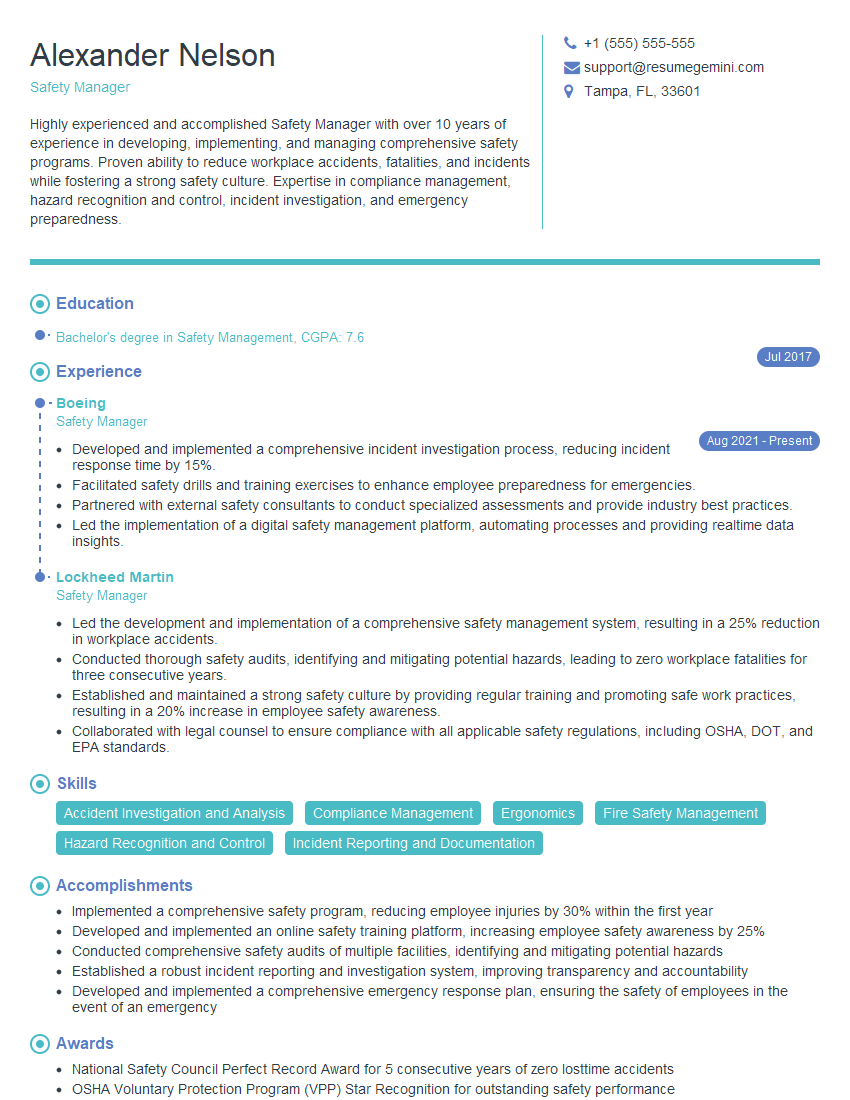
Safety Manager Resume Sample
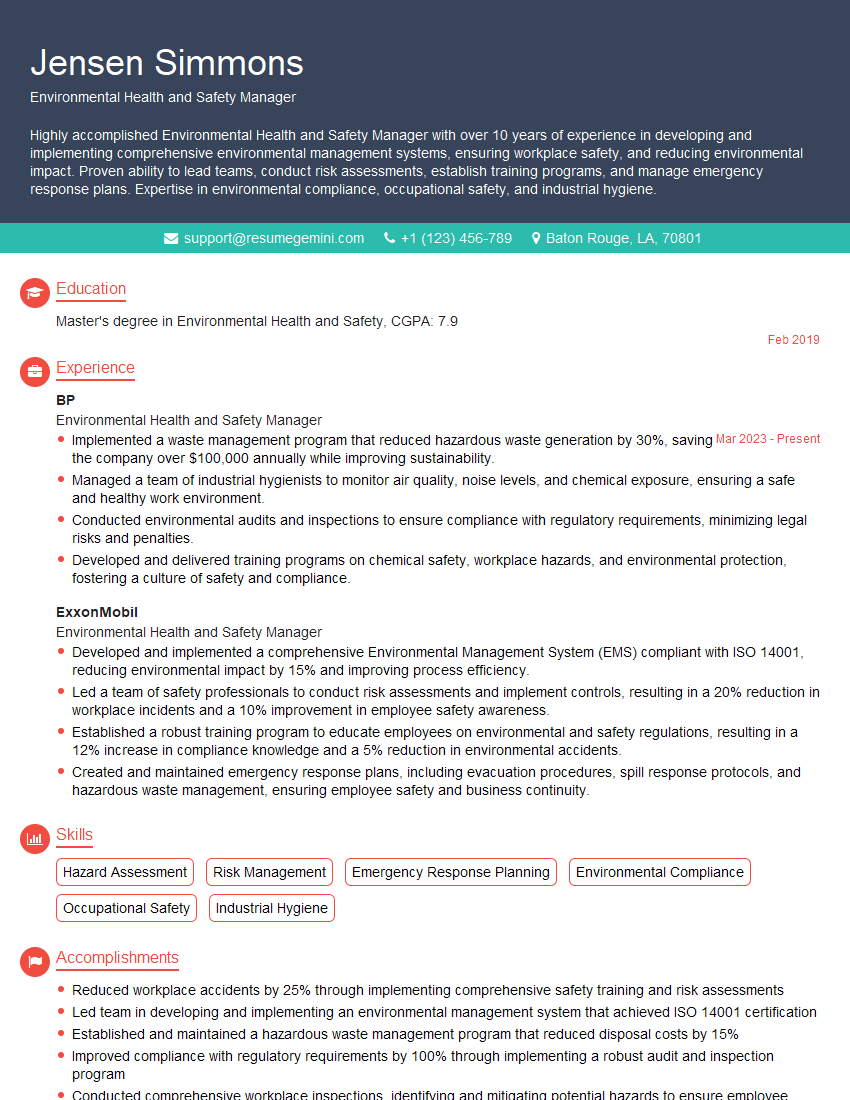
Environmental Health and Safety Manager Resume Sample
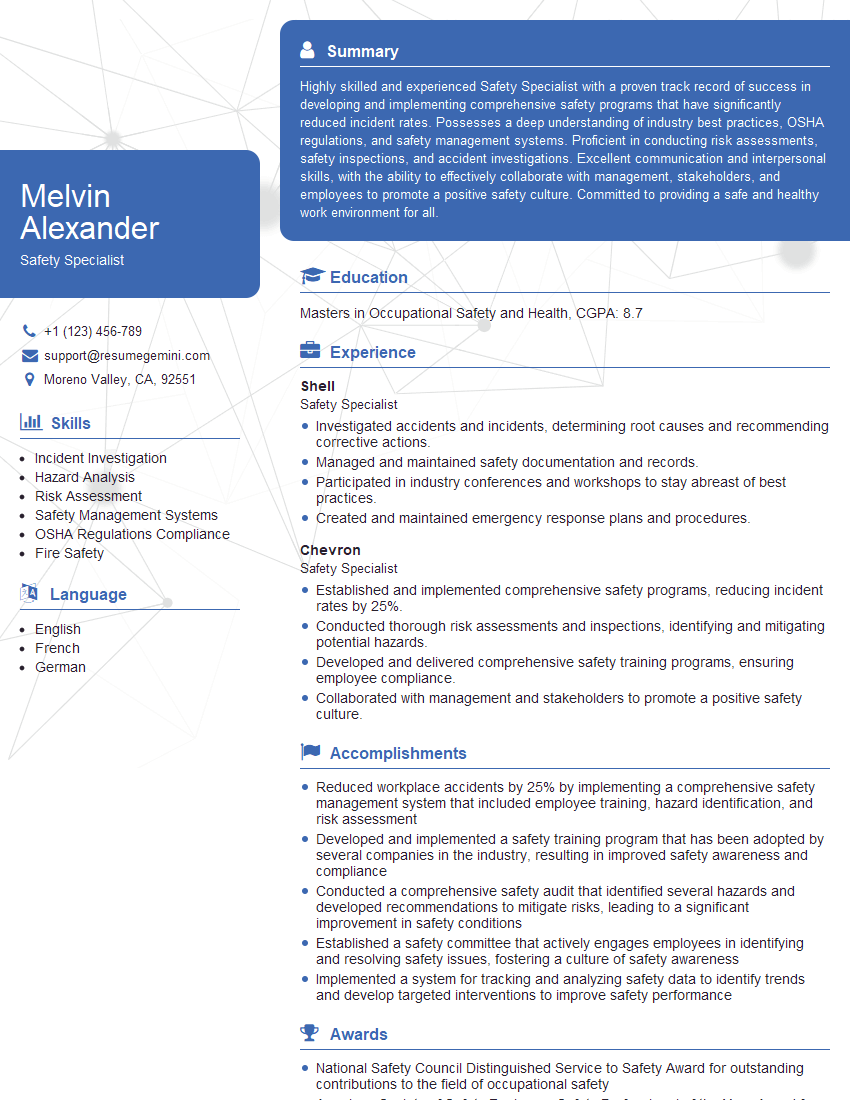
Safety Specialist Resume Sample

Compliance Officer Resume Sample
Regulatory Affairs Specialist Resume Sample
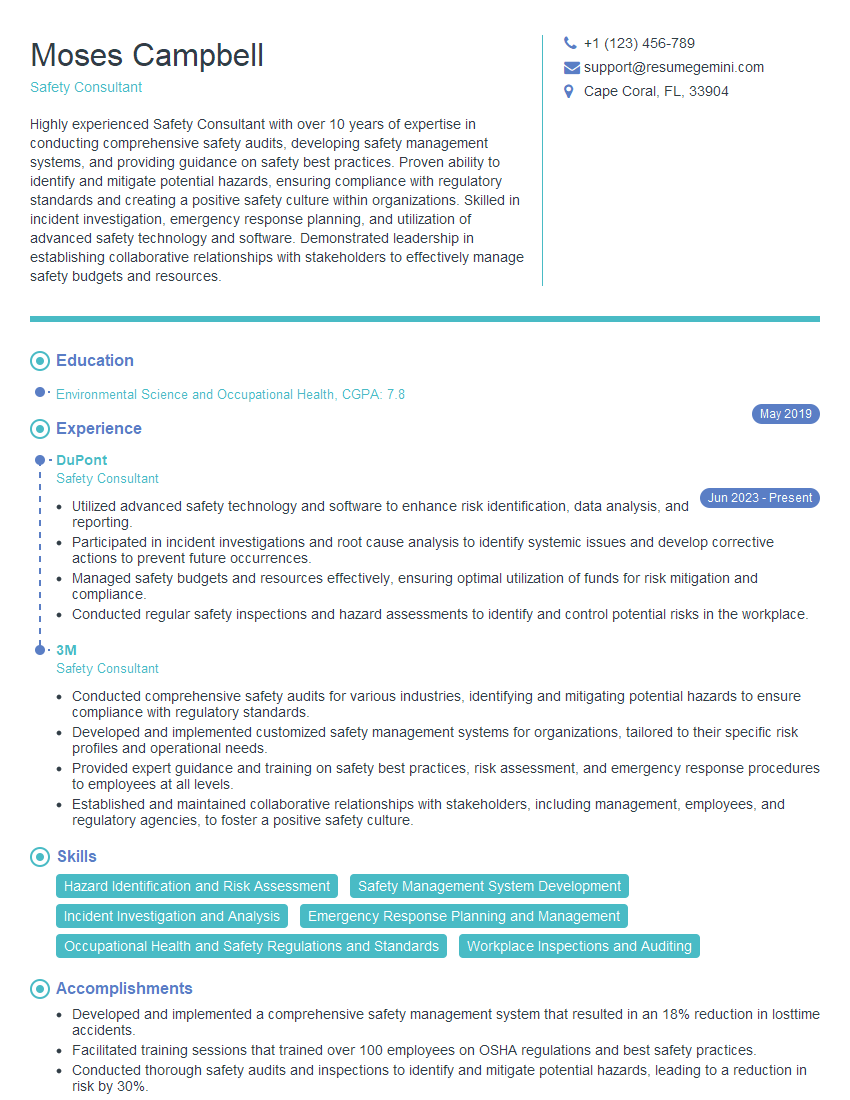
Safety Consultant Resume Sample

Safety Engineer Resume Sample

Product Safety Manager Resume Sample
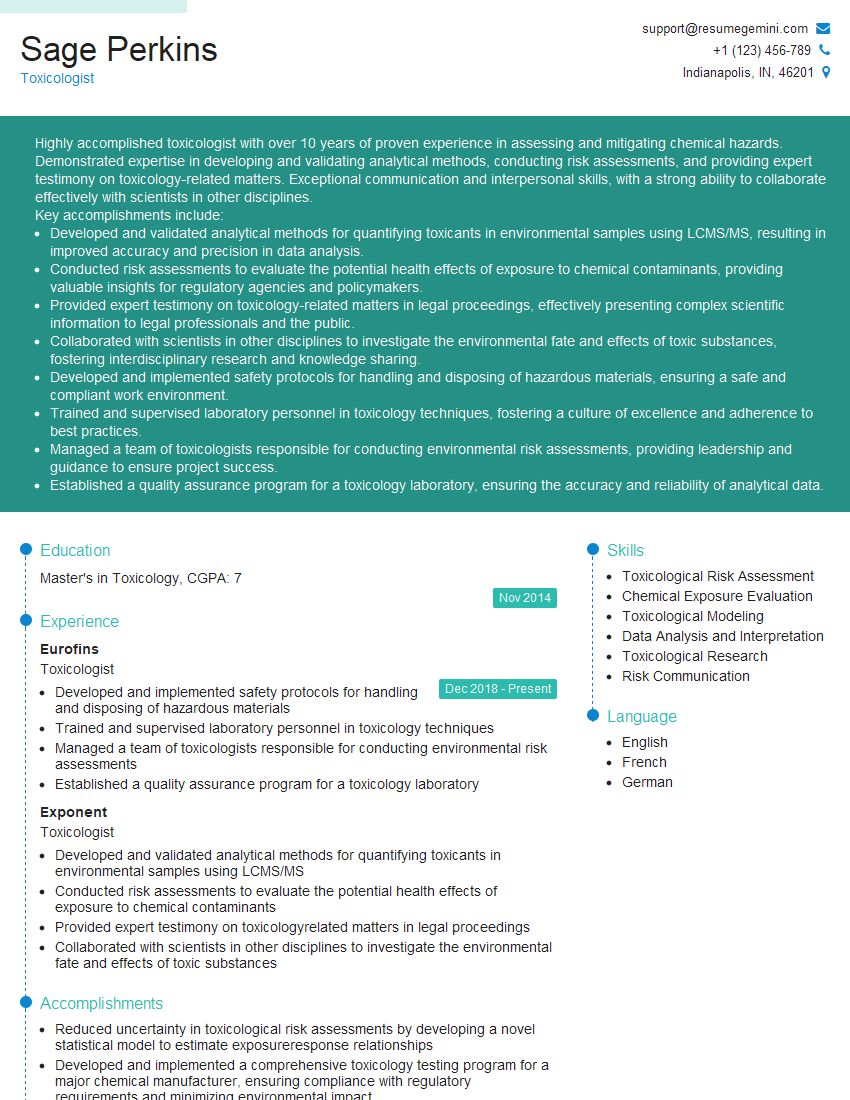
Toxicologist Resume Sample

Risk Assessor Resume Sample
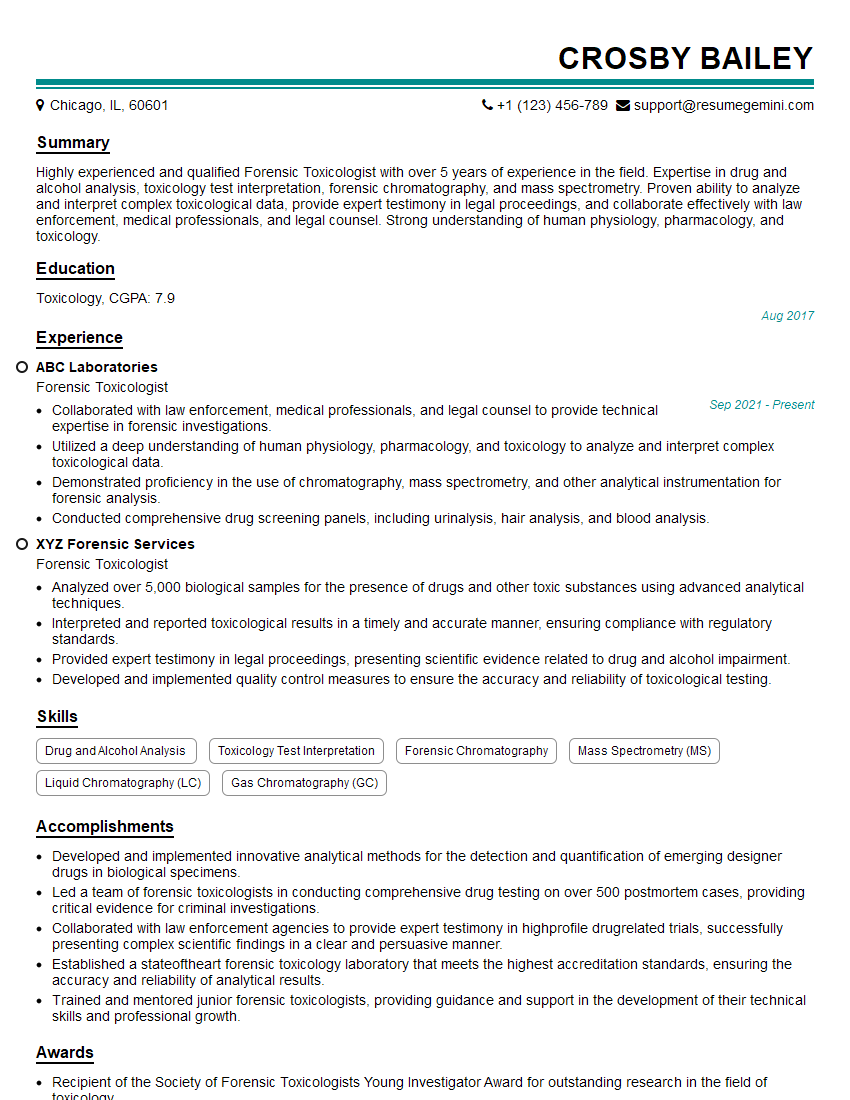
Forensic Toxicologist Resume Sample
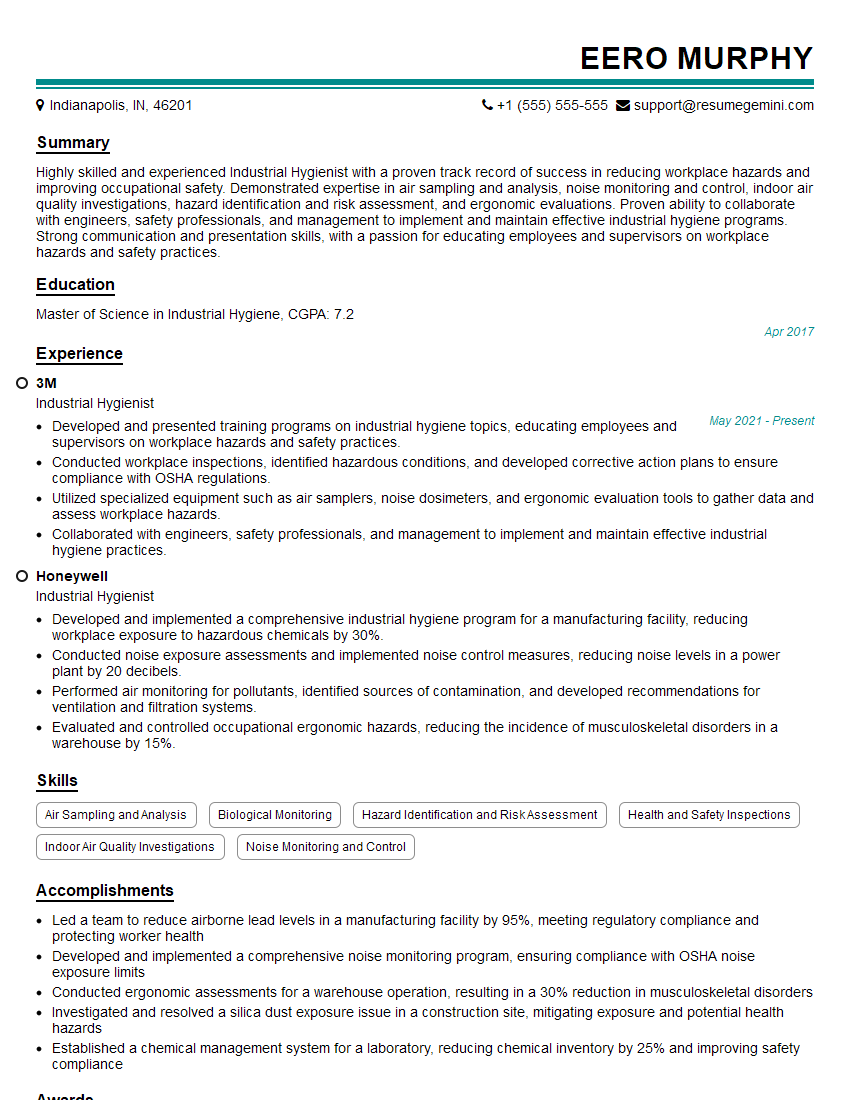
Industrial Hygienist Resume Sample
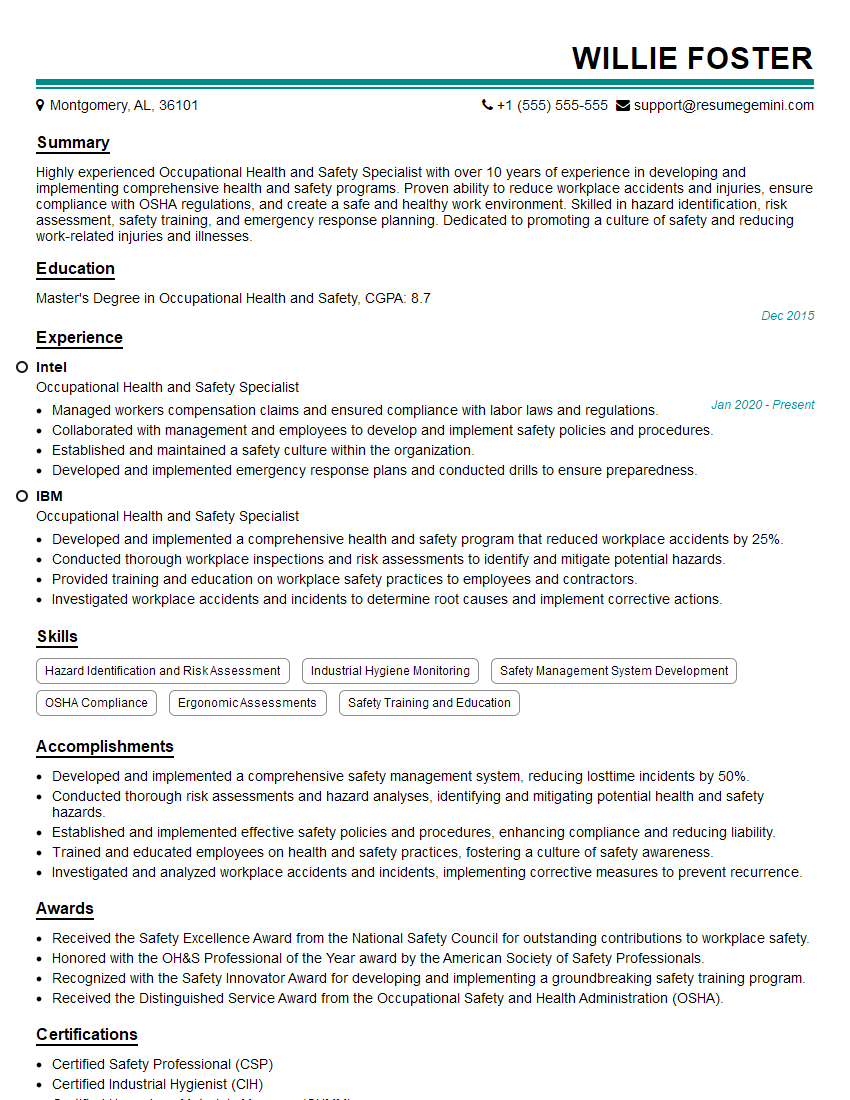
Occupational Health and Safety Specialist Resume Sample
Explore more articles
Users Rating of Our Blogs
Share Your Experience
We value your feedback! Please rate our content and share your thoughts (optional).
What Readers Say About Our Blog
Really detailed insights and content, thank you for writing this detailed article.
IT gave me an insight and words to use and be able to think of examples