Feeling uncertain about what to expect in your upcoming interview? We’ve got you covered! This blog highlights the most important HealthTech interview questions and provides actionable advice to help you stand out as the ideal candidate. Let’s pave the way for your success.
Questions Asked in HealthTech Interview
Q 1. Explain the differences between HIPAA and GDPR.
HIPAA (Health Insurance Portability and Accountability Act) and GDPR (General Data Protection Regulation) are both landmark regulations designed to protect sensitive personal data, but they differ significantly in scope and application. HIPAA is a US-focused law primarily concerning protected health information (PHI) in the healthcare industry, while GDPR is a broader EU regulation covering all personal data, regardless of industry.
- Scope: HIPAA is limited to healthcare providers, health plans, and healthcare clearinghouses in the US. GDPR applies to any organization processing the personal data of individuals within the EU, regardless of location.
- Data Covered: HIPAA specifically protects PHI, which includes medical records, billing information, and other identifiable health data. GDPR protects a much wider range of personal data, including name, address, IP address, and even genetic data.
- Consent: While both require consent, HIPAA’s approach is more flexible, often relying on implied consent. GDPR mandates explicit, informed consent for data processing, empowering individuals to control their data.
- Enforcement: HIPAA violations can lead to significant fines and penalties from the Office for Civil Rights (OCR). GDPR violations result in potentially substantial fines, reaching up to 4% of annual global turnover or €20 million, whichever is greater.
- Data Breach Notification: Both require notification in case of a data breach, but GDPR’s requirements are stricter and have tighter timelines.
For example, a US hospital must comply with HIPAA, but if it processes data from EU citizens, it also needs to meet GDPR compliance. Think of HIPAA as a focused regulation protecting health information within the US, whereas GDPR acts as a broad umbrella protecting personal data across the EU and beyond for organizations dealing with EU citizens’ data.
Q 2. Describe your experience with Electronic Health Records (EHR) systems.
My experience with EHR systems spans over a decade, encompassing various roles from implementation and training to optimization and data analysis. I’ve worked with both large-scale integrated systems like Epic and Cerner, as well as smaller, niche solutions tailored to specific healthcare settings. This experience includes:
- Implementation and Training: I’ve led training programs for clinicians and administrative staff on various EHR systems, ensuring smooth transitions and optimal adoption.
- System Optimization: I’ve actively participated in optimizing EHR workflows to improve efficiency and reduce redundancies, resulting in increased productivity and reduced errors. This often involved collaborating with clinicians to understand their needs and tailoring the system accordingly.
- Data Analysis and Reporting: I’ve extracted and analyzed data from EHRs to support clinical research, quality improvement initiatives, and operational decision-making. For example, I once used data from an EHR to identify patterns in patient readmissions and developed strategies to reduce them.
- Troubleshooting and Support: I’ve provided technical support and troubleshooting assistance to resolve system-related issues, ensuring the smooth operation of the EHR system.
My expertise extends to understanding the complexities of EHR interoperability, data migration, and security protocols, ensuring that these systems are aligned with regulatory requirements like HIPAA.
Q 3. What are the key challenges in implementing telehealth solutions?
Implementing telehealth solutions presents a unique set of challenges, spanning technological, logistical, and ethical considerations.
- Technology and Infrastructure: Reliable high-speed internet access is crucial, especially in underserved areas with limited digital infrastructure. The integration of telehealth platforms with existing EHR systems is also a significant challenge, demanding interoperability and data security solutions.
- Logistical hurdles: Training healthcare professionals and patients on using telehealth technologies requires significant investment in time and resources. Scheduling appointments and managing patient flow in a virtual environment requires robust scheduling and communication tools.
- Security and Privacy: Ensuring the confidentiality and security of patient data transmitted during telehealth encounters is paramount. Compliance with HIPAA and other relevant regulations is essential.
- Reimbursement and Regulatory Compliance: Navigating the complexities of insurance reimbursement and regulatory frameworks for telehealth services can be challenging. Regulations vary across states and countries, further complicating the process.
- Lack of Access and Digital Literacy: The digital divide remains a significant obstacle, preventing many patients, particularly those in underserved populations, from accessing telehealth services.
For example, a telehealth initiative in a rural community might face challenges due to inadequate internet connectivity, while a nationwide telehealth platform might struggle with the complexity of integrating with numerous disparate EHR systems. Addressing these issues requires a multi-faceted approach involving technological advancements, regulatory harmonization, and extensive training and support for all stakeholders.
Q 4. How familiar are you with different data analytics tools used in healthcare?
I am familiar with a wide range of data analytics tools used in healthcare, including both commercial and open-source solutions. My experience encompasses tools for various stages of the data analytics process, from data extraction and preparation to visualization and reporting.
- Data Extraction and Preparation: Tools like SQL, Python with libraries such as Pandas and NumPy, are frequently used to extract, clean, and prepare data from various sources, including EHRs, claims databases, and clinical registries.
- Statistical Analysis and Machine Learning: R, Python (with Scikit-learn, TensorFlow, or PyTorch), SAS, and SPSS are used for statistical modeling, machine learning algorithms, and predictive analytics. For instance, I’ve used these tools to build predictive models for patient risk stratification or hospital readmission prediction.
- Data Visualization and Reporting: Tableau, Power BI, and other visualization tools are used to create interactive dashboards and reports to communicate findings to clinicians and stakeholders. This helps make complex data easily interpretable.
- Cloud-based platforms: AWS, Azure, and GCP provide scalable infrastructure and tools for data storage, processing, and analysis within a secure healthcare environment.
My proficiency in these tools allows me to efficiently handle large healthcare datasets, uncovering insights that can drive improved clinical outcomes and operational efficiencies. For instance, I used R to analyze patient data from a cardiovascular clinic, identifying patients at high risk of developing heart failure, allowing for timely intervention and preventative care.
Q 5. Explain your understanding of AI’s role in healthcare diagnostics.
AI is revolutionizing healthcare diagnostics by improving accuracy, speed, and efficiency. AI algorithms, particularly deep learning models, can analyze medical images (X-rays, CT scans, MRIs), analyze patient data, and predict disease outcomes.
- Image Analysis: AI algorithms can detect subtle anomalies in medical images that might be missed by the human eye, assisting radiologists in identifying tumors, fractures, and other critical findings. For example, AI-powered systems can aid in early detection of diabetic retinopathy by analyzing retinal images.
- Patient Data Analysis: AI can process vast amounts of patient data (demographics, medical history, lab results, etc.) to identify patterns and predict the likelihood of developing certain diseases. This can personalize risk assessments and facilitate early intervention.
- Disease Prediction and Risk Stratification: By analyzing patient data, AI can predict the likelihood of a patient developing a particular disease, enabling proactive management and preventative measures. This can be particularly valuable in managing chronic conditions.
However, it’s crucial to remember that AI is a tool that assists, not replaces, human clinicians. AI’s effectiveness relies on high-quality data, and algorithmic biases need careful consideration. The integration of AI in diagnostics should follow a rigorous validation process to ensure accuracy and reliability. Human oversight remains critical in interpreting AI-generated insights and making final clinical decisions. For example, an AI system might flag a potential tumor on a mammogram, but a radiologist’s expertise is still needed to confirm the diagnosis.
Q 6. Discuss the ethical considerations of using patient data in research.
The ethical use of patient data in research is paramount. It requires a careful balance between advancing medical knowledge and protecting individual privacy and autonomy.
- Informed Consent: Obtaining truly informed consent from patients is crucial. This means providing clear and accessible information about the research purpose, procedures, potential risks and benefits, and how their data will be used and protected. Patients must have the freedom to withdraw their consent at any time.
- Data Anonymization and De-identification: Researchers must employ robust techniques to de-identify patient data, minimizing the risk of re-identification. This often involves removing direct identifiers like names and addresses, but also indirect identifiers that could potentially reveal individual identities.
- Data Security and Privacy: Stringent data security measures must be in place to protect patient data from unauthorized access, use, or disclosure. Compliance with regulations like HIPAA and GDPR is essential.
- Data Governance and Oversight: Institutional review boards (IRBs) and data governance committees play a vital role in overseeing research projects, ensuring ethical conduct and compliance with relevant regulations. These boards carefully scrutinize research proposals and monitor the use of patient data.
- Transparency and Accountability: Researchers should be transparent about their data handling practices and accountable for any breaches of confidentiality or ethical violations. Clear data usage agreements and audit trails should be maintained.
For example, a researcher studying the effectiveness of a new drug must obtain informed consent from all participants, anonymize their data, and adhere to all relevant regulations to ensure ethical conduct. Failure to uphold these standards can result in serious consequences, damaging trust and potentially hindering future research efforts.
Q 7. What are the benefits and drawbacks of blockchain technology in healthcare?
Blockchain technology, known for its secure and transparent nature, offers potential benefits and drawbacks in healthcare.
- Benefits:
- Enhanced Data Security: Blockchain’s decentralized and immutable nature can enhance data security by reducing the risk of data breaches and unauthorized access. Data is cryptographically secured and distributed across multiple nodes, making it more resilient to attacks.
- Improved Data Integrity: The immutability of blockchain ensures that once data is recorded, it cannot be altered or deleted, promoting data integrity and trustworthiness.
- Streamlined Data Sharing: Blockchain can facilitate secure and efficient data sharing among healthcare providers and researchers, eliminating the need for intermediaries and reducing administrative overhead.
- Enhanced Transparency and Auditability: Blockchain’s transparent nature allows all stakeholders to track the movement and use of patient data, fostering greater transparency and accountability.
- Drawbacks:
- Scalability Challenges: Current blockchain technologies may struggle to handle the large volumes of data generated in healthcare. Scalability is a crucial factor to consider.
- Interoperability Issues: Integrating blockchain technology with existing healthcare systems can be challenging due to interoperability concerns. Standardization is still evolving.
- Regulatory Uncertainty: The regulatory landscape surrounding blockchain technology in healthcare is still evolving, creating uncertainties and potential compliance challenges.
- Complexity and Cost: Implementing and maintaining blockchain systems can be complex and expensive, requiring specialized technical expertise.
For example, blockchain could potentially revolutionize medical record management by creating a secure and shared record accessible to all authorized healthcare providers. However, challenges related to scalability and integration with existing EHR systems need to be addressed before widespread adoption becomes practical.
Q 8. How would you approach improving patient engagement with a new health app?
Improving patient engagement with a health app requires a multifaceted approach focusing on usability, personalization, and gamification. It’s not just about building a feature-rich app; it’s about making it genuinely helpful and enjoyable to use.
- Usability: The app must be intuitive and easy to navigate. Think of apps like Duolingo – they make learning a language fun and accessible. Similarly, a health app should guide users effortlessly through their health journey. This means clear instructions, simple interfaces, and readily available support.
- Personalization: Generic advice doesn’t work for everyone. The app should adapt to individual needs and preferences. For example, offering personalized workout plans based on fitness level, dietary restrictions, and personal goals, much like a personal trainer would do.
- Gamification: Incorporating game mechanics, like points, badges, and leaderboards (if appropriate and ethically considered, respecting user privacy) can significantly boost engagement. This could involve rewarding users for completing tasks such as tracking their steps, medication adherence, or logging their food intake.
- Community Building: Allowing users to connect with others facing similar challenges creates a sense of support and shared experience. This could be through forums or private messaging options, promoting a sense of community and encouraging healthy competition.
- Regular Communication and Feedback: Proactive communication, such as personalized notifications and reminders, is crucial. Regular check-ins and feedback mechanisms ensure the app remains relevant and responsive to user needs.
For example, I worked on an app that tracked medication adherence for chronic conditions. By incorporating reminders tailored to individual schedules and awarding points for consistent medication intake, we saw a significant improvement in patient engagement and medication adherence rates.
Q 9. Describe your experience with Agile methodologies in a HealthTech context.
Agile methodologies are essential in HealthTech, allowing for flexibility and rapid iteration in response to evolving needs and regulatory changes. My experience involves using Scrum and Kanban frameworks. In a recent project developing a telehealth platform, we used Scrum’s iterative sprints to develop and test features incrementally. This allowed us to incorporate user feedback quickly, adapt to changing requirements, and reduce the risk of significant setbacks.
In a HealthTech setting, using a Kanban board to visualize workflow and manage tasks was also crucial. This facilitated better coordination among developers, designers, and regulatory compliance specialists. The visual representation of the workflow helped to pinpoint bottlenecks and accelerate progress. We employed daily stand-up meetings to address urgent issues and ensure seamless collaboration. Regular retrospectives helped us continuously improve our processes and adapt to new challenges.
The iterative nature of Agile proved particularly useful during the regulatory approval process. Each sprint delivered a testable component, which allowed us to address regulatory concerns progressively instead of facing a massive hurdle at the end of development.
Q 10. Explain the importance of data security and privacy in HealthTech.
Data security and privacy are paramount in HealthTech. We’re dealing with sensitive personal information that, if compromised, could have devastating consequences for patients. This is governed by stringent regulations like HIPAA (in the US) and GDPR (in Europe).
- Data Encryption: All data, both in transit and at rest, must be encrypted using strong, industry-standard algorithms. This protects data from unauthorized access even if a breach occurs.
- Access Control: Strict access control measures ensure that only authorized personnel can access patient data, based on the principle of least privilege. This minimizes the risk of data breaches due to insider threats.
- Regular Security Audits and Penetration Testing: Regular security assessments identify vulnerabilities and ensure systems remain secure. Penetration testing simulates real-world attacks to identify weaknesses before malicious actors can exploit them.
- Compliance with Regulations: Strict adherence to relevant regulations, such as HIPAA and GDPR, is crucial. This includes implementing appropriate data governance policies and procedures.
- Data Minimization: Collecting only necessary data and securely disposing of data that is no longer required minimizes the risk of data breaches.
Failing to prioritize data security can lead to significant legal repercussions, reputational damage, and loss of patient trust. I’ve seen firsthand how meticulous attention to security protocols is vital, both in building trust with patients and complying with the law.
Q 11. What are some common regulatory hurdles in developing medical devices?
Developing medical devices faces significant regulatory hurdles, primarily focused on ensuring safety and effectiveness. The complexity of these hurdles varies significantly depending on the device’s classification (Class I, II, or III, with III being the most stringent).
- Pre-market Approval (PMA): For Class III devices (high-risk, like pacemakers), a rigorous PMA process is required, involving extensive clinical trials and detailed documentation to demonstrate safety and efficacy.
- 510(k) Clearance: For Class II devices (moderate-risk, like infusion pumps), a 510(k) submission is typically required, demonstrating substantial equivalence to an already-approved device.
- Quality System Regulation (QSR): Manufacturers must adhere to strict quality system regulations, ensuring consistent manufacturing processes and product quality. This includes documentation, traceability, and ongoing quality control.
- Regulatory Affairs Expertise: Navigating regulatory requirements necessitates expertise in regulatory affairs, ensuring compliance throughout the entire device lifecycle.
One project I worked on was delayed significantly due to unexpected issues during the clinical trial phase. This highlighted the critical need for meticulous planning and anticipation of potential regulatory hurdles.
Q 12. How would you address data interoperability challenges in a healthcare system?
Data interoperability challenges in healthcare stem from the lack of standardized data formats and communication protocols across different systems. This inhibits seamless data exchange between hospitals, clinics, and other healthcare providers.
- Standardization Efforts: Promoting the adoption of standardized data formats, such as HL7 FHIR (Fast Healthcare Interoperability Resources), is crucial. This facilitates seamless data exchange between different systems.
- API Development: Developing robust Application Programming Interfaces (APIs) allows different systems to communicate and share data securely and efficiently.
- Data Integration Platforms: Implementing data integration platforms that can connect disparate systems and harmonize data formats can streamline data exchange.
- Interoperability Governance: Strong governance structures are crucial to oversee the implementation and ongoing maintenance of interoperability initiatives.
In a previous role, we implemented a FHIR-based API to enable seamless data exchange between our electronic health record (EHR) system and a clinical decision support system. This improved the efficiency of care coordination and reduced the risk of errors.
Q 13. Describe your experience with different types of medical imaging technologies.
My experience with medical imaging technologies spans several modalities, including X-ray, CT, MRI, Ultrasound, and PET.
- X-ray: A fundamental imaging technique that uses ionizing radiation to produce images of bones and other dense structures. I’ve worked with projects involving digital X-ray systems and image processing techniques.
- CT (Computed Tomography): A more sophisticated technique that uses X-rays to create cross-sectional images of the body. My experience includes working with CT image analysis for disease detection and diagnosis.
- MRI (Magnetic Resonance Imaging): Uses magnetic fields and radio waves to produce detailed images of soft tissues. I have experience interpreting MRI images for neurological and musculoskeletal applications.
- Ultrasound: Uses high-frequency sound waves to create images of internal organs and structures. I have been involved in projects using ultrasound for real-time imaging during surgical procedures.
- PET (Positron Emission Tomography): A nuclear medicine technique that produces functional images of metabolic activity in the body. I’ve worked with PET scans for oncology applications, such as cancer detection and staging.
Understanding the strengths and limitations of each modality is crucial for appropriate image interpretation and clinical decision-making. Each technology provides unique information, and often, combining data from multiple modalities provides a more comprehensive view of the patient’s condition.
Q 14. Explain your understanding of precision medicine and its applications.
Precision medicine tailors medical treatment to individual patients based on their unique genetic makeup, lifestyle, and environment. It moves away from the ‘one-size-fits-all’ approach to treatment.
- Genomics: Analyzing a patient’s DNA to identify genetic variations that may influence their response to specific treatments. This allows for personalized drug selection and dosage optimization.
- Proteomics: Studying the proteins in a patient’s body to understand how diseases develop and respond to treatment.
- Pharmacogenomics: This field investigates how an individual’s genes affect their response to medications. This helps in predicting adverse drug reactions and selecting the most effective drugs.
- Biomarkers: Identifying specific biological markers that can indicate the presence or progression of a disease, allowing for early detection and personalized treatment strategies.
- Data Analytics: The immense amount of data generated by precision medicine requires advanced analytical techniques to extract meaningful insights and make accurate predictions.
A good example is cancer treatment. Precision oncology uses genomic testing to identify specific mutations in a patient’s tumor, guiding the selection of targeted therapies that are more effective and have fewer side effects than traditional chemotherapy. This approach is revolutionizing cancer treatment, leading to better outcomes and improved quality of life for patients.
Q 15. How would you evaluate the effectiveness of a new telehealth intervention?
Evaluating the effectiveness of a new telehealth intervention requires a multi-faceted approach, going beyond simple user satisfaction. We need to rigorously assess its impact on key clinical and operational outcomes.
- Clinical Outcomes: This involves measuring improvements in patient health indicators. For example, if the intervention targets blood pressure management, we’d analyze changes in systolic and diastolic readings pre- and post-intervention. We might also look at hospital readmission rates or emergency room visits. Statistical significance testing would be crucial here.
- Patient Satisfaction: Surveys and feedback mechanisms are vital to understand patient experience. We can assess ease of use, perceived helpfulness, and overall satisfaction with the telehealth platform and interactions with healthcare providers.
- Process Efficiency: Telehealth should ideally streamline healthcare delivery. We’d analyze metrics like the time taken for appointments, appointment completion rates, and reduction in travel time for patients. Cost-effectiveness is also a major factor; analyzing cost savings compared to traditional in-person care is key.
- Engagement and Adherence: High levels of patient engagement are critical for successful telehealth. We need to track metrics such as appointment attendance rates, medication adherence (if applicable), and the frequency of interaction with the platform. For example, we could analyze the number of times patients use remote monitoring features or access educational materials.
- Qualitative Data: In-depth interviews or focus groups can provide valuable insights into the patient experience and identify areas for improvement. For instance, we might uncover usability issues or unmet needs that quantitative data alone wouldn’t reveal.
A robust evaluation combines quantitative data analysis (statistical tests, KPI tracking) with qualitative feedback to provide a comprehensive understanding of the intervention’s effectiveness. We’d use statistical methods appropriate to the data type to draw valid conclusions. For example, we would use a t-test for comparing blood pressure measurements before and after the intervention, and regression analysis for assessing the relationship between intervention use and other outcomes.
Career Expert Tips:
- Ace those interviews! Prepare effectively by reviewing the Top 50 Most Common Interview Questions on ResumeGemini.
- Navigate your job search with confidence! Explore a wide range of Career Tips on ResumeGemini. Learn about common challenges and recommendations to overcome them.
- Craft the perfect resume! Master the Art of Resume Writing with ResumeGemini’s guide. Showcase your unique qualifications and achievements effectively.
- Don’t miss out on holiday savings! Build your dream resume with ResumeGemini’s ATS optimized templates.
Q 16. What are the key performance indicators (KPIs) for a successful HealthTech project?
Key Performance Indicators (KPIs) for a successful HealthTech project vary depending on the specific project goals, but generally include:
- User Engagement: Active user count, frequency of use, session duration, and feature usage are important indicators of adoption and value. For a patient portal, for example, we’d track the number of patients logging in, the average time spent on the portal, and the frequency of message exchanges with providers.
- Clinical Outcomes: These depend on the project’s aim. For a diabetes management app, it might involve HbA1c levels, blood glucose control, or weight loss. These metrics need to be carefully defined and measured consistently.
- Operational Efficiency: Metrics such as reduced administrative overhead, faster appointment scheduling, improved resource utilization, or decreased wait times demonstrate efficiency gains. A successful appointment scheduling system, for example, might show a reduction in no-shows or improved provider productivity.
- Cost-Effectiveness: Return on investment (ROI) is crucial. We would track the project’s costs against the savings generated (e.g., reduced hospitalizations, improved medication adherence). We could calculate the cost per patient treated or the cost per clinical outcome achieved.
- Security and Compliance: Data breaches and non-compliance can severely damage a project. KPIs here would include incident reports, security audits, and compliance certifications. Maintaining HIPAA compliance is paramount in HealthTech, and continuous monitoring is crucial.
- Patient Satisfaction: Net Promoter Score (NPS), Customer Satisfaction Score (CSAT), and qualitative feedback are important indicators of user experience. We can use surveys to gather patient feedback and identify areas for improvement.
Regular monitoring of these KPIs, combined with data visualization and reporting, allows for proactive adjustments and continuous improvement of the HealthTech project. The specific KPIs chosen should be aligned with the project’s goals and SMART (Specific, Measurable, Achievable, Relevant, Time-bound).
Q 17. How would you handle a situation where a software bug affects patient care?
Discovering a software bug impacting patient care requires immediate and decisive action. The priority is patient safety and minimizing harm.
- Immediate Containment: The first step is to immediately disable or mitigate the functionality affected by the bug to prevent further harm. This might involve temporarily taking down the affected module or deploying a hotfix.
- Patient Notification: Depending on the severity of the bug and its potential impact on patient data or care, affected patients may need to be notified. The notification process should be transparent and reassuring, emphasizing the steps taken to rectify the situation.
- Root Cause Analysis: A thorough investigation is needed to determine the root cause of the bug. This involves reviewing code, logs, and system configurations. Collaboration with developers, testers, and clinical staff is essential.
- Bug Fix and Testing: A permanent fix needs to be developed and rigorously tested to ensure it addresses the root cause and doesn’t introduce new issues. Thorough testing, potentially including simulated patient scenarios, is vital before redeployment.
- Post-Incident Review: A post-incident review is crucial to identify weaknesses in the development process, testing procedures, or incident response plan. This allows for preventative measures to minimize the likelihood of similar incidents.
- Documentation: Meticulous documentation of the entire process—from initial discovery to resolution—is essential for regulatory compliance, internal learning, and future reference.
Transparency and clear communication with all stakeholders, including patients, clinicians, and internal teams, are crucial during the entire process. This ensures accountability and builds trust.
Q 18. Explain your experience with different software development methodologies.
I have experience with several software development methodologies, each with its own strengths and weaknesses:
- Agile (Scrum, Kanban): I’ve extensively utilized Agile methodologies in HealthTech projects. The iterative nature and emphasis on collaboration make it well-suited for projects requiring flexibility and frequent feedback. In one project, using Scrum, we developed a patient monitoring system, delivering incremental features in short sprints, allowing for continuous improvement and adaptation based on user feedback and clinical needs.
- Waterfall: While less flexible than Agile, the Waterfall model can be appropriate for projects with clearly defined requirements and minimal anticipated changes. I’ve employed Waterfall for smaller, less complex projects, but generally prefer Agile for its adaptability.
- DevOps: I have experience integrating DevOps principles to streamline the development and deployment process. Implementing continuous integration and continuous delivery (CI/CD) pipelines has significantly reduced deployment time and improved the quality of software releases. In a recent project, this allowed us to rapidly deploy critical bug fixes and new features while maintaining high stability.
My choice of methodology depends on the project’s complexity, requirements, and risk tolerance. For most HealthTech projects, particularly those involving patient data and complex clinical workflows, an Agile approach is often the most effective.
Q 19. Describe your experience working with clinical trial data.
My experience with clinical trial data includes data cleaning, analysis, and reporting. I’ve worked with various data formats, including electronic data capture (EDC) systems and structured data files. I have experience in:
- Data Cleaning and Validation: Identifying and correcting inconsistencies and errors in clinical trial data is a crucial step to ensure data integrity and reliability. I’ve used programming languages like R and Python for data manipulation and validation, ensuring data quality before any analysis.
- Statistical Analysis: I’m proficient in statistical methods used in clinical trials, such as hypothesis testing, regression analysis, survival analysis, and various statistical models to draw meaningful conclusions from trial data.
- Data Visualization and Reporting: Presenting complex clinical trial data in a clear and concise manner for both technical and non-technical audiences is critical. I use tools like Tableau and R to create visually appealing reports and dashboards which showcase key findings.
- Regulatory Compliance: I understand the importance of maintaining data privacy and adhering to regulatory guidelines (e.g., GCP, HIPAA) throughout the data handling and analysis process.
In one project, I used R to analyze survival data from a phase III clinical trial, resulting in the publication of a peer-reviewed paper, demonstrating the statistical significance of a new treatment modality. My experience encompasses both retrospective analyses of existing datasets and working collaboratively with clinical trial teams to design effective data collection strategies.
Q 20. How would you explain complex technical information to a non-technical audience?
Explaining complex technical information to a non-technical audience requires careful consideration of the audience’s knowledge level and the use of clear, concise language, avoiding jargon. I employ several strategies:
- Analogies and Metaphors: Relating technical concepts to everyday experiences helps bridge the gap between technical and non-technical understanding. For example, explaining network latency by comparing it to waiting in a long line.
- Visual Aids: Charts, graphs, diagrams, and images greatly enhance understanding. A well-designed visual can convey information more effectively than a lengthy explanation.
- Storytelling: Framing information within a narrative context makes it more relatable and memorable. For example, describing a software development process as a journey with various checkpoints.
- Simple Language and Definitions: Avoiding technical jargon or defining any necessary terms clearly is essential. If jargon is unavoidable, provide simple definitions and explanations.
- Interactive Communication: Engaging the audience through questions, discussions, and interactive demonstrations helps them participate actively in the learning process. Regular check-ins help confirm understanding.
For instance, when explaining machine learning to a non-technical audience, I might use the analogy of a child learning to recognize a cat: the more cats they see, the better they become at identifying them. This is akin to how machine learning algorithms learn from data to make predictions.
Q 21. What are the emerging trends in HealthTech that excite you?
Several emerging trends in HealthTech are particularly exciting:
- Artificial Intelligence (AI) and Machine Learning (ML) in Diagnostics and Treatment: AI is poised to revolutionize healthcare through improved diagnostics, personalized medicine, and drug discovery. I’m particularly excited about the potential of AI to analyze medical images with greater accuracy and efficiency, leading to earlier and more accurate diagnoses.
- The Metaverse and Virtual Reality (VR) in Healthcare Training and Patient Care: VR offers immersive experiences for medical training and patient care, enabling simulations for surgical procedures and therapeutic interventions. The metaverse holds potential for creating virtual environments for remote consultations and chronic disease management.
- Wearable Sensors and Remote Patient Monitoring (RPM): Continuous health data collected from wearable sensors enables proactive interventions and personalized care management, empowering individuals to manage their health proactively. This shift from reactive to proactive healthcare is transformative.
- Blockchain Technology for Secure Data Management: Blockchain’s decentralized and secure nature addresses critical data privacy and security concerns in healthcare, enabling seamless data sharing while safeguarding patient information. This can significantly improve interoperability across different health systems.
- Genomics and Personalized Medicine: Advancements in genomic sequencing and personalized medicine allow for tailoring treatments to individual genetic profiles, leading to more effective and less adverse-effect treatments. This will likely revolutionize many aspects of clinical care.
These advancements are not only technologically impressive but also hold immense potential to improve patient outcomes, enhance healthcare efficiency, and make healthcare more accessible and equitable.
Q 22. How do you stay current with the latest advancements in healthcare technology?
Staying current in the rapidly evolving field of HealthTech requires a multi-pronged approach. It’s not enough to simply rely on one source of information.
- Professional Journals and Publications: I regularly read journals like the Journal of the American Medical Informatics Association (JAMIA) and Health Affairs to stay abreast of the latest research and breakthroughs. These publications often feature cutting-edge studies and analyses of emerging trends.
- Conferences and Webinars: Attending industry conferences like HIMSS (Healthcare Information and Management Systems Society) and relevant webinars provides invaluable networking opportunities and exposure to innovative solutions. I actively participate in Q&A sessions to further my understanding.
- Online Communities and Forums: Engaging with online communities and forums dedicated to HealthTech allows me to learn from the experiences and insights of other professionals. This often includes discussions of real-world challenges and solutions.
- Industry News and Blogs: I follow reputable news sources and blogs covering HealthTech to get updates on the latest regulatory changes, market trends, and technological advancements. This keeps me informed on the broader landscape.
- Continuing Education: I actively pursue continuing education opportunities, such as online courses and workshops, to deepen my knowledge in specific areas like AI in healthcare or cybersecurity in medical settings. This allows for specialized skill development.
This combination of active learning ensures I remain knowledgeable about the newest developments and their implications for the healthcare industry.
Q 23. Describe your experience with various cloud computing platforms in a healthcare setting.
My experience with cloud computing platforms in healthcare spans several major providers. I’ve worked extensively with AWS (Amazon Web Services), Azure (Microsoft Azure), and GCP (Google Cloud Platform), each offering unique strengths in a healthcare context.
- AWS: I’ve used AWS services like EC2 (compute), S3 (storage), and RDS (database) for projects involving large-scale data processing and analysis. AWS’s robust security features are crucial for HIPAA compliance.
- Azure: Azure’s strengths lie in its integration capabilities with other Microsoft products, particularly beneficial in organizations already using Microsoft-based systems. I’ve used Azure for developing and deploying healthcare applications, leveraging its scalability and security features.
- GCP: GCP’s powerful machine learning capabilities have been invaluable for projects involving predictive modeling and AI-driven diagnostics. Its BigQuery service is excellent for managing and analyzing large healthcare datasets.
In each case, careful consideration of data security and HIPAA compliance was paramount. We implemented robust access control mechanisms, encryption, and audit trails to ensure patient data privacy and regulatory adherence. For example, in one project using AWS, we employed KMS (Key Management Service) to manage encryption keys for sensitive data at rest and in transit.
Q 24. How do you ensure data quality and accuracy in a healthcare data analysis project?
Ensuring data quality and accuracy in healthcare data analysis is critical. It’s not just about accuracy; it’s about ensuring the data is reliable, consistent, and suitable for its intended purpose. My approach involves a multi-stage process:
- Data Source Validation: I meticulously assess the reliability and validity of data sources. This includes checking data provenance, understanding data collection methods, and identifying potential biases.
- Data Cleaning and Preprocessing: This stage involves handling missing values (imputation or removal), identifying and correcting inconsistencies, and transforming data into a usable format. I often utilize techniques like outlier detection and data normalization.
- Data Validation and Verification: I employ various validation checks to ensure data accuracy. These include range checks, consistency checks, and cross-referencing with other datasets. Random sampling is also utilized to manually verify a subset of the data.
- Data Governance and Metadata Management: A comprehensive data governance plan is essential. This ensures consistent data definitions, data quality standards, and well-documented metadata. This facilitates traceability and accountability.
- Regular Audits and Monitoring: Continuous monitoring of data quality metrics is crucial. Regular audits help identify and address any emerging issues or deviations from established quality standards.
For example, in a project analyzing patient readmission rates, we carefully checked for data entry errors, ensured consistent coding of diagnoses, and compared our data with administrative records to validate findings.
Q 25. What is your experience with different types of healthcare data (structured, unstructured)?
My experience encompasses both structured and unstructured healthcare data. Understanding the nuances of each type is essential for effective analysis.
- Structured Data: This includes data organized in a predefined format, like electronic health records (EHRs), billing data, and clinical lab results. I’m proficient in querying and analyzing structured data using SQL and other database management tools. Working with EHR data often involves extracting specific fields (e.g., diagnoses, medications, vital signs) for analysis.
- Unstructured Data: This includes clinical notes, physician reports, medical images, and audio recordings. Analyzing unstructured data requires more sophisticated techniques. Natural language processing (NLP) is frequently employed to extract meaningful information from clinical notes, while image analysis techniques are used for radiology and pathology data. I have significant experience applying NLP to extract key clinical findings from free-text physician notes.
I frequently work with hybrid datasets that combine structured and unstructured data. For instance, combining structured patient demographics with unstructured clinical notes to predict patient outcomes requires expertise in both data types and appropriate analytical methods.
Q 26. Explain your understanding of the role of big data in improving healthcare outcomes.
Big data plays a transformative role in improving healthcare outcomes. The sheer volume, velocity, and variety of healthcare data offer unprecedented opportunities for insights that were previously unattainable.
- Improved Diagnostics and Treatment: Big data analytics can identify patterns and correlations that lead to more accurate diagnoses and personalized treatment plans. Machine learning algorithms, trained on massive datasets, can predict disease risk, optimize medication dosages, and even assist in surgical procedures.
- Enhanced Public Health Surveillance: Analyzing large datasets can help identify disease outbreaks, track the spread of infectious diseases, and inform public health interventions. This enables proactive responses and potentially saves lives.
- Drug Discovery and Development: Big data accelerates drug discovery by identifying potential drug targets, predicting drug efficacy, and reducing the time and cost associated with clinical trials.
- Operational Efficiency: Big data analytics can optimize healthcare operations by improving resource allocation, reducing wait times, and streamlining administrative processes. For instance, predictive modeling can forecast patient demand, allowing for better staffing and resource allocation.
However, ethical considerations, data privacy, and the need for robust data governance are paramount when utilizing big data in healthcare.
Q 27. Describe your experience with data visualization tools and techniques.
Data visualization is a crucial aspect of communicating complex healthcare data effectively. I’m proficient in using a variety of tools and techniques to present insights in a clear, concise, and compelling manner.
- Tools: I have experience with Tableau, Power BI, and R’s ggplot2 package. These tools allow me to create interactive dashboards, charts, and graphs that effectively communicate findings to both technical and non-technical audiences.
- Techniques: My approach involves selecting appropriate visualization methods based on the type of data and the insights I want to convey. For example, I might use bar charts to compare rates across different groups, scatter plots to show correlations, or geographical maps to visualize disease outbreaks. I also prioritize using clear labels, legends, and informative titles to ensure data is easily interpretable.
- Interactive Dashboards: For complex datasets, interactive dashboards allow users to explore the data dynamically, filtering and drilling down to gain deeper insights. This is particularly helpful for communicating insights to stakeholders who want to interact with the data themselves.
In one project, we used Tableau to create an interactive dashboard showing the geographical distribution of a particular disease, allowing public health officials to quickly identify high-risk areas and target interventions effectively.
Q 28. How familiar are you with health economics and cost-effectiveness analysis?
I possess a solid understanding of health economics and cost-effectiveness analysis. This is crucial for evaluating the value and impact of healthcare interventions and technologies.
- Cost-Effectiveness Analysis: I’m familiar with various methods for conducting cost-effectiveness analyses, including cost-benefit analysis (CBA), cost-utility analysis (CUA), and cost-minimization analysis (CMA). I understand how to measure both the costs and outcomes of healthcare interventions, using metrics like incremental cost-effectiveness ratios (ICERs).
- Health Economic Modeling: I can build and interpret health economic models (e.g., Markov models, decision trees) to estimate the long-term costs and benefits of different interventions. These models are particularly useful for evaluating the cost-effectiveness of new technologies or treatments.
- Decision-Making Frameworks: I’m adept at using health economic principles to inform healthcare decision-making. This includes understanding the importance of considering both clinical effectiveness and economic efficiency when making choices about resource allocation and treatment strategies.
For example, in a recent project, I conducted a cost-effectiveness analysis comparing two different treatments for a chronic condition. This involved developing a Markov model to project long-term costs and outcomes, resulting in evidence-based recommendations for the most cost-effective approach.
Key Topics to Learn for HealthTech Interview
- Telehealth & Remote Patient Monitoring: Understand the technological infrastructure, security protocols, and patient engagement strategies involved in delivering healthcare remotely. Consider the challenges and ethical implications.
- Electronic Health Records (EHRs) and Data Interoperability: Explore the functionalities of EHR systems, data standardization efforts (like FHIR), and the challenges of integrating data from different sources. Discuss practical applications in improving patient care coordination and reducing medical errors.
- Big Data Analytics in Healthcare: Learn how large datasets are used to identify trends, predict outcomes, and improve healthcare efficiency. Discuss techniques like predictive modeling and machine learning in a healthcare context. Consider the ethical implications of using patient data.
- Healthcare Cybersecurity: Understand the unique security challenges faced by the healthcare industry, including HIPAA compliance, data breaches, and ransomware attacks. Discuss preventative measures and response strategies.
- Artificial Intelligence (AI) in Healthcare: Explore the applications of AI in areas like medical image analysis, drug discovery, and personalized medicine. Discuss the potential benefits and limitations of AI in healthcare.
- Wearable Technology and Health Monitoring: Examine the role of wearable devices in collecting patient data, improving patient engagement, and enabling remote monitoring. Discuss data privacy and accuracy considerations.
- HealthTech Business Models & Funding: Understand the various business models employed in HealthTech, including subscription models, pay-per-use, and value-based care. Familiarize yourself with different funding sources and investment strategies.
Next Steps
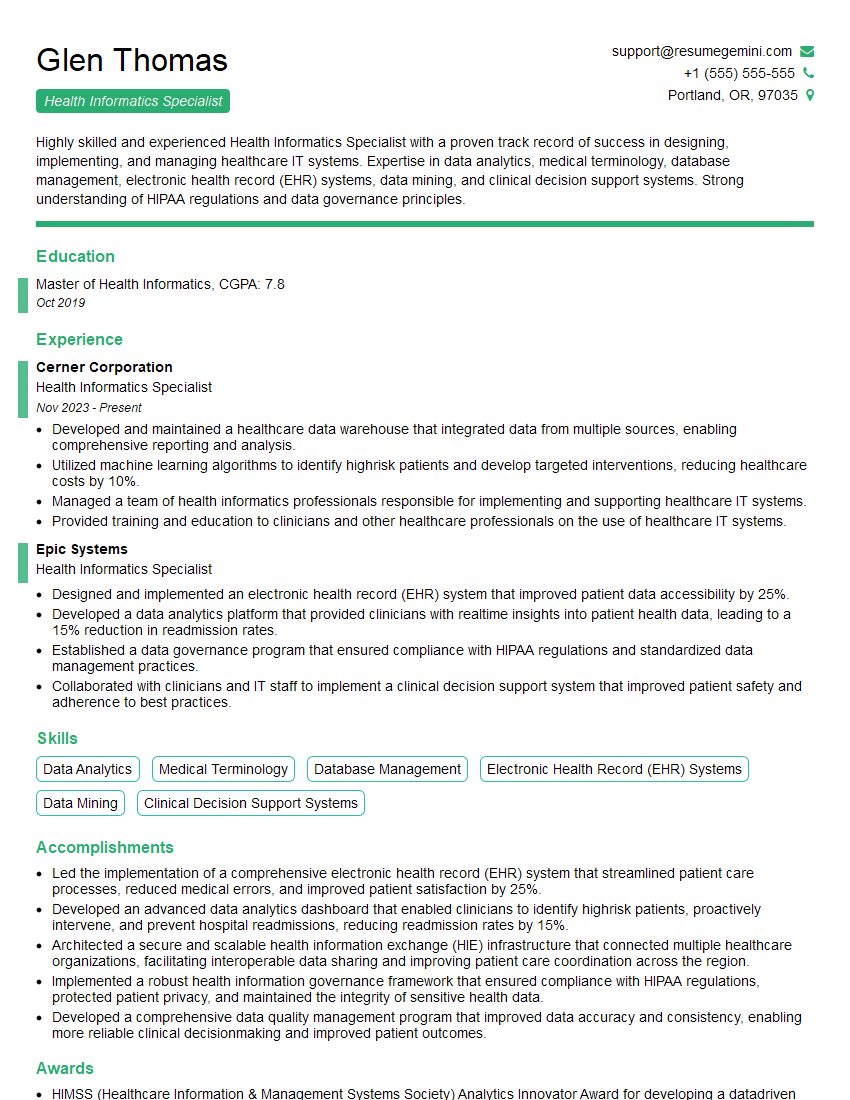
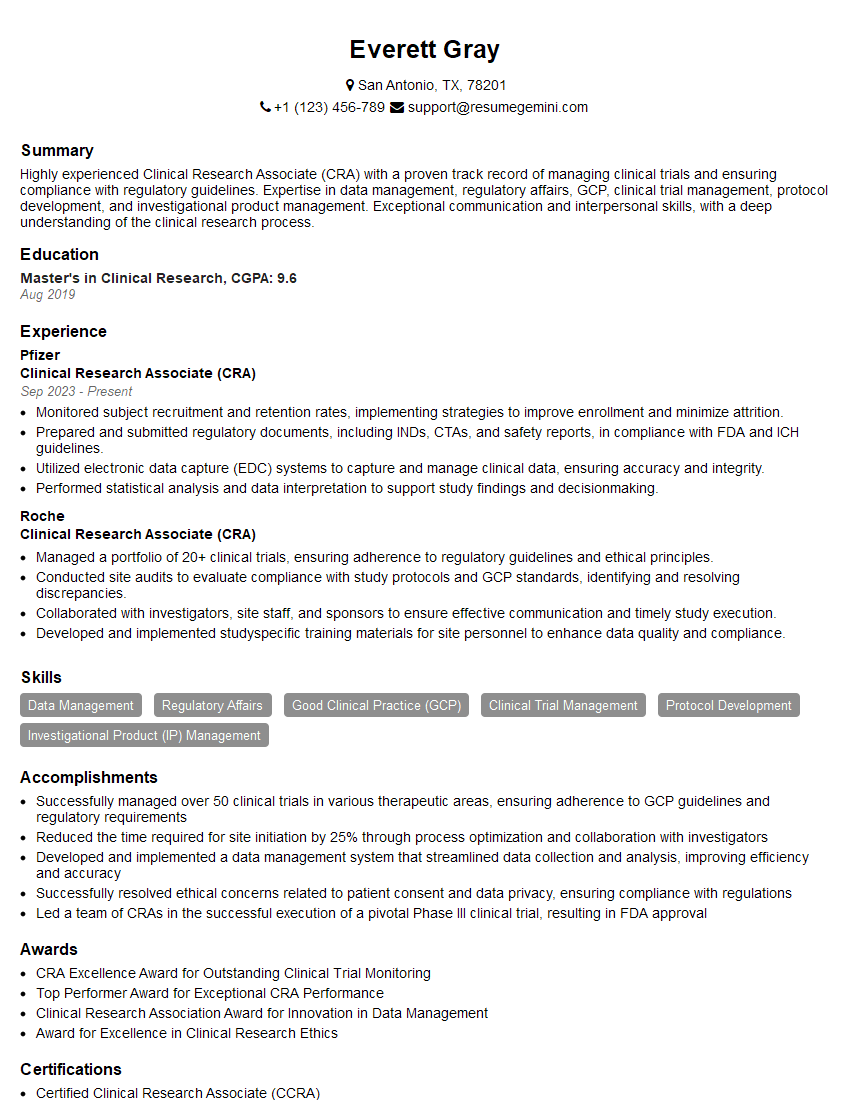
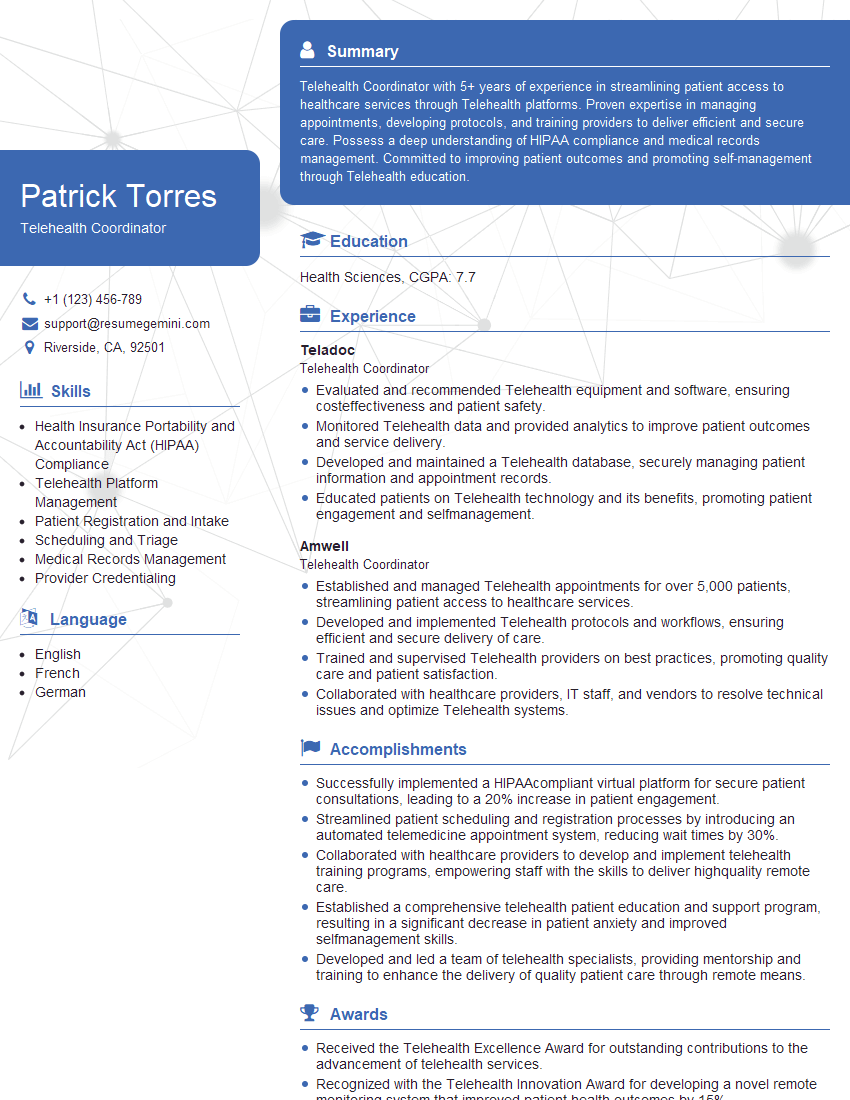
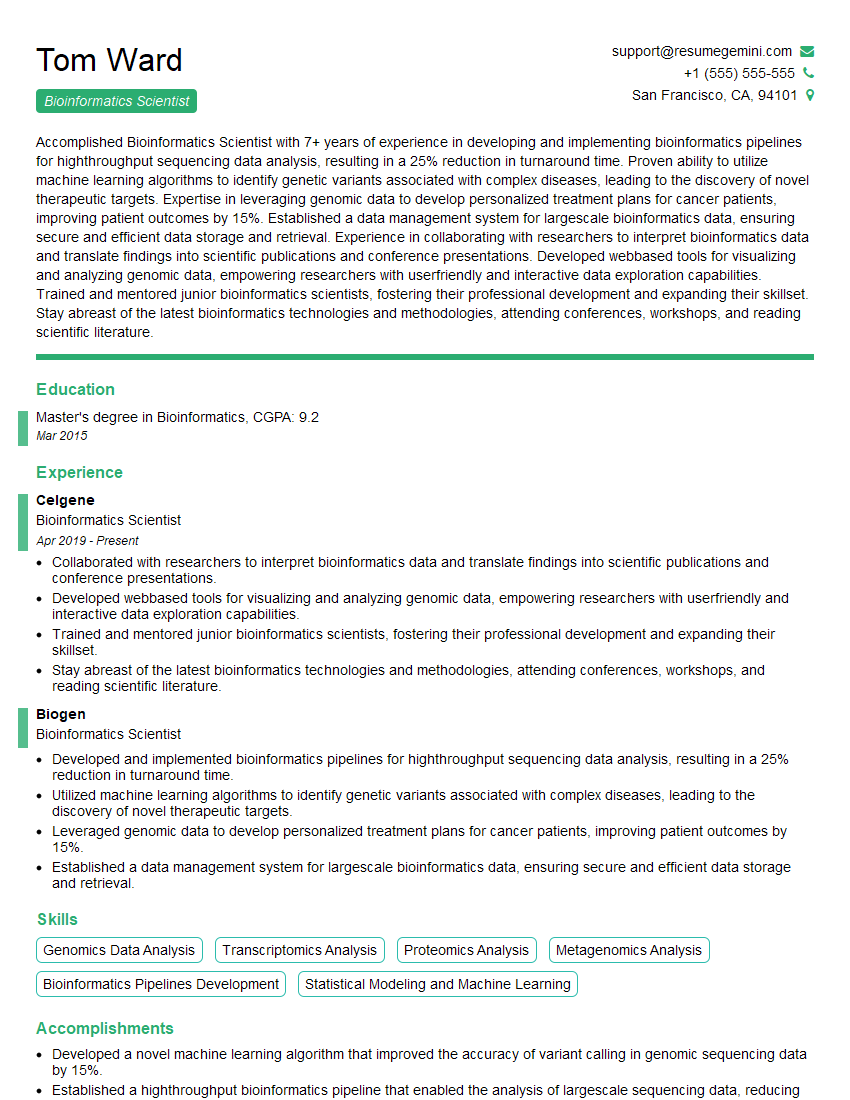
Mastering HealthTech concepts is crucial for career advancement in this rapidly evolving field. A strong understanding of these topics will significantly enhance your interview performance and open doors to exciting opportunities. To maximize your job prospects, create an ATS-friendly resume that highlights your skills and experience effectively. We highly recommend using ResumeGemini to build a professional and impactful resume. ResumeGemini provides helpful tools and resources, including examples of resumes tailored to the HealthTech industry, to help you present yourself in the best possible light.
Explore more articles
Users Rating of Our Blogs
Share Your Experience
We value your feedback! Please rate our content and share your thoughts (optional).
What Readers Say About Our Blog
Really detailed insights and content, thank you for writing this detailed article.
IT gave me an insight and words to use and be able to think of examples