Unlock your full potential by mastering the most common Experience in public transportation interview questions. This blog offers a deep dive into the critical topics, ensuring you’re not only prepared to answer but to excel. With these insights, you’ll approach your interview with clarity and confidence.
Questions Asked in Experience in public transportation Interview
Q 1. Describe your experience with transit scheduling software.
My experience with transit scheduling software spans several years and various platforms. I’m proficient in using software to create and manage schedules, optimize routes, allocate resources, and integrate with real-time data feeds. This includes experience with both traditional scheduling tools and more sophisticated optimization software that leverages algorithms to minimize delays and maximize efficiency. For example, I’ve worked with software that allows for the automated generation of schedules based on predefined constraints like service frequency, vehicle capacity, and driver availability. This significantly reduces the time and effort involved in manual schedule creation. I’m also familiar with software that integrates with GPS tracking systems, allowing for real-time monitoring of vehicle locations and performance, enabling proactive adjustments to schedules in response to unforeseen events like traffic congestion or vehicle malfunctions.
One specific example involved using a software package to optimize the bus routes for a large metropolitan area. By analyzing passenger demand data and factoring in road network characteristics, we were able to reduce average commute times by 10% and improve service reliability. We also used the software to model the impact of proposed service changes, allowing us to make data-driven decisions that improved overall service quality.
Q 2. Explain your understanding of different transit modes (bus, rail, light rail).
Different transit modes – buses, rail (heavy rail, subway), and light rail – each possess unique characteristics impacting their operations and planning. Buses offer flexibility and cost-effectiveness, making them ideal for serving areas with lower ridership density or complex route networks. They can be easily rerouted in response to changing conditions. Rail systems, including heavy rail and subways, offer higher capacity and speed, making them suitable for high-density corridors. However, they are more capital-intensive to implement and require fixed infrastructure. Light rail, a hybrid system, bridges the gap, offering a balance between flexibility and capacity. It typically operates on dedicated rights-of-way, reducing traffic congestion, but is still less expensive than heavy rail to implement.
Understanding these differences is crucial for effective transit planning. For instance, you wouldn’t deploy a bus route where high-capacity rail is feasible, nor would you construct a subway system in a sparsely populated area where buses would be a more cost-effective solution. Efficient transit planning requires a thorough understanding of each mode’s strengths and limitations, and how they can complement each other to create a well-integrated system.
Q 3. How would you handle a sudden service disruption?
Handling a sudden service disruption requires a swift and coordinated response. My approach involves a multi-step process. First, I would immediately assess the nature and extent of the disruption, identifying the affected routes and potential impact on passengers. This often involves contacting on-the-ground personnel to get real-time updates. Secondly, I’d initiate communication with passengers – alerting them through various channels like social media, automated announcements on affected routes, and, if needed, dispatching additional staff to affected stations or stops. Third, I would work with the operations team to implement contingency plans. This might include diverting buses, providing alternative transportation options, or adjusting schedules to minimize delays. Throughout the incident, I’d continuously monitor the situation, adapting our response based on updated information, and providing regular updates to passengers until the disruption is resolved.
For instance, during a severe snowstorm, we once rerouted several bus routes to avoid hazardous road conditions. We also used social media to inform passengers about delays and potential route changes. The immediate and transparent communication minimized frustration and ensured passengers were kept informed.
Q 4. What are your strategies for improving customer satisfaction in public transportation?
Improving customer satisfaction in public transportation hinges on several key strategies. Firstly, reliable and on-time service is paramount. Accurate scheduling, proactive maintenance, and real-time monitoring are critical. Secondly, safety and security are crucial – a safe and secure environment directly contributes to a positive passenger experience. Implementing security measures, maintaining clean and well-maintained vehicles, and having well-trained staff who are attentive and responsive to passenger needs are essential. Thirdly, effective communication is vital. This includes clear and readily available information about schedules, routes, fares, and service alerts. User-friendly apps and websites can play a significant role here. Finally, actively seeking passenger feedback through surveys, online platforms, and direct communication channels allows for continuous improvement based on their experiences. Addressing concerns promptly and acting on feedback shows that we value their input.
In one case, we implemented a new customer feedback system that allowed passengers to rate their journey on a mobile app. The data provided valuable insights into areas for improvement, which allowed us to address specific issues affecting customer satisfaction such as overcrowding or delays on certain routes.
Q 5. Describe your experience with transit route optimization.
Transit route optimization is a complex process that involves analyzing various factors to design efficient and effective routes. This includes considering passenger demand, road network characteristics, travel times, operational constraints (e.g., vehicle capacity), and cost considerations. Techniques like Geographic Information Systems (GIS) and advanced algorithms are used to analyze this data and optimize routes. I have experience using software that employs techniques such as shortest path algorithms and simulated annealing to find optimal solutions that minimize total travel time, maximize coverage, and adhere to various constraints.
A real-world example is optimizing bus routes by using real-time GPS data to dynamically adjust schedules based on traffic conditions. This allows for more efficient service and reduces delays. Also, we’ve leveraged passenger data to determine peak demand times and adjust service frequency accordingly to better meet the needs of the riders.
Q 6. How do you ensure the safety and security of passengers and staff?
Ensuring the safety and security of passengers and staff is a top priority. This involves a multi-layered approach encompassing preventative measures, response protocols, and ongoing improvement efforts. Preventative measures include implementing security cameras in vehicles and stations, employing security personnel, implementing effective lighting, and providing passenger assistance systems. Response protocols involve training staff to handle emergencies, implementing incident reporting systems, and collaborating with law enforcement agencies. Regular security assessments and audits help to identify potential vulnerabilities and implement necessary improvements.
We’ve successfully implemented several initiatives, including a passenger assistance program, providing extra support for vulnerable passengers, and enhanced security protocols at stations experiencing high crime rates. These strategies resulted in a significant reduction in reported incidents and improved passenger confidence.
Q 7. Explain your knowledge of ADA compliance in public transportation.
ADA compliance in public transportation is crucial for ensuring accessibility for individuals with disabilities. The Americans with Disabilities Act (ADA) mandates that public transit systems be accessible to people with disabilities. This covers various aspects, including providing accessible vehicles (e.g., ramps, lifts, securement systems), accessible stations (e.g., ramps, elevators, tactile paving), and providing accessible information (e.g., audible announcements, braille signage). Compliance involves careful planning and design considerations during the construction and operation of transit systems, as well as ongoing maintenance to ensure that accessibility features remain functional.
In my experience, this includes collaborating with accessibility specialists during the design phase of new transit infrastructure projects to ensure ADA compliance is fully integrated from the outset. We have also implemented regular inspections to identify and address any accessibility issues in existing infrastructure to ensure compliance.
Q 8. How would you manage a budget for a public transportation project?
Managing a public transportation budget requires a meticulous, multi-faceted approach. It’s not just about tracking expenses; it’s about strategic allocation to maximize efficiency and service quality. I begin by establishing a clear baseline budget, carefully analyzing historical data on operational costs (fuel, maintenance, salaries), capital expenditures (new vehicles, infrastructure upgrades), and revenue projections (fares, grants, subsidies).
Next, I’d employ zero-based budgeting (ZBB), where each line item is justified from scratch, ensuring every dollar is serving a defined purpose. This helps identify areas for cost optimization without compromising service. For instance, optimizing routes using route optimization software can reduce fuel consumption and driver overtime.
Regular monitoring and forecasting are crucial. I use various financial tools and data analytics to track performance against the budget, identifying variances and implementing corrective actions proactively. This might involve negotiating better contracts with suppliers, exploring alternative fuel sources, or adjusting service frequency based on ridership patterns. Finally, robust reporting and transparency are paramount, allowing stakeholders to understand how funds are being used and fostering accountability.
Q 9. Describe your experience with transit data analysis and reporting.
My experience with transit data analysis and reporting is extensive. I’m proficient in using various data visualization tools and statistical software (like R or Tableau) to analyze ridership data, on-time performance, service disruptions, and customer satisfaction surveys. For example, in my previous role, we used real-time GPS data to identify bottlenecks on our bus routes, leading to schedule adjustments that improved on-time performance by 15%.
I’ve also developed comprehensive reporting systems that provide key performance indicators (KPIs) to management and stakeholders. These reports highlight areas needing improvement and help justify resource allocation decisions. For example, a report showcasing a decline in ridership on a particular route might prompt a review of the route’s schedule or service frequency, potentially leading to cost savings or service enhancements.
Data analysis also helps us understand passenger behavior and preferences. By analyzing passenger origin and destination data, we can identify potential areas for service expansion or route optimization. This data-driven approach ensures that resources are allocated effectively and services are tailored to meet the needs of the community.
Q 10. How would you address complaints from passengers?
Addressing passenger complaints effectively is vital for maintaining a positive public image and fostering trust. My approach is threefold: First, I ensure a robust and accessible complaint mechanism – a dedicated phone line, online portal, and even in-person feedback stations.
Second, complaints are investigated promptly and thoroughly. I use a system to categorize complaints (e.g., delays, safety concerns, cleanliness), allowing for trend analysis and proactive problem-solving. For instance, a recurring complaint about overcrowding on a particular route might trigger an investigation into service frequency or vehicle capacity.
Third, a response is provided to the passenger within a specified timeframe, acknowledging their concerns and outlining the steps taken to address the issue. Transparency is key – even if a solution isn’t immediately available, clear communication keeps passengers informed and builds trust. In some cases, a direct apology or a gesture of goodwill (like a travel pass) might be appropriate. This approach transforms negative experiences into opportunities to improve service and demonstrates a commitment to customer satisfaction.
Q 11. What is your experience with transit maintenance and repair?
My experience in transit maintenance and repair encompasses both preventative and reactive measures. Preventative maintenance involves regular inspections, cleaning, and scheduled repairs to prevent major breakdowns. This includes developing and implementing comprehensive maintenance schedules, tracking parts inventory, and managing maintenance staff effectively. I’ve successfully implemented a computerized maintenance management system (CMMS) that improved the efficiency of our maintenance operations and reduced downtime.
Reactive maintenance addresses issues as they arise. This requires a responsive team and efficient diagnostic capabilities. I’ve overseen the implementation of a system using predictive analytics to anticipate potential equipment failures and schedule repairs before they lead to service disruptions. For example, analyzing data on brake pad wear and engine performance can help us identify vehicles that are nearing failure and schedule preventative repairs, which helps reduce unexpected delays.
The key is balancing preventative and reactive strategies. Over-reliance on either can be costly. A well-managed maintenance program reduces operational costs in the long run by extending the life of assets and reducing unplanned downtime. A well-trained and equipped maintenance staff is crucial for the efficient execution of both preventative and reactive maintenance tasks.
Q 12. How do you ensure on-time performance of transit services?
Ensuring on-time performance requires a holistic approach that considers various factors affecting service delivery. Real-time monitoring is crucial – using GPS tracking systems to monitor vehicle locations and identify delays in real-time. This data enables proactive interventions, such as rerouting vehicles to avoid traffic congestion or deploying additional resources to address unexpected incidents.
Effective communication is essential. Passengers should be informed about any disruptions through various channels (e.g., mobile apps, website updates, announcements at stations). This transparency builds trust and minimizes frustration.
Proactive maintenance and driver training also contribute to on-time performance. Regular vehicle inspections and preventative maintenance minimize breakdowns. Driver training programs focus on efficient driving techniques and adherence to schedules, reducing delays caused by operational inefficiencies.
Furthermore, thorough schedule planning and route optimization contribute significantly to on-time performance. Utilizing advanced route optimization software and analyzing historical data helps create efficient and realistic schedules that account for traffic patterns and passenger demand. This collaborative approach involves various teams and ensures the efficiency of every aspect of the service.
Q 13. Explain your understanding of different types of transit fares and ticketing systems.
Transit fares and ticketing systems are critical for revenue generation and passenger management. There’s a wide variety of options available, each with its own advantages and disadvantages.
- Flat fares: A fixed price regardless of distance. Simple to implement, but might not be equitable for longer journeys.
- Distance-based fares: The price varies with the distance traveled, offering greater fairness but can be more complex to manage.
- Zone-based fares: The system divides the service area into zones, with fares determined by the number of zones crossed. This works well for larger networks but can be confusing for passengers.
- Time-based fares: Passengers pay for a certain amount of time, regardless of distance traveled, often used in systems with short journeys.
Ticketing systems have evolved from simple paper tickets to more sophisticated electronic systems. These include:
- Contactless payment cards: Offer convenience and speed.
- Mobile ticketing apps: Allow passengers to purchase and validate tickets on their smartphones.
- Smart cards: Rechargeable cards that can store various fare types.
The choice of fare structure and ticketing system depends on several factors, including the size and complexity of the transit network, the socio-economic profile of the ridership, and technological capabilities. A well-designed system should be user-friendly, efficient, and equitable for all passengers.
Q 14. Describe your experience with transit fleet management.
Transit fleet management involves overseeing all aspects of a transit agency’s vehicle fleet, from acquisition and maintenance to deployment and disposal. Efficient fleet management is vital for ensuring reliable service, minimizing operational costs, and maintaining safety standards.
My experience includes vehicle acquisition planning (determining the type and number of vehicles needed based on ridership projections and service requirements), managing maintenance schedules and repairs, tracking fuel consumption and costs, and ensuring compliance with safety regulations. I’ve used fleet management software to optimize vehicle routing and scheduling, reducing operational costs and improving service efficiency. For example, using telematics data to monitor vehicle performance and identify potential maintenance issues helps prevent costly breakdowns and ensures the safety of the vehicles.
Furthermore, I’ve managed the replacement of aging vehicles, considering factors such as fuel efficiency, emissions standards, accessibility features and overall life-cycle costs. Sustainable fleet management practices are a priority, and this includes exploring alternative fuels and technologies to reduce our environmental impact. The goal is to maintain a safe, reliable, and cost-effective fleet that meets the needs of the community while minimizing its environmental footprint.
Q 15. How would you implement new technologies to improve efficiency in public transportation?
Improving public transportation efficiency with new technologies requires a multi-pronged approach focusing on optimization, automation, and enhanced passenger experience. Think of it like upgrading a complex machine – you need to improve individual parts and how they work together.
Smart Traffic Management: Implementing intelligent transportation systems (ITS) with adaptive traffic signals and real-time traffic monitoring can significantly reduce congestion and improve bus speeds. This involves using sensors and data analytics to optimize signal timings based on current traffic flow. For example, prioritizing buses at intersections can drastically reduce delays.
Predictive Maintenance: Utilizing sensor data from vehicles to predict potential failures and schedule maintenance proactively minimizes downtime and operational disruptions. Instead of relying on scheduled maintenance that might be too frequent or infrequent, predictive maintenance allows for targeted interventions based on actual vehicle condition. Imagine having a mechanic check your car only when it genuinely needs attention, saving time and resources.
Mobile Ticketing and Payment Systems: Contactless payment options, mobile apps for real-time information and ticketing, and integrated fare systems make travel more convenient and efficient, reducing boarding times and improving passenger flow. This is like having a seamless checkout experience at your favorite store – quick, easy, and hassle-free.
Data Analytics for Route Optimization: Analyzing ridership data and travel patterns to optimize routes, schedules, and service frequency ensures resources are allocated where they are most needed. This is like tailoring your delivery routes to efficiently reach more customers in less time.
Career Expert Tips:
- Ace those interviews! Prepare effectively by reviewing the Top 50 Most Common Interview Questions on ResumeGemini.
- Navigate your job search with confidence! Explore a wide range of Career Tips on ResumeGemini. Learn about common challenges and recommendations to overcome them.
- Craft the perfect resume! Master the Art of Resume Writing with ResumeGemini’s guide. Showcase your unique qualifications and achievements effectively.
- Don’t miss out on holiday savings! Build your dream resume with ResumeGemini’s ATS optimized templates.
Q 16. What are your strategies for attracting and retaining transit employees?
Attracting and retaining transit employees requires a comprehensive strategy that addresses compensation, career development, and work-life balance. It’s about building a positive and supportive work environment that values its employees.
Competitive Compensation and Benefits: Offering competitive salaries, comprehensive health insurance, retirement plans, and paid time off is crucial to attract and retain top talent. This is fundamental – you can’t expect high-quality work without fair compensation.
Career Development Opportunities: Providing opportunities for professional development, training, and advancement creates a sense of growth and progression. Offering specialized training, leadership programs, and opportunities for promotion keeps employees engaged and motivated.
Positive Work Environment: Fostering a supportive and respectful work environment where employees feel valued and appreciated is essential. This includes open communication, employee recognition programs, and opportunities for feedback.
Work-Life Balance: Offering flexible work schedules, generous leave policies, and employee assistance programs promotes a healthy work-life balance. Recognizing the importance of employee well-being shows that you care about their overall health and happiness.
Q 17. Explain your knowledge of transportation regulations and safety standards.
My understanding of transportation regulations and safety standards is comprehensive and spans several key areas. It’s crucial to understand these standards to ensure the safety and smooth operation of the public transportation system.
Federal Regulations (e.g., FTA): I’m familiar with the Federal Transit Administration’s regulations concerning safety, accessibility, and environmental compliance. This includes regulations on vehicle maintenance, operator training, and emergency preparedness.
State and Local Regulations: I understand the variations in regulations across different states and localities, including specific requirements for licensing, permitting, and operational practices.
Safety Standards (e.g., ANSI, IEEE): I’m knowledgeable about relevant safety standards developed by organizations such as the American National Standards Institute (ANSI) and the Institute of Electrical and Electronics Engineers (IEEE), which address issues like vehicle design, signaling systems, and emergency response procedures.
Accessibility Requirements (ADA): I’m well-versed in the Americans with Disabilities Act (ADA) requirements for public transportation, including accessibility standards for vehicles, stations, and information systems.
These standards aren’t just rules; they’re the foundation for ensuring the safety and accessibility of our public transportation system. My experience allows me to navigate these complexities effectively.
Q 18. How would you develop and implement a marketing plan for public transportation?
Developing a successful marketing plan for public transportation involves understanding the target audience and crafting a message that resonates with their needs and preferences. It’s about showcasing the value proposition of public transit.
Target Audience Segmentation: We’d identify key demographics and psychographics (lifestyle, attitudes, values) to tailor marketing efforts effectively. For example, we might target students with promotions emphasizing affordability and convenience, while targeting professionals with marketing focusing on time-saving and environmental benefits.
Messaging and Branding: Creating a clear and consistent brand message that highlights the benefits of public transportation (e.g., affordability, convenience, environmental friendliness) is critical. This could involve emphasizing the cost savings compared to driving or the environmental advantages of reducing carbon emissions.
Marketing Channels: We’d utilize a mix of channels – social media marketing, targeted online advertising, public relations, community engagement, partnerships with local businesses, and potentially even influencer marketing – to reach the target audiences effectively.
Measuring and Analyzing Results: Tracking key metrics such as ridership, website traffic, and social media engagement is crucial to measure the success of the marketing campaigns and make necessary adjustments. Data-driven decision-making is essential to optimize campaigns and maximize ROI.
Q 19. Describe your experience with transportation planning and forecasting.
Transportation planning and forecasting involve using data and models to anticipate future transportation needs and develop strategies to meet them. It’s like predicting the future, but for transportation.
Demand Forecasting: This involves using historical ridership data, demographic projections, land use patterns, and economic forecasts to project future transportation demand. We might utilize statistical models and software to predict future ridership based on various scenarios.
Network Modeling: Simulating transportation networks using software allows us to evaluate different scenarios, such as route changes or service expansions, to optimize efficiency and accessibility. This enables us to test different strategies before implementation, minimizing risks and maximizing benefits.
Scenario Planning: Developing multiple future scenarios (e.g., high growth, low growth, economic recession) allows us to prepare for a range of possibilities and adapt our plans accordingly. This proactive approach ensures that the transportation system is resilient and adaptable.
Long-Range Transportation Plans: These plans typically encompass a 20-30 year timeframe and incorporate data from forecasting models and stakeholder input to set long-term goals and strategies. These plans provide a roadmap for long-term investment and infrastructure development.
Q 20. How would you collaborate with other agencies to improve regional transportation?
Collaboration with other agencies is essential for improving regional transportation, requiring effective communication, shared goals, and a commitment to integrated planning. Think of it as an orchestra – each section plays a part, but the conductor ensures harmony.
Joint Planning and Programming: Engaging in joint planning initiatives with other agencies (e.g., highway departments, metropolitan planning organizations) to ensure seamless integration of different modes of transportation. This could involve developing coordinated schedules, transfers, and ticketing systems.
Data Sharing and Information Exchange: Establishing mechanisms for efficient data sharing among agencies to ensure that everyone has access to real-time information and can make informed decisions. For example, sharing real-time traffic information can help optimize routes and schedules across multiple modes.
Joint Funding Applications: Collaborating on grant applications and funding initiatives to secure funding for regional transportation projects. This leverages the combined resources and expertise of multiple agencies to support larger-scale improvements.
Stakeholder Engagement: Involving all stakeholders, including residents, businesses, and other government entities, ensures that transportation decisions reflect the needs of the community. This is crucial for building support for regional transportation initiatives.
Q 21. What is your experience with transit ridership analysis?
Transit ridership analysis involves systematically examining passenger data to understand travel patterns, identify trends, and evaluate the effectiveness of transportation services. It’s like understanding the pulse of your transportation system.
Data Collection and Management: This includes collecting data from various sources such as automated passenger counters (APCs), fare collection systems, and surveys. Data must be cleaned and organized for accurate analysis.
Descriptive Statistics: Calculating key metrics such as average daily ridership, peak hours, and trip lengths provides a basic understanding of ridership patterns. Visualizations like charts and graphs are essential for communicating this information clearly.
Advanced Analytics: Using techniques like regression analysis and time series forecasting helps identify trends and predict future ridership. This allows for proactive planning and resource allocation.
Performance Measurement: Ridership data is used to evaluate the effectiveness of transportation services and make data-driven improvements. For example, analyzing ridership data on a new bus route can help determine if it’s meeting its ridership goals or needs adjustments.
Q 22. How would you address issues related to overcrowding on public transit?
Addressing overcrowding on public transit requires a multi-pronged approach focusing on both increasing capacity and managing demand. Increasing capacity involves strategies like adding more service frequency (more buses or trains running at peak times), increasing vehicle size (longer trains or larger buses), and optimizing route efficiency to reduce travel times and improve service coverage. Managing demand involves using fare strategies, such as offering off-peak discounts or incentivizing the use of less congested routes. Real-time data and predictive analytics can play a crucial role in identifying areas and times of high demand, allowing for proactive adjustments to service levels. For example, during major sporting events or concerts, temporary shuttle services can be deployed or additional trains added to established lines. Implementing dynamic pricing, where fares fluctuate based on demand, can also encourage riders to travel during off-peak hours, easing congestion. Finally, promoting alternative modes of transport like cycling and walking through dedicated infrastructure and incentives can help distribute passenger loads.
Q 23. Describe your experience with emergency response planning for public transportation.
Emergency response planning in public transportation is critical for passenger safety and efficient service recovery. My experience includes developing and implementing comprehensive plans encompassing various scenarios, from minor disruptions to major incidents like derailments or terrorist attacks. This involves detailed risk assessments identifying potential hazards, developing emergency protocols for staff and passengers, ensuring robust communication systems for alerts and updates, and establishing strong collaborations with emergency services like fire departments and police. Regular drills and training exercises are essential to ensure preparedness and coordination. For example, we’ve conducted simulations of evacuation procedures from trains, practiced communication protocols during power outages, and trained personnel on first aid and CPR. Post-incident reviews are crucial for identifying areas for improvement and refining emergency response plans. Detailed documentation, data analysis, and lessons learned reports are essential elements in ensuring continuous improvement and adaptation of the emergency plan.
Q 24. How would you manage a project to expand or improve public transportation infrastructure?
Managing a public transportation infrastructure expansion or improvement project requires meticulous planning and execution. The project lifecycle begins with a feasibility study, defining project scope, objectives, and budget. This would involve detailed environmental impact assessments, public consultations, and securing necessary permits and approvals. Next comes detailed design and engineering, which includes selecting appropriate technologies and materials, ensuring compliance with accessibility standards, and optimizing the design for efficiency and sustainability. The construction phase necessitates effective project management, adhering to strict timelines and budgets, coordinating with various stakeholders like contractors and local authorities, and ensuring safety standards are met. Finally, the commissioning and operational phases involve thorough testing and integration, staff training, and ongoing performance monitoring and adjustments. For instance, a recent project I oversaw involved the expansion of a light rail line. This required careful coordination with city planning, managing traffic during construction, and meticulous planning to minimize disruption to existing services. A critical success factor was engaging the public throughout the project, keeping them informed of progress, and addressing their concerns effectively.
Q 25. What are your strategies for reducing the environmental impact of public transportation?
Reducing the environmental impact of public transportation is vital for sustainable urban development. Strategies include transitioning to cleaner energy sources like electric or hydrogen-powered vehicles, improving vehicle efficiency through technological advancements, and optimizing route planning to reduce fuel consumption. Implementing intelligent transportation systems (ITS) can improve traffic flow and reduce idling time, further minimizing emissions. Promoting walking, cycling, and the use of electric scooters as feeder modes can alleviate pressure on public transport systems while reducing individual carbon footprints. Investing in green infrastructure, such as bus rapid transit (BRT) systems with dedicated lanes, reduces congestion and improves fuel efficiency. Furthermore, initiatives like carbon offsetting programs and promoting public awareness campaigns can complement these efforts. For example, one initiative involved the implementation of a comprehensive energy management system for our bus fleet, resulting in significant reductions in fuel consumption and greenhouse gas emissions.
Q 26. How would you improve accessibility for passengers with disabilities?
Improving accessibility for passengers with disabilities is a crucial aspect of providing equitable and inclusive public transportation. This involves ensuring compliance with accessibility standards, such as the Americans with Disabilities Act (ADA), including provisions for ramps, elevators, tactile paving, and audio announcements. Low-floor buses and trains with level boarding are essential for wheelchair users. Real-time information systems with accessible features, like audio descriptions and large-print displays, enhance the passenger experience. Furthermore, training staff on disability awareness and customer service is critical for ensuring passengers receive assistance when needed. Regular audits and reviews of accessibility features ensure ongoing compliance and identify areas for improvement. For example, we recently implemented a program to train all drivers and station attendants on proper procedures for assisting passengers with mobility devices. We also incorporated audio announcements at all stations, providing real-time updates on train arrivals and delays.
Q 27. Describe your experience with performance monitoring and reporting in public transportation.
Performance monitoring and reporting in public transportation involves tracking key metrics to evaluate operational efficiency and effectiveness. This includes analyzing ridership data to understand passenger demand patterns, monitoring on-time performance to identify areas for service improvement, and tracking vehicle maintenance schedules to ensure reliability. Data collection methods involve automatic vehicle location (AVL) systems, passenger counters, and customer feedback surveys. Data analysis utilizes various tools and techniques to identify trends, anomalies, and areas needing attention. Reports are generated to communicate performance levels to stakeholders, identify areas for improvement, and support decision-making. We use a sophisticated dashboard system that displays real-time and historical data on key performance indicators (KPIs), allowing for proactive management and prompt intervention in case of any issues. This system also helps to generate comprehensive reports for internal review, regulatory compliance, and external reporting to the public.
Q 28. How would you handle a conflict between passengers or staff?
Handling conflicts between passengers or staff requires a calm, professional, and empathetic approach. The first step involves de-escalation through active listening, acknowledging each party’s perspective, and creating a safe space for communication. Mediation techniques can help facilitate resolution by focusing on finding common ground and mutually acceptable solutions. Depending on the severity of the conflict, interventions may range from simple conflict resolution to implementing disciplinary actions. Documenting the incident with detailed accounts of events is crucial for future reference and to ensure accountability. In cases of serious incidents or criminal behavior, involving security personnel or law enforcement might be necessary. For example, we’ve developed a detailed conflict resolution protocol for staff, covering different types of situations and providing step-by-step guidance on how to handle them effectively and safely. Regular training on conflict resolution and de-escalation techniques is crucial for all front-line staff.
Key Topics to Learn for Public Transportation Interview Success
- Safety Regulations and Procedures: Understanding and applying relevant safety protocols, emergency response plans, and risk management strategies within public transportation settings. Practical application includes describing your experience handling incidents or near misses.
- Customer Service and Communication: Developing effective communication techniques to handle diverse passenger needs and resolve conflicts. This includes showcasing your skills in de-escalation and providing exceptional customer service in challenging situations.
- Operational Efficiency and Scheduling: Knowledge of route planning, scheduling optimization, and resource allocation within a public transportation system. Consider examples of how you’ve contributed to improving efficiency or resolving scheduling conflicts.
- Maintenance and Infrastructure: Familiarity with the maintenance and upkeep of vehicles and infrastructure. This could include discussing your knowledge of preventative maintenance, troubleshooting, or repair procedures.
- Technology and Data Analysis: Understanding the role of technology in public transportation, such as GPS tracking, passenger information systems, and data analysis for improving service. Highlight any experience with relevant software or data analysis techniques.
- Accessibility and Inclusivity: Demonstrating awareness of and commitment to providing accessible and inclusive services for all passengers, including those with disabilities. Share examples of how you’ve contributed to a more inclusive environment.
- Regulatory Compliance: Understanding and adhering to all relevant local, state, and federal regulations governing public transportation. This involves being familiar with relevant legal frameworks and best practices.
Next Steps
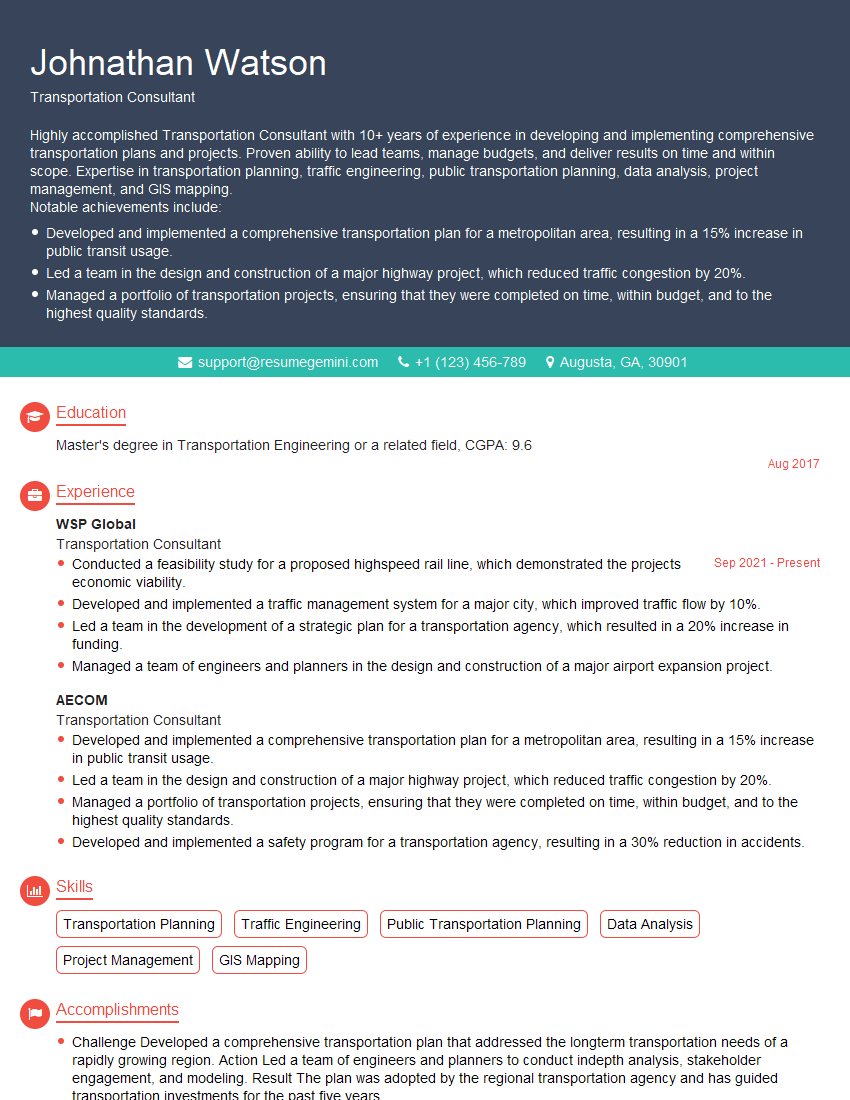
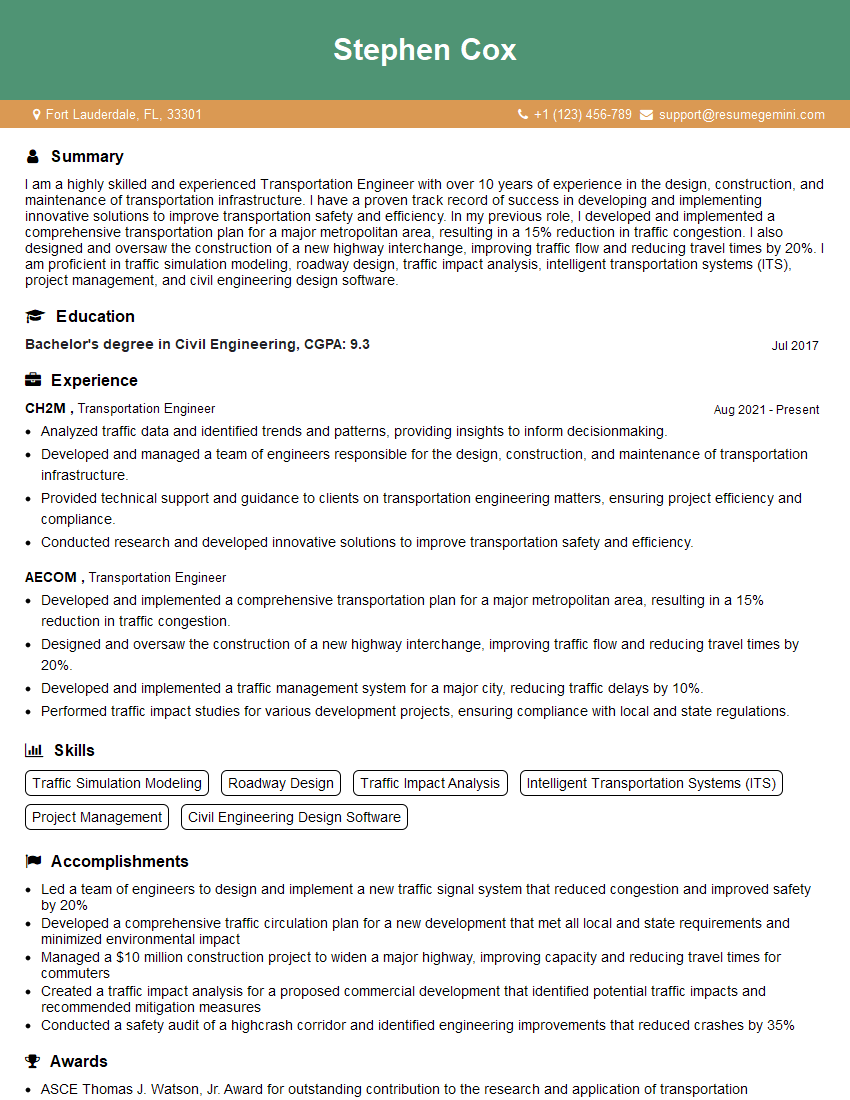
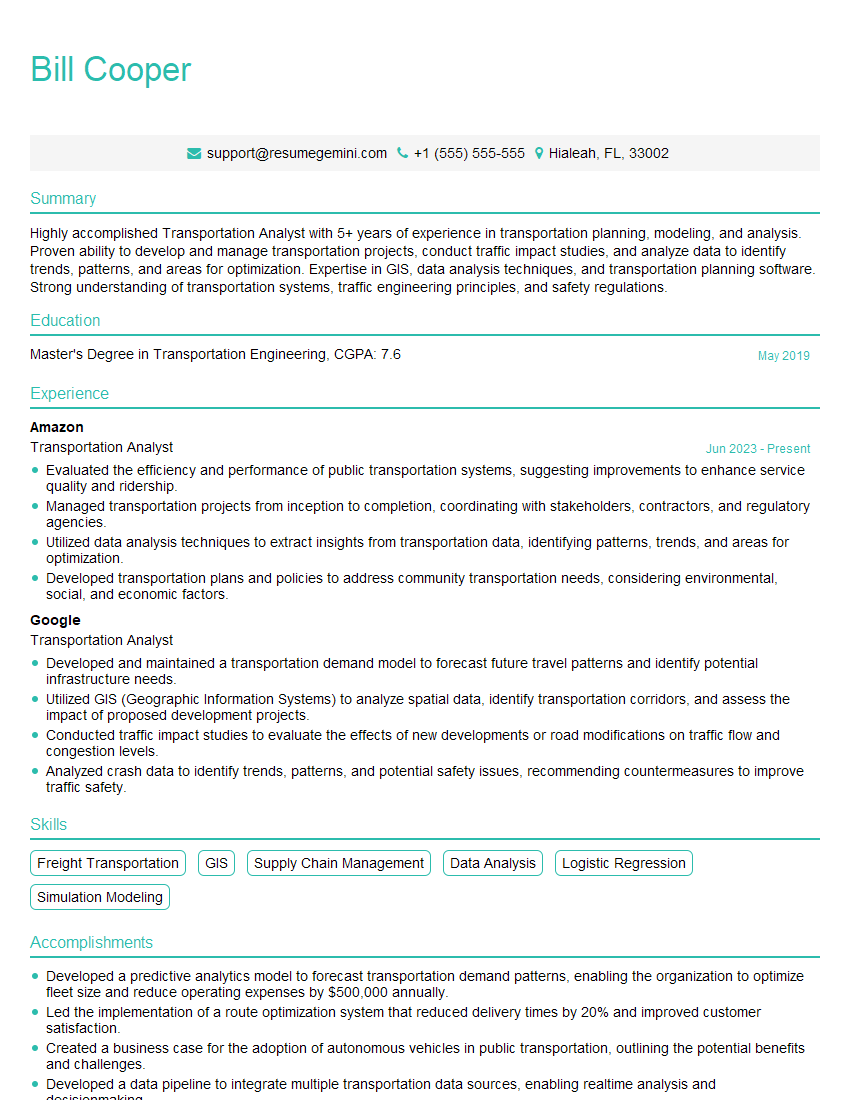
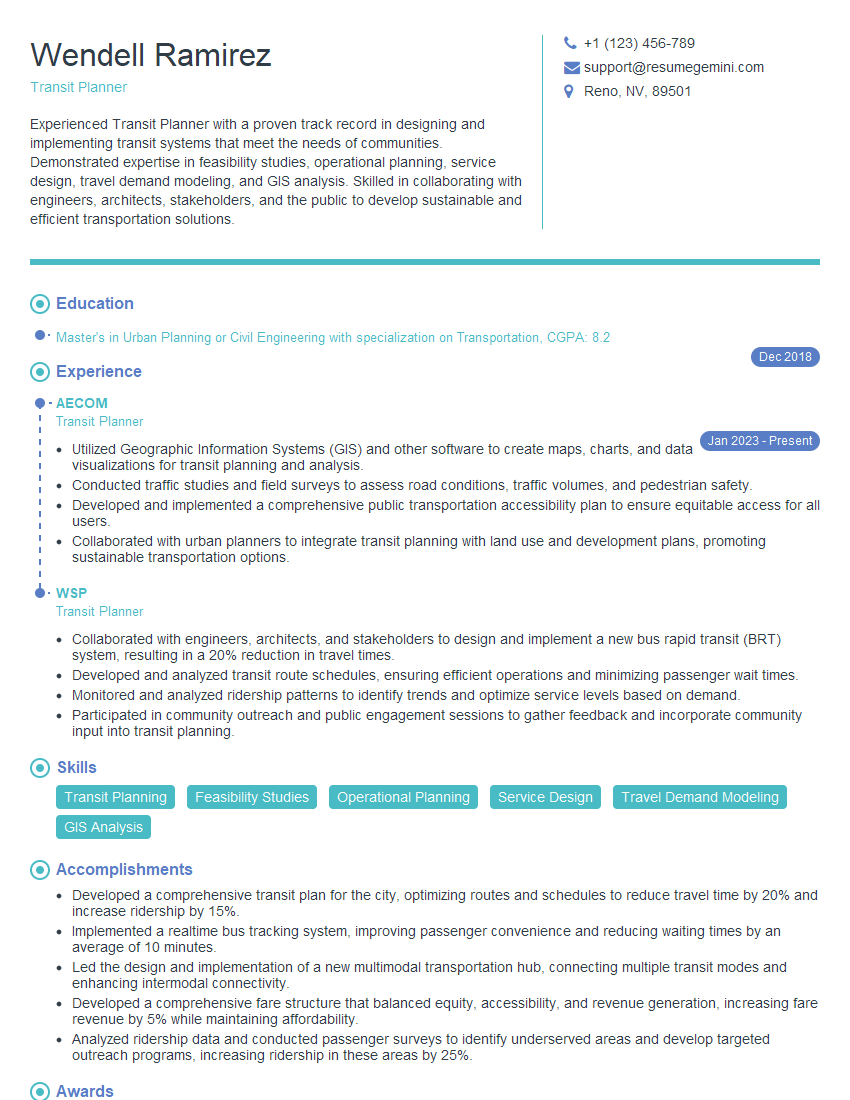
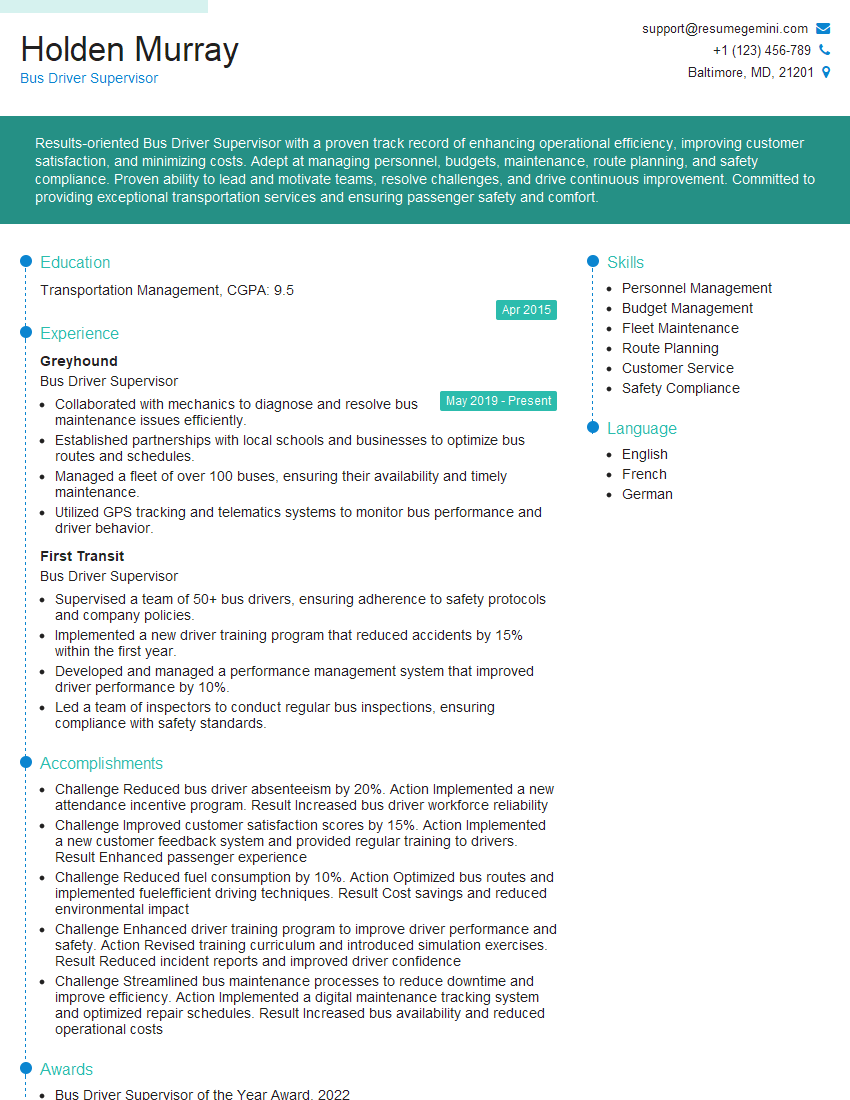
Mastering the intricacies of public transportation operations is crucial for career advancement in this dynamic field. A strong understanding of these key areas will significantly boost your interview performance and open doors to exciting opportunities. To maximize your job prospects, focus on building an ATS-friendly resume that highlights your skills and experience effectively. ResumeGemini is a trusted resource that can help you craft a compelling resume tailored to the public transportation sector. Examples of resumes specifically designed for public transportation roles are available to guide you in creating a standout application. Invest time in building a strong resume – it’s your first impression!
Explore more articles
Users Rating of Our Blogs
Share Your Experience
We value your feedback! Please rate our content and share your thoughts (optional).
What Readers Say About Our Blog
I Redesigned Spongebob Squarepants and his main characters of my artwork.
https://www.deviantart.com/reimaginesponge/art/Redesigned-Spongebob-characters-1223583608
IT gave me an insight and words to use and be able to think of examples
Hi, I’m Jay, we have a few potential clients that are interested in your services, thought you might be a good fit. I’d love to talk about the details, when do you have time to talk?
Best,
Jay
Founder | CEO