The right preparation can turn an interview into an opportunity to showcase your expertise. This guide to Market Analysis and Pricing interview questions is your ultimate resource, providing key insights and tips to help you ace your responses and stand out as a top candidate.
Questions Asked in Market Analysis and Pricing Interview
Q 1. Explain the difference between cost-plus pricing and value-based pricing.
Cost-plus pricing and value-based pricing represent fundamentally different approaches to setting prices. Cost-plus pricing is a straightforward method where you determine the cost of producing a product or service and add a markup percentage to arrive at the selling price. It’s simple to calculate and ensures profitability at a predetermined rate, but it ignores market dynamics and customer perception of value.
Value-based pricing, on the other hand, focuses on what customers are willing to pay based on the perceived value of your offering. This means understanding customer needs, pain points, and the benefits your product or service provides. Pricing is then set to reflect that perceived value, even if it deviates significantly from the cost-plus calculation. This approach can lead to higher profit margins if successful, but requires a deeper understanding of your target market.
Example: Imagine a handcrafted jewelry maker. Cost-plus pricing might calculate the cost of materials and labor, adding a 50% markup. Value-based pricing would consider the perceived luxury, craftsmanship, and exclusivity of the jewelry, potentially justifying a much higher price even if the cost-plus price is lower.
Q 2. Describe your experience with various pricing models (e.g., penetration pricing, skimming pricing).
Throughout my career, I’ve had extensive experience with various pricing models. Penetration pricing is a strategy where you launch a product or service at a low price to quickly gain market share. This is ideal for entering a new market or launching a disruptive product. The goal is to build a large customer base and then potentially raise prices later. Skimming pricing, conversely, involves setting a high initial price for a new product or service to capture early adopters willing to pay a premium for innovative features or exclusivity. As the product matures and competition intensifies, the price is gradually reduced.
I’ve also used competitive pricing, matching or slightly undercutting competitors’ prices. This strategy is effective in competitive markets where price is a key differentiator. Premium pricing involves setting a high price to position a product or service as luxurious, high-quality, or exclusive. This works well for niche products with strong brand recognition and unique selling propositions. In addition, I’ve utilized psychological pricing (e.g., $9.99 instead of $10.00) in many projects to influence customer perception of value.
Example: I successfully used penetration pricing to launch a new software-as-a-service (SaaS) product, acquiring a large user base quickly. We then implemented a tiered pricing model to capture greater revenue from more engaged customers.
Q 3. How do you conduct a competitive analysis?
A thorough competitive analysis is crucial for effective pricing. My approach involves several steps:
- Identify Key Competitors: First, identify direct and indirect competitors. Direct competitors offer similar products or services, while indirect competitors may offer alternative solutions to the same customer need.
- Analyze Pricing Strategies: Analyze competitors’ pricing strategies, including pricing models, discounts, promotions, and payment options.
- Assess Product Features and Value Proposition: Compare your product’s features and benefits to those of your competitors. This helps determine your product’s relative value.
- Analyze Customer Reviews and Feedback: Understanding customer perception of your competitors’ products is vital to gauge relative value in the customer’s eyes.
- Monitor Market Trends: Keep track of market trends, including pricing changes, new product launches, and economic conditions.
This holistic approach gives a complete picture of the competitive landscape. I often use spreadsheets and market research reports to organize the information gathered. By comparing my offering to the competition, I can identify pricing opportunities and potential risks.
Q 4. What are the key metrics you use to measure the success of a pricing strategy?
Measuring the success of a pricing strategy involves tracking several key metrics:
- Revenue Growth: Did the new pricing strategy increase revenue? This is a fundamental measure of success.
- Profit Margin: Did the pricing strategy improve profit margins? This indicates whether the pricing changes are financially sound.
- Market Share: Did the pricing strategy gain or lose market share? This reveals the impact on competitive position.
- Customer Acquisition Cost (CAC): Did the pricing strategy affect the cost of acquiring new customers? A successful strategy might reduce CAC.
- Customer Lifetime Value (CLTV): Does the pricing strategy influence CLTV? Higher CLTV indicates a more profitable customer base.
- Price Elasticity of Demand: How sensitive is demand to price changes? This informs future pricing adjustments.
By monitoring these metrics, I can assess the impact of a pricing strategy and make data-driven adjustments as needed. Regular reporting and analysis are crucial for optimizing pricing effectiveness.
Q 5. How do you identify price elasticity of demand for a product or service?
Price elasticity of demand measures the responsiveness of quantity demanded to a change in price. It’s expressed as a percentage change in quantity demanded divided by the percentage change in price. A value greater than 1 indicates elastic demand (quantity demanded is highly sensitive to price changes), while a value less than 1 indicates inelastic demand (quantity demanded is relatively insensitive to price changes).
There are several ways to identify price elasticity:
- Historical Sales Data Analysis: Analyze past sales data to see how quantity sold changed in response to price changes.
- Market Research: Conduct surveys or focus groups to assess customer willingness to pay at different price points.
- Price Experiments (A/B Testing): Experiment with different price points in different market segments to observe changes in demand.
Example: If a 10% price increase leads to a 20% decrease in quantity demanded, the price elasticity is 2 (elastic). This indicates that the product is sensitive to price changes and a price reduction might stimulate greater demand.
Q 6. Explain your understanding of price discrimination.
Price discrimination is the practice of charging different prices to different customers for the same product or service. This can be based on various factors like customer segment, purchase volume, time of purchase, or geographic location. It’s only possible if there are different market segments with varying price sensitivities, and you can effectively segment your market and prevent arbitrage (customers reselling at a lower price).
Types of Price Discrimination:
- First-degree (perfect) price discrimination: Charging each customer their maximum willingness to pay.
- Second-degree price discrimination: Charging different prices based on quantity purchased (e.g., bulk discounts).
- Third-degree price discrimination: Charging different prices to different market segments (e.g., student discounts).
Example: Airlines often practice price discrimination by charging different fares based on the time of booking, day of travel, and flexibility of the ticket. Software companies might offer different subscription tiers at different price points depending on features and support needed.
It’s important to note that price discrimination needs to be done carefully, ensuring that it aligns with competition laws and regulations.
Q 7. How do you handle objections from sales teams regarding pricing decisions?
Handling objections from sales teams regarding pricing decisions requires a collaborative and data-driven approach. The key is to ensure transparency and demonstrate that pricing decisions are based on sound market analysis and business objectives.
Here’s a step-by-step approach:
- Present Data and Rationale: Clearly explain the rationale behind the pricing decision, supported by market research, competitive analysis, and financial projections. Show them the pricing strategy and why it’s optimal.
- Address Concerns and Feedback: Actively listen to the sales team’s concerns and address them. Acknowledge their experience and insight.
- Focus on Value Proposition: Emphasize the product’s value proposition and how it justifies the price. Equip them to articulate the value to customers effectively.
- Offer Incentives and Support: Consider providing additional training, resources, or incentives to help the sales team overcome objections and sell the product effectively. Make the sales team a success.
- Iterative Adjustment: Be open to iteratively adjusting the pricing strategy based on market feedback and sales team experience. Pricing should be viewed as a dynamic process, not a fixed entity.
By engaging the sales team in a constructive dialogue and demonstrating the strategic rationale behind pricing decisions, you can foster buy-in and build a successful pricing strategy that aligns with both sales and overall business objectives.
Q 8. Describe your experience using market research data to inform pricing decisions.
Market research data is the cornerstone of effective pricing. I leverage data from various sources – primary research like surveys and focus groups, and secondary research like industry reports and competitor analysis – to understand customer perception of value, price sensitivity, and the competitive landscape. For instance, in a recent project for a SaaS company, we used survey data to determine the willingness-to-pay for different feature sets. This allowed us to price different tiers of our software optimally, maximizing revenue while ensuring market competitiveness. We also analyzed competitor pricing and their feature offerings to identify potential pricing gaps and opportunities. By combining qualitative and quantitative data, we developed a robust pricing model that significantly improved our client’s revenue.
My process typically involves: 1) Defining the research objectives (e.g., understanding price elasticity); 2) Selecting appropriate data collection methods; 3) Analyzing the data using statistical techniques; 4) Synthesizing findings and developing recommendations for pricing strategies; and 5) Implementing and monitoring the results.
Q 9. How do you forecast market demand?
Forecasting market demand involves predicting future sales based on historical data, market trends, and other relevant factors. It’s a bit like predicting the weather – you can’t be perfectly accurate, but with good data and the right models, you can get a pretty good forecast. I utilize several methods including time series analysis (like ARIMA models), regression analysis (to identify correlations between demand and other variables like advertising spend or economic indicators), and qualitative forecasting techniques (like expert panels) to create a comprehensive prediction. For example, I once used a combination of ARIMA modeling and regression analysis to forecast demand for a new line of smart home devices. The ARIMA model captured seasonal trends, while the regression analysis incorporated factors like marketing campaign effectiveness and competitor actions. This combination resulted in a significantly more accurate forecast than using either method in isolation.
Q 10. How do you analyze market segmentation?
Market segmentation is the process of dividing a broad consumer or business market, normally consisting of existing and potential customers, into sub-groups of consumers based on some type of shared characteristics. Think of it like sorting a deck of cards into suits and then into ranks. These characteristics can include demographics (age, income, location), psychographics (lifestyle, values), behavioral (purchasing habits, brand loyalty), and needs/benefits sought. I employ various techniques, including cluster analysis (to identify groups with similar characteristics), and conjoint analysis (to understand the relative importance of different product attributes). For example, in analyzing the market for electric vehicles, I might segment the market into luxury buyers, environmentally conscious buyers, and budget-conscious buyers. Each segment would have different priorities and would respond to marketing and pricing differently. Understanding these segments allows for tailored marketing campaigns and optimized pricing strategies.
Q 11. What is your experience with conjoint analysis?
Conjoint analysis is a powerful statistical technique used to understand how consumers make trade-offs between different product attributes. It’s like presenting consumers with a series of hypothetical products with varying features and prices and asking them to rank their preferences. This allows us to quantify the relative importance of each attribute (e.g., features, price, brand) and predict consumer choice for new product offerings. I’ve extensively used conjoint analysis in developing new product offerings, helping companies understand how to optimally price and configure products based on consumer preferences. For example, in a project for a beverage company, we used conjoint analysis to determine the optimal price point and flavor profile for a new line of energy drinks. The results showed a strong preference for a specific flavor combination at a slightly higher price point than initially anticipated.
Q 12. How do you account for seasonality in your pricing strategies?
Seasonality is a crucial aspect of pricing, especially for businesses dealing with products or services whose demand fluctuates throughout the year. Ignoring seasonality can lead to missed opportunities or lost revenue. My approach involves analyzing historical sales data to identify seasonal trends. Then, I develop pricing strategies that account for these fluctuations. This could involve dynamic pricing, where prices are adjusted based on real-time demand, or promotional pricing during off-peak seasons. For example, a ski resort might offer lower prices during the off-season to attract visitors and maintain revenue streams. Conversely, they might increase prices during peak season when demand is highest. Understanding and adapting to seasonality allows for revenue optimization throughout the year.
Q 13. Describe a time you had to make a difficult pricing decision. What was the outcome?
One challenging pricing decision involved a new product launch for a client in a highly competitive market. Initial market research suggested a premium price point, but competitor pricing was significantly lower. We needed to balance maximizing profitability with securing sufficient market share. The outcome of this dilemma was a phased approach. We launched with a slightly lower price than initially planned and then incrementally increased pricing over the following quarters as we built brand awareness and market share. Continuous monitoring of sales and competitor actions helped guide this strategy. While the initial profit margins were lower, the increased market share and positive brand reception ultimately resulted in higher long-term profitability and helped sustain the client’s growth in the space.
Q 14. How familiar are you with different statistical software packages for market analysis (e.g., SPSS, R, Python)?
I am proficient in several statistical software packages commonly used for market analysis. My experience includes extensive work with R and Python, which offer powerful statistical modeling capabilities and flexibility in data manipulation. I’m also familiar with SPSS and its user-friendly interface. My expertise extends to utilizing these tools for various tasks, including data cleaning, exploratory data analysis, regression analysis, time series analysis, and building predictive models. Choosing the right software depends on the specific project requirements and the type of data being analyzed. For instance, R is ideal for complex statistical modeling, while Python offers excellent data visualization capabilities and seamless integration with other data science tools.
Q 15. Explain your experience with developing pricing models.
Developing effective pricing models requires a deep understanding of both market dynamics and internal cost structures. My experience spans various methods, from simple cost-plus models to sophisticated ones incorporating value-based pricing and competitive analysis. I’ve worked extensively with models that factor in price elasticity of demand – essentially, how sensitive customers are to price changes. For example, in one project for a SaaS company, we implemented a tiered pricing model based on the number of users and features, after analyzing customer segmentation and their willingness to pay. This model significantly improved revenue and customer lifetime value compared to a flat-rate pricing structure. In another project for a consumer goods company, we used a conjoint analysis to understand the relative importance of different product features (quality, packaging, etc.) in influencing purchasing decisions, which in turn helped us optimize pricing for maximum profitability.
I’m also proficient in using statistical modeling techniques such as regression analysis to predict pricing sensitivity and forecast revenue based on different pricing strategies. This allows for data-driven decision-making rather than relying solely on intuition.
Career Expert Tips:
- Ace those interviews! Prepare effectively by reviewing the Top 50 Most Common Interview Questions on ResumeGemini.
- Navigate your job search with confidence! Explore a wide range of Career Tips on ResumeGemini. Learn about common challenges and recommendations to overcome them.
- Craft the perfect resume! Master the Art of Resume Writing with ResumeGemini’s guide. Showcase your unique qualifications and achievements effectively.
- Don’t miss out on holiday savings! Build your dream resume with ResumeGemini’s ATS optimized templates.
Q 16. How do you measure the effectiveness of a marketing campaign on pricing?
Measuring the effectiveness of a marketing campaign on pricing involves a multi-faceted approach. We can’t simply look at sales figures; we need to isolate the impact of the specific campaign. This is often done through A/B testing, where one group is exposed to the marketing campaign and another (control group) is not. By comparing sales and pricing data between the two groups, we can attribute any change in pricing behavior or sales to the campaign.
Key metrics include:
- Conversion Rate: How many exposed individuals made a purchase at the promoted price?
- Average Revenue Per User (ARPU): Did the campaign influence pricing acceptance and average order value?
- Customer Acquisition Cost (CAC): Was the increased revenue worth the marketing expense?
- Price Elasticity of Demand (PED): Did the campaign shift the PED, indicating a change in price sensitivity among target customers?
Furthermore, analyzing customer feedback and surveys helps understand the campaign’s impact on brand perception and pricing acceptance. Combining quantitative and qualitative data provides a holistic view of the campaign’s effectiveness on pricing.
Q 17. How would you identify and assess new market opportunities?
Identifying and assessing new market opportunities requires a systematic approach. It begins with thorough market research and analysis, which might involve studying industry trends, competitor activities, and emerging technologies. I use a combination of methods such as:
- SWOT Analysis: Identifying strengths, weaknesses, opportunities, and threats in a potential market.
- Porter’s Five Forces: Analyzing competitive rivalry, buyer power, supplier power, threat of new entrants, and threat of substitutes.
- Market Segmentation: Dividing the market into distinct groups of customers based on shared characteristics to target specific needs and tailor pricing strategies.
- Demographic and Psychographic Research: Understanding customer profiles, preferences, and purchasing behaviors.
Once potential opportunities are identified, a detailed assessment involves projecting market size, growth potential, profitability, and competitive landscape. This might involve building financial models to assess return on investment (ROI) and the risk involved in entering a new market. For example, while identifying a potential niche market for sustainable products, we would assess factors like consumer awareness of sustainability, regulatory compliance, supply chain considerations, and potential pricing premiums.
Q 18. How do you handle uncertainty in your market forecasts?
Uncertainty in market forecasts is inherent. To handle this, I utilize several strategies:
- Scenario Planning: Developing multiple forecasts based on different assumptions about key variables (e.g., economic growth, competitor actions, regulatory changes). This helps anticipate various outcomes and develop contingency plans.
- Sensitivity Analysis: Assessing the impact of changes in key variables on the forecast. This highlights the most impactful uncertainties and allows for focused mitigation strategies.
- Monte Carlo Simulation: Using statistical methods to generate a range of possible outcomes, allowing us to understand the probability distribution of forecast values instead of relying on a single point estimate.
- Regular Monitoring and Adjustment: Continuously monitoring actual market performance and adjusting forecasts as new data becomes available. This is crucial for adapting to unexpected market shifts.
For instance, when forecasting demand for a new product, we would incorporate various scenarios – optimistic, pessimistic, and most likely – to account for uncertainties regarding consumer adoption rates and competitive responses. We’d then conduct a sensitivity analysis to see how price changes might affect those scenarios.
Q 19. Describe your experience working with large datasets for market analysis.
I possess extensive experience working with large datasets for market analysis. My skills encompass data cleaning, transformation, and preparation using tools like SQL, Python (with libraries such as Pandas and NumPy), and R. I’m familiar with handling both structured and unstructured data, and I use techniques to address missing values and outliers.
For example, in a recent project involving customer transaction data for a retail company, I used SQL queries to extract relevant information, Python with Pandas to clean and process the data, and created statistical models for customer segmentation and churn prediction. This involved handling millions of rows of data, requiring efficient data manipulation and storage techniques. I’m also experienced in using cloud-based platforms like AWS or Google Cloud for processing and storing large datasets efficiently.
Q 20. How do you interpret and present market analysis findings to non-technical audiences?
Communicating complex market analysis findings to non-technical audiences requires clear, concise, and visually engaging presentations. I avoid jargon and use plain language, focusing on the key takeaways and their implications for the business.
My approach involves:
- Storytelling: Framing the analysis within a narrative that highlights the key issues, findings, and recommendations.
- Visualizations: Using charts, graphs, and maps to communicate complex data effectively. This makes it easier for the audience to grasp the main points without getting bogged down in details.
- Analogies and Real-world Examples: Using relatable analogies and real-world examples to explain complex concepts in a simple and understandable way.
- Interactive Presentations: Making the presentation interactive through Q&A sessions and engaging visuals.
For example, instead of saying “The coefficient of price elasticity of demand is -1.5,” I’d explain that a 1% increase in price will lead to a 1.5% decrease in demand, illustrating this with a simple graph. I always tailor my communication style to the audience’s level of understanding.
Q 21. What is your experience with using data visualization tools to present pricing data?
I’m proficient in using various data visualization tools to present pricing data effectively. My experience includes tools like Tableau, Power BI, and Python libraries such as Matplotlib and Seaborn. I leverage these tools to create compelling visuals such as:
- Line charts: To show price trends over time.
- Bar charts: To compare prices across different products or segments.
- Scatter plots: To show the relationship between price and demand.
- Heatmaps: To visualize price sensitivity across different customer segments.
- Interactive dashboards: To allow users to explore the data and filter results based on their interests.
The choice of visualization depends on the specific data and the message I want to convey. For example, to demonstrate the impact of a price change on sales, a line chart showing both price and sales trends over time would be highly effective. I always ensure the visuals are clear, concise, and easy to understand, avoiding unnecessary clutter or complexity.
Q 22. How do you stay up-to-date with the latest trends in market analysis and pricing?
Staying current in market analysis and pricing requires a multi-pronged approach. It’s not enough to simply read industry publications; active engagement is key. I leverage several strategies to ensure I’m always informed.
- Industry Publications and Journals: I regularly subscribe to and read leading journals like the Journal of Marketing Research and Marketing Science, staying abreast of the latest academic research and methodologies.
- Conferences and Webinars: Attending industry conferences and participating in webinars allows me to network with peers, learn about cutting-edge techniques, and hear directly from experts in the field. Recently, I attended the Pricing Strategy Summit, which provided invaluable insights into dynamic pricing models.
- Online Resources and Databases: I use online databases like Statista and IBISWorld to access market data, competitor analysis, and economic forecasts. These tools help me build comprehensive models and understand evolving market dynamics.
- Competitive Monitoring: I actively monitor competitors’ pricing strategies, promotions, and product launches. This involves website tracking, market research reports, and even direct observation of competitor activities in the market.
- Networking: Building a strong professional network allows for the exchange of ideas and information. Regularly connecting with colleagues and industry leaders keeps my perspective fresh and provides early insights into emerging trends.
This combined approach ensures I have a holistic view of the market, allowing me to adapt to changes and use the most effective strategies in my work.
Q 23. Explain your understanding of the impact of macroeconomic factors on pricing decisions.
Macroeconomic factors significantly influence pricing decisions. Understanding these factors is crucial for developing successful and sustainable pricing strategies. Think of it like this: your pricing isn’t set in isolation; it’s part of a larger economic ecosystem.
- Inflation: Rising inflation increases input costs, necessitating price adjustments to maintain profitability. For example, if raw material costs for a product increase by 10%, ignoring this and maintaining the original price would drastically reduce profit margins.
- Interest Rates: Higher interest rates increase borrowing costs, affecting both businesses and consumers. Higher interest rates can reduce consumer spending, impacting demand and potentially necessitating lower prices to maintain sales volume.
- Exchange Rates: Fluctuations in exchange rates affect the pricing of imported and exported goods. A stronger domestic currency can make exports more expensive in foreign markets, while a weaker currency can make imports more expensive domestically.
- Economic Growth: During periods of strong economic growth, consumer confidence is high, and demand increases. Businesses might be able to increase prices slightly without significantly impacting demand. Conversely, during economic downturns, lower prices might be necessary to stimulate demand.
- Government Regulations: Government policies, such as taxes or subsidies, directly influence pricing. For example, a carbon tax increases production costs, potentially leading to higher prices for goods that generate significant carbon emissions.
Therefore, a comprehensive pricing strategy must incorporate forecasts of these macroeconomic indicators to make informed decisions and adapt as economic conditions change. Ignoring these factors can lead to pricing errors and significantly reduced profitability or market share.
Q 24. How do you handle conflicts between different departments regarding pricing strategies?
Conflicts between departments regarding pricing strategies are common, particularly when sales prioritize market share and other departments prioritize profitability. Addressing these conflicts requires a collaborative approach emphasizing data-driven decision making and clear communication.
- Data-Driven Approach: I present data from market analysis, competitor pricing, and customer segmentation to support pricing recommendations. This removes the emotional element and focuses the discussion on objective factors.
- Facilitated Meetings: I organize meetings involving stakeholders from all relevant departments (Sales, Marketing, Finance, Operations) to create a shared understanding of the market, objectives, and constraints. These meetings aim to find a common ground, not just dictate a solution.
- Scenario Planning: I present multiple pricing scenarios, each with different implications for market share, revenue, and profit. This allows for a comparative assessment and informed decision-making based on different risk tolerance levels.
- Clearly Defined Metrics: Setting clear and measurable goals, such as revenue targets or market share goals, is crucial. This provides a framework for evaluating different pricing strategies and assessing their effectiveness.
- Compromise and Negotiation: Sometimes, a perfect solution isn’t possible, and compromise is needed. I facilitate negotiations between departments, finding solutions that balance competing priorities.
The key is to create a transparent and collaborative environment, ensuring all voices are heard and decisions are supported by data and a shared understanding of the business goals.
Q 25. Describe your experience with developing and implementing a new pricing strategy.
In my previous role, I led the development and implementation of a value-based pricing strategy for a SaaS (Software as a Service) product. The existing pricing model was a simple tiered structure based on features, which wasn’t fully reflecting the actual value delivered to customers.
- Market Research: We conducted extensive customer surveys and interviews to understand customer needs and how they perceived the value of different features.
- Value Segmentation: We segmented our customers based on their usage patterns and the value they derived from the product. This allowed us to tailor our pricing to different customer segments.
- Pricing Model Development: We developed a value-based pricing model where customers paid based on the value they received, rather than just on a set of features. This involved calculating the return on investment (ROI) for different customer segments.
- Implementation and Monitoring: We rolled out the new pricing model gradually, starting with a pilot program with a smaller customer segment. We monitored key metrics such as customer acquisition cost (CAC), customer churn, and lifetime value (LTV) to evaluate the effectiveness of the new pricing model. We also closely tracked customer feedback and made adjustments as needed.
The new pricing model resulted in a significant increase in average revenue per user (ARPU) and improved overall profitability without negatively impacting customer satisfaction. This demonstrates the effectiveness of a well-researched and carefully implemented value-based pricing strategy.
Q 26. How do you measure customer lifetime value (CLTV) and how does it influence pricing?
Customer Lifetime Value (CLTV) is a crucial metric that predicts the total revenue a business expects to generate from a single customer throughout their relationship. It’s a powerful tool for guiding pricing decisions because it highlights the long-term profitability of acquiring and retaining a customer.
Measuring CLTV: There are various methods to calculate CLTV, but a common approach involves the following:
- Average Purchase Value (APV): This is the average amount a customer spends per transaction.
- Purchase Frequency (PF): This is how often a customer makes a purchase.
- Customer Lifespan (CL): This is the average length of time a customer remains a customer.
A simplified CLTV calculation is: CLTV = APV * PF * CL
Influence on Pricing: A high CLTV suggests that acquiring and retaining a customer is highly profitable. This allows for more flexibility in pricing strategies. For example, a business with a high CLTV might be willing to offer discounts or promotions to acquire new customers, knowing that the long-term profitability will outweigh the initial costs. Conversely, a low CLTV might necessitate a focus on increasing customer retention or reducing customer acquisition costs.
By understanding CLTV, businesses can make more informed decisions regarding pricing, promotions, and customer retention strategies, maximizing their long-term profitability.
Q 27. How would you approach the pricing of a new product entering a competitive market?
Pricing a new product in a competitive market requires a careful analysis of the competitive landscape, the product’s unique value proposition, and the target market. The approach depends heavily on the type of product and the competitive dynamics.
- Competitive Analysis: Begin by thoroughly analyzing competitor pricing, features, and target markets. Identify any pricing gaps or opportunities. Are competitors price leaders, followers, or something else?
- Value Proposition: Clearly define your product’s unique selling proposition (USP) and how it addresses customer needs better than existing alternatives. This is crucial for justifying a premium price if warranted.
- Cost Analysis: Determine the product’s cost to produce or provide, including research and development, manufacturing, marketing, and distribution costs. This establishes a cost floor, below which pricing would be unsustainable.
- Target Market Analysis: Identify your target market’s price sensitivity. Are they price-conscious, or are they willing to pay a premium for specific features or benefits?
- Pricing Strategies: Consider various pricing strategies:
- Penetration Pricing: Setting a low initial price to quickly gain market share. This works well for products with low barriers to entry and high potential for growth.
- Price Skimming: Setting a high initial price to capture early adopters and maximize profits before competition increases. This strategy is suitable for innovative products with strong differentiation and less price-sensitive customers.
- Competitive Pricing: Setting prices similar to competitors. This is less effective if the product doesn’t offer unique value.
- Value-Based Pricing: Setting prices based on the perceived value of the product to the customer. This requires a strong understanding of customer needs and willingness to pay.
- Testing and Iteration: Implement a pricing strategy, but monitor its effectiveness closely. Gather customer feedback and be prepared to adjust prices based on the real-world response.
Ultimately, the most effective approach is data-driven and adaptable. Begin with a well-researched strategy, but prepare to modify it based on market feedback and performance data.
Key Topics to Learn for Market Analysis and Pricing Interview
- Market Sizing and Segmentation: Understanding different market segmentation techniques (geographic, demographic, psychographic, behavioral) and applying them to estimate market size and potential. Practical application: Analyzing competitor market share and identifying underserved segments.
- Competitive Analysis: Identifying key competitors, analyzing their strengths and weaknesses, understanding their pricing strategies, and predicting their future actions. Practical application: Developing a competitive matrix and using it to inform pricing decisions.
- Pricing Strategies: Mastering various pricing models (cost-plus, value-based, competitive pricing) and understanding their implications. Practical application: Calculating optimal prices considering costs, demand, and competition.
- Demand Forecasting: Utilizing quantitative and qualitative methods to predict future demand for a product or service. Practical application: Using forecasting to optimize inventory management and pricing decisions.
- Price Elasticity of Demand: Understanding how changes in price affect demand and using this knowledge to optimize pricing for revenue maximization. Practical application: Conducting sensitivity analysis to determine optimal price points.
- Cost Analysis: Accurately determining the total cost of producing a good or service, including fixed and variable costs. Practical application: Using cost analysis to inform pricing decisions and identify areas for cost reduction.
- Profitability Analysis: Evaluating the profitability of different pricing strategies and identifying opportunities to improve margins. Practical application: Building and interpreting profit & loss statements to assess pricing effectiveness.
Next Steps
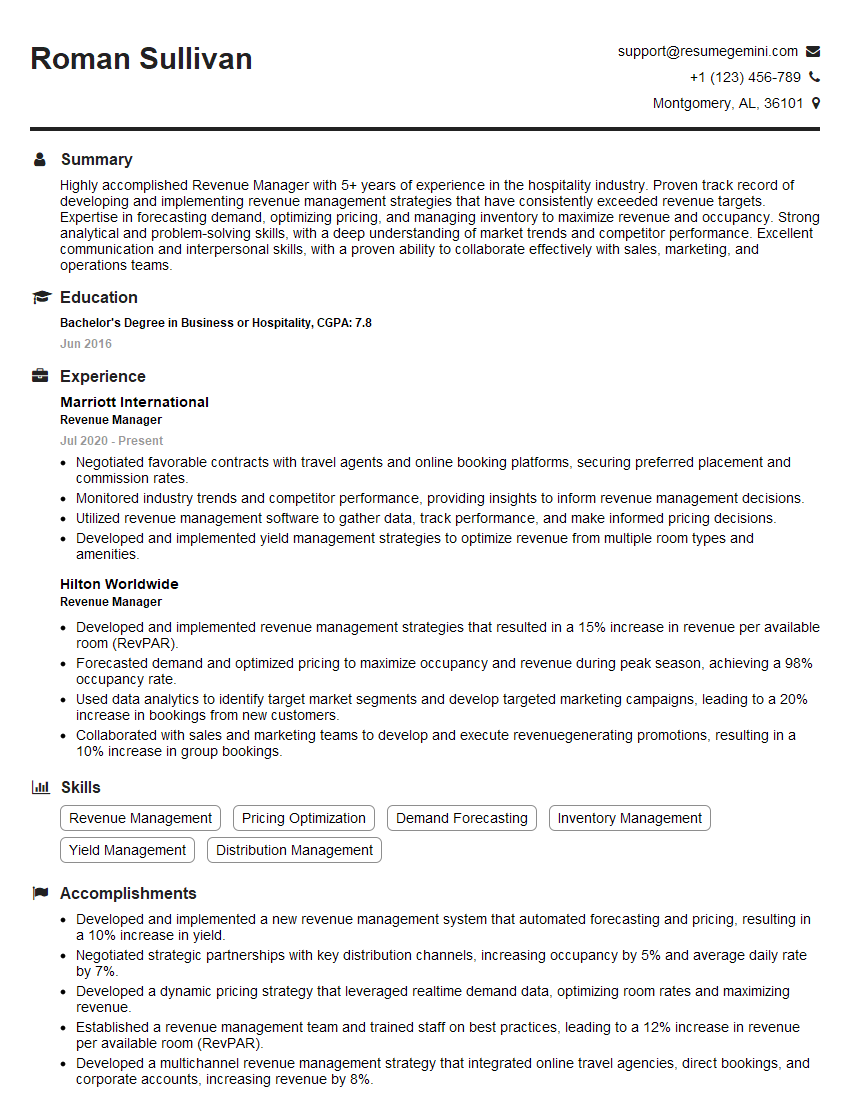
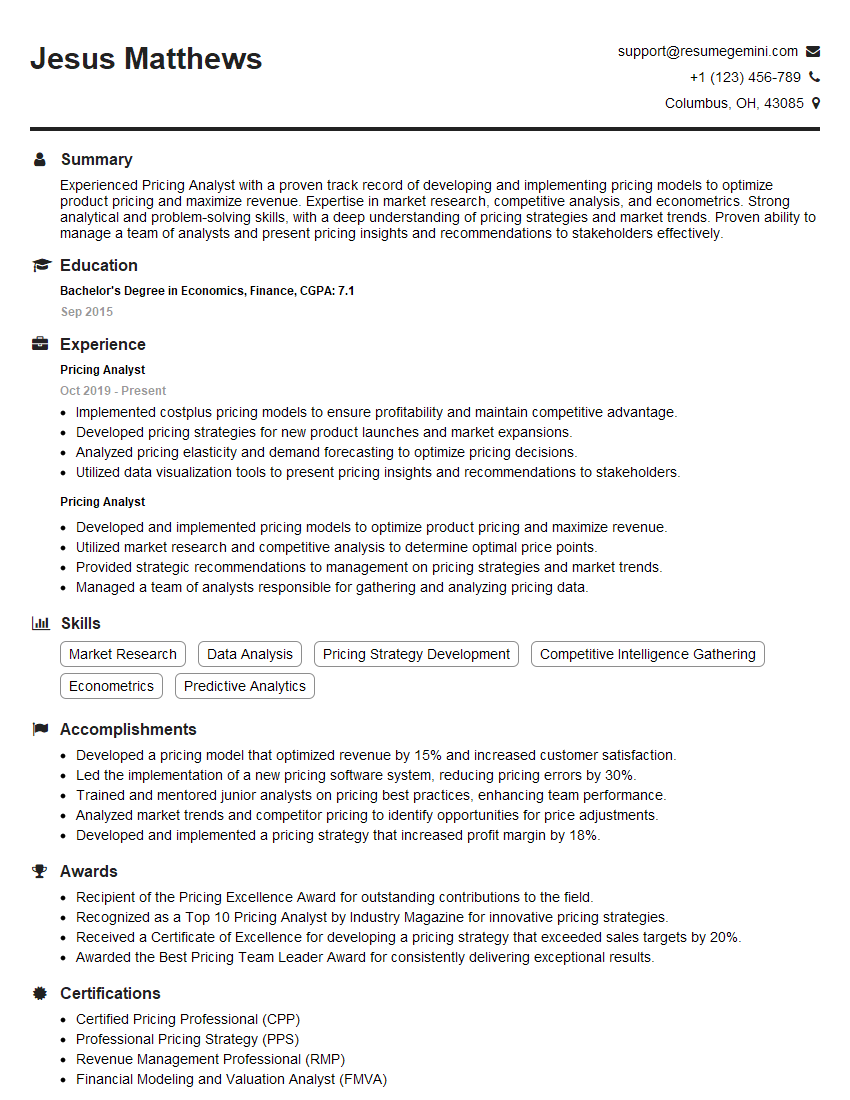
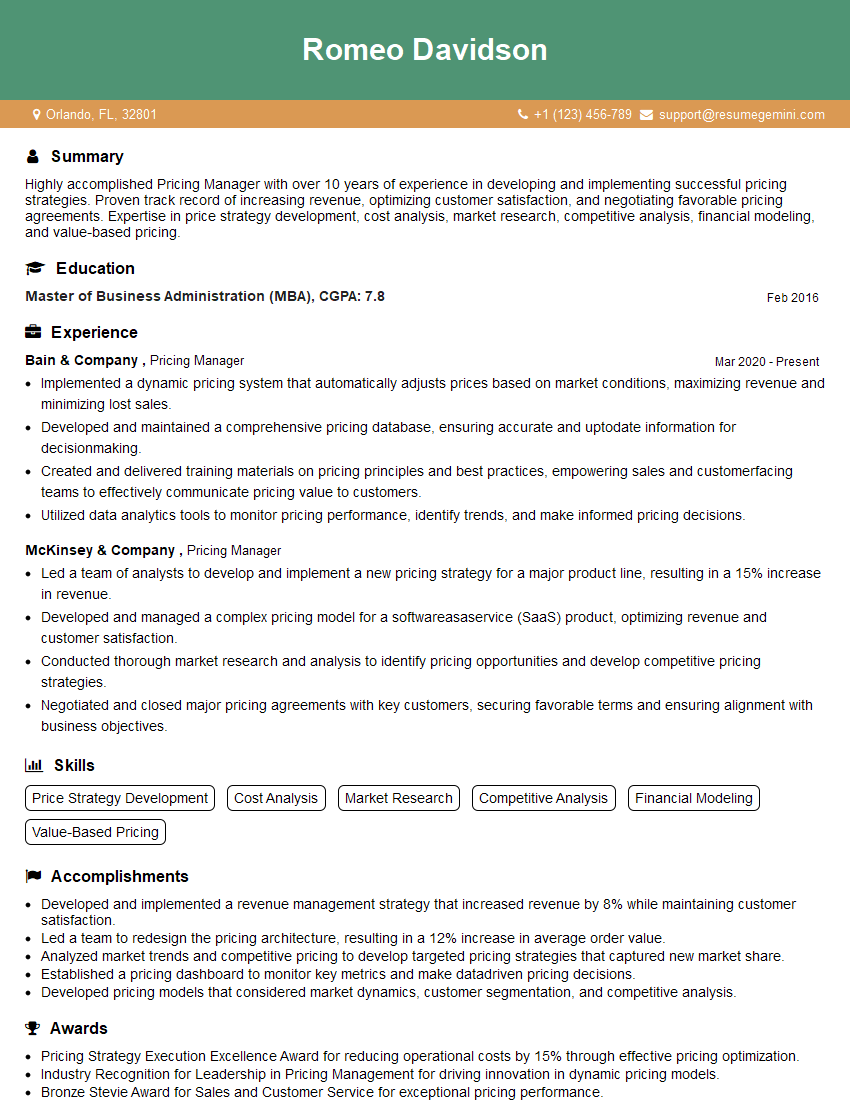
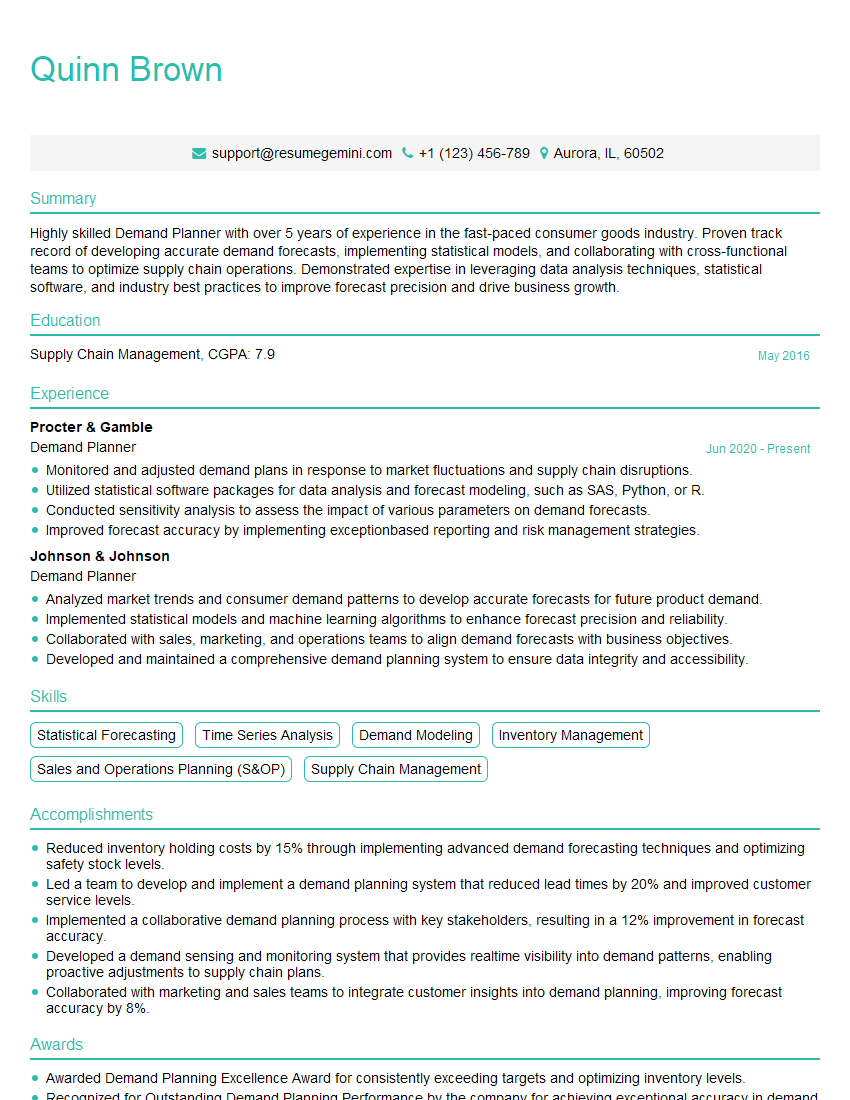
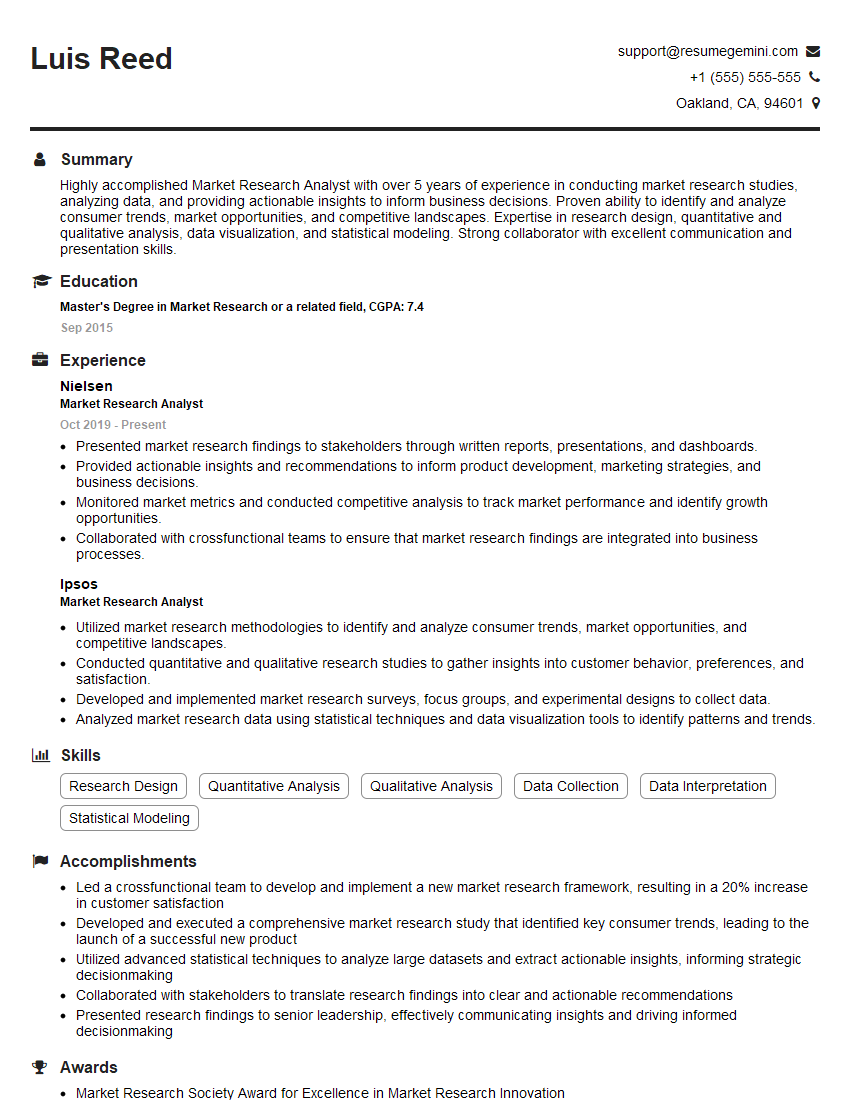
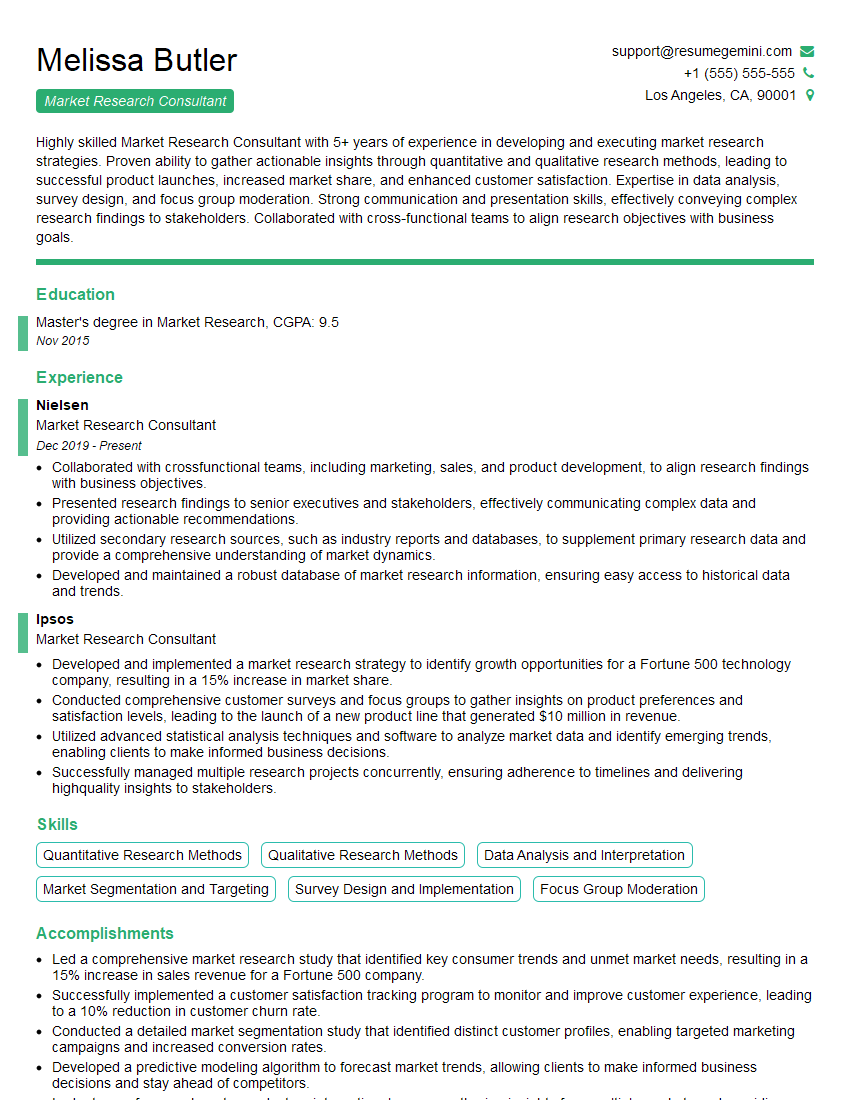
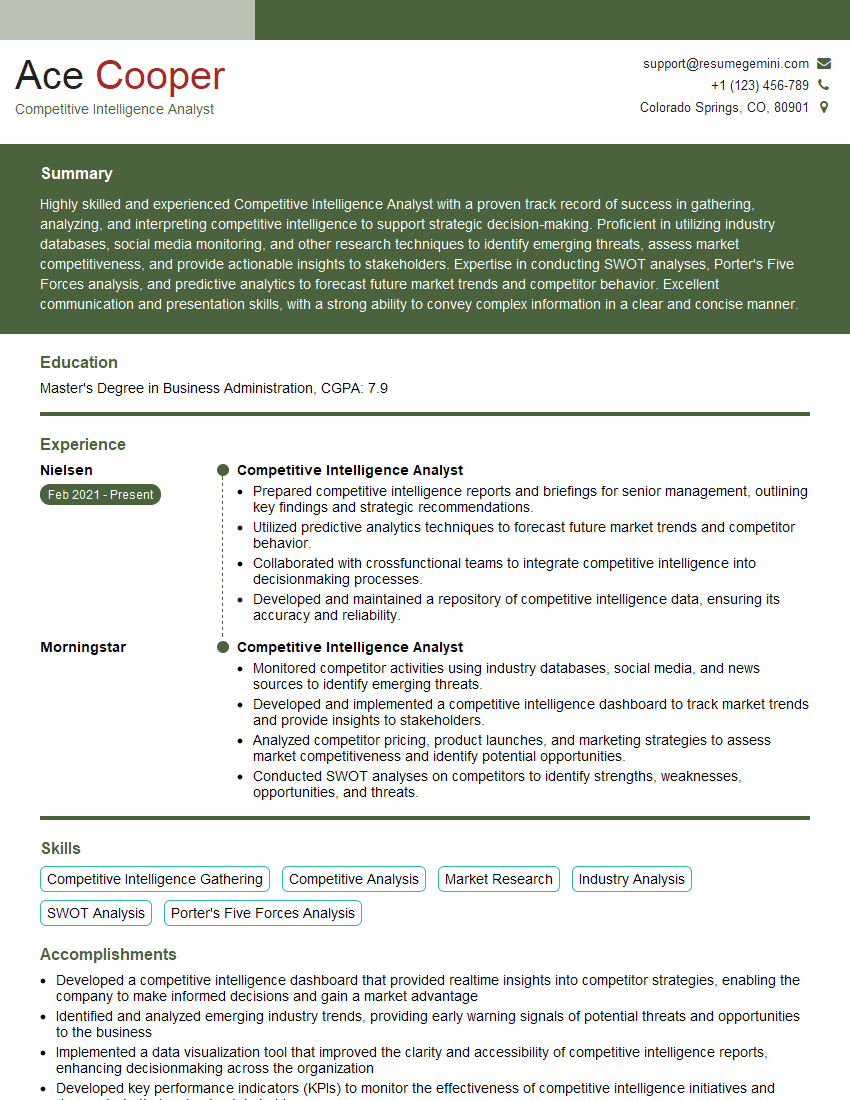
Mastering Market Analysis and Pricing is crucial for career advancement in many fields, opening doors to higher-paying roles with greater responsibility. A well-crafted resume is your key to unlocking these opportunities. An ATS-friendly resume ensures your application gets noticed by recruiters and hiring managers. To make the most of your job search, we highly recommend using ResumeGemini to build a professional and impactful resume. ResumeGemini provides you with the tools and resources necessary to craft a compelling narrative, and we offer examples of resumes tailored to Market Analysis and Pricing to help you get started. Invest time in building a strong resume – it’s an investment in your future career success.
Explore more articles
Users Rating of Our Blogs
Share Your Experience
We value your feedback! Please rate our content and share your thoughts (optional).
What Readers Say About Our Blog
I Redesigned Spongebob Squarepants and his main characters of my artwork.
https://www.deviantart.com/reimaginesponge/art/Redesigned-Spongebob-characters-1223583608
IT gave me an insight and words to use and be able to think of examples
Hi, I’m Jay, we have a few potential clients that are interested in your services, thought you might be a good fit. I’d love to talk about the details, when do you have time to talk?
Best,
Jay
Founder | CEO