Every successful interview starts with knowing what to expect. In this blog, we’ll take you through the top Good physical fitness interview questions, breaking them down with expert tips to help you deliver impactful answers. Step into your next interview fully prepared and ready to succeed.
Questions Asked in Good physical fitness Interview
Q 1. Explain the principles of training adaptations, such as specificity, overload, and progression.
Training adaptations refer to the body’s physiological changes in response to exercise. Three core principles guide effective training: specificity, overload, and progression.
- Specificity: This principle emphasizes that the body adapts specifically to the type of training it undergoes. If you want to improve your marathon time, you need to run long distances, not just lift weights. Training should mimic the demands of the activity you’re aiming to improve.
- Overload: To stimulate adaptation, you must consistently challenge your body beyond its current capabilities. This can involve increasing the intensity, duration, or frequency of your workouts. For example, if you usually run 3 miles, gradually increase this to 3.5 miles or increase your pace.
- Progression: This is a gradual increase in the overload applied over time. Your body adapts quickly, so you need to continuously increase the demands to continue making progress. This could mean gradually increasing the weight lifted, the distance run, or the intensity of your workouts. It’s crucial to avoid overtraining by incorporating rest and recovery.
Imagine a plant: Specificity is like giving it the right type of sunlight and soil; overload is like giving it enough water and nutrients to grow; progression is gradually increasing those nutrients as the plant gets bigger and stronger.
Q 2. Describe the different energy systems used during exercise and their relative contributions.
Our bodies use three main energy systems during exercise: the ATP-PCr system, the anaerobic glycolytic system, and the aerobic system. Their contributions vary depending on the intensity and duration of the activity.
- ATP-PCr (Phosphocreatine) System: This is the quickest energy system, providing immediate energy for short bursts of intense activity lasting up to about 10 seconds. Think of a 100-meter sprint.
- Anaerobic Glycolytic System: This system kicks in after the ATP-PCr system is depleted. It produces energy without oxygen, but it’s less efficient and produces lactic acid, leading to muscle fatigue. It’s dominant in activities lasting from 10 seconds to about 2 minutes, such as a 400-meter run.
- Aerobic System: This is the most efficient energy system, using oxygen to break down carbohydrates and fats for energy. It’s used for longer-duration, lower-intensity activities like jogging or cycling. This system can sustain activity for hours.
Think of it like a relay race: the ATP-PCr system is the first runner, the anaerobic system the second, and the aerobic system the long-distance runner.
Q 3. What are the key components of a comprehensive fitness assessment?
A comprehensive fitness assessment should include several key components to provide a holistic picture of an individual’s fitness level.
- Resting Heart Rate and Blood Pressure: Provides baseline cardiovascular health data.
- Body Composition Analysis: Assessing body fat percentage, lean muscle mass, and overall body composition using methods like skinfold calipers, bioelectrical impedance, or underwater weighing.
- Cardiorespiratory Fitness Assessment: Measuring aerobic capacity through tests like a graded exercise test (GXT), a 1.5-mile run test, or a step test.
- Muscular Strength and Endurance Tests: Assessing strength through one-repetition maximum (1RM) tests or submaximal tests for various muscle groups. Endurance is measured through repetitions performed at a given weight or resistance.
- Flexibility Assessment: Measuring range of motion in major joints using tests like sit-and-reach or goniometry.
- Postural Assessment: Evaluating body alignment and posture to identify potential musculoskeletal imbalances.
This comprehensive data allows for personalized program design and progress tracking.
Q 4. How would you design a fitness program for a client with hypertension?
Designing a fitness program for a client with hypertension requires careful consideration. The primary goals are to lower blood pressure, improve cardiovascular health, and reduce weight if necessary. This program would be developed in collaboration with their physician.
- Low-Impact Aerobic Exercise: Activities like brisk walking, cycling, or swimming are preferred over high-impact exercises, which can increase blood pressure temporarily. Sessions should be at a moderate intensity, aiming for at least 150 minutes per week.
- Strength Training: Incorporating strength training exercises focusing on major muscle groups is essential for building muscle mass, improving metabolism, and reducing overall body fat. The focus would be on controlled movements and using lighter weights with higher repetitions.
- Flexibility and Balance Exercises: Yoga and tai chi can be beneficial for improving flexibility, reducing stress, and improving balance, which is often compromised in older adults, a population more susceptible to hypertension.
- Gradual Progression: It’s crucial to start slowly and gradually increase the intensity and duration of exercise as tolerated. Regular monitoring of blood pressure is vital.
- Lifestyle Modifications: The fitness program should be integrated with lifestyle changes including a balanced diet low in sodium, stress management techniques, and adequate sleep.
Regular check-ups with their physician are crucial to monitor progress and adjust the program as needed.
Q 5. Explain the importance of proper warm-up and cool-down routines.
Proper warm-up and cool-down routines are essential for injury prevention, performance enhancement, and overall well-being.
- Warm-up: This prepares the body for exercise by increasing blood flow to muscles, increasing heart rate and body temperature, and improving joint mobility. A warm-up typically includes light cardio, such as jogging or jumping jacks, followed by dynamic stretching, such as arm circles or leg swings.
- Cool-down: This helps the body gradually return to its resting state after exercise. It reduces heart rate and blood pressure, prevents blood pooling in the legs, and aids in muscle recovery. A cool-down usually involves light cardio, followed by static stretching, holding each stretch for 15-30 seconds.
Think of a car engine: a proper warm-up is like warming up the engine before driving, preventing damage, while a cool-down allows the engine to cool down gradually, preventing overheating.
Q 6. What are the benefits and risks of different types of exercise (cardio, strength training, flexibility)?
Different types of exercise offer unique benefits and risks:
- Cardiovascular Exercise (Cardio):
- Benefits: Improves cardiovascular health, burns calories, reduces stress, improves mood.
- Risks: Risk of injury (e.g., overuse injuries), potential for dehydration, cardiovascular complications in individuals with pre-existing conditions.
- Strength Training:
- Benefits: Increases muscle mass, improves bone density, boosts metabolism, improves functional strength.
- Risks: Risk of muscle strains or tears if proper form is not maintained, potential for overtraining.
- Flexibility Exercise:
- Benefits: Improves range of motion, increases flexibility, reduces muscle soreness, improves posture.
- Risks: Risk of injury if stretches are performed incorrectly or too aggressively, may exacerbate existing joint problems if not performed carefully.
A balanced approach incorporating all three types of exercise is ideal for overall fitness and well-being.
Q 7. How would you assess a client’s current fitness level?
Assessing a client’s current fitness level involves a combination of methods:
- Initial Consultation: Gather information on medical history, current activity levels, and fitness goals. This is crucial to identify any limitations or contraindications for certain exercises.
- Fitness Assessment Tests: Conducting the fitness tests outlined in question 3 (cardiovascular fitness, muscular strength and endurance, flexibility, body composition) provides quantifiable data.
- Observation and Movement Screening: Observe the client’s movement patterns during assessments to identify potential imbalances or limitations.
- Subjective Feedback: Gather the client’s self-reported perceptions of their fitness levels and any limitations they experience.
This multi-faceted approach provides a comprehensive understanding of the client’s fitness level and helps tailor a suitable and safe fitness program.
Q 8. Describe different methods for measuring body composition.
Measuring body composition involves determining the proportion of fat mass to fat-free mass (muscle, bone, water, etc.) in the body. Several methods exist, each with its own strengths and limitations:
- Bioelectrical Impedance Analysis (BIA): A safe, non-invasive method that uses a weak electrical current to estimate body fat percentage. It’s convenient and relatively inexpensive, but accuracy can be affected by hydration levels and recent food intake.
- Skinfold Calipers: This method measures subcutaneous fat (fat just beneath the skin) at multiple sites using calipers. It’s relatively inexpensive and portable, but accuracy depends heavily on the technician’s skill and experience. It also primarily measures subcutaneous fat, not total body fat.
- Underwater Weighing (Hydrostatic Weighing): This method compares a person’s weight on land to their weight underwater. It’s considered a gold standard but requires specialized equipment and is less accessible than other methods. It’s very accurate but can be uncomfortable for some.
- Air Displacement Plethysmography (Bod Pod): This method measures body volume using air displacement in a sealed chamber. Similar to underwater weighing in accuracy, it’s more comfortable but also requires specialized equipment.
- Dual-Energy X-ray Absorptiometry (DEXA): This highly accurate method uses low-dose X-rays to measure bone mineral density, lean soft tissue mass, and fat mass. It’s considered the gold standard, but it’s expensive and requires specialized equipment and trained personnel.
The choice of method depends on factors like cost, accessibility, desired accuracy, and client comfort. Often, a combination of methods provides a more comprehensive assessment.
Q 9. How do you adapt training programs to accommodate different fitness levels and goals?
Adapting training programs requires careful consideration of the individual’s fitness level, goals, and any limitations. A structured approach is key:
- Assessment: Begin with a thorough assessment including fitness testing (e.g., VO2 max, strength testing), medical history, and goal setting (weight loss, muscle gain, improved endurance, etc.).
- Program Design: For beginners, start with a low intensity and volume, gradually increasing both over time. For intermediate and advanced individuals, the program can be more challenging, incorporating higher intensity and volume. Consider using a periodized training approach, systematically varying the intensity and volume over time.
- Progressive Overload: Continuously challenge the body by gradually increasing the intensity or duration of workouts. This ensures continued improvement and prevents plateaus. This could involve increasing weight, reps, sets, or reducing rest times.
- Specificity: Train in a manner that is specific to the client’s goals. For instance, a marathon runner will need different training than a powerlifter.
- Individualization: Recognize that individuals respond differently. Adjust the program based on feedback from the client. This includes listening to their body, adjusting the plan based on progress, pain levels and rest.
- Monitoring Progress: Regularly assess progress through retesting and client feedback. This allows for adjustments to the plan.
Example: A beginner aiming for weight loss might start with 30 minutes of moderate-intensity cardio three times a week and two days of light strength training, while an advanced athlete might follow a more complex program incorporating high-intensity interval training, strength training, and plyometrics.
Q 10. What are the common signs and symptoms of overtraining?
Overtraining occurs when the body’s workload exceeds its capacity to recover, leading to a decline in performance and increased risk of injury. Common signs and symptoms include:
- Persistent fatigue: Feeling tired even after adequate rest.
- Decreased performance: Noticeably worse performance in workouts.
- Loss of motivation: Reduced enthusiasm for training.
- Increased resting heart rate: A consistently higher heart rate than usual.
- Sleep disturbances: Difficulty falling asleep or staying asleep.
- Irritability and mood swings: Increased feelings of frustration, anxiety, or depression.
- Muscle soreness: Persistent muscle aches and pains that don’t improve with rest.
- Frequent illness: Increased susceptibility to colds and other infections.
- Weight loss or gain: Significant changes in weight without dietary changes.
If several of these symptoms persist, it’s crucial to reduce training volume and intensity, prioritize rest and recovery, and consult with a healthcare professional or certified fitness trainer.
Q 11. Explain the importance of proper nutrition for fitness and performance.
Proper nutrition is paramount for achieving fitness goals and optimal performance. It provides the body with the energy, building blocks, and essential nutrients needed for:
- Energy Production: Carbohydrates are the primary fuel source for exercise, providing energy for both high-intensity and endurance activities.
- Muscle Growth and Repair: Protein is essential for building and repairing muscle tissue after workouts. Adequate protein intake supports muscle hypertrophy (growth).
- Immune Function: A balanced diet supports a healthy immune system, reducing the risk of illness and allowing for consistent training.
- Hormonal Balance: Proper nutrition plays a role in maintaining hormonal balance, which is crucial for various physiological processes including muscle growth, fat metabolism, and recovery.
- Recovery: Nutrients help to replenish glycogen stores (energy reserves) in muscles, and support repair of muscle tissue.
A balanced diet encompassing a variety of fruits, vegetables, lean proteins, and complex carbohydrates is crucial. Hydration is also very important, ensuring adequate fluid intake throughout the day, particularly before, during, and after exercise.
Q 12. How would you counsel a client on achieving their fitness goals?
Counseling a client on achieving fitness goals is a collaborative process that requires understanding their individual circumstances and motivations. A structured approach is beneficial:
- Goal Setting: Work with the client to set realistic, measurable, achievable, relevant, and time-bound (SMART) goals. This ensures the client feels motivated and empowered.
- Education: Educate the client about exercise science, nutrition, and the importance of consistency. This builds trust and ensures they understand the plan.
- Motivation and Support: Offer encouragement and support to help the client stay motivated. Address setbacks and provide solutions.
- Accountability: Regular check-ins, progress monitoring, and adjustments to the program based on client feedback.
- Lifestyle Integration: Help the client integrate their fitness goals into their daily lives. This involves finding ways to build healthy habits.
- Positive Reinforcement: Celebrate milestones and acknowledge achievements to build self-efficacy and maintain motivation.
Example: Instead of saying “lose weight”, a more effective goal could be “lose 1 pound per week for 12 weeks”. This is more measurable and provides a clear pathway to success.
Q 13. Describe different types of resistance training and their benefits.
Resistance training involves using external resistance to stimulate muscle growth and strength development. Several types exist:
- Isotonic (Dynamic): Involves movement through a full range of motion, such as bicep curls or squats. This builds both strength and endurance.
- Isometric (Static): Involves holding a position against resistance without movement, such as a plank or wall sit. This improves strength at a specific joint angle.
- Isokinetic: Involves movement at a constant speed, often using specialized equipment. This allows for precise control and maximizes muscle activation.
- Plyometrics: Involves explosive movements that utilize the stretch-shortening cycle, such as box jumps or medicine ball throws. This improves power and explosiveness.
- Circuit Training: Involves performing a series of exercises with minimal rest, leading to improved cardiovascular fitness and muscular endurance.
Benefits: Increased muscle mass, strength, bone density, improved metabolism, enhanced functional fitness, and reduced risk of injury.
Q 14. What are the safety precautions necessary when designing and implementing fitness programs?
Safety precautions are crucial for designing and implementing effective and safe fitness programs:
- Proper Warm-up and Cool-down: Include a dynamic warm-up before each workout and a cool-down afterwards to prepare the body for exercise and promote recovery.
- Correct Form and Technique: Emphasize proper form and technique to minimize the risk of injury. Use spotters when needed, especially for heavier lifts. Consider professional guidance from a certified personal trainer to ensure proper form.
- Gradual Progression: Gradually increase the intensity and volume of workouts to prevent overtraining and injury.
- Appropriate Equipment: Use safe and properly maintained equipment. Ensure the equipment is appropriate for the client’s fitness level and the exercises being performed.
- Hydration and Nutrition: Ensure adequate hydration before, during, and after exercise. Advise clients on proper nutrition to support their training and recovery.
- Rest and Recovery: Allow for sufficient rest and recovery between workouts to allow the body to repair and rebuild. Instruct clients to listen to their body and take rest days as needed.
- Medical Clearance: Encourage clients to consult a physician before starting a new exercise program, especially those with pre-existing medical conditions.
- Emergency Procedures: Be prepared to handle medical emergencies. Have a plan in place for accessing medical assistance if needed.
By prioritizing safety, you ensure the effectiveness of the training program, minimize injury risk, and maintain client trust and satisfaction.
Q 15. How would you address a client’s concerns about exercise?
Addressing a client’s concerns about exercise requires empathy, active listening, and a tailored approach. First, I’d create a safe space for them to express their anxieties openly. Common concerns include lack of time, fear of injury, feeling overwhelmed, or negative past experiences. I’d then collaboratively identify the root cause of their apprehension. For example, if it’s time constraints, we can explore time-efficient workouts or integrate exercise into their daily routine. If it’s fear of injury, I’d emphasize proper form, gradual progression, and the importance of listening to their body. If it’s feeling overwhelmed, we’d start with small, achievable goals and gradually increase intensity and duration. Finally, I’d highlight the positive aspects of exercise, focusing on benefits relevant to their specific goals, whether it’s improved energy levels, stress reduction, or weight management. Throughout the process, I’d emphasize that their progress is a journey, not a race, and celebrate every milestone achieved.
Career Expert Tips:
- Ace those interviews! Prepare effectively by reviewing the Top 50 Most Common Interview Questions on ResumeGemini.
- Navigate your job search with confidence! Explore a wide range of Career Tips on ResumeGemini. Learn about common challenges and recommendations to overcome them.
- Craft the perfect resume! Master the Art of Resume Writing with ResumeGemini’s guide. Showcase your unique qualifications and achievements effectively.
- Don’t miss out on holiday savings! Build your dream resume with ResumeGemini’s ATS optimized templates.
Q 16. Explain the concept of periodization in training.
Periodization in training is a systematic approach to planning exercise programs that involves varying the intensity, volume, and type of training over time. Think of it like the seasons—you wouldn’t plant the same crops in winter as you would in summer. Similarly, your body responds differently to different training stimuli depending on its current state. Periodization typically involves cycles: macrocycles (the overall yearly plan), mesocycles (several weeks focusing on a specific aspect like strength or endurance), and microcycles (weekly or daily plans). A common periodization model is the linear model, where the intensity gradually increases throughout the training cycle. Another is the undulating model, where intensity fluctuates within a week or even a day, allowing for more frequent variation. The goal is to optimize training adaptations, prevent overtraining, and peak performance at specific times, like before a race or competition. For example, a runner training for a marathon might have a mesocycle focused on building aerobic base, followed by one focusing on speed work, and finally a tapering period before the race.
Q 17. Describe the role of flexibility and mobility in overall fitness.
Flexibility and mobility are crucial components of overall fitness, often overlooked. Flexibility refers to the range of motion in a joint, while mobility encompasses the ability to move freely through that range of motion. Good flexibility and mobility prevent injuries by improving joint health, reducing muscle stiffness, and optimizing posture. They also enhance athletic performance, increasing power and speed by allowing for a greater range of motion during movements. Think of a gymnast—their incredible flexibility and mobility are essential for executing complex routines. Lack of flexibility and mobility can lead to muscle imbalances, pain, reduced performance, and an increased risk of injury. Therefore, incorporating stretching and mobility exercises into a fitness routine is vital, contributing to both physical performance and long-term well-being.
Q 18. How would you design a workout plan to improve cardiovascular fitness?
A workout plan to improve cardiovascular fitness should be individualized, considering the client’s current fitness level, goals, and any health concerns. It should include a variety of activities to prevent boredom and promote adherence. A sample plan might begin with 3 days a week of moderate-intensity cardio, such as brisk walking, cycling, or swimming, for 30-45 minutes. This is crucial for establishing a base level of fitness. Gradually, the intensity and duration should be increased. This might involve incorporating interval training, where high-intensity bursts are interspersed with periods of lower intensity, or increasing the duration of continuous exercise. Adding strength training 2 days a week is also beneficial, as it improves overall fitness and can enhance cardiovascular health. Finally, rest and recovery are paramount; adequate sleep and rest days prevent overtraining and allow the body to adapt.
Q 19. What are the different types of cardiovascular exercise?
Cardiovascular exercise encompasses a wide range of activities that elevate the heart rate and increase oxygen consumption. They can be broadly categorized as:
- Aerobic exercise: Activities sustained for extended periods, like running, swimming, cycling, and dancing. These improve cardiovascular endurance.
- Anaerobic exercise: High-intensity, short-duration activities like sprinting and weightlifting. While not strictly cardiovascular in nature, they contribute to overall fitness and can indirectly improve cardiovascular health.
Q 20. Explain the importance of proper posture and body mechanics during exercise.
Proper posture and body mechanics are essential during exercise to prevent injuries, optimize performance, and enhance efficiency. Maintaining good posture distributes stress evenly across the body, reducing strain on joints and muscles. For example, during squats, maintaining a neutral spine reduces pressure on the lower back. Incorrect form can lead to muscle imbalances, pain, and long-term issues. Body mechanics involve performing movements in a controlled and efficient manner, utilizing the correct muscles to execute the exercise. For example, performing a bicep curl with proper form ensures that the bicep muscles are primarily engaged, and not other muscles, leading to better results and preventing strain. Practicing proper form is crucial to maximize the benefits of exercise and minimize the risk of injury. It is often best to start with lighter weights and focus on form before increasing intensity.
Q 21. Describe common injuries related to exercise and how to prevent them.
Common exercise-related injuries include muscle strains, sprains, tendonitis, and stress fractures. Muscle strains occur when muscles are overstretched or torn. Sprains involve ligament injuries. Tendonitis is inflammation of a tendon. Stress fractures are tiny cracks in the bone. Prevention involves several strategies:
- Proper warm-up: Preparing muscles for activity.
- Correct form: Using appropriate technique during exercise.
- Gradual progression: Gradually increasing intensity and duration to avoid overloading muscles and joints.
- Adequate rest and recovery: Allowing muscles to repair and rebuild.
- Appropriate footwear and equipment: Using gear suitable for the activity.
- Hydration and nutrition: Supporting the body’s repair and recovery processes.
Q 22. What are the signs of dehydration and how do you address it during training?
Dehydration occurs when your body loses more fluid than it takes in. During training, this is exacerbated by sweating. Signs can range from mild to severe. Mild dehydration might manifest as thirst, dry mouth, slightly decreased urine output, and fatigue. More severe dehydration can lead to dizziness, headache, muscle cramps, confusion, and even fainting.
Addressing dehydration during training is crucial. Before, during, and after workouts, consistent hydration is key. Before training, drink plenty of water. During intense sessions, sip water or an electrolyte drink regularly to replace lost fluids and electrolytes (sodium, potassium, etc.). After training, replenish fluids lost through sweating. The amount of fluid needed depends on factors like intensity, duration, and environmental conditions. A good rule of thumb is to weigh yourself before and after exercise; for every pound lost, drink roughly 16-20 ounces of fluid.
Example: Imagine a runner participating in a marathon. They should start the race well-hydrated and carry a water bottle or utilize water stations along the route to sip consistently. Post-race, they should consume a significant amount of fluid to rehydrate.
Q 23. How would you motivate a client who is struggling to maintain their fitness routine?
Motivating a struggling client requires understanding their individual challenges. It’s not a one-size-fits-all approach. First, I would have an open and honest conversation to understand the root cause of their struggle. Is it lack of time, lack of enjoyment, plateaued progress, or something else?
Strategies:
- Set realistic goals: Overambitious goals can lead to discouragement. We’d collaboratively set smaller, achievable milestones to build confidence and momentum.
- Find activities they enjoy: Exercise should be enjoyable, not a chore. We’d explore different activities until we find something they genuinely like. Maybe it’s hiking, dancing, swimming, or team sports, instead of just lifting weights.
- Incorporate variety: Monotony can be demotivating. We could implement a varied workout plan to keep things fresh and engaging.
- Track progress: Visualizing progress is motivating. We’d use fitness trackers or a journal to monitor their improvements in strength, endurance, or other metrics.
- Positive reinforcement: Celebrating small victories builds confidence. We’d focus on their successes and acknowledge their hard work.
- Accountability: Regular check-ins and support can make a huge difference.
Example: If a client is struggling due to time constraints, we’d explore shorter, high-intensity workouts they can fit into their schedule. If it’s boredom, we could incorporate new exercises, classes, or training partners.
Q 24. Explain the difference between hypertrophy and strength training.
Both hypertrophy and strength training aim to improve muscle function, but they focus on different adaptations.
Hypertrophy training focuses on increasing the size of muscle fibers (muscle growth). It involves higher repetitions (8-12 or more) with moderate weight, emphasizing time under tension. This type of training leads to increased muscle mass and improved muscle definition.
Strength training focuses on increasing the force a muscle can produce. It involves lower repetitions (1-5) with heavier weight, emphasizing maximal strength. This type of training improves neuromuscular efficiency (the communication between your nervous system and muscles) and leads to greater force production.
Example: A bodybuilder might prioritize hypertrophy training with many repetitions of bicep curls to build bigger arms. A powerlifter, on the other hand, would focus on strength training with heavier weight and lower repetitions to maximize their strength for a single lift.
Q 25. Describe the role of plyometrics in improving athletic performance.
Plyometrics are exercises that use explosive movements to develop power. They involve rapid stretching and contraction of muscles, harnessing the stretch reflex to generate forceful movements. This translates to enhanced athletic performance in several ways:
- Increased power: Plyometrics improve the rate of force development, which is crucial for explosive activities like jumping, sprinting, and throwing.
- Improved speed and agility: The explosive nature of plyometrics enhances speed and agility, beneficial for sports requiring quick changes in direction.
- Enhanced muscle strength and endurance: While not the primary focus, plyometrics still strengthen and condition muscles.
- Injury prevention: Plyometrics can strengthen supporting muscles and ligaments, helping prevent injuries.
Examples: Box jumps, jump squats, depth jumps, and medicine ball throws are all common plyometric exercises. These would be incorporated into training plans for athletes in sports such as basketball, volleyball, and track and field, depending on their specific needs and goals.
Q 26. What are the ethical considerations in personal training?
Ethical considerations in personal training are paramount. The primary focus should be the client’s well-being and safety. Key ethical considerations include:
- Confidentiality: Protecting client information is crucial. This includes medical history, personal details, and training progress.
- Competence: Providing services within the scope of one’s knowledge and expertise. Referrals to specialists are essential when a client’s needs exceed one’s capabilities.
- Professional boundaries: Maintaining appropriate professional relationships with clients, avoiding dual relationships or conflicts of interest.
- Informed consent: Ensuring clients fully understand the risks and benefits associated with the training program and obtaining their informed consent before commencing.
- Honesty and integrity: Providing accurate information and avoiding misleading claims about results or products.
- Respect and inclusivity: Creating a safe and inclusive training environment that respects individual differences and preferences.
Example: If a client reveals a pre-existing medical condition, the trainer should recommend medical clearance before starting a program, respecting confidentiality by discussing only necessary information with medical professionals.
Q 27. How would you handle a client who is experiencing muscle soreness?
Muscle soreness, or delayed-onset muscle soreness (DOMS), is common after strenuous exercise. It’s usually felt 24-72 hours after the workout.
Managing muscle soreness involves a multifaceted approach:
- Active recovery: Light activity, such as walking or gentle stretching, can help improve blood flow and reduce soreness.
- Rest and recovery: Allowing muscles adequate time to recover is crucial. Avoid overtraining.
- Hydration: Staying well-hydrated supports muscle recovery.
- Nutrition: Consuming sufficient protein aids muscle repair.
- Self-massage or foam rolling: These techniques can help alleviate muscle tightness and soreness.
- Cold therapy: Applying ice packs to sore muscles can help reduce inflammation.
- Heat therapy: After the initial inflammation subsides (after 48 hours), gentle heat can improve blood flow and ease stiffness.
Example: A client experiencing severe DOMS after leg day should be advised to rest, hydrate, lightly stretch their leg muscles, and consider using ice packs for the initial 48 hours.
Q 28. What are some strategies for adherence to exercise programs?
Adherence to exercise programs is a significant challenge for many individuals. Strategies to promote adherence include:
- Setting realistic and specific goals: Collaborative goal setting ensures the client feels empowered and that the goals align with their abilities and lifestyle.
- Making exercise enjoyable: Incorporating activities the client enjoys increases the likelihood of long-term adherence.
- Building a support system: Training partners, family, or friends can provide encouragement and accountability.
- Tracking progress: Monitoring progress helps maintain motivation and highlights successes, no matter how small.
- Finding a convenient location and time: Accessibility is key for consistent participation.
- Gradual progression: Starting slowly and gradually increasing intensity prevents burnout and injuries.
- Incorporating flexibility: Allowing for occasional missed workouts or modifications in the routine enhances sustainability.
- Positive reinforcement and celebration of achievements: Focusing on what has been achieved builds confidence and sustains motivation.
Example: A client may initially find time constraints difficult. To enhance adherence, we’d schedule shorter but frequent sessions that better accommodate their schedule. Then, as they become more committed and see results, we could slowly increase the duration and intensity of their sessions.
Key Topics to Learn for Good Physical Fitness Interview
- Understanding Fitness Components: Explore the key components of physical fitness – cardiovascular endurance, muscular strength, muscular endurance, flexibility, and body composition. Understand how these components interact and contribute to overall health and well-being.
- Exercise Physiology: Learn the physiological principles behind exercise, including how the body adapts to training, the importance of progressive overload, and the role of different energy systems.
- Nutrition and Fitness: Discuss the relationship between nutrition and physical fitness. Understand the role of macronutrients and micronutrients in supporting training goals and recovery.
- Training Program Design: Explore the principles of designing effective training programs, considering factors like individual goals, fitness levels, and potential limitations. Understand the concepts of periodization and variation in training.
- Injury Prevention and Rehabilitation: Learn about common injuries associated with exercise and strategies for prevention. Understand basic principles of rehabilitation and recovery.
- Fitness Assessment and Evaluation: Familiarize yourself with various methods for assessing fitness levels, such as fitness testing and body composition analysis. Understand how to interpret assessment results.
- Motivational Strategies and Behavior Change: Explore techniques for motivating individuals to adopt and maintain healthy lifestyles. Understand the principles of behavior change and adherence to exercise programs.
- Specific Fitness Disciplines (Optional): Depending on the role, you might need to delve deeper into specific areas like strength training, endurance training, yoga, Pilates, or other relevant disciplines.
Next Steps
Mastering the concepts of good physical fitness can significantly boost your career prospects, demonstrating your commitment to health, discipline, and a proactive approach to well-being. These attributes are highly valued by employers across various industries. To increase your chances of landing your dream job, create an ATS-friendly resume that highlights your skills and experience effectively. ResumeGemini is a trusted resource that can help you build a professional and impactful resume. Examples of resumes tailored to roles emphasizing good physical fitness are available to guide you. Use ResumeGemini to craft a resume that truly showcases your capabilities and helps you achieve your career aspirations.
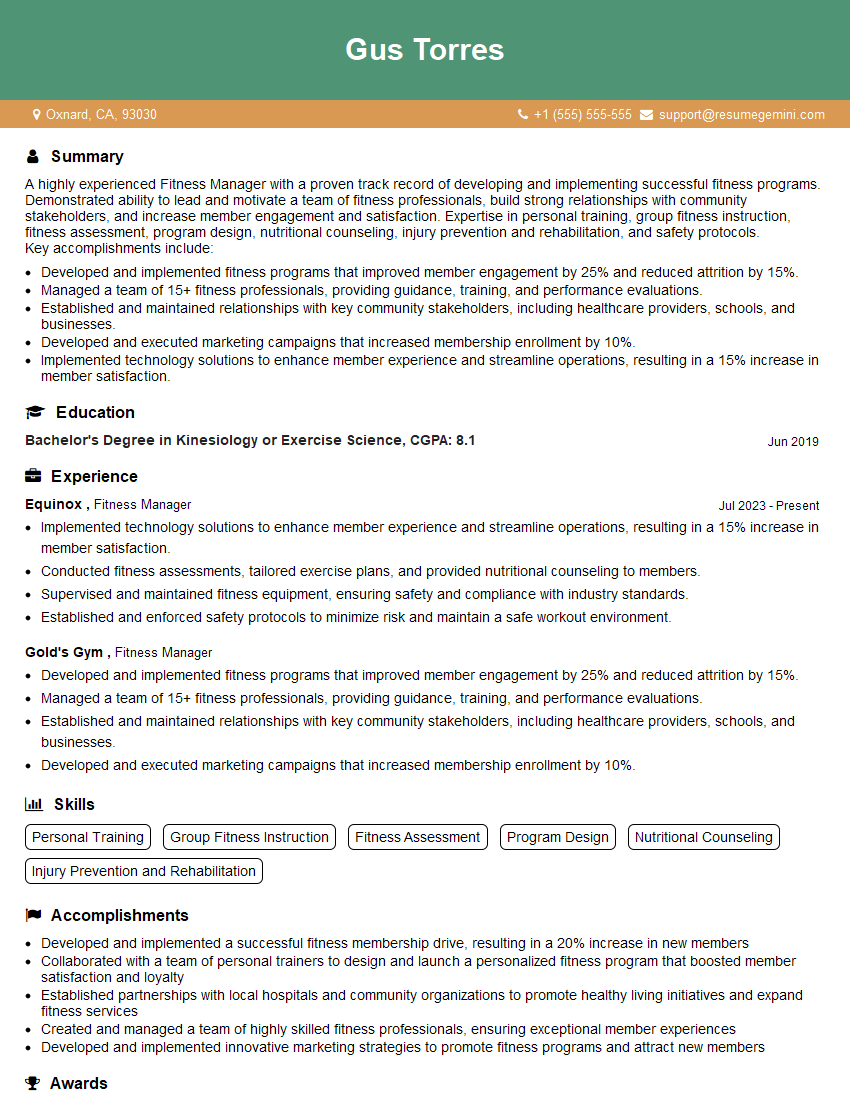
Fitness Manager Resume Sample

Wellness Coach Resume Sample
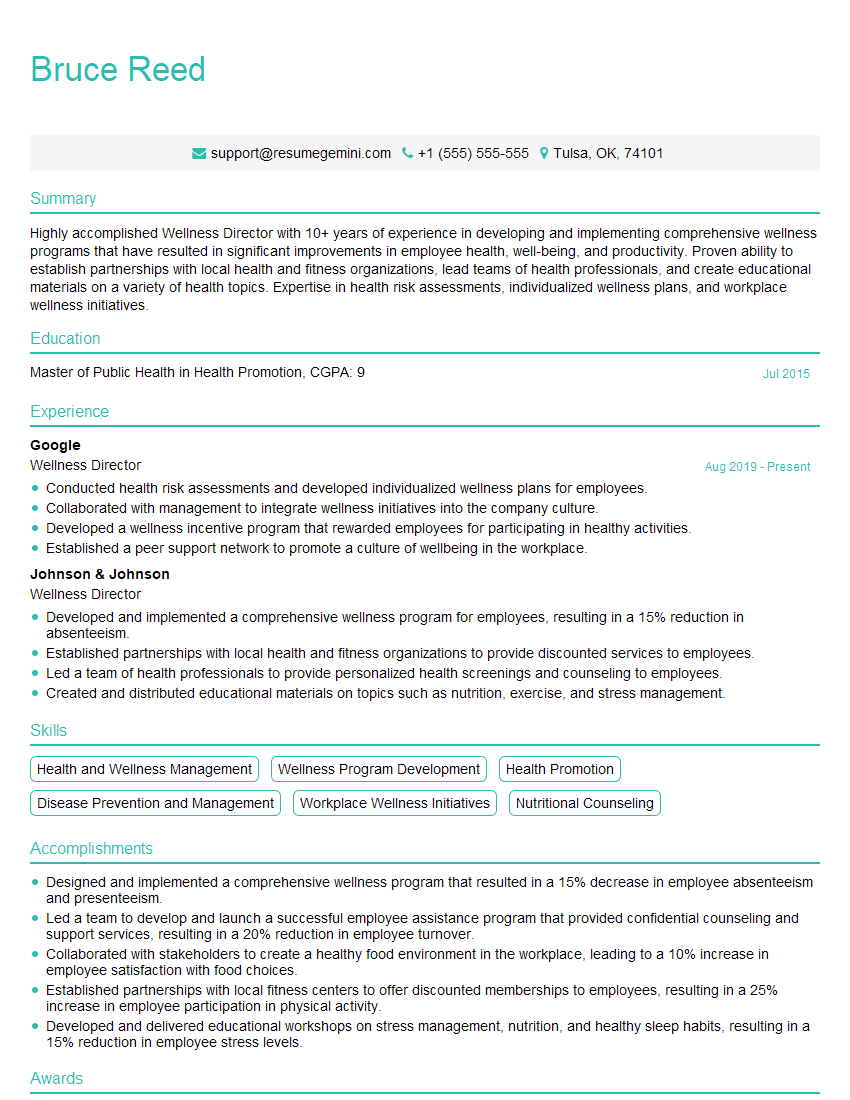
Wellness Director Resume Sample
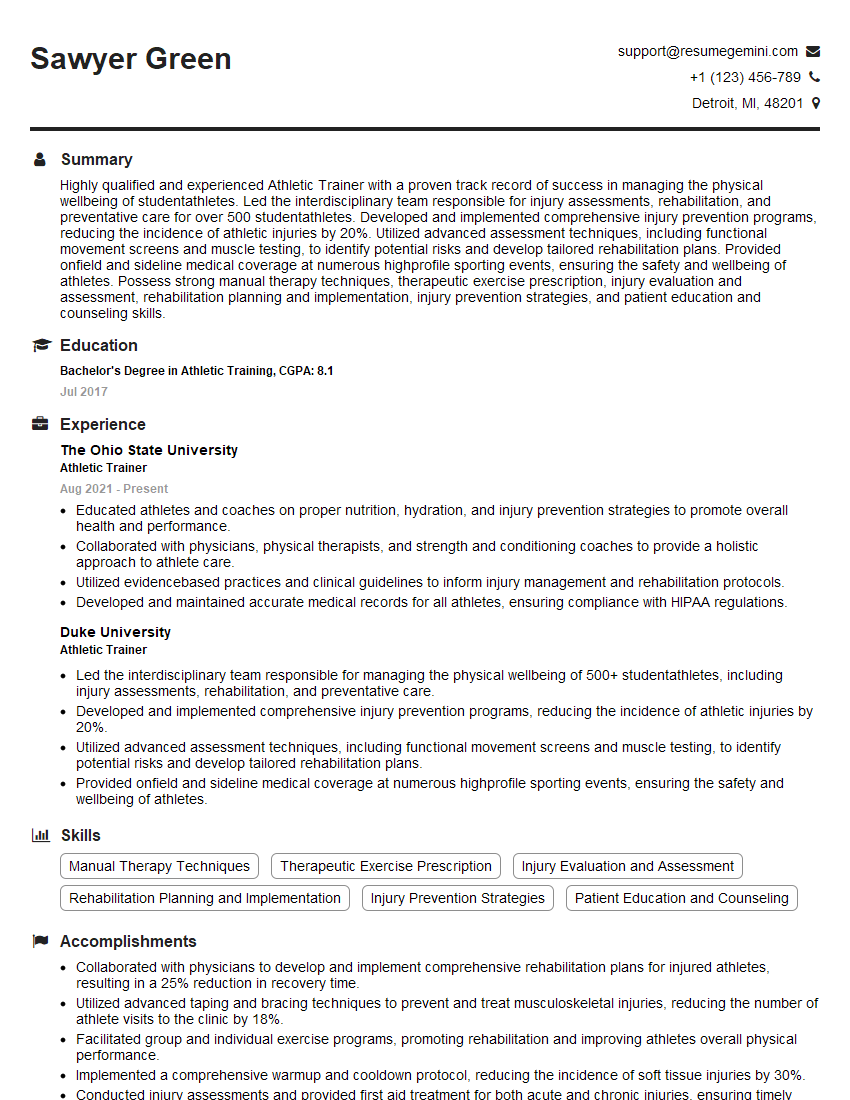
Athletic Trainer Resume Sample
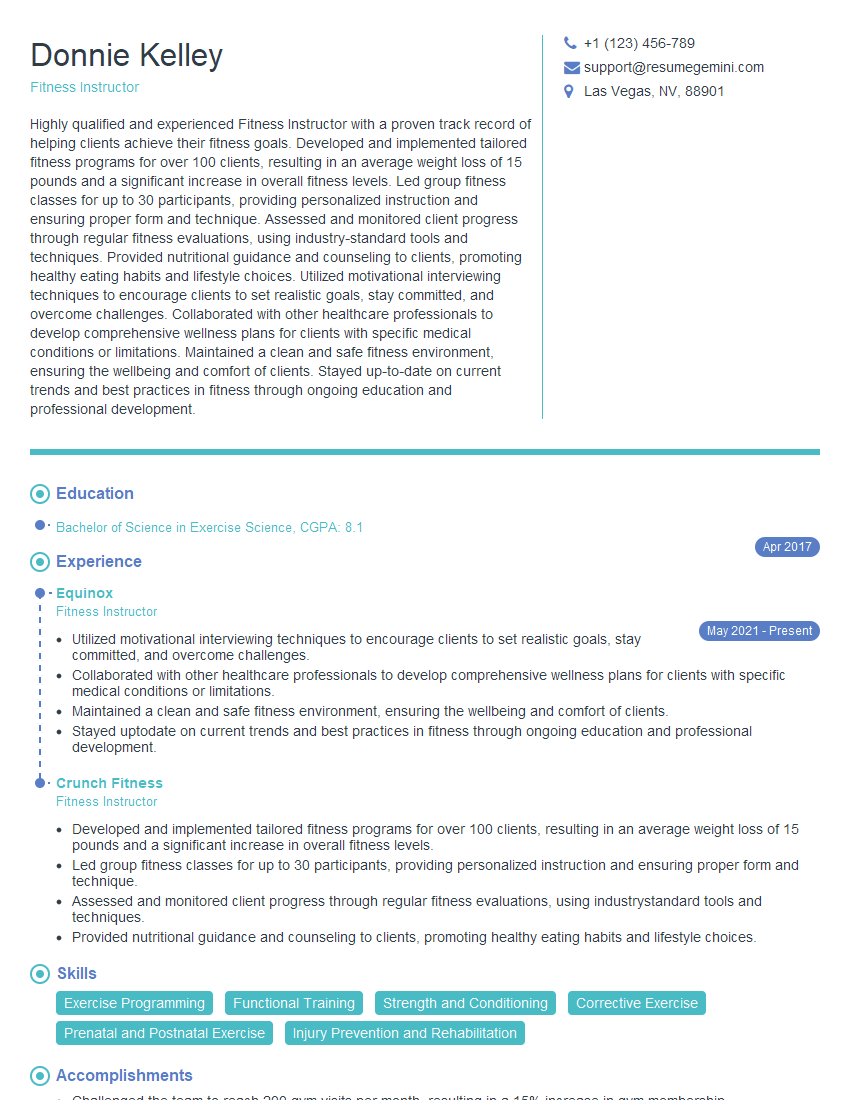
Fitness Instructor Resume Sample
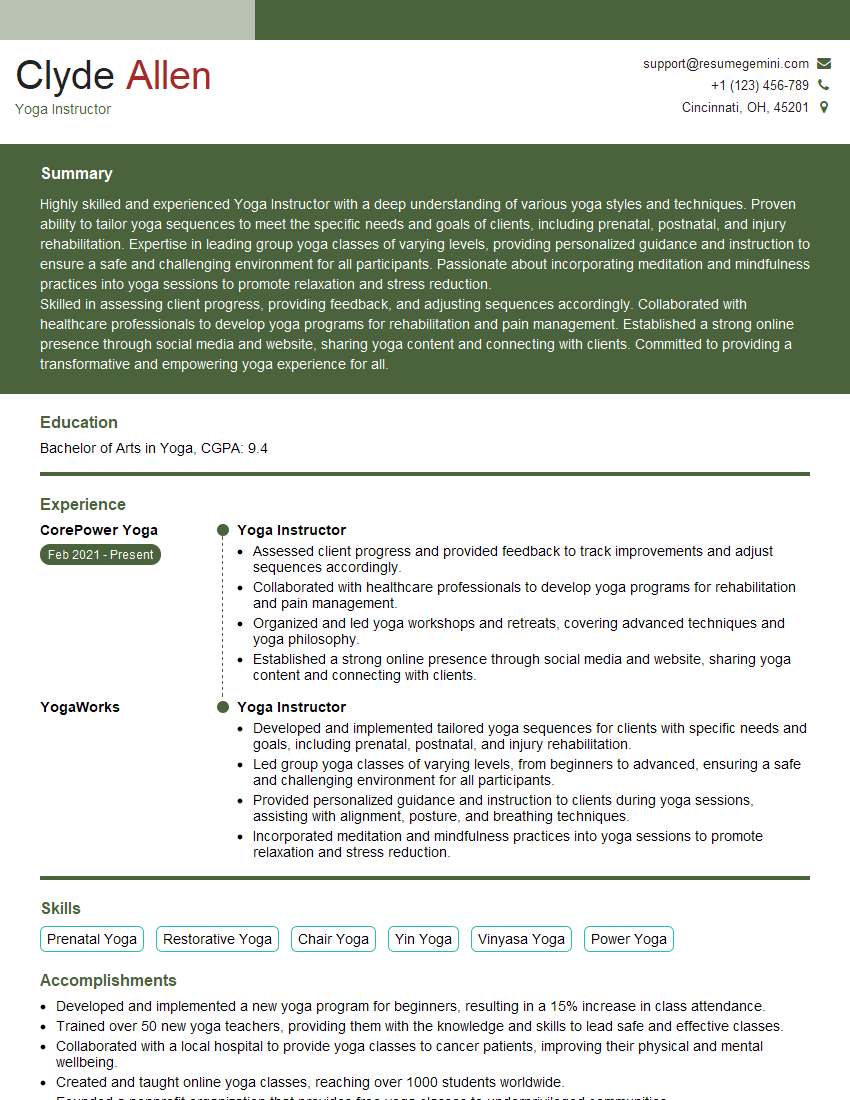
Yoga Instructor Resume Sample
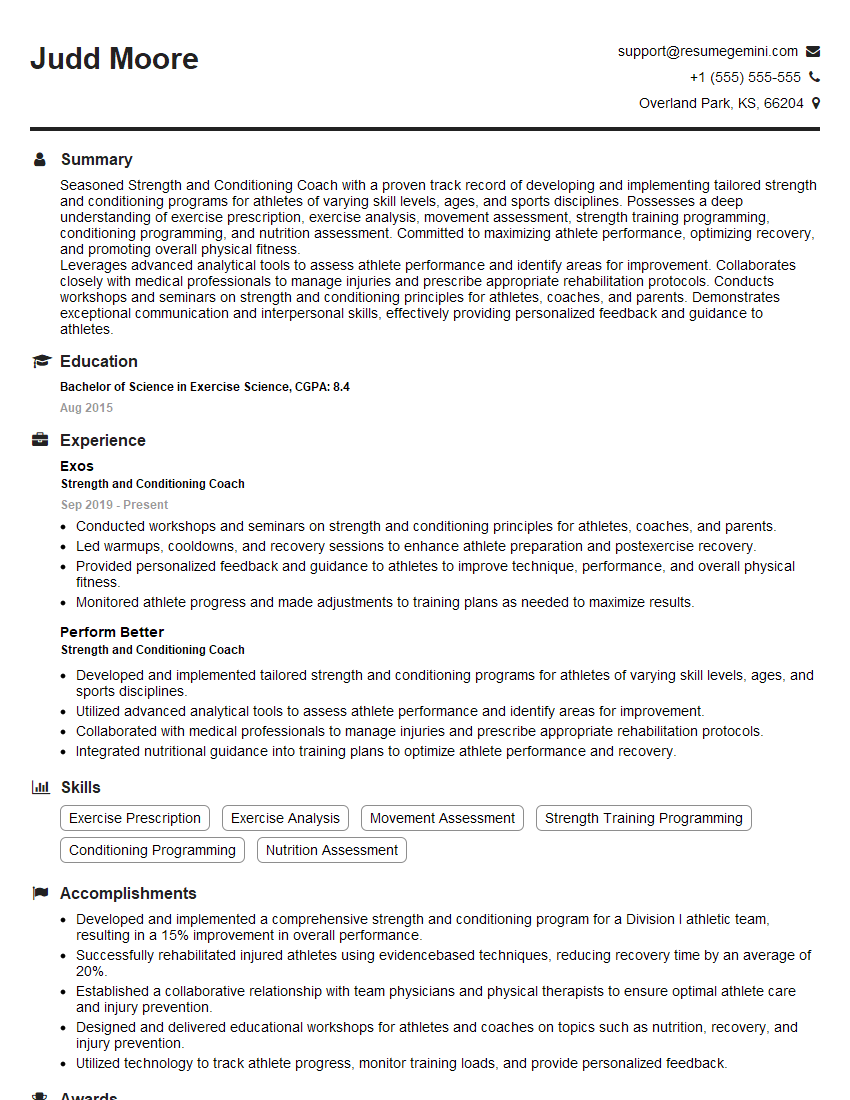
Strength and Conditioning Coach Resume Sample
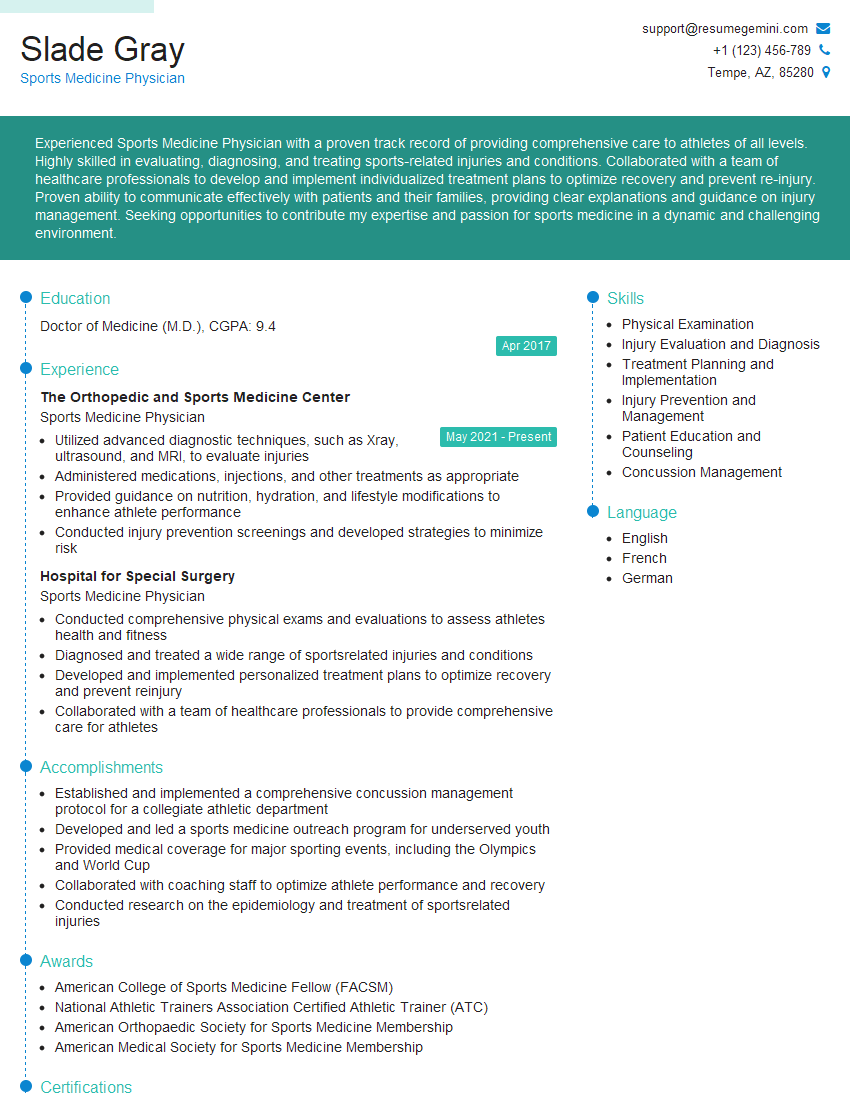
Sports Medicine Physician Resume Sample
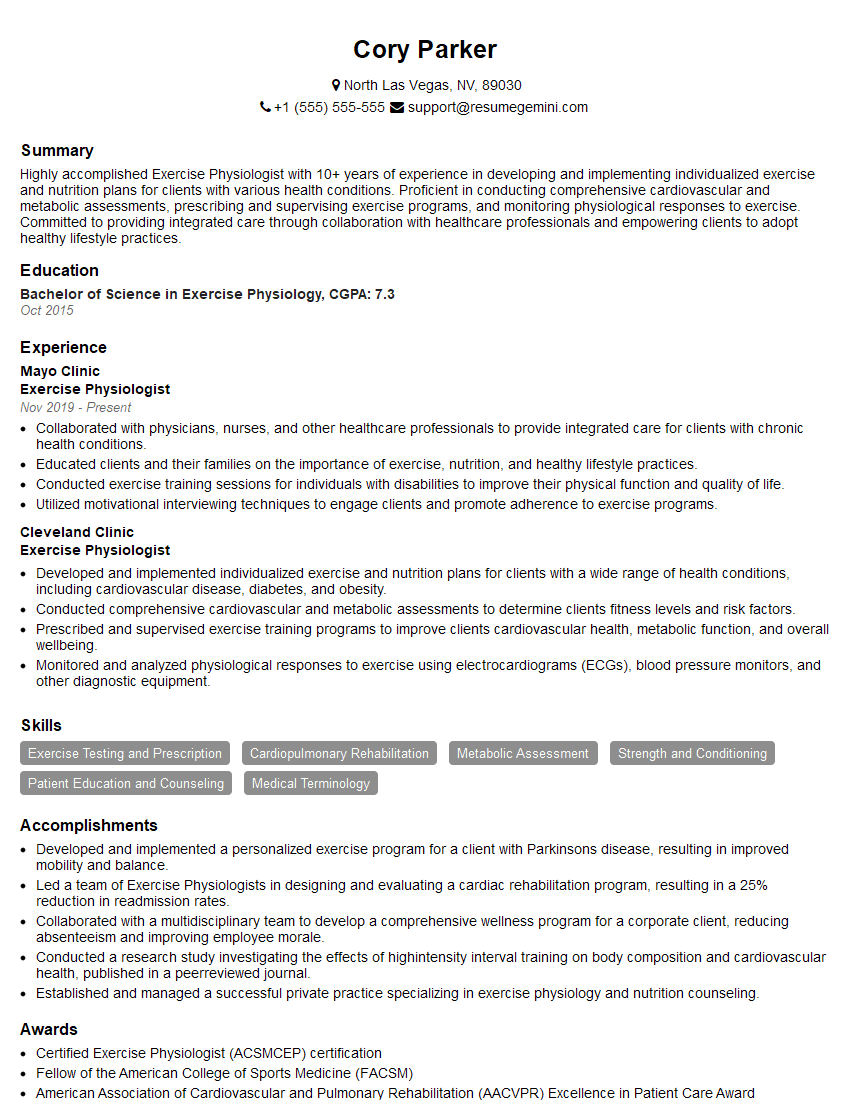
Exercise Physiologist Resume Sample

Kinesiologist Resume Sample

Occupational Therapist Resume Sample
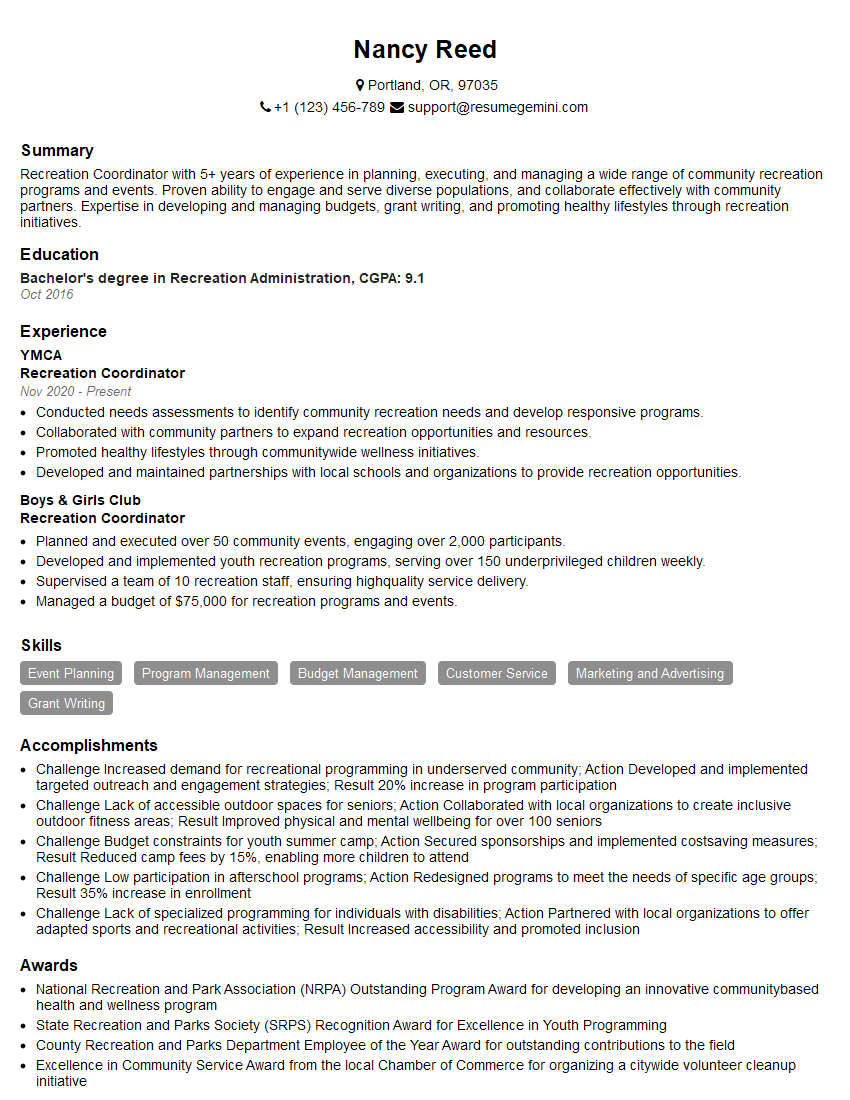
Recreation Coordinator Resume Sample
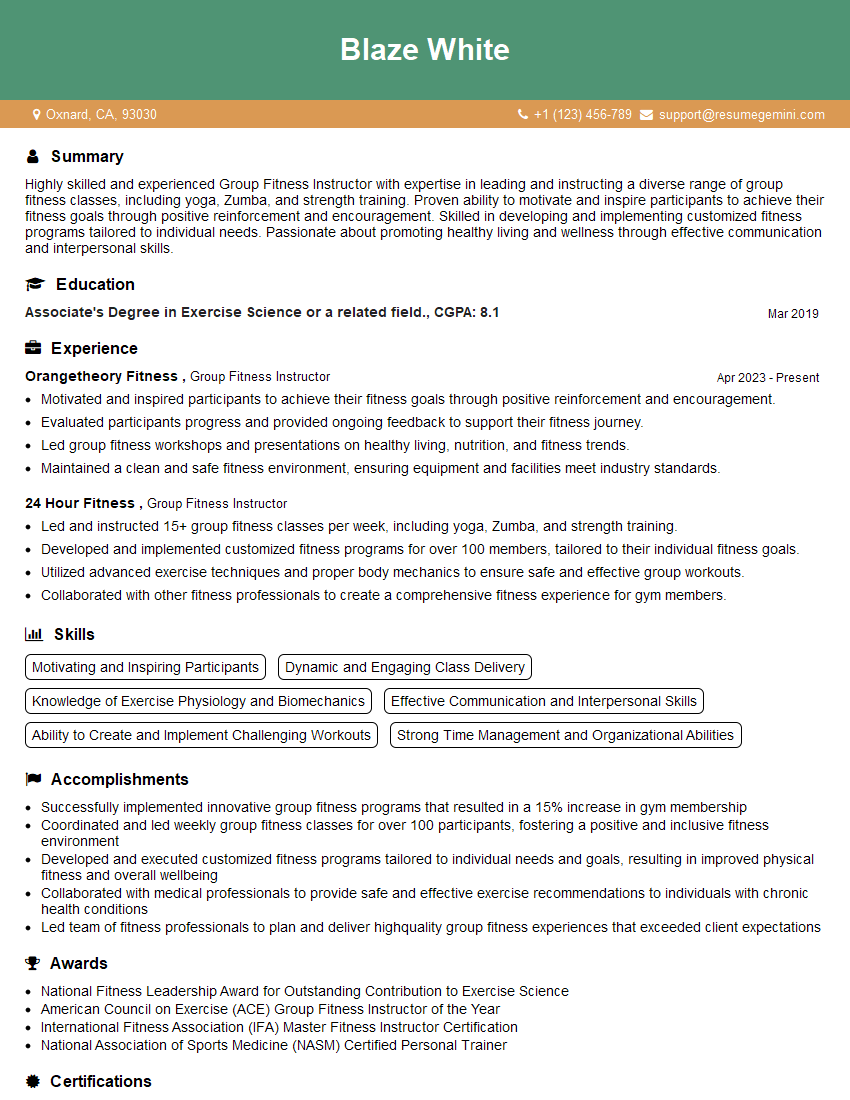
Group Fitness Instructor Resume Sample
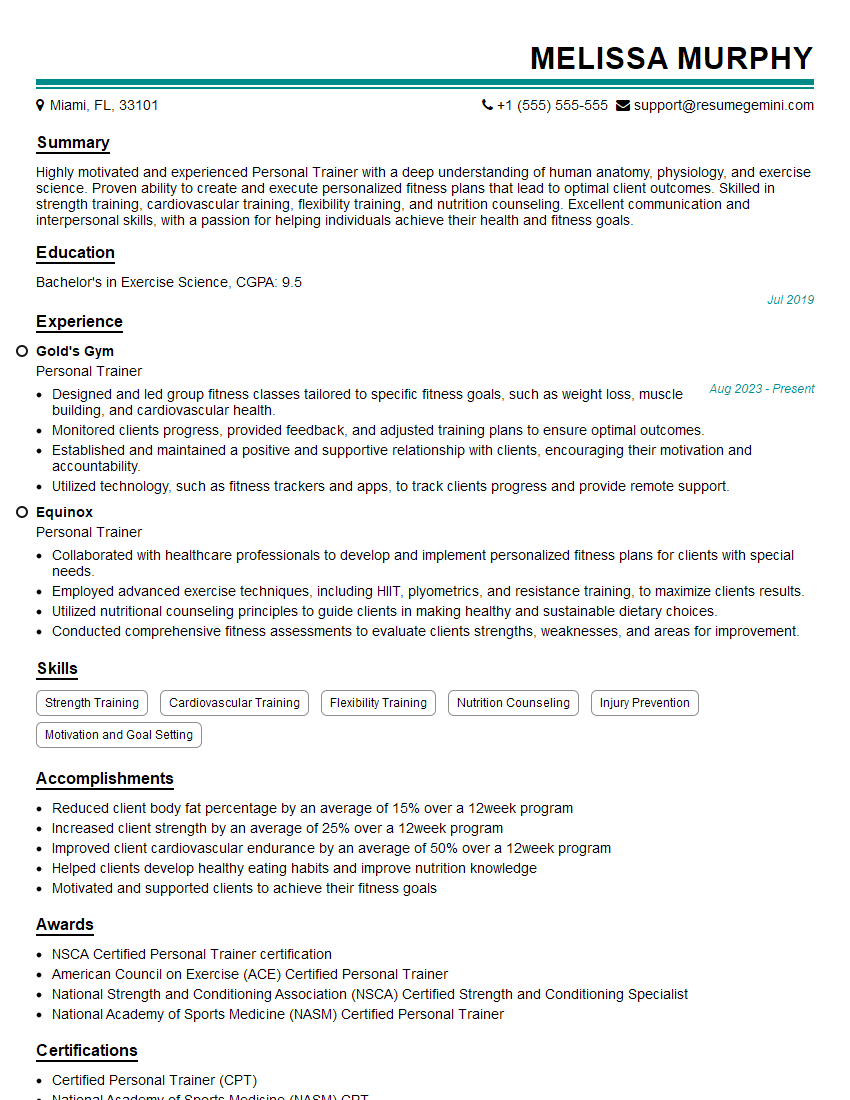
Personal Trainer Resume Sample
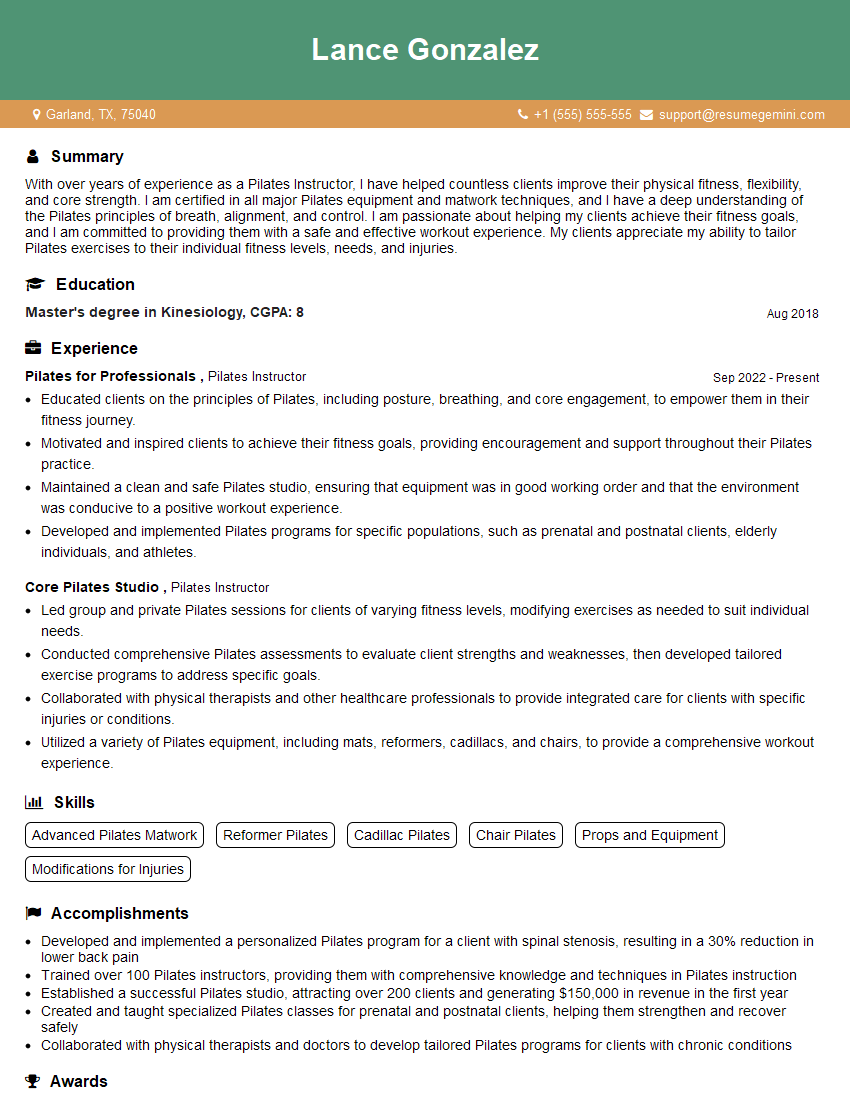
Pilates Instructor Resume Sample
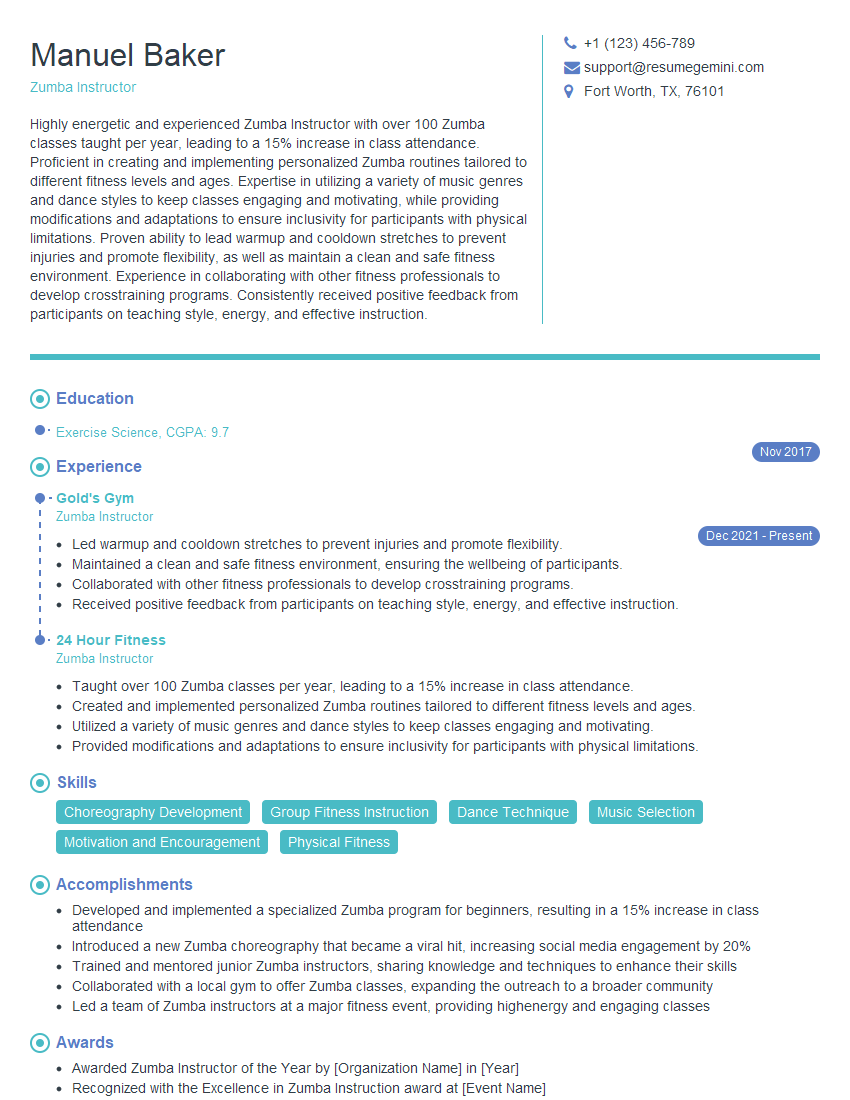
Zumba Instructor Resume Sample
- Fitness Manager
- Wellness Coach
- Wellness Director
- Athletic Trainer
- Fitness Instructor
- Yoga Instructor
- Strength and Conditioning Coach
- Sports Medicine Physician
- Exercise Physiologist
- Kinesiologist
- Occupational Therapist
- Recreation Coordinator
- Group Fitness Instructor
- Personal Trainer
- Pilates Instructor
- Zumba Instructor
Explore more articles
Users Rating of Our Blogs
Share Your Experience
We value your feedback! Please rate our content and share your thoughts (optional).
What Readers Say About Our Blog
I Redesigned Spongebob Squarepants and his main characters of my artwork.
https://www.deviantart.com/reimaginesponge/art/Redesigned-Spongebob-characters-1223583608
IT gave me an insight and words to use and be able to think of examples
Hi, I’m Jay, we have a few potential clients that are interested in your services, thought you might be a good fit. I’d love to talk about the details, when do you have time to talk?
Best,
Jay
Founder | CEO