The right preparation can turn an interview into an opportunity to showcase your expertise. This guide to Availability for irregular hours and shift work interview questions is your ultimate resource, providing key insights and tips to help you ace your responses and stand out as a top candidate.
Questions Asked in Availability for irregular hours and shift work Interview
Q 1. Describe your experience working irregular hours or shifts.
Throughout my career, I’ve consistently worked with irregular hours and shift patterns. This includes rotating shifts, night shifts, and weekend work, primarily in [mention industry/sector, e.g., healthcare, emergency services, manufacturing]. For example, in my previous role at [Previous Company Name], I rotated through a 12-hour shift schedule covering days, evenings, and nights on a 2-week cycle. This gave me firsthand experience with the challenges and rewards of adapting to various work patterns.
Another experience involved managing a team operating on a 24/7 basis. I learned to coordinate work across multiple shifts and ensure seamless handovers of responsibilities to maintain consistent service delivery. This required meticulous planning and effective communication strategies, skills which I honed significantly over time.
Q 2. How do you manage your personal life with a demanding shift schedule?
Balancing personal life with a demanding shift schedule requires meticulous planning and a flexible mindset. It’s not always easy, but I’ve developed several strategies that work for me. First, I maintain a detailed calendar, not just for work, but also for appointments, family commitments, and personal time. This allows for accurate scheduling and effective time management.
Second, I prioritize quality time over quantity. When I’m off, I make a conscious effort to disconnect from work and focus on my loved ones. This could involve scheduling regular family dinners, dedicating specific days for hobbies, or simply making sure to have uninterrupted downtime for rest and relaxation. Finally, I’m open with my family and friends about my schedule. Clear communication helps manage expectations and ensures everyone understands my limitations and availability.
Q 3. What strategies do you use to maintain productivity during night shifts or unconventional hours?
Maintaining productivity during night shifts or unconventional hours requires a multi-faceted approach. First, I focus on optimizing my sleep hygiene. This involves maintaining a consistent sleep schedule as much as possible, even on days off, creating a relaxing bedtime routine, and ensuring my sleep environment is conducive to rest.
Secondly, I incorporate regular breaks into my work schedule to avoid burnout. These breaks might involve short walks, light stretches, or simply stepping away from my workstation to clear my head. I also make use of techniques like the Pomodoro Technique, working in focused bursts with short breaks in between. Finally, I utilize technology to my advantage. Tools that help me track my progress, prioritize tasks, and minimize distractions are invaluable in maintaining focus during less-than-ideal working hours.
Q 4. Have you ever experienced burnout from irregular work hours? How did you overcome it?
Yes, I have experienced burnout in the past due to prolonged periods of irregular hours. The symptoms included exhaustion, irritability, and a general sense of detachment. To overcome it, I took a proactive approach, starting with a period of rest and reflection. I also sought support from my colleagues and supervisors, communicating my struggles openly.
Alongside this, I actively focused on self-care. This included incorporating more exercise, mindfulness practices, and healthy eating habits into my routine. I also made adjustments to my work habits, ensuring I took more frequent breaks and delegated tasks whenever possible. It was a process that required open communication, self-awareness, and a commitment to self-care to regain my energy and motivation. It’s crucial to remember that acknowledging and addressing burnout is not a sign of weakness, but rather a sign of self-awareness and prioritizing well-being.
Q 5. How do you ensure you remain alert and focused during late-night or early morning shifts?
Maintaining alertness and focus during late-night or early morning shifts is critical for both performance and safety. I prioritize sufficient sleep before the shift and avoid caffeine or alcohol close to my working hours. Regular hydration is essential, and I make sure to eat healthy snacks throughout the shift to maintain energy levels.
Furthermore, I use techniques like regular short breaks to stand up, stretch, and move around. Fresh air, if accessible, can also be a great boost. Working with a supportive team can also help maintain engagement and alertness, as we can watch out for each other’s fatigue. In addition to these physical and environmental factors, mental engagement is important; I try to find ways to make my tasks mentally stimulating and challenging.
Q 6. Describe a time you had to adapt quickly to a sudden change in your work schedule.
In one instance, our team unexpectedly had to cover for a colleague’s absence due to a sudden illness. This required an immediate reshuffling of the schedule, meaning many of us had to adjust our shifts with less than 24 hours’ notice. I volunteered to take on additional responsibilities and worked closely with my colleagues to ensure seamless coverage.
This required excellent communication, flexibility, and a willingness to step outside my usual routine. It showcased my adaptability and problem-solving abilities under pressure, and ultimately, we successfully managed the situation without compromising our service levels. The successful handling of this unexpected event emphasized the importance of teamwork and proactive communication in a constantly changing environment.
Q 7. How do you prioritize tasks when working irregular hours?
Prioritizing tasks during irregular hours relies on a combination of planning and flexibility. I utilize methods such as Eisenhower Matrix (urgent/important), identifying key performance indicators (KPIs) for the day/shift, and creating daily to-do lists with realistic time estimates.
The key difference with irregular hours is the need for greater flexibility. High-priority tasks may need to be adjusted based on unexpected events or changes in workflow. Regular communication with supervisors and team members ensures everyone is on the same page and adjustments are made effectively, mitigating potential delays or conflicts. This proactive and adaptable approach ensures I consistently meet deadlines and maintain productivity even with unpredictable schedules.
Q 8. How do you communicate effectively with colleagues working different shifts?
Effective communication across shifts requires a multi-faceted approach. It’s not just about *what* you communicate, but *how* and *when*. I prioritize using asynchronous communication methods like dedicated shift handover logs (digital or physical), shared online platforms (e.g., Slack, Microsoft Teams), and well-maintained databases to ensure information is accessible regardless of the time. For urgent matters, I use a designated escalation path clearly outlining who to contact in different situations. For example, if a critical issue arises outside of my shift, I’ll document the issue, notify the on-call person immediately via a pre-arranged communication method, and then follow up with a more detailed report on the next shift handover. Regular briefings, where possible, at shift changes help to maintain overall awareness of ongoing projects. Finally, clear, concise, and detailed written communication is key to avoiding misunderstandings.
Q 9. How do you manage sleep deprivation or fatigue associated with shift work?
Managing sleep deprivation and fatigue is crucial for both personal well-being and professional performance in shift work. My strategy centers around maintaining a consistent sleep schedule as much as possible, even on days off, to regulate my circadian rhythm. I create a conducive sleep environment – dark, quiet, and cool. I also prioritize regular exercise, a healthy diet, and limit caffeine and alcohol intake, especially close to bedtime. Crucially, I recognize the limits of my ability when fatigued and communicate proactively with my supervisor or team lead if I feel my performance is compromised. For instance, I might request a short break or offer to reschedule a less-critical task for a time when I’m better rested. Regular check-ups with my physician help to monitor my health and address any potential sleep-related concerns.
Q 10. Are you comfortable working weekends and holidays?
Yes, I am comfortable working weekends and holidays. I understand that many roles requiring irregular hours necessitate weekend and holiday coverage to maintain service continuity. I see it as an integral part of the job and am prepared to contribute accordingly. In fact, my past experience has included significant weekend and holiday work. This has allowed me to appreciate the importance of reliable colleagues and the value of teamwork, particularly during periods when others may be enjoying time off.
Q 11. What is your preferred shift pattern?
My preferred shift pattern would ideally be a rotating schedule that ensures consistent rest periods and minimizes disruption to my circadian rhythm. While there’s no perfect solution, a schedule with a mix of day and night shifts, spread over a period of several weeks, strikes a better balance than consistently working nights or only day shifts. This minimizes prolonged exposure to either extreme of sleep disruption. However, I am adaptable and understand that organizational needs may sometimes dictate different patterns, and I’m willing to work with those constraints. Open communication regarding shift preferences and adjustments is key.
Q 12. What are your expectations regarding overtime or on-call responsibilities?
Regarding overtime and on-call responsibilities, my expectation is for fair compensation and clear communication. I expect to be informed in advance of any required overtime or on-call shifts whenever possible. I am willing to work overtime and participate in on-call arrangements, provided there’s adequate compensation and clear guidelines about expectations and appropriate communication channels for urgent situations. Transparency in the process—regarding payment, rest periods, and other relevant terms and conditions—is crucial for building mutual trust and respect.
Q 13. Describe your experience with shift handover procedures.
My experience with shift handover procedures involves a structured, documented approach. I typically use a combination of written and verbal handovers. This includes detailed notes in a shared log or database concerning ongoing tasks, outstanding issues, recent changes, and any potential upcoming challenges. The verbal handover provides the opportunity to clarify details, discuss any complexities, and address questions. The written record ensures that information is available for review later, regardless of who is working the next shift. I also find using checklists or templates helpful to ensure consistency and to avoid overlooking critical details. In my previous role, for example, we used a standardized handover form that covered all essential aspects of our responsibilities, promoting clear and efficient transition between shifts.
Q 14. How do you handle stressful situations when working under pressure during irregular hours?
Handling stressful situations during irregular hours requires a proactive and structured approach. I prioritize maintaining a calm demeanor and focusing on identifying the root cause of the problem. This often involves a quick assessment of the situation to determine the priority and severity. I leverage my problem-solving skills to implement the most appropriate and effective solution. If the situation is beyond my capabilities, I promptly escalate the issue to my supervisor or relevant team members, ensuring clear and concise communication of the problem and proposed course of action. I find techniques like taking deep breaths, stepping away briefly if possible, and maintaining open communication are vital for managing stress effectively. After the situation is resolved, I take time to reflect on the experience to learn from it and identify strategies for preventing similar issues in the future.
Q 15. What measures do you take to ensure your safety while working unconventional hours?
Safety is paramount when working unconventional hours. My approach is multi-faceted and focuses on proactive measures rather than reactive ones. This includes:
- Route planning and awareness: I always plan my commute, considering lighting conditions and potential hazards, especially during late nights or early mornings. I also remain aware of my surroundings and avoid secluded or poorly lit areas.
- Transportation safety: I prioritize safe transportation options – utilizing well-lit public transport, ride-sharing services with tracking capabilities, or driving a reliable vehicle in good condition.
- Personal safety devices: I carry a personal safety alarm and utilize phone apps offering GPS tracking and emergency SOS features. Regular check-ins with family or friends are also essential.
- Workplace safety: I ensure I’m familiar with the workplace’s safety protocols and emergency procedures, especially when working alone or in isolated areas. Reporting any safety concerns is my priority.
For example, during a late-night shift at a remote facility, I always ensure my vehicle is properly maintained, I have a fully charged phone with GPS capabilities, and I inform a family member of my arrival and departure times.
Career Expert Tips:
- Ace those interviews! Prepare effectively by reviewing the Top 50 Most Common Interview Questions on ResumeGemini.
- Navigate your job search with confidence! Explore a wide range of Career Tips on ResumeGemini. Learn about common challenges and recommendations to overcome them.
- Craft the perfect resume! Master the Art of Resume Writing with ResumeGemini’s guide. Showcase your unique qualifications and achievements effectively.
- Don’t miss out on holiday savings! Build your dream resume with ResumeGemini’s ATS optimized templates.
Q 16. How do you maintain a healthy work-life balance with irregular hours?
Maintaining a healthy work-life balance with irregular hours is challenging but achievable with deliberate planning and self-discipline. It’s about consciously prioritizing and compartmentalizing time.
- Structured scheduling: I use scheduling apps and calendars to meticulously plan work shifts, personal appointments, and relaxation time. This helps ensure consistency and prevents burnout.
- Prioritizing self-care: Sleep is non-negotiable. I stick to a consistent sleep schedule whenever possible, even if it means adjusting my sleep pattern on my off days to align with a more regular rhythm. Healthy eating and regular exercise are also crucial, even if it’s just a short walk during a break.
- Dedicated family/friend time: I schedule regular time with loved ones, and I make sure to be present and engaged during those times – putting away my phone and focusing on them.
- Hobbies and relaxation: I dedicate time to hobbies and activities that help me unwind and de-stress, such as reading, listening to music, or spending time in nature. This acts as a buffer against the irregularity of my work schedule.
For instance, even if my work week is spread across odd hours, I’ll block off Saturday mornings for a family breakfast and Sunday afternoon for a hike, creating non-negotiable pockets of personal time.
Q 17. Explain your understanding of different shift patterns (e.g., rotating, fixed).
Different shift patterns present unique challenges and advantages. Understanding these patterns is critical for effective workforce management.
- Rotating shifts: This pattern involves employees regularly changing shifts (e.g., days, evenings, nights) over a set period. The advantage is that the workload is distributed more equitably among employees, but it can disrupt sleep patterns and potentially lead to health issues if not managed carefully.
- Fixed shifts: Employees work the same shift consistently. This provides predictability and allows for better alignment with personal routines. However, it can lead to an uneven distribution of workload, especially if one shift is consistently more demanding.
- Compressed workweeks: Employees work longer shifts for fewer days, often resulting in more days off. This can be beneficial for work-life balance, but it requires careful consideration of employee fatigue and safety.
- Split shifts: The workday is divided into two separate blocks, usually with a significant break in between. This can impact the efficiency of the workday and require careful consideration regarding breaks and employee needs.
For example, a hospital might use rotating shifts to ensure consistent coverage, while an office might use fixed shifts, and a manufacturing plant might implement a compressed workweek to improve efficiency.
Q 18. What are the challenges of working irregular hours, and how do you mitigate them?
Working irregular hours presents several challenges, but effective mitigation strategies exist.
- Disrupted sleep patterns: Irregular sleep can lead to fatigue, reduced cognitive function, and increased risk of accidents. Mitigation involves sticking to a consistent sleep schedule as much as possible, even on off days, prioritizing sleep hygiene, and practicing relaxation techniques.
- Social isolation: Working odd hours can limit social interaction. Mitigation involves proactively scheduling social activities, engaging in virtual communication, and being mindful of colleagues’ schedules.
- Difficulties with family/personal commitments: Scheduling appointments, attending family events, or managing childcare can be challenging. Mitigation involves open communication with family and friends, proactive scheduling, and leveraging flexibility wherever possible.
- Increased stress levels: The irregularity of the work schedule can add to stress levels. Mitigation strategies include mindfulness practices, stress-reduction techniques, and maintaining a supportive network.
For instance, if I have a late-night shift, I make sure I plan my day to maximize my sleep before the shift, and perhaps have a light meal after work to transition into sleep smoothly. Regular exercise and stress-management techniques are key to managing the physical and mental demands.
Q 19. How do you handle conflict with colleagues due to differing shift patterns?
Conflicts due to differing shift patterns are common, but effective communication and understanding are key to resolving them.
- Open communication: I believe in proactive and open communication. Expressing concerns or frustrations respectfully and directly is crucial. Listening actively to the other person’s perspective is just as important.
- Empathy and understanding: Recognizing that colleagues might also be dealing with personal challenges due to their shift pattern builds rapport and fosters collaboration.
- Teamwork and flexibility: Where possible, offering assistance or flexibility within my own schedule can alleviate tension and demonstrate a collaborative spirit. If a colleague is struggling, helping to cover their shift if possible can go a long way.
- Formal channels: If conflicts escalate or cannot be resolved informally, using appropriate formal channels, such as reporting to a supervisor or manager, is necessary.
For example, if a colleague and I have overlapping responsibilities and a disagreement arises due to different shift times, I’d start by openly discussing the conflict, aiming for a mutually agreeable solution. If a solution cannot be reached through a conversation, then reporting it to the supervisor would be appropriate.
Q 20. Have you worked with shift scheduling software or tools? If so, which ones?
Yes, I have experience with several shift scheduling software and tools. My experience includes working with:
- When I worked at [Previous Company Name], we utilized [Software Name], a cloud-based solution that allowed for efficient scheduling, employee self-service functionalities, and automated time-off requests.
- In a previous role at [Previous Company Name], we used [Software Name], which offered strong integration with payroll systems and provided useful reporting capabilities for workforce analysis.
The choice of software depends heavily on the size and complexity of the organization, as well as the specific needs of the workforce. Key features I look for in such tools include user-friendliness, efficient scheduling capabilities, robust reporting features for analysis, and seamless integration with payroll systems.
Q 21. How do you track your working hours and ensure accurate compensation?
Accurate time tracking is essential for fair compensation and compliance. My approach involves a combination of methods:
- Time sheets: I diligently complete electronic or paper time sheets, recording my start and end times for each shift, accurately noting any overtime or breaks. It is critically important to review and submit this on time.
- Time tracking software: I utilize time tracking apps or software integrated with payroll systems to automatically record my work hours, eliminating manual errors and ensuring accuracy. This provides auditable records.
- Regular review: I regularly review my time records to ensure accuracy before submitting them. Any discrepancies are immediately reported to the appropriate personnel. If working on a project, ensuring you log hours in that project, to ensure you are compensated appropriately.
- Documentation: I maintain comprehensive documentation of any overtime, shift changes, or other unusual work circumstances to support my time records.
For instance, if I am working overtime, I always obtain approval in advance and keep detailed records to support the overtime claim, including any supporting documentation, such as emails or project documentation showing the need for overtime work.
Q 22. Describe your experience with shift-based communication protocols.
Effective shift-based communication is crucial for maintaining operational efficiency and safety. My experience encompasses utilizing a variety of methods, adapted to the specific needs of each role and organization. This includes leveraging dedicated communication platforms like Slack or Microsoft Teams, creating shift-specific channels for announcements, updates, and immediate issue resolution. We also utilize handover logs, both digital and physical, to ensure seamless transitions between shifts. These logs document key events, outstanding tasks, and any potential problems that the oncoming shift needs to be aware of. In some settings, we’ve employed dedicated shift supervisors or team leaders who act as a central point of contact for communication and coordination across all shifts. For example, in a previous role in a 24/7 manufacturing environment, we used a combination of a dedicated shift leader, a shared digital whiteboard for real-time updates, and detailed handover forms to ensure seamless operations.
For instance, if a critical machine malfunctioned during one shift, the information—including troubleshooting steps already taken—would be clearly documented in the handover log and relayed during the shift change meeting. This prevents delays and ensures continuity of operations.
Q 23. How do you maintain morale and team cohesion across different shifts?
Maintaining morale and team cohesion across different shifts requires proactive effort and a multi-faceted approach. Regular team meetings, even if they need to be staggered to accommodate shift patterns, are vital. These meetings should be more than just task-oriented; they should foster a sense of community and shared purpose. We’ve had success with implementing cross-shift social events—think informal lunches or team-building activities scheduled to include representatives from each shift. Recognizing and rewarding accomplishments, regardless of the shift worked, is essential. This might involve highlighting individual contributions in a company newsletter or implementing a system of peer recognition. Transparency is also key; keeping all shifts informed about company successes and challenges helps foster a shared sense of ownership and commitment. Finally, ensuring fairness and equity in shift scheduling and opportunities helps prevent resentment and promotes a positive work environment.
For example, in one organization, we instituted a ‘Shift Champion’ program where an employee from each shift was selected to represent their colleagues’ concerns and ideas. This ensured that all voices were heard and contributed to a more cohesive team.
Q 24. What are the advantages and disadvantages of working irregular hours, in your opinion?
Working irregular hours offers both distinct advantages and disadvantages. The advantages often include a better work-life balance for some individuals, as it allows for flexibility and the possibility to avoid peak traffic times or attend to personal appointments during off-peak hours. Some roles, like emergency services, inherently require irregular hours, contributing to a sense of purpose and fulfillment from providing critical services. However, there are significant disadvantages. Irregular hours can disrupt sleep patterns and lead to chronic fatigue, impacting both physical and mental health. Social isolation can also be an issue, as it can be difficult to maintain a consistent social life when your schedule doesn’t align with typical social hours. Family life can be affected, making coordinating events and spending time with loved ones challenging. The potential for increased stress and burnout is a significant concern.
For instance, while flexible schedules can be a huge plus, consistently changing shifts can make it difficult to plan for long-term commitments, impacting personal relationships and limiting opportunities.
Q 25. How do you stay updated on changes to the work schedule or roster?
Staying updated on schedule changes is critical for efficient workflow. Most organizations utilize digital scheduling software, which often sends automatic notifications of any changes to my assigned shifts via email or SMS. In some cases, we have dedicated team communication channels where updates are posted, providing a central hub for this information. Regularly reviewing the online scheduling system itself is another vital step to ensure I am always up-to-date, especially for any last-minute adjustments. In environments where physical postings are still used, I personally ensure that I check those boards frequently.
For example, my previous employer used a dedicated app that allowed me to swap shifts with colleagues, request time off, and view upcoming shifts, making it convenient and transparent. Notifications for shift changes were immediately sent to the app, ensuring I was always aware of updates.
Q 26. Have you experienced any safety incidents while working irregular hours? How were they handled?
Yes, during my time working night shifts in a warehouse environment, we experienced a minor incident involving a forklift operator experiencing fatigue-related near-miss. Fortunately, no one was injured. The incident highlighted the importance of fatigue management protocols. The incident was immediately reported using the company’s incident reporting system. A thorough investigation was conducted, and the findings led to enhanced training sessions focused on recognizing and managing fatigue, including implementing stricter break rules and promoting awareness of the symptoms of fatigue. The company also reviewed its shift scheduling policies to explore options for minimizing excessively long shifts. The incident provided a valuable learning experience, strengthening our commitment to safety protocols and employee well-being. The investigation report was used to update safety procedures to prevent similar incidents in the future.
Q 27. Describe your experience working with different teams across multiple time zones.
Working with teams across multiple time zones requires a strategic approach to communication and coordination. We’ve used project management software like Asana or Jira to track progress, assign tasks, and maintain a central repository of information. This facilitates collaboration regardless of geographical location. Scheduling regular video conference calls at times convenient for all participants is essential. Utilizing asynchronous communication tools, like email and instant messaging, allows for flexible collaboration outside of scheduled meetings. Clear communication protocols and documentation of decisions are vital to ensure everyone is informed and aligned, regardless of their time zone. Understanding cultural differences and working styles is also crucial for fostering positive working relationships across diverse teams.
For instance, in a global project, we established a communication protocol that dictated when urgent matters required immediate responses and when responses could be delayed to avoid disrupting individual work hours based on time zones.
Q 28. How would you ensure smooth operation and handovers during shift changes?
Ensuring smooth operation and handovers during shift changes requires a systematic and well-defined process. This process typically begins with a pre-shift briefing or meeting, where the outgoing shift provides a concise overview of the current status of ongoing tasks, any pending issues, and potential challenges the incoming shift might face. Detailed handover logs or digital documentation are invaluable; these documents should include crucial information, such as equipment statuses, outstanding orders, progress reports, and any safety concerns. The incoming shift should have the opportunity to ask questions and clarify any uncertainties. Regular training for all employees on the handover procedure is crucial to maintain consistency and efficiency. Clear responsibility for specific tasks during the transition period should be defined to avoid confusion and ensure accountability.
For example, a handover checklist could be used, ensuring all critical points are covered and documented, leaving no room for ambiguity or oversight. The use of a dedicated handover room equipped with the necessary equipment (computer, relevant documents, etc.) can make the process more efficient.
Key Topics to Learn for Availability for Irregular Hours and Shift Work Interviews
- Understanding Shift Patterns: Learn to analyze different shift patterns (rotating, fixed, day/night) and their implications for work-life balance and personal scheduling.
- Flexibility and Adaptability: Discuss how you demonstrate flexibility in adapting to changing schedules and unexpected requests, showcasing examples from previous roles or personal experiences.
- Time Management and Prioritization: Explain your strategies for effective time management, especially when dealing with irregular work hours. Highlight your ability to prioritize tasks and meet deadlines consistently.
- Teamwork and Communication: Explain how you effectively collaborate with colleagues across different shifts, ensuring seamless handover and communication to maintain operational efficiency.
- Work-Life Integration Strategies: Discuss your personal strategies for maintaining a healthy work-life balance when working irregular hours. This could include strategies for sleep, exercise, social life, and family time.
- Addressing Potential Challenges: Anticipate potential challenges associated with irregular hours (e.g., fatigue, social isolation) and discuss how you proactively address and mitigate them.
- Compensation and Benefits: Understand the typical compensation and benefits associated with irregular shift work and be prepared to discuss your expectations and preferences.
Next Steps
Mastering your availability for irregular hours and shift work is crucial for unlocking exciting career opportunities across various industries. A well-crafted resume is your first step towards securing your dream job. Make sure your resume is ATS-friendly to ensure it gets noticed by potential employers. ResumeGemini is a trusted resource to help you build a professional and impactful resume that showcases your skills and experience effectively. We provide examples of resumes tailored to highlight availability for irregular hours and shift work to help you get started.
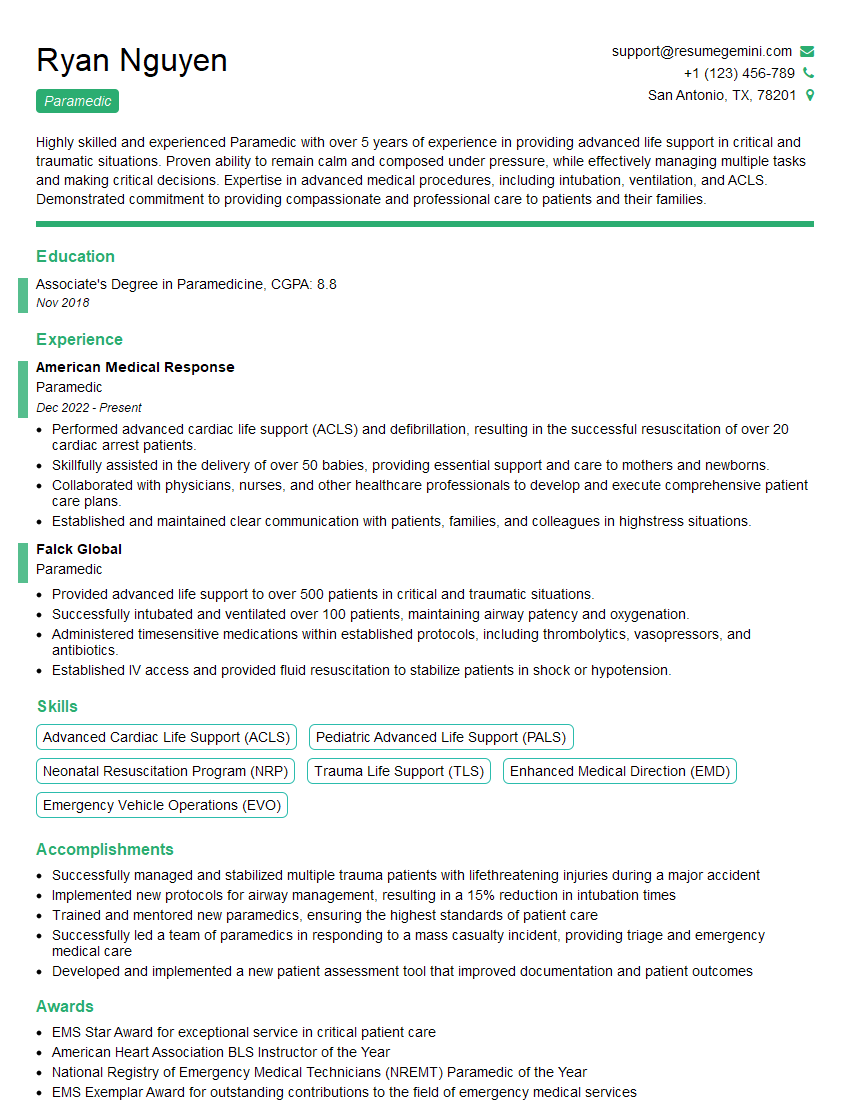
Paramedic Resume Sample
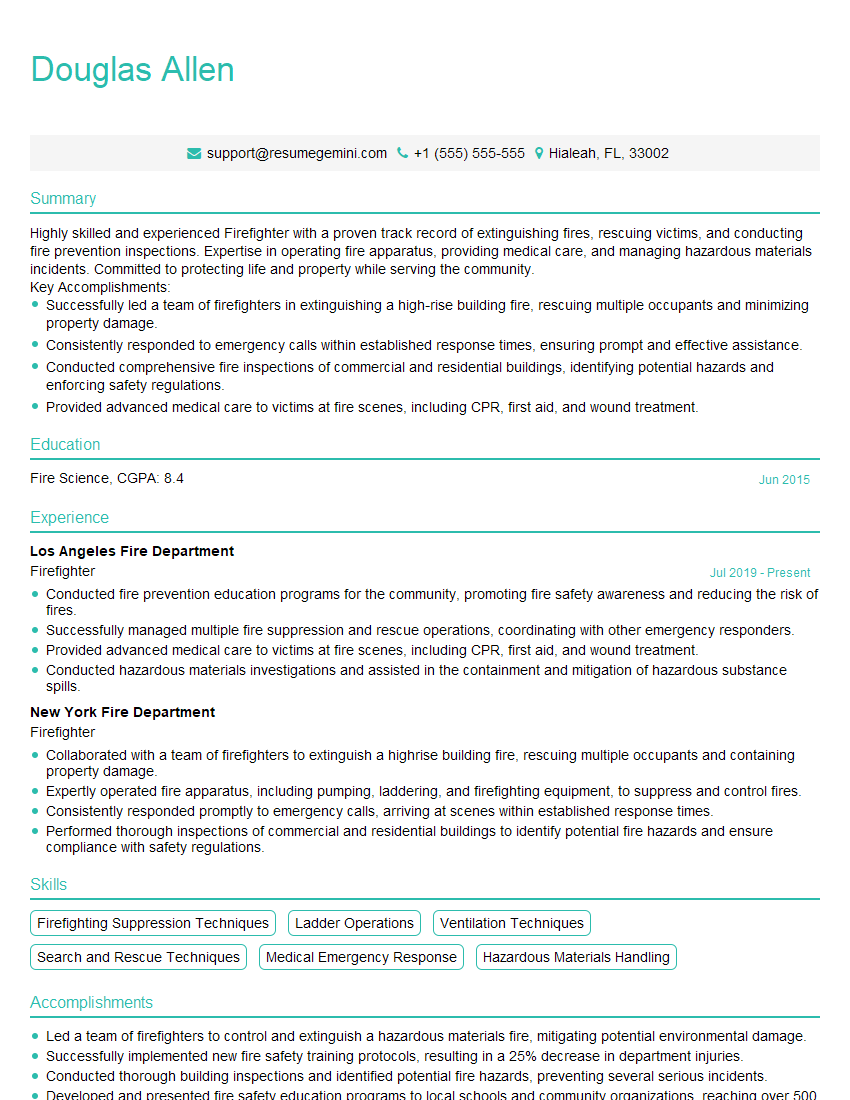
Firefighter Resume Sample
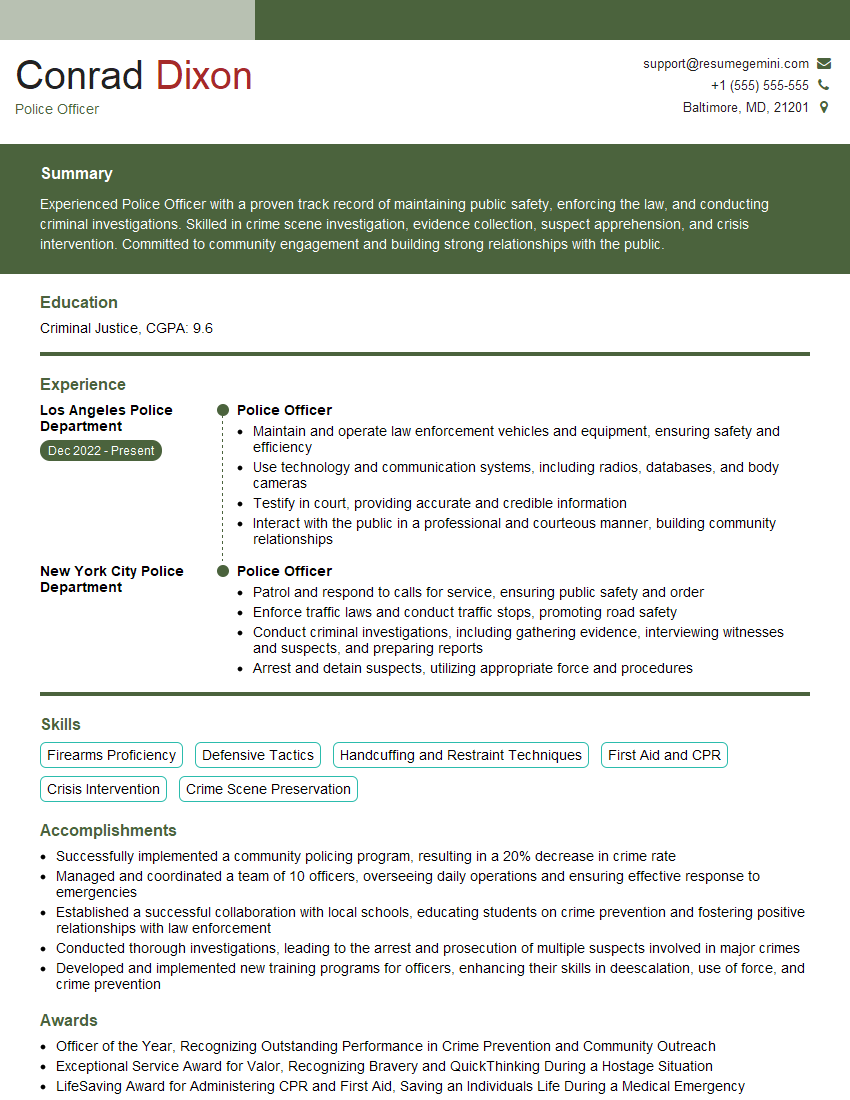
Police Officer Resume Sample
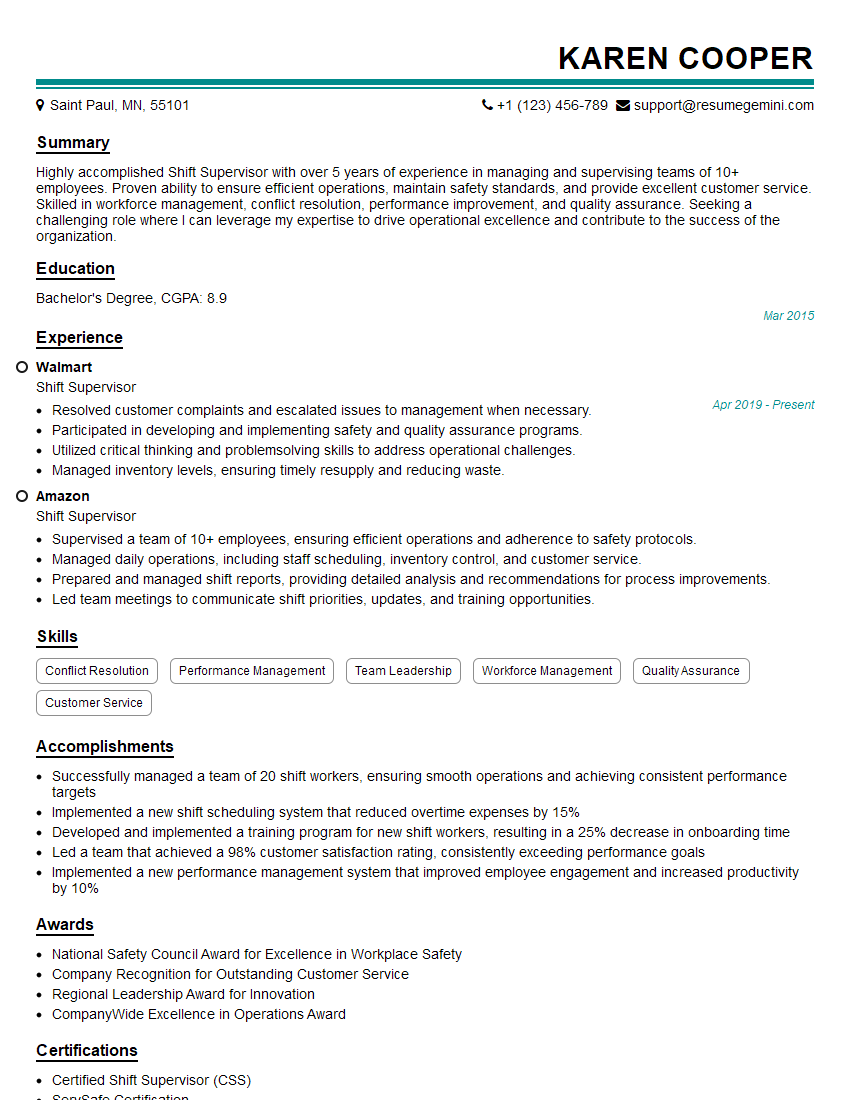
Shift Supervisor Resume Sample
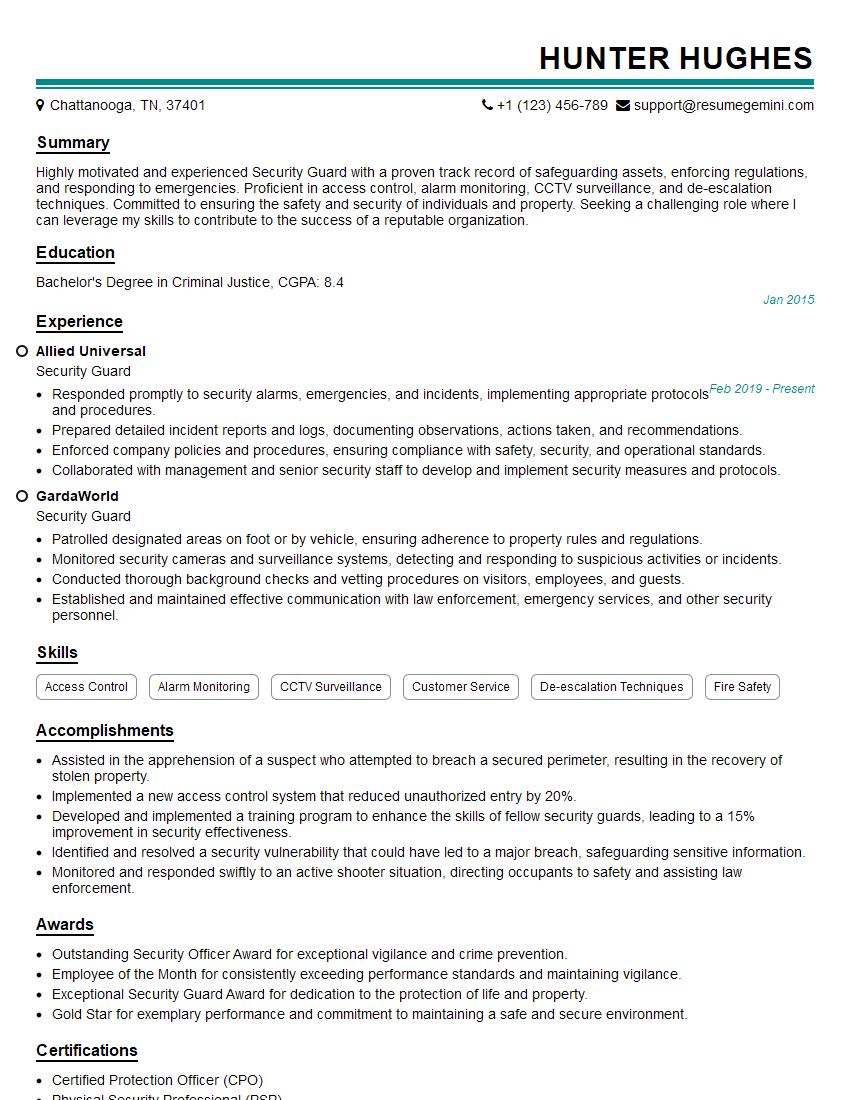
Security Guard Resume Sample

Call Center Agent Resume Sample
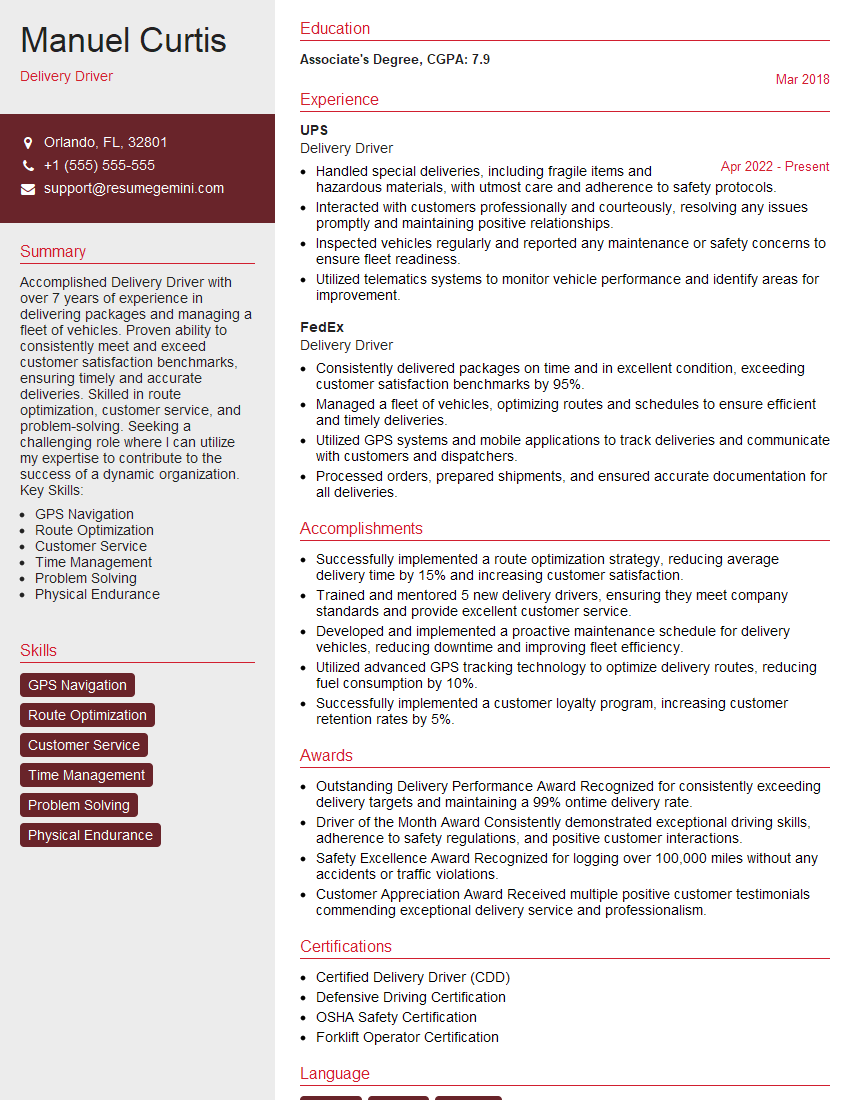
Delivery Driver Resume Sample
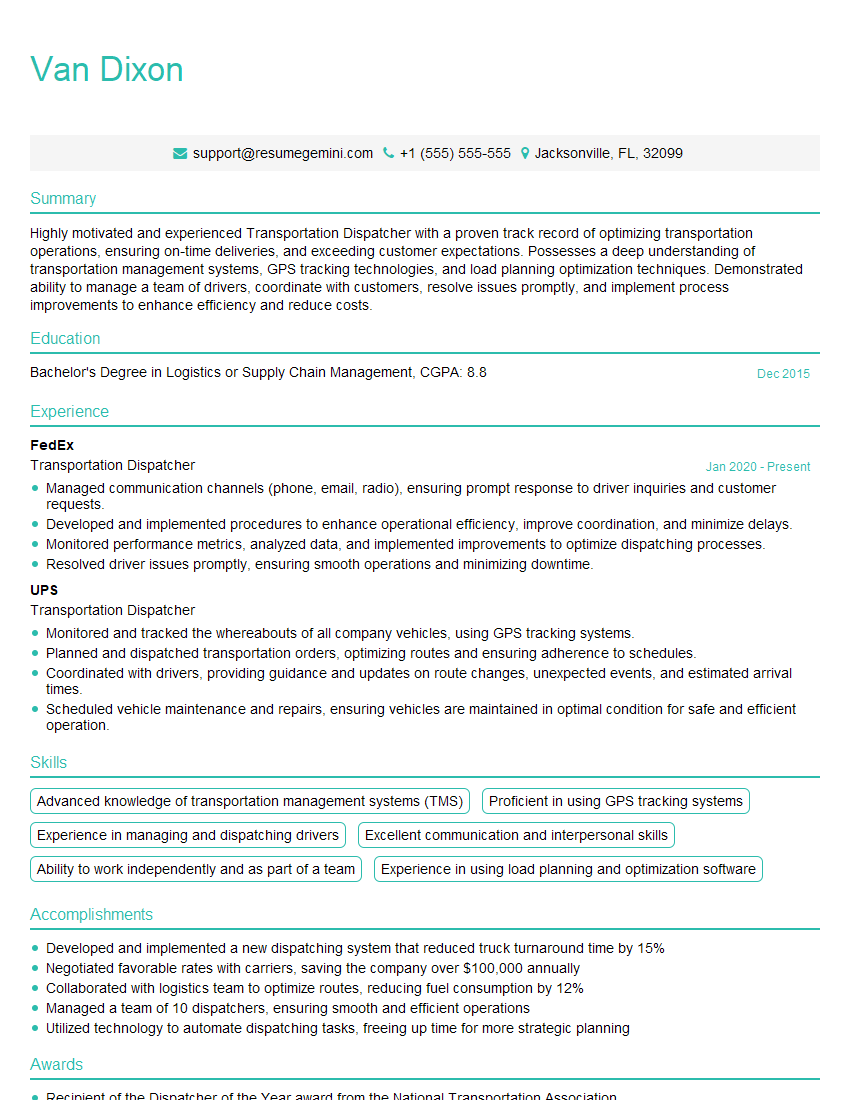
Transportation Dispatcher Resume Sample
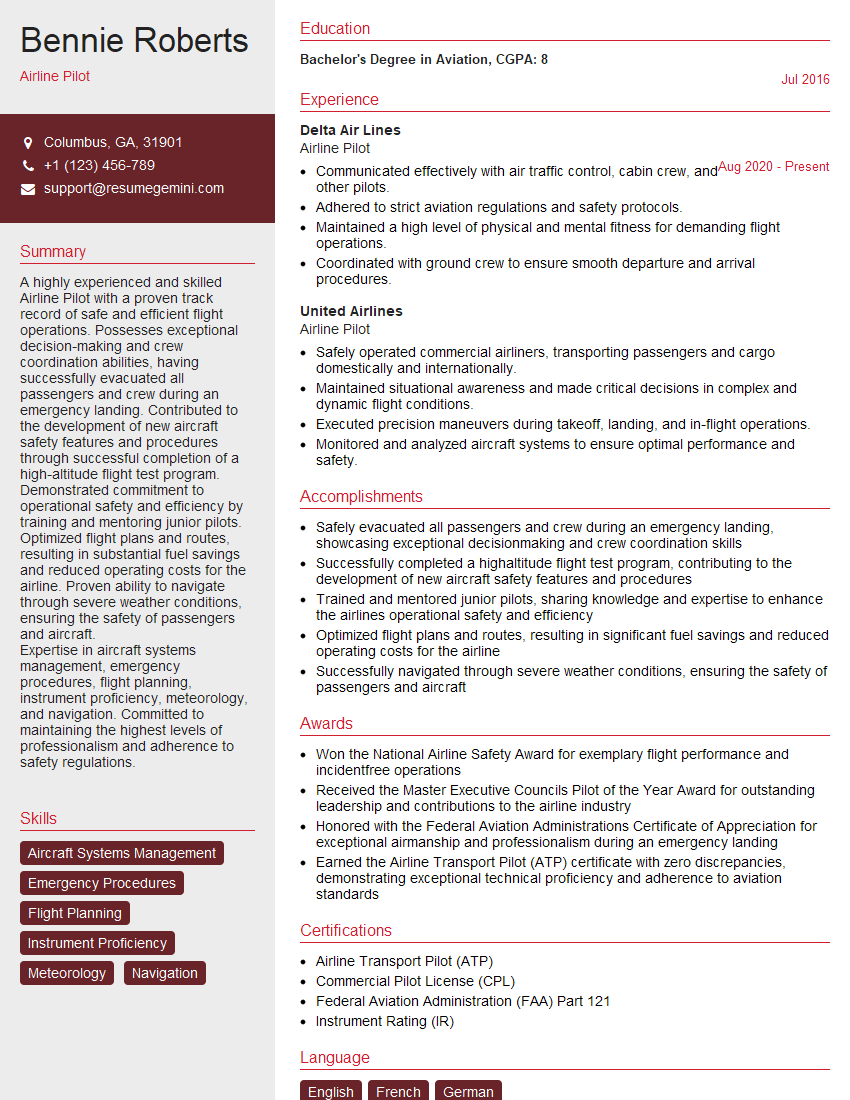
Airline Pilot Resume Sample
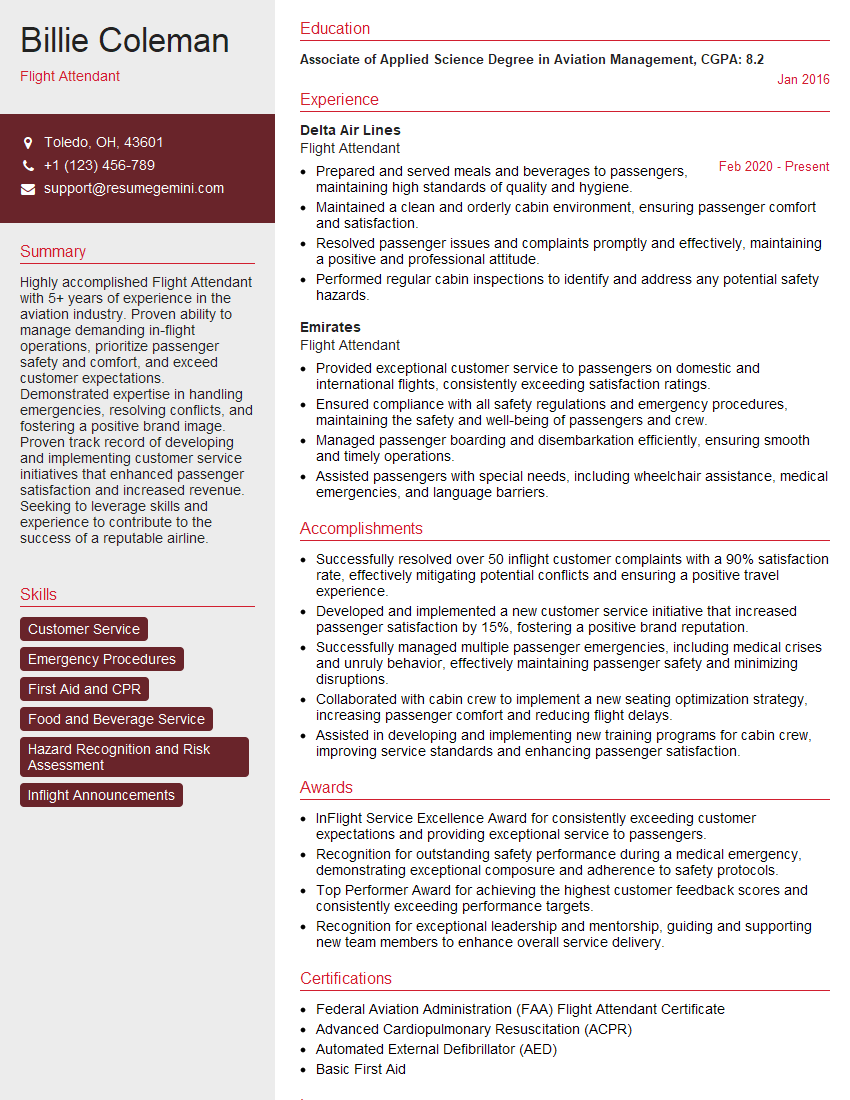
Flight Attendant Resume Sample
Explore more articles
Users Rating of Our Blogs
Share Your Experience
We value your feedback! Please rate our content and share your thoughts (optional).
What Readers Say About Our Blog
I Redesigned Spongebob Squarepants and his main characters of my artwork.
https://www.deviantart.com/reimaginesponge/art/Redesigned-Spongebob-characters-1223583608
IT gave me an insight and words to use and be able to think of examples
Hi, I’m Jay, we have a few potential clients that are interested in your services, thought you might be a good fit. I’d love to talk about the details, when do you have time to talk?
Best,
Jay
Founder | CEO