Interviews are more than just a Q&A session—they’re a chance to prove your worth. This blog dives into essential Knowledge of industry best practices and emerging technologies interview questions and expert tips to help you align your answers with what hiring managers are looking for. Start preparing to shine!
Questions Asked in Knowledge of industry best practices and emerging technologies Interview
Q 1. Explain Agile methodologies and their practical application.
Agile methodologies are iterative approaches to project management that emphasize flexibility, collaboration, and customer satisfaction. Instead of rigid, upfront planning, Agile breaks projects into smaller, manageable chunks called sprints, typically lasting 1-4 weeks. Each sprint results in a working increment of the software or product.
Practical Application: Imagine building a house. Instead of designing the entire house before laying a single brick (the traditional Waterfall approach), an Agile team might first build the foundation (Sprint 1), then the frame (Sprint 2), then the roof (Sprint 3), etc. At the end of each sprint, the client can review progress, provide feedback, and adjustments can be made for subsequent sprints. This continuous feedback loop ensures the final product aligns perfectly with the client’s evolving needs. Popular Agile frameworks include Scrum, Kanban, and XP (Extreme Programming).
- Scrum: Uses daily stand-up meetings, sprint reviews, and retrospectives for continuous improvement.
- Kanban: Focuses on visualizing workflow and limiting work in progress.
- XP: Emphasizes coding best practices, testing, and customer collaboration.
Q 2. Describe your experience with DevOps principles and tools.
DevOps is a set of practices that automates and integrates the processes between software development and IT operations teams. The goal is to shorten the systems development life cycle and provide continuous delivery with high software quality. My experience encompasses implementing CI/CD pipelines using tools like Jenkins, GitLab CI, and Azure DevOps. I’ve also worked with configuration management tools such as Ansible and Puppet to automate infrastructure provisioning and management.
In a previous role, we transitioned from a traditional development process with infrequent releases to a DevOps model. This involved implementing automated testing, continuous integration, and continuous deployment. The result was a significant reduction in deployment time, from weeks to hours, and a dramatic decrease in the number of production issues. We leveraged Docker for containerization and Kubernetes for orchestration, enabling scalable and reliable deployments.
Example: A Jenkins pipeline automating build, test, and deployment: stage('Build'){sh 'mvn clean package'} stage('Test'){sh 'mvn test'} stage('Deploy'){sh 'kubectl apply -f deployment.yaml'}Q 3. What are the key components of a successful digital transformation strategy?
A successful digital transformation strategy requires a holistic approach encompassing people, processes, and technology. Key components include:
- Clear Vision and Strategy: Defining specific, measurable, achievable, relevant, and time-bound (SMART) goals.
- Customer-Centricity: Focusing on improving customer experience through digital channels.
- Data-Driven Decision Making: Leveraging data analytics to understand customer behavior and optimize processes.
- Agile Methodology Adoption: Embracing iterative development and rapid feedback loops.
- Cloud Adoption: Migrating to cloud platforms for scalability, flexibility, and cost-effectiveness.
- Cybersecurity: Implementing robust security measures to protect sensitive data.
- Change Management: Effectively managing the human aspects of transformation, including training and communication.
- Technology Integration: Integrating various technologies to create a seamless customer experience.
For example, a retail company might digitally transform by implementing an e-commerce platform, integrating their online and offline channels, and personalizing the customer experience through data analytics. Success depends on aligning technology investments with business objectives and effectively managing the cultural shift within the organization.
Q 4. How do you stay updated on emerging technologies?
Staying updated on emerging technologies is crucial for remaining competitive. My approach is multifaceted:
- Industry Publications and Blogs: I regularly read publications like TechCrunch, Wired, and specialized industry journals relevant to my field.
- Conferences and Webinars: Attending industry conferences and webinars provides insights from leading experts and allows networking with peers.
- Online Courses and MOOCs: Platforms like Coursera, edX, and Udacity offer structured learning on various technologies.
- Professional Networks: Engaging in online communities and forums such as LinkedIn and Stack Overflow facilitates knowledge sharing and learning from others’ experiences.
- Hands-on Experimentation: I dedicate time to experimenting with new technologies and tools to gain practical experience.
Furthermore, I actively follow thought leaders and researchers on social media and subscribe to relevant newsletters. This combination of formal and informal learning ensures I stay ahead of the curve.
Q 5. Discuss the ethical implications of AI and machine learning.
The ethical implications of AI and machine learning are significant and multifaceted. Key concerns include:
- Bias and Discrimination: AI systems trained on biased data can perpetuate and amplify existing societal biases, leading to unfair or discriminatory outcomes. For instance, a facial recognition system trained primarily on images of white faces might perform poorly on faces of other ethnicities.
- Privacy and Surveillance: AI-powered surveillance technologies raise concerns about the erosion of privacy and potential for misuse.
- Job Displacement: Automation driven by AI could lead to significant job displacement in various sectors.
- Accountability and Transparency: It can be difficult to understand how complex AI systems arrive at their decisions, making it challenging to hold them accountable for mistakes or biases.
- Autonomous Weapons Systems: The development of lethal autonomous weapons systems raises serious ethical and security concerns.
Addressing these concerns requires a multi-pronged approach, including the development of ethical guidelines, regulations, and technical solutions to mitigate bias, ensure transparency, and promote responsible AI development.
Q 6. Compare and contrast different cloud computing platforms (AWS, Azure, GCP).
AWS (Amazon Web Services), Azure (Microsoft Azure), and GCP (Google Cloud Platform) are the three major cloud computing platforms, each offering a broad range of services. While they offer similar core functionalities like compute, storage, and databases, there are key differences:
- AWS: The market leader, known for its wide range of services and mature ecosystem. Often considered the most comprehensive, but can be complex for beginners.
- Azure: Strong integration with Microsoft products and services, making it attractive to organizations heavily invested in the Microsoft ecosystem. It’s also known for its robust hybrid cloud capabilities.
- GCP: Known for its strong focus on data analytics, machine learning, and big data processing. It often boasts cutting-edge technologies and a competitive pricing model.
The choice depends on specific needs. An organization reliant on Microsoft software might prefer Azure, while a company focused on data analysis might favor GCP. AWS’s breadth of services makes it a popular choice for many, though its complexity can be a drawback.
Q 7. Explain the concept of blockchain technology and its potential applications.
Blockchain technology is a distributed, immutable ledger that records transactions across multiple computers. This decentralized nature makes it highly secure and transparent. Each transaction is grouped into a ‘block’ and linked cryptographically to the previous block, forming a ‘chain’.
Potential Applications:
- Cryptocurrencies: Bitcoin is the most well-known example, using blockchain to record and verify transactions.
- Supply Chain Management: Tracking goods from origin to consumer, ensuring authenticity and preventing counterfeiting.
- Healthcare: Securely storing and sharing patient medical records.
- Voting Systems: Enhancing the security and transparency of elections.
- Digital Identity: Creating secure and verifiable digital identities.
While promising, blockchain technology faces challenges such as scalability, regulatory uncertainty, and energy consumption (particularly with proof-of-work consensus mechanisms). However, ongoing research and development are addressing these limitations, paving the way for wider adoption.
Q 8. What is your experience with cybersecurity best practices?
Cybersecurity best practices are crucial for protecting digital assets and maintaining data integrity. My experience encompasses a wide range of practices, including implementing robust access control mechanisms, employing multi-factor authentication (MFA), and regularly updating software and firmware to patch vulnerabilities. I’m also well-versed in network security principles like firewalls, intrusion detection/prevention systems (IDS/IPS), and virtual private networks (VPNs). Furthermore, I have practical experience in developing and implementing security policies, conducting security audits and penetration testing, and responding to security incidents. For instance, in a previous role, I spearheaded the implementation of a zero-trust security architecture, significantly reducing our attack surface and improving overall security posture. This involved implementing granular access controls based on roles and context, alongside robust monitoring and logging capabilities.
Beyond technical aspects, I emphasize the importance of security awareness training for all employees. A strong security culture, where everyone understands their role in protecting the organization, is paramount. This includes establishing clear incident response plans and regularly practicing them through simulated exercises.
Q 9. How do you handle conflicting priorities in a project?
Conflicting priorities are inevitable in project management. My approach involves a structured process prioritizing tasks based on several factors: urgency, impact, dependencies, and alignment with overall project goals. I typically use a prioritization matrix, often a MoSCoW method (Must have, Should have, Could have, Won’t have), to visually represent the relative importance of each task. This allows stakeholders to understand the trade-offs involved and make informed decisions.
Open communication is key. I proactively involve all relevant stakeholders in the prioritization process, ensuring everyone is aligned on the chosen path. Transparent and frequent updates keep everyone informed about progress and any necessary adjustments. Sometimes, negotiation and compromise are required, and I’m adept at facilitating these discussions to reach mutually acceptable solutions. In cases where a difficult decision needs to be made, I rely on data-driven insights to justify my recommendations. For instance, a cost-benefit analysis can help determine which tasks provide the most value for the allocated resources.
Q 10. Describe your experience with data analysis and visualization tools.
I’m proficient in various data analysis and visualization tools, including SQL, Python libraries like Pandas and NumPy for data manipulation, and visualization tools such as Tableau and Power BI. I have extensive experience extracting, transforming, and loading (ETL) data from diverse sources, cleaning and preparing the data for analysis, and performing statistical analysis to identify trends and patterns. I’m comfortable with various statistical methods, including regression analysis, hypothesis testing, and time series analysis.
My experience extends to creating interactive dashboards and reports using visualization tools, effectively communicating complex data insights to both technical and non-technical audiences. For example, in a previous project, I used Tableau to create a dashboard that tracked key performance indicators (KPIs) in real-time, enabling the team to identify and address potential issues proactively. This resulted in a significant improvement in operational efficiency and decision-making.
Q 11. Explain your understanding of different software development methodologies (e.g., Waterfall, Scrum).
My understanding of software development methodologies encompasses both Waterfall and Agile (including Scrum). Waterfall is a linear, sequential approach where each phase must be completed before the next begins. It’s suitable for projects with well-defined requirements and minimal anticipated changes. However, it can be inflexible and less adaptable to changing needs.
Agile, particularly Scrum, is an iterative and incremental approach emphasizing flexibility and collaboration. Scrum utilizes short development cycles (sprints) to deliver functional software increments. Daily stand-up meetings, sprint reviews, and sprint retrospectives facilitate communication and continuous improvement. Scrum is better suited for projects with evolving requirements or where early user feedback is crucial. I have successfully managed projects using both methodologies, choosing the most appropriate approach based on project specifics and stakeholder needs. For example, I’ve used Waterfall for a project involving developing a critical system with stringent regulatory compliance requirements, and Scrum for a web application project where frequent user feedback was essential for successful delivery.
Q 12. What are your thoughts on the future of [specific emerging technology, e.g., Web3, IoT]?
The future of Web3 is brimming with potential and challenges. While the decentralized nature of Web3, underpinned by blockchain technology, promises greater user control and data privacy, significant hurdles remain. Scalability, interoperability between different blockchain networks, and regulatory uncertainties are major concerns. However, I believe the innovations driving Web3, such as decentralized applications (dApps), decentralized finance (DeFi), and non-fungible tokens (NFTs), will reshape many industries.
The potential for Web3 to foster trust, transparency, and new economic models is substantial. However, widespread adoption will hinge on addressing the existing technical and regulatory challenges. This will involve advancements in blockchain technology, the development of user-friendly interfaces, and clear regulatory frameworks that balance innovation with consumer protection. I believe that Web3’s impact will be gradual but profound, transforming how we interact with the internet and digital assets.
Q 13. How would you approach troubleshooting a complex technical issue?
Troubleshooting a complex technical issue requires a systematic and methodical approach. My strategy begins with gathering as much information as possible: error logs, system configurations, and user reports. Then, I isolate the problem by systematically testing different components or functionalities. This may involve using debugging tools, network monitoring tools, and tracing the flow of data to pinpoint the source of the problem.
I rely on a process of elimination, formulating and testing hypotheses until I find the root cause. Documentation is critical at each stage. I meticulously record every step taken, including observations, tests performed, and outcomes. This not only helps me resolve the immediate issue but also aids in preventing similar problems in the future. Collaboration is also important. When faced with a particularly challenging issue, I seek input from colleagues with expertise in relevant areas. For instance, in a previous scenario involving a database performance issue, I collaborated with a database administrator to identify and address a bottleneck in the query optimization.
Q 14. Describe your experience with testing and quality assurance processes.
My experience with testing and quality assurance (QA) processes encompasses various techniques, including unit testing, integration testing, system testing, user acceptance testing (UAT), and performance testing. I am familiar with different testing methodologies like black-box testing and white-box testing and understand the importance of test-driven development (TDD). I am adept at designing comprehensive test plans, developing test cases, and executing tests to ensure software quality.
I use various tools for test management, defect tracking, and automated testing. In addition to manual testing, I embrace automated testing wherever feasible to enhance efficiency and coverage. A key aspect of my approach is ensuring that the testing process aligns with the software development lifecycle (SDLC) to catch potential issues early in the development process, rather than later. For instance, I’ve integrated automated testing into our continuous integration/continuous delivery (CI/CD) pipeline to enable continuous quality assurance.
Q 15. Explain your experience with project management methodologies (e.g., PMI, PRINCE2).
Throughout my career, I’ve extensively utilized various project management methodologies, most notably PMI’s Project Management Body of Knowledge (PMBOK) and PRINCE2. PMBOK provides a comprehensive framework encompassing initiation, planning, execution, monitoring and controlling, and closure. I’ve applied its principles in numerous projects, leveraging its structured approach to define clear objectives, scope, timelines, and budgets. For instance, in a recent software development project, we used PMBOK’s work breakdown structure (WBS) to decompose the project into manageable tasks, assigning responsibilities and tracking progress effectively. PRINCE2, with its emphasis on controlling risk and managing stakeholder expectations, has been invaluable in larger, more complex projects. Its iterative approach allowed us to adapt to changing requirements and ensure deliverables aligned with business goals. In one instance, using PRINCE2’s defined roles and responsibilities, we successfully navigated a challenging project involving multiple external vendors, ensuring seamless communication and timely delivery despite unforeseen technical hurdles.
- PMBOK: I’m proficient in using its various tools and techniques, including Gantt charts for scheduling, critical path analysis for identifying bottlenecks, and earned value management (EVM) for performance measurement.
- PRINCE2: My experience with PRINCE2 includes managing project initiation documents, developing project plans, and maintaining regular progress reports, ensuring alignment with the overall business strategy.
Career Expert Tips:
- Ace those interviews! Prepare effectively by reviewing the Top 50 Most Common Interview Questions on ResumeGemini.
- Navigate your job search with confidence! Explore a wide range of Career Tips on ResumeGemini. Learn about common challenges and recommendations to overcome them.
- Craft the perfect resume! Master the Art of Resume Writing with ResumeGemini’s guide. Showcase your unique qualifications and achievements effectively.
- Don’t miss out on holiday savings! Build your dream resume with ResumeGemini’s ATS optimized templates.
Q 16. How do you measure the success of a technology implementation?
Measuring the success of a technology implementation goes beyond simply launching a new system. It requires a multifaceted approach, considering both quantitative and qualitative metrics. Quantitative metrics might include:
- Return on Investment (ROI): Did the implementation deliver the expected financial benefits? This involves comparing the costs of implementation with the resulting improvements in efficiency, productivity, or revenue.
- Key Performance Indicators (KPIs): These are specific, measurable targets related to the implementation’s goals. For example, if the goal was to improve customer service response times, a KPI would be the average time taken to resolve a customer issue. A decrease in this time indicates success.
- User Adoption Rate: How many users are actively using the new system? Low adoption rates suggest potential usability issues or lack of training.
Qualitative metrics focus on subjective aspects:
- User Satisfaction: Surveys and feedback sessions can gauge user satisfaction with the new technology. This addresses usability and overall user experience.
- Improved Efficiency and Productivity: Has the implementation improved workflows and reduced manual effort? This often requires observing changes in employee performance and task completion times.
- Enhanced Security and Compliance: Has the implementation improved data security and ensured compliance with relevant regulations?
A holistic assessment of both quantitative and qualitative metrics provides a comprehensive picture of the implementation’s overall success.
Q 17. What is your experience with risk management in technology projects?
Risk management is integral to any successful technology project. My approach involves a proactive and iterative process. It begins with identifying potential risks through brainstorming sessions, reviewing past project experiences, and analyzing potential vulnerabilities. These risks are then assessed based on their likelihood and potential impact. I use a risk matrix to prioritize risks, focusing on those with the highest likelihood and impact. For each high-priority risk, we develop a mitigation strategy, including contingency plans and backup solutions. This might involve identifying alternative vendors, establishing clear communication protocols, or building redundancy into the system architecture. For example, in one project, we identified the risk of supplier delays. Our mitigation strategy involved securing multiple suppliers and building buffer time into the schedule. Regular monitoring and reporting are crucial. Throughout the project, I track identified risks, monitor their status, and adjust mitigation strategies as needed. This ensures that we are constantly adapting to changing circumstances and proactively addressing potential issues before they escalate.
Q 18. Describe your understanding of data security and privacy regulations.
I have a strong understanding of data security and privacy regulations, including GDPR, CCPA, and HIPAA. These regulations mandate the responsible handling of personal data, requiring organizations to implement robust security measures and transparent data handling practices. My experience involves ensuring compliance by:
- Implementing data encryption and access controls: Protecting data both in transit and at rest is critical. This involves using encryption protocols and implementing strict access control measures, ensuring that only authorized personnel can access sensitive information.
- Conducting regular security audits and penetration testing: Identifying vulnerabilities in systems and applications is crucial for preventing data breaches. Penetration testing simulates real-world attacks to identify weaknesses and improve security posture.
- Developing and implementing data breach response plans: Having a detailed plan in place for handling data breaches is critical. This plan should outline steps for containment, investigation, notification, and recovery.
- Maintaining comprehensive data inventories and processing records: Knowing what data is held, where it is stored, and how it is processed is fundamental to compliance. This allows for better control and easier auditing.
Understanding and adhering to these regulations is not just about compliance; it is about building trust with customers and stakeholders, ensuring data integrity, and protecting the organization’s reputation.
Q 19. What are your thoughts on the impact of automation on the workforce?
Automation’s impact on the workforce is a complex issue, presenting both challenges and opportunities. While it’s true that automation can displace workers in certain roles, it also creates new opportunities and enhances productivity in others. I believe a balanced approach is key, focusing on:
- Reskilling and upskilling: Investing in training programs to equip workers with the skills needed for jobs in the automated environment is crucial. This could involve training in areas like data analysis, AI management, or cybersecurity.
- Focusing on human-centric tasks: Automation should be leveraged to handle repetitive, data-driven tasks, freeing up human workers to focus on more creative, strategic, and relationship-based work.
- Promoting collaboration between humans and machines: The most effective approach often involves integrating human intelligence and machine automation to achieve optimal outcomes.
- Addressing ethical concerns: It’s critical to address potential biases in algorithms and ensure fair and equitable implementation of automation technologies.
By proactively addressing the challenges and embracing the opportunities, we can navigate the transition to an automated workplace, creating a future where humans and machines collaborate effectively.
Q 20. Explain your experience with specific programming languages or technologies.
My experience spans several programming languages and technologies. I’m proficient in Python, known for its versatility in data science, machine learning, and scripting. I’ve used Python extensively for data analysis, building machine learning models, and automating tasks. For instance, I developed a Python script to automate the process of analyzing large datasets, significantly reducing processing time and improving efficiency. I’m also experienced in Java, a robust language commonly used for enterprise-level applications. I’ve worked on projects involving Java-based web applications and backend systems. Furthermore, I have experience with cloud technologies such as AWS and Azure, including services like EC2, S3, and Azure Functions. This experience allows me to build scalable and reliable applications leveraging cloud infrastructure. Finally, my experience extends to SQL and NoSQL databases, enabling me to effectively manage and analyze data from various sources.
# Example Python code snippet for data analysis: import pandas as pd data = pd.read_csv('data.csv') # ... data analysis and manipulation ...Q 21. How do you handle pressure and tight deadlines?
Handling pressure and tight deadlines requires a structured approach and a proactive mindset. I thrive under pressure because I’ve developed effective strategies for managing time and prioritizing tasks. My approach includes:
- Clear Prioritization: I utilize techniques like the Eisenhower Matrix (urgent/important) to focus on the most critical tasks first.
- Effective Time Management: I break down large tasks into smaller, manageable chunks, setting realistic deadlines for each. I use tools like project management software to track progress and manage my time effectively.
- Communication and Collaboration: I maintain open communication with team members and stakeholders, ensuring everyone is aligned and aware of potential challenges. Collaboration is essential in navigating tight deadlines.
- Stress Management: I understand the importance of maintaining a healthy work-life balance. Regular breaks, exercise, and sufficient sleep are crucial to managing stress and maintaining focus.
- Seeking Support: When facing insurmountable challenges, I don’t hesitate to seek support from colleagues, mentors, or leadership.
Ultimately, my ability to handle pressure stems from a combination of planning, proactive problem-solving, and a resilient mindset. It’s about working smarter, not harder.
Q 22. Describe your experience with collaboration tools and techniques.
My experience with collaboration tools spans a wide range, from traditional methods like email and shared documents to sophisticated platforms like Slack, Microsoft Teams, and Jira. I’m proficient in utilizing these tools not just for communication, but also for project management, task assignment, and knowledge sharing. For example, in a recent project involving the development of a new e-commerce platform, we used Jira to track tasks, assign responsibilities, and monitor progress. Slack served as our primary communication channel for quick updates, questions, and brainstorming sessions. We also leveraged Google Docs for collaborative writing and editing of technical documentation. Beyond the tools themselves, I believe effective collaboration hinges on clear communication, active listening, and a shared understanding of goals and responsibilities. I’m adept at facilitating collaborative sessions, ensuring everyone feels heard and contributing effectively.
- Asynchronous Communication: Utilizing tools like email or project management software for communication that doesn’t require immediate responses, allowing team members in different time zones to participate effectively.
- Synchronous Communication: Employing tools like video conferencing (Zoom, Google Meet) for real-time discussions, brainstorming, and problem-solving sessions.
- Version Control: Utilizing Git for collaborative code development, ensuring efficient tracking of changes and facilitating seamless merging of contributions.
Q 23. How do you contribute to a positive team environment?
Contributing to a positive team environment is paramount to me. I believe in fostering open communication, mutual respect, and a shared sense of purpose. I actively participate in team-building activities, offering support and encouragement to colleagues. I always aim to be proactive, anticipating potential roadblocks and offering solutions. When disagreements arise, I strive to facilitate constructive dialogue, focusing on finding common ground and resolving conflicts fairly. I believe in celebrating successes, both big and small, reinforcing positive team dynamics. For instance, during a particularly challenging project with tight deadlines, I initiated regular team check-ins to address concerns, share progress updates, and boost morale. This fostered a sense of camaraderie and ultimately led to the successful completion of the project ahead of schedule.
- Active Listening: Paying close attention to what my colleagues say and acknowledging their perspectives.
- Constructive Feedback: Providing and receiving feedback in a helpful and supportive manner, focusing on improvement rather than criticism.
- Mentorship: Guiding and supporting junior team members, helping them grow professionally.
Q 24. How do you approach learning new technologies?
My approach to learning new technologies is systematic and proactive. I begin by identifying the core concepts and functionalities of the technology. I then delve into practical application through tutorials, online courses, and hands-on projects. I believe in a blended learning approach, combining self-directed study with collaborative learning. I actively seek out opportunities to apply the new technology in real-world scenarios, solidifying my understanding. For example, when I needed to learn Kubernetes, I started with online courses on platforms like Coursera and Udemy, then created a small-scale deployment in my personal cloud environment. This allowed me to experiment with different configurations and troubleshoot issues. Finally, I actively sought opportunities to utilize Kubernetes on work-related projects, further strengthening my expertise.
- Structured Learning: Following a structured learning path, starting with the basics and gradually progressing to advanced topics.
- Hands-on Practice: Actively working with the technology through projects and experimentation.
- Community Engagement: Participating in online forums, attending workshops, and networking with other professionals.
Q 25. Explain your experience with different database systems (e.g., SQL, NoSQL).
I have extensive experience with both SQL and NoSQL databases. My SQL experience encompasses relational databases such as MySQL, PostgreSQL, and SQL Server, where I’m proficient in designing schemas, writing complex queries (including joins, subqueries, and stored procedures), and optimizing database performance. I’ve utilized SQL extensively for data warehousing and business intelligence projects. For example, I designed and implemented a data warehouse for a large retail company, optimizing query performance to ensure real-time reporting. My NoSQL experience includes working with MongoDB and Cassandra, which I’ve utilized for applications requiring high scalability and flexibility. For instance, I used MongoDB in a project involving a large-scale social media application, leveraging its flexibility to handle unstructured data and rapidly evolving data schemas. The choice between SQL and NoSQL depends heavily on the specific application requirements. SQL excels in structured data management and ACID properties (Atomicity, Consistency, Isolation, Durability), whereas NoSQL offers scalability and flexibility ideal for large-volume, unstructured data.
-- Example SQL query (MySQL):
SELECT * FROM customers WHERE country = 'USA';
Q 26. How do you stay current with industry best practices and standards?
Staying current with industry best practices and standards is a continuous process. I actively engage in several methods to achieve this. I subscribe to industry publications and newsletters, attend conferences and webinars, and participate in online communities focused on relevant technologies. I also regularly review relevant documentation and specifications provided by industry bodies. I actively follow thought leaders and experts on platforms like Twitter and LinkedIn, staying abreast of emerging trends and innovations. Furthermore, I participate in peer reviews and knowledge-sharing sessions within my team, continuously exchanging insights and best practices.
- Industry Publications: Following leading publications and journals in the field.
- Online Courses and Webinars: Enrolling in online courses and attending webinars on emerging technologies and best practices.
- Conferences and Meetups: Attending industry conferences and meetups to network with professionals and learn about new developments.
Q 27. Describe a time you had to adapt to a significant change in technology or methodology.
A significant technological shift I had to adapt to was the transition from a monolithic application architecture to a microservices architecture. Initially, I was comfortable with the traditional approach, but the growing complexity of the application necessitated a move to microservices. This required me to learn new technologies, including Docker and Kubernetes, and to adopt a new mindset focused on independent deployable services. The learning curve was steep, involving mastering new tools and concepts. I approached this by breaking the transition into manageable phases. I began by learning the fundamentals of Docker and Kubernetes through online courses and hands-on practice. Then, I worked with a small, self-contained part of the application to migrate it to a microservice architecture. This iterative approach reduced risks and allowed me to gain practical experience before tackling larger components. Through this process, I developed a deep understanding of microservices and their benefits, including improved scalability, maintainability, and fault tolerance. The experience not only broadened my technical skills but also enhanced my adaptability and problem-solving capabilities.
Q 28. How do you ensure the scalability and maintainability of your solutions?
Ensuring the scalability and maintainability of my solutions is a core principle in my approach to software development. I employ several strategies to achieve this, including designing modular and loosely coupled systems, utilizing appropriate infrastructure (cloud-based or on-premises), and adhering to coding best practices. For scalability, I focus on horizontal scaling where possible, using load balancers to distribute traffic across multiple instances of services. I also incorporate monitoring and logging tools to identify performance bottlenecks and proactively address potential scaling issues. For maintainability, I emphasize code readability, using consistent naming conventions, well-documented code, and automated testing. I employ version control (Git) to track changes and facilitate collaboration, and I use continuous integration and continuous deployment (CI/CD) pipelines to automate the build, testing, and deployment process. These practices reduce errors, streamline the development lifecycle, and make it easier for others to understand and maintain the codebase. For example, during a project involving a high-traffic web application, I employed a microservices architecture with automated scaling enabled by Kubernetes, ensuring the application could handle peak loads without performance degradation. The use of CI/CD streamlined deployments, minimizing downtime and ensuring rapid iteration.
Key Topics to Learn for Knowledge of Industry Best Practices and Emerging Technologies Interview
- Agile Methodologies: Understanding Scrum, Kanban, and other Agile frameworks; practical application in project management and team collaboration; problem-solving using iterative development approaches.
- Cloud Computing: Familiarity with major cloud providers (AWS, Azure, GCP); understanding of IaaS, PaaS, and SaaS models; practical experience with cloud-based deployments and scaling solutions; troubleshooting cloud-related issues.
- DevOps Principles: Knowledge of CI/CD pipelines; experience with automation tools (e.g., Jenkins, GitLab CI); understanding of infrastructure as code (IaC); practical application in improving software delivery speed and reliability.
- Cybersecurity Best Practices: Understanding of common vulnerabilities and threats; implementing security measures (e.g., authentication, authorization, encryption); practical experience with security protocols and incident response.
- Data Analytics and Big Data: Familiarity with data warehousing and data lakes; experience with data visualization tools (e.g., Tableau, Power BI); practical application of data analysis techniques to solve business problems; understanding of emerging technologies like AI and machine learning in data analysis.
- Emerging Technologies: Understanding of AI/ML, blockchain, IoT, and their potential impact on various industries; ability to discuss potential applications and challenges related to these technologies; critical analysis of emerging trends and their implications for businesses.
Next Steps
Mastering industry best practices and emerging technologies is crucial for career advancement in today’s rapidly evolving tech landscape. Demonstrating this knowledge effectively is key to landing your dream role. To significantly boost your job prospects, focus on creating an ATS-friendly resume that highlights your skills and experience. ResumeGemini can help you build a professional and impactful resume tailored to showcase your expertise in these areas. Examples of resumes tailored to highlight Knowledge of industry best practices and emerging technologies are available to guide you. Take the next step towards your career success with ResumeGemini.
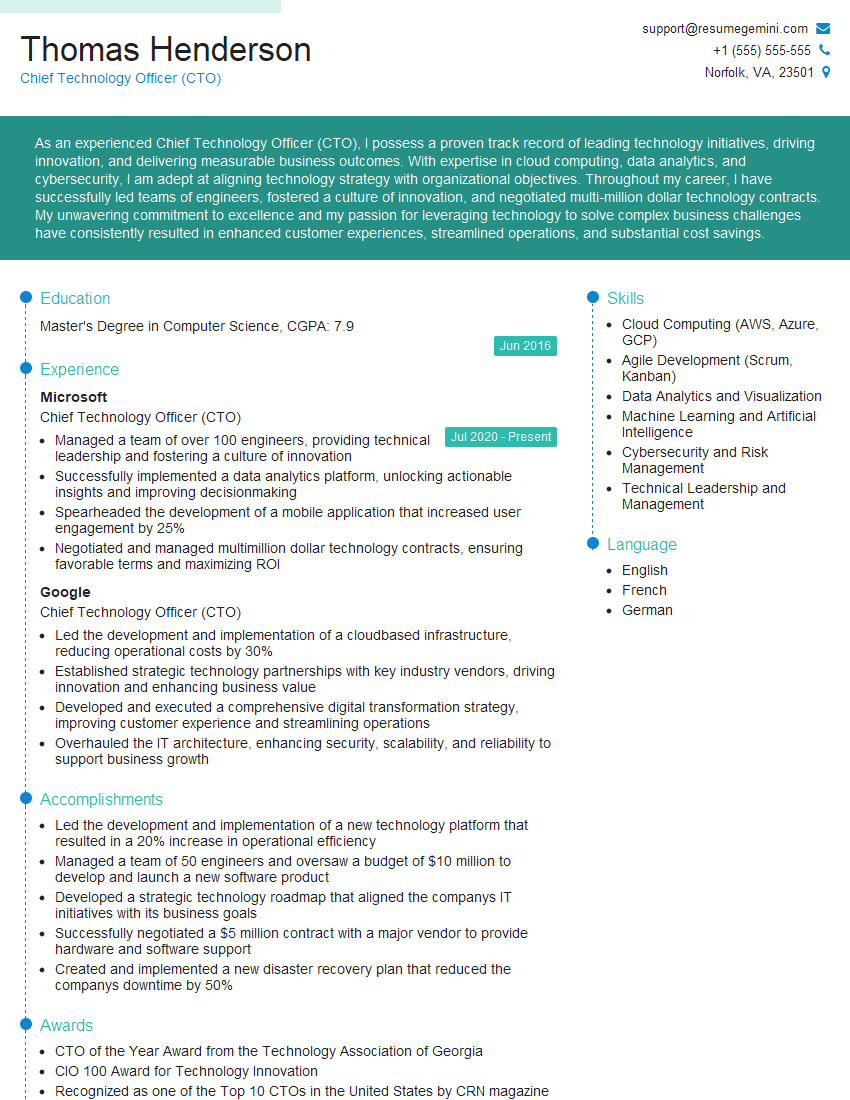
Chief Technology Officer (CTO) Resume Sample
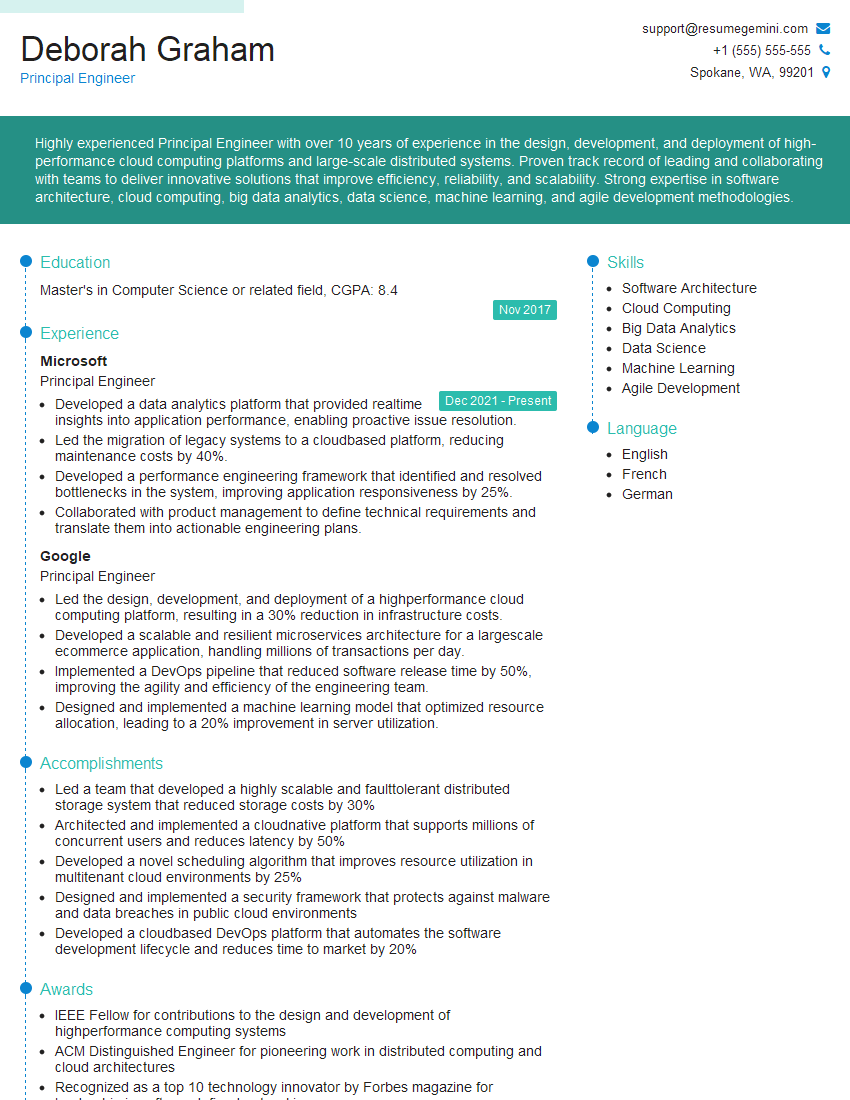
Principal Engineer Resume Sample

Data Analyst Resume Sample
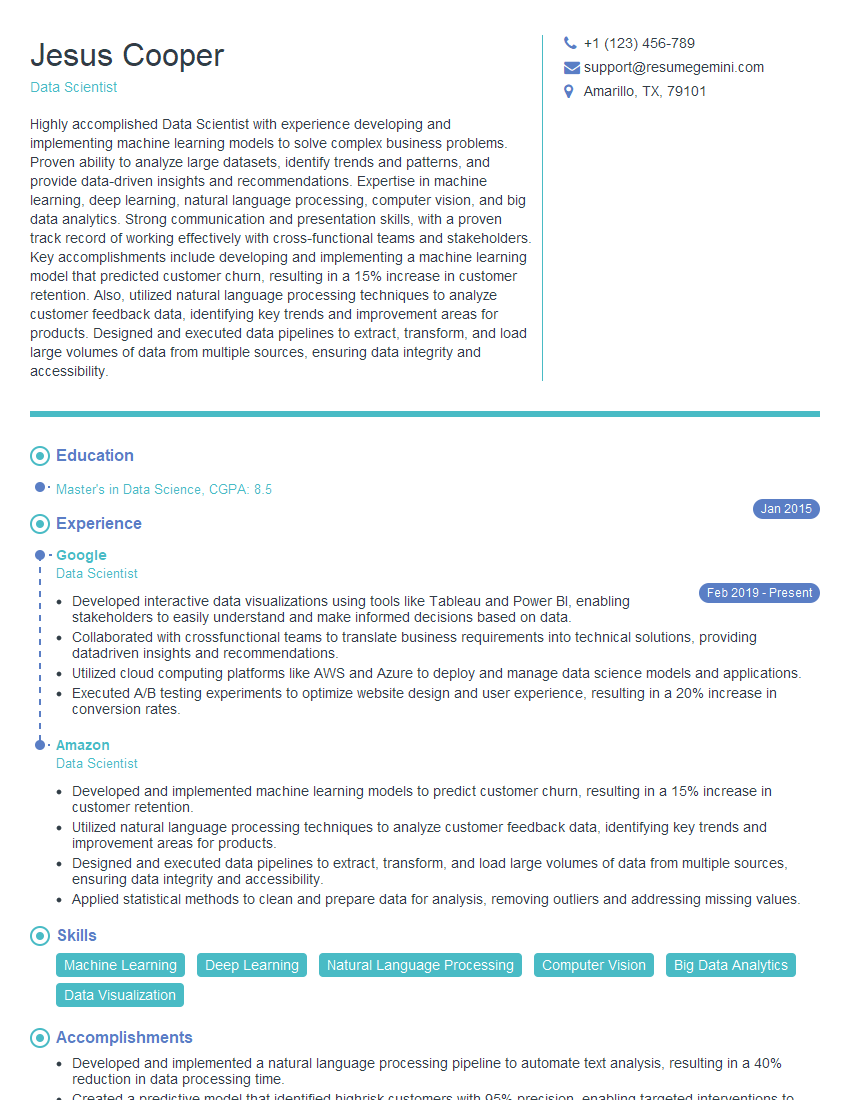
Data Scientist Resume Sample
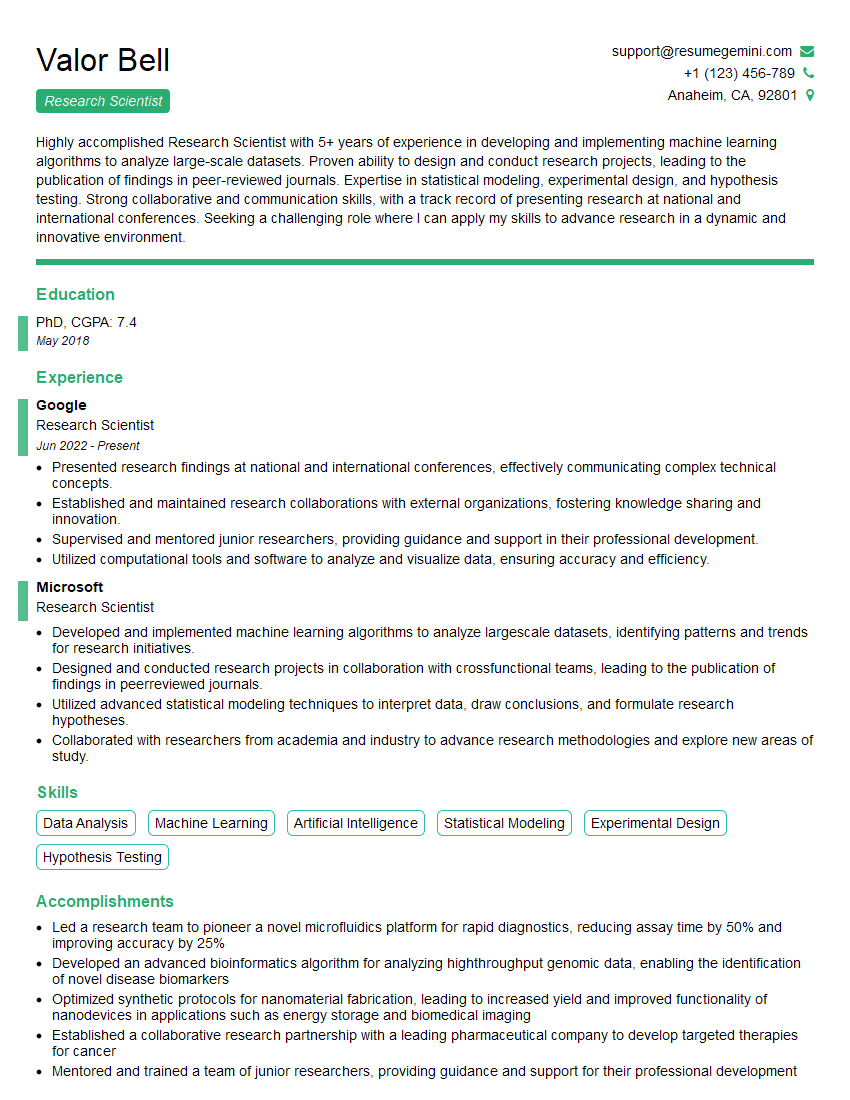
Research Scientist Resume Sample
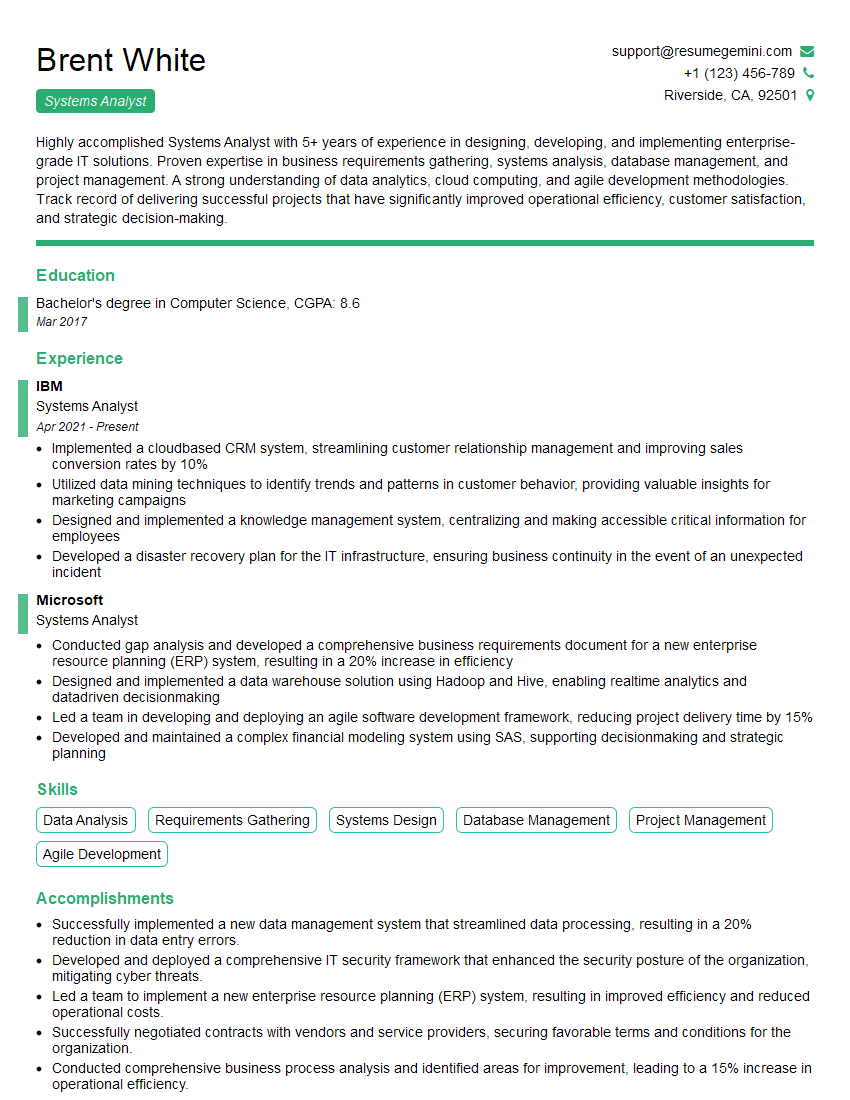
Systems Analyst Resume Sample
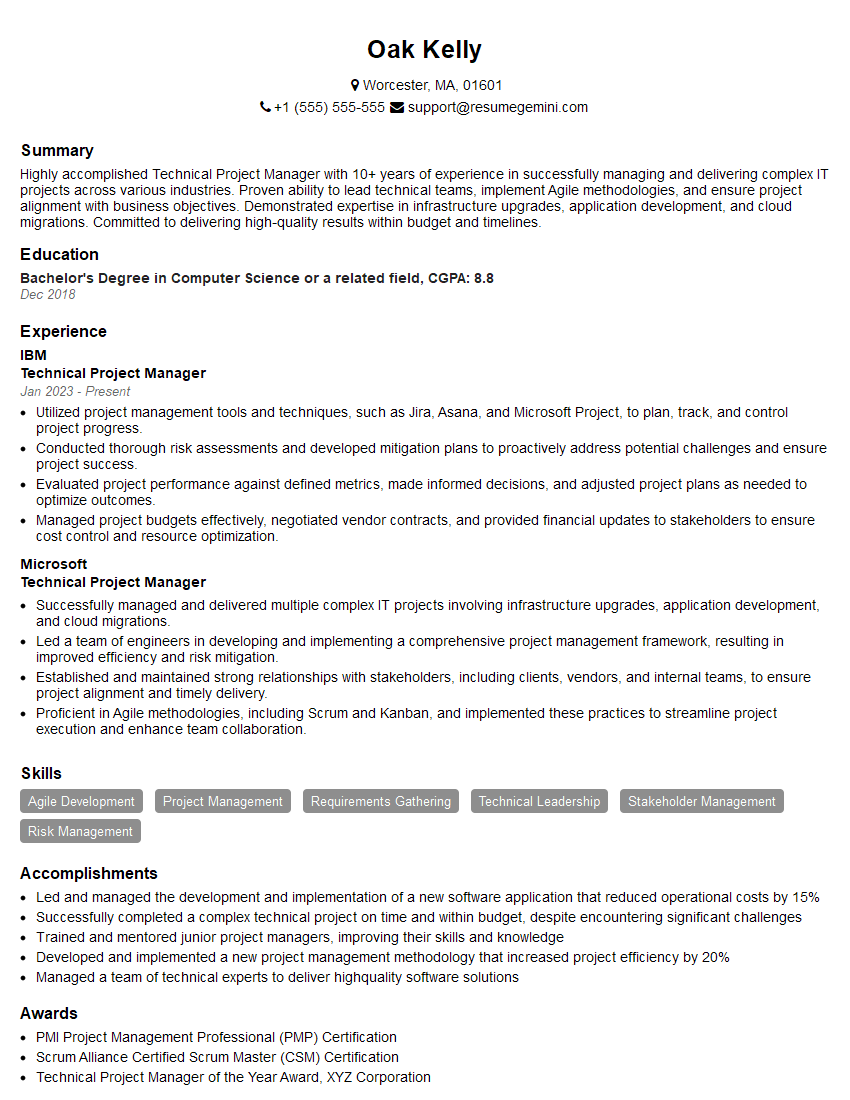
Technical Project Manager Resume Sample
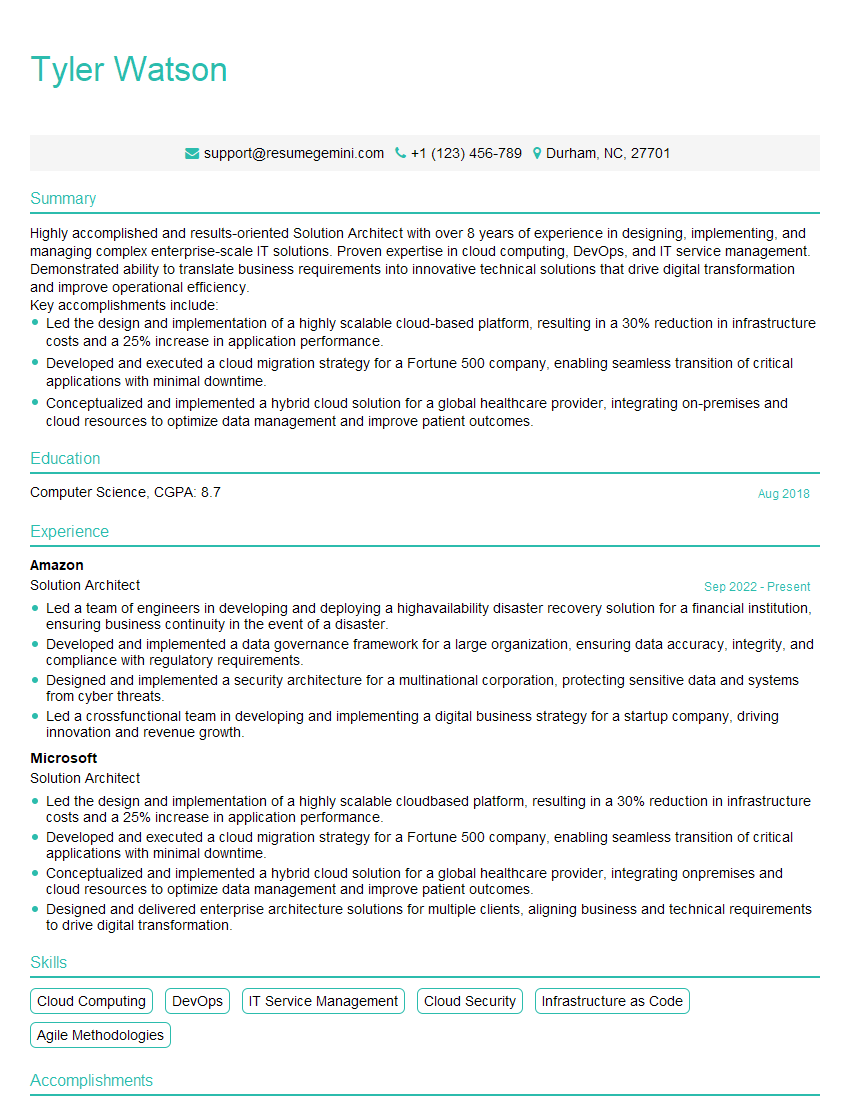
Solution Architect Resume Sample
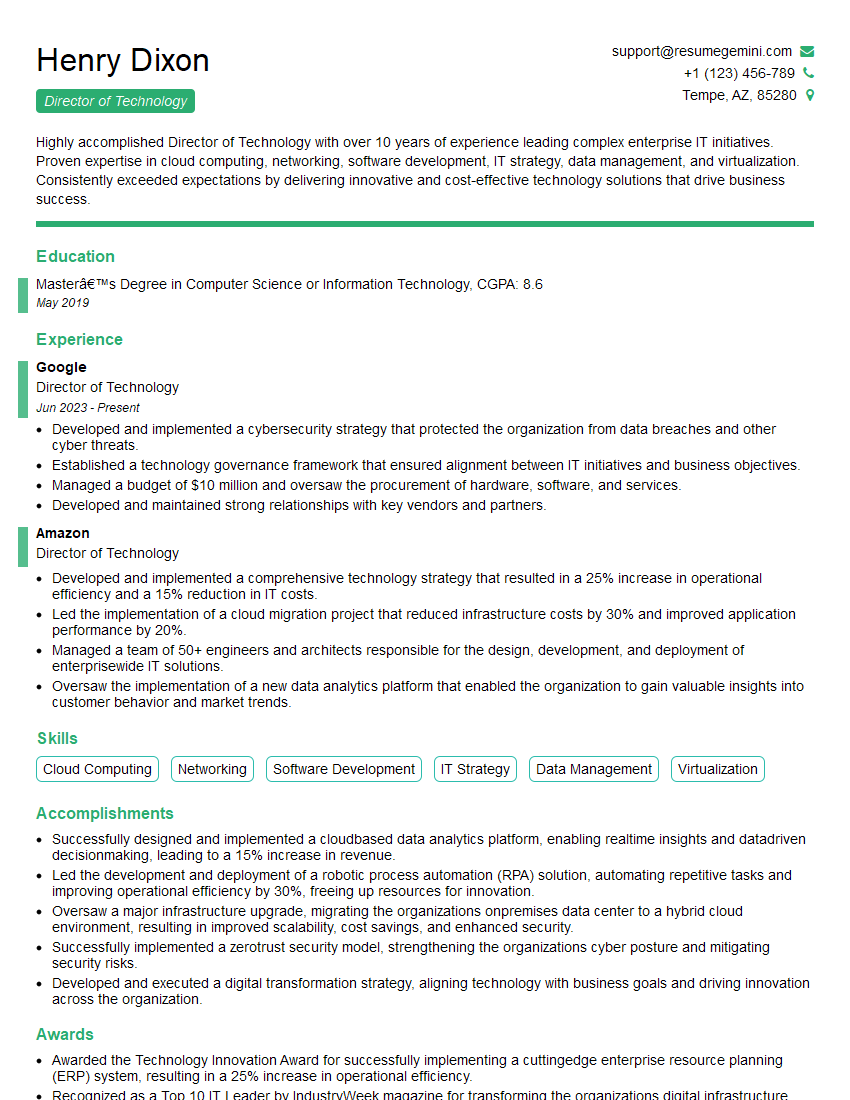
Director of Technology Resume Sample
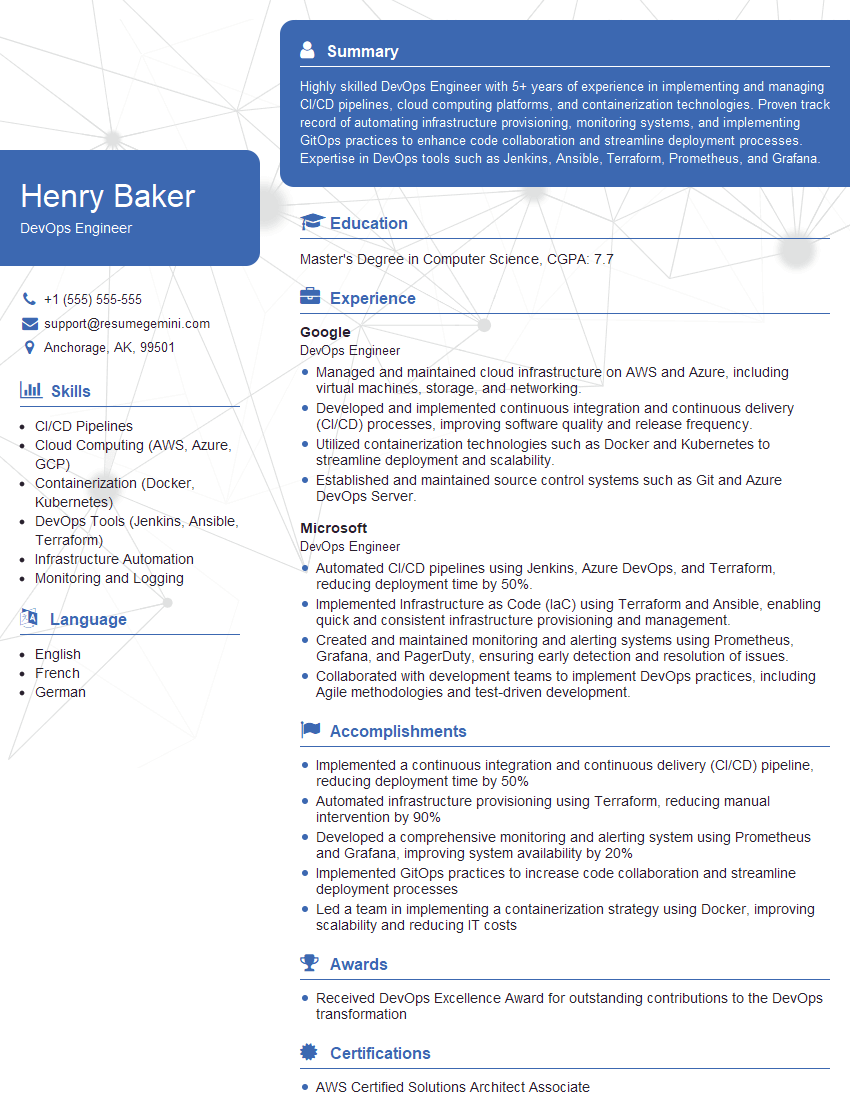
DevOps Engineer Resume Sample
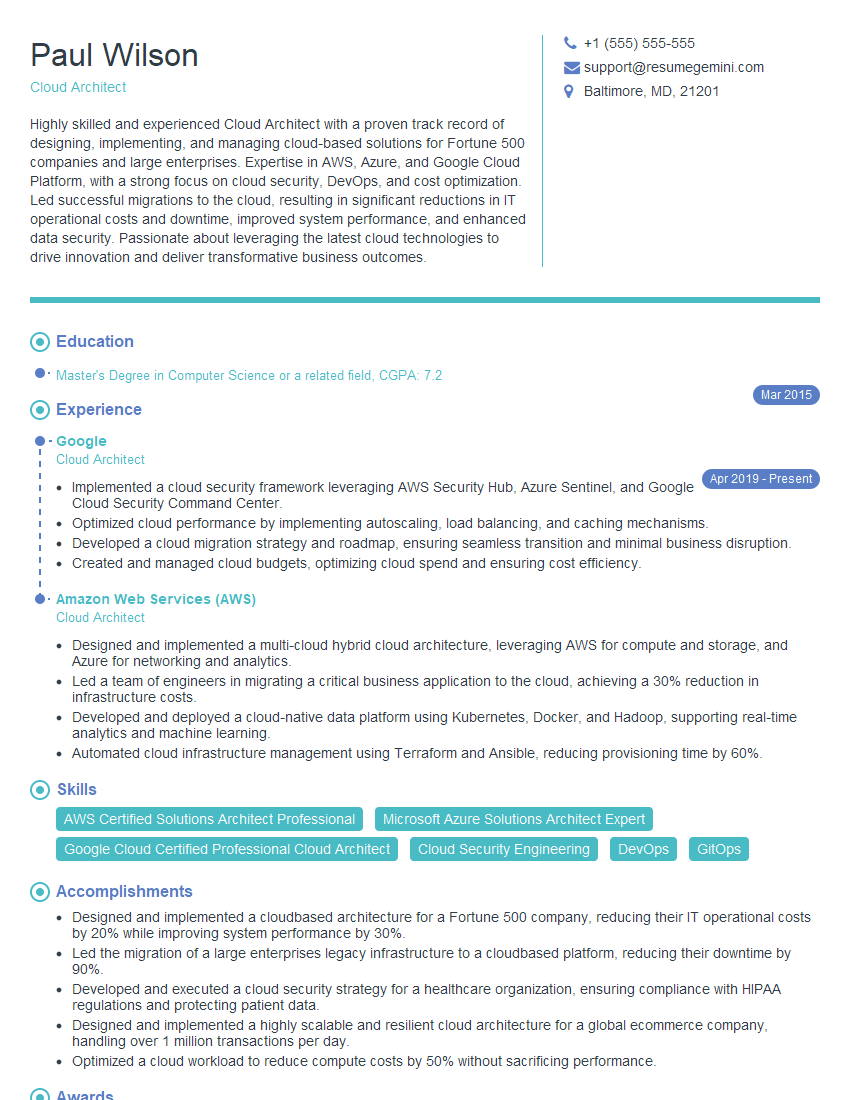
Cloud Architect Resume Sample
Explore more articles
Users Rating of Our Blogs
Share Your Experience
We value your feedback! Please rate our content and share your thoughts (optional).
What Readers Say About Our Blog
I Redesigned Spongebob Squarepants and his main characters of my artwork.
https://www.deviantart.com/reimaginesponge/art/Redesigned-Spongebob-characters-1223583608
IT gave me an insight and words to use and be able to think of examples
Hi, I’m Jay, we have a few potential clients that are interested in your services, thought you might be a good fit. I’d love to talk about the details, when do you have time to talk?
Best,
Jay
Founder | CEO