The right preparation can turn an interview into an opportunity to showcase your expertise. This guide to Gallery Management and Operations interview questions is your ultimate resource, providing key insights and tips to help you ace your responses and stand out as a top candidate.
Questions Asked in Gallery Management and Operations Interview
Q 1. Describe your experience with inventory management in an art gallery setting.
Effective inventory management is the backbone of any successful art gallery. It ensures accurate tracking of artwork, minimizes losses, and streamlines operations. My approach involves a multi-faceted system combining physical and digital methods.
Firstly, I utilize a detailed database, often a dedicated Gallery Management System (TMS), to meticulously record each artwork’s details: artist, title, medium, dimensions, acquisition date, purchase price, insurance value, current location (within the gallery or on loan), and image files. This database is crucial for generating reports, managing loans, and tracking sales.
Secondly, I implement a robust physical inventory system. This involves regular physical checks of the gallery’s storage areas and display spaces, comparing the physical presence of each piece against the digital records. Any discrepancies are immediately investigated and resolved. For example, if a piece is missing, I cross-reference the database with loan records, check security footage, and alert the artist or owner as necessary. This process helps detect theft, damage, or simple misplacement. I also use barcodes or RFID tags for quick and accurate scanning during inventory checks.
Finally, I conduct a full inventory count at least once per year, or more frequently if needed, such as before or after a major exhibition. This comprehensive audit helps to maintain the integrity of the gallery’s records and ensures the accuracy of the inventory.
Q 2. How do you handle artwork damage or loss?
Handling artwork damage or loss requires a swift, thorough, and documented response. My approach prioritizes preservation of evidence, communication with all stakeholders, and adherence to insurance protocols.
Immediately upon discovering damage or loss, I secure the area and take photographs and detailed notes documenting the incident’s circumstances. This includes the date, time, location, and nature of the damage or loss. If applicable, I secure any potential evidence such as security footage.
Next, I notify the artist or the artwork owner immediately, informing them of the situation and outlining the next steps. I then initiate the insurance claim process, following the specifics of the gallery’s insurance policy. This includes providing all necessary documentation, including photographs, appraisals, and police reports if necessary. For minor damage, I might work with a qualified conservator to assess and repair the work. In the case of significant damage or loss, the process becomes more complex and involves potentially negotiating with insurers and legal professionals.
Throughout the entire process, detailed records are meticulously maintained. This documentation serves as crucial evidence in resolving the situation fairly and effectively. Transparency and clear communication with all parties involved are key to minimizing stress and ensuring a positive outcome.
Q 3. Explain your approach to budgeting and financial management in a gallery.
Budgeting and financial management in a gallery require a keen eye for detail, understanding of both income and expenditure, and forecasting capabilities. My approach involves several key stages.
First, I create a comprehensive annual budget, forecasting income from sales, exhibitions, memberships, donations, etc. This involves carefully researching market trends, analyzing historical data, and making realistic projections. The budget then outlines anticipated expenses, including rent, utilities, staff salaries, marketing, insurance, art handling, restoration, framing, shipping, and commissions. It’s also crucial to include a contingency fund to handle unforeseen circumstances.
Second, I implement a robust system of financial tracking, often utilizing accounting software. This allows for meticulous monitoring of all income and expenditure, comparing actual figures against the budget on a regular basis. This process highlights areas where adjustments are necessary and helps identify potential financial risks.
Third, regular financial reports are generated, informing stakeholders about the gallery’s financial performance. These reports track key metrics, such as sales figures, operating costs, profit margins, and cash flow. These reports help to inform strategic decisions and ensure the gallery’s financial health.
Finally, I continuously evaluate the budget, making adjustments as needed. This is an iterative process; market conditions, unexpected costs, and unforeseen opportunities may require regular review and recalibration of financial projections.
Q 4. What software or systems have you used for gallery management (e.g., TMS)?
Throughout my career, I’ve utilized a variety of software and systems for gallery management, emphasizing the importance of choosing tools that best serve the specific needs of the gallery. Examples include:
- Gallery Systems: I have extensive experience using various Gallery Management Systems (TMS) including Artlogic, Collect, and Gallery Systems. These platforms manage inventory, track sales, handle client relationships, generate reports, and offer online cataloging capabilities. Their functionalities are crucial for efficient management.
- Accounting Software: I’m proficient with accounting software like QuickBooks and Xero for managing financial records, generating reports, and tracking expenses. This is vital for financial transparency and control.
- CRM Systems: Customer Relationship Management (CRM) software, such as Salesforce or Zoho CRM, has proved beneficial for managing relationships with artists, collectors, and other stakeholders, facilitating effective communication and personalized service.
- Spreadsheet Software: Even with sophisticated systems, spreadsheets like Microsoft Excel or Google Sheets remain indispensable for creating reports, tracking data, and managing simple tasks. They serve as a flexible complement to dedicated gallery software.
The choice of software depends on the gallery’s size, budget, and specific needs. I am adept at adapting to different systems and am comfortable training staff on their use.
Q 5. How do you ensure the security and safety of artwork?
Ensuring the security and safety of artwork is paramount. My approach is multifaceted, combining physical security measures with robust operational procedures.
Physical Security: This involves employing state-of-the-art security systems, including alarm systems, video surveillance (CCTV) with high-resolution cameras strategically positioned throughout the gallery, and secure storage facilities with controlled access. The gallery’s physical structure itself should be secure, with robust doors, windows, and locks. I ensure regular maintenance and testing of all security systems to ensure they are functioning optimally. Moreover, the gallery’s location should be considered, opting for a well-lit and easily accessible area that is monitored by security personnel.
Operational Procedures: Beyond physical security, strong operational procedures are crucial. These include a strict access control policy, limiting entry to authorized personnel only and employing a visitor logbook. Regular staff training on security protocols is essential, ensuring everyone understands their roles and responsibilities. When handling artwork, especially valuable pieces, two staff members should always be present, and appropriate handling techniques should be followed to prevent damage. Additionally, comprehensive insurance coverage is essential to mitigate potential risks.
Environmental Controls: Maintaining a stable environment is crucial for preserving artwork. This involves controlling temperature and humidity levels within the gallery and storage areas. Regular monitoring and maintenance of environmental control systems are crucial. Regular cleaning and pest control also contribute to preserving the artworks and protecting them from damage.
Q 6. Describe your experience with art handling and installation.
Art handling and installation require precision, care, and knowledge of best practices. My experience spans various types of artwork, from delicate paintings to large-scale sculptures.
Before handling any artwork, I always assess its fragility and unique handling requirements. This involves understanding the material, construction, and any pre-existing damage. Appropriate handling equipment is then selected, including gloves, acid-free tissue paper, specialized carriers, and lifting gear for heavier pieces.
During installation, I work methodically, ensuring the artwork is securely positioned and adequately supported. This involves the use of appropriate hanging systems, cradles, or stands, depending on the specific piece. Proper lighting is considered to minimize UV damage and prevent fading. Artwork is inspected both before and after installation to identify any potential issues.
I’ve handled diverse installations, from solo exhibitions featuring delicate watercolors to large-scale installations involving multiple sculptures. I’m familiar with various installation techniques, including wall-mounted displays, pedestal displays, and floor-to-ceiling installations. Moreover, I ensure the safety of both the artwork and the installation team by utilizing appropriate safety protocols and equipment.
Q 7. How do you manage relationships with artists and collectors?
Nurturing strong relationships with artists and collectors is fundamental to the success of any art gallery. It’s about building trust, providing excellent service, and fostering long-term partnerships.
With Artists: I prioritize open and honest communication, keeping artists informed throughout the process, from the initial consignment agreement to the sale of their work. This includes regular updates on exhibition planning, marketing efforts, and sales figures. I strive to understand each artist’s individual needs and preferences, tailoring my approach to best suit their artistic vision and career goals. A collaborative approach is key. I actively solicit feedback from artists on exhibition display and marketing materials. I ensure fair and transparent commission structures, fostering a sense of mutual respect and partnership.
With Collectors: I cultivate relationships with collectors by providing personalized attention and expert advice. This involves understanding their aesthetic preferences, their collection goals, and their budget considerations. I regularly communicate with collectors, providing updates on new acquisitions, exhibitions, and upcoming events. I strive to build trust by providing impeccable customer service, promptly addressing any questions or concerns. I organize private viewings and exclusive events for valued collectors, fostering a sense of community and appreciation. By building trust, I foster long-term relationships resulting in repeat sales and referrals.
Q 8. Explain your experience with exhibition planning and execution.
Exhibition planning and execution is a multifaceted process requiring meticulous attention to detail from concept to closure. It begins with curatorial vision – selecting artworks based on a theme, artist, or collection. This is followed by space planning: determining the layout, lighting, and wall space allocation to best showcase the pieces.
Next comes logistics: securing necessary permits, arranging insurance, and coordinating with artists or lenders for artwork delivery and installation. Marketing and publicity are crucial, encompassing creating compelling press releases, designing invitations, and managing online promotion. Finally, the opening reception, the de-installation, and post-exhibition analysis complete the cycle.
For example, during my time at the City Art Gallery, we planned a retrospective of a renowned sculptor. This involved not only securing the sculptures but also arranging for specialized transport, designing bespoke plinths, and creating a detailed floor plan to maximize the impact of the individual pieces within the gallery space. We also organized artist talks and workshops to engage the community further.
Q 9. How do you promote gallery events and exhibitions?
Promoting gallery events and exhibitions involves a multi-channel approach leveraging both traditional and digital marketing strategies. Traditional methods include print advertising in art publications, targeted mailers to collectors and members, and collaborations with local businesses. Digital strategies are equally vital and include a robust website with online ticketing, active social media engagement (Instagram, Facebook, etc.), email marketing campaigns, and collaborations with art influencers or bloggers.
Press releases to relevant media outlets are essential. For instance, during an exhibition focusing on contemporary photography, we secured features in local newspapers and art magazines, which resulted in significant footfall. We also ran targeted Instagram ads focusing on demographics interested in photography and art, achieving a high return on investment.
Q 10. How do you manage shipping and receiving of artwork?
Managing shipping and receiving of artwork demands precision and care to prevent damage. This involves establishing relationships with reputable art handlers and shippers who specialize in the secure transportation of fragile items. Detailed packing lists, insurance documentation, and proper handling instructions are crucial. Upon arrival, each piece is carefully inspected for any damage; documentation is meticulously maintained, and discrepancies are immediately reported to the shipper or insurer.
We use a system of barcodes and detailed inventories to track artwork. This includes recording the artwork’s condition before and after shipping, noting any damages, and storing all documentation securely. For example, a large-scale sculpture required a custom-built crate and specialized transport. We coordinated this entire process with the shipper, and created a comprehensive condition report before, during, and after the transit.
Q 11. Describe your experience with collection management and documentation.
Collection management and documentation are fundamental to preserving a gallery’s assets and their historical value. This involves creating and maintaining a detailed database of every artwork in the collection, including artist information, acquisition details, provenance, condition reports, and high-resolution images. This database helps in tracking the location of artwork, scheduling conservation efforts, and facilitating loans or exhibitions.
A robust system of cataloging and archiving is key, often involving digital asset management software. For instance, we utilized a system that integrates with our exhibition planning software, ensuring seamless tracking from acquisition to display. Regular condition checks and documentation, and appropriate storage environments (temperature, humidity controlled) are crucial elements of this process.
Q 12. How do you handle customer inquiries and complaints?
Handling customer inquiries and complaints requires a professional and empathetic approach. Prompt responses are crucial, whether through email, phone, or in person. For inquiries, clear and concise information should be provided, and for complaints, active listening and a willingness to find a solution are essential. Documentation of all interactions is key to maintain a record of the communication.
For example, if a visitor has a complaint about the gallery’s facilities, a prompt and sincere apology followed by immediate action to rectify the issue would be crucial. Offering a solution like a complimentary museum pass for a future visit could further improve customer satisfaction. Every interaction should aim to foster a positive experience.
Q 13. How familiar are you with art conservation and preservation practices?
Art conservation and preservation practices are essential for maintaining the longevity and value of artwork. My understanding encompasses environmental controls (temperature, humidity, light), appropriate handling techniques, pest control, and the use of conservation-grade materials for framing and storage. I’m familiar with different conservation methods, such as cleaning, restoration, and preventative measures.
I collaborate closely with professional conservators to assess the condition of artwork and implement appropriate conservation strategies. For example, during a recent exhibition, a conservator was consulted to assess the condition of a delicate watercolour painting before it was displayed, and recommendations on appropriate lighting and display materials were carefully followed.
Q 14. What is your experience with developing marketing strategies for an art gallery?
Developing marketing strategies for an art gallery involves understanding the target audience and tailoring messaging accordingly. This requires a blend of digital and traditional marketing strategies, as discussed earlier. It’s crucial to track and analyze the results of marketing campaigns to optimize the strategies. Key performance indicators (KPIs) could include website traffic, social media engagement, ticket sales, and attendance at events.
For example, we segmented our audience into collectors, art enthusiasts, and the general public, developing targeted marketing materials for each group. We also tracked social media mentions and used analytics to understand visitor engagement and adjust our content accordingly. Creating an appealing and informative website, alongside a compelling social media presence, remains crucial for attracting new visitors.
Q 15. How do you manage staff and volunteers in a gallery setting?
Effective gallery management hinges on a strong, well-trained team. Managing staff and volunteers requires a blend of clear communication, delegation, and ongoing support. I begin by establishing clear roles and responsibilities, outlining expectations in detailed job descriptions for paid staff and volunteer agreements for volunteers. This ensures everyone understands their contributions to the gallery’s overall goals.
- Regular Staff Meetings: Weekly or bi-weekly meetings provide a forum for updates, addressing concerns, and brainstorming improvements. These meetings are crucial for maintaining open communication and fostering a collaborative environment.
- Training and Development: Ongoing training is vital, especially for handling artwork, customer service, and using gallery management software. For volunteers, I create structured training modules, focusing on specific tasks and responsibilities.
- Performance Evaluations: Regular performance evaluations (both formal and informal) help to identify areas of strength and areas needing improvement. Constructive feedback is essential for growth and ensuring staff feel valued and appreciated.
- Volunteer Recognition: Volunteers are incredibly valuable. I implement a system for recognizing their contributions, perhaps through certificates of appreciation, social media shout-outs, or small events specifically thanking them for their time and commitment.
For example, at my previous gallery, I implemented a mentorship program pairing experienced staff with new hires and volunteers, leading to faster onboarding and improved teamwork.
Career Expert Tips:
- Ace those interviews! Prepare effectively by reviewing the Top 50 Most Common Interview Questions on ResumeGemini.
- Navigate your job search with confidence! Explore a wide range of Career Tips on ResumeGemini. Learn about common challenges and recommendations to overcome them.
- Craft the perfect resume! Master the Art of Resume Writing with ResumeGemini’s guide. Showcase your unique qualifications and achievements effectively.
- Don’t miss out on holiday savings! Build your dream resume with ResumeGemini’s ATS optimized templates.
Q 16. How do you track and analyze key performance indicators (KPIs) for the gallery?
Tracking and analyzing KPIs is fundamental to assessing the gallery’s performance and making data-driven decisions. Key metrics I focus on include:
- Visitor Numbers: Tracking daily, weekly, and monthly attendance to understand peak times and overall reach.
- Sales Data: Monitoring artwork sales, identifying popular artists and price points to inform future acquisitions and exhibitions.
- Website Traffic: Analyzing website analytics (e.g., Google Analytics) to track unique visitors, bounce rate, and engagement metrics such as time spent on pages. This informs marketing strategies and online content development.
- Social Media Engagement: Monitoring social media activity (likes, shares, comments) to assess the effectiveness of marketing campaigns and audience reach.
- Membership Growth: Tracking membership numbers and retention rates provides insights into audience loyalty and the success of membership programs.
- Grant Funding Success Rate: If applicable, this tracks the success of grant applications submitted.
I use data visualization tools (like spreadsheets or dedicated analytics software) to create reports and dashboards, presenting findings clearly and concisely to the gallery’s leadership. This data helps to inform strategic decisions about programming, marketing, and future gallery development. For instance, if website traffic is low on a particular artist’s page, we can adjust the online marketing strategy to improve visibility.
Q 17. Describe your experience with grant writing or fundraising for an art gallery.
Grant writing and fundraising are crucial for securing the financial stability of an art gallery. My experience encompasses researching potential funding sources, crafting compelling grant proposals, and building relationships with funders.
- Research: I begin by thoroughly researching potential funders, understanding their priorities and past grant awards. This involves reviewing their guidelines and past successful proposals.
- Proposal Development: I meticulously craft proposals tailored to the specific requirements of each funder, highlighting the gallery’s mission, projects, and impact. This includes strong narratives about the project’s significance and a detailed budget.
- Relationship Building: Building relationships with potential funders is essential. This can involve attending fundraising events, networking, and making personal contact with program officers.
- Post-Grant Reporting: After securing funding, I meticulously track project outcomes and provide comprehensive reports to the funders demonstrating how the funds were used and the project’s success.
For example, I successfully secured a substantial grant from a national arts council for a retrospective exhibition of a local artist by demonstrating the exhibition’s potential to attract new audiences and boost the gallery’s visibility. The proposal included detailed financial projections, marketing plans, and community engagement strategies.
Q 18. How do you handle legal and ethical considerations related to artwork?
Handling legal and ethical considerations related to artwork requires a thorough understanding of copyright law, artist rights, provenance research, and ethical acquisition practices.
- Copyright: Ensuring all artwork displayed and sold complies with copyright laws, obtaining necessary permissions for reproduction or use in promotional materials.
- Provenance Research: Thoroughly investigating the history and ownership of artworks, especially when acquiring or exhibiting pieces, to ensure authenticity and ethical acquisition practices.
- Artist Agreements: Having clear and legally sound contracts with artists, detailing exhibition terms, sales commissions, and other relevant details.
- Ethical Acquisitions: Following ethical acquisition practices, avoiding the acquisition of artwork with questionable provenance or involvement in illegal activities.
- Insurance: Ensuring that adequate insurance coverage is in place for all artworks in the gallery’s possession.
For instance, before exhibiting a piece, we verify its authenticity through documentation and, if necessary, expert authentication. We also ensure that all artist agreements are meticulously reviewed by legal counsel.
Q 19. How do you ensure compliance with insurance requirements for artwork?
Compliance with insurance requirements for artwork is paramount to protecting the gallery and its assets. This involves understanding various insurance policies and working closely with an insurance broker.
- Inventory Management: Maintaining a detailed inventory of all artworks, including high-quality images, artist information, and acquisition records. This inventory is critical for insurance claims.
- Valuation: Regularly appraising the value of artworks to ensure adequate insurance coverage. This may require hiring professional art appraisers.
- Policy Selection: Selecting appropriate insurance policies covering potential risks like theft, damage, and loss. This might include fine art insurance or broader commercial property insurance.
- Claim Reporting: Having clear procedures for reporting insurance claims in case of loss or damage to artwork, including detailed documentation and timely communication with the insurance provider.
For example, our gallery maintains a detailed database of all artworks, including high-resolution images and valuation reports, readily available for insurance purposes. We also have a clear protocol for reporting any damage or loss, involving immediate documentation and contact with our insurance broker.
Q 20. Describe your experience with managing gallery space and layout.
Managing gallery space and layout involves optimizing the space to enhance the visitor experience and showcase artwork effectively. This is a multifaceted process requiring attention to detail.
- Space Planning: Carefully planning the layout of the gallery, considering traffic flow, lighting, wall space, and the overall aesthetic. This might involve creating floor plans and mockups.
- Lighting Design: Implementing proper lighting to enhance the artwork without causing damage or glare. This involves understanding different lighting types and their effects on various mediums.
- Wall Preparation: Ensuring walls are properly prepared for hanging artwork, including considerations for wall type and appropriate hanging methods.
- Exhibition Design: Creating compelling exhibition designs that tell a story and engage visitors. This includes selecting the right artwork for the space and arranging it in a visually appealing and informative way.
- Signage: Developing clear and attractive signage to guide visitors and provide information about artworks and artists.
In my experience, I’ve found that utilizing 3D modeling software allows for virtual walkthroughs and adjustments to the layout before physical installation, ensuring optimal flow and aesthetic impact. For example, using adjustable track lighting allowed us to highlight different artworks and change the ambiance of the space easily for different exhibitions.
Q 21. How do you manage different aspects of a gallery’s digital presence?
A strong digital presence is crucial for modern art galleries. Managing this involves several key aspects:
- Website Development and Maintenance: Maintaining a user-friendly website showcasing artworks, exhibitions, artist profiles, news, and events. This includes regular updates and ensuring optimal search engine optimization (SEO).
- Social Media Marketing: Using social media platforms (Instagram, Facebook, etc.) to engage audiences, promote exhibitions, and build a community around the gallery. This involves creating engaging content, running targeted ads, and monitoring analytics.
- Online Sales: If applicable, establishing an online store for selling artwork, ensuring secure payment processing and seamless shipping.
- Email Marketing: Utilizing email marketing to communicate with members, collectors, and art enthusiasts, promoting events, exhibitions, and new acquisitions.
- Digital Catalogs: Creating digital catalogs of exhibitions and artwork for online distribution and accessibility.
For example, I’ve implemented a strategy at a previous gallery using high-quality images and videos of artworks on social media, creating an engaging visual narrative and increasing website traffic. This resulted in a significant boost in online engagement and artwork sales.
Q 22. How do you handle conflicts between artists, collectors, or staff?
Conflict resolution is paramount in gallery management. It involves fostering open communication, active listening, and a fair, impartial approach. My strategy centers around understanding the root cause of the conflict. This might involve separate conversations with each party to gain their perspective, ensuring everyone feels heard and understood. For example, a conflict between an artist and a collector regarding a piece’s condition might require mediating a discussion, potentially involving an art conservator to assess the damage and determine responsibility. With staff conflicts, I focus on clear communication of expectations, performance reviews, and providing opportunities for professional development to address skill gaps or misunderstandings. Ultimately, the goal is to find a mutually acceptable solution, documenting the process and outcome for future reference. Sometimes, professional mediation might be necessary for particularly complex or intractable disagreements.
Q 23. What is your experience with developing and implementing gallery policies?
Developing and implementing gallery policies is crucial for smooth operations and legal compliance. My experience includes creating policies covering areas like artwork handling, loan agreements, sales procedures, staff conduct, and insurance protocols. For instance, I developed a comprehensive policy for handling artwork shipments, detailing procedures from pickup to delivery, including insurance requirements, packaging specifications, and tracking methods. This policy minimized risks and ensured accountability. For sales policies, I implemented a transparent system outlining commission structures, payment schedules, and legal responsibilities of both the gallery and the artist. I believe policies should be readily accessible to all stakeholders and regularly reviewed and updated to reflect changing circumstances and best practices. They should be clearly written, unambiguous, and consistently enforced to maintain professionalism and trust.
Q 24. Explain your understanding of different art insurance options.
Art insurance is a critical aspect of gallery management, protecting against various risks. I’m familiar with several options, including fine art insurance, which covers damage, loss, or theft; inland marine insurance, covering artwork in transit; and liability insurance, protecting against claims of damage or injury related to exhibitions. The choice of insurance depends on the gallery’s specific needs and the value and nature of the artwork. For example, a gallery exhibiting high-value sculptures might require specialized coverage for potential breakage or damage during installation, and a gallery with frequent shipments would require robust inland marine insurance. I work closely with insurance brokers to ensure we have adequate coverage tailored to our collections and activities, regularly reviewing our policies to adjust for changing inventory and risks.
Q 25. How do you maintain accurate records of artwork provenance?
Maintaining accurate records of artwork provenance is essential for ethical and legal reasons. Provenance is the documented history of an artwork’s ownership and location. I utilize a detailed database system to track each artwork’s history, including acquisition dates, previous owners, exhibitions, and any relevant documentation, such as certificates of authenticity. This system allows for easy retrieval of provenance information, crucial for sales, loans, insurance claims, and research purposes. For instance, we use a system with fields for image uploads, allowing us to cross-reference details from photographs of previous exhibitions. Furthermore, this database is regularly backed up to ensure data security and accessibility. Maintaining this thorough record-keeping establishes transparency, protects the gallery’s reputation, and enhances the value of the artwork.
Q 26. How do you evaluate the effectiveness of marketing campaigns?
Evaluating marketing campaign effectiveness involves a multifaceted approach. We use key performance indicators (KPIs) to track the success of each campaign. These might include website traffic, social media engagement, leads generated, sales conversions, and attendance at exhibitions. For example, we analyze website analytics to determine which marketing channels (e.g., email marketing, social media ads) are driving the most traffic and sales. We also track the ROI (return on investment) for each campaign by comparing the marketing costs to the revenue generated. Furthermore, we collect visitor feedback through surveys or comments to gain insights into visitor experience and satisfaction. This data-driven approach allows us to refine future marketing strategies and optimize resource allocation for maximum impact.
Q 27. Describe your experience with managing gallery memberships or fundraising initiatives.
I have extensive experience managing gallery memberships and fundraising initiatives. I designed and implemented a tiered membership program offering exclusive benefits to members, including early access to exhibitions, invitations to private events, and discounts on merchandise. This program increased member retention and generated consistent recurring revenue. For fundraising, I’ve successfully secured grants from various organizations and coordinated fundraising events, such as art auctions and gala dinners. I developed compelling proposals highlighting the gallery’s mission, demonstrating its impact, and emphasizing the value of supporting the arts. Building strong relationships with donors and potential sponsors is paramount to securing funding. Transparency and clear communication about the use of funds are crucial to build trust and ensure long-term support.
Q 28. How would you handle a situation where a piece of artwork is damaged during an exhibition?
Handling artwork damage during an exhibition requires a prompt and methodical response. First, I would secure the scene and document the damage thoroughly, taking photographs and detailed notes. This includes documenting the location, the extent of the damage, and any potential witnesses. Then, I would contact the artwork’s owner or insurer immediately, keeping them informed throughout the process. Next, I would consult with art conservators to assess the damage and explore restoration options. Depending on the extent of the damage and the insurance coverage, we would determine the course of action for repair or replacement. Finally, a detailed report of the incident, including the investigation, damage assessment, and resolution, would be documented to prevent similar incidents in the future. Transparency and communication with all parties involved are vital to maintain trust and resolve the situation efficiently and fairly.
Key Topics to Learn for Gallery Management and Operations Interview
- Exhibition Planning & Execution: Understanding the entire lifecycle of an exhibition, from concept development and budget management to installation, marketing, and de-installation.
- Collection Management: Knowing best practices for the acquisition, cataloging, storage, preservation, and handling of artwork, including inventory management and condition reporting.
- Visitor Experience & Engagement: Designing and implementing strategies to enhance visitor engagement, including educational programs, tours, and marketing initiatives. Consider accessibility and inclusivity aspects.
- Staff Management & Training: Understanding the principles of effective team management, including recruitment, training, supervision, and performance evaluation of gallery staff.
- Budgeting & Financial Management: Developing and managing budgets, tracking expenses, and securing funding for gallery operations and exhibitions. Understanding grant writing and fundraising is beneficial.
- Marketing & Public Relations: Developing and implementing marketing strategies to promote exhibitions and events, including social media management, public relations, and media outreach.
- Legal & Ethical Considerations: Understanding copyright law, art handling protocols, insurance, and ethical considerations related to art acquisition, display, and preservation. This includes understanding the implications of authenticity and provenance.
- Facility Management & Maintenance: Overseeing the maintenance and upkeep of the gallery space, including security, climate control, and preventative maintenance.
- Technology & Digital Engagement: Utilizing digital tools for inventory management, virtual tours, online ticketing, and social media engagement.
- Problem-solving & Conflict Resolution: Developing strategies for addressing common challenges in gallery management, such as handling damaged artwork, dealing with difficult visitors, or resolving staff conflicts.
Next Steps
Mastering Gallery Management and Operations opens doors to exciting career opportunities, offering the chance to contribute to the vibrant arts community and shape the visitor experience. To maximize your job prospects, focus on building an ATS-friendly resume that highlights your skills and experience effectively. ResumeGemini is a trusted resource to help you create a professional and impactful resume. They provide examples of resumes tailored to Gallery Management and Operations to guide you in crafting your own compelling application. Take advantage of these resources to present yourself as the ideal candidate.

Operations Manager Resume Sample
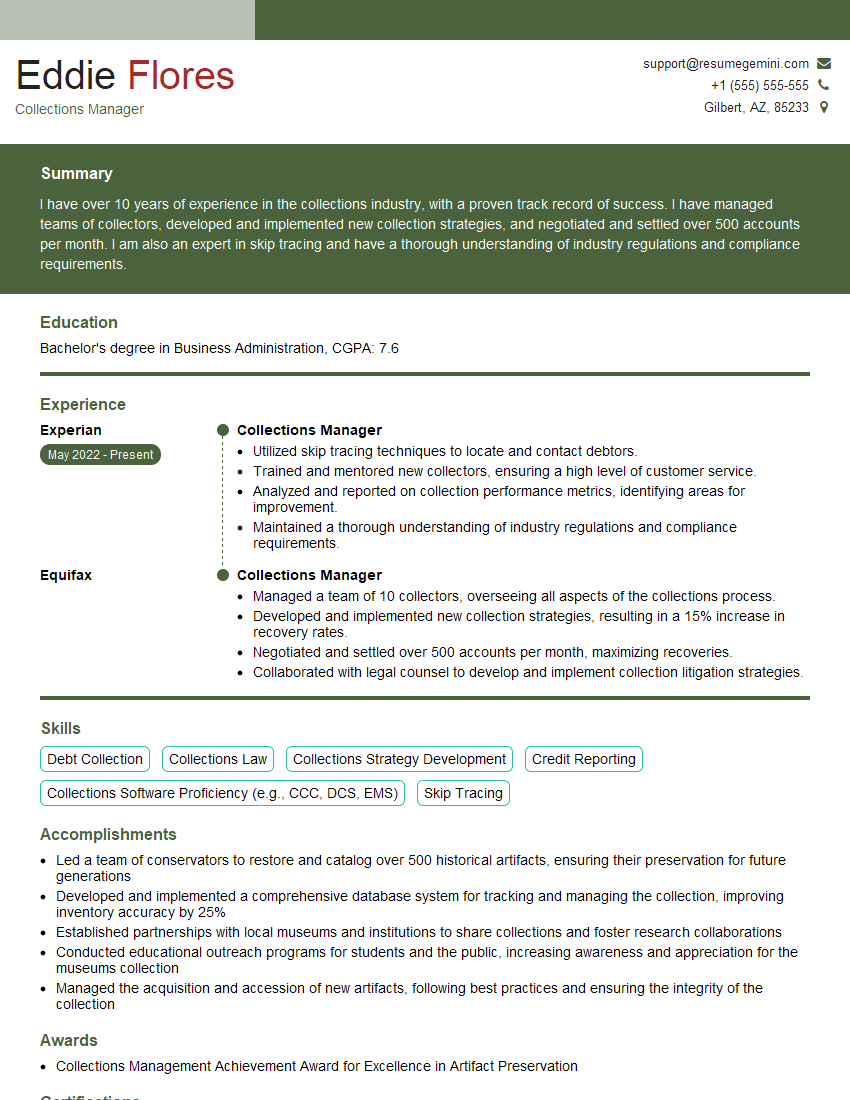
Collections Manager Resume Sample
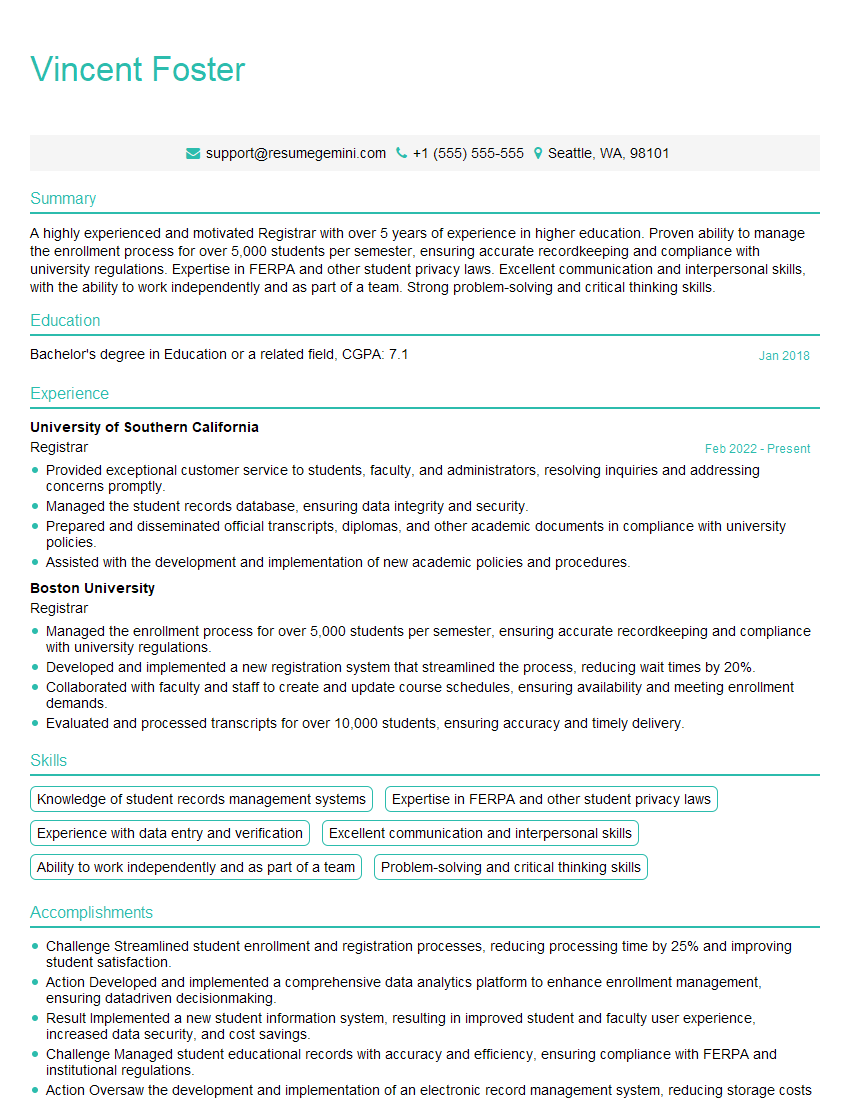
Registrar Resume Sample
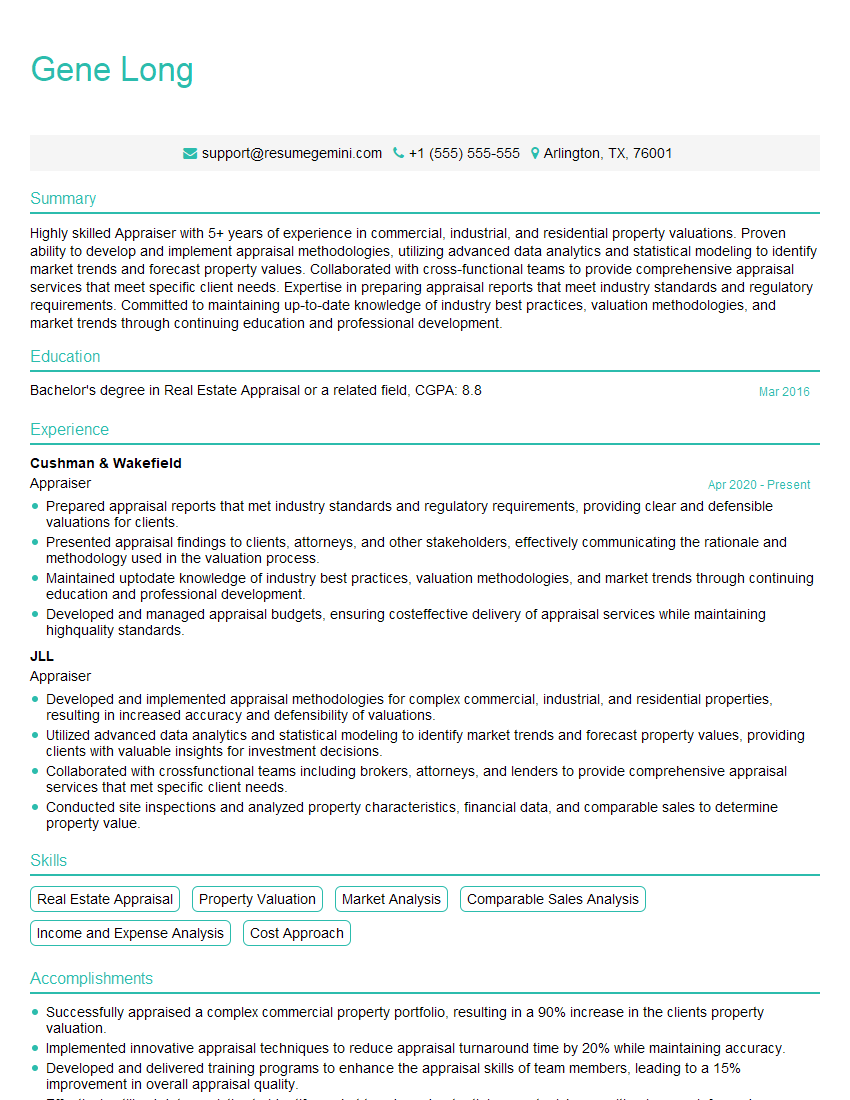
Appraiser Resume Sample
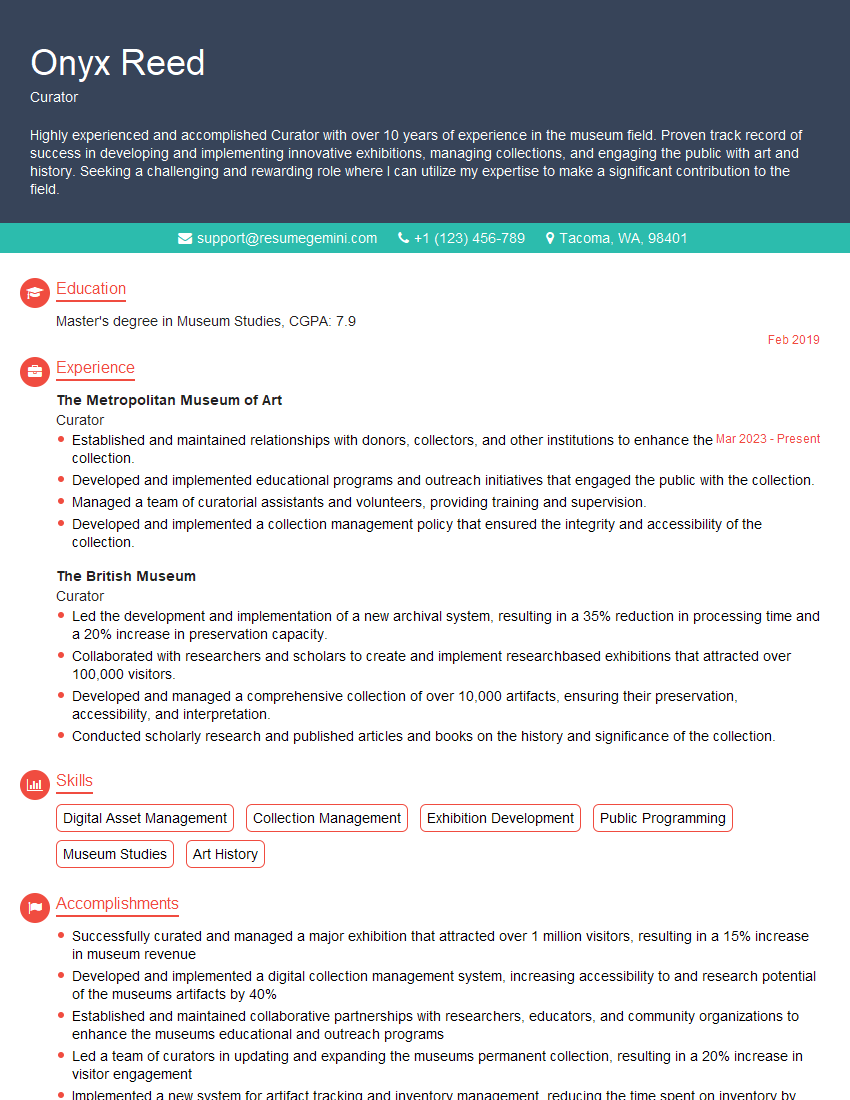
Curator Resume Sample
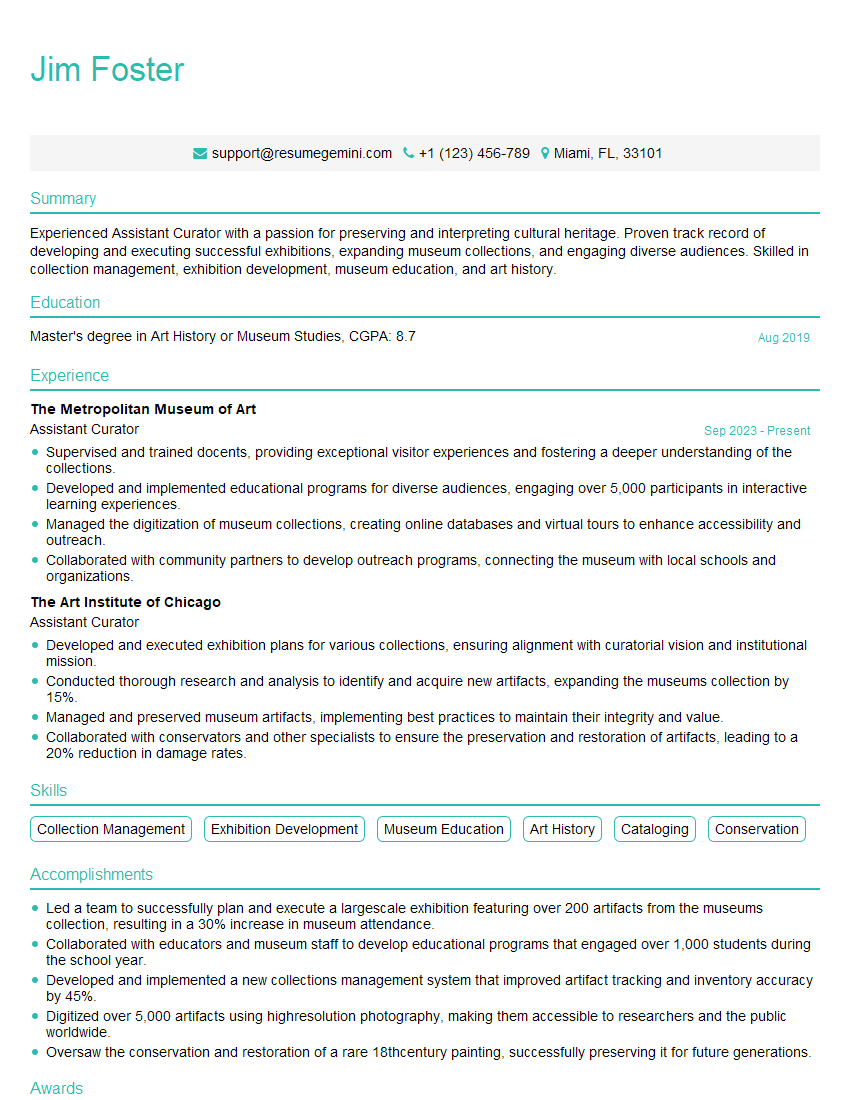
Assistant Curator Resume Sample
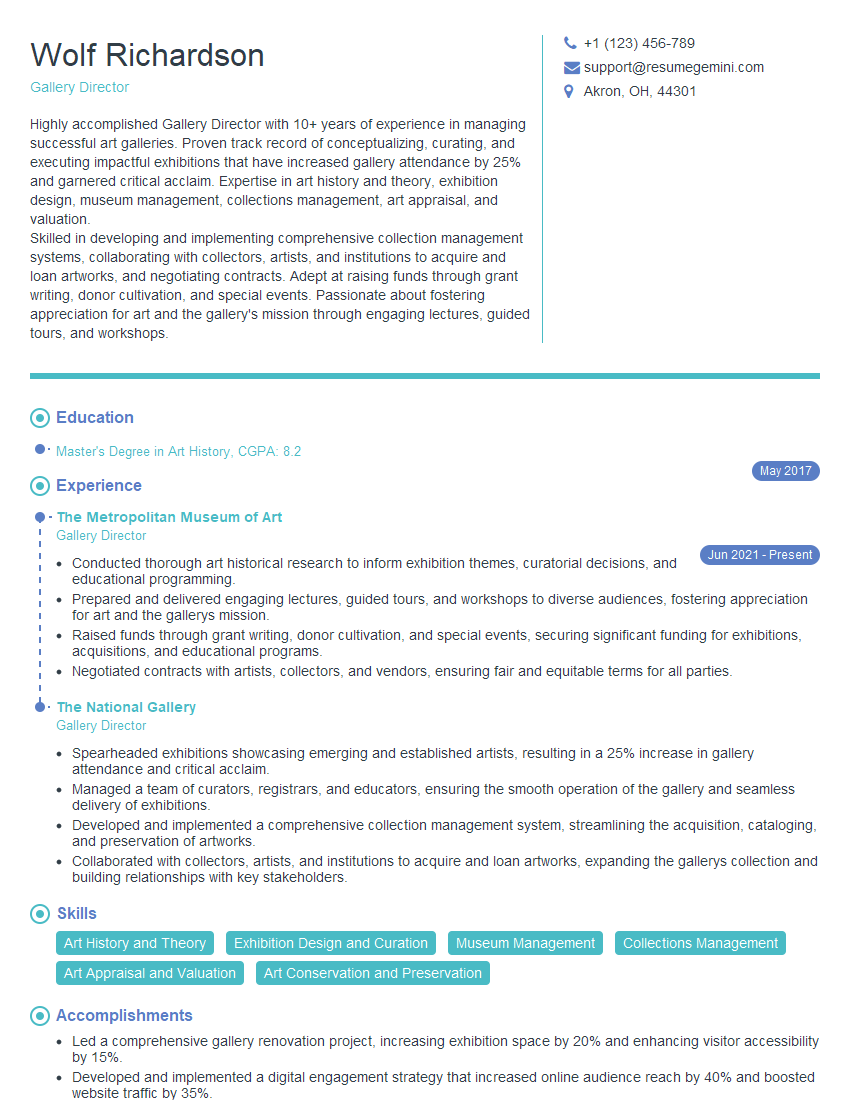
Gallery Director Resume Sample
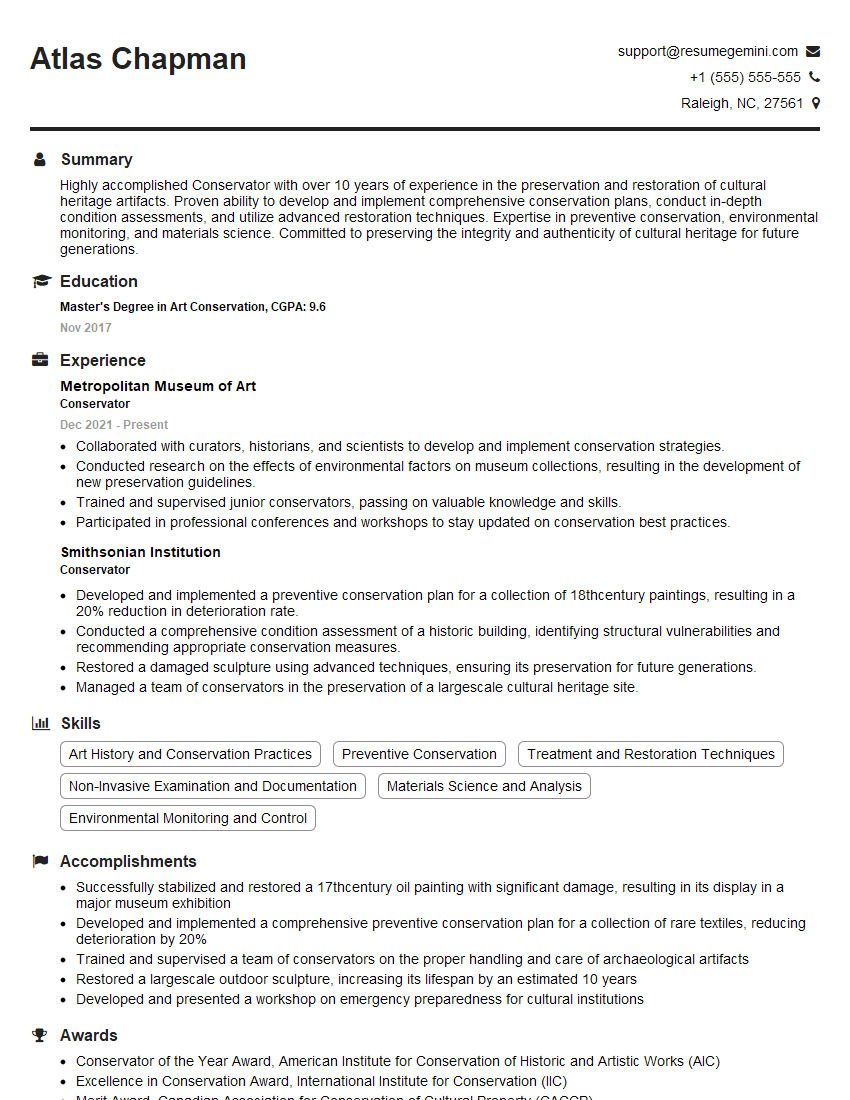
Conservator Resume Sample
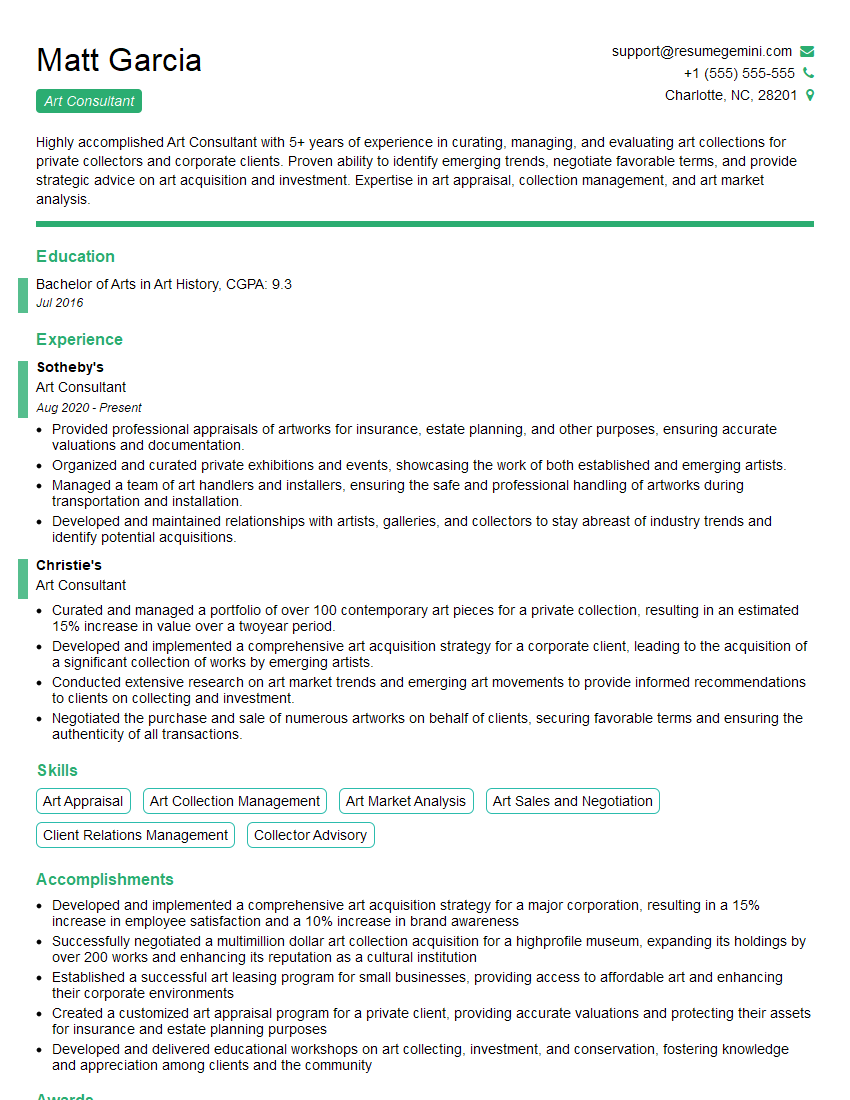
Art Consultant Resume Sample
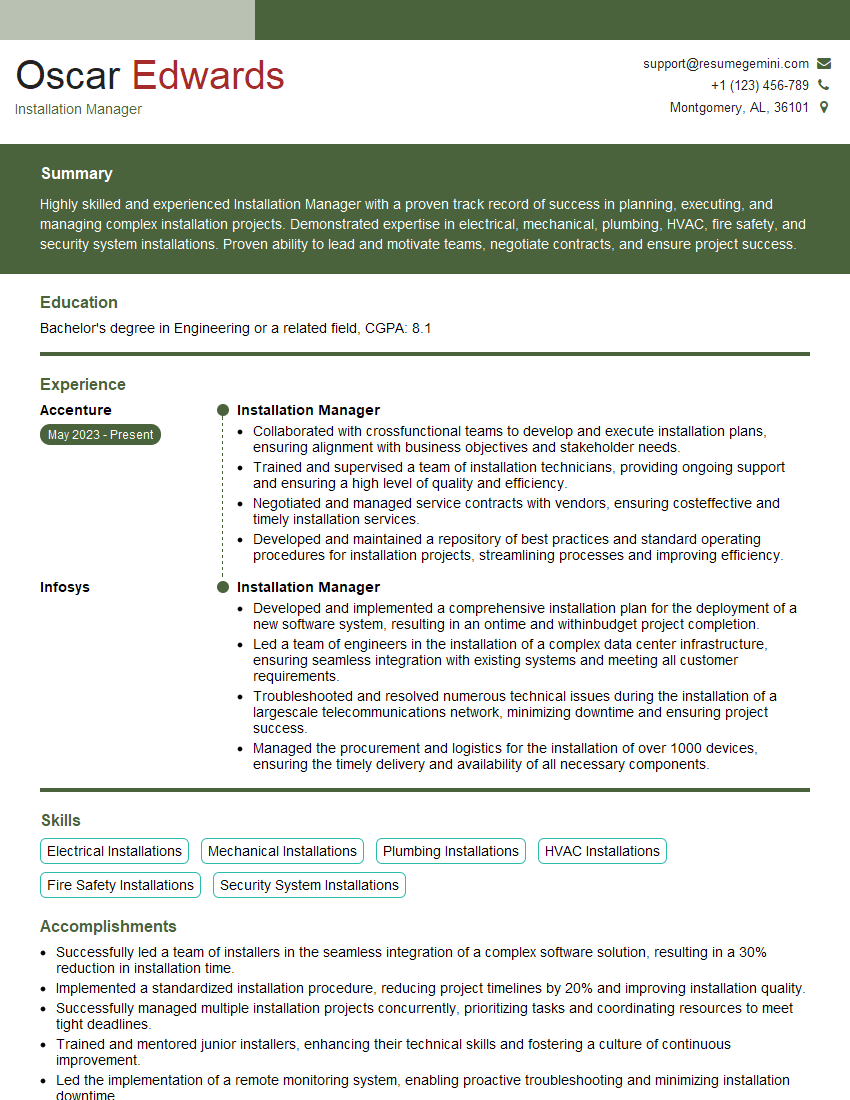
Installation Manager Resume Sample
Explore more articles
Users Rating of Our Blogs
Share Your Experience
We value your feedback! Please rate our content and share your thoughts (optional).
What Readers Say About Our Blog
I Redesigned Spongebob Squarepants and his main characters of my artwork.
https://www.deviantart.com/reimaginesponge/art/Redesigned-Spongebob-characters-1223583608
IT gave me an insight and words to use and be able to think of examples
Hi, I’m Jay, we have a few potential clients that are interested in your services, thought you might be a good fit. I’d love to talk about the details, when do you have time to talk?
Best,
Jay
Founder | CEO