Cracking a skill-specific interview, like one for Commercial Vehicle Safety Alliance (CVSA) Inspection Standards, requires understanding the nuances of the role. In this blog, we present the questions you’re most likely to encounter, along with insights into how to answer them effectively. Let’s ensure you’re ready to make a strong impression.
Questions Asked in Commercial Vehicle Safety Alliance (CVSA) Inspection Standards Interview
Q 1. What are the three main components of a CVSA Level I inspection?
A CVSA Level I inspection is a comprehensive examination of a commercial motor vehicle’s safety components. It’s designed to quickly identify critical violations that pose immediate safety risks. The three main components are:
- Vehicle Inspection: This involves a thorough visual examination of the vehicle’s exterior and interior, focusing on critical safety items like brakes, lights, tires, and coupling devices. Think of it as a quick safety check-up for your truck.
- Driver’s Documents: Inspectors verify the driver’s license, medical certification, hours-of-service records, and any other required documentation. This ensures the driver is legally permitted to operate the vehicle.
- Driver’s Interview: A brief conversation with the driver to assess their familiarity with the vehicle’s condition and operating procedures. This helps determine if the driver is aware of any potential issues.
For example, a Level I inspection might reveal a broken brake light, an expired medical card, or the driver’s inability to describe a recent pre-trip inspection.
Q 2. Explain the difference between a Level I, Level II, and Level III inspection.
CVSA inspections are categorized into three levels, each increasing in scope and depth. Think of it like a tiered medical checkup: a basic check, a more thorough exam, and a specialized investigation.
- Level I: As described previously, this is a North American Standard Level I inspection. It’s a comprehensive but relatively quick inspection focusing on critical safety items. It aims to identify major violations quickly and efficiently.
- Level II: A Level II inspection goes deeper than Level I. It’s a more thorough examination that includes all the aspects of a Level I but adds a more in-depth look at specific components, such as brake adjustments, steering mechanisms, and suspension systems. Imagine this as a more detailed health check.
- Level III: This is a specialized inspection conducted based on specific concerns or previous violations. It might focus on a particular area of the vehicle, such as a previously noted brake issue or a suspicion of tampering. This is analogous to a specialist examining a specific body part after a preliminary diagnosis.
The key difference lies in the level of detail and the time involved. Level I is a quick safety check; Level II is a more thorough examination; and Level III is a highly specialized investigation addressing particular issues.
Q 3. Describe the process for conducting a brake system inspection according to CVSA standards.
A CVSA brake system inspection is crucial for safety and follows a detailed procedure. It involves:
- Visual Inspection: Examine all brake components for damage, leaks, corrosion, and proper connection. Look for cracks in the brake lines, worn-out brake pads, and loose or damaged components.
- Brake System Performance Check: Test the service brakes, parking brake, and emergency brake for effectiveness. This often involves using the brake pedal to ensure proper stopping power and that the brakes function correctly across the different axles.
- Air Brake System (if applicable): If the vehicle has air brakes, verify air pressure, leakage rates, low air pressure warnings, and proper functioning of the air compressor and related components.
- ABS System (if applicable): Inspect the Anti-lock Braking System for functionality and check warning lights.
- Brake Adjustment: Check the brake pedal free play, brake chamber travel, and overall brake adjustment to ensure the brakes are properly adjusted.
For example, if during the visual inspection, a significant brake line leak is discovered, the vehicle would be immediately flagged for a serious violation. Proper braking performance is paramount; even minor issues can escalate into dangerous situations.
Q 4. What are the requirements for securing cargo according to CVSA?
Securing cargo is paramount for safety and preventing accidents. CVSA standards mandate that cargo must be properly secured to prevent shifting, falling, or spilling during transit. This includes:
- Properly tied down: Cargo must be secured using appropriate tie-down devices such as straps, chains, or nets. The number and placement of these devices must be adequate for the weight and type of cargo.
- Distribution: Cargo should be evenly distributed to maintain balance and prevent shifting. Heavier items should generally be placed lower in the vehicle.
- Blocking and bracing: Blocking and bracing prevent cargo from shifting, especially if it’s oddly shaped or stacked. This is especially critical for preventing items from sliding or falling out.
- Sufficient strength: Tie-down devices must be strong enough to withstand the forces encountered during transit, and inspections will verify this strength.
Imagine a scenario where unsecured lumber falls from a truck, causing an accident. Following proper cargo securement practices is crucial for both the safety of the driver and other road users.
Q 5. How do you inspect a vehicle’s tires for compliance with CVSA standards?
Tire inspection during a CVSA inspection is critical. It involves checking:
- Tire Condition: Examine the tires for tread depth, cuts, bulges, or other signs of damage. Tread depth should meet legal minimums.
- Tire Pressure: Verify that tire pressure is within the manufacturer’s recommended range for the specific tire and load. An under-inflated tire increases the risk of blowouts.
- Tire Wear: Check for uneven wear patterns, which could indicate problems with wheel alignment, suspension, or other components.
- Proper Inflation:Inspect to confirm the use of appropriate inflation pressure for the load weight.
- Proper Mounting and Condition: Ensure tires are properly mounted on the rims, without any damage to the tire or rim.
For example, if a tire has significant tread wear below the legal limit, it’s considered a violation. A blown-out tire, especially at high speed, can result in serious accidents.
Q 6. What are the common violations found during CVSA inspections?
Common violations during CVSA inspections often relate to:
- Brake System Issues: These frequently involve brake adjustments, leaks, and insufficient braking power.
- Lighting Deficiencies: Broken or missing lights are common violations that pose a significant safety risk.
- Tire Problems: Insufficient tread depth, damage, and improper inflation are frequently noted.
- Cargo Securement Violations: Improperly secured cargo is a major concern, as is overloading the vehicle.
- Steering System Problems: Issues with the steering mechanism pose a clear threat to safe operation.
- Suspension System Issues: Defective suspension components affect vehicle stability and control.
- Driver Documents Violations: Expired licenses or other missing paperwork are common violations.
Many violations are easily preventable through proper vehicle maintenance and driver diligence. These violations are often interrelated, meaning one problem can indicate several others needing attention.
Q 7. Explain the importance of driver vehicle inspection reports (DVIRs).
Driver Vehicle Inspection Reports (DVIRs) are crucial for ensuring vehicle safety and maintaining a record of the vehicle’s condition. They serve several important purposes:
- Preventative Maintenance: By documenting vehicle defects, DVIRs help identify problems early, allowing for timely repairs and preventing potential breakdowns or accidents.
- Legal Compliance: DVIRs are a legal requirement for commercial vehicle operators and help demonstrate compliance with regulations.
- Safety: By systematically recording defects, DVIRs promote a culture of safety and help identify potential hazards before they lead to accidents. A properly completed DVIR can save lives.
- Record Keeping: DVIRs provide a valuable record of the vehicle’s condition and maintenance history, facilitating communication and responsibility.
Think of a DVIR as a daily health check for your truck. If you document a problem, it encourages prompt action, preventing minor issues from becoming major ones.
Q 8. How do you handle a situation where a driver refuses a CVSA inspection?
A driver’s refusal to submit to a CVSA inspection is a serious offense. It’s crucial to remember that while drivers have the right to remain silent, they don’t have the right to refuse an inspection. The procedure depends on the jurisdiction and the perceived level of risk. In most cases, the officer will document the refusal, noting the date, time, location, and the driver’s reason (if given). They will then likely issue a citation for failing to comply with the inspection request. This could result in various penalties, including fines, driver disqualification, and even vehicle impoundment. The officer will take detailed notes and photos of the vehicle’s identification number, license plate, and any obvious safety violations. Think of it like this: refusing a CVSA inspection is akin to refusing a breathalyzer test for suspected drunk driving – the refusal itself is often considered evidence of wrongdoing.
For example, if a driver refuses an inspection because they suspect their vehicle is significantly out-of-compliance, they are still liable for the refusal. A refusal is separate from any violations discovered (or not) during a subsequent inspection mandated through legal channels. The best course of action for a driver is to cooperate with the inspection. If there are genuine concerns about vehicle safety, it’s always better to address them proactively rather than risk escalating the situation.
Q 9. Describe the procedure for documenting violations found during a CVSA inspection.
Documenting violations during a CVSA inspection is meticulous and follows a standardized process. The officer uses a standardized form (often electronic) to detail each violation. This includes a description of the violation, its severity (e.g., minor, major, critical), and the relevant section of the out-of-service criteria it falls under. A photograph or video is often included as evidence, particularly for things like brake damage or tire wear. The form should also include the vehicle identification number (VIN), driver’s license number, and the date and time of the inspection. For example, a faulty brake light will be documented with a description stating which light is malfunctioning, a photo showing the defect, and a reference to the relevant section of the CVSA out-of-service criteria. This detailed documentation is critical to ensuring accountability and consistency in enforcement.
The process emphasizes accuracy and completeness. Each violation is categorized using the established CVSA codes, which allows for efficient data analysis and reporting. The completed form becomes part of the driver’s and the vehicle’s official record. If the violation is serious enough to warrant an out-of-service order, the form will clearly indicate this and will detail the necessary corrective actions required before the vehicle can operate legally.
Q 10. What are the consequences of failing a CVSA inspection?
The consequences of failing a CVSA inspection range from minor to severe, depending on the nature and severity of the violations. Minor violations might result in only a verbal warning or a requirement to correct the issue before proceeding. However, more serious violations can lead to an out-of-service order for the vehicle or the driver, meaning neither can operate until the violations are addressed. This can lead to significant downtime and financial losses. In addition, violations can result in fines, suspension or revocation of operating authority, and even criminal charges in some cases. Repeated failures or serious violations can severely impact a company’s safety rating and its ability to secure contracts.
For example, a cracked windshield might only require immediate replacement, while brake system deficiencies could lead to an out-of-service order and significant fines. The cumulative effect of multiple violations can be substantial, resulting in significant operational disruptions and increased costs. Therefore, maintaining a proactive approach to vehicle maintenance and driver training is crucial to avoiding the negative consequences of failing a CVSA inspection.
Q 11. Explain the role of the Commercial Driver’s License (CDL) in CVSA compliance.
The Commercial Driver’s License (CDL) is fundamental to CVSA compliance. It ensures that only qualified and properly trained drivers operate commercial vehicles. During a CVSA inspection, an officer will check the driver’s CDL for validity, endorsements (e.g., for carrying hazardous materials), medical certification, and any suspensions or revocations. Lack of a valid CDL or discrepancies in the required endorsements will lead to an out-of-service order for the driver. The CDL system directly contributes to improved commercial vehicle safety by verifying driver competency and compliance with regulations. It’s essentially a critical element of the overall safety framework for the trucking industry. This helps to ensure the drivers are qualified to operate the vehicles safely.
For example, a driver operating a vehicle carrying hazardous materials without the appropriate hazardous materials endorsement on their CDL would be immediately placed out-of-service. The CDL serves as a central point of verification for driver qualifications, ensuring drivers meet minimum competency standards before operating heavy commercial vehicles.
Q 12. How does the use of electronic logging devices (ELDs) impact CVSA inspections?
Electronic logging devices (ELDs) significantly impact CVSA inspections by streamlining the process of verifying hours-of-service compliance. Before ELDs, drivers maintained paper logs, which were subject to manipulation and inaccuracies. ELDs provide electronic records of a driver’s driving time and other hours-of-service data, making it significantly easier for inspectors to verify compliance. During a CVSA inspection, officers can quickly access and review ELD data to confirm that the driver is adhering to federal regulations. This reduces the time spent on manual log verification and allows officers to focus on other areas of the inspection.
In essence, ELDs have improved the efficiency and accuracy of hours-of-service enforcement during CVSA inspections. They have also helped to reduce driver fatigue and enhance highway safety, as drivers are less likely to violate hours-of-service regulations because of the electronic monitoring and record-keeping capabilities of ELDs. The data is readily accessible, making the inspection process far more efficient and less prone to error or disputes.
Q 13. What are the current CVSA out-of-service criteria for brakes?
CVSA out-of-service criteria for brakes are stringent to ensure vehicle safety. A vehicle will be placed out-of-service if any of the following brake-related defects are found:
- Brake system leaks are present.
- Brake adjustment is inadequate.
- A low air pressure condition exists or there’s a loss of air pressure.
- Parking brakes fail to hold the vehicle.
- Brake shoes, drums, or rotors are excessively worn.
- There is a malfunction in an anti-lock braking system (ABS).
- Brake lines are damaged or corroded.
These criteria are designed to identify brake systems that may fail under normal operating conditions, potentially leading to accidents. Any brake system defect that poses a substantial safety risk will result in the vehicle being placed out-of-service until repairs are made.
Q 14. What are the out-of-service criteria for tires?
The CVSA out-of-service criteria for tires are equally important for safety. A vehicle will be placed out-of-service if it has any of the following tire-related issues:
- Tires are missing or severely damaged (e.g., tread separation, punctures).
- Tread depth is below the legally mandated minimum.
- Tires have visible sidewall damage (bulges, cuts).
- Tires are of different sizes or types on the same axle.
- Tires are not properly inflated.
- Wheels or rims are damaged.
These criteria reflect the critical role tires play in vehicle stability and control. Worn, damaged, or improperly maintained tires significantly increase the risk of accidents. The regulations ensure that all tires meet minimum safety standards to reduce the likelihood of blowouts, loss of control, and other tire-related failures.
Q 15. What are the out-of-service criteria for lighting?
Out-of-service criteria for lighting under CVSA standards are quite stringent, ensuring driver and public safety. A vehicle will be placed out-of-service if any of its required lamps are not functioning correctly. This isn’t just about aesthetics; it’s about visibility. Think of it like this: If your brake lights are out, how will other drivers know you’re braking?
- Missing lamps: Any required lamp (headlights, brake lights, turn signals, taillights, etc.) that is missing is an immediate out-of-service violation.
- Non-functional lamps: Any required lamp that is not functioning properly (dim, intermittent, or completely out) will result in an out-of-service order. This includes both front and rear lighting.
- Improperly mounted or aimed lamps: Lamps that are not securely mounted or are aimed incorrectly can significantly reduce visibility and are grounds for an out-of-service violation.
- Broken or cracked lenses: Damaged lenses can scatter light ineffectively, impacting visibility and resulting in an out-of-service condition.
- Incorrect color: Incorrect color of light (e.g., red taillight showing white) is a major safety hazard and an out-of-service violation.
For example, if a truck has a non-functional brake light, it’s immediately out-of-service because it poses a serious safety risk. The inspector will document this violation on the inspection report and the vehicle must be repaired before it can legally operate.
Career Expert Tips:
- Ace those interviews! Prepare effectively by reviewing the Top 50 Most Common Interview Questions on ResumeGemini.
- Navigate your job search with confidence! Explore a wide range of Career Tips on ResumeGemini. Learn about common challenges and recommendations to overcome them.
- Craft the perfect resume! Master the Art of Resume Writing with ResumeGemini’s guide. Showcase your unique qualifications and achievements effectively.
- Don’t miss out on holiday savings! Build your dream resume with ResumeGemini’s ATS optimized templates.
Q 16. How do you determine if a vehicle’s suspension system is compliant?
Inspecting a vehicle’s suspension system involves a thorough visual check and sometimes a hands-on examination. We’re looking for anything that could compromise the vehicle’s stability and safe operation. Think of the suspension as the vehicle’s shock absorber and load-bearing system.
- Visual Inspection: This includes checking for missing or broken parts, such as leaf springs, air bags, shackles, or u-bolts. I also look for leaks in air suspension systems, significant corrosion or damage to components, and evidence of improper repairs.
- Physical Examination (where necessary): In some cases, it’s necessary to check the condition of spring bushings, shock absorbers, and other suspension components, verifying they have no significant wear or tear that would compromise functionality. I will use a flashlight to look for signs of cracks and wear and tear.
- Checking for proper suspension height: The vehicle should be within the manufacturer’s specified height range. A suspension that’s sagging excessively might indicate a problem that could result in an out-of-service condition.
- Tire wear: Uneven tire wear can also indicate suspension problems.
For instance, a severely cracked leaf spring or a significant air leak in an air suspension system would be an immediate out-of-service condition. The vehicle’s stability is compromised, posing a significant safety risk.
Q 17. Describe the proper procedure for inspecting steering mechanisms.
Inspecting steering mechanisms requires careful attention to detail, as proper steering is paramount for safe operation. We want to make sure that the driver has complete control of the vehicle at all times.
- Visual Inspection: I begin by visually inspecting all steering components for any visible damage, such as cracks, leaks, bends, or corrosion. This includes tie rod ends, drag links, steering gear box, and steering column.
- Play in the Steering: I check for excessive play in the steering wheel by gently moving it back and forth. Significant play indicates a serious issue that needs immediate attention.
- Power Steering Fluid Level: For vehicles with power steering, I check the fluid level and condition. Low fluid or leaks are cause for concern.
- Steering Linkage: I check all components that connect the steering wheel to the wheels themselves for signs of wear, damage, or looseness.
- Boot Condition: I look at the protective boots on the tie rod ends to make sure they are intact. Rips or tears indicate possible damage to the tie rod end that needs attention.
Any significant defect, such as a severely damaged tie rod end or excessive play in the steering, would result in an out-of-service condition. A driver with inadequate steering control can be incredibly dangerous.
Q 18. Explain the importance of proper documentation during a CVSA inspection.
Proper documentation during a CVSA inspection is crucial for several reasons: it creates a verifiable record of the inspection findings, aids in tracking safety trends, and helps ensure compliance. Think of it as a detailed report card for the vehicle’s safety.
- Accuracy: The inspection report must accurately reflect the vehicle’s condition, clearly noting all defects and violations.
- Completeness: All sections of the report must be completed thoroughly, including details about the vehicle, the inspection itself, and any observed violations.
- Clarity: The report should be easy to understand and interpret, with clear and concise descriptions of any identified problems.
- Legality: Accurate and complete documentation provides legal evidence of the inspection and its findings, which can be vital in case of accidents or disputes.
- Data Analysis: CVSA data is used to track trends in vehicle safety and identify areas where improvement is needed.
For example, if a vehicle is placed out-of-service due to a brake defect, the detailed documentation of this defect helps ensure the necessary repairs are made before the vehicle is back on the road. The data is also used to analyze the most common safety issues and thus can help prevent future safety incidents.
Q 19. What is the role of the CVSA in promoting highway safety?
The CVSA plays a vital role in promoting highway safety by standardizing commercial vehicle inspections across North America. This consistency ensures a uniform level of safety across jurisdictions and makes our highways safer for everyone.
- Standardization: The CVSA develops and promotes standardized inspection procedures, ensuring that all inspectors use the same criteria to assess vehicle safety.
- Enforcement: The CVSA provides a framework for consistent enforcement of commercial vehicle safety regulations.
- Training: The CVSA provides training and certification programs for commercial vehicle inspectors, ensuring they have the necessary knowledge and skills.
- Data Collection: The CVSA collects and analyzes data from inspections, identifying trends and areas where improvements are needed.
- Collaboration: The CVSA facilitates collaboration between various agencies, including law enforcement, regulatory bodies, and industry stakeholders to enhance highway safety.
Imagine a scenario without standardized inspections – some jurisdictions might be stricter than others, creating inconsistencies and potential safety gaps. The CVSA eliminates this disparity, ensuring a consistent approach to safety across the continent.
Q 20. How do you identify and address potential safety hazards during an inspection?
Identifying and addressing potential safety hazards during a CVSA inspection is a systematic process that requires experience and attention to detail. It’s about proactively preventing accidents, not just reacting to them.
- Thorough Visual Inspection: This is the first and most crucial step. I systematically examine every aspect of the vehicle, from the lights and tires to the brakes and suspension. Any irregularity or defect, no matter how minor, is noted.
- Hands-on Examination: Sometimes a visual check isn’t sufficient. I might need to check brake linings, or test the play in a steering component.
- Documentation: Every defect or potential hazard is meticulously documented on the inspection report. This documentation is essential for tracking, trend analysis, and future prevention.
- Prioritization: Defects are assessed based on their potential impact on safety. Critical defects that could immediately impact safety (e.g., brake failure) result in an out-of-service order.
- Communication: I communicate clearly with the driver about the findings, explaining the importance of any necessary repairs.
For example, I once identified a small crack in a brake line that was almost invisible during a routine visual inspection. Addressing this early on prevented a much more dangerous situation down the road. That’s the heart of preventative safety.
Q 21. Describe your experience working with the CVSA inspection report forms.
I have extensive experience using CVSA inspection report forms. My experience spans several years and includes various types of commercial vehicles. I’m proficient in completing all sections accurately and efficiently. I understand the importance of accurate documentation for the CVSA’s data analysis and for legal reasons.
- Data Entry: I’m proficient in accurately recording all vehicle information, inspection details, and identified defects.
- Compliance: I ensure full compliance with all reporting regulations and guidelines.
- Organization: I maintain a well-organized system for managing inspection reports and other related documentation.
- Interpretation: I can thoroughly interpret the findings on these forms to identify safety trends and areas of concern.
- Legal Implications: I fully understand the legal implications of accurate and timely reporting.
The CVSA forms are critical for the safety regulations. The information I enter contributes to the overall safety database. That database is then used to improve commercial vehicle safety standards and to identify areas that require more attention and more stringent regulations.
Q 22. How do you stay current with changes and updates to CVSA standards?
Staying current with CVSA standards requires a multi-pronged approach. I regularly check the official CVSA website for updates and announcements on changes to the North American Standard Out-of-Service Criteria and other relevant publications. I also subscribe to their newsletters and participate in webinars and training sessions offered by the CVSA and other reputable organizations in the commercial vehicle safety field. Networking with colleagues and attending industry conferences further enhances my knowledge and allows me to learn about emerging trends and best practices from experienced professionals across the country. This continuous learning ensures that my inspections are always compliant with the latest regulations and that I’m up-to-date on the most effective inspection techniques.
Q 23. Explain your understanding of Hours of Service (HOS) regulations.
Hours of Service (HOS) regulations are designed to prevent driver fatigue, a major contributor to commercial vehicle accidents. These regulations dictate the maximum number of hours a driver can work in a given period, including driving and on-duty time. They also specify mandatory rest periods. Understanding HOS regulations is critical for CVSA inspections. Key aspects include daily and weekly driving limits, the 30-minute break requirement after 8 hours of driving, the 10-hour off-duty requirement between work shifts, and the 34-hour restart provision. Inspectors must verify drivers’ logs for compliance, ensuring accuracy and adherence to all rules. For example, I’ll check for falsified records, proper use of electronic logging devices (ELDs), and compliance with exceptions and special rules for short-haul operations. Failure to adhere to HOS regulations results in out-of-service violations, which can significantly impact the driver and the carrier.
Q 24. How do you ensure fairness and consistency in your CVSA inspections?
Fairness and consistency are paramount in CVSA inspections. I achieve this through rigorous adherence to the established CVSA standards and procedures. Each vehicle and driver is evaluated using the same objective criteria, ensuring that no biases influence my judgment. I meticulously document all findings with clear and concise descriptions, including photographs or video evidence when appropriate. This thorough documentation serves as a transparent record of the inspection process and enables others to review and verify my findings. Regular participation in internal audits and professional development programs also helps maintain consistent application of the standards. By following established protocols and remaining objective, I help to build trust and ensure that the inspection process is fair and equitable for all parties involved.
Q 25. Describe a situation where you had to make a difficult decision during a CVSA inspection.
During a Level I inspection, I discovered a significant brake defect on a tanker truck carrying hazardous materials. While the driver presented valid documentation, the brake system was clearly compromised. The decision was difficult because ordering the truck out-of-service meant delaying the delivery of critical materials. However, the potential safety risk posed by a malfunctioning braking system on a hazardous materials vehicle far outweighed the inconvenience of the delay. I documented my findings, explained the situation clearly to the driver, and placed the truck out-of-service, emphasizing the paramount importance of public safety. I then followed established protocol to contact the carrier and arrange for a safe repair before the vehicle could resume operations. The carrier, initially frustrated, later acknowledged the seriousness of the situation and thanked me for preventing a potential catastrophe.
Q 26. How do you prioritize different aspects of a CVSA inspection?
Prioritizing aspects of a CVSA inspection involves a risk-based approach. Items posing the greatest immediate safety risk, such as brake system defects, steering mechanisms, and tire conditions, are prioritized first. These critical components directly impact vehicle control and driver safety. Following this, I assess other components, such as lighting systems, securing of cargo, and driver documentation. The severity and potential consequences of any defect determine its position in the inspection sequence. For example, a cracked steering component takes precedence over a minor lighting issue. This systematic prioritization ensures that the most critical safety concerns are addressed first, contributing to more efficient and impactful inspections.
Q 27. What are some common misconceptions about CVSA inspections?
A common misconception is that CVSA inspections are solely about finding violations. While enforcement is a part of it, the primary goal is to improve safety. Many drivers believe an inspection is a punitive measure. However, it’s primarily a preventative measure designed to identify and rectify potential safety hazards before they lead to accidents. Another misconception is that all violations lead to immediate out-of-service orders. The severity of a violation determines whether a vehicle is taken out of service; many minor issues can be addressed by the carrier without halting operations.
Q 28. How would you explain CVSA inspection procedures to a driver who isn’t familiar with them?
Explaining CVSA inspections to a driver unfamiliar with the process requires a simple, straightforward approach. I’d explain that it’s a comprehensive safety check of their vehicle and documentation to ensure compliance with federal regulations. The process involves a visual examination of various vehicle components (brakes, tires, lights) along with checking driver documentation (license, logs). I’d emphasize that the goal is to prevent accidents. If any issues are found, they’ll be documented, and I will explain the severity. Minor issues might allow them to continue after making simple repairs, while major defects would prevent them from continuing until corrected. I would also stress that compliance is their responsibility and help them understand the consequences of failing to maintain their vehicle and documents correctly.
Key Topics to Learn for Commercial Vehicle Safety Alliance (CVSA) Inspection Standards Interview
- Vehicle Inspection Procedures: Understand the step-by-step process of conducting a Level I, Level II, and Level III inspection, including the use of checklists and reporting procedures. Focus on the practical application of these procedures in various scenarios.
- Brake Systems: Master the knowledge of different brake types (air, hydraulic, electric), their components, and common malfunctions. Practice diagnosing brake system problems and understanding the safety implications of brake failures.
- Lighting Systems: Learn to identify and troubleshoot issues with all vehicle lighting components, including headlamps, taillights, turn signals, and clearance lights. Understand regulations surrounding lighting requirements and their importance in road safety.
- Steering Mechanisms: Gain a thorough understanding of steering system components and their functions. Be prepared to discuss common steering system failures and their potential impact on vehicle control.
- Suspension Systems: Learn about the different types of suspension systems used in commercial vehicles and their impact on vehicle stability and handling. Understand how to identify potential suspension system problems during an inspection.
- Tires and Wheels: Understand tire wear patterns, tread depth requirements, and the importance of proper wheel maintenance. Know how to identify potential tire and wheel failures and their safety implications.
- Coupling Devices: Learn about the different types of coupling devices used to connect trailers and understand the critical role they play in safe operation. Be able to identify potential coupling device failures.
- Cargo Securement: Understand the regulations and best practices for securing cargo on commercial vehicles. Be able to identify unsafe cargo loading practices and their potential consequences.
- Driver’s Daily Logbook (ELDs): Understand compliance with electronic logging devices and the relevant regulations.
- Reporting and Documentation: Master the process of accurately documenting inspection findings and preparing clear, concise reports.
Next Steps
Mastering CVSA Inspection Standards is crucial for career advancement in the commercial transportation industry, opening doors to higher-paying roles and increased responsibility. An ATS-friendly resume is essential for getting your application noticed by potential employers. ResumeGemini is a trusted resource that can help you build a professional resume that highlights your CVSA knowledge and experience. Examples of resumes tailored to CVSA Inspection Standards are available to help guide your resume creation process.
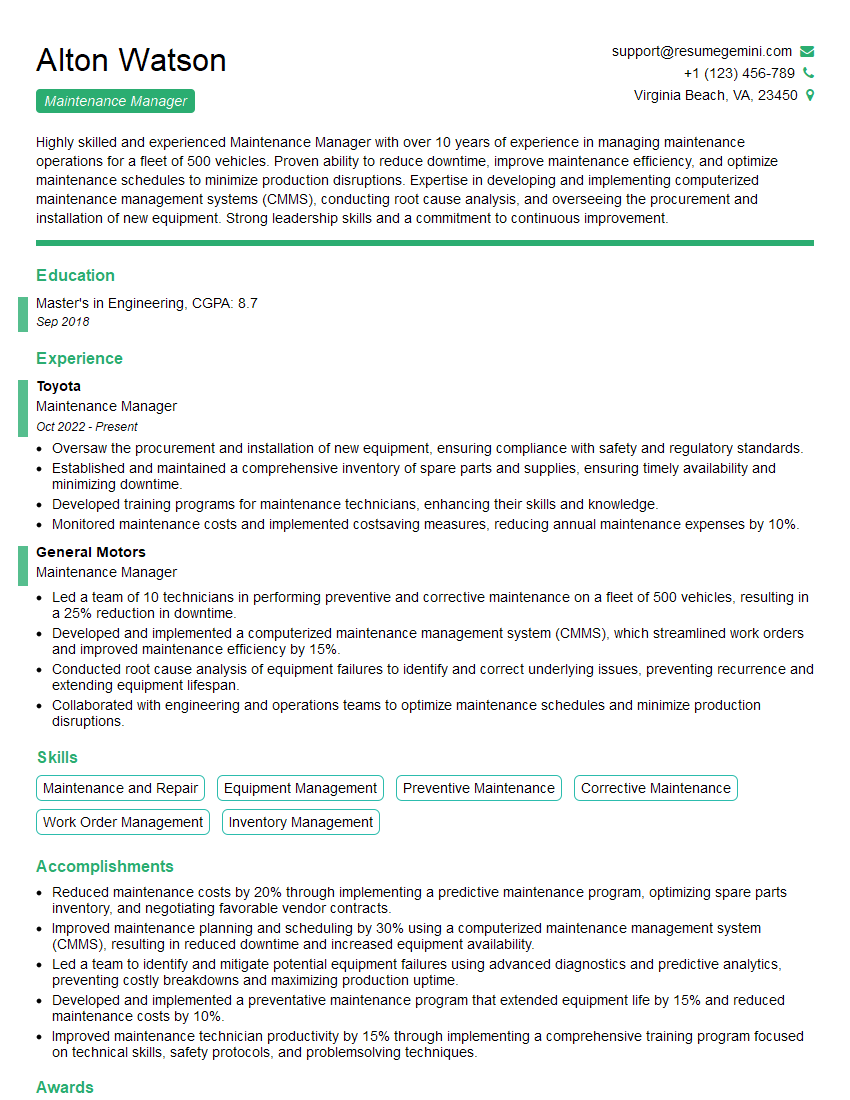
Maintenance Manager Resume Sample
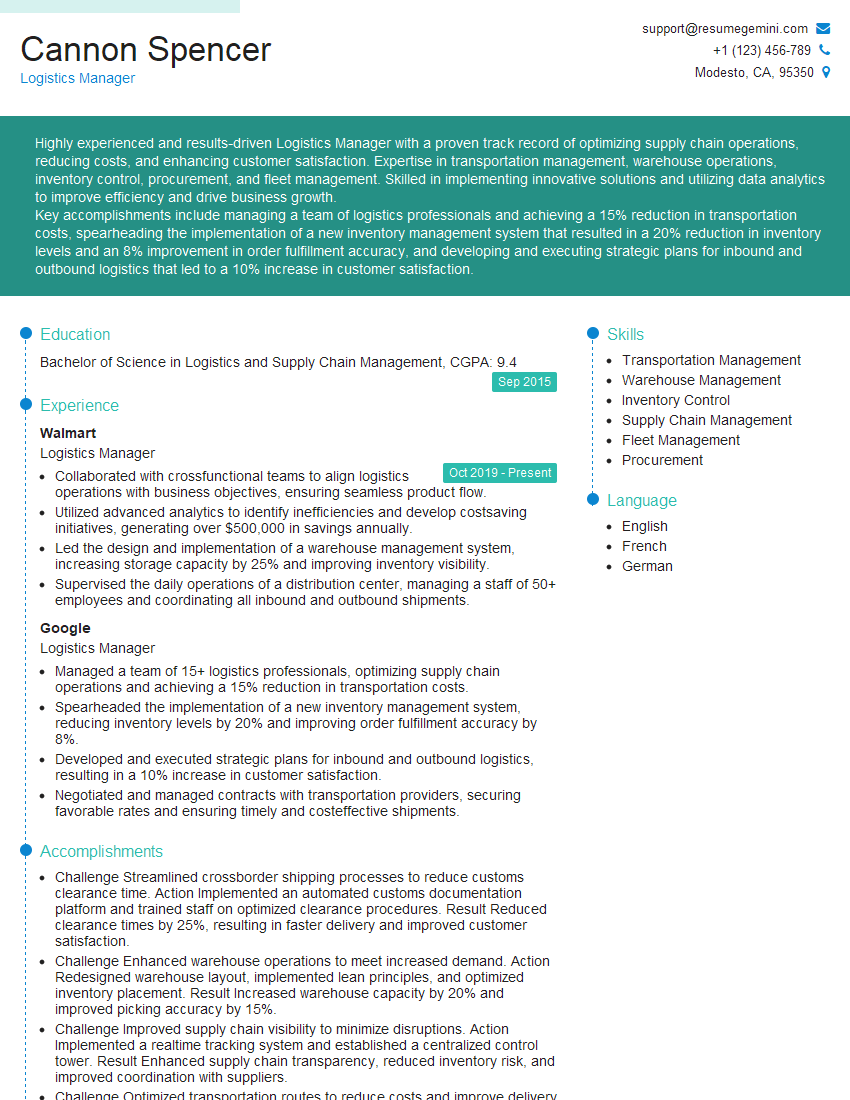
Logistics Manager Resume Sample
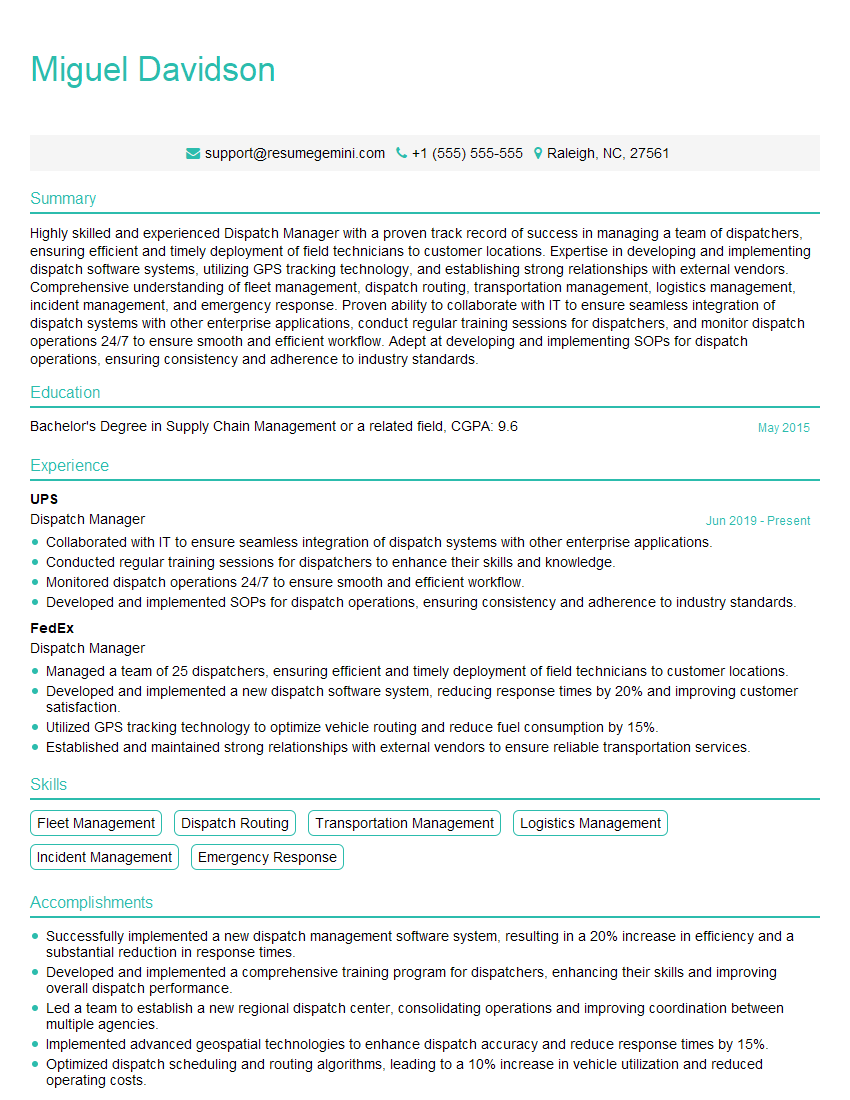
Dispatch Manager Resume Sample
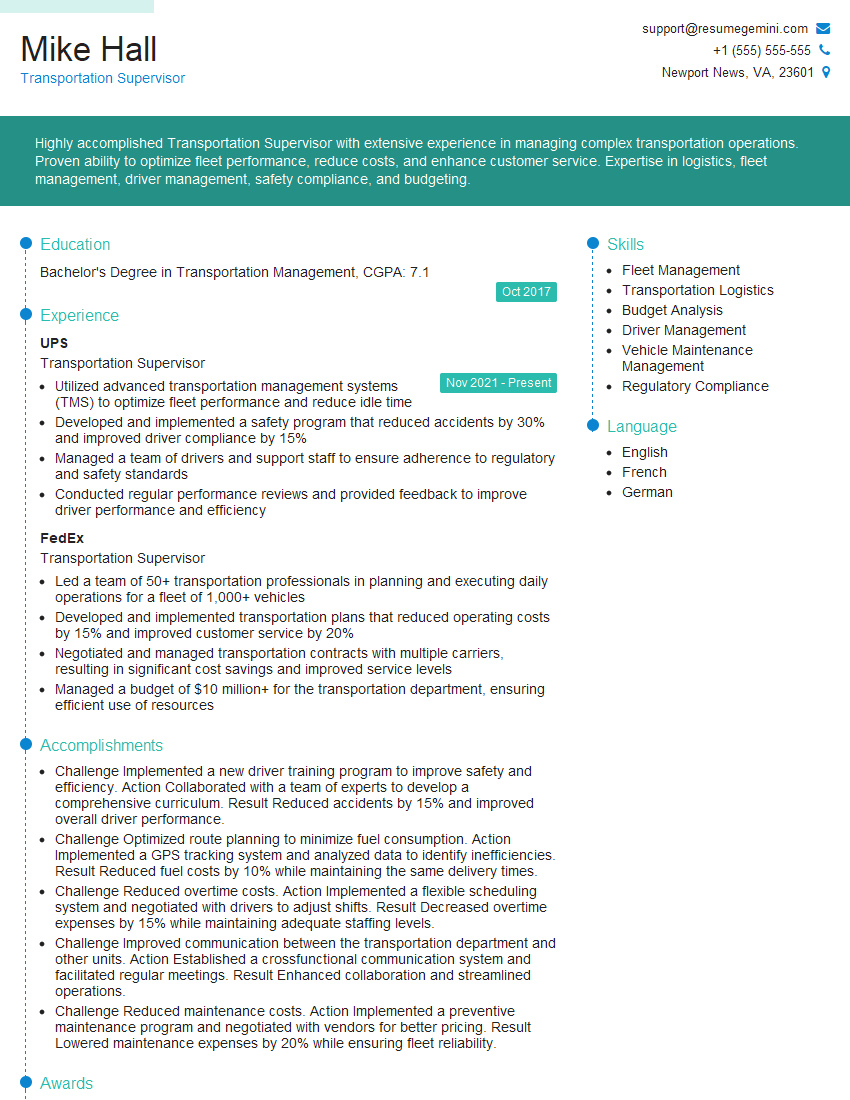
Transportation Supervisor Resume Sample
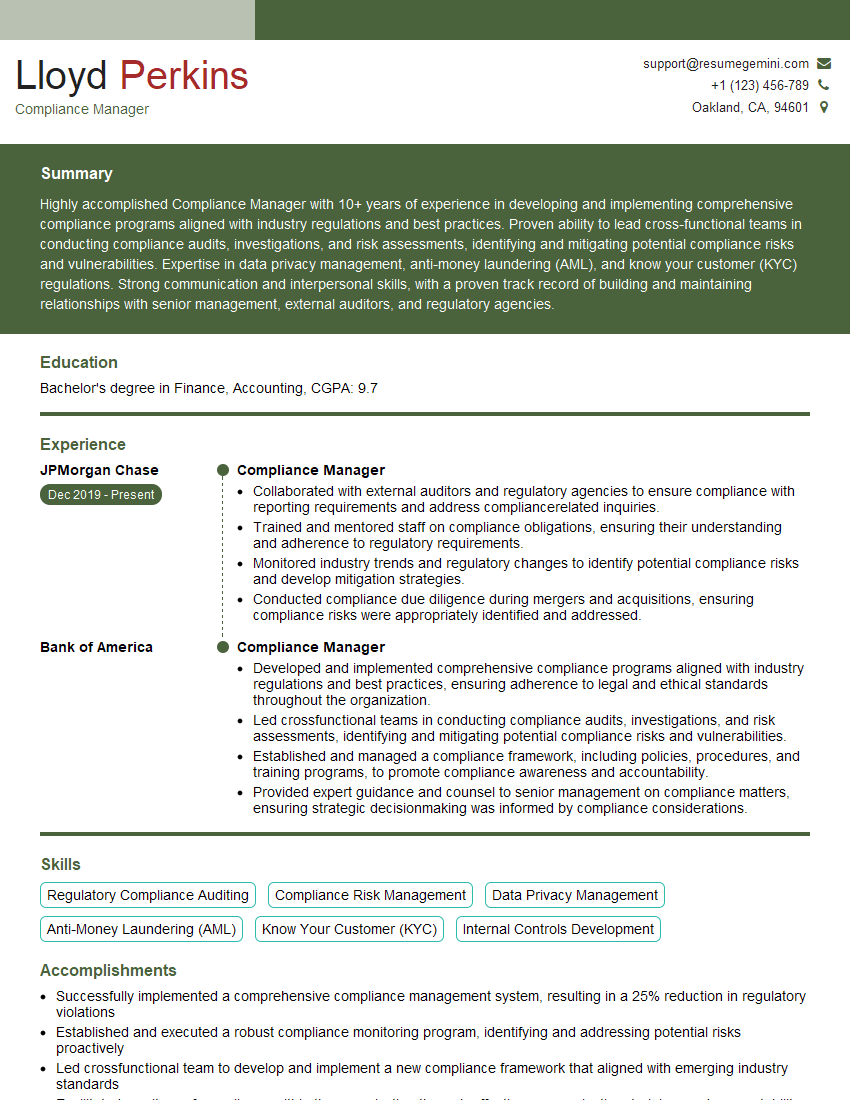
Compliance Manager Resume Sample
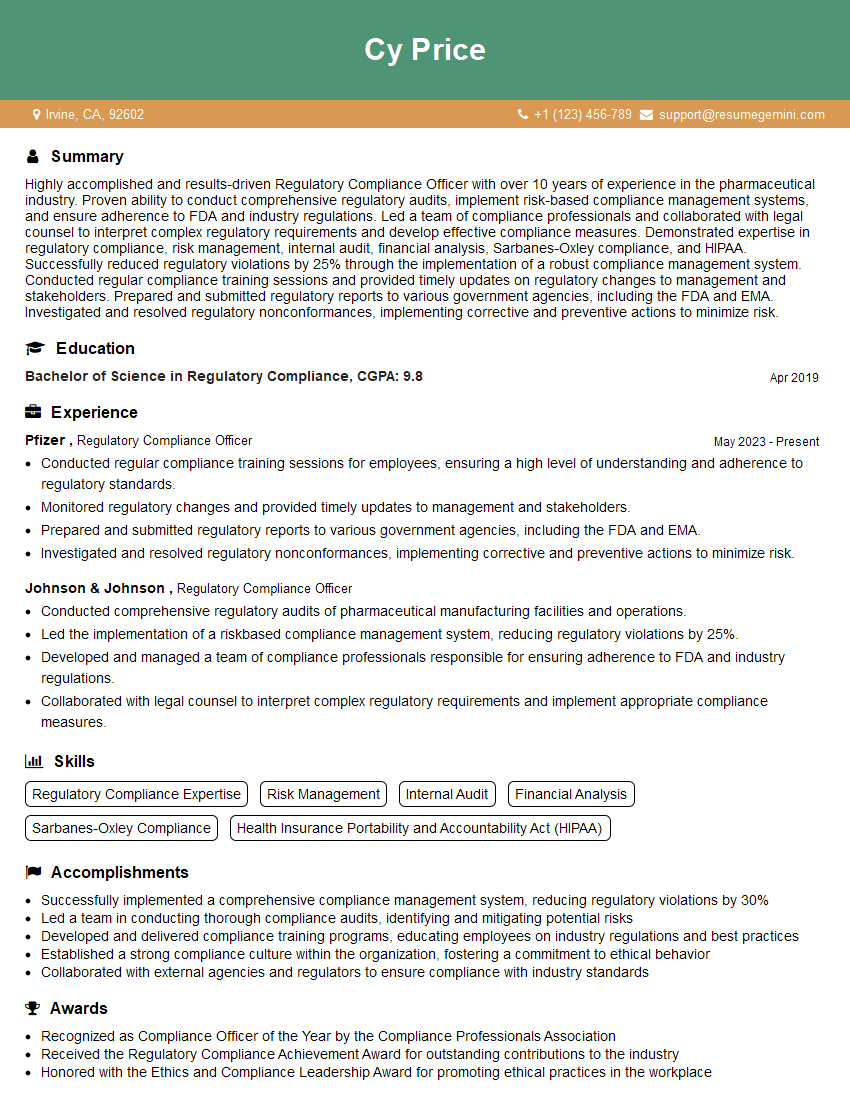
Regulatory Compliance Officer Resume Sample

Risk Management Specialist Resume Sample
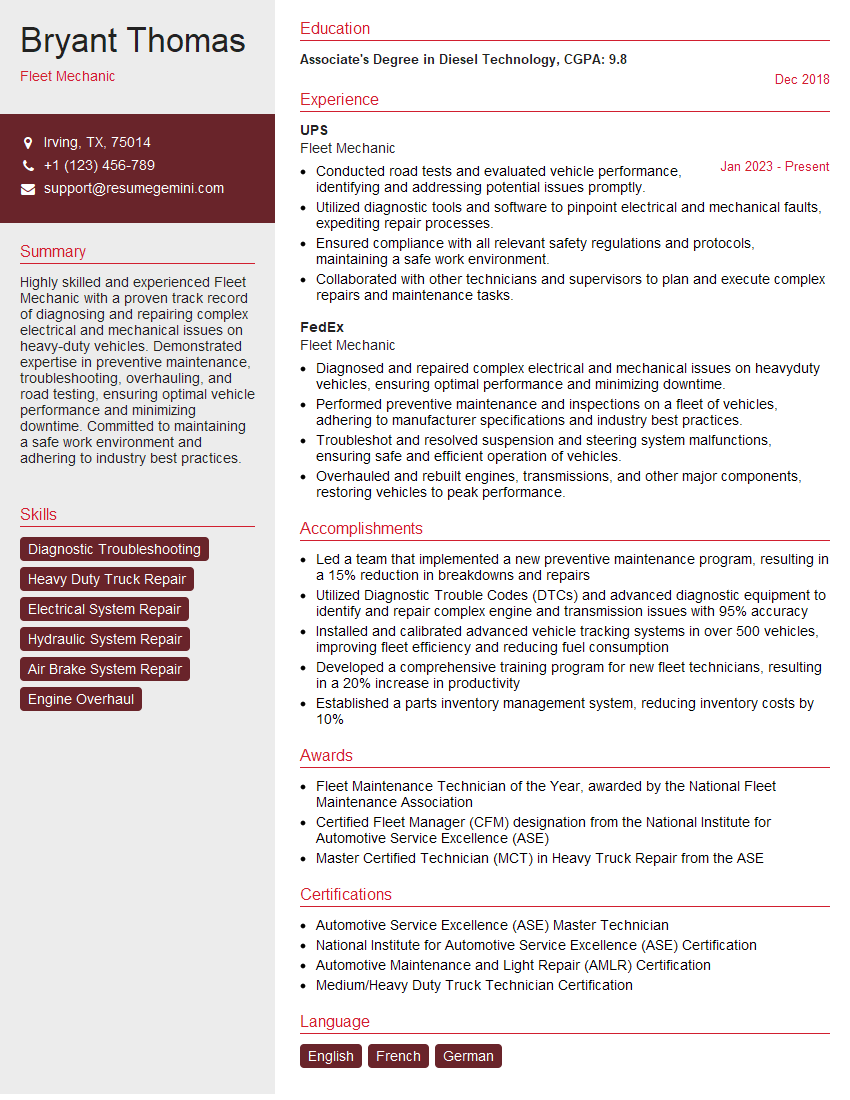
Fleet Mechanic Resume Sample
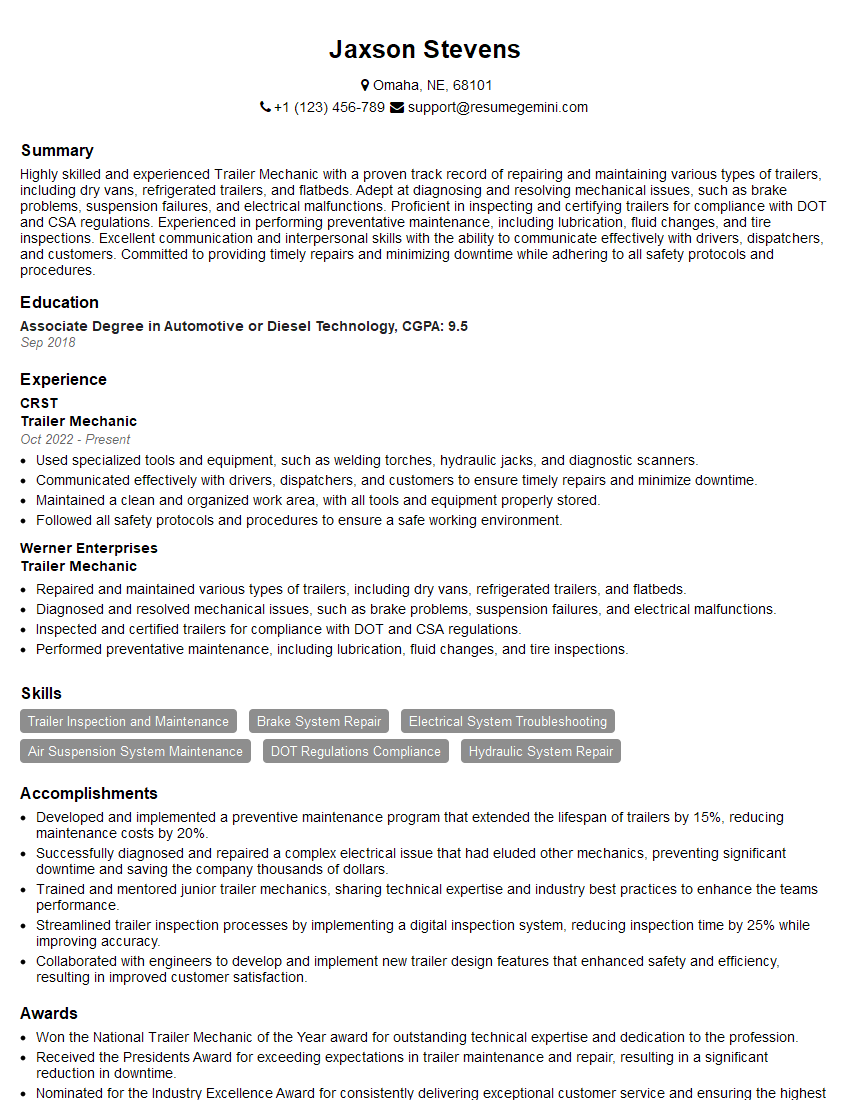
Trailer Mechanic Resume Sample
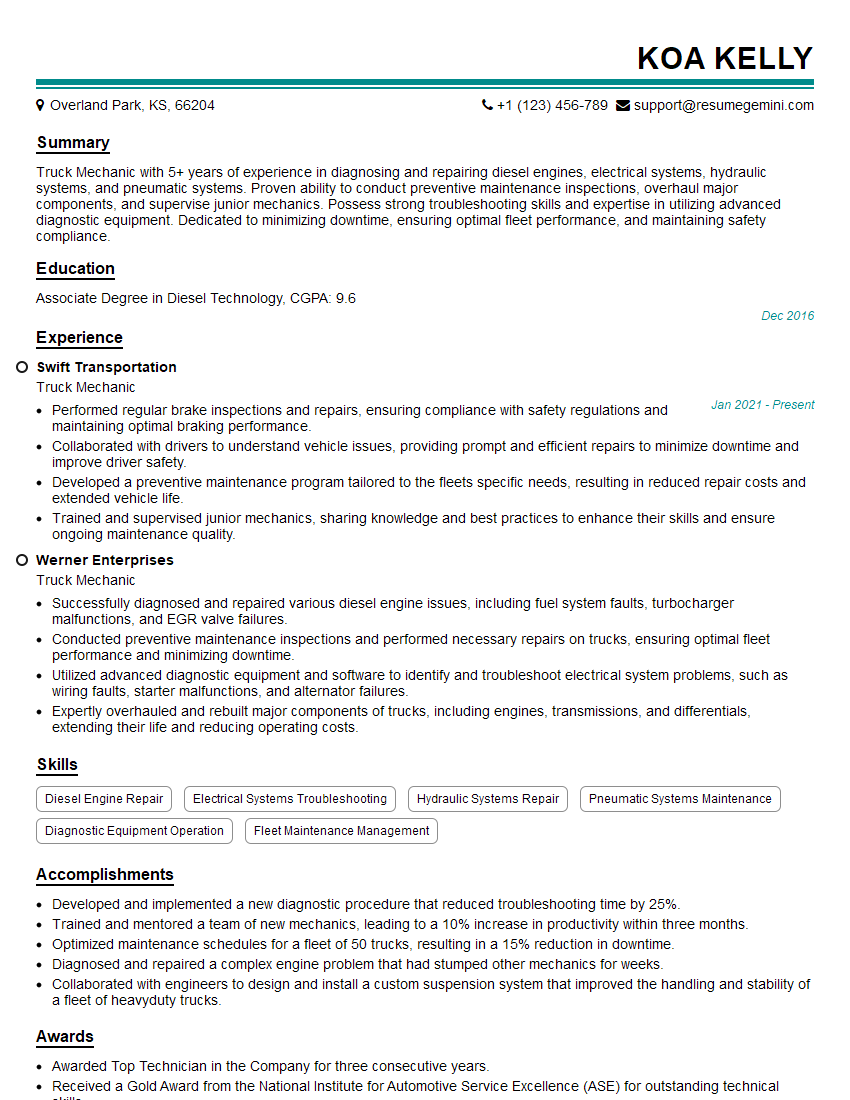
Truck Mechanic Resume Sample
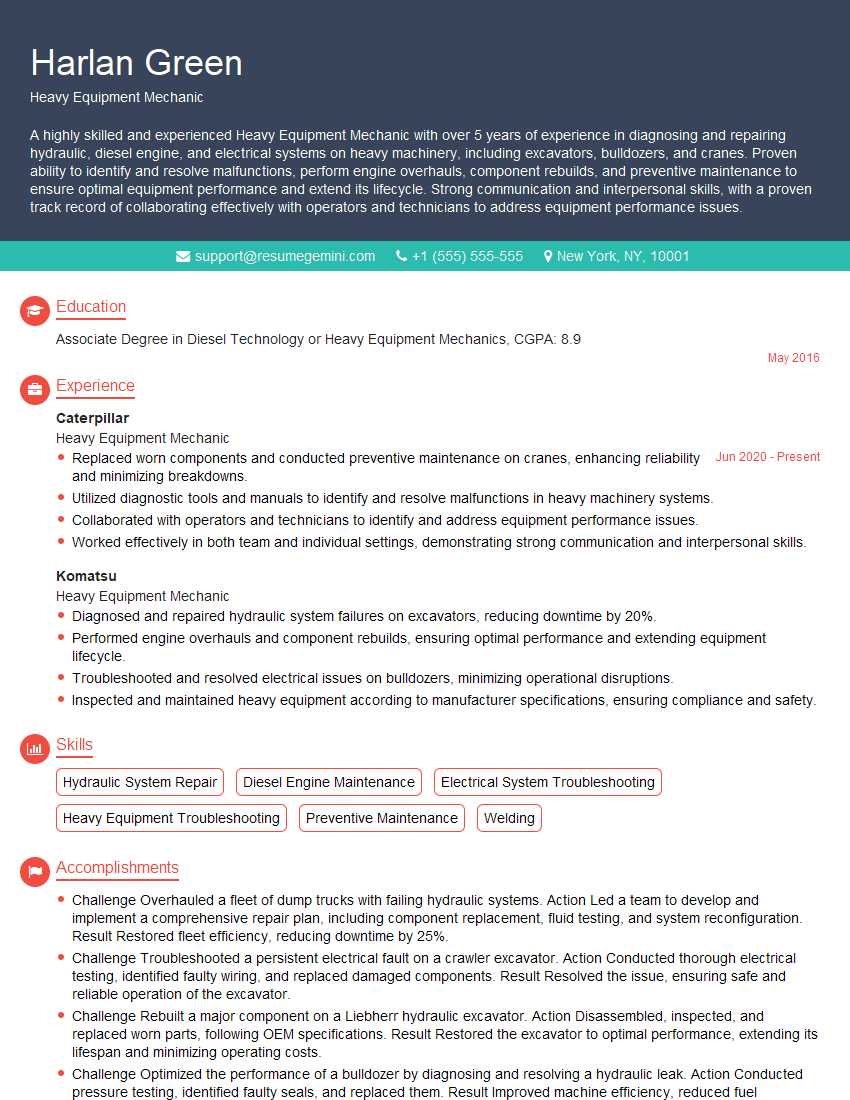
Heavy Equipment Mechanic Resume Sample
Explore more articles
Users Rating of Our Blogs
Share Your Experience
We value your feedback! Please rate our content and share your thoughts (optional).
What Readers Say About Our Blog
Really detailed insights and content, thank you for writing this detailed article.
IT gave me an insight and words to use and be able to think of examples