The right preparation can turn an interview into an opportunity to showcase your expertise. This guide to Experience in Incident Reporting and Investigation interview questions is your ultimate resource, providing key insights and tips to help you ace your responses and stand out as a top candidate.
Questions Asked in Experience in Incident Reporting and Investigation Interview
Q 1. Describe your experience in documenting incident details accurately and completely.
Accurate and complete incident documentation is the cornerstone of effective incident response. It ensures that all relevant information is captured, allowing for thorough investigation and preventing future occurrences. My approach involves a structured process. First, I gather information from various sources, including logs, system alerts, witness statements, and affected users. I then meticulously document each piece of information, ensuring accuracy and using precise language. I utilize a standardized template to maintain consistency and avoid omissions. This template includes sections for incident details (timestamp, location, affected systems), description of events, initial impact, and initial response actions. For example, if a server outage occurred, I’d document the exact time of failure, the affected services, the number of users impacted, and the initial steps taken to mitigate the impact, such as rerouting traffic or activating backup systems. I also incorporate screenshots, error messages, and other relevant artifacts into the documentation. Finally, I review and validate the documentation for completeness and accuracy before finalizing it.
Q 2. Explain your process for prioritizing incidents based on severity and impact.
Prioritizing incidents is crucial to ensure that the most critical issues receive immediate attention. My process involves a two-pronged approach: assessing severity and impact. Severity refers to the inherent seriousness of the incident itself (e.g., data breach, system failure), while impact measures the consequences of the incident on business operations and users. I typically use a matrix that combines severity levels (critical, high, medium, low) with impact levels (catastrophic, major, minor). For instance, a critical severity (data breach) with catastrophic impact (loss of customer data and legal repercussions) would take immediate priority over a low severity (minor application bug) with minor impact (user inconvenience). This matrix helps me objectively rank incidents and allocate resources accordingly. Additionally, I consider factors such as the potential for escalation and the urgency reported by affected users. Regular review and refinement of this prioritization process ensures it aligns with evolving business needs.
Q 3. How do you ensure the confidentiality and integrity of evidence during an investigation?
Maintaining the confidentiality and integrity of evidence is paramount during an investigation. My approach includes several key steps: First, I secure the affected systems or data immediately to prevent further compromise or alteration. This might involve isolating affected servers, creating forensic images of hard drives, or disabling access to specific accounts. Secondly, I follow a strict chain of custody – a documented record of who has accessed and handled the evidence at each step – to ensure its integrity. Every action is documented, including who accessed the evidence, when, and what actions were taken. Thirdly, I use cryptographic hashing techniques to verify the integrity of the evidence at each step of the process. This allows me to detect any unauthorized modifications. Finally, all evidence is stored securely, typically in an encrypted format, in a controlled environment with restricted access. I follow all relevant regulations like GDPR and CCPA depending on the type and location of data involved. For example, handling a suspected phishing attack would involve preserving the phishing email without modification, documenting all actions taken, and securing the potentially compromised accounts.
Q 4. What methodologies do you employ for root cause analysis of incidents?
Root cause analysis (RCA) is essential to prevent incident recurrence. I primarily employ the ‘5 Whys’ technique, a simple yet effective method to drill down to the root cause by repeatedly asking ‘why’ until the underlying issue is identified. In addition, I use Fishbone diagrams (Ishikawa diagrams) to visually map potential causes and their relationships, facilitating brainstorming and collaboration. For example, if a web application was slow, I might start with ‘Why is the web application slow?’ Answer: ‘The database is slow’. ‘Why is the database slow?’ Answer: ‘The database server is overloaded’. ‘Why is the database server overloaded?’ Answer: ‘There’s a poorly performing query’. And so on, until we find the root cause, which might be a lack of database optimization or insufficient server resources. I also incorporate fault tree analysis (FTA) for more complex incidents involving multiple contributing factors. The choice of methodology depends on the complexity of the incident and the available data.
Q 5. Describe your experience with incident response frameworks (e.g., NIST, ISO 27001).
I have extensive experience working with incident response frameworks, particularly NIST Cybersecurity Framework and ISO 27001. NIST provides a comprehensive approach to managing cybersecurity risks, including guidance on incident identification, response, and recovery. I’ve used its framework to build and implement incident response plans for various organizations, ensuring alignment with industry best practices. The framework’s five functions (Identify, Protect, Detect, Respond, Recover) helped structure our incident response procedures. ISO 27001, focusing on information security management, provides a strong foundation for establishing a robust incident management system. My experience includes conducting internal audits to ensure compliance, developing incident response procedures aligned with the standard’s requirements, and participating in regular reviews of our information security policies and procedures to maintain compliance. For instance, implementing controls for access management and data encryption in accordance with ISO 27001 best practices directly contributes to a more effective incident response process. This has enabled quick identification and containment of incidents while minimizing damage.
Q 6. How do you handle conflicting information or witness accounts during an investigation?
Handling conflicting information during an investigation requires a methodical and unbiased approach. First, I carefully document all accounts, ensuring accuracy and context. I avoid making assumptions and focus on gathering objective facts rather than opinions. I then analyze the accounts for inconsistencies and look for patterns or common themes. If there are significant discrepancies, I may need to conduct further interviews, review additional evidence, or consult with other experts. Techniques like timeline analysis can help reconcile conflicting information by creating a chronological sequence of events, potentially revealing inconsistencies or highlighting previously unnoticed details. Triangulation – corroborating information from multiple sources – is also crucial. For example, if two witnesses provide conflicting accounts of an event, I might review security logs or other evidence to determine which account aligns with the objective data. The goal is to reach a conclusion based on a comprehensive evaluation of all available evidence, rather than favoring one account over another.
Q 7. Explain your experience with using incident management software or tools.
I possess significant experience using various incident management software and tools. I’ve worked with ServiceNow, Jira Service Desk, and Splunk, among others. These tools provide a centralized platform for incident reporting, tracking, and investigation. ServiceNow, for instance, facilitates efficient ticket management, automated workflows, and reporting, streamlining the entire incident lifecycle from initial detection to resolution and post-incident analysis. Jira Service Desk aids in effective collaboration and task assignment among team members. Splunk has been essential in analyzing log data, identifying patterns, and uncovering the root cause of complex incidents. My skills include configuring these tools, tailoring them to specific organizational needs, creating custom dashboards for real-time monitoring, and generating reports to track key metrics like incident resolution time and frequency. These tools significantly improve efficiency and effectiveness in incident management, reducing downtime and minimizing business disruption.
Q 8. How do you communicate incident updates to stakeholders effectively?
Effective communication during incident updates is crucial for maintaining transparency and trust with stakeholders. My approach involves a multi-faceted strategy, tailored to the audience and the severity of the incident.
- Prioritization and Segmentation: I identify key stakeholders (e.g., executive team, affected users, legal counsel) and group them based on their information needs. I then create a communication plan outlining the frequency and method of updates (e.g., daily email updates for executives, automated SMS notifications for affected users).
- Clear and Concise Messaging: I use plain language, avoiding technical jargon. Each update includes a brief summary of the incident, its current status, steps being taken for resolution, and estimated time to recovery. I also include contact information for any questions.
- Transparency and Honesty: I strive to be upfront about the situation, even if it involves bad news. Acknowledging challenges builds trust. I focus on what’s being done to rectify the situation and mitigate further damage.
- Regular Updates: Consistent communication is key. Even if there’s no significant change, I provide regular updates to keep stakeholders informed and avoid unnecessary speculation. This can be automated using ticketing systems or communication platforms.
- Multiple Communication Channels: I use a blend of communication channels (e.g., email, SMS, phone calls, internal communication platforms) to reach a wider audience and ensure the message is received.
For example, during a significant data breach, I would initially inform the executive team via a confidential phone call and then send a follow-up email with a detailed summary and action plan. Subsequent updates would be communicated via email to the wider team and potentially via a company-wide announcement.
Q 9. Describe a challenging incident you investigated and how you resolved it.
One particularly challenging incident involved a ransomware attack that encrypted critical files on our server infrastructure, impacting several customer-facing applications. The initial challenge was identifying the source and scope of the breach quickly. Our security team worked diligently to contain the spread of the malware, isolating affected systems.
The resolution involved a multi-step process:
- Containment: We immediately isolated the infected servers from our network, preventing further spread.
- Forensic Analysis: We partnered with a cybersecurity firm to conduct a thorough forensic analysis to determine the attack vector, the extent of the data breach, and the type of ransomware used. This analysis allowed us to develop a precise remediation plan.
- Negotiation (with Caution): After careful consideration of the risks, we engaged with the threat actor to explore the possibility of decryption, but only after thorough legal advice and risk assessment. In many cases paying the ransom is not recommended, and we only pursued it after an extremely thorough cost-benefit analysis.
- Data Recovery: Simultaneously, we initiated data recovery from backups. This process, while successful, involved significant effort, as we had to carefully validate the data integrity.
- Vulnerability Remediation: Once the immediate threat was contained, we focused on patching the vulnerabilities that allowed the ransomware to enter the system.
- Post-Incident Review: A thorough post-incident review was conducted, identifying shortcomings in our security posture that allowed the attack to occur.
The incident highlighted the importance of robust security protocols, regular security audits, and thorough incident response planning. We learned valuable lessons and implemented several changes to prevent future occurrences, improving our overall security infrastructure.
Q 10. What metrics do you use to measure the effectiveness of incident response processes?
Measuring the effectiveness of incident response processes is crucial for continuous improvement. I use a combination of metrics, categorized into key areas:
- Mean Time To Detection (MTTD): Measures the time it takes to detect an incident from its occurrence. A shorter MTTD indicates a more proactive and effective security posture.
- Mean Time To Response (MTTR): Measures the time it takes to respond to an incident from detection. A shorter MTTR shows a more efficient and effective response team.
- Mean Time To Recovery (MTTR): This measures the time it takes to restore systems and services to their normal operating state after an incident. It reflects the effectiveness of recovery procedures.
- Incident Frequency: Tracks the number of incidents over a defined period. A decrease signifies improved prevention measures.
- Incident Severity: Categorizes incidents based on impact (e.g., low, medium, high, critical). Tracking this helps determine the effectiveness of mitigation strategies for different types of incidents.
- Customer Satisfaction (CSAT) related to incidents: Tracking this reflects the impact of incidents on customers and the effectiveness of communication during incidents.
- Cost of Incidents: This considers all aspects, including financial losses, legal fees, and recovery efforts. A reduction indicates improved cost management.
By regularly monitoring these metrics and analyzing trends, I can pinpoint areas for improvement in our incident response plan and security processes. This data-driven approach ensures we are constantly enhancing our capabilities.
Q 11. How do you ensure compliance with relevant regulations (e.g., GDPR, HIPAA) during incident handling?
Compliance with regulations like GDPR and HIPAA is paramount during incident handling. My approach integrates compliance into every stage of the process:
- Data Classification and Mapping: We maintain a comprehensive inventory of all data assets, classifying them based on sensitivity (e.g., personal data, protected health information). This informs our response based on the level of risk.
- Incident Response Plan (IRP): Our IRP includes detailed procedures for handling data breaches, aligning with specific regulatory requirements (e.g., breach notification timelines, data subject access requests).
- Notification Procedures: We have established clear processes for notifying relevant authorities (e.g., data protection authorities) and affected individuals, adhering to legal mandates.
- Legal Counsel Involvement: We engage legal counsel early in the process to ensure all actions comply with the relevant regulations and to minimize legal liability.
- Data Retention and Disposal: Our procedures for data retention and disposal adhere to regulatory guidelines. This is particularly important in situations where data may need to be preserved for legal investigations.
- Documentation: Meticulous documentation of all actions taken during the incident response is crucial for demonstrating compliance.
For example, in a HIPAA incident involving a breach of protected health information, we would immediately notify the Office for Civil Rights (OCR), follow established breach notification procedures for affected individuals, and maintain comprehensive documentation for audit purposes.
Q 12. Describe your experience with conducting post-incident reviews and generating reports.
Post-incident reviews (PIRs) are crucial for learning from past experiences and preventing future incidents. My experience involves a structured approach:
- Gathering Information: I gather data from various sources, including incident logs, security alerts, interview transcripts, and forensic reports. This ensures a comprehensive understanding of the incident.
- Identifying Root Cause: I use root cause analysis techniques (e.g., the ‘5 Whys’) to determine the underlying causes of the incident, going beyond immediate symptoms.
- Analyzing Effectiveness: I evaluate the effectiveness of the incident response plan, identifying areas of strength and weakness. This includes assessing the speed and efficiency of response, resource allocation, and communication effectiveness.
- Developing Recommendations: Based on my analysis, I develop concrete recommendations for improvement. This often includes updating the incident response plan, enhancing security controls, and providing training to staff.
- Reporting: I generate detailed reports that summarize the incident, its causes, the impact, and the recommended corrective actions. These reports are shared with stakeholders to inform future decision-making.
The reports often include diagrams, timelines, and statistical data to visualize the incident and its impact. They are crucial for demonstrating accountability and continuous improvement in our security posture. A well-structured PIR ensures that lessons learned are not forgotten.
Q 13. How do you identify and mitigate potential vulnerabilities discovered during an investigation?
Identifying and mitigating vulnerabilities discovered during an investigation is a critical step. My approach is multi-faceted:
- Vulnerability Assessment: I use a combination of automated vulnerability scanners and manual penetration testing to identify potential weaknesses. This covers both software and hardware vulnerabilities, configurations, and network weaknesses.
- Risk Assessment: I assess the risk associated with each identified vulnerability, considering its potential impact and likelihood of exploitation.
- Prioritization: I prioritize vulnerabilities based on their risk score, addressing high-risk vulnerabilities first.
- Remediation: I implement appropriate remediation strategies, which could include patching software, upgrading firmware, reconfiguring systems, or implementing security controls.
- Verification: After implementing remediation actions, I verify their effectiveness using vulnerability scans and other security testing methods.
- Documentation: Detailed documentation of the identified vulnerabilities, the risk assessment, the remediation steps, and verification results is essential for compliance and future reference.
For example, if a vulnerability scan identifies a critical vulnerability in a web server, I would immediately prioritize patching the server, verify the patch’s effectiveness, and document the entire process. This ensures the vulnerability is addressed swiftly, reducing the risk of exploitation.
Q 14. What are your strategies for preventing similar incidents from recurring?
Preventing similar incidents from recurring requires a proactive approach focusing on prevention and improvement. My strategies include:
- Strengthening Security Controls: I work to enhance existing security controls, such as implementing multi-factor authentication, enhancing firewall rules, and strengthening access controls. This reduces the attack surface.
- Security Awareness Training: Regular security awareness training helps educate employees about common threats and best practices for secure computing, reducing human error, a major cause of many incidents.
- Regular Security Assessments: I advocate for regular vulnerability scans, penetration testing, and security audits. This proactive approach helps identify and address vulnerabilities before they can be exploited.
- Incident Response Plan Updates: Post-incident reviews provide valuable insights into areas for improvement in the incident response plan. I regularly update and improve the plan based on lessons learned.
- Automation: Automating security tasks, such as patching and vulnerability scanning, ensures consistent and timely implementation of security measures.
- Continuous Monitoring: Implementing continuous security monitoring allows for real-time detection and response to potential threats. This is a major step in proactive security.
By continuously improving our security posture and refining our incident response capabilities, we significantly reduce the likelihood of similar incidents recurring.
Q 15. Explain your experience with forensic data analysis techniques.
Forensic data analysis is crucial for incident investigations. It involves systematically examining digital evidence to uncover the root cause of an incident, identify perpetrators, and reconstruct events. My experience includes using various techniques, from basic file analysis to advanced memory forensics. For example, I’ve used tools like Autopsy and FTK Imager to analyze hard drives and recover deleted files, identifying malicious code or unauthorized access attempts. I’m also proficient in network forensics, using tools like Wireshark to analyze network traffic and pinpoint the source of network intrusions. Furthermore, I have experience with log analysis, correlating events from various sources to build a timeline of events and identify patterns indicative of malicious activity. In one case, analyzing system logs allowed us to identify a compromised account used to exfiltrate sensitive data, pinpointing the exact time and method of the breach.
My expertise also extends to mobile device forensics, where I’ve used specialized tools to extract data from smartphones and tablets, even when data has been intentionally deleted or encrypted. This often involves understanding the intricacies of various operating systems and data storage methods. Finally, I am comfortable using scripting languages like Python to automate repetitive tasks and develop custom analysis tools tailored to specific incident requirements.
Career Expert Tips:
- Ace those interviews! Prepare effectively by reviewing the Top 50 Most Common Interview Questions on ResumeGemini.
- Navigate your job search with confidence! Explore a wide range of Career Tips on ResumeGemini. Learn about common challenges and recommendations to overcome them.
- Craft the perfect resume! Master the Art of Resume Writing with ResumeGemini’s guide. Showcase your unique qualifications and achievements effectively.
- Don’t miss out on holiday savings! Build your dream resume with ResumeGemini’s ATS optimized templates.
Q 16. How do you maintain a chain of custody for digital evidence?
Maintaining chain of custody is paramount to ensure the admissibility of digital evidence in legal proceedings. It’s a meticulous process documenting every step involved in handling evidence from the moment it’s collected until it’s presented in court. This involves creating a detailed log that includes who handled the evidence, when it was handled, and what actions were performed. I typically begin by creating a forensic image of the suspect device to prevent alteration of the original. This image is then hashed using cryptographic hash functions (like SHA-256) to verify its integrity. The hash value is meticulously recorded in the chain-of-custody documentation. Each step, including transporting the evidence, transferring it to another person, and any analysis performed, is meticulously documented with timestamps and signatures.
We use tamper-evident bags and seals to physically protect the evidence, further safeguarding its integrity. Our documentation is stored securely, often in a secure digital repository with access control mechanisms. Imagine a relay race: each runner (person handling the evidence) must meticulously record their actions and pass the baton (evidence) to the next, ensuring the baton remains intact and its journey is fully documented. In practice, deviations from this process can render evidence inadmissible, undermining the entire investigation.
Q 17. What is your experience with incident escalation procedures?
Incident escalation procedures are crucial for ensuring timely and effective responses to incidents. My experience involves a well-defined escalation path, typically based on the severity and impact of the incident. Minor incidents, like a user lockout, might be handled by the first-level support team. However, major incidents, such as a system-wide outage or a significant security breach, are escalated to progressively higher levels of management and specialized teams. This involves clearly defined communication channels and escalation criteria. I’ve utilized ticketing systems and communication tools like Slack to streamline communication and ensure all stakeholders are informed.
A crucial aspect is maintaining accurate and up-to-date documentation throughout the escalation process. This is used to track the progress of incident resolution and to inform post-incident analysis and review. A well-structured escalation process minimizes disruption and ensures the incident is resolved efficiently and effectively. For example, I once handled an escalation of a seemingly minor denial-of-service attack, which eventually revealed a critical vulnerability in our network firewall that could have resulted in a full-blown data breach had it not been identified and resolved promptly through the escalation process.
Q 18. How do you handle situations where an incident involves a legal or regulatory breach?
Handling incidents involving legal or regulatory breaches requires a structured and compliant approach. This begins with immediately notifying the appropriate legal counsel and regulatory bodies as required by applicable laws and regulations, such as GDPR or HIPAA. A key step involves preserving all relevant evidence according to legal best practices and data retention policies.
This necessitates careful coordination with legal teams to ensure compliance and to understand the legal ramifications of the incident. We might have to engage external forensic experts to assist with investigations and provide expert witness testimony. My role involves working closely with legal to collect and present evidence in a manner that is both legally sound and effectively demonstrates the actions taken to mitigate the breach and prevent future occurrences. In one instance, a data breach involving customer information required a thorough investigation, involving regulatory notifications, incident reporting, and collaboration with legal counsel to develop a remediation plan and satisfy regulatory requirements. Transparency and proactive cooperation with regulatory bodies are key to mitigating potential penalties and maintaining trust.
Q 19. Describe your experience with data recovery procedures after an incident.
Data recovery procedures are critical after any incident resulting in data loss or corruption. My experience involves implementing various data recovery techniques, ranging from restoring data from backups to employing specialized data recovery software and tools. The approach depends heavily on the nature of the data loss and the available resources. For instance, if we have regular, reliable backups, restoring data from the most recent backup is the fastest and most reliable method.
However, in cases where backups are unavailable or corrupted, we might need to employ more advanced techniques, such as disk imaging and file carving, to recover data from damaged storage devices. This requires a deep understanding of file systems and data structures. Furthermore, we employ methods to validate data integrity after recovery, ensuring no data corruption occurred during the recovery process. For example, I successfully recovered critical customer data from a server that had suffered a major hardware failure by using a combination of disk imaging and specialized data recovery software, effectively preventing significant financial and reputational damage. In another instance, I worked with a third-party vendor to recover data from a severely damaged tape backup system.
Q 20. How do you manage the emotional impact of incidents on affected individuals?
Incidents can have significant emotional impacts on affected individuals, ranging from anxiety and frustration to anger and fear. Addressing this is critical for maintaining morale and promoting a positive working environment. My experience involves providing support and guidance to affected employees, customers, or partners. This includes clear and timely communication, providing updates on the incident and the progress of investigations, and offering resources to help individuals cope with the emotional stress.
We facilitate open forums where individuals can share their concerns and receive support. We also provide access to employee assistance programs and mental health resources. Empathy and clear, honest communication are crucial to fostering trust and rebuilding confidence. In one particular instance, after a data breach, we held informational sessions for our customers and offered credit monitoring services to mitigate the impact and alleviate their concerns. This proactive approach helped to rebuild trust and demonstrate our commitment to their well-being.
Q 21. What is your experience with different types of incidents (e.g., security breaches, system failures, natural disasters)?
My experience encompasses a broad range of incidents, including security breaches (malware infections, phishing attacks, denial-of-service attacks), system failures (hardware failures, software bugs, network outages), and natural disasters (floods, fires, earthquakes). Each incident type requires a tailored approach, adapted to the specific nature of the event.
Security breaches typically involve digital forensics, log analysis, and vulnerability assessments. System failures require hardware diagnostics, software debugging, and possibly vendor support. Natural disasters often necessitate emergency response protocols, disaster recovery plans, and business continuity strategies. I’ve had experience in coordinating responses to each of these incident types, leveraging my understanding of incident response methodologies and best practices. In one case, we successfully recovered from a significant earthquake by quickly activating our disaster recovery plan, minimizing downtime and preventing substantial data loss. Each incident provides valuable learning opportunities for improving our preparedness and response capabilities.
Q 22. Explain your understanding of different incident response phases (e.g., preparation, detection, containment, eradication, recovery, lessons learned).
Incident response is a structured process, and understanding its phases is crucial for effective mitigation. Think of it like fighting a fire – you wouldn’t just start throwing water; you’d follow a plan.
- Preparation: This involves proactively establishing policies, procedures, playbooks, and tools. We’d define roles, responsibilities, communication channels, and ensure systems are properly configured for logging and monitoring. This is like pre-positioning fire hydrants and having trained firefighters ready.
- Detection: This is identifying the incident. It could be through automated alerts from security tools (like intrusion detection systems or SIEM), user reports, or even anomalies in system logs. This is like noticing the smoke.
- Containment: This phase focuses on isolating the affected systems or data to prevent further damage or spread. Think of it as containing the fire to a specific room.
- Eradication: This stage involves removing the root cause of the incident, such as malware, a compromised account, or a misconfiguration. This is like extinguishing the flames.
- Recovery: This focuses on restoring systems and data to their normal operational state. We might need to recover from backups, re-image systems, or rebuild databases. This is like cleaning up the affected area and rebuilding damaged structures.
- Lessons Learned: This critical final phase involves documenting what happened, what worked well, and what could be improved. This includes updating our incident response plan, improving our detection mechanisms, and strengthening our security posture. This is like conducting a post-incident analysis to prevent future fires.
For example, in a ransomware attack, preparation might involve regular backups, detection would be triggered by unusual encryption activity, containment would be isolating the affected servers, eradication would be removing the malware, recovery would be restoring from backups, and lessons learned might involve implementing stronger endpoint protection.
Q 23. Describe your experience with collaborating with internal and external stakeholders during an incident.
Collaboration is the cornerstone of effective incident response. I’ve worked extensively with various stakeholders, including internal teams like security engineers, system administrators, legal, and PR, as well as external partners such as law enforcement and third-party forensic investigators.
During one incident involving a data breach, I coordinated with the legal team to ensure we complied with all relevant regulations and communicated transparently with affected individuals. Simultaneously, I worked with the security team to contain the breach, the system administrators to restore services, and external forensics to investigate the root cause and identify compromised systems. Effective communication and clear roles were key to our success. Regular briefings and updates, using tools like collaboration platforms, ensured everyone was on the same page.
Q 24. How do you ensure the timeliness and accuracy of incident reporting?
Timeliness and accuracy in incident reporting are paramount. Delays can exacerbate the impact, while inaccurate information can hinder effective response.
We use a structured reporting process with pre-defined templates to ensure consistency and completeness. Information is gathered from various sources, including system logs, security tools, and interviews. We utilize a centralized incident management system (IMS) to track progress, record findings, and ensure everyone has access to the same information. Key metrics, such as time to detection, containment, and resolution, are tracked and analyzed to identify areas for improvement. Regular reviews of our incident reporting procedures help to fine-tune our processes.
For example, we might use a standardized template outlining the incident type, timeline, affected systems, and initial findings. This structured approach minimizes ambiguity and ensures all crucial details are captured.
Q 25. How familiar are you with various log analysis tools and techniques?
I’m proficient with a range of log analysis tools and techniques. My experience includes using tools such as Splunk, ELK stack (Elasticsearch, Logstash, Kibana), and QRadar. I understand how to correlate logs from various sources – network devices, servers, applications – to identify patterns and anomalies indicative of malicious activity.
For example, I’ve used regular expressions (regex) and scripting languages like Python to parse and analyze large volumes of log data, identifying suspicious login attempts, unusual network traffic, or file access patterns. Knowing how to effectively filter, aggregate, and visualize log data is crucial for efficient incident investigation.
Q 26. How do you determine the scope of an incident and identify affected systems?
Determining the scope of an incident and identifying affected systems requires a systematic approach. We start by analyzing initial alerts or reports, then use various tools and techniques to gather more information.
This often involves examining network traffic, system logs, and security event logs. We use network monitoring tools to identify compromised systems based on their network connections and activity. We might also perform vulnerability scans and penetration testing to assess the extent of the compromise. This helps to understand the breadth and depth of the impact, allowing for effective containment and recovery strategies.
For instance, if a phishing attack leads to a compromised account, we’d investigate which systems the user accessed, look for unusual activity on those systems, and potentially examine connected devices. A network map can be invaluable in visualizing the affected systems and the flow of the incident.
Q 27. Explain your experience in identifying and responding to phishing attacks or social engineering attempts.
Phishing and social engineering attacks are prevalent threats. I have extensive experience identifying and responding to these attacks, focusing on both prevention and response.
Prevention involves security awareness training for employees, which includes simulated phishing campaigns to educate users on identifying malicious emails and websites. On the response side, we investigate suspicious emails and websites, analyze compromised accounts for lateral movement, and take steps to contain the spread of malware or data theft. We also work with incident response teams to isolate affected systems and remove the threat.
In one instance, we detected a phishing campaign targeting employees with emails appearing to be from the CEO. We immediately launched an investigation, identified the compromised accounts, and took measures to prevent further compromise. A subsequent security awareness campaign reinforced best practices and emphasized caution in handling suspicious emails.
Q 28. How do you balance the need for swift incident resolution with the need for thorough investigation?
Balancing speed and thoroughness in incident resolution is a crucial skill. While swift action is needed to minimize damage, a rushed investigation can lead to incomplete remediation and future vulnerabilities.
I employ a risk-based approach. Critical incidents requiring immediate action, such as a ransomware attack or a significant data breach, get prioritized for immediate containment and mitigation. Less critical incidents, such as a minor system outage, allow for a more thorough investigation before remediation. Clear communication and well-defined priorities are essential to ensure a balanced response.
For example, in a ransomware attack, we’d first focus on containing the spread of the malware to prevent further encryption. Once the system is secured, a thorough investigation would be conducted to understand the attack vector, determine the extent of the data breach, and develop a comprehensive recovery plan.
Key Topics to Learn for Experience in Incident Reporting and Investigation Interview
- Incident Classification and Prioritization: Understanding different incident types (security breaches, system failures, etc.) and applying appropriate prioritization frameworks based on impact and urgency.
- Data Gathering and Analysis: Mastering techniques for collecting relevant information from various sources (logs, interviews, system alerts) and analyzing data to identify root causes and contributing factors.
- Root Cause Analysis (RCA) Methodologies: Familiarizing yourself with common RCA techniques like the “5 Whys,” Fishbone diagrams, and fault tree analysis to effectively pinpoint the underlying causes of incidents.
- Incident Reporting and Documentation: Developing clear, concise, and accurate reports that detail incident details, timelines, impacts, and remediation steps. Understanding different reporting formats and compliance requirements.
- Communication and Collaboration: Practicing effective communication with stakeholders at all levels, including technical and non-technical audiences. Collaborating effectively with teams to resolve incidents quickly and efficiently.
- Incident Response Planning and Procedures: Understanding the lifecycle of incident response and the importance of having pre-defined procedures and plans in place to minimize disruption and damage.
- Security Incident Response: Specifically, for security-related incidents, understanding the processes for containment, eradication, recovery, and post-incident activity.
- Post-Incident Review and Improvement: Analyzing past incidents to identify areas for improvement in processes, systems, and security measures to prevent future occurrences.
Next Steps
Mastering incident reporting and investigation is crucial for career advancement in many fields, showcasing your problem-solving skills, technical expertise, and ability to handle pressure. A strong resume is your key to unlocking these opportunities. Creating an ATS-friendly resume is essential to ensure your application gets noticed. To help you build a compelling and effective resume, we recommend using ResumeGemini. ResumeGemini provides tools and resources to create professional, ATS-optimized resumes. Examples of resumes tailored to highlight experience in Incident Reporting and Investigation are available to help you get started.

Compliance Officer Resume Sample
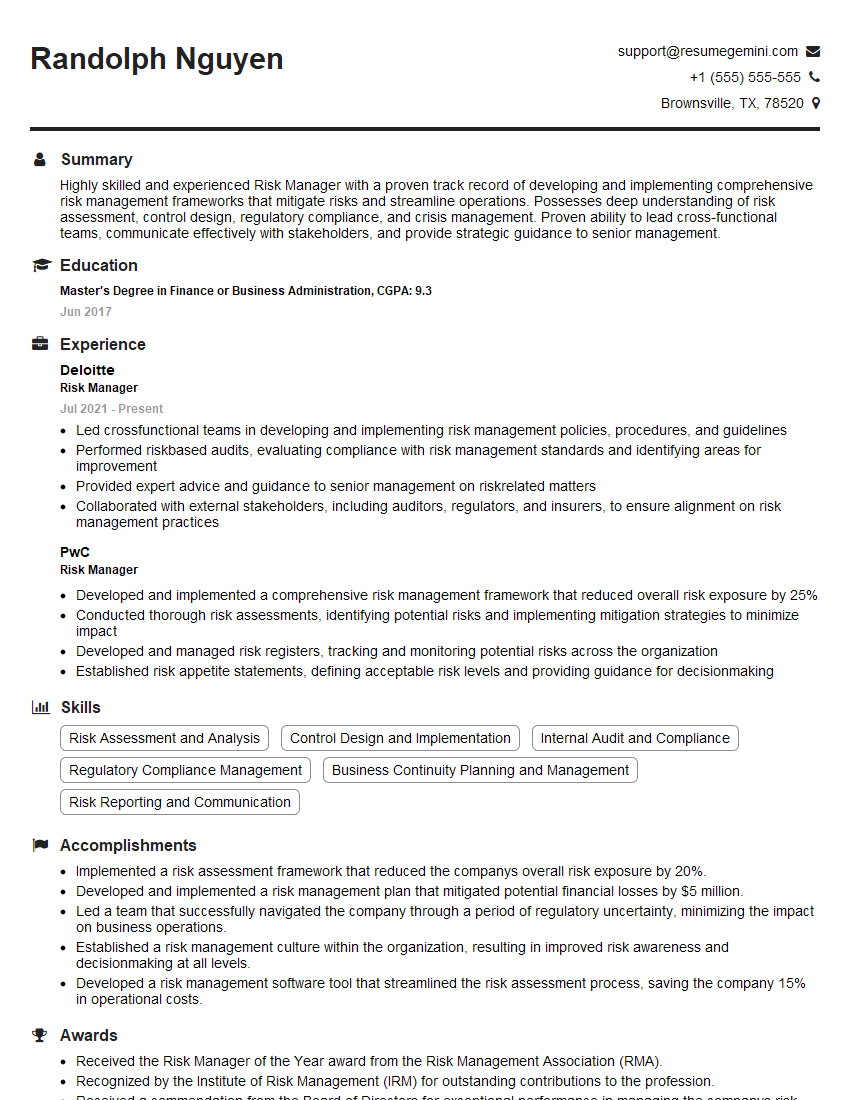
Risk Manager Resume Sample
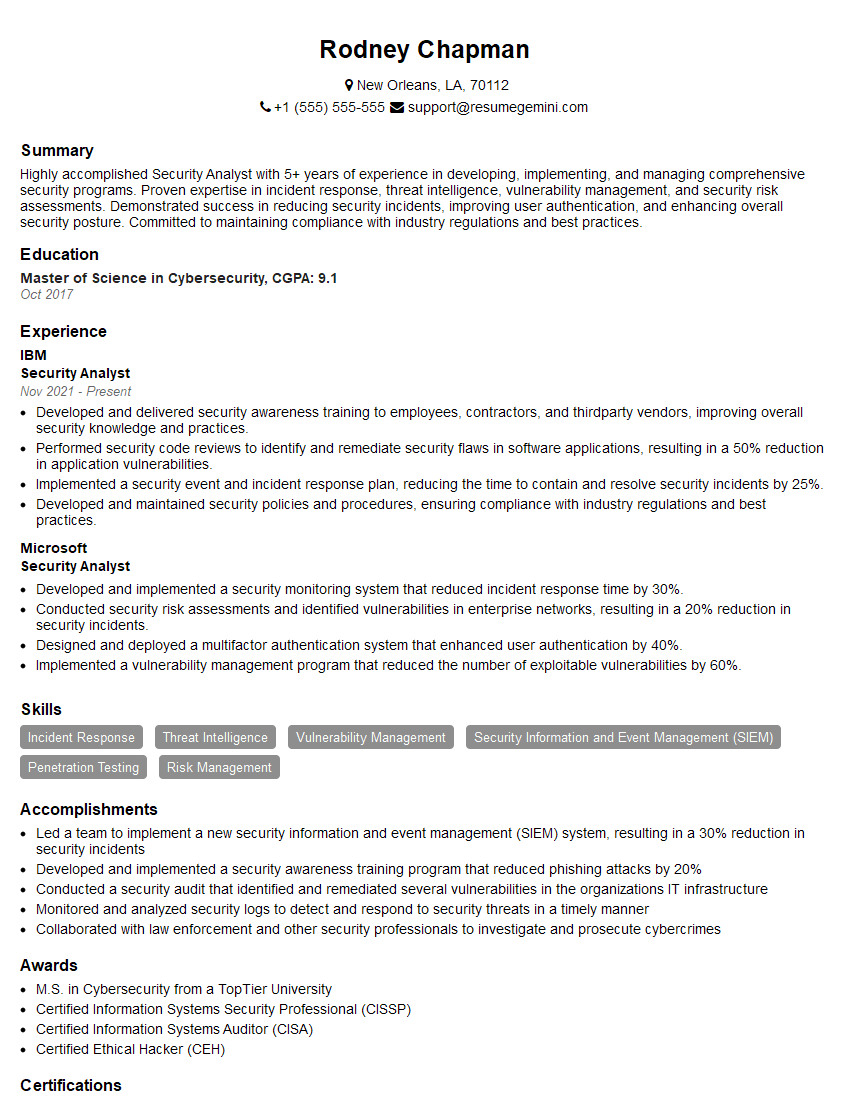
Security Analyst Resume Sample
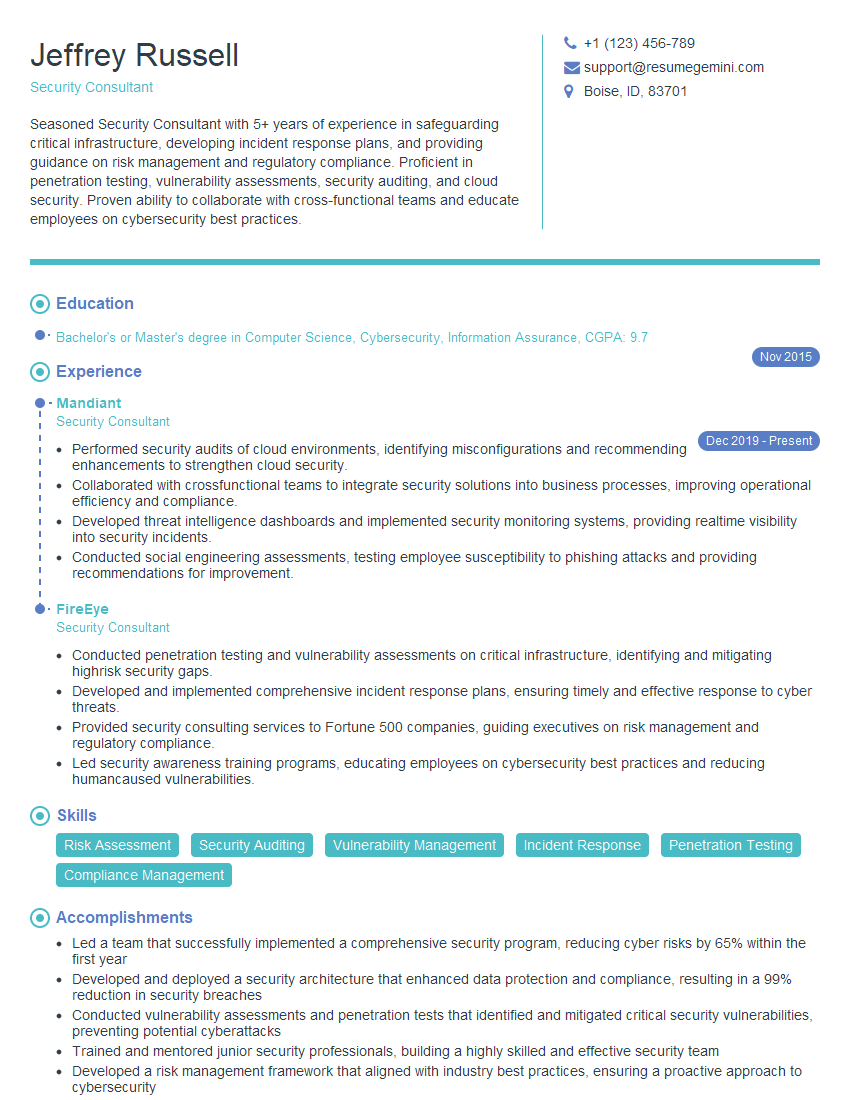
Security Consultant Resume Sample
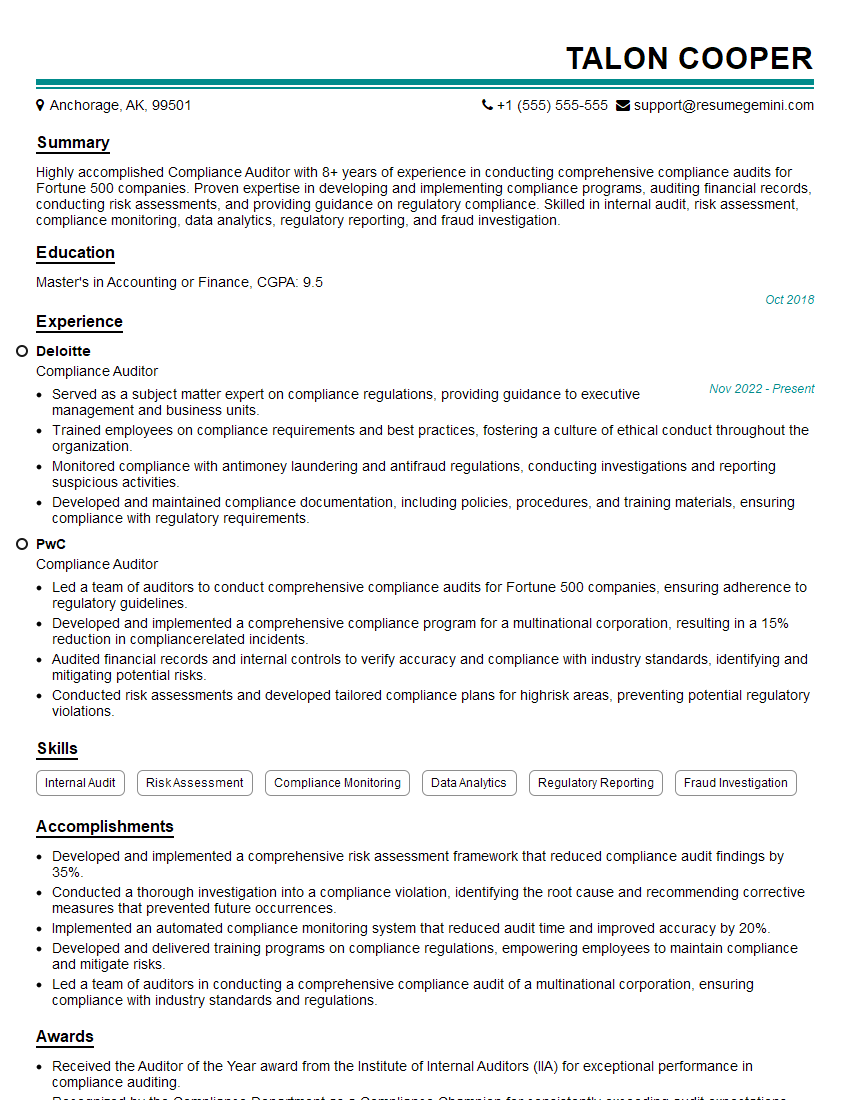
Compliance Auditor Resume Sample
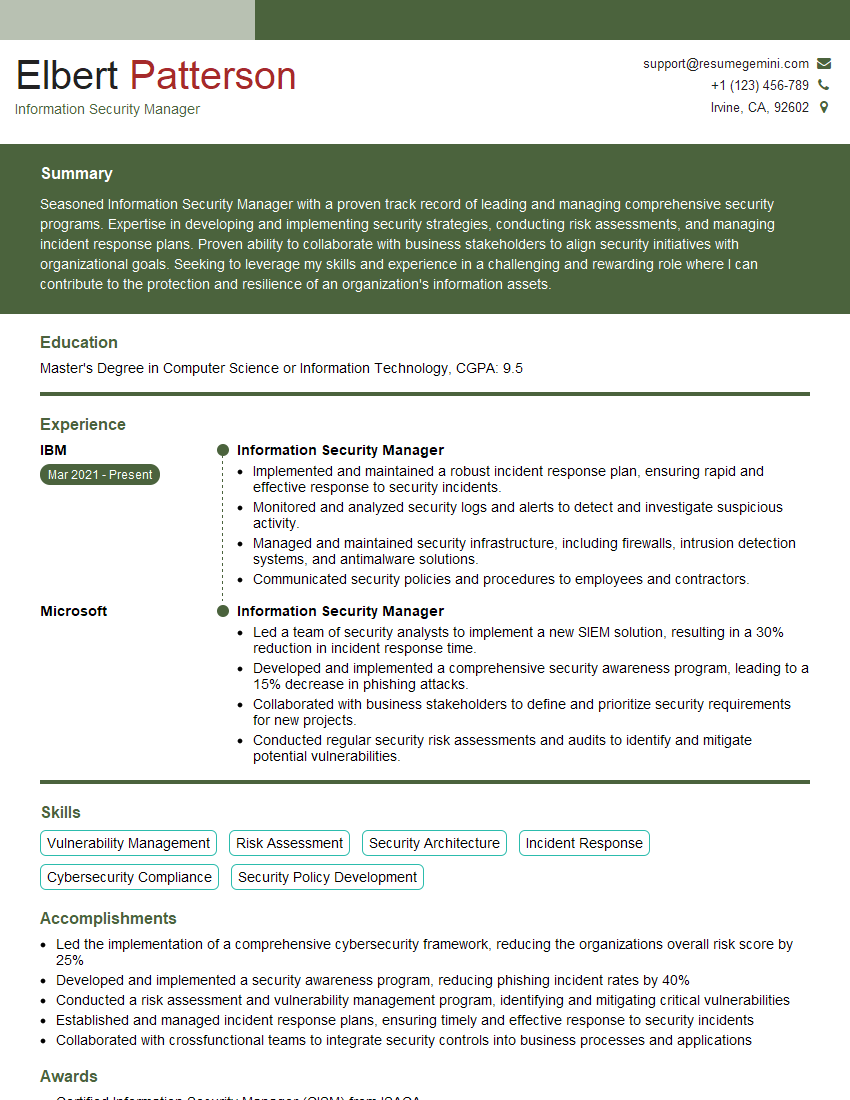
Information Security Manager Resume Sample
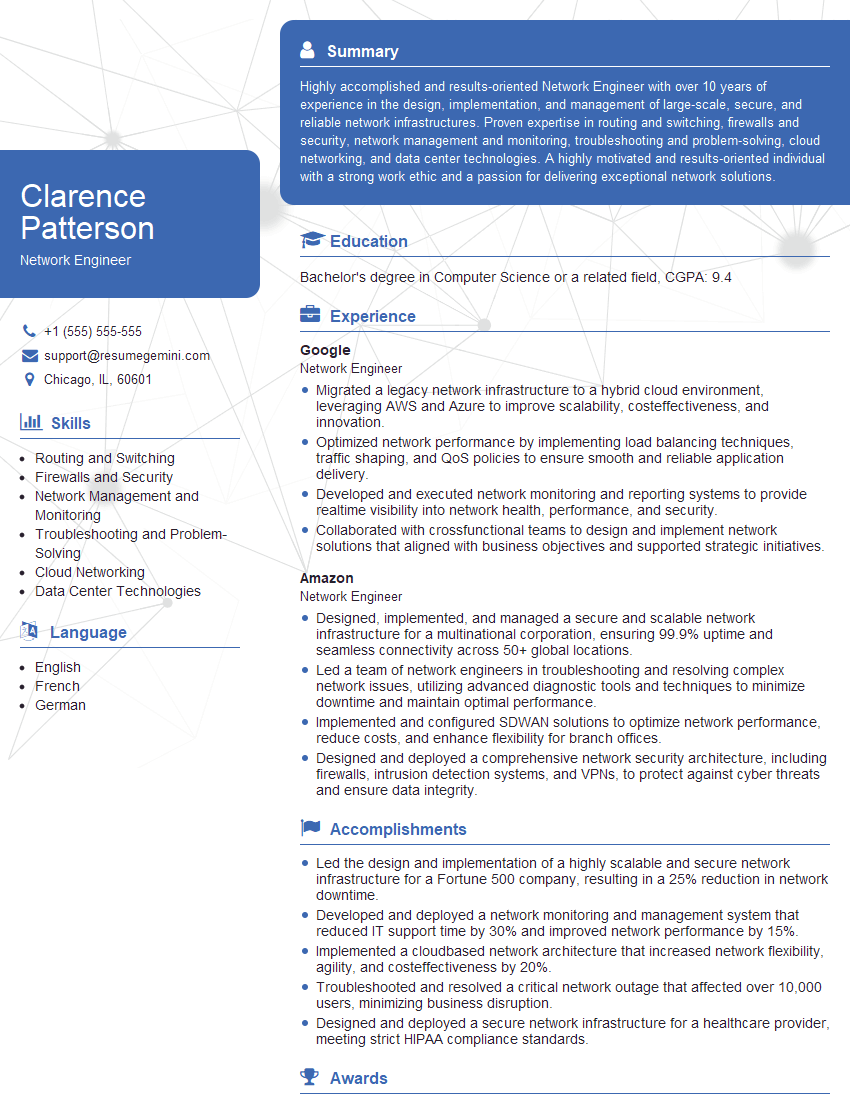
Network Engineer Resume Sample
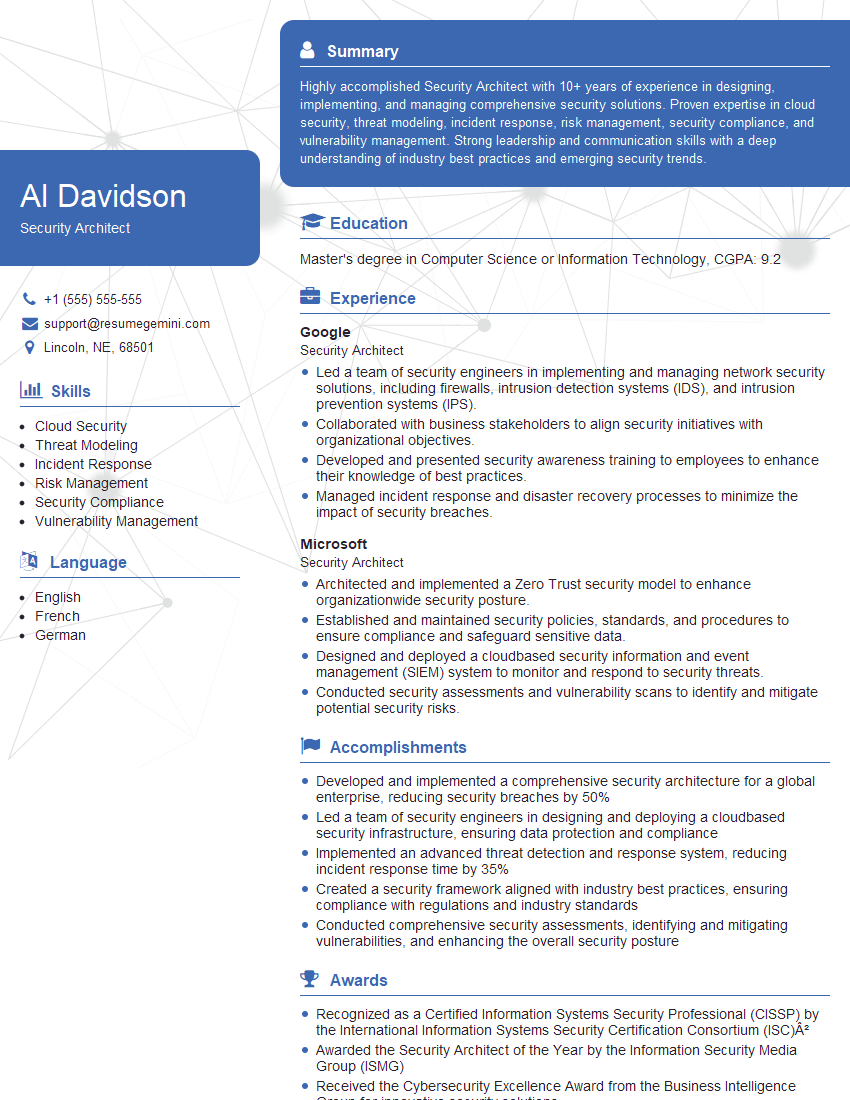
Security Architect Resume Sample
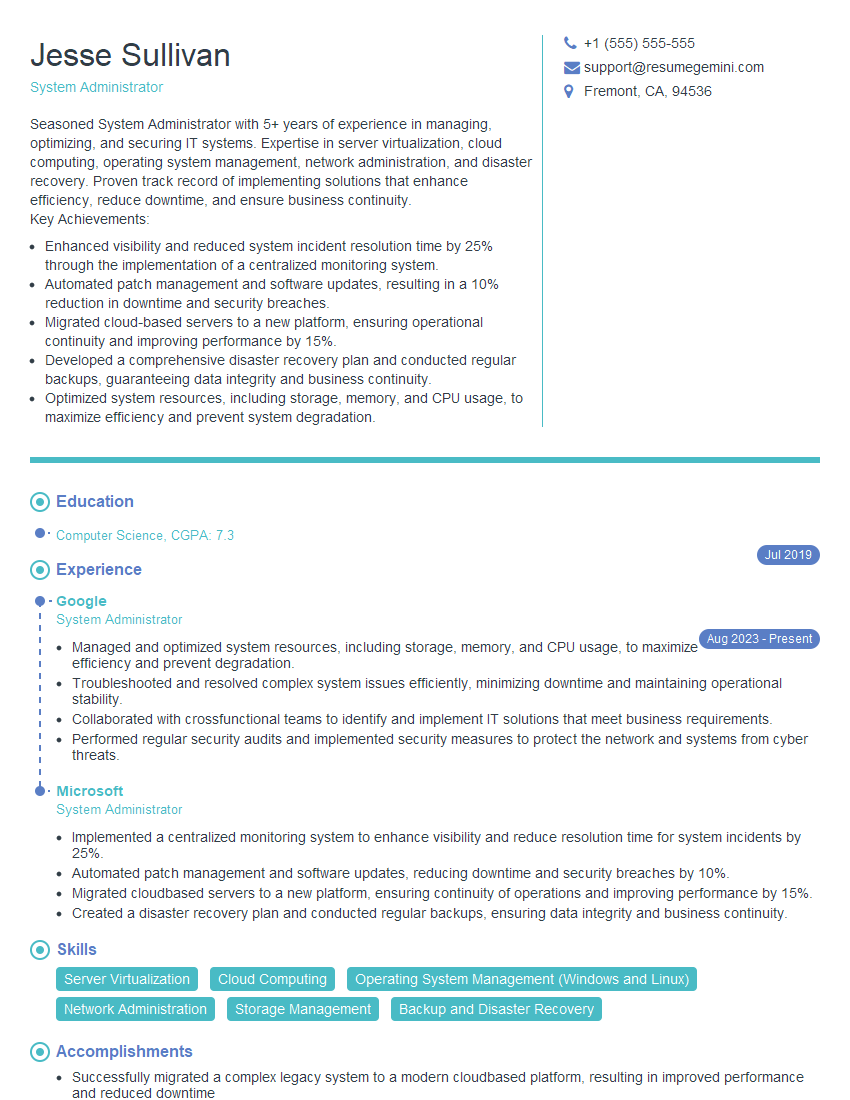
System Administrator Resume Sample
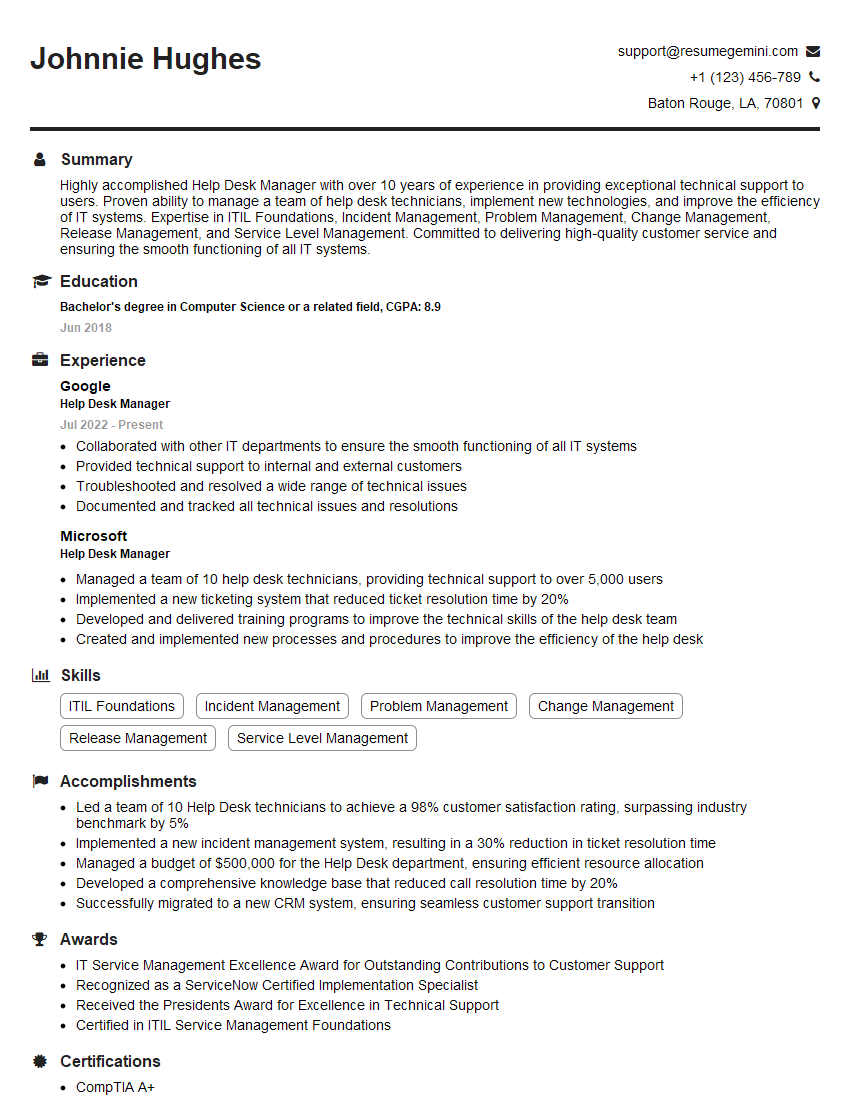
Help Desk Manager Resume Sample
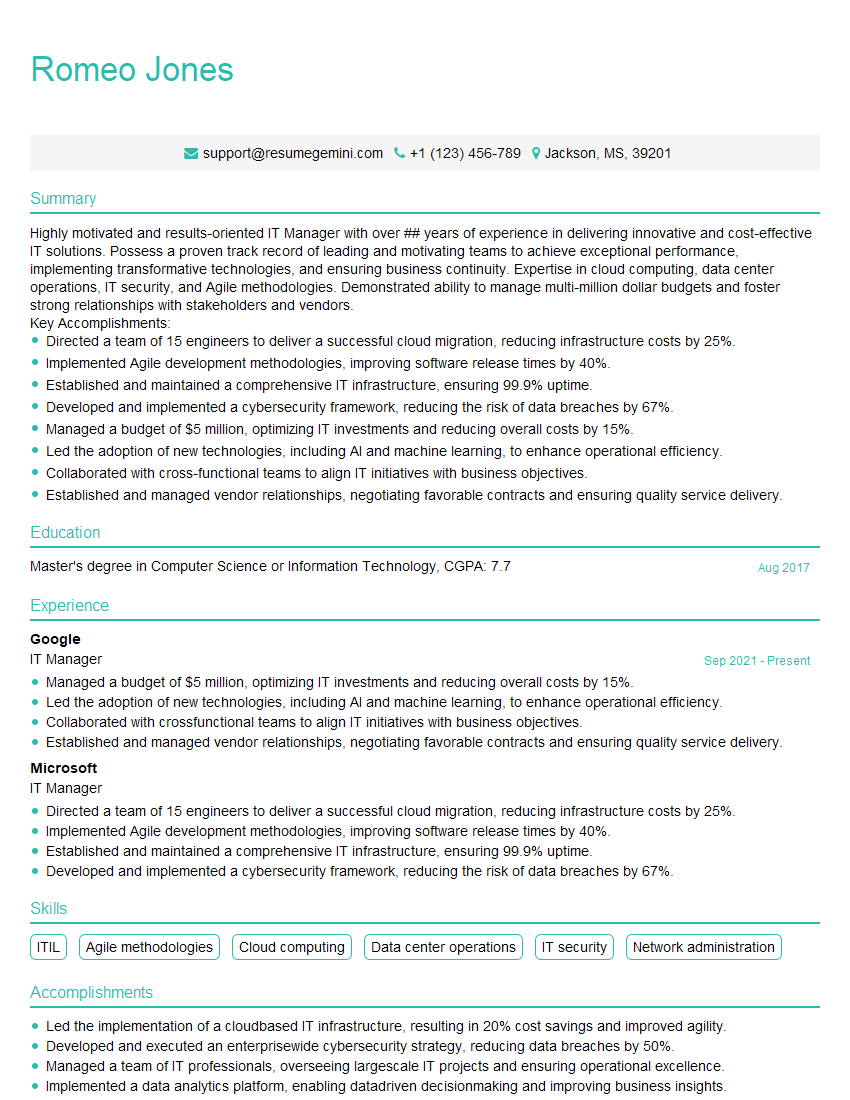
IT Manager Resume Sample
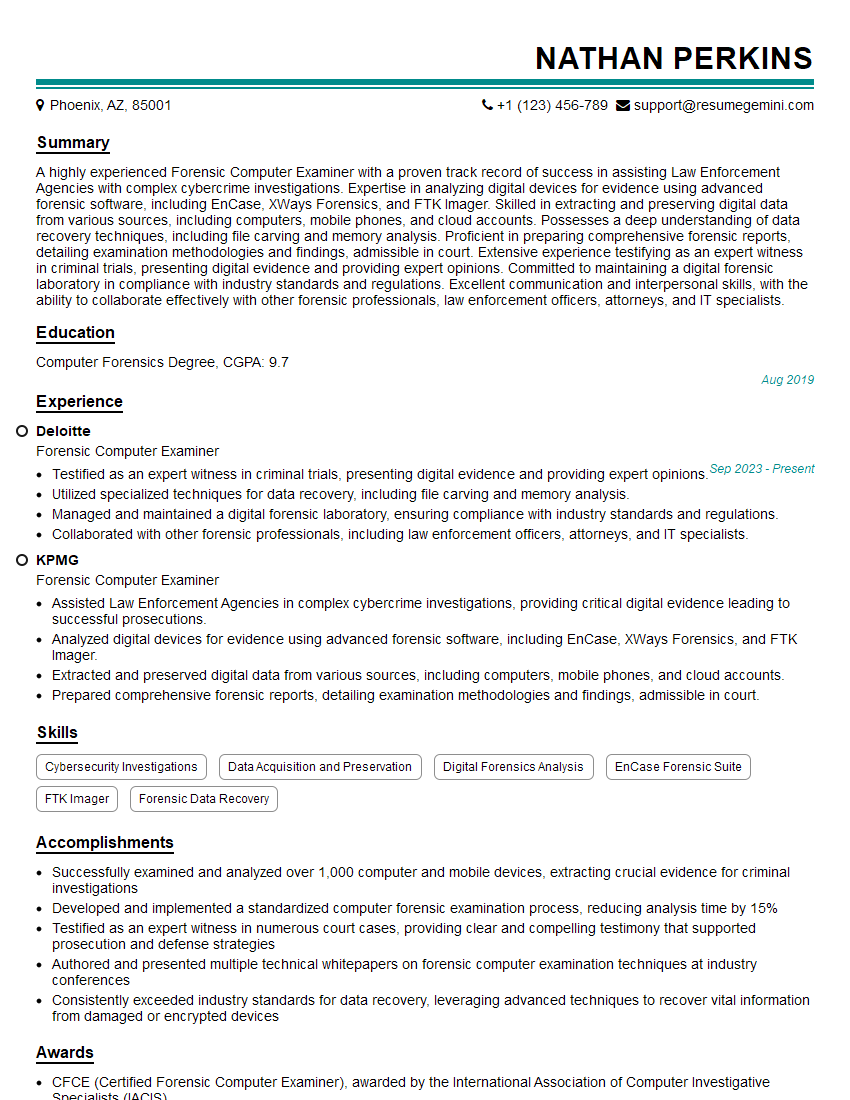
Forensic Computer Examiner Resume Sample
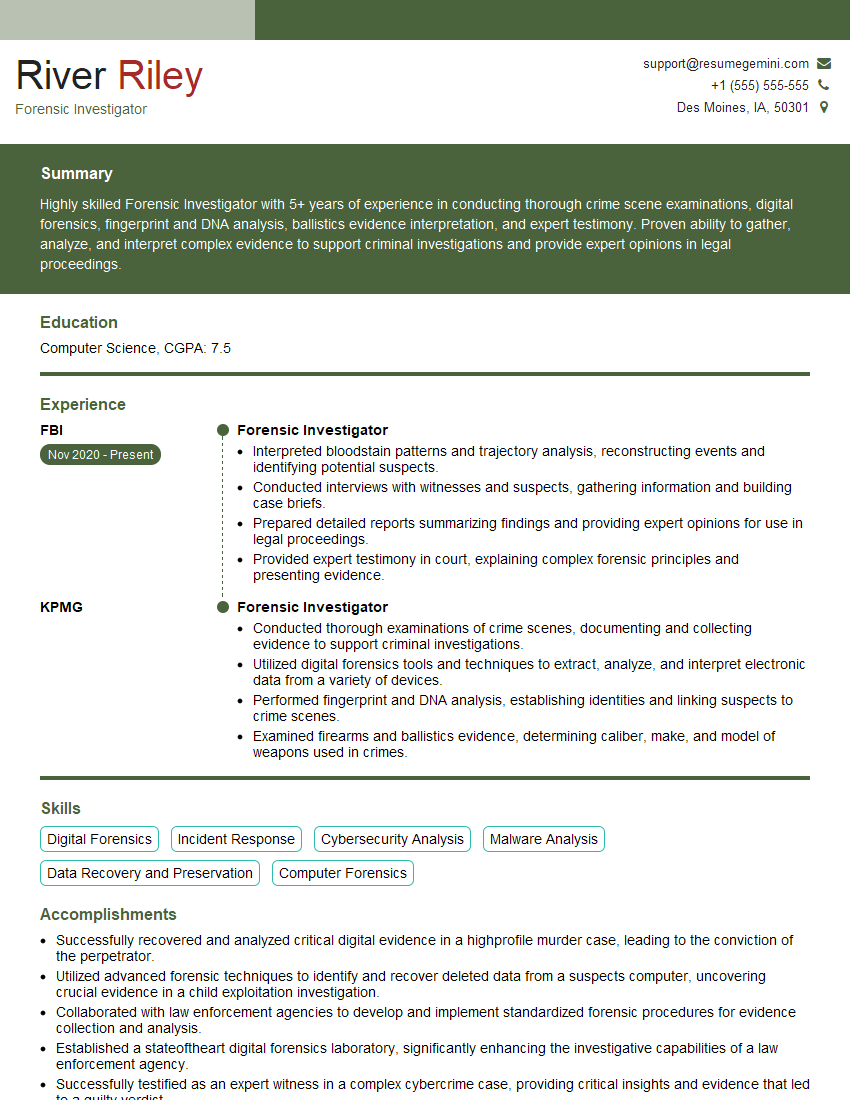
Forensic Investigator Resume Sample
Explore more articles
Users Rating of Our Blogs
Share Your Experience
We value your feedback! Please rate our content and share your thoughts (optional).
What Readers Say About Our Blog
Really detailed insights and content, thank you for writing this detailed article.
IT gave me an insight and words to use and be able to think of examples