Cracking a skill-specific interview, like one for Reading Skills, requires understanding the nuances of the role. In this blog, we present the questions you’re most likely to encounter, along with insights into how to answer them effectively. Let’s ensure you’re ready to make a strong impression.
Questions Asked in Reading Skills Interview
Q 1. Explain the difference between literal and inferential comprehension.
Literal comprehension involves understanding the explicit information stated directly in a text. It’s about grasping the surface meaning – what the author explicitly says. Inferential comprehension, on the other hand, goes beyond the literal. It requires the reader to use clues from the text, along with their prior knowledge and experience, to draw conclusions, make predictions, and understand implied meanings. Think of it like this: literal comprehension is reading the lines, while inferential comprehension is reading between the lines.
Example: Let’s say a text states, “The old woman sighed heavily and looked out the rain-streaked window.” Literal comprehension would focus on the facts: an old woman sighed and looked out a window. Inferential comprehension would go further, potentially concluding that the woman is sad, lonely, or perhaps reflecting on the past, based on the context of sighing and the imagery of rain.
Q 2. Describe various reading strategies for improving comprehension.
Several reading strategies significantly enhance comprehension. These can be broadly categorized:
- Before Reading: Previewing the text (looking at headings, subheadings, images, etc.), activating prior knowledge (thinking about what you already know about the topic), and setting a purpose for reading (e.g., to find the main idea, to understand a specific concept).
- During Reading: Monitoring comprehension (checking for understanding as you read), making predictions, visualizing (creating mental images of what you’re reading), questioning (asking yourself questions about the text), and summarizing (paraphrasing sections in your own words).
- After Reading: Reviewing (re-reading key sections), reflecting (thinking about what you learned and how it connects to your prior knowledge), discussing (talking about the text with others), and writing (summarizing, outlining, or responding to questions about the text).
Using these strategies in combination helps create active and engaged reading, leading to better comprehension. For example, a student reading a historical text might first preview the chapter headings to understand the time period covered. Then, while reading, they might actively question the author’s motivations or visualize the events described. Finally, after reading, they could summarize the main points and discuss their interpretations with a classmate.
Q 3. How would you assess a student’s reading level using informal assessments?
Informal reading assessments offer valuable insights into a student’s reading level without relying on standardized tests. Several methods can be used:
- Running Records: This involves observing a student reading aloud and noting their accuracy, fluency, and comprehension. The teacher can mark errors and note any self-corrections. This provides a detailed picture of the student’s reading process.
- Informal Reading Inventories (IRIs): These are sets of graded passages that assess reading accuracy, fluency, and comprehension at different levels. They help pinpoint a student’s instructional reading level – the level at which they can successfully understand and read with support.
- Retelling/Summarization: After reading a passage, ask the student to retell or summarize the story. This assesses their comprehension of the main ideas and details. A detailed retelling indicates strong comprehension, while a summary lacking key elements suggests areas for improvement.
- Oral Reading Fluency (ORF): This involves having the student read a passage aloud for one minute and assessing their accuracy, rate, and expression. This is a quick way to assess reading fluency.
By using a combination of these methods, a teacher can get a holistic view of a student’s reading abilities and tailor instruction accordingly.
Q 4. What are some common reading difficulties encountered by students, and how would you address them?
Students encounter various reading difficulties. Some common ones include:
- Phonics Difficulties: Struggling to decode words, blending sounds, or recognizing letter-sound relationships.
- Vocabulary Deficits: Limited understanding of word meanings, which impacts comprehension.
- Fluency Problems: Reading slowly, inaccurately, or without expression.
- Comprehension Challenges: Difficulty understanding the main idea, making inferences, or recalling information.
- Reading Disabilities (e.g., dyslexia): Neurological differences that affect reading acquisition and processing.
Addressing these difficulties requires a multifaceted approach. This might involve explicit phonics instruction, vocabulary building activities (using context clues, dictionaries, and word walls), fluency practice (repeated reading, choral reading), comprehension strategies instruction (visualizing, questioning, summarizing), and, in cases of dyslexia, specialized interventions such as multisensory techniques.
For example, a student struggling with phonics might benefit from games that focus on letter-sound correspondence. A student with comprehension difficulties could benefit from graphic organizers to map out the main ideas of a text.
Q 5. Explain the role of phonics in reading development.
Phonics plays a crucial role in reading development, forming the foundation for decoding and word recognition. It’s the understanding of the relationship between letters or letter combinations (graphemes) and the sounds they represent (phonemes). Mastering phonics enables students to ‘crack the code’ of written language – to sound out unfamiliar words and build their reading vocabulary independently.
Effective phonics instruction involves explicit teaching of letter-sound correspondences, blending sounds to read words, segmenting words into individual sounds, and applying these skills to reading connected text. This builds a strong base for automatic word recognition, freeing up cognitive resources for comprehension.
Imagine trying to read without phonics knowledge – each word would require laborious guessing and memorization. Phonics provides a systematic and efficient approach to reading, making the process smoother and more enjoyable. Without a solid foundation in phonics, reading becomes significantly more challenging.
Q 6. Describe different types of reading fluency and how to improve them.
Reading fluency encompasses three key aspects: accuracy (reading words correctly), rate (reading at an appropriate speed), and prosody (reading with expression, including intonation, phrasing, and pacing). Different types of fluency focus on different aspects of these elements. For example, accurate fluency primarily emphasizes correct word pronunciation, while expressive fluency highlights the emotional delivery and appropriate pauses.
Improving fluency requires focused practice. Strategies include:
- Repeated Reading: Reading the same passage multiple times to build automaticity.
- Choral Reading: Reading aloud together with a group to enhance rhythm and pacing.
- Partner Reading: Taking turns reading with a partner to improve accuracy and confidence.
- Reader’s Theater: Performing a script to develop expressive reading.
- Technology-Assisted Fluency Practice: Using software or apps that provide feedback on accuracy, rate, and prosody.
Regular and varied fluency practice, combined with positive reinforcement, significantly improves a student’s overall reading experience and comprehension.
Q 7. How would you differentiate instruction to meet the needs of diverse learners in reading?
Differentiating reading instruction to meet diverse learner needs is crucial for effective teaching. This involves tailoring instruction based on students’ individual strengths, weaknesses, learning styles, and cultural backgrounds. Key strategies include:
- Providing varied instructional materials: Offering a range of texts at different reading levels and genres.
- Using flexible grouping strategies: Creating small groups based on skill levels to target specific needs.
- Offering choice in assignments: Allowing students to select activities that align with their interests and learning preferences.
- Incorporating multiple modalities: Using visual, auditory, and kinesthetic learning activities.
- Providing targeted support: Giving extra attention to students who struggle and providing more challenging tasks for advanced learners.
- Culturally responsive teaching: Selecting texts and using instructional methods that reflect the diverse backgrounds and experiences of students.
For instance, a teacher might work with a small group of struggling readers on phonics skills using multisensory activities, while simultaneously challenging more advanced readers with independent research projects. By offering varied and tailored experiences, teachers can ensure that all students reach their full potential in reading.
Q 8. What strategies would you use to support struggling readers?
Supporting struggling readers requires a multi-faceted approach focusing on identifying the root cause of their difficulties and implementing tailored interventions. This involves careful assessment to determine their specific needs – whether it’s phonological awareness, fluency, vocabulary, or comprehension.
- Differentiated Instruction: I would provide individualized support, adjusting the complexity of texts and tasks to match their current reading level. This might involve using shorter texts with simpler vocabulary, offering more frequent check-ins, or providing graphic organizers to help them structure their understanding.
- Explicit Phonics Instruction: For students struggling with decoding, systematic and explicit phonics instruction is crucial. This involves teaching the relationship between letters and sounds in a structured way, allowing them to break down words into manageable parts.
- Repeated Reading: Practicing reading aloud repeatedly helps build fluency and automaticity. This reduces the cognitive load required for decoding, freeing up mental resources for comprehension.
- Interactive Read-Alouds: Engaging students in interactive read-alouds, where I model fluent reading and strategic comprehension techniques, offers a powerful demonstration of effective reading practices.
- Collaboration with Specialists: Working closely with special education teachers, speech-language pathologists, and other professionals can provide additional support and expertise tailored to each student’s unique needs.
For example, a student struggling with comprehension might benefit from graphic organizers to visually represent the text’s structure and key ideas. Another student might need more explicit instruction in phonics to improve their decoding skills. The key is to personalize the intervention to the individual’s specific challenges.
Q 9. How do you incorporate technology to enhance reading instruction?
Technology offers many exciting ways to enhance reading instruction, making it more engaging and accessible. It’s important to use technology thoughtfully, ensuring it complements, rather than replaces, effective teaching practices.
- Interactive E-books and Apps: These tools can provide immediate feedback, highlighting words and offering definitions, promoting independent reading practice and building confidence.
- Assistive Technology: Text-to-speech software, screen readers, and other assistive technologies can provide significant support for students with dyslexia or other learning differences, making reading more accessible.
- Educational Games and Websites: Engaging games and interactive websites can make vocabulary building and phonics practice more fun and motivating for students of all abilities. Examples include Starfall, ABCya, and many others.
- Digital Literacy Skills: Incorporating technology also presents opportunities to teach digital literacy skills, crucial for navigating the digital world and accessing information independently.
- Data-Driven Instruction: Educational platforms can track student progress, providing valuable data to inform instruction and adjust teaching strategies to meet individual needs.
For instance, using a digital reading platform can track a student’s reading speed and accuracy, helping me identify areas where they need additional support. An interactive whiteboard can allow students to collaboratively explore texts and annotate them digitally.
Q 10. Explain the importance of vocabulary development in reading comprehension.
Vocabulary development is absolutely crucial for reading comprehension. A rich vocabulary allows readers to understand the meaning of words, sentences, and ultimately, the entire text. Without a strong vocabulary, even a skilled decoder will struggle to comprehend the text.
- Direct Instruction: Explicitly teaching vocabulary words, including their meanings, pronunciations, and use in context, is highly effective. This can involve defining words, providing examples in sentences, and encouraging students to use the words in their own writing and speaking.
- Contextual Learning: Encouraging students to infer word meanings from context is an important skill. This involves prompting them to use clues within the text to figure out unfamiliar words.
- Vocabulary Building Activities: Using engaging activities such as word sorts, vocabulary games, and creating vocabulary notebooks makes learning fun and memorable. These activities are more likely to promote retention.
- Wide Reading: The more students read, the more words they encounter, expanding their vocabulary naturally and organically.
Imagine reading a text about ‘astronomical’ events. Without understanding the meaning of ‘astronomical,’ the reader might struggle to grasp the passage’s meaning. Vocabulary instruction ensures students are equipped with the tools to access and understand new information.
Q 11. Describe effective strategies for teaching comprehension monitoring.
Comprehension monitoring is the ability to actively check for understanding while reading. It involves recognizing when something isn’t making sense and taking steps to clarify the confusion. Teaching this metacognitive skill is crucial for independent reading success.
- Modeling: I would model comprehension monitoring strategies aloud while reading, demonstrating how to identify confusing passages, make predictions, ask questions, and check for understanding.
- Think-Alouds: Engaging students in think-alouds allows them to share their thought processes and strategies while reading, making comprehension monitoring a collaborative activity.
- Graphic Organizers: Using graphic organizers to help students visually represent the text’s main ideas and supporting details can enhance their understanding and ability to monitor comprehension.
- Self-Questioning Strategies: Teaching students to ask themselves questions like, ‘Does this make sense?’ or ‘What do I already know about this?’ helps them actively engage with the text and identify areas needing clarification.
- Fix-up Strategies: Explicitly teaching students various fix-up strategies, like rereading, looking up words, asking for help, and changing reading speed, empowers them to take control of their comprehension.
For example, I might model stopping when I encounter an unfamiliar word, using context clues to guess its meaning, and then checking my understanding by rereading the sentence or looking up the word in a dictionary. This active approach to reading cultivates independent learners who can monitor and adjust their reading strategies as needed.
Q 12. How would you create a supportive and engaging reading environment in the classroom?
Creating a supportive and engaging reading environment is essential for fostering a love of reading. This involves carefully curating the classroom space and cultivating a positive reading culture.
- Comfortable and Inviting Space: The classroom should be designed as a comfortable and welcoming space for reading, with designated reading areas, comfortable seating, and a calming atmosphere.
- Abundant Reading Materials: Having a wide variety of texts available, catering to different interests and reading levels, is crucial. This includes books, magazines, newspapers, and online resources.
- Classroom Library: Establishing a well-organized classroom library, inviting students to browse and select books independently, empowers them to become active readers.
- Reading Role Models: I would model reading regularly, sharing my own enjoyment of books, and creating a positive attitude towards reading.
- Reading Opportunities: Incorporating frequent opportunities for independent reading, partner reading, and shared reading ensures students regularly practice and engage with texts.
- Positive and Encouraging Atmosphere: Creating a risk-free environment where students feel comfortable taking risks, making mistakes, and asking questions is crucial. Praise and encouragement, focused on effort and progress, helps build confidence.
Imagine a classroom with cozy reading nooks, beanbag chairs, and shelves brimming with books of diverse genres. This welcoming and engaging environment encourages students to explore different texts and discover their own reading preferences, creating a positive association with reading.
Q 13. What are some effective methods for teaching reading strategies such as summarizing, questioning, clarifying, and predicting?
Teaching reading strategies like summarizing, questioning, clarifying, and predicting involves explicit instruction, modeling, and ample practice.
- Summarizing: I would teach students how to identify the main idea and supporting details, and how to concisely restate the information in their own words. We’d practice summarizing paragraphs, chapters, and whole texts.
- Questioning: Students should be taught to generate questions before, during, and after reading. This could involve asking questions to clarify meaning, predict what will happen next, or connect the text to prior knowledge.
- Clarifying: This involves teaching students strategies for addressing confusing passages. These strategies include rereading, looking up unfamiliar words, seeking help from peers or teachers, and using context clues.
- Predicting: I would encourage students to make predictions about the text based on the title, illustrations, or prior knowledge. This fosters active engagement and improves comprehension.
- Think-Pair-Share: This collaborative activity allows students to discuss their understanding, share their strategies, and receive feedback from their peers. It’s an effective way to practice and refine their use of these strategies.
For example, after reading a chapter, students could summarize the main events in a short paragraph. They could then discuss their predictions and compare them to the actual events. This combination of explicit instruction and collaborative practice reinforces the use of these essential comprehension strategies.
Q 14. Explain the role of assessment in informing reading instruction.
Assessment plays a critical role in informing reading instruction. It provides valuable data about student strengths and weaknesses, allowing teachers to tailor their instruction to meet individual needs.
- Formative Assessment: Ongoing formative assessments, such as observation, questioning, and informal reading inventories, provide continuous feedback and allow for adjustments during instruction. These assessments help identify students’ immediate needs and inform lesson planning.
- Summative Assessment: Summative assessments, such as standardized tests and benchmark assessments, provide a broader picture of student achievement and progress over time. They allow for tracking growth and identifying areas needing improvement.
- Diagnostic Assessment: Diagnostic assessments, such as phonological awareness tests and reading fluency assessments, pinpoint specific skill deficits and guide the selection of targeted interventions.
- Using Data to Inform Instruction: Analyzing assessment data allows teachers to identify patterns in student performance, group students for differentiated instruction, and adjust curriculum to better meet their needs.
- Student-Led Conferences: Involving students in reviewing their assessment data and setting goals empowers them to take ownership of their learning and reinforces the importance of progress.
For example, if a formative assessment reveals that several students are struggling with a specific phonics skill, I would adjust my instruction to provide more targeted practice in that area. Similarly, summative assessment data helps me evaluate the effectiveness of my instruction and make adjustments for future lessons.
Q 15. How do you use data to inform your reading instruction decisions?
Data plays a crucial role in guiding my reading instruction. I utilize various assessment data points, including diagnostic tests, formative assessments (like quizzes and exit tickets), and summative evaluations (like unit tests and projects), to pinpoint each student’s strengths and weaknesses. For instance, I might use a diagnostic reading assessment to identify students struggling with phonics or fluency. This data informs my grouping strategies – I might create small groups focused on specific skills like decoding multisyllabic words or improving reading speed and accuracy. Furthermore, I analyze data trends across the class to adjust my instruction. If, for example, many students are struggling with a particular comprehension strategy, I’ll dedicate more time and resources to teaching that skill, perhaps incorporating different teaching methods or resources to address the issue.
I also use informal assessments like observations during reading time and anecdotal notes to capture a more holistic understanding of student progress. This allows me to tailor my instruction to individual learning styles and needs. By continuously monitoring and analyzing data, I ensure that my instruction is both effective and responsive to the unique learning journeys of every student.
Career Expert Tips:
- Ace those interviews! Prepare effectively by reviewing the Top 50 Most Common Interview Questions on ResumeGemini.
- Navigate your job search with confidence! Explore a wide range of Career Tips on ResumeGemini. Learn about common challenges and recommendations to overcome them.
- Craft the perfect resume! Master the Art of Resume Writing with ResumeGemini’s guide. Showcase your unique qualifications and achievements effectively.
- Don’t miss out on holiday savings! Build your dream resume with ResumeGemini’s ATS optimized templates.
Q 16. How would you address a student who is reluctant to read?
A reluctant reader requires a multifaceted approach. First, I’d focus on building rapport and trust. This might involve one-on-one conversations to discover their interests and preferences. Once I understand what sparks their curiosity, I can select reading materials that align with those interests. Graphic novels, magazines, or even online articles on their favorite topics can be powerful tools to engage them. It’s crucial to avoid pressure; instead, I’d offer choices and celebrate even small successes, focusing on the enjoyment of the reading process rather than simply completing assignments.
I also incorporate interactive activities like drama, storytelling, or collaborative projects related to the books they are reading, making the experience more engaging and less like traditional reading assignments. Finally, I might use audiobooks or read-alouds to help them access books they might otherwise find challenging. The goal is to make reading a positive and enjoyable experience, gradually fostering a love for reading.
Q 17. How would you teach students to analyze an author’s purpose and perspective?
Teaching students to analyze an author’s purpose and perspective is fundamental to critical reading. I start by explicitly defining ‘author’s purpose’ (to inform, persuade, entertain, or express) and ‘perspective’ (the author’s viewpoint, biases, and beliefs). I’d use a variety of texts – poems, articles, short stories, etc. – as examples, asking students to identify clues within the text that reveal the author’s purpose and perspective. We’d analyze word choice, tone, imagery, and the overall structure of the text to uncover these elements.
For example, we might analyze an advertisement to determine its persuasive purpose and the perspective it presents on the product being advertised. We’d examine techniques like appeals to emotion or authority used to sway the reader. Similarly, we might read a historical account and discuss the author’s perspective – influenced by their time period, experiences, and potential biases – shaping their interpretation of events. Activities like role-playing different perspectives related to a text further enhance this understanding. Ultimately, I aim to equip students with the tools to read critically and engage with texts on a deeper level.
Q 18. Describe effective techniques for teaching students to use context clues.
Teaching students to use context clues is an essential skill for independent reading. I start by explicitly explaining the three main types of context clues: synonyms, antonyms, and definitions. I use graphic organizers and examples to illustrate each type.
For synonyms, I might show a sentence like, “The magnificent castle stood tall.” We’d discuss how the words surrounding ‘magnificent’ (like ‘tall’ and the description of a castle) suggest it means something impressive. For antonyms, a sentence like “Although she was initially timid, she eventually became quite bold” helps illustrate how contrasting words help us understand the meaning of ‘timid’. For definitions, we would analyze sentences where a word’s meaning is explicitly provided.
I incorporate interactive activities such as sentence completion exercises and collaborative discussions to practice using context clues. I also encourage students to underline or highlight unfamiliar words and to actively engage with the surrounding text to deduce their meanings. The goal is for them to become strategic readers who can independently decipher word meaning within context.
Q 19. How do you promote a love of reading among students?
Promoting a love of reading involves creating a classroom environment where reading is valued, enjoyable, and relevant. I make sure to incorporate a wide variety of genres and reading materials – graphic novels, magazines, newspapers, classic literature, and current events articles – to cater to individual preferences. I create opportunities for students to share their reading experiences through book talks, discussions, and reader’s theatre.
Regularly incorporating choice into reading activities, such as allowing students to select books based on their interests, is key. We have a classroom library with diverse books, and I frequently update it based on student recommendations. I also model a love of reading by sharing my own reading experiences with students. We might even have a “teacher read aloud” time where we explore books together, engaging in lively discussions.
Creating a relaxed atmosphere where students feel comfortable discussing books and sharing their opinions is paramount. I design engaging projects that extend beyond simply reading a book, such as creating book trailers, writing reviews, or even designing escape rooms based on plot points. This helps to make reading a dynamic and enjoyable experience.
Q 20. What are your preferred methods for teaching critical reading skills?
My methods for teaching critical reading skills involve a blend of explicit instruction, guided practice, and independent application. I start by modeling critical reading strategies, thinking aloud as I read a text and identifying the author’s main idea, supporting arguments, and potential biases. I then provide opportunities for guided practice, where students work collaboratively to analyze texts, applying the strategies I’ve modeled.
I use various activities like Socratic seminars to engage students in discussions about the text, encouraging them to support their interpretations with evidence. I also employ graphic organizers, such as argument maps or concept maps, to help students visually represent their understanding of complex texts. Additionally, I incorporate debates and persuasive writing assignments to encourage students to think critically and form their own informed opinions about the issues raised in the texts they read.
Regularly assessing student understanding through quizzes, essays, and presentations is critical. The feedback I provide aims to guide students towards a more nuanced and critical approach to reading. Ultimately, my aim is to equip them with the ability to evaluate information critically, identify biases, and formulate their own well-supported interpretations.
Q 21. Describe your experience working with diverse learners with varying reading abilities.
My experience working with diverse learners with varying reading abilities has been extensive. I’ve worked with students ranging from those who are significantly below grade level to those who are gifted readers. I believe in differentiated instruction, which is crucial for catering to the wide range of needs in a classroom. For students who are struggling, I might provide extra support through one-on-one tutoring, small group instruction, or the use of assistive technologies like text-to-speech software.
I also utilize differentiated materials, such as providing simpler texts or modifying assignments to accommodate diverse learning styles and reading levels. For gifted readers, I challenge them with more complex texts and offer advanced reading projects that encourage independent inquiry. Furthermore, I create a supportive and inclusive classroom environment where all students feel comfortable taking risks and asking for help. Regular communication with parents/guardians is vital to provide a consistent and supportive learning experience at home. I find that open communication and a collaborative approach with parents and other professionals (e.g., specialists) are key to developing effective and individualized learning plans for all students.
Q 22. How do you integrate reading instruction with other subject areas?
Integrating reading instruction with other subject areas is crucial for fostering deeper understanding and relevance. Instead of treating reading as an isolated skill, we should embed it within the context of other subjects. For example, in a science class studying ecosystems, students can read scientific articles, analyze data presented in graphs and charts, and write their own reports, all enhancing their reading comprehension skills while simultaneously learning about science. Similarly, in history, primary source documents and historical narratives become the vehicles for developing reading fluency and critical thinking. This cross-curricular approach strengthens both reading proficiency and content knowledge. Students learn to read to learn, not just to read.
- Example: In a social studies unit on the American Revolution, students could read excerpts from primary source documents like letters from soldiers or pamphlets advocating for independence. This would build their comprehension of complex texts and their understanding of historical context simultaneously.
- Example: In a math class, word problems become opportunities to practice reading for specific information, identifying key data points, and then applying mathematical principles to solve the problem.
Q 23. Explain your understanding of various reading models (e.g., balanced literacy).
Several reading models exist, each with its own strengths. Balanced Literacy is a widely used approach that integrates various components to develop proficient readers. It emphasizes a balance between phonics instruction (understanding letter-sound relationships), fluency (reading smoothly and accurately), vocabulary development (expanding word knowledge), and comprehension (understanding the meaning of text). This isn’t simply a blend of different methods but rather a thoughtful and systematic approach. Other models include the phonics-first approach (strong emphasis on decoding skills), whole language (focus on meaning-making and immersion in literature), and guided reading (small group instruction tailored to individual needs). Each model has its merits, and a well-rounded reading program might draw on elements from several models to suit the diverse needs of learners.
For example, a balanced literacy approach might incorporate explicit phonics lessons, shared reading of engaging texts, guided reading in small groups, independent reading time, and writing activities to reinforce comprehension. The teacher constantly assesses student progress and adjusts instruction accordingly.
Q 24. What are some common misconceptions about reading instruction?
Some common misconceptions about reading instruction include believing that:
- Reading is an innate ability: While some children may appear to pick up reading more easily, reading is a skill that requires explicit instruction and practice for all learners.
- All students learn at the same pace: Students develop reading skills at different rates. Effective instruction acknowledges and caters to this diversity.
- Reading is simply decoding: Decoding (sounding out words) is crucial but insufficient. Reading also involves fluency, vocabulary, comprehension, and critical analysis.
- Immersion in literature alone is enough: While valuable, exposure to rich literature must be accompanied by targeted instruction in phonics, vocabulary, and comprehension strategies.
- Struggling readers just need to try harder: Often, struggling readers need specialized instruction and support, such as intervention programs, differentiated instruction, or assistive technologies.
Q 25. How do you adapt your instruction to meet the needs of students with learning disabilities?
Adapting instruction for students with learning disabilities requires a multi-faceted approach. First, I’d conduct a thorough assessment to understand the specific learning needs of each student. This might involve collaborating with special education teachers, speech therapists, and other professionals. Then, I’d differentiate instruction through varied strategies:
- Assistive Technology: Utilizing text-to-speech software, graphic organizers, and other tools can make reading more accessible.
- Modified Texts: Providing simpler texts, large-print materials, or texts with audio support can cater to varying reading levels and abilities.
- Differentiated Tasks: Offering varied assignments allows students to demonstrate their understanding in different ways, such as through oral presentations, drawings, or collaborative projects.
- Explicit Instruction in Strategies: Focusing on specific reading strategies, such as visualizing, summarizing, and questioning, can help students build comprehension skills.
- Multi-sensory Approach: Incorporating activities that engage multiple senses, such as using manipulatives, acting out scenes, or using movement breaks, can improve engagement and understanding.
For example, a student with dyslexia might benefit from using a text-to-speech program, while a student with ADHD might benefit from frequent movement breaks and shorter reading assignments.
Q 26. Describe your experience with formative and summative assessments in reading.
Formative and summative assessments are both crucial for effective reading instruction. Formative assessments are ongoing, low-stakes checks for understanding that provide feedback to guide instruction. Examples include observations during reading activities, informal quizzes, exit tickets, and student self-assessments. These assessments inform my teaching practices in real time. I use this data to adjust my lessons, address misconceptions, and provide targeted support. Summative assessments, on the other hand, are high-stakes evaluations at the end of a unit or term. These might include standardized tests, unit tests, or projects that evaluate overall learning. They provide a snapshot of student progress and help me evaluate the effectiveness of my teaching.
For instance, during a unit on narrative writing, formative assessments might involve reviewing student drafts, providing feedback on their story structure and vocabulary, and having them participate in peer editing sessions. The summative assessment could be a final polished narrative story.
Q 27. How do you ensure that your reading instruction is aligned with state standards?
Aligning reading instruction with state standards is essential for ensuring that students receive a high-quality education. I begin by carefully reviewing the specific standards for reading at the appropriate grade level. Then, I incorporate these standards into my lesson planning, ensuring that my instruction covers all aspects outlined in the standards. This involves selecting appropriate texts, designing activities that address the specific skills outlined in the standards, and utilizing assessment methods that align with the standards’ expectations. Regular review and modification of my lesson plans are crucial to ensure continuous alignment.
For example, if a standard focuses on students’ ability to identify the main idea and supporting details, I would design lessons that provide explicit instruction on these skills, use texts that allow for practice in identifying the main idea and supporting details, and include assessments that test students’ ability to perform these tasks.
Q 28. What professional development activities have you undertaken to improve your reading instruction skills?
I am committed to ongoing professional development to enhance my reading instruction skills. I have participated in various workshops and training sessions on topics such as differentiated instruction, effective assessment strategies, using technology to enhance reading instruction, and working with students with learning disabilities. I actively seek out opportunities to learn about new research and best practices in the field. I also regularly engage in collaborative learning with colleagues, sharing ideas and best practices, and participating in professional learning communities focused on reading. Moreover, I regularly attend conferences and workshops to keep abreast of the latest research and innovations in the field of reading.
For example, a recent workshop focused on incorporating technology to enhance reading instruction introduced me to a variety of digital tools and resources that have significantly improved my classroom practice.
Key Topics to Learn for Reading Skills Interview
- Comprehension and Interpretation: Understanding the main idea, supporting details, and author’s purpose in various texts. Practical application includes summarizing complex information concisely and accurately.
- Critical Analysis: Evaluating arguments, identifying biases, and discerning fact from opinion. This skill is crucial for interpreting data, reports, and research papers effectively.
- Inference and Deduction: Drawing logical conclusions based on textual evidence, even when information is implied rather than explicitly stated. Problem-solving involves anticipating potential challenges based on incomplete information.
- Vocabulary and Terminology: Demonstrating a strong understanding of relevant vocabulary within your field. This includes both recognizing and correctly using specialized terms.
- Speed and Efficiency: Developing effective reading strategies to improve comprehension speed without sacrificing accuracy. This is valuable for managing large volumes of information efficiently.
- Contextual Understanding: Recognizing how background knowledge and context influence interpretation. This includes adapting your reading approach to different text types (e.g., articles, reports, novels).
Next Steps
Mastering reading skills is paramount for career advancement. Strong reading comprehension translates to improved communication, faster learning, and more effective problem-solving – skills highly valued in any profession. To significantly boost your job prospects, crafting an ATS-friendly resume is crucial. ResumeGemini is a trusted resource that can help you build a professional and impactful resume, designed to get noticed by recruiters. We provide examples of resumes tailored to highlight Reading Skills, ensuring your qualifications shine through.
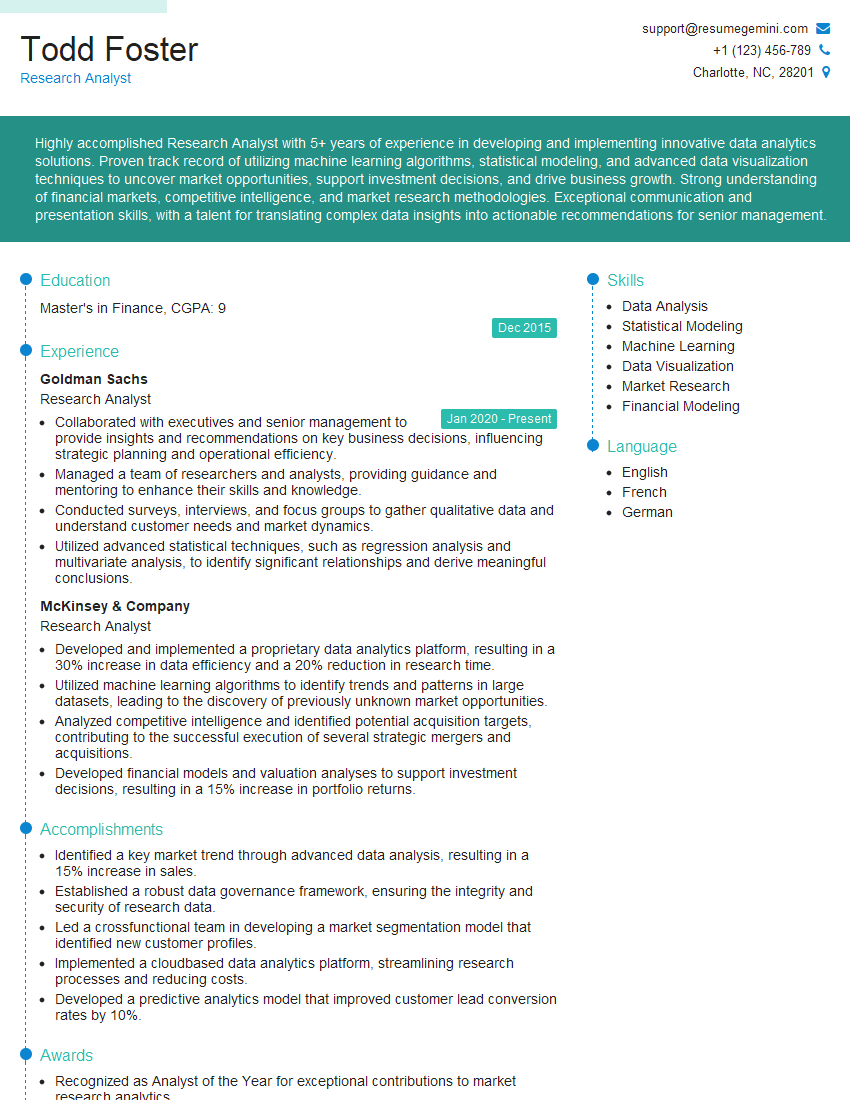
Research Analyst Resume Sample
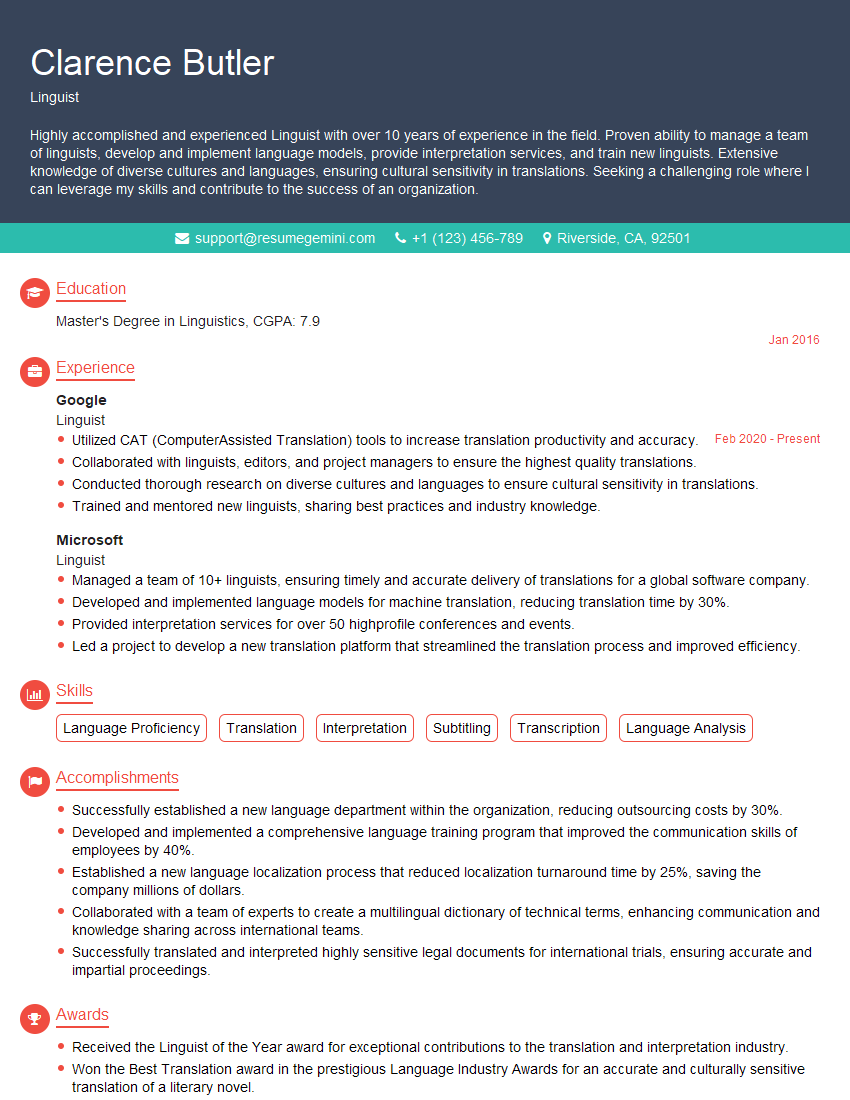
Linguist Resume Sample
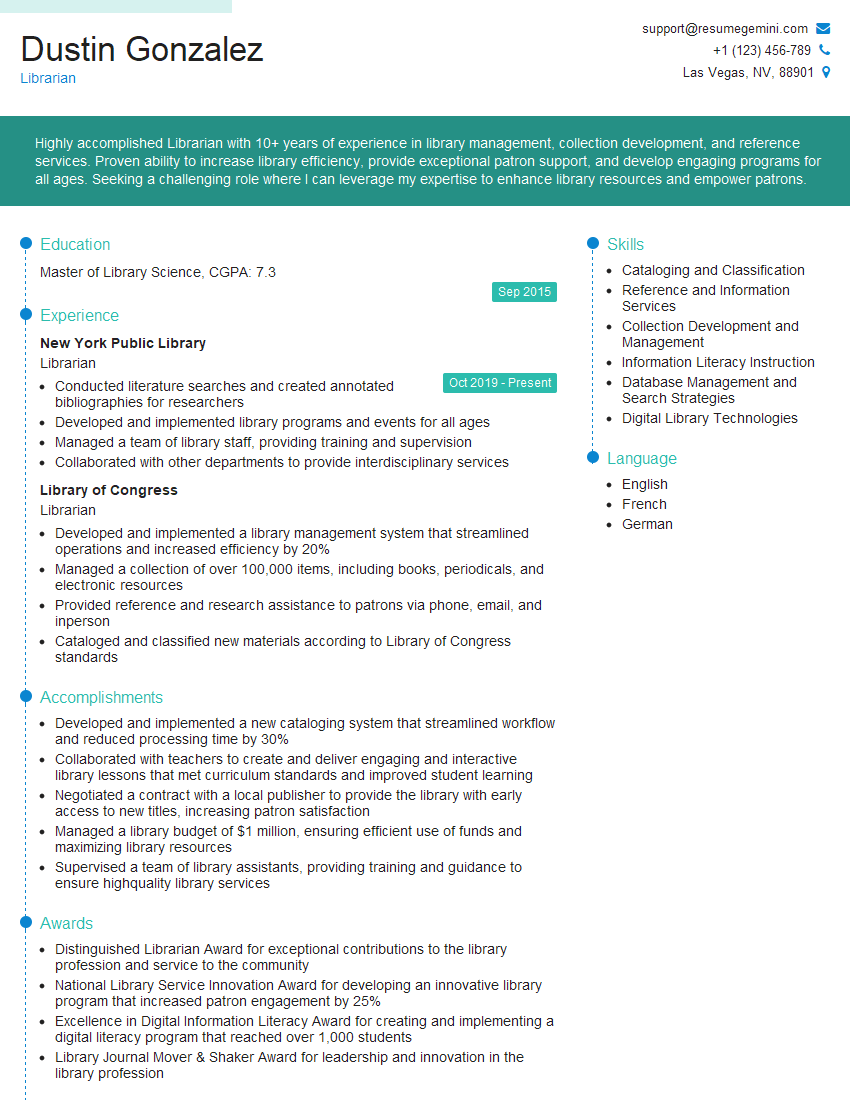
Librarian Resume Sample
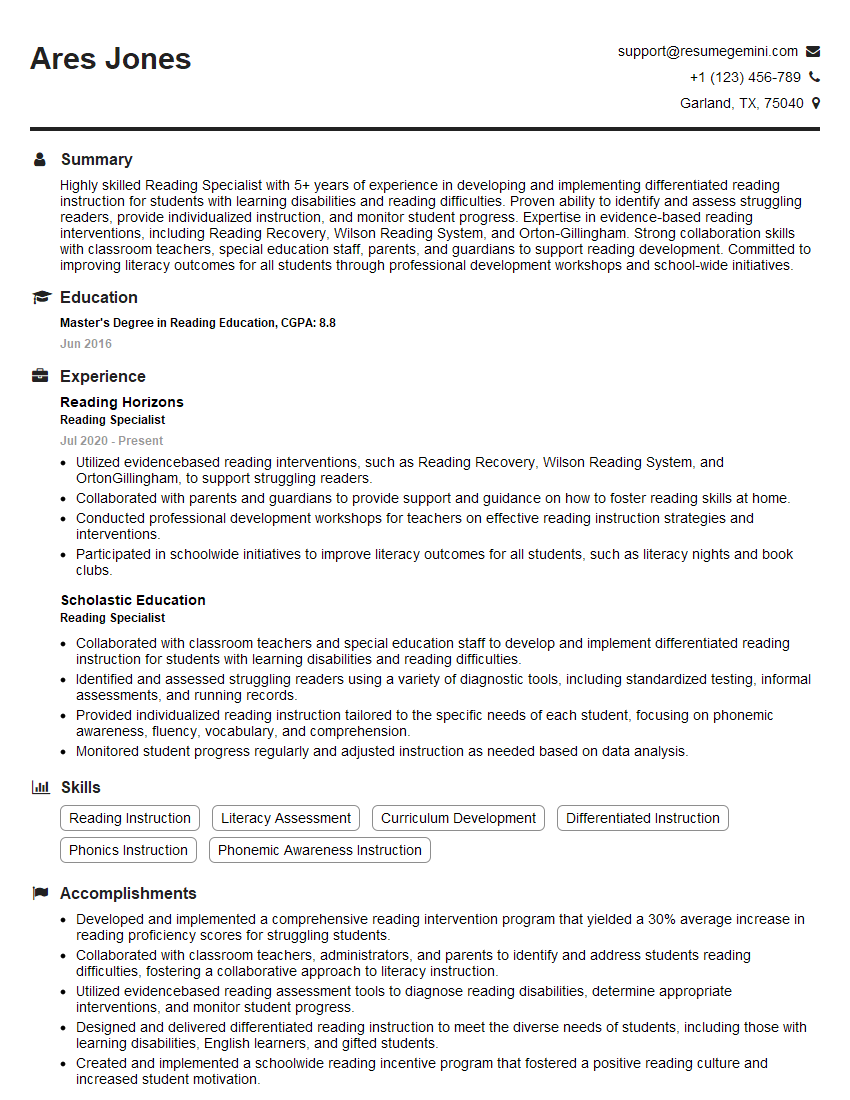
Reading Specialist Resume Sample
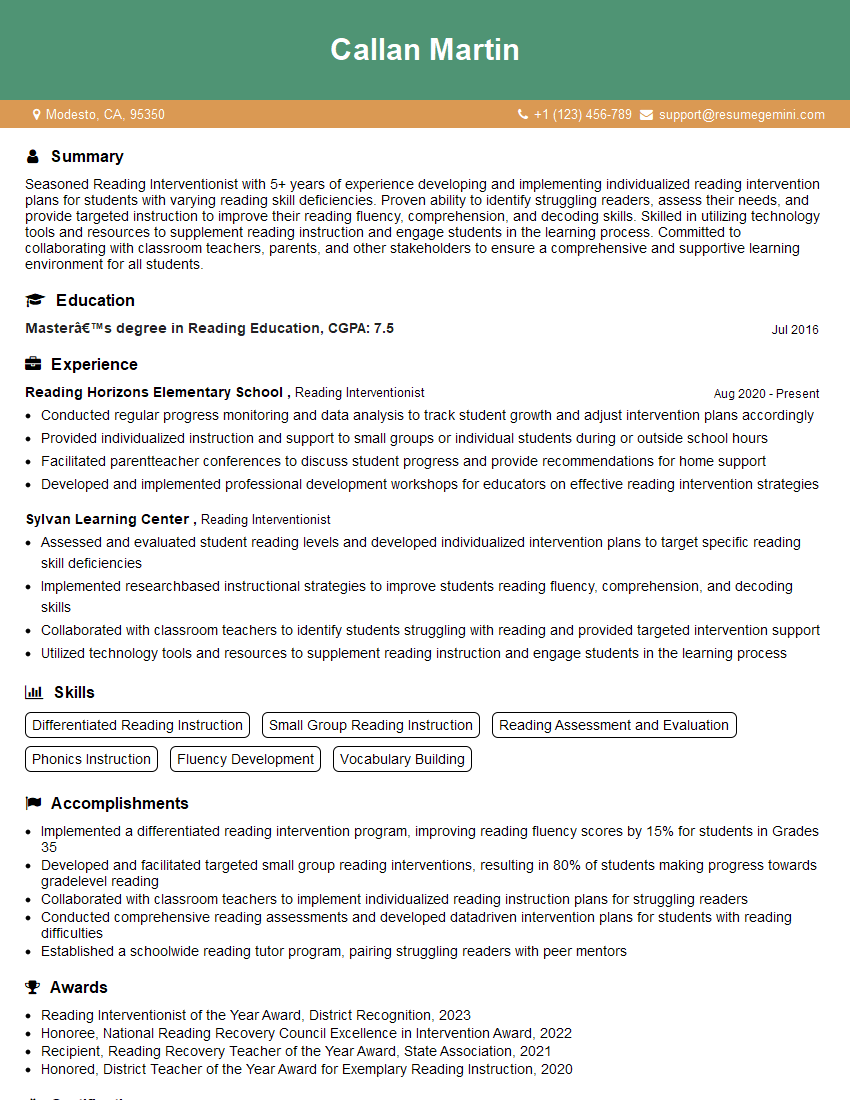
Reading Interventionist Resume Sample
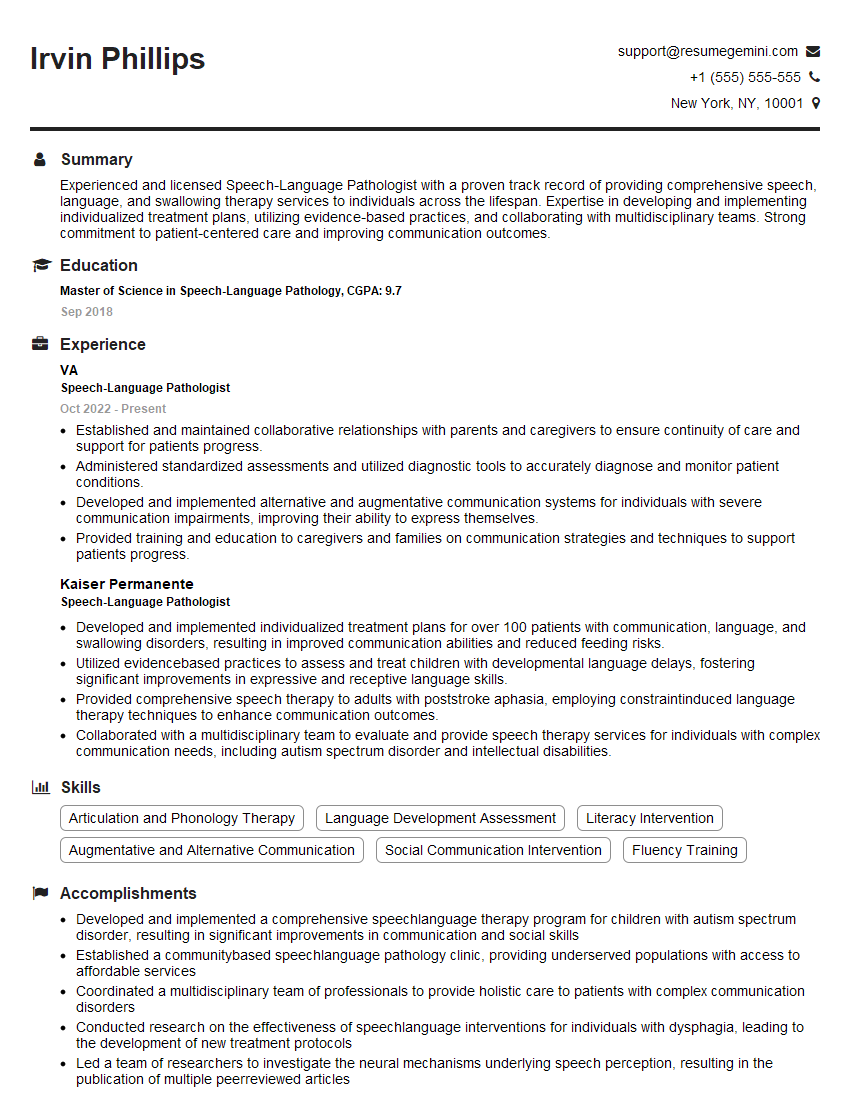
Speech-Language Pathologist Resume Sample
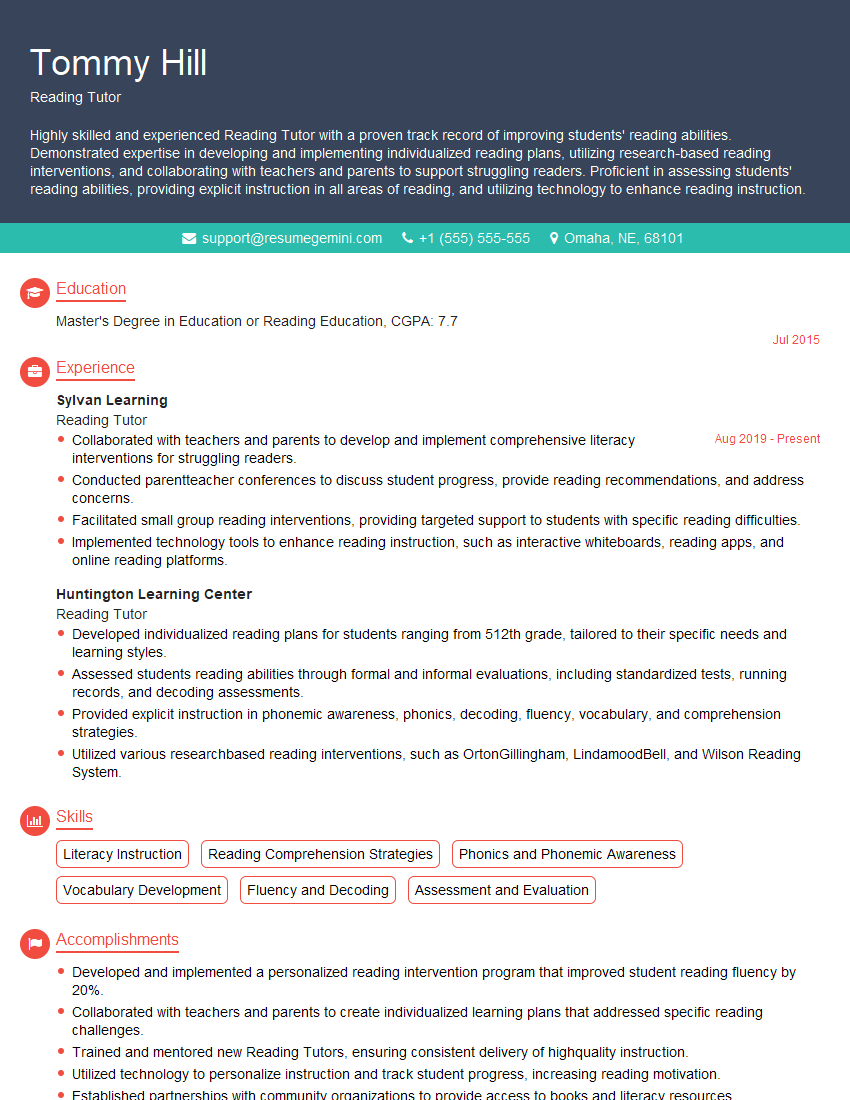
Reading Tutor Resume Sample
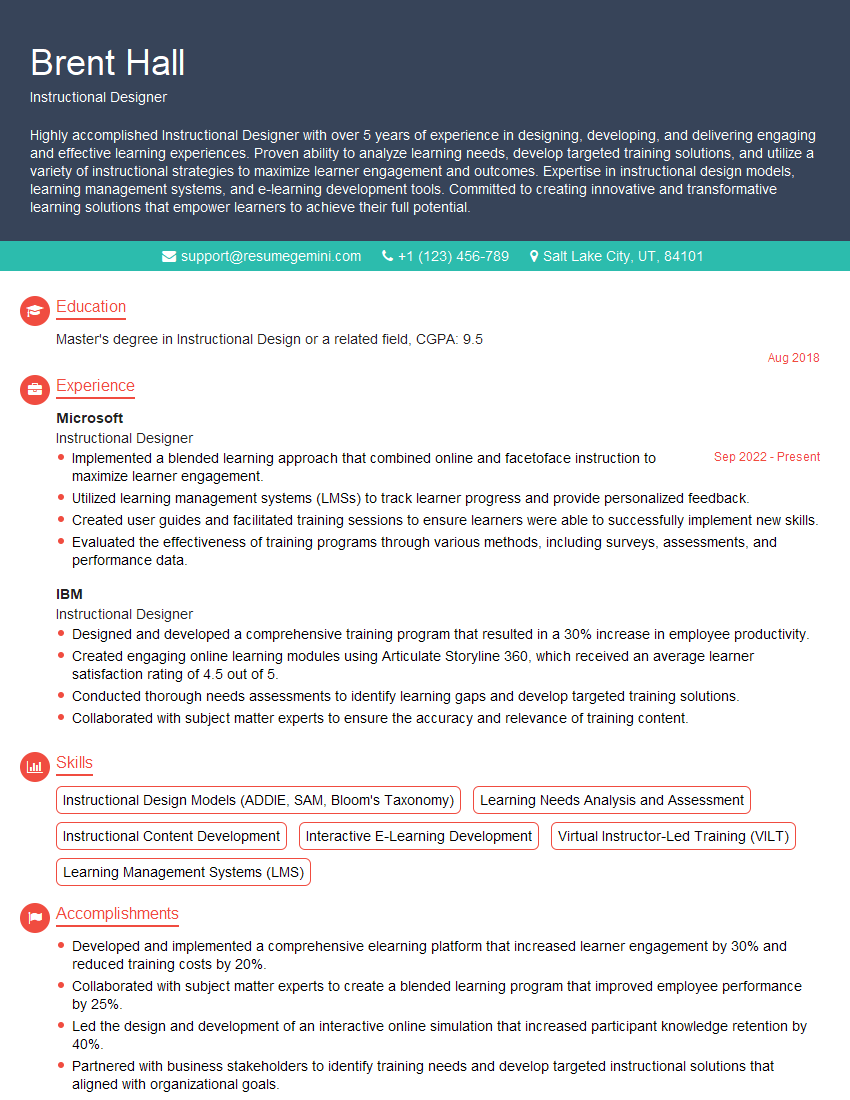
Instructional Designer Resume Sample
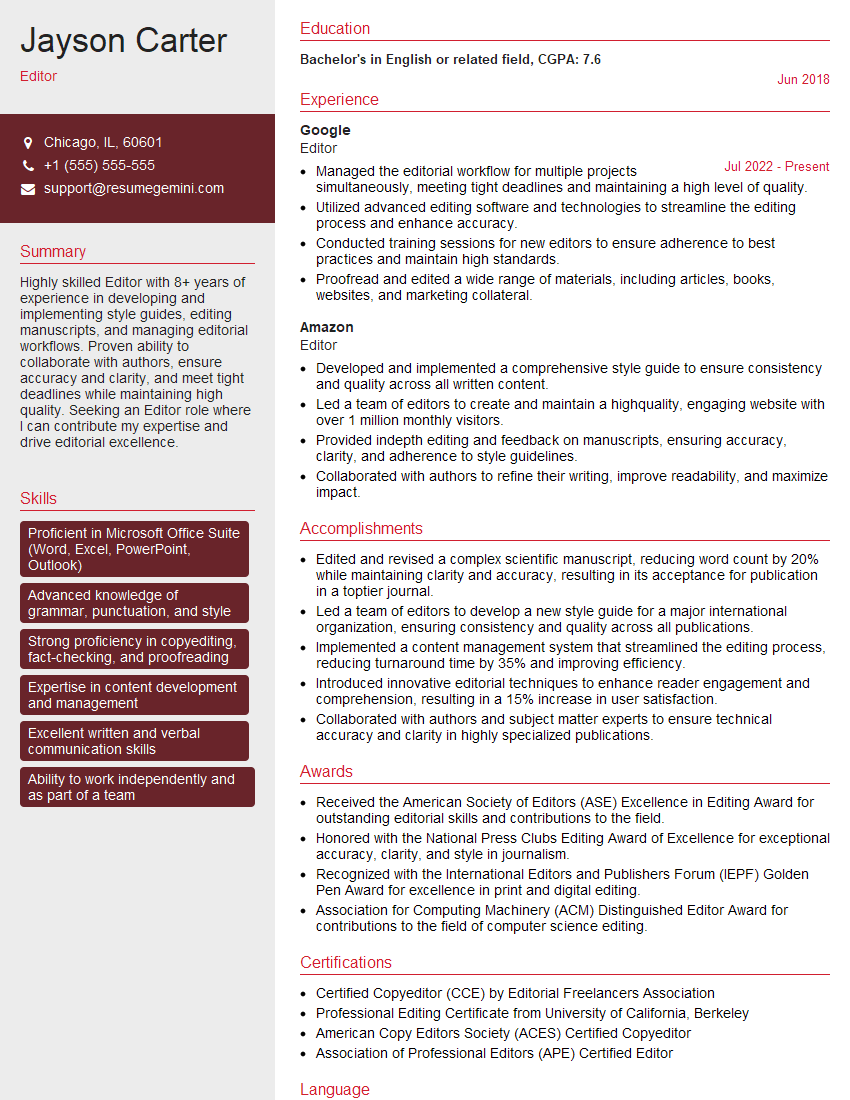
Editor Resume Sample
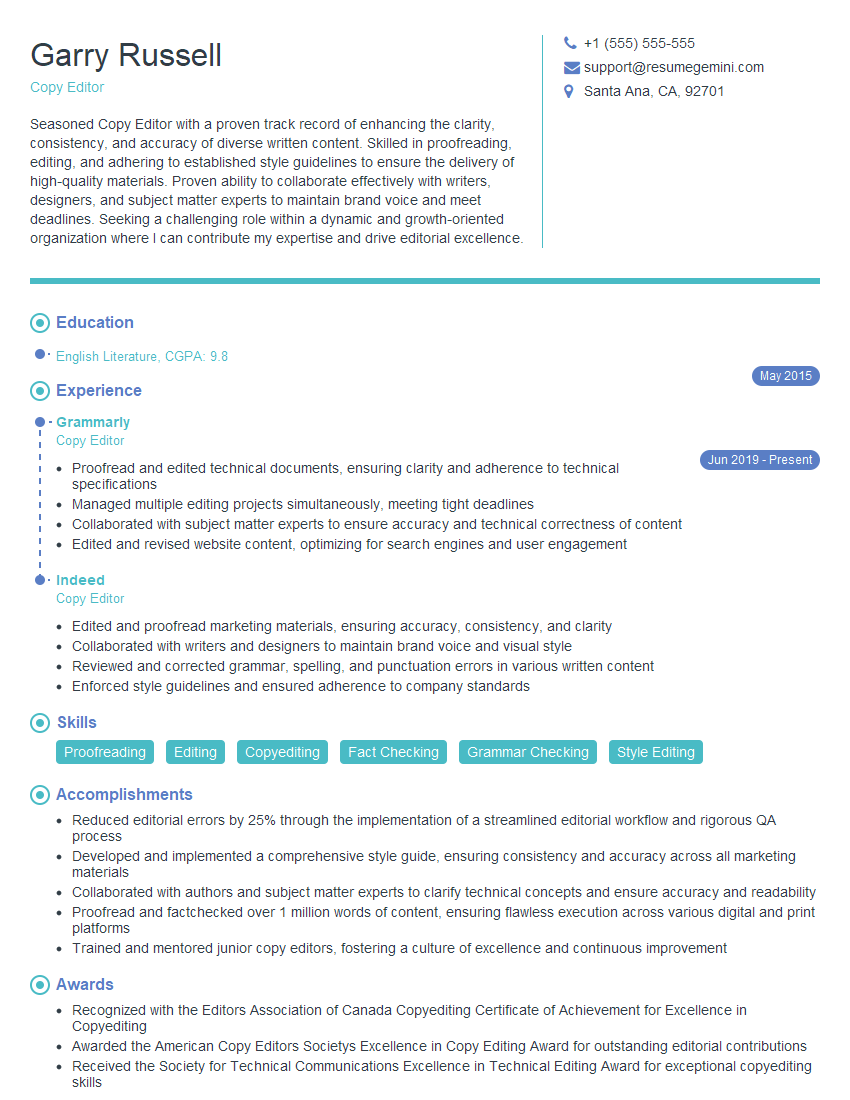
Copy Editor Resume Sample
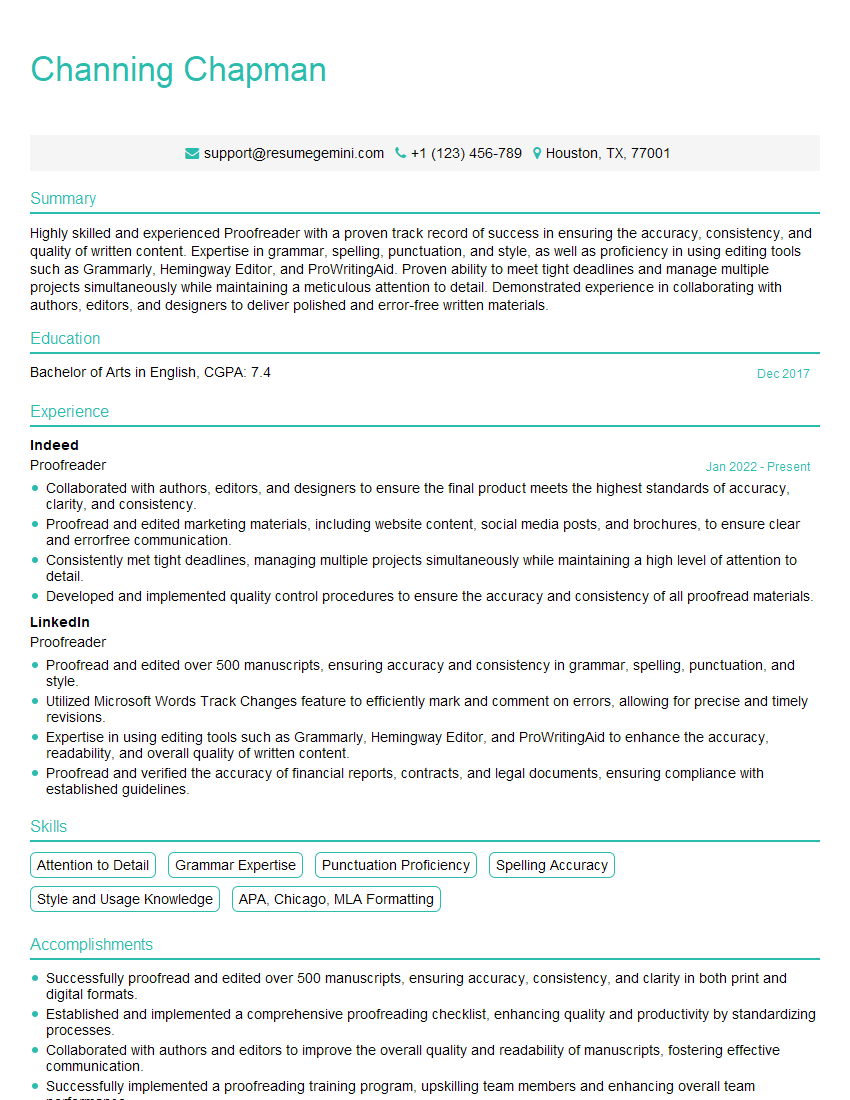
Proofreader Resume Sample

Technical Writer Resume Sample
Explore more articles
Users Rating of Our Blogs
Share Your Experience
We value your feedback! Please rate our content and share your thoughts (optional).
What Readers Say About Our Blog
Really detailed insights and content, thank you for writing this detailed article.
IT gave me an insight and words to use and be able to think of examples