The right preparation can turn an interview into an opportunity to showcase your expertise. This guide to Ability to Communicate Effectively with Law Enforcement interview questions is your ultimate resource, providing key insights and tips to help you ace your responses and stand out as a top candidate.
Questions Asked in Ability to Communicate Effectively with Law Enforcement Interview
Q 1. Describe your approach to de-escalating a tense situation with law enforcement.
My approach to de-escalating tense situations with law enforcement centers around calm, respectful communication and clear, concise articulation of facts. I prioritize active listening to understand their perspective and concerns before presenting my own. This avoids unnecessary confrontation and fosters cooperation.
- Verbal De-escalation: I use a calm and even tone, avoiding accusatory language or raising my voice. I speak slowly and clearly, choosing my words carefully to avoid misunderstandings.
- Non-Verbal Cues: I maintain open and relaxed body language, avoiding any actions that might be perceived as threatening, such as sudden movements or clenched fists. Maintaining eye contact (but not staring) shows engagement and respect.
- Active Listening: I paraphrase their statements to ensure I understand them correctly, and I ask clarifying questions to avoid assumptions. This demonstrates respect for their perspective and helps build rapport.
- Cooperation: I follow their instructions promptly and respectfully, even if I disagree with them, and I clearly communicate my intentions and requests.
For example, if stopped by police, I would calmly state my name and the reason for my presence, providing identification as requested. I’d avoid sudden movements or reaching into pockets and answer questions truthfully and concisely. If I have a concern, I’d express it respectfully and professionally, seeking clarification rather than immediate confrontation.
Q 2. How would you communicate sensitive information to law enforcement officers in a clear and concise manner?
Communicating sensitive information to law enforcement requires a structured approach focusing on accuracy, clarity, and conciseness. I prioritize providing information in a logical sequence, using plain language and avoiding jargon.
- Structure: I organize information chronologically or thematically, depending on the situation. For instance, recounting events in a timeline format aids understanding.
- Clarity: I use precise language and avoid ambiguity. I define any potentially unclear terms and ensure the information is easily understood.
- Conciseness: I get straight to the point, avoiding unnecessary details or digressions. I focus on the most critical information first.
- Documentation: When possible, supporting documents like photographs or videos can greatly enhance the accuracy and clarity of my communication.
For instance, if reporting a crime, I would start by describing the key facts: what happened, when and where, and who was involved. I’d then provide further details, focusing on observable facts rather than assumptions or opinions.
Q 3. Explain your experience in adapting communication style to different law enforcement personnel.
Adapting my communication style to different law enforcement personnel is crucial for effective interaction. My approach considers the individual officer’s rank, experience, and personality.
- Rank & Experience: I recognize that a seasoned detective requires a different approach than a patrol officer. I adjust the level of detail and technical jargon accordingly.
- Personality: I observe the officer’s communication style and adapt accordingly. A more formal officer might respond better to a formal approach, while a more approachable officer might appreciate a less formal interaction.
- Context: The context of the interaction significantly influences my communication style. A high-pressure situation necessitates direct and concise communication, while a less urgent situation allows for more detailed explanation.
For example, I might use more formal language and address a sergeant by their rank, while I might adopt a more conversational tone with a younger officer. However, respect and professionalism remain constant irrespective of the approach.
Q 4. How would you handle a misunderstanding or conflict with a law enforcement officer?
Handling misunderstandings or conflicts with law enforcement involves a calm, respectful, and solution-oriented approach. My focus is on de-escalation and finding common ground.
- Active Listening: I listen carefully to the officer’s perspective, acknowledging their concerns and points of view.
- Clarification: I ask clarifying questions to understand the source of the misunderstanding and address any misconceptions.
- Respectful Expression: I express my concerns or disagreements calmly and respectfully, avoiding accusatory language or raising my voice.
- Seeking Mediation: If the misunderstanding persists, I might seek mediation from a supervisor or other authority figure.
- Documentation: I would document the incident, including the date, time, location, and involved parties, along with a detailed account of the events.
If a misunderstanding arose from a differing interpretation of events, I would patiently explain my perspective and provide any supporting evidence, striving for a mutual understanding.
Q 5. Describe a time you had to relay complex information to law enforcement quickly and accurately.
During a security incident at my previous workplace, a significant data breach occurred. I had to relay complex technical details about the breach, including affected systems, potential vulnerabilities, and compromised data types, to the responding law enforcement officers quickly and accurately.
I structured my communication by prioritizing the most critical information first: confirmation of the breach and the immediate threat level. I then systematically explained the technical details in a simplified manner, using analogies and avoiding jargon whenever possible. I also provided documentation, including system logs and security reports. The efficient communication enabled swift action from law enforcement, minimizing further damage.
Q 6. How do you ensure accurate and complete information is conveyed to law enforcement?
Ensuring accurate and complete information transfer to law enforcement involves a multi-faceted strategy focusing on preparation, clarity, and verification.
- Preparation: Before interacting with law enforcement, I gather all relevant information, organizing it logically and ensuring its accuracy. This might involve reviewing documents, confirming details, and preparing a concise summary.
- Clarity and Structure: I present information clearly and concisely, using a logical structure (e.g., chronological order) to facilitate understanding. I avoid jargon and use plain language.
- Verification: Whenever possible, I verify the accuracy of my information through multiple sources to minimize errors. I also encourage the officers to ask questions and clarify any uncertainties.
- Documentation: Maintaining thorough documentation, including timestamps and any supporting evidence, creates an accurate record of events.
This methodical approach minimizes the risk of miscommunication and ensures the law enforcement officers have the necessary information to act effectively.
Q 7. What strategies do you employ to build rapport and trust with law enforcement officials?
Building rapport and trust with law enforcement officials relies on demonstrating respect, professionalism, and cooperation.
- Respectful Communication: I address them professionally, using appropriate titles and maintaining a respectful demeanor. I avoid any confrontational or argumentative language.
- Clear and Concise Communication: I communicate clearly and concisely, ensuring my messages are easily understood and free of ambiguity. This demonstrates professionalism and efficiency.
- Cooperation: I follow their instructions and cooperate fully with their investigation. I am honest and transparent in my interactions.
- Active Listening: I actively listen to their concerns and perspectives, showing genuine interest and understanding.
- Professionalism: I maintain composure and control, even in stressful situations. I avoid making assumptions or accusations.
By consistently demonstrating respect, professionalism, and cooperation, I foster an environment of trust and mutual understanding, leading to more effective interactions.
Q 8. How would you maintain composure and professionalism when dealing with aggressive law enforcement personnel?
Maintaining composure and professionalism with aggressive law enforcement requires a calm, controlled approach. Think of it like de-escalation – your demeanor is a tool. It’s crucial to remember you’re not challenging their authority, but rather seeking a productive interaction.
- Active Listening: Let them vent their frustrations. Nodding, maintaining eye contact (without staring), and using phrases like ‘I understand your concern’ shows you’re engaged.
- Clear and Concise Communication: Speak slowly, clearly, and directly to the point. Avoid jargon and emotional language. Use ‘I’ statements to express your perspective without being accusatory.
- Respectful Body Language: Maintain an open posture, avoid crossing your arms, and keep your hands visible. This reduces perceived threat.
- Document Everything: If the interaction becomes problematic, note the officer’s badge number, name, and time of interaction. Detailed notes will be crucial if follow-up is needed.
- Know Your Rights: While remaining respectful, be aware of your rights and politely but firmly assert them if necessary. Remember, however, assertive doesn’t mean aggressive.
For example, if an officer is yelling, I might respond with something like, ‘Officer, I understand you’re frustrated, and I want to help resolve this situation. Can we please discuss this calmly?’ This acknowledges their emotion while setting a boundary for respectful communication.
Q 9. Explain your understanding of legal and ethical considerations when communicating with law enforcement.
Legal and ethical considerations when communicating with law enforcement are paramount. The foundation is respecting their authority while upholding your own rights. This delicate balance requires awareness of applicable laws and ethical principles.
- Truthfulness and Accuracy: Always provide truthful and accurate information. Misleading or withholding information is unethical and potentially illegal.
- Right to Remain Silent: You have the right to remain silent, especially if you believe you’re being wrongly accused. However, exercising this right should be done calmly and respectfully, not defiantly.
- Due Process: The legal system is built on due process. You’re entitled to fair treatment and a chance to tell your side of the story, within the bounds of the law.
- Respect for Authority: It’s crucial to respect law enforcement officers, even when dealing with difficult situations. Disrespectful behavior can escalate the interaction negatively.
- Professionalism: Maintain a professional demeanor throughout the interaction, even under stress. This prevents potential misunderstandings and helps create a positive working relationship.
For instance, if questioned about an incident, I would answer truthfully and accurately but refrain from speculating or making assumptions. If unsure about an aspect of the questioning, I would politely ask for clarification rather than providing potentially incorrect information.
Q 10. How would you navigate cultural or language barriers when communicating with law enforcement?
Navigating cultural or language barriers with law enforcement requires proactive measures and a sensitive approach. The goal is clear and effective communication, ensuring mutual understanding.
- Language Access: If there’s a language barrier, request an interpreter immediately. Don’t rely on unofficial translations, as miscommunication can have serious consequences.
- Cultural Sensitivity: Be aware of cultural differences that may influence communication styles. For example, direct eye contact might be interpreted differently in some cultures.
- Non-Verbal Communication: Pay attention to body language. Gestures and facial expressions can convey more than words sometimes.
- Clear and Simple Language: Avoid complex sentence structures and jargon. Use simple, clear language to enhance understanding.
- Patience and Understanding: Communication breakdowns are frustrating, but maintaining patience and showing understanding is vital for a successful resolution.
For example, if I’m dealing with someone who speaks limited English, I would speak slowly and clearly, using simple words and phrases. If needed, I would prioritize finding a professional interpreter to ensure accurate and complete communication.
Q 11. Describe your experience using different communication channels (e.g., phone, email, in-person) with law enforcement.
My experience with various communication channels with law enforcement includes in-person interactions, phone calls, and emails. Each method has its strengths and weaknesses.
- In-Person: This allows for immediate feedback and clarification, building rapport. It’s best for complex or sensitive situations where non-verbal cues are important. It can be less efficient for routine updates.
- Phone: Efficient for quick updates or less sensitive information. However, it lacks the visual cues of in-person interaction, increasing the risk of misunderstanding.
- Email: Ideal for formal requests, detailed information exchange, or when a written record is required. It is less suitable for urgent matters or situations requiring immediate feedback.
For instance, I’ve used email to formally request an investigation into a security breach, a phone call to report a suspicious activity, and an in-person meeting to discuss a critical safety concern.
Q 12. How would you handle a situation where information needs to be relayed through multiple law enforcement agencies?
Relaying information across multiple law enforcement agencies requires a structured and coordinated approach to avoid confusion and ensure consistent messaging.
- Central Point of Contact: Identify a central point of contact within your organization to act as a liaison between agencies.
- Formal Communication Channels: Utilize official channels such as secure email systems or designated communication platforms designed for information sharing between agencies.
- Clear and Concise Documentation: Maintain detailed records of all communications, including dates, times, recipients, and the content of the messages.
- Follow-Up and Confirmation: Always follow up to confirm receipt and understanding of the information by each receiving agency.
- Consistent Messaging: Ensure the information relayed is consistent across all agencies to avoid conflicting statements or misunderstandings.
For example, if a crime involved multiple jurisdictions, I’d ensure the central point of contact prepared a concise, factual report and sent it to all relevant agencies through secure channels. We’d follow up with each agency to verify their receipt and comprehension, confirming that they understand the crucial details and their specific roles.
Q 13. Explain your understanding of the importance of maintaining proper documentation when communicating with law enforcement.
Proper documentation when communicating with law enforcement is critical for accountability, transparency, and legal protection. It creates a verifiable record of events, ensuring clarity and avoiding disputes.
- Timely Documentation: Record information immediately following the interaction, while details are fresh in your memory.
- Accuracy and Completeness: Ensure that the documentation is accurate and includes all relevant details, avoiding any omissions or subjective interpretations.
- Consistent Format: Use a consistent format for documenting all interactions with law enforcement to facilitate easy retrieval and analysis.
- Secure Storage: Store the documentation securely to protect against unauthorized access or loss.
- Evidence Retention Policies: Understand and adhere to your organization’s evidence retention policies.
For instance, after every interaction, I’d document the date, time, officer’s name and badge number (if applicable), location, the subject of the interaction, key details of the conversation, and any actions taken. This detailed record provides an irrefutable history of the communication.
Q 14. How familiar are you with law enforcement jargon and terminology?
My familiarity with law enforcement jargon and terminology is extensive. I understand that effective communication requires a shared understanding of language. This includes understanding terms relating to investigations, legal procedures, and crime classifications.
I regularly consult legal dictionaries and resources to stay updated. Understanding terms like probable cause, Miranda rights, exigent circumstances, and various crime classifications is crucial for effective communication and a clear understanding of the legal context of interactions. Incorrect interpretation of these terms can have serious consequences. A strong vocabulary in this area ensures clear and accurate communication, minimizing misinterpretations and ensuring a productive exchange.
Q 15. How would you assess the urgency and priority of information when communicating with law enforcement?
Assessing the urgency and priority of information when communicating with law enforcement is crucial for effective collaboration. It involves a rapid evaluation of the information’s impact on the ongoing investigation or situation. This evaluation considers several factors:
- Immediacy of Threat: Is there an immediate danger to life or property? Information about an active shooter, a bomb threat, or a kidnapping would be considered extremely high priority and require immediate transmission.
- Potential for Harm: Even if not immediate, does the information indicate a potential future threat? Information about a planned crime, a suspected terrorist plot, or a missing person at risk would receive high priority.
- Relevance to the Investigation: Is the information directly relevant to the current investigation? For example, eyewitness testimony directly contradicting a suspect’s alibi is high priority, while general background information may be lower priority.
- Time Sensitivity: Is there a time limit for acting on this information? For instance, information about the location of a fleeing suspect needs urgent communication.
Think of it like a triage system in a hospital; life-threatening injuries get immediate attention. Similarly, critical information influencing immediate action should be communicated urgently to law enforcement.
Career Expert Tips:
- Ace those interviews! Prepare effectively by reviewing the Top 50 Most Common Interview Questions on ResumeGemini.
- Navigate your job search with confidence! Explore a wide range of Career Tips on ResumeGemini. Learn about common challenges and recommendations to overcome them.
- Craft the perfect resume! Master the Art of Resume Writing with ResumeGemini’s guide. Showcase your unique qualifications and achievements effectively.
- Don’t miss out on holiday savings! Build your dream resume with ResumeGemini’s ATS optimized templates.
Q 16. Describe a situation where you had to communicate under pressure with law enforcement.
During a hostage situation at a local bank, I was responsible for coordinating communication between the bank manager (who was in contact with the hostage-taker), the SWAT team, and the crisis negotiation unit. The manager, under immense pressure, was providing fragmented information about the hostage-taker’s demands and the hostages’ condition. The situation was chaotic, and my task was to relay this information accurately and calmly to the law enforcement teams, while simultaneously keeping the manager updated on the SWAT team’s approach.
The pressure was immense, as every detail mattered and a miscommunication could have had severe consequences. I employed active listening, repeating information back to the manager to ensure I understood correctly before relaying it to the law enforcement teams. I used clear, concise language and avoided jargon. I also focused on creating a supportive environment for the bank manager, reassuring him that his cooperation was vital and his safety was our priority.
Q 17. What techniques do you use to clarify information and confirm understanding with law enforcement?
Clarifying information and confirming understanding with law enforcement requires meticulous attention to detail and the use of specific techniques. These include:
- Open-ended questions: Instead of asking yes/no questions, I ask questions that encourage detailed responses, such as “Can you describe the suspect in more detail?”
- Paraphrasing and summarization: I regularly paraphrase the information received and summarize key points to confirm that I understood correctly. For example, “So, if I understand correctly, you saw a blue sedan fleeing the scene, driven by a tall man with a beard.”
- Seeking clarification: If anything is unclear, I immediately ask for clarification. “I’m not sure I understand – can you explain that again?”
- Using visual aids: When appropriate, I use diagrams, maps, or photos to clarify location, timelines, or details.
- Written confirmation: For highly sensitive information, I follow up with a written confirmation to avoid misinterpretations.
These techniques create a feedback loop, ensuring both parties are on the same page, mitigating potential errors and misunderstandings, which are critical in time-sensitive situations.
Q 18. How do you handle sensitive or confidential information when communicating with law enforcement?
Handling sensitive or confidential information when communicating with law enforcement requires strict adherence to protocols and legal guidelines. This includes:
- Understanding confidentiality requirements: Knowing which information is protected by law (e.g., medical records, attorney-client privilege) is essential.
- Using secure communication channels: Encrypted communication channels should be used for highly sensitive data, avoiding unsecured methods such as standard email or phone calls.
- Need-to-know basis: Sharing information only with authorized personnel who have a legitimate need to know it.
- Documenting all communication: Maintaining a detailed record of all communications, including date, time, parties involved, and the content of the communication.
- Following established procedures: Adhering strictly to any specific procedures or protocols established by the law enforcement agency or relevant governing bodies.
Treat all sensitive information as potentially subject to legal constraints and follow best practices for secure information handling. Remember, breaches can have serious legal and ethical repercussions.
Q 19. How would you adapt your communication style to the specific needs of the situation and audience (law enforcement)?
Adapting communication style to the specific needs of the situation and audience (law enforcement) is paramount. My approach varies depending on several factors:
- The urgency of the situation: In emergencies, clear, concise, and direct communication is essential, avoiding unnecessary details. In less urgent situations, more detailed explanations might be necessary.
- The rank and experience of the officer: I adjust my language and technical details based on the officer’s background. I avoid jargon with less experienced officers and use more technical terminology with experts.
- The personality and communication style of the officer: Some officers prefer direct and formal communication, while others are more comfortable with a conversational approach. Adaptability is key here.
- Cultural considerations: If dealing with officers from diverse backgrounds, understanding their cultural norms and communication styles is crucial to establishing trust and rapport.
Think of it like adapting your language when speaking to a child versus an adult – you would use simpler words and explanations for a child and more complex terms with an adult. The same principle applies to communicating with law enforcement – tailor your style to their needs and the context.
Q 20. How do you ensure consistency and accuracy in your communication with law enforcement over time?
Ensuring consistency and accuracy in communication with law enforcement over time requires a structured and documented approach. This involves:
- Using a consistent communication log: Maintaining a detailed log of all communications, including date, time, method of communication, recipient, and a summary of the information exchanged.
- Double-checking information: Before transmitting any information, verifying its accuracy and completeness. This might involve consulting multiple sources or reviewing documentation.
- Using clear and standardized terminology: Employing consistent terminology to avoid ambiguity or confusion. This helps maintain a clear audit trail.
- Seeking feedback and clarification: Regularly seeking feedback from law enforcement to ensure that information is being received and understood correctly. This proactive approach helps mitigate errors.
- Utilizing established communication protocols: Following established communication procedures and protocols, ensuring all messages are sent and received through approved channels.
Consistency and accuracy are crucial for maintaining credibility and ensuring a successful investigation. A systematic approach to documentation and communication helps in achieving this.
Q 21. Describe your experience in managing expectations with law enforcement.
Managing expectations with law enforcement involves clearly communicating what can and cannot be achieved, setting realistic timelines, and maintaining open communication throughout the process. This requires a balanced approach:
- Setting realistic expectations: I avoid making promises that I cannot keep, providing honest assessments of the situation and its limitations.
- Providing regular updates: Keeping law enforcement regularly informed of progress, challenges, and any changes in the situation.
- Responding promptly to inquiries: Addressing questions and concerns promptly and professionally.
- Being transparent and honest: Openly communicating any limitations or potential roadblocks.
- Maintaining a professional demeanor: Maintaining composure and professionalism, even in stressful situations.
Effective expectation management builds trust and rapport, leading to a more productive and collaborative relationship with law enforcement. It’s about realistic communication and transparency, avoiding over-promising and under-delivering.
Q 22. How would you address potential biases or stereotypes in your communication with law enforcement?
Addressing biases and stereotypes in communication with law enforcement is crucial for building trust and ensuring effective collaboration. It begins with self-awareness – recognizing my own potential biases and actively working to mitigate their influence. This involves constant self-reflection and seeking feedback from diverse sources.
My approach involves:
- Active listening: I prioritize understanding the officer’s perspective, avoiding interruptions, and focusing on their words, not my preconceived notions.
- Empathetic communication: I strive to understand their experiences and challenges, acknowledging their perspective even if I don’t agree with it. This fosters rapport.
- Using inclusive language: I avoid generalizations and stereotypes, using person-first language and focusing on individual actions rather than group affiliations.
- Seeking clarification: If something seems unclear or potentially based on a stereotype, I directly and respectfully ask clarifying questions to ensure accurate understanding.
For example, instead of assuming an officer’s actions are motivated by prejudice, I might ask, “Can you help me understand the reasoning behind that decision?” This approach encourages open dialogue and reduces the likelihood of misunderstandings stemming from biases.
Q 23. Describe a time you had to use active listening skills to effectively communicate with law enforcement.
During a security incident at a local event, a police officer was visibly frustrated by the conflicting accounts from witnesses. Active listening proved critical. Instead of immediately jumping in with my version, I mirrored the officer’s frustration by acknowledging the difficulty of the situation: “Officer, I understand this is incredibly challenging with so many varying accounts.” I then paraphrased what I understood from the officer, demonstrating I was paying attention, for instance, saying “So, it sounds like you’re primarily concerned about determining the sequence of events.” This showed my commitment to understanding *his* needs and perspective before presenting my own information. This led to a collaborative effort to gather evidence and ultimately resolve the situation smoothly. The officer felt heard and understood, leading to a far more productive outcome.
Q 24. Explain your experience in negotiating or mediating disputes involving law enforcement.
I’ve had experience mediating disputes between my organization and law enforcement, particularly during protests or demonstrations. My approach is based on collaborative problem-solving and de-escalation. I begin by establishing a safe and neutral space for communication. This includes clearly stating ground rules for respectful dialogue, emphasizing mutual understanding as the goal.
My strategies include:
- Identifying shared interests: Focusing on common goals, such as public safety, helps build a collaborative atmosphere.
- Active listening and empathy: Understanding each party’s concerns and perspectives is key to finding common ground.
- Creative problem-solving: Exploring multiple options and finding solutions that meet both sides’ needs as much as possible.
- Documenting agreements: Once a resolution is reached, documenting it in writing ensures clarity and accountability.
In one instance, I mediated a dispute regarding protest permits and safety protocols. By actively listening to both sides and offering compromises that addressed safety concerns without unduly restricting the right to protest, we reached an agreement that satisfied both parties.
Q 25. How do you ensure that your communication with law enforcement remains respectful and professional at all times?
Maintaining respect and professionalism in communication with law enforcement is paramount. It involves a combination of verbal and nonverbal cues. I always:
- Use formal address: Addressing officers formally, using titles like “Officer” or “Sergeant,” demonstrates respect.
- Maintain composure: Even under pressure, remaining calm and avoiding accusatory or confrontational language is crucial.
- Listen actively: Paying attention and responding appropriately demonstrates respect for their time and expertise.
- Be clear and concise: Avoiding jargon or ambiguous language ensures clear understanding and avoids misunderstandings.
- Respect their authority: Recognizing their role in maintaining order and safety is fundamental.
Respect goes both ways; demonstrating it is not about appeasement, but a professional approach that fosters mutually beneficial interactions.
Q 26. How would you handle a situation where there is a conflict between your organization’s interests and the needs of law enforcement?
Conflicts between organizational interests and law enforcement needs require careful navigation. Transparency and open communication are key. I’d approach the situation by:
- Clearly defining the conflict: Identifying the specific points of disagreement between my organization’s objectives and law enforcement’s requirements.
- Seeking understanding: Actively listening to law enforcement’s concerns and perspectives, understanding their operational limitations and priorities.
- Exploring mutually acceptable solutions: Collaboratively seeking compromise and solutions that address both sides’ interests while upholding legal and ethical standards. This may involve proposing alternatives or modifications.
- Documenting agreements: Formalizing any agreements reached in writing ensures clarity and avoids future misunderstandings.
- Escalating if necessary: If a mutually acceptable solution cannot be reached, escalating the issue through appropriate channels while maintaining a professional and respectful demeanor is necessary.
My goal is always to find a solution that serves the interests of public safety and justice while preserving the integrity and operations of my organization.
Q 27. Describe your experience in preparing and delivering presentations to law enforcement officials.
I’ve presented to law enforcement audiences on several occasions, primarily focusing on topics relevant to their work such as crime prevention strategies, community engagement, and security protocols. My preparation process emphasizes understanding the audience’s needs and tailoring the presentation accordingly.
Key elements of my presentations include:
- Clear and concise messaging: Using simple language and avoiding jargon ensures everyone understands the key points.
- Visual aids: Graphs, charts, and images enhance understanding and engagement.
- Interactive elements: Incorporating Q&A sessions or interactive exercises allows for engagement and feedback.
- Relevance and practicality: Focusing on information directly applicable to law enforcement’s work increases engagement.
- Respectful and professional tone: Maintaining a formal and respectful tone enhances credibility and fosters a positive interaction.
For example, when presenting on community policing strategies, I used real-world examples and case studies, making the information relevant and engaging for the officers. I also incorporated a question-and-answer session to encourage interaction and address any concerns directly.
Q 28. How would you utilize technology to improve communication with law enforcement?
Technology plays a significant role in enhancing communication with law enforcement. Tools like secure messaging platforms, video conferencing, and data-sharing systems can improve efficiency and collaboration.
Specific applications include:
- Secure messaging apps: Ensuring confidential and timely communication about sensitive information.
- Video conferencing: Facilitating virtual meetings for training, collaborations, and sharing evidence.
- Data-sharing platforms: Enabling secure and efficient sharing of relevant data such as crime statistics, suspect information, or incident reports.
- Real-time crime mapping tools: Providing up-to-date situational awareness and resource allocation.
For example, utilizing a secure messaging platform ensures that sensitive information, such as witness statements or crime scene details, is exchanged confidentially and efficiently between our organization and law enforcement agencies. Implementing these technological solutions requires a strategic approach that considers security and interoperability with existing systems.
Key Topics to Learn for Ability to Communicate Effectively with Law Enforcement Interview
- Active Listening and Empathy: Understanding the law enforcement perspective, demonstrating attentiveness, and showing genuine concern for their safety and the situation.
- Clear and Concise Communication: Articulating your points clearly, avoiding jargon, and using non-threatening body language. Practical application: Role-playing scenarios involving explaining a complex situation calmly and persuasively.
- De-escalation Techniques: Recognizing and responding to escalating situations with calm and controlled communication strategies. Practical application: Analyzing case studies of successful de-escalation and identifying key communication elements.
- Professionalism and Respect: Maintaining a respectful and professional demeanor even in stressful situations. Practical application: Understanding and applying appropriate protocols and etiquette when interacting with law enforcement.
- Non-Verbal Communication: Recognizing and managing your own body language and interpreting the non-verbal cues of law enforcement officers. Practical application: Self-assessment and practice in controlled environments to refine non-verbal communication skills.
- Cultural Sensitivity and Awareness: Understanding and adapting communication styles to diverse cultural backgrounds and potential biases.
- Documentation and Reporting: Accurately and thoroughly documenting interactions with law enforcement, including details and observations.
Next Steps
Mastering the ability to communicate effectively with law enforcement is crucial for career advancement in many fields. It demonstrates professionalism, problem-solving skills, and a commitment to safety and collaboration. To significantly boost your job prospects, creating an ATS-friendly resume is essential. This ensures your application gets noticed by recruiters and hiring managers. ResumeGemini is a trusted resource that can help you build a strong, professional resume tailored to highlight your communication skills and relevant experience. We provide examples of resumes specifically designed for candidates emphasizing their ability to communicate effectively with law enforcement to help you create a compelling application.
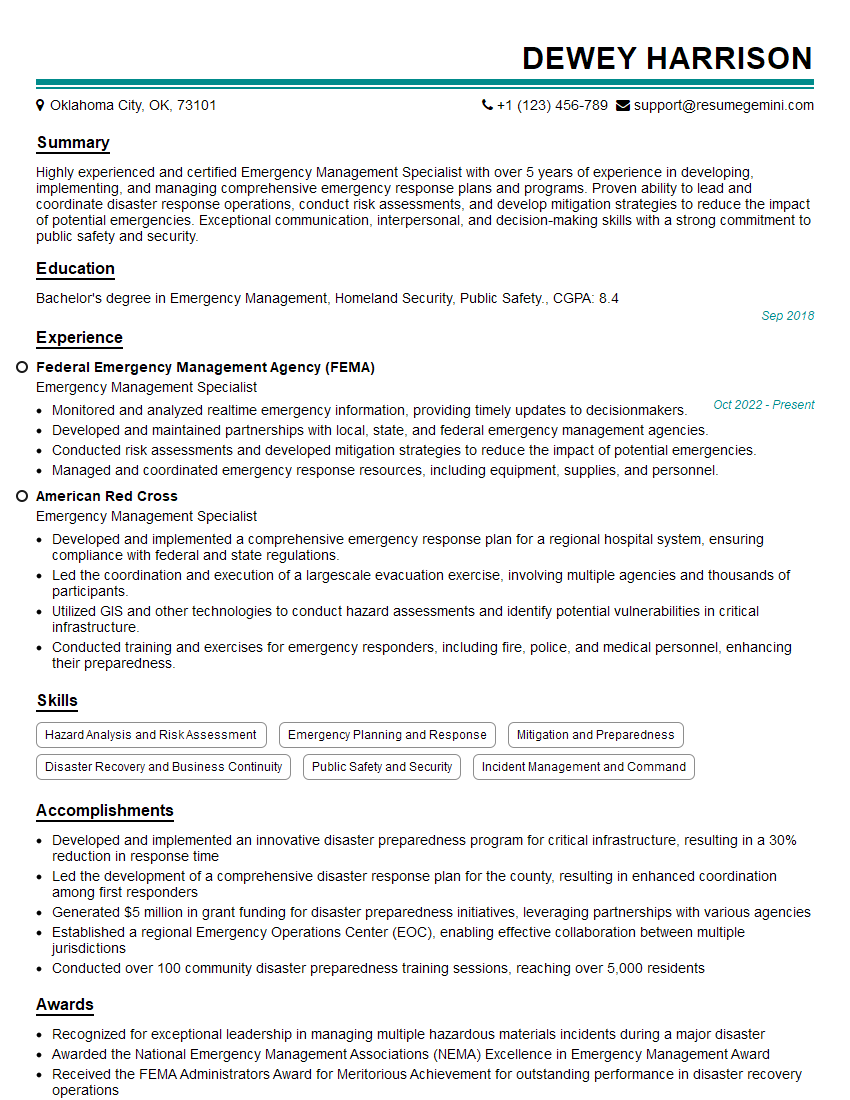
Emergency Management Specialist Resume Sample
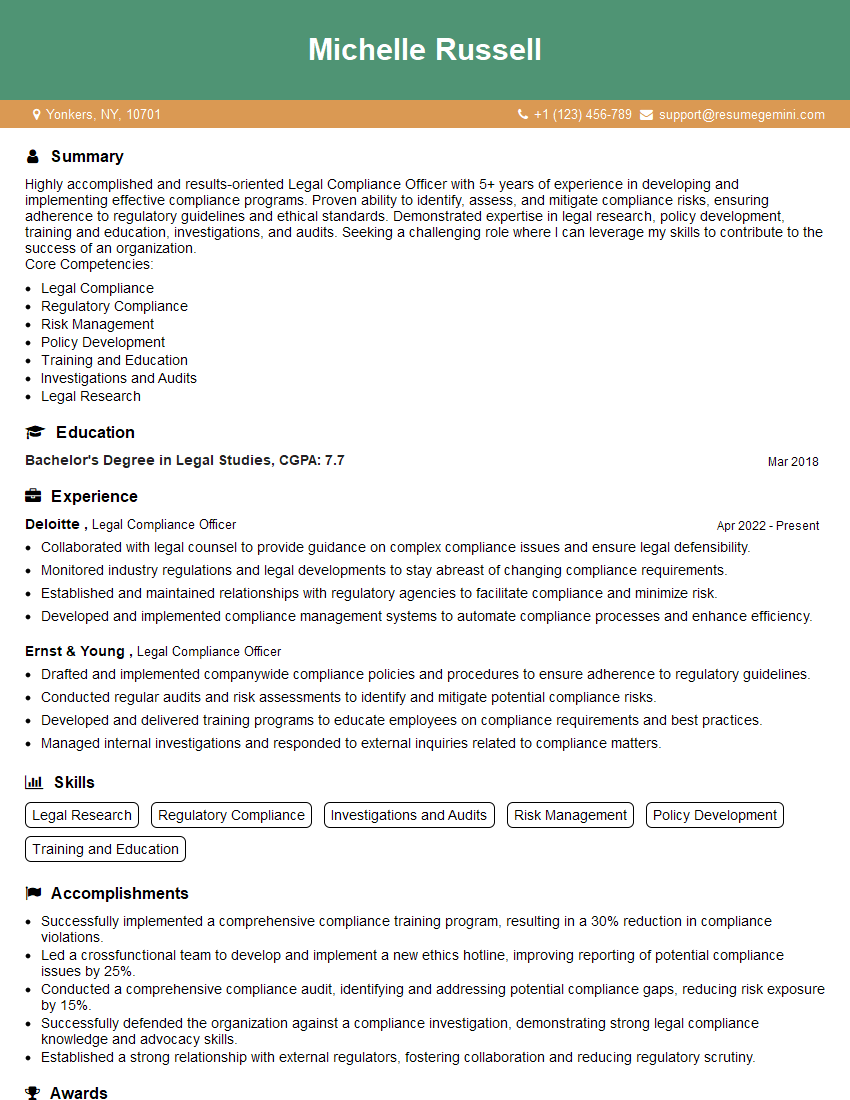
Legal Compliance Officer Resume Sample
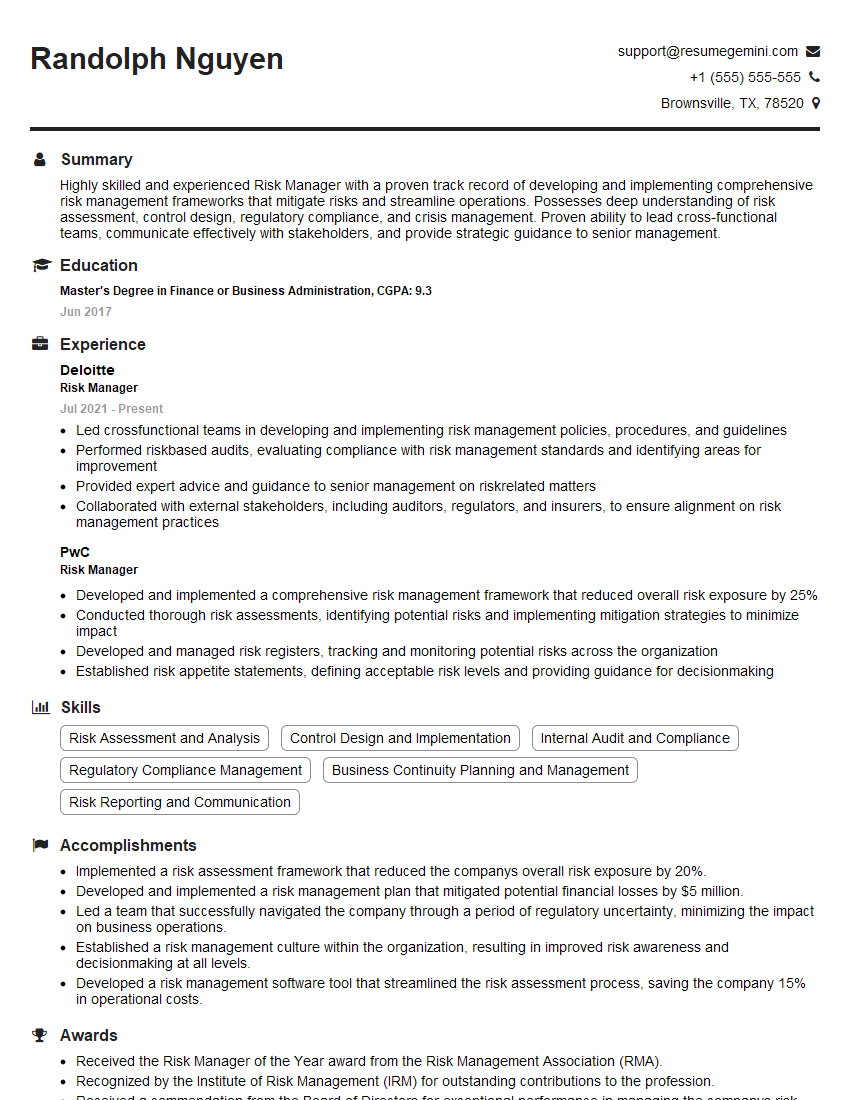
Risk Manager Resume Sample
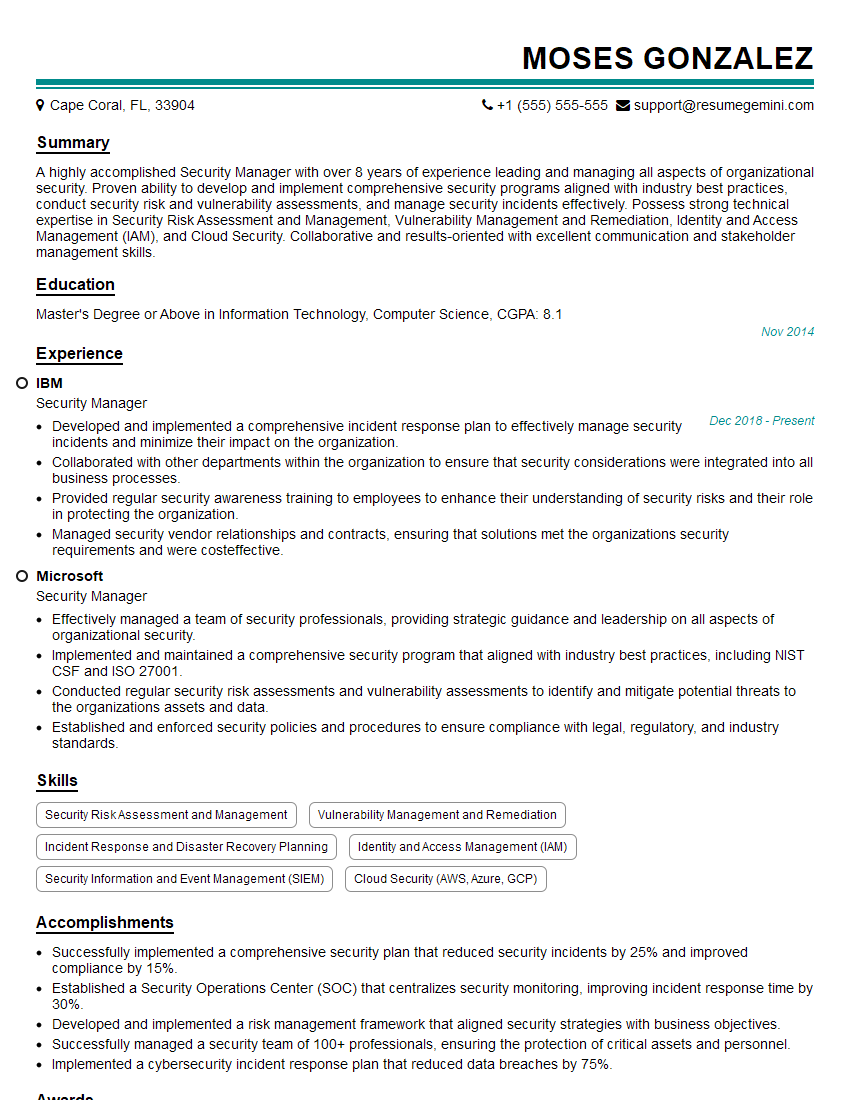
Security Manager Resume Sample
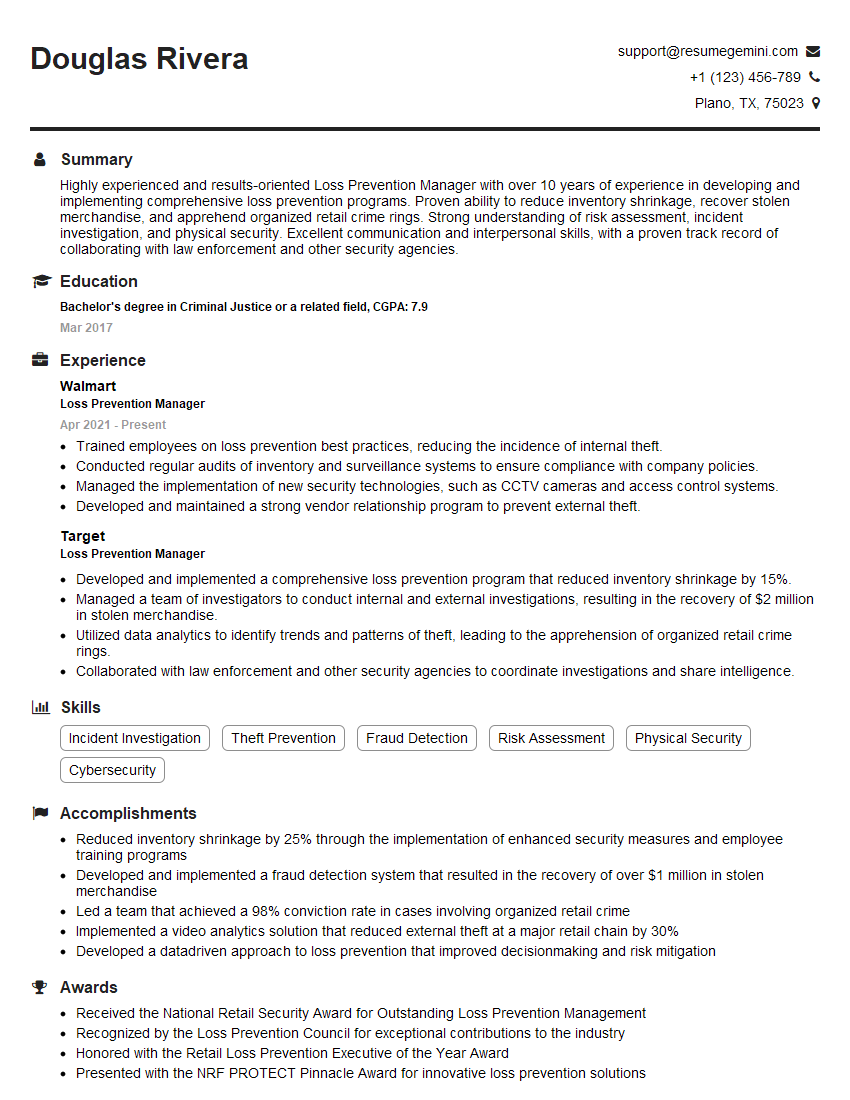
Loss Prevention Manager Resume Sample
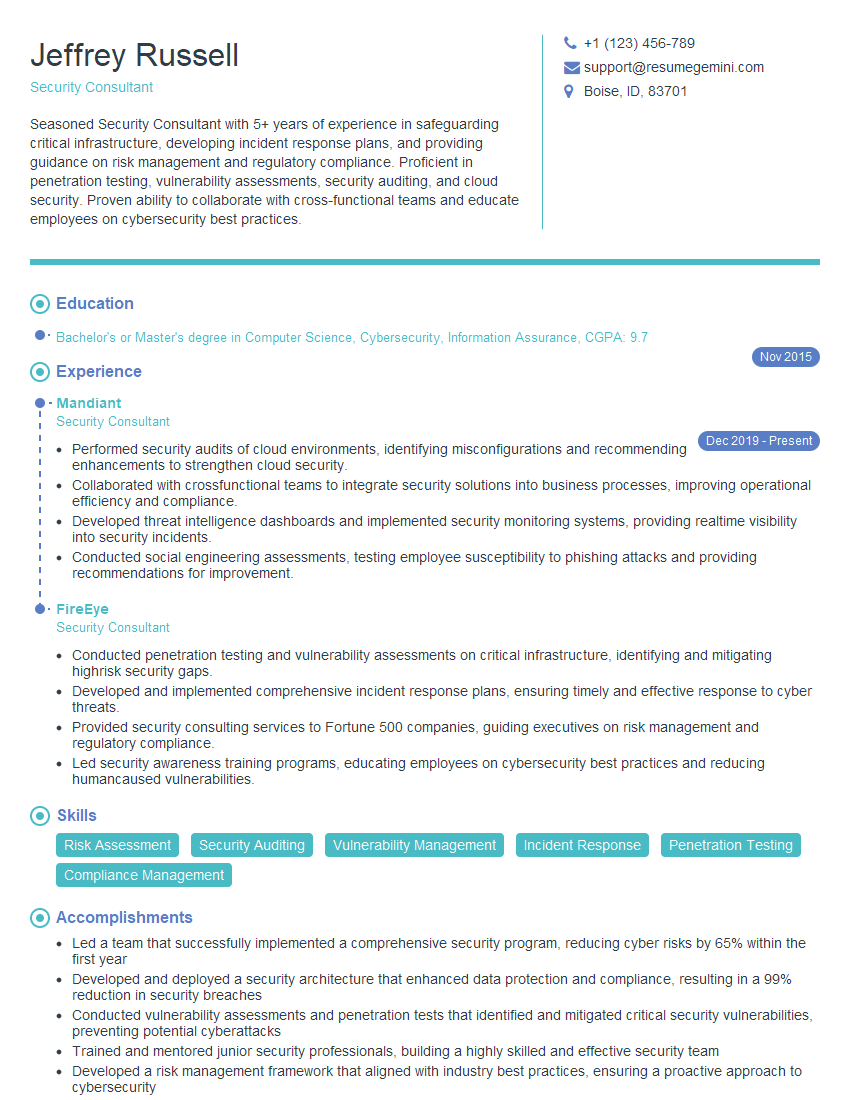
Security Consultant Resume Sample
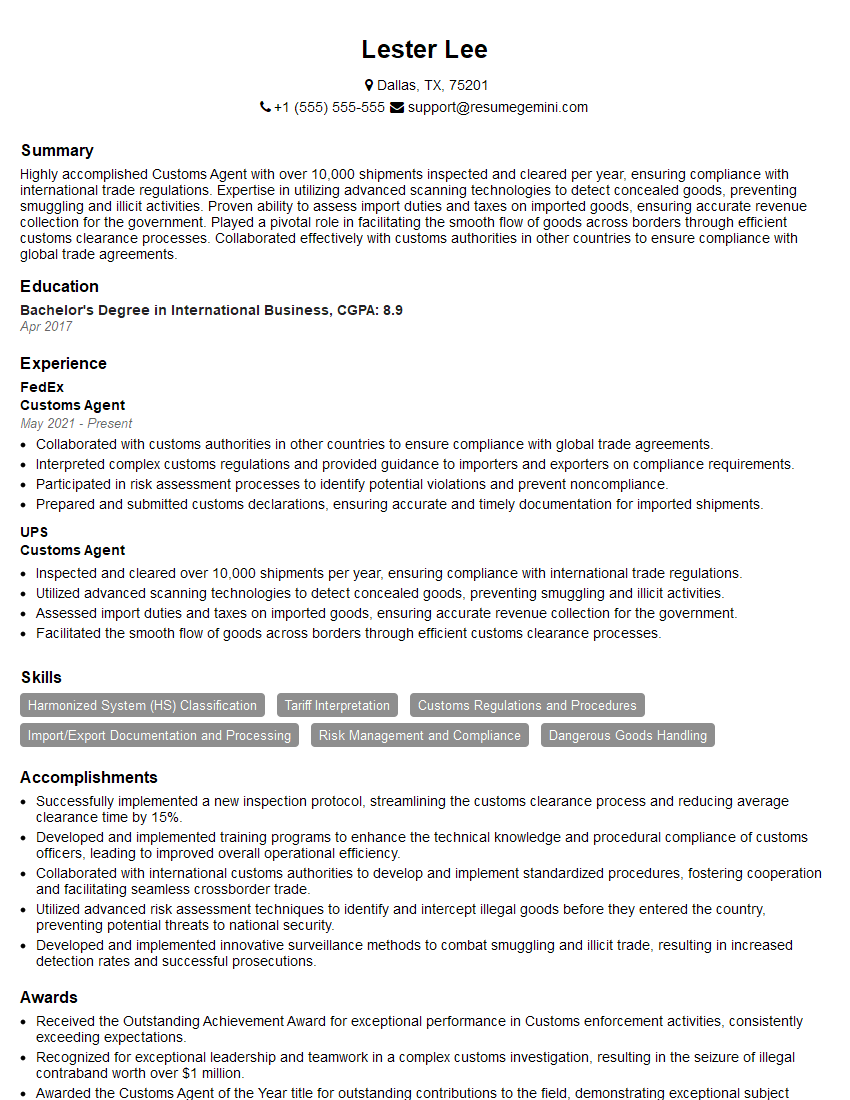
Customs Agent Resume Sample
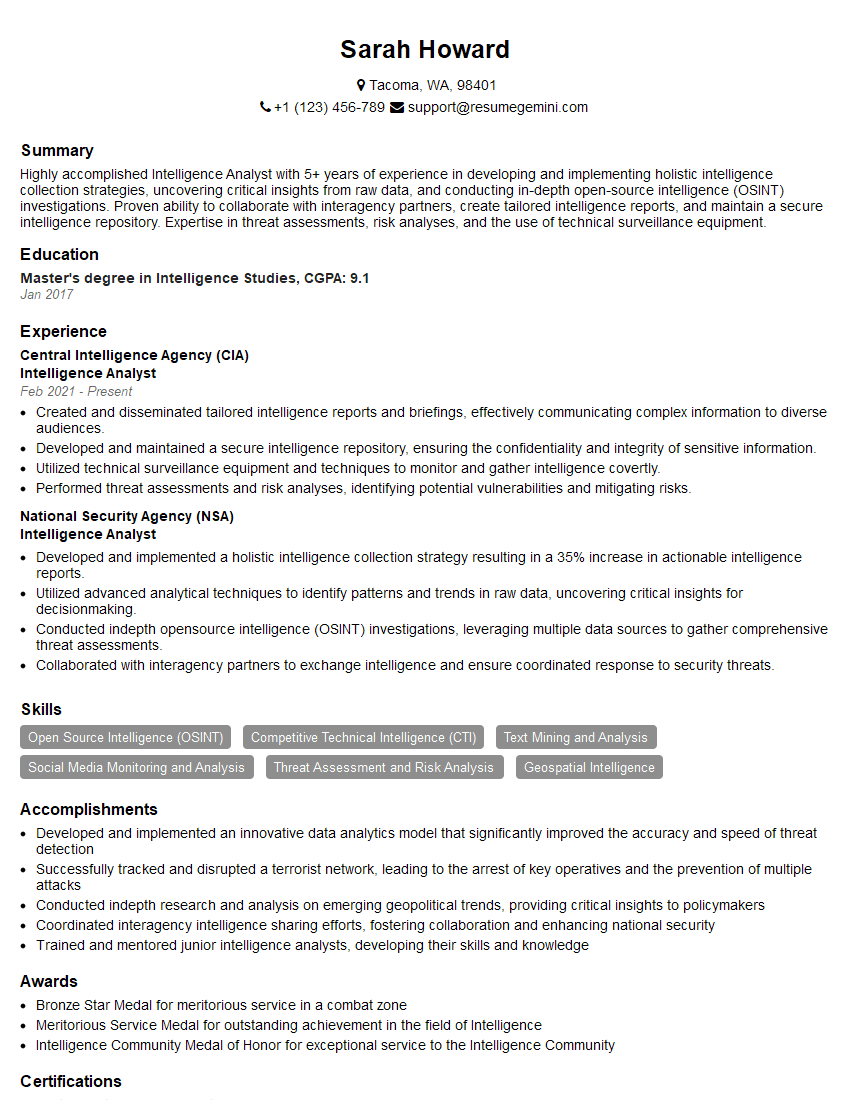
Intelligence Analyst Resume Sample
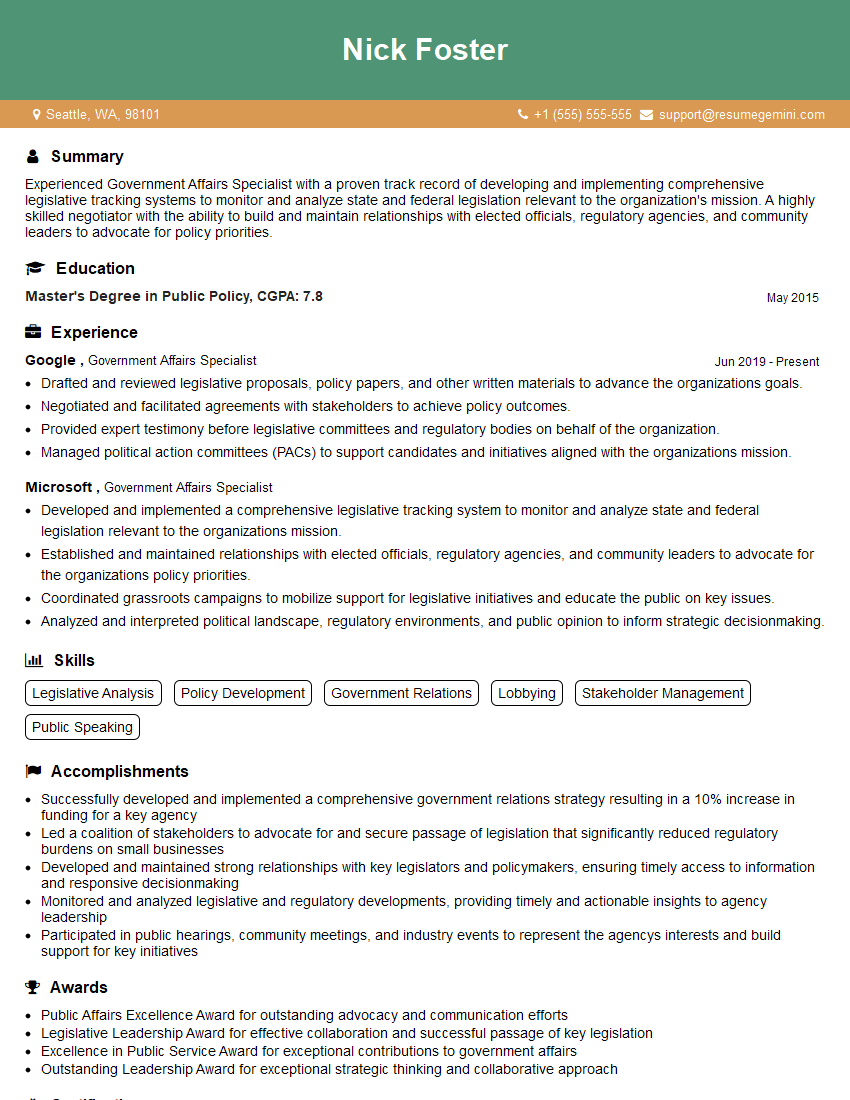
Government Affairs Specialist Resume Sample
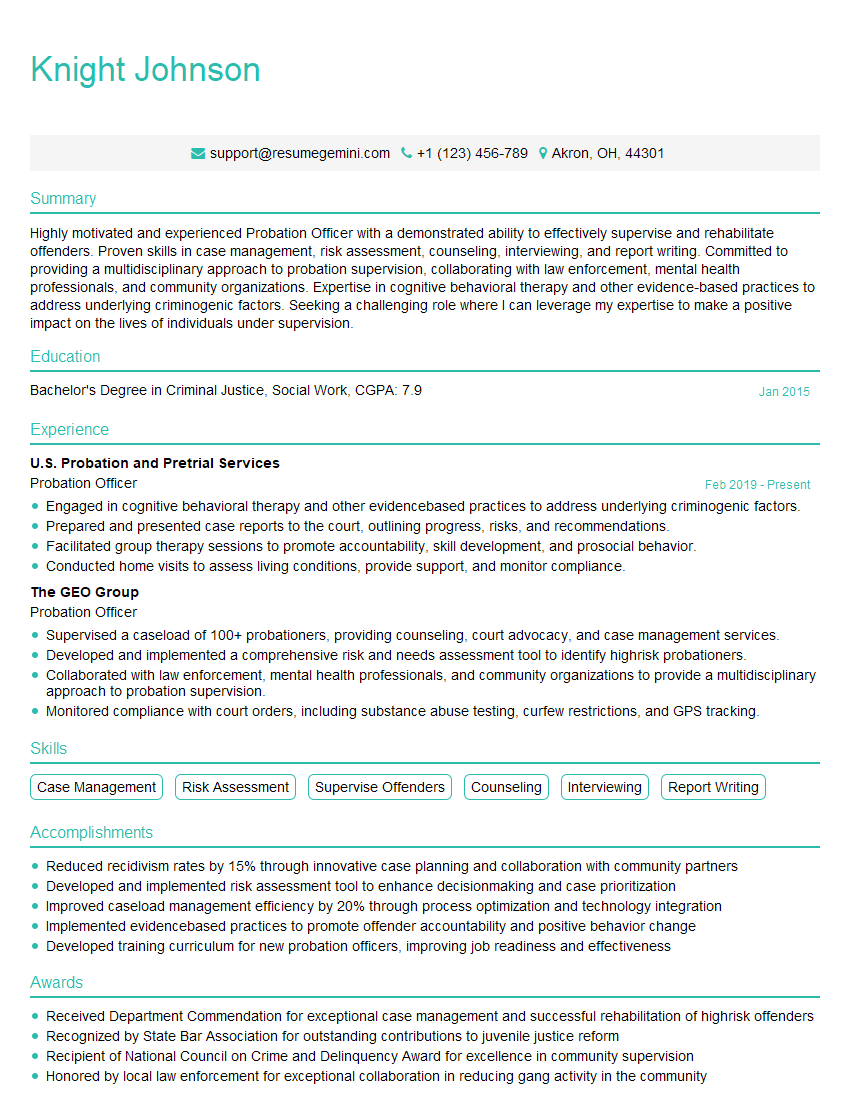
Probation Officer Resume Sample
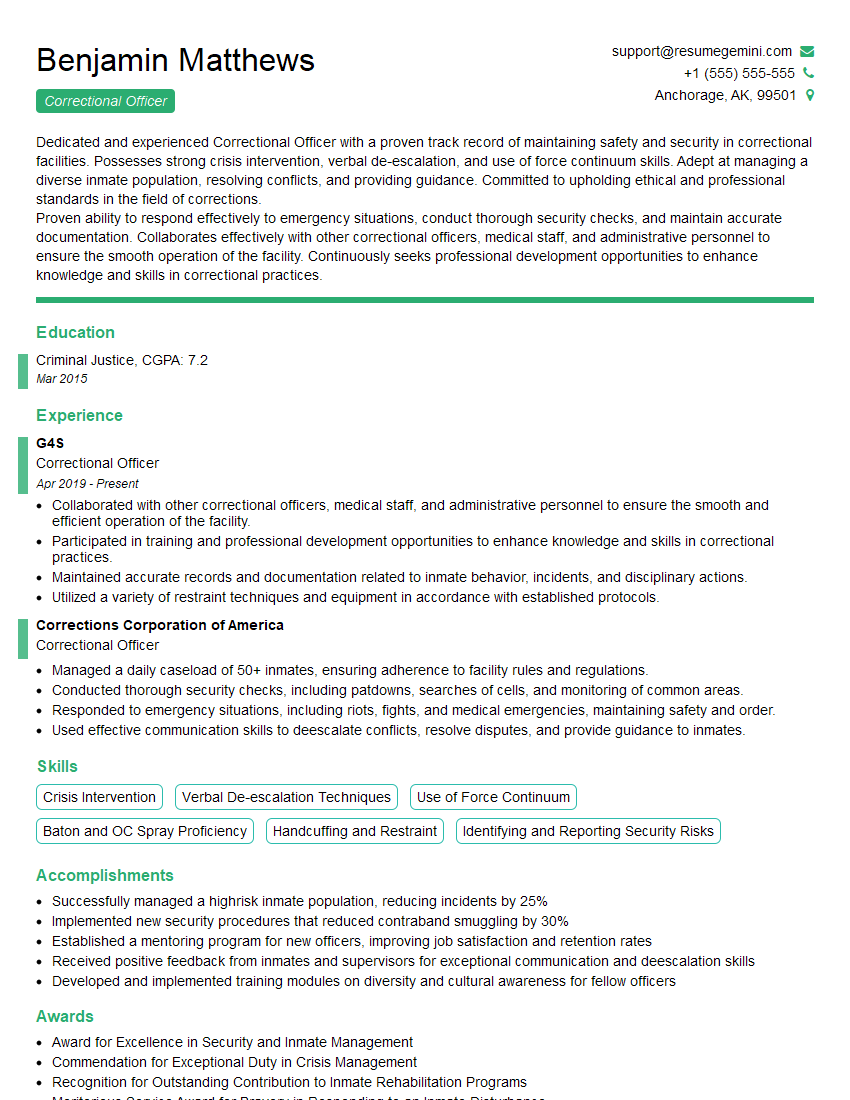
Correctional Officer Resume Sample
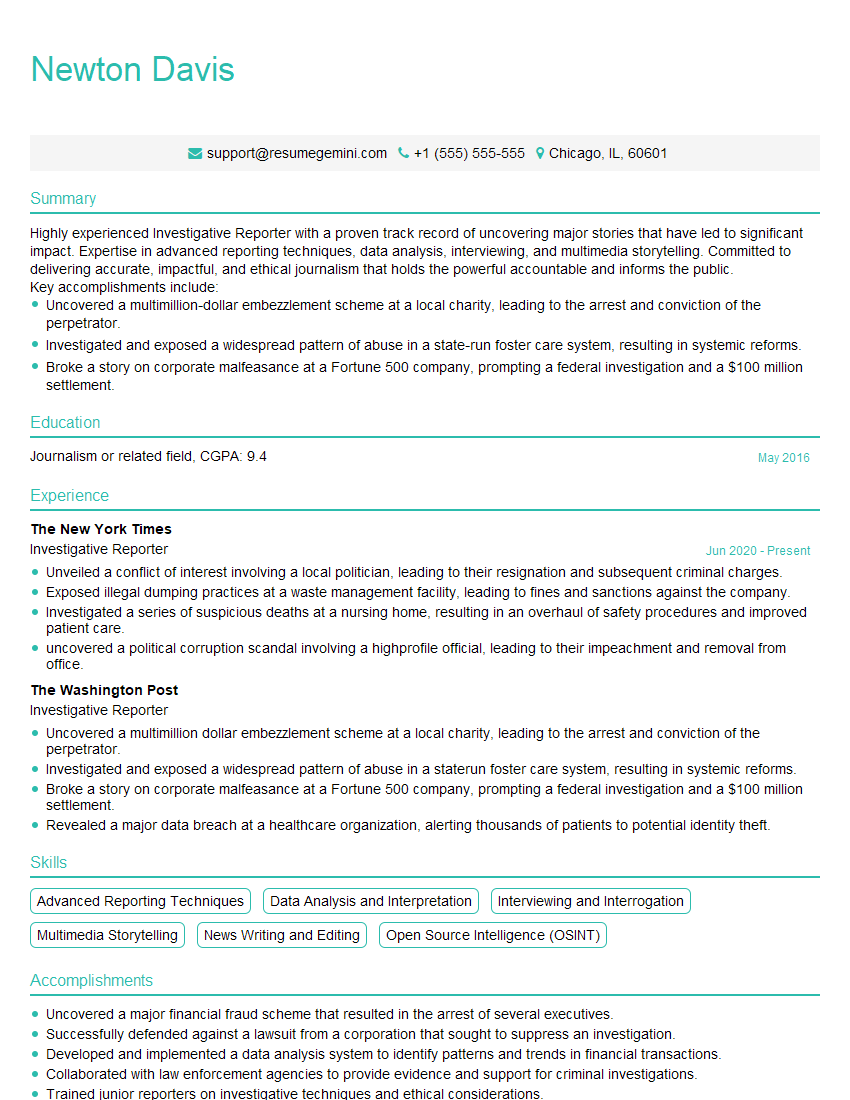
Investigative Reporter Resume Sample
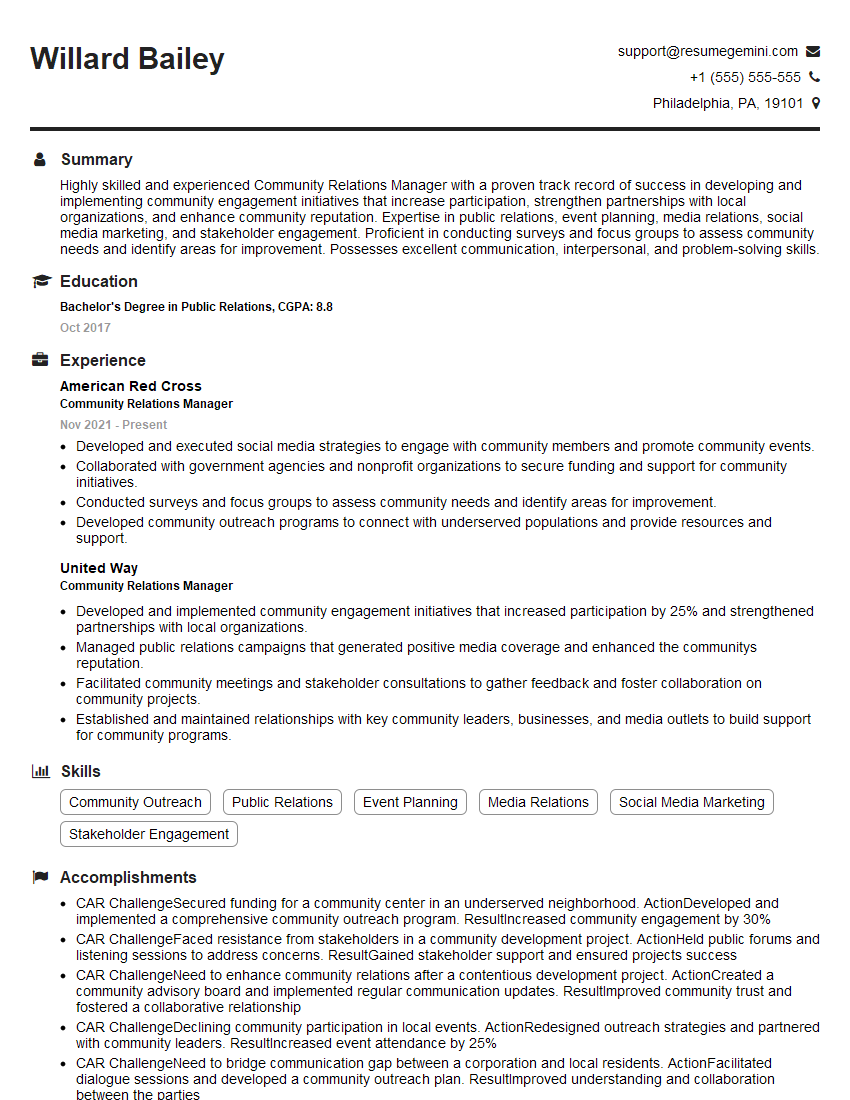
Community Relations Manager Resume Sample
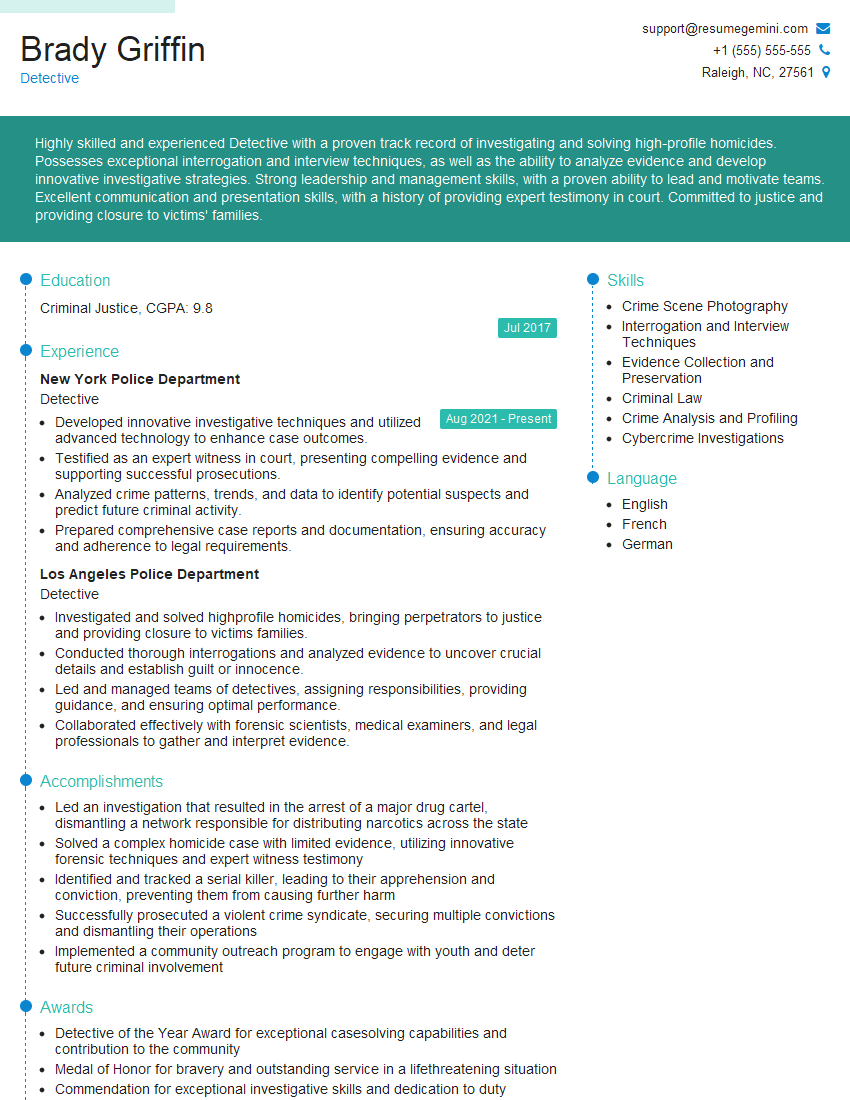
Detective Resume Sample
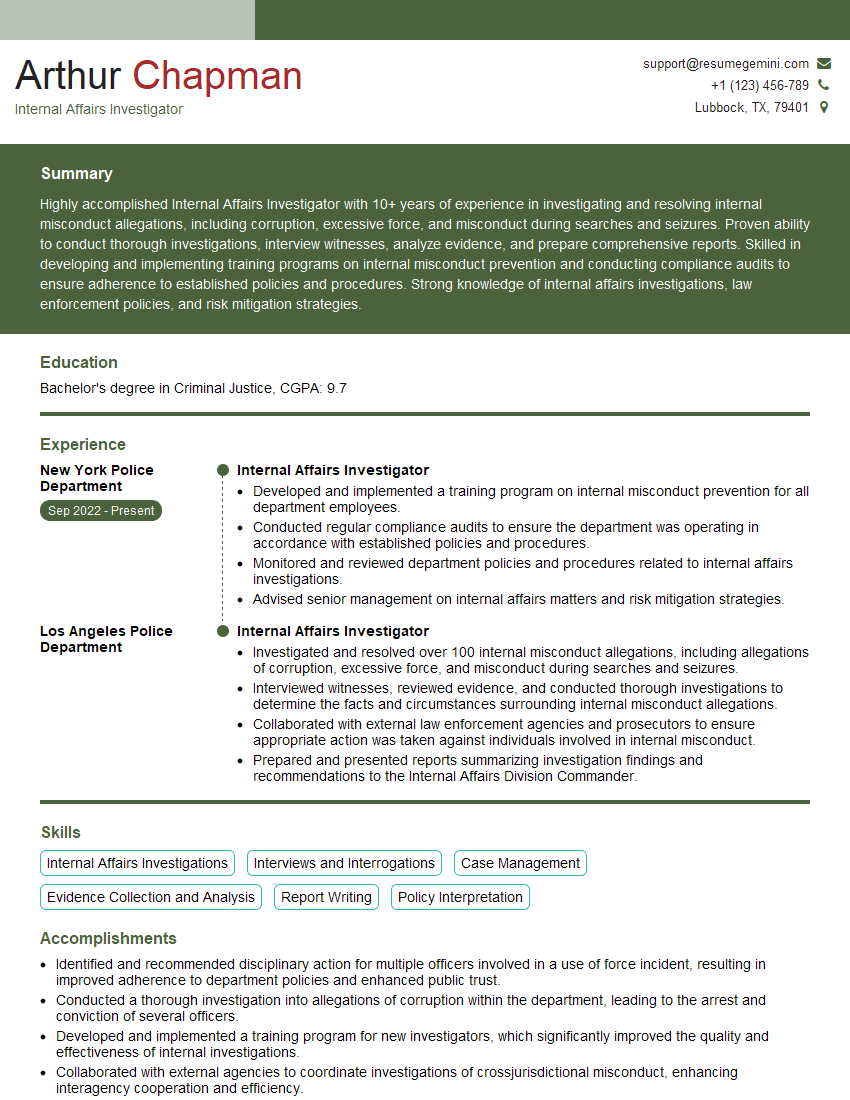
Internal Affairs Investigator Resume Sample
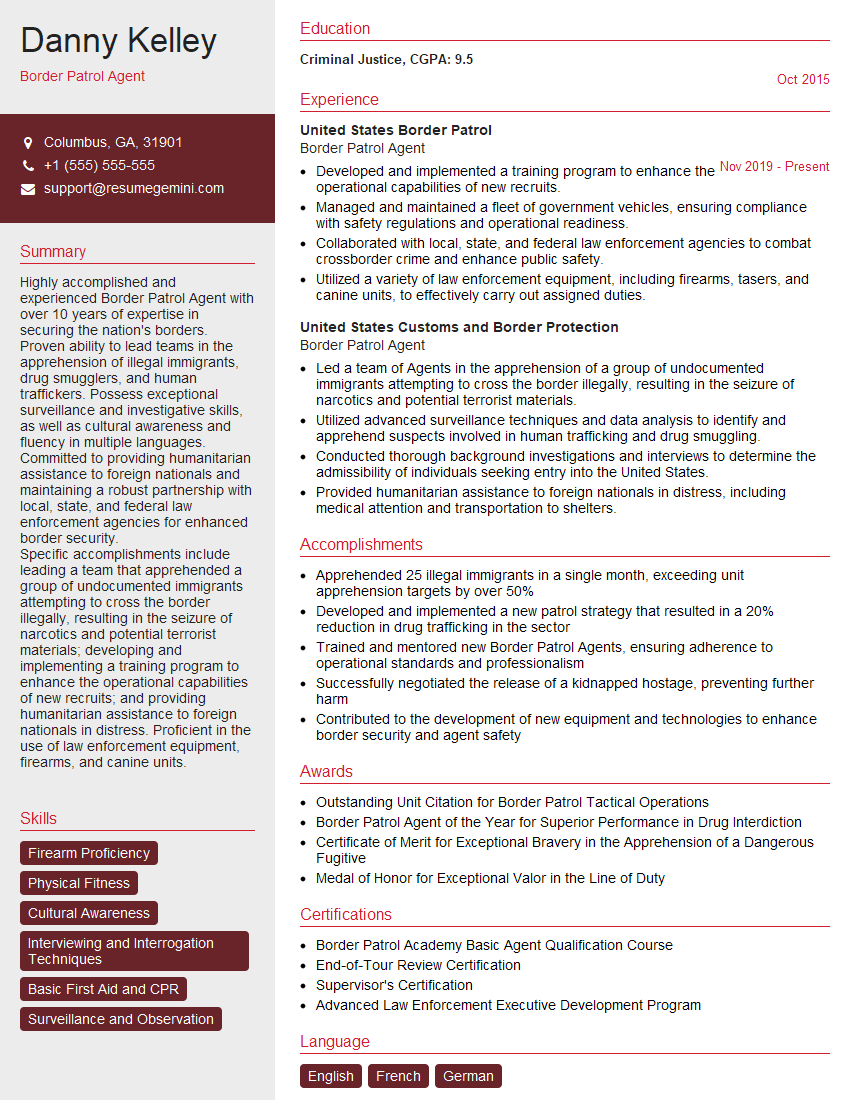
Border Patrol Agent Resume Sample
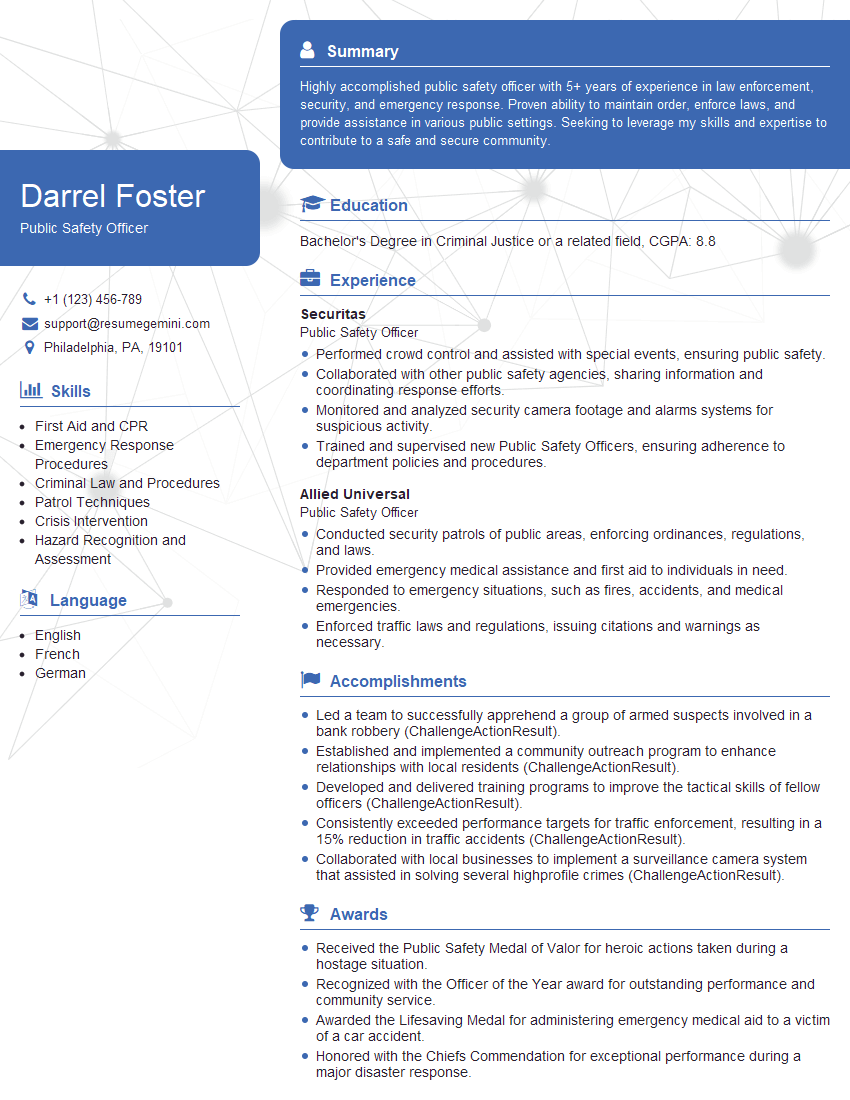
Public Safety Officer Resume Sample
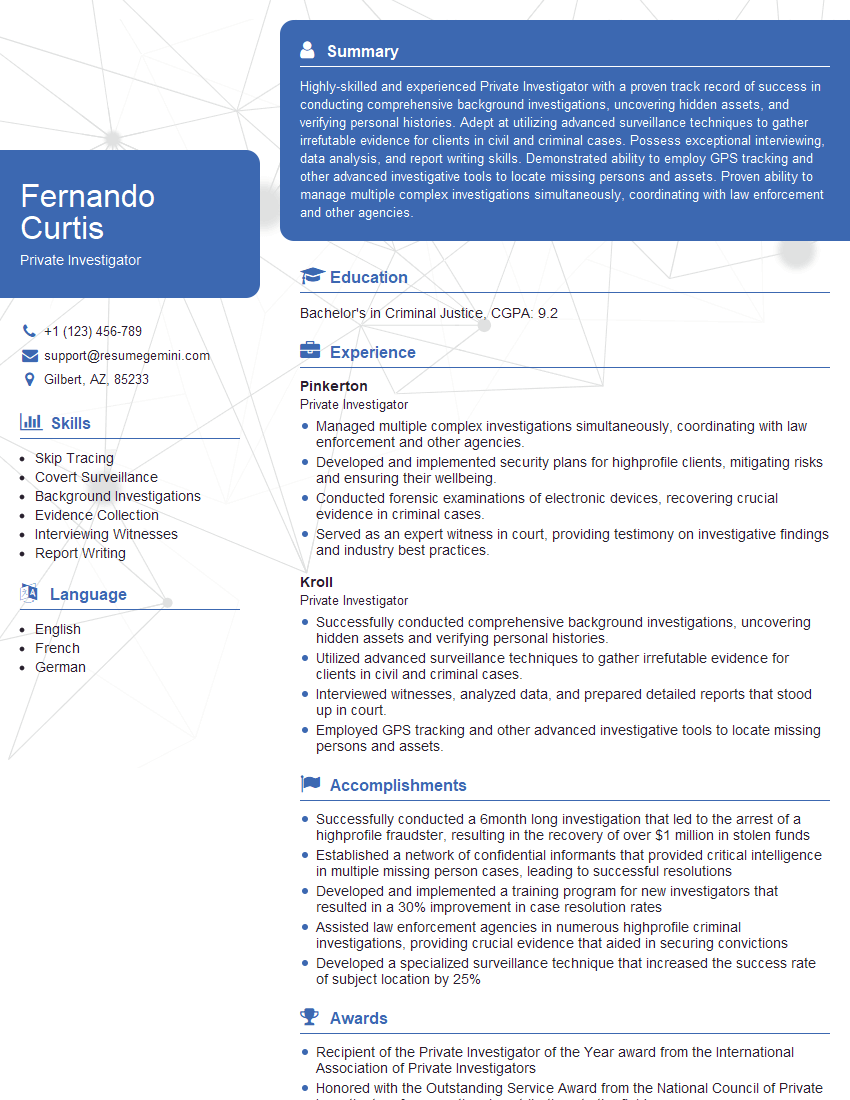
Private Investigator Resume Sample
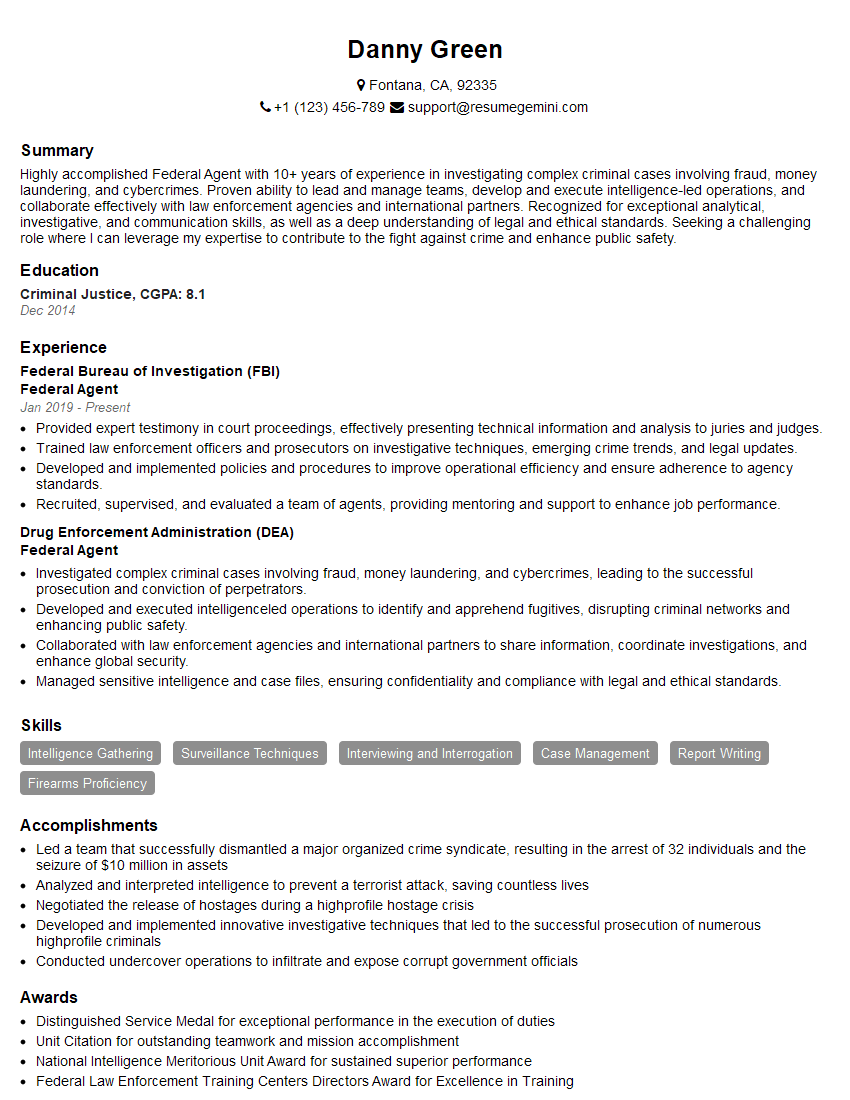
Federal Agent Resume Sample
- Emergency Management Specialist
- Legal Compliance Officer
- Risk Manager
- Security Manager
- Loss Prevention Manager
- Security Consultant
- Customs Agent
- Intelligence Analyst
- Government Affairs Specialist
- Probation Officer
- Correctional Officer
- Investigative Reporter
- Community Relations Manager
- Detective
- Internal Affairs Investigator
- Border Patrol Agent
- Public Safety Officer
- Private Investigator
- Federal Agent
Explore more articles
Users Rating of Our Blogs
Share Your Experience
We value your feedback! Please rate our content and share your thoughts (optional).
What Readers Say About Our Blog
Really detailed insights and content, thank you for writing this detailed article.
IT gave me an insight and words to use and be able to think of examples