Feeling uncertain about what to expect in your upcoming interview? We’ve got you covered! This blog highlights the most important Livestock Production and Management interview questions and provides actionable advice to help you stand out as the ideal candidate. Let’s pave the way for your success.
Questions Asked in Livestock Production and Management Interview
Q 1. Describe your experience in livestock feeding and nutrition management.
Livestock feeding and nutrition management is the cornerstone of successful animal production. It involves formulating balanced rations to meet the animals’ specific nutritional needs at each stage of their life cycle, considering factors like breed, age, weight, production level (e.g., milk production, weight gain), and environmental conditions. This is far from a simple task of just providing food; it requires a deep understanding of animal physiology and nutritional requirements.
My experience includes formulating rations using various feedstuffs, including grains, forages, protein supplements, and mineral premixes. I’ve utilized both computer software and manual calculations to ensure optimal nutrient balance. For example, I once worked with a dairy farm struggling with low milk production. By analyzing their current feeding practices and conducting a nutrient needs assessment, I developed a new ration incorporating higher-quality forages and optimized protein and energy levels, which resulted in a significant increase in milk yield within three months. I also have extensive experience with feed analysis and quality control, ensuring the feed provided is of high quality and free from mycotoxins or other contaminants. Regularly monitoring feed intake and animal performance allows for adjustments to the feeding strategy, optimizing cost-effectiveness and animal well-being.
I also account for specific nutritional challenges. For instance, in hot climates, I might adjust the ration to include electrolytes and increase water access to compensate for increased water loss. In cold climates, energy density in the ration might be increased to help animals maintain body temperature.
Q 2. Explain different breeding strategies used in livestock production.
Breeding strategies in livestock production aim to improve economically important traits, such as milk yield, meat quality, growth rate, and disease resistance. Different strategies are employed depending on the species, resources, and goals of the producer.
- Artificial Insemination (AI): This is a widely used technique allowing for the controlled mating of animals with superior genetics, regardless of geographical location. It improves genetic progress faster than natural mating. For example, AI allows us to utilize semen from elite bulls to improve the milk production in a herd of dairy cows.
- Embryo Transfer (ET): ET involves collecting embryos from superior females and transferring them into recipient females. This allows for the rapid multiplication of superior genetics. A single elite cow can produce many offspring in a short period.
- Inbreeding: While this concentrates desirable traits, it also increases the risk of recessive genetic disorders. It is generally avoided except in highly controlled breeding programs for specific traits.
- Linebreeding: This is a milder form of inbreeding that focuses on maintaining desirable traits by mating animals that share a common ancestor several generations back, minimizing the risks associated with inbreeding.
- Crossbreeding: Mating animals of different breeds can produce offspring with hybrid vigor (heterosis), resulting in improved performance. For instance, crossing a beef breed with a dairy breed might result in offspring that grow faster and are more efficient at converting feed into meat.
- Genetic Selection/Marker-Assisted Selection (MAS): This involves using genetic information to select animals with superior traits. MAS specifically uses DNA markers to identify genes associated with desirable traits, improving the accuracy of selection and speeding up genetic progress.
Choosing the right breeding strategy requires careful consideration of the overall breeding objectives and available resources. It’s crucial to balance genetic progress with maintaining genetic diversity to avoid inbreeding depression and enhance adaptability to environmental changes.
Q 3. How do you monitor and control livestock diseases and parasites?
Monitoring and controlling livestock diseases and parasites is crucial for maintaining animal health, productivity, and profitability. A proactive approach is key, involving both preventive and curative measures.
- Preventive Measures: This includes vaccination programs tailored to the specific diseases prevalent in the region, implementing robust biosecurity protocols (discussed further below), regular deworming, and providing optimal nutrition and housing to enhance animal immunity.
- Disease Surveillance: Regular health checks, including visual inspections and monitoring for clinical signs of disease, are essential. This might involve daily observation for changes in behavior, appetite, or physical condition. I regularly employ temperature checks on animals to detect early signs of fever.
- Diagnostic Testing: In case of suspected disease outbreaks, laboratory tests (e.g., blood tests, fecal examinations) are vital to identify pathogens accurately. This allows for targeted treatment and prevents the spread of disease.
- Treatment and Control: Appropriate medications, administered under veterinary guidance, are used to treat diseased animals. For parasite control, effective deworming strategies are crucial, considering the development of parasite resistance to commonly used drugs. Rotating dewormers and implementing integrated pest management are essential components.
- Quarantine: Any newly introduced animals are always quarantined for a period to prevent the introduction of diseases to the existing herd.
Effective disease management often involves collaboration with veterinarians and government agencies to ensure compliance with regulations and access to up-to-date information and best practices. For example, prompt reporting of suspected disease outbreaks is critical in preventing widespread epidemics.
Q 4. What are your strategies for optimizing livestock reproduction rates?
Optimizing livestock reproduction rates is essential for maximizing profitability. This involves a multifaceted approach targeting multiple aspects of animal reproductive health.
- Nutritional Management: Providing balanced nutrition, especially during pregnancy and lactation, is critical for optimal reproductive performance. Nutrient deficiencies can lead to reduced fertility and increased pregnancy losses.
- Reproductive Health Checks: Regular veterinary examinations to identify and address any reproductive disorders (e.g., uterine infections, ovarian cysts) are important for early intervention.
- Breeding Management: Implementing appropriate breeding strategies, as mentioned earlier, and careful monitoring of estrus (heat) cycles are crucial for timely insemination or mating. Accurate record-keeping enables the identification of animals with reproductive problems.
- Disease Control: Controlling reproductive diseases, such as brucellosis and leptospirosis, through vaccination and biosecurity measures, is critical for maintaining high reproductive rates.
- Stress Reduction: Minimizing stressors such as overcrowding, extreme temperatures, and poor management practices improves reproductive efficiency. Comfortable housing, appropriate stocking density, and proper handling all contribute to better reproductive outcomes.
- Reproductive Technologies: The use of reproductive technologies like AI and ET, as previously discussed, is important in maximizing the genetic potential of superior animals.
Successfully optimizing reproductive rates involves careful observation of the animals, data analysis, and collaboration with veterinarians to address any specific challenges.
Q 5. Describe your experience with livestock record-keeping and data analysis.
Accurate and comprehensive livestock record-keeping is essential for informed decision-making and farm management efficiency. My experience involves using both manual and computerized record-keeping systems.
The data I typically collect includes animal identification (ear tags, microchips), birth dates, breeding records (date of insemination, pregnancy confirmation), production records (milk yield, weight gain, meat quality), health records (vaccinations, treatments), and feed intake. I use spreadsheets and specialized farm management software to organize this information and generate reports for analysis. This data is utilized to track animal performance, identify areas for improvement, monitor health trends, and assist with breeding decisions. For instance, analyzing milk yield records over time can reveal the impact of changes in feeding strategy or breeding practices. Similarly, health records can help identify animals susceptible to certain diseases and inform prevention strategies.
Data analysis goes beyond simple record-keeping; it allows for identification of trends and patterns. For example, by analyzing birth weights over several years, we might identify a genetic trend that necessitates a change in breeding strategy. The ability to use statistical analysis to interpret data is critical for informed management decisions.
Q 6. How do you manage labor and resources on a livestock farm?
Efficient labor and resource management is crucial for the economic success of any livestock farm. This involves careful planning and optimization of all resources – human labor, equipment, feed, and finances.
- Labor Management: This includes proper scheduling of tasks, assigning responsibilities, providing training to staff, and establishing clear communication channels. Using labor-saving equipment and technology can also help reduce the workload and increase efficiency. For example, automated feeding systems can save significant labor compared to manual feeding.
- Resource Allocation: Careful planning is needed to optimize the use of available resources. This includes strategic purchasing of feed and supplies to minimize costs and waste. Ensuring optimal utilization of pastureland and other resources is also important.
- Financial Management: Accurate financial records are necessary to track income, expenses, and profitability. This allows for informed decisions about investments, cost control, and long-term planning. Budgeting and forecasting are essential tools for financial management.
- Equipment Maintenance: Regular maintenance and repair of farm equipment is necessary to ensure reliability and avoid costly downtime. A preventative maintenance schedule is crucial.
Effective resource management frequently involves finding balance between cost and productivity. For example, investing in high-quality equipment may be more costly initially, but it can lead to long-term savings in labor and operational costs. Similarly, providing adequate employee training can improve productivity and reduce errors, leading to overall increased efficiency.
Q 7. Explain your understanding of biosecurity measures in livestock production.
Biosecurity measures are critical in preventing the introduction and spread of infectious diseases on a livestock farm. It’s a proactive approach to protect animal health and maintain productivity.
- Isolation and Quarantine: Newly introduced animals should be kept in isolation for a period before being integrated into the main herd to monitor for signs of disease. Animals showing signs of illness should be immediately isolated to prevent the spread of infection.
- Hygiene and Sanitation: Maintaining a high level of hygiene on the farm is crucial. This includes regular cleaning and disinfection of facilities, equipment, and vehicles. Proper waste management and rodent control are also essential.
- Traffic Control: Limiting access to the farm by unauthorized personnel and vehicles helps reduce the risk of disease introduction. Visitors should be required to change clothing and footwear before entering the animal areas.
- Vector Control: Controlling vectors such as insects and rodents that can transmit diseases is crucial. This may involve using insecticides and pest control measures.
- Personnel Hygiene: Farm workers should practice good hygiene, including handwashing and changing clothing between different animal groups. Providing protective equipment like boots and gloves minimizes the risk of spreading pathogens.
- Vaccination and Parasite Control Programs: Well-structured vaccination and parasite control programs are essential elements of a strong biosecurity plan.
Biosecurity isn’t a one-time event; it’s an ongoing process that requires continuous vigilance and attention to detail. Think of it as a multi-layered defense system aimed at keeping diseases out and preventing their spread within the farm. Implementing robust biosecurity measures is a critical investment in the health and productivity of the livestock operation.
Q 8. How do you handle livestock waste management and environmental concerns?
Responsible livestock waste management is crucial for both environmental protection and farm profitability. It involves minimizing pollution, maximizing resource recovery, and adhering to environmental regulations. My approach is multifaceted and includes:
Manure Management: Implementing strategies like anaerobic digestion to convert manure into biogas (a renewable energy source) and digestate (a valuable fertilizer). This reduces greenhouse gas emissions and provides a sustainable alternative to chemical fertilizers. For example, in a previous role, we successfully implemented an anaerobic digester system, reducing methane emissions by 40% and generating enough biogas to power 70% of the farm’s energy needs.
Nutrient Management: Precisely applying manure and other fertilizers based on soil testing to optimize nutrient uptake by crops, minimizing runoff and leaching into waterways. This avoids eutrophication – excessive nutrient enrichment in water bodies causing algal blooms and harming aquatic life. We used a nutrient management plan based on soil tests that resulted in a 15% increase in crop yield with a simultaneous 20% decrease in fertilizer use.
Waste Storage and Handling: Utilizing properly designed and maintained storage facilities to prevent leaks and runoff, and implementing best practices for manure handling to prevent odors and pest infestations. This includes regular maintenance of lagoons and appropriate waste spreading techniques to meet environmental standards.
Compliance with all relevant environmental regulations is paramount, and I have extensive experience working with environmental agencies to ensure our operations meet or exceed required standards.
Q 9. Describe your experience with different livestock housing systems.
My experience encompasses a range of livestock housing systems, each with its own advantages and disadvantages depending on the species, climate, and operational goals. I’ve worked with:
Free-range/Pasture-based systems: Ideal for promoting animal welfare and producing high-quality products, but requires larger land areas and may be more susceptible to weather-related challenges and disease outbreaks. For instance, in a project involving free-range chickens, we implemented rotational grazing to optimize pasture use and improve bird health.
Confined housing systems (e.g., barns, sheds): Offer better control over climate, feeding, and disease prevention, but can compromise animal welfare if not managed carefully. These systems often require more investment in infrastructure and careful consideration of ventilation, hygiene, and animal density.
Mixed systems: Often the best approach, combining the benefits of both confined and free-range systems. For example, a system where animals are kept in barns overnight for protection and graze during the day in pastures.
The selection of the optimal housing system requires a careful consideration of various factors including animal welfare, environmental impact, production efficiency, and economic feasibility. I always prioritize creating an environment that promotes animal health, comfort, and well-being.
Q 10. How do you assess the quality of livestock feed?
Assessing feed quality is critical for maintaining animal health and optimizing production. My evaluation process involves a multi-pronged approach:
Visual Inspection: Checking for color, texture, presence of mold or foreign materials, and overall appearance. A healthy feed should have a consistent color and texture free of mold, insect infestation or other obvious contaminants.
Laboratory Analysis: Employing laboratory tests to determine nutrient composition (protein, fat, fiber, minerals, vitamins), moisture content, and the presence of mycotoxins or other harmful substances. This provides precise data for formulating balanced rations.
Sensory Evaluation: Assessing the smell and taste (if applicable) to detect any off-flavors or odors that might indicate spoilage or contamination. This is a quick screening step that is often supplemented by more rigorous laboratory analysis.
Feed palatability: Testing how readily animals consume the feed; this can be assessed through direct observation and monitoring feed intake.
These combined methods ensure that the feed meets the nutritional requirements of the livestock and minimizes the risk of health problems. In one instance, a laboratory analysis revealed an unexpectedly high level of mycotoxins in a batch of feed; early detection prevented the use of this contaminated feed, protecting the herd from potential illness.
Q 11. Explain your knowledge of livestock genetics and breeding programs.
Understanding livestock genetics and implementing effective breeding programs are essential for improving productivity, disease resistance, and overall animal welfare. My experience includes:
Genetic Evaluation: Utilizing performance records, pedigree analysis, and genomic data to select superior breeding animals with desirable traits like growth rate, milk production, meat quality, and disease resistance. We implemented genomic selection in a dairy herd which increased milk yield by 8% within 3 years.
Breeding Strategies: Applying various breeding strategies such as artificial insemination, embryo transfer, and marker-assisted selection to accelerate genetic improvement and enhance efficiency. This includes understanding different mating systems (e.g., linebreeding, outcrossing).
Maintaining Breed Records: Accurately maintaining breeding records for effective genetic management, ensuring the traceability of animals and accurate planning of breeding cycles. This includes record-keeping of parentage, production data, and health records.
Successful genetic improvement requires a long-term perspective and a systematic approach. I have extensive experience in designing and implementing breeding programs that align with specific operational goals and meet the highest standards of animal welfare.
Q 12. What is your experience with livestock marketing and sales?
Effective livestock marketing and sales require a deep understanding of market dynamics, consumer preferences, and optimal pricing strategies. My approach is:
Market Research: Regularly monitoring market trends, prices, and consumer demand to identify opportunities and make informed decisions. This includes analyzing competitor strategies and adapting our sales plans accordingly.
Product Differentiation: Developing a unique selling proposition, such as producing high-quality, ethically sourced products that command premium prices. We achieved this by implementing sustainable farming practices and obtaining certifications that highlighted the quality and origin of our livestock products.
Sales Channels: Exploring different sales channels such as direct sales to consumers, partnerships with local retailers and restaurants, and participation in farmers’ markets to reach a wider customer base. For example, establishing direct-to-consumer sales via a farm store significantly boosted revenue and enhanced customer engagement.
Pricing Strategies: Developing dynamic pricing strategies that balance market demand with production costs and profitability. This includes using different pricing models such as cost-plus pricing or value-based pricing.
Successful livestock marketing requires not just selling animals but building relationships with customers and demonstrating transparency and integrity.
Q 13. How do you monitor and control livestock stress factors?
Stress in livestock can significantly impact productivity, health, and welfare. My approach to monitoring and controlling stress factors is proactive and multi-pronged:
Environmental Factors: Minimizing exposure to extreme temperatures, overcrowding, and poor ventilation. We accomplished this through the use of climate-controlled barns and optimized stocking densities.
Management Practices: Implementing gentle handling techniques, minimizing noise and disturbances, and providing consistent routines to reduce stress from human interaction. Regular training programs on best animal handling practices are essential for our workforce.
Nutritional Management: Providing adequate nutrition and access to clean water, ensuring animals receive the resources necessary for optimal health and coping with stress. We utilize a nutritionist to design customized feed rations.
Health Management: Implementing preventive healthcare programs including vaccinations and parasite control to reduce disease-related stress. Early disease detection is key to minimizing stress and health complications.
Monitoring Behavioral Indicators: Regularly observing animals for signs of stress like changes in behavior, appetite, or production, enabling early detection of stress factors and prompt interventions. This includes regular checks for injuries or signs of disease.
Addressing stress proactively ensures improved animal health, better production performance, and a more humane approach to animal management.
Q 14. Describe your experience with the implementation of sustainable farming practices.
Implementing sustainable farming practices is crucial for long-term environmental and economic viability. My experience includes:
Reduced Chemical Inputs: Minimizing reliance on chemical fertilizers and pesticides through the use of integrated pest management and the application of organic fertilizers like composted manure. This reduced our reliance on external inputs and mitigated negative environmental impacts.
Improved Water Management: Implementing water-efficient irrigation techniques and strategies to reduce water consumption and minimize runoff and pollution. This included the installation of drip irrigation systems.
Renewable Energy: Utilizing renewable energy sources such as solar or wind power to reduce reliance on fossil fuels and decrease carbon emissions. We implemented a solar energy system which provided 30% of our farm’s energy needs.
Soil Health Management: Employing practices like cover cropping, no-till farming, and crop rotation to improve soil health, reduce erosion, and enhance carbon sequestration. These techniques have improved soil fertility and enhanced crop yields.
Waste Recycling and Composting: Converting organic waste into valuable resources through composting to reduce waste and improve soil fertility. Our composting program substantially reduced landfill waste and generated high-quality compost for our crops.
Sustainable practices not only benefit the environment but also improve farm profitability and enhance the overall resilience of the farming system. I believe in integrating sustainable practices seamlessly into all aspects of livestock production and management.
Q 15. How do you handle emergencies and unexpected events on the farm?
Emergency preparedness is paramount in livestock production. We have established a comprehensive emergency response plan that addresses various scenarios, from sudden illness outbreaks to equipment malfunctions and severe weather events. This plan details roles and responsibilities for each team member, outlining clear communication channels and procedures.
- Illness Outbreaks: A rapid response protocol involves immediate isolation of affected animals, contacting a veterinarian, and implementing strict biosecurity measures to prevent further spread. For instance, during a recent outbreak of foot-and-mouth disease in a neighboring farm, we immediately increased biosecurity, including foot dips and vehicle disinfection, and notified the relevant authorities.
- Equipment Failure: We maintain a well-stocked inventory of spare parts and have agreements with reliable repair services for quick intervention. A backup generator ensures continuous power supply for critical equipment like refrigeration and ventilation systems.
- Severe Weather: Our barns are designed to withstand harsh conditions, and we have contingency plans for relocating animals to safer areas in case of floods or storms. We also keep emergency feed and water supplies readily available.
Regular drills and training sessions keep the team well-prepared to respond effectively and efficiently to any unexpected event, minimizing losses and ensuring animal welfare.
Career Expert Tips:
- Ace those interviews! Prepare effectively by reviewing the Top 50 Most Common Interview Questions on ResumeGemini.
- Navigate your job search with confidence! Explore a wide range of Career Tips on ResumeGemini. Learn about common challenges and recommendations to overcome them.
- Craft the perfect resume! Master the Art of Resume Writing with ResumeGemini’s guide. Showcase your unique qualifications and achievements effectively.
- Don’t miss out on holiday savings! Build your dream resume with ResumeGemini’s ATS optimized templates.
Q 16. Explain your experience in using technology to improve livestock production efficiency.
Technology plays a vital role in enhancing efficiency across all aspects of our livestock operation. We utilize a range of technologies to improve productivity and reduce costs.
- Precision Livestock Farming (PLF): We employ sensors and data loggers to monitor environmental parameters (temperature, humidity, air quality) and animal health indicators (activity levels, feed intake). This data is analyzed using specialized software to identify patterns, predict potential problems, and optimize management practices. For example, we’ve used activity sensors to detect early signs of lameness in dairy cows, allowing for prompt treatment and preventing production losses.
- Automated Feeding Systems: Automated feeding systems deliver precise amounts of feed to each animal based on individual needs, minimizing waste and maximizing feed efficiency. We’ve seen significant improvements in feed conversion rates since implementing this technology.
- GPS Tracking and Management Software: We utilize GPS trackers on grazing animals to monitor their location and behavior. This allows for better pasture management and timely intervention in case of animals straying from designated areas.
- Data Analytics and Predictive Modelling: We employ sophisticated software to analyze large datasets, allowing us to predict future trends, optimize resource allocation, and make data-driven decisions for improved profitability and sustainability.
The integration of these technologies has resulted in improved animal welfare, reduced labor costs, increased productivity, and better decision-making.
Q 17. How do you maintain accurate financial records in livestock production?
Maintaining accurate financial records is crucial for the success and sustainability of any livestock operation. We employ a double-entry bookkeeping system, using both manual and software-based tools.
- Detailed Record Keeping: We meticulously track all income and expenses, including feed costs, veterinary expenses, labor costs, breeding expenses, and sales revenue. We also keep detailed records of animal inventory, births, deaths, and sales.
- Inventory Management: Accurate inventory management ensures that we have sufficient supplies on hand while minimizing storage costs. We use software to track inventory levels and automate reordering processes.
- Financial Software: We use specialized farm accounting software to manage our financial records, generate reports, and analyze our financial performance. This software simplifies data entry, provides real-time financial insights, and aids in tax preparation.
- Regular Audits: We conduct regular internal audits to ensure accuracy and identify areas for improvement. We also engage external accountants for annual audits and tax filing.
This comprehensive approach ensures that we have a clear understanding of our financial position, enabling informed decision-making and efficient resource allocation.
Q 18. How do you comply with all relevant regulations and guidelines regarding livestock production?
Compliance with all relevant regulations and guidelines is non-negotiable. We prioritize maintaining the highest standards of animal welfare and environmental protection.
- Biosecurity Protocols: We implement strict biosecurity measures to prevent the spread of diseases, including quarantine procedures for new animals, disinfection protocols, and visitor restrictions.
- Animal Welfare Standards: We adhere to strict animal welfare standards, ensuring animals have access to adequate food, water, shelter, and veterinary care. Our facilities are designed to promote animal comfort and minimize stress.
- Environmental Regulations: We comply with all environmental regulations related to waste management, water usage, and emissions. We actively seek ways to minimize our environmental footprint through sustainable practices.
- Record Keeping and Reporting: We maintain accurate records related to animal health, treatments, and movements as required by regulatory bodies. We promptly submit all necessary reports to the relevant authorities.
- Continuous Learning: We actively engage in continuing education to remain updated on the latest regulations and best practices.
Our commitment to compliance not only protects animal welfare and the environment but also ensures the long-term sustainability of our operation.
Q 19. Describe your experience with livestock transportation and handling.
Safe and humane livestock transportation and handling are crucial aspects of our operation. We prioritize minimizing stress and injury to the animals throughout the process.
- Proper Vehicle Selection: We utilize appropriately sized and well-maintained transport vehicles equipped with adequate ventilation and climate control to ensure animal comfort during transit. We regularly inspect vehicles to ensure they meet all safety standards.
- Training and Expertise: Our staff receives comprehensive training on proper animal handling techniques, including safe loading, unloading, and restraint procedures. We emphasize minimizing stress and potential injuries throughout handling processes.
- Minimizing Transit Time: We plan routes and schedules to minimize transit time, reducing the stress on animals. We provide access to water during transport, especially for longer journeys.
- Compliance with Regulations: We adhere strictly to all regulations regarding livestock transportation, including those related to animal welfare, biosecurity, and vehicle safety. We ensure all documentation is complete and up-to-date.
Our focus is on ensuring that livestock transportation and handling are conducted in a humane and efficient manner, prioritizing animal welfare and minimizing stress.
Q 20. Explain your knowledge of different livestock breeds and their characteristics.
Understanding different livestock breeds and their characteristics is fundamental to successful livestock production. Breed selection depends on several factors, including climate, market demand, and production goals.
- Dairy Cattle: Holstein Friesians are known for their high milk production, while Jersey cattle produce milk with a higher butterfat content. Selecting a breed depends on market preference and production system.
- Beef Cattle: Angus cattle are prized for their marbling and tenderness, while Herefords are known for their hardiness and adaptability to various climates. Breed selection depends on the desired meat quality and production environment.
- Swine: Yorkshire pigs are known for their prolificacy and maternal instincts, while Duroc pigs are valued for their growth rate and meat quality. Selection depends on desired production traits.
- Poultry: Broiler breeds are selected for rapid growth and meat production, while layer breeds are selected for high egg production. This depends on intended meat and egg production.
We carefully consider the specific requirements of each breed, including their nutritional needs, disease resistance, and temperament, to optimize their performance within our production system.
Q 21. How do you prevent and manage livestock injuries and illnesses?
Preventing and managing livestock injuries and illnesses is a critical aspect of responsible livestock production. A proactive approach focusing on prevention is key to minimizing losses and ensuring animal welfare.
- Biosecurity: Implementing strict biosecurity measures, such as quarantine protocols for new animals, regular disinfection of facilities, and rodent control, is crucial in preventing disease outbreaks.
- Vaccination and Parasite Control: Regular vaccination programs protect animals from various diseases. We implement effective parasite control strategies, such as deworming and fly control, to prevent production losses and improve animal welfare.
- Nutritional Management: Providing balanced and nutritious diets is vital for maintaining animal health and immunity. We work with nutritionists to develop feeding programs tailored to the specific needs of each animal.
- Proper Housing and Facilities: Providing adequate housing with appropriate ventilation, temperature control, and sufficient space minimizes stress and reduces the risk of injuries. Regular facility maintenance and cleanliness are also crucial.
- Early Detection and Prompt Treatment: Regularly monitoring the animals for any signs of illness or injury is critical. We have a system for early detection and rapid response, including access to veterinary services and experienced personnel who can administer appropriate treatment.
Our commitment to prevention and early intervention helps us minimize the impact of injuries and illnesses, ensuring animal welfare and maximizing production efficiency.
Q 22. How do you assess and manage pasture quality for livestock grazing?
Assessing and managing pasture quality is crucial for efficient and sustainable livestock production. It involves a multi-faceted approach focusing on factors impacting forage quantity and quality. Think of it like tending a garden – you wouldn’t expect a bountiful harvest without proper care.
Visual Assessment: Regularly inspecting the pasture for signs of overgrazing (bare patches), weed infestation, and the overall health and vigor of the plants. This is a quick, everyday check.
Forage Sampling and Analysis: Collecting representative samples of pasture plants for laboratory analysis helps determine nutritional content (crude protein, energy, fiber), and potential toxicities. This provides quantitative data, allowing for informed decision-making.
Species Composition: Identifying the types of plants present is key. A diverse mix of grasses and legumes ensures a balanced nutrient profile and improved resilience. For example, a pasture dominated by just one species is more vulnerable to disease or drought.
Soil Testing: Analyzing soil samples helps identify nutrient deficiencies (e.g., nitrogen, phosphorus, potassium). This informs fertilization strategies to optimize plant growth and nutritional value for the livestock. Soil health is the foundation.
Grazing Management: Implementing rotational grazing, which involves dividing the pasture into paddocks and systematically moving animals between them, allows for rest and recovery periods for the plants, preventing overgrazing and promoting healthier regrowth. It’s like giving the pasture a break between meals.
By combining these methods, a comprehensive picture of pasture health emerges, guiding management practices like fertilization, weed control, and grazing rotations to maximize forage production and nutritional value for the livestock.
Q 23. What is your experience with livestock health monitoring and vaccination programs?
Livestock health monitoring and vaccination programs are fundamental to productive and profitable animal agriculture. My experience encompasses developing and implementing comprehensive health plans tailored to specific species and production systems.
Routine Health Checks: Regularly observing animals for any signs of illness, such as changes in behavior, appetite, or physical condition. Early detection is critical for effective treatment.
Vaccination Programs: Developing and implementing vaccination schedules based on prevalent diseases in the region and age of the livestock. This includes managing vaccine storage and administration, ensuring herd immunity and minimizing disease outbreaks. Think of it as providing animals with a protective shield.
Parasite Control: Implementing strategies for internal and external parasite control, including regular fecal egg counts and targeted deworming programs. This minimizes production losses from parasitic infections.
Record Keeping: Maintaining detailed health records for each animal, including vaccination history, treatments administered, and disease occurrences. This ensures disease traceability and helps in making informed management decisions. Accurate records are crucial for planning and preventing future problems.
For example, in a previous role, I successfully implemented a vaccination program that reduced the incidence of bovine respiratory disease in a dairy herd by 60%, significantly improving animal welfare and economic performance.
Q 24. Explain your understanding of animal welfare and ethical considerations in livestock production.
Animal welfare and ethical considerations are paramount in modern livestock production. It’s not just about profitability; it’s about responsible stewardship. My approach integrates best practices promoting both animal well-being and efficient production.
Five Freedoms: My approach is guided by the ‘Five Freedoms’ framework: freedom from hunger and thirst; freedom from discomfort; freedom from pain, injury, and disease; freedom to express normal behavior; and freedom from fear and distress. Each aspect is considered in management decisions.
Housing and Environment: Ensuring appropriate housing and environmental conditions, such as adequate space, ventilation, temperature control, and access to clean water. The animals’ needs should always be a priority.
Handling and Transportation: Implementing humane handling techniques during routine procedures and transportation to minimize stress and injury. Calm handling reduces anxiety in the animals.
Access to Veterinary Care: Providing timely access to veterinary services for preventative care and treatment of illnesses and injuries. Prompt veterinary care is vital to prevent suffering.
Ethical Slaughter Practices: Adhering to industry best practices for humane slaughter, minimizing stress and pain for the animals during the processing. Ethical slaughter should be a priority.
In my experience, focusing on animal welfare often leads to improved productivity and reduced losses due to disease and stress.
Q 25. Describe your experience with the implementation of precision livestock farming techniques.
Precision livestock farming (PLF) leverages technology to optimize livestock management and improve efficiency. My experience involves the integration of various PLF techniques, enhancing farm productivity and sustainability.
Sensor Technology: Utilizing sensors to monitor various animal parameters, including activity levels, feed intake, body temperature, and location. This provides real-time data for early disease detection and improved management strategies. Think of it like a wearable fitness tracker for your livestock.
Data Analytics: Analyzing collected data to identify patterns, trends, and anomalies, allowing for proactive interventions and improved decision-making. Data helps turn insights into better care.
Automated Systems: Implementing automated feeding systems, robotic milking, and other automated technologies to increase efficiency and reduce labor costs. Automation allows for efficiency gains.
GPS Tracking: Tracking animal location through GPS collars enables efficient grazing management and reduces the risk of animals getting lost or straying onto neighboring properties.
For example, in one project, we integrated sensors into a dairy farm, leading to a 15% reduction in mastitis cases due to early detection of sick animals. This demonstrates the powerful impact of PLF technologies on farm outcomes.
Q 26. How do you ensure the safety and wellbeing of your livestock?
Ensuring the safety and well-being of livestock is a top priority. My approach involves a combination of proactive and reactive measures, building on the principles of biosecurity, preventative health, and responsible animal husbandry.
Biosecurity Measures: Implementing robust biosecurity protocols, including strict hygiene practices, visitor control, and quarantine procedures for new animals. This prevents the introduction of diseases into the herd.
Safe Handling Procedures: Training staff on safe handling techniques and providing them with appropriate protective equipment. Ensuring both human and animal safety is essential.
Predator Control: Implementing strategies for predator control to protect livestock from attacks. This can include fencing, guard animals, or other deterrents.
Emergency Preparedness: Developing emergency plans to address potential hazards, such as severe weather events or disease outbreaks. Preparation is key to mitigating losses.
Regular Inspections: Conducting routine inspections of facilities and equipment to identify and address any potential hazards or safety concerns. Preventative maintenance is vital.
A safe and secure environment significantly reduces risks and promotes healthy livestock.
Q 27. Explain your understanding of the role of technology in improving livestock productivity and sustainability.
Technology is revolutionizing livestock production, boosting productivity and sustainability. It provides tools for data-driven decision-making, improved efficiency, and enhanced animal welfare.
Precision Livestock Farming (PLF): As previously discussed, PLF technologies such as sensors, data analytics, and automation systems are crucial for enhancing efficiency, optimizing resource utilization, and minimizing environmental impact.
Remote Monitoring Systems: Using remote monitoring systems for real-time tracking of animal health, environmental conditions, and other key parameters. This allows farmers to make informed decisions, regardless of location.
Geographic Information Systems (GIS): Utilizing GIS for efficient pasture management, optimizing grazing strategies, and reducing resource wastage. Mapping helps to visualize and plan resource use.
Data Management and Analytics: Employing software solutions for efficient data management, analysis, and reporting. This enables informed decision-making for optimizing farm operations and reducing costs.
Artificial Intelligence (AI): AI-powered tools for disease prediction, early warning systems, and automated decision support systems for improved livestock health and productivity. AI can improve accuracy and timeliness.
Technology empowers farmers to make better choices, ensuring both economic viability and environmental responsibility.
Q 28. Describe your experience with developing and implementing a livestock management plan.
Developing and implementing a comprehensive livestock management plan is essential for success in animal agriculture. It requires a detailed understanding of the production system, animal needs, and market demands.
Goal Setting: Clearly defining production goals, whether it’s milk production, meat yield, or wool production, and aligning all management practices to achieve those objectives.
Resource Assessment: Evaluating available resources, including land, labor, capital, and infrastructure, to determine the scale and scope of the operation.
Animal Selection and Breeding: Selecting appropriate breeds or genotypes based on the production goals, environmental conditions, and market requirements. Matching genetics to environment is crucial.
Nutrition Management: Developing a balanced nutrition program to meet the nutritional requirements of the animals at different life stages. Appropriate nutrition prevents deficiencies and promotes growth.
Health Management: Implementing a robust health program including vaccinations, parasite control, and biosecurity measures. Disease prevention is cheaper than treatment.
Financial Planning: Developing a sound financial plan that includes budgeting, cost control, and marketing strategies.
Record Keeping: Implementing a reliable record-keeping system to track animal performance, production costs, and other relevant data.
A well-structured plan provides a roadmap for achieving success. It is a dynamic document, allowing for adjustments as needed, adapting to changing circumstances and ensuring long-term profitability and sustainability.
Key Topics to Learn for Livestock Production and Management Interview
- Animal Nutrition and Feeding Strategies: Understanding nutrient requirements, feed formulation, ration balancing, and the impact of feed quality on animal health and productivity. Practical application includes analyzing feed costs and optimizing rations for profitability.
- Animal Health and Disease Management: Proficiency in recognizing common livestock diseases, implementing preventative measures (vaccination, biosecurity), and understanding treatment protocols. Practical application involves designing and implementing a comprehensive disease prevention program for a specific livestock operation.
- Breeding and Genetics: Knowledge of reproductive physiology, breeding techniques (artificial insemination, embryo transfer), genetic selection, and the use of genetic markers to improve livestock performance. Practical application includes developing a breeding program to enhance desirable traits like milk production or meat quality.
- Livestock Housing and Facilities: Designing and managing appropriate housing systems to ensure animal welfare and optimal production. Practical application includes evaluating the efficiency and sustainability of existing facilities and proposing improvements.
- Farm Management and Economics: Understanding financial planning, record-keeping, budgeting, cost analysis, and marketing strategies for livestock products. Practical application includes developing a business plan for a new livestock operation or improving the profitability of an existing one.
- Sustainable Livestock Production: Integrating environmentally friendly practices, minimizing environmental impact, and promoting animal welfare within the context of efficient production. Practical application involves exploring and implementing methods for reducing greenhouse gas emissions or improving manure management.
- Regulations and Compliance: Familiarity with relevant regulations, biosecurity protocols, and industry best practices related to livestock production and animal welfare. Practical application includes ensuring compliance with all local, state, and federal regulations.
Next Steps
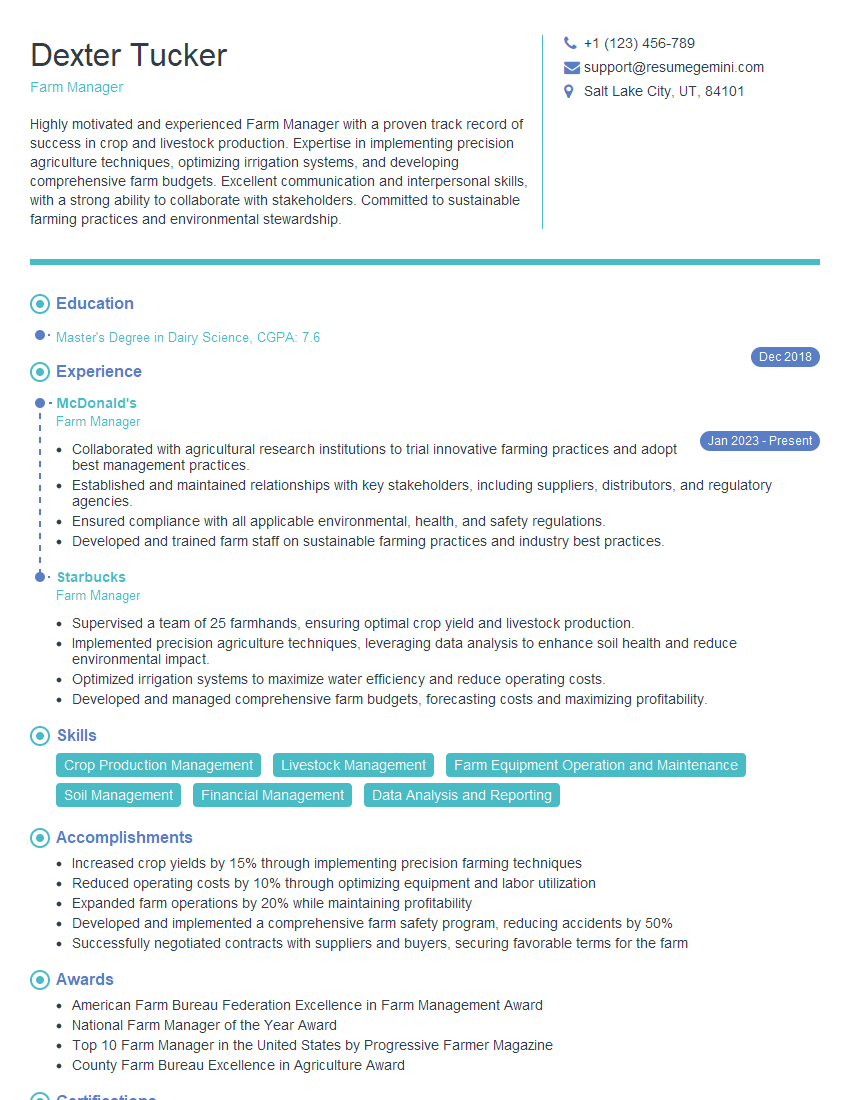
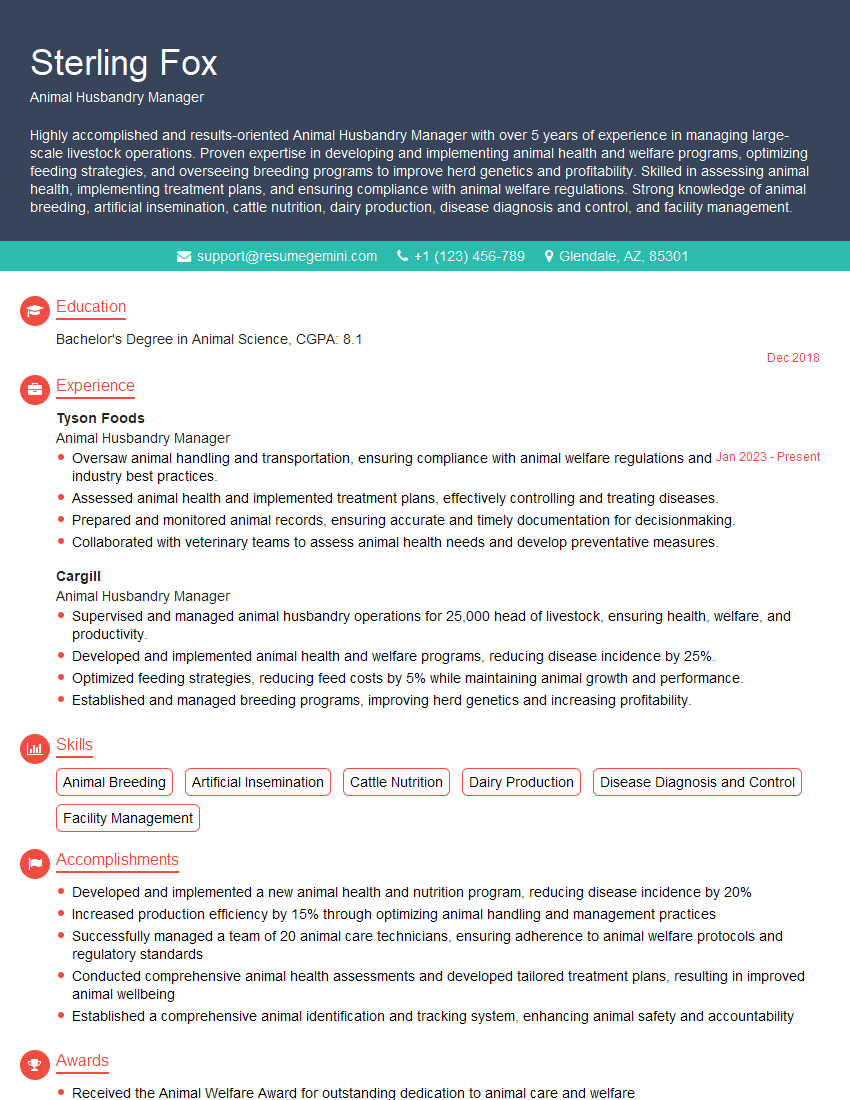
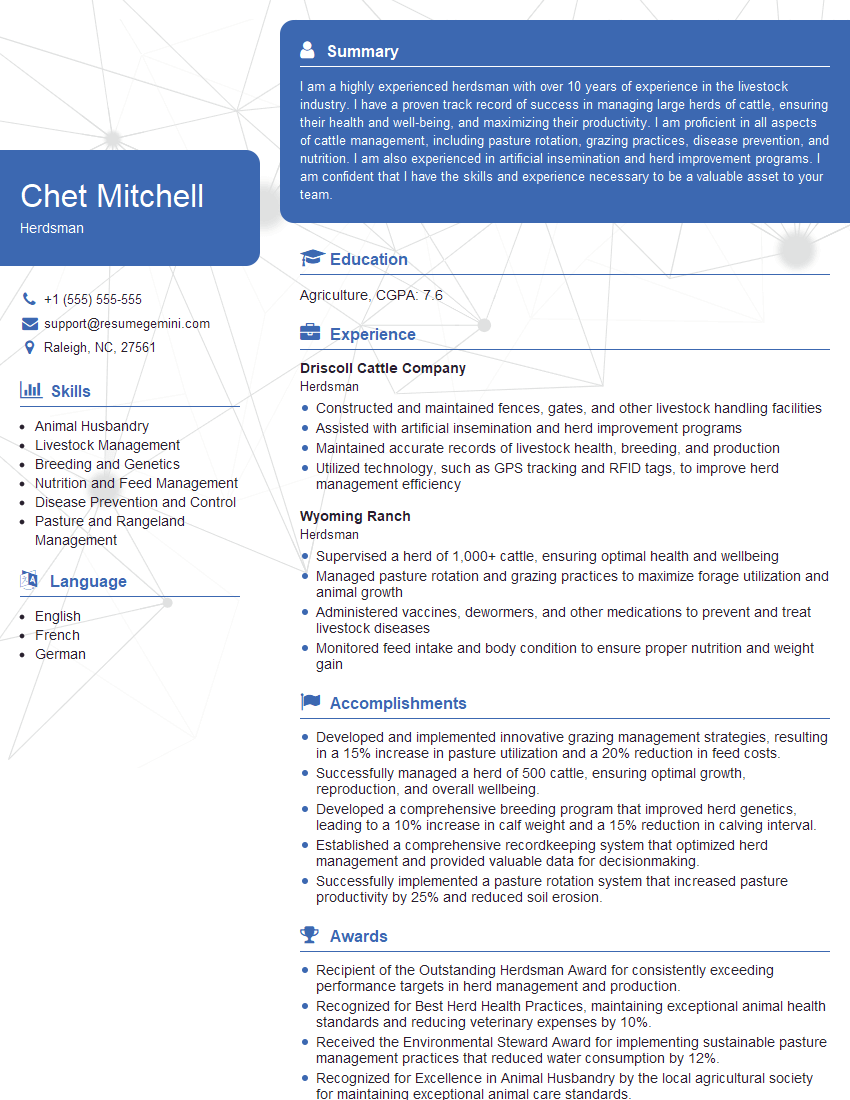
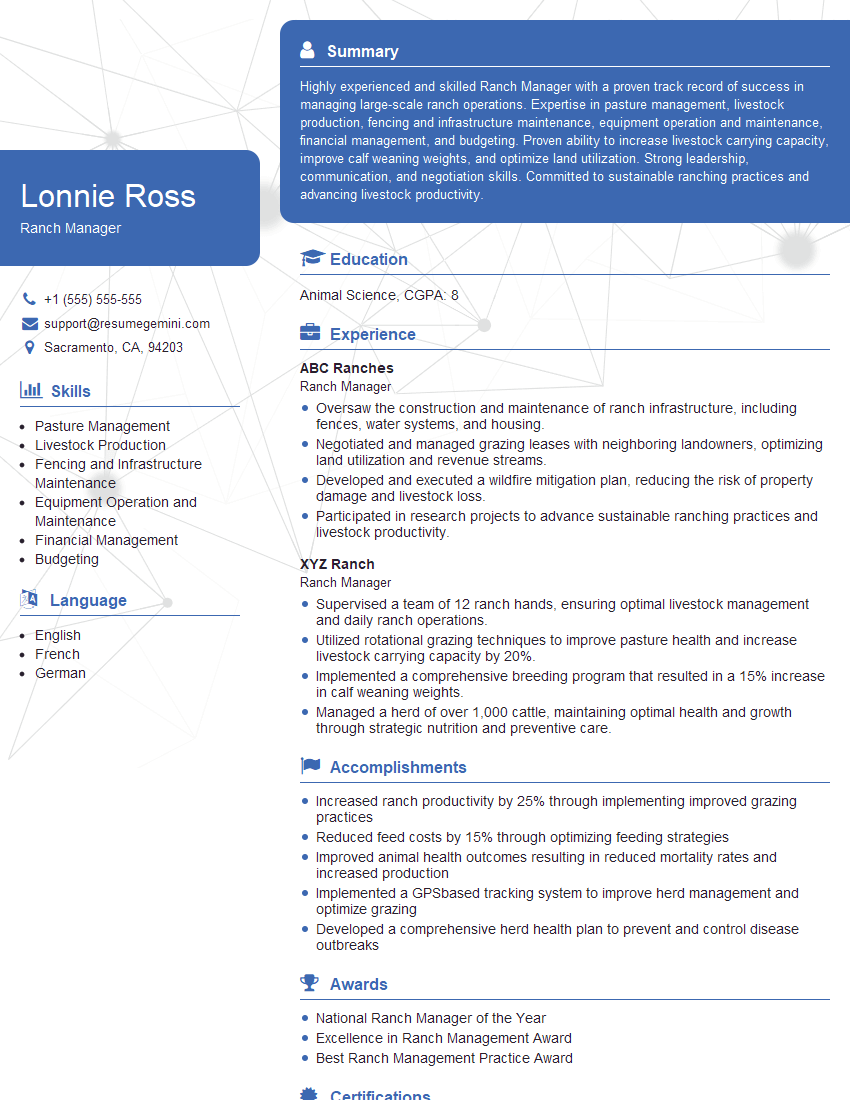
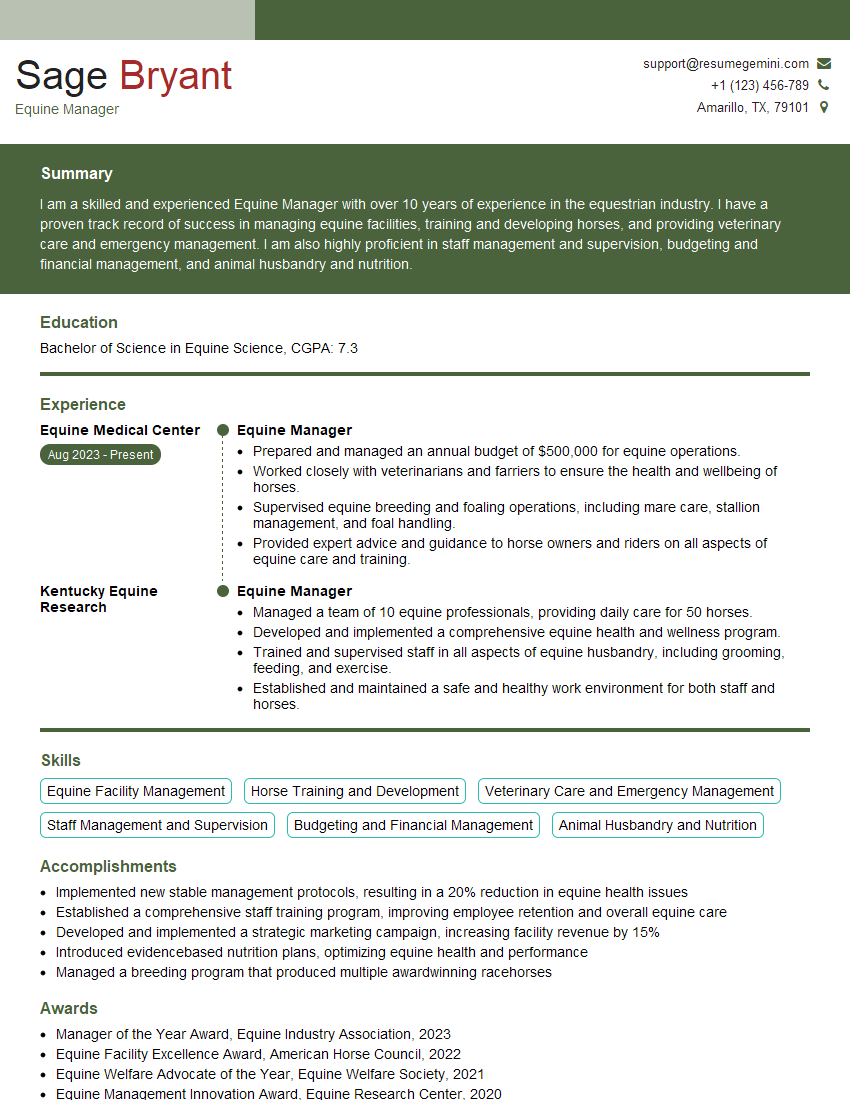
Mastering Livestock Production and Management is crucial for a successful and rewarding career. It opens doors to diverse roles offering significant impact on food security and sustainable agriculture. To maximize your job prospects, create an ATS-friendly resume that highlights your skills and experience effectively. ResumeGemini is a trusted resource to help you build a professional and impactful resume, ensuring your qualifications shine. Examples of resumes tailored specifically to Livestock Production and Management are available to guide you.


Explore more articles
Users Rating of Our Blogs
Share Your Experience
We value your feedback! Please rate our content and share your thoughts (optional).
What Readers Say About Our Blog
Really detailed insights and content, thank you for writing this detailed article.
IT gave me an insight and words to use and be able to think of examples