The thought of an interview can be nerve-wracking, but the right preparation can make all the difference. Explore this comprehensive guide to Communicating Statistical Results interview questions and gain the confidence you need to showcase your abilities and secure the role.
Questions Asked in Communicating Statistical Results Interview
Q 1. Explain the difference between correlation and causation.
Correlation and causation are two distinct concepts in statistics. Correlation simply means that two variables tend to change together; when one increases, the other also tends to increase (positive correlation) or decrease (negative correlation). Causation, on the other hand, implies that one variable *directly influences* or *causes* a change in another. A crucial difference is that correlation does *not* imply causation.
Example: Ice cream sales and crime rates might be positively correlated – both tend to be higher in the summer. However, this doesn’t mean that eating ice cream *causes* crime. The underlying factor, the hot weather, influences both independently.
It’s vital to avoid making causal claims based solely on correlation. Further investigation, such as randomized controlled trials or sophisticated statistical modeling, is necessary to establish a causal relationship.
Q 2. How would you explain a complex statistical concept to a non-technical audience?
Explaining complex statistical concepts to a non-technical audience requires careful planning and clear communication. I would use analogies, relatable examples, and avoid jargon. For instance, explaining a p-value (the probability of observing results as extreme as, or more extreme than, the results actually observed, when the null hypothesis is true), I might say: “Imagine you’re flipping a coin 100 times and it lands on heads 60 times. A p-value helps us determine if this is just random chance or if the coin is biased. A low p-value (e.g., below 0.05) suggests that the outcome is unlikely due to chance alone, implying the coin might be biased.”
Visual aids are also crucial. Instead of dense equations, I would use charts and graphs to illustrate key findings. Storytelling can make the information more engaging and memorable. For example, I might relate the statistical findings to a real-world problem like the impact of a new marketing campaign on sales, making the results more relevant and easier to understand.
Q 3. Describe your experience creating data visualizations. What tools do you prefer?
I have extensive experience creating data visualizations for diverse audiences, ranging from executive summaries to detailed technical reports. My goal is always to choose the most effective way to communicate insights clearly and concisely.
My preferred tools include Tableau and Power BI for interactive dashboards and visualizations, and R or Python (with libraries like ggplot2 and matplotlib) for creating publication-quality graphics. The choice depends on the specific project needs, data size, and desired level of customization. For example, for a quick exploration of data, I might opt for Tableau‘s drag-and-drop interface, while for complex statistical modeling and visualization, I would prefer R.
Q 4. How do you choose the appropriate chart type for a given dataset?
Selecting the right chart type is critical for effective data visualization. The choice depends heavily on the type of data and the message I want to convey.
- For showing trends over time: Line charts are ideal.
- For comparing different categories: Bar charts or column charts are suitable.
- For showing the composition of a whole: Pie charts or donut charts are effective.
- For displaying the relationship between two variables: Scatter plots are excellent.
- For geographical data: Maps are necessary.
The key is to consider the data’s nature and the insight I wish to highlight. A poorly chosen chart can obscure the data’s message or even mislead the audience.
Q 5. How would you handle outliers in your data when presenting findings?
Outliers can significantly impact statistical analyses and visualizations. I address outliers using a multi-faceted approach. First, I investigate their potential causes. Are they errors in data entry? Do they represent truly exceptional cases? If they are errors, I correct them. If they are genuine but unduly influence the analysis, I will often discuss them explicitly in the presentation.
Depending on the analysis and audience, I might use techniques like robust statistical methods (less sensitive to outliers) or show visualizations with and without the outliers to compare the impact. Transparency is key—I always clearly state how I handled outliers and why.
For example, I might show a box plot highlighting outliers, and then explain whether they were excluded from calculations (and why) or whether they were included and how they influenced the results.
Q 6. How do you ensure your data visualizations are accessible and understandable?
Accessibility and understandability are paramount. I ensure my visualizations are accessible by:
- Using clear and concise labels and titles: Avoiding jargon and technical terms.
- Choosing appropriate colors and fonts: Ensuring sufficient contrast for people with visual impairments.
- Providing alternative text for images: Allowing screen readers to describe charts to visually impaired users.
- Using a consistent visual style: Making the visualization easy to follow and interpret.
- Keeping the design simple and uncluttered: Avoiding overwhelming the audience with too much information.
I also consider the audience’s technical expertise when designing visualizations, using simpler representations for less technical audiences and more detailed ones for experts.
Q 7. What are some common pitfalls to avoid when communicating statistical results?
Several pitfalls can compromise the effectiveness of communicating statistical results:
- Cherry-picking data: Selecting only data points that support a predetermined conclusion.
- Ignoring confounding variables: Failing to consider factors that might influence the results.
- Overinterpreting results: Drawing conclusions that are not supported by the data.
- Using misleading charts or graphs: Manipulating visual representations to create a false impression.
- Failing to communicate uncertainty: Overlooking the inherent variability in data.
- Lack of context: Presenting data without sufficient background information.
To avoid these, careful planning, rigorous data analysis, and transparent communication are essential. Always present the full picture, acknowledge limitations, and avoid overstating findings. Peer review and seeking feedback can also help identify potential biases or errors before presentation.
Q 8. How do you interpret a p-value and explain its significance?
The p-value is a cornerstone of statistical hypothesis testing. It represents the probability of observing results as extreme as, or more extreme than, the ones obtained, assuming the null hypothesis is true. The null hypothesis is typically a statement of ‘no effect’ or ‘no difference’. A small p-value (typically less than 0.05) suggests that the observed results are unlikely to have occurred by random chance alone, leading us to reject the null hypothesis and conclude there’s evidence for an effect. However, it’s crucial to remember that a p-value doesn’t measure the size of the effect, only the strength of evidence against the null hypothesis.
Example: Let’s say we’re testing a new drug. Our null hypothesis is that the drug has no effect on blood pressure. We conduct a trial and find a significant reduction in blood pressure in the treatment group. A p-value of 0.01 means there’s only a 1% chance of observing such a reduction if the drug actually had no effect. This is strong evidence to reject the null hypothesis and conclude the drug does have an effect on blood pressure. However, a small p-value doesn’t tell us how much the blood pressure was reduced, just that the reduction is unlikely due to chance.
Important Note: It’s vital to avoid misinterpreting the p-value. A p-value above 0.05 doesn’t prove the null hypothesis is true; it simply means there isn’t enough evidence to reject it. Furthermore, relying solely on p-values can be misleading; considering effect size and confidence intervals is crucial for a complete interpretation.
Q 9. How would you address a skeptical audience questioning your statistical findings?
Addressing skepticism requires transparency, clear communication, and a robust understanding of your methodology. I’d begin by acknowledging their concerns and emphasizing the importance of their scrutiny. My approach involves several key steps:
- Explain the methodology clearly: I’d walk them through the data collection process, the statistical methods used, and any limitations of the study. Using clear, non-technical language is vital. Visual aids like charts and graphs are immensely helpful.
- Address potential biases: I’d proactively discuss potential sources of bias in the data and how these were mitigated. For example, if there was sampling bias, I’d explain how it was addressed or accounted for in the analysis.
- Show the data: Providing access to the raw data or a detailed summary would increase transparency and allow for independent verification.
- Present alternative analyses: If appropriate, I’d show the results using different statistical methods to demonstrate the robustness of the findings.
- Focus on practical implications: Connecting the statistical results to real-world consequences makes the findings more relatable and impactful. For example, instead of just stating ‘there is a significant difference’, I’d explain ‘this result suggests we can expect a 15% increase in sales with this new marketing campaign’.
Ultimately, a collaborative approach, focusing on shared understanding, is far more effective than defensive posturing.
Q 10. Describe your experience presenting data to senior management.
I have extensive experience presenting complex statistical data to senior management. My approach prioritizes clarity, conciseness, and relevance to business objectives. I begin by understanding their priorities and tailoring the presentation to address their specific concerns. For example, in a presentation about a new product launch, I’d focus on key metrics relevant to ROI, market share, and customer acquisition costs rather than getting bogged down in technical details.
In one instance, I presented the results of a customer segmentation analysis to the executive team. Instead of overwhelming them with detailed statistical tables, I used visualizations like heatmaps and charts to highlight key customer segments and their profitability. This approach allowed them to quickly grasp the key insights and make data-driven decisions. I always back up my visual presentations with detailed supporting documents available upon request for those who want to delve deeper into the methodology.
Successful presentations to senior management emphasize storytelling. I frame the data within a compelling narrative that connects to the business’s strategic goals, making the information not just understandable, but memorable and actionable.
Q 11. How do you balance simplicity and accuracy when communicating statistical results?
Balancing simplicity and accuracy is a crucial skill in communicating statistical results. The key is to avoid unnecessary technical jargon while ensuring the core message is accurate and nuanced. I achieve this through a layered approach:
- Start with the big picture: Begin with a concise summary of the main findings using clear, non-technical language. Use impactful visuals to support this summary.
- Provide context: Explain the context of the analysis, including the research question, methodology, and limitations.
- Use visuals effectively: Charts, graphs, and other visualizations help to convey complex information more effectively than tables of numbers. Choose the right visualization for the data type and the message you want to convey.
- Offer more detail on request: Be prepared to delve deeper into the technical details if the audience has further questions or requires more information. This approach caters to both those who need a high-level overview and those who need a deeper understanding.
Example: Instead of saying ‘The ANOVA test revealed a statistically significant difference (p<0.01) between groups A and B', I might say 'Group A performed significantly better than group B, suggesting a potential improvement in our marketing strategy' and then provide the supporting data and methodology in a supplementary document.
Q 12. How do you determine the appropriate level of detail for a presentation?
Determining the appropriate level of detail depends heavily on the audience and the purpose of the presentation. My approach is tailored to the specific context:
- Audience Expertise: For a highly technical audience (e.g., fellow statisticians), I would include more technical details, such as specific statistical tests used, assumptions made, and limitations of the analysis. For a non-technical audience (e.g., senior management), I would focus on high-level findings and implications, using simple visuals to illustrate key points.
- Presentation Goals: If the goal is to inform, I may include more detail to ensure a complete understanding. If the goal is to persuade, I might focus on the most persuasive aspects of the data while leaving out less relevant details. For example, a presentation to secure funding would emphasize potential ROI and minimize discussion of complex methodological details.
- Time Constraints: The allotted time dictates the level of detail that can be covered effectively. A short presentation requires a high-level overview, while a longer presentation allows for greater depth.
It’s always useful to prepare more detailed information for those wanting to delve deeper. This could be in the form of a supplementary document or an appendix to the presentation.
Q 13. Explain the concept of confidence intervals.
A confidence interval provides a range of plausible values for a population parameter, such as a mean or proportion. It’s not simply a point estimate, which is a single value, but instead offers a margin of error around that estimate. For instance, a 95% confidence interval for the average height of women means that if we were to repeat the study many times, 95% of the calculated intervals would contain the true average height of the population. It acknowledges the inherent uncertainty in estimating a population parameter from a sample.
Example: Imagine a study measuring the average weight loss of individuals using a new diet program. If the sample mean is 10 pounds with a 95% confidence interval of (8, 12) pounds, this means we are 95% confident that the true average weight loss for the population lies between 8 and 12 pounds. The wider the interval, the greater the uncertainty.
The confidence level (e.g., 95%, 99%) reflects our confidence in the interval containing the true value. A higher confidence level results in a wider interval, which is less precise but reflects greater certainty. Confidence intervals are significantly more informative than p-values alone, as they provide both a point estimate and a measure of uncertainty around that estimate.
Q 14. How do you handle missing data in your analysis and presentation?
Missing data is a common challenge in statistical analysis. Ignoring it can lead to biased or inaccurate results. My approach to handling missing data involves several steps:
- Understanding the Mechanism: First, I determine the mechanism of missing data. Is it missing completely at random (MCAR), missing at random (MAR), or missing not at random (MNAR)? This determines the appropriate strategy for handling the missing values.
- Descriptive Analysis: I begin with a thorough descriptive analysis to understand the extent and pattern of missing data. This helps identify potential biases.
- Imputation Techniques: For MCAR or MAR data, I employ imputation methods to fill in the missing values. These might include mean imputation, multiple imputation, or more sophisticated techniques like k-nearest neighbors imputation. The choice of method depends on the data type and the characteristics of the missing data.
- Sensitivity Analysis: For MNAR data, imputation is more challenging and may require more advanced techniques or sensitivity analysis to assess how different assumptions about the missing data impact the results. This helps gauge the robustness of the findings.
- Complete Case Analysis (with caution): In some cases, complete case analysis (excluding observations with any missing data) might be considered, but this can lead to biased results if the data is not MCAR. I’d document this decision and discuss its potential limitations.
In my presentations, I always transparently communicate how missing data was handled, justifying the chosen method and acknowledging any limitations it might introduce.
Q 15. How do you effectively communicate uncertainty and limitations in your analysis?
Communicating uncertainty is crucial for building trust and avoiding misinterpretations. We don’t deal in certainties; instead, we deal in probabilities and confidence intervals. I always present findings with their associated margins of error, p-values, and confidence levels. For instance, instead of saying ‘This marketing campaign increased sales,’ I’d say something like ‘Our analysis suggests a statistically significant increase in sales (p < 0.05) of X%, with a 95% confidence interval ranging from Y% to Z%. This indicates that while the increase is likely real, there’s still a 5% chance it’s due to random variation. This acknowledges the inherent limitations of the data and the analysis.
Limitations are addressed by explicitly stating the assumptions made during the analysis, the potential biases present (discussed further in the next question), the sample size and its representativeness, and any methodological constraints. For example, if my analysis relies on self-reported data, I’ll openly acknowledge the potential for recall bias and its impact on the results. Transparency builds credibility.
Career Expert Tips:
- Ace those interviews! Prepare effectively by reviewing the Top 50 Most Common Interview Questions on ResumeGemini.
- Navigate your job search with confidence! Explore a wide range of Career Tips on ResumeGemini. Learn about common challenges and recommendations to overcome them.
- Craft the perfect resume! Master the Art of Resume Writing with ResumeGemini’s guide. Showcase your unique qualifications and achievements effectively.
- Don’t miss out on holiday savings! Build your dream resume with ResumeGemini’s ATS optimized templates.
Q 16. What is your process for identifying and addressing biases in data?
Identifying and addressing bias is a critical step. My process involves a multi-stage approach. First, I carefully examine the data collection methods to identify potential sources of bias – such as selection bias (was the sample truly representative?), measurement bias (were the methods used to gather data consistent and reliable?), and response bias (did participants answer honestly and accurately?).
Secondly, I conduct exploratory data analysis to visually inspect the data for outliers and patterns that might suggest bias. Histograms, box plots, and scatter plots are invaluable tools for this. For example, if I see a disproportionate number of responses from a particular demographic, it could signal a selection bias.
Thirdly, I employ statistical techniques to mitigate bias where possible. This might involve weighting data to adjust for unequal representation, using robust statistical methods less sensitive to outliers, or employing propensity score matching to compare groups that are comparable on other relevant factors. For instance, if I am comparing the effects of a new drug versus an existing drug, I might employ propensity score matching to ensure the groups are similar in terms of age, health status, etc.
Finally, I document all identified biases and the steps taken to address them, ensuring full transparency in my reports.
Q 17. How do you tailor your communication style to different audiences?
Tailoring communication to the audience is key. A technical report for data scientists will differ significantly from a presentation for executives. For technical audiences, I use precise statistical terminology, delve into methodological details, and provide comprehensive analyses. I might include detailed code or statistical outputs.
For non-technical audiences, I focus on the ‘so what?’ – the key takeaways and implications of the data. I use clear and concise language, avoiding jargon whenever possible. Visualizations are paramount, highlighting the key trends and insights using charts and graphs that are easy to understand. I translate complex statistical concepts into simple analogies. For example, instead of explaining p-values, I might say something like: ‘Imagine flipping a coin 100 times. If you get 60 heads, it’s unlikely the coin is fair.’
For executive presentations, I emphasize high-level insights, strategic recommendations, and the potential business impact of the findings. I focus on the story, summarizing the key findings in a visually appealing and easily digestible manner. This approach ensures the message is well-received and actionable.
Q 18. How do you use storytelling to enhance the impact of your data presentations?
Storytelling is essential for making data resonate. Data alone is often dry and unengaging. To enhance the impact, I weave the data into a narrative that connects with the audience emotionally and intellectually. This involves identifying a compelling narrative arc: beginning with a problem or question, presenting the data as evidence, and concluding with insights and implications.
For example, instead of simply saying ‘Customer satisfaction scores decreased by 10%’, I’d frame it as a story: ‘We saw a concerning decline in customer satisfaction last quarter. The data suggests this might be linked to issues with our new software release, as highlighted by a sharp increase in negative feedback around usability. This drop has the potential to impact our customer retention rates…Here’s what we propose to mitigate this…’ This approach makes the data more relatable and memorable.
Strong visuals play a critical role in supporting the narrative. A well-designed visualization can highlight key points, make complex data easier to understand, and support the narrative flow.
Q 19. Describe your experience using different data visualization software (e.g., Tableau, Power BI).
I have extensive experience using Tableau and Power BI for data visualization and dashboard creation. Tableau excels at its ease of use and intuitive drag-and-drop interface, making it ideal for quickly creating interactive dashboards and visualizations for various audiences. I’ve used it extensively to create interactive maps displaying geographic trends, customized dashboards tracking key performance indicators (KPIs), and engaging presentations illustrating complex statistical models.
Power BI, on the other hand, is powerful for connecting to diverse data sources and performing advanced data analysis within the platform itself. Its strong integration with Microsoft products makes it a great choice for organizations within the Microsoft ecosystem. I’ve used Power BI for creating comprehensive reports involving large datasets, developing custom measures and calculations, and integrating with other business intelligence tools. My proficiency extends to creating interactive reports, data storytelling elements, and embedding them into various platforms. The choice between Tableau and Power BI often depends on the specific project needs and the existing technology stack of the organization.
Q 20. Explain the difference between descriptive, inferential, and predictive statistics.
The three types of statistics serve different purposes:
- Descriptive Statistics: This summarizes and describes the main features of a dataset. Think of it as providing a snapshot of the data. It involves calculating measures like mean, median, mode, standard deviation, and creating visualizations such as histograms and bar charts. For example, reporting the average age of customers or the percentage of sales from a particular product line.
- Inferential Statistics: This goes beyond describing the data to making inferences and generalizations about a larger population based on a sample. It involves hypothesis testing, confidence intervals, and regression analysis to determine if observed patterns in the sample are likely to hold true for the larger population. For example, using a sample survey to estimate the voting preferences of an entire electorate.
- Predictive Statistics: This uses historical data to predict future outcomes. It leverages machine learning techniques and statistical models like regression or time series analysis to forecast trends and make predictions. For example, predicting customer churn based on past behavior or forecasting sales for the next quarter based on previous sales data.
Q 21. How do you assess the reliability and validity of your data sources?
Assessing data reliability and validity is paramount. My approach involves several key steps:
- Source Evaluation: I critically assess the credibility and reputation of the data source. Is it a reputable organization? Is the data collection methodology clearly described? Are there any potential conflicts of interest?
- Data Quality Checks: I perform rigorous data quality checks to identify inconsistencies, errors, missing values, and outliers. This may involve using automated checks, manual reviews, and statistical tests.
- Validity Assessment: I evaluate the extent to which the data accurately measures what it intends to measure. This often involves comparing the data to other sources or using established validation techniques, like comparing survey results to known demographic data.
- Reliability Assessment: I examine the consistency and stability of the data. If the same data were collected again using the same methods, would the results be similar? This might involve calculating inter-rater reliability or test-retest reliability, depending on the data type.
- Documentation: I meticulously document the data sources, cleaning procedures, and any limitations or potential biases. This transparency is vital for ensuring the integrity and replicability of the analysis.
By carefully evaluating the data sources and performing thorough quality checks, I ensure the reliability and validity of the data I use in my analyses, leading to more trustworthy and robust conclusions.
Q 22. How do you identify and interpret key trends and patterns in data?
Identifying and interpreting key trends and patterns in data involves a multi-step process combining exploratory data analysis (EDA) with statistical modeling. It starts with understanding the data’s context – what questions are we trying to answer? What story does the data tell?
Step 1: Data Cleaning and Exploration: First, I meticulously clean the data, handling missing values and outliers. Then, I use descriptive statistics (mean, median, standard deviation) and visualizations (histograms, scatter plots, box plots) to get a general sense of the data’s distribution and potential relationships between variables. For example, a scatter plot might reveal a positive correlation between advertising spend and sales.
Step 2: Identifying Patterns: I look for trends like seasonality, upward or downward drifts, or clustering. Techniques like time series decomposition can help identify seasonal patterns. Clustering algorithms can help group similar data points, revealing underlying segments within the data. For example, clustering customer data based on purchasing behavior might reveal distinct customer groups with different needs.
Step 3: Statistical Modeling: To confirm my observations from EDA, I employ statistical models like regression analysis (to understand relationships between variables), or time series models (to forecast future values). The results of these models help quantify the significance of identified trends and patterns.
Step 4: Interpretation and Communication: Finally, I interpret the results in the context of the original question. I avoid making causal claims without sufficient evidence. For example, observing a correlation between ice cream sales and crime rates doesn’t imply that one causes the other; rather, both could be influenced by a third factor like summer heat.
Q 23. How do you use data to support business decisions?
Data supports business decisions by providing objective insights that reduce uncertainty and improve the likelihood of successful outcomes. I use data to inform decisions at various stages, from problem definition to evaluation of results.
- Problem Definition: Data helps define the problem accurately. For instance, analyzing website traffic data can pinpoint specific areas of user drop-off, guiding improvements to the user experience.
- Strategy Development: Data analysis informs strategic decisions. For example, analyzing market research data can help determine which customer segments to target with new products or services.
- Performance Monitoring: Data tracks the performance of implemented strategies. A/B testing, for instance, provides data on the effectiveness of different marketing campaigns. Analyzing sales data tracks the impact of pricing changes.
- Risk Management: Data helps identify and mitigate potential risks. For example, analyzing financial data can help detect fraudulent transactions or predict potential revenue shortfalls.
Ultimately, data-driven decision-making leads to more informed, strategic choices, increased efficiency, and improved business outcomes.
Q 24. Describe a time you had to explain a complex statistical concept to a non-technical audience. How did you approach it?
I once had to explain the concept of p-values and statistical significance to a group of executives with little statistical background. My approach was to avoid jargon and use relatable analogies.
I started by explaining the concept of uncertainty – that even with good data, there’s always a chance we’re observing a random effect, not a real trend. I used the analogy of flipping a coin 10 times and getting 7 heads. While unlikely, it’s not impossible. A p-value, I explained, is the probability of observing our results (or more extreme results) if there’s actually no real effect. A low p-value (typically below 0.05) suggests the observed effect is unlikely due to random chance.
I then visualized the concept using a simple bar chart showing the difference between two marketing campaigns’ performance, highlighting the p-value to show the statistical significance of the observed difference. I emphasized the importance of effect size alongside p-value; even a statistically significant result might be practically insignificant if the effect is very small.
Throughout the explanation, I kept the language simple, used visuals, and answered questions patiently, ensuring everyone understood the core concept. The key was focusing on the practical implications of the results, not just the statistical details.
Q 25. How do you ensure your data visualizations are visually appealing and effective?
Effective data visualizations are both visually appealing and effectively communicate information. I follow these guidelines:
- Choose the right chart type: The type of chart should match the data and the message. Bar charts for comparisons, line charts for trends over time, scatter plots for relationships between variables, etc.
- Minimize chartjunk: Avoid unnecessary elements like unnecessary gridlines, 3D effects, or excessive decoration. The focus should be on the data.
- Use clear and concise labels: Axes should be clearly labeled with units, and the title should accurately reflect the chart’s content.
- Use an appropriate color palette: Colors should be chosen to enhance readability and avoid colorblindness issues. A consistent color scheme across multiple charts is also important for comparison.
- Maintain a clear hierarchy: The most important information should be prominently displayed, while less important details are de-emphasized.
- Consider the audience: The level of detail and the complexity of the visualization should be tailored to the audience’s knowledge and understanding.
Tools like Tableau and Power BI help create professional-looking and interactive visualizations.
Q 26. What are some ethical considerations when communicating statistical results?
Ethical considerations in communicating statistical results are crucial for maintaining integrity and trust. Key considerations include:
- Data Integrity: Ensuring data accuracy and completeness. Avoiding selective reporting of results to support a pre-conceived notion.
- Transparency: Clearly explaining the methodology, limitations, and potential biases of the analysis. Making the data and code accessible if appropriate.
- Objectivity: Presenting findings fairly and accurately, avoiding misleading interpretations or biased conclusions.
- Contextualization: Presenting results within the appropriate context, avoiding generalizations or oversimplifications. For example, it’s unethical to draw conclusions about a whole population based on a biased or non-representative sample.
- Avoiding Misleading Visualizations: Charts should accurately reflect the data, avoiding manipulation of scales or the use of deceptive visuals.
- Attribution and Credit: Giving proper credit to data sources and collaborators.
Adhering to these ethical principles ensures that statistical results are used responsibly and avoid misrepresentation or manipulation.
Q 27. How would you respond to a question about the limitations of your analysis?
When asked about the limitations of my analysis, I respond openly and honestly. I view it as an opportunity to demonstrate my understanding of the analysis’s scope and potential weaknesses. My response generally includes:
- Sample size and representativeness: Acknowledging limitations due to a small sample size or the potential for bias in sample selection.
- Data quality: Highlighting potential inaccuracies or missing data in the dataset and their influence on the results.
- Model assumptions: Stating any assumptions made during the analysis and their impact on the conclusions. For example, linear regression assumes a linear relationship between variables, which may not always hold true.
- Causation vs. correlation: Clearly differentiating between correlation and causation, emphasizing that correlation does not necessarily imply causation.
- External factors: Acknowledging the influence of external factors that were not included in the analysis.
By addressing limitations proactively, I demonstrate a thorough understanding of the analytical process and build credibility with the audience.
Q 28. Describe your experience with A/B testing and communicating the results.
I have extensive experience with A/B testing and communicating its results. A/B testing involves comparing two versions (A and B) of a website, app, or marketing campaign to determine which performs better. My process involves:
- Defining the objective: Clearly defining the metric to be measured (e.g., conversion rate, click-through rate).
- Designing the experiment: Carefully designing the A/B test to minimize bias, ensuring that the two versions are only different in the aspect being tested.
- Collecting and analyzing data: Collecting sufficient data to achieve statistical significance. This often involves calculating confidence intervals and p-values to assess whether observed differences are statistically significant.
- Communicating results: Presenting the results clearly and concisely, using visualizations to illustrate the differences between A and B versions. I always emphasize the statistical significance of the findings as well as practical significance (the actual impact of the changes).
- Iterative process: A/B testing is an iterative process. Results from one test inform future experiments, leading to continuous improvement.
For example, I recently conducted an A/B test on a website’s landing page. Version B (with a revised headline) resulted in a statistically significant increase in the conversion rate. I presented these findings using a bar chart showing the conversion rates for both versions, along with the p-value and confidence intervals, demonstrating the improved performance of version B.
Key Topics to Learn for Communicating Statistical Results Interview
- Data Visualization Techniques: Mastering various chart types (bar charts, histograms, scatter plots, etc.) and choosing the most appropriate visualization for different datasets and audiences. Practical application: Creating compelling visuals to present key findings from a complex statistical analysis to non-technical stakeholders.
- Statistical Significance and Inference: Understanding p-values, confidence intervals, and hypothesis testing. Practical application: Accurately interpreting statistical results and communicating their implications in a clear and concise manner, avoiding misleading interpretations.
- Descriptive Statistics and Summarization: Effectively summarizing large datasets using measures of central tendency (mean, median, mode), dispersion (standard deviation, variance), and other relevant statistics. Practical application: Clearly communicating key findings from data analysis using easily understandable summaries.
- Communicating Uncertainty and Limitations: Acknowledging the inherent uncertainties in statistical analyses and clearly communicating limitations of the data and methods used. Practical application: Presenting results honestly and transparently, emphasizing the scope of conclusions and avoiding overgeneralization.
- Clear and Concise Communication: Developing skills in presenting statistical findings to both technical and non-technical audiences, adapting your communication style to the audience’s level of understanding. Practical application: Crafting presentations and reports that effectively convey complex statistical information in a readily digestible format.
- Storytelling with Data: Framing statistical results within a compelling narrative to enhance engagement and understanding. Practical application: Constructing a clear and engaging story around data insights to facilitate better comprehension and decision-making.
- Ethical Considerations in Data Presentation: Understanding and avoiding potential biases in data selection, analysis, and presentation. Practical application: Ensuring ethical and responsible communication of statistical results, avoiding misleading or manipulative practices.
Next Steps
Mastering the art of communicating statistical results is crucial for career advancement in data-driven fields. It demonstrates your ability to translate complex information into actionable insights, a highly valued skill by employers. To significantly improve your job prospects, focus on building an ATS-friendly resume that showcases your expertise. ResumeGemini is a trusted resource that can help you create a professional and impactful resume tailored to your specific skills and experience. Examples of resumes tailored to Communicating Statistical Results are available to help guide your creation process.
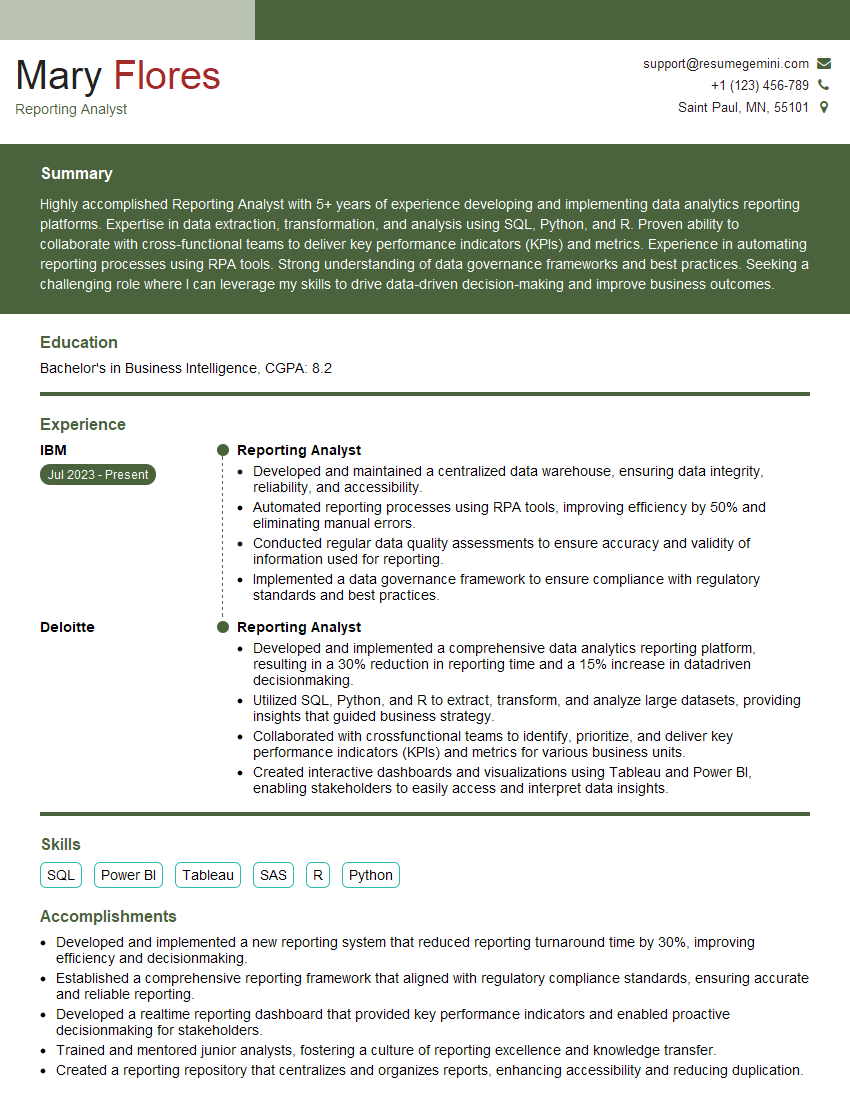
Reporting Analyst Resume Sample
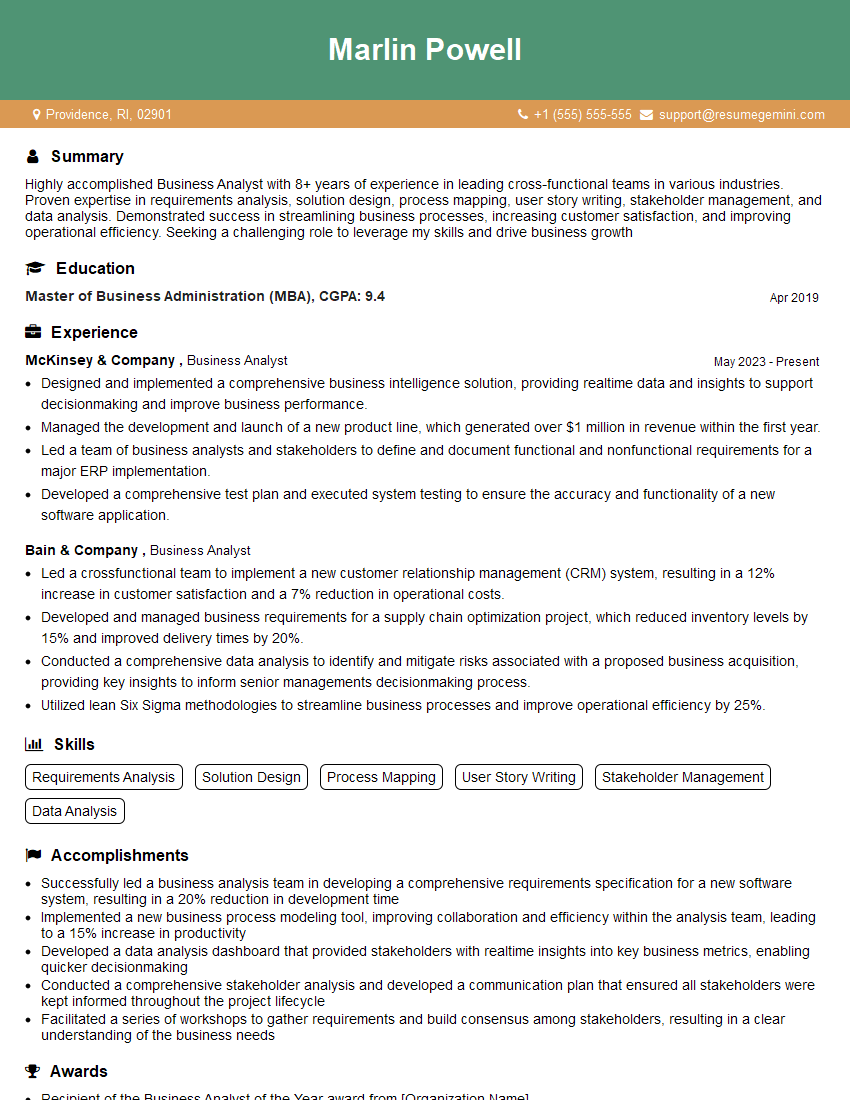
Business Analyst Resume Sample
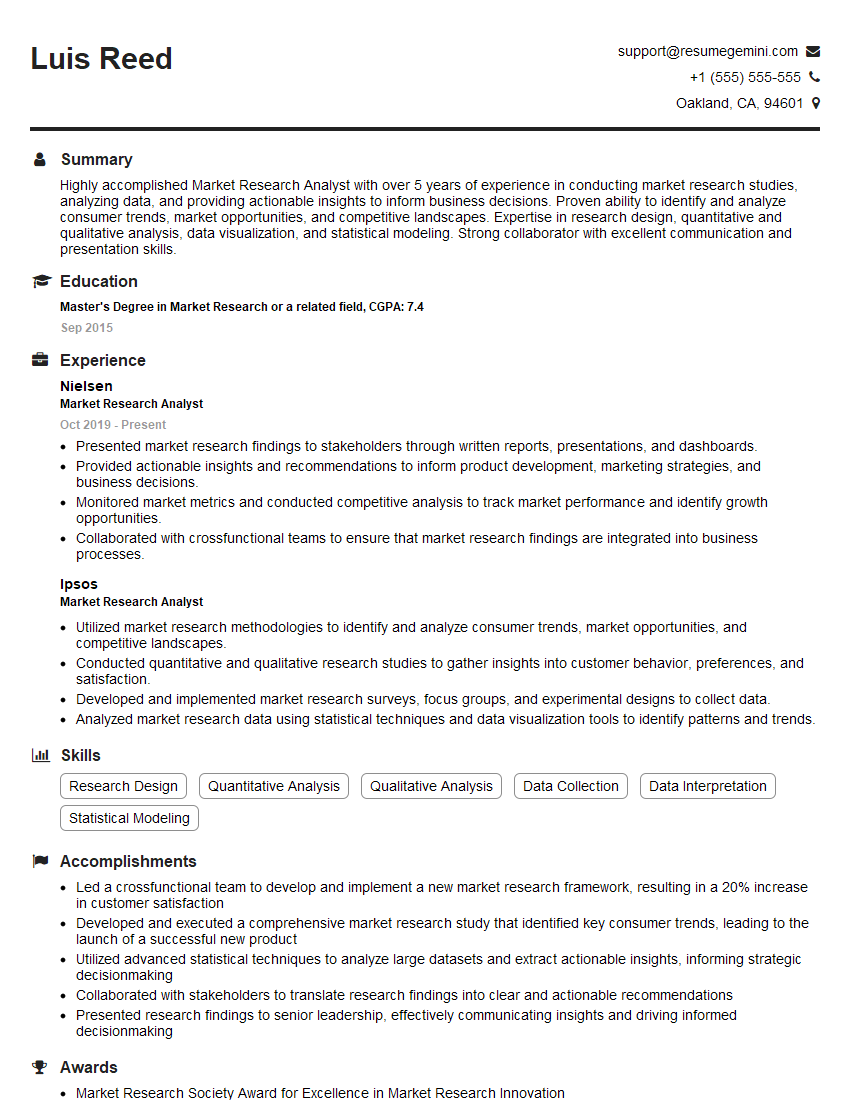
Market Research Analyst Resume Sample
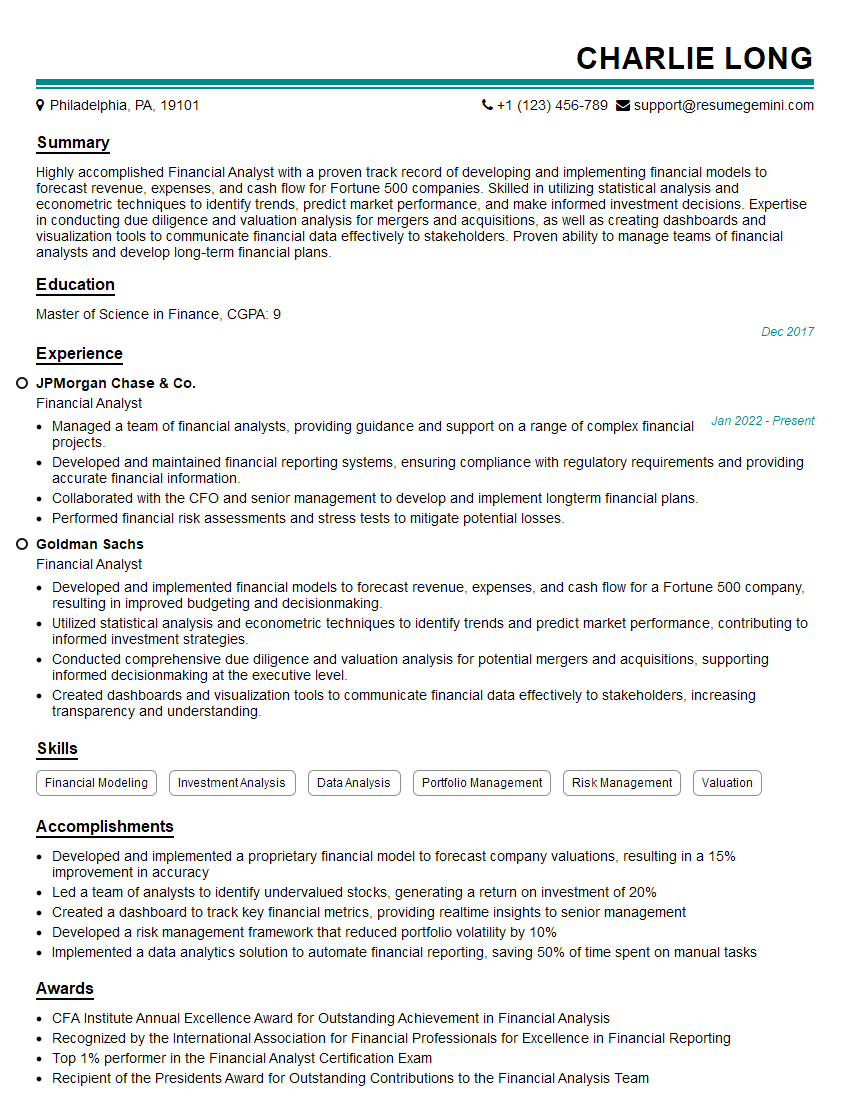
Financial Analyst Resume Sample
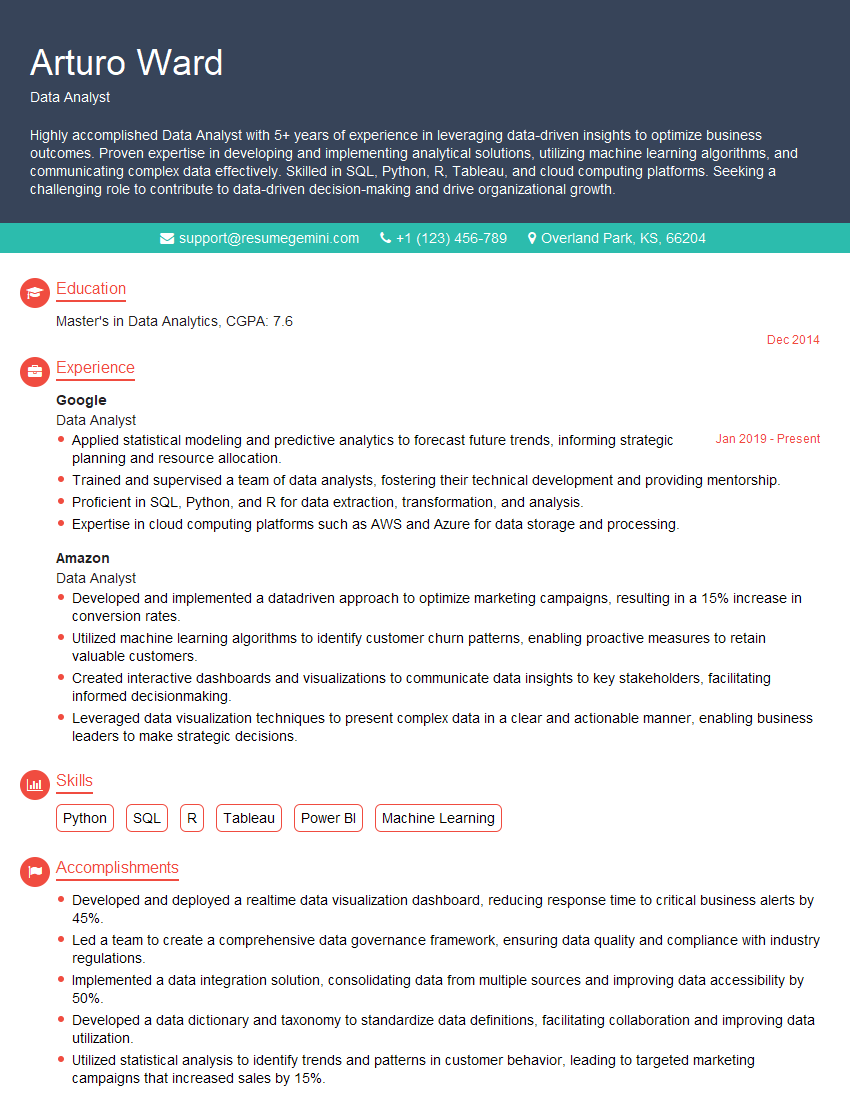
Data Analyst Resume Sample
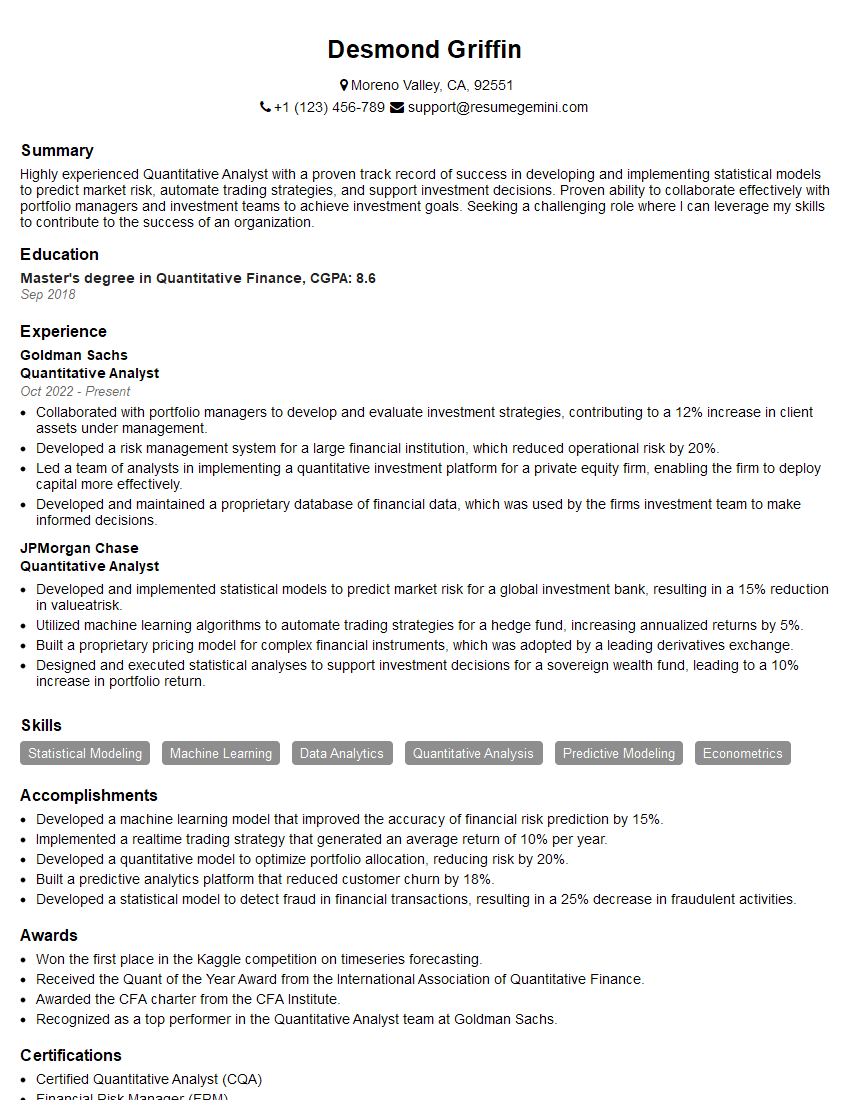
Quantitative Analyst Resume Sample
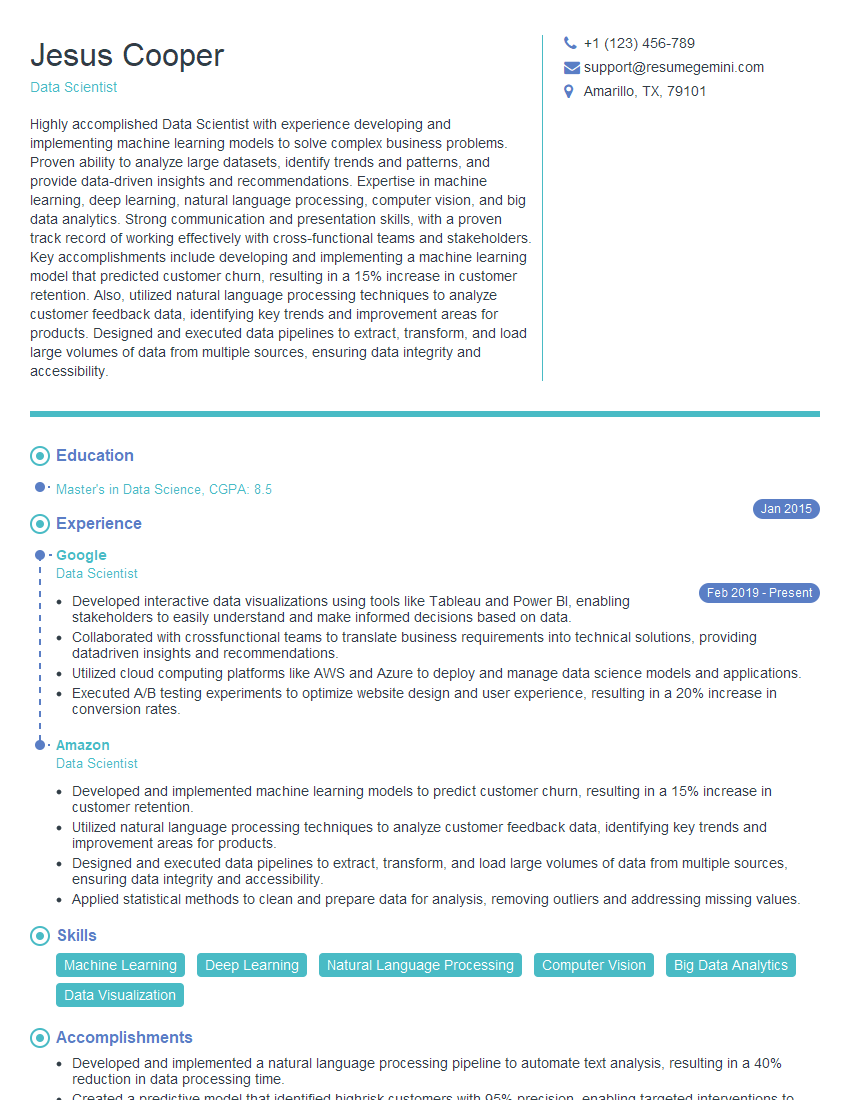
Data Scientist Resume Sample
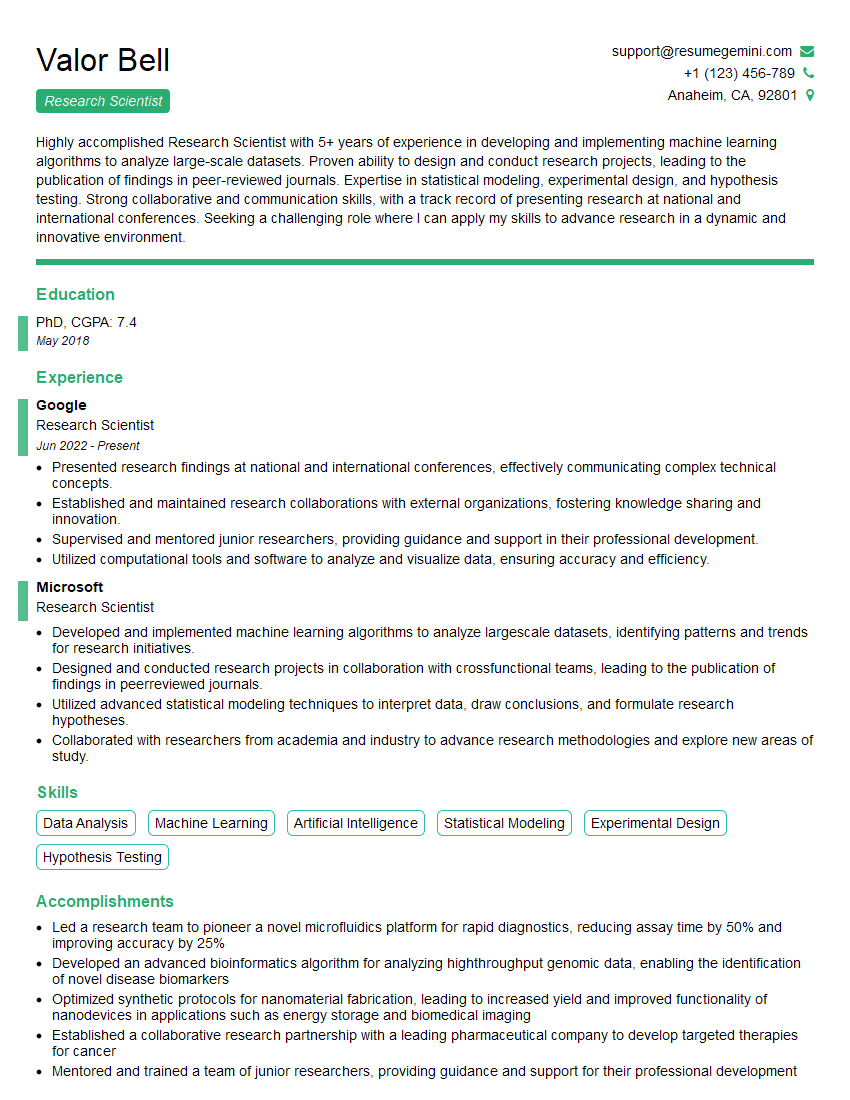
Research Scientist Resume Sample
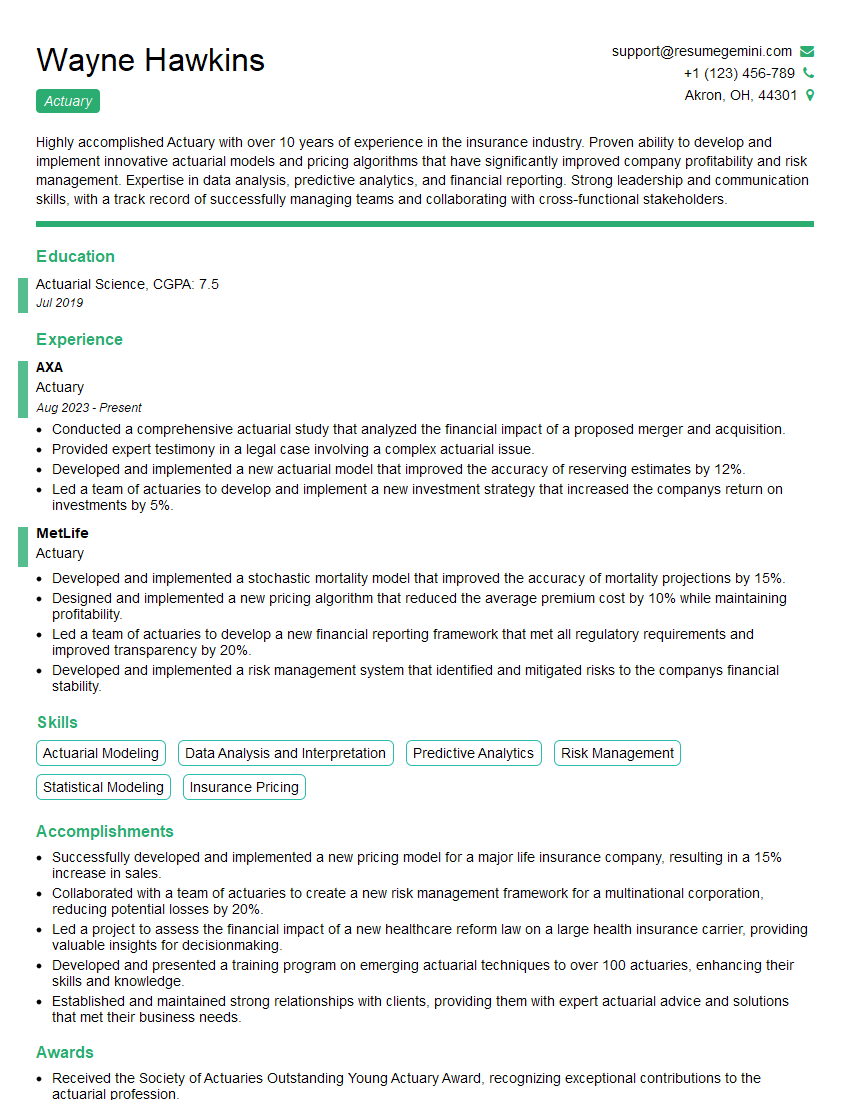
Actuary Resume Sample
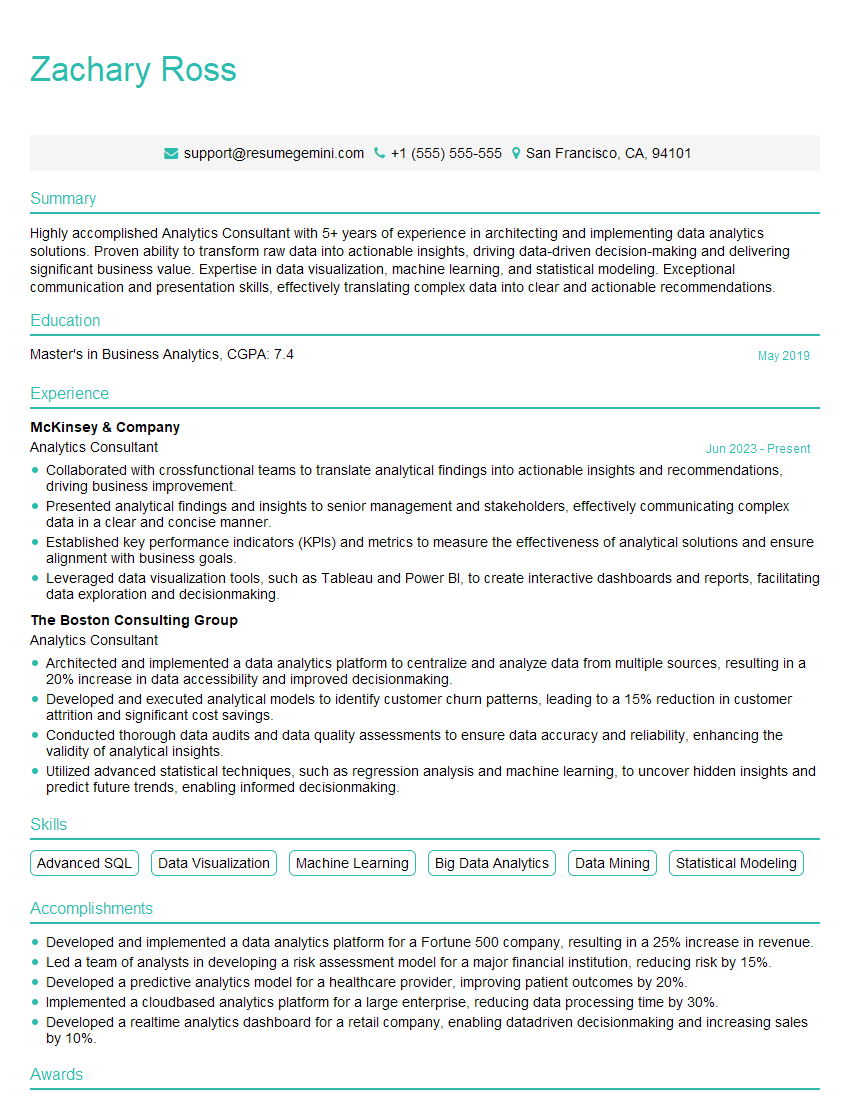
Analytics Consultant Resume Sample

Operations Research Analyst Resume Sample

Statistical Analyst Resume Sample
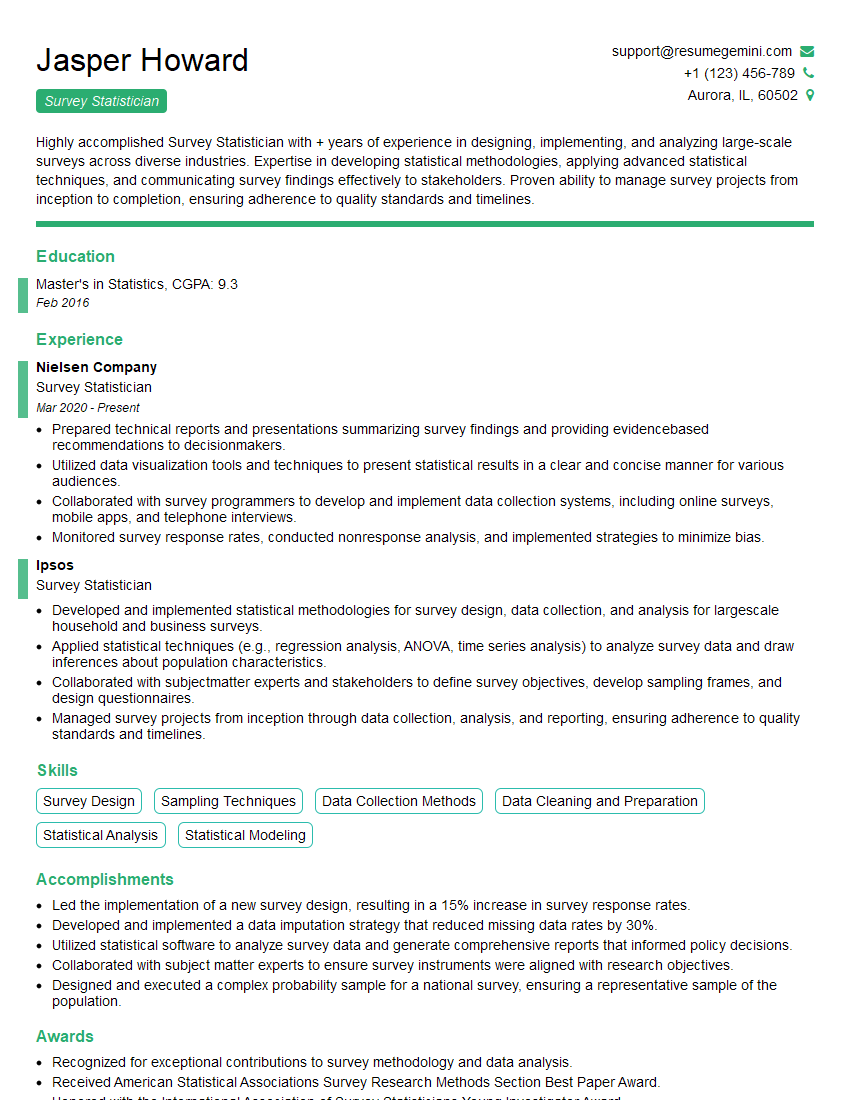
Survey Statistician Resume Sample
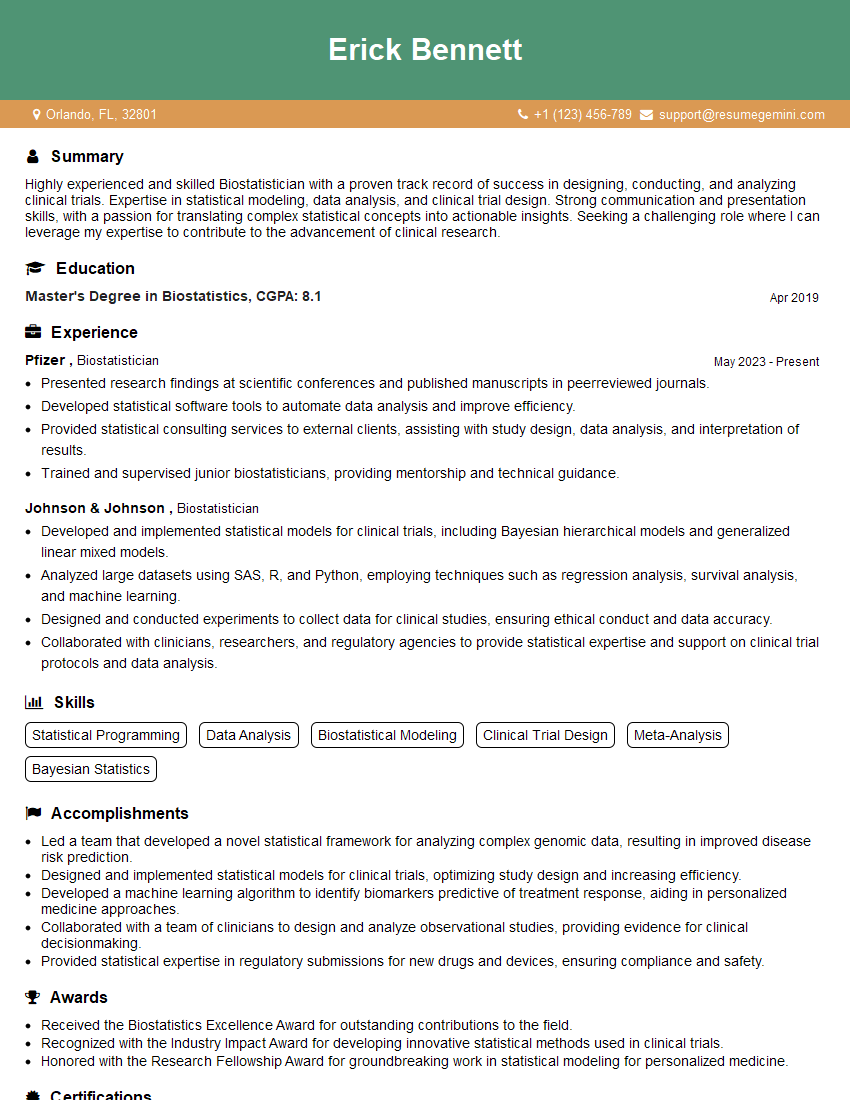
Biostatistician Resume Sample
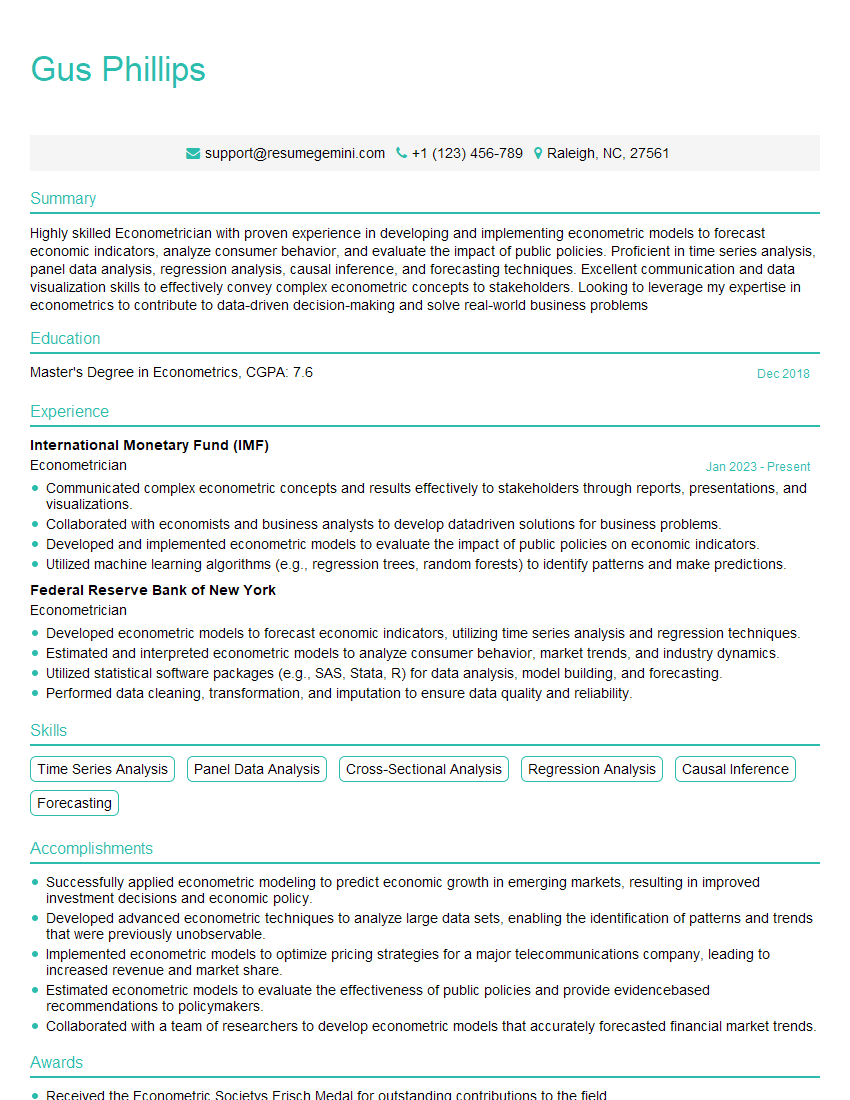
Econometrician Resume Sample
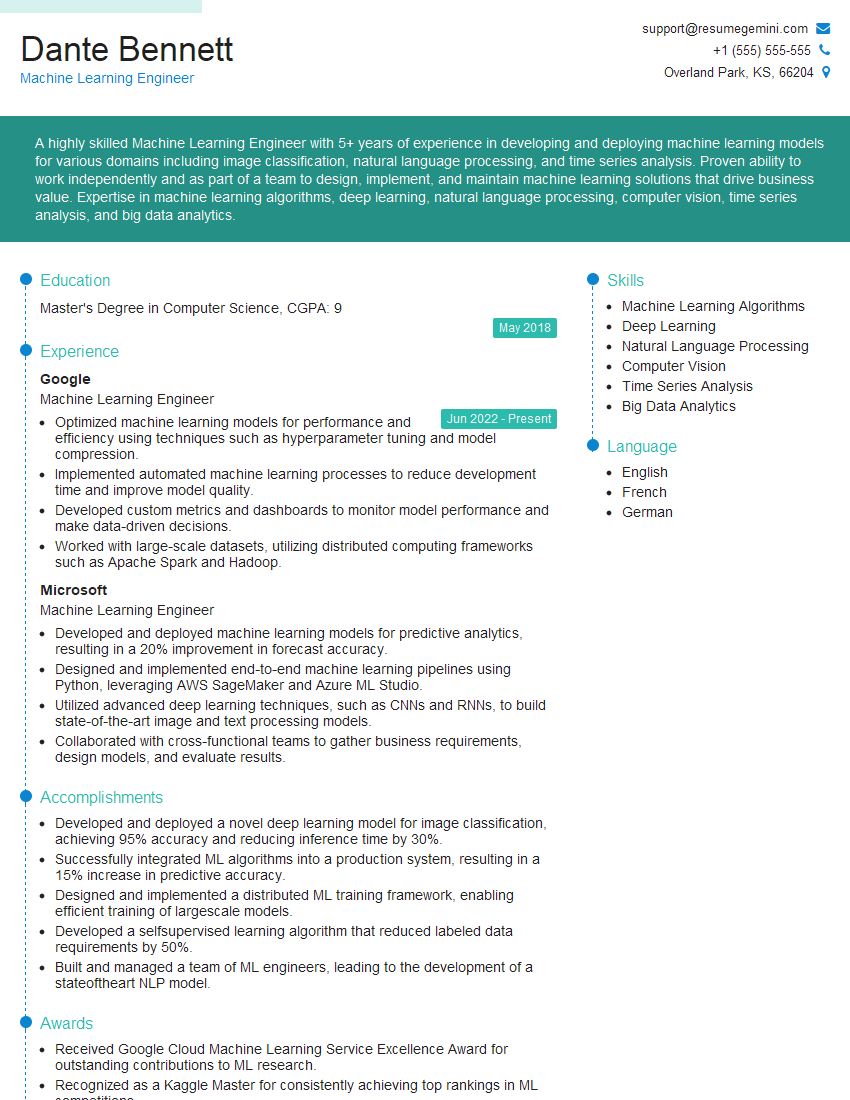
Machine Learning Engineer Resume Sample
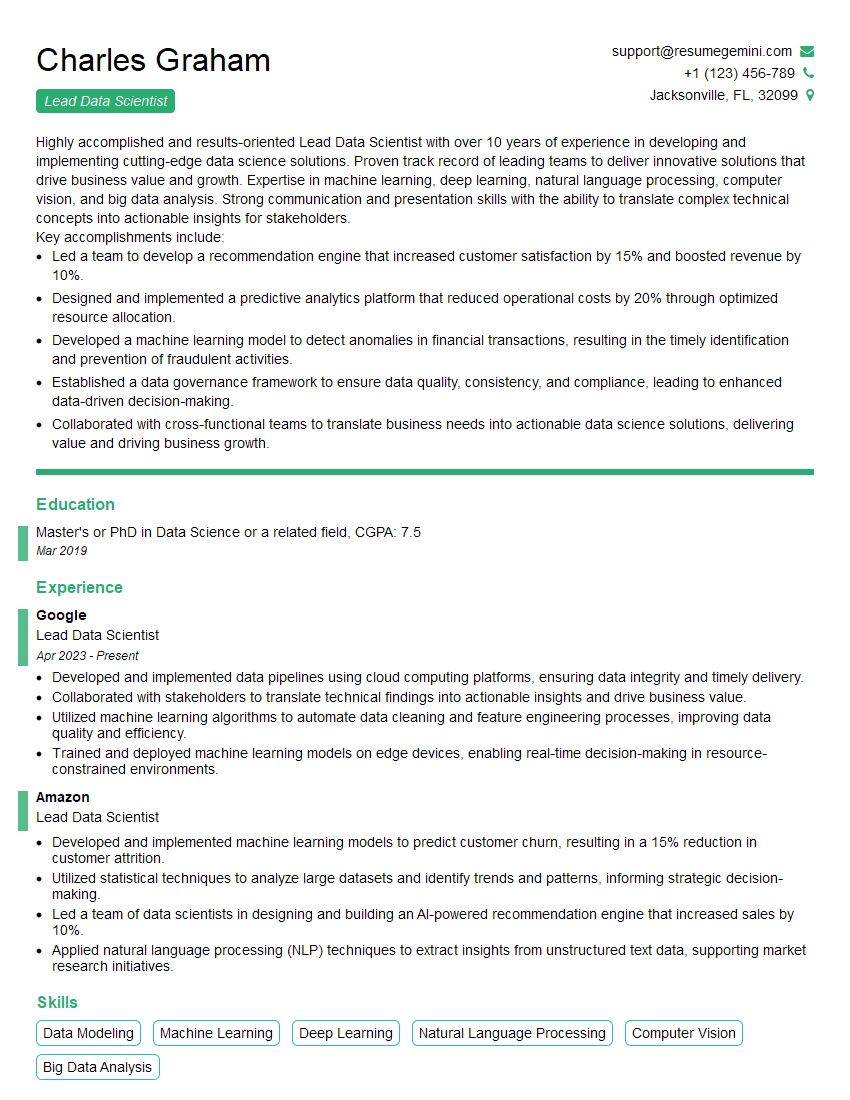
Lead Data Scientist Resume Sample
- Reporting Analyst
- Business Analyst
- Market Research Analyst
- Financial Analyst
- Data Analyst
- Quantitative Analyst
- Data Scientist
- Research Scientist
- Actuary
- Analytics Consultant
- Operations Research Analyst
- Statistical Analyst
- Survey Statistician
- Biostatistician
- Econometrician
- Machine Learning Engineer
- Lead Data Scientist
Explore more articles
Users Rating of Our Blogs
Share Your Experience
We value your feedback! Please rate our content and share your thoughts (optional).
What Readers Say About Our Blog
Really detailed insights and content, thank you for writing this detailed article.
IT gave me an insight and words to use and be able to think of examples