Every successful interview starts with knowing what to expect. In this blog, we’ll take you through the top Tenant Coordination interview questions, breaking them down with expert tips to help you deliver impactful answers. Step into your next interview fully prepared and ready to succeed.
Questions Asked in Tenant Coordination Interview
Q 1. Describe your experience managing tenant communication during a major building renovation.
Managing tenant communication during a major building renovation requires a proactive and multi-faceted approach. Think of it like orchestrating a complex symphony – each tenant is a musician, and you’re the conductor ensuring everyone’s part is played smoothly and harmoniously.
Firstly, early and consistent communication is key. Before the renovation even begins, I’d initiate a series of well-planned communications outlining the project scope, timeline, potential disruptions (noise, access limitations, etc.), and the steps we’re taking to minimize inconvenience. This might include newsletters, email updates, and even in-person meetings depending on the building size and tenant preferences.
Secondly, establishing clear channels of communication is crucial. A dedicated contact person or team, easily reachable via phone, email, and possibly a tenant portal, is vital. Regular updates on progress and anticipated changes are essential, addressing specific concerns as they arise. Transparency is paramount; unexpected delays or changes must be communicated promptly and clearly.
Finally, actively seeking feedback and addressing concerns is equally important. Regular surveys, feedback forms, and open forums allow tenants to voice their concerns and suggestions. This helps foster trust and collaboration, ultimately minimizing friction during the renovation period. For example, in a previous renovation project, we implemented a weekly Q&A session with the construction manager, addressing tenants’ immediate questions and concerns face-to-face. This proved exceptionally effective in diffusing anxiety and maintaining positive relations.
Q 2. How do you prioritize competing tenant requests and emergencies?
Prioritizing competing tenant requests and emergencies demands a structured approach, prioritizing safety and urgency. Imagine a triage system in a hospital – the most critical cases need immediate attention.
I use a system that combines urgency and impact. Emergencies, such as a burst pipe or fire alarm malfunction, take immediate precedence. These are life-safety issues requiring instant response. High-priority requests might include critical repairs affecting habitability (e.g., malfunctioning heating in winter, significant leaks). These need prompt attention, though not necessarily immediate action.
Medium-priority requests are those impacting tenant comfort but not habitability (e.g., minor repairs, aesthetic issues). Low-priority requests are those that can be scheduled without creating undue inconvenience (e.g., routine maintenance, non-urgent repairs).
I often use a ticketing system to track and manage these requests, assigning priorities and deadlines, ensuring all requests, even the low-priority ones, receive attention within a reasonable timeframe. A clear communication of the prioritization system and anticipated response times is crucial in managing tenant expectations.
Q 3. What strategies do you use to resolve tenant conflicts effectively?
Resolving tenant conflicts requires a diplomatic and impartial approach, focusing on finding mutually acceptable solutions. Think of it as mediation – guiding both parties towards a resolution.
My approach involves several steps: First, I actively listen to all parties involved, ensuring everyone feels heard and understood. I avoid taking sides and focus on identifying the root cause of the conflict. Then, I facilitate open communication between the tenants, encouraging them to express their perspectives clearly and respectfully. This often involves rephrasing statements to ensure understanding and avoiding accusatory language.
Next, I work with the tenants to brainstorm potential solutions, exploring different options until a mutually acceptable agreement is reached. This could involve compromises from both sides, or implementing building rules or policies to prevent future conflicts. Documentation of the agreement, including agreed-upon actions and timelines, is critical. Finally, I follow up to ensure the agreed-upon solution is implemented and that the conflict has been effectively resolved. In cases where a resolution can’t be reached, I may consult with property management legal counsel.
Q 4. Explain your process for handling tenant maintenance requests.
Handling tenant maintenance requests efficiently involves a well-defined process. I typically use a computerized maintenance request system. The process starts with the tenant submitting a request (through a portal, phone call, or email). The request is then logged, categorized (e.g., plumbing, electrical, etc.), and assigned a priority level (as described in the previous answer).
The system automatically notifies the appropriate maintenance personnel. The maintenance team then assesses the request, schedules the repair, and completes the work. The tenant is updated at each stage of the process via email or text messages. Upon completion, the tenant confirms the repair and rates the service. This feedback helps in monitoring and improving our service delivery.
For instance, our system uses automated email responses to acknowledge receipt of requests and provide estimated timelines. We also employ a follow-up system to ensure timely completion of repairs and address any outstanding issues. This structured approach ensures accountability and transparency, improving tenant satisfaction and the overall efficiency of our maintenance operations.
Q 5. How do you ensure compliance with all relevant tenant regulations and laws?
Ensuring compliance with all relevant tenant regulations and laws is paramount. It’s about knowing the rules of the game and playing by them. This involves staying updated on local, state, and federal laws, including fair housing laws, building codes, and landlord-tenant laws.
My approach involves regular training for myself and my team, focusing on current legal requirements and best practices. I maintain meticulous records, including lease agreements, maintenance records, and inspection reports. Regular inspections of the property are crucial to ensure compliance with building codes and safety regulations.
I also actively seek legal counsel when necessary, especially when dealing with complex situations or interpreting ambiguous regulations. For example, we regularly review our lease agreements to ensure they comply with updated legal standards, and we conduct regular training sessions to ensure our team is well-versed in fair housing laws and practices to avoid discriminatory practices.
Q 6. What software or systems are you proficient in for managing tenant data?
I am proficient in several software systems for managing tenant data. These include property management software (like Yardi or Buildium), CRM systems (like Salesforce), and spreadsheet software (like Microsoft Excel and Google Sheets). These tools allow for efficient data management and reporting.
Property management software is integral for handling lease agreements, rent payments, maintenance requests, and communication with tenants. CRM systems help manage tenant interactions, track communication history, and customize communication strategies. Spreadsheets are useful for data analysis, generating reports, and tracking key performance indicators.
My proficiency in these systems allows for efficient data management, accurate reporting, and effective communication with tenants. This integrated approach ensures streamlined operations and improved decision-making. For example, I use Yardi to generate reports on rent collection rates, maintenance costs, and tenant satisfaction scores, enabling data-driven decisions to enhance service delivery and building performance.
Q 7. How would you handle a situation where a tenant is consistently late with rent?
Handling a tenant consistently late with rent requires a structured and empathetic approach, balancing the need to protect the property owner’s financial interests with the tenant’s situation. It’s about finding a balance between firmness and compassion.
I start by documenting every instance of late rent payment, maintaining a detailed record of communication attempts. I then initiate contact with the tenant, attempting to understand the reason for the late payments. Open communication is crucial; maybe there’s an unforeseen financial hardship.
Depending on the situation and the tenant’s history, I explore options like payment plans, allowing the tenant to pay off the arrears in installments. I may also explore resources available to assist the tenant, such as local charities or government assistance programs. However, if the late payments persist despite these efforts, and the lease agreement allows, legal action may become necessary. This should always be the last resort, preceded by clear and documented communication with the tenant regarding the consequences of continued non-payment.
Q 8. Describe your experience with lease renewals and negotiations.
Lease renewals and negotiations are critical for maintaining occupancy and building positive tenant relationships. My experience encompasses analyzing market rates, understanding tenant needs, and crafting mutually beneficial agreements. This involves reviewing the current lease, assessing the property’s market value, and considering any necessary repairs or improvements. I thoroughly research comparable properties to determine a fair rental rate. Negotiations often involve balancing the landlord’s desire for increased revenue with the tenant’s need for affordability and stability. For example, I once successfully negotiated a lease renewal with a long-term tenant by offering a minor rent increase in exchange for a longer lease term, benefiting both parties. I also have experience handling situations where a tenant wishes to renegotiate terms mid-lease due to unforeseen circumstances, always striving for a fair and equitable solution.
- Analyzing Market Data: I use various resources to determine current market values for similar properties in the area.
- Negotiation Strategies: I employ collaborative negotiation techniques to find common ground and reach agreements that satisfy both landlords and tenants.
- Documentation: I meticulously document all negotiations and agreements to ensure clarity and avoid future disputes.
Q 9. How do you maintain positive tenant relationships?
Maintaining positive tenant relationships is paramount for effective property management. I prioritize proactive communication, responsiveness, and a focus on creating a positive living experience. This involves promptly addressing maintenance requests, providing clear and timely updates, and being readily available to answer questions and concerns. I believe in building rapport with tenants by treating them with respect and understanding their individual needs. For instance, I once organized a tenant appreciation event which fostered a sense of community and strengthened relationships. Regular communication, even for seemingly minor issues, demonstrates commitment and builds trust. I find that small gestures, such as acknowledging birthdays or offering assistance during difficult times, go a long way in building positive relationships.
- Proactive Communication: Regularly communicating with tenants helps address issues before they escalate.
- Accessibility: Maintaining open communication channels (email, phone, etc.) ensures quick responses.
- Empathy: Understanding tenants’ perspectives builds rapport and fosters trust.
Q 10. How do you address tenant complaints or concerns effectively?
Addressing tenant complaints effectively is crucial for maintaining positive relationships and avoiding legal issues. My approach involves active listening, empathy, and a commitment to finding swift, fair resolutions. I start by carefully listening to the tenant’s complaint, ensuring I understand the issue fully. I then investigate the situation thoroughly, gather all relevant information, and identify the root cause of the problem. My goal is not just to fix the immediate problem, but to prevent similar issues from arising in the future. For example, if a tenant complains about a recurring plumbing issue, I wouldn’t just fix the immediate leak but investigate the underlying cause and address it permanently to prevent future problems. I follow up with the tenant to ensure satisfaction and document all interactions.
- Active Listening: Understanding the tenant’s perspective is the first step toward a resolution.
- Thorough Investigation: Gathering information ensures a fair and accurate assessment of the issue.
- Documentation: Maintaining detailed records of complaints and resolutions is essential.
Q 11. What is your experience with tenant screening and selection processes?
Tenant screening and selection is vital for minimizing risk and ensuring a stable tenant base. My experience includes utilizing comprehensive screening processes, which typically involve credit checks, background checks, rental history verification, and income verification. I carefully review each applicant’s information to assess their creditworthiness, rental history, and overall suitability for the property. I am well-versed in complying with fair housing laws, ensuring that the screening process is fair and unbiased. I use standardized forms and maintain meticulous records throughout the process. A key part of this is explaining the screening process clearly to applicants, managing expectations and ensuring transparency. For example, I always inform applicants upfront about the required documentation and the timeline for the process.
- Credit Checks: Assessing credit history provides insight into financial responsibility.
- Background Checks: Verifying criminal history contributes to safety and security.
- Rental History: Examining past rental performance helps predict future behavior.
Q 12. Explain your understanding of fair housing laws and regulations.
Understanding and complying with fair housing laws and regulations is non-negotiable. I am well-versed in federal, state, and local fair housing laws, including the Fair Housing Act. This knowledge informs every aspect of my work, from tenant screening to lease agreements. I understand the protected classes (race, color, national origin, religion, sex, familial status, and disability) and the prohibitions against discriminatory practices. I ensure that all advertising, screening procedures, and tenant interactions are free from bias. I also know how to handle requests for reasonable accommodations for individuals with disabilities, and the process for requesting documentation, always consulting with legal counsel when necessary to ensure full compliance. For example, I’m familiar with the process of documenting the legitimate, non-discriminatory reasons for rejecting an applicant.
- Knowledge of Laws: Staying updated on current fair housing legislation is crucial.
- Bias-Free Practices: Ensuring all procedures are fair and equitable for all applicants.
- Documentation: Meticulous record-keeping helps demonstrate compliance.
Q 13. How do you handle tenant move-in and move-out procedures?
Efficient and organized move-in and move-out procedures are essential for smooth transitions and minimizing disputes. The move-in process begins with a thorough walkthrough of the property with the tenant, documenting the condition of the unit using a detailed checklist and photos. This checklist serves as a record of pre-existing conditions to prevent disputes later on. We then handle the lease signing and key handover. The move-out process involves scheduling a final walkthrough, assessing the condition of the unit, and determining any necessary deductions from the security deposit. I ensure that all steps are documented meticulously, with clear communication between all parties involved. I also ensure that the security deposit is returned promptly, along with a detailed explanation of any deductions, following all relevant regulations. Clear communication and documentation are critical throughout the entire process to reduce disputes.
- Detailed Checklists: Thorough documentation minimizes misunderstandings and potential disputes.
- Transparent Communication: Keeping tenants informed throughout the process promotes smooth transitions.
- Prompt Action: Efficient handling of paperwork and security deposit returns prevents delays.
Q 14. Describe your experience with collecting rent and managing delinquent accounts.
Rent collection and management of delinquent accounts require a systematic and professional approach. I utilize a variety of methods for rent collection, including online payment portals, automated reminders, and personalized communication. For tenants who fall behind on rent, I follow a clear and consistent process, which includes sending friendly reminders, making phone calls, and finally, if necessary, pursuing legal action. I always attempt to work with tenants to create a payment plan to avoid eviction if possible. I am familiar with the legal requirements for eviction proceedings and work closely with legal counsel to ensure compliance. Maintaining accurate and organized financial records is crucial for accountability and transparency. Detailed records help track payments and identify any inconsistencies. This organized approach ensures timely payments and minimizes financial risks for the landlord. For instance, I once successfully negotiated a payment plan with a tenant facing temporary financial hardship, preventing eviction and maintaining a positive relationship.
- Multiple Payment Options: Providing various payment methods increases convenience for tenants.
- Consistent Communication: Regular contact helps address issues promptly.
- Legal Compliance: Adhering to all legal requirements for late rent and evictions.
Q 15. What is your experience with preparing and distributing tenant communications (e.g., newsletters, announcements)?
Preparing and distributing tenant communications is crucial for fostering a positive tenant-landlord relationship and ensuring everyone is informed. My approach involves a multi-faceted strategy encompassing various communication channels tailored to the specific message and target audience.
For example, I’ve successfully managed the creation and distribution of monthly newsletters using a combination of email marketing platforms and physical postings in common areas. These newsletters cover topics ranging from building updates and maintenance schedules to community events and resident spotlights. Announcements regarding urgent matters, such as planned outages or safety protocols, are disseminated immediately via email and text message alerts for maximum reach and impact. I always prioritize clarity and accessibility in my communications, using plain language and providing contact information for any questions or concerns.
For instance, when we had a planned water main repair, I created a detailed notification explaining the timeline, potential disruptions, and alternative water sources. This proactive approach mitigated potential frustration and ensured tenants felt informed and supported. Tracking open rates and feedback on communications helps me refine my strategy and ensure effective delivery.
Career Expert Tips:
- Ace those interviews! Prepare effectively by reviewing the Top 50 Most Common Interview Questions on ResumeGemini.
- Navigate your job search with confidence! Explore a wide range of Career Tips on ResumeGemini. Learn about common challenges and recommendations to overcome them.
- Craft the perfect resume! Master the Art of Resume Writing with ResumeGemini’s guide. Showcase your unique qualifications and achievements effectively.
- Don’t miss out on holiday savings! Build your dream resume with ResumeGemini’s ATS optimized templates.
Q 16. How do you track and manage tenant lease agreements?
Tracking and managing tenant lease agreements is a critical aspect of property management that requires meticulous attention to detail and an organized system. I utilize a combination of digital and physical methods to ensure efficient management. A dedicated, secure digital database (often a property management software) is my primary tool. It allows for efficient storage, easy retrieval, and streamlined tracking of lease expiration dates, payment history, and other crucial details. This system often incorporates automated reminders for lease renewals and upcoming payments.
Physical copies of the agreements are stored securely in a locked filing cabinet, adhering to data privacy regulations. This dual system provides redundancy and ensures that I have access to the information even in the event of technical issues. Regular audits ensure data accuracy and compliance with relevant regulations. For example, I recently transitioned our lease management to a cloud-based system which improved accessibility, streamlined reporting and reduced the risk of misplacing physical documents.
Q 17. How familiar are you with different lease types and their implications?
Familiarity with various lease types is essential for effective tenant coordination. I have extensive experience working with several common lease types, including:
- Standard Residential Lease: A typical agreement outlining terms and conditions for residential rentals.
- Commercial Lease: A more complex agreement tailored to business needs, often involving specific clauses related to business operations.
- Month-to-Month Lease: A flexible lease with no fixed end date, often requiring shorter notice periods for termination.
- Lease with Option to Buy: Allows tenants the option to purchase the property at a predetermined price within a specified timeframe.
Understanding the implications of each lease type is critical. For instance, a month-to-month lease provides tenants greater flexibility but also requires more frequent rent collection and potentially higher turnover. A commercial lease might include specific clauses related to signage, alterations, or subletting, requiring a deeper understanding of both legal and business considerations. I always thoroughly explain each lease’s implications to tenants to ensure they are well-informed and comfortable with the terms.
Q 18. How would you handle a situation where a tenant violates the terms of their lease agreement?
Handling lease violations requires a measured and professional approach. My process emphasizes clear communication and fairness. I begin by documenting the violation with photos or videos and reviewing the lease agreement to understand the specific clause that has been breached.
I then contact the tenant promptly to discuss the issue, providing them with an opportunity to explain their side. A written notice detailing the violation, the relevant lease clause, and the consequences is issued. This often provides a chance for remediation. However, if the violation persists or is particularly serious (e.g., significant property damage, non-payment of rent), I follow established legal procedures, escalating the matter to legal counsel if necessary. Prioritizing open communication and documenting every step of the process is crucial to protect both the tenant and the property owner.
For example, I once had a tenant consistently violating the noise restrictions. After several written warnings, I eventually had to initiate the eviction process, adhering to all legal requirements. Documentation of each step was vital during the legal proceedings.
Q 19. What is your experience with conducting tenant inspections?
Conducting tenant inspections is a vital part of maintaining the property’s condition and ensuring compliance with lease agreements. I perform routine inspections, typically at the beginning and end of a tenancy, but also schedule occasional periodic inspections, depending on the circumstances. I meticulously document the condition of the property, noting any damage, repairs needed, or cleanliness issues.
These inspections are conducted with proper notice to the tenant, usually 24-48 hours in advance, respecting their privacy and providing a comfortable environment for the inspection. I use a standardized checklist to ensure consistency and thoroughness, including photos and detailed descriptions. A copy of the inspection report is provided to the tenant, allowing for their feedback and addressing any discrepancies promptly. This transparent process minimizes disputes and fosters positive communication.
For example, before a tenant moves in, I conduct a thorough walkthrough, noting existing wear and tear. This documentation prevents disputes about damage at the end of the tenancy. Similarly, at move-out inspections, I ensure that the tenant has fulfilled their obligations to return the property in acceptable condition as per the lease.
Q 20. How would you address a situation involving a safety hazard in the building?
Addressing safety hazards is paramount, requiring immediate action to protect tenants. My protocol involves a prioritized approach:
- Immediate Assessment: I immediately assess the severity of the hazard, determining the level of urgency (e.g., fire, gas leak, structural damage).
- Notification & Response: If the hazard is serious, I immediately contact emergency services (fire department, police, etc.) and inform tenants, providing them with clear instructions. For less urgent issues, I contact qualified repair professionals.
- Documentation: I meticulously document every step of the process, including the nature of the hazard, the actions taken, and the individuals involved.
- Communication: I update tenants regularly on the progress of the remediation efforts, ensuring they feel informed and safe.
This proactive approach ensures the safety of all residents and demonstrates responsible management. For example, a recent incident involved a malfunctioning smoke alarm. I immediately contacted maintenance to replace it and ensured all tenants were informed of the issue and its resolution.
Q 21. How would you handle a tenant request that falls outside of your responsibilities?
Handling tenant requests outside my responsibilities requires a professional and helpful approach, even if I cannot directly fulfill them. My strategy focuses on directing the tenant to the appropriate resources. I begin by politely acknowledging the request and explaining that it falls outside my purview.
I then provide the tenant with the necessary contact information for the appropriate authority or service provider. This could include referring them to local utilities for issues concerning electricity or water, contacting building management for elevators, or suggesting appropriate contractors for specific repair requests. I also offer to assist the tenant in contacting these providers if needed, streamlining the process and ensuring they receive the support they need. Maintaining a positive and helpful demeanor while setting appropriate boundaries is essential in this scenario.
For example, if a tenant requests a tree trimmed on the street, I would explain that this is the responsibility of the city and provide them with the city’s landscaping department contact details. I’d also offer to help them find that contact information online if necessary.
Q 22. Describe your approach to documenting all tenant interactions.
My approach to documenting tenant interactions centers around maintaining a comprehensive and easily accessible record of all communication and transactions. This ensures transparency, accountability, and efficient problem-solving. I utilize a multi-pronged strategy combining both digital and physical records.
Digital Records: I use a property management software (more on this later) to log all communication – emails, phone calls (with summaries), text messages (with consent), and online portal interactions. Each interaction is timestamped and categorized for quick retrieval. I also upload relevant documents such as lease agreements, maintenance requests, and payment confirmations directly into the tenant’s digital file.
Physical Records: While primarily digital, I maintain a secure physical file for each tenant containing hard copies of crucial documents (e.g., signed lease agreements, certified mail receipts). This serves as a backup and ensures access in case of technological failures.
Consistent Formatting: To maintain consistency and facilitate efficient searches, I use a standardized format for all notes and documentation. This includes clear subject lines and a concise summary of each interaction, along with any key decisions or actions taken.
For example, if a tenant reports a plumbing issue, I’d log the date, time, description of the problem, the steps taken to address it (contacting maintenance, scheduling repairs), and the outcome in the property management software and note the details in the physical file.
Q 23. How do you organize and manage tenant files both physically and digitally?
Organizing and managing tenant files requires a robust system for both physical and digital storage. Think of it like a well-organized library – efficient retrieval is key.
Digital Organization: My preferred method is using a cloud-based property management system. Each tenant has a unique folder containing all their documents, neatly categorized by type (e.g., lease agreements, payment history, maintenance requests, communication logs). The system usually offers robust search functionalities, making it easy to find specific information.
Physical Organization: Physical files are stored in a secure, locked cabinet, organized alphabetically by tenant name. Each file is clearly labeled with the tenant’s name and unit number. A cross-reference index is maintained to quickly locate files.
Regular Maintenance: Regular purging of outdated documents (after adhering to legal retention requirements) is crucial to maintain an efficient system. I regularly review and archive older files to ensure optimal storage and retrieval.
This structured approach reduces the time spent searching for information, improves accuracy, and minimizes the risk of losing critical documents. It’s similar to organizing your personal files—the better organized it is, the easier it is to find what you need.
Q 24. What is your understanding of the process for evicting a tenant?
Evicting a tenant is a complex legal process that must be followed precisely. It’s crucial to understand local, state, and federal laws governing evictions. I cannot and will not give legal advice. The process generally involves these steps:
Cause for Eviction: There must be a legally valid reason for eviction, such as non-payment of rent, lease violation, or illegal activity.
Notice to Vacate: A formal written notice must be provided to the tenant, specifying the reason for eviction and the timeframe they have to vacate the premises. The specific requirements for this notice vary based on the jurisdiction and the reason for eviction.
Legal Proceedings: If the tenant fails to vacate within the specified timeframe, legal proceedings may be necessary. This typically involves filing a lawsuit with the court. The court will determine the legality of the eviction and issue an order if appropriate.
Eviction Order: If the court rules in favor of the landlord, an eviction order is issued. This order authorizes law enforcement to remove the tenant from the property.
It’s absolutely critical to seek legal counsel throughout this process to ensure compliance with all applicable laws. Failing to do so can result in significant legal and financial repercussions for the property owner.
Q 25. How do you ensure the accuracy and confidentiality of tenant data?
Ensuring the accuracy and confidentiality of tenant data is paramount. This requires a multi-layered approach encompassing both procedural and technological safeguards.
Data Accuracy: Verification of information at the lease signing and regular updates are essential. This includes cross-checking addresses, phone numbers, and emergency contacts. Data entry procedures should be carefully designed to minimize errors. Regular audits of the data can help identify and correct any inaccuracies.
Data Confidentiality: Access to tenant data should be restricted to authorized personnel only. Strong passwords, encryption, and secure data storage practices are crucial. Compliance with data privacy laws (like GDPR or CCPA, depending on location) is mandatory. Employee training on data privacy and security protocols should be conducted regularly.
Data Security: Implement robust cybersecurity measures, such as firewalls and antivirus software, to protect against unauthorized access and data breaches. Regular security updates for software and hardware are also critical.
Imagine tenant data as highly sensitive financial information – it requires the same level of protection and care. By adhering to these principles, we can maintain trust with our tenants while ensuring the integrity of our records.
Q 26. Explain your experience using property management software.
I have extensive experience using various property management software solutions, including [mention specific software, e.g., Buildium, AppFolio, Rent Manager]. These platforms streamline many aspects of tenant coordination, from rent collection and lease management to maintenance requests and communication.
Rent Collection: Automated rent reminders and online payment options significantly improve efficiency and reduce late payments.
Maintenance Management: The ability to track and manage maintenance requests, assign tasks to contractors, and communicate updates directly with tenants improves responsiveness and minimizes tenant frustration.
Communication: Integrated communication tools facilitate efficient and documented interactions with tenants. This includes features like email templates, automated messages, and tenant portals.
Reporting and Analytics: These platforms provide valuable data insights into key metrics like occupancy rates, rent collection, and maintenance costs, facilitating informed decision-making.
My proficiency in using these systems allows me to leverage technology to improve efficiency, enhance tenant satisfaction, and minimize administrative overhead. It’s like having a digital assistant that handles a large portion of the administrative tasks.
Q 27. How would you handle a situation where a tenant’s behavior is disruptive to other residents?
Handling disruptive tenant behavior requires a calm, professional, and systematic approach. The primary goal is to resolve the issue fairly while maintaining a peaceful environment for all residents.
Documentation: Thoroughly document all instances of disruptive behavior, including dates, times, descriptions of the incidents, and any witnesses.
Communication: Speak with the disruptive tenant directly, expressing concerns in a calm and respectful manner. Explain the impact of their behavior on other residents and outline expectations for future conduct.
Written Warning: If the behavior continues, issue a formal written warning, outlining the specific violations and potential consequences if the behavior persists. This provides a clear record and strengthens the case for further action if needed.
Mediation: If appropriate, consider offering mediation to help resolve the conflict between the disruptive tenant and other residents.
Legal Action: As a last resort, if the disruptive behavior continues despite previous attempts to resolve the issue, legal action may be necessary. This may involve issuing an eviction notice, depending on local laws and the severity of the violations.
Remember, each situation is unique, and the approach should be tailored to the specific circumstances. It’s important to balance the tenant’s rights with the rights of other residents to a peaceful environment.
Q 28. What metrics do you use to measure your success in tenant coordination?
Measuring success in tenant coordination involves tracking key performance indicators (KPIs) that reflect both efficiency and tenant satisfaction.
On-time Rent Payments: A high percentage of on-time rent payments indicates efficient rent collection and effective communication with tenants.
Tenant Retention Rate: A high tenant retention rate reflects satisfaction with the property and management services.
Maintenance Response Time: Quick response times for maintenance requests demonstrate efficient problem-solving and improve tenant satisfaction.
Tenant Satisfaction Surveys: Regular surveys provide direct feedback from tenants regarding their experiences and areas for improvement.
Number of Evictions: A low number of evictions suggests proactive conflict resolution and effective tenant screening.
Vacancy Rate: Maintaining a low vacancy rate shows effective marketing and tenant acquisition.
By consistently monitoring these metrics and analyzing trends, I can identify areas of strength and areas requiring improvement, ensuring a smooth and successful tenant experience.
Key Topics to Learn for Tenant Coordination Interview
- Communication & Relationship Management: Mastering effective communication with tenants, contractors, and property management teams. This includes active listening, conflict resolution, and building rapport.
- Scheduling & Logistics: Understanding and managing complex schedules for renovations, repairs, and inspections. This involves meticulous planning, coordination, and proactive problem-solving to minimize disruptions.
- Legal & Regulatory Compliance: Familiarity with relevant landlord-tenant laws, building codes, and safety regulations. Knowing how to ensure all activities comply with these requirements.
- Tenant Communication Strategies: Developing and implementing clear, consistent, and proactive communication plans to keep tenants informed throughout the process. This includes utilizing various communication channels effectively.
- Documentation & Record Keeping: Maintaining accurate and organized records of all tenant interactions, work orders, and project progress. This ensures accountability and efficient tracking.
- Problem-Solving & Conflict Resolution: Developing strategies to anticipate and address potential challenges proactively. This includes effectively mediating disputes and finding mutually agreeable solutions.
- Technology & Software Proficiency: Demonstrating familiarity with relevant software and tools used for scheduling, communication, and project management within property management.
- Budgeting & Cost Management: Understanding and working within allocated budgets for renovation and repair projects. This includes tracking expenses and identifying potential cost-saving measures.
Next Steps
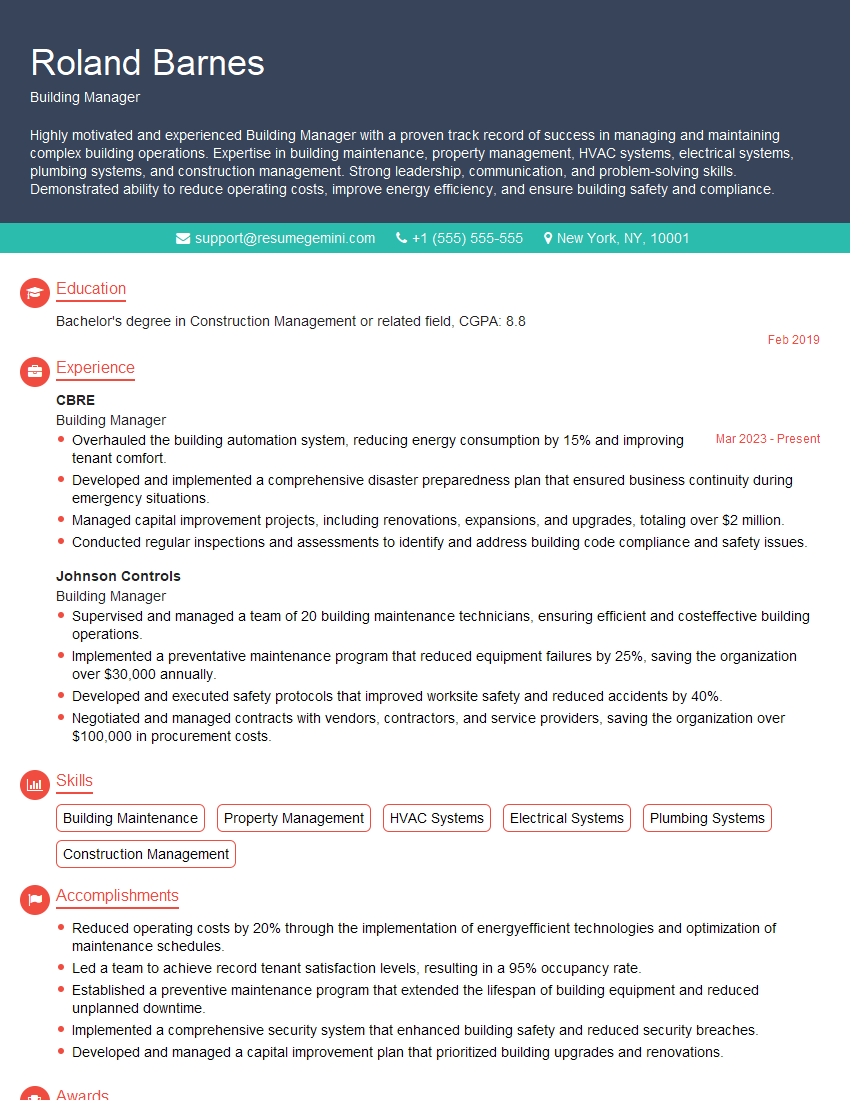
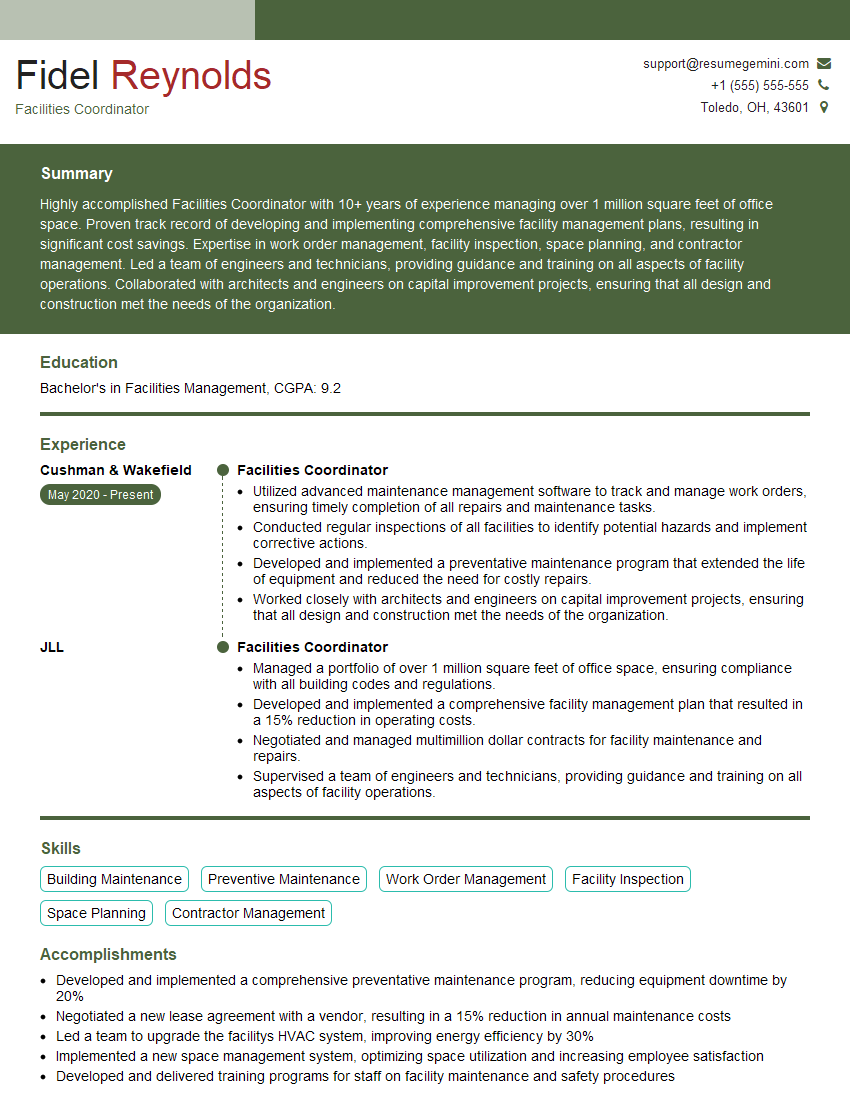
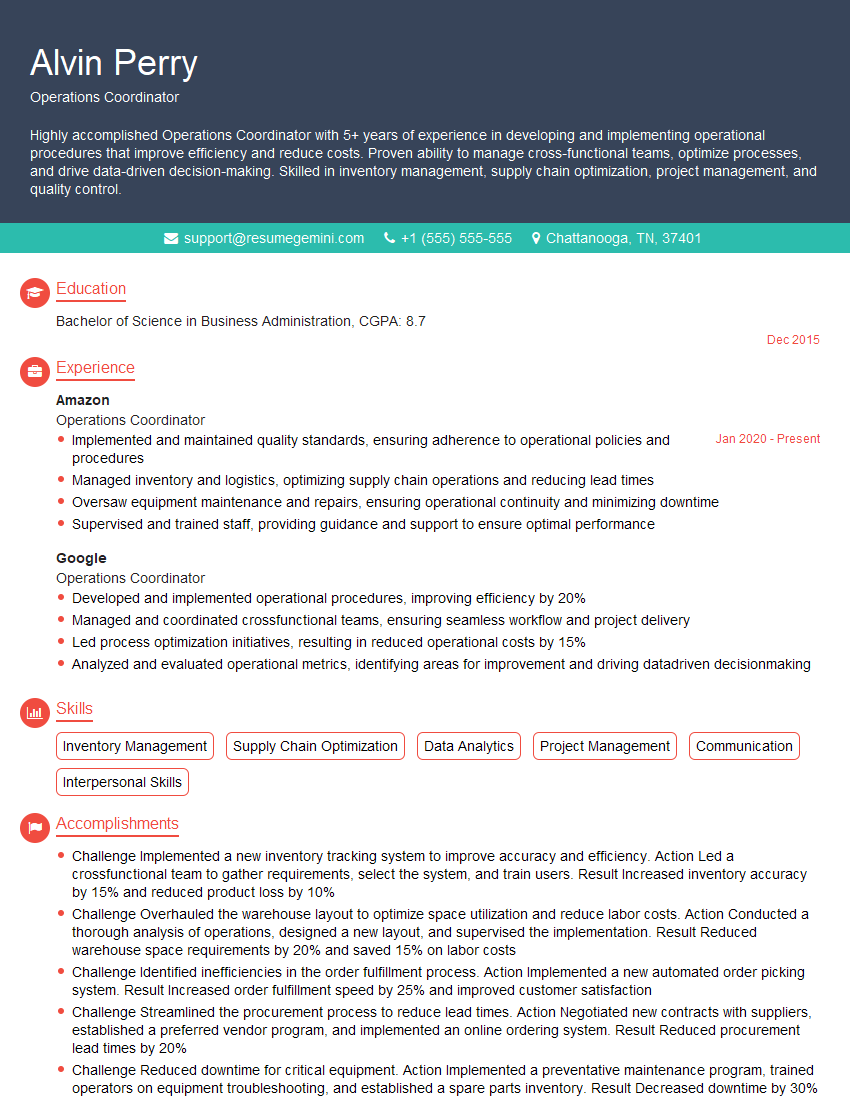
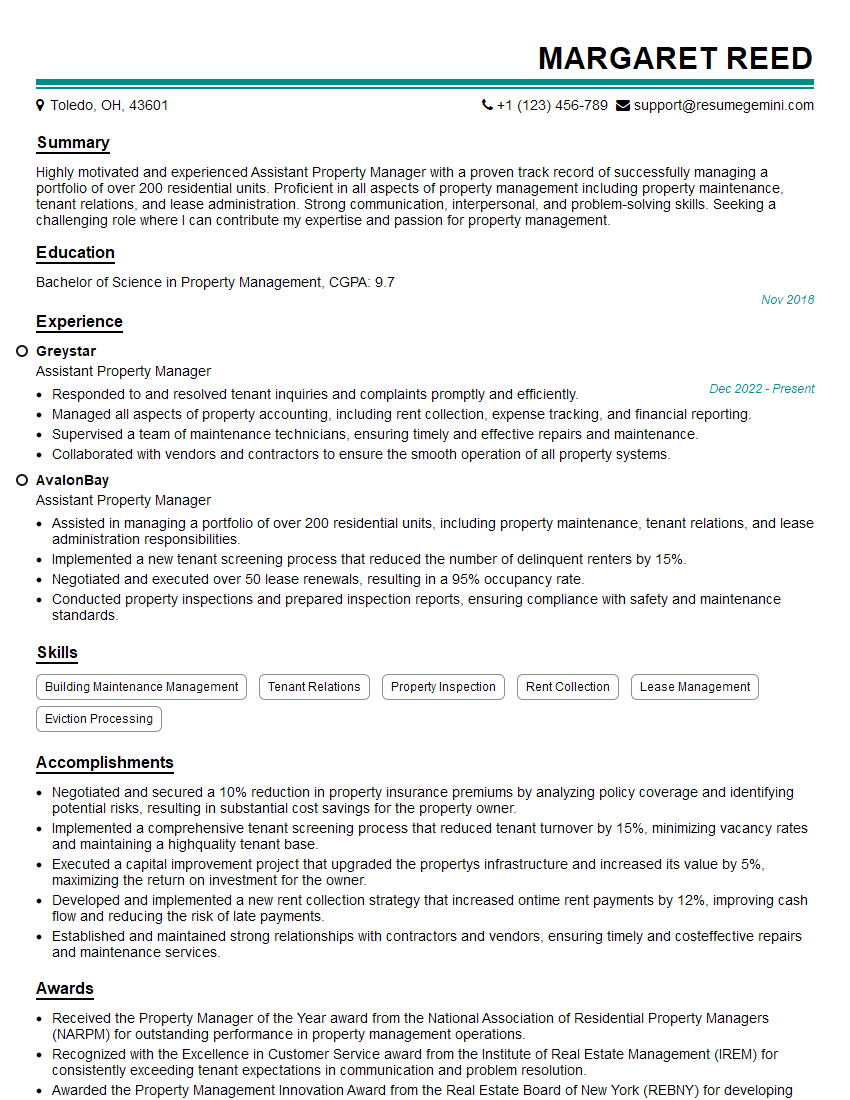
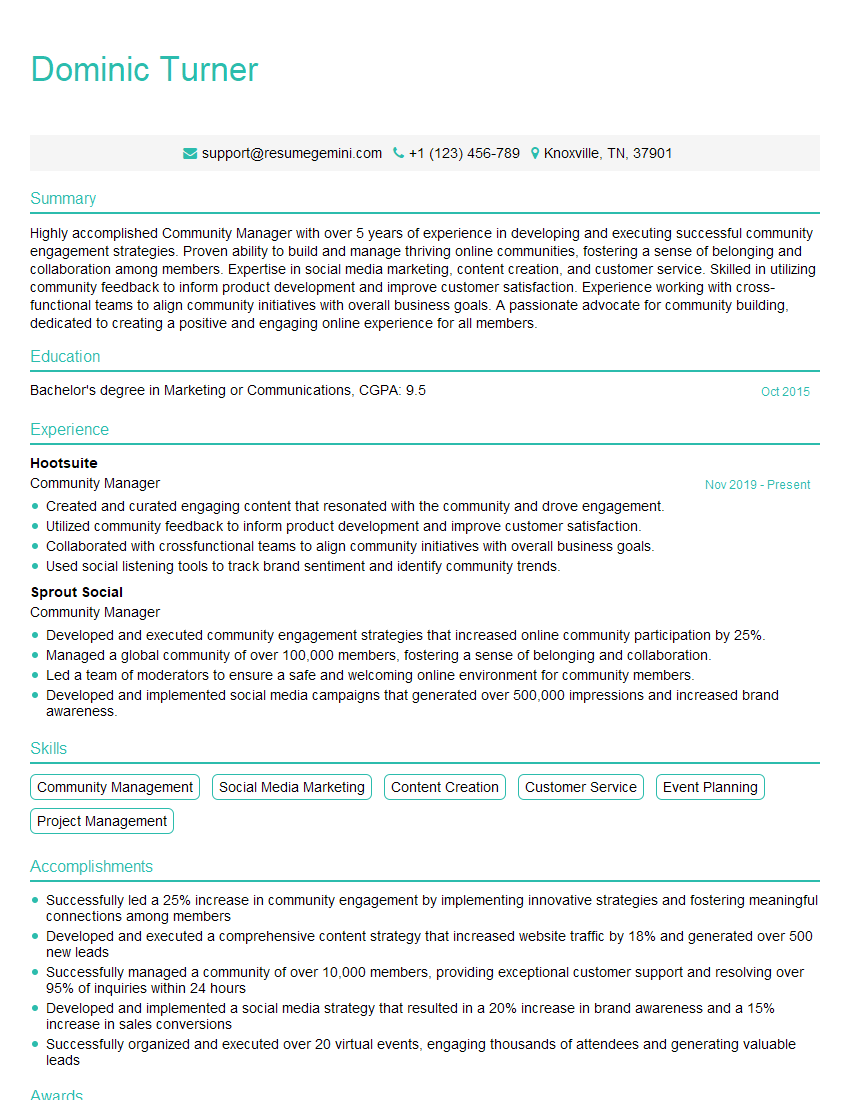
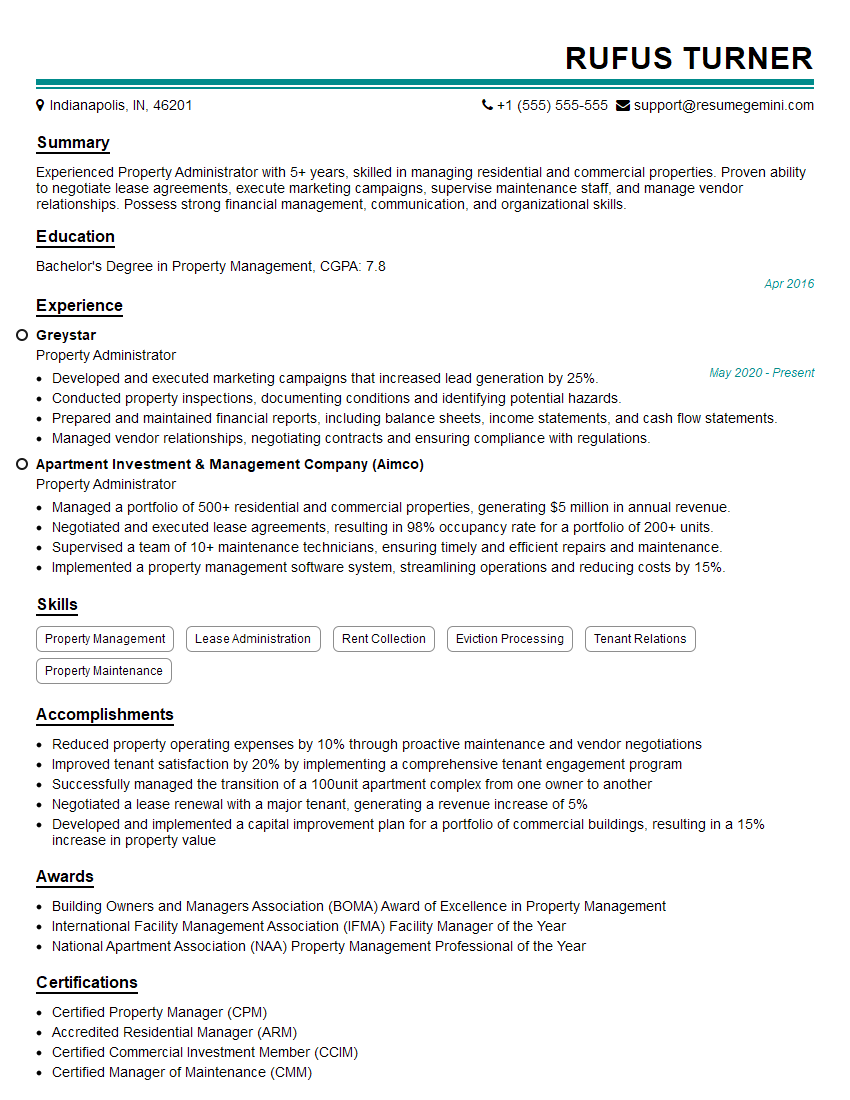
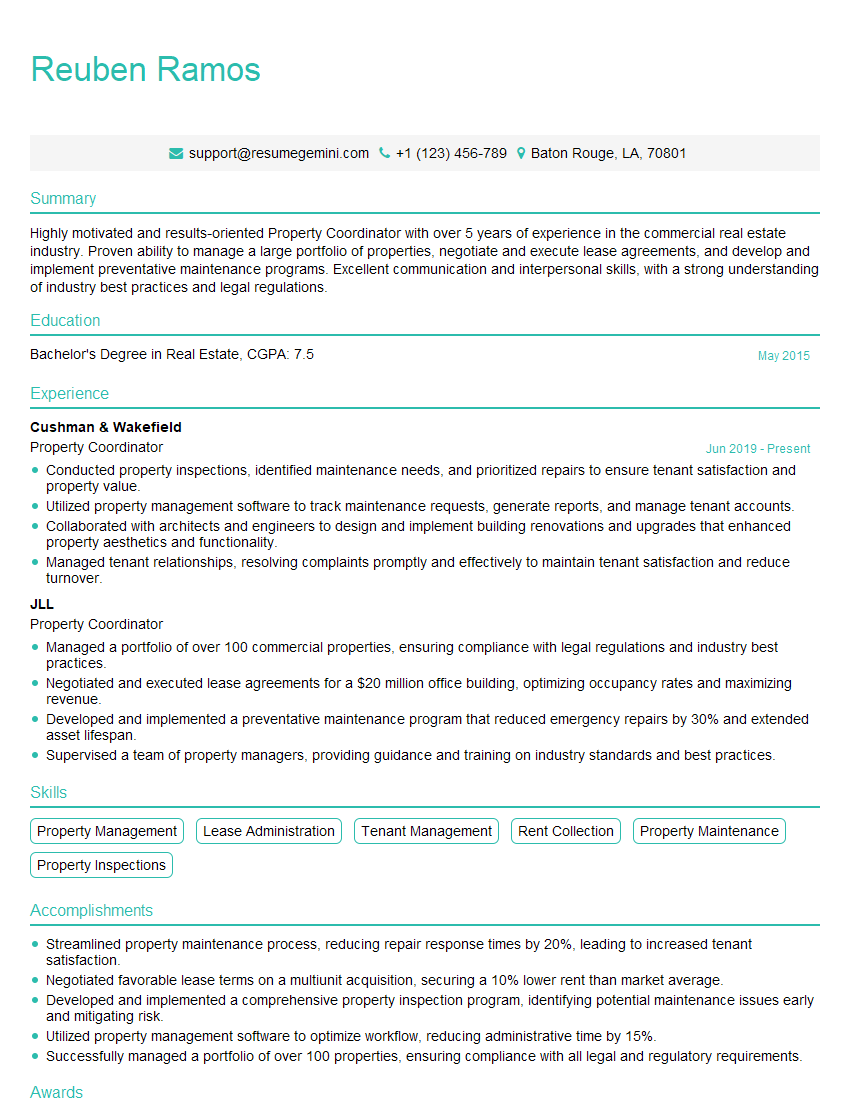
Mastering Tenant Coordination opens doors to exciting career advancements within property management and real estate. A strong understanding of these concepts demonstrates valuable organizational, communication, and problem-solving skills highly sought after by employers. To significantly increase your job prospects, creating an ATS-friendly resume is crucial. ResumeGemini is a trusted resource to help you build a professional and impactful resume that highlights your skills and experience effectively. Examples of resumes tailored to Tenant Coordination are available to guide you through the process.
Explore more articles
Users Rating of Our Blogs
Share Your Experience
We value your feedback! Please rate our content and share your thoughts (optional).
What Readers Say About Our Blog
I Redesigned Spongebob Squarepants and his main characters of my artwork.
https://www.deviantart.com/reimaginesponge/art/Redesigned-Spongebob-characters-1223583608
IT gave me an insight and words to use and be able to think of examples
Hi, I’m Jay, we have a few potential clients that are interested in your services, thought you might be a good fit. I’d love to talk about the details, when do you have time to talk?
Best,
Jay
Founder | CEO