Every successful interview starts with knowing what to expect. In this blog, we’ll take you through the top Towing and Transporting Vehicles interview questions, breaking them down with expert tips to help you deliver impactful answers. Step into your next interview fully prepared and ready to succeed.
Questions Asked in Towing and Transporting Vehicles Interview
Q 1. Describe your experience with different types of towing equipment.
My experience encompasses a wide range of towing equipment, from basic wheel-lift tow trucks ideal for smaller vehicles to heavy-duty rotator tow trucks capable of handling large commercial vehicles and even overturned ones. I’m also proficient with flatbed tow trucks, offering secure transport for damaged or low-riding vehicles. I’ve worked with integrated winches of varying capacities, crucial for vehicle recovery in challenging situations, and understand the nuances of different hook types and their suitability for various vehicles. For instance, a soft hook is gentler on delicate bumpers, while a standard hook is used for more robust vehicles. My experience extends to car carriers, both enclosed and open, each with its own loading and securing procedures.
- Wheel-lift tow trucks: Best for minor roadside assistance and easily maneuverable vehicles.
- Flatbed tow trucks: Ideal for vehicles with damage to their wheels, steering, or undercarriage.
- Rotator tow trucks: Used for recovering vehicles involved in accidents or those stuck in difficult positions.
- Car carriers: Efficient for transporting multiple vehicles over longer distances.
Q 2. Explain the procedures for securing various vehicle types for towing.
Securing a vehicle for towing depends heavily on its type and condition. The primary goal is to prevent movement and damage during transport. For example, a sedan secured with a wheel-lift requires proper placement of the lift arms to avoid scratching the bumpers or damaging the undercarriage. On a flatbed, proper wheel chocks are necessary, along with straps that are correctly tensioned and positioned to avoid shifting. With a rotator, secure placement of the cradle and straps is essential to prevent the vehicle from rotating. For motorcycles, I use specialized straps and secure points that avoid damaging the handlebars or fairings. Oversized vehicles or those with unique features often necessitate custom securing techniques. This often involves careful assessment of the vehicle’s structural integrity and identifying suitable attachment points that won’t cause further damage.
- Sedans/Hatchbacks (Wheel-lift): Properly position lift arms, engage safety mechanisms.
- Trucks/SUVs (Flatbed): Use wheel chocks, secure straps around tires and chassis.
- Damaged Vehicles (Flatbed): Carefully assess structural integrity and use appropriate securing points and methods.
- Motorcycles (Flatbed): Secure with specialized straps to handle bars, wheels and frame.
Q 3. How do you handle a situation involving a hazardous materials spill during a tow?
A hazardous materials spill during a tow is a serious incident requiring immediate and decisive action. My first step is to ensure my own safety and the safety of others by establishing a safe perimeter and contacting emergency services immediately (police, fire department, hazmat team). I’ll then attempt to contain the spill as much as possible using available resources like absorbent materials, avoiding any further spread. The type of hazardous material will dictate the specific containment procedures. For example, a flammable liquid spill requires different handling than a corrosive substance. I’ll follow the emergency responders’ instructions carefully, providing them with information about the spilled material and the vehicle involved. Documentation of the event, including photos and the type of spill, is vital for insurance claims and subsequent investigations. Absolutely no attempts should be made to handle the spill without the proper training and equipment – safety is paramount.
Q 4. What safety measures do you implement when operating a tow truck?
Safety is the cornerstone of my operations. I always conduct pre-trip inspections, checking lights, brakes, tires, and the functionality of all towing equipment. Wearing high-visibility clothing is essential, as is using appropriate safety gear like gloves and work boots. While towing, I maintain a safe following distance and am always aware of my surroundings, accounting for blind spots and traffic conditions. Before operating the winch, I ensure a clear area and proper anchorage points are secured. I never exceed the weight capacity of the tow truck or its equipment, adhering strictly to manufacturer guidelines. Regular vehicle maintenance and driver training are also key to maintaining a safe operation.
Q 5. Describe your experience with winch operation and troubleshooting.
I have extensive experience operating various winches, from hydraulic to electric models. I understand the importance of proper anchoring and using appropriate safety devices. Troubleshooting often involves checking for mechanical issues like cable fraying, hydraulic leaks, or electrical faults. I can diagnose issues through visual inspection and testing of components. For example, if the winch doesn’t respond to commands, I would systematically check power sources, fuses, and the control system. For a cable issue, I would inspect for damage and potentially replace or repair the cable as needed. A proper understanding of winch capacity is critical to avoid overloading the winch and potential accidents. I always follow the manufacturer’s guidelines and safety protocols for using and maintaining the equipment.
Q 6. How do you assess the damage to a vehicle before towing?
Assessing vehicle damage before towing is a crucial step that prevents further harm and ensures proper securing. I start by visually inspecting the vehicle for obvious damage such as broken axles, significant body damage, or leaks. I check the tire condition and the ability of the vehicle to roll safely. If the vehicle appears unstable or if there is substantial damage to the steering or suspension, it requires special handling and may need to be secured differently. I take detailed notes and photos to document the existing damage to prevent any disputes later. If there are any significant issues, I inform the client and may recommend specific towing methods to prevent further damage.
Q 7. Explain your process for loading and unloading vehicles onto a car carrier.
Loading and unloading vehicles onto a car carrier requires precision and safety. First, I assess the carrier’s capacity and the size of the vehicles to determine the optimal loading sequence. I then position the vehicles according to their size, weight, and any potential damage considerations. Secure wheel chocks are used to prevent rolling, and straps are strategically placed to secure the vehicles firmly in place during transit. Once secure, a final check is done before driving. Unloading is the reverse process, carefully releasing straps and removing chocks while being mindful of the carrier’s height and surroundings. The process requires attention to detail and adherence to safety procedures to avoid damage to the vehicles or injuries to personnel. Experience is crucial to handle various car carrier types and sizes efficiently and safely.
Q 8. How do you navigate challenging towing situations, such as narrow roads or difficult terrain?
Navigating challenging towing situations requires a combination of skill, experience, and careful planning. It’s not just about driving; it’s about risk assessment and problem-solving. For example, on narrow roads, I prioritize assessing the space available – measuring the vehicle and trailer combination against the road width, considering any obstructions like parked cars or overhanging branches. I might need to use reverse maneuvering techniques and employ spotters to ensure safety. On difficult terrain, I carefully evaluate the ground conditions – looking for loose gravel, steep inclines, or soft patches. I might need to use a different towing method (e.g., a winch or specialized recovery vehicle) or adjust the towing speed significantly to avoid getting stuck. Safety is always paramount. I ensure the load is secured properly and drive at a speed suitable for the conditions. Communication with the customer is key, keeping them informed of any delays or challenges encountered.
For instance, I once had to tow a large RV down a narrow mountain road with several sharp turns. Careful planning, including scouting the route beforehand and employing a spotter, ensured a safe and successful tow. A different situation might involve a vehicle stuck in mud. In that case, the strategy shifts to assessing the ground and choosing appropriate recovery equipment – potentially involving a winch and recovery straps – before attempting to tow.
Q 9. What is your experience with roadside assistance and emergency towing?
Roadside assistance and emergency towing is a significant part of my experience. It demands quick thinking and efficiency. I’m adept at assessing the situation over the phone, determining the nature of the problem, and dispatching the appropriate vehicle. This includes understanding the vehicle type, the location, and the specific issue to minimize response time. For instance, a flat tire requires a different response than a complete vehicle breakdown. Emergency situations, such as accidents, require careful handling, ensuring scene safety and coordinating with emergency services. I’m experienced in using specialized equipment for winching and recovery, as well as securing vehicles for safe transport. Accurate communication with the customer is crucial during stressful situations, offering reassurance and providing updates throughout the process.
I recall one instance where I responded to a vehicle stranded on a busy highway at night. The quick assessment, prompt arrival, and efficient towing not only got the vehicle to safety but prevented a potential accident. Timely and effective emergency response often means the difference between a minor inconvenience and a potentially dangerous situation.
Q 10. Describe your experience with customer service in a towing environment.
In towing, customer service is critical because people are often stressed and vulnerable when their vehicles are disabled. My approach centers on empathy, clear communication, and professionalism. I explain the process clearly, answer their questions patiently, and provide realistic timeframes. This includes offering updates, explaining any extra costs upfront, and ensuring they understand the process. I make sure to treat each customer with respect, regardless of their circumstances. Active listening is vital – understanding their concerns and addressing them promptly is crucial for building trust and a positive experience.
For example, I had a customer who was distraught after an accident. By patiently listening to their concerns, offering reassurance, and providing a calm and professional service, I transformed a stressful situation into a positive experience. They later sent a thank you note expressing their gratitude.
Q 11. How do you handle difficult or irate customers?
Handling difficult or irate customers requires patience, active listening, and a de-escalation strategy. My first step is to actively listen to their concerns without interruption. Understanding their perspective, even if I don’t agree, is crucial. I validate their feelings by acknowledging their frustration, stating something like, “I understand this is frustrating.” Then, I calmly and clearly explain the situation, offering solutions and outlining the steps I’m taking. If necessary, I involve a supervisor for mediation. Maintaining a professional demeanor, even under pressure, prevents escalating the situation. It’s essential to remain calm, patient, and focus on finding a mutually agreeable resolution.
I once dealt with a customer who was extremely angry about a delay. By calmly explaining the reason for the delay, offering alternative solutions, and sincerely apologizing for the inconvenience, I successfully de-escalated the situation and turned a potentially negative experience into a positive one. The key is to show empathy and professionalism.
Q 12. What is your experience with managing dispatch calls and scheduling?
Managing dispatch calls and scheduling involves efficient organization and communication. I’m proficient in using dispatch software, prioritizing calls based on urgency and location. This involves understanding the type of vehicle, distance, and any special instructions. I schedule tows in a way that optimizes routes and minimizes response times, taking into account traffic conditions and driver availability. I utilize various communication methods, including phones and two-way radios, to ensure clear and timely communication among dispatch, drivers, and customers. Maintaining a well-organized schedule is crucial for operational efficiency.
For example, I once managed a series of emergency tows during a severe storm. By effectively prioritizing calls, coordinating with drivers, and utilizing efficient routing software, I ensured timely assistance to all customers despite the challenging conditions.
Q 13. How do you maintain accurate records and documentation for each tow?
Accurate record-keeping is essential for legal and operational reasons. For each tow, I maintain detailed records including the customer’s information, the vehicle’s details, the pickup and drop-off locations, the date and time, the mileage, and the service provided. This information is often documented using electronic dispatch systems and may include photographs of the vehicle and the tow situation. I ensure all information is accurate and complete, as this documentation is crucial for billing purposes, insurance claims, and potential legal disputes. A consistent and organized system prevents errors and ensures accountability.
We use a specific software system that automatically generates reports and records all the data electronically. This ensures consistency and facilitates easy access to information when needed.
Q 14. What is your understanding of DOT regulations concerning towing?
Understanding DOT (Department of Transportation) regulations is crucial for safe and legal operation. This includes knowledge of weight limits, vehicle inspections, driver qualifications, hours of service, and hazardous materials transportation. Compliance with these regulations is paramount for safety and legal compliance. I am familiar with the specific regulations governing towing operations, including the proper use of lighting equipment, securing loads correctly, and maintaining vehicle documentation. Regular vehicle inspections are critical to ensure compliance and safety. Staying up-to-date on changes in regulations is vital to ensure continuous compliance. Non-compliance can result in significant fines and legal repercussions.
For example, understanding weight restrictions is crucial when towing heavy vehicles. Exceeding weight limits can cause accidents and lead to fines. Regular inspections ensure that the towing equipment is functioning correctly and is compliant with all relevant DOT regulations.
Q 15. How do you perform a pre-trip inspection of a tow truck?
A pre-trip inspection of a tow truck is crucial for safety and operational efficiency. It’s like giving your vehicle a thorough health check before a long journey. I always follow a checklist, ensuring every aspect is meticulously examined.
- Lights and Signals: I check all lights – headlights, brake lights, turn signals, hazard lights, and tow lights – ensuring they are functioning correctly. This is vital for visibility, especially at night or in poor weather.
- Brakes: I test the service brakes and parking brake to ensure they are effective and responsive. Brake failure is a major safety concern.
- Tires and Wheels: I inspect tire pressure, tread depth, and overall condition, looking for cuts, bulges, or uneven wear. Proper tire inflation is essential for stability and fuel efficiency.
- Fluid Levels: I check engine oil, coolant, power steering fluid, and brake fluid levels. Low fluid levels can lead to engine damage or brake failure.
- Towing Equipment: This is the most critical part. I meticulously examine the winch, straps, chains, hooks, and wheel lifts, checking for wear, damage, and proper functionality. I ensure safety latches are secure and working correctly. For example, I’d check for fraying in the straps or any signs of bending in the hooks.
- Vehicle Condition: I visually inspect the truck itself for any damage, leaks, or unusual noises. I also ensure the emergency equipment like warning triangles and first-aid kit are present and accessible.
A thorough pre-trip inspection significantly reduces the risk of accidents and breakdowns, ensuring the safety of myself, other drivers, and the vehicle being towed.
Career Expert Tips:
- Ace those interviews! Prepare effectively by reviewing the Top 50 Most Common Interview Questions on ResumeGemini.
- Navigate your job search with confidence! Explore a wide range of Career Tips on ResumeGemini. Learn about common challenges and recommendations to overcome them.
- Craft the perfect resume! Master the Art of Resume Writing with ResumeGemini’s guide. Showcase your unique qualifications and achievements effectively.
- Don’t miss out on holiday savings! Build your dream resume with ResumeGemini’s ATS optimized templates.
Q 16. Describe your experience with vehicle recovery in challenging conditions (e.g., accidents, flooding).
I have extensive experience recovering vehicles in challenging conditions. Accidents often involve precarious vehicle positioning, requiring careful assessment and strategic recovery methods. For example, I once had to recover a car that had rolled down an embankment after a collision. This involved securing the vehicle with specialized equipment, ensuring stability, and employing a slow and controlled extraction process. Safety is paramount in these situations.
Flooding presents unique challenges. Vehicles submerged in water require careful assessment of structural integrity before any recovery attempt. Using appropriate buoyancy aids and specialized lifting equipment is critical to prevent further damage or collapse. I prioritize safety first and never attempt a recovery if there is any risk to myself or others. I understand the electrical risks associated with flooded vehicles and take extra care to ensure I’m working in a safe environment.
In both accident and flood scenarios, communication with emergency services and other responders is critical for coordinated and safe recovery operations. Proper documentation and reporting of the incident are essential.
Q 17. How do you determine the appropriate towing method for different vehicle types?
Choosing the right towing method depends heavily on the vehicle’s type, condition, and the circumstances of the tow. There are several factors to consider:
- Vehicle Type: A small car might be easily towed with a wheel-lift, while a large SUV or truck might need a flatbed for safety and to prevent damage.
- Vehicle Condition: A damaged vehicle, especially one involved in an accident, is usually best towed on a flatbed to prevent further damage. Vehicles with steering or transmission issues might also need flatbed towing.
- Distance: Long-distance tows often favor flatbed towing to ensure the vehicle’s security and to prevent strain on the vehicle’s drivetrain.
- Local Regulations: Some areas might have restrictions on certain types of towing, influencing the method used.
For instance, a classic car with a delicate suspension system would always be towed on a flatbed, minimizing stress and damage. A standard sedan in good working condition might be safely towed with a wheel-lift if it’s a short distance and the vehicle is drivable enough to be moved onto the wheel lift.
Q 18. What is your experience with flatbed towing versus wheel-lift towing?
I have extensive experience with both flatbed and wheel-lift towing. Each method has its advantages and disadvantages. Wheel-lift towing is faster and more efficient for vehicles in good working condition that can be safely moved with their own drive train. However, it is unsuitable for vehicles with drivetrain damage or those needing protection from further damage.
Flatbed towing offers superior vehicle protection, as the vehicle’s wheels are not touching the ground, even if they have damage. It is particularly useful for long-distance tows, vehicles with mechanical issues, or those involved in accidents. The added protection is worth the reduced speed and efficiency in these cases.
The choice between the two methods is a critical decision driven by safety and the condition of the vehicle being towed. I always prioritize the safest and most appropriate option for each scenario.
Q 19. How do you ensure the safety of yourself and others during a towing operation?
Safety is my utmost priority. I adhere to strict safety protocols during every towing operation. This includes:
- Proper Securing: Ensuring the vehicle is securely fastened to the tow truck using the appropriate straps, chains, or wheel lift, based on the vehicle type and condition.
- Visibility: Using warning lights, triangles, and cones to alert other drivers to the presence of the tow truck and the towed vehicle, especially in low-visibility conditions.
- Road Conditions: Adapting driving speed and techniques to prevailing road conditions, such as weather, traffic, and road hazards.
- Communication: Maintaining clear communication with the driver or owner of the towed vehicle and other road users.
- Personal Protective Equipment (PPE): Using appropriate PPE, such as gloves, safety glasses, and high-visibility clothing.
- Following Regulations: Adhering to all applicable traffic laws and regulations for towing operations.
I treat every tow as a potentially hazardous situation, and I take the necessary precautions to prevent accidents and ensure the safety of myself and everyone else on the road.
Q 20. Describe your problem-solving skills in relation to a complex towing scenario.
Problem-solving is integral to my job. I remember one time I had to tow a large RV that had become stuck in a ditch. The angle of the ditch, combined with the RV’s size and weight, made it a very challenging recovery situation. Simple winching wasn’t going to work; the risk of further damage to the vehicle was too high.
My approach was systematic:
- Assessment: I carefully assessed the situation, considering the terrain, the RV’s condition, and the available equipment.
- Strategy: I developed a plan to use multiple winches, strategically positioned, to provide balanced pulling force. This minimized the risk of tipping or further damage.
- Execution: I carefully executed the plan, working methodically and continuously monitoring the RV’s position and stability. I also communicated frequently with my team to coordinate the winch operation.
- Evaluation: During the entire process, I constantly assessed the progress and adjusted the approach as needed, making sure that stability was always maintained.
Through careful planning and execution, we successfully extracted the RV without causing any additional damage. This incident highlighted the importance of a methodical, multi-step approach to complex situations.
Q 21. What is your understanding of different types of car carriers and their applications?
I understand different car carriers and their applications. The choice of carrier depends on factors like the number of vehicles, the distance, vehicle type, and whether the vehicle is damaged or operational.
- Open Car Carriers: These are ideal for transporting multiple vehicles, particularly when they’re in good working condition. They’re economical for long-distance hauls but offer less protection.
- Enclosed Car Carriers: These carriers provide maximum protection, shielding vehicles from weather and potential damage. They’re often used for high-value vehicles, classic cars, or vehicles needing extra protection during transit. They are commonly used for transport over long distances.
- Car Carrier Trailers: Towed behind a truck, these come in various sizes to accommodate different numbers of vehicles. The smaller ones work well for one or two cars.
- Flatbed Car Carriers: A flat platform offering relatively open transport. They can accommodate larger vehicles or those with loading restrictions.
- Specialized Car Carriers: There are carriers designed specifically for certain types of vehicles, such as motorcycles, boats, or oversized machinery.
For example, a classic car collection would be best transported in an enclosed carrier, while a fleet of new cars from the factory might be more cost-effectively transported on a large open carrier.
Q 22. How do you handle situations where a vehicle’s condition prevents safe towing?
Safety is paramount in towing. If a vehicle’s condition compromises safe towing, my immediate priority is to assess the risk. This involves a thorough visual inspection, checking for things like significant damage to the undercarriage, compromised tires, leaking fluids, or structural instability. I’d then determine the best course of action, which might include:
- Refusal of the tow: If the risk is too high, I’ll explain the situation to the client and refuse the tow, emphasizing the potential for further damage or injury. Safety always comes first.
- Specialized equipment: For vehicles with significant damage, I may require specialized equipment like a lowboy trailer (for low-slung vehicles) or a wheel-lift for vehicles with damaged suspension.
- Additional support: In some cases, I’ll call for additional personnel or specialized recovery services to assist with a safer and more efficient tow.
- Temporary stabilization: Before towing, I might need to temporarily stabilize the vehicle using jack stands or other securing methods to prevent further damage during transport.
For instance, I once encountered a car involved in a collision where the frame was severely twisted. Towing it conventionally would have risked further damage. I contacted a heavy-duty recovery team with specialized equipment for that situation. They used a flatbed and carefully secured the car, minimizing further damage.
Q 23. Explain your knowledge of different types of winches and their capabilities.
Winches are crucial for various towing situations. They come in different types, each with its capabilities:
- Electric Winches: These are powered by electricity, often found on newer tow trucks. They offer convenient operation and variable speeds. They are suitable for most standard towing jobs but can be limited by power supply and cable length.
- Hydraulic Winches: Powered by hydraulic pressure, these are typically stronger and faster than electric winches. They are ideal for heavy-duty recovery tasks, such as extracting vehicles from ditches or mud. They provide immense pulling power but require a robust hydraulic system.
- Manual Winches: These are hand-cranked and are mostly used in situations with limited access or as secondary winches. They’re much slower and less powerful than electric or hydraulic winches and are best suited for lighter loads.
Choosing the right winch depends entirely on the specific towing job. A small electric winch might suffice for a minor roadside assist, while a heavy-duty hydraulic winch is necessary for extracting a large truck stuck in a ditch. Understanding winch capacity (measured in pounds or tons) and line speed is essential for safe and efficient operations.
Q 24. What are your strategies for efficient route planning during vehicle transport?
Efficient route planning is vital for timely and cost-effective vehicle transport. My strategy involves:
- Destination and Origin Verification: Confirming accurate addresses and access restrictions (low bridges, narrow roads). Google Maps is invaluable for this purpose, as is physically checking out the roads for any potential obstacles prior to dispatch.
- Traffic Conditions Check: Checking real-time traffic information to identify potential delays. Apps like Waze or Google Maps provide up-to-the-minute updates and suggest alternative routes if necessary.
- Vehicle Dimensions Consideration: Determining the route based on the towed vehicle’s dimensions to avoid low bridges, narrow streets, or other obstacles. This also includes considering any special permits required for oversized loads.
- Weight and Load Capacity: Route planning accounts for the combined weight of the tow truck and the towed vehicle to ensure I stay within legal limits and avoid roads with weight restrictions.
- Fuel Stops and Breaks: Incorporating planned fuel stops and driver break periods into the itinerary to maintain safety and efficiency. This is particularly important on long-distance tows.
For example, when transporting a large boat on a trailer, I would meticulously check for bridges with sufficient height clearance and avoid narrow town centers to ensure a smooth, safe delivery.
Q 25. How do you manage fuel efficiency and maintenance for a tow truck?
Fuel efficiency and maintenance are critical for cost control and operational effectiveness. I address this through several measures:
- Preventative Maintenance: Regular servicing, including oil changes, tire rotations, and inspections of the braking system, ensures optimal performance and longevity of the tow truck. This prevents breakdowns and costly repairs.
- Efficient Driving Techniques: Maintaining a consistent speed, minimizing idling, and avoiding aggressive acceleration or braking significantly improves fuel efficiency. Anticipatory driving helps to avoid sudden stops and starts.
- Proper Load Management: Correctly distributing weight on the tow truck and avoiding overloading reduces strain on the engine and improves fuel economy. Overloading also impacts braking and handling.
- Tire Pressure Monitoring: Maintaining proper tire inflation is crucial for fuel efficiency, tire longevity, and safe handling.
- Regular Cleaning: Keeping the tow truck clean reduces the aerodynamic drag that affects fuel consumption.
I also keep detailed maintenance logs and adhere to manufacturer’s recommended service intervals. By prioritizing maintenance, I extend the life of my vehicle and lower operating costs.
Q 26. What is your understanding of insurance and liability related to towing operations?
Understanding insurance and liability is fundamental in the towing industry. My insurance coverage includes:
- General Liability Insurance: This covers damages or injuries caused to third parties during towing operations. This includes property damage and bodily injury claims.
- Commercial Auto Insurance: This protects the tow truck and covers damages or injuries in accidents involving the tow truck.
- Cargo Insurance: This protects the towed vehicle against damage or loss during transport.
Beyond insurance, I adhere to all relevant safety regulations and always obtain necessary permits for oversized or heavy loads. Clear communication with clients about liability and responsibility before any towing service begins is also critical. For example, obtaining a signed agreement specifying the condition of the vehicle before towing, and documenting any existing damage, greatly limits potential liability disputes.
Q 27. How do you stay updated on industry best practices and safety regulations?
Staying current is vital in this dynamic field. I maintain updated knowledge through several methods:
- Professional Organizations: Membership in relevant professional organizations like the Towing and Recovery Association of America (or equivalent national bodies) provides access to industry news, best practices, and safety updates.
- Industry Publications: I regularly read industry magazines and online publications to stay informed about new technologies, regulations, and safety standards.
- Workshops and Training: Participating in workshops and training courses ensures that I’m up-to-date on safety procedures and the latest techniques in towing and recovery.
- Online Resources: Utilizing online resources and government websites to monitor regulatory changes and updates.
Continuous learning is not just about professional development; it’s crucial for maintaining safety and efficiency standards. The industry is always evolving, so staying abreast of the latest advancements is key to successful operations.
Q 28. Describe a time you had to adapt your approach to a challenging towing situation.
I once had to tow a vintage car that had extremely low ground clearance. The usual methods wouldn’t work without potentially causing significant damage. My initial plan using a conventional wheel-lift proved to be risky given the car’s age and low suspension. I adapted by using a combination of techniques:
- Consultation: I contacted the owner to discuss the situation and potential risks.
- Alternative Approach: Instead of the wheel-lift, I used a combination of dollies placed under the front axle, then carefully secured the vehicle to my flatbed. This minimized the stress on the car’s undercarriage.
- Slow and Steady Transport: I carefully navigated the route, at a slow speed and avoiding any potential bumps to ensure the safety of the vehicle.
This experience highlighted the importance of adaptability and problem-solving. By thinking outside the box and utilizing alternative techniques, I successfully towed the vehicle without causing any additional damage. It reinforced the need to assess each situation individually and adapt my approach accordingly.
Key Topics to Learn for Towing and Transporting Vehicles Interview
- Vehicle Types and Towing Methods: Understanding different vehicle types (cars, trucks, motorcycles, RVs) and appropriate towing techniques for each. This includes knowing the limitations of different towing equipment.
- Safety Procedures and Regulations: Mastering safe towing practices, including proper securing methods, load distribution, and adherence to all relevant traffic laws and regulations. Be prepared to discuss scenarios involving challenging road conditions or emergency situations.
- Equipment Operation and Maintenance: Demonstrate knowledge of various towing equipment (e.g., dollies, flatbeds, wheel lifts), their operational procedures, and routine maintenance checks. Understanding troubleshooting common mechanical issues is crucial.
- Damage Assessment and Documentation: Explain your process for assessing vehicle damage before, during, and after towing. This includes proper documentation techniques, photography, and reporting procedures.
- Customer Service and Communication: Discuss effective communication skills with clients, handling stressful situations with professionalism and empathy. This includes clear explanations of procedures and addressing customer concerns.
- Logistics and Route Planning: Show your understanding of efficient route planning considering traffic, weather conditions, and vehicle dimensions. Discuss experience with GPS navigation and dispatch systems.
- Emergency Response and Accident Procedures: Be prepared to discuss your experience handling emergencies on the road, including accident procedures, reporting to authorities, and ensuring the safety of yourself and others.
Next Steps
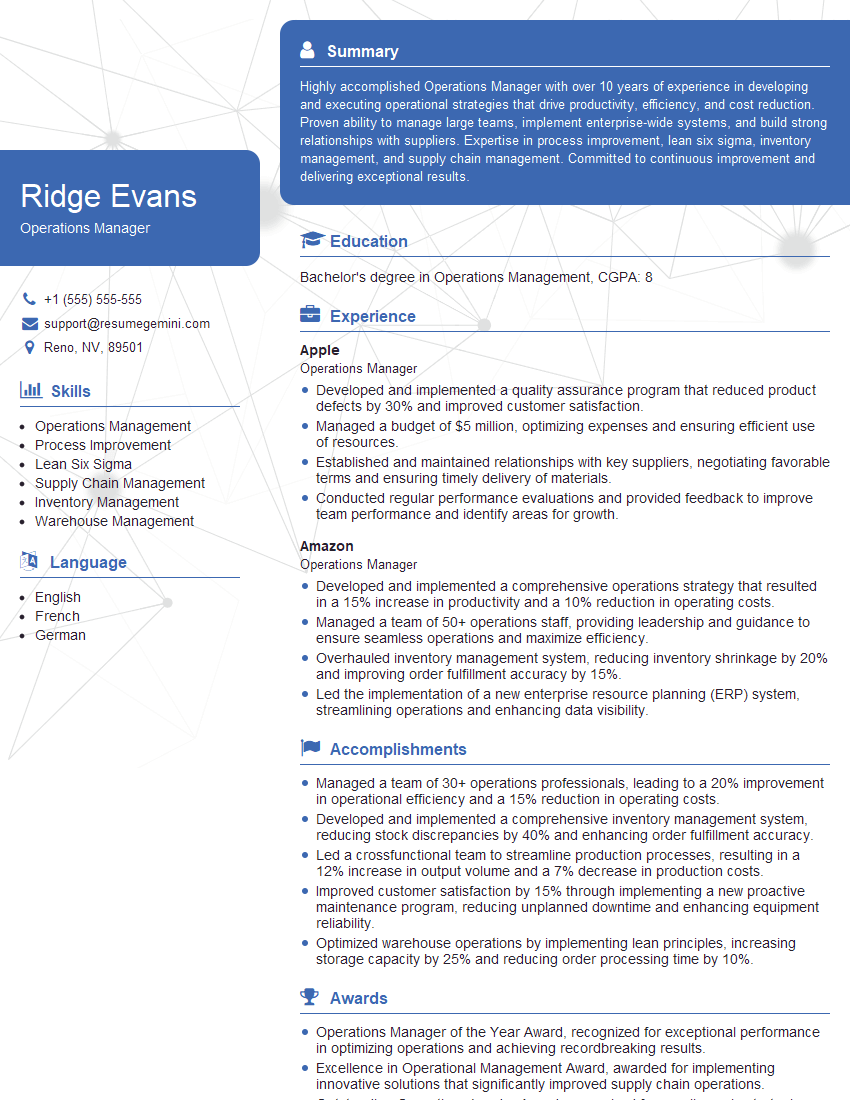
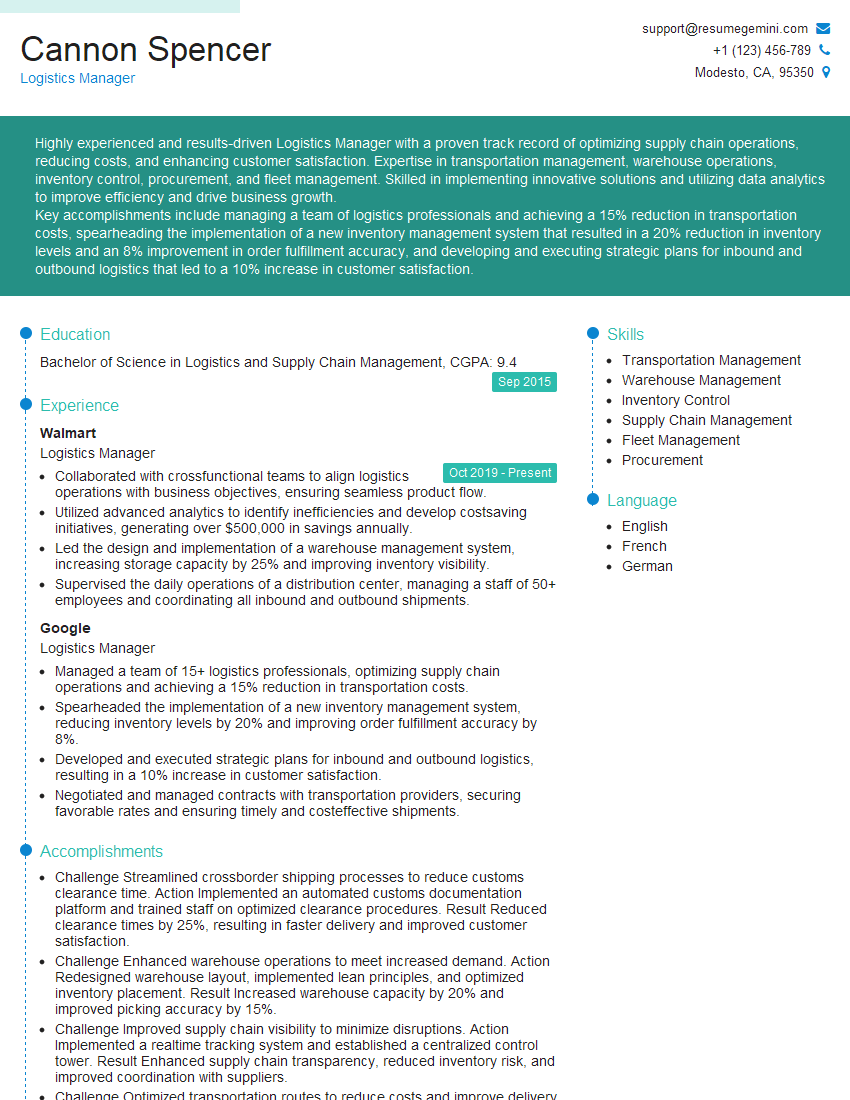
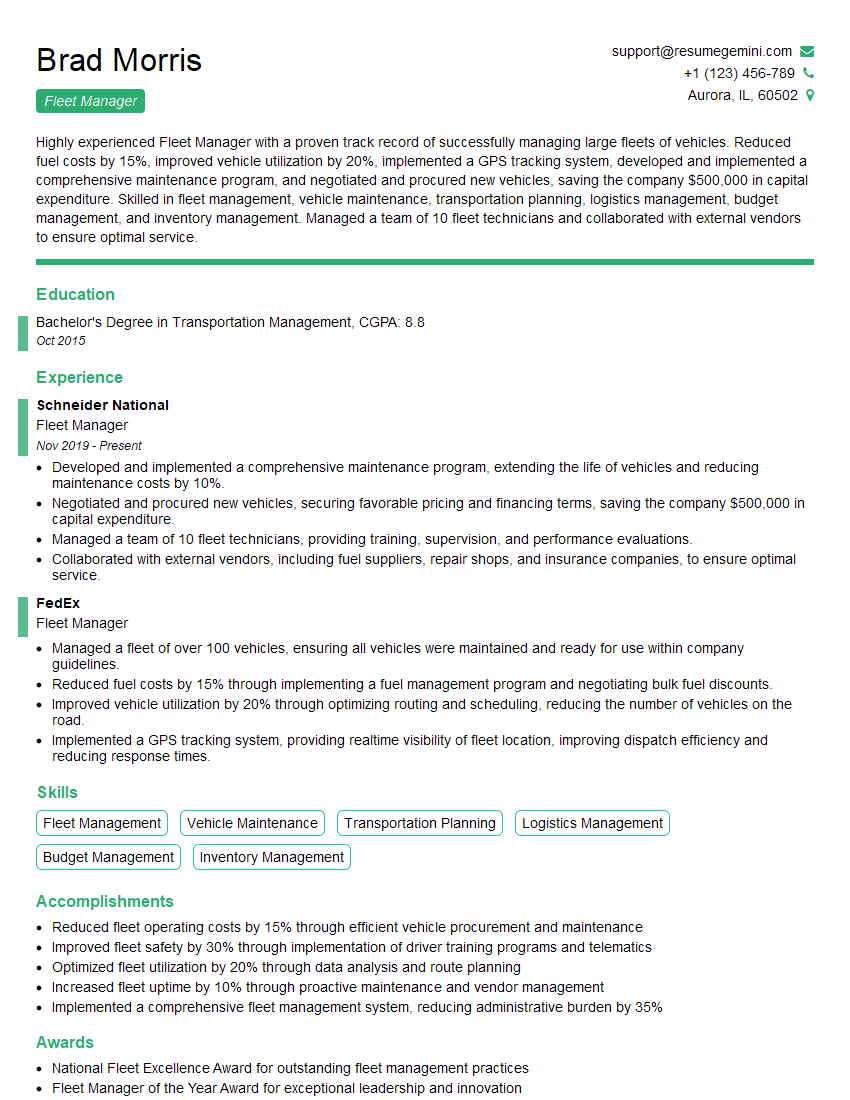
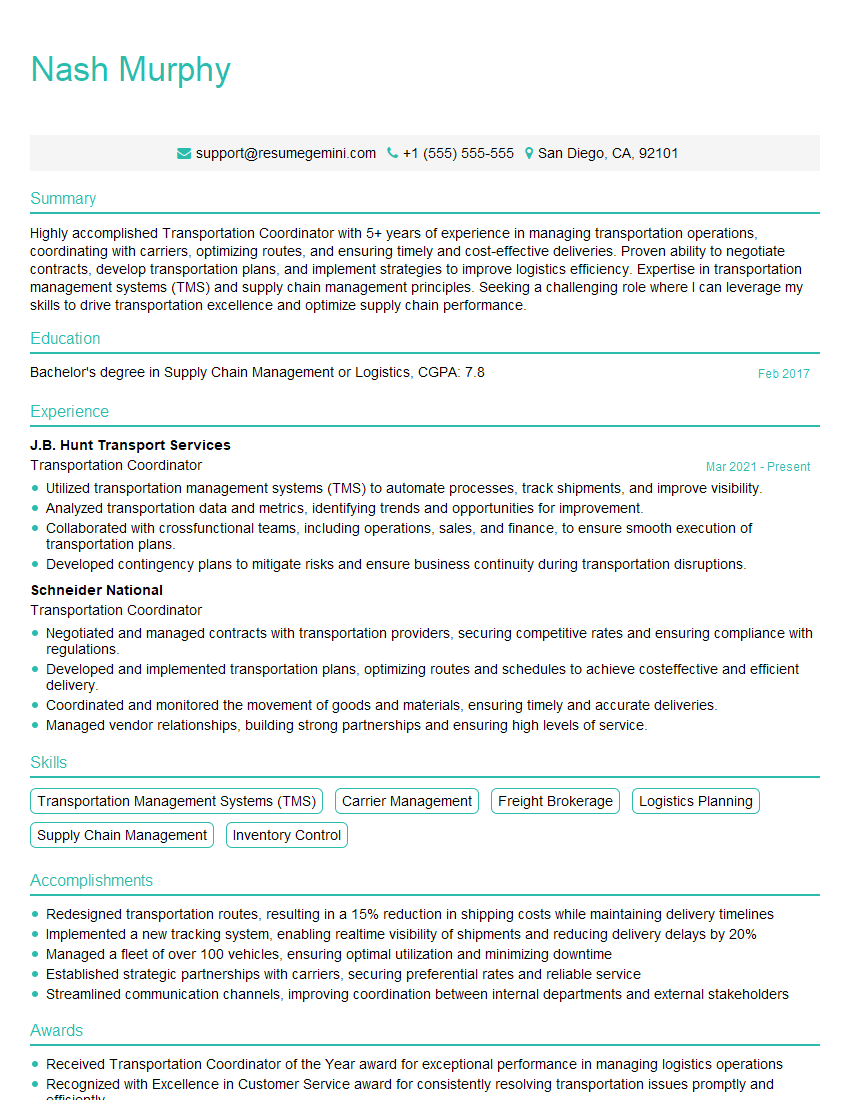
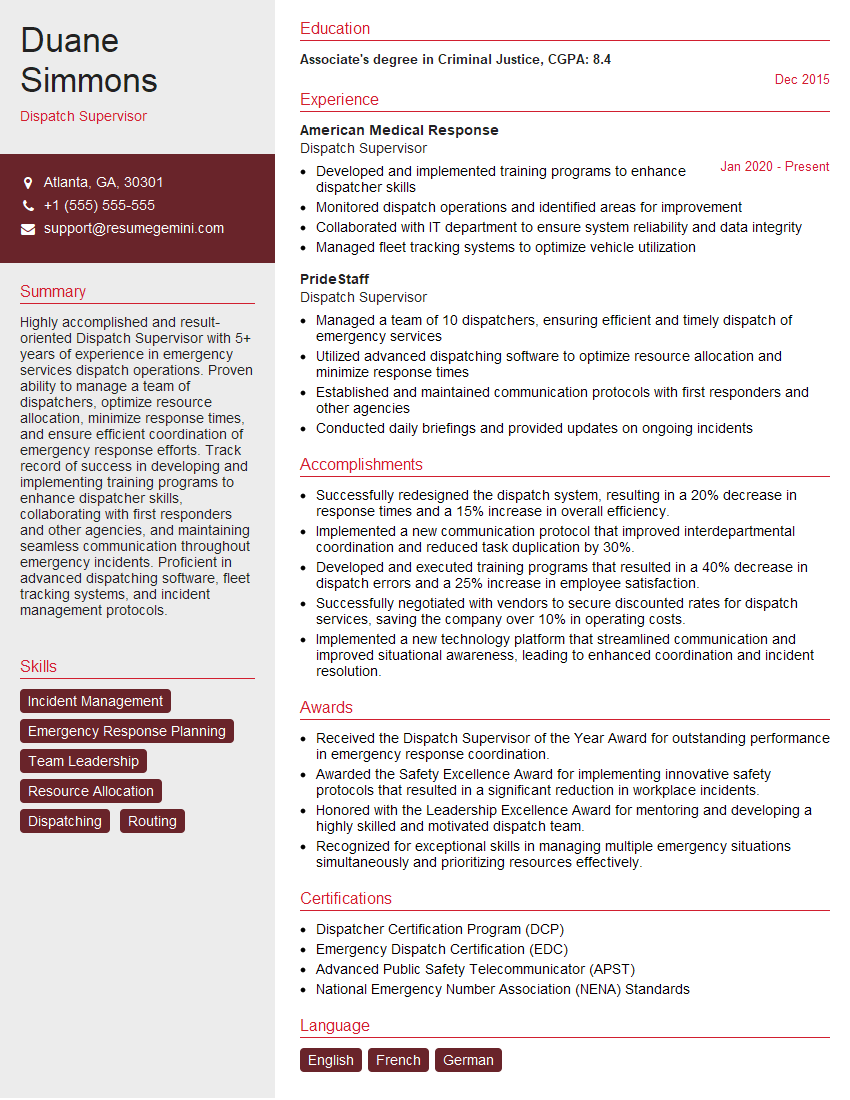
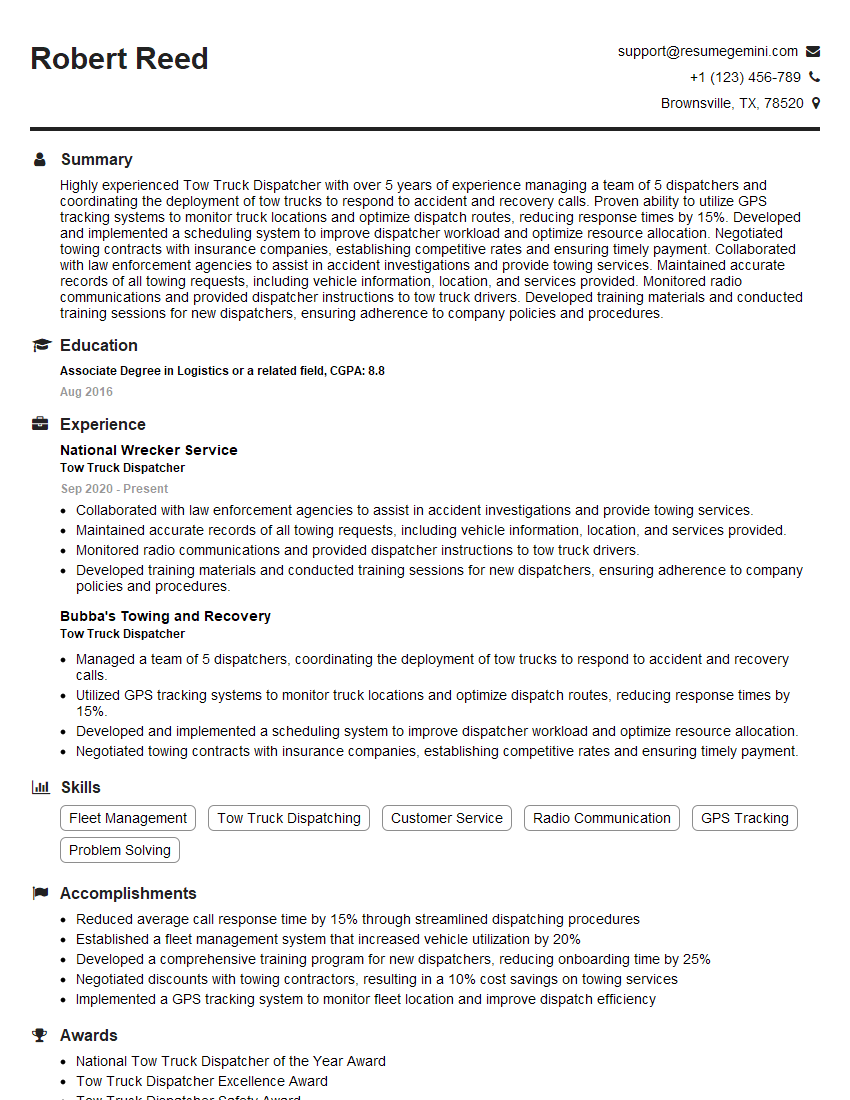
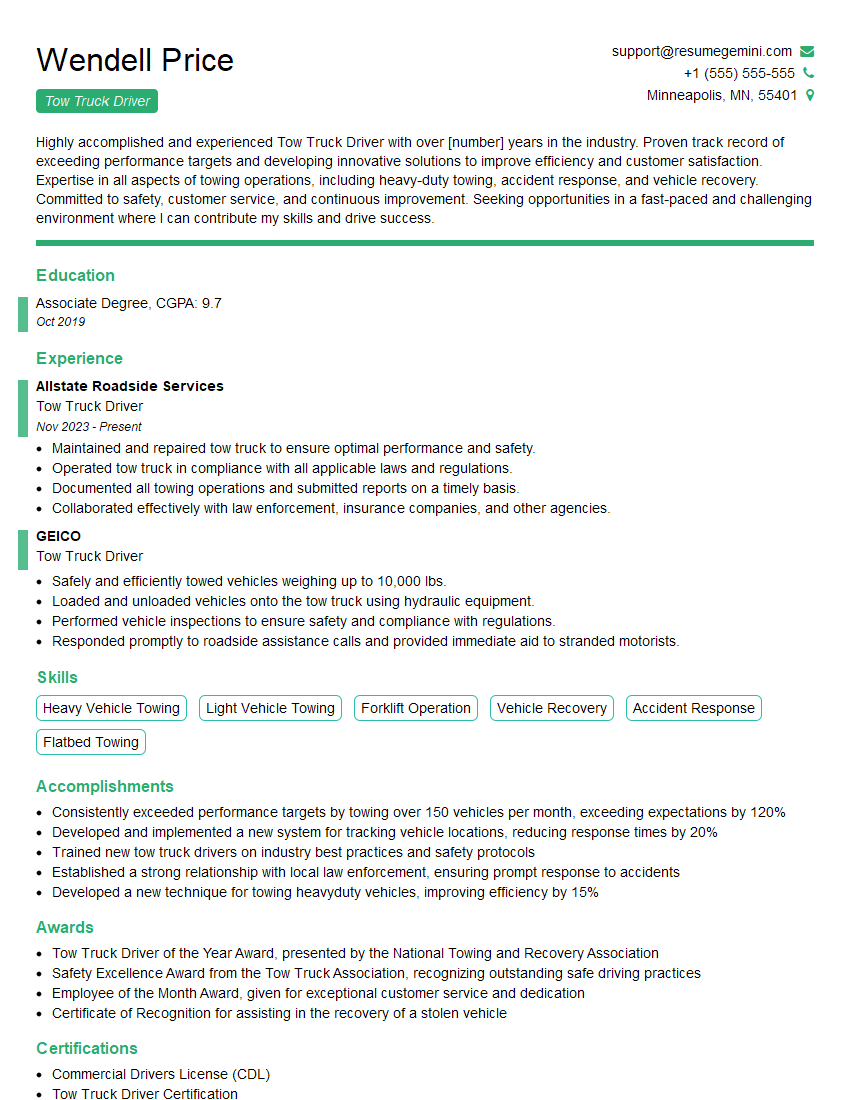
Mastering the skills and knowledge related to towing and transporting vehicles opens doors to a rewarding career with excellent growth potential. A strong resume is your key to unlocking these opportunities. Creating an ATS-friendly resume is essential to getting your application noticed by potential employers. To build a professional and effective resume that highlights your skills and experience, we recommend using ResumeGemini. ResumeGemini provides a user-friendly platform and offers examples of resumes tailored to the Towing and Transporting Vehicles industry to help you present yourself in the best possible light.
Explore more articles
Users Rating of Our Blogs
Share Your Experience
We value your feedback! Please rate our content and share your thoughts (optional).
What Readers Say About Our Blog
I Redesigned Spongebob Squarepants and his main characters of my artwork.
https://www.deviantart.com/reimaginesponge/art/Redesigned-Spongebob-characters-1223583608
IT gave me an insight and words to use and be able to think of examples
Hi, I’m Jay, we have a few potential clients that are interested in your services, thought you might be a good fit. I’d love to talk about the details, when do you have time to talk?
Best,
Jay
Founder | CEO