Interviews are more than just a Q&A session—they’re a chance to prove your worth. This blog dives into essential Waterfront Development interview questions and expert tips to help you align your answers with what hiring managers are looking for. Start preparing to shine!
Questions Asked in Waterfront Development Interview
Q 1. Describe your experience in managing waterfront development projects.
My experience in waterfront development spans over 15 years, encompassing diverse projects from small-scale marina renovations to large-scale mixed-use developments. I’ve led teams through all phases, from initial site assessment and feasibility studies to construction management and post-completion monitoring. For instance, in the redevelopment of the Seabreeze Marina, I spearheaded a project that not only revitalized the aging infrastructure but also significantly increased its capacity while incorporating sustainable design elements. This involved navigating complex regulatory hurdles, managing budgets exceeding $10 million, and coordinating multiple stakeholders, including local businesses, residents, and government agencies. Another significant project involved the design and construction of a new waterfront park incorporating flood mitigation measures, highlighting my ability to tackle challenging environmental considerations.
Q 2. Explain your understanding of coastal zone management regulations.
Coastal zone management regulations are crucial for protecting our valuable coastal resources while allowing for responsible development. My understanding encompasses the various federal, state, and local laws governing activities within the coastal zone. This includes the Coastal Zone Management Act (CZMA) in the United States, which promotes the balance between development and conservation. Key aspects I consider include building setbacks from the shoreline, environmental impact assessments, permitting requirements for dredging and filling, and regulations regarding water quality. For example, understanding the nuances of the Clean Water Act (CWA) is critical for projects involving any discharge into waterways. I’m proficient in interpreting these regulations and ensuring projects are compliant, avoiding costly delays and potential legal challenges. This includes a deep familiarity with the various permitting bodies and the associated timelines.
Q 3. How do you assess environmental impact in waterfront development?
Assessing environmental impact is paramount in waterfront development. My approach is multi-faceted and begins with a thorough environmental baseline study. This involves identifying sensitive habitats, assessing water quality, and evaluating potential impacts on flora and fauna. We use a variety of tools, including Geographic Information Systems (GIS) mapping, ecological surveys, and water quality testing. We then utilize impact assessment methodologies such as Life Cycle Assessment (LCA) and Environmental Impact Statements (EIS) to predict and quantify potential negative impacts. Mitigation strategies are developed and integrated into the project design, such as creating artificial reefs to offset habitat loss or implementing erosion control measures. For example, in a recent project, we identified a critical nesting area for a protected bird species. By adjusting the project design to avoid this area, we ensured minimal disruption to the ecosystem and secured necessary permits.
Q 4. What are the key considerations for sustainable waterfront design?
Sustainable waterfront design prioritizes minimizing environmental impact while creating resilient and vibrant communities. Key considerations include using sustainable building materials, reducing energy consumption through energy-efficient designs, incorporating green infrastructure (e.g., green roofs, rain gardens), managing stormwater runoff effectively, and protecting water quality. For example, utilizing permeable pavements reduces runoff and improves water infiltration. We also focus on creating accessible public spaces that encourage recreational activities, fostering community engagement, and integrating the project seamlessly with the surrounding environment. We strive to achieve LEED (Leadership in Energy and Environmental Design) certification whenever possible, providing a globally recognized standard for green building practices.
Q 5. Describe your experience with permitting processes for waterfront projects.
Navigating the permitting process for waterfront projects is a complex undertaking requiring meticulous preparation and attention to detail. My experience involves working closely with various regulatory agencies, including the Army Corps of Engineers, the Environmental Protection Agency, and state and local environmental authorities. This involves preparing comprehensive permit applications, addressing agency comments effectively, and participating in public hearings. I’m familiar with various permit types, such as Section 404 permits under the Clean Water Act and coastal construction permits. Careful documentation, proactive communication with regulatory agencies, and anticipating potential issues are essential for timely approvals. For instance, in one project, early engagement with regulatory agencies allowed us to address potential concerns proactively, leading to a smoother and faster permitting process.
Q 6. How do you manage stakeholder engagement in waterfront projects?
Stakeholder engagement is critical for successful waterfront projects. My approach involves establishing clear communication channels and proactively engaging with all stakeholders throughout the project lifecycle. This includes residents, businesses, environmental groups, government agencies, and other interested parties. We use a variety of engagement methods, including public meetings, online surveys, focus groups, and workshops. Active listening, transparency, and addressing concerns promptly are key to building trust and consensus. By incorporating stakeholder feedback into the project design, we ensure that the project meets the community’s needs and aspirations. For example, in a recent project, we held numerous community meetings to gather input on design preferences and address concerns about traffic and parking. This resulted in a project that better served the community’s needs.
Q 7. What are your strategies for mitigating risks in waterfront development?
Mitigating risks in waterfront development involves proactive planning and risk management strategies. This includes conducting thorough due diligence, identifying potential hazards such as flooding, erosion, and storm surge, and developing contingency plans. Risk assessment methodologies, such as Failure Mode and Effects Analysis (FMEA), are utilized to identify potential risks and their probability and severity. We incorporate risk mitigation measures into the project design, such as constructing seawalls or implementing flood-resistant building techniques. Insurance and surety bonds are used to manage financial risks. Moreover, we maintain a close working relationship with contractors and subcontractors to ensure that work is completed safely and efficiently. A rigorous quality control program ensures that project deliverables meet the specified standards and quality.
Q 8. Explain your understanding of geotechnical challenges in waterfront construction.
Waterfront construction presents unique geotechnical challenges due to the interaction of land and water. The soil conditions are often complex, involving saturated clays, silts, and sands, which can be highly compressible and susceptible to liquefaction during seismic activity. The presence of groundwater also significantly impacts foundation design.
- Soil instability: Soft, compressible soils require extensive ground improvement techniques like deep soil mixing, vibro-compaction, or stone columns to achieve sufficient bearing capacity for structures. For example, in a project involving the construction of a high-rise building on a reclaimed waterfront site, we employed deep soil mixing to improve the soil’s strength and reduce settlement.
- Erosion and scour: Water currents can erode soil around foundations, leading to instability. This necessitates the use of protective measures such as riprap (layers of large stones), sheet piling, or geotextiles to prevent erosion and scour around structures like piers or seawalls. In one project, we utilized specialized geotextiles to effectively mitigate erosion around a new marina’s breakwater.
- Groundwater management: Controlling groundwater levels is crucial during construction to prevent foundation instability and flooding. This can involve dewatering systems, such as well points or deep sump pumps. We successfully employed a multi-stage dewatering strategy in a recent project involving the construction of an underground parking garage near a waterfront, ensuring the stability of excavation and adjacent structures.
Q 9. Describe your expertise in marine infrastructure design and maintenance.
My expertise in marine infrastructure design and maintenance encompasses a wide range of structures, including docks, piers, seawalls, breakwaters, and dredging operations. I understand the principles of structural engineering applied to marine environments, considering factors like wave action, tidal fluctuations, and corrosion. Maintenance involves regular inspections, repairs, and preventative measures to ensure the longevity and safety of these structures.
- Design considerations: Designing for marine environments requires understanding material selection to resist corrosion (e.g., using stainless steel or hot-dip galvanized materials), hydrodynamic forces (wave loads and currents), and the effects of marine growth (biofouling). For example, in the design of a new ferry terminal, I specified the use of high-strength concrete with corrosion inhibitors and incorporated wave attenuation measures to minimize structural damage from waves.
- Maintenance strategies: Regular inspections, including underwater surveys using remotely operated vehicles (ROVs), are crucial for early detection of damage. Preventive maintenance, such as painting and cathodic protection, extends the lifespan of structures. For instance, a preventative maintenance program we implemented for a municipal pier resulted in a 20% reduction in repair costs over a 5-year period.
Q 10. How do you ensure compliance with environmental regulations during construction?
Ensuring environmental compliance in waterfront development is paramount. This involves rigorous adherence to federal, state, and local regulations concerning water quality, wetlands protection, and endangered species. We achieve this through a multi-faceted approach.
- Environmental impact assessment: Before commencing any project, we conduct a thorough environmental impact assessment (EIA) to identify potential environmental impacts and develop mitigation strategies. This often includes studies on water quality, noise pollution, and impacts on marine life.
- Permitting and approvals: We navigate the complex permitting process, obtaining all necessary approvals from relevant environmental agencies. This requires detailed documentation, including environmental impact statements and plans for mitigation measures.
- Construction best practices: During construction, we implement best practices to minimize environmental impacts. This includes implementing erosion and sediment control measures, proper waste management, and using environmentally friendly materials whenever feasible. For example, we have employed innovative techniques for turbidity control during dredging operations, minimizing the impact on sensitive marine habitats.
- Monitoring and reporting: We conduct regular monitoring of environmental parameters during construction and submit reports to regulatory agencies to demonstrate compliance. This ensures that our project remains in line with permits and regulations.
Q 11. What is your experience with waterfront property valuation and appraisal?
My experience in waterfront property valuation and appraisal involves understanding the unique factors that influence property values in waterfront areas. These factors differ significantly from inland properties and require specialized knowledge.
- Location and views: Waterfront properties often command higher prices due to their desirable locations and scenic views. The proximity to amenities, such as marinas, parks, and restaurants, also influences value.
- Water access and quality: The type of water access (e.g., direct waterfront, bay access) and water quality significantly affect value. Properties with private docks or deep-water access are typically more valuable.
- Environmental considerations: Environmental factors, such as flood risk, erosion potential, and presence of contaminants, can negatively impact property values. A thorough environmental assessment is crucial for accurate appraisal.
- Market analysis: A comprehensive market analysis is essential to determine appropriate comparable properties and establish a realistic valuation. This involves analyzing recent sales of similar waterfront properties in the area.
I have conducted numerous appraisals, considering these factors, and leveraging various valuation methods (e.g., sales comparison, income capitalization, cost approach) to provide accurate assessments for a range of waterfront properties.
Q 12. Explain your familiarity with various waterfront development financing options.
Waterfront development projects often require significant capital investment. My familiarity with various financing options includes:
- Traditional bank loans: Banks offer various loan products tailored to large-scale development projects, often requiring detailed financial projections and collateral.
- Government grants and subsidies: Federal, state, and local governments offer grants and subsidies to support projects with public benefits, such as infrastructure improvements or environmental restoration.
- Private equity and venture capital: These investors provide funding in exchange for equity or a share of the project’s profits. This is often suitable for high-risk, high-reward projects.
- Public-private partnerships (PPPs): PPPs combine public funding with private sector expertise and investment to finance and develop projects. This is a common approach for large-scale waterfront revitalization projects.
- Tax increment financing (TIF): TIF districts capture increases in property tax revenue generated by the development to finance infrastructure improvements within the district.
Selecting the optimal financing strategy depends on the project’s scope, risk profile, and the availability of funding sources. I have experience structuring financing packages that effectively balance risk and reward for various projects.
Q 13. Describe your experience with public-private partnerships in waterfront projects.
Public-private partnerships (PPPs) are increasingly common in waterfront development. They leverage the strengths of both public and private sectors to deliver complex projects efficiently. My experience with PPPs includes:
- Project structuring: Defining the roles and responsibilities of public and private partners is crucial. This involves negotiating agreements that clearly outline responsibilities for financing, design, construction, operation, and maintenance.
- Risk allocation: Identifying and allocating risks between partners is essential for a successful PPP. This involves careful consideration of potential risks, such as cost overruns, regulatory delays, and environmental issues.
- Stakeholder engagement: Successful PPPs require effective engagement with stakeholders, including community members, environmental groups, and regulatory agencies. Transparent communication and collaboration are vital.
- Performance monitoring: Regular monitoring and evaluation of the project’s performance against agreed-upon metrics is critical. This ensures the project remains on track and delivers expected benefits.
In a recent project involving the redevelopment of a derelict waterfront area, I played a key role in structuring a PPP that successfully combined public funding with private sector expertise to deliver a new marina, public park, and residential development, exceeding expectations and benefitting the community.
Q 14. How do you manage budgets and timelines effectively in waterfront development?
Effective budget and timeline management in waterfront development requires a proactive and structured approach.
- Detailed budgeting: We develop comprehensive budgets that accurately reflect all project costs, including design, permits, construction, contingency, and financing. We use specialized software for cost estimation and tracking. For example, we utilized BIM (Building Information Modeling) software for detailed cost analysis in a recent project, which helped in maintaining budget control.
- Realistic scheduling: We create detailed project schedules considering potential delays due to weather, permitting processes, and other unforeseen circumstances. We employ critical path analysis and Gantt charts to track progress and identify potential bottlenecks.
- Risk management: Identifying and mitigating potential risks, such as cost overruns, schedule delays, and environmental issues, is crucial. This involves contingency planning and proactive risk mitigation strategies.
- Progress monitoring and reporting: Regular monitoring of budget and schedule progress, coupled with timely reporting to stakeholders, helps maintain control and identify any deviations early on. We use project management software to facilitate progress tracking and reporting.
Through meticulous planning, effective communication, and proactive risk management, we consistently deliver waterfront projects on time and within budget.
Q 15. What are your strategies for addressing flooding and erosion in waterfront areas?
Addressing flooding and erosion in waterfront areas requires a multifaceted approach combining natural and engineered solutions. We need to understand the specific vulnerabilities of a site – is it prone to storm surges, riverine flooding, or coastal erosion? This informs our strategies.
Nature-based solutions: These are increasingly important. For example, restoring or creating salt marshes and mangrove forests acts as a natural buffer against storm surges, absorbing wave energy and reducing erosion. Living shorelines, using vegetation and natural materials instead of hard structures like seawalls, provide similar benefits while fostering biodiversity.
Engineering solutions: In cases where nature-based solutions alone aren’t sufficient, engineered defenses may be necessary. This could include seawalls, breakwaters, or improved drainage systems. However, these solutions need careful consideration to avoid negative impacts on natural habitats and water flow.
Integrated strategies: The most effective approach often involves combining natural and engineered solutions in an integrated approach. For example, a living shoreline might be supplemented by strategically placed breakwaters to protect vulnerable areas.
Floodplain management: Careful planning of land use within floodplains is crucial. Restricting development in high-risk areas and implementing building codes that ensure structures can withstand flooding are essential.
For example, in a recent project, we successfully implemented a living shoreline in conjunction with improved drainage, reducing erosion by 40% and mitigating flood risks in a vulnerable coastal community.
Career Expert Tips:
- Ace those interviews! Prepare effectively by reviewing the Top 50 Most Common Interview Questions on ResumeGemini.
- Navigate your job search with confidence! Explore a wide range of Career Tips on ResumeGemini. Learn about common challenges and recommendations to overcome them.
- Craft the perfect resume! Master the Art of Resume Writing with ResumeGemini’s guide. Showcase your unique qualifications and achievements effectively.
- Don’t miss out on holiday savings! Build your dream resume with ResumeGemini’s ATS optimized templates.
Q 16. How do you incorporate community input into waterfront development plans?
Community engagement is paramount in successful waterfront development. Ignoring local perspectives leads to projects that fail to meet community needs and may even face strong opposition. We use a variety of methods to incorporate community input:
Public forums and workshops: These provide opportunities for direct interaction, allowing us to present plans and gather feedback.
Online surveys and questionnaires: Reaching a wider audience and gathering data efficiently.
Focus groups: Targeted discussions with specific community segments (e.g., fishermen, residents, businesses).
Interactive mapping tools: Allowing the community to visually engage with the proposed plans and provide location-specific feedback.
Collaboration with local organizations: Partnering with community groups and representatives ensures a diverse range of perspectives are considered.
For instance, in a recent revitalization project, we used an online platform to gather feedback on design elements, leading to modifications that significantly improved community satisfaction with the final product. Transparent communication and active listening are key to building trust and fostering a collaborative process.
Q 17. What is your experience with using GIS technology in waterfront planning?
GIS (Geographic Information Systems) technology is an indispensable tool in waterfront planning. It allows us to analyze and visualize complex spatial data to make informed decisions. My experience encompasses using GIS for:
Hydrological modeling: Simulating water flow, identifying flood-prone areas, and assessing the impact of development on water quality.
Coastal erosion analysis: Identifying areas at high risk of erosion and developing mitigation strategies.
Habitat mapping: Identifying and mapping sensitive ecological areas to ensure their protection.
Stakeholder engagement: Presenting plans and data to the community in a visually accessible format via interactive maps.
Site analysis: Evaluating the suitability of different locations for development based on factors like topography, access, and environmental constraints.
In a recent project, we used GIS to model the impact of sea level rise on a coastal community, informing the development of a resilient adaptation plan. Example data layer: { "type": "FeatureCollection", "features": [...] } This is a simplified example of how data might be structured in a GIS system.
Q 18. Explain your understanding of the economic impact of waterfront development.
Waterfront development has a significant and multifaceted economic impact. It can generate substantial economic benefits, but also involves potential costs and risks.
Positive impacts: Increased property values, job creation (construction, tourism, hospitality), increased tax revenue for local governments, attraction of businesses and investment, and boost to local economies.
Negative impacts: Displacement of existing residents or businesses, environmental damage (if not managed sustainably), increased infrastructure costs, and potential for decreased property values in case of poorly planned projects.
Understanding these impacts requires a comprehensive economic impact assessment that considers both short-term and long-term consequences. We use economic modeling techniques to forecast the likely impacts and inform decision-making. For example, a successful waterfront project could increase tourism revenue by attracting visitors, while a poorly planned project could lead to environmental degradation and negatively impact the fishing industry.
Q 19. Describe your experience with waterfront revitalization and redevelopment projects.
I’ve been involved in numerous waterfront revitalization and redevelopment projects, each with its unique challenges and rewards. My experience ranges from small-scale improvements to large-scale urban regeneration projects.
Project 1: Revitalizing a derelict waterfront area into a vibrant public space with parks, promenades, and recreational facilities, resulting in increased property values and community pride.
Project 2: Redeveloping a former industrial site into a mixed-use area with residential, commercial, and recreational components, creating jobs and contributing to economic growth.
Project 3: Implementing measures to protect a historic waterfront from erosion and sea-level rise, preserving cultural heritage and ecological integrity.
Each project required a tailored approach, involving stakeholder engagement, environmental impact assessment, detailed design, and rigorous construction management. Success depends on a deep understanding of the local context, a commitment to sustainability, and effective collaboration with all stakeholders.
Q 20. How do you ensure accessibility and inclusivity in waterfront designs?
Accessibility and inclusivity are core principles in our waterfront designs. We strive to create spaces that are usable and enjoyable for everyone, regardless of age, ability, or background.
Universal design principles: Incorporating features that cater to diverse needs, such as ramps, accessible pathways, seating areas, and signage.
Sensory considerations: Designing for people with visual, auditory, or other sensory impairments (e.g., clear signage, tactile paving, quiet zones).
Community input: Ensuring the design reflects the needs and preferences of the community, particularly those with disabilities.
Transportation accessibility: Providing easy access by various modes of transport, such as public transit, cycling, and walking.
For example, in one project, we incorporated tactile paving to guide visually impaired individuals along the waterfront promenade, ensuring safe and easy navigation. We also prioritized accessible restrooms and seating to ensure comfortable use for all visitors.
Q 21. What are your strategies for creating resilient waterfront infrastructure?
Creating resilient waterfront infrastructure is critical given the increasing threats posed by climate change. Our strategies focus on designing structures and systems that can withstand extreme weather events and adapt to changing conditions.
Elevated structures: Raising buildings and infrastructure above projected flood levels.
Natural defenses: Utilizing nature-based solutions such as wetlands and living shorelines to absorb wave energy and reduce erosion.
Flexible designs: Incorporating adaptable features that allow infrastructure to respond to changing conditions (e.g., adjustable seawalls).
Durable materials: Selecting materials that are resistant to corrosion, erosion, and extreme weather conditions.
Early warning systems: Integrating systems to provide timely alerts of impending threats, allowing for proactive responses.
For instance, we’ve used computer modeling to simulate the effects of storm surges on a proposed waterfront development, allowing us to design structures that are able to withstand extreme events and minimize damage. A key consideration here is ensuring that infrastructure investments are made wisely to avoid costly repairs or replacements in the future.
Q 22. Explain your understanding of different types of waterfront structures (piers, docks, seawalls).
Waterfront structures are crucial for accessing and utilizing our coastlines. They serve diverse purposes, from recreational activities to commercial shipping. Three key types are piers, docks, and seawalls, each with distinct characteristics and applications.
- Piers: These are structures that extend out into the water, often supported by piles or columns. They can be used for recreational fishing, passenger boarding, or even as platforms for scientific observation. A classic example is a pier offering views of a bustling harbor, providing both recreation and a scenic vantage point.
- Docks: Primarily designed for mooring vessels, docks provide secure berthing for boats of various sizes. They may include floating sections for easier access at varying tide levels. Think of a marina with multiple docks accommodating a range of boats, from sailboats to yachts.
- Seawalls: These are primarily defensive structures, built to protect shorelines from erosion and wave action. They may be made of concrete, stone, or other durable materials. A seawall might be constructed to safeguard a beachfront community from coastal storms, protecting properties and infrastructure.
The choice of structure depends greatly on the specific needs of the location and its intended use. A detailed site assessment is crucial to select the most appropriate and sustainable option.
Q 23. How do you address potential conflicts between competing uses of waterfront land?
Balancing competing uses of waterfront land requires a strategic and collaborative approach. Often, stakeholders with varying interests – such as residential developers, environmental groups, recreational users, and commercial businesses – will have conflicting priorities. Successful conflict resolution involves:
- Stakeholder Engagement: Early and consistent engagement with all affected parties is essential to understand their concerns and build consensus. This involves open communication and transparent decision-making processes.
- Prioritization and Zoning: Implementing clear zoning regulations and development plans that prioritize environmental protection while allocating space for different activities is key. This often involves trade-offs and compromises.
- Mediation and Negotiation: In cases of significant conflict, professional mediation can help facilitate dialogue and find mutually acceptable solutions. This allows for a neutral third-party perspective.
- Adaptive Management: Recognizing that circumstances change, adaptive management strategies allow for adjustments to the development plan based on monitoring and evaluation of environmental and social impacts.
For example, a waterfront area may need to balance residential development with the preservation of a sensitive wetland ecosystem. A well-designed plan might incorporate green spaces, restrict building heights in certain zones, and establish buffer zones to protect the environment while still enabling responsible development.
Q 24. Describe your experience with designing and implementing waterfront parks and recreational areas.
My experience in designing and implementing waterfront parks and recreational areas spans several projects, emphasizing ecological sensitivity and community engagement. I’ve worked on projects ranging from small-scale neighborhood parks to large-scale regional green spaces. Key aspects of my approach include:
- Site Analysis: Thorough assessment of the site’s ecological features, hydrology, and existing infrastructure is critical for designing a sustainable and functional space. This involves understanding the unique characteristics of the site.
- Accessibility and Inclusivity: Designing parks that are accessible to people of all ages and abilities is paramount. This includes providing ramps, accessible pathways, and features suitable for people with disabilities.
- Community Input: Involving the local community in the design process ensures that the park meets their needs and reflects their values. Public workshops and surveys are essential to gather feedback.
- Environmental Sustainability: Prioritizing sustainable materials and practices, such as water-efficient irrigation and native plantings, is crucial for minimizing environmental impact. This might include using permeable pavements to reduce stormwater runoff.
One notable project involved the revitalization of an underutilized waterfront area, transforming it into a vibrant park with walking trails, playgrounds, and public art installations, successfully attracting visitors and improving local quality of life.
Q 25. What is your understanding of the role of local, state, and federal regulations in waterfront development?
Navigating the complex regulatory landscape governing waterfront development is crucial for successful project implementation. Local, state, and federal agencies often have overlapping jurisdictions, each with specific regulations concerning environmental protection, land use, and water quality. Understanding these regulations is vital to avoid delays and potential legal issues.
- Local Regulations: These often focus on zoning, building codes, and land-use planning, reflecting local community priorities.
- State Regulations: State agencies typically oversee coastal zone management, water quality, and environmental permits, ensuring consistency across different jurisdictions within the state.
- Federal Regulations: Federal agencies, such as the U.S. Army Corps of Engineers and the Environmental Protection Agency (EPA), enforce regulations related to navigable waters, wetlands protection, and endangered species, establishing national standards.
Compliance with all applicable regulations requires meticulous planning and coordination with the relevant authorities. This often involves submitting detailed permit applications, conducting environmental impact assessments, and working with regulatory agencies throughout the project lifecycle.
Q 26. How do you balance environmental protection with economic development in waterfront projects?
Balancing environmental protection and economic development in waterfront projects is a key challenge. It requires an integrated approach that considers both ecological and economic objectives.
- Sustainable Design: Incorporating sustainable design principles, such as minimizing habitat disruption, using renewable energy sources, and promoting green infrastructure, can reduce environmental impact while fostering economic opportunities.
- Green Infrastructure: Integrating green spaces, wetlands restoration, and permeable pavements can mitigate environmental harm, improving water quality and creating attractive public spaces which enhance property values.
- Ecosystem Services Valuation: Assessing the economic benefits of preserving ecosystem services, such as flood protection and carbon sequestration, can help demonstrate the long-term value of environmental protection. This can highlight the economic benefits of preserving natural resources.
- Community Engagement: Engaging the local community in decision-making processes ensures that both environmental concerns and economic development goals are considered. This inclusive approach builds support for projects that effectively balance both interests.
A successful project might involve restoring a degraded waterfront ecosystem, creating a new habitat for wildlife, and simultaneously developing a sustainable tourism industry centered around the restored area, showcasing the economic benefits of environmental stewardship.
Q 27. Explain your experience with analyzing and interpreting environmental impact assessments.
Environmental Impact Assessments (EIAs) are crucial tools for understanding the potential environmental consequences of waterfront development projects. My experience involves analyzing and interpreting these assessments to identify potential impacts and develop mitigation strategies.
- Data Analysis: EIAs often involve large datasets encompassing biological surveys, hydrological modeling, and air quality assessments. Analyzing this data requires expertise in various environmental disciplines.
- Impact Identification: Identifying the potential impacts of a project on various environmental components, including water quality, air quality, habitat, and endangered species, is a critical aspect of the analysis.
- Mitigation Planning: Based on the identified impacts, developing mitigation strategies to reduce or eliminate negative consequences is crucial. This might involve creating artificial reefs, implementing erosion control measures, or relocating sensitive species.
- Regulatory Compliance: Ensuring that the EIA meets all regulatory requirements is essential for obtaining necessary permits and approvals. This involves close coordination with regulatory agencies.
For instance, an EIA for a port expansion project might identify potential impacts on local fish populations. The assessment would then suggest mitigation measures, such as the creation of artificial reefs to compensate for habitat loss. I’ve been involved in numerous such projects, ensuring that environmental concerns are adequately addressed within the project’s design.
Q 28. Describe your problem-solving approach when faced with unexpected challenges in waterfront projects.
Unexpected challenges are inevitable in waterfront development projects. My problem-solving approach emphasizes a systematic and collaborative process:
- Problem Definition: Clearly defining the nature and scope of the challenge is the first step. This involves identifying the root cause of the problem and its potential consequences.
- Data Gathering: Collecting relevant data to understand the context of the problem is crucial. This may involve conducting site investigations, reviewing historical data, or consulting with experts.
- Solution Brainstorming: Developing a range of potential solutions, considering both short-term and long-term implications, is necessary. This involves creative thinking and considering multiple perspectives.
- Risk Assessment: Evaluating the risks and potential consequences associated with each solution is important. This helps to select the most appropriate and least risky option.
- Implementation and Monitoring: Implementing the chosen solution and closely monitoring its effectiveness is key. This may involve adjustments or modifications along the way.
For example, unforeseen subsurface conditions during construction might necessitate a redesign of foundations. My approach would involve gathering geotechnical data, assessing the risks, and working with engineers to develop a revised design that addresses the unexpected conditions while minimizing delays and cost overruns.
Key Topics to Learn for Waterfront Development Interview
- Sustainable Design Principles: Understanding LEED certification, green building materials, and environmentally conscious construction practices in waterfront projects.
- Coastal Engineering & Resilience: Knowledge of seawalls, breakwaters, erosion control techniques, and strategies for mitigating climate change impacts on waterfront infrastructure.
- Urban Planning & Design: Familiarity with waterfront revitalization strategies, public space design, pedestrian and bicycle infrastructure, and creating vibrant, accessible waterfront communities.
- Community Engagement & Stakeholder Management: Experience with public consultations, stakeholder analysis, and addressing diverse community needs and concerns in waterfront development projects.
- Regulatory Compliance & Permits: Understanding local, regional, and national regulations governing waterfront construction, environmental protection, and land use.
- Project Management & Cost Estimation: Experience with budgeting, scheduling, risk management, and successfully delivering waterfront development projects on time and within budget.
- Economic Impact Assessment: Analyzing the economic benefits and potential drawbacks of waterfront developments, including job creation, tourism, and property values.
- Case Studies & Best Practices: Researching successful waterfront development projects and understanding the lessons learned from both successes and failures.
- Problem-Solving & Critical Thinking: Demonstrating your ability to analyze complex challenges, identify solutions, and make informed decisions in the context of waterfront development.
Next Steps
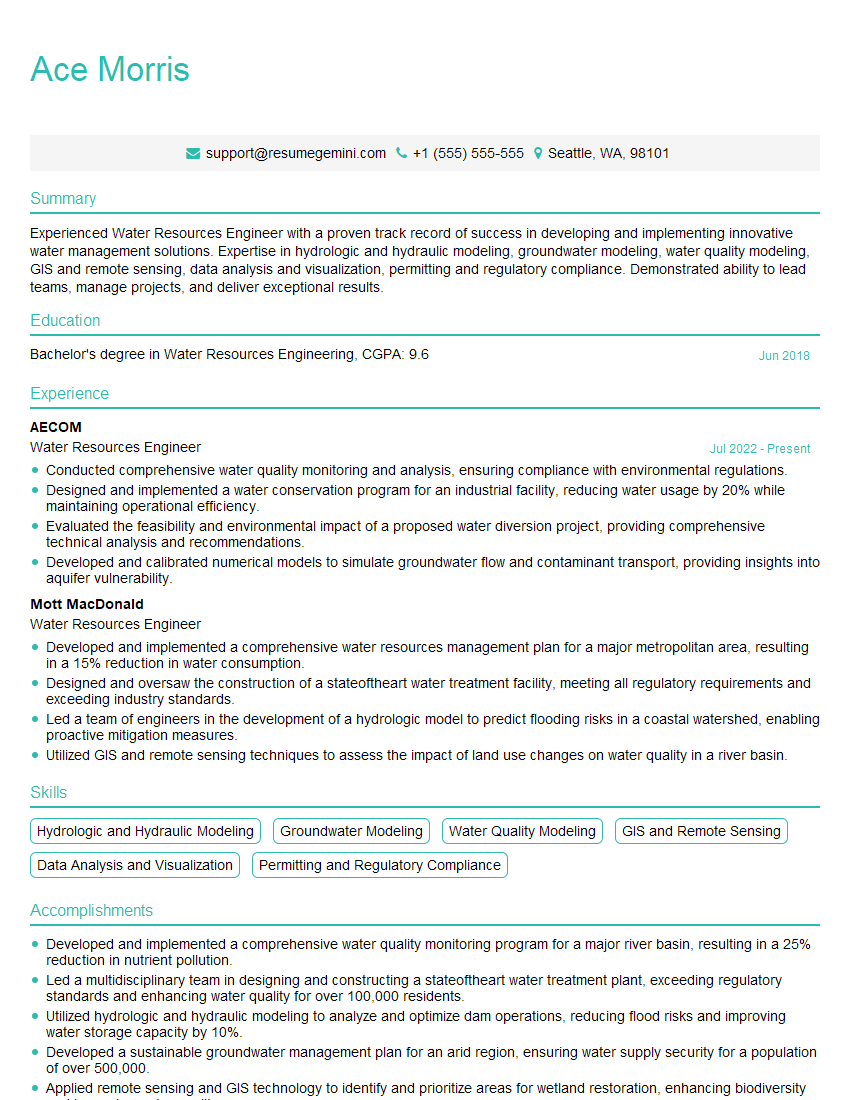
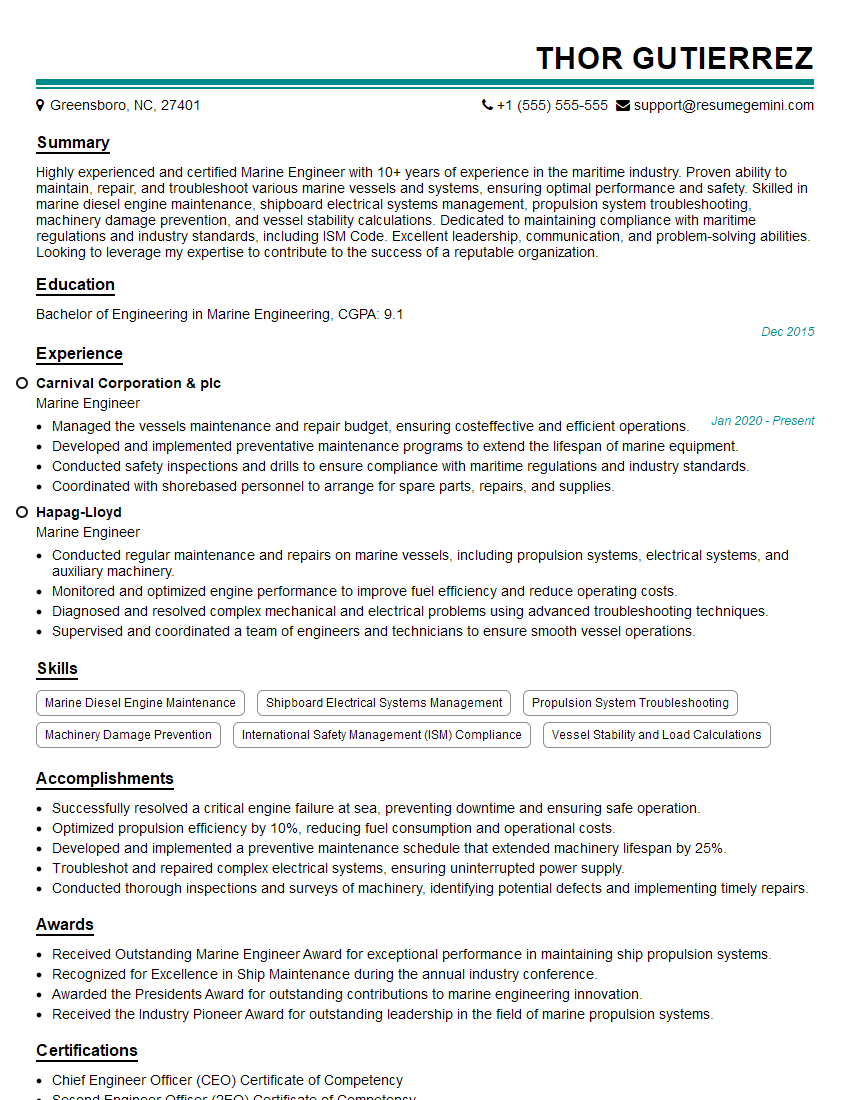
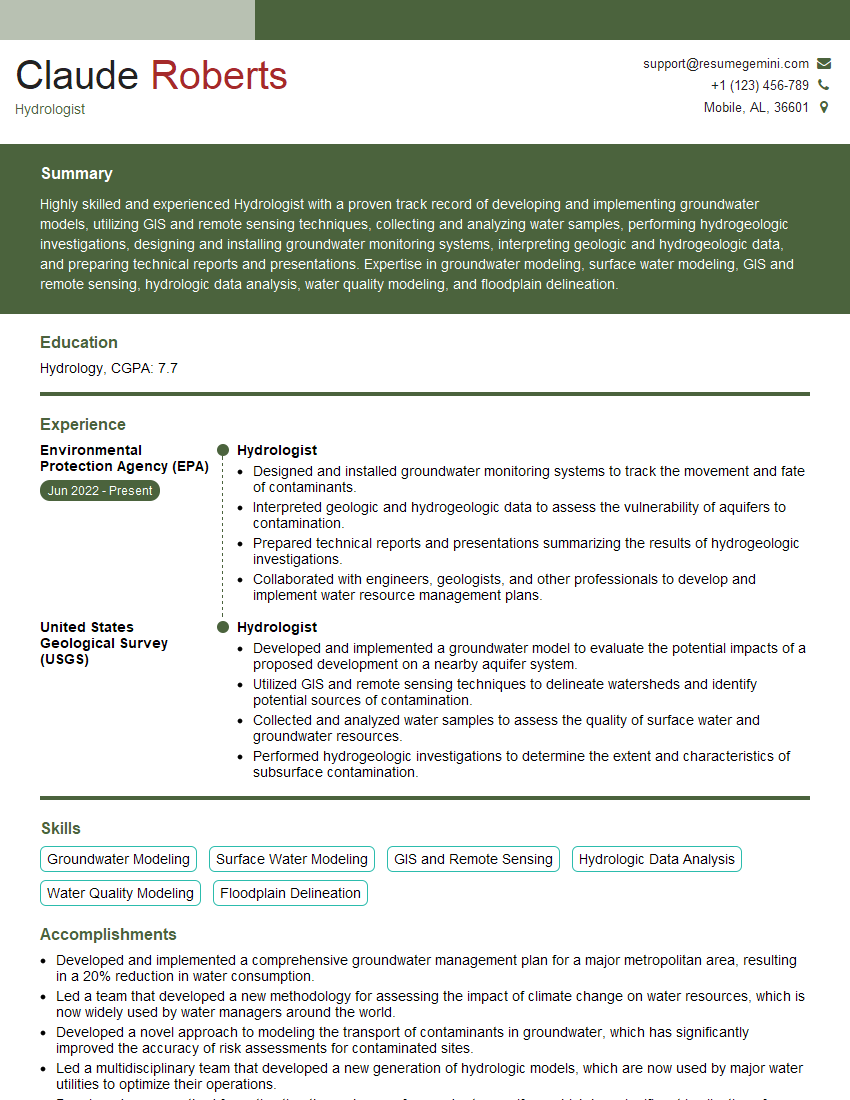
Mastering Waterfront Development opens doors to exciting and impactful career opportunities in a growing field. To maximize your job prospects, it’s crucial to create a resume that effectively showcases your skills and experience to Applicant Tracking Systems (ATS). ResumeGemini is a trusted resource that can help you build a professional, ATS-friendly resume that highlights your unique qualifications. We offer examples of resumes tailored to Waterfront Development to guide you in creating a compelling document that gets noticed.
Explore more articles
Users Rating of Our Blogs
Share Your Experience
We value your feedback! Please rate our content and share your thoughts (optional).
What Readers Say About Our Blog
I Redesigned Spongebob Squarepants and his main characters of my artwork.
https://www.deviantart.com/reimaginesponge/art/Redesigned-Spongebob-characters-1223583608
IT gave me an insight and words to use and be able to think of examples
Hi, I’m Jay, we have a few potential clients that are interested in your services, thought you might be a good fit. I’d love to talk about the details, when do you have time to talk?
Best,
Jay
Founder | CEO