Cracking a skill-specific interview, like one for Special Education Expertise, requires understanding the nuances of the role. In this blog, we present the questions you’re most likely to encounter, along with insights into how to answer them effectively. Let’s ensure you’re ready to make a strong impression.
Questions Asked in Special Education Expertise Interview
Q 1. Describe your experience developing and implementing Individualized Education Programs (IEPs).
Developing and implementing Individualized Education Programs (IEPs) is a cornerstone of special education. It’s a collaborative process where we create a customized plan for each student with a disability, outlining their unique learning needs and goals.
My experience encompasses the entire IEP process, from initial referrals and assessments to writing the IEP document itself and monitoring student progress. For example, I recently worked with a student diagnosed with ADHD who struggled with focus and organization. Through collaboration with the parents, general education teacher, and a school psychologist, we identified specific learning goals focusing on executive function skills. The IEP included strategies like using a visual timer for tasks, providing a quiet workspace, and incorporating movement breaks. We tracked his progress through regular data collection, adjusting the IEP as needed to ensure it remained effective. Another student with a learning disability in reading benefited from the use of assistive technology, and we incorporated that into their IEP, ensuring access to text-to-speech software and other resources. I always ensure that the IEP is accessible, measurable, achievable, relevant, and time-bound (SMART goals) to guarantee effectiveness.
Q 2. Explain your understanding of different learning disabilities and their impact on student learning.
Understanding different learning disabilities is crucial for effective teaching. These disabilities affect how students learn and process information. For instance, dyslexia impacts reading skills, making it difficult to decode words and comprehend text. Dysgraphia affects writing abilities, making it hard to form letters, spell words, and organize written thoughts. Dyscalculia impacts mathematical abilities, making it difficult to understand numbers and perform calculations. ADHD (Attention-Deficit/Hyperactivity Disorder) affects attention, focus, and impulse control. These disabilities can significantly impact a student’s academic performance, social interactions, and self-esteem. The impact varies greatly depending on the severity of the disability and the availability of appropriate support. For example, a student with mild dyslexia might need extra support with reading strategies, whereas a student with severe dyslexia might require intensive interventions and assistive technologies.
Q 3. How do you differentiate instruction to meet the diverse needs of students with disabilities?
Differentiated instruction is key to meeting the diverse needs of students with disabilities. It means tailoring instruction to individual student needs and learning styles. This might involve adjusting the content, process, or product of learning. For a student with dyslexia, I might provide access to audiobooks or graphic organizers to support comprehension. For a student with ADHD, I might break down tasks into smaller, more manageable chunks and provide frequent positive reinforcement. For a student with a visual impairment, I would use large print materials or digital text-to-speech software. I often use a variety of teaching strategies, including collaborative learning, project-based learning, and technology-based instruction. I also regularly assess student progress to make sure my instruction is effective and adjust as needed. Think of it like a tailor making a custom suit – the same fabric might be used, but the cut, style and fit are unique to each individual.
Q 4. What strategies do you employ to manage challenging behaviors in the classroom?
Managing challenging behaviors requires a proactive and multi-faceted approach. It begins with understanding the function of the behavior; why is the student engaging in this behavior? Is it to escape a task, gain attention, or meet a sensory need? Once the function is understood, we can develop strategies to address it. This might involve positive behavior interventions and supports (PBIS), such as teaching replacement behaviors, providing positive reinforcement for appropriate behavior, and creating a predictable and structured classroom environment. For example, a student who is frequently disrupting class might be taught strategies for self-regulation, such as taking deep breaths or using a fidget toy. Collaboration with parents, school psychologists, and other professionals is essential to create a consistent and supportive approach across all environments. It’s important to address the root cause and not simply suppress the behavior, therefore data collection is vital to continually evaluate the effectiveness of strategies and make adjustments accordingly.
Q 5. Describe your experience using assistive technology to support students with disabilities.
Assistive technology plays a vital role in supporting students with disabilities. I have experience using a wide range of assistive technologies, including text-to-speech software, speech-to-text software, graphic organizers, visual supports, augmentative and alternative communication (AAC) devices, and adaptive learning platforms. For instance, a student with dyslexia benefits greatly from text-to-speech software that reads aloud while highlighting the text, making it easier to follow along and improve reading fluency. Students with fine motor difficulties might use a keyboard with larger keys or a stylus. I always ensure that the assistive technology is appropriately selected and implemented, considering the student’s specific needs and learning style. Proper training and ongoing support are crucial to ensure the technology is used effectively. It’s about leveraging the technology to empower the student to achieve their fullest potential.
Q 6. How do you collaborate effectively with parents, general education teachers, and other professionals?
Effective collaboration is paramount in special education. I regularly communicate with parents, general education teachers, and other professionals, such as school psychologists, occupational therapists, and speech-language pathologists. I believe in a collaborative model where we work together to create a cohesive and supportive learning environment for the student. Regular meetings, shared data, and open communication are key. I make sure to listen to everyone’s perspectives and value their contributions. For example, before implementing a new strategy for a student, I’ll discuss it with the parents and get their feedback. I also use technology to facilitate communication, using email, shared online calendars, and learning management systems to share information and track student progress. This approach ensures everyone is on the same page and working towards the same goals.
Q 7. Explain your knowledge of various assessment tools used in special education.
A variety of assessment tools are used in special education to identify and monitor students’ needs. These tools range from standardized tests, such as the Woodcock-Johnson IV Tests of Achievement, which assess cognitive abilities and academic skills, to curriculum-based measurements (CBMs) and informal assessments, such as observations and teacher-made tests. Standardized tests provide a broader picture of a student’s abilities compared to their peers, while CBMs track progress on specific skills taught in the classroom. Informal assessments are used to gather more specific information about a student’s learning styles, strengths, and weaknesses in a more naturalistic setting. I select the appropriate assessment based on the student’s needs and the purpose of the assessment. It is crucial to remember that assessments should not be the sole basis for decision-making and should be interpreted in the context of other information gathered from various sources. The results guide instruction and inform IEP goals, ensuring we’re always working towards making meaningful improvements for each student.
Q 8. How do you adapt curriculum and instruction to meet the needs of students with diverse learning styles?
Adapting curriculum and instruction for diverse learners requires understanding that ‘one size fits all’ simply doesn’t work in education. It’s about differentiating instruction to meet individual needs, not just changing the difficulty. This involves considering various learning styles – visual, auditory, kinesthetic, and reading/writing preferences – and providing multiple means of access to the material.
- Visual Learners: For students who learn best through seeing, I incorporate visual aids like diagrams, charts, graphic organizers, and videos. I might use color-coding to highlight key concepts or use mind-mapping techniques.
- Auditory Learners: These students benefit from lectures, discussions, audiobooks, and recordings. I might incorporate group work, think-pair-share activities, or provide audio summaries of readings.
- Kinesthetic Learners: Hands-on activities, role-playing, experiments, and movement breaks are crucial for kinesthetic learners. I might use manipulatives, building activities, or incorporate movement into lessons.
- Reading/Writing Learners: These students thrive with text-based activities. I might provide opportunities for note-taking, essay writing, research projects, and independent reading.
Furthermore, I utilize Universal Design for Learning (UDL) principles, which focus on providing multiple means of representation (how information is presented), action & expression (how students demonstrate learning), and engagement (how students are motivated). For example, I might offer a choice board of assignments, allowing students to demonstrate their understanding in a way that best suits their strengths.
Q 9. What is your approach to data-driven decision-making in special education?
Data-driven decision-making in special education is paramount. It’s not just about collecting data; it’s about using that data to inform instructional practices and ensure student success. My approach involves a cyclical process:
- Data Collection: I utilize a variety of assessment methods, including standardized tests, curriculum-based assessments (CBAs), informal assessments (observations, work samples), and progress monitoring tools. This gives me a holistic view of student performance.
- Data Analysis: I analyze the data to identify trends and patterns in student performance. This might involve looking at specific skill deficits, areas of strength, and the effectiveness of current interventions.
- Intervention Planning: Based on the data analysis, I develop individualized education programs (IEPs) or 504 plans, tailoring interventions to address specific learning needs. This might involve modifying assignments, providing additional support, or utilizing different teaching strategies.
- Progress Monitoring: I continuously monitor student progress using the same or similar assessment methods. This allows me to track the effectiveness of interventions and make adjustments as needed. Frequent data review ensures timely changes are made, maximizing student outcomes.
- Reflection and Refinement: I regularly reflect on the effectiveness of my teaching and interventions. This reflective practice, informed by the data, allows me to refine my methods and improve my teaching for future students.
Essentially, data informs every step of the process, creating a dynamic and responsive approach to special education.
Q 10. Describe a time you had to advocate for a student with a disability. What was the outcome?
I once had a student, let’s call him Alex, who was struggling academically due to an undiagnosed learning disability. Despite showing significant potential in certain areas, his grades were consistently low. Initial attempts at interventions were unsuccessful. I suspected a learning disability and began documenting Alex’s strengths, weaknesses, and classroom performance meticulously, including examples of his work and observations of his learning processes. I collaborated with his parents, teachers from other subjects, and the school psychologist to build a comprehensive case for further assessment.
After several meetings and presenting my compiled data, we secured a comprehensive psychoeducational evaluation. The results confirmed a specific learning disability, leading to the development of an IEP tailored to his needs. This involved accommodations like extended time on tests, preferential seating, and assistive technology.
The outcome was transformative. Alex’s grades significantly improved, his confidence soared, and his overall academic experience became far more positive. This experience underscored the importance of persistent advocacy and collaborative teamwork in securing appropriate services for students with disabilities. It also reinforced the need for thorough documentation and strong communication with all stakeholders involved.
Q 11. How do you create a positive and inclusive classroom environment for all students?
Creating a positive and inclusive classroom environment for all students is fundamental to successful teaching, particularly in special education. My approach involves:
- Establishing clear expectations and routines: Consistency and predictability provide security and reduce anxiety for students with disabilities. Visual schedules and clear rules help everyone understand expectations.
- Building positive relationships: Getting to know each student individually, understanding their strengths and challenges, and fostering a sense of belonging is crucial. This involves active listening, showing empathy, and celebrating individual successes.
- Differentiated instruction and flexible grouping: Providing varied learning opportunities caters to diverse learning styles and needs. I use small group work, peer tutoring, and individual support as needed.
- Promoting positive peer interactions: Creating opportunities for students to collaborate and support each other fosters a sense of community and reduces stigma around disabilities. Cooperative learning activities are effective in this regard.
- Celebrating diversity and inclusivity: Creating a welcoming classroom culture that values differences and promotes respect for all students is essential. This involves actively discussing diversity and inclusion, and using inclusive language.
Ultimately, a positive and inclusive classroom is one where all students feel safe, respected, and valued, allowing them to reach their full potential.
Q 12. Explain your understanding of the legal and ethical considerations in special education.
Legal and ethical considerations in special education are paramount. My understanding encompasses several key areas:
- Individuals with Disabilities Education Act (IDEA): IDEA guarantees free and appropriate public education (FAPE) to all eligible students with disabilities. This includes individualized education programs (IEPs), due process rights, and least restrictive environments (LRE).
- Section 504 of the Rehabilitation Act of 1973: Section 504 prohibits discrimination based on disability in any program or activity receiving federal financial assistance. It provides accommodations for students with disabilities who do not qualify for services under IDEA.
- Family Educational Rights and Privacy Act (FERPA): FERPA protects the privacy of student education records. Maintaining confidentiality and ensuring parental consent for sharing information are vital.
- Ethical considerations: These include maintaining student confidentiality, acting with fairness and impartiality, respecting diverse family values and beliefs, and advocating for student needs. It’s crucial to adhere to professional codes of ethics.
Understanding and adhering to these legal and ethical guidelines is essential to providing equitable and appropriate educational services to students with disabilities. Any breach of these guidelines can have serious consequences.
Q 13. Describe your experience with different teaching methodologies effective for students with disabilities.
I’ve utilized a variety of teaching methodologies effective for students with disabilities, tailoring my approach to individual needs and learning styles. These include:
- Direct Instruction: Structured, systematic instruction is effective for teaching foundational skills. This approach involves explicit teaching, modeling, guided practice, and independent practice.
- Task Analysis: Breaking down complex tasks into smaller, more manageable steps allows students to master skills gradually and build confidence. This is particularly useful for students with cognitive or executive functioning challenges.
- Differentiated Instruction: Providing multiple means of access to information, multiple means of action and expression, and multiple means of engagement allows students to learn at their own pace and in a way that best suits their needs.
- Assistive Technology: Utilizing technology such as text-to-speech software, graphic organizers, and adaptive keyboards can greatly enhance student access to learning.
- Positive Behavior Interventions and Supports (PBIS): PBIS focuses on proactive strategies to prevent challenging behaviors and to teach replacement behaviors, fostering a positive learning environment for all students.
My approach is always evidence-based and focuses on maximizing student success through individualized instruction and support.
Q 14. How do you monitor student progress and make adjustments to instruction as needed?
Monitoring student progress and adjusting instruction is an ongoing process, not a one-time event. It’s a crucial element of effective special education. My approach involves:
- Frequent progress monitoring: I use a variety of methods like curriculum-based measurements (CBMs), informal assessments, and direct observation to track student progress regularly. The frequency depends on the student’s IEP goals and needs, sometimes daily, weekly, or monthly.
- Data analysis: I analyze the data to determine whether students are making adequate progress towards their goals. If progress is slow or stagnant, I investigate the reasons why.
- Instructional adjustments: Based on the data, I make necessary changes to my instruction. This might involve modifying teaching strategies, adapting materials, providing additional support, or changing the learning environment.
- Collaboration with parents and other professionals: Regular communication with parents and other professionals involved in the student’s education is vital to ensure a coordinated approach. This allows for a shared understanding of the student’s progress and needs.
- Data-based decision making: All decisions about instruction and interventions are guided by data, ensuring that resources are used effectively and that students receive the support they need to succeed.
This iterative process of monitoring, analyzing, adjusting, and collaborating ensures students receive the most effective instruction possible.
Q 15. What are some effective strategies for supporting students’ social-emotional development?
Supporting students’ social-emotional development is crucial for their overall well-being and academic success. It involves fostering self-awareness, self-regulation, social awareness, relationship skills, and responsible decision-making. Effective strategies are multifaceted and should be tailored to individual student needs.
Social-Emotional Learning (SEL) Curriculum: Implementing a structured SEL curriculum that teaches specific skills like empathy, conflict resolution, and emotional regulation through explicit instruction and practice. For example, we might use role-playing scenarios to practice assertive communication or mindfulness exercises to manage anxiety.
Positive Behavior Interventions and Supports (PBIS): PBIS frameworks focus on preventing problem behavior through proactive teaching and positive reinforcement. This might involve establishing clear expectations, teaching appropriate behaviors, and rewarding positive actions consistently. Think of a classroom reward system for following rules and showing respect.
Collaborative Problem Solving (CPS): CPS helps address challenging behaviors by identifying the underlying reasons and collaboratively developing solutions with the student. For instance, instead of punishing a student who is disrupting class, we’d work with them to understand the cause (hunger, frustration, etc.) and create strategies to manage their behavior more effectively.
Individualized Support: Providing tailored support based on individual student needs, such as counseling, mentoring, or social skills groups. A student struggling with anxiety might benefit from one-on-one counseling to develop coping mechanisms.
Building Relationships: Creating a safe and supportive classroom environment where students feel respected and valued fosters positive social-emotional growth. Building strong teacher-student relationships is paramount – showing genuine care and understanding.
Career Expert Tips:
- Ace those interviews! Prepare effectively by reviewing the Top 50 Most Common Interview Questions on ResumeGemini.
- Navigate your job search with confidence! Explore a wide range of Career Tips on ResumeGemini. Learn about common challenges and recommendations to overcome them.
- Craft the perfect resume! Master the Art of Resume Writing with ResumeGemini’s guide. Showcase your unique qualifications and achievements effectively.
- Don’t miss out on holiday savings! Build your dream resume with ResumeGemini’s ATS optimized templates.
Q 16. Explain your familiarity with various types of accommodations and modifications.
Accommodations and modifications are crucial for ensuring students with disabilities have equal access to education. Accommodations change *how* a student learns the material without altering the content, while modifications change *what* a student learns.
Accommodations: Examples include extended time on tests, assistive technology (text-to-speech software, graphic organizers), preferential seating, and adjusted presentation formats (audio recordings of lectures).
Modifications: Examples include modified assignments with reduced workload, alternative assessments that align with student strengths, and adjusted curriculum expectations. A student with significant writing challenges might receive alternative assessments like oral presentations or projects.
My familiarity extends to a wide range of disabilities and includes experience in designing and implementing individualized education programs (IEPs) that incorporate both accommodations and modifications. I consider the student’s specific needs, strengths, and learning style when selecting the most appropriate supports.
Q 17. How do you build rapport and trust with students with disabilities and their families?
Building rapport and trust with students with disabilities and their families is foundational to effective special education. It’s about demonstrating genuine care, respect, and understanding.
Active Listening: Truly listening to parents and students, valuing their perspectives, and acknowledging their feelings. This means focusing on understanding their concerns and perspectives, not just on responding.
Open Communication: Regularly communicating with parents and students, providing updates, seeking feedback, and responding promptly to inquiries. Regular progress reports and parent-teacher conferences are vital.
Collaboration: Working collaboratively with families to develop and implement individualized plans that align with their goals and values. This includes involving them in decision-making processes and seeking their input.
Empathy and Patience: Showing empathy and understanding for the challenges faced by both the student and their family. This requires patience and a willingness to work through challenges together.
Building on Strengths: Focusing on the student’s strengths and celebrating their successes. This reinforces their self-esteem and motivates them to continue learning and growing.
For example, I once worked with a family whose child had autism. By actively listening to their concerns and collaboratively developing an IEP, we built a strong partnership that ultimately led to significant progress for the student.
Q 18. Describe your experience working with students with specific disabilities (e.g., Autism, Down Syndrome).
I have extensive experience working with students with Autism Spectrum Disorder (ASD) and Down Syndrome. My approach is individualized and focuses on understanding the specific needs of each student.
Students with ASD: I utilize evidence-based strategies like Applied Behavior Analysis (ABA) and structured teaching methods to support their learning and communication. This includes creating predictable routines, using visual supports, and breaking down tasks into smaller, manageable steps. I also focus on developing social skills through role-playing and social stories.
Students with Down Syndrome: My work with students with Down Syndrome centers on supporting their cognitive, social, and physical development. This involves utilizing adaptive teaching strategies, providing opportunities for hands-on learning, and collaborating with other professionals (e.g., physical therapists, occupational therapists) to address their individual needs. I also work closely with families to celebrate successes and provide appropriate challenges.
Each student’s needs are unique, requiring a personalized approach, and I always strive to create a supportive and inclusive learning environment.
Q 19. What professional development activities have you participated in related to special education?
I actively engage in professional development to stay current with best practices in special education. My recent professional development activities include:
Trauma-Informed Practices: Training on understanding the impact of trauma on student learning and behavior, and implementing trauma-sensitive classroom practices.
Assistive Technology Integration: Workshops focused on integrating various assistive technologies to support students with diverse needs, including learning about software, hardware and adaptive tools.
Data-Based Decision Making: Training on using data to inform instructional decisions and monitor student progress. This helps me tailor instruction based on student needs.
Collaborative Problem Solving (CPS): A workshop focused on the principles and practical application of CPS to address challenging behaviors in a positive and proactive manner.
I am committed to ongoing professional learning to continuously improve my skills and knowledge.
Q 20. How do you ensure that all students have equal access to the curriculum?
Ensuring equal access to the curriculum requires a multifaceted approach that addresses individual student needs while maintaining high expectations for all. This includes:
Differentiated Instruction: Providing instruction that meets the diverse learning needs of all students. This might involve adjusting the pace, complexity, and method of instruction.
Universal Design for Learning (UDL): Implementing UDL principles to create flexible learning environments that cater to diverse learning styles and abilities. This allows for multiple means of representation, action and expression, and engagement.
Assistive Technology: Providing access to assistive technology tools to enhance student learning and participation. Examples include speech-to-text software, screen readers, or adaptive keyboards.
Collaboration: Working with colleagues, specialists, and families to develop and implement effective support strategies. This collaborative effort ensures all team members work towards a common goal.
Culturally Responsive Teaching: Adapting teaching methods to address the cultural backgrounds and experiences of all students, fostering a sense of belonging and creating a welcoming learning environment.
For example, I might provide a student with a visual schedule to support their organizational skills, while also offering alternative assessment options for a student with writing challenges.
Q 21. Explain your understanding of Universal Design for Learning (UDL).
Universal Design for Learning (UDL) is a framework for creating flexible learning environments that cater to the diverse needs of all learners. It emphasizes providing multiple means of:
Representation: Presenting information in multiple formats to cater to different learning styles. This could include videos, text, audio, or hands-on activities.
Action & Expression: Allowing students to demonstrate their learning in various ways. For instance, students might complete a written test, create a presentation, or build a model to show their understanding.
Engagement: Providing choices and options to increase student motivation and engagement. This might involve allowing students to select projects that align with their interests or providing opportunities for collaboration and peer learning.
UDL aims to proactively address the diverse needs of students, minimizing the need for reactive accommodations and modifications. It’s about designing learning experiences that are accessible and engaging for everyone from the outset.
Q 22. How do you promote student self-advocacy and independence?
Promoting student self-advocacy and independence is crucial for successful transition into adulthood. It’s not just about teaching skills; it’s about fostering a mindset where students believe in their abilities and understand their rights. I approach this through a multi-pronged strategy.
Skill-Building: We explicitly teach self-advocacy skills, like identifying needs, expressing them clearly, and problem-solving. This involves role-playing scenarios, practicing assertive communication, and using visual aids like checklists or social stories. For example, I might role-play a scenario where a student needs extra time on a test, guiding them on how to politely request an extension.
Goal Setting & Self-Monitoring: Students participate in setting their Individualized Education Program (IEP) goals. This empowers them to take ownership of their learning. We use tools like progress trackers and self-assessment checklists to help them monitor their own progress and identify areas needing support. For instance, a student might track their reading fluency progress weekly, celebrating milestones and identifying challenges.
Collaboration & Choice: I actively involve students in decision-making processes related to their education, such as selecting learning materials or choosing methods for completing assignments. This gives them a sense of control and helps them learn to make informed choices.
Building Confidence: Celebrating successes, both big and small, is crucial. Positive reinforcement helps build confidence and motivates them to continue advocating for themselves. For example, acknowledging a student who successfully requested a quiet study space strengthens their belief in their ability to assert their needs.
Q 23. How do you address the needs of students with diverse cultural and linguistic backgrounds?
Addressing the needs of students with diverse cultural and linguistic backgrounds requires a culturally responsive approach that values and respects their unique experiences. This means going beyond simply translating materials; it’s about creating a classroom environment that feels welcoming and inclusive.
Culturally Responsive Teaching: I incorporate diverse perspectives and learning styles into my curriculum, ensuring representation in materials and activities. This includes using examples and stories from their cultures, building relationships with families, and understanding their family’s values and expectations about education.
Language Support: For students with limited English proficiency, I collaborate with ESL specialists to provide appropriate language support. This might involve using visual aids, bilingual materials, or providing opportunities for them to use their native language when appropriate. I also make sure to speak clearly and simply and avoid idioms.
Family Engagement: Building strong relationships with families is paramount. This includes communicating effectively, respecting their cultural beliefs and practices, and actively involving them in their child’s education. Regular communication—in the family’s preferred language—is essential.
Understanding Cultural Nuances: I actively seek to understand the cultural values, beliefs, and communication styles of the students and their families. This is vital for building trust and fostering effective collaboration. For example, understanding a family’s hesitancy to participate in certain activities might stem from their cultural norms, and this requires sensitive and respectful engagement.
Q 24. Describe your experience with crisis intervention and de-escalation techniques.
Crisis intervention and de-escalation are critical skills in special education. My approach emphasizes proactive strategies and de-escalation techniques over punitive measures. I’ve received training in various de-escalation techniques, including verbal de-escalation, non-violent crisis intervention, and trauma-informed care.
Proactive Strategies: I create a positive and predictable classroom environment to minimize triggers and prevent crises. This includes establishing clear rules and routines, providing ample opportunities for breaks, and teaching students coping mechanisms for managing their emotions.
De-escalation Techniques: When a crisis does occur, my focus is on de-escalating the situation calmly and safely. I use verbal communication to build rapport, reduce tension, and redirect behavior. This involves active listening, validating their feelings, and offering choices where appropriate. Physical interventions are only used as a last resort, and always with proper training and safety protocols.
Post-Crisis Intervention: After a crisis, it’s crucial to process the event, reflect on what happened, and develop strategies to prevent similar incidents in the future. This may involve adjusting the classroom environment, refining behavioral plans, or seeking additional support from colleagues or specialists.
Collaboration: I work closely with school counselors, administrators, and parents to create a comprehensive support system for students who exhibit challenging behaviors. Effective communication and collaboration are key to providing consistent and effective support.
Q 25. What are some common misconceptions about special education that you often encounter?
Some common misconceptions about special education include the belief that all students with disabilities are the same, that special education is a ‘separate’ system, or that students with disabilities will ‘catch up’ on their own.
Diversity of Needs: It’s crucial to understand that the term ‘special education’ encompasses a wide range of disabilities and learning needs. Each student is unique, with their own strengths, challenges, and learning styles. What works for one student may not work for another.
Integration, Not Segregation: While some students may require specialized instruction in certain settings, the goal is to integrate them as much as possible into the general education classroom and community. Inclusion is key to fostering a sense of belonging and promoting social-emotional growth. It’s about creating an environment where all students can learn and thrive.
Ongoing Support: Many assume that if a student receives special education services for a while, they will eventually ‘graduate’ out of it and be fine. For many individuals, support is ongoing and may evolve throughout their educational journey and beyond. We need to view special education as providing ongoing support to help students reach their full potential.
Q 26. How do you utilize technology to enhance instruction for students with disabilities?
Technology offers incredible opportunities to enhance instruction for students with disabilities. I strategically integrate technology to address individual learning needs and preferences, focusing on accessibility and engagement.
Assistive Technology: I utilize assistive technology tools like text-to-speech software, speech-to-text software, graphic organizers, and adaptive keyboards to support students with various disabilities. For example, a student with dyslexia might benefit from text-to-speech software to access reading materials, while a student with fine motor difficulties might use a specialized keyboard.
Interactive Learning Platforms: Educational apps and online platforms provide interactive and engaging learning experiences. I choose platforms based on the specific learning objectives and student needs. Many platforms offer differentiated instruction and personalized learning pathways.
Personalized Learning: Technology allows for personalized learning experiences, catering to individual learning styles and paces. Adaptive learning platforms adjust the difficulty level based on the student’s performance, providing targeted support and challenges.
Communication & Collaboration: Digital tools facilitate communication and collaboration among students, teachers, and families. Online platforms can provide a space for sharing assignments, providing feedback, and tracking progress.
Q 27. How do you ensure effective communication with stakeholders (parents, teachers, administrators)?
Effective communication with stakeholders – parents, teachers, and administrators – is essential for successful special education outcomes. I strive to maintain open, honest, and proactive communication.
Regular Communication: I maintain regular contact with parents through phone calls, emails, and parent-teacher conferences. I use a variety of communication methods to ensure accessibility for all families.
Collaborative Partnerships: I work collaboratively with general education teachers to ensure a smooth transition between classroom settings and to create a cohesive learning environment. Regular meetings and shared planning are critical.
Transparent Documentation: I maintain detailed and accurate documentation of student progress, interventions, and IEP goals. This ensures transparency and allows all stakeholders to access the same information.
Professional Communication: I use clear, concise, and respectful language in all communications. I avoid jargon and ensure that all messages are easily understandable.
Active Listening: I listen actively to the concerns and perspectives of all stakeholders, demonstrating empathy and a willingness to work together to support the student.
Q 28. Describe your experience with writing progress reports and participating in IEP meetings.
Writing progress reports and participating in IEP meetings are integral parts of my role. I approach both with a focus on accuracy, clarity, and collaboration.
Progress Reports: My progress reports are data-driven, providing objective evidence of student progress towards IEP goals. I use clear and concise language, avoiding jargon, and highlighting both strengths and areas for improvement. I also include examples of student work to illustrate progress.
IEP Meetings: I actively participate in IEP meetings, coming prepared with data, assessment results, and recommendations. I listen actively to the input of all participants, including the student (when appropriate), parents, and general education teachers. I facilitate discussions, ensuring that all voices are heard and that collaborative decisions are made. The meetings aim to create a shared understanding of the student’s needs and goals.
Collaboration & Goal Setting: IEP meetings aren’t just about documenting progress; they’re about collaborating with stakeholders to set appropriate and measurable goals. The entire process emphasizes shared responsibility and a commitment to supporting the student’s success.
Key Topics to Learn for Your Special Education Expertise Interview
- Individualized Education Programs (IEPs): Understanding the IEP process, including development, implementation, and evaluation. Consider practical applications like adapting IEP goals to diverse learning styles and collaborating effectively with IEP team members.
- Assistive Technology (AT): Knowledge of various AT tools and their applications for students with diverse needs. Be prepared to discuss how you would assess a student’s needs and select appropriate AT solutions, and troubleshoot potential challenges.
- Differentiated Instruction: Strategies for adapting instruction to meet the unique learning needs of all students. Think about practical examples of how you’ve differentiated instruction in the past, focusing on successful outcomes.
- Behavioral Interventions and Supports: Familiarity with positive behavior support (PBS) strategies and behavior management techniques. Be ready to discuss your experience with creating and implementing behavior plans and collaborating with families and other professionals.
- Inclusive Practices and Collaboration: Understanding the principles of inclusive education and the importance of collaboration with general education teachers, parents, and related service providers. Highlight your experience working effectively within a collaborative team.
- Specific Learning Disabilities (SLDs) and other exceptionalities: Deepen your knowledge of various disabilities (e.g., Autism Spectrum Disorder, ADHD, intellectual disabilities) and their impact on learning. Be ready to discuss specific strategies for supporting students with these needs.
- Data-Driven Decision Making: Understanding how to collect, analyze, and use student data to inform instructional decisions and measure the effectiveness of interventions. Consider examples of how you’ve used data to improve student outcomes.
- Legal and Ethical Considerations: Familiarity with relevant laws and regulations (e.g., IDEA, FERPA) related to special education. Demonstrate your understanding of ethical considerations in working with students and their families.
Next Steps
Mastering Special Education Expertise is crucial for career advancement and allows you to make a significant difference in the lives of students. A strong, ATS-friendly resume is your key to unlocking opportunities. To create a resume that truly showcases your skills and experience, we encourage you to utilize ResumeGemini. ResumeGemini provides a powerful platform for building professional resumes, and we offer examples of resumes tailored specifically to Special Education Expertise to help you get started.

Special Education Director Resume Sample
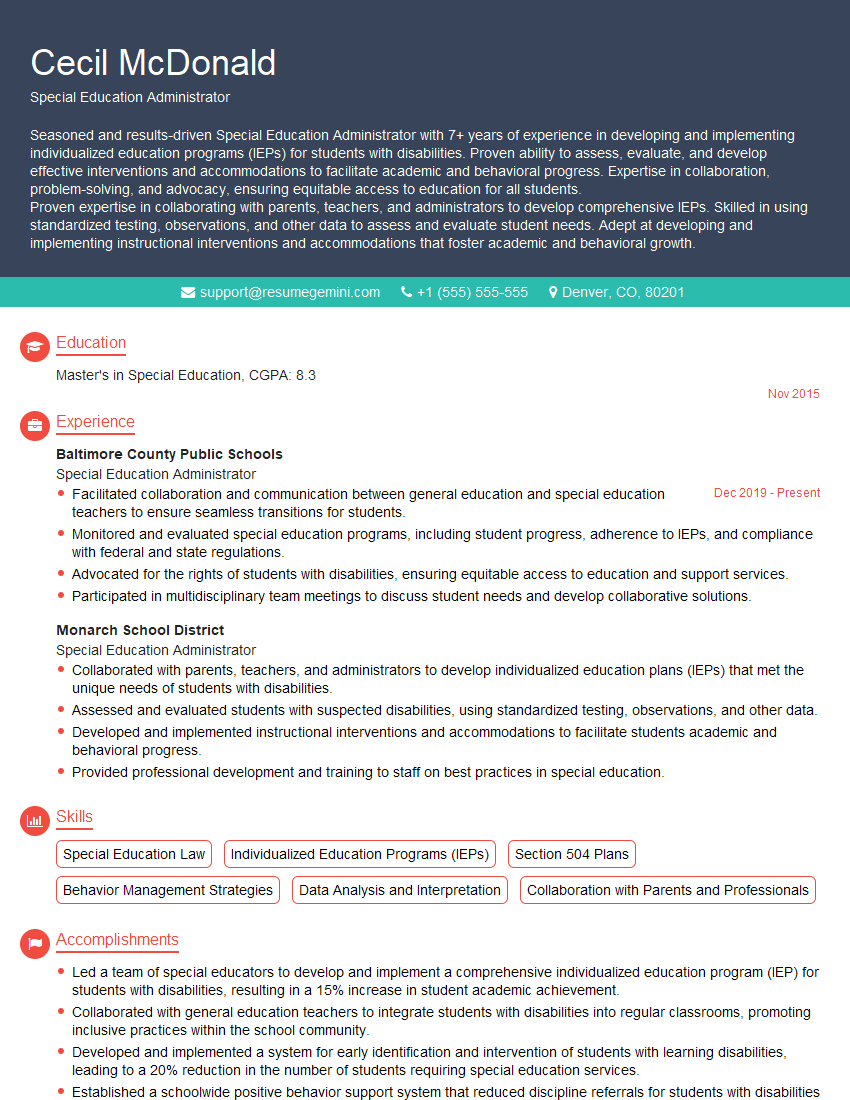
Special Education Administrator Resume Sample
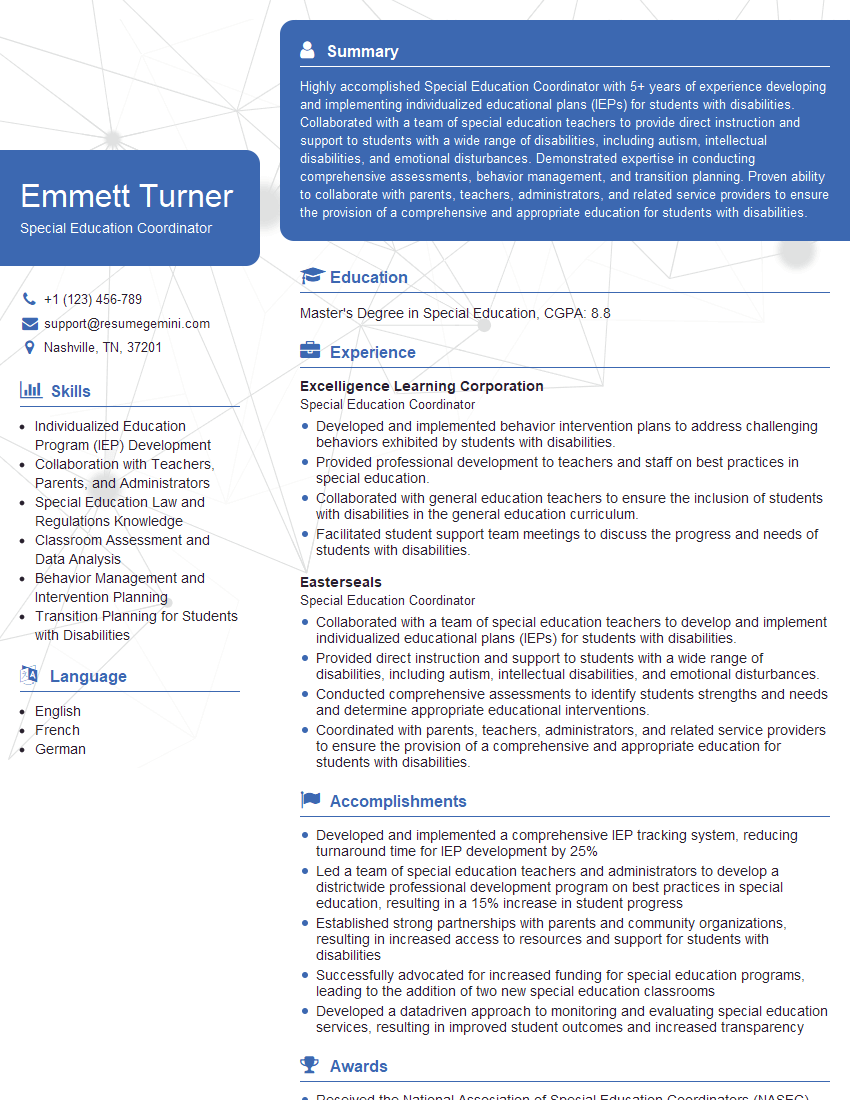
Special Education Coordinator Resume Sample
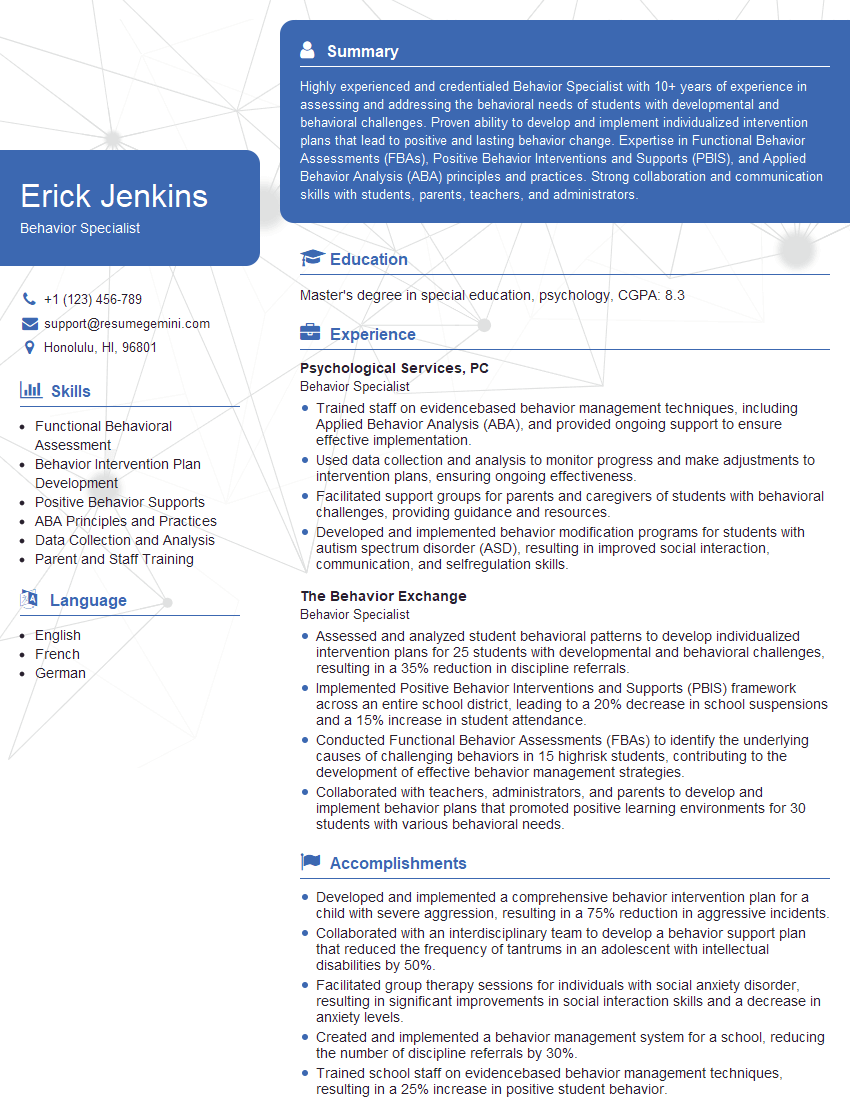
Behavior Specialist Resume Sample
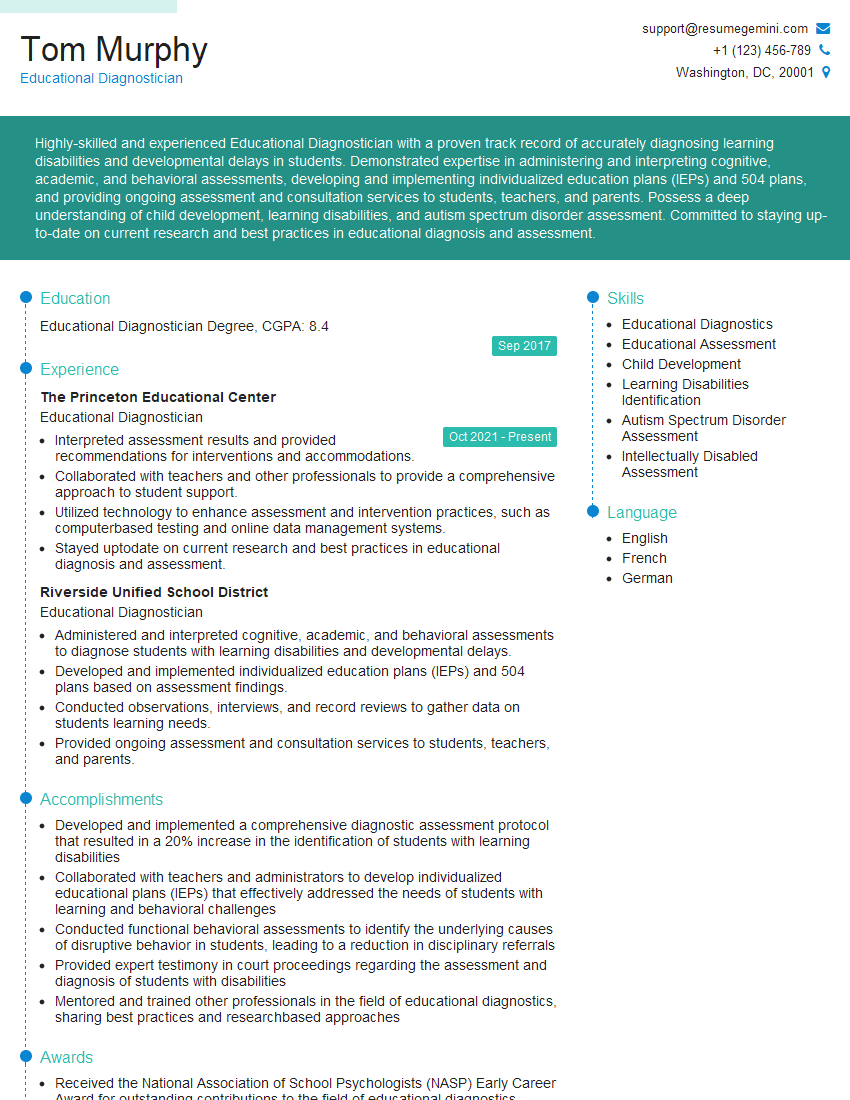
Educational Diagnostician Resume Sample
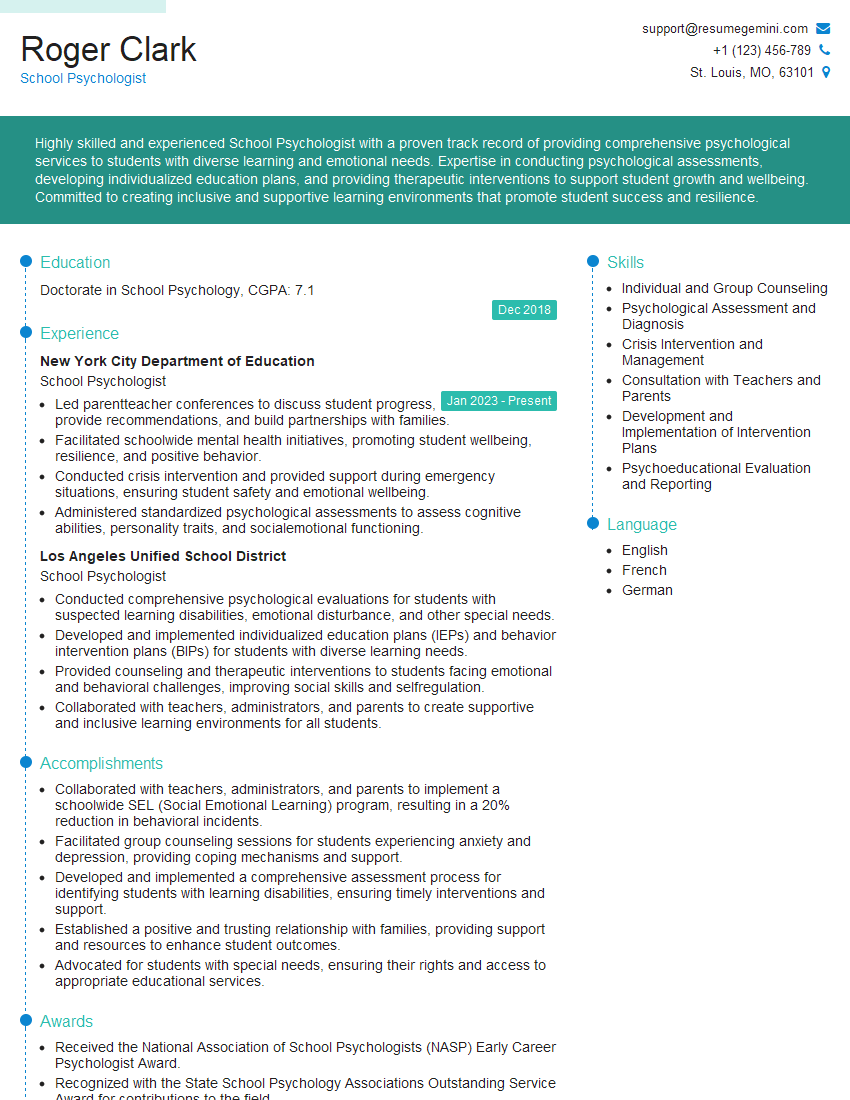
School Psychologist Resume Sample
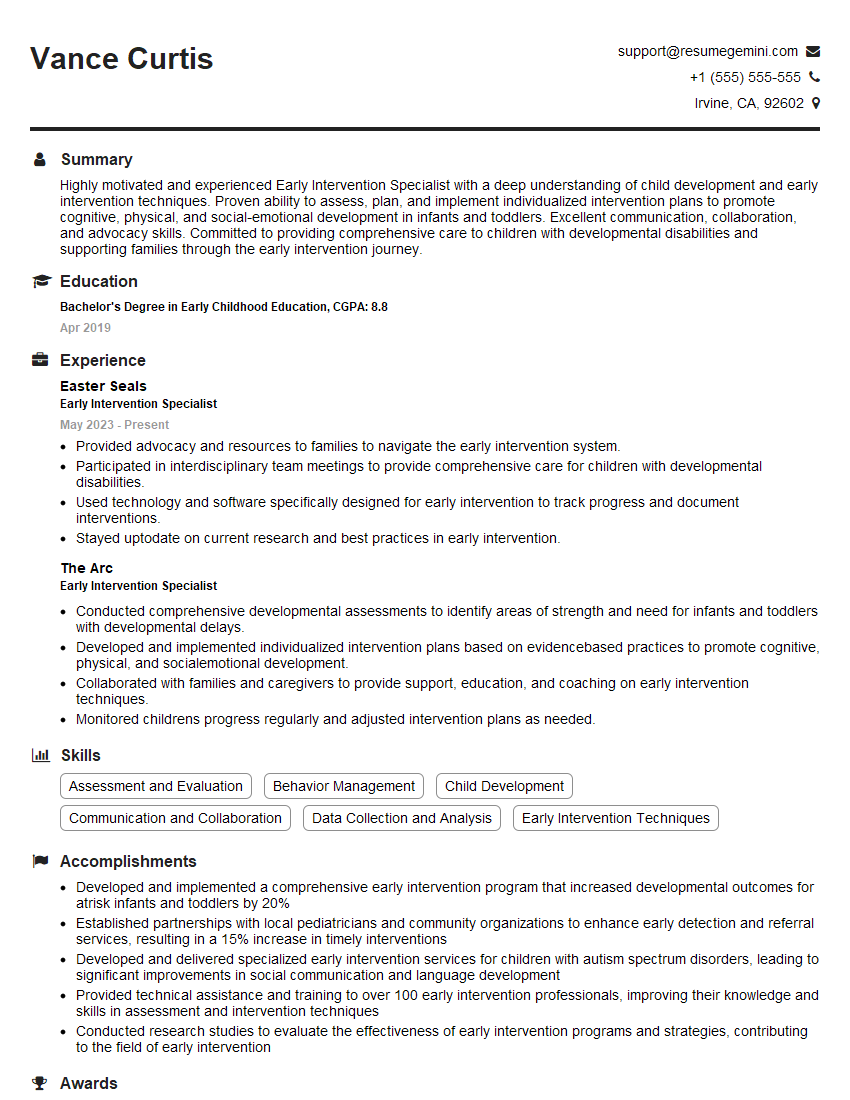
Early Intervention Specialist Resume Sample
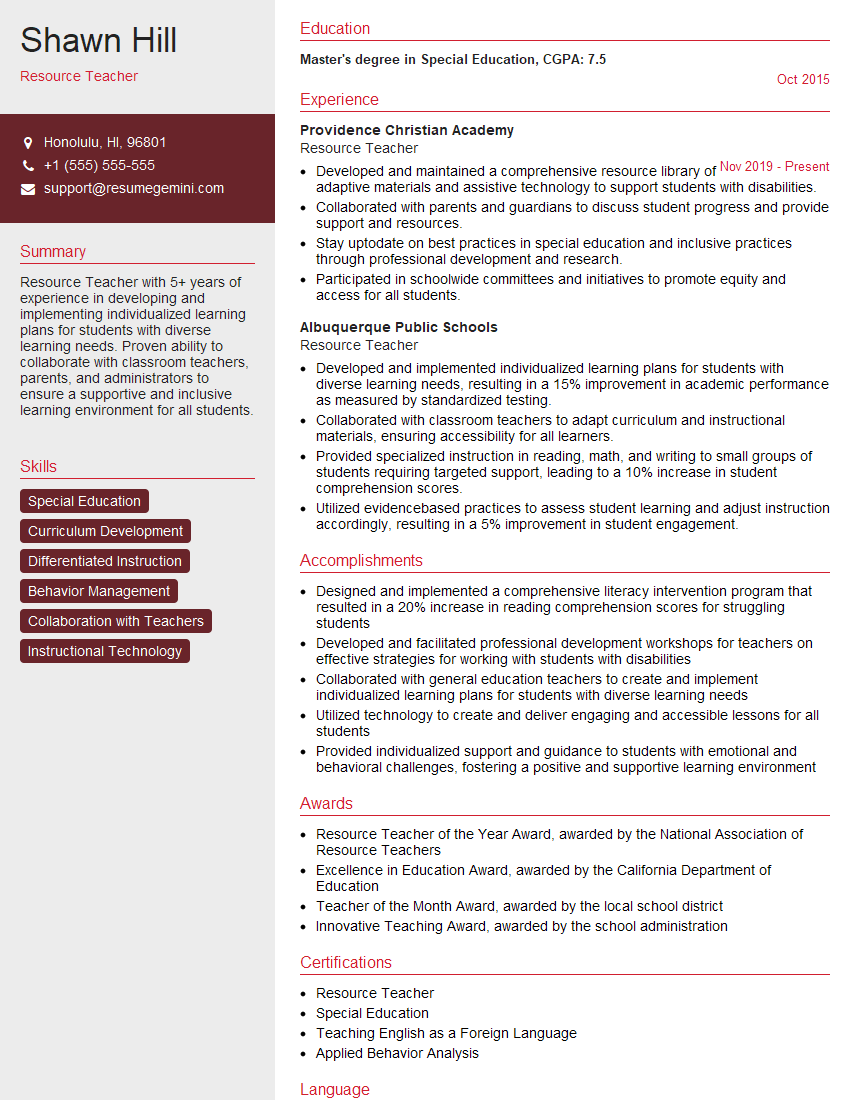
Resource Teacher Resume Sample
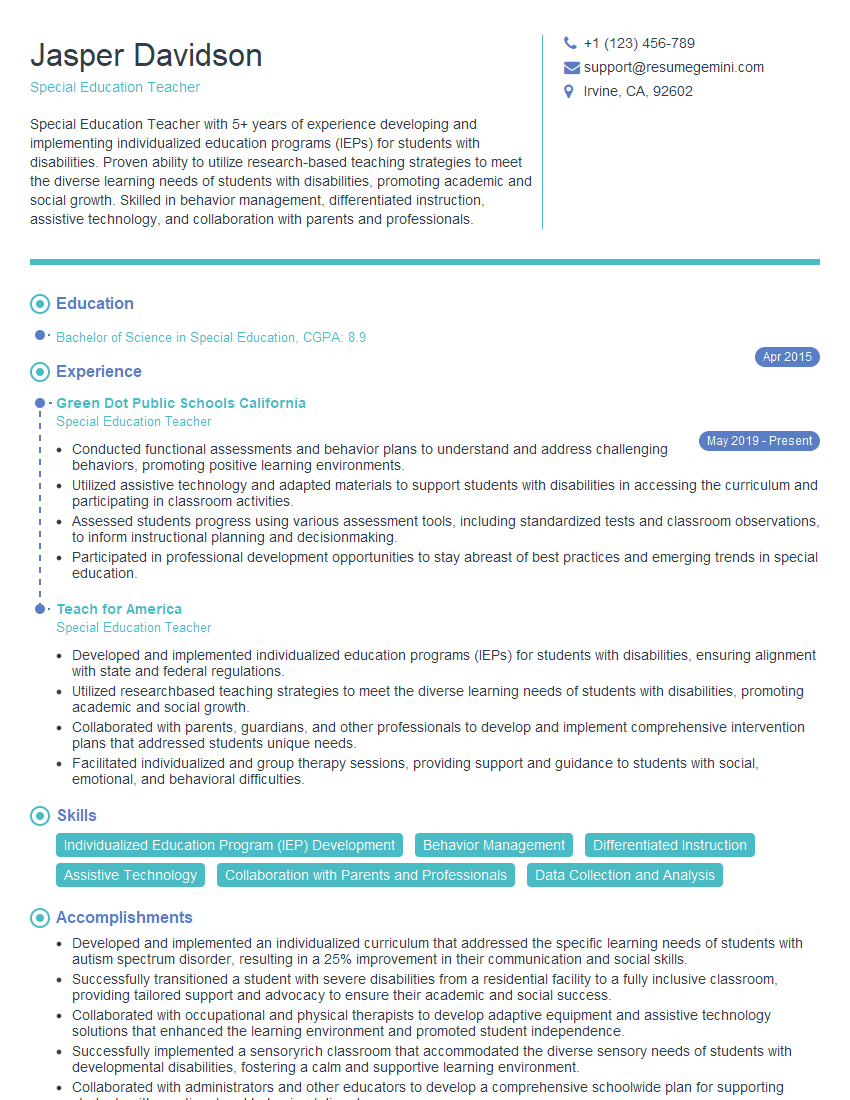
Special Education Teacher Resume Sample
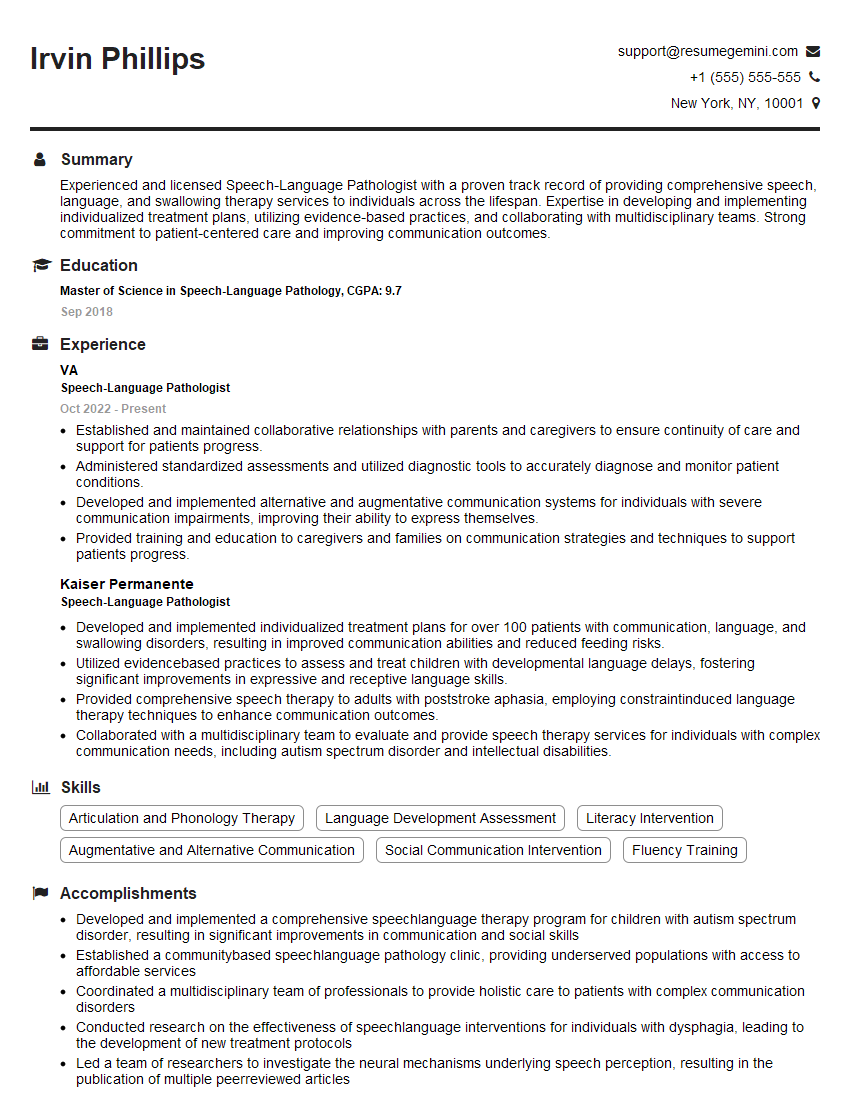
Speech-Language Pathologist Resume Sample
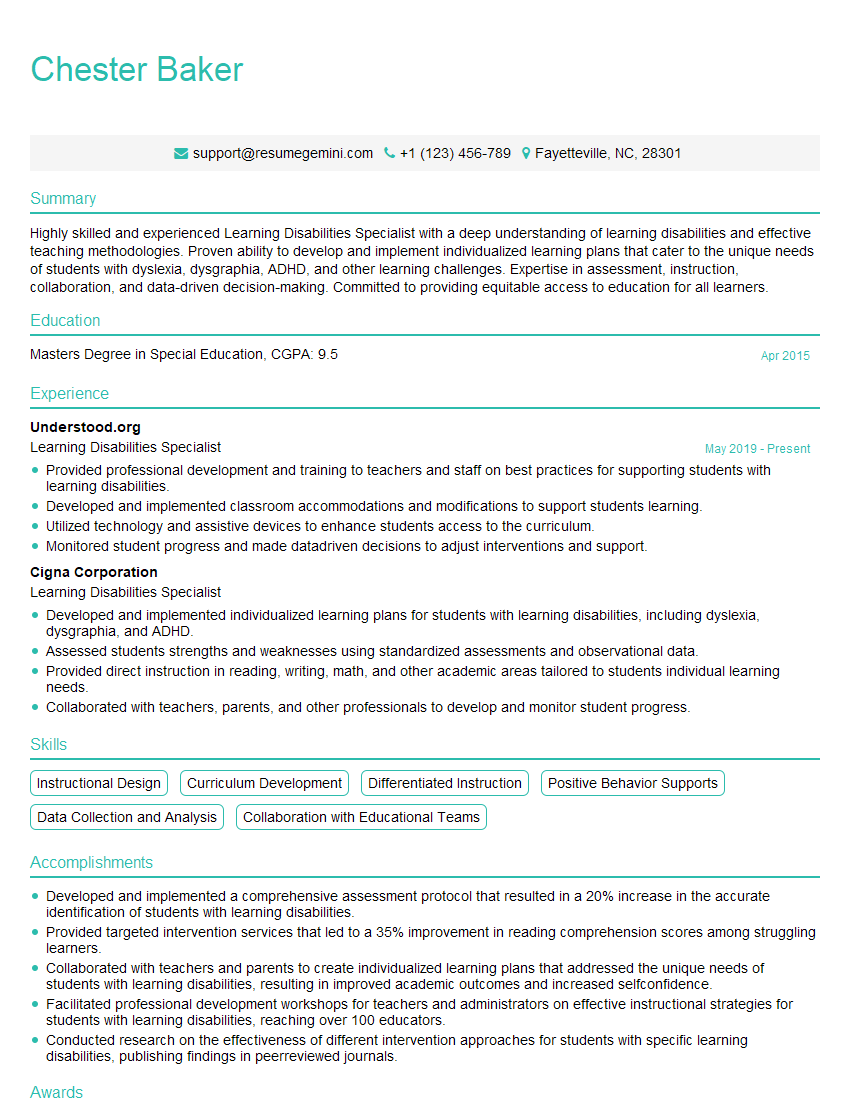
Learning Disabilities Specialist Resume Sample
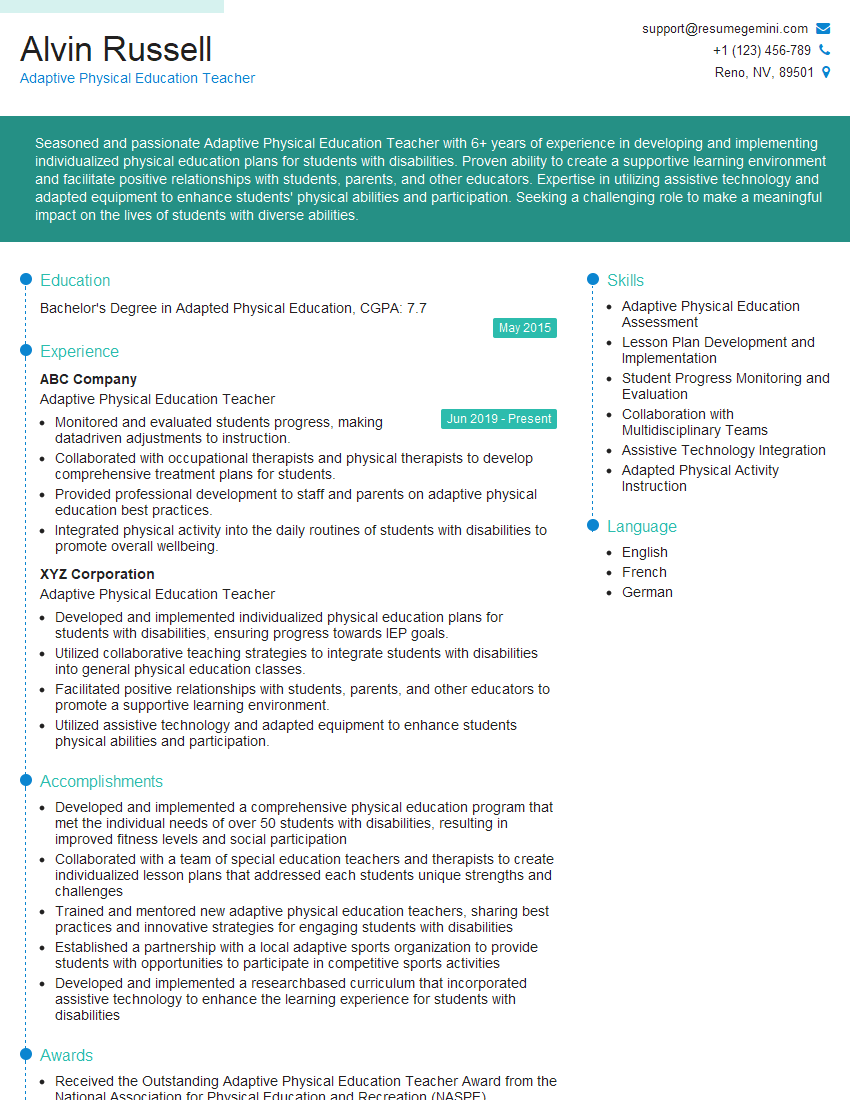
Adaptive Physical Education Teacher Resume Sample
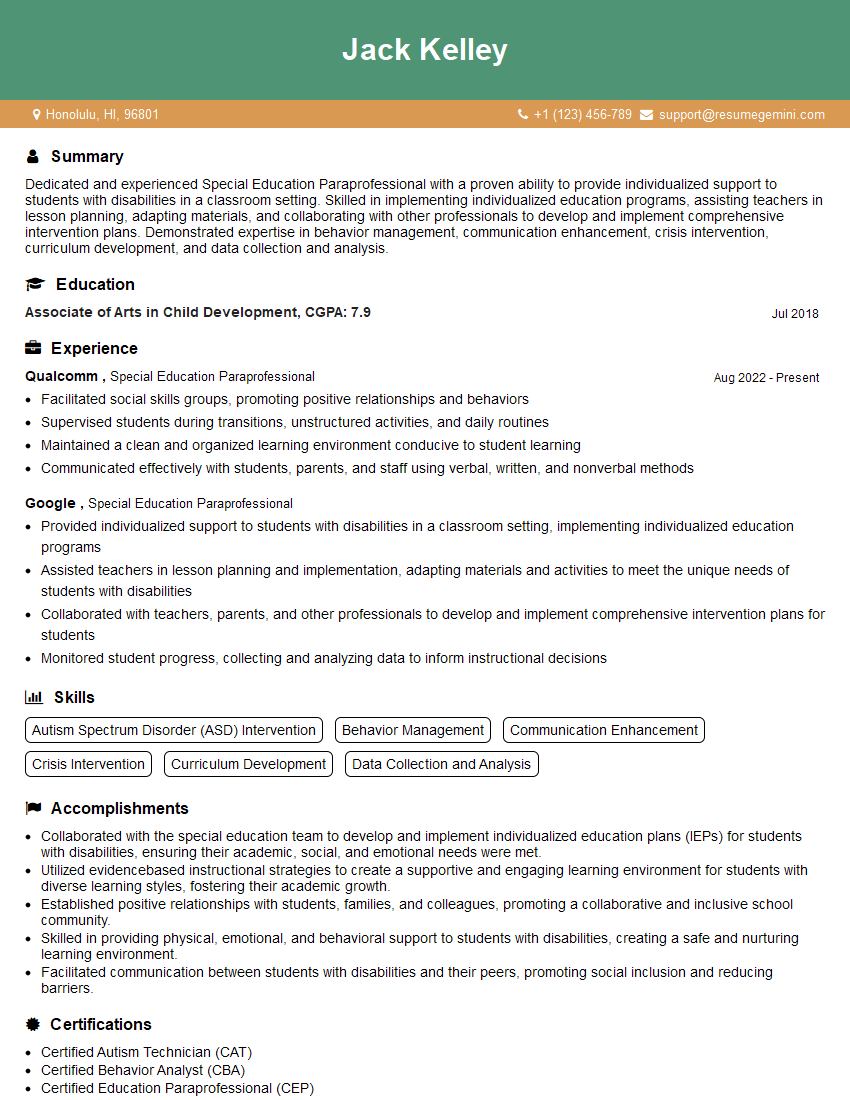
Special Education Paraprofessional Resume Sample
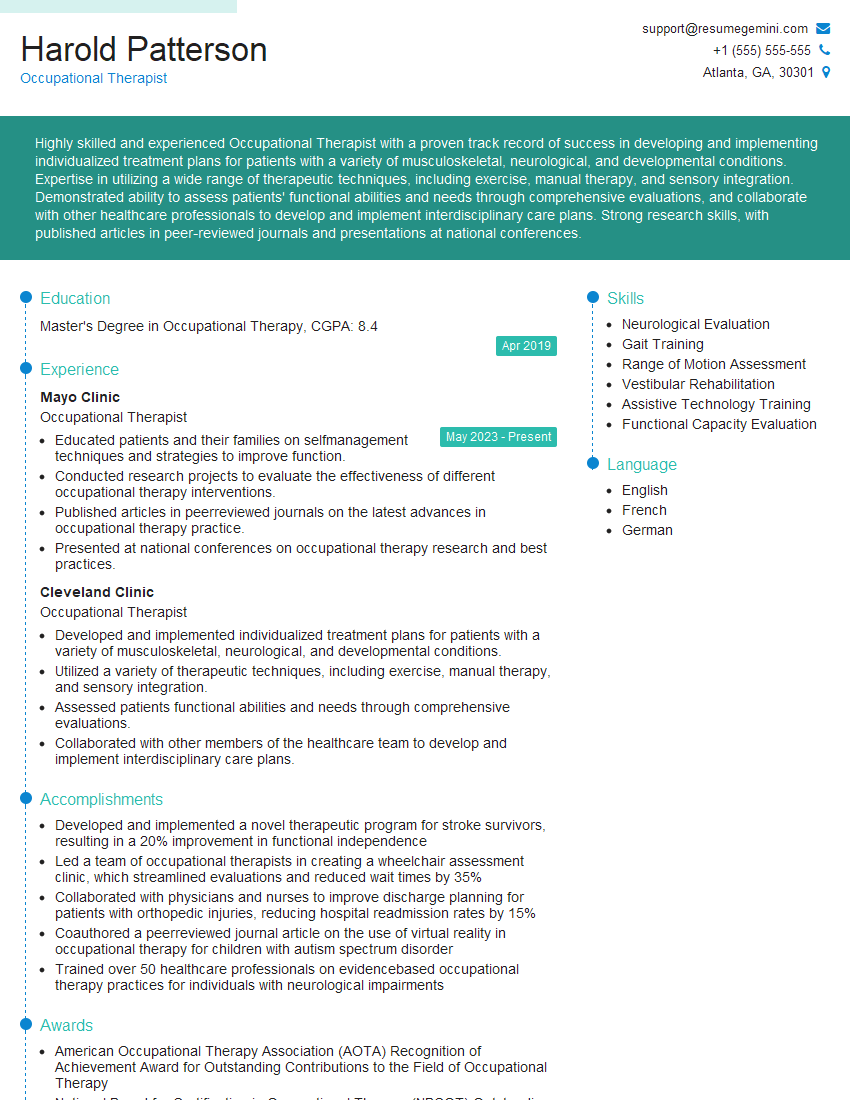
Occupational Therapist Resume Sample
- Special Education Director
- Special Education Administrator
- Special Education Coordinator
- Behavior Specialist
- Educational Diagnostician
- School Psychologist
- Early Intervention Specialist
- Resource Teacher
- Special Education Teacher
- Speech-Language Pathologist
- Learning Disabilities Specialist
- Adaptive Physical Education Teacher
- Special Education Paraprofessional
- Occupational Therapist
Explore more articles
Users Rating of Our Blogs
Share Your Experience
We value your feedback! Please rate our content and share your thoughts (optional).
What Readers Say About Our Blog
I Redesigned Spongebob Squarepants and his main characters of my artwork.
https://www.deviantart.com/reimaginesponge/art/Redesigned-Spongebob-characters-1223583608
IT gave me an insight and words to use and be able to think of examples
Hi, I’m Jay, we have a few potential clients that are interested in your services, thought you might be a good fit. I’d love to talk about the details, when do you have time to talk?
Best,
Jay
Founder | CEO