Every successful interview starts with knowing what to expect. In this blog, we’ll take you through the top Stack and Retrieve Inventory interview questions, breaking them down with expert tips to help you deliver impactful answers. Step into your next interview fully prepared and ready to succeed.
Questions Asked in Stack and Retrieve Inventory Interview
Q 1. Explain the process of stacking inventory efficiently.
Efficient stacking is about maximizing space utilization and minimizing retrieval time. It’s like a well-organized library – you wouldn’t want to randomly pile books everywhere! The key is to consider factors like item size, weight, frequency of access, and shelf capacity.
The process involves:
- Assessment: Analyze the warehouse layout, item dimensions, and expected turnover rates. Knowing which products are frequently accessed will inform placement decisions.
- Planning: Decide on a stacking method (discussed later) and establish clear labeling and organization systems. Clear aisle widths for easy movement are crucial.
- Execution: Carefully stack items, ensuring stability and avoiding overhangs. Use appropriate stacking equipment, like forklifts or pallet jacks, for safety.
- Verification: Regularly inspect stacked inventory for signs of damage, instability, or disorganization. This prevents accidents and ensures accuracy of inventory records.
For example, fast-moving items should be placed in easily accessible areas, while less frequently accessed items can be stored further back.
Q 2. Describe your experience with different stacking methods (e.g., block stacking, random stacking).
I have extensive experience with various stacking methods. Each has its advantages and disadvantages depending on the warehouse layout, type of goods, and retrieval system.
- Block Stacking: This is ideal for homogenous items of similar size and weight. It’s highly efficient for space utilization but requires careful planning to avoid imbalances and makes selective retrieval challenging. Imagine stacking bricks; it’s straightforward but you need the right one from the bottom to access others on top.
- Random Stacking: Suitable for warehouses with a high turnover rate and diverse inventory. It’s more flexible but less efficient in terms of space and may lead to inefficiencies in retrieval. Think of a cluttered garage – you can store a lot, but finding anything takes time.
- High-Bay Racking: This uses specialized racking systems to store items at significant heights, maximizing vertical space. It’s effective for larger items and reduces floor space requirements, but needs specialized equipment for safe access. It’s like a really tall, organized bookshelf, requiring a ladder or lift.
My experience includes implementing and optimizing each method based on specific warehouse needs. For example, I implemented block stacking for a client storing large quantities of identical boxes, while I recommended random stacking for a distribution center with a highly diverse product range.
Q 3. How do you ensure the safety of both workers and inventory during stacking and retrieval?
Safety is paramount. It’s not just about avoiding accidents; it’s about creating a productive work environment.
- Proper Training: Workers must receive thorough training on safe stacking practices, equipment operation, and hazard identification. This includes recognizing unstable stacks, using appropriate lifting techniques, and understanding emergency procedures.
- Equipment Maintenance: Regularly inspect and maintain all lifting equipment (forklifts, pallet jacks, etc.). Malfunctioning equipment is a major safety hazard.
- Clear Aisleways: Maintain sufficient space between stacks to allow for easy and safe movement of equipment and personnel. Cluttered aisles increase risks of accidents.
- Protective Gear: Ensure workers use appropriate personal protective equipment (PPE), including safety helmets, gloves, and safety shoes.
- Regular Inspections: Conduct routine inspections of the warehouse to identify potential hazards before they lead to accidents. This includes checking for damaged pallets, unstable stacks, and inadequate lighting.
For instance, we implemented a color-coded system to indicate the stability of different stacks, allowing immediate identification of potentially unsafe areas.
Q 4. What are the common challenges encountered during inventory stacking and retrieval?
Several common challenges arise during inventory stacking and retrieval:
- Space Constraints: Limited warehouse space necessitates efficient stacking strategies.
- Item Damage: Improper stacking can lead to product damage, increasing costs and impacting customer satisfaction.
- Inventory Discrepancies: Errors in counting or recording inventory can create significant challenges.
- Inefficient Retrieval: Poorly organized stacking makes retrieving specific items time-consuming and labor-intensive.
- Safety Hazards: Unstable stacks, inadequate lighting, and improper equipment handling pose significant safety risks.
- Seasonal Fluctuations: Demand variations can create challenges in managing inventory levels and space utilization.
Overcoming these challenges involves using appropriate technology (WMS), implementing rigorous safety protocols, and constantly optimizing stacking strategies based on data analysis and feedback.
Q 5. How do you prioritize tasks when faced with multiple stacking and retrieval requests?
Prioritizing tasks requires a structured approach. I typically use a combination of factors to determine the order of stacking and retrieval requests:
- Urgency: Requests with immediate deadlines or critical needs take precedence. Imagine an urgent order for a hospital – that trumps everything else.
- Frequency of Access: High-demand items should be prioritized in terms of accessibility, minimizing retrieval time.
- Order Value: High-value items may need to be prioritized to minimize potential loss or damage.
- Storage Location: Requests that minimize travel time are generally prioritized to improve overall efficiency.
- Resource Availability: The availability of equipment and personnel influences task prioritization. We don’t want multiple forklifts vying for the same space.
Using a WMS significantly aids in task prioritization by providing real-time visibility of inventory locations, order details, and resource availability.
Q 6. Describe your experience with using warehouse management systems (WMS) for inventory tracking.
Warehouse Management Systems (WMS) are indispensable for efficient inventory tracking. I have extensive experience using various WMS platforms, including [mention specific WMS systems if comfortable].
A WMS allows for:
- Real-time Inventory Tracking: Provides accurate and up-to-the-minute information on inventory levels, locations, and movement.
- Automated Task Assignment: Optimizes task assignment for stacking and retrieval, reducing manual effort and improving efficiency.
- Improved Accuracy: Minimizes errors in inventory counting and reduces discrepancies.
- Enhanced Reporting: Generates detailed reports on inventory turnover, storage utilization, and operational efficiency. This data allows us to identify areas for improvement and optimize processes.
- Integration with other systems: Seamlessly integrates with other systems like ERP and transportation management systems, providing a holistic view of the supply chain.
For example, using a WMS, I was able to reduce inventory discrepancies by 15% and improve retrieval time by 20% in one project. The system’s automated task assignment feature significantly reduced human error.
Q 7. How do you manage inventory discrepancies during stacking and retrieval?
Managing inventory discrepancies requires a systematic approach. It’s like a detective solving a mystery – you need to find the source of the error to prevent it from happening again.
- Regular Cycle Counting: Implementing a regular cycle counting program helps identify discrepancies early, before they become significant problems. This involves periodically checking specific areas of the warehouse.
- Physical Verification: When discrepancies are detected, conducting a thorough physical verification of inventory is crucial to pinpoint the exact location and nature of the error.
- Data Reconciliation: Compare physical inventory counts with the WMS data to identify differences and understand the reasons for these discrepancies.
- Root Cause Analysis: Investigate the root cause of discrepancies to prevent future occurrences. This might involve addressing issues with data entry, equipment malfunction, or inadequate training.
- Process Improvement: Implement corrective actions to address the identified root causes. This might involve updating processes, improving training, or enhancing inventory control procedures.
For instance, in one case, we discovered that a recurring discrepancy was due to an issue with the barcode scanner. Replacing the faulty scanner resolved the problem. This highlights the importance of regular equipment maintenance and effective root cause analysis.
Q 8. Explain your approach to identifying and resolving damaged or misplaced items.
Identifying and resolving damaged or misplaced items requires a systematic approach. Think of it like a detective solving a case – we need to gather clues, analyze the situation, and take corrective action.
My approach begins with visual inspection during both stacking and retrieval. Damaged items are immediately flagged using a designated system, perhaps a colored tag or a note in the inventory management system. This ensures they’re removed from circulation and handled appropriately – repaired, discarded, or returned to the supplier.
For misplaced items, I utilize the warehouse’s location system. If an item isn’t where it should be, I first check the surrounding areas for potential misplacement. Then, I’d cross-reference the inventory management system to verify its last known location and check for potential errors in the system itself. If the item is still missing, I’ll initiate a more thorough search, possibly involving other warehouse staff, and escalate the issue to management if necessary. We might even review the recent movement logs to determine if there was a human error or a system glitch.
Regular inventory audits also play a key role. These audits provide a comprehensive check of our stock, highlighting any discrepancies and helping us prevent future occurrences of damaged or misplaced items. We learn from past mistakes to refine our processes and improve overall accuracy.
Q 9. How do you ensure the accuracy of inventory counts during stacking and retrieval?
Ensuring accuracy in inventory counts during stacking and retrieval is crucial for efficient warehouse operations. We achieve this through a multi-pronged approach combining technology and human diligence.
Firstly, we utilize barcode scanners or RFID technology to track items throughout their journey within the warehouse. This minimizes manual data entry errors and allows for real-time inventory updates. Every item is scanned upon arrival, during stacking, and again during retrieval, creating a complete audit trail.
Secondly, we conduct regular cycle counting. Instead of a full inventory count at once, we count a small section of inventory regularly. This helps identify discrepancies early on and prevents large-scale counting issues. This method is less disruptive to the warehouse operations than a full inventory check.
Thirdly, we meticulously verify and reconcile our physical inventory against the data in our inventory management system (IMS). Any discrepancies are immediately investigated and addressed. This process, combined with the use of standardized procedures, helps maintain a high level of accuracy. Think of it like a balancing your checkbook; regular checks prevent larger errors.
Q 10. How familiar are you with different types of storage equipment (e.g., forklifts, pallet jacks)?
I’m proficient in operating various types of storage equipment, including forklifts, pallet jacks, and reach trucks. My experience spans both manual and automated systems. I’m certified to operate forklifts, having completed the necessary safety training and possessing the required license.
My experience includes using forklifts for stacking and retrieving palletized goods in high-bay warehouses. I understand the importance of load stability, weight distribution, and safe operating procedures. Pallet jacks are used frequently for shorter-distance movements of pallets, and I’m well-versed in their proper use. Furthermore, I understand the limitations and safety considerations associated with each piece of equipment.
I am comfortable working with both electric and propane forklifts, and I am aware of the different safety protocols that apply to each. I also understand the importance of regular maintenance and inspection of this equipment. In a large warehouse, having multiple types of equipment at our disposal increases efficiency.
Q 11. Describe your experience with inventory rotation techniques (FIFO, LIFO).
Inventory rotation techniques like FIFO (First-In, First-Out) and LIFO (Last-In, First-Out) are vital for managing perishable goods and minimizing waste. Understanding their implications is essential for effective inventory management.
FIFO, where the oldest items are used first, is crucial for perishable goods like food or pharmaceuticals. It prevents spoilage and maintains product quality. Imagine a grocery store – they always want to sell the oldest milk first. We implement FIFO by organizing our storage to ensure easy access to older items. This might involve using specific storage areas and rotating stock strategically.
LIFO, where the newest items are used first, is typically used for non-perishable goods where obsolescence is less of a concern. This can be useful for products with long shelf lives. However, the cost of goods sold is affected, as the value of older items can potentially be higher due to inflation, especially when used in cost accounting.
My experience includes implementing both techniques based on the specific needs of the inventory. I’m adept at selecting the most appropriate method and adapting our storage and retrieval processes to support the chosen rotation strategy. The key is to choose the strategy that best protects product quality and minimizes losses.
Q 12. How do you adapt to changes in inventory demands and workflow?
Adapting to changes in inventory demands and workflow is a key skill in this role. It requires flexibility, problem-solving skills, and a proactive approach. Think of it like adapting to a changing tide – we need to be agile and adjust our approach accordingly.
When demand increases, I collaborate with the team to prioritize high-demand items, optimize picking routes, and potentially adjust staffing levels. We might implement overtime or prioritize training to address potential bottlenecks. We would use data from the IMS to forecast demands and anticipate potential shortages.
Conversely, if demand decreases, we adjust our stacking strategies to maximize space utilization and minimize wasted area. This involves reassessing storage locations and potentially consolidating stock. We’ll also analyze sales trends and adjust our stock levels accordingly to avoid overstocking.
Process optimization is a continuous effort, we regularly review our workflows, seeking areas for improvement and implementing changes to enhance efficiency and responsiveness. Technology like warehouse management systems (WMS) allows for automated adjustments in response to changing demand.
Q 13. How do you maintain a clean and organized warehouse environment?
Maintaining a clean and organized warehouse environment is not just about aesthetics; it’s crucial for safety, efficiency, and productivity. A clean space is a safe space, and a well-organized space makes finding items easier.
My approach starts with implementing a 5S methodology (Sort, Set in Order, Shine, Standardize, Sustain). This involves regularly sorting and removing unnecessary items, organizing the remaining items systematically, and thoroughly cleaning the warehouse floor, racking, and equipment. We use clear labeling and signage to ensure items are easily located.
We also schedule regular cleaning sessions and assign responsibilities to ensure consistent upkeep. This includes sweeping, mopping, and removing debris. Furthermore, we utilize proper waste disposal procedures and recycling programs to minimize environmental impact.
By prioritizing cleanliness and organization, we reduce the risk of accidents and injuries, and we make it easier to find items quickly. This, in turn, directly improves efficiency and productivity. A clean, organized environment simply makes for a more efficient and safer workplace.
Q 14. What safety protocols do you follow when operating warehouse equipment?
Safety is paramount when operating warehouse equipment. My adherence to safety protocols is unwavering. I always prioritize safety over speed or efficiency.
Before operating any equipment, I perform a pre-operational inspection, checking for any mechanical issues or damage. I ensure that all safety features are functional and in good working order. I always wear the appropriate personal protective equipment (PPE), including safety glasses, gloves, and steel-toed boots. This is non-negotiable.
During operation, I maintain awareness of my surroundings, paying attention to other workers, obstacles, and the load I’m carrying. I follow all speed limits and traffic rules within the warehouse. I also undergo regular safety training, ensuring I stay updated on the latest safety practices and regulations. I never operate equipment if I’m fatigued or under the influence of any substances.
Reporting any incidents or near misses is a key part of maintaining a safe environment. Proactive reporting allows us to identify potential hazards and implement corrective actions, minimizing the risk of future incidents. Safety is not just a protocol, it’s a continuous commitment to a culture of care.
Q 15. How do you handle situations where inventory is incorrectly placed or labeled?
Incorrectly placed or labeled inventory is a major disruption to efficiency and accuracy. My approach involves a multi-step process focusing on immediate correction and preventative measures. First, I would immediately relocate the mis-placed item to its correct location, updating the inventory management system to reflect the change. This ensures the system reflects reality. For mislabeled items, I’d carefully re-label them correctly, again updating the system. Then, I’d investigate the root cause. Was there insufficient training for staff on proper placement or labeling procedures? Were the labels themselves unclear or damaged? Were there inadequate visual cues or signage? Identifying the root cause allows me to implement corrective actions, such as additional training, improved labeling systems (e.g., larger, clearer labels with color-coding), better organizational strategies within the warehouse (e.g., implementing visual cues or color-coded shelving), or improved quality control during the receiving process. Finally, I’d document the incident, including the corrective actions taken, to prevent similar issues in the future. This documentation forms a valuable part of continuous improvement within the inventory management process.
Career Expert Tips:
- Ace those interviews! Prepare effectively by reviewing the Top 50 Most Common Interview Questions on ResumeGemini.
- Navigate your job search with confidence! Explore a wide range of Career Tips on ResumeGemini. Learn about common challenges and recommendations to overcome them.
- Craft the perfect resume! Master the Art of Resume Writing with ResumeGemini’s guide. Showcase your unique qualifications and achievements effectively.
- Don’t miss out on holiday savings! Build your dream resume with ResumeGemini’s ATS optimized templates.
Q 16. Describe your experience working with scanning devices and barcode systems.
I have extensive experience using various scanning devices and barcode systems, including handheld scanners, barcode readers integrated into warehouse management systems (WMS), and RFID (Radio-Frequency Identification) technology. My proficiency includes not only the physical operation of these devices but also the understanding of data entry processes and the importance of accuracy in scanning. For instance, in a previous role, I implemented a new barcode system that reduced picking errors by 15%. This involved training staff on proper scanning techniques, ensuring the system was integrated flawlessly with our WMS, and troubleshooting any issues that arose. I’m familiar with different barcode symbologies and understand the importance of maintaining clean, undamaged barcodes for reliable scanning. I can also troubleshoot common issues such as connectivity problems, scanner malfunctions, and data entry errors. My experience extends to reporting on scanner performance and identifying areas for improvement.
Q 17. What is your experience with cycle counting?
Cycle counting is a crucial part of maintaining accurate inventory records. My experience involves performing regular cycle counts, using various techniques depending on the inventory type and location. I’m proficient in using both manual and automated cycle counting methods. Manual counting requires meticulous attention to detail and accurate record-keeping, while automated systems often involve the use of handheld scanners linked to the inventory management system. I understand the importance of selecting appropriate sample sizes for cycle counting, ensuring representative data across the entire inventory. For example, in a previous role, I implemented a cycle counting program that significantly reduced inventory discrepancies, improving the accuracy of our inventory reports and helping us avoid stockouts and overstocking. I also have experience in analyzing cycle count data to identify trends and potential problems, such as inaccurate stocktaking or damaged goods.
Q 18. How would you improve efficiency in a slow-moving inventory area?
Improving efficiency in a slow-moving inventory area requires a strategic approach. First, I’d analyze the reasons for the slow movement. Is it due to obsolete items, poor demand forecasting, ineffective marketing, or pricing issues? Once the root cause is identified, solutions can be tailored. For obsolete items, a clearance sale or disposal strategy might be necessary. If it’s due to demand forecasting, I’d recommend using better forecasting techniques and integrating data from multiple sources to gain a clearer picture of sales trends. If marketing is lacking, I might suggest promoting these items through discounts or targeted campaigns. If pricing is uncompetitive, adjusting pricing can increase sales. To enhance efficiency, I might explore alternative storage solutions, perhaps relocating slower-moving items to a less accessible but more cost-effective storage area. Implementing a first-in, first-out (FIFO) system would be important for perishable goods to prevent spoilage, and this should also be carefully planned for non-perishables to avoid obsolescence. Regular review of slow-moving items and proactive strategies to move them are essential.
Q 19. How familiar are you with different types of inventory (e.g., perishable, hazardous)?
I’m very familiar with various inventory types, including perishable goods (like food and pharmaceuticals), hazardous materials (chemicals, flammables), and general merchandise. My experience involves understanding the unique storage requirements, handling procedures, and safety regulations for each. For perishable goods, maintaining proper temperature control and adherence to expiration dates are critical; in managing hazardous materials, I ensure compliance with all relevant safety regulations and proper labeling. I’m experienced in documenting these processes and training staff to prevent workplace incidents and ensure regulatory compliance. For instance, in a previous role, we had a specific procedure for handling pharmaceuticals requiring strict temperature monitoring and detailed logging. Understanding these different types of inventory enables accurate stock management, avoids losses due to spoilage or obsolescence, and prioritizes safety compliance.
Q 20. What is your experience with inventory control software?
I have significant experience with various inventory control software packages, including [mention specific software, e.g., SAP, Oracle, Fishbowl]. My expertise extends beyond basic data entry and retrieval to include report generation, inventory analysis, and system optimization. I understand how to configure and customize these systems to meet specific business needs. For example, in a previous role, I helped implement a new WMS which improved inventory accuracy by 20% and reduced order fulfillment time by 10%. I’m also adept at troubleshooting software issues, integrating the system with other business applications, and providing training to staff on effective software usage. My experience includes working with both cloud-based and on-premise inventory management systems, enabling me to adapt to various technological environments.
Q 21. How would you address a situation where a specific item is unavailable during retrieval?
An unavailable item during retrieval is a critical issue that requires immediate attention. My first step would be to verify the system data: is the item truly unavailable, or is there an error in the system? If the system is correct, I would investigate possible causes: is the item back-ordered? Is there a stock discrepancy (perhaps due to a recent cycle counting issue or theft)? Is the item in a different location than what the system indicates? I would then inform the customer or relevant stakeholders about the situation, providing an accurate timeframe for when the item will be available. I’d use this opportunity to review our ordering processes and stock levels to prevent future occurrences. If the shortage is due to a consistent low stock level of this particular item, we may need to re-evaluate our demand forecasting methods. If the issue stems from errors in inventory management, I’d implement corrective actions focusing on staff training, process improvements, or system upgrades to improve accuracy and reduce future occurrences. Transparency with the customer is key to maintaining trust, and a detailed follow-up is essential to ensure their satisfaction.
Q 22. Explain your experience with receiving and putting away inventory.
Receiving and putting away inventory is the cornerstone of efficient warehouse operations. It involves meticulously checking incoming shipments against purchase orders, verifying quantities and conditions of goods, and then strategically placing them in designated storage locations within the warehouse. This process requires attention to detail to prevent errors and ensure accurate inventory tracking.
In my previous role at Acme Distribution, we used a barcode scanning system to receive shipments. Each item was scanned upon arrival, cross-referenced with the purchase order, and any discrepancies (damaged goods, incorrect quantities) were immediately flagged and documented. Then, using a warehouse management system (WMS), we determined the optimal location for each item based on factors like frequency of retrieval, size, and weight – prioritizing fast-moving items for easy access. This ensures efficient order fulfillment later on. For example, high-demand items were placed in easily accessible areas near shipping docks, while slower-moving items were located in less convenient locations.
We also employed a ‘first-in, first-out’ (FIFO) method for perishable goods to minimize waste and ensure freshness. The system would automatically assign locations, minimizing travel time for warehouse personnel.
Q 23. How do you handle damaged or defective inventory during retrieval?
Handling damaged or defective inventory during retrieval is crucial for maintaining inventory accuracy and preventing further losses. The process begins with careful inspection of each retrieved item. If damage is detected, I would immediately document the issue – including the item’s identification number, the type and extent of the damage, and a photograph, if possible. This documentation is crucial for returns, insurance claims, or internal quality control investigations.
Depending on company policy, damaged items might be quarantined in a designated area, repaired (if feasible), or disposed of appropriately. The WMS needs to be updated immediately to reflect the status change of the item, preventing it from being mistakenly shipped or fulfilling future orders. For example, in a previous role, we used a system where damaged goods were tagged with specific labels indicating their status, allowing for easy identification during subsequent processes. The WMS automatically flagged these items as unavailable for fulfillment, improving the accuracy of inventory reports.
Q 24. How would you handle a large influx of new inventory?
A large influx of new inventory requires a well-planned and organized approach to avoid chaos and ensure smooth operations. The first step involves assessing the volume and type of incoming inventory. This information allows us to anticipate storage space requirements and potentially adjust warehouse layout, if needed. We’d also communicate with the receiving team to establish a clear receiving schedule and ensure sufficient personnel are available to handle the increased workload.
Next, I would ensure that the WMS is prepared to accommodate the influx. This might involve updating the system with new item information and allocating additional storage space. We might also need to temporarily implement a prioritization strategy, focusing on processing high-demand items first, and perhaps utilizing temporary storage solutions if the existing warehouse space is limited. For instance, we could use overflow space in a different area of the warehouse or even rent temporary storage units. Finally, post-processing involves checking the system’s accuracy to ensure all inventory has been correctly updated and that all items are accurately placed.
Q 25. Describe your experience with physical inventory counts.
Physical inventory counts are critical for validating the accuracy of the WMS and ensuring that recorded inventory matches the physical stock. My experience includes conducting both cycle counts (regular counts of specific sections) and full inventory counts (a complete count of all inventory). Cycle counting is typically more efficient, as it’s less disruptive to daily operations and allows for the identification and correction of discrepancies more frequently. A full inventory count is usually more thorough, but also requires more time and resources.
Effective physical inventory counts require a well-defined process, including assigning teams, providing clear instructions, using barcode scanners or handheld devices to record data, and verifying data accuracy. Post-count, the data is reconciled against the WMS. Any discrepancies require investigation to identify the source of error and appropriate adjustments to the system. For instance, I’ve worked in environments where discrepancies would be investigated to determine if they were due to data entry errors, damaged items not being properly documented, theft, or other causes.
Q 26. How do you prioritize items for retrieval based on urgency and order deadlines?
Prioritizing items for retrieval based on urgency and order deadlines is crucial for meeting customer expectations and optimizing warehouse efficiency. We often use a system that prioritizes orders based on several factors, including due date, order value, and customer priority. This might involve employing a first-in, first-out (FIFO) method for some items, while others might use a just-in-time (JIT) approach, depending on demand and supplier relationships.
The WMS plays a vital role in this process, providing real-time information on order status, deadlines, and item locations. It can create pick lists optimized for minimizing travel time within the warehouse. For instance, a WMS might group together items located in the same aisle or zone to minimize travel time for the picker. This ensures that the most urgent orders are processed first, maximizing on-time delivery and customer satisfaction. This improves warehouse efficiency by minimizing wasted time and movement.
Q 27. What metrics do you use to assess the efficiency of your stacking and retrieval processes?
Assessing the efficiency of stacking and retrieval processes relies on several key metrics. These include:
- Order fulfillment rate: The percentage of orders fulfilled on time and in full. This directly reflects our ability to efficiently retrieve and process items.
- Pick accuracy: The percentage of orders picked without errors. Errors lead to delays, returns, and lost revenue.
- Order cycle time: The time it takes to receive an order, pick items, package them, and ship them. A shorter cycle time indicates efficiency.
- Inventory turnover rate: The number of times inventory is sold and replenished during a given period. A higher turnover rate often signifies efficient inventory management and reduced storage costs.
- Storage space utilization: The percentage of available storage space that is actually used. Efficient stacking maximizes storage space utilization.
- Labor productivity: Measures the output per labor hour. It helps assess the efficiency of our workforce.
Tracking these metrics allows us to identify bottlenecks and areas for improvement in our processes. For example, a low pick accuracy rate might point to a problem with training or the use of barcode scanners. Similarly, a low inventory turnover rate suggests the need to optimize storage and handling procedures.
Q 28. How would you troubleshoot a problem with a malfunctioning piece of warehouse equipment?
Troubleshooting malfunctioning warehouse equipment requires a systematic approach. First, I would assess the safety of the situation. If the equipment poses a safety risk (e.g., a malfunctioning forklift), I would immediately shut it down and report it to the appropriate personnel. If it’s a less critical issue, I would begin troubleshooting.
Next, I would consult the equipment’s manual to determine potential causes of the malfunction and the recommended troubleshooting steps. Many issues can be resolved by checking simple things like power cords, fuses, and fluid levels. If the issue persists, I would contact the equipment manufacturer or our designated maintenance team for assistance. I would thoroughly document all steps taken, including the nature of the problem, troubleshooting steps attempted, and the outcome. This documentation is essential for tracking maintenance needs and preventing similar problems in the future. In cases involving recurring issues, analyzing maintenance logs might pinpoint patterns that would point to more systemic problems needing attention.
Key Topics to Learn for Stack and Retrieve Inventory Interview
- Inventory Management Systems (IMS): Understanding different types of IMS software and their functionalities in relation to stacking and retrieving inventory. This includes familiarity with common features like barcode scanning, order fulfillment tracking, and reporting.
- Warehouse Layout and Design: Analyzing the impact of warehouse design on efficient stacking and retrieval processes. This includes knowledge of slotting optimization, aisle configurations, and the use of racking systems to maximize space and minimize travel time.
- Inventory Accuracy and Cycle Counting: Exploring methods to maintain accurate inventory data. This involves understanding the importance of cycle counting, reconciliation processes, and minimizing discrepancies between physical inventory and system records.
- Safety Procedures and Regulations: Familiarizing yourself with safety protocols related to warehouse operations, including proper lifting techniques, equipment usage, and compliance with relevant industry regulations to ensure a safe work environment.
- Picking and Packing Strategies: Understanding different picking and packing methods (e.g., batch picking, zone picking) and their impact on efficiency and order fulfillment speed. Analyze the trade-offs between various strategies in different warehouse settings.
- Technology and Automation: Exploring the role of automated systems (e.g., automated guided vehicles (AGVs), robotic systems) in optimizing stacking and retrieval processes. Understanding the benefits and limitations of these technologies.
- Performance Metrics and Optimization: Understanding key performance indicators (KPIs) used to measure the efficiency of stacking and retrieval operations (e.g., pick rate, order accuracy, cycle time). Knowing how to identify bottlenecks and propose improvements.
Next Steps
Mastering Stack and Retrieve Inventory techniques is crucial for career advancement in logistics, warehousing, and supply chain management. These skills are highly sought after, leading to greater job security and higher earning potential. To maximize your job prospects, it’s vital to create an ATS-friendly resume that effectively highlights your relevant skills and experience. We strongly recommend using ResumeGemini to build a professional and impactful resume. ResumeGemini provides you with the tools and resources to create a compelling document, and we offer examples of resumes tailored to Stack and Retrieve Inventory roles to help guide you.
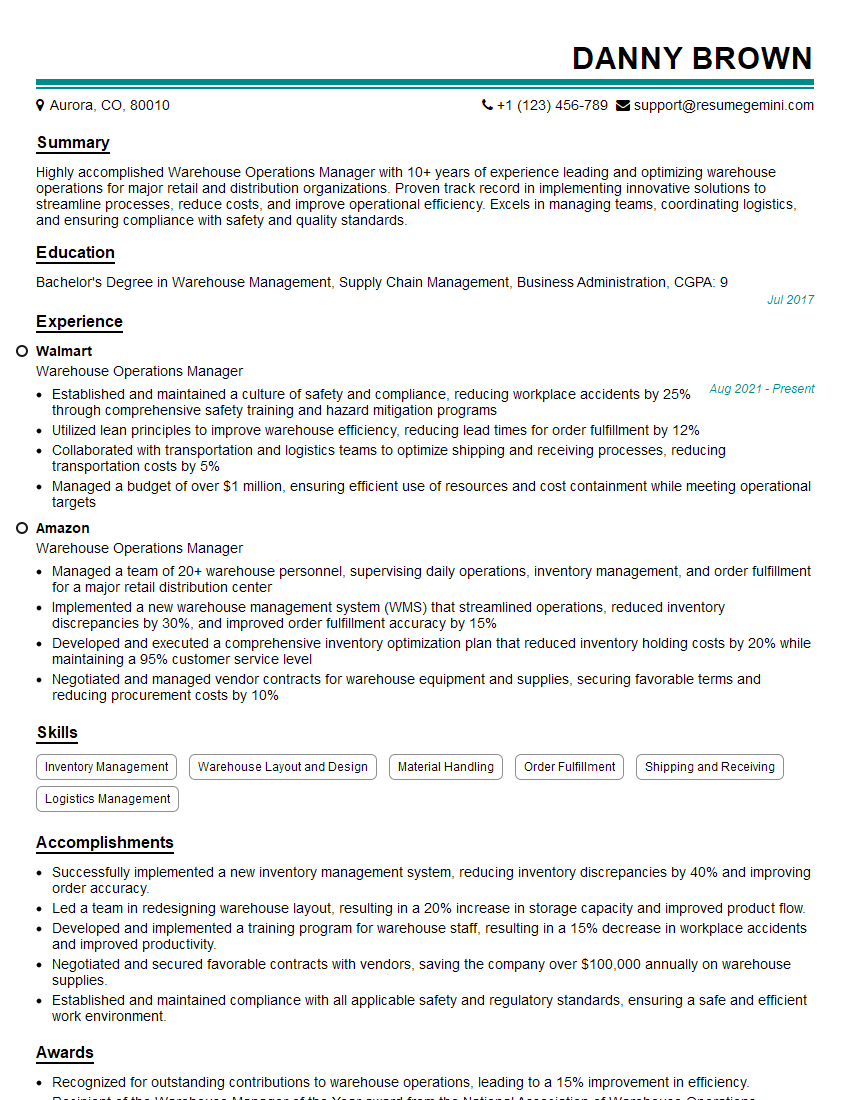
Warehouse Operations Manager Resume Sample
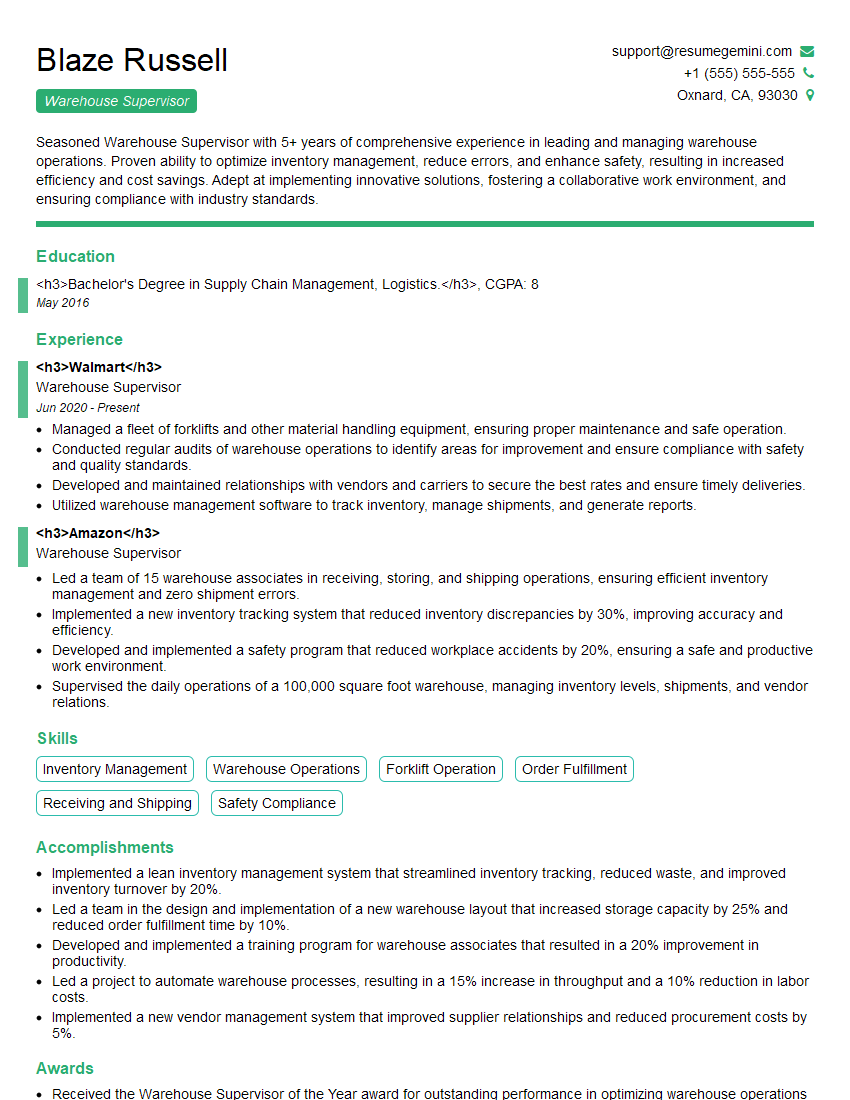
Warehouse Supervisor Resume Sample
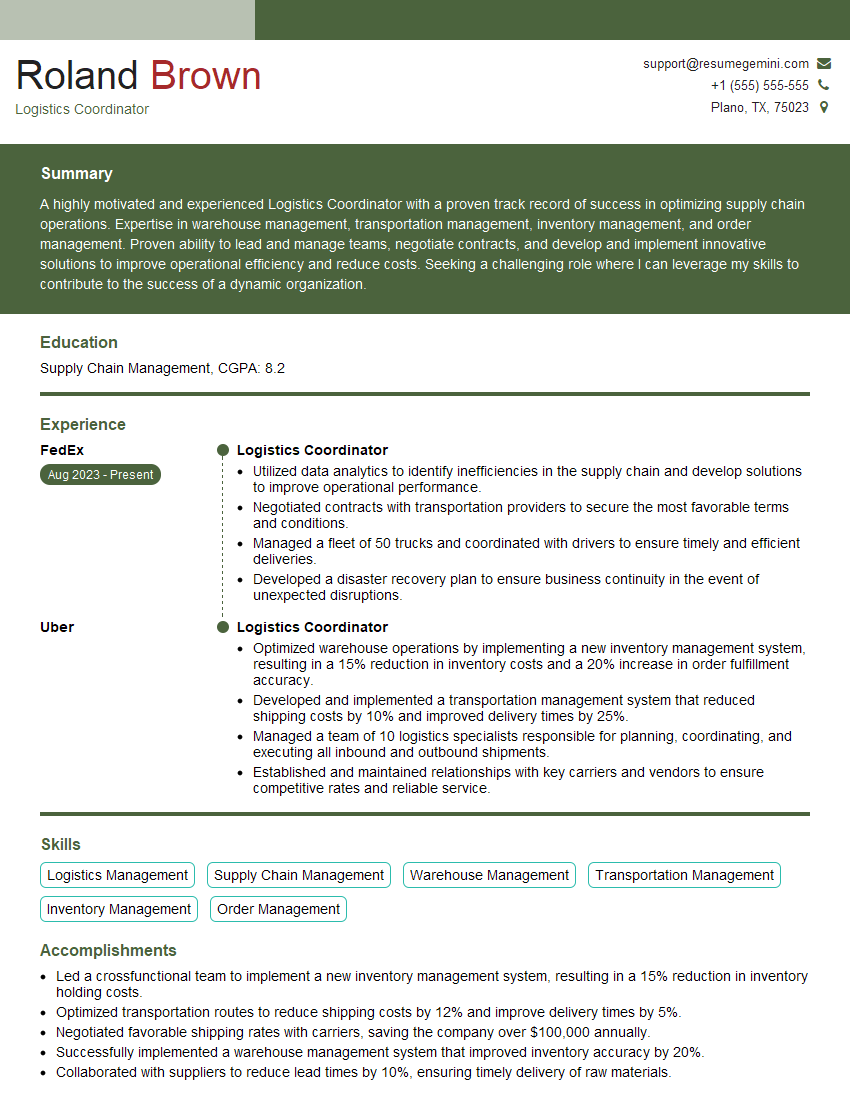
Logistics Coordinator Resume Sample
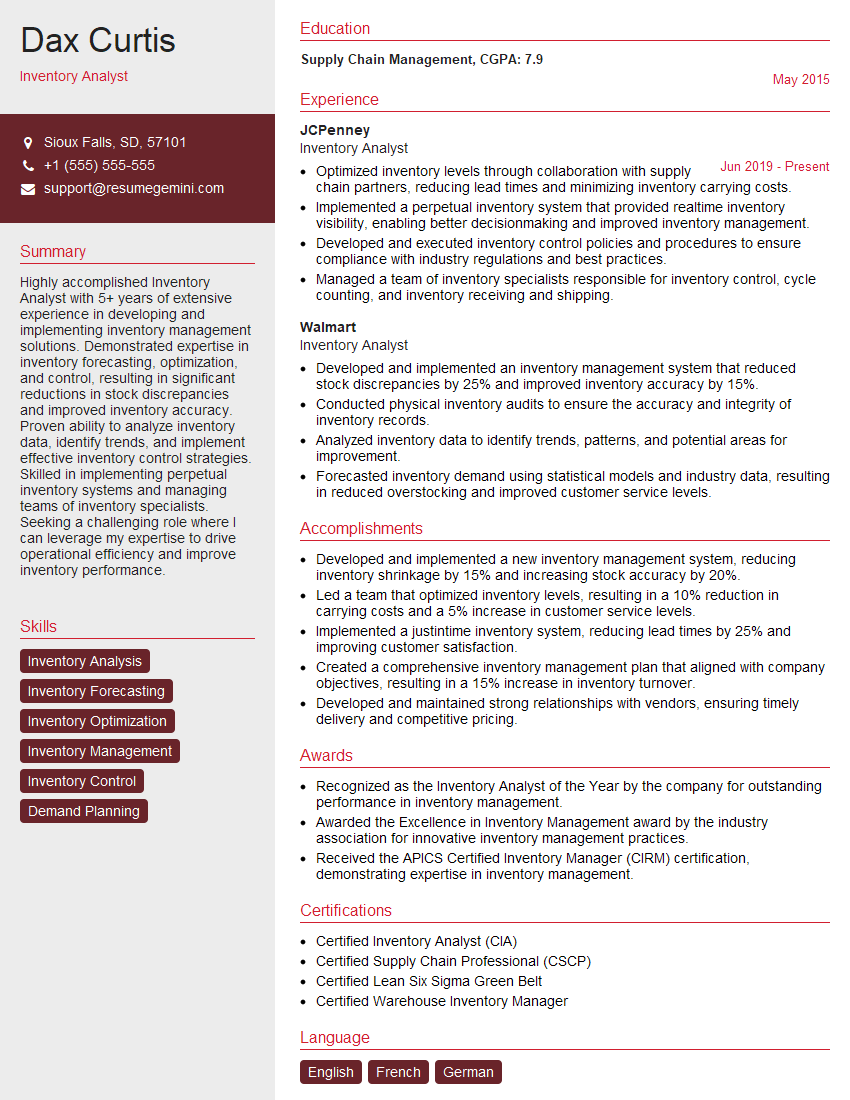
Inventory Analyst Resume Sample
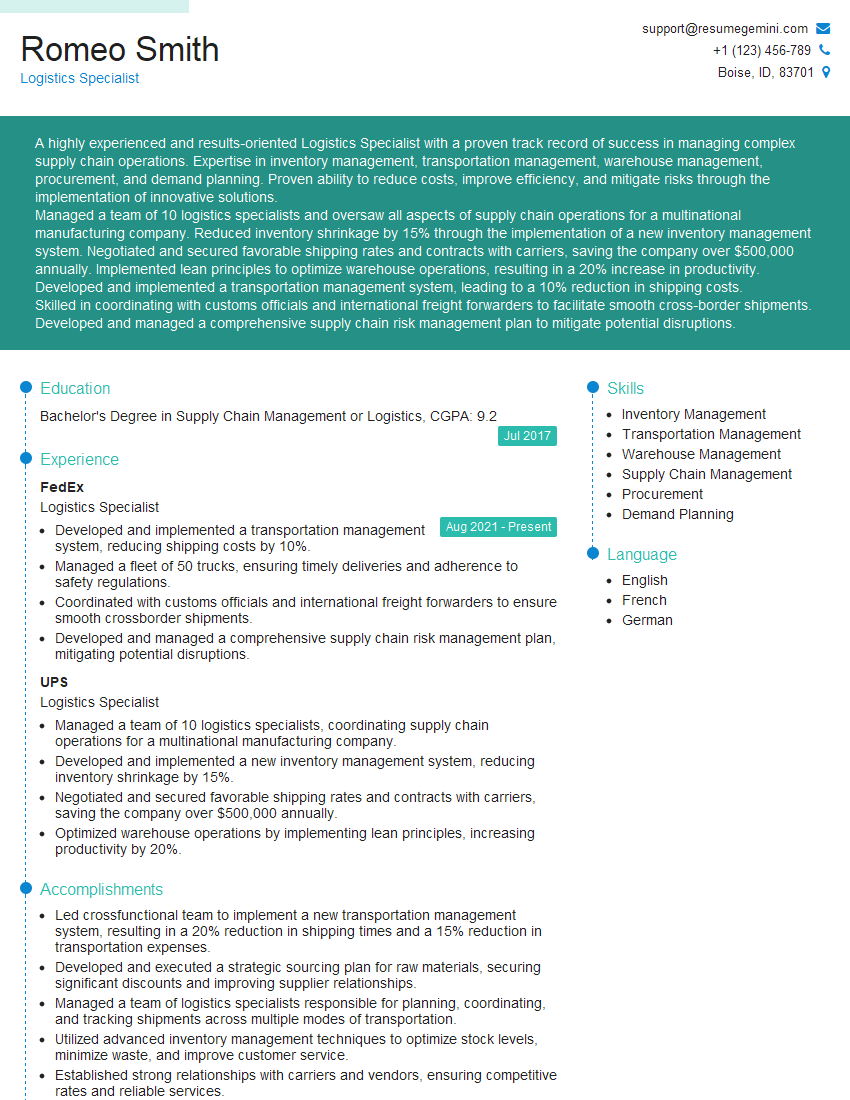
Logistics Specialist Resume Sample
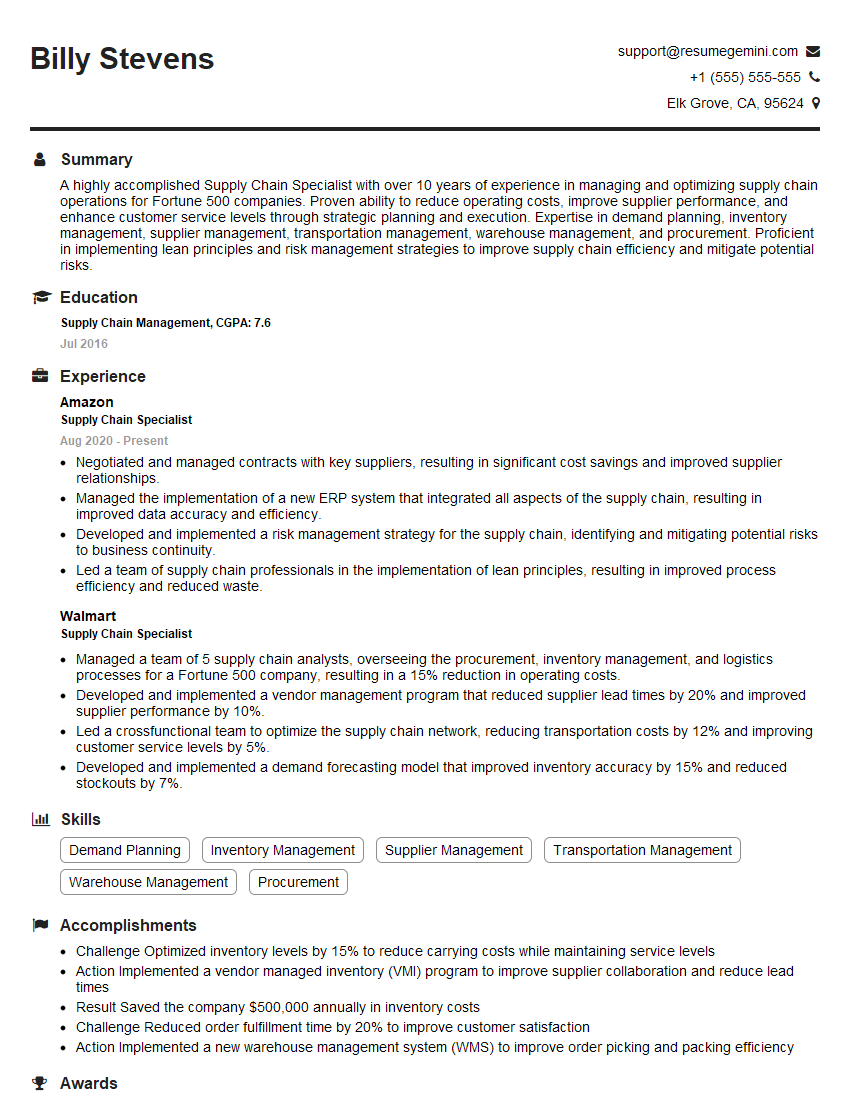
Supply Chain Specialist Resume Sample

Inventory Manager Resume Sample
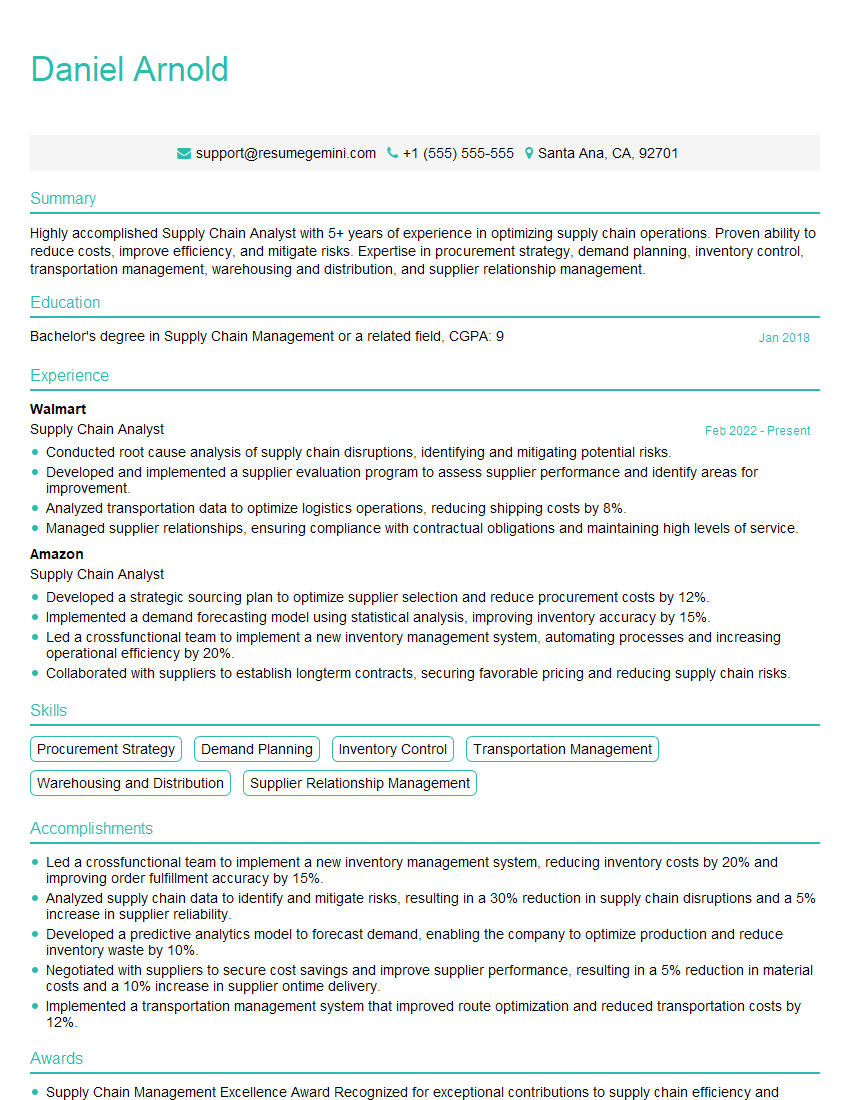
Supply Chain Analyst Resume Sample

Inventory Auditor Resume Sample
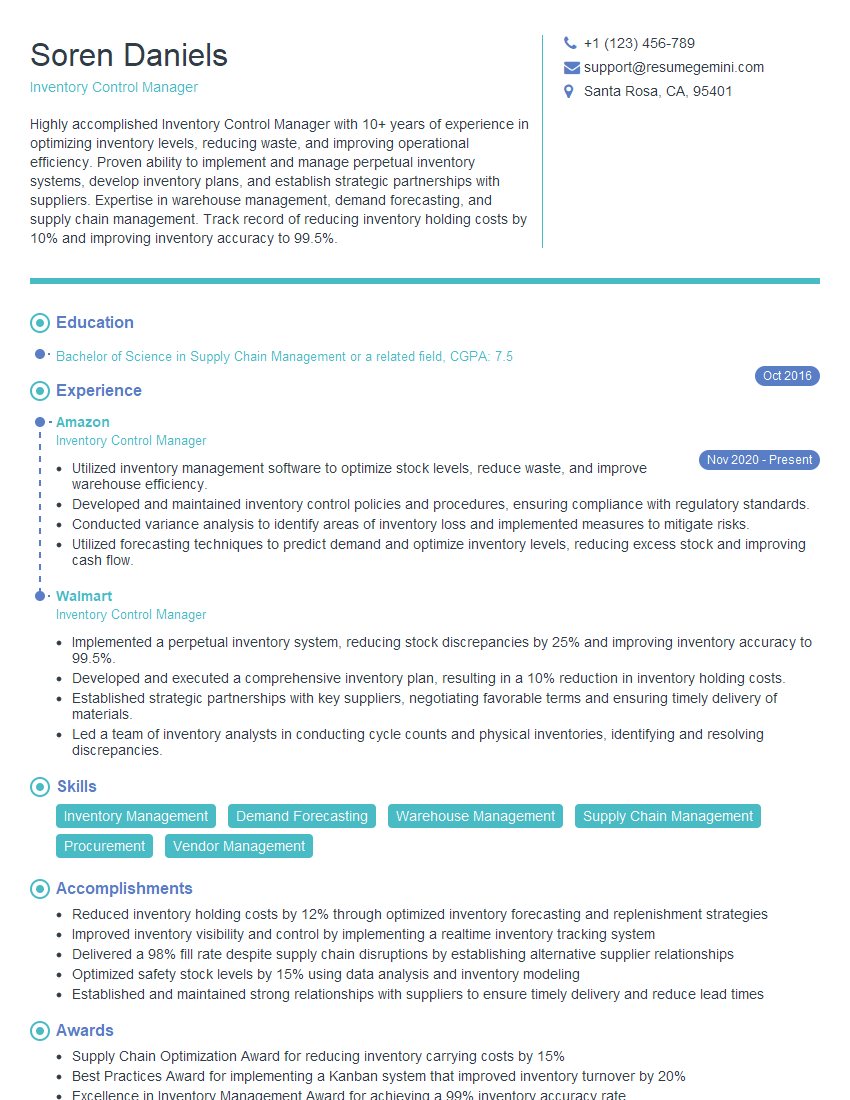
Inventory Control Manager Resume Sample

Stock Clerk Resume Sample

Inventory Control Specialist Resume Sample

Order Fulfillment Specialist Resume Sample

Shipping and Receiving Clerk Resume Sample
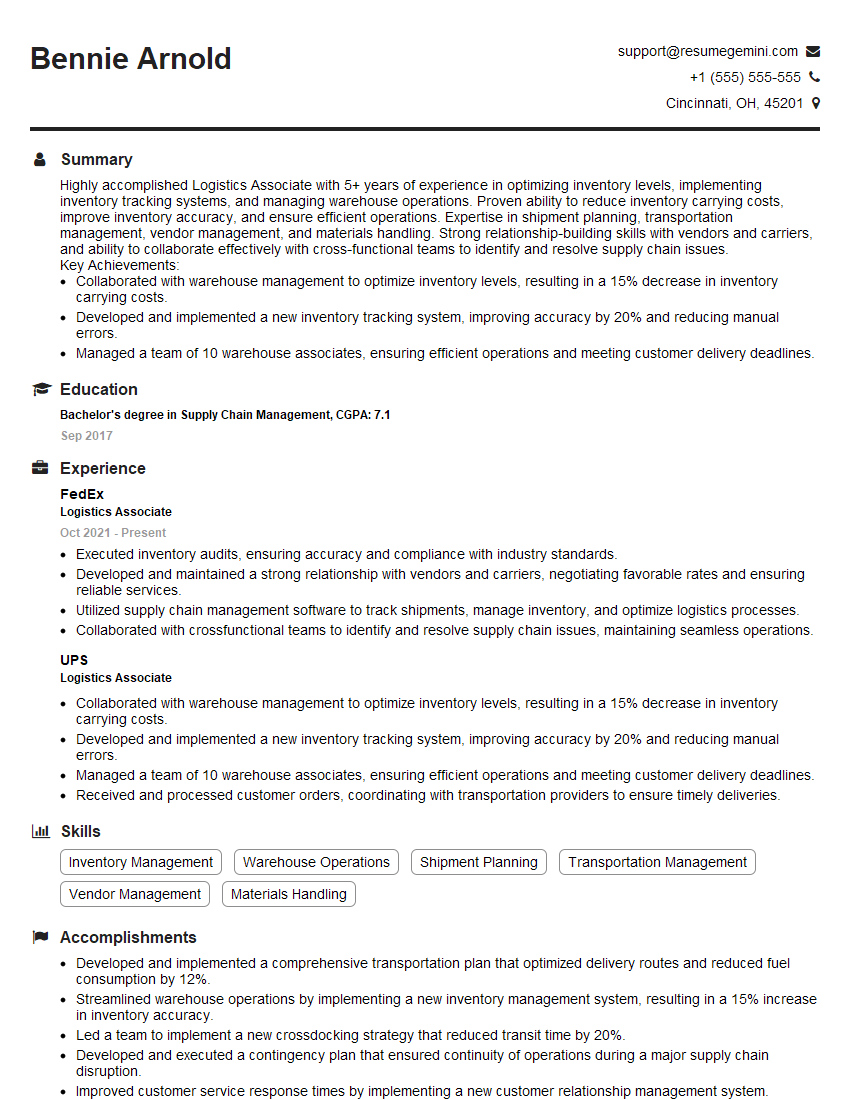
Logistics Associate Resume Sample
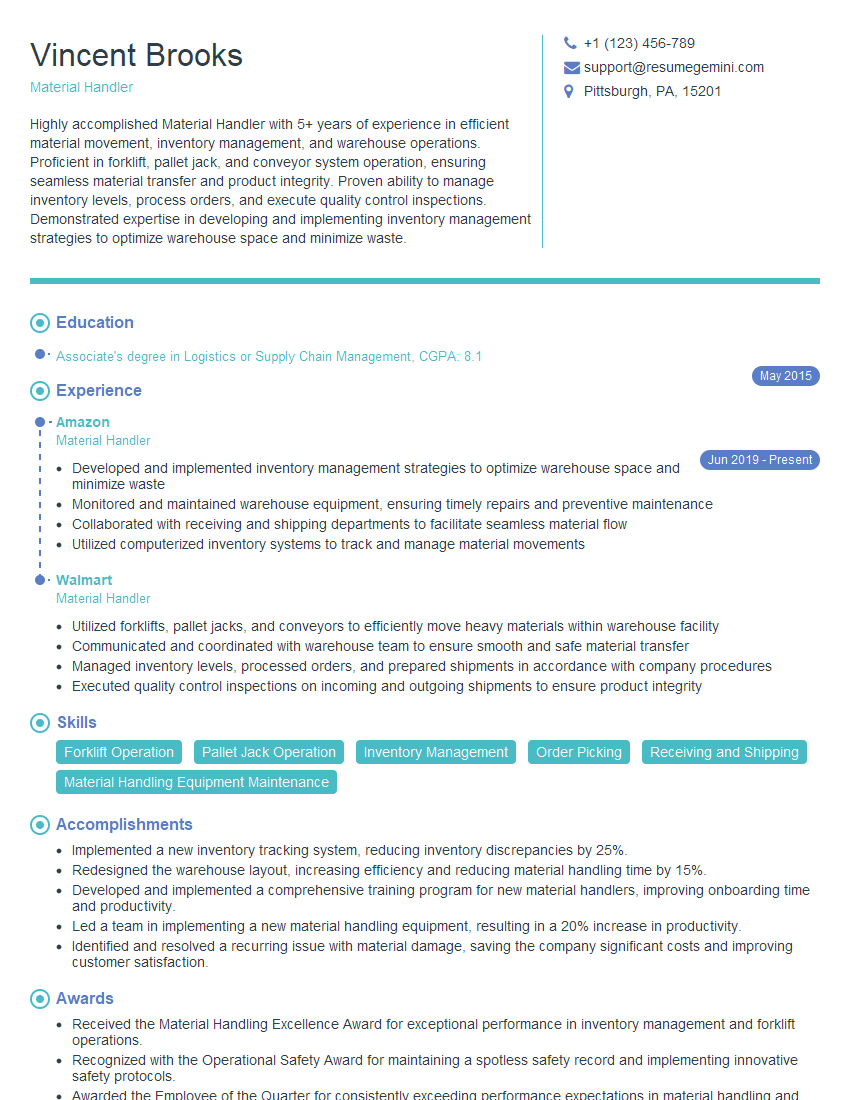
Material Handler Resume Sample
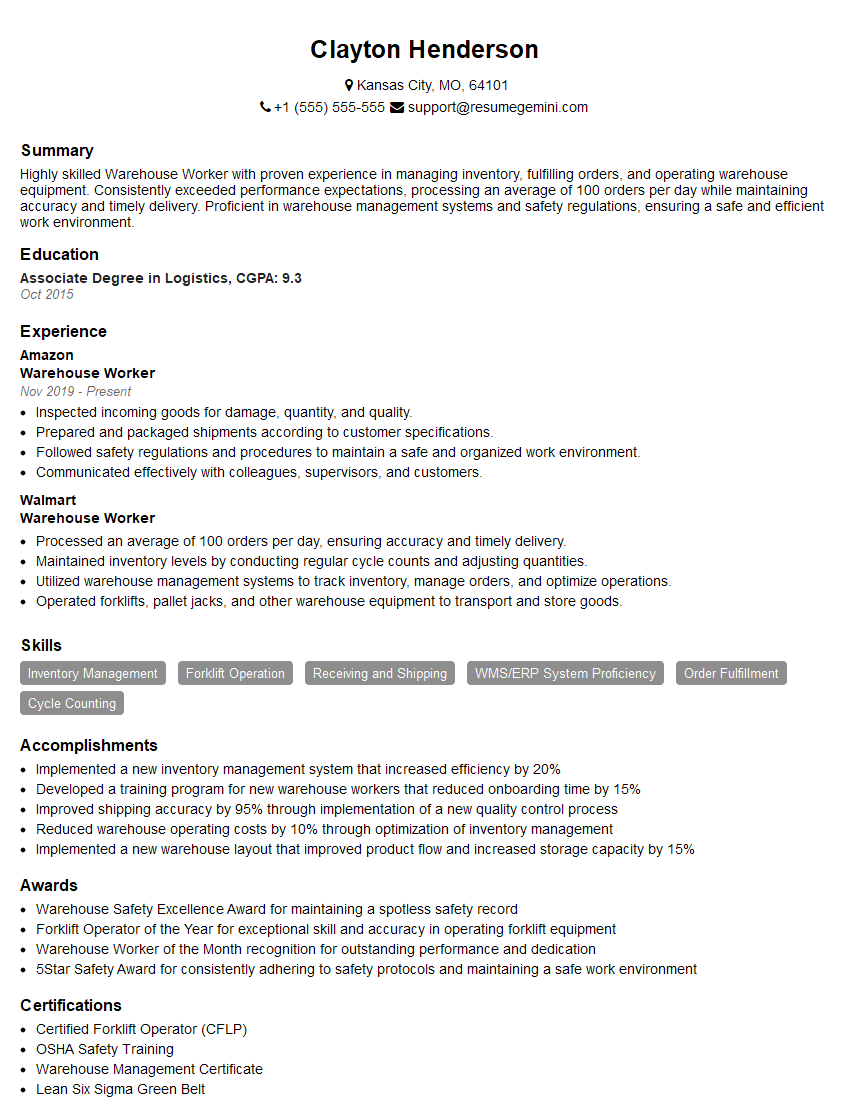
Warehouse Worker Resume Sample
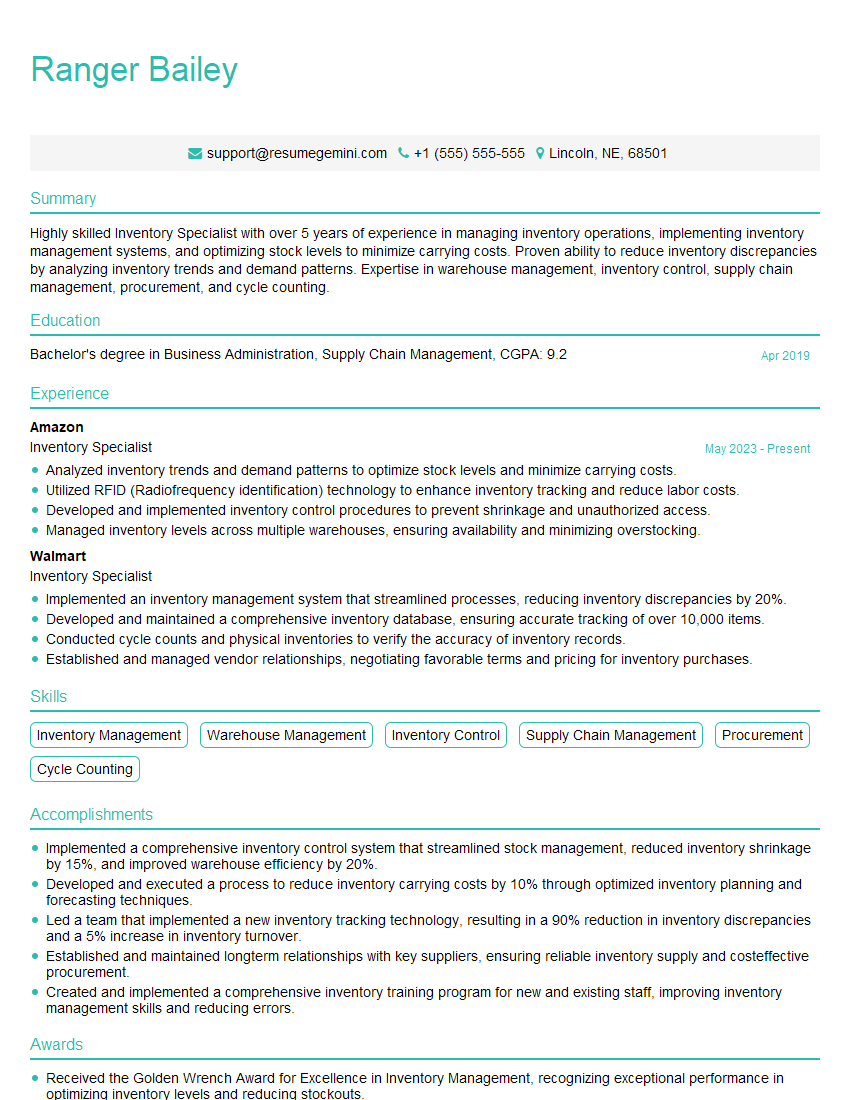
Inventory Specialist Resume Sample

Order Picker Resume Sample
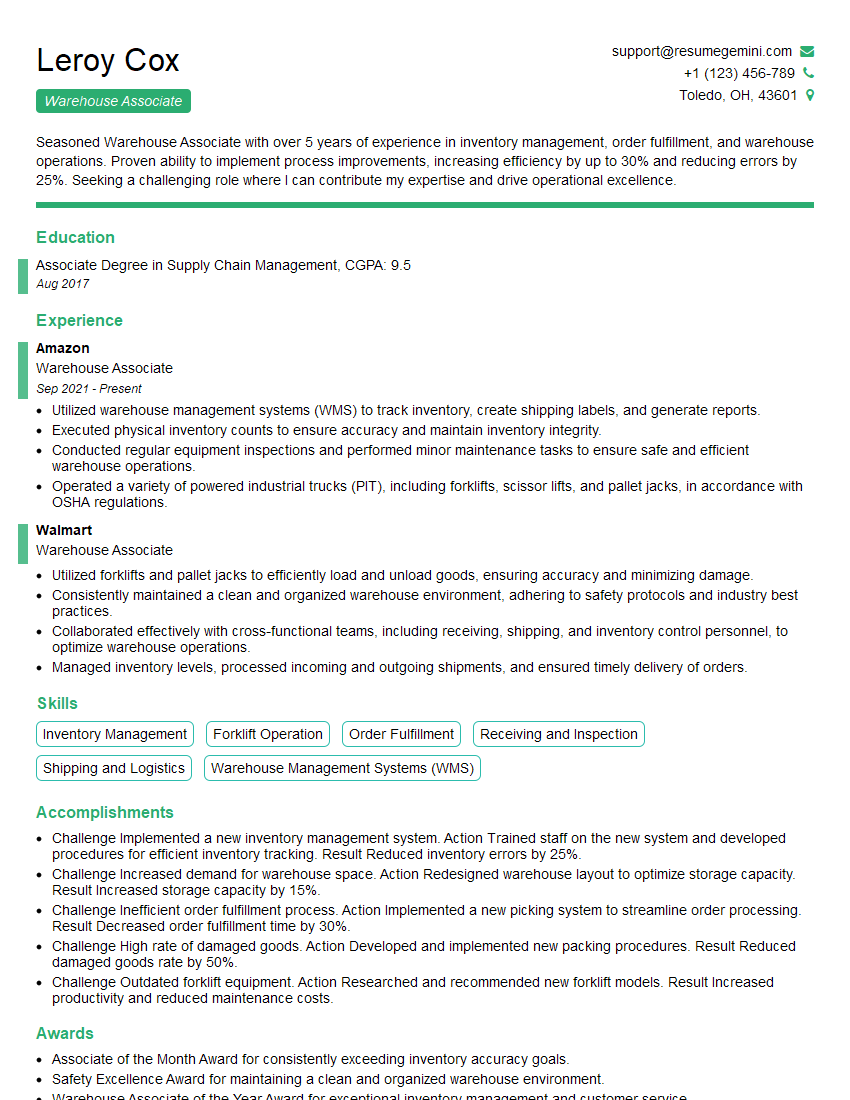
Warehouse Associate Resume Sample
- Warehouse Operations Manager
- Warehouse Supervisor
- Logistics Coordinator
- Inventory Analyst
- Logistics Specialist
- Supply Chain Specialist
- Inventory Manager
- Supply Chain Analyst
- Inventory Auditor
- Inventory Control Manager
- Stock Clerk
- Inventory Control Specialist
- Order Fulfillment Specialist
- Shipping and Receiving Clerk
- Logistics Associate
- Material Handler
- Warehouse Worker
- Inventory Specialist
- Order Picker
- Warehouse Associate
Explore more articles
Users Rating of Our Blogs
Share Your Experience
We value your feedback! Please rate our content and share your thoughts (optional).
What Readers Say About Our Blog
I Redesigned Spongebob Squarepants and his main characters of my artwork.
https://www.deviantart.com/reimaginesponge/art/Redesigned-Spongebob-characters-1223583608
IT gave me an insight and words to use and be able to think of examples
Hi, I’m Jay, we have a few potential clients that are interested in your services, thought you might be a good fit. I’d love to talk about the details, when do you have time to talk?
Best,
Jay
Founder | CEO