Every successful interview starts with knowing what to expect. In this blog, we’ll take you through the top Workspace Design interview questions, breaking them down with expert tips to help you deliver impactful answers. Step into your next interview fully prepared and ready to succeed.
Questions Asked in Workspace Design Interview
Q 1. Explain your experience with different workspace design methodologies (e.g., Agile, activity-based working).
My experience encompasses a wide range of workspace design methodologies, focusing on creating environments that boost productivity and employee well-being. I’ve successfully implemented both Agile and activity-based working (ABW) models in various projects.
Agile methodologies prioritize flexibility and iterative development. In workspace design, this translates to creating adaptable spaces that can easily be reconfigured to meet changing team needs. For example, I designed a workspace with modular furniture and easily re-partitionable walls for a tech startup, allowing them to seamlessly adjust their layout as teams evolved and project needs changed. This fostered collaboration and a dynamic work environment.
Activity-based working (ABW) focuses on designing spaces to support different work activities. This isn’t about assigning specific desks but about offering a variety of work settings – quiet zones for focused work, collaborative hubs for brainstorming, and social areas for informal interaction. In a recent project for a large financial institution, I implemented an ABW model, including quiet rooms, collaborative workspaces, and informal breakout areas. Post-implementation surveys showed a significant increase in employee satisfaction and productivity due to the tailored workspace options.
Beyond Agile and ABW, I’m also proficient in incorporating elements of lean design, biophilic design (integrating nature into the workspace), and evidence-based design (using data to inform design choices), tailoring my approach to the specific needs of each client and project.
Q 2. Describe your process for conducting space planning and needs assessments.
My space planning and needs assessment process is a thorough, multi-stage approach ensuring the final design perfectly aligns with the client’s needs and operational requirements.
- Phase 1: Discovery and Analysis: This involves detailed interviews with stakeholders across all levels, understanding their work styles, workflows, and technological requirements. We conduct space audits to assess existing facilities and identify inefficiencies. This phase also involves analyzing organizational charts, occupancy data, and future growth projections.
- Phase 2: Programming and Conceptual Design: Based on the data gathered, we develop a detailed space program, outlining the required square footage for each function, including private offices, open work areas, meeting rooms, and support spaces. We then develop initial conceptual designs, visualizing the layout and flow of the workspace.
- Phase 3: Design Development and Refinement: This stage involves creating detailed floor plans, elevations, and 3D models. We present several design options to the client, incorporating their feedback and iterative refinements. We also consider factors like accessibility, wayfinding, and building codes.
- Phase 4: Implementation and Post-Occupancy Evaluation: This phase manages the construction or renovation process, ensuring that the design is implemented according to specifications. Following completion, a post-occupancy evaluation is conducted to assess the success of the design and identify areas for improvement.
Throughout the entire process, effective communication and collaboration with the client are paramount. Regular updates, design reviews, and feedback sessions ensure that the final design meets expectations and addresses any unforeseen challenges.
Q 3. How do you incorporate ergonomic principles into your workspace designs?
Ergonomics is crucial for creating healthy and productive workspaces. I integrate ergonomic principles at every stage of the design process, focusing on the interaction between people and their work environment.
This includes specifying:
- Adjustable desks and chairs: Allowing users to customize their workspace to their individual needs.
- Proper lighting: Minimizing glare and eye strain with a mix of ambient, task, and accent lighting. Natural light is maximized whenever possible.
- Optimized monitor placement: Ensuring screens are at eye level and a comfortable distance away to prevent neck and back strain.
- Keyboard and mouse positioning: Promoting neutral wrist postures and reducing repetitive strain injuries.
- Adequate space: Ensuring sufficient personal space around work stations to avoid overcrowding and stress.
I also incorporate ergonomic assessments into the needs analysis phase, potentially involving ergonomic consultants to assess specific user requirements or concerns. Furthermore, I might offer workshops or training sessions to educate employees on proper posture and workstation setup.
Q 4. How familiar are you with building codes and regulations related to workspace design?
I am very familiar with building codes and regulations related to workspace design. My understanding includes ADA compliance (Americans with Disabilities Act), fire safety regulations, egress requirements, and local building codes. I collaborate closely with architects, engineers, and building inspectors throughout the design and construction process to ensure compliance with all applicable regulations.
For instance, I ensure that pathways for wheelchairs and other mobility devices are clearly marked and unobstructed, that emergency exits are easily accessible, and that proper ventilation systems are in place. Understanding these regulations is not just about meeting legal requirements; it’s about creating a safe and inclusive environment for all users. Ignoring these codes can lead to costly delays, legal issues, and, more importantly, safety risks.
Q 5. What software and tools are you proficient in for workspace design (e.g., AutoCAD, Revit, SketchUp)?
I’m proficient in several software applications commonly used in workspace design. My expertise includes:
- AutoCAD: For creating detailed 2D drawings, including floor plans, sections, and elevations.
- Revit: For developing 3D models and coordinating various building systems, facilitating collaboration with engineers and contractors.
- SketchUp: For quickly generating 3D visualizations and concept designs, allowing for easy client communication and design exploration.
- Space planning software: Such as (mention specific software like Planner 5D or similar if used). These programs enable efficient space allocation, furniture placement, and capacity analysis.
My proficiency in these tools allows me to efficiently generate high-quality design documents and effectively communicate my design vision to clients and contractors. I seamlessly integrate these tools within the project workflow, ensuring a smooth and efficient design process.
Q 6. Explain your understanding of Universal Design principles in a workplace context.
Universal design principles are fundamental to my approach. They aim to create spaces usable by all people, to the greatest extent possible, without the need for adaptation or specialized design. In a workplace context, this means designing spaces that cater to individuals with a wide range of abilities and needs, including those with physical disabilities, sensory sensitivities, or cognitive differences.
I integrate Universal Design principles by considering:
- Accessibility: Ensuring compliance with ADA guidelines, providing ramps, elevators, accessible restrooms, and clear wayfinding.
- Flexibility in use: Designing spaces adaptable to diverse needs, such as adjustable workstations, varied seating options, and easily navigable layouts.
- Simple and intuitive use: Creating clear signage, logical layouts, and easy-to-understand controls.
- Perceptible information: Utilizing clear visual cues, contrasting colors, and tactile elements for navigation and information access.
- Tolerance for error: Designing spaces that are forgiving of mistakes, minimizing the consequences of unintentional actions.
- Low physical effort: Minimizing the need for excessive physical exertion, incorporating ergonomic principles and readily accessible equipment.
By incorporating these principles, we create a welcoming and inclusive environment where all employees can thrive.
Q 7. Describe your approach to incorporating sustainable design practices into workspace projects.
Sustainable design is a core element of my practice. I strive to minimize the environmental impact of workspace projects throughout their lifecycle, from material selection to energy efficiency and waste reduction.
My approach includes:
- Material selection: Prioritizing sustainable and locally sourced materials with low environmental impact, such as recycled content, rapidly renewable resources, and materials with low embodied carbon.
- Energy efficiency: Incorporating energy-efficient lighting, HVAC systems, and appliances. Designing for optimal natural light and ventilation to reduce reliance on artificial systems.
- Water conservation: Specifying low-flow fixtures and implementing rainwater harvesting systems where feasible.
- Waste reduction: Minimizing construction waste through efficient design and material selection, and promoting recycling during the construction process.
- Indoor environmental quality: Creating healthy indoor environments with proper ventilation, air filtration, and the use of low-VOC (volatile organic compounds) materials.
- LEED Certification (or similar): Aiming for LEED certification or equivalent green building certifications whenever appropriate, demonstrating commitment to sustainability and enhancing the building’s value.
By integrating these sustainable practices, I create workspaces that are both environmentally responsible and contribute to the well-being of occupants.
Q 8. How do you manage project budgets and timelines for workspace design projects?
Managing project budgets and timelines in workspace design requires a meticulous approach. It starts with a thorough understanding of the client’s budget constraints and project scope. We use project management software to create detailed budget breakdowns, allocating funds to various stages – from initial design concepts and material sourcing to construction and final installations. Timelines are developed using Gantt charts, outlining key milestones and deadlines for each phase. Regular monitoring and reporting ensure we stay on track, proactively identifying potential cost overruns or schedule delays. For example, we might allocate 20% of the budget for unforeseen contingencies. If we notice a specific task is taking longer than anticipated, we immediately analyze the cause and implement corrective actions, potentially involving renegotiations with contractors or adjusting the scope. This proactive approach helps us to deliver projects within budget and on schedule, maintaining client satisfaction.
Q 9. How do you collaborate with clients and stakeholders to meet their workspace needs?
Collaboration is central to successful workspace design. We begin by actively listening to clients, understanding their organizational culture, workflow, and aspirations. We conduct workshops and interviews with key stakeholders to gather comprehensive information about their needs and preferences. We then present initial design concepts, seeking feedback at each stage. This iterative process ensures the final design truly reflects their vision. We utilize tools like online collaboration platforms to share design files, updates, and meeting minutes. Open communication and transparency are essential; we keep clients informed about the project’s progress, addressing any concerns promptly. For instance, during a recent project for a tech startup, we hosted several interactive sessions where employees could provide feedback on proposed layouts and layouts, ensuring the resulting design promoted both collaboration and individual focus.
Q 10. Describe a challenging workspace design project and how you overcame obstacles.
One challenging project involved designing a workspace for a rapidly expanding company in a historic building. The main obstacle was adapting a space with limited natural light and structural constraints to the client’s modern, open-plan requirements. To overcome this, we utilized advanced lighting design strategies, incorporating a mix of natural light maximization (through strategic window placement and light shelves) and artificial lighting systems that mimicked natural daylight. We employed clever spatial planning to maximize the available space while incorporating acoustic solutions to address potential noise issues from the open floor plan. We also worked closely with structural engineers to ensure the proposed modifications were feasible and safe. The result was a stunning and functional workspace that successfully integrated the building’s historical character with modern design principles. The client was delighted, and the project demonstrated our ability to overcome complex challenges while delivering exceptional results.
Q 11. How do you address acoustic concerns in workspace design?
Addressing acoustic concerns is critical for creating a productive workspace. We use a multi-pronged approach, incorporating various strategies at the design stage. This includes selecting sound-absorbing materials like acoustic panels and carpets to reduce reverberation. We strategically place furniture and partitions to create acoustic buffers between different zones. For open-plan offices, we often incorporate sound masking systems which generate a low-level ambient sound to mask disruptive noises. We also consult with acoustic engineers to conduct sound tests and ensure the final design meets specified noise levels. For example, the placement of quiet zones away from high-traffic areas is a key strategy. Careful consideration of material selection, like choosing thicker, denser materials for walls and ceilings, can also have a positive impact on noise reduction.
Q 12. Explain your approach to incorporating natural light and ventilation into workspace design.
Natural light and ventilation are essential for employee wellbeing and productivity. Our approach begins with maximizing natural light penetration through strategic window placement and the use of light shelves and skylights. We avoid obstructing views and ensure optimal light distribution throughout the space. We incorporate operable windows and natural ventilation systems whenever possible, creating a healthier and more comfortable environment. If natural ventilation isn’t feasible, we design highly efficient mechanical ventilation systems, ensuring adequate airflow and fresh air supply. Biophilic design principles, incorporating natural elements like plants, are also used to create a connection with nature and enhance the overall atmosphere. For example, designing a workspace around a central atrium to bring maximum daylight into the space is a great way to optimize natural light.
Q 13. How do you balance aesthetics and functionality in workspace design?
Balancing aesthetics and functionality is key to successful workspace design. It’s not about choosing one over the other, but rather integrating them seamlessly. We start by understanding the client’s brand identity and desired aesthetic, translating their vision into a design that is both visually appealing and efficient. We carefully select materials, furniture, and finishes that are not only beautiful but also durable, practical, and easy to maintain. The functionality of the space is paramount; the design must support the workflow and operational needs of the organization. For example, a visually stunning reception area might feature a sleek, modern design, but we also ensure it’s practical in terms of space, storage, and accessibility. We use mood boards and 3D modeling to visually communicate the design’s aesthetic qualities and spatial organization.
Q 14. What are your strategies for creating a positive and productive work environment?
Creating a positive and productive work environment involves considering various factors. We design spaces that encourage collaboration through the inclusion of communal areas and breakout spaces. We incorporate features that promote wellbeing, such as access to natural light, comfortable seating, and opportunities for movement. The use of biophilic design elements, such as plants and natural materials, can significantly improve mood and reduce stress. We ensure the design supports a variety of work styles, offering spaces for focused work, team collaboration, and informal interactions. Ergonomic considerations are incorporated into furniture selection and workspace layouts to prevent discomfort and promote healthy posture. A well-thought-out workspace can dramatically boost employee morale and productivity. For instance, providing quiet zones for focused work and collaborative spaces for brainstorming are vital parts of creating a positive working environment.
Q 15. How do you incorporate technology into your workspace designs?
Technology integration in workspace design isn’t just about adding gadgets; it’s about creating a seamless and efficient work environment. This involves careful consideration of several key areas.
- Connectivity: Reliable Wi-Fi, robust network infrastructure, and sufficient power outlets are fundamental. I always specify redundant systems to minimize downtime. For instance, in a recent project for a financial firm, we implemented a dual-fiber optic network to ensure uninterrupted trading operations.
- Collaboration Tools: Integrating video conferencing systems, interactive whiteboards, and collaborative software platforms (like Microsoft Teams or Google Workspace) is crucial for modern workspaces. The layout must support these technologies – for example, meeting rooms need to be equipped with proper audio-visual setups and comfortable seating arrangements.
- Automation & Smart Building Technologies: Incorporating smart lighting, temperature control, and access systems can enhance both productivity and employee well-being. For example, using sensors to adjust lighting based on occupancy optimizes energy efficiency and creates a more pleasant environment.
- Hardware & Software Integration: I carefully consider the hardware needs (laptops, desktops, printers) and ensure seamless integration with the chosen software. This includes providing sufficient desk space, ergonomic setups, and secure storage solutions.
Ultimately, technology should enhance, not hinder, the workspace experience. It’s about creating a flexible and adaptable environment that can easily accommodate future technological advancements.
Career Expert Tips:
- Ace those interviews! Prepare effectively by reviewing the Top 50 Most Common Interview Questions on ResumeGemini.
- Navigate your job search with confidence! Explore a wide range of Career Tips on ResumeGemini. Learn about common challenges and recommendations to overcome them.
- Craft the perfect resume! Master the Art of Resume Writing with ResumeGemini’s guide. Showcase your unique qualifications and achievements effectively.
- Don’t miss out on holiday savings! Build your dream resume with ResumeGemini’s ATS optimized templates.
Q 16. How do you stay current with the latest trends and technologies in workspace design?
Staying current in this dynamic field requires a multi-pronged approach.
- Industry Publications & Conferences: I regularly read publications like Interior Design and Contract magazine, and attend industry conferences such as NeoCon and Orgatec. These events provide insights into the latest trends, materials, and technologies.
- Online Resources & Networking: I actively engage with online communities, participate in webinars, and follow leading architects and designers on platforms like LinkedIn and Instagram. This keeps me updated on emerging best practices and innovative solutions.
- Site Visits & Case Studies: Visiting innovative workspaces and analyzing successful case studies provides invaluable real-world examples and inspiration. I recently visited a co-working space that implemented a biophilic design approach, integrating natural elements to boost employee well-being, which I found incredibly insightful.
- Continuing Education: I pursue continuous learning through workshops and online courses, focusing on areas like sustainable design, universal design, and technological advancements in workspace solutions.
By continuously learning and networking, I ensure that my designs are not only aesthetically pleasing but also functionally efficient and relevant to the current market demands.
Q 17. Explain your understanding of different workspace layouts (e.g., open plan, private offices).
Different workspace layouts cater to diverse organizational needs and work styles. Here’s a breakdown:
- Open Plan: This layout promotes collaboration and communication, creating a dynamic and social atmosphere. However, it can also lead to noise distractions and privacy concerns. Successful open-plan designs incorporate noise-reducing elements, quiet zones, and visually separated work areas to mitigate these challenges.
- Private Offices: These offer a high degree of privacy and concentration, ideal for tasks requiring focused attention. However, they can hinder communication and collaboration. Modern approaches often incorporate glass walls to maintain privacy while allowing natural light to penetrate and maintain a sense of openness.
- Hybrid Layouts: Many modern workspaces adopt a hybrid model, combining open areas with private offices, team rooms, and quiet zones. This approach offers flexibility and caters to diverse needs, allowing employees to choose the workspace that best suits their task at hand. It’s a common solution for balancing individual focus with team collaboration.
- Activity-Based Working (ABW): This approach provides a variety of work settings tailored to different activities. It might include quiet zones for focused work, collaborative areas for teamwork, and social hubs for informal interaction. ABW empowers employees to choose the most suitable environment for their tasks, improving productivity and well-being.
The optimal layout depends heavily on the organization’s culture, the nature of its work, and its employees’ preferences. A thorough needs assessment is crucial for selecting the most appropriate layout.
Q 18. How do you assess the impact of workspace design on employee wellbeing?
Assessing the impact of workspace design on employee wellbeing is critical for creating a productive and healthy work environment. This involves a multi-faceted approach:
- Ergonomics: Proper ergonomic assessments ensure that furniture and equipment are adjusted to individual needs, preventing musculoskeletal disorders. This includes adjustable desks, ergonomic chairs, and proper monitor placement.
- Lighting & Acoustics: Natural light, appropriate artificial lighting, and sound absorption materials are crucial for creating a comfortable and visually stimulating environment. Poor lighting and excessive noise can negatively impact focus, mood, and productivity.
- Air Quality & Temperature: Proper ventilation, temperature control, and air filtration systems are essential for maintaining a healthy indoor environment. Poor air quality can lead to headaches, fatigue, and respiratory issues.
- Biophilic Design: Incorporating natural elements like plants, natural light, and natural materials can reduce stress and improve mood, boosting employee wellbeing. Research demonstrates a positive correlation between biophilic design and increased productivity and reduced absenteeism.
- Employee Feedback & Surveys: Gathering feedback directly from employees is essential. Surveys and interviews can provide valuable insights into their experiences and preferences, informing design improvements.
By considering these factors, I aim to create workspaces that support employee health, happiness, and ultimately, productivity.
Q 19. Describe your experience with furniture selection and specification for workspaces.
Furniture selection and specification is a crucial aspect of workspace design. It’s not simply about aesthetics; it’s about ensuring comfort, functionality, and durability.
- Needs Assessment: I begin with a thorough understanding of the organization’s needs and workflow. This includes considering the types of work performed, the number of employees, and their individual ergonomic requirements.
- Ergonomic Considerations: I prioritize ergonomic principles in my selection, ensuring chairs offer proper lumbar support, desks are adjustable, and monitor placement is optimized to minimize strain.
- Durability & Maintainability: I choose durable and easy-to-maintain materials and finishes. This considers the anticipated usage and the long-term cost of ownership.
- Aesthetics & Branding: The furniture should align with the organization’s brand identity and create a cohesive and visually appealing workspace. This includes choosing appropriate colors, materials, and styles.
- Sustainability: I consider the environmental impact of the furniture, opting for sustainable materials and manufacturers committed to environmentally responsible practices.
- Space Planning & Layout: The furniture selection is closely tied to the overall space planning and layout to maximize efficiency and flow.
I work closely with furniture vendors to ensure that the chosen pieces meet the specified requirements and are delivered and installed on time and within budget.
Q 20. How do you handle design changes and revisions during a project?
Design changes and revisions are inevitable in any project. I manage them through a transparent and collaborative process.
- Open Communication: I maintain open and frequent communication with the client, keeping them informed of any changes or potential issues. Regular meetings and progress updates are essential.
- Version Control: I utilize design software with version control capabilities to track changes and revert to previous versions if necessary. This ensures a clear record of all modifications.
- Impact Assessment: For every proposed change, I assess its impact on the budget, timeline, and overall design integrity. This ensures that any modifications are well-considered and don’t compromise the project’s goals.
- Client Approval: All significant changes require the client’s approval before implementation. This ensures that the final design aligns with their vision and expectations.
- Contingency Planning: I build flexibility into the project schedule and budget to accommodate potential design revisions. This minimizes disruption and delays.
By proactively addressing changes and maintaining a collaborative approach, I ensure that the design process remains smooth and efficient, even in the face of unexpected revisions.
Q 21. Explain your experience in managing the construction and installation phases of workspace projects.
Managing the construction and installation phases requires meticulous planning, coordination, and oversight.
- Detailed Specifications: I provide detailed specifications for all construction and installation work, ensuring clarity for contractors and subcontractors. This includes materials, finishes, and installation procedures.
- Contractor Selection & Management: I carefully select experienced and reputable contractors, ensuring they have the necessary licenses and insurance. Regular site visits and progress meetings are crucial for monitoring the work and addressing any issues promptly.
- Project Scheduling & Budgeting: I develop a detailed project schedule and budget, tracking progress against the timeline and budget throughout the construction and installation phases. This includes contingency planning for potential delays or cost overruns.
- Quality Control: I conduct regular quality control inspections to ensure that the work is being executed according to the specifications and meets the required standards. This helps to identify and rectify any problems before they escalate.
- Health & Safety: I prioritize health and safety throughout the project, ensuring that all contractors comply with relevant safety regulations and procedures. This includes regular safety inspections and training for the construction team.
My experience includes overseeing projects ranging from small office renovations to large-scale corporate headquarters. Success relies on proactive communication, detailed planning, and a commitment to quality control.
Q 22. How do you ensure that a workspace design is accessible to people with disabilities?
Accessibility in workspace design isn’t just about compliance; it’s about creating an inclusive environment where everyone can thrive. It’s about ensuring that the design caters to the needs of individuals with a wide range of disabilities, including visual, auditory, motor, and cognitive impairments.
- Visual Accessibility: This involves incorporating features like sufficient lighting, clear signage with high contrast, and providing alternative text for images and videos. For example, we’d use tactile paving for wayfinding and ensure sufficient color contrast between text and background on digital displays.
- Auditory Accessibility: This means minimizing background noise, providing visual alerts alongside auditory ones (like flashing lights with alarms), and ensuring clear audio in meeting rooms with appropriate sound dampening and hearing loop systems. We consider the needs of individuals who are deaf or hard of hearing.
- Motor Accessibility: This focuses on creating a space that is navigable for wheelchair users and those with mobility issues. This includes ramps, wider doorways, accessible restrooms, and adjustable-height desks and furniture. We would also ensure appropriate clearances around furniture to allow for maneuverability.
- Cognitive Accessibility: This aspect involves simplifying navigation, providing clear and consistent wayfinding, using easy-to-understand signage, and avoiding sensory overload. We might incorporate calming colors and incorporate visual cues to aid orientation and organization.
We always adhere to relevant accessibility standards like the ADA (Americans with Disabilities Act) or equivalent international standards, ensuring that the design is not only compliant but also genuinely inclusive.
Q 23. What are your strategies for maximizing space utilization in a workspace?
Maximizing space utilization is a crucial aspect of efficient workspace design, balancing employee needs with cost-effectiveness. My strategies involve a multi-pronged approach:
- Space Planning Software: I utilize sophisticated space planning software to optimize layouts, ensuring efficient use of every square foot. This allows for virtual experimentation with different configurations before committing to a physical design.
- Activity-Based Working (ABW): Implementing ABW encourages employees to choose the workspace that best suits their task. This might include quiet zones for focused work, collaborative areas for teamwork, and social hubs for informal interactions. This approach often leads to a more efficient use of space as it eliminates the need for every employee to have a dedicated, private workspace.
- Flexible Furniture: Using modular furniture and adaptable workstations allows for easy reconfiguration to accommodate changing needs and team sizes. Think height-adjustable desks, easily movable partitions, and stackable chairs.
- Multi-Functional Spaces: Designing spaces that serve multiple purposes (e.g., a training room that can also be used for events) is key. This minimizes wasted space and increases overall efficiency.
- Vertical Space Optimization: Utilizing vertical space with multi-level shelving, loft areas (where appropriate), or even vertical gardens can significantly increase usable space in smaller buildings.
For example, in a recent project, we used ABW principles and flexible furniture to reduce the required office space by 25%, significantly lowering the client’s operating costs without compromising employee productivity or comfort.
Q 24. How do you measure the success of a workspace design project?
Measuring the success of a workspace design project goes beyond just aesthetics; it’s about evaluating its impact on employee well-being, productivity, and the overall business goals. We employ a multifaceted approach:
- Employee Surveys and Feedback: Gathering feedback through anonymous surveys and focus groups is crucial for understanding employee satisfaction with the new space. This includes assessing factors like comfort, noise levels, lighting, and ease of collaboration.
- Productivity Metrics: Tracking key performance indicators (KPIs) before and after the redesign helps measure any improvements in productivity. This could involve analyzing sales figures, project completion rates, or employee absenteeism.
- Space Utilization Data: Analyzing data on how different areas of the workspace are used (e.g., through occupancy sensors) provides insights into space efficiency and informs future design iterations.
- Qualitative Observations: Conducting regular observations of how employees interact with the space helps identify areas for improvement and assess the overall atmosphere.
- Return on Investment (ROI): Finally, we quantify the overall financial impact of the project, considering factors like reduced operating costs (from smaller space requirements), increased productivity, and improved employee retention.
By combining quantitative and qualitative data, we can build a comprehensive picture of the project’s success and identify areas for continued improvement.
Q 25. Describe your understanding of workplace culture and how it influences design decisions.
Workplace culture is the lifeblood of an organization, and it profoundly impacts design decisions. It’s not just about aesthetics; it’s about reflecting the company’s values, fostering collaboration, and enhancing employee well-being.
Understanding the culture involves analyzing several aspects:
- Communication Styles: Is the company collaborative, hierarchical, or a mix? This influences the design of meeting rooms, individual workspaces, and communal areas.
- Work Styles: Are employees mostly independent or do they need frequent collaboration? This dictates the choice of furniture, technology, and the overall layout of the space.
- Company Values: Does the company prioritize innovation, sustainability, or a particular aesthetic? These values should be reflected in the materials chosen, the overall design, and even the color palette.
- Employee Demographics: Understanding the age range, cultural backgrounds, and any particular needs of the employees ensures the space is inclusive and welcoming to everyone.
For instance, a tech startup with a collaborative and informal culture might benefit from an open-plan office with collaborative workspaces and breakout areas, while a law firm might prefer a more traditional layout with individual offices to prioritize privacy and confidentiality.
Q 26. Explain your approach to presenting design concepts and proposals to clients.
Presenting design concepts effectively is critical for securing client approval. My approach is based on clear communication, visual storytelling, and active collaboration:
- Initial Consultation and Needs Assessment: I begin with a thorough understanding of the client’s needs, goals, and budget. This involves open discussions to gather detailed information.
- Mood Boards and Concept Sketches: I present initial design concepts through mood boards, sketches, and 3D renderings to visually communicate the overall aesthetic and feel of the space. This allows the client to visualize the design quickly.
- Detailed Presentations with Floor Plans and Specifications: Once initial concepts are approved, I present detailed plans including floor plans, furniture specifications, material selections, and lighting designs. This phase includes discussing the rationale behind each design decision.
- Interactive Mock-ups and Virtual Tours: Utilizing virtual reality (VR) or augmented reality (AR) technology allows clients to experience the space before it’s built, enabling better decision-making and reducing potential surprises.
- Cost Breakdown and Budgeting: A clear and transparent cost breakdown is presented alongside the design, providing a realistic understanding of the project’s financial implications.
- Open Communication and Collaboration: Throughout the process, I maintain open lines of communication and actively encourage client feedback to ensure the design aligns with their vision.
By combining visual presentations with detailed explanations and active client engagement, I aim to ensure that the final design is not only aesthetically pleasing but also fully meets the client’s functional and budgetary requirements.
Q 27. How do you incorporate flexibility and adaptability into your workspace designs?
Incorporating flexibility and adaptability into workspace designs is crucial for accommodating future changes in technology, team structures, and business needs. My strategies include:
- Modular Furniture Systems: Using furniture that can be easily reconfigured and re-purposed allows for adjustments in response to evolving workplace needs. This includes modular desks, movable partitions, and easily adjustable storage solutions.
- Flexible Layouts: Designing open-plan spaces with flexible partitions and easily reconfigurable areas provides the flexibility to adapt to changing team sizes and workflows. This allows for quick adjustments as needed.
- Technology Infrastructure: Investing in robust technology infrastructure that can support various devices and communication systems allows employees to easily work from different locations within the space. This includes ample data ports, strong Wi-Fi coverage, and smart building technologies.
- Future-Proofing Design: Anticipating future technology and work trends is critical. This means designing spaces that can accommodate new technologies and adapt to new ways of working.
- Sustainable Materials and Design: Choosing sustainable materials and implementing adaptable design features not only helps reduce environmental impact, but it also ensures the design’s longevity and adaptability to different needs and uses over time.
For example, a design might incorporate easily movable walls to adjust the size of meeting rooms as teams grow or shrink. Likewise, a robust technology infrastructure can accommodate an increase in remote workers or the adoption of new technologies.
Q 28. How do you handle conflicts between design goals and budgetary constraints?
Balancing design goals with budgetary constraints is a constant challenge in workspace design. My approach involves a collaborative and iterative process:
- Prioritization and Value Engineering: I work with the client to prioritize design features and identify areas where cost savings can be achieved without compromising the overall design goals. This involves careful analysis of the budget and identifying areas for potential cost reduction.
- Alternative Material and Furniture Selection: Exploring different material and furniture options allows for finding cost-effective alternatives without sacrificing quality or aesthetics. This involves researching a wide range of options to find the right balance.
- Phased Implementation: Breaking down the project into phases allows for a more manageable budget and the flexibility to adjust the design based on the available funds. This is a common strategy to allow for gradual improvements.
- Open Communication and Transparency: Maintaining open communication with the client throughout the process is critical to ensure everyone is aware of any trade-offs and compromises needed to stay within budget.
- Value-Based Design: Focusing on the value each design element brings to the overall project enables informed decision-making, ensuring that investments are aligned with the client’s needs and priorities.
For example, we might choose a less expensive but equally durable flooring material or opt for a phased approach to furniture acquisition, gradually adding pieces as the budget allows. The key is to find creative solutions that maintain the integrity of the design while respecting the financial limitations.
Key Topics to Learn for Workspace Design Interview
- Space Planning & Programming: Understanding client needs, analyzing workflows, and developing functional space plans. This includes practical application in software like AutoCAD or Revit.
- Ergonomics & Workplace Wellness: Designing spaces that promote employee health and well-being, considering factors like posture, lighting, and acoustics. This involves understanding and applying ergonomic principles to real-world office layouts.
- Interior Design Principles: Applying aesthetic principles like color theory, material selection, and lighting design to create engaging and functional workspaces. Practical application involves creating mood boards and material palettes.
- Sustainability & LEED Certification: Incorporating sustainable design strategies and understanding LEED principles for environmentally responsible workspace design. This might involve case studies of sustainable office builds.
- Technology Integration: Designing spaces that effectively integrate technology, considering aspects like cabling, power distribution, and AV systems. This includes understanding the needs of different technologies within the workplace.
- Accessibility & Universal Design: Designing inclusive spaces that accommodate individuals with disabilities, following ADA guidelines and universal design principles. This involves understanding and implementing accessible design features.
- Project Management & Collaboration: Understanding project timelines, budgets, and client communication within the context of workspace design. This encompasses effective team collaboration and problem-solving strategies.
- Building Codes & Regulations: Familiarity with relevant building codes and regulations impacting workspace design. This includes understanding and adhering to safety regulations and legal requirements.
Next Steps
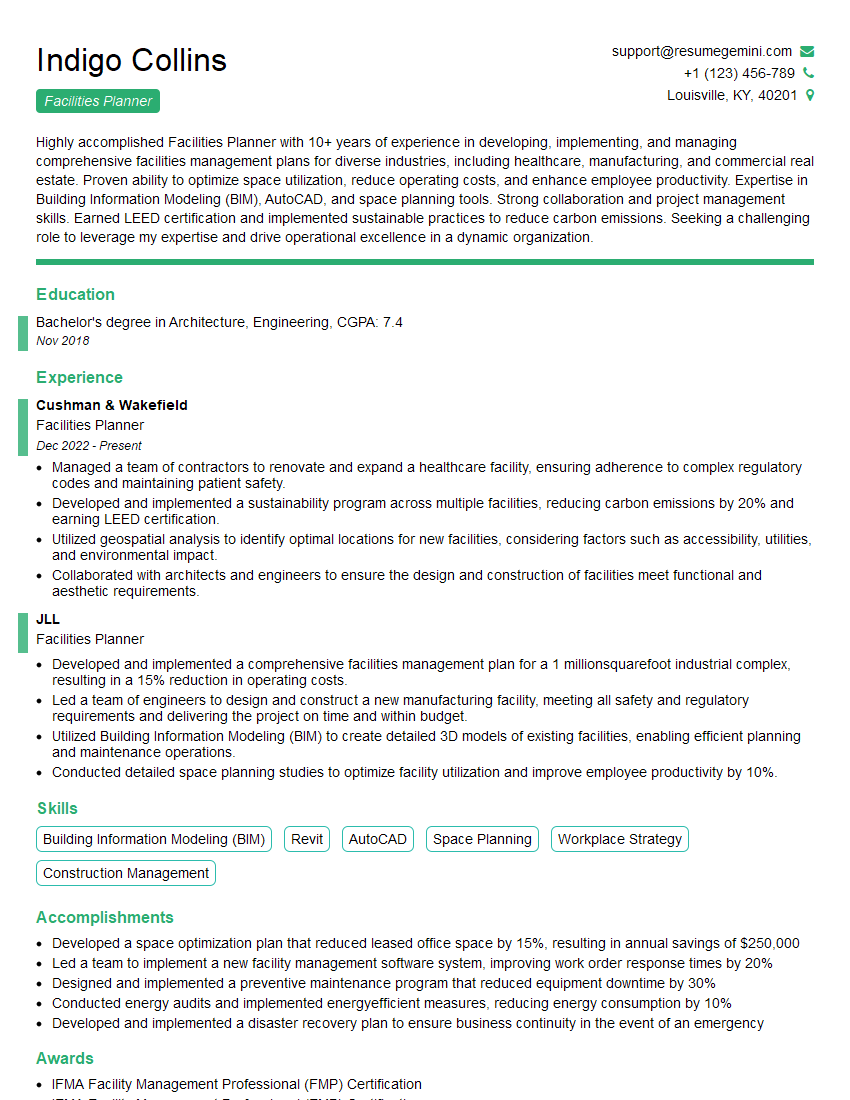
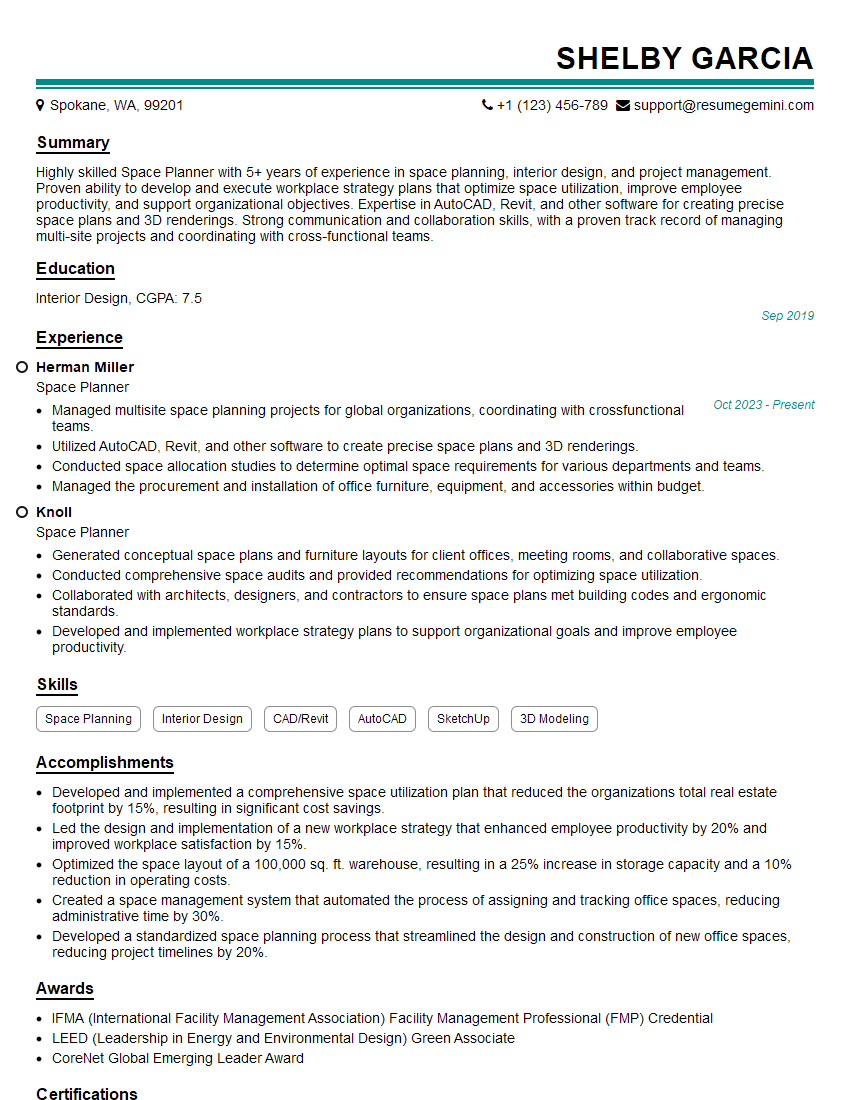
Mastering Workspace Design opens doors to exciting career opportunities in a dynamic and ever-evolving field. A strong understanding of these key concepts will significantly enhance your interview performance and career prospects. To maximize your chances of landing your dream job, creating an ATS-friendly resume is crucial. ResumeGemini is a trusted resource to help you build a professional and impactful resume that highlights your skills and experience effectively. Examples of resumes tailored to Workspace Design are available to guide you. Take advantage of these resources to present yourself in the best possible light and confidently navigate the interview process.
Explore more articles
Users Rating of Our Blogs
Share Your Experience
We value your feedback! Please rate our content and share your thoughts (optional).
What Readers Say About Our Blog
I Redesigned Spongebob Squarepants and his main characters of my artwork.
https://www.deviantart.com/reimaginesponge/art/Redesigned-Spongebob-characters-1223583608
IT gave me an insight and words to use and be able to think of examples
Hi, I’m Jay, we have a few potential clients that are interested in your services, thought you might be a good fit. I’d love to talk about the details, when do you have time to talk?
Best,
Jay
Founder | CEO