Cracking a skill-specific interview, like one for Collaborate with Team Members, requires understanding the nuances of the role. In this blog, we present the questions you’re most likely to encounter, along with insights into how to answer them effectively. Let’s ensure you’re ready to make a strong impression.
Questions Asked in Collaborate with Team Members Interview
Q 1. Describe your preferred method for conflict resolution within a team.
My preferred method for conflict resolution is a collaborative, solution-focused approach. I believe in addressing conflicts directly and respectfully, focusing on the issue at hand rather than assigning blame. I typically follow these steps:
- Active Listening: I begin by actively listening to each person’s perspective, ensuring everyone feels heard and understood. This often involves paraphrasing to confirm understanding and demonstrating empathy.
- Identify the Root Cause: Once everyone has had a chance to express their views, we collaboratively identify the root cause of the conflict. This helps move past surface-level disagreements and address the underlying problem.
- Brainstorm Solutions: Together, we brainstorm potential solutions, encouraging creativity and collaboration. No idea is dismissed outright at this stage; we focus on generating a range of possibilities.
- Evaluate and Select: We evaluate the proposed solutions based on their feasibility, impact, and alignment with team goals. We strive for a solution that is mutually acceptable and addresses the root cause effectively.
- Implement and Monitor: Once a solution is selected, we implement it and monitor its effectiveness. Regular check-ins ensure the solution is working as intended and adjustments can be made if needed.
For example, in a previous project, two team members had a disagreement about the best approach to data analysis. By following these steps, we identified that the root cause was a misunderstanding of each other’s expertise. We collaboratively chose a hybrid approach, leveraging both their strengths, which ultimately resulted in a more robust analysis and strengthened their working relationship.
Q 2. How do you handle disagreements with team members?
I handle disagreements with team members by focusing on constructive dialogue and finding common ground. I believe that disagreements are opportunities for growth and improvement, as long as they are addressed respectfully and professionally. My approach involves:
- Open and Honest Communication: I initiate a private conversation, ensuring a safe space for open and honest discussion. I encourage the team member to express their concerns and perspectives without interruption.
- Focus on Facts and Data: I steer the conversation toward objective facts and data to avoid emotional arguments. This helps to ground the discussion in reality and move beyond subjective opinions.
- Seek Understanding: I actively listen to understand the team member’s viewpoint, even if I don’t initially agree. Empathy is crucial in resolving disagreements.
- Find Common Ground: I look for areas of agreement to build a foundation for compromise. Often, there’s more common ground than initially perceived.
- Collaborative Problem-Solving: We work together to find a solution that accommodates everyone’s needs and goals as much as possible. This ensures that everyone feels valued and heard.
For instance, I once had a disagreement about project timelines with a team member. By focusing on the facts (project deadlines, available resources), and actively listening to their concerns (personal capacity), we found a solution that adjusted the workload and timeline to be more realistic and manageable.
Q 3. Explain a time you had to persuade a team member to adopt a different approach.
In a previous project, we were developing a new marketing campaign. One team member strongly advocated for a solely digital approach, while I believed a blended approach (digital and traditional) would be more effective given our target demographic. To persuade them, I:
- Presented Data: I presented market research data showing the effectiveness of a multi-channel strategy with our target audience, highlighting the limitations of a purely digital approach for reaching certain segments.
- Acknowledged Their Concerns: I acknowledged their valid points about the cost and time involved in traditional marketing, showing that I understood their perspective.
- Proposed a Compromise: Instead of forcing my approach, I proposed a hybrid strategy that incorporated elements of both digital and traditional marketing, allowing us to reach a broader audience while remaining cost-effective. This compromise addressed their concerns while achieving our overall marketing goals.
- Emphasized Collaboration: I highlighted the importance of teamwork and collaboration, emphasizing that we could work together to optimize both channels for maximum impact. This strengthened our working relationship and fostered a sense of shared ownership.
This approach successfully persuaded the team member to adopt the blended strategy. The campaign’s success ultimately validated the blended approach, reinforcing the importance of collaborative decision-making and data-driven strategies.
Q 4. How do you ensure all team members are contributing effectively?
Ensuring all team members contribute effectively involves a combination of proactive strategies and supportive interventions. I use a multi-faceted approach that includes:
- Clear Roles and Responsibilities: Clearly defined roles and responsibilities ensure everyone understands their contribution and how it fits into the bigger picture. This minimizes confusion and overlaps.
- Regular Check-ins: Regular one-on-one meetings allow me to monitor individual progress, address any roadblocks, and offer support as needed. This ensures early identification of potential issues.
- Delegation: I delegate tasks based on individual skills and strengths, maximizing team efficiency and providing opportunities for growth.
- Open Communication: An open communication channel allows team members to freely express concerns or challenges, fostering a supportive and collaborative environment.
- Performance Feedback: Regular performance feedback (both positive and constructive) helps team members to stay on track and develop their skills.
- Team Building Activities: Team-building activities help foster a strong team spirit and camaraderie, promoting collaboration and mutual support.
For example, in one project, I noticed one team member struggling with a specific task. Through regular check-ins, I identified the root cause – a lack of training. I provided additional training and support, resulting in a significant improvement in their contribution.
Q 5. Describe your experience working in a cross-functional team.
I have extensive experience working in cross-functional teams. In my previous role, I was part of a team that included members from marketing, sales, engineering, and product development, all working together to launch a new product. Success in this environment requires a high degree of adaptability, strong communication skills, and a collaborative spirit. Specifically, my experience involved:
- Understanding Diverse Perspectives: Learning to appreciate the unique perspectives and priorities of each team member from different departments was critical. This required active listening and empathy.
- Effective Communication: Utilizing various communication methods, such as regular meetings, email updates, and project management software, ensured everyone was informed and aligned.
- Navigating Conflicts: Resolving conflicts effectively, often arising from differing priorities or approaches, was a regular task, requiring compromise and a solution-oriented mindset.
- Building Consensus: Successfully navigating diverse viewpoints and building consensus around key decisions was crucial to the project’s success. This involved clear communication, negotiation, and a willingness to compromise.
This experience solidified my understanding of the importance of clear communication, mutual respect, and a shared vision in cross-functional teams. The successful launch of the new product directly resulted from the collaborative efforts and effective communication across all departments.
Q 6. How do you facilitate effective communication within a team?
Facilitating effective communication within a team is essential for success. My approach incorporates several key strategies:
- Establish Clear Communication Channels: Defining preferred methods for communication (email, instant messaging, project management tools, regular meetings) ensures everyone knows how and when to communicate.
- Regular Team Meetings: Regular meetings provide a platform for updates, discussions, and problem-solving. This keeps everyone informed and aligned.
- Active Listening and Feedback: Encouraging active listening and providing constructive feedback create a safe space for open communication and idea sharing.
- Transparency and Openness: Promoting transparency and openness about project progress, challenges, and decisions builds trust and fosters collaboration.
- Utilizing Technology Effectively: Using project management tools, shared documents, and communication platforms streamlines communication and improves efficiency.
- Non-Verbal Communication Awareness: Paying attention to body language and tone of voice enhances understanding and avoids miscommunication.
For instance, in a previous team, we implemented a daily stand-up meeting to share progress and address immediate roadblocks. This simple practice significantly improved communication and team efficiency.
Q 7. How do you handle a situation where a team member is underperforming?
Addressing underperformance requires a sensitive yet firm approach, focused on support and improvement. My strategy involves:
- Identify the Issue: I first identify the specific areas of underperformance through observation, performance reviews, and direct conversations. Understanding the root cause is crucial.
- Private Conversation: I schedule a private meeting to discuss the concerns, ensuring a safe and comfortable environment for open dialogue. I focus on specific behaviors and performance metrics, not personal attacks.
- Active Listening and Understanding: I actively listen to the team member’s perspective, seeking to understand potential underlying issues like lack of training, resources, or personal challenges.
- Develop an Improvement Plan: Collaboratively, we develop a specific improvement plan with clear goals, timelines, and support systems. This may include additional training, mentorship, or adjustments to workload.
- Regular Check-ins and Support: I provide regular check-ins and ongoing support to monitor progress, offer guidance, and address any new challenges.
- Documentation: I maintain clear documentation of the concerns, improvement plan, and progress, protecting both the team member and the organization.
- Performance Management Process: If the underperformance persists despite support, I follow established performance management processes within the organization.
For example, I once worked with a team member whose performance slipped due to personal issues. By actively listening, offering support, and working together on an improvement plan, we successfully addressed the underlying issues, and their performance improved significantly.
Q 8. Describe a time you had to delegate tasks effectively.
Effective delegation involves entrusting tasks to team members based on their skills and experience, ensuring clear communication and providing the necessary support. It’s not just about offloading work, but strategically assigning responsibilities to maximize team efficiency and individual development.
For example, during a website redesign project, I had a tight deadline. Instead of doing all the content updates myself, I assessed my team. Sarah, a strong writer, was assigned blog post updates; John, a skilled designer, handled image optimization; and Maria, proficient in SEO, managed keyword integration. I provided each with clear guidelines, deadlines, and access to the necessary resources. Regular check-ins ensured everyone stayed on track. This delegation not only met the deadline but also empowered my team, fostering their growth and increasing their ownership in the project’s success.
Q 9. How do you manage expectations within a team?
Managing expectations within a team requires clear, open communication and a shared understanding of goals, roles, and responsibilities. This involves setting realistic deadlines, regularly updating the team on progress, and actively soliciting feedback. Addressing concerns proactively and honestly is vital. Transparency fosters trust and prevents misunderstandings that can lead to conflict or decreased morale.
I use a combination of regular team meetings, project management software (like Asana or Trello) to track progress, and one-on-one check-ins to maintain open communication. I make sure to clearly define roles and responsibilities at the project’s outset, and consistently communicate any changes or updates. If a deadline needs adjusting, I explain the reasons behind the change to ensure buy-in from the team.
Q 10. How do you stay organized and manage your workload when collaborating on a large project?
Staying organized and managing workload on large projects requires a structured approach. This involves utilizing project management tools, defining clear milestones, breaking down large tasks into smaller, manageable ones, and consistently prioritizing tasks based on urgency and importance.
For instance, I utilize project management software to create a detailed project plan, outlining milestones, tasks, assigned individuals, and deadlines. This plan serves as a centralized hub for everyone. I also employ time management techniques like the Pomodoro Technique to stay focused and avoid burnout. Regular team meetings ensure we’re all aligned and any roadblocks are identified and addressed promptly. Finally, I encourage open communication so that unexpected delays or issues can be addressed collaboratively.
Q 11. Describe a time you had to make a difficult decision that impacted your team.
Making difficult decisions that impact a team requires careful consideration, empathy, and transparent communication. The process often involves gathering input, weighing various options, and understanding the potential consequences of each decision before making a choice that prioritizes the overall well-being and success of the team.
In one instance, I had to make the difficult decision to reassign a key project component to a different team member due to consistent underperformance. It wasn’t easy, as this member was highly valued and the reassignment meant additional pressure on another. I addressed the situation directly, explained the reasons for my decision, offering support and a clear plan for improvement. This open and honest communication, coupled with ongoing support for both team members involved, ultimately proved successful. While initially met with some apprehension, the team ultimately understood the reasoning behind the decision and the long-term benefit to the project’s overall success.
Q 12. How do you measure the success of a team project?
Measuring the success of a team project depends on pre-defined goals and objectives. Success isn’t solely determined by completing the project on time and within budget, but also by evaluating the quality of the work, team collaboration, and the overall impact achieved.
We use a combination of metrics, including: on-time and within-budget completion, customer satisfaction (through surveys or feedback), quality control assessments (testing and review), and internal team feedback surveys to assess collaboration and morale. This multifaceted approach provides a comprehensive picture of the project’s success.
Q 13. How do you identify and leverage the strengths of your team members?
Identifying and leveraging team member strengths involves understanding individual capabilities and aligning tasks accordingly. This necessitates regular communication, feedback, and observation of each team member’s performance. Empowering individuals to utilize their strengths boosts morale and improves project outcomes.
I utilize a combination of techniques, including: conducting team skills assessments early on in a project, encouraging open communication about individual strengths and preferences, and actively observing team members during tasks to identify hidden talents or areas for improvement. Once identified, I tailor assignments to each person’s strengths and provide opportunities for them to mentor or support others in areas where their expertise lies.
Q 14. How do you handle competing priorities within a team setting?
Handling competing priorities requires a systematic approach. This involves prioritizing tasks based on urgency and importance, using a prioritization matrix (like Eisenhower Matrix), and clearly communicating priorities to the team. Open communication and collaboration are crucial in navigating these situations effectively.
We use a prioritization system that categorizes tasks by urgency and importance (Urgent/Important, Important/Not Urgent, etc.). Team members are involved in this process, ensuring everyone understands the rationale behind the prioritization, and we revisit priorities regularly to adjust as the project evolves. Clear communication reduces confusion and ensures everyone works on the most critical tasks first.
Q 15. Describe your experience working with remote team members.
My experience with remote team members spans several years and various projects. I’ve found that success hinges on proactive communication and leveraging the right tools. For instance, on a recent project involving a distributed team across three time zones, we relied heavily on asynchronous communication tools like Slack for quick updates and project management software like Asana for task assignment and tracking progress. Regular virtual meetings, using video conferencing to maintain a personal connection, were also crucial. We established clear communication protocols, specifying response times for different communication channels to avoid misunderstandings and ensure timely project completion. This structured approach helped maintain transparency and accountability, even across geographical boundaries.
Career Expert Tips:
- Ace those interviews! Prepare effectively by reviewing the Top 50 Most Common Interview Questions on ResumeGemini.
- Navigate your job search with confidence! Explore a wide range of Career Tips on ResumeGemini. Learn about common challenges and recommendations to overcome them.
- Craft the perfect resume! Master the Art of Resume Writing with ResumeGemini’s guide. Showcase your unique qualifications and achievements effectively.
- Don’t miss out on holiday savings! Build your dream resume with ResumeGemini’s ATS optimized templates.
Q 16. How do you ensure that everyone on your team feels valued and respected?
Making every team member feel valued and respected is paramount. I achieve this through consistent recognition of individual contributions, both big and small. This includes acknowledging achievements publicly during team meetings, offering personalized feedback focusing on strengths and areas for growth, and actively seeking input from everyone during brainstorming sessions. I also make sure to delegate tasks based on individual skills and interests, providing opportunities for growth and development. Furthermore, creating a safe and inclusive environment where team members feel comfortable sharing ideas and concerns, without fear of judgment, is crucial. A simple ‘thank you’ for a job well done goes a long way.
Q 17. How do you provide constructive feedback to team members?
Constructive feedback is a cornerstone of effective teamwork. My approach involves a ‘Situation-Behavior-Impact’ (SBI) model. I start by describing the specific situation, then detail the observed behavior, and finally, explain the impact of that behavior on the project or team. For example, instead of saying ‘You’re not meeting deadlines,’ I’d say, ‘During the last sprint, the report was submitted two days late (situation). This resulted in a delay in the client presentation (impact) because the data analysis was incomplete (behavior).’ Following this with suggestions for improvement, framed positively, ensures the feedback is received constructively. I always focus on the behavior, not the person, aiming to help improve performance rather than criticize.
Q 18. How do you adapt your communication style to different team members?
Adapting communication styles is crucial for effective teamwork. I understand that each individual has a preferred communication style. Some prefer detailed written communication, while others thrive on quick verbal updates. Before embarking on a project, I take the time to understand individual preferences. I use a variety of communication methods — emails, instant messaging, video calls — to cater to these differences. For instance, I might use detailed project plans for a team member who appreciates written documentation, while using quick, concise calls for updates with team members who prefer brief verbal exchanges. This approach ensures everyone feels heard and understood, improving communication effectiveness across the board.
Q 19. Describe a time you took initiative to improve team processes.
In a previous project, our team struggled with inefficient meeting management. Meetings were often unproductive, running overtime and lacking a clear agenda. I took the initiative to implement a system of pre-meeting agendas distributed in advance, along with clearly defined objectives and expected outcomes. We also adopted the ‘Parkinson’s Law’ principle of allocating a shorter time slot for meetings, forcing us to focus and stay on track. This simple change significantly improved meeting efficiency, freeing up time for actual work. We started tracking meeting efficiency metrics, which showed a 40% reduction in meeting time and a 20% increase in task completion rates. This proved to be a great initiative resulting in noticeable improvement in team productivity.
Q 20. How do you use technology to enhance team collaboration?
Technology plays a significant role in enhancing team collaboration. We utilize a combination of tools tailored to specific needs. For example, we use project management software like Jira to track tasks, deadlines, and progress visually. Communication tools like Slack facilitate real-time collaboration and quick updates. For brainstorming and document collaboration, Google Workspace suite is invaluable. Video conferencing platforms like Zoom enable face-to-face interaction, even when geographically dispersed. I also ensure that all team members are adequately trained on these technologies to maximize efficiency and leverage the full potential of these collaborative platforms.
Q 21. How do you manage your time effectively when collaborating on multiple projects?
Effective time management is crucial when working on multiple projects. I use a combination of strategies including time blocking, prioritization techniques, and delegation. I begin by prioritizing tasks based on urgency and importance, often using a matrix that categorizes tasks based on these two criteria. Then, I allocate specific time blocks in my schedule for each project, ensuring that I dedicate sufficient time to each based on its importance and deadlines. I also actively delegate tasks whenever possible to distribute the workload efficiently. Regular review of my schedule and adjustment based on changing priorities help maintain a balance and prevent overwhelm.
Q 22. Describe a time you had to overcome a challenge as part of a team.
One significant challenge I faced involved a project where we were developing a new software feature under a tight deadline. Initially, different team members had conflicting ideas about the best approach, leading to delays and duplicated effort. To overcome this, I initiated a collaborative problem-solving session. We used a whiteboard to brainstorm different approaches, identifying the pros and cons of each. This visual approach helped us compare ideas objectively and fostered open communication. We then voted on the preferred approach, ensuring everyone felt heard and understood. After agreeing on a method, we divided tasks based on individual strengths, ensuring clear ownership and accountability. This collaborative approach not only saved us valuable time but also fostered a stronger team bond built on mutual respect and understanding.
Q 23. How do you contribute to a positive team environment?
Contributing to a positive team environment involves several key strategies. Firstly, I prioritize open and honest communication. I ensure everyone feels comfortable expressing their ideas and concerns without fear of judgment. Secondly, I actively listen to my teammates, validating their perspectives and showing empathy. This creates a safe space for collaboration and trust. Thirdly, I actively celebrate successes, both big and small, acknowledging individual and team achievements. This boosts morale and reinforces positive behavior. Finally, I’m proactive in fostering inclusivity and respect for diverse viewpoints. For example, I might suggest team-building activities or ensure everyone has a chance to speak during meetings. These combined efforts create a supportive and collaborative environment where everyone can thrive.
Q 24. How do you deal with pressure and deadlines within a team context?
Handling pressure and deadlines effectively within a team requires a proactive and organized approach. I start by ensuring we have a clear project plan with well-defined milestones and deadlines. This provides visibility into the overall progress and helps identify potential bottlenecks early on. Regular check-ins and progress updates are essential to ensure we’re on track and address any challenges promptly. If we face unexpected setbacks, I advocate for open communication and collaboration to find solutions. This might involve re-prioritizing tasks, seeking additional resources, or adjusting the timeline as needed. Crucially, I emphasize the importance of well-being; pushing through burnout isn’t productive. Therefore, I actively encourage breaks and ensure the workload is distributed fairly to prevent exhaustion and maintain morale.
Q 25. Describe your experience with different collaboration tools and platforms.
I’ve worked extensively with several collaboration tools, including Slack for real-time communication and project updates, Jira for task management and tracking progress, Confluence for documenting project plans and sharing knowledge, and Microsoft Teams for video conferencing and file sharing. My experience with these platforms extends beyond simply using them; I understand their capabilities and can leverage them effectively to streamline workflows and enhance team collaboration. For instance, I’ve used Jira’s Kanban boards to visualize project progress, and I’ve integrated Slack with other tools to automate notifications and reduce manual effort. I’m proficient in selecting the appropriate tool for the specific needs of a project, ensuring efficient and effective collaboration.
Q 26. How do you ensure team goals are aligned with company objectives?
Ensuring alignment between team goals and company objectives requires a clear understanding of both. I begin by actively participating in company-wide strategy sessions and team planning meetings. This provides crucial context for our work and helps identify how our individual tasks contribute to the bigger picture. I then work with my team to translate company objectives into specific, measurable, achievable, relevant, and time-bound (SMART) team goals. This ensures our efforts are directly contributing to the company’s success. Regular review meetings are essential to track progress against these goals and make necessary adjustments. Finally, I actively communicate the link between team tasks and company objectives to all team members, fostering a shared sense of purpose and engagement.
Q 27. How do you handle situations where team members have different working styles?
Different working styles within a team are a reality, and embracing this diversity is key to success. I approach this by first understanding the individual preferences and strengths of each team member. This involves open discussions and observation. Then, I work towards creating a flexible framework that accommodates these varied styles. For instance, some team members might prefer asynchronous communication (email, documentation), while others prefer real-time interaction (meetings, instant messaging). By implementing a flexible approach and using a variety of communication methods, I ensure everyone feels comfortable and can contribute effectively. Moreover, I actively encourage collaboration across different styles, recognizing that diverse perspectives are a valuable asset.
Q 28. How would you handle a situation where a team member is resistant to change?
Handling resistance to change requires a sensitive and empathetic approach. I begin by understanding the source of the resistance; is it fear of the unknown, lack of understanding, or concern about job security? Open and honest communication is crucial. I would actively listen to their concerns without judgment and address them directly. I would explain the rationale behind the change, highlighting the benefits and how it can ultimately benefit the individual and the team. If appropriate, I might provide training or additional support to ease the transition. I would also involve the resistant team member in the implementation process, allowing them to contribute and feel a sense of ownership. The key is to build trust and demonstrate that the change is intended to improve the overall work environment and outcomes.
Key Topics to Learn for Collaborate with Team Members Interview
- Effective Communication: Mastering active listening, clear articulation, and non-verbal communication to foster understanding and build rapport within a team.
- Conflict Resolution: Understanding conflict dynamics, employing constructive strategies for addressing disagreements, and navigating diverse perspectives to reach mutually beneficial solutions. Practical application: Describe a situation where you successfully mediated a conflict within a team.
- Collaboration Tools & Technologies: Familiarity with project management software (e.g., Trello, Asana), communication platforms (e.g., Slack, Microsoft Teams), and version control systems (e.g., Git) to enhance team efficiency and workflow.
- Team Dynamics & Roles: Recognizing different team member personalities and working styles, understanding your own strengths and weaknesses within a team context, and adapting your approach accordingly. Practical application: Discuss your preferred role in a team setting and why.
- Shared Goals & Accountability: Understanding how individual contributions contribute to larger team objectives, taking ownership of responsibilities, and celebrating collective successes. Practical application: Give an example of a time you contributed significantly to a team project.
- Giving and Receiving Feedback: Providing constructive criticism and accepting feedback gracefully, focusing on improvement and professional development. Practical application: Describe a scenario where you gave or received feedback that led to positive outcomes.
- Delegation & Empowerment: Effectively assigning tasks based on team members’ skills and capabilities, fostering independence and trust within the team. Practical application: Describe your experience with delegating tasks and the outcome.
Next Steps
Mastering collaboration skills is crucial for career advancement. Employers highly value individuals who can effectively work within a team and contribute to a positive and productive work environment. To increase your job prospects, it’s essential to create a strong, ATS-friendly resume that highlights your collaboration experience. We strongly recommend using ResumeGemini to build a professional and impactful resume that showcases your skills effectively. ResumeGemini offers examples of resumes tailored to highlight “Collaborate with Team Members” skills, helping you present your experience in the best possible light.
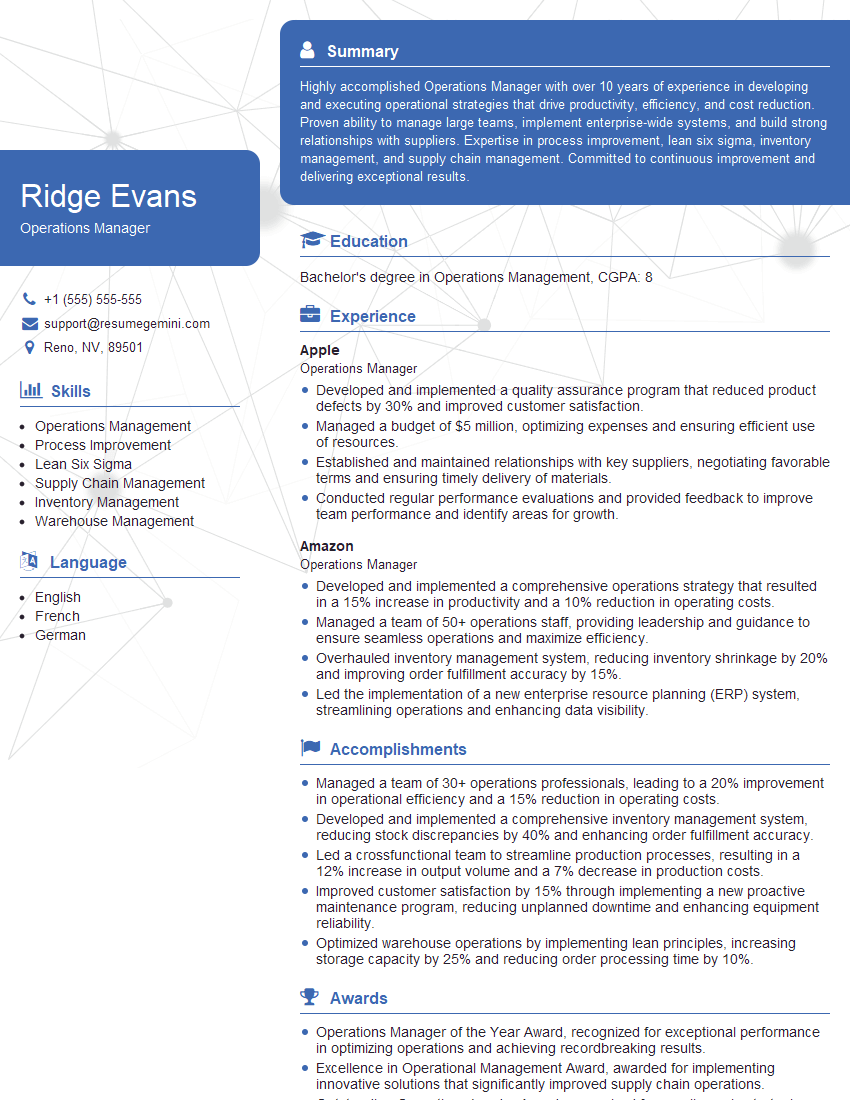
Operations Manager Resume Sample
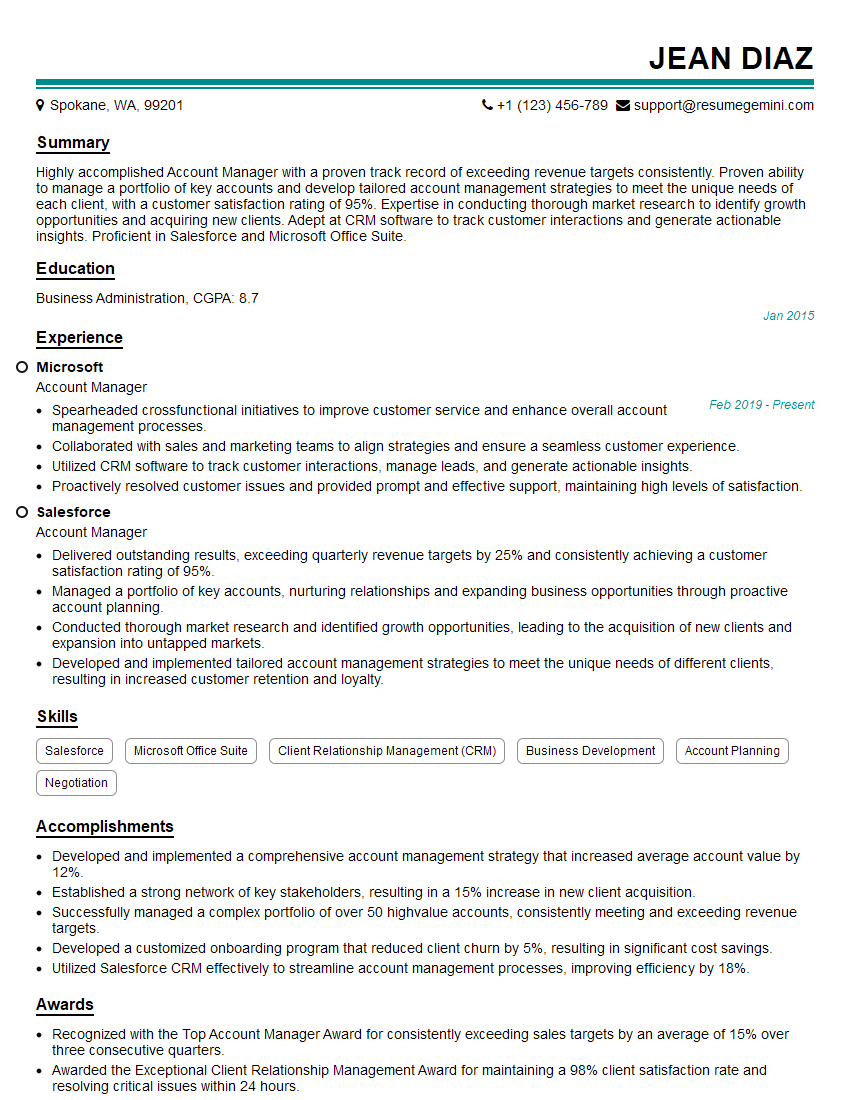
Account Manager Resume Sample
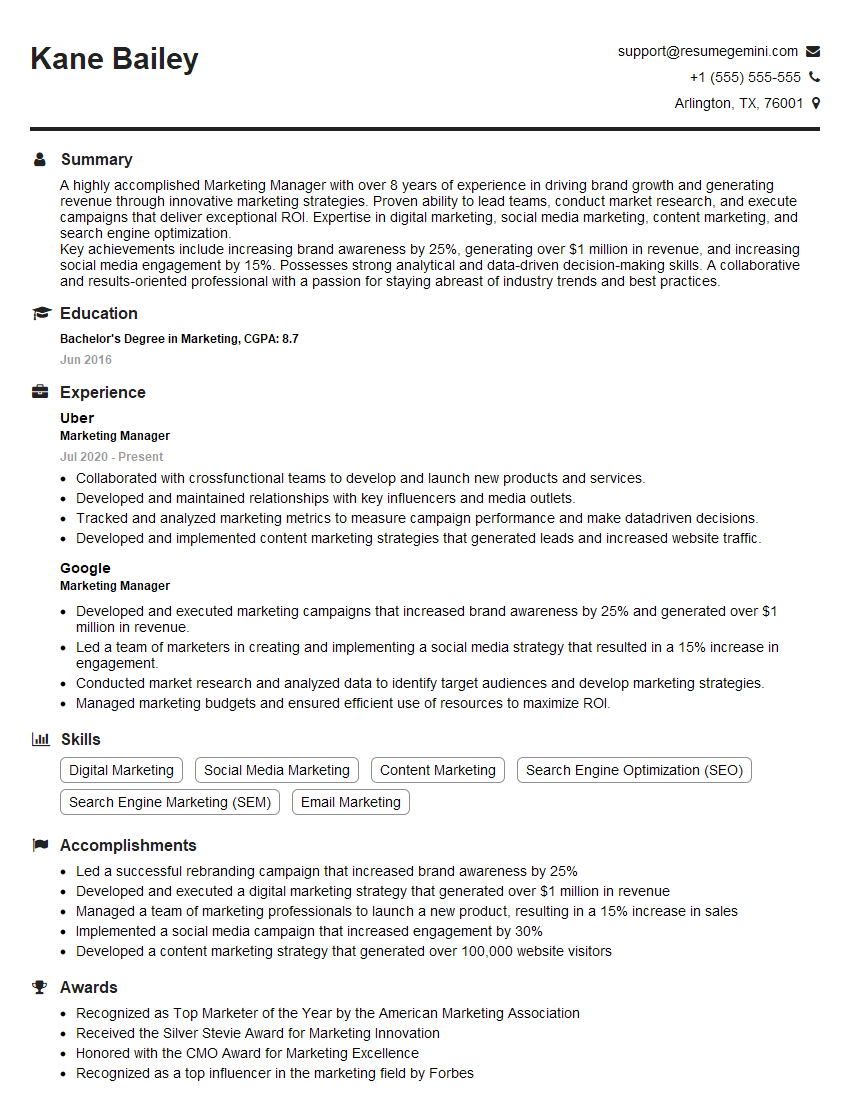
Marketing Manager Resume Sample
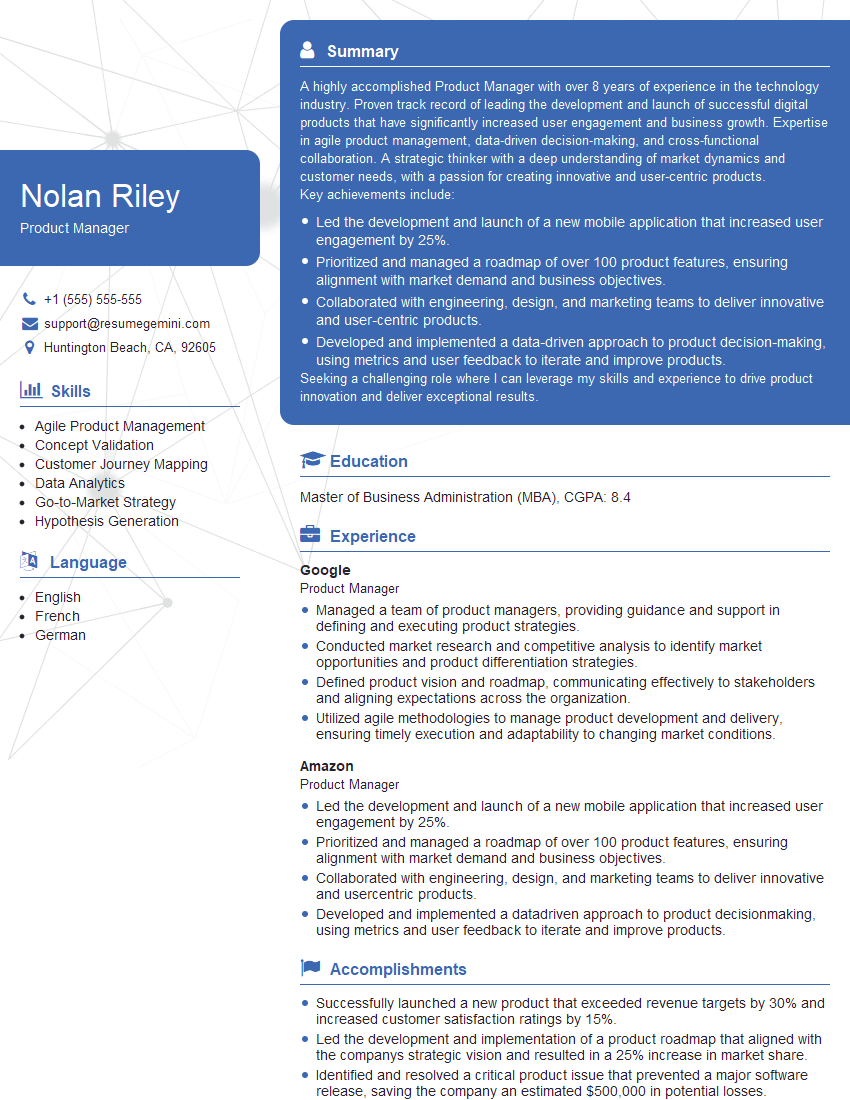
Product Manager Resume Sample
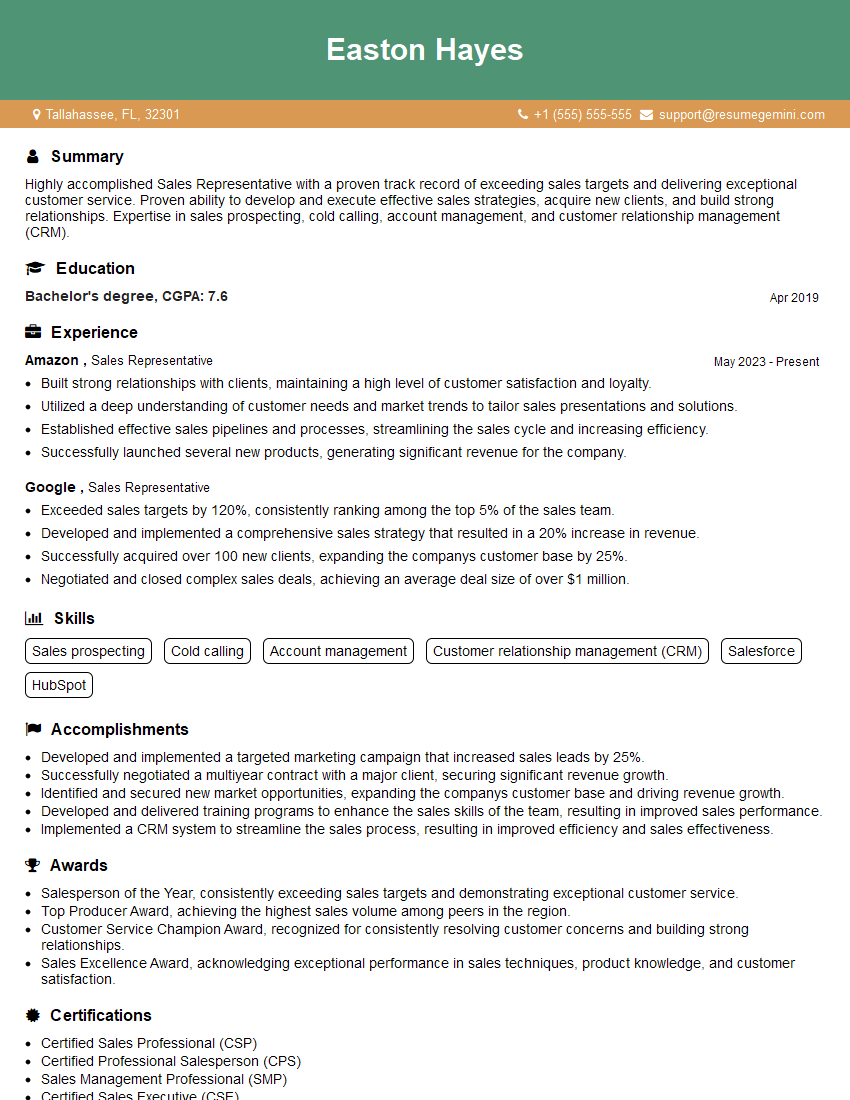
Sales Representative Resume Sample
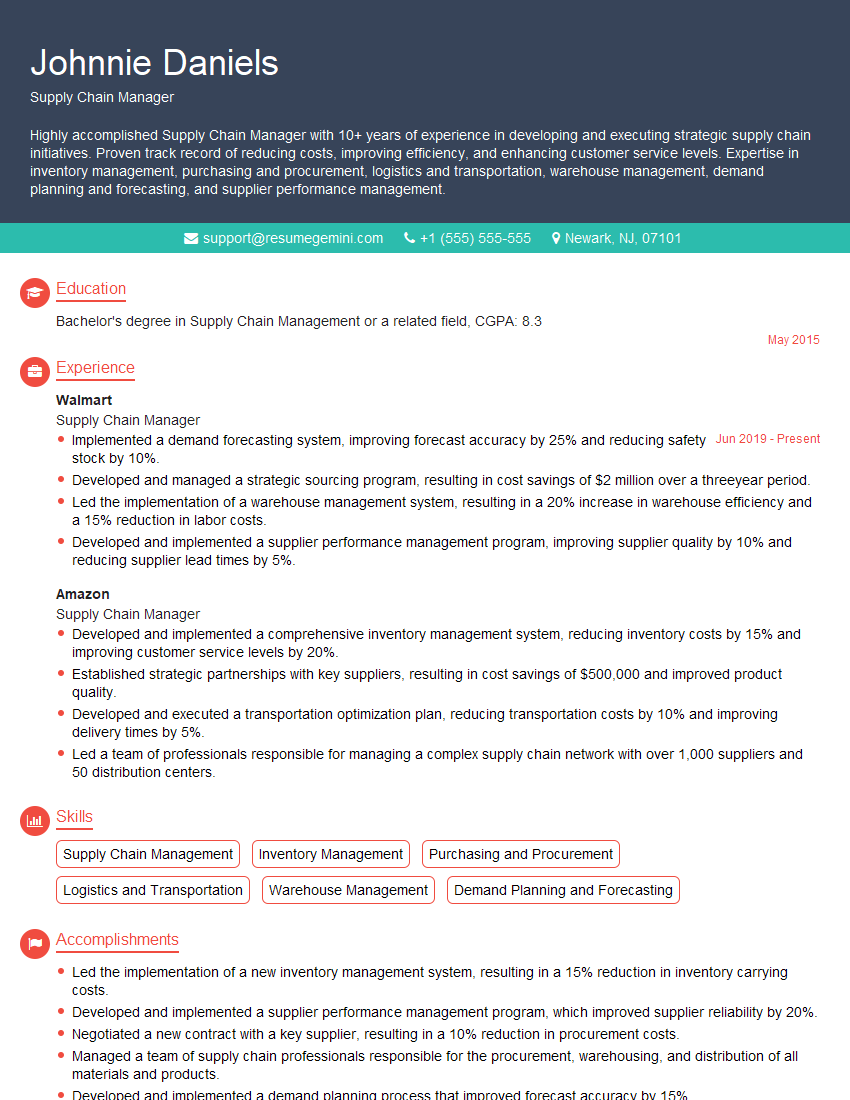
Supply Chain Manager Resume Sample
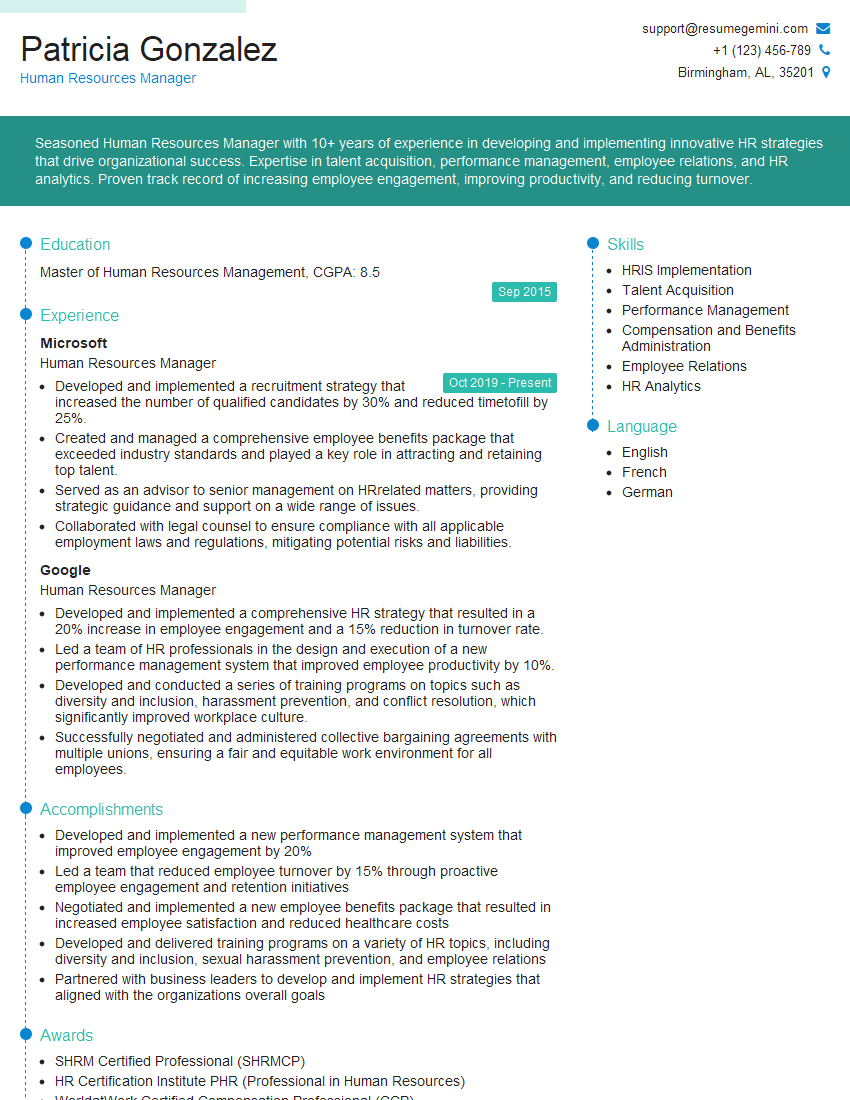
Human Resources Manager Resume Sample
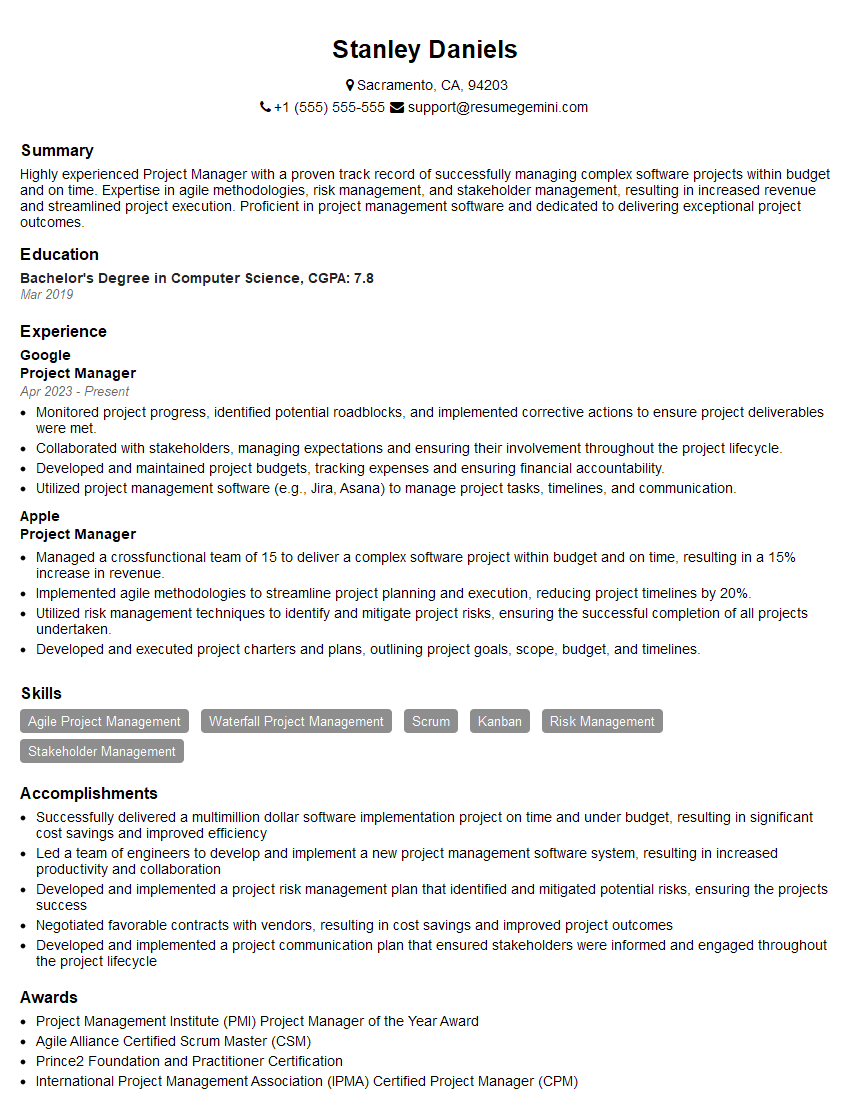
Project Manager Resume Sample
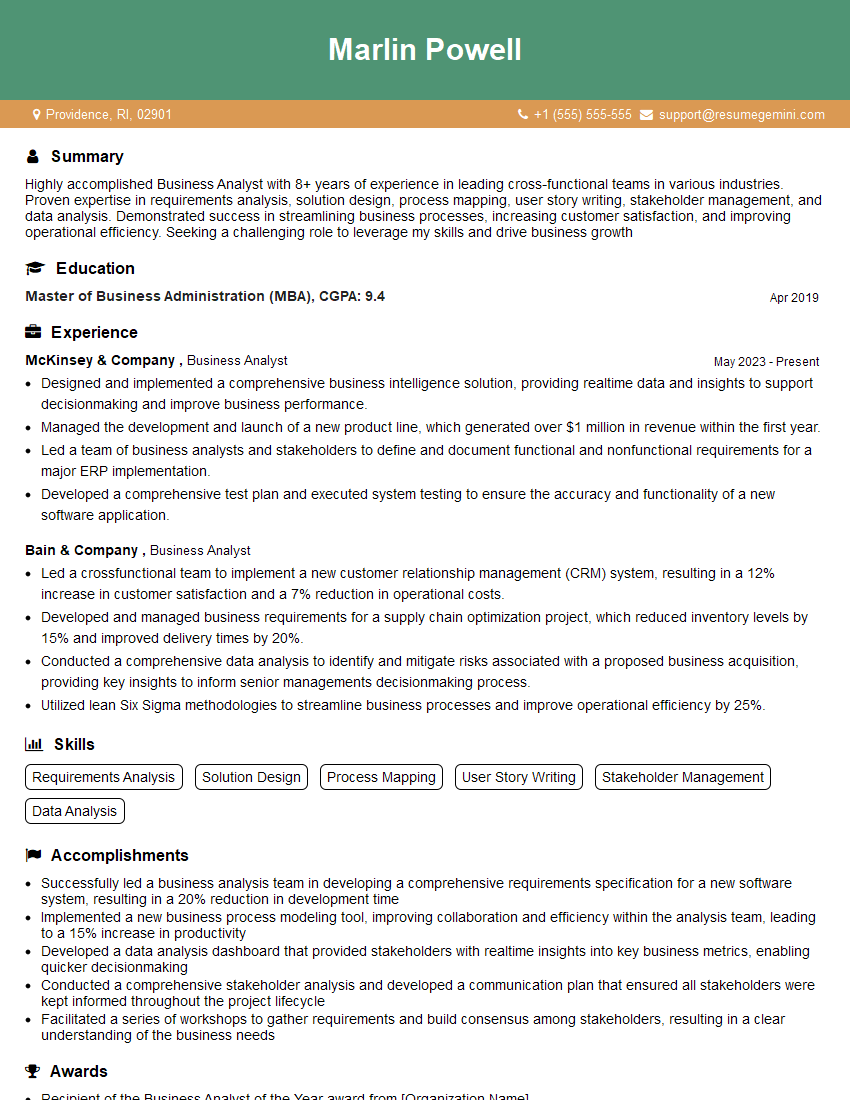
Business Analyst Resume Sample
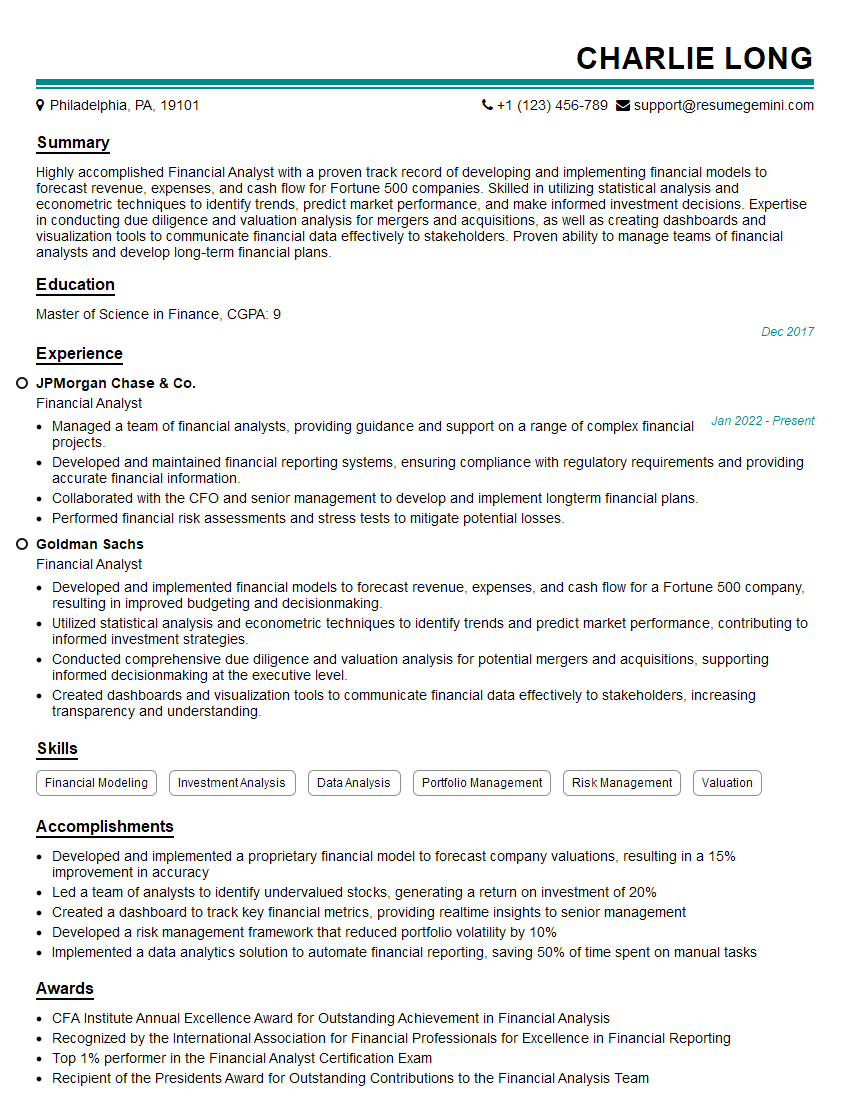
Financial Analyst Resume Sample
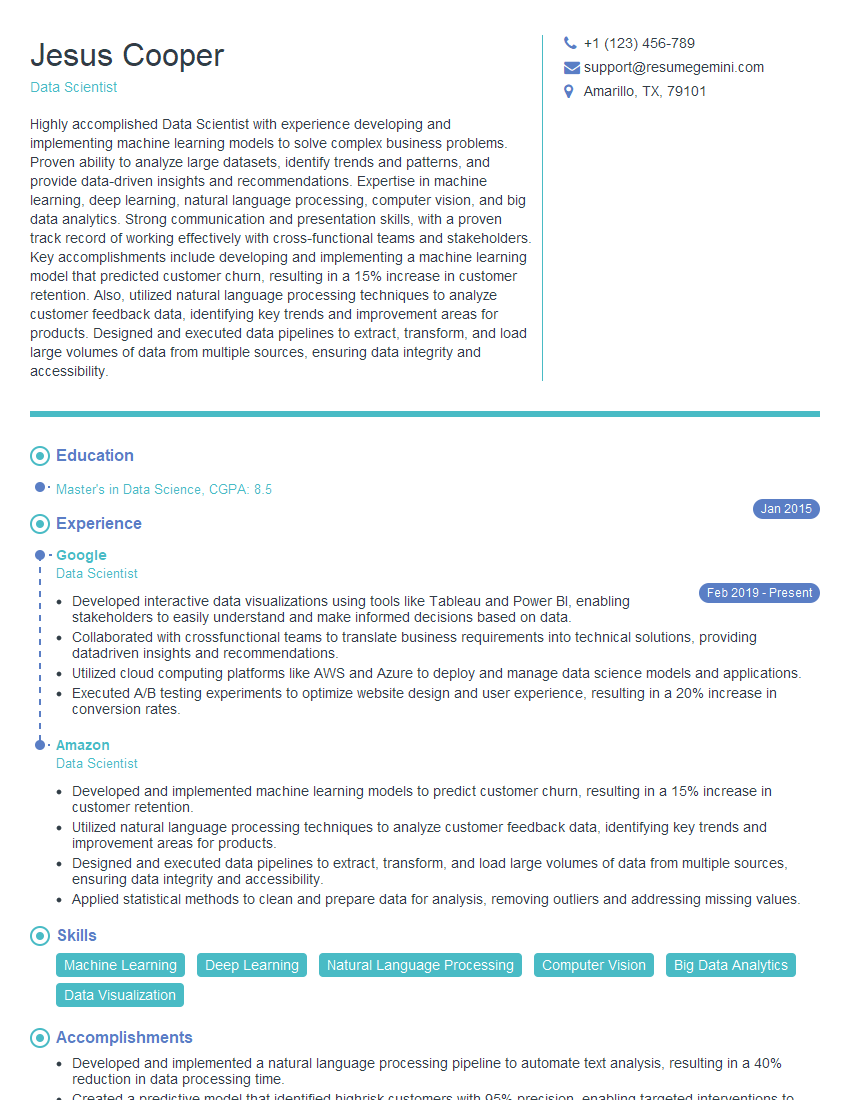
Data Scientist Resume Sample
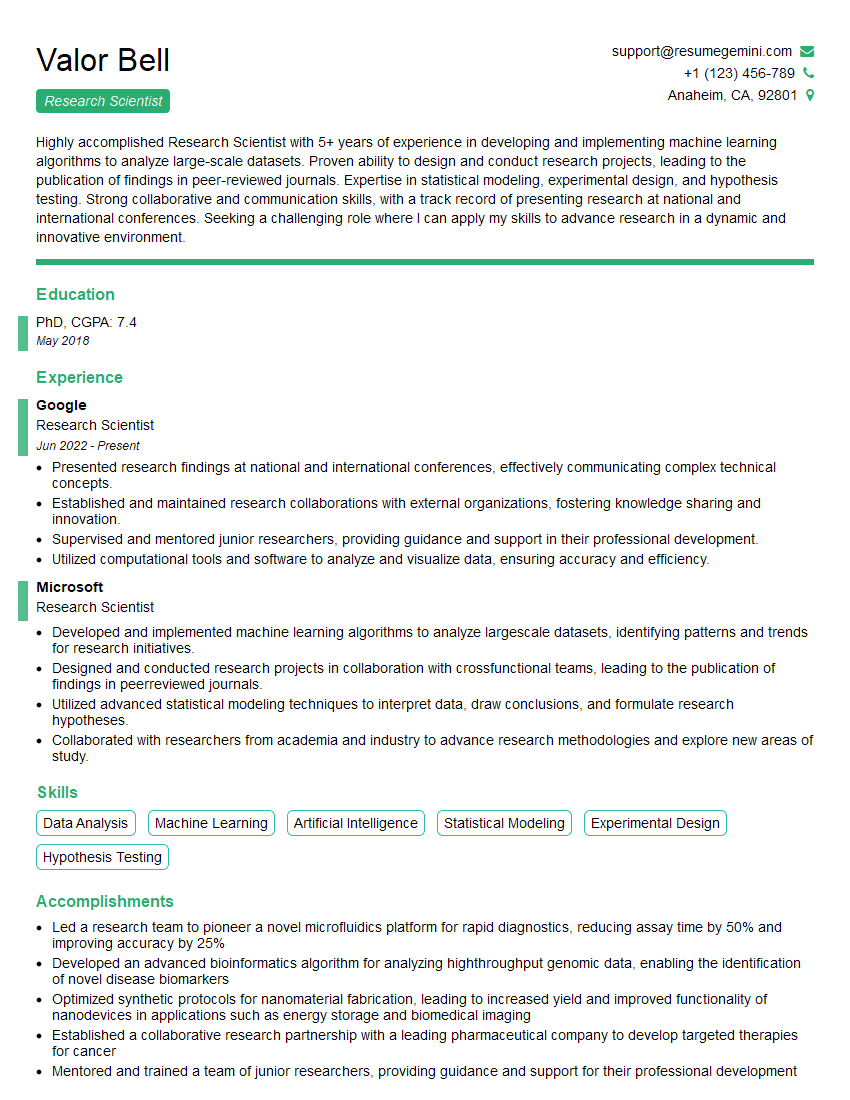
Research Scientist Resume Sample
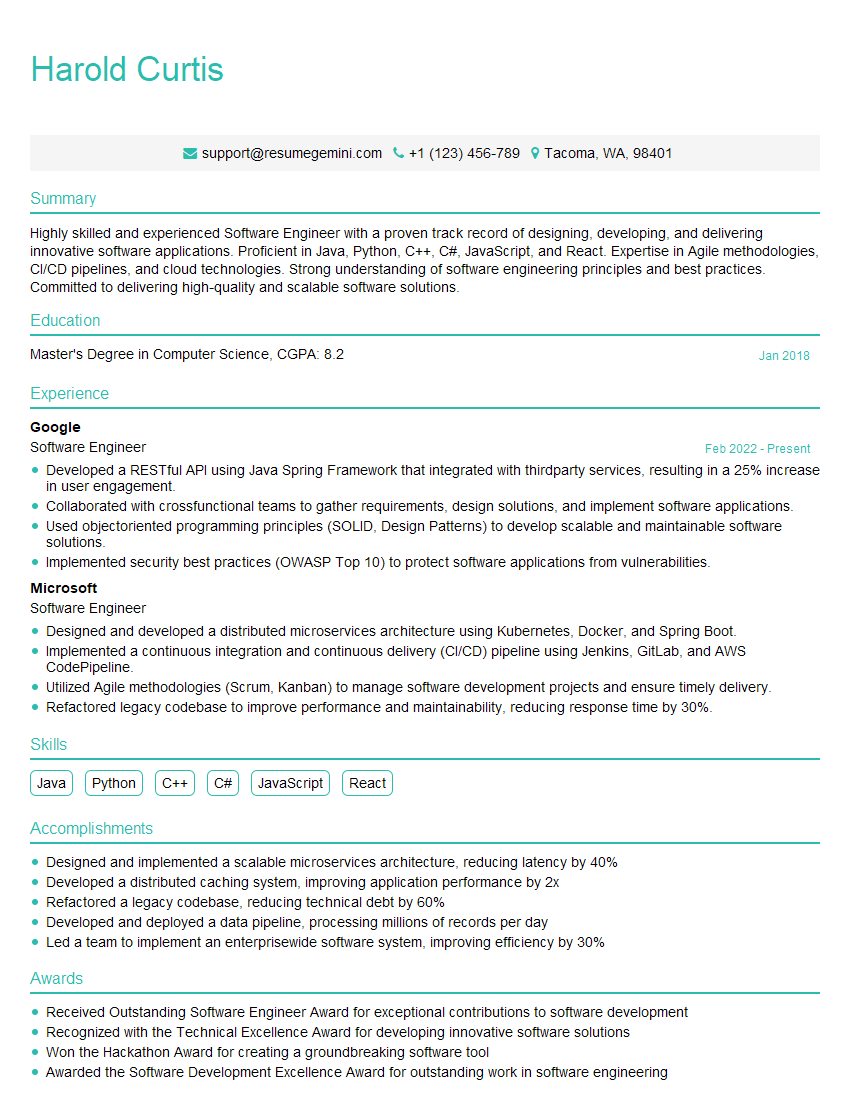
Software Engineer Resume Sample
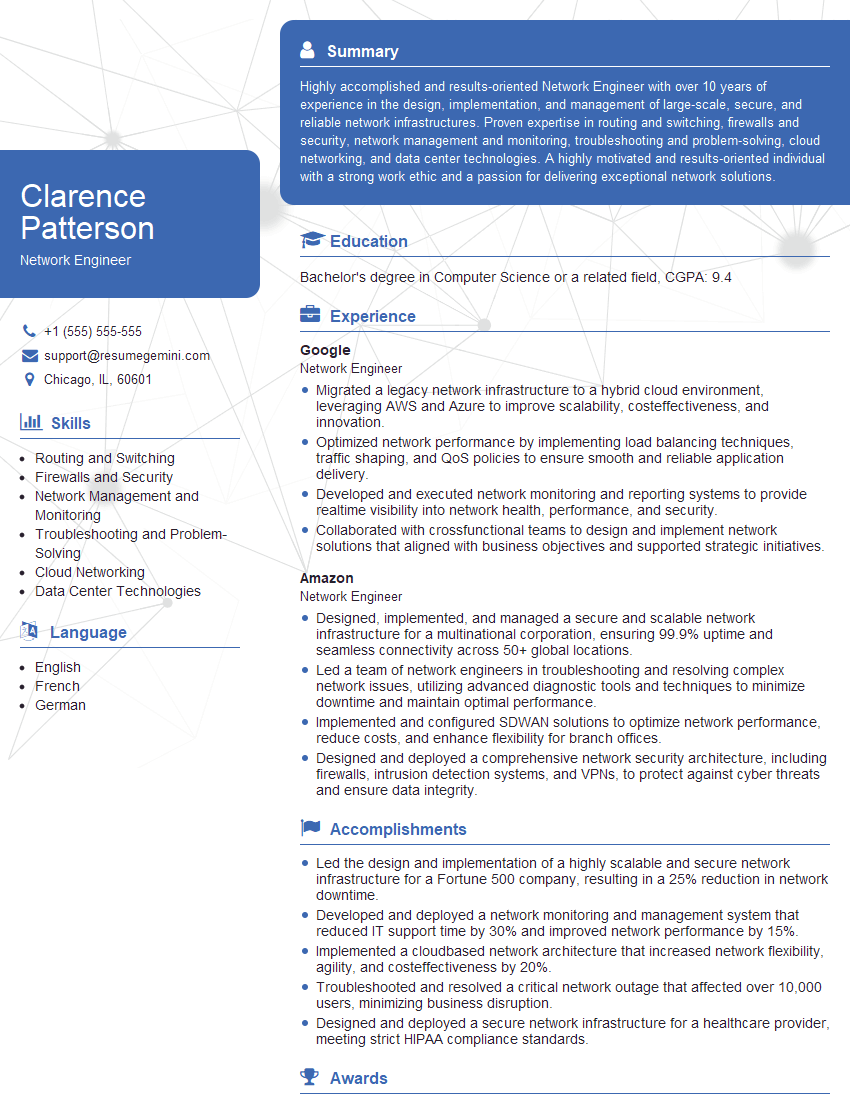
Network Engineer Resume Sample
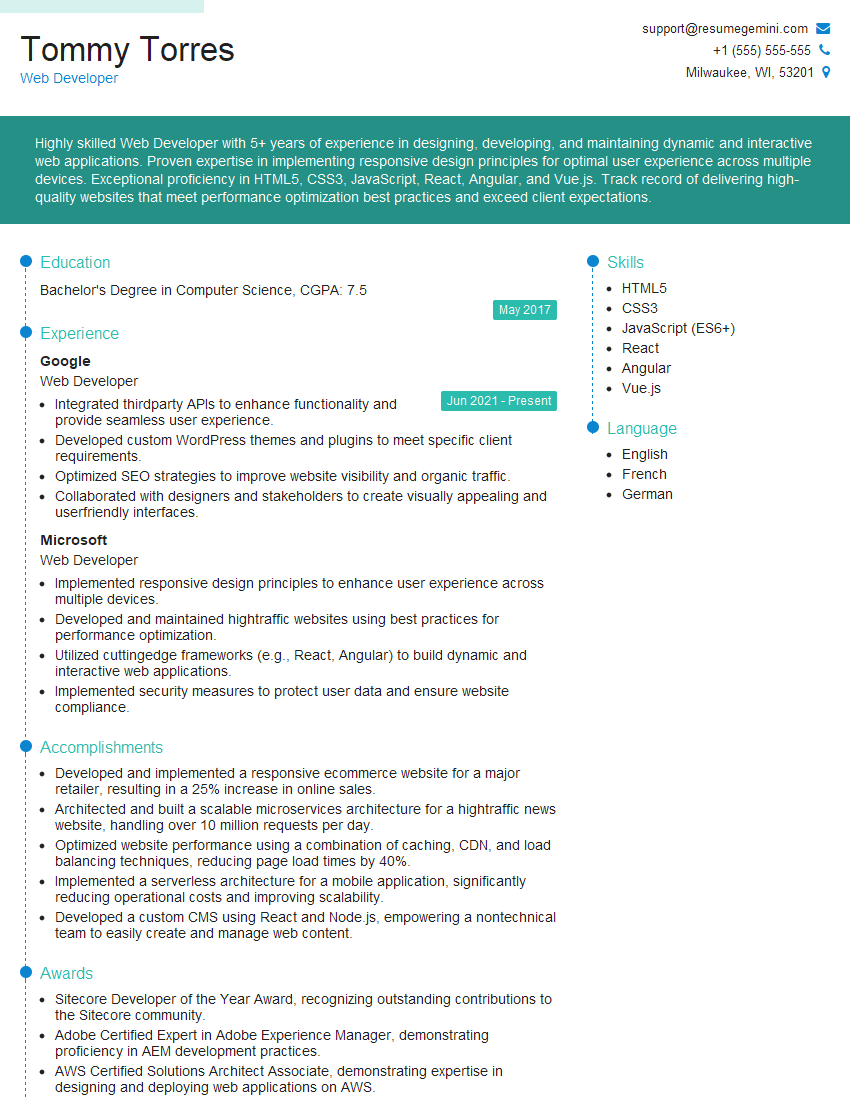
Web Developer Resume Sample
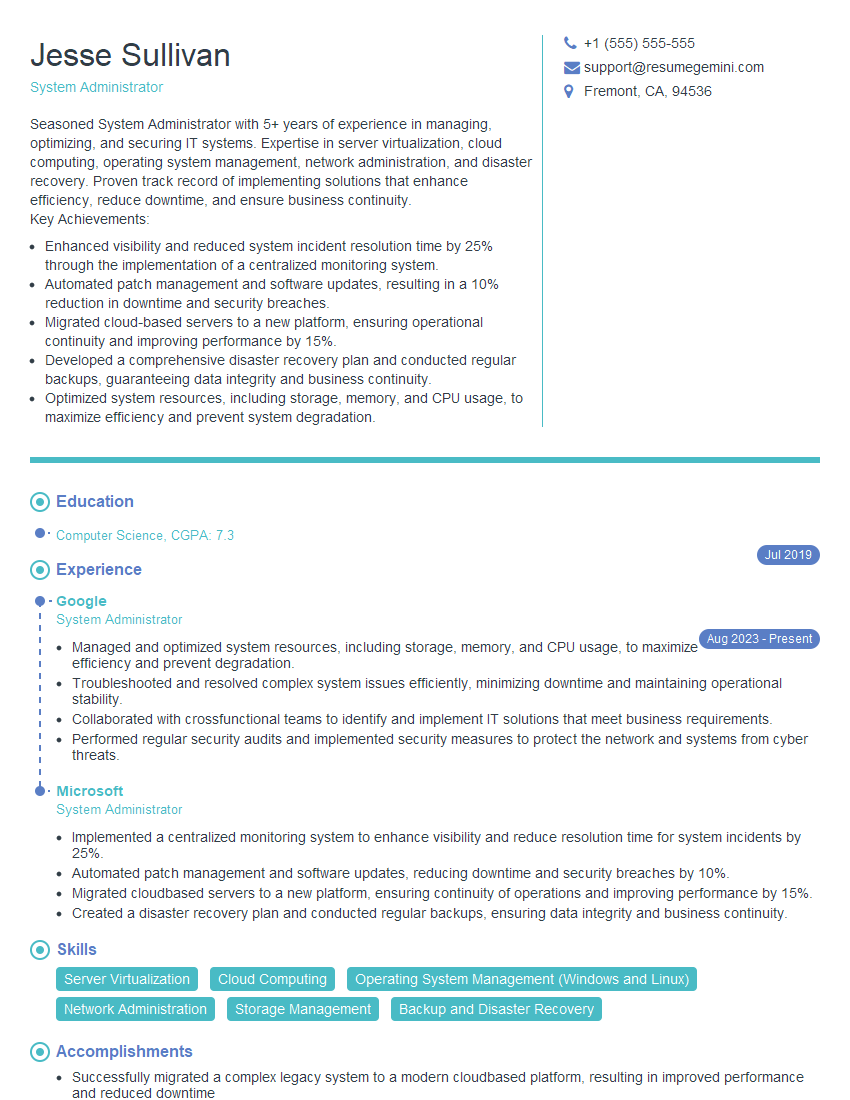
System Administrator Resume Sample
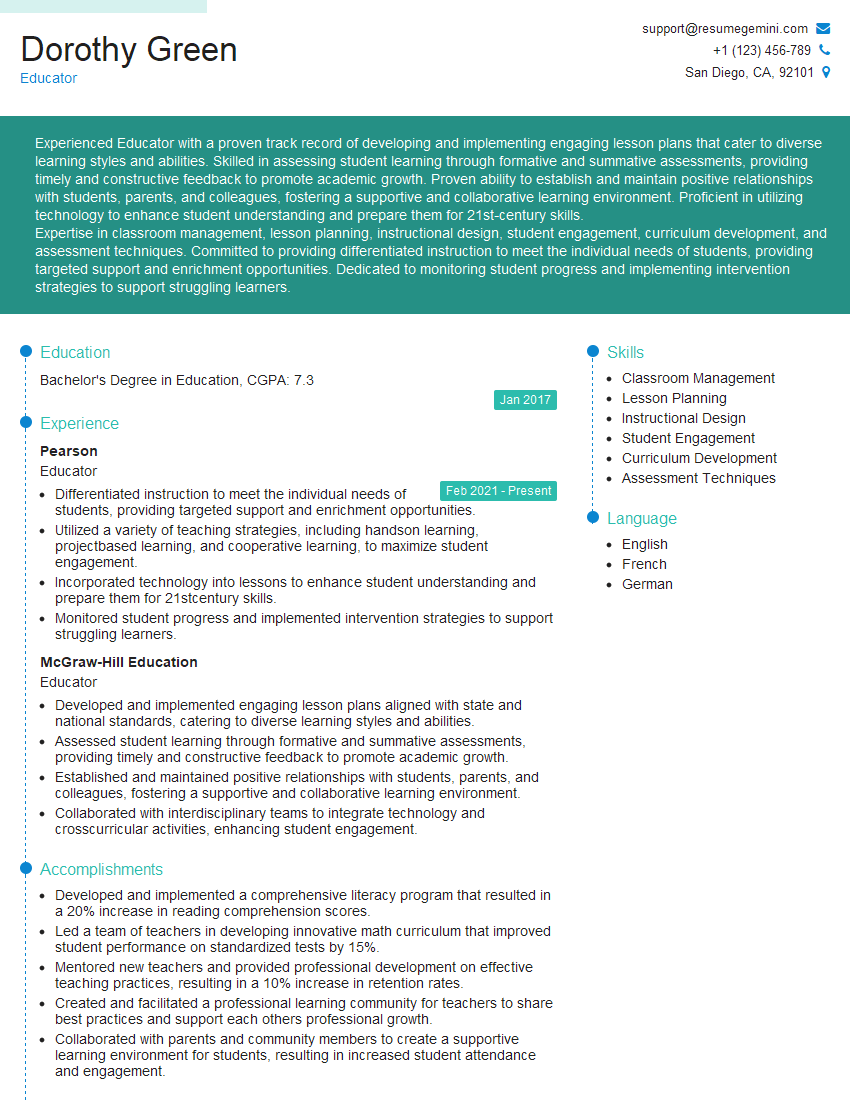
Educator Resume Sample

Technical Writer Resume Sample
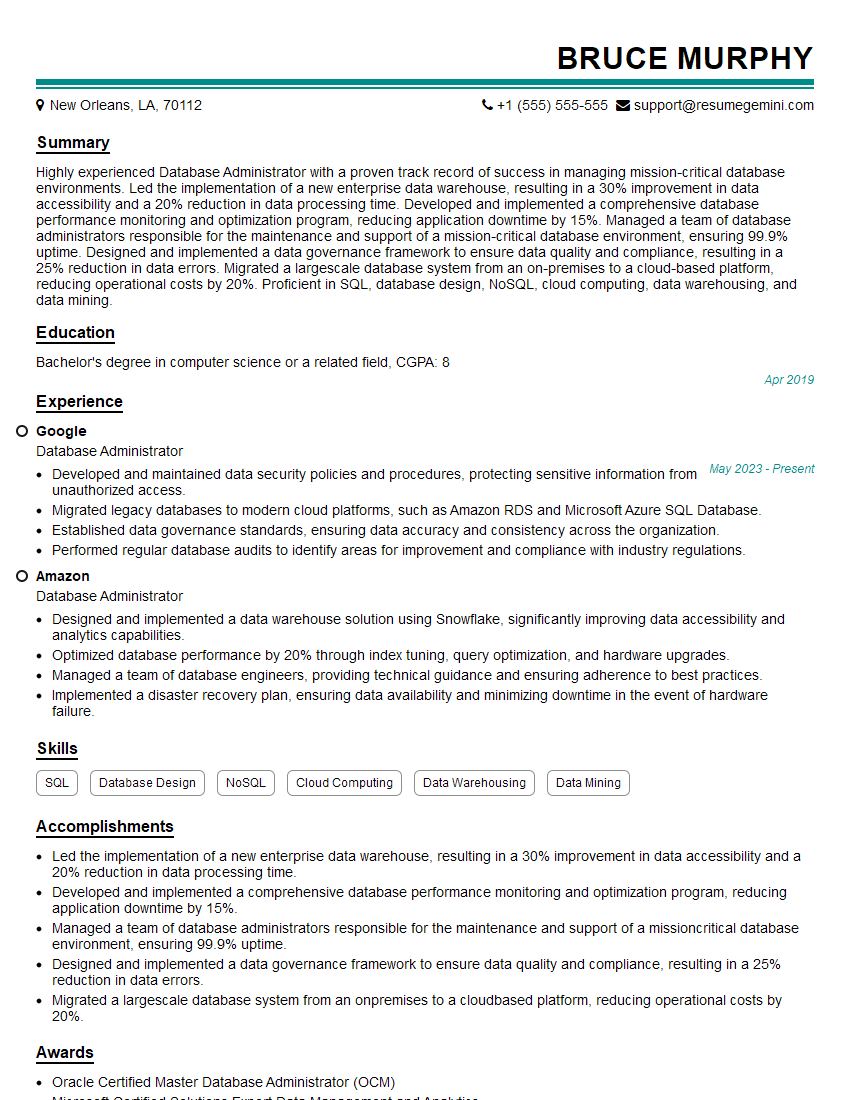
Database Administrator Resume Sample
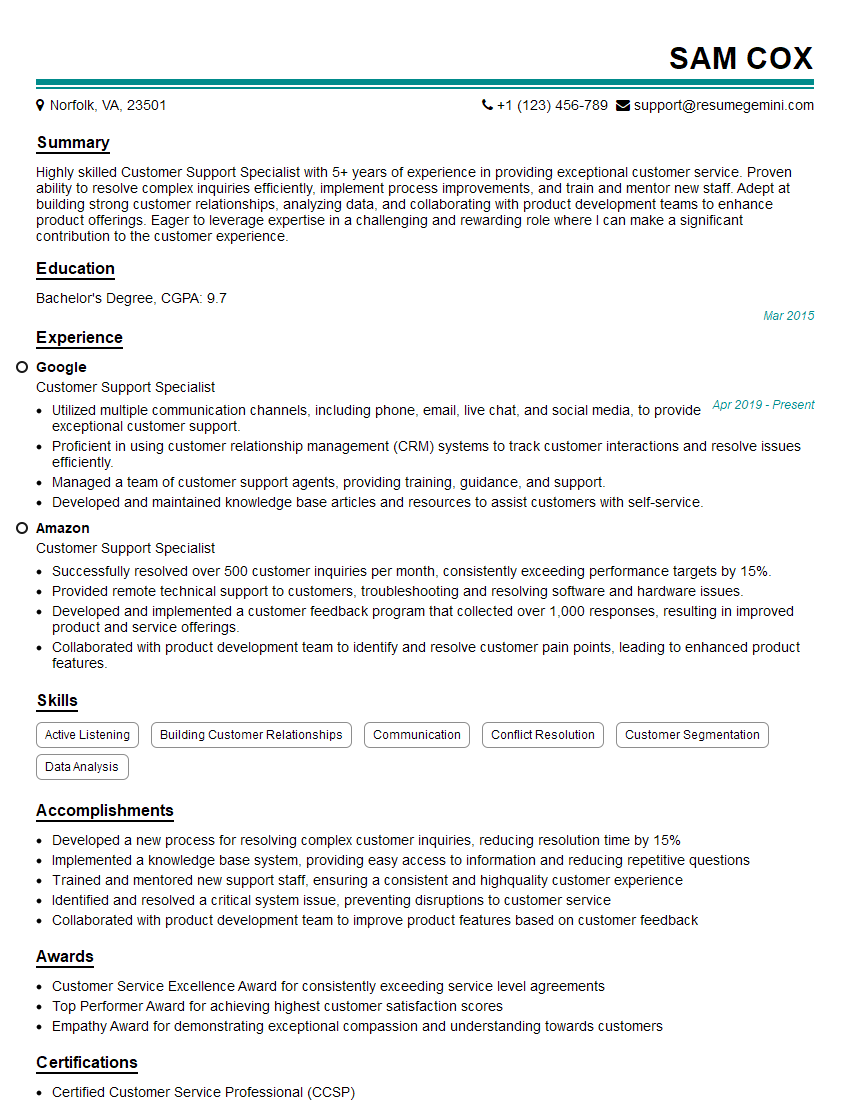
Customer Support Specialist Resume Sample
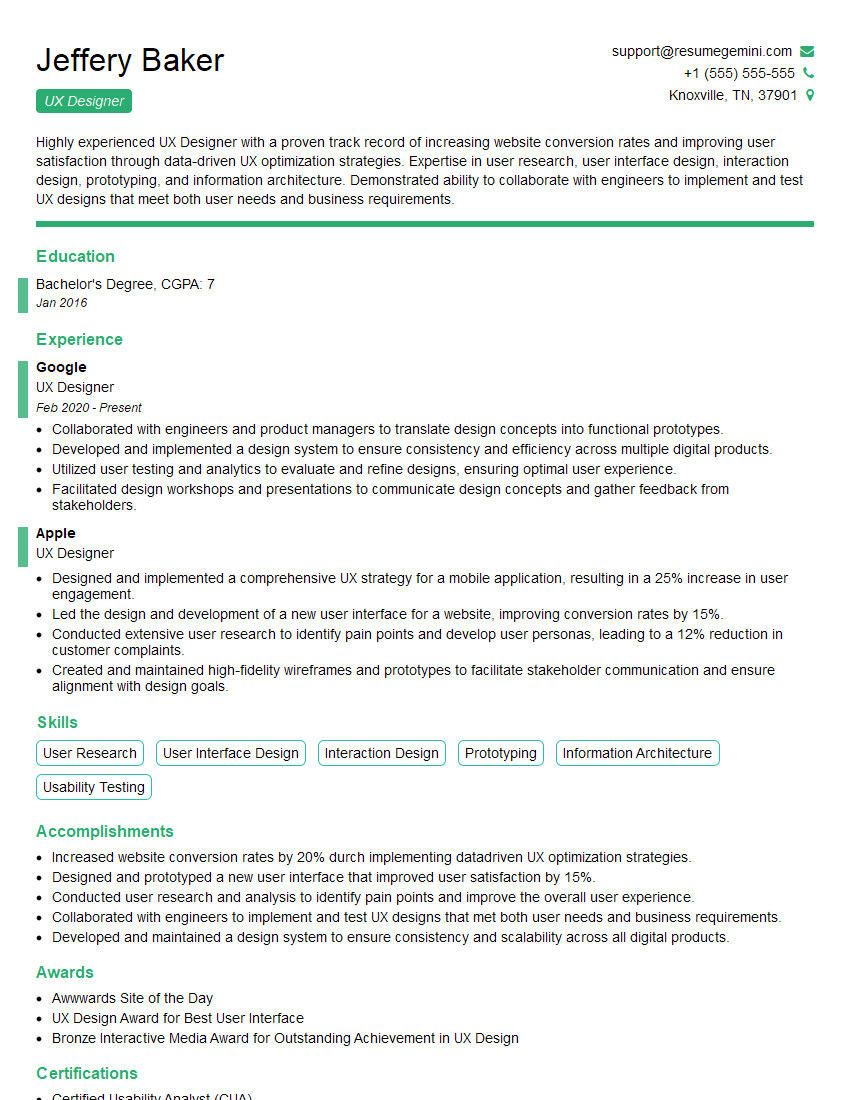
UX Designer Resume Sample
- Operations Manager
- Account Manager
- Marketing Manager
- Product Manager
- Sales Representative
- Supply Chain Manager
- Human Resources Manager
- Project Manager
- Business Analyst
- Financial Analyst
- Data Scientist
- Research Scientist
- Software Engineer
- Network Engineer
- Web Developer
- System Administrator
- Educator
- Technical Writer
- Database Administrator
- Customer Support Specialist
- UX Designer
Explore more articles
Users Rating of Our Blogs
Share Your Experience
We value your feedback! Please rate our content and share your thoughts (optional).
What Readers Say About Our Blog
I Redesigned Spongebob Squarepants and his main characters of my artwork.
https://www.deviantart.com/reimaginesponge/art/Redesigned-Spongebob-characters-1223583608
IT gave me an insight and words to use and be able to think of examples
Hi, I’m Jay, we have a few potential clients that are interested in your services, thought you might be a good fit. I’d love to talk about the details, when do you have time to talk?
Best,
Jay
Founder | CEO