Are you ready to stand out in your next interview? Understanding and preparing for PASS (Practical Assessment of Social Skills) interview questions is a game-changer. In this blog, we’ve compiled key questions and expert advice to help you showcase your skills with confidence and precision. Let’s get started on your journey to acing the interview.
Questions Asked in PASS (Practical Assessment of Social Skills) Interview
Q 1. Define Practical Assessment of Social Skills (PASS).
The Practical Assessment of Social Skills (PASS) is a widely used, observational assessment tool designed to evaluate an individual’s social skills in naturalistic settings. Unlike paper-and-pencil tests, PASS focuses on directly observing and rating a person’s performance in real-life social interactions. It’s often used with children and adolescents, but can be adapted for adults. The goal is to provide a comprehensive, objective evaluation of social competence.
Q 2. What are the core components of the PASS assessment?
The PASS assessment typically involves several core components:
- Structured Observation: The individual participates in pre-defined social situations, such as initiating a conversation, responding to a peer, or resolving a conflict. These situations are designed to elicit specific social behaviors.
- Rating Scales: Trained observers use standardized rating scales to score the individual’s performance on various social dimensions. These dimensions might include aspects like initiating interactions, responding appropriately, maintaining conversation, exhibiting empathy, and resolving conflicts.
- Coding System: Sometimes, a more detailed coding system is employed to record specific behaviors, such as the frequency of eye contact, nonverbal cues, and the content of verbal exchanges. This provides a more granular level of detail.
- Multiple Observers: To enhance reliability and minimize observer bias, multiple trained raters often independently score the individual’s performance. The scores are then compared to establish inter-rater agreement.
The specific components and their emphasis can vary slightly depending on the version and adaptation of the PASS being used, and the age and needs of the individual being assessed.
Q 3. Explain the role of observation in PASS assessments.
Observation is the cornerstone of PASS assessments. Trained observers carefully watch and record the individual’s behavior during the structured social interactions. This direct observation provides rich qualitative data that is difficult to capture through other methods like questionnaires or self-reports. For example, an observer might note a child’s ability to appropriately take turns in a conversation, or how effectively they respond to a peer’s frustration. The observer’s notes are then used in conjunction with the rating scales to generate a comprehensive profile of social skills. This direct observation helps to minimize self-report bias, a common issue with other assessments.
Q 4. How do you interpret PASS assessment results?
Interpreting PASS results involves considering several factors. First, the raw scores on each dimension are examined. Are scores within the average range, or are they significantly below or above average? Second, the pattern of scores across different dimensions is crucial. For example, someone might have strong skills in initiating conversations but struggle with conflict resolution. Third, the results must be considered in the context of the individual’s age, developmental level, and background. A score considered low for a teenager might be age-appropriate for a young child. Finally, the information gathered through observation, beyond the numerical scores, offers valuable insight into the why behind the scores; for instance, does the individual seem anxious during social interactions?
Often, a report summarizing the findings, including both quantitative data (scores) and qualitative observations, is generated to provide a comprehensive understanding of the individual’s social skills profile.
Q 5. What are the limitations of PASS assessments?
While PASS offers many advantages, it does have limitations. One key limitation is its dependence on the observer’s judgment and training. Observer bias can occur, though using multiple raters and rigorous training can mitigate this risk. Another limitation is that the structured situations might not fully capture the complexity of real-world social interactions. The assessment environment, although naturalistic, is still somewhat artificial, and therefore, behavior may not always fully represent an individual’s skills in all contexts. Finally, PASS is primarily focused on observable behaviors, and doesn’t always directly assess underlying cognitive or emotional factors contributing to social skill deficits.
Q 6. Describe different methods used for scoring PASS assessments.
PASS assessments commonly employ several scoring methods. These can include:
- Rating Scales: These are typically anchored scales using numerical values (e.g., 1-5) or descriptive labels (e.g., never, sometimes, often, always) to rate the observed behaviors along specific dimensions. This allows for a quantitative analysis.
- Frequency Counts: This method involves counting the occurrences of specific behaviors. For example, the number of times an individual initiates a conversation or makes appropriate eye contact.
- Duration Recording: This method measures the length of time an individual engages in a particular behavior. For example, the duration of a conversation or the amount of time spent interacting with a peer.
- Qualitative Coding: This captures descriptive notes of the observed behaviors, noting nuances not readily captured by quantitative methods. These qualitative observations provide a rich, detailed account complementing the quantitative scores.
The specific scoring method or combination of methods used depends on the version of the PASS and the goals of the assessment.
Q 7. How can PASS results inform intervention strategies?
PASS results are invaluable for informing intervention strategies. Identifying specific areas of weakness, as revealed by low scores on particular dimensions, allows therapists and educators to tailor interventions to address those needs directly. For instance, if a child scores low on “initiating conversations”, the intervention might focus on practicing conversation starters and role-playing different social scenarios. If a teenager shows difficulty with conflict resolution, the intervention could focus on teaching conflict resolution strategies and emotional regulation skills. The qualitative observations further refine these strategies, adding insights into underlying reasons behind any difficulties observed. The PASS provides a roadmap for guiding targeted interventions, allowing for a more efficient and effective path towards improving social skills.
Q 8. What are the ethical considerations when using PASS?
Ethical considerations in using the PASS (Practical Assessment of Social Skills) are paramount. We must prioritize the well-being and rights of the individual being assessed. This involves obtaining informed consent, ensuring confidentiality, and using the results responsibly. For minors, parental or guardian consent is crucial. The assessment should never be used for discriminatory purposes, and results should be interpreted carefully, avoiding generalizations or labeling. For instance, a low score shouldn’t lead to stigmatization but should instead inform targeted interventions. Furthermore, assessors must be appropriately trained and competent in administering and interpreting the PASS, ensuring the assessment is conducted fairly and accurately. Data gathered should be stored securely and anonymized whenever possible to protect participant privacy.
- Informed Consent: Clearly explaining the purpose, procedures, and potential benefits and risks of the assessment to the individual and obtaining their voluntary agreement.
- Confidentiality: Maintaining the privacy of assessment data and only sharing results with authorized individuals or agencies.
- Cultural Sensitivity: Adapting the assessment procedures to account for cultural differences in communication styles and social norms (more on this in the next answer).
- Avoiding Bias: Being aware of personal biases and actively mitigating them during the assessment process.
Q 9. How do you address cultural differences in PASS assessments?
Addressing cultural differences in PASS assessments is essential for ensuring fairness and accuracy. Social skills are culturally shaped, and what constitutes appropriate behavior varies greatly across cultures. A behavior considered rude in one culture might be perfectly acceptable in another. Ignoring these differences can lead to misinterpretations and inaccurate assessment of social skills. Therefore, a culturally sensitive approach necessitates several key steps.
- Cultural Competence Training: Assessors need thorough training in understanding cultural diversity and its implications for social interaction. This includes recognizing biases and stereotypes.
- Adaptation of Materials: Consider using culturally relevant scenarios and examples in the assessment tasks. If a standardized PASS exists, explore if culturally adapted versions are available.
- Interpreter Use: If the individual being assessed doesn’t share the assessor’s language, a qualified interpreter who is also culturally sensitive should be involved.
- Observation Focus: Rather than relying on rigid criteria based on one cultural norm, focus on observing the individual’s ability to achieve communicative goals and navigate social interactions effectively within their own cultural context.
For example, direct eye contact, valued highly in some cultures, may be considered disrespectful in others. A culturally competent assessor would account for this variation in interpreting the assessment data.
Q 10. What are some common challenges encountered during PASS assessments?
Common challenges in PASS assessments include the following:
- Participant Anxiety: The assessment setting can be stressful, leading to anxiety and impacting performance. Creating a relaxed and supportive atmosphere is crucial.
- Difficulty in Standardizing Observation: Observing and interpreting social interactions requires careful attention to detail and can be subjective. Using standardized rating scales and clear operational definitions of behaviors helps minimize subjectivity.
- Limited Role-Playing Skills: Some individuals might struggle with role-playing tasks, especially if they lack prior experience or have difficulty with imagination. Providing clear instructions and support can help.
- Time Constraints: Comprehensive social skills assessments can be time-consuming, leading to rushed observations and incomplete evaluations. Careful planning and efficient use of time are essential.
- Observer Bias: The assessor’s personal biases might unintentionally influence their observations and ratings. Using multiple raters and comparing their observations can reduce bias.
For instance, a child with autism spectrum disorder might struggle with the spontaneity required in role-playing scenarios but demonstrate excellent social skills in other contexts. A skilled assessor would adapt the assessment to accommodate the child’s needs.
Q 11. How do you maintain objectivity during a PASS assessment?
Maintaining objectivity during a PASS assessment is vital. Several strategies help ensure unbiased evaluation:
- Standardized Procedures: Adhering strictly to the established protocols and procedures of the PASS, avoiding deviations that might favor certain outcomes.
- Multiple Raters: Using more than one assessor to observe and rate the individual’s performance. Comparing ratings can identify potential biases and improve accuracy.
- Blind Ratings: If possible, raters should be blind to the individual’s background, diagnosis, or other identifying information that might influence their judgment.
- Pre-established Rating Scales: Employing well-defined rating scales with clear criteria to minimize subjectivity in scoring.
- Detailed Record Keeping: Meticulously documenting observations, including both positive and negative behaviors, with specific examples, reducing the influence of memory biases.
For example, instead of noting ‘poor eye contact,’ a more objective observation might be ‘avoided direct eye contact during 80% of the interaction with the role-playing partner’. This detailed description allows others to assess the observation’s validity and reduces the risk of subjective interpretations.
Q 12. Explain the difference between PASS and other social skills assessments.
While other social skills assessments exist, PASS distinguishes itself by emphasizing practical, real-world application. Many assessments rely heavily on self-report questionnaires or structured interviews that might not fully capture an individual’s actual social performance. PASS, however, integrates observation of behavior within simulated social contexts. This often includes role-playing exercises and structured observation of social interactions, providing a more holistic and ecologically valid assessment.
For example, a self-report questionnaire might ask about initiating conversations, but the PASS would directly observe an individual’s ability to initiate a conversation in a role-play setting. This allows for a more accurate evaluation of actual social competence rather than relying solely on self-perception or reported behaviors.
Q 13. What are the key indicators of successful social skills development based on PASS?
Successful social skills development based on PASS is indicated by several key factors:
- Improved Ability to Initiate and Maintain Interactions: The individual demonstrates increased confidence and skill in starting conversations and sustaining interactions with others.
- Enhanced Communication Skills: The individual shows improved use of verbal and nonverbal communication, including effective listening, clear articulation, and appropriate body language.
- Appropriate Social Behaviors: The individual exhibits increasingly appropriate social behaviors, such as turn-taking, empathy, and respect for personal space.
- Reduced Social Anxiety: The individual demonstrates decreased anxiety and nervousness in social situations.
- Increased Social Participation: The individual actively participates in social interactions and activities.
These improvements would be demonstrably evident in repeated PASS assessments over time, reflecting progress in their social skills.
Q 14. How do you involve parents/caregivers in the PASS process?
Involving parents/caregivers in the PASS process is crucial, especially when assessing children or adolescents. Their perspective is valuable, and collaboration enhances the assessment’s effectiveness and outcomes.
- Pre-Assessment Meeting: A meeting before the assessment to explain the process, purpose, and expectations. This is a crucial step for obtaining informed consent.
- Observation Participation (where appropriate): If ethically and practically feasible, allowing parents/caregivers to observe some aspects of the assessment can provide valuable contextual information.
- Feedback and Collaboration: Sharing the results of the assessment with parents/caregivers and collaboratively discussing intervention strategies.
- Support and Follow-up: Providing parents/caregivers with support and resources to implement the recommended interventions at home.
- Ongoing Communication: Maintaining open communication with parents/caregivers throughout the process to ensure their concerns are addressed and their involvement remains meaningful.
For instance, a parent might provide insights into a child’s typical social behavior at school or at home that complements the observations made during the PASS assessment, offering a holistic understanding of the child’s social functioning.
Q 15. Describe a situation where you had to adapt a PASS assessment.
Adapting a PASS assessment involves modifying the standard procedures to better suit the unique needs and characteristics of the individual being assessed. This isn’t about changing the core principles of the assessment, but rather adjusting the delivery method or specific tasks to ensure accurate and meaningful results.
For example, I once assessed a nonverbal child with autism. The standard PASS relies heavily on verbal communication. To adapt, I incorporated alternative communication methods like picture exchange systems (PECS) and used nonverbal cues to gauge his understanding and responses. Instead of directly asking questions, I presented scenarios visually and observed his reactions. This allowed me to obtain valuable data despite his communication limitations. In another case, a client with significant anxiety experienced heightened stress during the role-playing section. I adjusted the scenarios to be less anxiety-provoking, starting with easier interactions and gradually increasing complexity as their comfort level improved. This approach helped reduce their stress and yielded more reliable results.
Career Expert Tips:
- Ace those interviews! Prepare effectively by reviewing the Top 50 Most Common Interview Questions on ResumeGemini.
- Navigate your job search with confidence! Explore a wide range of Career Tips on ResumeGemini. Learn about common challenges and recommendations to overcome them.
- Craft the perfect resume! Master the Art of Resume Writing with ResumeGemini’s guide. Showcase your unique qualifications and achievements effectively.
- Don’t miss out on holiday savings! Build your dream resume with ResumeGemini’s ATS optimized templates.
Q 16. How do you ensure the validity and reliability of a PASS assessment?
Ensuring validity and reliability in a PASS assessment is paramount. Validity refers to whether the assessment actually measures what it intends to measure (social skills), while reliability refers to the consistency of the results. To ensure validity, I carefully select scenarios relevant to the client’s age, cultural background, and specific social challenges. I also use multiple methods of data collection, including observations, structured interviews, and role-playing. The combination of these methods provides a more comprehensive and valid picture of their social skills.
For reliability, I meticulously follow standardized procedures outlined in the PASS manual. This includes using consistent scoring criteria, administering the assessment in a consistent environment, and maintaining a consistent approach throughout the process. Inter-rater reliability is also important; I often have a colleague observe and score portions of the assessment to check for agreement in interpretations. This ensures that the results are not biased by my personal judgment, ensuring that the scores accurately reflect the client’s social skills, and reducing the likelihood of subjective errors.
Q 17. What are some strategies to improve a client’s social skills based on PASS findings?
Improving social skills based on PASS findings requires a tailored intervention plan. The PASS provides a detailed profile of strengths and weaknesses, guiding the creation of targeted strategies. For instance, if the assessment reveals deficits in initiating conversations, the intervention might focus on teaching conversational starters, active listening skills, and appropriate turn-taking techniques.
- Role-playing: Practicing different social situations through role-playing helps clients develop comfort and confidence in real-life interactions.
- Social skills groups: Group therapy provides opportunities for practicing social skills in a safe and supportive environment with peers.
- Modeling and feedback: Demonstrating positive social behaviours and providing constructive feedback after interactions.
- Cognitive Behavioral Therapy (CBT): Addressing underlying negative thoughts and beliefs that may hinder social interaction.
For example, a client who struggles with nonverbal communication might benefit from training in interpreting body language, facial expressions, and using appropriate gestures. Regular practice and feedback are crucial for skill development. Progress is continuously monitored and the intervention is adjusted as needed.
Q 18. How do you communicate PASS results to clients and families effectively?
Communicating PASS results requires sensitivity and clarity. I always begin by creating a comfortable and non-judgmental environment. I avoid technical jargon, using plain language understandable by the client and family. I explain the purpose of the assessment, outlining what was assessed and the overall meaning of the results.
I present the findings in a strengths-based manner, highlighting both areas of proficiency and areas needing improvement. I provide specific examples from the assessment to illustrate the findings. After explaining the results, I collaboratively develop an individualized plan together with the client and family, ensuring they are actively involved and feel empowered.
Visual aids like graphs or charts can make the results more accessible and engaging. Finally, I answer any questions openly and honestly, ensuring they understand the next steps and the resources available to support them.
Q 19. How can technology be integrated into PASS assessments?
Technology can enhance PASS assessments in several ways. For example, video recording allows for later review and detailed analysis of interactions. This enables more objective scoring and provides opportunities for feedback. Software applications can help streamline data collection, scoring, and report generation.
Virtual reality (VR) offers a safe and controlled environment for practicing social scenarios. Clients can engage in realistic role-playing exercises without the pressure of real-life situations. Digital platforms can also facilitate remote assessments, making services more accessible to clients in remote areas. However, it’s crucial to be aware of ethical considerations related to data privacy and security, and ensure that the technology used doesn’t compromise the validity or reliability of the assessment.
Q 20. Discuss the importance of individualized PASS assessments.
Individualized PASS assessments are essential because social skills challenges vary greatly from person to person. A standardized, one-size-fits-all approach fails to capture the nuances of individual needs and strengths. An individualized assessment takes into account the client’s unique developmental history, cultural background, personal experiences, communication styles, and specific social contexts.
By customizing the scenarios and tailoring the assessment to the client’s specific needs, the results are more accurate and relevant. This leads to more effective intervention planning, improving the chances of successful outcomes. A generic assessment may miss crucial insights into the client’s specific social challenges and strengths, potentially leading to ineffective interventions.
Q 21. What are the key differences between formal and informal assessments of social skills?
Formal assessments like the PASS are standardized, structured procedures with established norms and scoring criteria. They are reliable and objective, providing quantitative data. Informal assessments, on the other hand, are more flexible and subjective. They can involve observations in natural settings, interviews, and informal interactions. They provide qualitative data offering a richer, contextual understanding of a person’s social skills.
Formal assessments are essential for diagnosis and treatment planning, providing objective evidence of a client’s social skills. Informal assessments supplement formal assessments by providing valuable context and insights that quantitative data may not capture. For example, informal observations can reveal subtleties in nonverbal communication or social interactions that might be missed in a structured, formal setting. Using both approaches provides a complete and well-rounded understanding of the client’s social skills profile.
Q 22. How would you adapt your approach to assessing social skills for different age groups?
Adapting PASS assessment to different age groups requires understanding developmental milestones and adjusting the tasks accordingly. For younger children (preschool-early elementary), the assessment might focus on nonverbal communication, turn-taking in games, and understanding simple social cues. We’d use playful activities like pretend play or sharing toys to observe their social interactions. For adolescents, the assessment might involve more complex scenarios, like resolving conflicts, navigating group dynamics, and understanding social nuances in conversations. We might use role-playing or discussions about hypothetical social situations. Adults require a different approach, often focusing on professional settings and interactions. The assessment might incorporate job-interview simulations or group problem-solving tasks. The key is to use age-appropriate language, materials, and scenarios that elicit natural social behaviors.
For example, a 5-year-old might be asked to share toys with another child during play, while a teenager might participate in a simulated job interview. The assessment always maintains a focus on the core social skills being evaluated, adapting the methods to ensure accurate and reliable measurement at each developmental stage.
Q 23. Explain the role of data-driven decision-making in PASS.
Data-driven decision-making in PASS is crucial for developing effective intervention strategies. The assessment provides quantifiable data on an individual’s social skills in various domains. This data, coupled with qualitative observations, informs the creation of individualized intervention plans. For example, if the data reveals a significant deficit in initiating conversations, the intervention plan might focus on specific strategies to improve this skill, such as teaching conversation starters, practicing active listening, and providing opportunities for role-playing. The data also allows us to monitor progress over time, making adjustments as needed to ensure the intervention remains effective.
Regular monitoring and evaluation are key, using the PASS data to track changes and refine approaches. This iterative process ensures the intervention is tailored to the individual’s needs and maximizes the chances of successful outcomes. The collected data helps to demonstrate the effectiveness of the intervention to parents, educators, and other relevant stakeholders.
Q 24. What are some common misconceptions about PASS assessments?
A common misconception is that PASS is a simple test with a single score that labels an individual as ‘socially skilled’ or ‘socially unskilled’. PASS is a comprehensive assessment that provides detailed information across multiple social skill domains. It’s not about assigning labels; it’s about identifying specific strengths and weaknesses to create targeted interventions. Another misconception is that PASS is only useful for identifying deficits. While it excels at identifying areas needing improvement, PASS also highlights existing strengths which can be leveraged during intervention planning.
Finally, some believe the results are static. The assessment provides a snapshot of social skills at a particular point in time. Social skills are dynamic and can change with appropriate interventions. Regular reassessments are recommended to track progress and ensure ongoing support tailored to the individual’s evolving needs. These misconceptions can lead to misinterpretations of the results, hindering the development of appropriate and effective interventions.
Q 25. Describe different types of social skills deficits identified using PASS.
PASS can identify a wide range of social skills deficits. These can include difficulties with initiating interactions (e.g., struggles to start conversations), maintaining conversations (e.g., difficulty taking turns or staying on topic), understanding nonverbal cues (e.g., misinterpreting body language or facial expressions), managing emotions (e.g., difficulty controlling anger or frustration), understanding social rules (e.g., not following classroom rules or social norms), and resolving conflicts (e.g., struggling to find peaceful solutions to disagreements). The assessment also identifies deficits in areas like perspective-taking (seeing things from another’s viewpoint), empathy (understanding and sharing the feelings of others), and cooperation (working together effectively).
For instance, a child might struggle with perspective-taking, leading to difficulties understanding why a peer is upset. Another child may have trouble understanding nonverbal cues like sarcasm or subtle body language, impacting their ability to navigate social situations effectively. The detailed assessment helps to identify the specific types of deficits impacting an individual, facilitating targeted and effective intervention.
Q 26. How do you manage challenging behaviors observed during a PASS assessment?
Managing challenging behaviors during a PASS assessment requires a flexible and adaptable approach. The first step is to maintain a calm and understanding demeanor. Understanding the function of the behavior (what need the behavior serves) is key. If a child is exhibiting disruptive behavior, I would try to identify the underlying cause, be it frustration, anxiety, or a lack of understanding. Gentle redirection and providing clear expectations are often effective. Breaking down complex tasks into smaller, more manageable steps can also reduce frustration.
In some cases, taking short breaks or adjusting the assessment activities might be necessary. For instance, if a child is becoming overwhelmed, we might reduce the number of tasks or allow them a short break before resuming. Severe challenging behaviors may necessitate pausing the assessment and consulting with parents or other professionals. The safety and well-being of the individual are paramount. A thorough post-assessment report should clearly document any observed challenging behaviors and their management strategies.
Q 27. What are the long-term goals associated with using PASS assessments?
The long-term goals of using PASS assessments extend beyond simply identifying social skills deficits. The primary goal is to improve the individual’s overall social competence and quality of life. This involves increasing their ability to form and maintain positive relationships, participate effectively in social situations, and navigate social challenges successfully. Successful interventions translate into improved academic performance, increased self-esteem, stronger peer relationships, and greater independence.
Ultimately, the goal is to help individuals develop the social skills necessary for success in various life domains, including school, work, and personal relationships. The PASS assessment provides a roadmap for intervention, and long-term follow-ups, using reassessments, are essential to track progress and make necessary adjustments to ensure that the ultimate goal of improved social competence and quality of life is achieved.
Q 28. Discuss the ongoing professional development needed for competent PASS assessment
Competent PASS assessment requires ongoing professional development in several areas. Staying current with research on social skills development and assessment methodologies is crucial. This includes understanding the latest research on effective interventions and how they relate to the assessment findings. Furthermore, continuous training on managing challenging behaviors during assessments, as well as ethical considerations, is vital for maintaining professional standards. Regular participation in workshops, conferences, and online training modules keeps assessors up-to-date with best practices.
Also, supervision and collaboration with experienced colleagues provide opportunities for feedback, case discussions, and continuous improvement. This ensures the assessors maintain a high level of competence and consistently deliver accurate and reliable assessments, leading to effective and ethical support for individuals needing assistance in developing their social skills.
Key Topics to Learn for PASS (Practical Assessment of Social Skills) Interview
- Nonverbal Communication: Understanding and effectively using body language, facial expressions, and tone of voice to convey confidence and professionalism.
- Active Listening: Demonstrating attentiveness and comprehension through paraphrasing, asking clarifying questions, and providing thoughtful responses.
- Effective Communication: Articulating thoughts clearly and concisely, adapting communication style to different audiences, and handling challenging conversations with grace.
- Conflict Resolution: Identifying and addressing conflict constructively, focusing on finding mutually acceptable solutions, and maintaining a respectful demeanor.
- Teamwork and Collaboration: Highlighting experiences demonstrating effective teamwork, contributing positively to group dynamics, and showcasing collaborative problem-solving skills.
- Empathy and Emotional Intelligence: Demonstrating an understanding of others’ perspectives and emotions, responding appropriately to different emotional contexts, and managing your own emotions effectively.
- Professionalism and Etiquette: Presenting a professional image, adhering to workplace etiquette, and demonstrating respect for colleagues and interviewers.
- Self-Awareness: Understanding your strengths and weaknesses in social interactions and actively working to improve your skills.
- Situational Awareness: Reading social cues effectively and adapting your behavior appropriately to different social situations.
- Problem-Solving in Social Contexts: Demonstrating your ability to navigate challenging social situations and find solutions that maintain positive relationships.
Next Steps
Mastering the skills assessed in PASS is crucial for career advancement. Strong social skills are essential for building rapport with colleagues, clients, and superiors, leading to increased collaboration, better communication, and ultimately, greater career success. To enhance your job prospects, creating an ATS-friendly resume is paramount. This ensures your application gets noticed by recruiters and hiring managers. We highly recommend using ResumeGemini, a trusted resource, to build a professional and impactful resume. Examples of resumes tailored to showcasing PASS skills are available to help guide you. Take the next step and craft a resume that highlights your social skills and positions you for success!
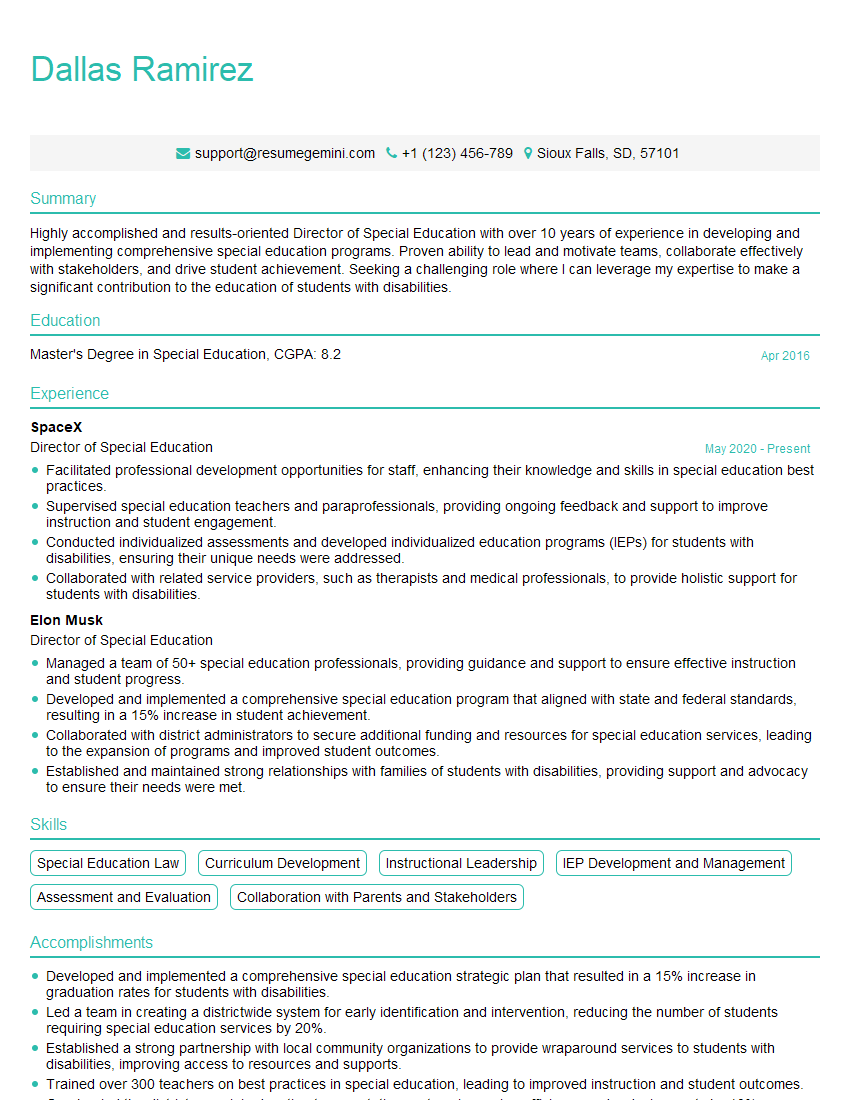
Director of Special Education Resume Sample
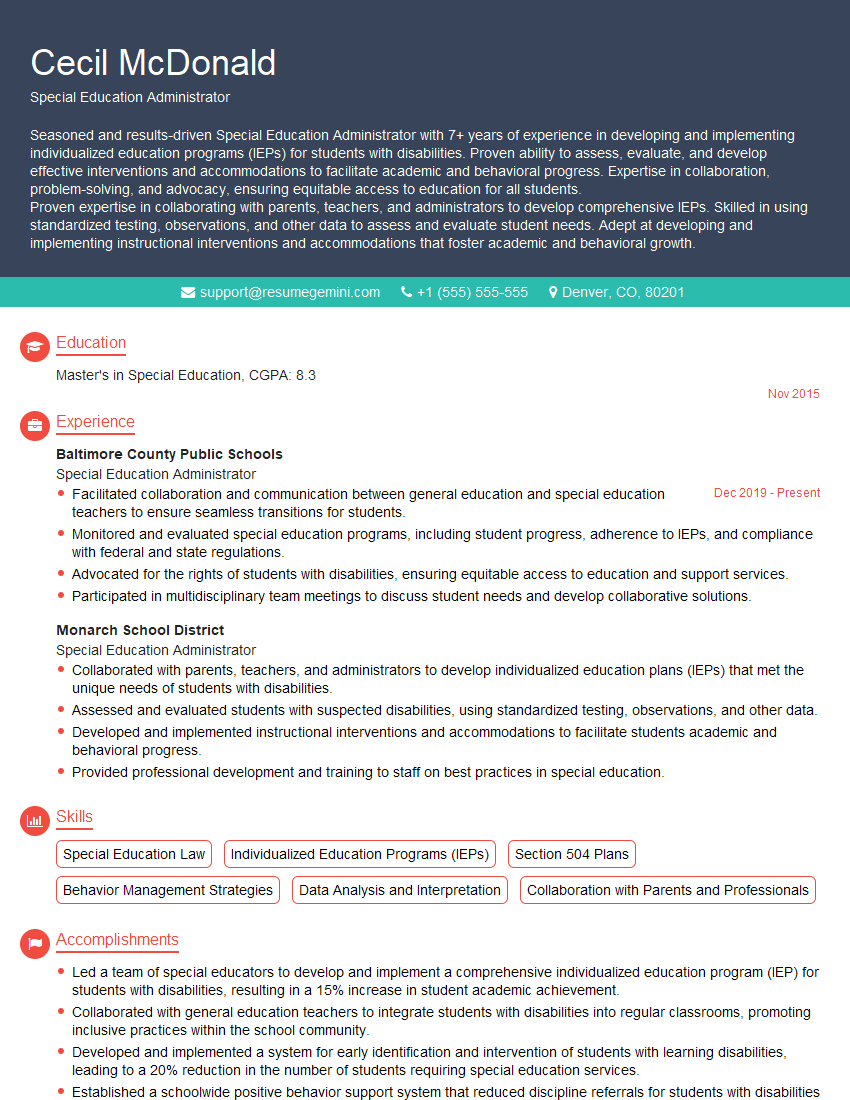
Special Education Administrator Resume Sample
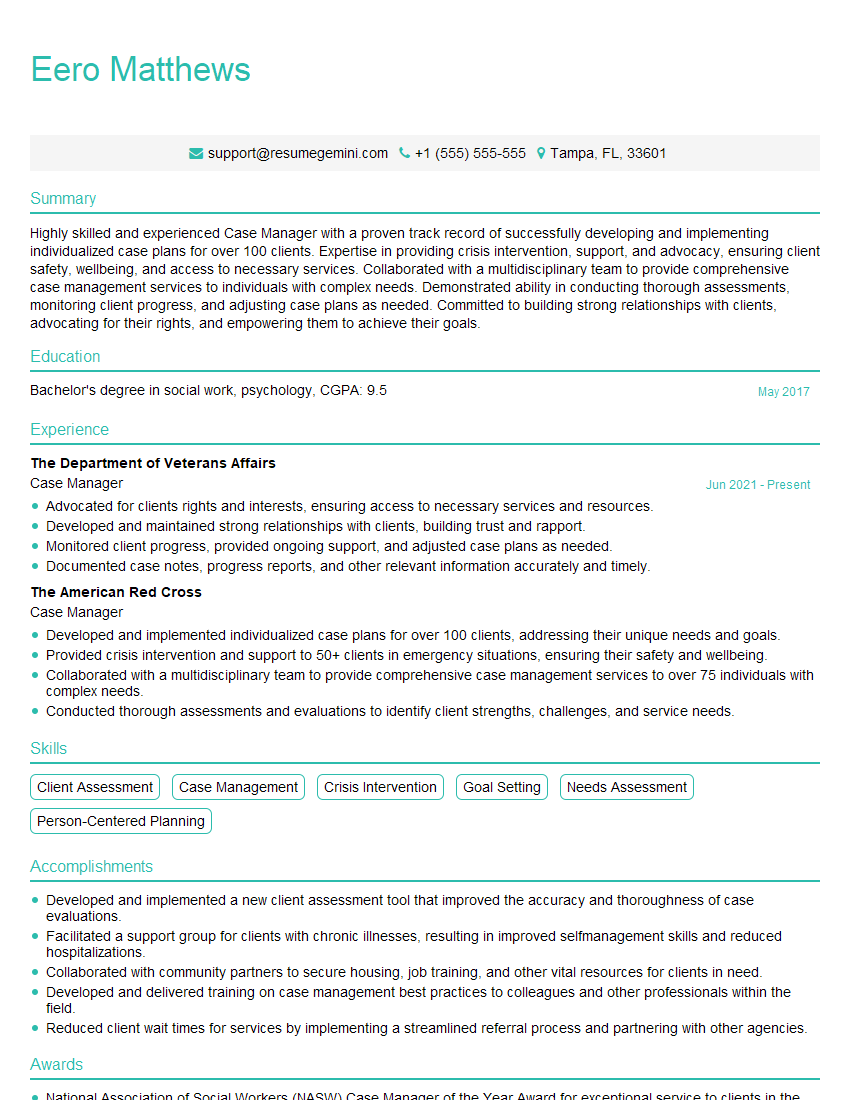
Case Manager Resume Sample
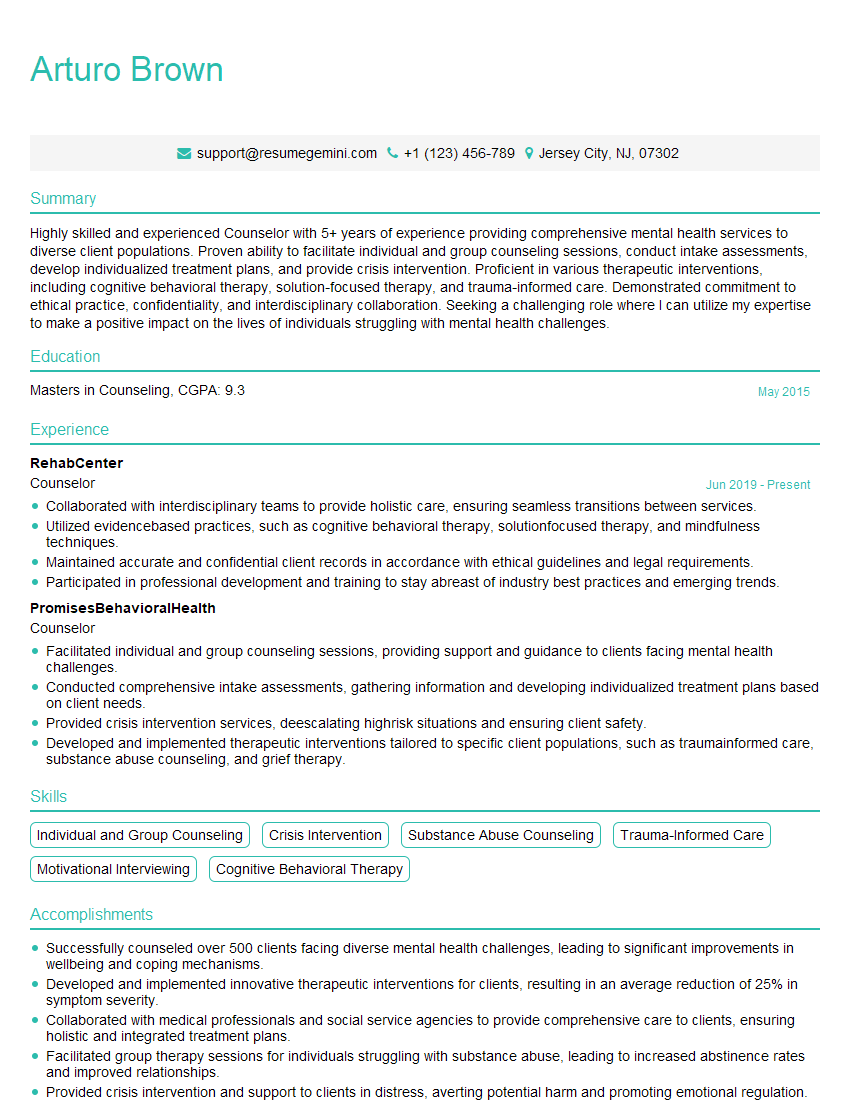
Counselor Resume Sample
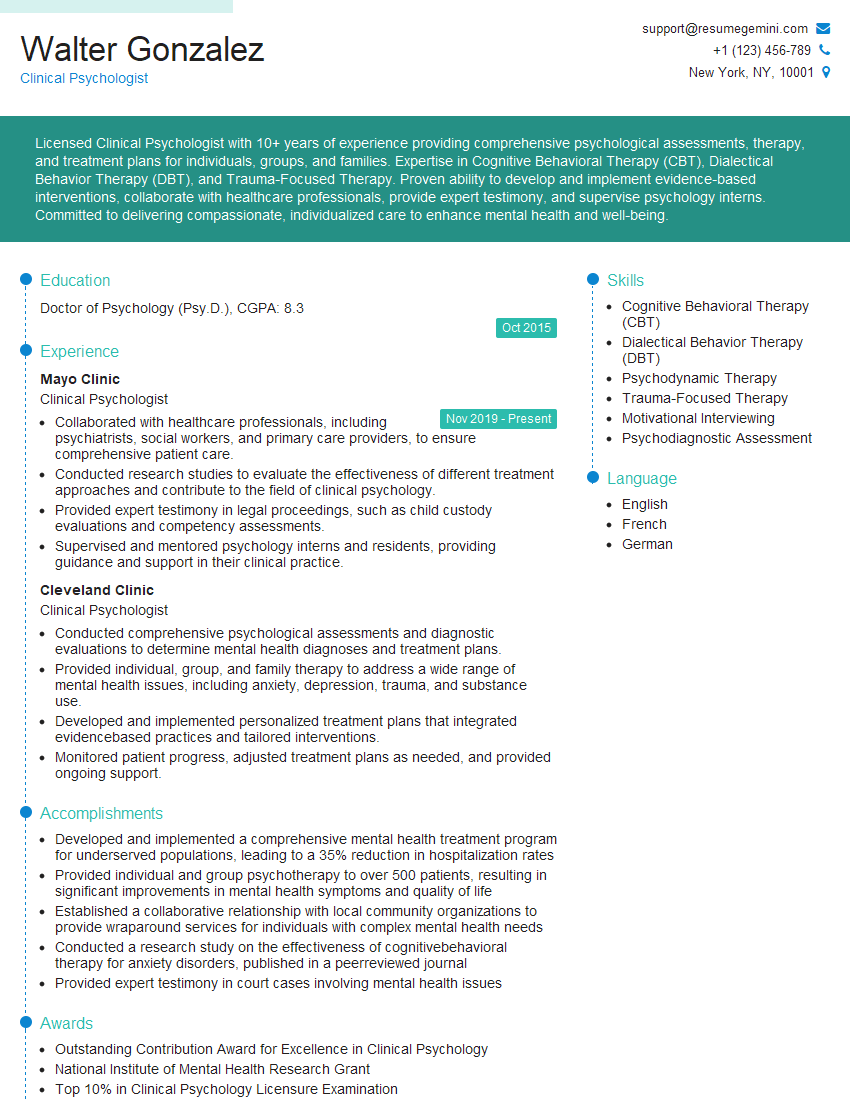
Clinical Psychologist Resume Sample
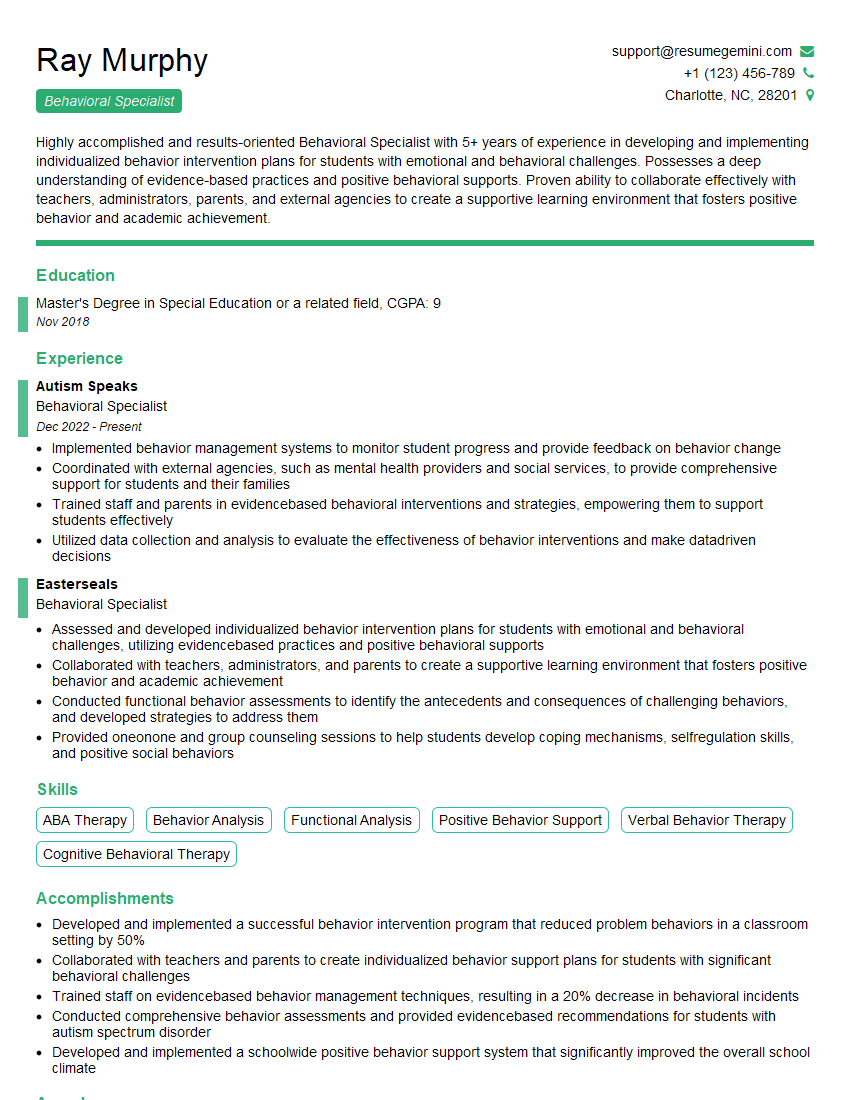
Behavioral Specialist Resume Sample
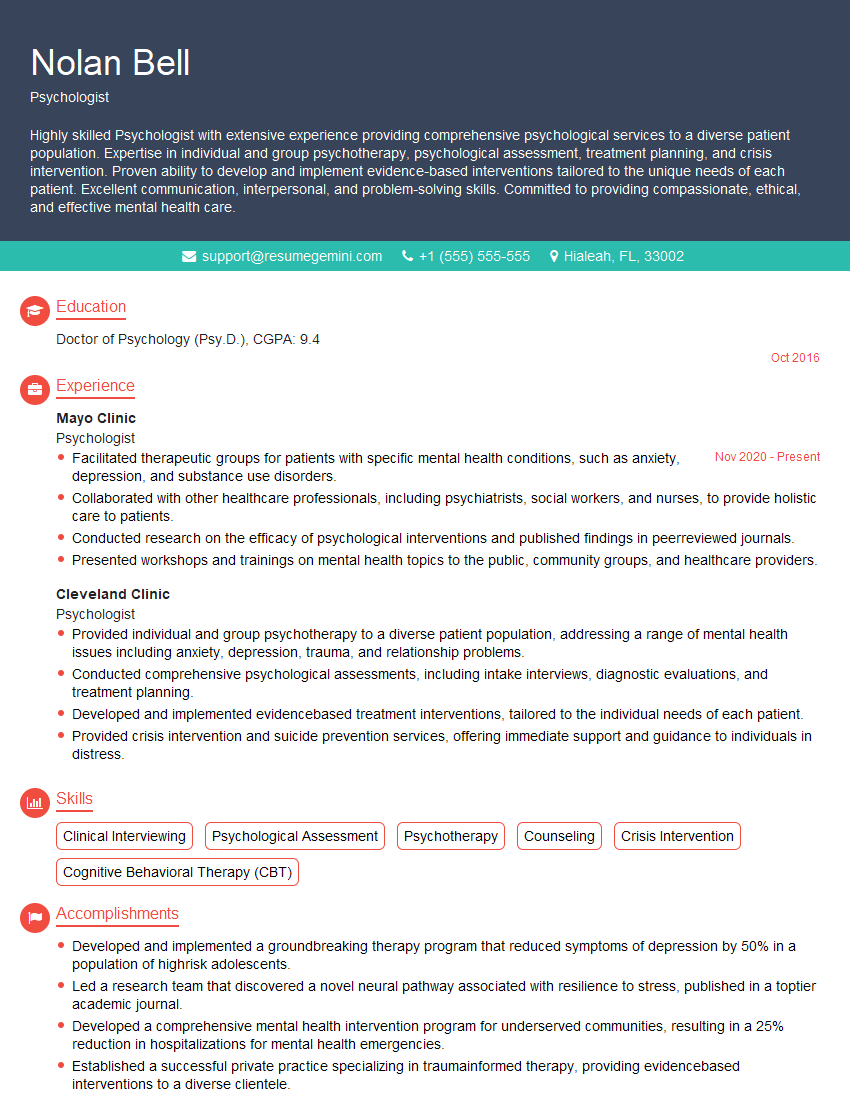
Psychologist Resume Sample
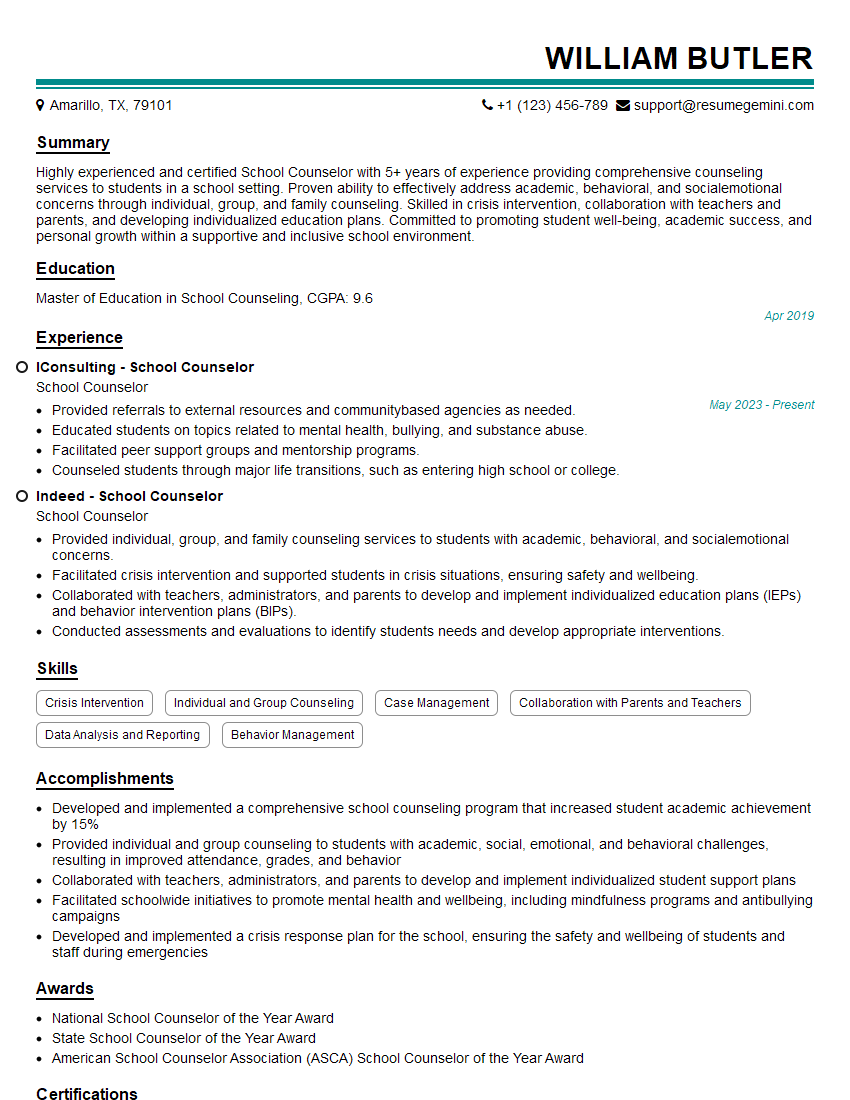
School Counselor Resume Sample
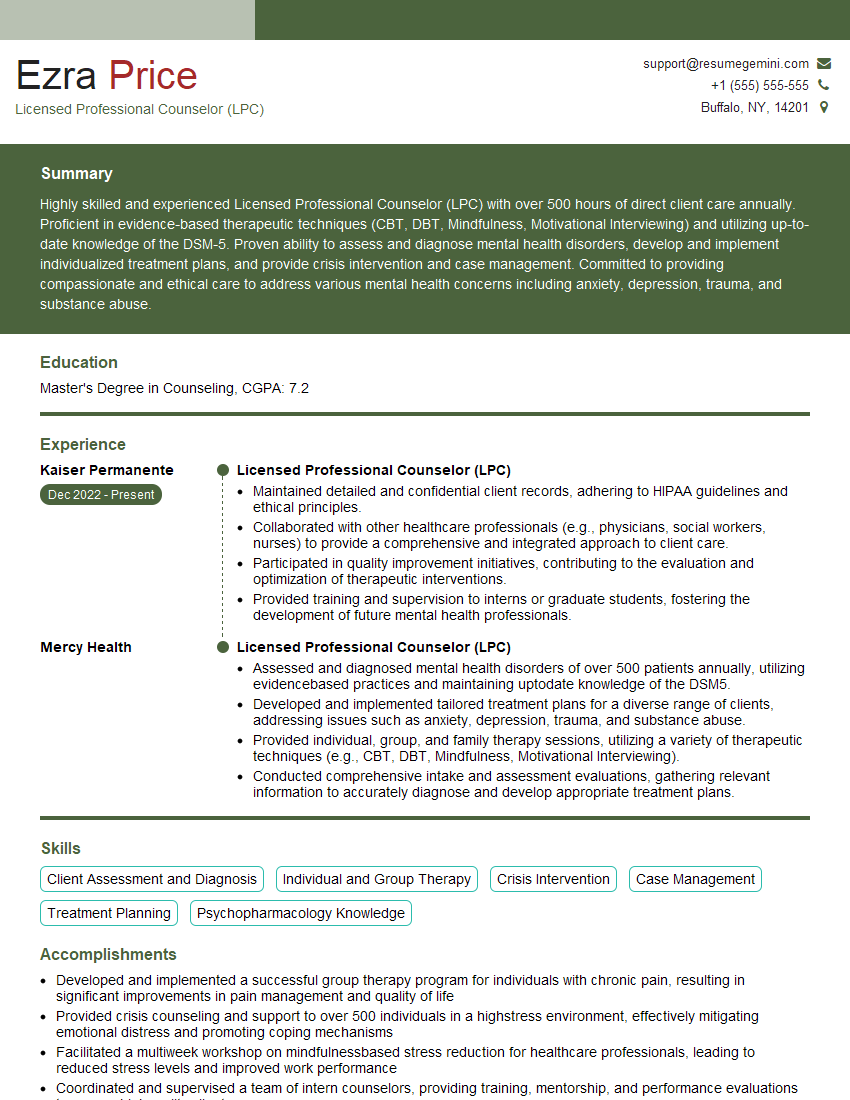
Licensed Professional Counselor (LPC) Resume Sample
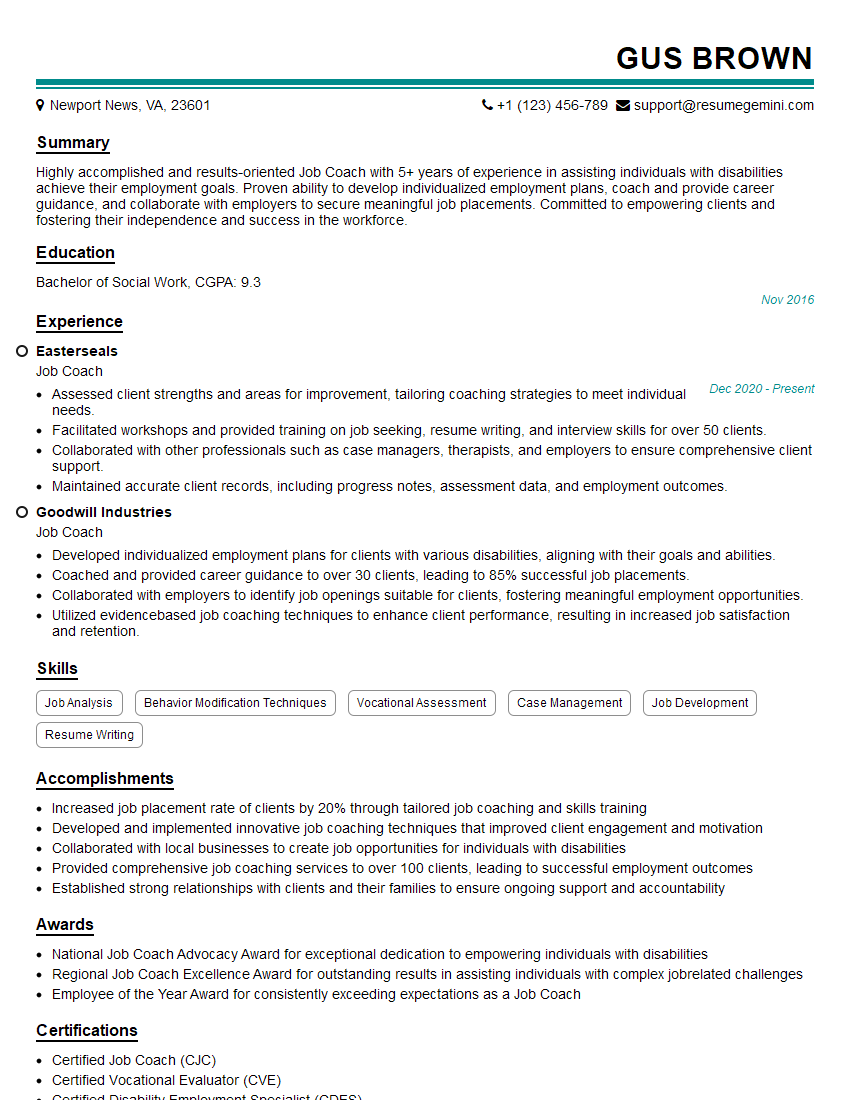
Job Coach Resume Sample

Mental Health Counselor Resume Sample
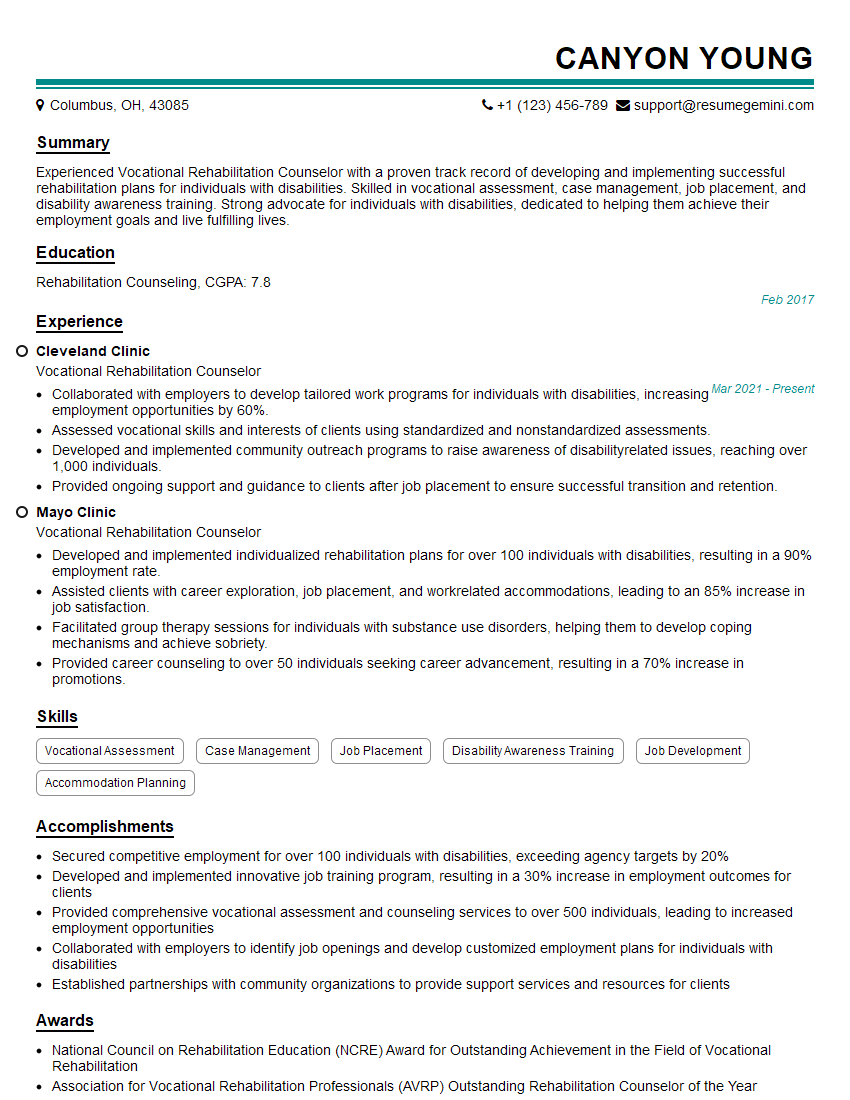
Vocational Rehabilitation Counselor Resume Sample
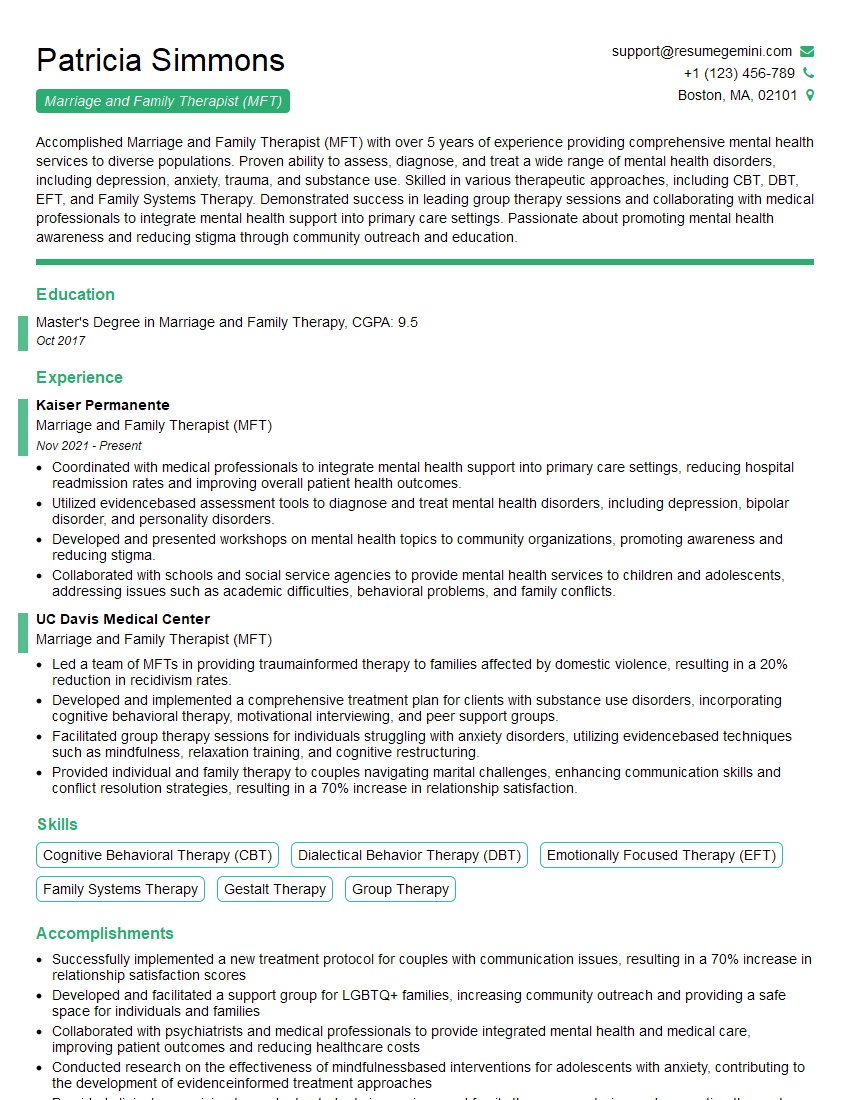
Marriage and Family Therapist (MFT) Resume Sample

Rehabilitation Counselor Resume Sample
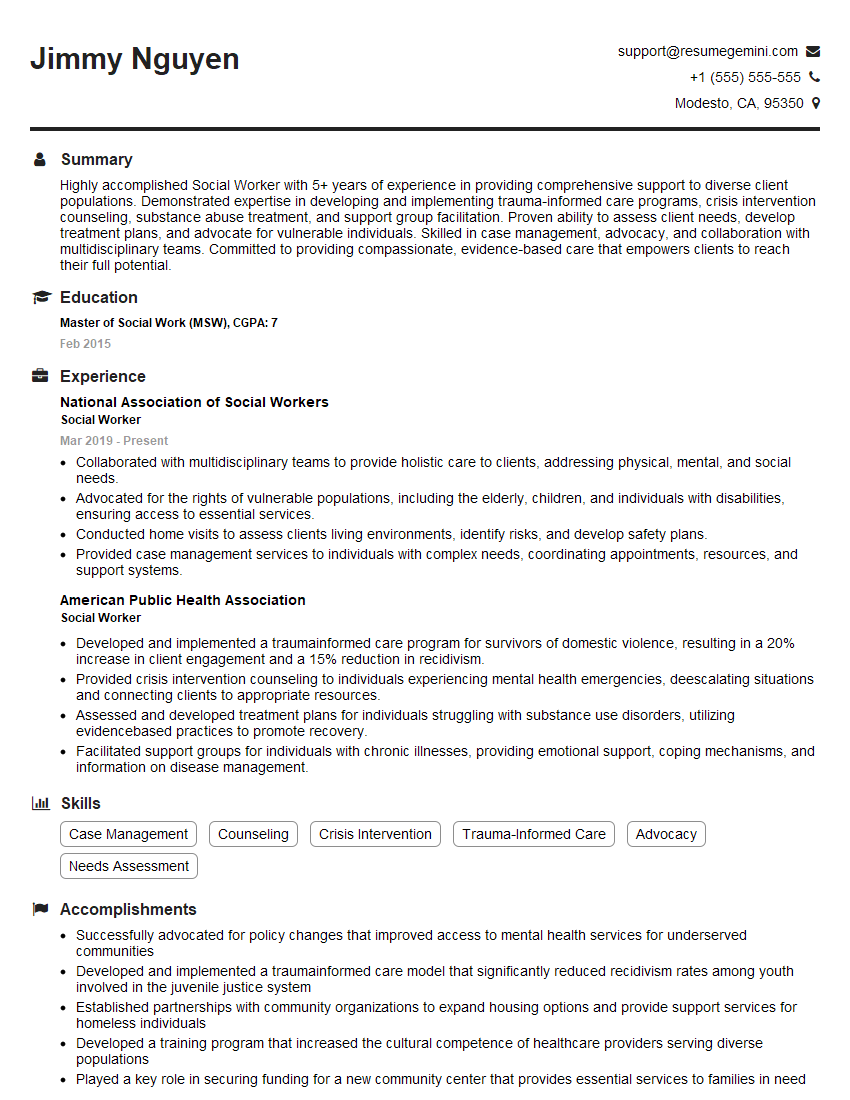
Social Worker Resume Sample
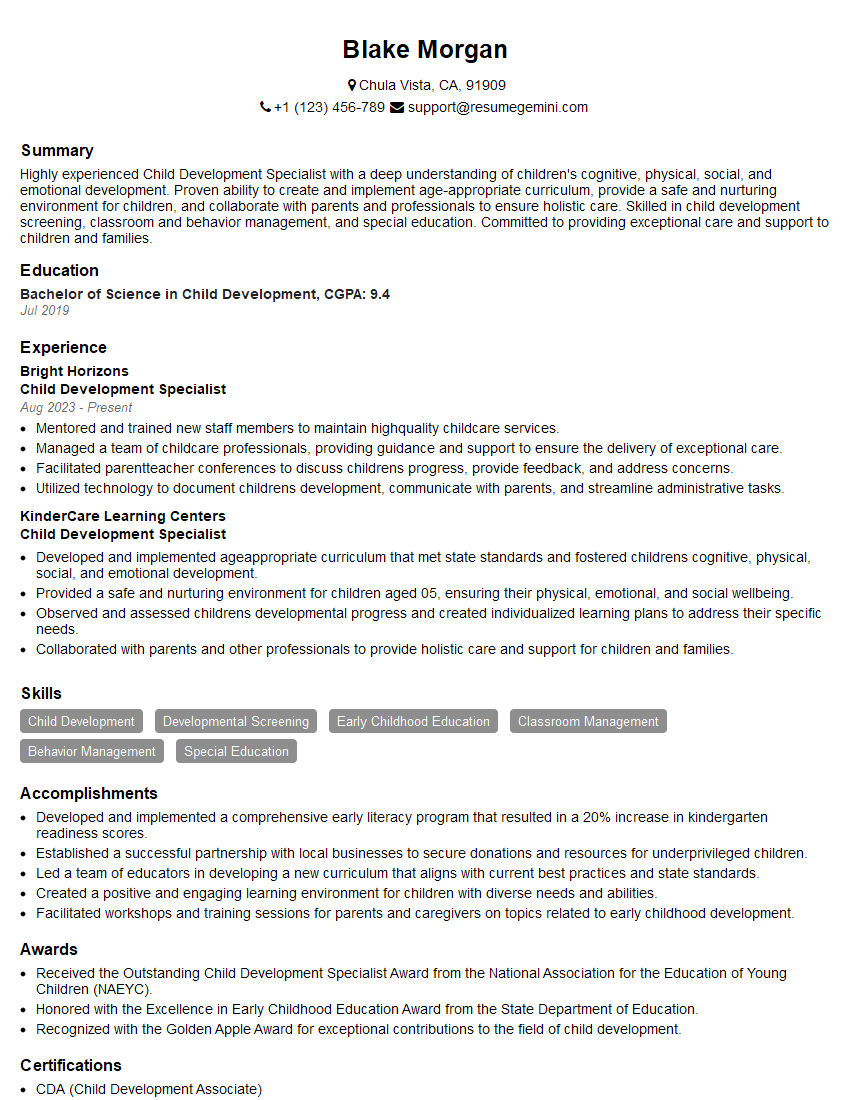
Child Development Specialist Resume Sample
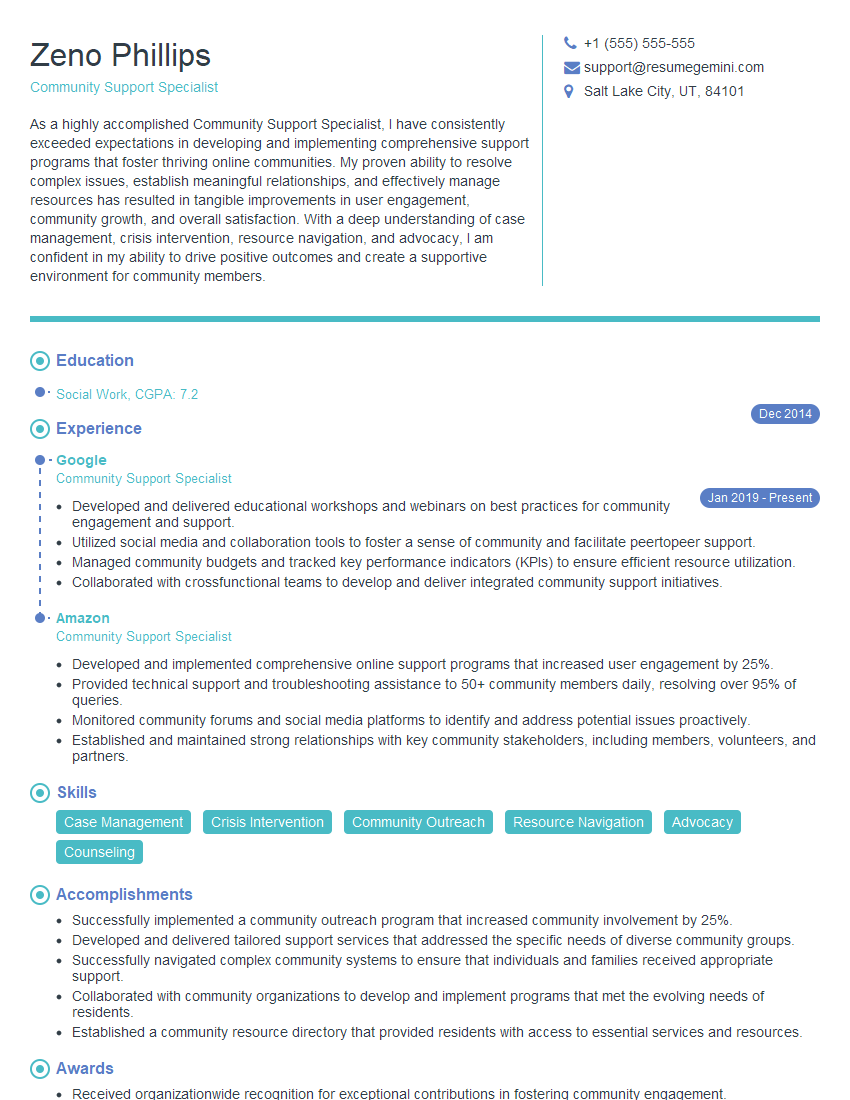
Community Support Specialist Resume Sample
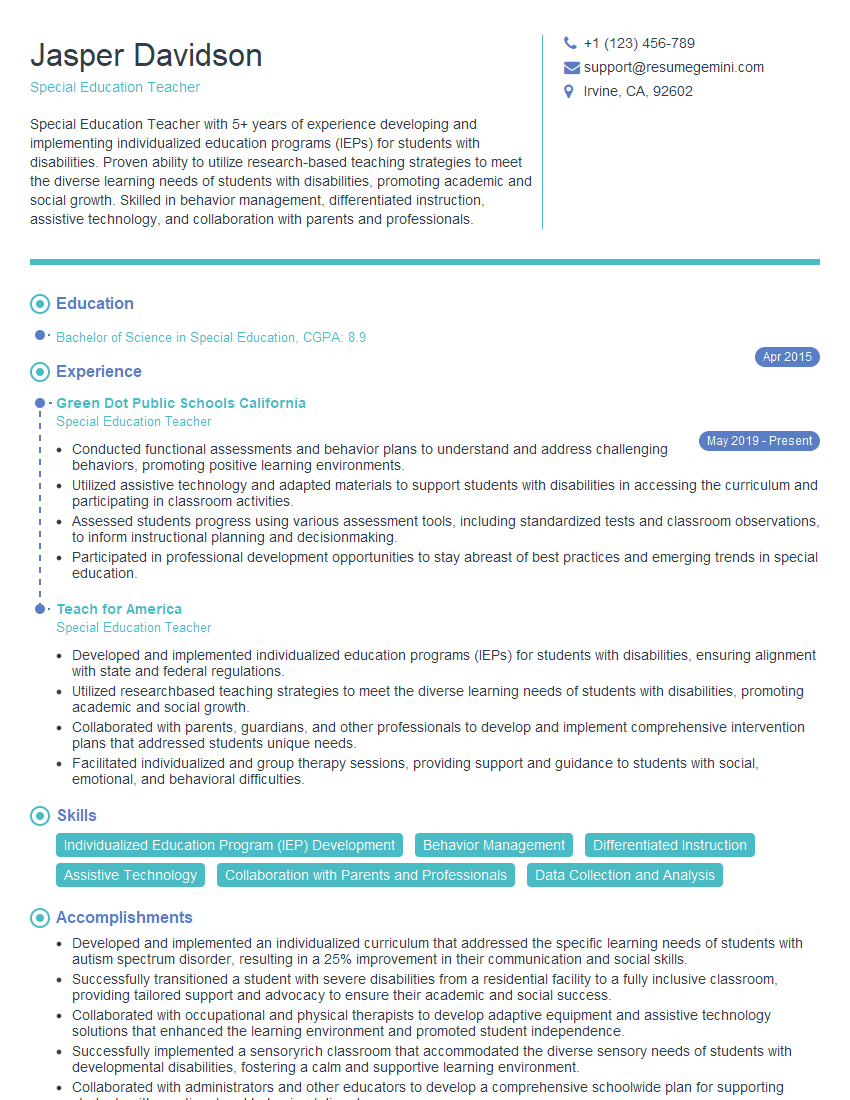
Special Education Teacher Resume Sample
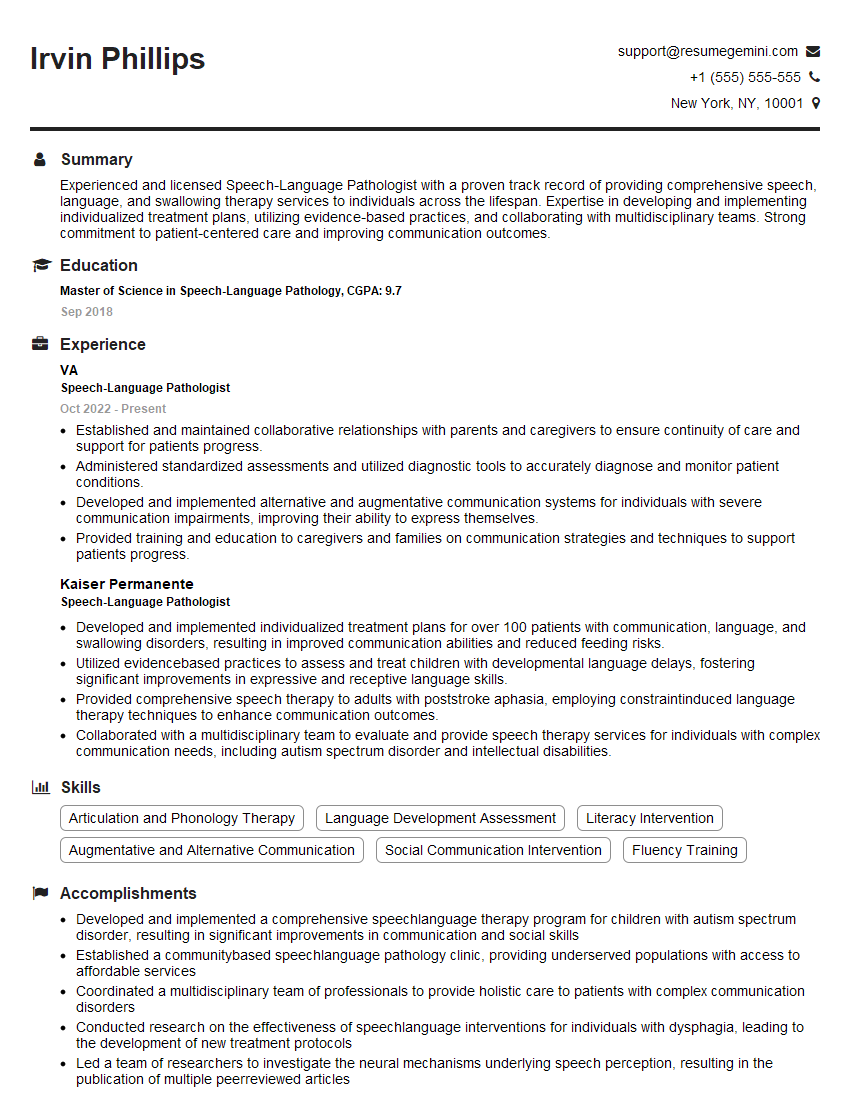
Speech-Language Pathologist Resume Sample
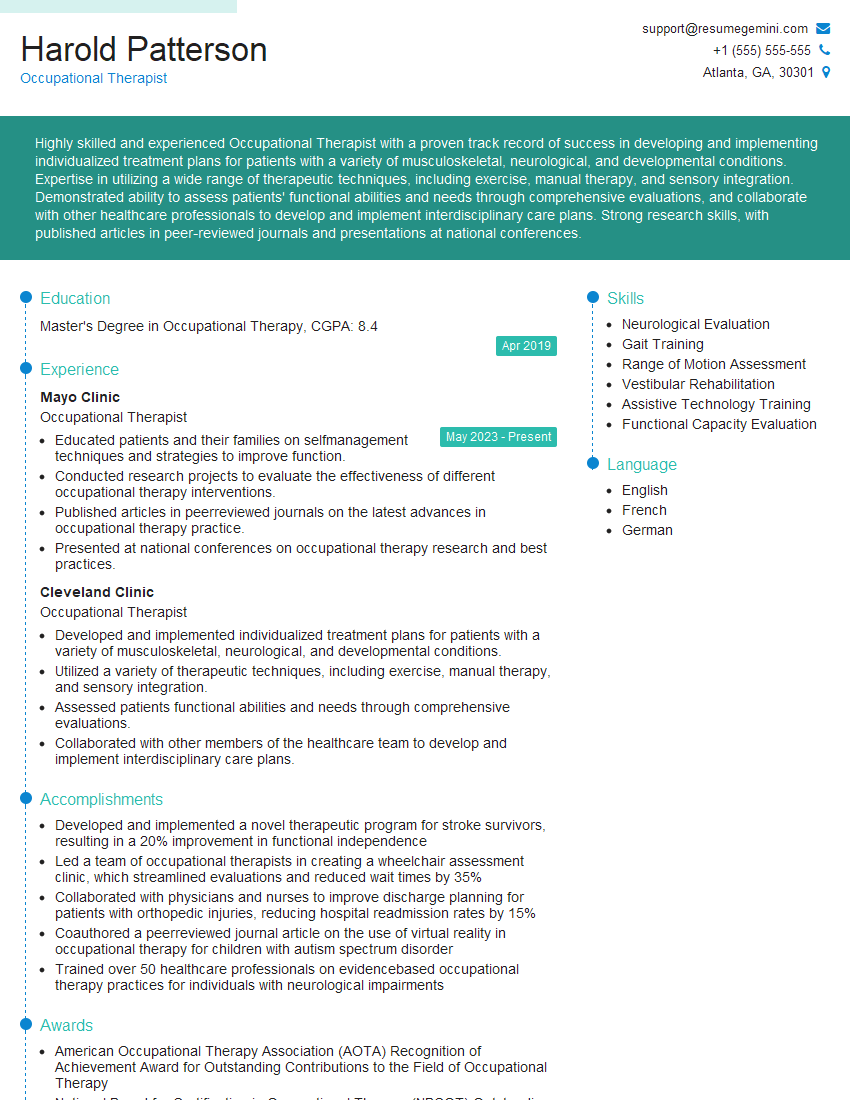
Occupational Therapist Resume Sample
- Director of Special Education
- Special Education Administrator
- Case Manager
- Counselor
- Clinical Psychologist
- Behavioral Specialist
- Psychologist
- School Counselor
- Licensed Professional Counselor (LPC)
- Job Coach
- Mental Health Counselor
- Vocational Rehabilitation Counselor
- Marriage and Family Therapist (MFT)
- Rehabilitation Counselor
- Social Worker
- Child Development Specialist
- Community Support Specialist
- Special Education Teacher
- Speech-Language Pathologist
- Occupational Therapist
Explore more articles
Users Rating of Our Blogs
Share Your Experience
We value your feedback! Please rate our content and share your thoughts (optional).
What Readers Say About Our Blog
I Redesigned Spongebob Squarepants and his main characters of my artwork.
https://www.deviantart.com/reimaginesponge/art/Redesigned-Spongebob-characters-1223583608
IT gave me an insight and words to use and be able to think of examples
Hi, I’m Jay, we have a few potential clients that are interested in your services, thought you might be a good fit. I’d love to talk about the details, when do you have time to talk?
Best,
Jay
Founder | CEO