Preparation is the key to success in any interview. In this post, we’ll explore crucial Understanding of Reading Development interview questions and equip you with strategies to craft impactful answers. Whether you’re a beginner or a pro, these tips will elevate your preparation.
Questions Asked in Understanding of Reading Development Interview
Q 1. Explain the stages of reading development according to the alphabetic principle.
The alphabetic principle is the understanding that letters represent sounds, and these sounds combine to form words. Reading development based on this principle unfolds in several stages, though these aren’t rigidly defined and children may progress at different paces.
- Pre-alphabetic Phase: Children begin to recognize some words visually, like their name or logos (e.g., McDonald’s), without understanding letter-sound correspondence. They might memorize the visual appearance of the word rather than sounding it out.
- Partial Alphabetic Phase: Children start to connect some letters with their sounds, often focusing on initial sounds (e.g., knowing that ‘C’ makes a /k/ sound in ‘cat’). They may also recognize some high-frequency sight words.
- Full Alphabetic Phase: Children master letter-sound correspondence, blending sounds to read words, and segmenting sounds to spell words. They can decode unfamiliar words systematically.
- Consolidated Alphabetic Phase: Readers become more efficient at decoding. They start to recognize word patterns and morphemes (meaning units), relying less on individual sound-by-sound decoding. This phase involves a shift from decoding to reading for meaning.
For example, a child in the partial alphabetic phase might read ‘cat’ correctly because they recognize the ‘c’ sound, but struggle with ‘hat’ because they haven’t yet mastered the ‘h’ sound. In the full alphabetic phase, they can decode both words accurately by blending sounds.
Q 2. Describe the difference between phonological awareness and phonemic awareness.
Both phonological awareness and phonemic awareness are crucial for reading development, but they operate at different levels. Think of phonological awareness as the umbrella term, encompassing a broader range of auditory skills related to sounds in language.
- Phonological Awareness: This is the overarching ability to hear and manipulate the sounds of spoken language. It includes tasks like rhyming, identifying syllables, and recognizing alliteration. For example, a child with strong phonological awareness can easily identify the rhyming words in ‘cat’, ‘hat’, and ‘mat’, or clap out the syllables in ‘butterfly’.
- Phonemic Awareness: This is a specific aspect of phonological awareness, focusing solely on the individual sounds (phonemes) in words. It includes tasks such as identifying the beginning and ending sounds in words, segmenting words into individual sounds, and blending sounds to make words. For example, a child with strong phonemic awareness can identify that the word ‘cat’ has three sounds: /k/, /æ/, /t/.
Essentially, phonemic awareness is a subset of phonological awareness. A child can have phonological awareness without strong phonemic awareness, but strong phonemic awareness usually indicates strong phonological awareness.
Q 3. What are the key components of effective reading comprehension instruction?
Effective reading comprehension instruction requires a multi-faceted approach focusing on several key components:
- Vocabulary Development: A rich vocabulary is crucial for understanding text. Instruction should include explicit vocabulary instruction, where meanings of words are directly taught and practiced in context.
- Fluency: Fluent readers read smoothly and accurately, allowing them to focus on meaning rather than decoding. Instruction should focus on developing reading speed and accuracy through repeated readings and practice.
- Background Knowledge: Readers use their prior knowledge to connect with the text. Instruction should activate prior knowledge and provide background information when needed.
- Comprehension Strategies: Readers use a variety of strategies to understand text, such as predicting, questioning, visualizing, and summarizing. Instruction should explicitly teach and practice these strategies.
- Text Structure Awareness: Understanding how texts are organized (e.g., narrative, expository) helps comprehension. Instruction should teach students to recognize and utilize different text structures.
- Monitoring Comprehension: Good readers actively monitor their understanding, and adjust their reading accordingly. Instruction should teach students to identify when they don’t understand something and strategies to seek clarification.
Think of it like building a house: vocabulary is the foundation, fluency is the strong framework, background knowledge is the solid walls, and comprehension strategies are the finishing touches, all connected by active monitoring to ensure a sturdy and meaningful structure.
Q 4. How do you assess a student’s reading level using informal and formal assessments?
Assessing a student’s reading level involves using a combination of informal and formal assessments.
- Informal Assessments: These are less structured and can be tailored to the individual student’s needs. Examples include:
- Running Records: Observing a student read aloud, noting errors and self-corrections. This helps determine accuracy, fluency, and reading level.
- Informal Reading Inventories (IRIs): A series of graded passages used to determine reading level based on accuracy and comprehension.
- Anecdotal Notes and Observations: Recording observations of a student’s reading behaviour in various contexts (e.g., during guided reading, independent reading).
- Formal Assessments: These are standardized tests that compare a student’s performance to a norm group. Examples include:
- Standardized Reading Achievement Tests: These tests provide a norm-referenced score, allowing comparison to other students of the same age or grade.
- Diagnostic Reading Assessments: These tests identify specific reading strengths and weaknesses, useful for guiding intervention.
Using both informal and formal assessments gives a comprehensive picture of a student’s reading abilities, strengths and areas needing improvement. For example, a running record might show a student struggling with specific phonics patterns, which can be further investigated through a diagnostic reading assessment.
Q 5. Explain the relationship between oral language development and reading acquisition.
Oral language development and reading acquisition are inextricably linked. Strong oral language skills form a solid foundation for reading success. Think of it like learning to speak before learning to write.
- Vocabulary: A rich oral vocabulary directly translates to reading comprehension. Children who hear and use a wide range of words are better equipped to understand written text.
- Phonological Awareness: The ability to hear and manipulate sounds in spoken language is crucial for decoding words. Children who can rhyme, segment sounds, and blend sounds orally tend to become better readers.
- Narrative Skills: Ability to tell and understand stories develops oral language skills that are directly relevant to reading comprehension of narrative texts.
- Grammar and Syntax: Understanding the structure of sentences in spoken language enhances comprehension of written sentences.
For instance, a child who frequently engages in conversations, listens to stories, and participates in language-rich activities will develop stronger oral language skills, which significantly supports their reading development. Conversely, limitations in oral language can create challenges in reading acquisition.
Q 6. What are some common indicators of dyslexia or other reading difficulties?
Identifying dyslexia or other reading difficulties requires a multi-faceted approach, considering various indicators across different domains. Early identification is key for timely intervention.
- Difficulties with Phonological Awareness: Struggling with rhyming, identifying syllables, or segmenting words into sounds.
- Slow or Inaccurate Decoding: Reading slowly, making many errors, or struggling to sound out unfamiliar words.
- Limited Reading Fluency: Reading hesitantly, with poor expression or lack of prosody (intonation and rhythm).
- Poor Reading Comprehension: Difficulty understanding what is read, even if decoding is relatively accurate.
- Spelling Difficulties: Significant inconsistencies in spelling, reflecting difficulties with phoneme-grapheme correspondence.
- Difficulties with Rapid Automatized Naming (RAN): Slow and inconsistent naming of familiar items (e.g., colors, letters, numbers).
- Family History of Reading Difficulties: Dyslexia often has a genetic component.
It is important to note that one indicator alone doesn’t confirm dyslexia. A comprehensive assessment by a specialist is necessary for a proper diagnosis. Early identification and intervention are crucial for supporting students with reading difficulties.
Q 7. Describe different types of reading interventions for struggling readers.
Interventions for struggling readers are tailored to the individual’s specific needs and often combine various approaches. Here are a few examples:
- Explicit and Systematic Phonics Instruction: Directly teaching letter-sound relationships and decoding skills through systematic and explicit instruction.
- Multisensory Techniques: Engaging multiple senses during instruction (e.g., tracing letters, using manipulatives) to improve encoding and decoding.
- Repeated Readings: Repeatedly reading passages to improve fluency and automaticity.
- Guided Reading: Working with a teacher or tutor in small groups to support decoding and comprehension.
- Intervention Programs: Structured programs such as Wilson Reading System or Orton-Gillingham approach, focusing on multisensory and systematic instruction.
- Technology-Assisted Interventions: Using technology for personalized instruction, such as computer-assisted reading programs.
The best approach often involves a combination of these strategies, guided by ongoing assessment to monitor progress and adjust the intervention plan as needed. For example, a student might benefit from explicit phonics instruction alongside repeated readings and technology-based exercises to strengthen specific decoding skills and fluency.
Q 8. What are the characteristics of effective reading intervention programs?
Effective reading intervention programs share several key characteristics. They are explicit and systematic, meaning they directly teach reading skills in a structured, sequential manner. This contrasts with implicit learning where skills are absorbed passively. Imagine teaching a child to ride a bike; an explicit approach would involve clear instructions and demonstrations, while an implicit approach might involve letting the child figure it out independently. The explicit approach is far more effective for struggling readers.
Secondly, they are data-driven. Progress is constantly monitored, and instruction is adjusted based on individual student needs. This means regular assessments and ongoing evaluation are vital. Think of it like a GPS for learning; the system constantly adjusts the route based on real-time data.
- Intensity: Effective programs provide frequent, focused instruction.
- Individualization: They cater to specific student needs and learning styles.
- Progress Monitoring: They incorporate regular assessments to track student growth.
- Teacher Training: They require well-trained teachers who understand the science of reading.
Finally, effective programs are evidence-based, relying on research-supported strategies and interventions. They don’t rely on fads or untested methods. For example, programs that incorporate phonics instruction based on the science of reading are more effective than those that don’t.
Q 9. How do you differentiate instruction to meet the needs of diverse learners in reading?
Differentiating instruction is crucial for meeting the diverse needs of learners. This means adapting teaching methods, materials, and assessments to suit different learning styles, abilities, and backgrounds. This includes students with dyslexia, ADHD, English Language Learners (ELLs), and gifted students.
For example, a student with dyslexia might benefit from multi-sensory instruction, using visual, auditory, and kinesthetic methods. This could involve using colored overlays, listening to audiobooks, and using manipulatives to represent words and sounds. An ELL student might need more support with vocabulary and language acquisition, perhaps through pre-teaching key terms or providing visual aids. A gifted student might need more challenging texts and opportunities for independent research.
Differentiation might involve:
- Grouping: Small group instruction allows for targeted support based on student needs.
- Tiered assignments: Offering different levels of complexity for the same task allows students to work at their own pace and level of understanding.
- Flexible grouping: Grouping students based on specific skill needs for particular activities.
- Assistive technology: Utilizing tools such as text-to-speech software or speech-to-text software to meet diverse needs.
Ultimately, differentiation requires careful observation, assessment, and adaptation to ensure all students are supported and challenged appropriately. It’s a dynamic process requiring continuous monitoring and adjustment.
Q 10. What is your experience with using technology to support reading instruction?
Technology has become an invaluable tool in supporting reading instruction. I’ve extensively used various educational software and apps to enhance reading comprehension, fluency, and vocabulary development. For example, I’ve used programs that provide individualized practice in phonics, interactive reading games that motivate students, and digital storytelling tools that encourage creativity.
Specifically, I’ve had positive experiences with:
- Adaptive learning platforms: These adjust the difficulty of exercises based on student performance, providing personalized support.
- Reading apps with text-to-speech capabilities: These help struggling readers access more challenging texts and improve fluency.
- Digital dictionaries and thesauruses: These provide instant access to word definitions and synonyms, supporting vocabulary building.
- Educational games: These enhance reading practice in a fun and engaging way.
However, technology is not a replacement for effective teaching. It’s a supplemental tool that should be strategically incorporated to enhance, not replace, high-quality instruction. It’s vital to carefully select and implement technology, ensuring it aligns with learning objectives and addresses student needs.
Q 11. Describe your approach to collaborating with parents/guardians regarding a student’s reading progress.
Collaborating with parents/guardians is essential for student success. I believe in open and frequent communication, keeping families informed of their child’s progress and any challenges faced. I utilize various methods, including:
- Regular progress reports: These provide clear and concise updates on reading skills and areas for improvement.
- Parent-teacher conferences: These provide opportunities for in-depth discussions and collaborative goal setting.
- Email and phone calls: These are used for quick updates and to address any immediate concerns.
- Digital platforms: Many schools use digital platforms to share student work, assignments, and assessments with parents.
I always strive to empower parents to support their child’s learning at home. This can involve suggesting specific activities or resources that complement classroom instruction. For example, I might recommend reading aloud together, playing word games, or using online reading resources. The key is to create a partnership built on mutual trust and shared responsibility for the child’s reading development.
Q 12. How do you monitor student progress and adjust instruction accordingly?
Monitoring student progress and adjusting instruction is an ongoing process. I use a variety of formative and summative assessments to track student learning. Formative assessments, such as classroom observations, informal reading inventories, and quick checks, provide ongoing feedback and allow for adjustments during instruction. Summative assessments, such as unit tests or standardized assessments, offer a broader picture of student achievement at specific intervals.
Data from these assessments informs my instructional decisions. If a student is struggling with a particular skill, I might provide additional instruction, use different teaching strategies, or adjust the pace of instruction. Conversely, if a student is excelling, I might provide more challenging materials or opportunities for independent learning. This iterative process ensures that instruction remains responsive to individual student needs.
Think of it as a feedback loop. Assessment provides data, which informs instruction, leading to further assessment and refinement of instruction. It’s a continuous cycle of evaluation, adaptation, and improvement.
Q 13. What are some evidence-based strategies for improving reading fluency?
Improving reading fluency involves enhancing accuracy, rate, and prosody (expression). Evidence-based strategies include:
- Repeated Readings: Students read the same text multiple times, focusing on accuracy and increasing speed.
- Choral Reading: Students read aloud together, improving accuracy and pacing.
- Partner Reading: Students read aloud with a partner, providing support and feedback.
- Audio-Assisted Reading: Students read along with an audio recording of the text, improving accuracy and expression.
- Readers’ Theatre: Students perform a play or skit based on a text, encouraging expressive reading.
These strategies focus on building automaticity—the ability to read words accurately and effortlessly. When students can decode words automatically, they can focus their attention on comprehension. This is crucial because fluency is a strong predictor of reading comprehension; students who read fluently are better able to understand what they read. It’s like learning to play a musical instrument; the more you practice, the more fluent and effortless it becomes.
Q 14. Explain the importance of vocabulary development in reading comprehension.
Vocabulary development is absolutely crucial for reading comprehension. A strong vocabulary enables students to understand the meaning of words and sentences, ultimately leading to better comprehension. It’s difficult to understand a text if you don’t know the meaning of many of the words within it. Imagine trying to read a book written in a foreign language you don’t understand; the comprehension would be nearly impossible.
Vocabulary instruction should be:
- Direct Instruction: Explicitly teaching word meanings, including definitions, pronunciations, and examples.
- Contextual Learning: Encouraging students to infer word meanings from context clues within texts.
- Repeated Exposure: Providing opportunities to encounter new words in multiple contexts.
- Use of Word Walls and Vocabulary Notebooks: Creating visual aids and resources to aid in vocabulary learning.
Students with limited vocabularies often struggle with reading comprehension, even if they are proficient decoders. Therefore, building vocabulary should be a central focus of any reading program. It’s not just about memorizing definitions; it’s about understanding the nuances of language and how words contribute to overall meaning.
Q 15. Describe your experience with various reading assessment tools (e.g., DIBELS, STAR, AIMSweb).
My experience with reading assessment tools is extensive, encompassing both universal screening measures and more in-depth diagnostic assessments. I’m proficient in using DIBELS (Dynamic Indicators of Basic Early Literacy Skills) to track phonological awareness, phonics, fluency, and vocabulary development in young readers. This tool provides valuable data for early intervention. STAR (Star Reading) is another assessment I frequently employ. Its adaptive nature allows for efficient testing, providing grade-level equivalencies and detailed reports on student strengths and weaknesses across various reading skills. Finally, AIMSweb provides a comprehensive suite of assessments, including measures of reading fluency, comprehension, and vocabulary, which allows for monitoring progress over time and tailoring instruction. I find the data from these assessments invaluable in creating individualized learning plans. For example, if a student consistently scores low on DIBELS oral reading fluency, I would focus on explicit instruction in phonics and fluency-building strategies, potentially supplementing with targeted interventions. The data from these tools helps to paint a clear picture of a student’s reading profile, allowing for more informed instructional decisions.
Career Expert Tips:
- Ace those interviews! Prepare effectively by reviewing the Top 50 Most Common Interview Questions on ResumeGemini.
- Navigate your job search with confidence! Explore a wide range of Career Tips on ResumeGemini. Learn about common challenges and recommendations to overcome them.
- Craft the perfect resume! Master the Art of Resume Writing with ResumeGemini’s guide. Showcase your unique qualifications and achievements effectively.
- Don’t miss out on holiday savings! Build your dream resume with ResumeGemini’s ATS optimized templates.
Q 16. How do you incorporate formative and summative assessments into your reading instruction?
Formative and summative assessments are both crucial components of my reading instruction. Formative assessments, like quick checks, exit tickets, and informal observations during reading activities, allow me to monitor student understanding and adjust my teaching in real time. For example, if I notice several students struggling with a particular phonics skill during a quick check, I’ll immediately re-teach that skill using a different strategy. Summative assessments, on the other hand, provide a broader picture of student learning at the end of a unit or term. Examples include unit tests, benchmark assessments, and projects. I use the data from summative assessments to evaluate the effectiveness of my instruction and to identify areas where students may need additional support. The combination of both types of assessments creates a continuous feedback loop, ensuring that instruction is always responsive to student needs. Imagine teaching a unit on reading comprehension strategies; formative assessments (e.g., quick questions during a read-aloud) allow for immediate adjustments in instruction if students struggle with summarizing or identifying main ideas. The summative assessment (e.g., a comprehension test at the end of the unit) then provides a holistic overview of student learning, informing future instruction.
Q 17. What are some strategies for teaching students to use context clues to decode unfamiliar words?
Teaching students to effectively utilize context clues is a critical skill for independent reading. I employ several strategies to help students develop this skill. First, I explicitly model how to use context clues, highlighting different types of clues such as synonyms, antonyms, definitions, and examples within the text. For instance, if we encounter an unfamiliar word, we’ll examine the surrounding sentences to find clues about its meaning. Second, I engage students in collaborative activities where they work together to identify and interpret context clues. Third, I provide differentiated instruction, offering support to students who need extra help. This might involve using graphic organizers or providing sentence frames to help students analyze the context. Finally, I regularly incorporate activities that encourage students to actively predict, confirm, and self-correct while reading. For example, if a student encounters an unfamiliar word and makes an incorrect prediction, we will analyze the surrounding sentences together to confirm or revise the prediction. Through this multifaceted approach, students develop confidence and efficiency in using context clues to unlock word meanings and enhance comprehension.
Q 18. How do you address students’ misconceptions about reading and learning?
Addressing students’ misconceptions about reading and learning is crucial for fostering a positive and successful learning environment. Many students develop inaccurate beliefs about reading, such as ‘good readers read quickly and effortlessly’ or ‘reading is solely about decoding words’. I address these misconceptions by creating a classroom culture that values effort, perseverance, and strategic reading practices. I explicitly teach students about the cognitive processes involved in reading, emphasizing that reading is a complex skill that involves both decoding and comprehension. I use open discussions to allow students to share their beliefs about reading, creating a safe space for them to voice their ideas without judgment. We then explore these ideas together, examining their accuracy and identifying more accurate representations of reading. I also use engaging activities, such as literature circles and readers’ theater, to show students the enjoyment and rewards of reading. Finally, I provide specific, positive feedback emphasizing their strengths and areas of growth, fostering their confidence and motivation as readers. Modeling my own reading strategies and demonstrating the effort involved in tackling challenging texts is also crucial in dispelling misconceptions.
Q 19. Explain the role of phonics in reading acquisition.
Phonics plays a foundational role in reading acquisition. It’s the understanding of the relationship between letters and sounds. A strong phonics foundation enables students to decode unfamiliar words independently, a crucial skill for becoming proficient readers. My phonics instruction incorporates systematic and explicit teaching of letter-sound correspondences, blending and segmenting sounds, and applying phonics knowledge to decode words. I utilize various methods, including explicit instruction, interactive games, and hands-on activities, to make learning engaging and effective. For example, we might use manipulatives to segment and blend sounds, or play games to practice letter-sound recognition. Regular assessment allows me to identify and address individual student needs. Without a solid grasp of phonics, students often struggle with reading fluency and comprehension, as they spend too much cognitive energy decoding words instead of understanding the meaning of the text. A strong phonics foundation is the cornerstone for building reading skills.
Q 20. How do you teach students to become independent readers?
Cultivating independent readers requires a multifaceted approach. I encourage students to set their own reading goals, providing support in selecting books at their independent reading level. We use strategies like guided reading and book talks to facilitate this selection process. Explicit instruction in reading strategies such as predicting, questioning, clarifying, summarizing, and visualizing (the SQ3R method) is crucial. Providing opportunities for independent reading within a supportive classroom environment is key. We create a classroom library with a variety of genres and reading levels to cater to individual interests. Regularly scheduled time for independent reading allows for practice and enjoyment. Sharing strategies and discussing reading preferences within book clubs and literature circles fosters a sense of community and enhances reading motivation. Furthermore, teaching students how to self-monitor their reading progress, self-select books, and utilize available resources contributes to their development as self-sufficient and enthusiastic readers. It’s about building confidence, fostering a love for reading, and providing the necessary skills and support.
Q 21. What are the signs of a student who is a struggling reader?
Several signs can indicate a struggling reader. These may include difficulty decoding words, even simple ones; slow reading pace; poor comprehension, even after repeated readings; frequent use of guessing strategies; limited vocabulary; and avoidance of reading activities. Additionally, struggling readers may exhibit frustration or anxiety when faced with reading tasks. Beyond these academic indicators, struggling readers might also demonstrate difficulty with phonological awareness (rhyming, identifying sounds), and show limited understanding of print conventions (directionality of text, spacing between words). It’s important to note that these signs can manifest differently in different students. A thorough assessment is necessary to identify the specific challenges a student faces. Early identification and intervention are crucial to prevent further difficulties. A multi-faceted approach involving classroom-based support, specialized instruction, and collaboration with parents and other professionals is often required to support struggling readers and help them develop the skills they need to become confident and successful readers.
Q 22. Explain your experience working with students with IEPs or 504 plans related to reading.
Throughout my career, I’ve worked extensively with students possessing Individualized Education Programs (IEPs) and 504 plans related to reading difficulties. My approach is always individualized, focusing on the specific needs outlined in each plan. This often involves collaborating closely with special education teachers, parents, and other relevant professionals to create a supportive and effective learning environment. For example, I worked with a student with a dyslexia diagnosis whose IEP specified explicit phonics instruction and multi-sensory learning techniques. We implemented a structured literacy program, incorporating visual, auditory, and kinesthetic activities to build his phonemic awareness and decoding skills. For students with 504 plans, the accommodations might involve providing extra time for assignments, preferential seating, or assistive technology like text-to-speech software. The key is flexibility and adaptation – tailoring strategies to meet the individual learning profile of each student, while always adhering to the guidelines set forth in their IEP or 504 plan.
Q 23. Describe your experience with different reading methodologies (e.g., balanced literacy, whole language).
My experience encompasses a range of reading methodologies, including balanced literacy and whole language approaches. I believe that a truly effective approach often integrates elements from several methods, rather than rigidly adhering to just one. Balanced literacy, for instance, emphasizes a balance between phonics instruction (explicit teaching of letter-sound relationships), fluency practice (repeated reading to improve speed and accuracy), and reading comprehension strategies (techniques for understanding text). I’ve utilized guided reading groups within a balanced literacy framework, differentiating instruction based on students’ reading levels. Whole language, on the other hand, prioritizes meaning-making and immersing students in rich literacy experiences. I incorporate elements of whole language through shared reading, engaging with a wide variety of texts, and promoting student choice in their reading materials. However, I always ensure that foundational skills, such as phonics, are addressed effectively, avoiding the pitfalls of solely relying on immersion-based methods for struggling readers. A balanced approach that leverages the strengths of each methodology proves most effective in my experience.
Q 24. What is your experience with progress monitoring and data-driven decision making in reading instruction?
Progress monitoring and data-driven decision-making are integral to my teaching practice. I regularly assess students’ reading skills using a variety of formative and summative assessments, such as running records, curriculum-based measurements (CBMs), and informal reading inventories. This data informs my instructional decisions, allowing me to identify students who are struggling and adjust my teaching accordingly. For example, if CBM data reveals that a group of students are struggling with decoding multisyllabic words, I can then dedicate more time to explicit instruction in morphology and syllabication. I use this data to track student progress over time, celebrating successes and adapting my instruction based on areas where students need further support. Regular data analysis also enables me to demonstrate the effectiveness of my interventions to parents and administrators, providing accountability and evidence of student growth. It’s a cyclical process of assessment, analysis, instruction, and reassessment, ensuring that all students receive the support they need to succeed.
Q 25. How do you promote a love of reading among your students?
Cultivating a love of reading is paramount. I create a classroom environment where reading is valued and celebrated. This involves providing access to a wide variety of engaging texts, including diverse genres and authors to reflect the students’ interests and backgrounds. We frequently participate in book talks and discussions, sharing our reading experiences and recommending books to each other. I organize classroom libraries with comfortable reading nooks and create opportunities for independent reading time. I also incorporate creative activities like reader’s theatre, book-related art projects, and writing activities based on our reading. Beyond the classroom, I encourage students to visit the public library and participate in community reading programs. Personalizing reading experiences, through student choice and book recommendations tailored to their interests, significantly impacts their engagement and enjoyment. The goal is to make reading a fun and rewarding experience, fostering a lifelong love of literature.
Q 26. What are some effective strategies for teaching reading comprehension skills?
Teaching effective reading comprehension involves a multi-faceted approach. I explicitly teach students a range of comprehension strategies such as predicting, questioning, visualizing, summarizing, and making inferences. We practice these strategies using various texts and activities. For example, during shared reading, I model these strategies aloud, thinking aloud as I read, demonstrating how I make inferences or visualize the setting. I also provide opportunities for students to practice independently, working both collaboratively and individually. Graphic organizers, such as story maps and KWL charts (Know, Want to know, Learned) help students organize information and make connections. I also encourage students to engage in metacognitive strategies – thinking about their own thinking – by prompting them to reflect on their comprehension processes. This includes asking them to explain their understanding, identify any areas of confusion, and describe the strategies they used. By providing explicit instruction, modeling, and opportunities for practice, I equip students with the tools they need to become skilled and confident readers.
Q 27. How would you differentiate instruction for a student who is significantly below grade level in reading?
Differentiation is crucial for students significantly below grade level. First, I would conduct a thorough assessment to pinpoint the specific areas of difficulty, such as phonological awareness, decoding, fluency, or vocabulary. Based on this assessment, I’d create an individualized learning plan focusing on targeted interventions. This could include providing explicit and systematic phonics instruction, utilizing multi-sensory activities, and providing repeated practice with decodable texts. I would also use assistive technology, such as audiobooks or text-to-speech software, to provide access to grade-level texts while simultaneously working on foundational skills. Small group instruction and one-on-one tutoring can offer more focused attention and support. Furthermore, I would build in frequent progress monitoring, regularly adjusting the instructional plan based on student response. The goal is to scaffold instruction, gradually building skills and confidence, while ensuring the student experiences success along the way. Regular communication with parents is essential to maintain consistency and provide support at home.
Q 28. Explain your understanding of the role of fluency in reading comprehension.
Fluency is a critical component of reading comprehension. Fluent readers read accurately, at an appropriate rate, and with expression. When readers struggle with decoding words or read too slowly, it disrupts their ability to process meaning and understand the text. Think of it like this: if you’re stumbling over every word, you’re less likely to grasp the overall message. A lack of fluency forces readers to expend excessive cognitive energy on decoding, leaving little capacity for comprehension. Therefore, I prioritize fluency instruction, using techniques such as repeated reading, choral reading, and partner reading. I encourage the use of audiobooks alongside print texts, so that students hear fluent reading and connect it to the written word. By improving fluency, we free up cognitive resources, allowing students to focus on the meaning of the text and ultimately improve their reading comprehension. Fluency is not just about speed; it’s about accuracy and expression, both of which contribute to a richer understanding of the text.
Key Topics to Learn for Understanding of Reading Development Interview
- Phonemic Awareness: Understanding the sounds of language and how they relate to letters and words. Consider practical applications in early literacy intervention and assessment.
- Phonics: The relationship between letters and sounds, and how this knowledge is applied to decoding and encoding words. Explore different phonics approaches and their effectiveness.
- Fluency: The ability to read accurately, quickly, and with expression. Discuss strategies for improving reading fluency and its impact on comprehension.
- Vocabulary Development: The acquisition and understanding of words and their meanings. Consider how vocabulary instruction impacts reading comprehension and overall academic success.
- Reading Comprehension: The ability to understand and interpret text. Explore different comprehension strategies, such as inferencing, summarizing, and analyzing text structure.
- Reading Assessment & Intervention: Understanding various assessment tools and methods used to identify reading difficulties and plan effective interventions. Discuss different types of reading disabilities and their impact on reading development.
- Developmental Stages of Reading: The typical progression of reading development from emergent literacy to proficient reading. Consider individual variations and factors influencing reading development.
- Theories of Reading Development: Familiarize yourself with major theories such as the Simple View of Reading and the role of various cognitive processes in reading acquisition. Think about how these theories inform instructional practices.
- Differentiated Instruction: Strategies for adapting instruction to meet the diverse needs of learners at different reading levels and with varying learning styles. Discuss the importance of individualized learning plans.
Next Steps
Mastering the understanding of reading development is crucial for a successful career in education and related fields. A strong foundation in this area demonstrates your expertise and commitment to improving literacy outcomes. To significantly boost your job prospects, it’s essential to create a compelling and ATS-friendly resume that showcases your skills and experience effectively. ResumeGemini is a trusted resource that can help you build a professional and impactful resume. We provide examples of resumes tailored to Understanding of Reading Development to help you get started. Take the next step towards your dream career today!
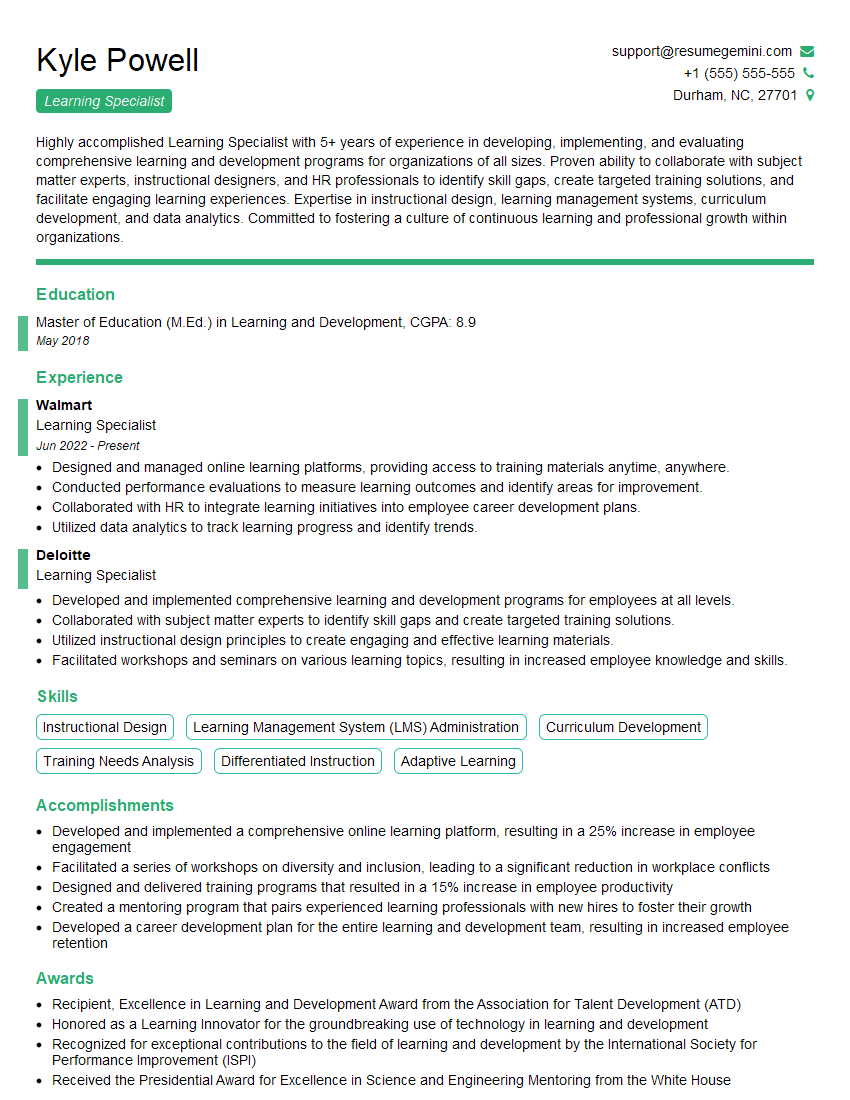
Learning Specialist Resume Sample
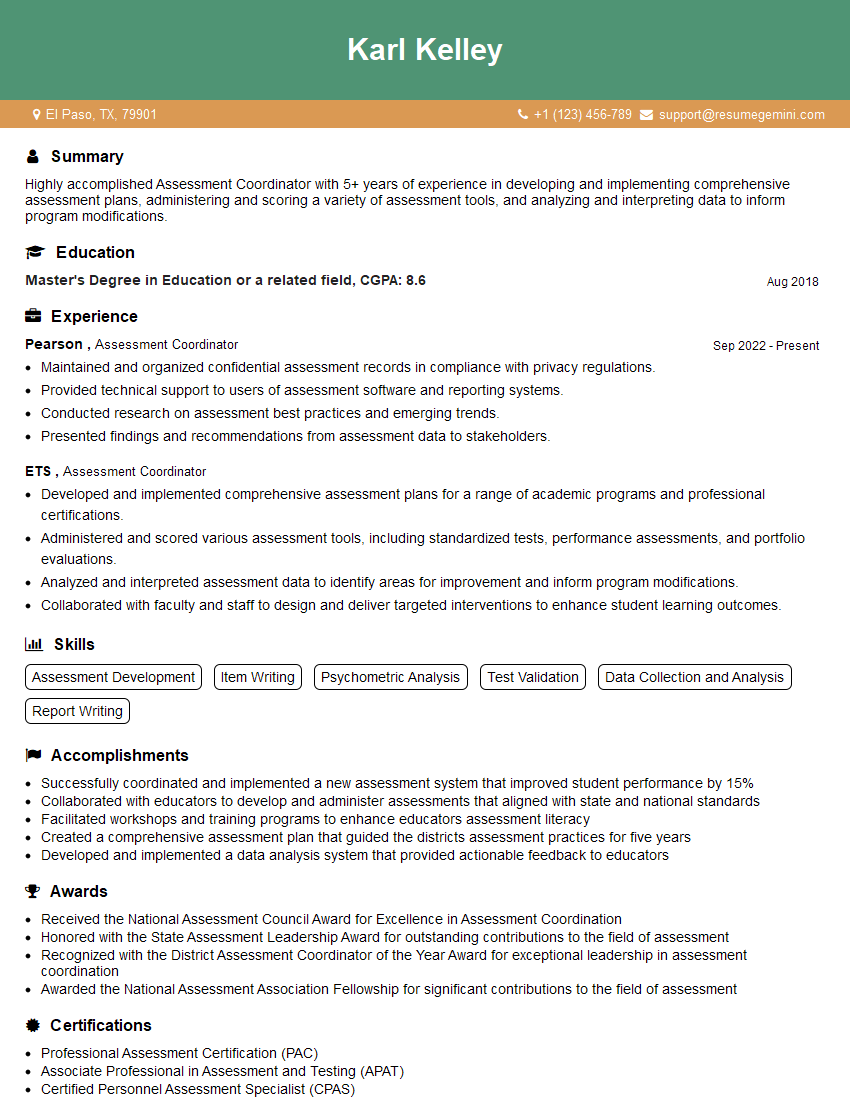
Assessment Coordinator Resume Sample

Special Education Director Resume Sample
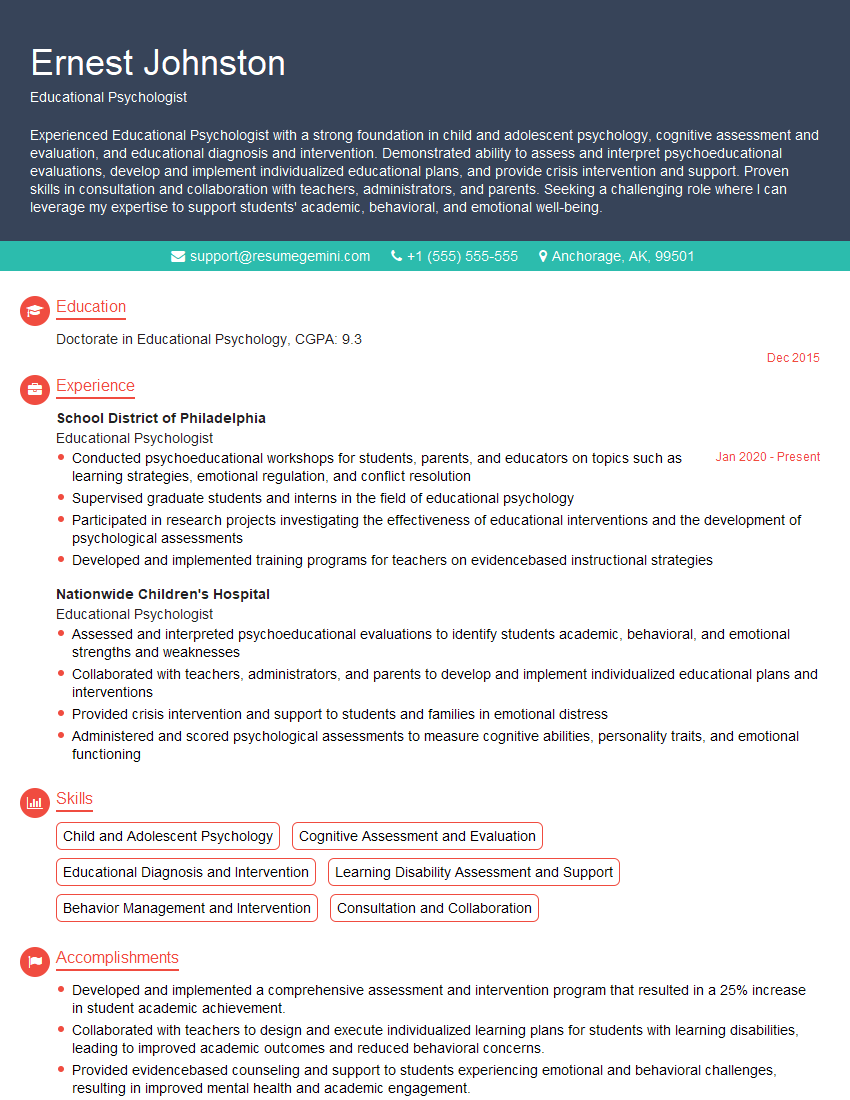
Educational Psychologist Resume Sample
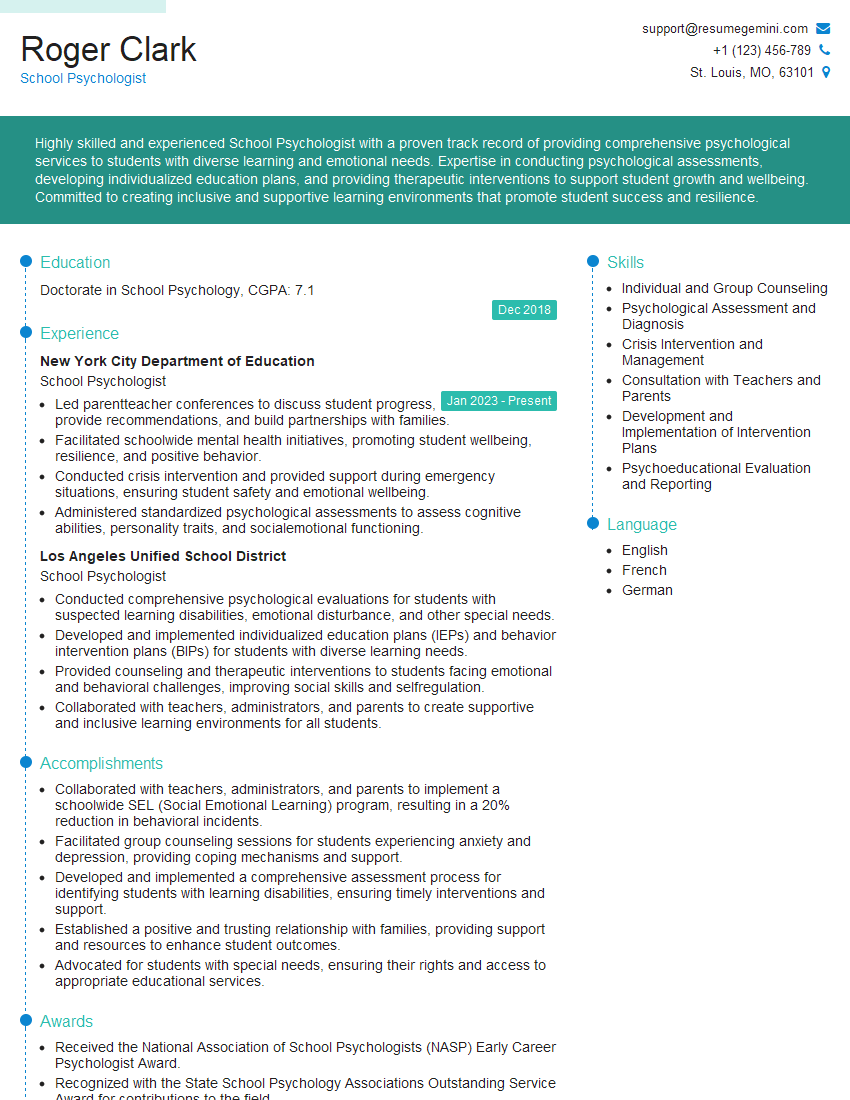
School Psychologist Resume Sample
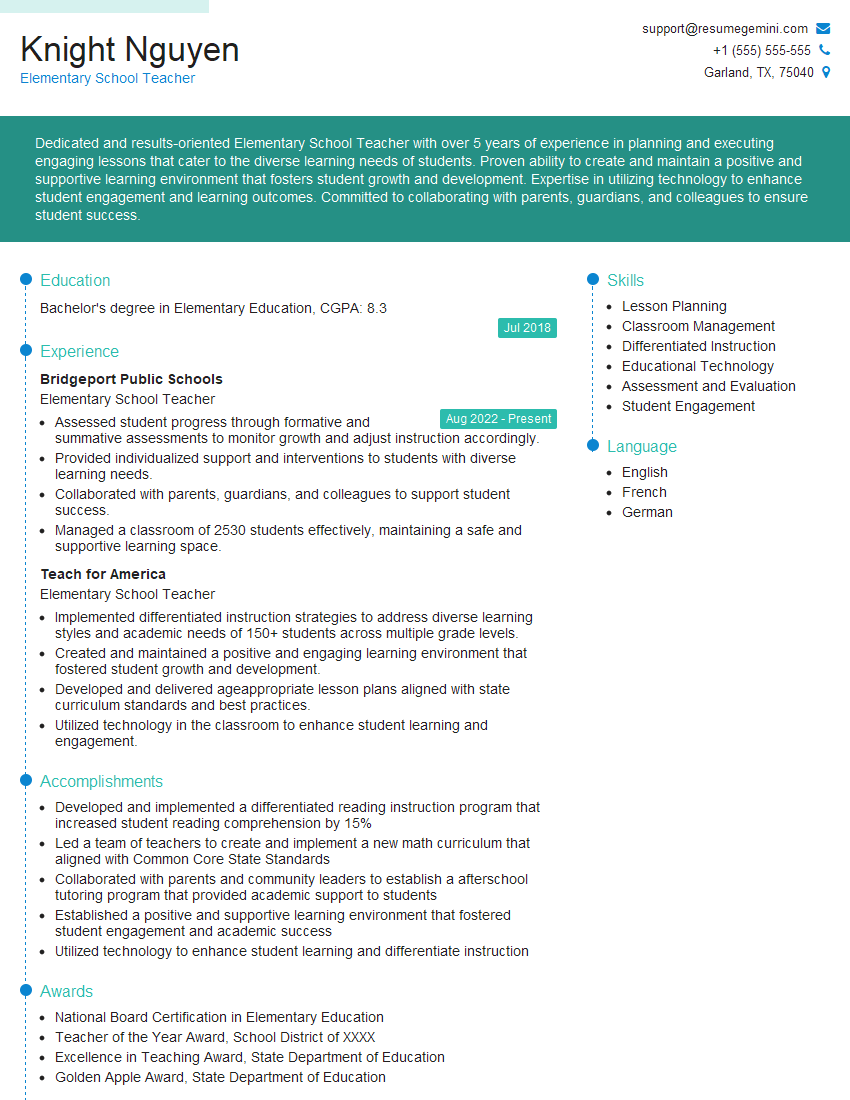
Elementary School Teacher Resume Sample
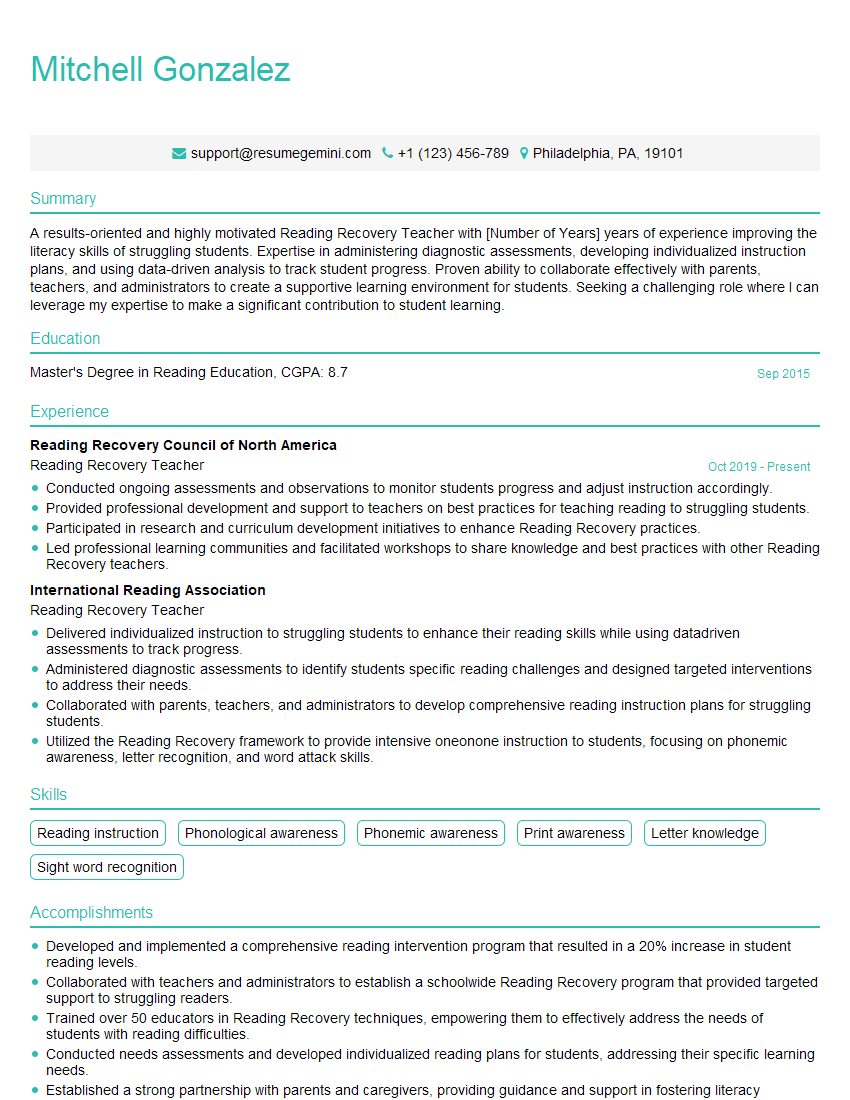
Reading Recovery Teacher Resume Sample
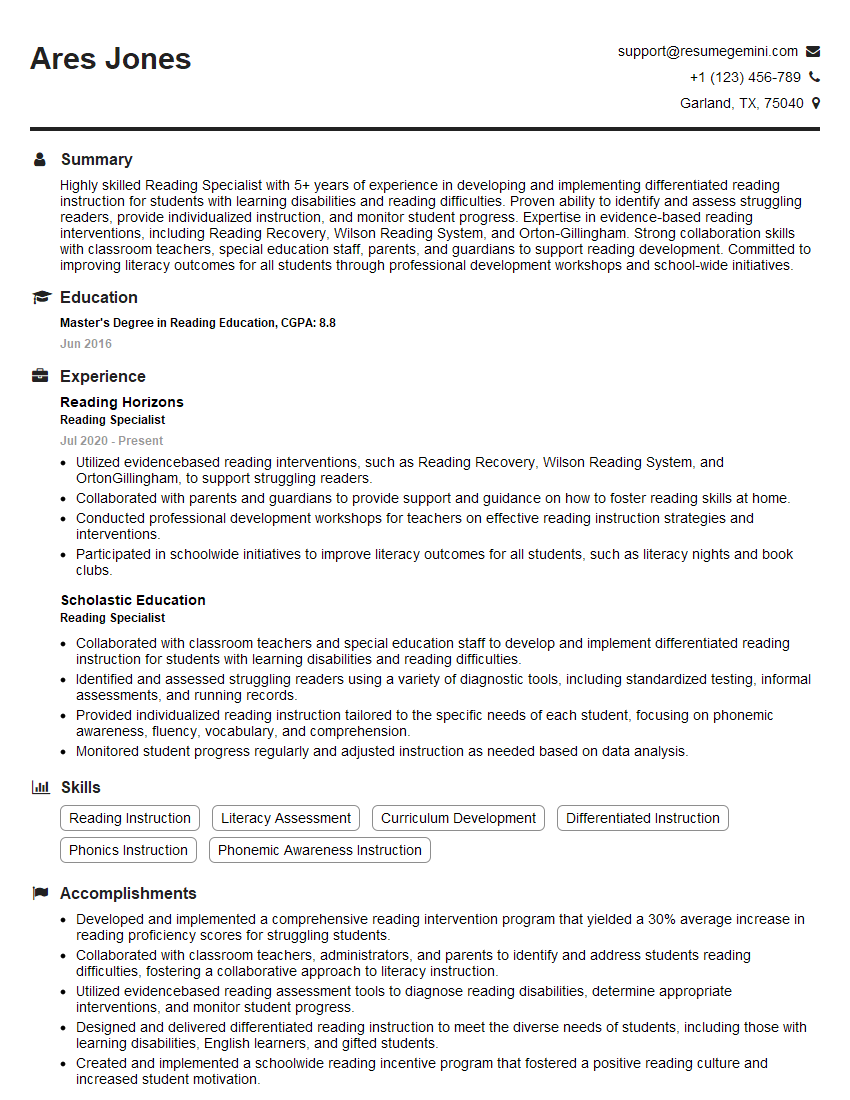
Reading Specialist Resume Sample
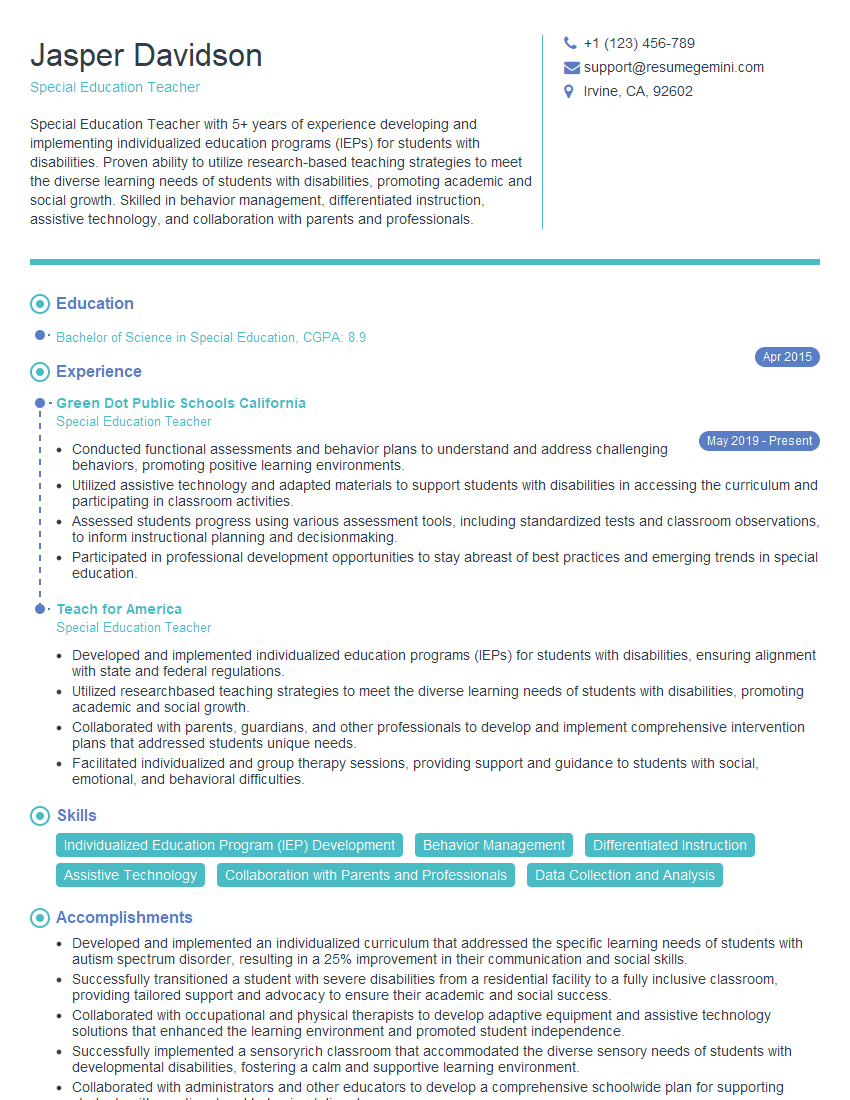
Special Education Teacher Resume Sample
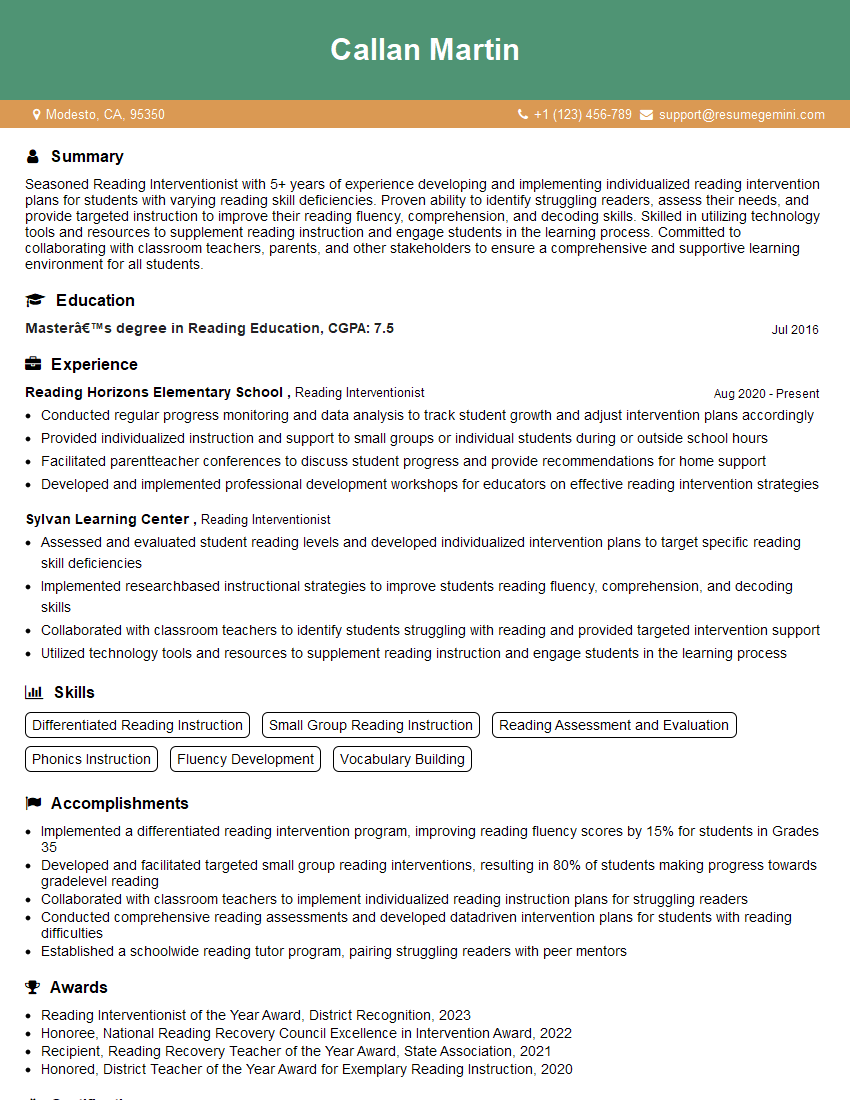
Reading Interventionist Resume Sample
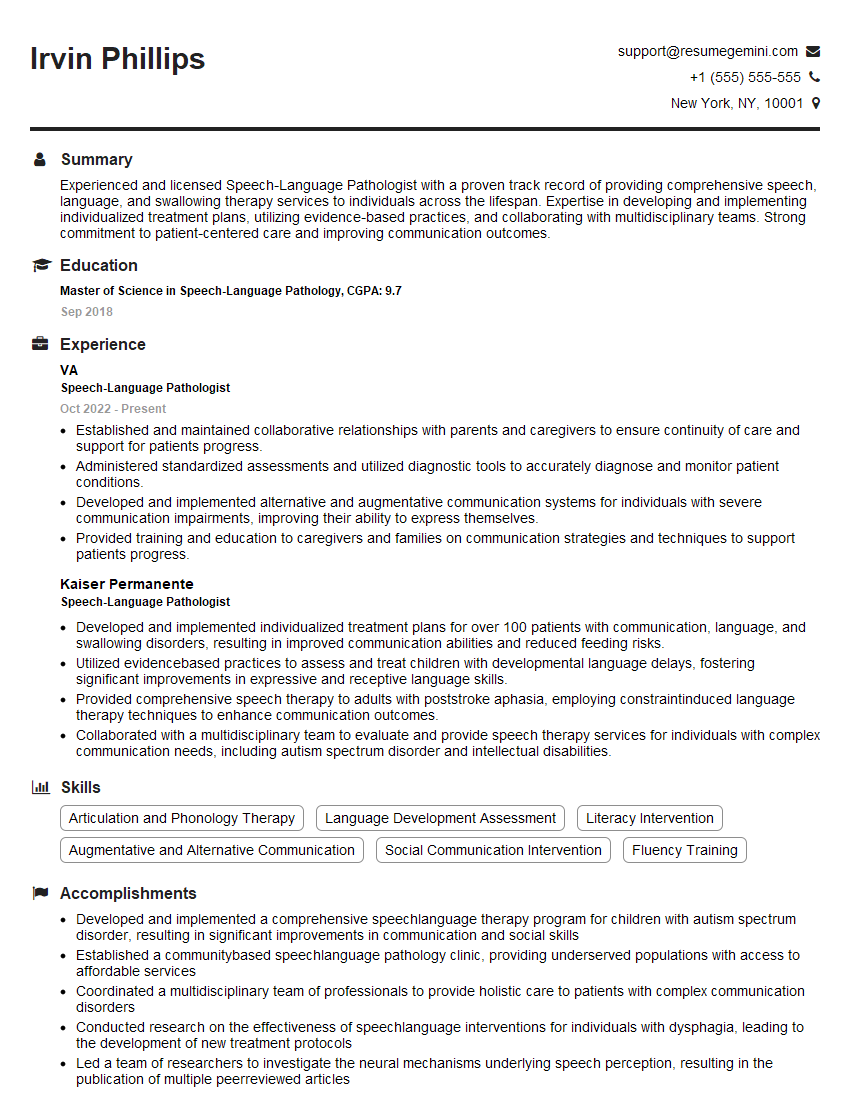
Speech-Language Pathologist Resume Sample
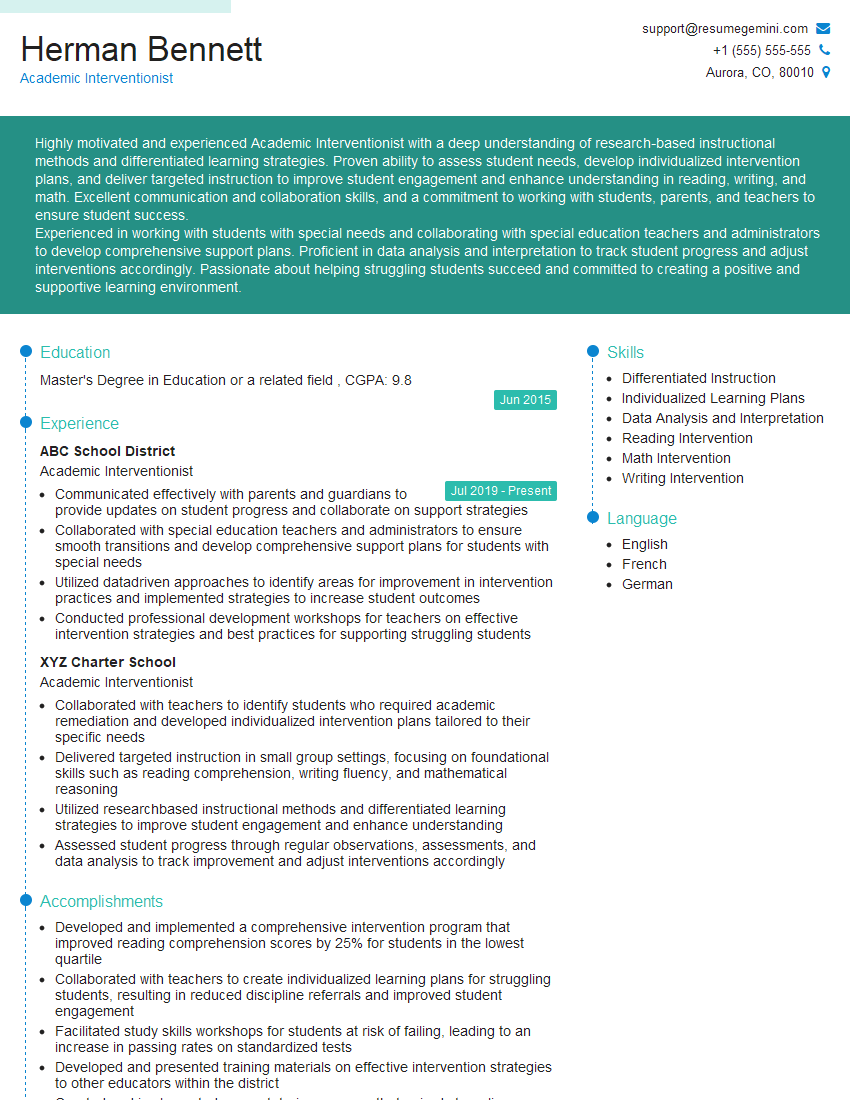
Academic Interventionist Resume Sample
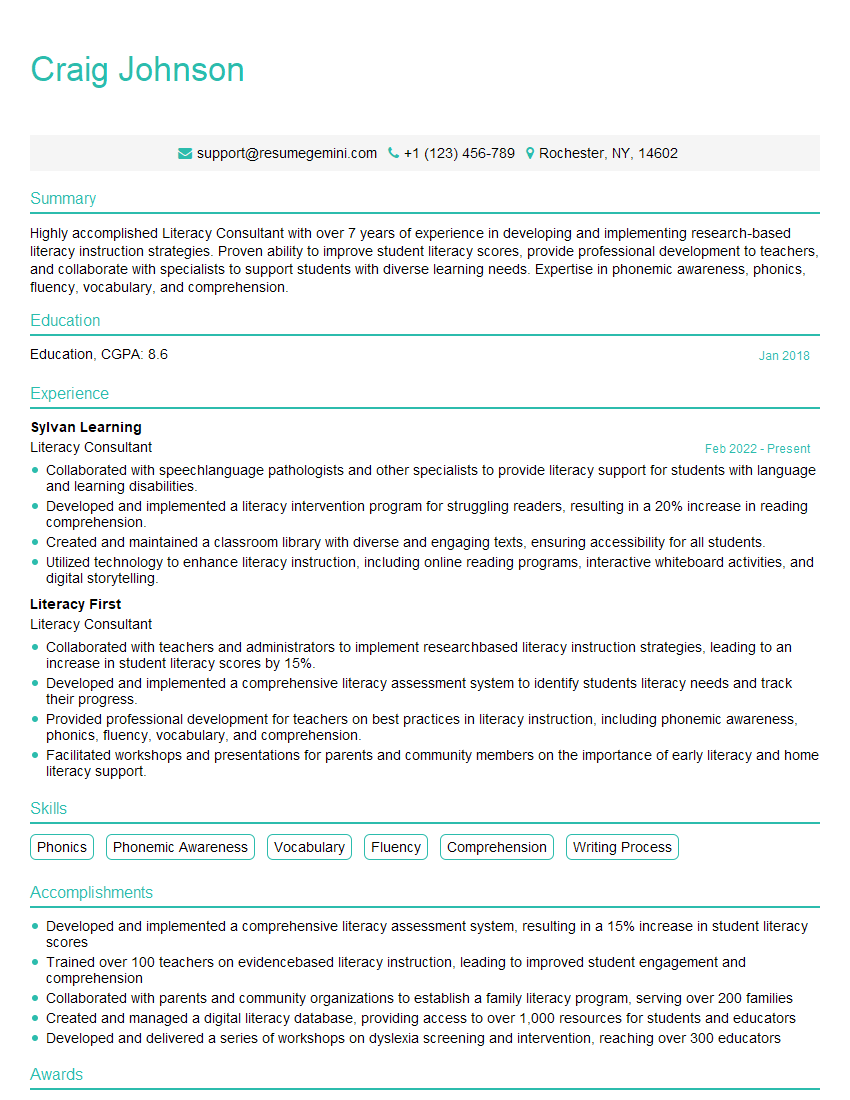
Literacy Consultant Resume Sample
- Learning Specialist
- Assessment Coordinator
- Special Education Director
- Educational Psychologist
- School Psychologist
- Elementary School Teacher
- Reading Recovery Teacher
- Reading Specialist
- Special Education Teacher
- Reading Interventionist
- Speech-Language Pathologist
- Academic Interventionist
- Literacy Consultant
Explore more articles
Users Rating of Our Blogs
Share Your Experience
We value your feedback! Please rate our content and share your thoughts (optional).
What Readers Say About Our Blog
I Redesigned Spongebob Squarepants and his main characters of my artwork.
https://www.deviantart.com/reimaginesponge/art/Redesigned-Spongebob-characters-1223583608
IT gave me an insight and words to use and be able to think of examples
Hi, I’m Jay, we have a few potential clients that are interested in your services, thought you might be a good fit. I’d love to talk about the details, when do you have time to talk?
Best,
Jay
Founder | CEO