Interviews are opportunities to demonstrate your expertise, and this guide is here to help you shine. Explore the essential Sanitation and Biosecurity interview questions that employers frequently ask, paired with strategies for crafting responses that set you apart from the competition.
Questions Asked in Sanitation and Biosecurity Interview
Q 1. Describe your experience with implementing sanitation protocols in a high-risk environment.
Implementing sanitation protocols in high-risk environments, such as healthcare facilities or food processing plants, requires a meticulous and layered approach. It’s not just about cleaning; it’s about minimizing the risk of contamination and infection. My experience involved developing and overseeing a comprehensive sanitation program at a Level 4 biocontainment laboratory. This involved establishing stringent protocols for personal protective equipment (PPE), surface disinfection, waste disposal, and environmental monitoring. For example, we utilized a color-coded system for cleaning carts and designated areas for the storage of different types of waste, ensuring there was no cross-contamination. We also implemented rigorous training programs for all staff, emphasizing the importance of adherence to procedures and the consequences of non-compliance.
A key element was establishing a robust monitoring system. We regularly swabbed surfaces for microbial counts, and our findings informed the selection of appropriate disinfectants and cleaning schedules. This data-driven approach allowed us to adapt our protocols based on real-time assessments of risk. We also incorporated regular audits to verify compliance and identify areas for improvement. In short, success in this area involves meticulous planning, staff training, consistent monitoring, and a commitment to continuous improvement.
Q 2. Explain the principles of biosecurity and their application in a specific setting (e.g., food processing, healthcare).
Biosecurity principles focus on preventing the introduction, establishment, and spread of harmful biological agents. In the context of food processing, this translates to preventing contamination of food products with pathogens such as Salmonella or E. coli. This involves a multifaceted strategy. Think of it like building a fortress around your product to keep unwanted guests out. The first layer is preventing access. This includes controlled entry points, visitor restrictions, and regular pest control. Next, we have containment – procedures to prevent the spread of contamination if it does occur. This includes appropriate waste disposal, sanitation of equipment and surfaces, and proper hand hygiene protocols.
Finally, there’s surveillance – monitoring the environment for potential risks. Regular testing for pathogens and environmental monitoring programs are vital for early detection and prevention of outbreaks. In a hospital setting, biosecurity extends to infection control, focusing on preventing the transmission of pathogens between patients, staff, and visitors. Here, hand hygiene is paramount, along with proper sterilization techniques for medical equipment and the safe handling of infectious waste. Effective biosecurity is an ongoing process requiring constant vigilance and adaptation to emerging threats.
Q 3. What are the key indicators of effective sanitation and how do you measure them?
Key indicators of effective sanitation revolve around assessing the reduction of microbial load and the absence of pathogens. These are measured using several methods. First, we have environmental monitoring. This involves regular sampling of surfaces, equipment, and air for the presence of microorganisms. We use techniques like ATP bioluminescence to quickly assess cleanliness or more sophisticated methods like culturing to identify specific pathogens. The results provide quantitative data on microbial counts, allowing us to track trends and identify areas requiring additional cleaning or disinfection.
Secondly, we can assess the effectiveness of cleaning and disinfection procedures by comparing microbial counts before and after cleaning. A significant reduction indicates effective sanitation. Third, we look at visual inspections, ensuring surfaces are clean and free from visible debris. This is a crucial first step which can often point to broader problems. Finally, we evaluate staff compliance with established sanitation procedures through observation and record-keeping. Consistent adherence to protocols is key to long-term success. All of this data allows us to create a detailed picture of the overall sanitation effectiveness within a given environment.
Q 4. How do you assess and mitigate biosecurity risks?
Assessing and mitigating biosecurity risks starts with a thorough risk assessment. This involves identifying potential hazards, such as the types of pathogens present, vulnerabilities in infrastructure, and human factors that could compromise biosecurity. This process typically involves creating a matrix that weighs the likelihood and impact of each potential threat. For example, a high likelihood of rodent activity combined with the potential for contamination of food products would represent a high-risk scenario.
Mitigating these risks involves implementing control measures tailored to the specific hazards identified. This might include improving physical security, implementing robust sanitation protocols, strengthening staff training programs, and establishing emergency response plans. Regular review and updates of these risk assessments and control measures are crucial, especially in dynamic environments where new threats may emerge. It’s a continuous cycle of identification, assessment, mitigation and review to ensure an ever-evolving proactive approach.
Q 5. Describe your experience with developing and implementing a sanitation program.
My experience in developing and implementing a sanitation program involved a collaborative approach with multiple stakeholders. First, a comprehensive needs assessment was conducted to define the scope of the program, identify existing resources, and determine what needed to be added. This included reviewing industry best practices, relevant regulations, and stakeholder needs. Next came the development of standard operating procedures (SOPs) for various sanitation tasks, including cleaning, disinfection, and waste disposal. These SOPs were designed to be clear, concise, and easily understood by all staff members.
A key aspect was the development of a comprehensive training program to educate staff on the importance of sanitation, proper techniques, and the use of personal protective equipment (PPE). The program involved both classroom instruction and hands-on training. Finally, a monitoring and evaluation system was put in place to track the effectiveness of the program, measure compliance, and identify areas for improvement. This system included regular inspections, audits, and microbial testing. Regular feedback mechanisms to staff ensures continuous improvement in adherence and effectiveness.
Q 6. What are the different types of sanitation technologies and their applications?
Sanitation technologies encompass a wide range of methods and equipment, each tailored to specific needs. High-pressure water jetting is very effective for removing debris and biofilm from surfaces, while ultrasonic cleaning is ideal for delicate instruments. Thermal disinfection, such as steam sterilization, effectively eliminates microorganisms through heat. Chemical disinfection uses various agents like chlorine, quaternary ammonium compounds, or hydrogen peroxide to kill or inactivate pathogens. UV disinfection is increasingly used for air and surface sterilization, especially in areas where chemical disinfectants are unsuitable. Automated cleaning systems, such as robotic floor scrubbers, improve efficiency and consistency. The choice of technology depends on factors like the type of surface, the level of contamination, and the cost-effectiveness of different solutions.
For instance, a food processing facility might utilize high-pressure water jets for cleaning production lines and chemical disinfectants for sanitizing surfaces. A hospital might employ steam sterilization for surgical instruments and UV disinfection for air purification in operating rooms. Choosing the correct technology is crucial to ensure effective sanitation while minimizing environmental impact and maintaining cost-effectiveness.
Q 7. Explain the importance of hand hygiene in preventing the spread of infection.
Hand hygiene is the cornerstone of infection prevention. Our hands are the primary vectors for transmitting pathogens. They readily harbor bacteria, viruses, and other microorganisms, which can be easily transferred to other surfaces or individuals. Proper handwashing, using soap and water for at least 20 seconds, removes these microorganisms mechanically. When soap and water aren’t available, alcohol-based hand sanitizers, containing at least 60% alcohol, are an effective alternative, killing microorganisms through denaturation of their proteins.
Think of it this way: your hands are like a sponge. They absorb and carry countless invisible microbes. Proper hand hygiene is how we squeeze out that sponge, removing those microbes and significantly reducing the risk of spreading infections. This is especially crucial in healthcare settings, food processing, and anywhere there’s a potential risk of transmitting disease. Consistent and correct hand hygiene practices are vital in breaking the chain of infection and protecting both individuals and the community.
Q 8. How do you ensure compliance with relevant sanitation and biosecurity regulations?
Ensuring compliance with sanitation and biosecurity regulations starts with a thorough understanding of the applicable laws and guidelines. This involves regular review of updated regulations, participation in relevant training programs, and maintaining detailed records of all compliance activities.
For example, in a food processing facility, we’d ensure adherence to HACCP (Hazard Analysis and Critical Control Points) principles, regularly inspect equipment for cleanliness, and maintain comprehensive sanitation logs. Similarly, in a laboratory setting, we’d follow biosafety guidelines, implementing appropriate personal protective equipment (PPE) protocols and adhering to strict waste disposal procedures. Regular audits and internal inspections are vital for identifying any gaps in compliance and implementing corrective actions.
Proactive engagement with regulatory bodies ensures that we stay ahead of any changes and avoid non-compliance issues. This might involve attending workshops, engaging with inspectors, and actively participating in industry best-practice forums.
Q 9. Describe your experience with managing waste disposal in a safe and environmentally responsible manner.
Safe and environmentally responsible waste disposal is paramount. My experience encompasses a multi-faceted approach, beginning with waste segregation at the source. We categorize waste into different streams – hazardous (e.g., medical waste, chemical waste), non-hazardous (e.g., general waste, recyclable materials), and organic waste (e.g., food waste). Each stream necessitates a specific disposal method.
Hazardous waste necessitates meticulous handling, following strict protocols for packaging, labeling, and transportation to licensed disposal facilities. We meticulously maintain records of waste generation, transportation, and disposal, adhering to all relevant environmental regulations. Non-hazardous waste is managed through recycling and proper disposal in designated landfills, while organic waste is often composted to create valuable soil amendment, reducing landfill burden and promoting sustainability.
For instance, during my work in a hospital setting, we implemented a color-coded system for waste segregation, ensuring proper disposal of sharps, infectious waste, and other hazardous materials. Regular training and education of staff are crucial to maintaining consistent and safe waste management practices.
Q 10. How do you investigate and control outbreaks of infectious diseases?
Investigating and controlling infectious disease outbreaks requires a swift and systematic approach. The process starts with immediate case identification and confirmation through laboratory testing. We then perform epidemiological investigations to trace the source of the infection, identify transmission routes, and pinpoint those at risk.
This involves detailed interviews with affected individuals, contact tracing, and environmental sampling. Data analysis helps to build a comprehensive picture of the outbreak, informing control measures. Implementing control measures might involve quarantine, isolation, contact tracing, and vaccination campaigns. Effective communication with the public and relevant authorities is crucial throughout the process to ensure timely and appropriate responses.
For example, during a Salmonella outbreak linked to a specific food product, my team traced the contamination to a faulty processing step. We implemented a recall of the affected product, issued public health advisories, and enhanced sanitation protocols in the food processing facility, effectively containing the outbreak.
Q 11. What are the common pathogens associated with poor sanitation and how are they controlled?
Poor sanitation significantly increases the risk of various pathogens. Common culprits include:
- Salmonella: Causes foodborne illnesses, transmitted through contaminated food and water.
- E. coli: Causes diarrhea and other gastrointestinal issues; found in contaminated water and food.
- Shigella: Causes bacillary dysentery, spread through the fecal-oral route.
- Hepatitis A: A viral infection affecting the liver, transmitted through contaminated food and water.
- Vibrio cholerae: Causes cholera, spread through contaminated water and food.
Control measures focus on improved sanitation practices, including safe water treatment, proper sewage disposal, hand hygiene, food safety protocols, and vector control (e.g., eliminating breeding grounds for disease-carrying insects).
For instance, improved water sanitation through chlorination can drastically reduce the incidence of waterborne diseases like cholera and typhoid. Similarly, regular handwashing with soap can significantly limit the spread of many pathogens.
Q 12. Describe your experience with risk assessment and control measures in a biosecurity context.
Risk assessment and control in biosecurity are crucial for preventing the spread of biological agents. This involves identifying potential hazards, evaluating their likelihood and severity, and implementing appropriate control measures. The process often begins with a comprehensive site survey to identify potential vulnerabilities.
For example, in a high-containment laboratory, we assess risks associated with handling pathogens, considering factors such as the agent’s pathogenicity, the quantity handled, and the effectiveness of containment systems. We then implement control measures such as engineering controls (e.g., biological safety cabinets), administrative controls (e.g., standard operating procedures), and personal protective equipment (e.g., respirators, gloves).
Regular review and updates to the risk assessment are essential, especially following incidents or changes in procedures or infrastructure. A risk matrix, documenting identified hazards, their probabilities, and implemented controls, serves as a useful tool for ongoing monitoring and management.
Q 13. How do you ensure the effectiveness of cleaning and disinfection procedures?
Ensuring effective cleaning and disinfection hinges on a multi-step approach. Cleaning removes visible soil and organic matter, creating a surface ready for disinfection. Disinfection uses chemical agents to kill or inactivate pathogens. The choice of cleaning and disinfecting agents depends on the specific pathogens and surfaces.
We use validated procedures, specifying the appropriate agents, contact times, and application methods. For example, cleaning a laboratory bench requires the removal of all visible debris, followed by application of a suitable disinfectant like 70% ethanol, ensuring adequate contact time as per the product’s instructions. Regular monitoring and verification are crucial to maintain effectiveness. We monitor cleaning efficacy through visual inspections, ATP bioluminescence testing (measuring adenosine triphosphate, an indicator of microbial contamination), and regular microbial sampling.
Training staff on proper cleaning and disinfection techniques is vital to maintaining consistent and effective practices. This includes the correct use of cleaning agents, appropriate personal protective equipment (PPE), and adherence to safety guidelines.
Q 14. Explain the different levels of biosecurity containment and their implications.
Biosecurity containment levels categorize laboratories and facilities based on the risk posed by the agents handled. The levels range from BSL-1 (Biosafety Level 1) to BSL-4 (Biosafety Level 4), with increasing levels of containment requirements.
- BSL-1: Deals with agents not known to cause disease in healthy adults. Minimal safety precautions are necessary.
- BSL-2: Handles agents that pose a moderate risk, potentially causing illness. Requires moderate safety precautions, including specific laboratory practices and PPE.
- BSL-3: Handles agents that can cause serious or potentially lethal diseases via aerosol transmission. Requires stringent safety measures, including specialized equipment, enhanced PPE, and controlled airflow.
- BSL-4: Deals with extremely dangerous and exotic agents that pose a high risk of life-threatening disease. Requires maximum containment, including specialized suits, dedicated airlocks, and extensive decontamination procedures.
The implications of each level are significant, influencing facility design, operational procedures, personnel training, and equipment requirements. Higher containment levels mean higher costs, more complex operations, and stricter regulatory oversight, but they are essential for protecting personnel and the environment from dangerous pathogens.
Q 15. What are the ethical considerations related to biosecurity and sanitation?
Ethical considerations in biosecurity and sanitation are paramount, impacting public health, environmental protection, and social justice. They involve ensuring fairness, transparency, and accountability in all practices.
- Equity of access to sanitation: Ensuring everyone has access to safe and adequate sanitation facilities, regardless of socioeconomic status or location, is a fundamental ethical imperative. Failing to do so exacerbates health disparities and creates unjust outcomes.
- Environmental justice: Waste management practices must not disproportionately impact vulnerable communities. The siting of waste treatment facilities and the disposal of hazardous waste should follow rigorous environmental impact assessments and prioritize the wellbeing of all affected populations.
- Transparency and accountability: Open communication and clear reporting regarding sanitation and biosecurity protocols are crucial. Hiding risks or manipulating data undermines trust and can have devastating consequences.
- Data privacy and security: Collecting and storing health and environmental data requires strict adherence to privacy regulations and ethical guidelines. Ensuring data security prevents misuse and protects individual rights.
- Animal welfare: Biosecurity measures related to animal health and disease control must always prioritize minimizing animal suffering and upholding humane treatment standards.
For example, the ethical dilemma of managing a disease outbreak in a low-resource setting requires balancing the need for rapid intervention with the ethical implications of resource allocation and potential infringement on individual rights.
Career Expert Tips:
- Ace those interviews! Prepare effectively by reviewing the Top 50 Most Common Interview Questions on ResumeGemini.
- Navigate your job search with confidence! Explore a wide range of Career Tips on ResumeGemini. Learn about common challenges and recommendations to overcome them.
- Craft the perfect resume! Master the Art of Resume Writing with ResumeGemini’s guide. Showcase your unique qualifications and achievements effectively.
- Don’t miss out on holiday savings! Build your dream resume with ResumeGemini’s ATS optimized templates.
Q 16. How do you manage and handle hazardous waste?
Hazardous waste management necessitates strict adherence to regulations and best practices. It begins with proper segregation, containment, and labeling of waste streams.
- Segregation: Different types of hazardous waste – infectious materials, chemicals, sharps, etc. – are segregated to prevent cross-contamination and optimize disposal methods.
- Containment: Waste is securely contained in appropriate containers that prevent leaks, spills, and exposure. This might involve using puncture-resistant containers for sharps or specialized containers for chemicals.
- Labeling: Each container is clearly labeled with the type of hazardous waste, date, and any relevant hazard warnings. This ensures safe handling throughout the process.
- Transportation: Transportation to a licensed treatment, storage, or disposal facility must follow stringent regulations, including proper vehicle labeling and manifest documentation.
- Disposal/Treatment: The choice of disposal method depends on the nature of the waste. This might involve incineration, autoclaving, chemical neutralization, or other specialized treatment techniques.
Imagine a hospital setting. Proper segregation of sharps ensures that healthcare workers avoid needlestick injuries. The careful labeling and handling of chemotherapy waste protects both workers and the environment.
Q 17. Describe your experience with personal protective equipment (PPE) and its importance in biosecurity.
Personal Protective Equipment (PPE) is critical for protecting personnel from exposure to biological, chemical, or physical hazards. My experience spans various settings, from laboratories to field research.
- Selection: The appropriate PPE depends on the specific risk. This might include gloves, gowns, masks (N95 respirators or higher for airborne pathogens), eye protection, and even specialized suits for high-containment work.
- Use and donning/doffing procedures: Correct usage and proper donning and doffing procedures are essential to maximize protection and prevent contamination. Training is crucial to ensure consistent and safe handling.
- Maintenance and disposal: PPE must be inspected regularly and replaced when damaged or compromised. Disposal follows strict protocols to avoid spreading contaminants.
For instance, during fieldwork involving potential exposure to zoonotic diseases, the correct use of appropriate PPE, including protective clothing and respirators, was critical for protecting my team and preventing the spread of pathogens.
Q 18. What are the key elements of a comprehensive sanitation plan?
A comprehensive sanitation plan covers all aspects of waste management, hygiene, and environmental control.
- Waste management: This includes strategies for collection, storage, treatment, and disposal of both solid and liquid waste, addressing both human and animal waste streams.
- Hygiene practices: Detailed protocols for hand hygiene, surface disinfection, and personal hygiene are crucial, especially in high-risk environments such as healthcare facilities or food processing plants.
- Pest control: Implementing strategies to prevent and control pests like rodents and insects minimizes contamination and disease vectors.
- Water and sanitation systems: Ensuring access to clean water and functional sanitation systems (toilets, wastewater treatment) is fundamental to preventing waterborne diseases.
- Monitoring and evaluation: Regular monitoring of key indicators like water quality and waste disposal efficiency enables timely intervention and refinement of the plan.
A practical example is a sanitation plan for a refugee camp, which would prioritize safe water access, latrine provision, waste disposal strategies that manage human waste and prevent environmental contamination, and regular monitoring of hygiene practices to mitigate the risk of outbreaks.
Q 19. How do you maintain accurate records and documentation related to sanitation and biosecurity?
Accurate record-keeping is essential for accountability, auditing, and continuous improvement. This involves both electronic and paper-based systems.
- Inventory management: Tracking PPE, cleaning supplies, and other sanitation materials ensures adequate supply and timely replenishment.
- Waste tracking: Maintaining detailed records of waste generation, collection, and disposal is vital for environmental compliance and monitoring potential problems.
- Training records: Documentation of staff training on sanitation and biosecurity procedures demonstrates compliance and staff competency.
- Incident reports: Any spills, accidents, or breaches in protocol must be meticulously documented to support investigations and prevent recurrence.
- Data analysis: Regular analysis of collected data helps to identify trends, pinpoint weaknesses, and improve strategies over time.
We utilize a database system to track waste disposal, staff training completion dates, and equipment maintenance, ensuring readily available information for audits and performance reviews.
Q 20. Describe your experience with training and educating staff on sanitation and biosecurity procedures.
Training and education are vital for successful implementation of sanitation and biosecurity protocols. I have extensive experience developing and delivering training programs adapted to different audiences and contexts.
- Needs assessment: The training curriculum is tailored to the specific needs of the workforce, considering their roles, responsibilities, and existing knowledge levels.
- Interactive sessions: The use of interactive training methods, such as demonstrations, case studies, and role-playing, fosters better engagement and retention.
- Practical application: Hands-on training is provided to enable staff to apply learned skills in real-world scenarios.
- Regular updates: The training is updated regularly to reflect changes in regulations, best practices, and emerging threats.
- Assessment and feedback: Post-training assessments and feedback mechanisms ensure that staff have grasped the key concepts and that the training is effective.
For example, I designed a sanitation training program for healthcare workers that included practical sessions on hand hygiene techniques, safe sharps disposal, and appropriate use of PPE. The program incorporated regular quizzes and feedback sessions to reinforce learning.
Q 21. How do you respond to sanitation or biosecurity incidents or emergencies?
Responding to sanitation or biosecurity incidents requires a rapid, coordinated effort. A well-defined emergency response plan is crucial.
- Incident assessment: The nature and extent of the incident are assessed to determine the risks and necessary actions.
- Containment: Immediate steps are taken to contain the spread of contamination or infection, including isolation and decontamination procedures.
- Notification: Relevant authorities and personnel are notified, and communication channels are established to keep everyone informed.
- Remediation: A plan for cleaning, disinfection, and restoration of the affected area is implemented.
- Post-incident review: A thorough review of the incident is conducted to identify weaknesses in protocols and make necessary improvements.
A real-world example involves responding to a sewage spill. The immediate action involves containing the spill to prevent further contamination, notifying the relevant environmental agency, implementing a cleanup plan, and conducting water quality tests. A post-incident review would evaluate the effectiveness of the response and identify strategies to prevent similar incidents in the future.
Q 22. What are the key performance indicators (KPIs) for a successful sanitation and biosecurity program?
Key Performance Indicators (KPIs) for a successful sanitation and biosecurity program are crucial for measuring effectiveness and identifying areas for improvement. They should cover various aspects, from infrastructure to behavioral changes. Think of them as the vital signs of your program.
Reduction in waterborne diseases: Tracking the incidence of diseases like cholera, typhoid, and diarrhea directly reflects the impact of sanitation improvements. A significant decrease indicates success.
Improved hygiene practices: Monitoring handwashing rates, proper waste disposal, and food handling practices helps assess behavioral changes. Surveys, observations, and audits are valuable tools here.
Waste management efficiency: Measuring waste collection rates, recycling percentages, and proper disposal methods shows the effectiveness of waste management systems. This often involves data on waste volume and composition.
Biosecurity breaches: Tracking the number of biosecurity breaches, such as unauthorized access or contamination incidents, is vital for identifying vulnerabilities and improving protocols. Regular audits and incident reports are crucial.
Compliance with regulations: Monitoring adherence to relevant sanitation and biosecurity regulations ensures legal compliance and demonstrates a commitment to safety standards. Regular inspections and documentation are essential.
Staff training and competency: Evaluating staff knowledge and skills through assessments and performance reviews demonstrates effective training and preparedness. This ensures everyone is well-equipped to handle tasks.
Stakeholder satisfaction: Gathering feedback from communities, businesses, and other stakeholders helps assess the program’s overall impact and identify areas for improvement.
By regularly monitoring these KPIs, we can make data-driven decisions to optimize our programs and achieve better outcomes.
Q 23. What software or technology have you used to support sanitation and biosecurity programs?
Throughout my career, I’ve utilized various software and technologies to bolster sanitation and biosecurity programs. The choice of technology often depends on the specific needs of the project.
Geographic Information Systems (GIS): GIS software is invaluable for mapping sanitation infrastructure, identifying vulnerable areas, and tracking disease outbreaks. For instance, we can map sewage lines, water sources, and disease hotspots to pinpoint problem areas needing immediate attention.
Data management systems: Databases and spreadsheets are essential for storing and analyzing data related to KPIs, waste management, and biosecurity incidents. This ensures efficient tracking and reporting.
Remote sensing technologies: Satellite imagery and drone technology can be used for monitoring large areas, identifying potential contamination sources, and assessing the effectiveness of interventions. This is particularly useful for large-scale projects or remote locations.
Mobile applications: Mobile apps can facilitate data collection in the field, enabling real-time reporting and improved response times to incidents. This improves the speed and efficiency of data collection.
Simulation software: In certain scenarios, simulation software can be used to model the spread of diseases or to test the effectiveness of different biosecurity measures. This helps predict potential scenarios and aids in proactive planning.
The integration of these technologies improves efficiency, data analysis, and decision-making, ultimately enhancing the effectiveness of sanitation and biosecurity programs.
Q 24. How do you stay up-to-date with best practices and emerging trends in sanitation and biosecurity?
Staying current in the dynamic fields of sanitation and biosecurity demands a multi-faceted approach.
Professional organizations: Active membership in organizations like the Water Environment Federation (WEF) or the International Association for Food Protection (IAFP) provides access to conferences, publications, and networking opportunities with leading experts.
Peer-reviewed journals and publications: Regularly reviewing scientific journals, industry reports, and government publications ensures I’m aware of the latest research findings and best practices.
Conferences and workshops: Attending industry conferences and workshops allows me to learn from leading experts, network with colleagues, and stay abreast of emerging trends and technologies. This fosters collaboration and learning.
Online resources and databases: Utilizing online resources, such as databases of scientific literature and government websites, provides access to a wealth of information. These resources are readily available and often updated frequently.
Continuing education courses: Participating in continuing education programs ensures my skills and knowledge remain current and relevant. This is vital for maintaining a high level of expertise.
This proactive approach ensures I’m equipped to implement the most effective and up-to-date strategies in my work.
Q 25. Describe a situation where you had to troubleshoot a sanitation or biosecurity issue. What was the problem, and how did you solve it?
During a large-scale agricultural operation, we faced a concerning increase in avian influenza cases among poultry. The initial investigation pointed to potential contamination from wild birds.
Problem: The high density of poultry and proximity to migratory bird pathways created a high-risk environment. We were struggling to identify the specific point of entry for the virus and to prevent further outbreaks.
Solution: We implemented a multi-pronged approach:
Enhanced biosecurity measures: This included improving perimeter fencing, implementing stricter access control protocols, and establishing bird exclusion zones. We also enhanced cleaning and disinfection procedures.
Surveillance and monitoring: We increased monitoring of wild bird populations around the farm and implemented a rigorous surveillance program within the poultry houses to quickly detect any new cases.
Vaccination program: A targeted vaccination program was implemented to protect the remaining healthy birds and reduce the spread of the virus.
Employee training: We conducted thorough training for all personnel on best practices for biosecurity, emphasizing hygiene and proper disinfection techniques. This ensured everyone was aware of and capable of performing the necessary actions.
Collaboration with authorities: We collaborated with animal health authorities to coordinate disease control and prevention efforts. This ensured compliance with regulations and provided access to expert advice.
Through this combination of strategies, we were able to contain the outbreak, minimize economic losses, and improve overall biosecurity protocols.
Q 26. Explain your understanding of the relationship between sanitation and public health.
Sanitation and public health are inextricably linked; adequate sanitation is a cornerstone of public health. Poor sanitation directly contributes to the spread of infectious diseases.
The Relationship: Unsafe water, inadequate waste disposal, and poor hygiene practices all create breeding grounds for pathogens. These pathogens can cause a wide range of diseases, from diarrheal illnesses to more serious conditions like cholera and typhoid fever. The lack of proper sanitation disproportionately affects vulnerable populations, exacerbating existing health inequalities.
Practical Example: The lack of access to clean water and proper sanitation facilities in many developing countries leads to high rates of waterborne diseases. These diseases place a substantial burden on healthcare systems, impacting economic productivity and overall societal well-being.
Improving sanitation, therefore, is not just about providing clean toilets and waste management; it’s about preventing disease, protecting public health, and fostering a healthier society. It contributes directly to improved child survival rates, increased economic productivity, and better overall quality of life.
Q 27. What are your thoughts on the future of sanitation and biosecurity technologies?
The future of sanitation and biosecurity technologies is brimming with exciting possibilities. We’re moving towards a more integrated, data-driven, and sustainable approach.
Smart sanitation systems: The integration of sensors, data analytics, and automation will lead to more efficient and responsive sanitation systems. Real-time monitoring of water quality, waste levels, and infrastructure status will allow for proactive maintenance and improved resource allocation.
Advanced wastewater treatment: Innovative treatment technologies, such as membrane bioreactors and advanced oxidation processes, will further improve water quality and reduce environmental pollution. This will help address the rising water scarcity concerns.
Biosecurity automation: Automation and robotics will play a greater role in enhancing biosecurity, from automated disinfection systems to improved surveillance and monitoring technologies. This will ensure faster response times and better overall security.
Artificial intelligence (AI) and machine learning (ML): AI and ML will improve predictive modeling for disease outbreaks, enabling proactive interventions and more effective resource allocation. This helps manage resources in a more efficient way.
These technological advancements will pave the way for more resilient, sustainable, and effective sanitation and biosecurity systems, ultimately improving public health and environmental protection globally.
Q 28. How would you build a strong team dedicated to sanitation and biosecurity?
Building a high-performing sanitation and biosecurity team requires careful planning and a focus on several key elements.
Recruitment: Selecting individuals with diverse skills and expertise is crucial. This includes scientists, engineers, technicians, and community engagement specialists. It’s important to find a diverse team with a range of perspectives.
Training and development: Providing ongoing training and professional development opportunities keeps the team updated on the latest technologies and best practices. Regular upskilling improves the team’s overall performance.
Clear roles and responsibilities: Defining clear roles and responsibilities eliminates confusion and ensures accountability. This prevents overlaps and ensures smooth operations.
Effective communication: Establishing open and transparent communication channels fosters collaboration and knowledge sharing. This leads to efficient problem-solving and teamwork.
Team building and collaboration: Regular team-building activities and opportunities for collaboration create a strong sense of camaraderie and shared purpose. A strong team has a sense of community.
Motivation and recognition: Recognizing and rewarding team achievements boosts morale and improves motivation. This makes the team more engaged and productive.
Leadership: Strong leadership is essential to provide guidance, support, and direction. A good leader will support their team and provide clear guidance.
By focusing on these aspects, you can build a highly skilled, motivated, and collaborative team dedicated to achieving success in sanitation and biosecurity.
Key Topics to Learn for Sanitation and Biosecurity Interview
- Sanitation Principles: Understanding fundamental sanitation practices, including waste management, water treatment, and hygiene protocols. Consider the theoretical underpinnings of disease transmission and prevention.
- Practical Application: Discuss your experience (or potential to apply) sanitation principles in various settings – from food processing to healthcare facilities, considering the unique challenges of each environment.
- Biosecurity Measures: Explore different biosecurity protocols, including containment strategies for infectious agents, pest control, and preventing cross-contamination. Think about practical examples.
- Risk Assessment and Mitigation: Develop your ability to identify and evaluate sanitation and biosecurity risks. Practice explaining how you would mitigate those risks in different scenarios.
- Regulatory Compliance: Familiarize yourself with relevant sanitation and biosecurity regulations and standards. Understanding how these are applied in practice is crucial.
- Data Analysis and Reporting: Be prepared to discuss how you would collect, analyze, and report data related to sanitation and biosecurity performance. Consider how this data informs decision-making.
- Technological Applications: Research the use of technology in sanitation and biosecurity, such as automation, monitoring systems, and data analytics tools.
- Emergency Preparedness and Response: Understand how to prepare for and respond to sanitation and biosecurity emergencies, including outbreak management and contingency planning.
Next Steps
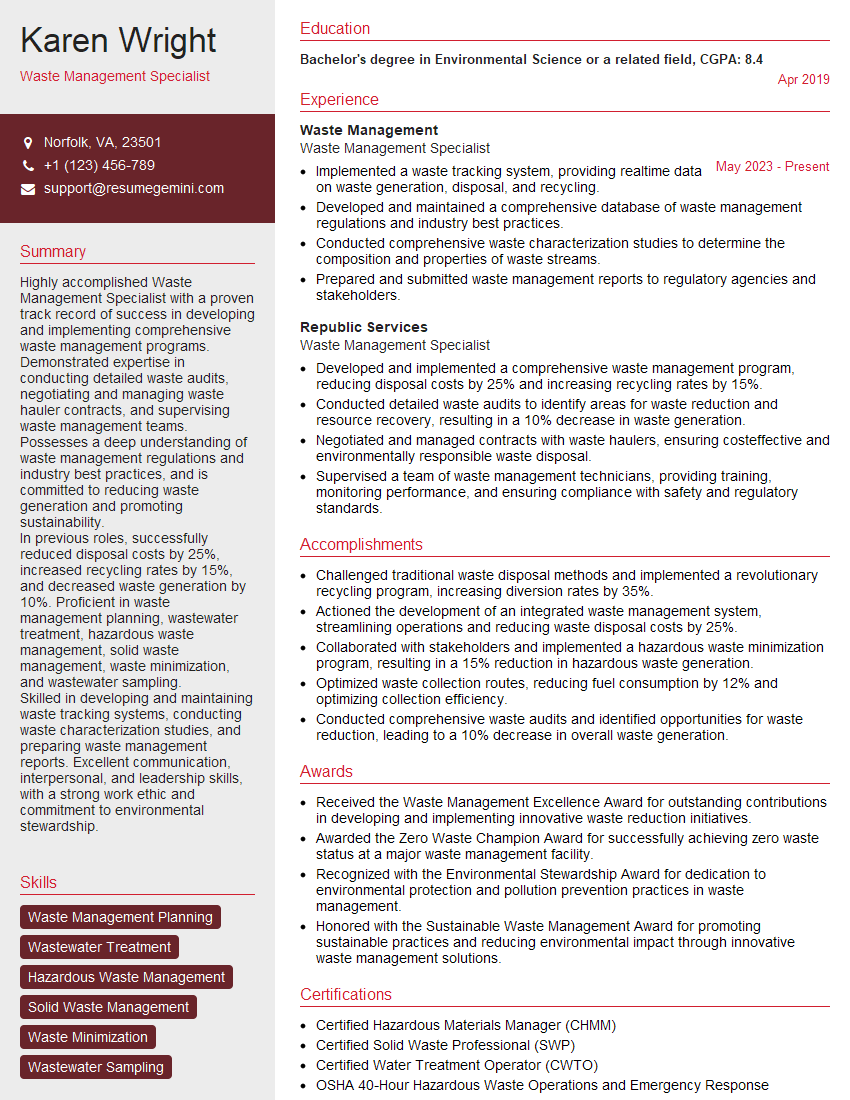
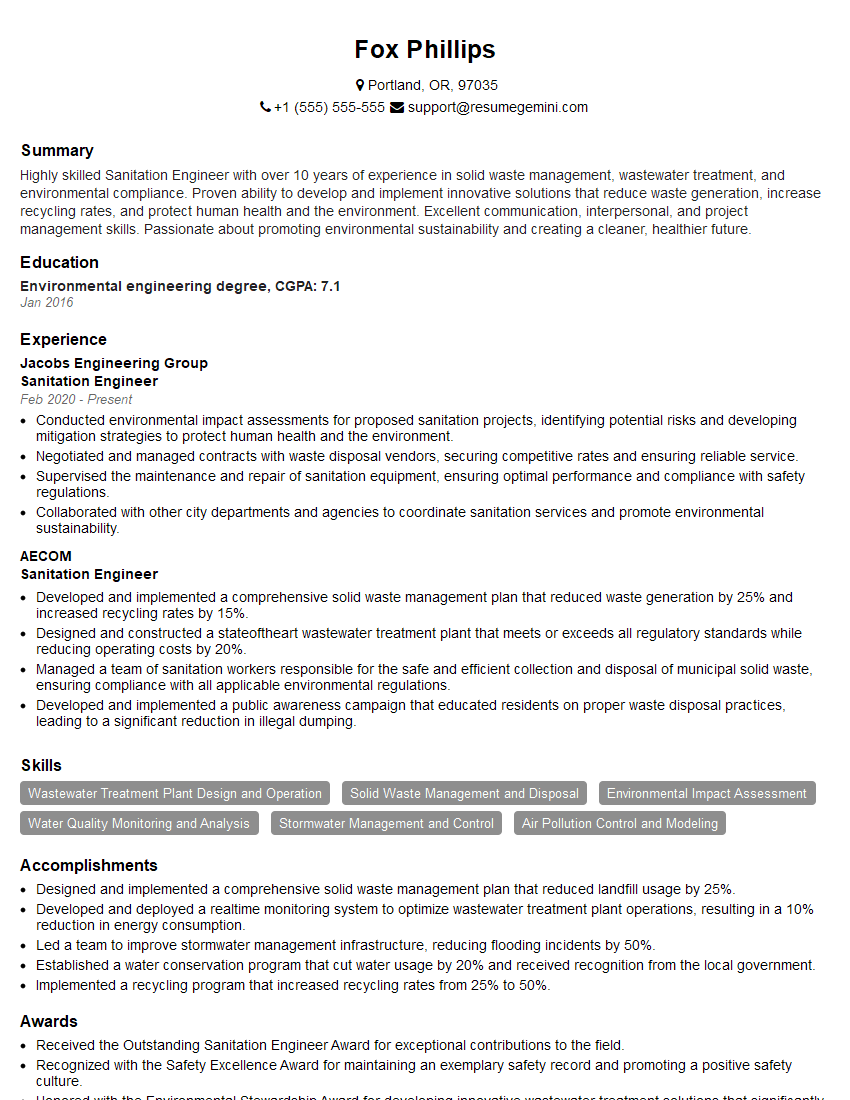
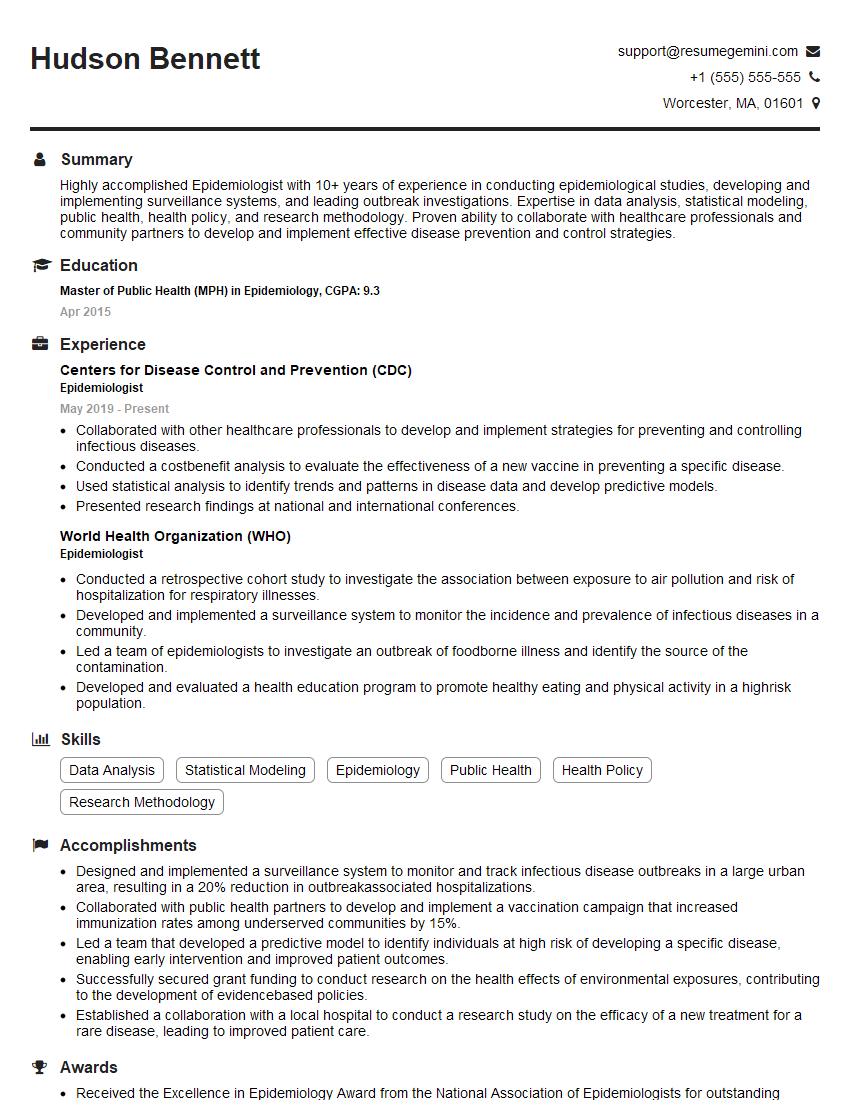
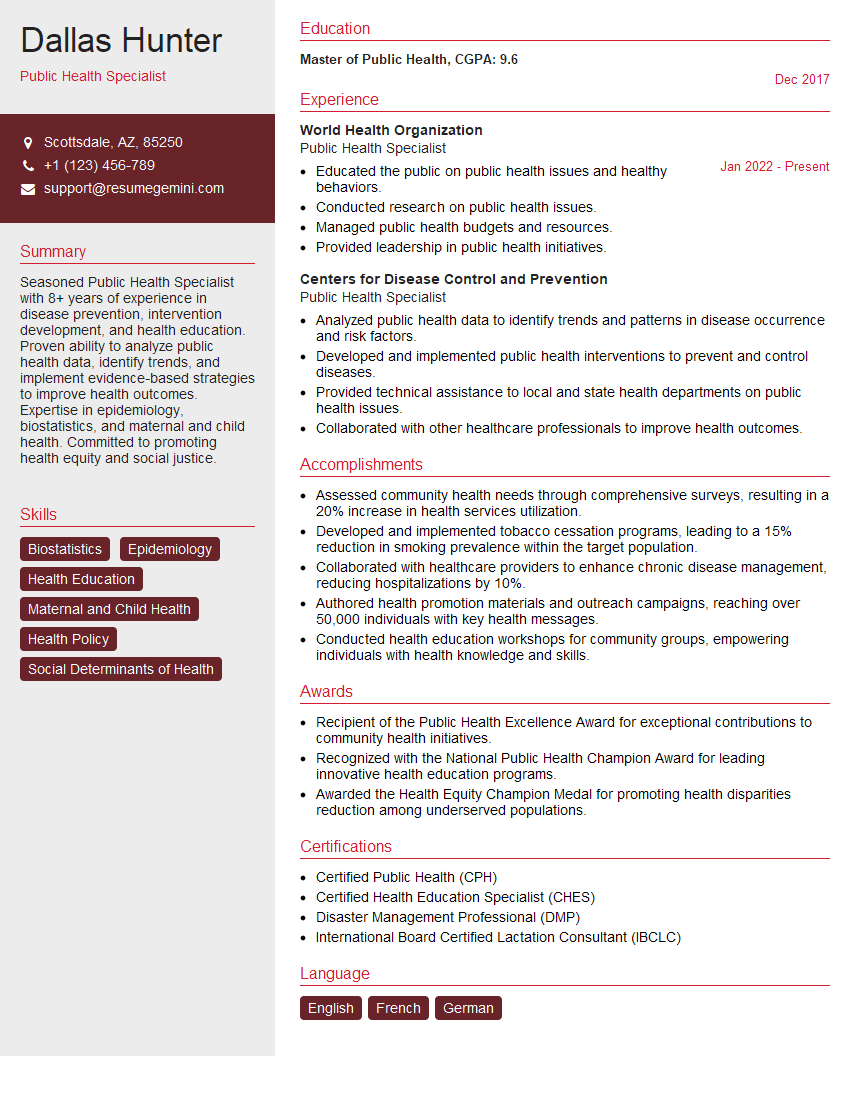
Mastering sanitation and biosecurity opens doors to rewarding careers with significant impact on public health and safety. A strong understanding of these principles is highly sought after in various industries. To maximize your job prospects, invest time in crafting an ATS-friendly resume that effectively showcases your skills and experience. ResumeGemini is a trusted resource to help you build a professional resume that stands out. They provide examples of resumes tailored to Sanitation and Biosecurity to guide you, ensuring your application makes a strong first impression.
Explore more articles
Users Rating of Our Blogs
Share Your Experience
We value your feedback! Please rate our content and share your thoughts (optional).
What Readers Say About Our Blog
I Redesigned Spongebob Squarepants and his main characters of my artwork.
https://www.deviantart.com/reimaginesponge/art/Redesigned-Spongebob-characters-1223583608
IT gave me an insight and words to use and be able to think of examples
Hi, I’m Jay, we have a few potential clients that are interested in your services, thought you might be a good fit. I’d love to talk about the details, when do you have time to talk?
Best,
Jay
Founder | CEO