Are you ready to stand out in your next interview? Understanding and preparing for Document and Report Incidents interview questions is a game-changer. In this blog, we’ve compiled key questions and expert advice to help you showcase your skills with confidence and precision. Let’s get started on your journey to acing the interview.
Questions Asked in Document and Report Incidents Interview
Q 1. Describe your experience documenting security incidents.
My experience in documenting security incidents spans over seven years, encompassing a wide range of scenarios from phishing attacks and malware infections to data breaches and denial-of-service attempts. I’ve worked in both reactive and proactive incident response roles, meaning I’ve not only documented incidents as they unfolded but also contributed to developing and improving our incident response plan. This involved creating templates, standardizing procedures, and training team members on effective incident reporting. I’ve consistently prioritized accuracy, completeness, and timeliness in my documentation, understanding its crucial role in post-incident analysis, forensic investigation, and legal compliance. For example, during a recent ransomware attack, my meticulous documentation played a vital role in the successful recovery of critical systems and data, and in demonstrating our compliance with regulatory requirements.
Q 2. What are the key components of a well-written incident report?
A well-written incident report serves as a comprehensive record of a security event, acting as a guide for future investigations and preventative measures. Key components include:
- Incident Summary: A concise overview of the event, including date, time, and initial impact.
- Affected Systems: A detailed list of all systems or accounts compromised.
- Timeline: A chronological sequence of events, from detection to containment.
- Evidence: Documentation of all collected evidence, such as logs, screenshots, and malware samples, with proper chain of custody details.
- Root Cause Analysis: A thorough investigation into the underlying cause of the incident.
- Remediation Steps: The actions taken to resolve the incident and prevent recurrence.
- Lessons Learned: Key takeaways that can improve future incident response capabilities.
- Incident Severity and Impact: Assessment of the incident’s seriousness and its consequences on the organization.
Think of it like a detective’s case file – meticulously documenting every piece of information to build a complete picture of what happened, why it happened, and how to prevent it from happening again.
Q 3. How do you prioritize incident response based on severity and impact?
Prioritizing incident response is critical to minimize damage and ensure efficient resource allocation. I use a combination of severity and impact to establish a priority ranking. Severity refers to the inherent risk of the incident (e.g., critical, high, medium, low), while impact measures the effect on the organization (e.g., data loss, financial damage, reputational harm).
I typically use a matrix that combines severity and impact to create priority levels. For example:
- Critical/High Impact: Immediate response; all hands on deck.
- High/Medium Impact: High priority; dedicated team response.
- Medium/Low Impact: Medium priority; delegated response.
- Low/Low Impact: Low priority; addressed when resources permit.
This system ensures that the most serious and impactful incidents receive immediate attention while less critical incidents are still addressed efficiently.
Q 4. Explain your process for collecting evidence during an incident.
Collecting evidence during an incident requires a systematic approach to ensure its integrity and admissibility. My process involves:
- Secure the Scene: Isolate affected systems to prevent further compromise.
- Identify and Collect Evidence: Gather logs, system information, network traffic data, and any other relevant artifacts. This may involve using specialized forensic tools.
- Chain of Custody: Maintain a meticulous record of who accessed, handled, and analyzed the evidence. This ensures its integrity and legal admissibility.
- Data Preservation: Create forensic images or copies of affected systems to preserve the original data.
- Hashing: Generate cryptographic hashes to verify the integrity of collected evidence.
For example, during a malware infection, I would collect system logs, memory dumps, and malware samples, carefully documenting the chain of custody at every step. This meticulous approach ensures that the collected evidence is reliable and usable for analysis and legal purposes.
Q 5. How do you ensure the accuracy and completeness of incident reports?
Ensuring accuracy and completeness in incident reports is paramount. My approach involves:
- Multiple Reviewers: Having multiple team members review the report helps identify errors and omissions.
- Cross-referencing: Verifying information from multiple sources to ensure consistency.
- Fact-checking: Confirming information with reliable sources and avoiding assumptions.
- Standardized Templates: Using pre-defined templates ensures consistency and completeness.
- Version Control: Tracking changes to the report, allowing for audit trails.
Think of it as a scientific paper – multiple revisions and cross-checks are necessary before publishing the final version. This rigorous process ensures the report is accurate, reliable, and reflects the entire picture.
Q 6. What tools or software have you used for incident documentation?
Throughout my career, I’ve utilized a variety of tools for incident documentation. These include:
- Security Information and Event Management (SIEM) systems: Such as Splunk and QRadar, for centralized log management and analysis. These tools provide a wealth of data and facilitate correlation of security events.
- Case management systems: For tracking and managing incidents throughout their lifecycle, providing a structured workflow.
- Forensic tools: Such as EnCase and FTK, for detailed analysis of hard drives and memory.
- Spreadsheet software: Like Microsoft Excel or Google Sheets, for creating and maintaining incident logs and timelines.
- Dedicated incident response platforms: These platforms often include features for collaboration, evidence management, and reporting.
The choice of tools depends on the specific requirements of the organization and the nature of the incident.
Q 7. How do you handle sensitive information during incident reporting?
Handling sensitive information during incident reporting is crucial to maintain confidentiality and comply with regulations. My approach incorporates:
- Data Minimization: Collecting and documenting only the necessary information.
- Access Control: Restricting access to incident reports to authorized personnel only. Using role-based access control (RBAC) to define permissions.
- Encryption: Encrypting sensitive data both in transit and at rest.
- Data Masking: Redacting sensitive information, such as personally identifiable information (PII), from reports intended for wider distribution.
- Compliance Adherence: Following all relevant data protection regulations, such as GDPR and CCPA.
Think of it like handling classified documents – strict protocols and security measures are necessary to prevent unauthorized access and maintain confidentiality. This rigorous approach not only ensures compliance but also protects the organization and affected individuals.
Q 8. Describe a time you had to escalate an incident. What was your process?
Escalating an incident is crucial when the initial response team lacks the resources or expertise to resolve it effectively. My process involves several key steps. First, I thoroughly assess the situation, documenting all relevant information, including the severity, impact, and current mitigation efforts. This ensures a clear picture for the escalation team. Then, I identify the appropriate escalation point – this might be a senior member of the team, a different department (like security or network operations), or even external support depending on the incident’s nature. I prepare a concise, well-structured escalation report containing the summarized problem, current status, attempted solutions, and potential impacts if the issue isn’t resolved quickly.
For instance, I once had a significant database outage affecting a critical production system. Initial troubleshooting pointed towards a complex database corruption. Since our team lacked the specialized database recovery skills, I escalated the issue to our database administrator team, providing them with a detailed report including logs, error messages, and system performance metrics before and during the outage. This enabled them to quickly assess the situation and begin the recovery process. Effective communication throughout the escalation process is paramount, ensuring the receiving team is fully informed and understands the urgency and context.
Q 9. How do you maintain chain of custody for digital evidence?
Maintaining chain of custody for digital evidence is paramount to ensuring its admissibility in any legal or investigative proceedings. It requires meticulous documentation and adherence to strict procedures. This begins with properly securing the evidence at the time of discovery, using techniques like creating forensic images of hard drives to avoid altering the original data. A detailed log is maintained, recording every action taken on the evidence, including who accessed it, when, and what actions were performed. This log serves as irrefutable proof of the evidence’s integrity.
Hashing algorithms are employed to create unique fingerprints (checksums) of the evidence. These hashes are recorded in the chain of custody log. Any alteration to the evidence will result in a different hash, immediately revealing tampering. Furthermore, physical security measures are implemented, such as storing the evidence in a secure, controlled environment with limited access. Properly trained personnel handle the evidence, and their actions are carefully documented. Think of it like a carefully curated handover – each step is logged and verified, ensuring the digital evidence remains pristine and its provenance is unquestionable.
Q 10. What is your experience with incident management frameworks (e.g., ITIL) ?
I have extensive experience with ITIL (Information Technology Infrastructure Library) and other incident management frameworks. ITIL provides a structured approach to handling incidents, encompassing key stages such as identification, logging, categorization, diagnosis, resolution, and closure. My understanding extends beyond simply following the prescribed steps; I appreciate the importance of adapting the framework to the specific needs of the organization and the nature of the incident. For example, a minor service interruption might require a simpler approach compared to a major security breach.
I’ve used ITIL principles to develop and refine incident response processes, improving efficiency and reducing resolution times. This includes implementing a robust ticketing system, establishing clear roles and responsibilities, and developing standard operating procedures (SOPs). I have also worked with other frameworks, integrating best practices from various sources to create a comprehensive and effective incident management system. The key takeaway is leveraging frameworks as a foundation, not as rigid rules – adapting them to maximize effectiveness in the real world is crucial.
Q 11. How do you collaborate with other teams during an incident response?
Collaboration is essential during incident response. Effective communication and clear roles are paramount. I employ several strategies to facilitate smooth collaboration with other teams. This starts with defining clear communication channels – for instance, using a dedicated incident management system or a collaborative platform like Slack for real-time updates.
I ensure that each team understands their responsibilities and how their actions affect the overall response. Regular updates and status meetings keep everyone informed. For example, during a network outage, I would collaborate closely with the network team to diagnose the issue, the security team to rule out malicious activity, and the communications team to inform affected users. Clear documentation of all actions and decisions is shared across teams, ensuring transparency and accountability. Utilizing a shared document repository and clearly defined escalation paths allows for efficient collaboration, regardless of individual team availability.
Q 12. Explain your understanding of incident classification and categorization.
Incident classification and categorization are crucial for prioritizing and effectively managing incidents. Classification involves assigning a severity level based on the impact on business operations. For example, a critical incident might involve a complete system failure, whereas a low-severity incident might be a minor service disruption. Categorization involves grouping incidents based on their root cause or type, such as network issues, application errors, or security breaches.
A well-defined classification and categorization system helps in resource allocation, prioritization, and identifying recurring issues. This allows for proactive measures to prevent similar incidents from occurring in the future. For instance, if we consistently see a high number of incidents related to a particular application, we might investigate whether upgrades or changes to the application are needed. This structured approach greatly aids in effective problem-solving and proactive risk management. Having a clear and documented classification system is key to consistent incident handling.
Q 13. What metrics do you track to measure the effectiveness of incident response?
Tracking key metrics is vital to assess the effectiveness of the incident response process. The most important metrics I track include mean time to detect (MTTD), mean time to acknowledge (MTTA), mean time to resolve (MTTR), and mean time to recovery (MTTR). These metrics provide insights into the speed and efficiency of our response. I also track the number of incidents per category, severity level, and affected system. This helps identify trends and areas for improvement.
Furthermore, I monitor customer satisfaction with our incident response, usually through surveys or feedback mechanisms. This helps us gauge the overall impact of incidents on users and identify areas where we can enhance the user experience. By regularly analyzing these metrics, we can identify bottlenecks, improve our processes, and ultimately provide faster, more effective incident resolution. The ultimate goal is to continually improve our response and minimize disruption.
Q 14. How do you ensure timely and effective communication during an incident?
Timely and effective communication is paramount during an incident. This involves establishing clear communication channels and using appropriate communication methods for different audiences. I begin by identifying all stakeholders impacted by the incident, including users, management, and technical teams. Then, I develop a communication plan that outlines the key messages, channels, and frequency of updates.
During the incident, I use a variety of communication methods, such as email, instant messaging, and status pages, to ensure everyone stays informed. I also provide regular updates, being transparent about the situation and the steps being taken to resolve the incident. For example, during a major security incident, I would coordinate with the communications team to craft a message that is both informative and reassuring to users. Transparent, timely, and accurate communication is crucial for maintaining confidence and minimizing the impact of the incident on the affected users and business operations.
Q 15. Describe your experience with root cause analysis in incident response.
Root cause analysis (RCA) in incident response is crucial for preventing future incidents. It’s a systematic process of identifying the underlying causes of an incident, not just the symptoms. Think of it like diagnosing a car problem – you don’t just replace a tire if the car is making a strange noise; you need to find out *why* the noise is happening.
My approach involves using a combination of techniques, including the '5 Whys', fault tree analysis, and fishbone diagrams. For example, if a server outage occurred (the symptom), I wouldn’t stop at identifying the failed hard drive (a proximate cause). I would repeatedly ask 'Why?' to uncover the root cause. Why did the hard drive fail? Was it due to age? Was it improperly configured? Was there insufficient monitoring? This iterative questioning allows me to dig deeper and identify systemic issues like inadequate hardware maintenance or insufficient monitoring procedures.
I also document my findings meticulously, creating a detailed report that outlines the incident timeline, impacted systems, contributing factors, and ultimately, the root cause(s). This report isn’t just for internal use; it often helps in justifying resource allocation for preventative measures or improvements to incident response plans.
Career Expert Tips:
- Ace those interviews! Prepare effectively by reviewing the Top 50 Most Common Interview Questions on ResumeGemini.
- Navigate your job search with confidence! Explore a wide range of Career Tips on ResumeGemini. Learn about common challenges and recommendations to overcome them.
- Craft the perfect resume! Master the Art of Resume Writing with ResumeGemini’s guide. Showcase your unique qualifications and achievements effectively.
- Don’t miss out on holiday savings! Build your dream resume with ResumeGemini’s ATS optimized templates.
Q 16. How do you identify and mitigate recurring incidents?
Recurring incidents are a major concern. They indicate a weakness in our security posture or operational processes. My approach to identifying and mitigating them is multi-faceted.
- Incident tracking and analysis: I leverage incident management systems to track recurring incidents. Patterns emerge over time, highlighting commonalities in affected systems, attack vectors, or user behaviors.
- Root cause analysis (as described above): This is critical for identifying the underlying causes driving recurring incidents. It allows us to address the problem at its source, rather than simply treating symptoms.
- Implementation of preventative measures: Once the root cause is identified, I work with relevant teams to implement solutions. This may involve updating security protocols, patching vulnerabilities, implementing improved monitoring systems, or providing additional training to employees.
- Performance monitoring and alerting: Proactive monitoring of systems and applications is crucial for early detection of potential issues before they become full-blown incidents. Establishing clear alert thresholds allows for swift responses.
For instance, if we experienced multiple phishing attacks due to employees falling for similar scams, we would implement targeted security awareness training and improve our email filtering mechanisms. This proactive approach prevents future occurrences.
Q 17. What are some common challenges you face in documenting incidents?
Documenting incidents effectively can be challenging. Common hurdles include:
- Time constraints during an active incident: Responding to a critical incident often demands immediate attention, leaving little time for meticulous documentation. Prioritization is key, focusing on capturing essential details and completing the documentation after the immediate crisis is resolved.
- Incomplete or inaccurate information: In the chaos of an incident, information may be fragmented or inaccurate. Ensuring multiple sources are verified and cross-referenced is necessary.
- Lack of standardized procedures: Without clearly defined processes and templates, documentation can be inconsistent and lack essential information. A standardized incident reporting template helps maintain consistency and completeness.
- Data volume and complexity: Modern IT environments are complex, generating enormous volumes of logs and event data. Selecting and interpreting relevant information is crucial for clear documentation without overwhelming the reader.
To overcome these challenges, I emphasize clear communication, the use of standardized templates, and ongoing training for incident response team members. Regular reviews of our documentation practices ensure continual improvement.
Q 18. How do you handle conflicting information during incident investigation?
Conflicting information during incident investigation is common. It requires a methodical approach to ensure accuracy.
- Multiple perspectives: I aim to gather information from multiple sources – logs, witnesses, affected users, etc. Each perspective is valuable, even if it contradicts others.
- Data verification: I meticulously verify information against multiple sources. Log files, system records, and witness testimonies are all cross-referenced to identify inconsistencies and build a comprehensive picture.
- Documentation of discrepancies: Any conflicting information is clearly documented along with the reasoning behind the chosen interpretation. This transparency is crucial for accountability and understanding.
- Neutral analysis: I strive to maintain a neutral and unbiased approach, avoiding premature conclusions. Data-driven analysis, combined with careful consideration of all evidence, guides my decision-making.
For example, if two witnesses provide conflicting accounts of a security breach, I would examine logs, security camera footage, and other relevant data to establish a timeline and determine the most probable scenario. The conflicting accounts would be documented, along with my reasoning for favoring one account over another, providing transparency and allowing for future scrutiny.
Q 19. How do you ensure compliance with relevant regulations and standards during incident reporting?
Compliance with relevant regulations and standards (e.g., GDPR, HIPAA, PCI DSS) is paramount in incident reporting. My approach ensures adherence throughout the entire process:
- Understanding applicable regulations: I meticulously understand the legal and regulatory requirements applicable to the organization and the specific type of data involved in the incident.
- Standardized procedures: Our incident response plan incorporates compliance requirements, ensuring consistent adherence. This includes timely notification of relevant authorities and data subjects as needed.
- Data retention policies: We adhere to strict data retention policies, ensuring that all incident-related data is managed and disposed of appropriately according to legal and regulatory guidelines.
- Secure data handling: All incident-related data is handled securely, safeguarding sensitive information from unauthorized access. This includes encryption and access control measures.
- Regular audits: Our incident response processes are subject to regular audits to ensure continued compliance with all applicable regulations.
Failure to comply with these regulations can result in significant legal and financial consequences. Therefore, I prioritize a proactive and comprehensive approach to ensure compliance is built into every aspect of our incident response.
Q 20. What is your experience with different types of security incidents (e.g., phishing, malware, DDoS)?
I have extensive experience handling various security incidents. Here are a few examples:
- Phishing: I've investigated numerous phishing attempts, analyzing malicious emails, URLs, and attachments to understand the attack vectors and identify vulnerabilities in our employee training or security protocols. This involved working with security awareness teams to implement improved training and phishing simulations.
- Malware: I've responded to incidents involving malware infections, conducting thorough analysis to identify the type of malware, its impact, and the method of infection. This often involved isolating affected systems, removing the malware, and restoring data from backups.
- DDoS attacks: I've managed responses to distributed denial-of-service (DDoS) attacks, coordinating with network engineers and security providers to mitigate the attack and restore services. This includes working with our cloud provider to implement DDoS mitigation solutions.
My approach is consistent across all incident types: swift containment, thorough investigation, and detailed documentation to learn from the experience and strengthen our security posture. Each incident helps refine our response plans and security controls.
Q 21. How do you use incident reports to improve security posture?
Incident reports are not just retrospective documents; they are invaluable tools for enhancing security. They provide crucial insights into vulnerabilities and areas for improvement.
- Vulnerability identification: By analyzing incident reports, we can identify recurring vulnerabilities and weaknesses in our systems and processes. This allows for the implementation of targeted security controls and patching.
- Process improvement: Incident reports provide feedback on our incident response procedures. Areas requiring improvement, such as communication protocols or escalation pathways, become evident and can be addressed.
- Security awareness training: Incident reports often highlight areas where employee training can be enhanced. For instance, repeated phishing attacks may indicate a need for improved security awareness training.
- Resource allocation: Incident reports support the justification for investing in additional security measures, such as advanced threat detection systems or enhanced security monitoring.
- Metrics and KPI's: Analyzing data from incident reports allows us to track key performance indicators (KPIs) for our security posture, such as mean time to detection (MTTD) and mean time to resolution (MTTR).
In essence, incident reports serve as a continuous feedback loop, enabling us to learn from past events and proactively strengthen our security defenses.
Q 22. Describe your experience with incident response playbooks.
Incident response playbooks are crucial for efficient and consistent handling of security incidents. They are essentially documented, step-by-step guides outlining the actions to take during various phases of an incident, from initial detection to post-incident activity. My experience involves developing, updating, and utilizing these playbooks across various organizations.
For example, I’ve worked on playbooks for phishing attacks, ransomware incidents, and data breaches. These playbooks detail roles and responsibilities, escalation paths, communication protocols, and technical remediation steps. A well-structured playbook often includes checklists, decision trees, and templates for documentation, ensuring that responders have clear guidance and reduce response time significantly. One specific playbook I helped create included a detailed section on identifying the source of a compromised system, isolating the infected machines and restoring data from backups. This significantly reduced the impact of a ransomware attack on a client.
I also ensure regular reviews and updates of our playbooks based on lessons learned from past incidents and evolving threat landscapes. This iterative process ensures that our response remains effective and adapts to new challenges.
Q 23. How do you handle legal and regulatory requirements related to incident reporting?
Handling legal and regulatory requirements in incident reporting is critical. My experience involves a deep understanding of regulations like GDPR, CCPA, HIPAA, and PCI DSS, depending on the organization and the nature of the data involved. This understanding guides how we handle data collection, incident classification, notification processes, and legal documentation during an incident.
For instance, if a data breach exposes sensitive personal information under GDPR, we must comply with strict notification timelines and data subject rights. We maintain meticulous records of all incident-related actions, communications, and evidence, ensuring that we can meet any legal or regulatory audit requirements. I work closely with legal counsel to ensure all reporting and communication align with applicable laws and regulations. This includes drafting incident reports, notification letters, and maintaining complete audit trails. I also ensure our processes are documented and updated to reflect any changes in regulations.
Q 24. What is your experience with forensic tools and techniques?
I have extensive experience with various forensic tools and techniques, essential for investigating the root cause of security incidents. My expertise encompasses both software and hardware forensics. This includes using tools like EnCase, FTK Imager, Autopsy, and various network monitoring and analysis tools.
For example, I’ve used memory analysis tools to identify malicious processes and recover deleted files. I’ve also employed network forensics tools to trace the origin and path of attacks. My skills include analyzing logs, identifying malware, reconstructing timelines, and recovering deleted data. I’m proficient in creating and presenting forensic reports, documenting the methodologies used and findings in a clear and understandable manner, providing strong evidence for further investigation or legal proceedings. I understand the importance of maintaining the chain of custody and adhering to best practices to ensure the admissibility of evidence in legal proceedings.
Q 25. How do you ensure the confidentiality, integrity, and availability of incident reports?
Ensuring the confidentiality, integrity, and availability (CIA triad) of incident reports is paramount. We utilize several measures to achieve this.
- Confidentiality: Access to incident reports is strictly controlled through role-based access control (RBAC). Only authorized personnel with a need-to-know basis can access sensitive information. Reports are encrypted both in transit and at rest.
- Integrity: We employ version control and digital signatures to ensure the authenticity and integrity of reports. Changes are tracked and audited, preventing unauthorized modification.
- Availability: Incident reports are stored in secure, redundant systems, ensuring they are accessible when needed, even during an incident. Regular backups and disaster recovery plans maintain availability in case of system failures.
Moreover, we adhere to strict data handling policies, implementing data loss prevention (DLP) measures, and regularly review and update our security controls to ensure the ongoing protection of incident data. Think of it like a high-security vault – only authorized individuals with the right keys can access the information, and it’s protected from both physical and digital threats.
Q 26. Explain your understanding of different incident response stages.
Incident response typically follows a structured set of stages. My understanding encompasses these key phases:
- Preparation: This proactive phase involves developing incident response plans, establishing communication protocols, and training personnel. It’s like having a fire drill plan in place – ready to spring into action when needed.
- Detection & Analysis: This stage focuses on identifying a security incident, assessing its impact, and collecting evidence. This might involve analyzing security logs, investigating unusual network traffic, or interviewing affected users.
- Containment: Here, the focus is on isolating the affected systems or network segments to prevent further damage. This could be disconnecting infected machines from the network or blocking malicious IP addresses.
- Eradication: This phase involves removing the root cause of the incident, which might involve deleting malware, patching vulnerabilities, or restoring systems from backups. It’s like extinguishing the fire itself.
- Recovery: Once the threat is eliminated, systems are restored to full operation. This can involve reinstalling software, recovering data, and conducting system testing.
- Post-Incident Activity: This crucial phase includes documenting lessons learned, updating incident response plans, and conducting vulnerability assessments to prevent future incidents. It’s about analyzing the situation, learning from our mistakes, and making improvements to avoid future problems.
Q 27. Describe your experience working with incident management systems (e.g., ServiceNow).
I possess significant experience working with incident management systems, particularly ServiceNow. I’ve utilized ServiceNow’s capabilities for incident tracking, assignment, and resolution. This includes creating and managing incident tickets, escalating issues, tracking progress, and generating reports.
ServiceNow allows us to centralize incident management, improve communication, and track key metrics. I’ve configured workflows within ServiceNow to automate tasks like notifications, escalation procedures, and reporting. For example, I’ve set up automated email notifications to alert stakeholders when a critical incident occurs and to keep them updated on the progress. The system’s reporting features enable us to analyze incident trends, identify vulnerabilities, and improve our overall security posture. ServiceNow’s integration with other security tools further enhances our incident response capabilities by providing a single pane of glass view of security events and allowing for automated responses.
Key Topics to Learn for Document and Report Incidents Interview
- Incident Classification and Categorization: Understand different incident types (security breaches, system failures, etc.) and the criteria for classifying them effectively. Learn how to apply standardized incident classification schemes.
- Data Collection and Analysis: Master techniques for gathering comprehensive incident data from various sources (logs, interviews, network monitoring). Practice analyzing this data to identify root causes and contributing factors.
- Report Writing and Structure: Learn how to structure incident reports clearly and concisely, including relevant details, timelines, impact assessments, and recommended actions. Familiarize yourself with different report formats (formal, informal).
- Communication and Collaboration: Practice effective communication strategies for conveying incident information to stakeholders (technical and non-technical audiences). Understand how to collaborate with different teams during incident response.
- Incident Response Lifecycle: Gain a deep understanding of the stages involved in incident response (preparation, identification, containment, eradication, recovery, lessons learned). Be prepared to discuss your experience in each phase.
- Security Best Practices: Demonstrate familiarity with security best practices relevant to incident prevention and response (access control, vulnerability management, etc.).
- Problem-Solving and Root Cause Analysis: Practice identifying and analyzing the root causes of incidents using various techniques (e.g., 5 Whys, fishbone diagrams). Be ready to discuss your approach to problem-solving in a high-pressure environment.
- Legal and Compliance Considerations: Understand the legal and compliance implications of incidents, including data privacy regulations and reporting requirements.
Next Steps
Mastering the art of documenting and reporting incidents is crucial for career advancement in many technical fields. A strong understanding of these processes demonstrates your ability to handle critical situations effectively and contribute to a secure and resilient environment. To significantly boost your job prospects, focus on crafting an ATS-friendly resume that highlights your skills and experience in this area. ResumeGemini is a trusted resource to help you build a professional resume that showcases your capabilities effectively. Examples of resumes tailored to Document and Report Incidents are provided to help guide your efforts.
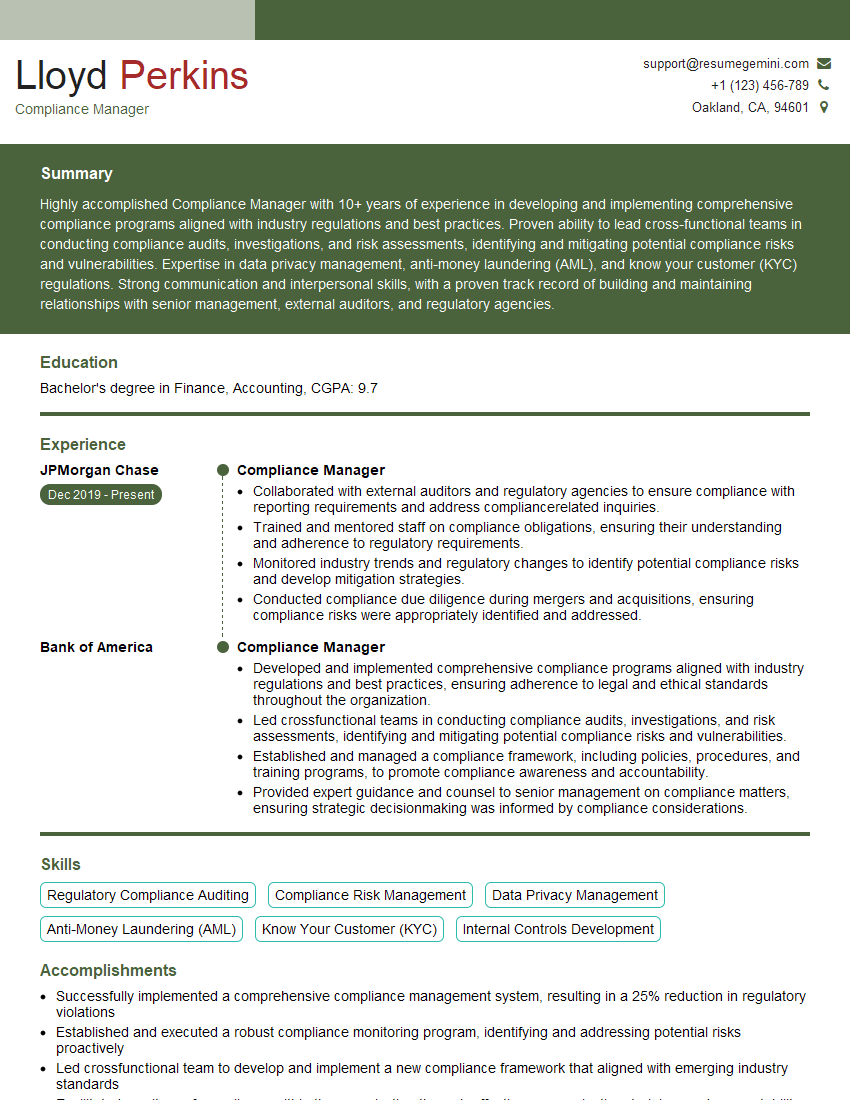
Compliance Manager Resume Sample

Compliance Officer Resume Sample
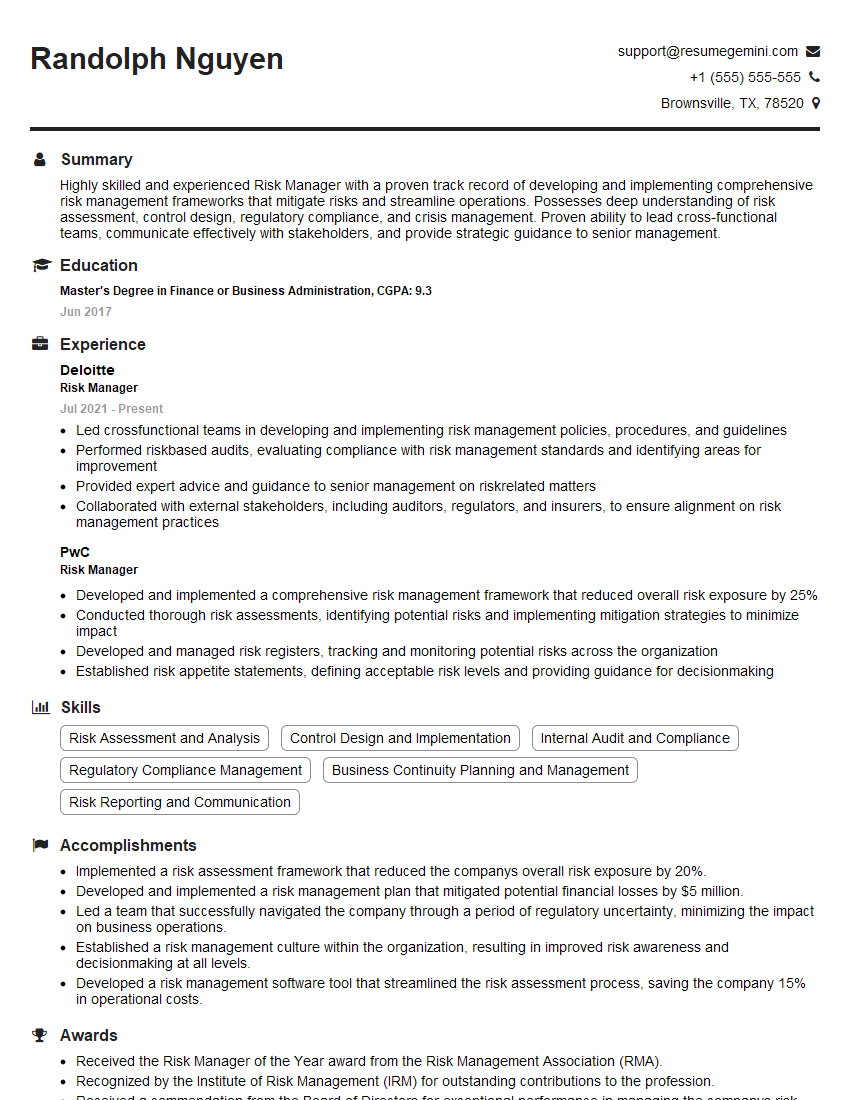
Risk Manager Resume Sample
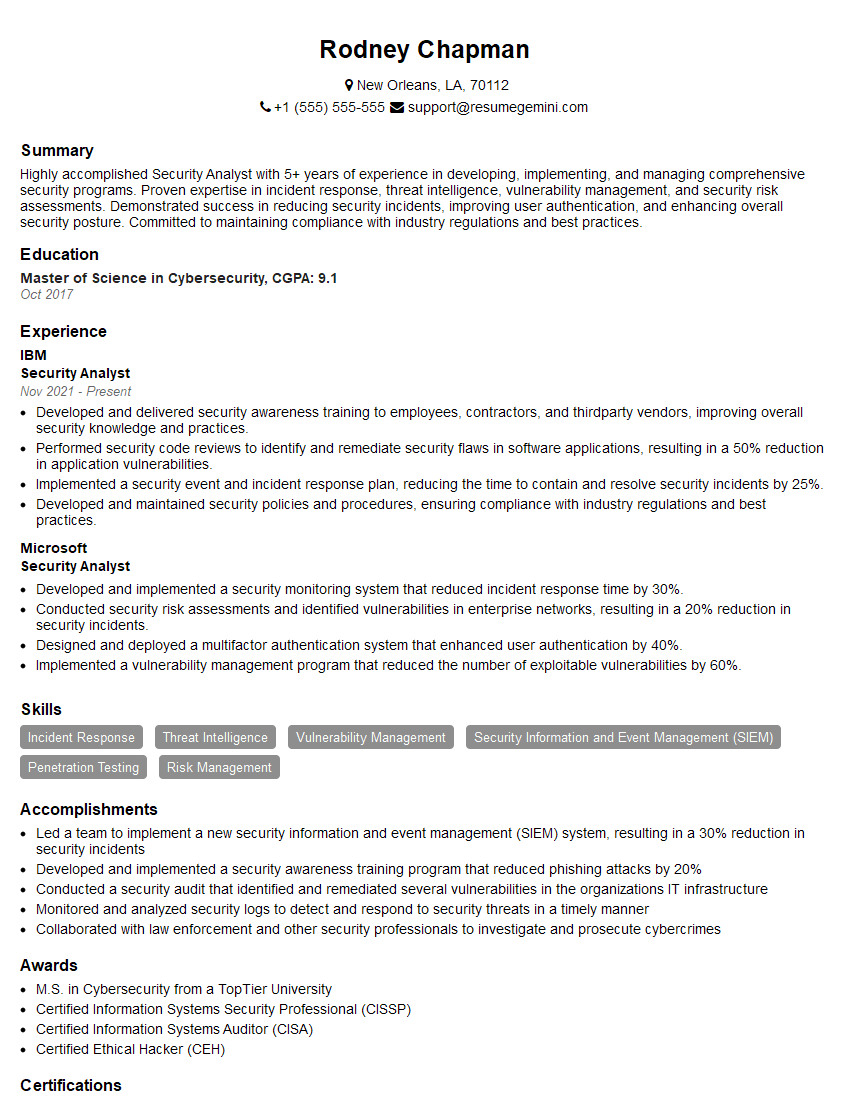
Security Analyst Resume Sample
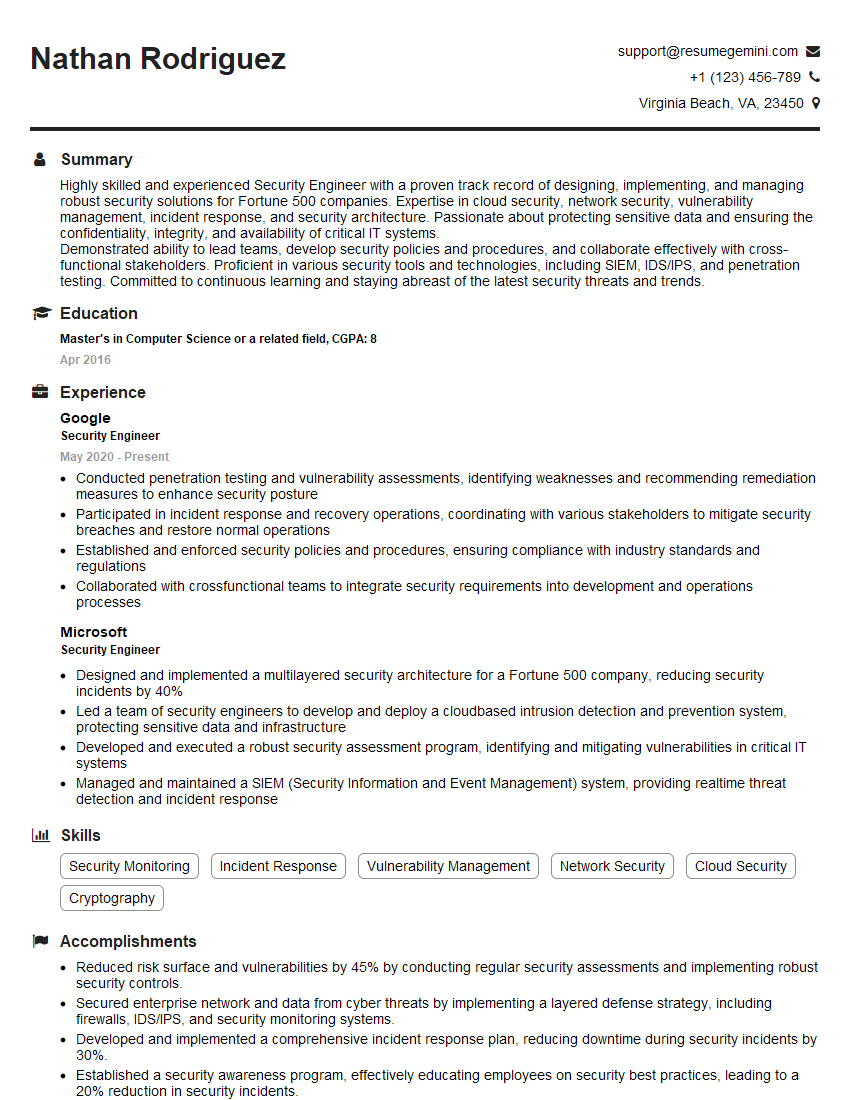
Security Engineer Resume Sample
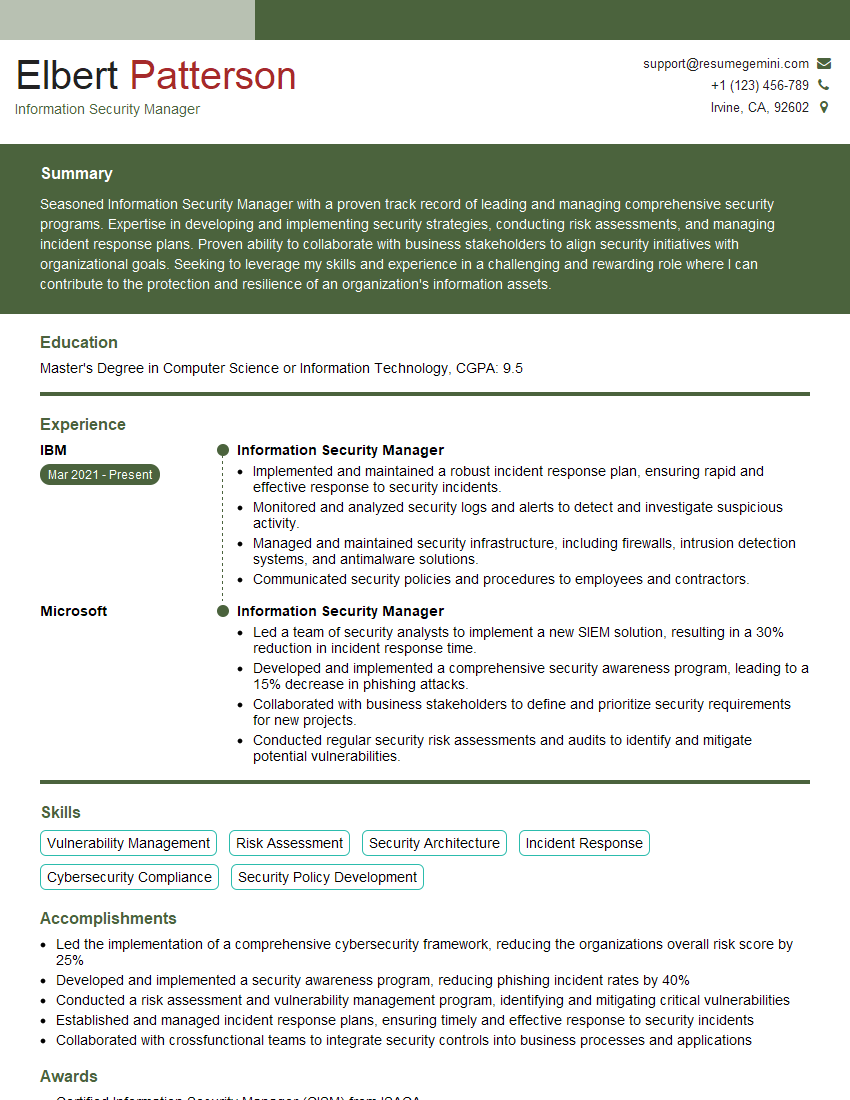
Information Security Manager Resume Sample
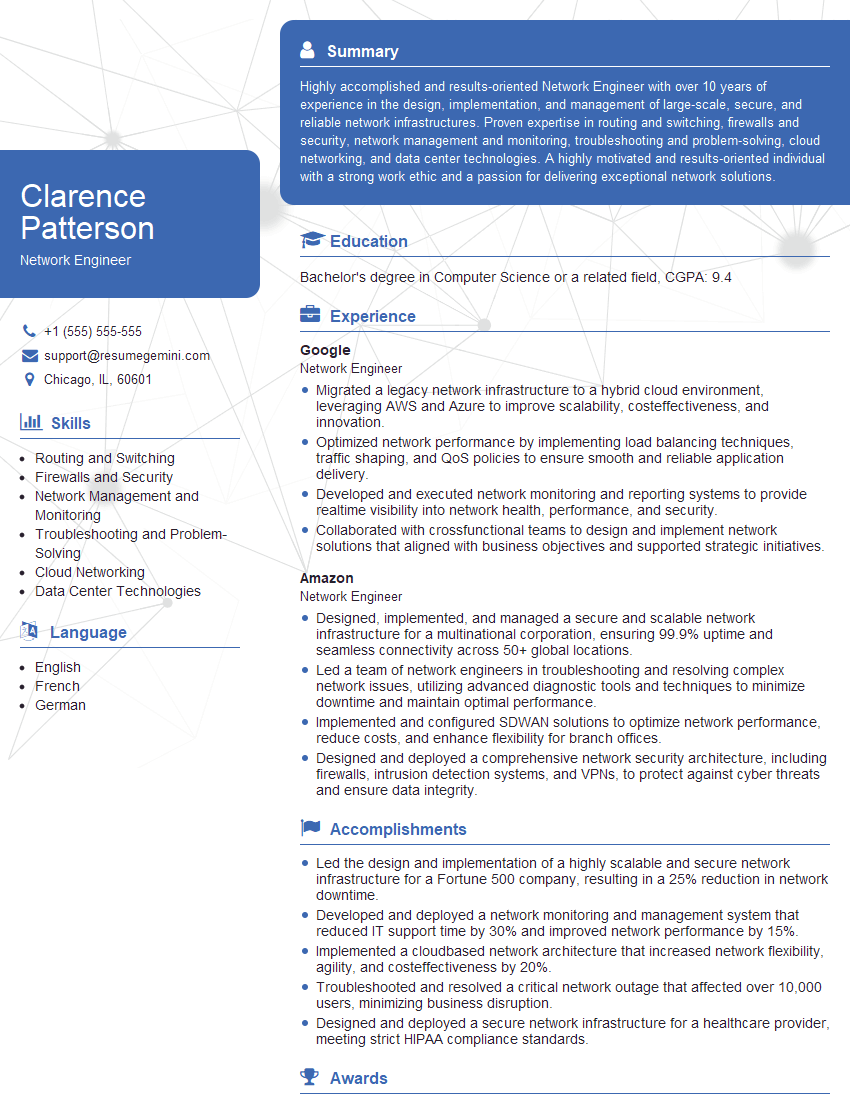
Network Engineer Resume Sample
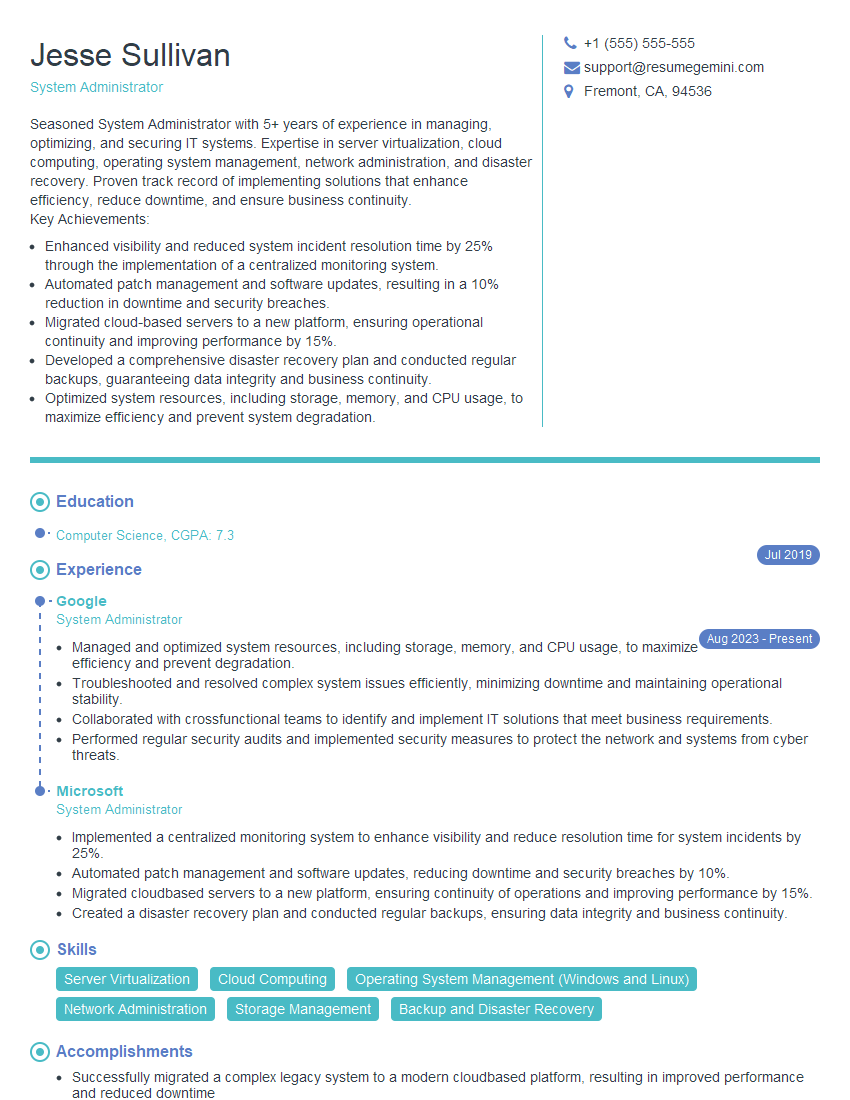
System Administrator Resume Sample
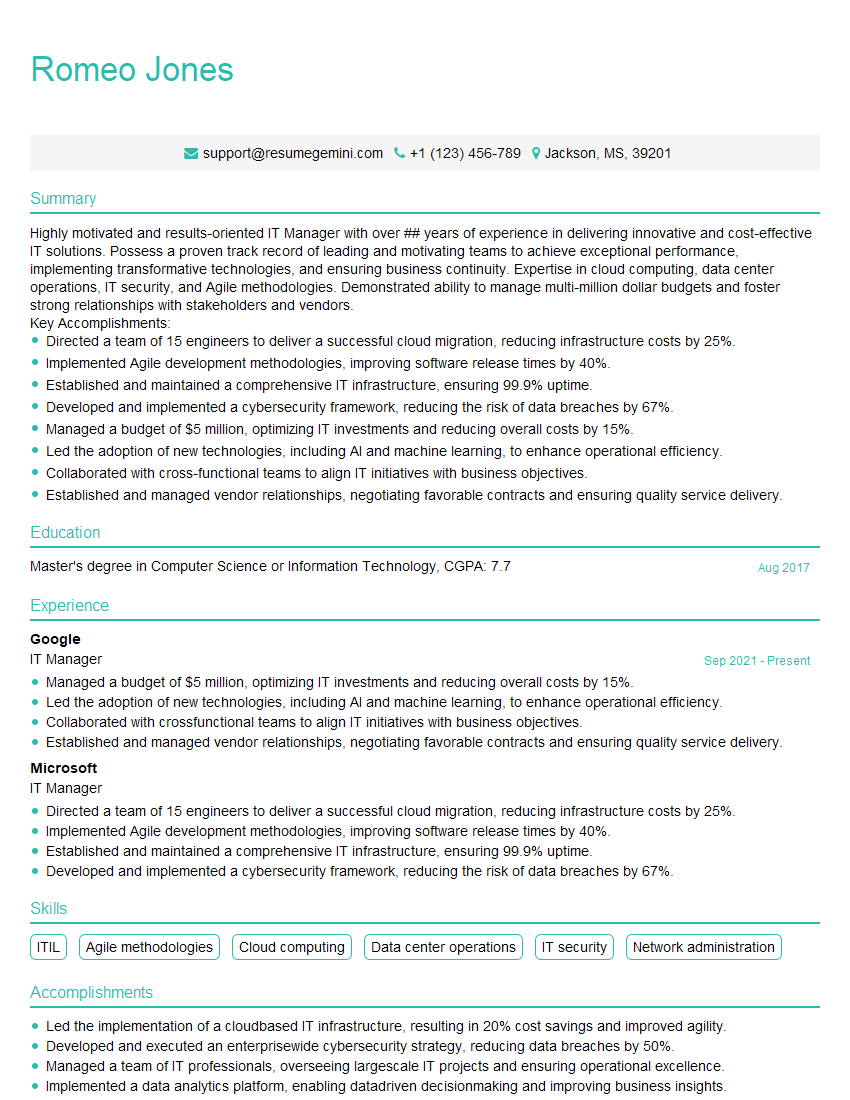
IT Manager Resume Sample
Explore more articles
Users Rating of Our Blogs
Share Your Experience
We value your feedback! Please rate our content and share your thoughts (optional).
What Readers Say About Our Blog
I Redesigned Spongebob Squarepants and his main characters of my artwork.
https://www.deviantart.com/reimaginesponge/art/Redesigned-Spongebob-characters-1223583608
IT gave me an insight and words to use and be able to think of examples
Hi, I’m Jay, we have a few potential clients that are interested in your services, thought you might be a good fit. I’d love to talk about the details, when do you have time to talk?
Best,
Jay
Founder | CEO