Cracking a skill-specific interview, like one for Understanding of Culturally Responsive Teaching, requires understanding the nuances of the role. In this blog, we present the questions you’re most likely to encounter, along with insights into how to answer them effectively. Let’s ensure you’re ready to make a strong impression.
Questions Asked in Understanding of Culturally Responsive Teaching Interview
Q 1. Define culturally responsive teaching (CRT).
Culturally Responsive Teaching (CRT) is an approach to education that recognizes and values the cultural backgrounds and experiences of all students. It goes beyond simply acknowledging diversity; it actively incorporates students’ cultural identities, perspectives, and learning styles into the teaching and learning process. The goal is to create a classroom environment where all students feel respected, valued, and empowered to succeed academically.
Think of it like this: instead of forcing students to fit into a pre-defined mold of education, CRT shapes the educational experience to fit the unique needs and strengths of each individual student, considering their cultural context.
Q 2. Explain the difference between culturally relevant pedagogy and culturally responsive teaching.
While both culturally relevant pedagogy (CRP) and culturally responsive teaching (CRT) aim to create inclusive learning environments, there are subtle yet important distinctions. CRP emphasizes the importance of making learning relevant to students’ lives and cultures, often focusing on connecting academic content to students’ lived experiences and community contexts. CRT, while encompassing many aspects of CRP, takes a broader approach. It actively challenges inequities in the education system and aims to transform the power dynamics within the classroom, empowering students to critically engage with their own cultural identities and the dominant culture.
In essence, CRP is a subset of CRT. CRP focuses on relevance, while CRT focuses on relevance and equity and justice.
Q 3. How does CRT address issues of equity and social justice in education?
CRT directly addresses issues of equity and social justice by actively challenging the systemic biases and inequities embedded within the education system. It acknowledges that students from marginalized communities often face significant barriers to academic success due to factors like racism, poverty, and discrimination. CRT works to dismantle these barriers by:
- Promoting equitable access to quality education: This includes ensuring that all students have access to high-quality curriculum, resources, and supportive teachers.
- Challenging Eurocentric curriculum: CRT advocates for diversifying the curriculum to include the histories, perspectives, and contributions of people from diverse cultural backgrounds.
- Centering student voice and agency: CRT prioritizes student perspectives and allows students to actively participate in shaping their learning experiences.
- Developing culturally competent teachers: CRT emphasizes the importance of teacher training and professional development that equips educators with the skills and knowledge to effectively work with students from diverse backgrounds.
By addressing these systemic issues, CRT creates a more just and equitable learning environment where all students have the opportunity to reach their full potential.
Q 4. Describe how you would incorporate culturally responsive teaching strategies into your lesson planning.
Incorporating CRT into lesson planning involves a multifaceted approach. I would start by:
- Gathering data about my students: Understanding their cultural backgrounds, learning styles, and interests is crucial. This could involve surveys, informal conversations, and observing their interactions in the classroom.
- Analyzing curriculum for bias: I would critically examine the curriculum materials to identify any biases or stereotypes that might marginalize or misrepresent certain groups.
- Developing culturally relevant learning activities: This might involve using culturally relevant examples and case studies, incorporating student’s languages and dialects, and creating projects that allow students to connect classroom learning to their own lives and communities.
- Using varied teaching methods: I would employ a variety of teaching strategies to cater to different learning styles and preferences, and to keep the lessons engaging for all students.
- Creating a classroom environment that is inclusive and respectful: This includes establishing clear classroom norms that emphasize respect, collaboration, and active listening. It also involves creating a physically welcoming space that reflects the diverse backgrounds of my students.
For instance, teaching about historical events would involve incorporating diverse perspectives beyond the dominant narrative and exploring various interpretations.
Q 5. What are some common cultural biases that may be present in educational materials?
Many educational materials inadvertently perpetuate cultural biases. Some common examples include:
- Underrepresentation or misrepresentation of diverse groups: Textbooks and other materials often lack representation of people from marginalized groups, or they may present stereotypical or inaccurate portrayals of these groups.
- Eurocentric perspectives: Many curricula focus heavily on Western history and culture, neglecting or downplaying the contributions of other cultures.
- Gender bias: Materials may reinforce traditional gender roles or stereotypes, limiting students’ understanding of gender identity and expression.
- Class bias: Materials may assume a level of socioeconomic privilege that excludes students from low-income backgrounds.
- Ableism: Materials may neglect or misrepresent the experiences of students with disabilities.
Identifying these biases requires careful review and critical analysis of the materials. Using diverse resources and incorporating multiple perspectives are crucial to mitigate these biases.
Q 6. How would you identify and address the learning needs of students from diverse cultural backgrounds?
Identifying and addressing the learning needs of students from diverse cultural backgrounds requires a multi-pronged approach. It involves:
- Building relationships: Creating a trusting and supportive relationship with each student is essential to understanding their individual needs and learning preferences.
- Employing culturally responsive assessment methods: This includes using assessment tools that are culturally relevant and sensitive, as well as providing multiple ways for students to demonstrate their learning.
- Utilizing differentiated instruction: Adapting teaching methods to meet the diverse learning styles and needs of students.
- Seeking input from families and communities: Involving families and community members in the educational process can provide valuable insights into students’ cultural backgrounds and learning styles.
- Collaborating with colleagues and specialists: Working with colleagues who have experience with culturally responsive teaching, as well as specialists such as bilingual educators and special education teachers, can provide valuable support.
For example, if a student is struggling, I wouldn’t simply assume it’s due to a lack of effort but investigate whether there are cultural or linguistic barriers affecting their comprehension or engagement.
Q 7. What strategies would you use to create an inclusive classroom environment for all students?
Creating an inclusive classroom involves consciously fostering a sense of belonging and respect for all students. Key strategies include:
- Establishing clear expectations for respectful behavior: This includes developing classroom norms that emphasize respect, empathy, and inclusivity. These norms should be co-created with students to ensure they feel ownership.
- Utilizing diverse teaching materials: Using materials that reflect the diversity of the classroom, including representation of different races, ethnicities, genders, abilities, and socioeconomic backgrounds.
- Creating opportunities for student voice and leadership: Empowering students to share their perspectives and take on leadership roles within the classroom.
- Building relationships with families and communities: Creating strong partnerships with families and community members to support student learning and well-being.
- Providing support for students with diverse learning needs: This involves collaborating with specialists, providing differentiated instruction, and creating a learning environment that is accessible to all students.
Imagine a classroom where students feel comfortable sharing their stories, where their unique perspectives are valued, and where everyone feels a sense of belonging – that is the essence of an inclusive learning environment.
Q 8. How would you build relationships with families from diverse cultural backgrounds?
Building strong relationships with families from diverse cultural backgrounds requires intentional effort and genuine respect. It’s about recognizing that each family has unique values, communication styles, and experiences.
- Active Listening and Open Communication: I begin by actively listening to parents’ perspectives and concerns. I make a point of understanding their hopes and aspirations for their children’s education. I use clear and respectful language, avoiding jargon, and I am mindful of potential language barriers, offering translation services when needed.
- Cultural Humility: I approach each interaction with a mindset of cultural humility, recognizing that I don’t have all the answers and that continuous learning is crucial. I ask questions to understand their cultural context rather than making assumptions.
- Home Visits and Community Engagement: Whenever possible, I conduct home visits or participate in community events to build rapport and demonstrate my commitment to connecting with families in their comfortable environments. This shows respect and allows me to understand the family’s broader context.
- Two-Way Communication: I establish multiple avenues for communication – newsletters in multiple languages, phone calls, emails, and parent-teacher conferences. I encourage parents to share their feedback and actively solicit their input on classroom activities and curriculum.
- Celebrating Diversity: I celebrate the richness of cultural diversity in the classroom and involve families in events that showcase their traditions and backgrounds. This could be through sharing food, showcasing art, or participating in cultural performances.
For example, I once worked with a family whose cultural norms dictated a more reserved communication style. Initially, I interpreted this as disinterest, but after engaging in a home visit and learning more about their communication preferences, I adapted my approach to build a stronger relationship. This involved more frequent, shorter check-ins, and creating opportunities for non-verbal communication like shared activities.
Q 9. Explain your understanding of culturally sustaining pedagogy.
Culturally sustaining pedagogy goes beyond simply acknowledging cultural diversity; it actively works to sustain and perpetuate the cultural knowledge, practices, and identities of students from marginalized communities. It’s about ensuring that students’ cultural backgrounds are not just tolerated but celebrated and utilized as resources for learning.
This pedagogy recognizes that students’ cultural identities are integral parts of their learning experience and should be leveraged to create a more equitable and engaging learning environment. It isn’t just about adding culturally relevant content; it’s about transforming the very structure of education to center the voices and experiences of students from underrepresented groups.
- Language: Using and valuing students’ home languages alongside the dominant language.
- Curriculum: Integrating diverse perspectives and content that reflects students’ backgrounds and lived experiences.
- Pedagogical Practices: Employing teaching strategies that resonate with students’ cultural learning styles and preferences, such as collaborative learning and storytelling.
- Community Engagement: Connecting classroom learning with students’ communities and families.
For instance, instead of solely using standardized assessments that may not reflect the cultural knowledge of all students, a culturally sustaining approach might incorporate alternative assessment methods that value students’ unique talents and cultural expressions, such as portfolio assessments, projects based on community issues, or oral presentations in their native language.
Q 10. How do you assess student learning in a culturally responsive manner?
Culturally responsive assessment goes beyond standardized tests; it involves multiple methods that accurately reflect students’ understanding of concepts within their cultural context. It values the diverse ways students demonstrate their learning and avoids bias that might disadvantage certain cultural groups.
- Multiple Assessment Methods: Employing a range of assessment tools, including projects, presentations, portfolios, observations, and performance-based tasks. This allows students to showcase their knowledge and skills in various ways that align with their learning styles and preferences.
- Cultural Sensitivity in Question Design: Ensuring that assessment questions are free from bias and cultural assumptions. I avoid using language or examples that may be unfamiliar or inaccessible to certain groups of students.
- Student Self-Assessment and Peer Assessment: Involving students in the assessment process through self-assessment and peer assessment activities can foster a greater understanding of their own learning and provide valuable feedback. This promotes metacognition and self-reflection.
- Addressing Language Barriers: Providing appropriate accommodations, such as translation or extended time, for students whose first language is not the language of instruction.
- Analyzing Assessment Data Culturally: Interpreting assessment data considering the cultural context of students’ responses and avoiding making generalizations about students’ abilities based solely on test scores.
For example, instead of only using a written exam to assess comprehension, I might offer students the option of creating a presentation, a visual representation, or a performance piece. This allows students to demonstrate their understanding in a way that aligns with their strengths and cultural preferences.
Q 11. Describe a time when you had to adapt your teaching to meet the needs of a culturally diverse student population.
In a previous role, I taught a diverse class of students, including several recent immigrants who had limited English proficiency. Initially, my lesson plans, primarily based on lectures and textbook readings, were ineffective for these students. They struggled to participate actively and appeared disengaged.
To adapt, I incorporated several strategies:
- Visual Aids and Hands-on Activities: I replaced lengthy lectures with more visual aids, diagrams, and hands-on activities. This made the content more accessible and engaging for visual learners and students with language barriers.
- Collaborative Learning: I encouraged peer learning and group work, allowing students to support each other and learn from one another’s perspectives. This provided an opportunity for students to learn from their peers who spoke their home languages.
- Differentiated Instruction: I provided differentiated instruction, offering various levels of support and challenge to cater to the diverse learning needs and language proficiency levels within the class. This involved using varied materials, including simplified texts, audio-visual aids, and bilingual dictionaries.
- Parent and Community Involvement: I worked closely with parents and community organizations to understand the students’ cultural backgrounds and home experiences, ensuring that classroom activities were relevant and meaningful to them.
The result was a significant improvement in student engagement and academic performance. The students not only learned the subject matter more effectively, but also developed a stronger sense of belonging and community within the classroom.
Q 12. How do you incorporate students’ cultural backgrounds into your teaching?
Incorporating students’ cultural backgrounds into teaching is crucial for creating an inclusive and engaging learning environment. It’s about showcasing the richness and diversity of students’ experiences and connecting classroom learning to their lives.
- Sharing Personal Stories and Experiences: Encouraging students to share their personal stories and experiences in a safe and respectful environment helps to build community and provide context for learning. This can include discussing family traditions, cultural events, or personal interests.
- Using Authentic Materials: Using authentic materials, such as literature, music, art, and historical accounts, that reflect students’ cultural backgrounds. This can provide contextually relevant examples and enhance understanding.
- Incorporating Cultural Practices into Learning Activities: Integrating cultural practices into learning activities, such as storytelling, music, dance, or art projects, allows students to express their cultural identities and connect with the learning materials in a meaningful way.
- Celebrating Cultural Events and Holidays: Celebrating cultural events and holidays in the classroom creates opportunities to learn about different cultures and traditions. This can involve inviting guest speakers, organizing cultural performances, or creating classroom displays.
- Collaborating with Families and Community Members: Inviting families and community members to participate in classroom activities enhances the learning experience and strengthens home-school connections.
For example, when teaching about historical events, I would incorporate diverse perspectives and narratives, ensuring that the voices of marginalized communities are heard and understood. This might involve exploring primary source materials from various cultural backgrounds or having students research and present on historical figures from their own heritage.
Q 13. What are some common challenges in implementing CRT, and how would you address them?
Implementing culturally responsive teaching (CRT) presents several challenges:
- Lack of Resources and Training: Many educators lack the necessary resources and training to effectively implement CRT. This includes access to culturally relevant materials, professional development opportunities, and ongoing support.
- Resistance to Change: Some educators may be resistant to change and may struggle to adapt their teaching practices to meet the needs of a diverse student population. This might stem from a lack of understanding or a fear of stepping outside traditional approaches.
- Concerns about Equity and Bias: Addressing issues of equity and bias can be emotionally challenging and require a deep understanding of systemic inequalities and implicit biases. Educators need to be equipped to have difficult conversations and address sensitive topics in a thoughtful and respectful manner.
- Time Constraints: Developing and implementing culturally responsive lessons and assessments requires additional time and effort beyond the usual demands of teaching.
To address these challenges, we need:
- Ongoing Professional Development: Provide sustained, high-quality professional development opportunities focused on CRT, including practical strategies, effective classroom management techniques, and opportunities for reflective practice.
- Access to Culturally Relevant Materials: Ensure educators have access to a wide range of culturally relevant materials, including books, articles, videos, and other resources, that reflect the diverse backgrounds of their students.
- Collaborative Learning Communities: Create opportunities for educators to collaborate and share best practices, providing peer support and mentoring. This can involve establishing professional learning communities or mentorship programs focusing on CRT.
- Administrative Support: Secure administrative support to prioritize and resource CRT initiatives within schools, providing dedicated time for planning, collaboration, and reflection.
Q 14. How do you navigate potential cultural misunderstandings or conflicts in the classroom?
Navigating cultural misunderstandings or conflicts requires sensitivity, empathy, and a commitment to understanding different perspectives. It’s crucial to avoid making assumptions and to approach situations with a mindset of cultural humility.
- Open Communication and Active Listening: Create a classroom environment where students feel comfortable expressing themselves and sharing their perspectives. Actively listen to all sides of the conflict, seeking to understand the underlying issues and cultural context.
- Respectful Dialogue and Mediation: Facilitate respectful dialogue between students and parties involved, helping them to communicate their feelings and concerns in a constructive way. Mediation might be necessary to help students find common ground and resolve conflicts peacefully.
- Cultural Awareness Training: Engage in ongoing cultural awareness training to increase understanding of different cultural norms and communication styles. This helps in anticipating potential misunderstandings and addressing them proactively.
- Collaboration with Families and Community: Collaborate with families and community members to gather insights and perspectives on cultural norms and expectations. This can help to resolve misunderstandings and build stronger relationships with students and families.
- Establishing Clear Classroom Norms and Expectations: Clearly articulate classroom norms and expectations to ensure everyone understands the rules and expectations for behavior. This establishes a sense of order and safety in the classroom.
For instance, if a cultural misunderstanding arose between students, I would facilitate a class discussion about cultural differences in communication styles and behaviors, ensuring that all involved understand the potential reasons behind the conflict and how to communicate more effectively in the future.
Q 15. Discuss the importance of culturally responsive assessment.
Culturally responsive assessment goes beyond simply measuring student learning; it’s about understanding how a student’s cultural background, experiences, and learning styles influence their performance. It requires using assessment methods that are fair, equitable, and accurately reflect a student’s knowledge and skills without bias. This means moving beyond standardized tests that may disadvantage students from marginalized groups.
For example, instead of only using multiple-choice tests, incorporating alternative assessments like projects, presentations, or portfolio assessments allows students to demonstrate their understanding in ways that align with their strengths and cultural preferences. A student who excels in oral storytelling might shine in a presentation format but struggle with a written exam. Culturally responsive assessment also involves analyzing the language used in assessments, ensuring it’s accessible and understandable to all students, regardless of their first language.
Furthermore, culturally responsive assessment involves understanding that culturally different ways of knowing and communicating are valid and meaningful. A student might interpret a question differently based on their cultural lens; the assessment should acknowledge and adapt to these differences. Ultimately, the goal is to create a more equitable and just learning environment where all students have an equal opportunity to demonstrate their potential.
Career Expert Tips:
- Ace those interviews! Prepare effectively by reviewing the Top 50 Most Common Interview Questions on ResumeGemini.
- Navigate your job search with confidence! Explore a wide range of Career Tips on ResumeGemini. Learn about common challenges and recommendations to overcome them.
- Craft the perfect resume! Master the Art of Resume Writing with ResumeGemini’s guide. Showcase your unique qualifications and achievements effectively.
- Don’t miss out on holiday savings! Build your dream resume with ResumeGemini’s ATS optimized templates.
Q 16. What resources do you use to learn more about diverse cultures and communities?
Staying informed about diverse cultures and communities is a continuous process. I utilize several key resources:
- Academic Journals and Books: I regularly read research articles and books focused on education, cultural studies, and specific cultural groups represented in my classroom.
- Professional Development Workshops and Conferences: I actively participate in training sessions that focus on culturally responsive teaching, equity, and inclusion.
- Community Engagement: I build relationships with families and community leaders from diverse backgrounds. This direct interaction provides invaluable insights into cultural practices and perspectives.
- Cultural Organizations and Centers: I engage with local museums, cultural centers, and community organizations to learn more about the history and experiences of different cultural groups.
- Online Resources and Databases: I use reputable online databases and websites that offer information about different cultures and communities, always being mindful of the credibility and potential bias of the sources.
It’s crucial that this learning process is ongoing and reflective; I am constantly striving to expand my understanding and adapt my practices accordingly.
Q 17. How do you ensure that your classroom materials and assessments are culturally relevant and unbiased?
Ensuring culturally relevant and unbiased classroom materials and assessments requires a critical and reflective approach. I follow these steps:
- Diverse Representation: I meticulously review all materials to ensure diverse representation in terms of race, ethnicity, gender, socioeconomic status, and ability. This involves using materials that feature people and stories from a variety of backgrounds.
- Language Accessibility: I use clear and concise language, avoiding jargon or idioms that might be unfamiliar to students from different linguistic backgrounds. I also ensure that translations are available when needed.
- Bias Detection: I critically evaluate materials for potential biases, stereotypes, or microaggressions that might negatively impact certain student groups. This often involves seeking feedback from colleagues and community members from diverse backgrounds.
- Culturally Relevant Content: I integrate culturally relevant content into my teaching, using examples and stories that resonate with students’ lived experiences and cultural backgrounds. This helps to make learning more engaging and meaningful.
- Student Feedback: I actively solicit feedback from students about the materials and assessments, creating a space where they feel comfortable sharing their perspectives and identifying areas for improvement.
This ongoing process of review and refinement is vital in ensuring that my classroom is a welcoming and inclusive space for all learners.
Q 18. How would you respond to a parent who expresses concern about your use of CRT?
Responding to parental concerns about culturally responsive teaching (CRT) requires patience, empathy, and clear communication. I would begin by actively listening to their concerns without interrupting or becoming defensive. I would then explain that CRT is not about indoctrinating students but about creating an equitable and inclusive learning environment where all students feel seen, valued, and respected.
I would emphasize that CRT aims to address systemic inequities that may disadvantage certain student groups, and that understanding and acknowledging these inequities is crucial for creating a just and fair educational system for all children. I would provide concrete examples of how I incorporate CRT into my teaching, highlighting the positive impact it has on student learning and well-being. I would also invite the parent to observe my classroom and to discuss their concerns further.
If necessary, I would provide them with resources and information about CRT from reputable sources, helping them understand the philosophy and practice more fully. The goal is to build a collaborative relationship with parents, working together to ensure that all students have the best possible educational experience.
Q 19. Explain the role of critical pedagogy in CRT.
Critical pedagogy plays a vital role in culturally responsive teaching (CRT) by empowering students to critically examine power structures and social injustices within the educational system and beyond. It moves beyond simply transmitting knowledge to fostering critical thinking, questioning, and social action.
In a CRT framework, critical pedagogy encourages students to analyze how historical and contemporary biases influence curriculum content, teaching methods, and assessment practices. For example, a critical pedagogy approach might involve analyzing historical narratives to identify marginalized voices or perspectives, empowering students to create their own counter-narratives. It fosters dialogue and debate about social issues, empowering students to become active agents of social change.
This approach promotes a classroom environment where students are not passive recipients of information, but active participants who question, challenge, and create knowledge. It cultivates critical consciousness, allowing students to understand their role in creating a more just and equitable world.
Q 20. How do you use culturally responsive teaching to promote student voice and agency?
Promoting student voice and agency is central to culturally responsive teaching. I utilize several strategies to achieve this:
- Student-Led Discussions: I create opportunities for students to lead discussions, share their perspectives, and challenge assumptions.
- Choice and Autonomy: I provide students with choices in their learning activities, allowing them to pursue their interests and strengths. This could involve selecting projects, choosing reading materials, or determining presentation formats.
- Collaborative Learning: I utilize cooperative learning strategies that encourage collaboration, peer teaching, and mutual support. This gives students opportunities to learn from each other and develop leadership skills.
- Feedback and Reflection: I regularly seek feedback from students on my teaching, curriculum, and classroom environment. I also encourage students to reflect on their own learning processes and identify areas for growth.
- Student-Driven Assessments: Students are given the opportunity to participate in designing assessments that accurately reflect their learning and understanding.
By centering student voice and agency, I foster a classroom environment where students feel empowered, respected, and invested in their own learning.
Q 21. What are some examples of culturally responsive classroom management strategies?
Culturally responsive classroom management strategies move beyond punitive measures and focus on building positive relationships and fostering a sense of community. Some effective strategies include:
- Restorative Justice Practices: Addressing conflicts through dialogue, empathy, and repairing harm rather than relying solely on punishment.
- Building Relationships: Taking the time to get to know students individually, understanding their backgrounds, strengths, and challenges.
- Culturally Responsive Discipline: Understanding that different cultures may have different approaches to discipline and behavior, and adapting my strategies accordingly.
- Positive Reinforcement: Focusing on positive behavior and rewarding students for their efforts and accomplishments.
- Creating a Safe and Inclusive Classroom: Ensuring that all students feel welcome, respected, and valued in the classroom environment.
- Collaborative Problem-Solving: Involving students in developing classroom rules and procedures.
By creating a safe, respectful, and inclusive learning environment, I aim to minimize behavioral challenges and foster a positive learning experience for all students.
Q 22. How can teachers effectively collaborate with families to support culturally responsive learning?
Effective collaboration with families is paramount in culturally responsive teaching. It’s about building trust and understanding, recognizing that parents and guardians are their children’s first educators and hold invaluable cultural insights.
- Regular Communication: Establish open communication channels – newsletters, parent-teacher conferences, phone calls, email, and even informal chats. Use translation services if needed.
- Home-School Connections: Organize events that bridge the gap between home and school, such as family game nights showcasing cultural traditions or workshops on supporting learning at home.
- Respectful Dialogue: Approach conversations with genuine curiosity and respect for diverse parenting styles and cultural values. Actively listen and avoid making assumptions.
- Shared Goals: Collaboratively set learning goals that align with family values and aspirations for their child’s education.
- Culturally Sensitive Materials: Share resources and materials that reflect the diverse cultural backgrounds of students, involving families in selecting appropriate materials.
For example, in a classroom with a significant Latino population, I’d invite parents to share traditional stories or recipes, integrating them into classroom activities. This fosters a sense of belonging and showcases the richness of their culture.
Q 23. Discuss the impact of systemic inequities on students’ academic achievement and how CRT can address them.
Systemic inequities, deeply ingrained biases in policies and practices, significantly hinder students’ academic achievement. These inequities manifest in unequal access to resources, biased curriculum, and discriminatory disciplinary practices. Students from marginalized communities often face disproportionate suspension rates and lower teacher expectations.
Culturally Responsive Teaching (CRT) directly addresses these inequities by:
- Challenging Bias: CRT encourages educators to critically examine their own biases and the biases embedded within the curriculum and teaching practices.
- Culturally Relevant Pedagogy: Using teaching methods that resonate with students’ cultural backgrounds, learning styles, and lived experiences increases engagement and achievement.
- Equity-Focused Curriculum: Choosing diverse texts and learning materials that represent the experiences and perspectives of all students, ensuring all students see themselves represented in the curriculum.
- Advocacy for Equitable Resources: CRT empowers educators to advocate for equitable resource allocation – ensuring students from all backgrounds have access to high-quality education, technology, and support services.
For instance, a CRT framework might lead to advocating for bilingual education programs, culturally responsive disciplinary approaches (restorative justice), or adjusting assessments to reflect diverse learning styles.
Q 24. How would you create a classroom library that reflects the diversity of your students?
Creating a diverse classroom library is crucial for fostering a sense of belonging and inclusivity. It involves actively seeking out books that represent the wide range of cultures, ethnicities, genders, abilities, and socioeconomic backgrounds present in the classroom.
- Student Input: Involve students in the selection process! Have them recommend books that reflect their identities and interests.
- Diverse Authors and Illustrators: Prioritize books by authors and illustrators from various cultural backgrounds.
- Multilingual Books: Include books in the native languages of students, showcasing the beauty of multilingualism.
- Representation Matters: Ensure that characters reflect the diversity of the classroom – not only in terms of ethnicity but also in terms of abilities, family structures, and socioeconomic status.
- Variety of Genres and Themes: Offer a broad range of genres and themes to cater to diverse interests. This might include traditional folktales, modern realistic fiction, biographies, and non-fiction books related to science, history, or art.
I personally reach out to local libraries and bookstores, attend book fairs, and collaborate with community organizations to find diverse books. I also work with parents to suggest age-appropriate books that reflect their children’s cultural heritage.
Q 25. How do you adapt your teaching to meet the needs of students with disabilities from diverse cultural backgrounds?
Adapting teaching to meet the needs of students with disabilities from diverse cultural backgrounds necessitates a multifaceted approach that considers both disability and cultural factors.
- Individualized Education Programs (IEPs): Collaborate closely with special education staff and families to develop IEPs that are culturally responsive and address the unique learning needs of each student.
- Universal Design for Learning (UDL): Employ UDL principles to create flexible learning environments that cater to diverse learning styles and needs. This involves providing multiple means of representation, action and expression, and engagement.
- Culturally Sensitive Accommodations: Adapt teaching strategies and assessment methods to be culturally sensitive, recognizing that cultural factors can influence learning styles and communication preferences.
- Collaboration with Families and Communities: Involve families and community members in the IEP process and seek their input on appropriate support strategies.
- Professional Development: Continuously engage in professional development to enhance understanding of culturally responsive teaching and practices for students with disabilities.
For example, a student with autism from a particular cultural background might require specific communication strategies tailored to their cultural preferences alongside autism-specific interventions.
Q 26. What professional development activities have you undertaken to enhance your understanding of culturally responsive teaching?
My commitment to culturally responsive teaching has been strengthened through various professional development activities.
- Workshops and Conferences: I’ve attended numerous workshops and conferences focused on culturally responsive teaching, equity, and inclusion, learning from experts and sharing best practices with colleagues.
- Online Courses and Resources: I actively utilize online courses and resources, such as those offered by organizations dedicated to educational equity, to stay updated on current research and effective strategies.
- Mentorship and Coaching: I seek out mentorship and coaching opportunities from experienced educators who demonstrate mastery in culturally responsive teaching.
- Collaborative Learning: I participate in collaborative learning groups and professional learning communities to discuss challenges, share resources, and collectively refine teaching practices.
- Action Research: I engage in action research projects to systematically investigate and improve my own culturally responsive teaching practices.
These activities help me continuously refine my skills and deepen my understanding, ensuring I can effectively meet the diverse needs of my students.
Q 27. Describe a specific example of how you used culturally responsive strategies to improve student engagement and achievement.
In a previous class with a significant number of English Language Learners (ELLs), I noticed a decline in participation during group discussions. Many felt hesitant to speak due to their limited English proficiency. I implemented culturally responsive strategies to address this:
- Visual Aids: Introduced visual aids and graphic organizers to support comprehension and participation.
- Think-Pair-Share: Utilized think-pair-share activities to give students time to formulate their thoughts in their native language before sharing in English.
- Student-Led Discussions: Incorporated student-led discussions, where students could choose topics relevant to their cultures and experiences, increasing confidence and engagement.
- Positive Feedback and Encouragement: Provided ample positive feedback and encouragement, focusing on effort and progress rather than solely on grammatical accuracy.
The result was a significant increase in student engagement. Students felt more comfortable sharing their thoughts and ideas, leading to richer discussions and improved academic performance. Their confidence grew, and they demonstrated a greater sense of belonging and value in the classroom.
Q 28. How would you address concerns about the potential for CRT to be perceived as divisive?
Concerns about CRT being perceived as divisive often stem from a misunderstanding of its core principles. It’s crucial to emphasize that CRT is not about dividing students but about creating an equitable learning environment for all.
Addressing these concerns involves:
- Transparency and Open Dialogue: Openly discuss the goals and principles of CRT with parents, students, and the wider community, emphasizing that it’s about ensuring all students have access to high-quality education regardless of their background.
- Focus on Shared Values: Highlight shared values, such as equity, respect, and opportunity, framing CRT as a tool to achieve these common goals.
- Collaboration and Partnership: Actively involve parents and community members in the process, creating opportunities for collaboration and shared decision-making.
- Data-Driven Approach: Present data illustrating the impact of systemic inequities and how CRT can help to address them.
- Ongoing Professional Development: Provide ongoing professional development for teachers on CRT, fostering their understanding and ability to implement it effectively.
By emphasizing the shared goal of providing all students with an excellent education, we can address concerns and promote a more inclusive and equitable learning experience.
Key Topics to Learn for Understanding of Culturally Responsive Teaching Interview
- Culturally Relevant Pedagogy: Understanding the theoretical foundations of culturally responsive teaching, including the work of scholars like Gloria Ladson-Billings and Geneva Gay. Consider how these theories translate into practical classroom strategies.
- Student-Centered Learning: Explore how to create a classroom environment that values and celebrates the diverse cultural backgrounds and learning styles of all students. Think about specific examples of inclusive assessment and differentiated instruction.
- Building Relationships: Discuss the importance of establishing strong, trusting relationships with students and families from diverse backgrounds. How do you actively foster communication and collaboration with families?
- Addressing Bias and Equity: Analyze your own biases and how they might impact your teaching. Explore strategies for creating an equitable learning environment where all students feel valued and respected. Consider examples of addressing systemic inequities within the classroom setting.
- Curriculum Integration: Discuss how to integrate culturally relevant content and perspectives into your curriculum to make learning meaningful and engaging for all students. Provide examples of how you’ve incorporated diverse voices and perspectives into your teaching.
- Community Engagement: Explain the significance of partnering with families and the wider community to enrich the learning experience and create a supportive network for students. Provide examples of successful community partnerships.
- Assessment and Evaluation: Describe how you use culturally responsive assessment practices to accurately measure student learning and avoid perpetuating biases. How do you ensure your assessments are fair and equitable for all students?
Next Steps
Mastering culturally responsive teaching demonstrates your commitment to equity and inclusive education, significantly enhancing your candidacy and career prospects. A strong resume is crucial to showcasing these skills effectively. To increase your chances of landing your dream role, creating an ATS-friendly resume is essential. ResumeGemini is a trusted resource to help you build a compelling and professional resume that highlights your understanding of culturally responsive teaching. Examples of resumes tailored to this specific area of expertise are available through ResumeGemini to guide you in crafting your own.
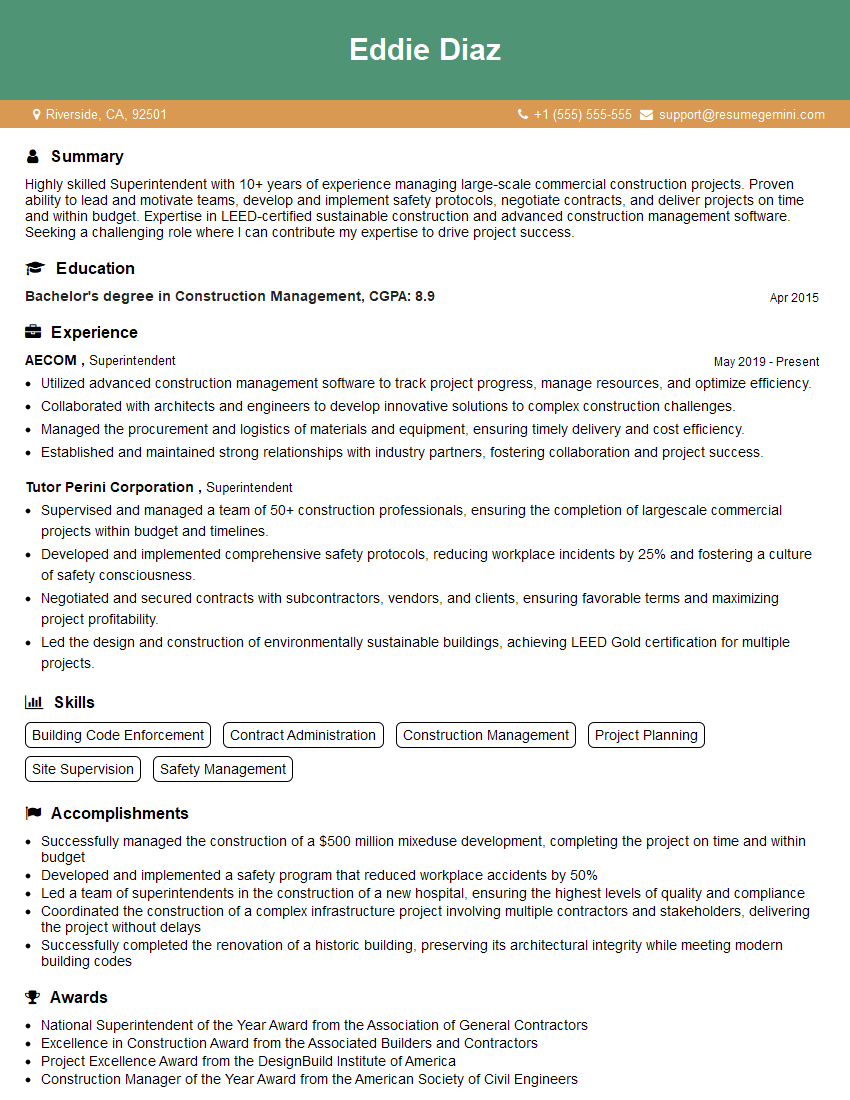
Superintendent Resume Sample
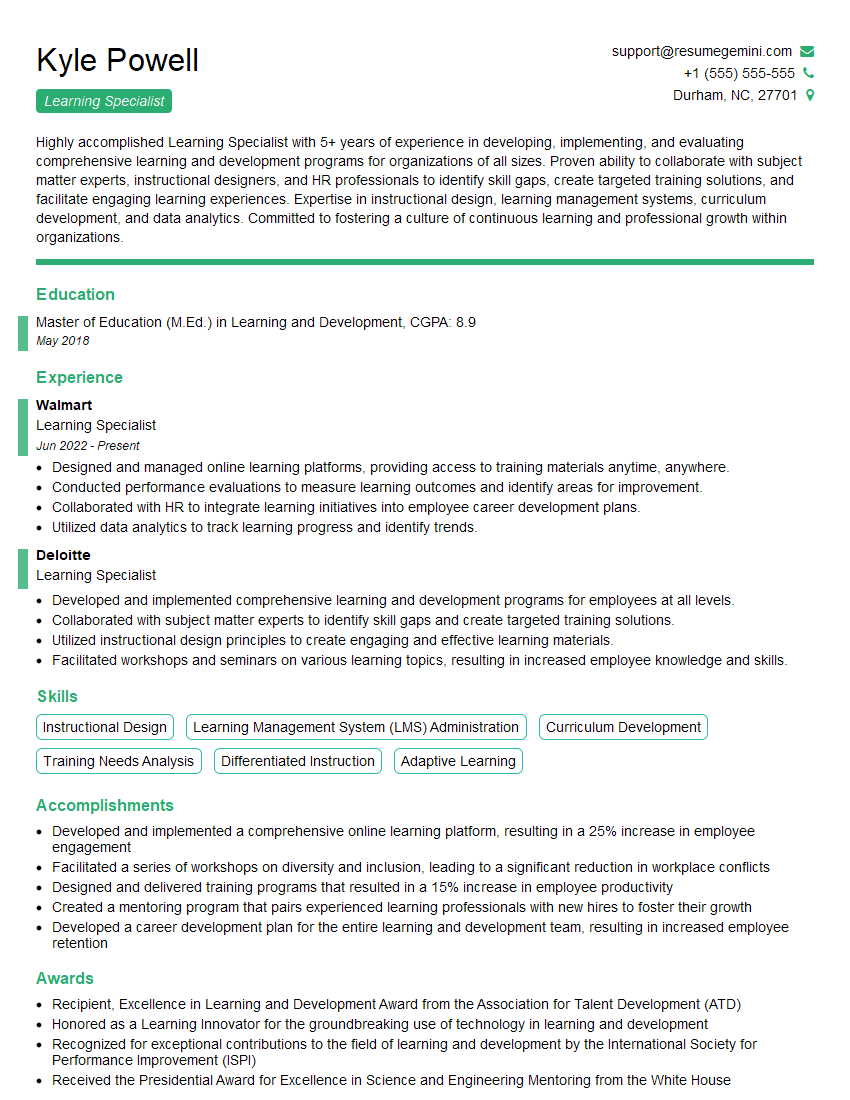
Learning Specialist Resume Sample
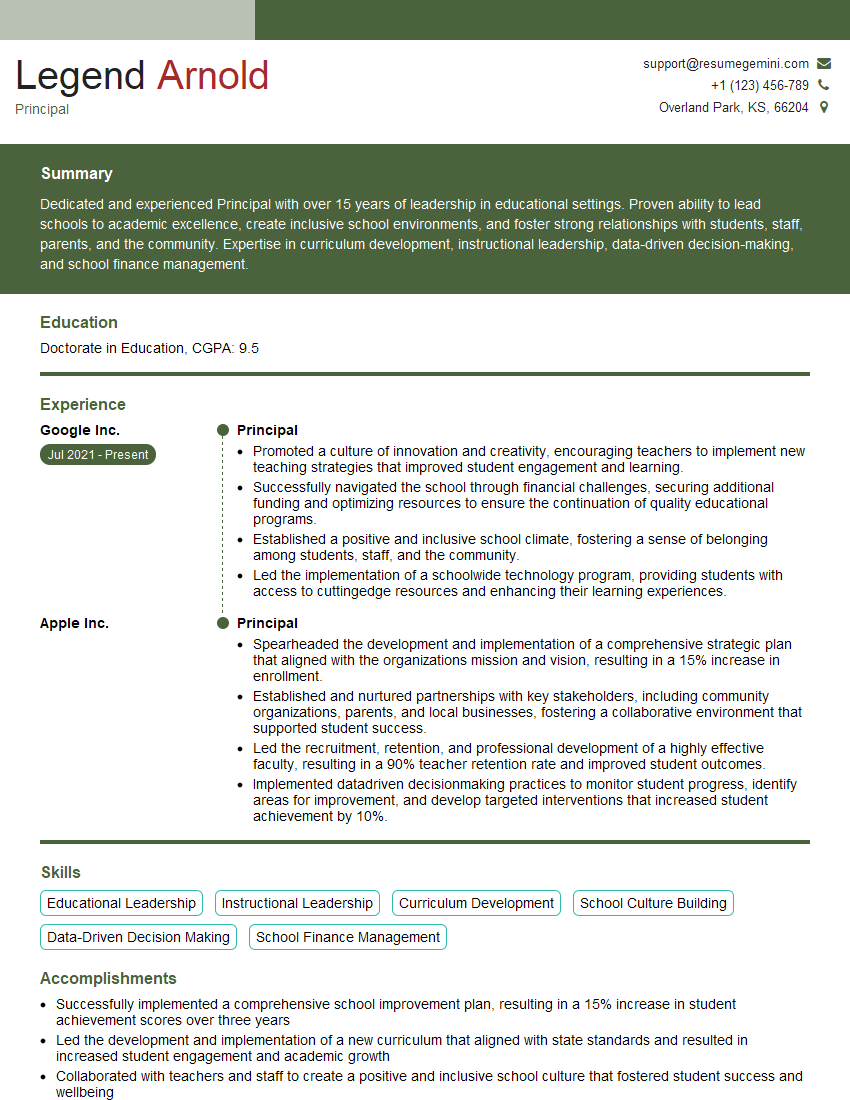
Principal Resume Sample
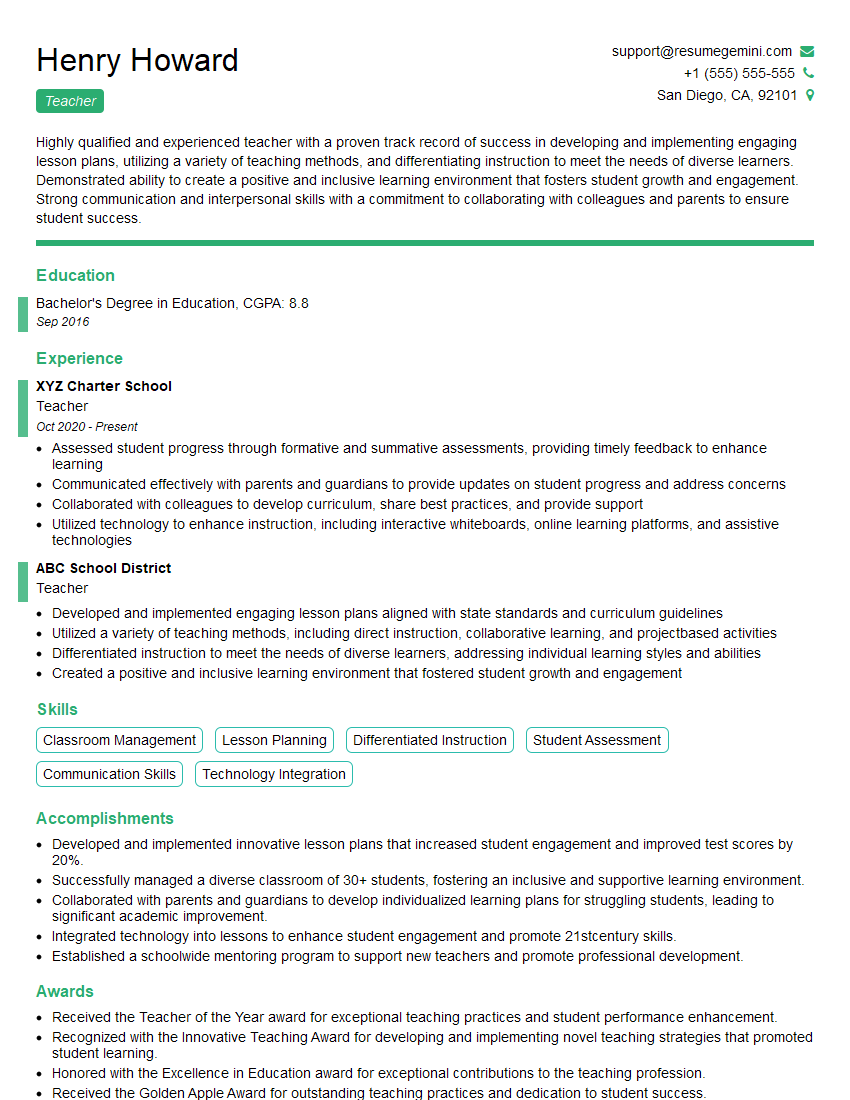
Teacher Resume Sample
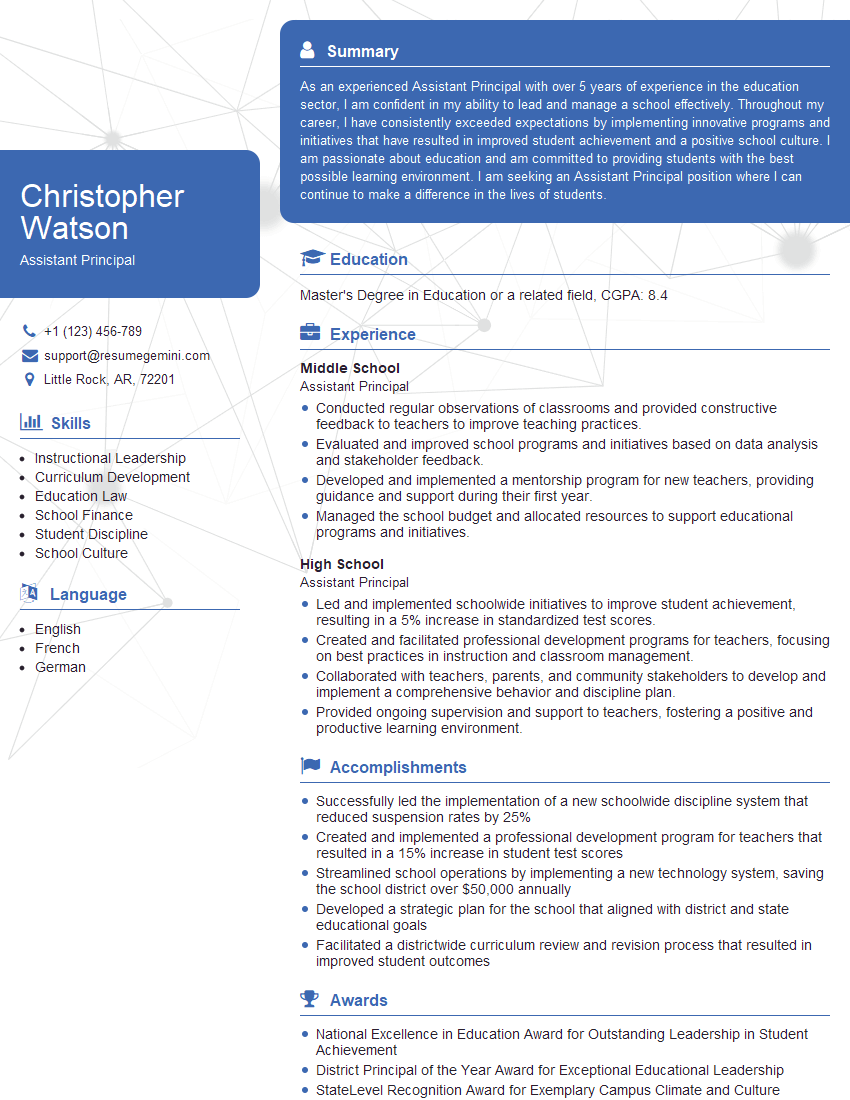
Assistant Principal Resume Sample
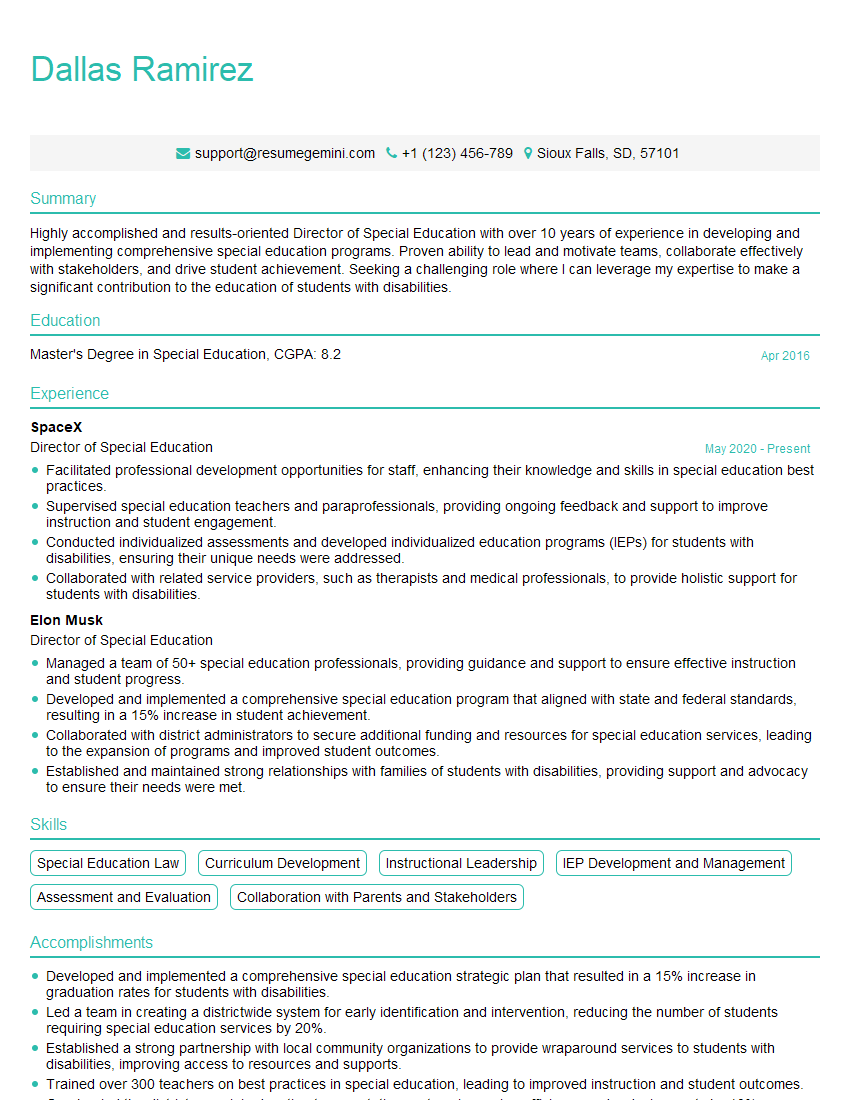
Director of Special Education Resume Sample
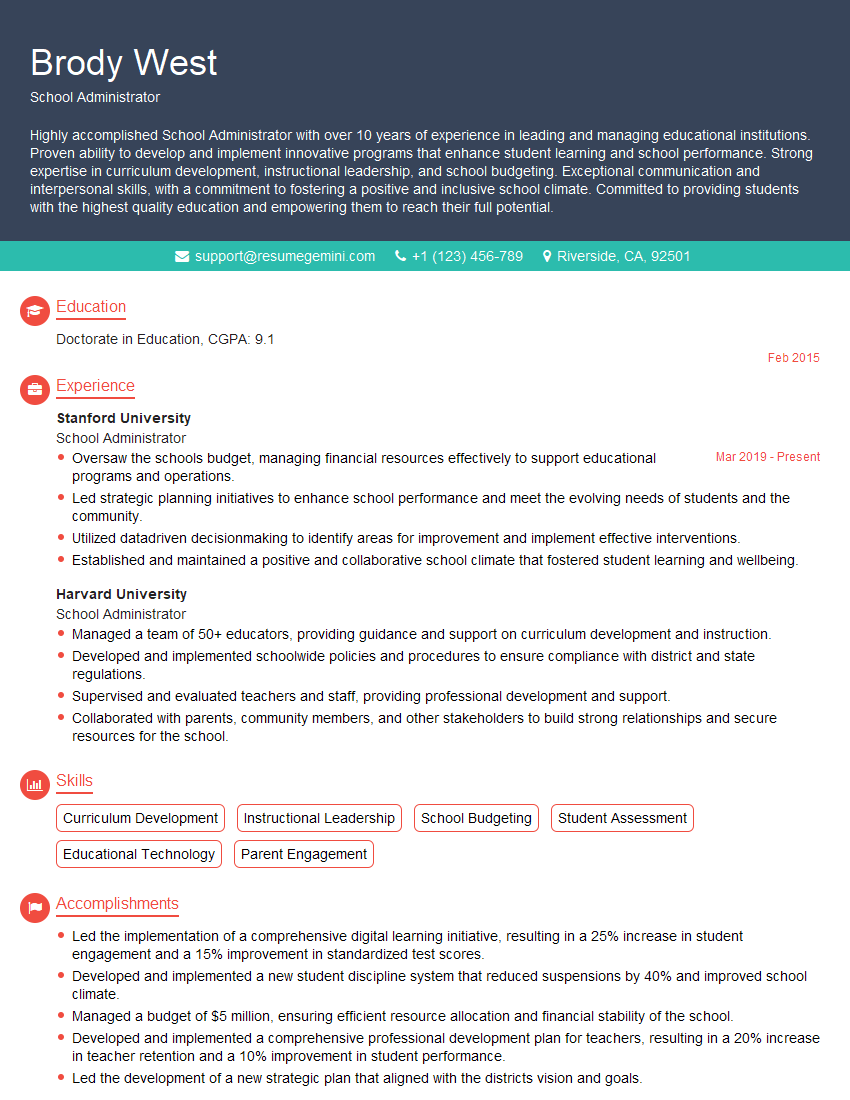
School Administrator Resume Sample
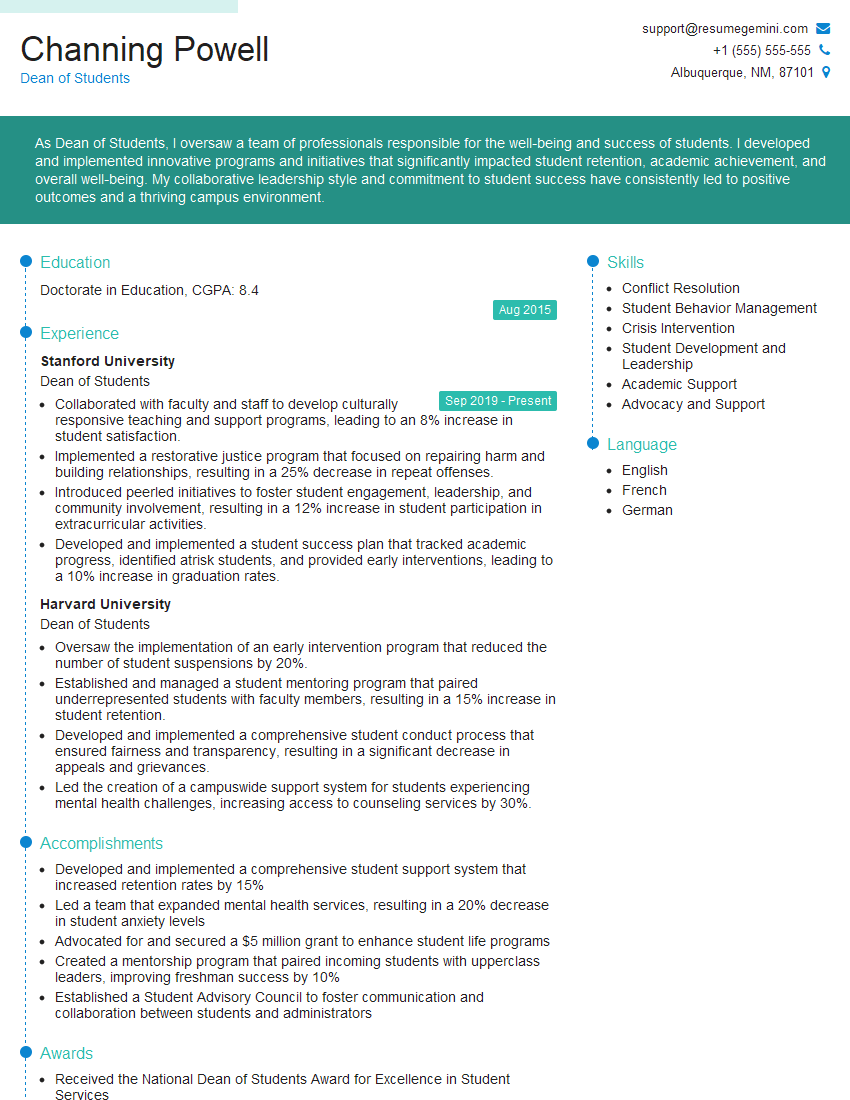
Dean of Students Resume Sample

Curriculum Developer Resume Sample
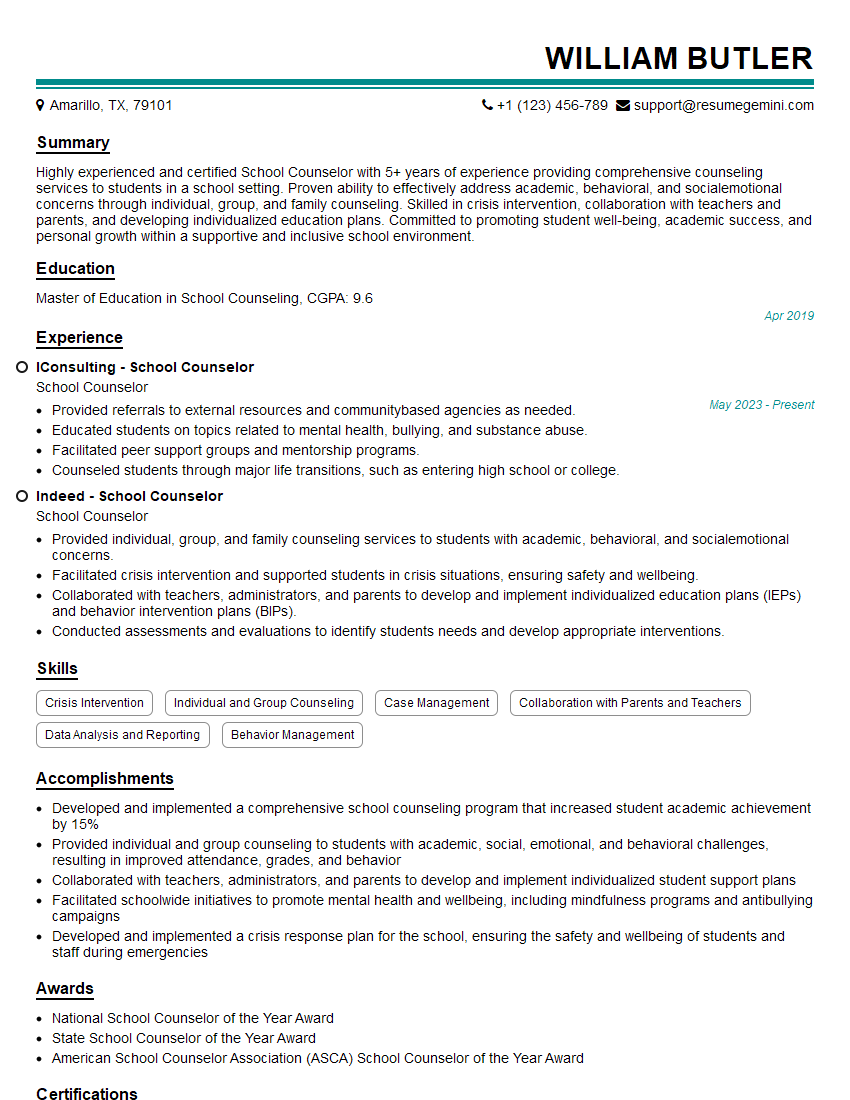
School Counselor Resume Sample
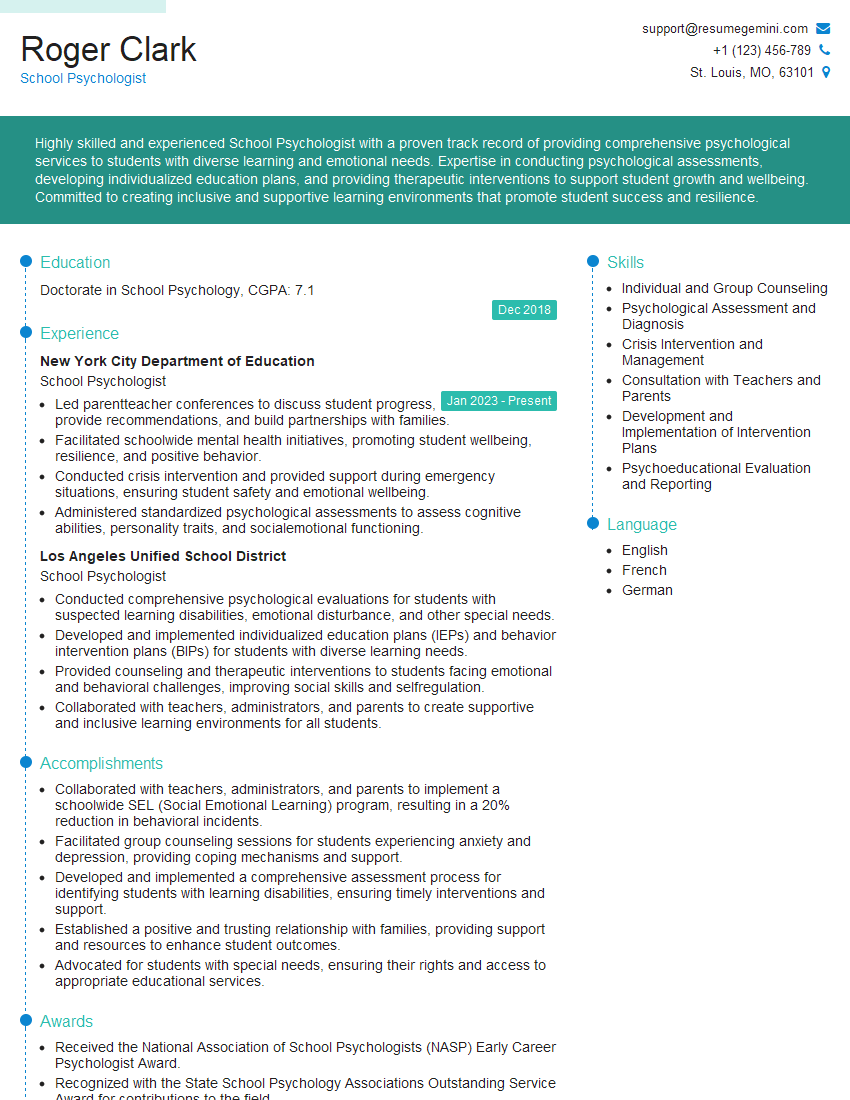
School Psychologist Resume Sample
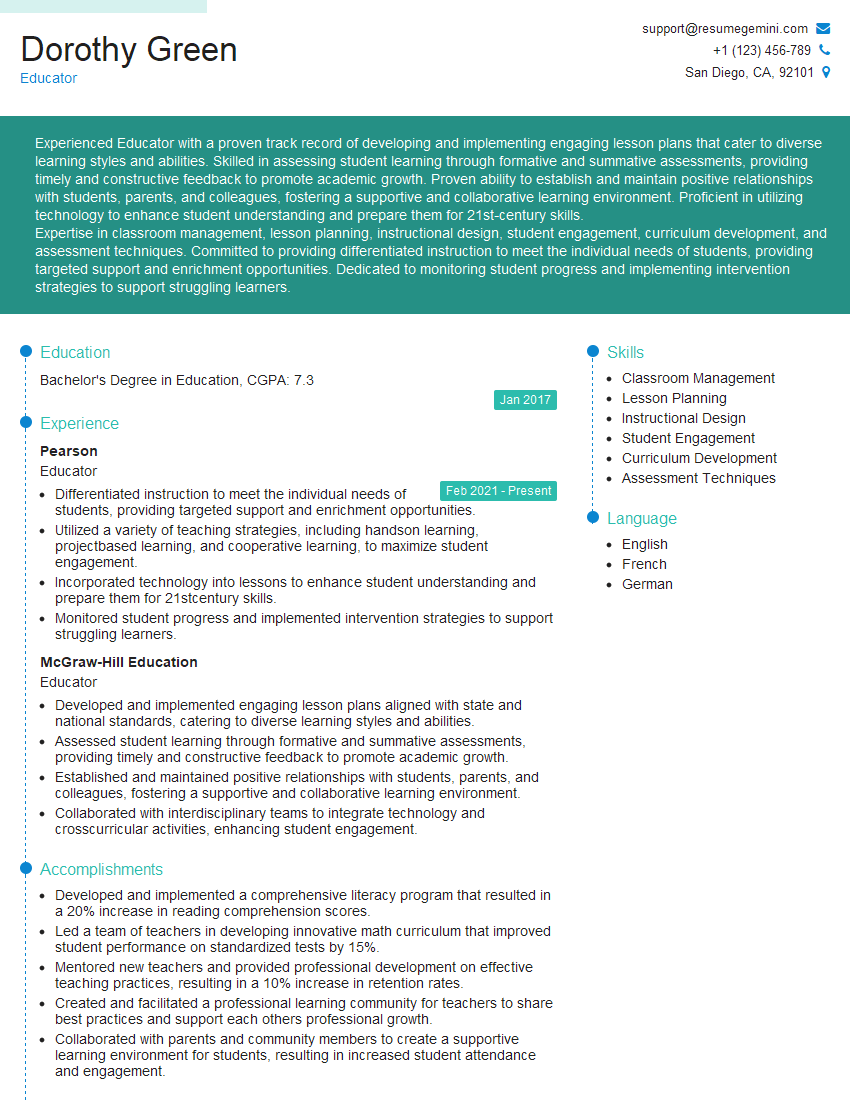
Educator Resume Sample
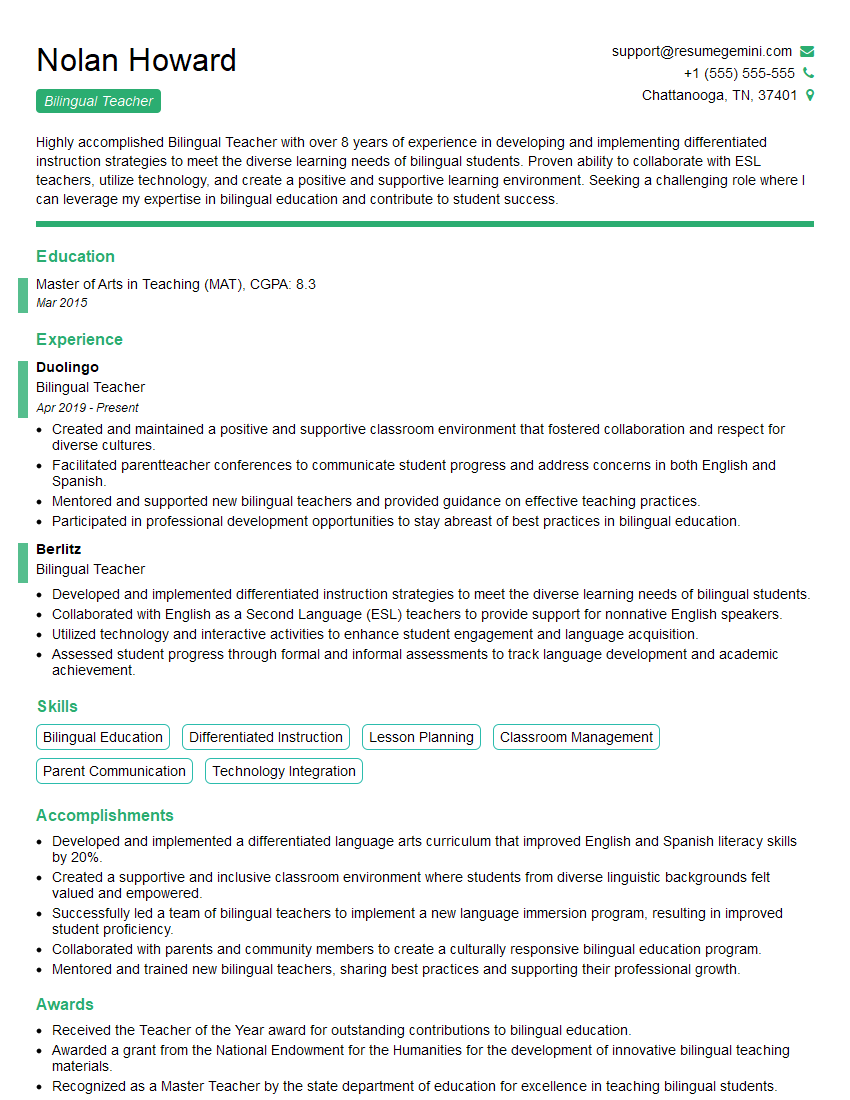
Bilingual Teacher Resume Sample
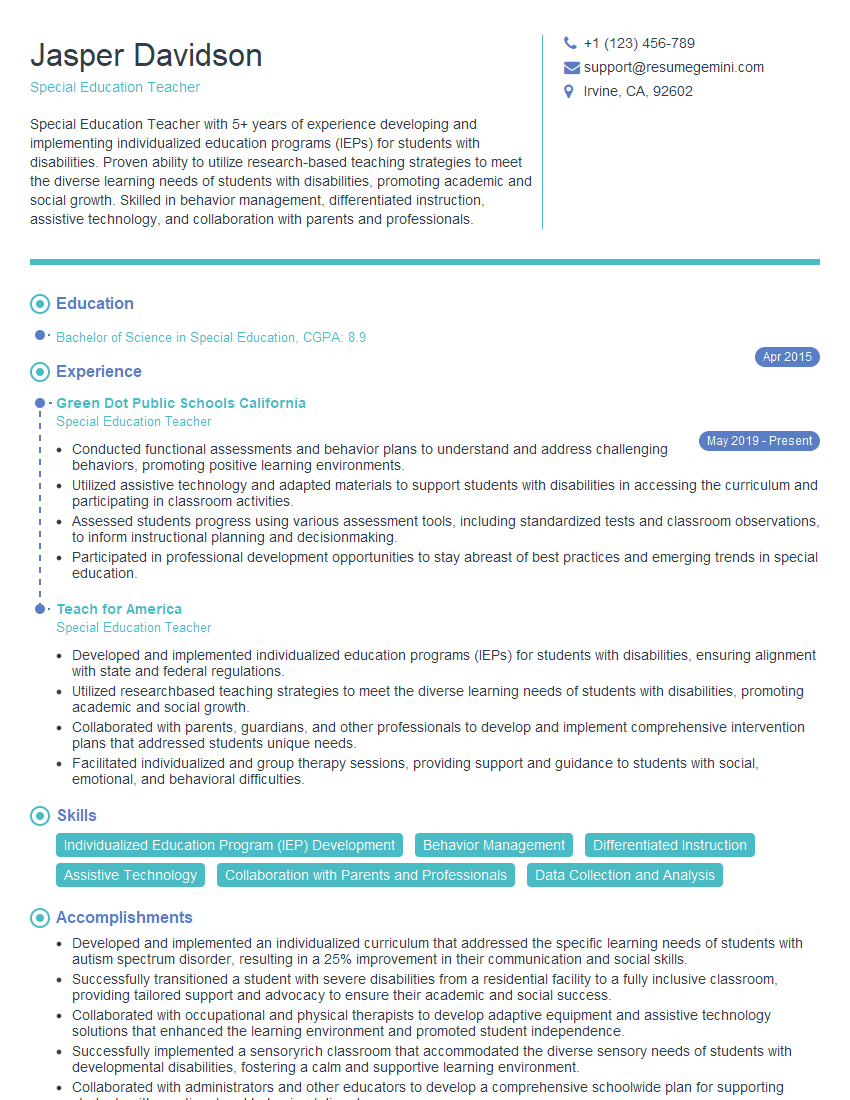
Special Education Teacher Resume Sample
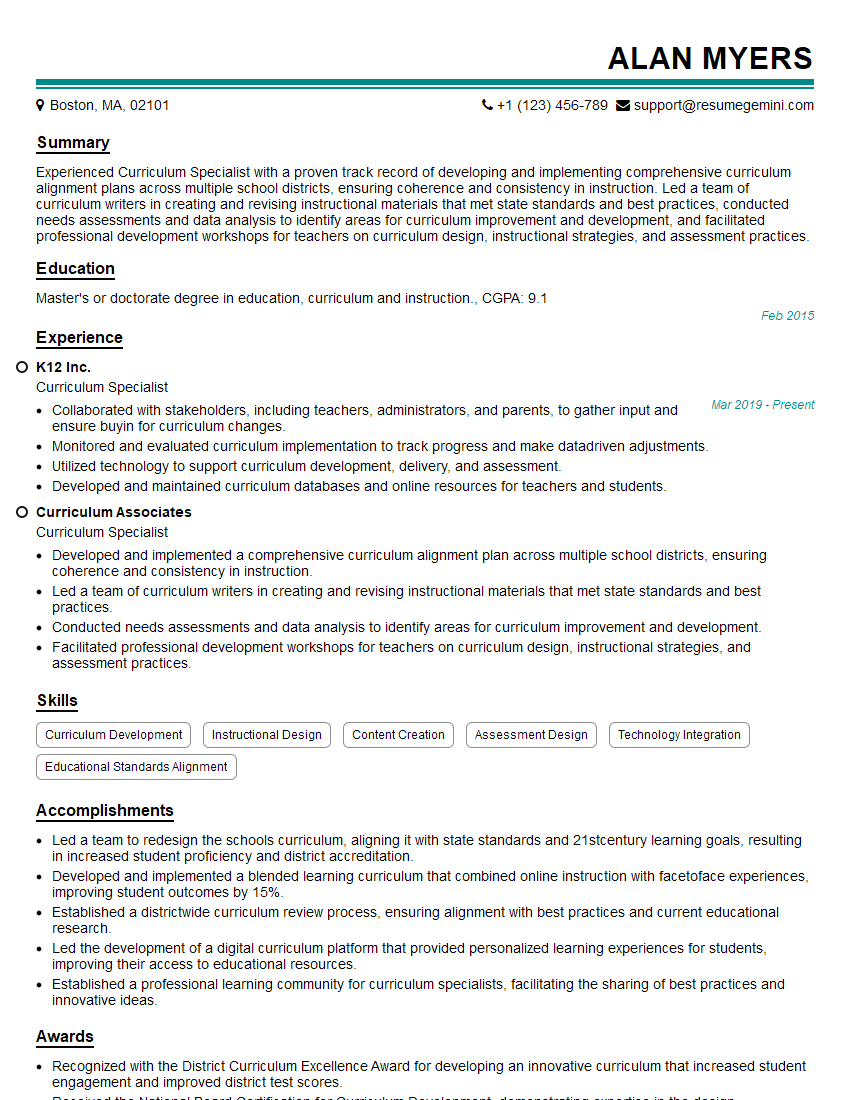
Curriculum Specialist Resume Sample
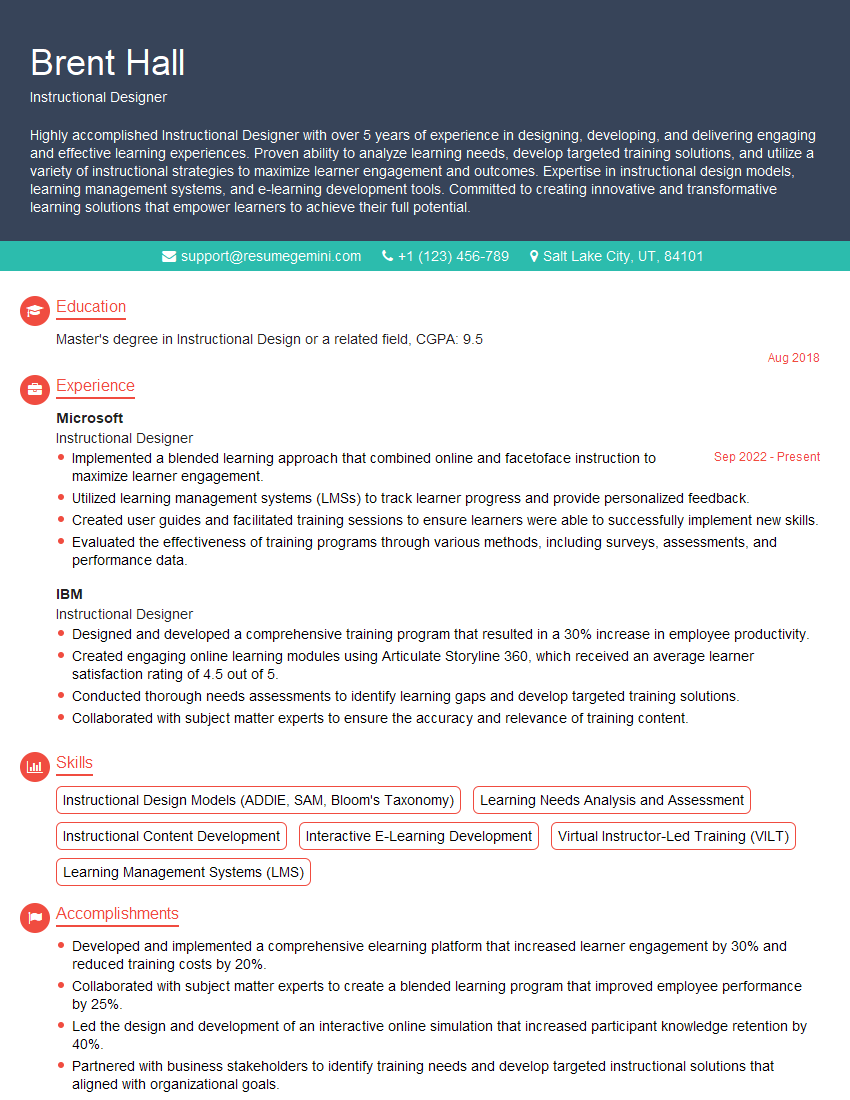
Instructional Designer Resume Sample
Explore more articles
Users Rating of Our Blogs
Share Your Experience
We value your feedback! Please rate our content and share your thoughts (optional).
What Readers Say About Our Blog
I Redesigned Spongebob Squarepants and his main characters of my artwork.
https://www.deviantart.com/reimaginesponge/art/Redesigned-Spongebob-characters-1223583608
IT gave me an insight and words to use and be able to think of examples
Hi, I’m Jay, we have a few potential clients that are interested in your services, thought you might be a good fit. I’d love to talk about the details, when do you have time to talk?
Best,
Jay
Founder | CEO