Cracking a skill-specific interview, like one for Knowledge of Reading Assessment Tools, requires understanding the nuances of the role. In this blog, we present the questions you’re most likely to encounter, along with insights into how to answer them effectively. Let’s ensure you’re ready to make a strong impression.
Questions Asked in Knowledge of Reading Assessment Tools Interview
Q 1. Explain the difference between formative and summative reading assessments.
Formative and summative assessments serve different purposes in evaluating reading progress. Think of formative assessments as the ongoing ‘check-ins’ during a learning journey, while summative assessments are the ‘final exams’ that provide a comprehensive overview of what’s been learned.
- Formative Assessments: These are low-stakes, informal assessments used throughout the learning process to monitor student understanding and adjust instruction accordingly. Examples include quick quizzes, class discussions, observations of reading fluency, and informal reading inventories. The goal is to identify areas where students need additional support before significant learning gaps develop. They inform teaching, not just evaluate learning.
- Summative Assessments: These are high-stakes, formal assessments used to evaluate student learning at the end of a unit, term, or year. Examples include standardized reading tests, end-of-chapter tests, and final projects. They provide a snapshot of a student’s overall achievement and can be used for grading and program evaluation. The focus is on measuring what students have learned.
For example, a teacher might use a short, informal reading inventory (formative) to identify a student’s reading level mid-year, then adjust their instruction accordingly. Later, they might use a standardized reading test (summative) to assess overall reading proficiency at the end of the year.
Q 2. Describe three different types of reading assessments and their purposes.
There’s a wide variety of reading assessments, each designed to measure specific aspects of reading ability. Here are three examples:
- Informal Reading Inventories (IRIs): These are teacher-administered assessments that provide a comprehensive picture of a student’s reading skills across various levels. They typically involve oral reading, silent reading comprehension, and retelling passages to assess decoding, fluency, vocabulary, and comprehension. IRIs are highly flexible and can be adapted to the student’s individual needs. They are a vital formative assessment tool.
- Standardized Reading Tests (e.g., STAR, MAP): These norm-referenced tests compare a student’s performance to the performance of other students of the same age or grade. They often provide scores in areas like reading comprehension, vocabulary, and fluency. Results are usually reported as grade equivalents or percentiles. These are primarily summative assessments, used to monitor progress, make placement decisions, and identify students who might need additional support. However, some standardized tests are designed for both formative and summative use.
- Curriculum-Based Measurement (CBM): CBM involves using short, standardized reading passages to assess reading fluency and comprehension. These assessments are frequently administered to monitor progress over time. The focus is on measuring the student’s performance against their own previous performance rather than comparing them to a norm group. CBMs are valuable for tracking progress, making instructional decisions, and monitoring the effectiveness of interventions.
Q 3. What are the key components of a comprehensive reading assessment?
A truly comprehensive reading assessment should cover several key components to give a holistic understanding of a student’s reading abilities and challenges. It’s not just about a single test score.
- Phonological Awareness: Assessment of the student’s ability to identify and manipulate sounds in spoken language (e.g., rhyming, blending, segmenting).
- Phonics and Decoding: Evaluating the student’s ability to connect letters and sounds to read words accurately.
- Fluency: Measuring the student’s reading rate, accuracy, and expression.
- Vocabulary: Assessing the student’s understanding and use of words.
- Reading Comprehension: Evaluating the student’s ability to understand and interpret text. This often involves various comprehension strategies, such as making inferences, summarizing, and identifying main ideas.
- Reading Motivation and Engagement: Assessing a student’s interest in reading and their willingness to engage with texts.
Ideally, a combination of formative and summative assessments, both standardized and informal, should be used to gain a complete picture.
Q 4. How do you interpret the results of a standardized reading test?
Interpreting standardized reading test results requires careful consideration of several factors. Simply looking at a raw score isn’t enough. You need to understand the context.
- Norm-Referenced Scores: These scores compare the student’s performance to the performance of a large sample of students (the norm group). Common scores include percentiles (e.g., 75th percentile means the student scored higher than 75% of the norm group), grade equivalents (e.g., a grade equivalent of 4.5 suggests the student is performing at the level of an average 4th-grader in the 5th month of school), and stanines (standard scores ranging from 1 to 9).
- Standard Scores: These scores provide a more precise measure of the student’s performance in relation to the norm group. They often have a mean of 100 and a standard deviation of 15. They allow for comparisons across different tests and provide a better picture of relative performance.
- Subtest Scores: Many standardized tests have subtests measuring different aspects of reading (e.g., vocabulary, comprehension, fluency). Analyzing these subtest scores can highlight specific areas of strength and weakness.
- Contextual Information: Consider the student’s background, learning history, and any accommodations or modifications provided during the testing. This crucial information provides a fuller understanding of the test results.
For example, a student might score at the 25th percentile overall, but their fluency subtest score might be much lower. This would suggest a need to target instruction on fluency skills.
Q 5. How do you select appropriate reading assessment tools for different age groups and learning needs?
Selecting appropriate reading assessment tools depends heavily on the age group, learning needs, and the specific purpose of the assessment. There’s no one-size-fits-all solution.
- Age Group: Assessments for young children (e.g., preschool-kindergarten) will focus on foundational skills like phonological awareness and letter recognition, while assessments for older students (e.g., middle and high school) will include more complex measures of comprehension and vocabulary.
- Learning Needs: For students with suspected learning disabilities, assessments that specifically target different aspects of reading (e.g., phonological processing, rapid automatic naming) may be needed. These assessments may include more in-depth diagnostic tools, like the Woodcock-Johnson IV Tests of Achievement.
- Purpose of Assessment: If the goal is to monitor progress over time, Curriculum-Based Measurement (CBM) would be suitable. For screening purposes, a brief, standardized test like the DIBELS might be used. If a more in-depth analysis of a student’s reading profile is needed, an Informal Reading Inventory (IRI) would be the more appropriate tool.
For instance, a kindergarten teacher might use a DIBELS assessment for early screening and then utilize an IRI for more in-depth formative assessment. A high school teacher might use a standardized achievement test like the ACT or SAT for summative evaluation.
Q 6. What are some common indicators of dyslexia or other reading difficulties revealed through assessment?
Several indicators of dyslexia or other reading difficulties can emerge through comprehensive reading assessments:
- Significant Discrepancy between Listening Comprehension and Reading Comprehension: Students with dyslexia often demonstrate strong listening comprehension but struggle with reading comprehension, suggesting a decoding or fluency problem.
- Slow and Inaccurate Decoding Skills: Difficulty sounding out words and reading accurately, even simple words.
- Poor Phonological Awareness: Difficulties identifying and manipulating sounds in words.
- Weak Rapid Automatized Naming (RAN): Difficulty quickly and accurately naming familiar items (e.g., colors, letters, numbers).
- Problems with Reading Fluency: Slow reading rate, poor accuracy, and lack of expression.
- Limited Reading Vocabulary: A smaller than expected vocabulary for their age or grade level.
- Difficulties with Reading Comprehension: Challenges understanding what they read, even if they can decode the words.
It’s essential to remember that a single indicator isn’t definitive. A pattern of difficulties across multiple areas strongly suggests the need for further evaluation.
Q 7. Describe your experience using specific reading assessment tools (e.g., DIBELS, STAR, Woodcock-Johnson).
My experience with various reading assessment tools has been extensive. I’ve used:
- DIBELS (Dynamic Indicators of Basic Early Literacy Skills): I’ve utilized DIBELS Next, a widely used early literacy screening measure, to identify students at risk for reading difficulties in kindergarten and first grade. Its efficiency and focus on key foundational skills make it valuable for early intervention.
- STAR (Star Reading): STAR is a computer-adaptive assessment I’ve used frequently to monitor reading growth and identify students’ instructional reading levels. Its adaptive nature allows for efficient testing, providing targeted data on reading comprehension and fluency.
- Woodcock-Johnson IV Tests of Achievement: I’ve used the Woodcock-Johnson to conduct more in-depth diagnostic assessments for students suspected of having learning disabilities. Its comprehensive assessment of cognitive abilities and achievement helps pinpoint specific areas of difficulty and inform interventions.
In practice, I often combine these tools. For example, I might use DIBELS for initial screening, STAR for ongoing monitoring, and the Woodcock-Johnson for more comprehensive diagnostics when needed. The choice depends on the student’s age, needs, and the purpose of the assessment.
Q 8. How do you differentiate instruction based on the results of reading assessments?
Differentiated instruction, driven by reading assessment results, means tailoring teaching methods to meet the unique needs of each student. It’s about moving beyond a one-size-fits-all approach. We analyze assessment data to identify students’ strengths and weaknesses in various reading areas such as phonemic awareness, phonics, fluency, vocabulary, and comprehension.
For example, a student struggling with phonics might need explicit, systematic phonics instruction using multisensory techniques, while a student excelling in phonics but lagging in comprehension could benefit from activities focusing on inferencing, summarizing, and questioning strategies. A student with strong fluency but weak vocabulary will benefit from vocabulary building exercises and rich texts. This targeted approach ensures that all students receive the support they need to reach their full reading potential.
- Assessment Data Analysis: I carefully review individual student performance across various assessment measures (e.g., DIBELS, AIMSweb, informal reading inventories) to pinpoint specific skill gaps.
- Grouping Students: Based on these results, I might group students homogeneously (students with similar needs) or heterogeneously (students with diverse abilities) to maximize learning opportunities. Small group interventions are tailored to the skill level and needs of those grouped together.
- Curriculum Adaptation: I adjust the curriculum and instructional materials, choosing texts and activities appropriate to each student’s level and interests. This might include providing extra support to struggling readers or challenging advanced readers with more complex materials.
Q 9. How do you ensure the validity and reliability of your reading assessment practices?
Ensuring the validity and reliability of reading assessment practices is crucial for making informed instructional decisions. Validity refers to whether the assessment actually measures what it claims to measure – in this case, reading ability. Reliability refers to the consistency of the assessment; will it produce similar results if administered multiple times under similar conditions?
To ensure validity, I use assessments that are aligned with established standards and best practices in reading instruction. I choose assessments that incorporate multiple measures of reading, like informal reading inventories, standardized tests, and curriculum-based measures. This helps establish a more comprehensive understanding of a student’s reading skills and is more likely to produce a valid picture. For reliability, I utilize standardized assessments with established reliability coefficients (ideally above .80), administer assessments following the standardized protocols carefully, and consider using multiple assessments to corroborate results. I also carefully document all assessment procedures and make sure the tests are administered in a consistent, fair, and controlled environment free of distractions.
For example, if using a standardized test, I’ll carefully review the test’s manual to ensure it’s appropriate for the student’s age and grade level and that it reflects the content being taught in the classroom.
Q 10. What are some ethical considerations in administering and interpreting reading assessments?
Ethical considerations in administering and interpreting reading assessments are paramount. We must ensure fairness, equity, and respect for all students.
- Cultural Sensitivity: Assessments must be culturally appropriate and avoid bias against students from diverse linguistic and cultural backgrounds. This includes understanding the impact of a student’s first language and home literacy experiences on test performance. For example, using assessments with culturally relevant texts and avoiding culturally insensitive language are key.
- Confidentiality: Student assessment data must be kept confidential and protected, following all relevant privacy laws (e.g., FERPA). Only authorized personnel should have access to these records.
- Avoidance of Labeling: Assessment results should not be used to label students permanently. Instead, the data should inform instructional decisions to support student growth. We need to be aware of and avoid stereotypes or labeling that could impact a child’s self-esteem or opportunities.
- Test-Taker Rights: Students have a right to understand the purpose of the assessment and how the results will be used. If needed, appropriate accommodations should be made for students with disabilities or special needs following guidelines and legal requirements.
- Transparency and Informed Consent: Parents and guardians should be informed about the assessments being administered and how the results will be used, along with obtaining their informed consent before administering the assessments.
Q 11. How do you communicate assessment results to parents and other stakeholders?
Communicating assessment results effectively to parents and stakeholders requires clear, concise, and collaborative communication. I avoid using technical jargon and instead focus on explaining the results in plain language. For example, instead of saying “The student scored below the 25th percentile in fluency,” I might say, “Your child’s reading speed is a little slower than most students their age. Let’s work together to improve this.”
My approach usually includes:
- Scheduled Meetings: I schedule meetings with parents to discuss the assessment results in detail. These meetings provide a safe space to ask questions and clarify any misunderstandings.
- Visual Aids: I use graphs and charts to visually represent the student’s progress and highlight areas of strength and weakness. This approach helps make data easier to understand.
- Collaborative Goal Setting: I work collaboratively with parents to set realistic and achievable goals for the student’s reading improvement. This demonstrates a partnership and shared responsibility for student success.
- Written Reports: A concise and informative written report that summarizes the assessment results and recommendations is provided.
- Ongoing Communication: Regular updates on student progress are provided. This may involve short emails or informal notes to parents describing achievements or challenges.
Q 12. How do you use technology to support reading assessment and intervention?
Technology plays a significant role in supporting reading assessment and intervention. Many software programs offer automated scoring, data analysis, and progress tracking. This frees up time for teachers to focus on individual student instruction.
- Online Assessments: Many online platforms provide standardized and curriculum-based assessments, offering efficient administration, scoring, and reporting. Examples include Lexia Learning, Reading A-Z, and Renaissance Learning.
- Adaptive Learning Platforms: These platforms adjust the difficulty level of instruction based on student performance, providing personalized learning experiences. The technology adjusts the level of the work based on the child’s ability, meaning that they are not bored or frustrated by material that is too difficult or too easy.
- Data Management Systems: Software programs help manage student assessment data, track progress over time, and generate reports for parents and administrators. This data can be used to inform both individual student needs as well as inform changes to the overall reading program.
- Speech-to-Text and Text-to-Speech Software: This technology can support students with reading difficulties by assisting with reading aloud and generating written text from spoken words.
- Interactive Reading Programs: Engaging digital reading games and activities can supplement classroom instruction and make learning fun.
Q 13. Explain the importance of progress monitoring in reading instruction.
Progress monitoring is the ongoing assessment of student learning to track their progress toward reading goals. It’s a crucial component of effective reading instruction because it allows for timely adjustments to teaching strategies. Think of it as a GPS for reading instruction – it helps you stay on track and make course corrections as needed.
Regular progress monitoring, often using curriculum-based measures (CBMs) or other brief assessments, reveals whether students are making adequate progress, falling behind, or exceeding expectations. This information is vital for:
- Early Identification of Struggles: Progress monitoring allows educators to identify students who are at risk of falling behind early on, enabling prompt intervention.
- Instructional Adjustments: If a student’s progress is slow, the teacher can modify their instruction to better meet the student’s needs. The data may indicate the need for additional support, a change in instructional strategies, or different resources.
- Tracking Effectiveness of Interventions: Progress monitoring data show whether interventions are effective in improving student outcomes. If an intervention isn’t working, it can be adjusted or replaced.
- Data-Driven Decision-Making: The data from progress monitoring helps in making informed decisions about resource allocation, curriculum adjustments, and professional development needs.
- Positive Reinforcement: Monitoring progress also allows us to celebrate successes and provide positive reinforcement for students’ hard work and improvements, which can boost their confidence and motivation.
Q 14. Describe your experience developing or adapting reading assessments.
Throughout my career, I’ve been involved in both adapting existing reading assessments and developing new ones, specifically focusing on creating assessments that are culturally responsive and sensitive to the diverse learning needs of students. One instance involved adapting a standardized reading fluency assessment to include passages representing a wider range of cultural experiences and linguistic styles, which significantly improved its accessibility and validity across different student populations. This involved carefully selecting texts, ensuring appropriate vocabulary levels, and considering the cultural backgrounds of the students.
In another project, I helped develop a new informal reading inventory (IRI) that included a wider variety of assessment measures beyond traditional word recognition and comprehension. This new IRI incorporated measures of oral language skills and reading strategies, providing a more holistic picture of the students’ reading abilities. The development process involved extensive research, pilot testing, feedback from colleagues, and ongoing revisions to ensure the assessment was reliable and valid. This new IRI had a significant positive impact on our ability to develop well-targeted support programs for struggling readers.
This experience highlighted the importance of collaborative development, rigorous testing, and ongoing refinement to ensure the assessment aligns with best practices and serves the needs of diverse learners. In both instances, the development process involved significant attention to detail, careful consideration of cultural and linguistic backgrounds, and a rigorous methodology to establish validity and reliability, leading to more effective and equitable assessments.
Q 15. What are the limitations of standardized reading assessments?
Standardized reading assessments, while valuable for providing a snapshot of a student’s reading ability compared to a larger group, have limitations. They often lack the depth and nuance to capture the complexity of individual reading skills.
- Limited Scope: They typically focus on specific skills (e.g., decoding, fluency, comprehension) and may not assess other crucial aspects like reading motivation, vocabulary breadth, or comprehension strategies. Think of it like judging a chef solely on their ability to make a single dish – it doesn’t tell the whole story of their culinary talent.
- Bias and Fairness Concerns: Standardized tests can inadvertently disadvantage students from diverse linguistic and cultural backgrounds due to differences in language exposure, cultural references in test materials, or testing format.
- One-size-fits-all Approach: These assessments rarely adapt to the individual student’s needs or learning styles, which can lead to inaccurate or incomplete assessments, particularly for students with learning disabilities or exceptional needs.
- Overemphasis on Testing: The focus on high-stakes testing can sometimes narrow the curriculum, leading to less engaging and holistic literacy instruction.
Therefore, it’s crucial to use standardized assessments in conjunction with other, more formative assessment methods to gain a comprehensive understanding of a student’s reading abilities.
Career Expert Tips:
- Ace those interviews! Prepare effectively by reviewing the Top 50 Most Common Interview Questions on ResumeGemini.
- Navigate your job search with confidence! Explore a wide range of Career Tips on ResumeGemini. Learn about common challenges and recommendations to overcome them.
- Craft the perfect resume! Master the Art of Resume Writing with ResumeGemini’s guide. Showcase your unique qualifications and achievements effectively.
- Don’t miss out on holiday savings! Build your dream resume with ResumeGemini’s ATS optimized templates.
Q 16. How do you address the cultural and linguistic diversity of students in reading assessments?
Addressing the cultural and linguistic diversity of students in reading assessments is paramount for accurate and fair evaluation. My approach involves a multi-faceted strategy:
- Using Assessments Designed for Diverse Learners: I prioritize assessments that have been carefully designed to minimize bias and account for diverse language backgrounds. This includes using assessments with culturally relevant texts and adapting the administration format as needed.
- Utilizing Alternative Assessment Methods: I employ various alternative assessment methods like oral reading fluency assessments in the student’s native language, narrative assessments, and portfolio assessments which allow students to showcase their skills in a more authentic way. These provide a richer picture of a student’s understanding than standardized tests alone.
- Considering Linguistic Background: I carefully consider the student’s first language and its influence on their reading development. For students learning English as a second language, I assess their English reading skills while keeping in mind their proficiency level in their first language, as this often correlates with their English language development. I may also use assessments that tap into their skills in their first language to identify any strengths that can be transferred to English.
- Culturally Responsive Teaching: My instructional approach considers the student’s cultural background, values, and interests. I select reading materials that reflect their experiences, which will engage them in the assessment process and improve the validity of the results.
Essentially, the goal is to ensure the assessment process is fair, equitable, and respectful of each student’s unique cultural and linguistic background, ultimately providing a more accurate reflection of their reading skills.
Q 17. What professional development activities have you undertaken to enhance your skills in reading assessment?
I continually seek professional development opportunities to enhance my skills in reading assessment. Some key areas of focus and examples include:
- Advanced Training in Diagnostic Reading Assessments: I completed a specialized course on administering and interpreting various diagnostic reading assessments, including the Woodcock-Johnson IV Tests of Achievement and the Dynamic Indicators of Basic Early Literacy Skills (DIBELS).
- Workshops on Differentiated Instruction and Assessment: I’ve participated in multiple workshops focused on adapting instruction and assessment to meet the diverse needs of learners, including those with learning disabilities or gifted abilities. This includes learning about various assessment accommodations and modifications.
- Conferences and Presentations: I regularly attend conferences focused on literacy research and best practices in assessment. Participating in these events allows me to stay updated on current research and share insights with other professionals.
- Mentorship and Collaboration: I actively seek mentorship from experienced educators and collaborate with colleagues to share best practices and strategies for improving reading assessment. This provides valuable peer learning opportunities and different perspectives.
This ongoing professional development ensures I stay abreast of current research and best practices in the field, allowing me to provide the most effective and equitable assessments for my students.
Q 18. Describe a situation where you had to adapt a reading assessment to meet the needs of a student.
I once worked with a student, Maria, who had significant processing speed difficulties which greatly impacted her performance on timed reading comprehension assessments. She would often score poorly despite demonstrating strong comprehension in conversations and smaller tasks. Simply adapting the timeline wouldn’t have addressed the underlying issue. Therefore, I adapted the assessment by:
- Breaking Down the Text: Instead of presenting the entire passage at once, we worked through it in smaller, more manageable chunks.
- Using Audio Support: I allowed her to listen to an audio recording of the text while reading along, supporting her processing needs and improving comprehension.
- Focusing on Oral Responses: We conducted the assessment primarily through verbal responses rather than solely relying on written answers. This reduced the burden of writing and allowed her to show her understanding without being hindered by her processing speed.
- Observing her Reading Strategies: I closely observed her reading strategies and provided targeted support during the assessment. This helped me gain insights into her strengths and areas of difficulty.
By adapting the assessment to address Maria’s specific learning needs, I was able to obtain a more accurate measure of her reading comprehension abilities and develop targeted interventions.
Q 19. How do you integrate reading assessments with other areas of literacy instruction (e.g., writing, vocabulary)?
Reading assessments shouldn’t exist in isolation; they should be integral to a comprehensive literacy program. I integrate reading assessments with other areas of literacy instruction (writing, vocabulary) by:
- Using Reading Assessments to Inform Writing Instruction: For example, if a reading assessment reveals weakness in understanding cause-and-effect relationships, I would incorporate writing activities focusing on that skill. This provides direct application and reinforcement.
- Selecting Texts Based on Assessment Data: The results of reading assessments help me select appropriate reading materials that match students’ skill levels and interests, enhancing engagement and growth.
- Using Assessment Data to Guide Vocabulary Instruction: If assessments reveal deficiencies in specific vocabulary, I can focus on direct vocabulary instruction including targeted vocabulary activities and incorporating those words into reading and writing tasks.
- Using Authentic Assessment Tasks: For example, students can create presentations, dramatizations, or even digital media products based on what they’ve read, demonstrating comprehension in a creative manner.
- Ongoing Monitoring and Feedback: Regular informal assessments throughout my instruction, such as observations of students’ reading strategies and discussions about texts, provide valuable feedback that guides my teaching and further supports learning.
This integrated approach ensures that assessment informs instruction, leading to more effective learning and growth in all areas of literacy.
Q 20. What are some alternative assessment methods you utilize for assessing reading comprehension?
Beyond standardized tests, I utilize several alternative assessment methods to gauge reading comprehension:
- Think-Alouds: Students verbalize their thought processes while reading, allowing me to assess their comprehension strategies and identify areas for improvement. This is like making their thinking visible.
- Story Retelling: Students retell a story in their own words, demonstrating their understanding of the plot, characters, and key events. This allows for a more natural and less pressure-filled assessment.
- Graphic Organizers: Students use visual aids like maps, charts, or diagrams to organize and represent information from a text, showcasing their comprehension in a visual format.
- Reader Response Journals: Students record their thoughts, feelings, and interpretations of their reading material, providing insights into their critical thinking and engagement with the text.
- Performance-Based Tasks: Students demonstrate their comprehension through role-playing, creating presentations, or completing projects related to the reading material. This allows for demonstration of reading comprehension in a more applied context.
These alternative methods offer a more holistic and nuanced understanding of student comprehension than traditional tests alone, providing a more comprehensive and personalized perspective.
Q 21. How do you utilize informal reading inventories to inform instructional decisions?
Informal Reading Inventories (IRIs) are invaluable tools for guiding instructional decisions. They provide a detailed picture of a student’s reading abilities across various levels. I use them to:
- Determine Independent, Instructional, and Frustration Reading Levels: IRIs help me identify the level at which a student can read independently, with support, or experiences significant difficulty. This is crucial for selecting appropriate texts and activities.
- Identify Specific Reading Strengths and Weaknesses: The detailed information provided by IRIs helps pinpoint specific skill areas requiring targeted intervention. For instance, an IRI might show a student excels in decoding but struggles with comprehension of complex sentences.
- Monitor Progress Over Time: By administering IRIs periodically, I can track a student’s reading growth and adjust instruction accordingly. This continuous assessment allows for adaptive instruction and celebrates successes along the way.
- Adapt Instruction to Meet Individual Needs: The data from IRIs guides my selection of appropriate instructional strategies, materials, and activities to meet individual learning needs. For example, a student struggling with fluency might benefit from repeated readings or choral reading.
- Collaborate with Parents and Other Professionals: IRI results provide valuable data for collaboration with parents and other professionals, fostering a comprehensive and supportive learning environment.
Essentially, the IRI serves as a compass, guiding my instructional decisions and enabling me to provide highly effective and individualized reading support.
Q 22. How do you interpret various sub-scores on a reading assessment battery?
Interpreting sub-scores on a reading assessment battery requires a nuanced understanding of the skills being measured. Most batteries break down reading into key components like phonemic awareness, phonics, fluency, vocabulary, and comprehension. Each sub-score provides a snapshot of the student’s performance in a specific area. For example, a low score in phonemic awareness might indicate difficulty with manipulating sounds within words, a potential precursor to reading difficulties. A low score in fluency might suggest problems with reading speed and accuracy, impacting comprehension. A strong vocabulary score, however, could offset weaknesses in other areas.
To interpret these sub-scores effectively, I always consider the following:
- The specific test used: Each assessment has its own norms and scoring system. Understanding the test’s design is crucial.
- The student’s overall profile: A single low score shouldn’t be viewed in isolation. Analyzing the pattern across all sub-scores gives a more complete picture of the student’s reading strengths and weaknesses.
- The student’s age and grade level: Expectations vary across different developmental stages.
- Comparison to previous assessments: Tracking a student’s progress over time helps determine if interventions are working and if there are any emerging concerns.
For example, if a student scores poorly on the fluency subtest but well on the comprehension subtest, it suggests that the student understands what they read but struggles with reading speed. This calls for focused interventions targeting fluency, perhaps through repeated readings or paired reading activities.
Q 23. What are the benefits and drawbacks of using computer-based reading assessments?
Computer-based reading assessments (CBRAs) offer several advantages, such as efficient scoring, immediate feedback, and adaptive testing that adjusts difficulty based on student performance. This adaptive nature ensures the assessment is appropriately challenging, providing more precise measurements of skill. Moreover, CBRAs often offer a wider variety of question types, including multimedia elements, potentially engaging students more effectively.
However, there are also drawbacks. Access to technology and reliable internet connectivity is essential, creating equity issues for students in under-resourced settings. Furthermore, the lack of face-to-face interaction can limit the opportunity for observation of non-verbal cues, potentially missing subtle indicators of reading difficulties. The standardization of CBRAs also means that some aspects of the student’s true reading capabilities (creativity, flexibility) might not be fully captured.
In practice, I weigh these pros and cons carefully. While CBRAs can be incredibly efficient and provide detailed data, it’s important to complement them with other assessment methods, such as informal reading inventories or classroom observations, to gain a holistic view.
Q 24. How do you ensure that students are comfortable and confident during the assessment process?
Creating a comfortable and confident assessment environment is paramount for accurate results. I start by building rapport with the student before the assessment begins. This includes engaging in casual conversation, explaining the purpose of the assessment in a child-friendly way, and emphasizing that there’s no pressure to perform perfectly – it’s simply an opportunity to showcase their reading skills. I ensure the testing environment is quiet, free from distractions, and well-lit.
During the assessment, I use positive reinforcement, offering encouragement and praise for effort and progress, even on challenging sections. I’m mindful of the student’s body language and adjust my approach if they seem anxious or frustrated. For example, I might provide short breaks or rephrase questions to ensure understanding. I also explain the task clearly before starting each section and allow the student to ask questions. For younger students, I use visual aids or interactive tools to make the experience more engaging. Post-assessment, I make sure to provide positive feedback emphasizing their strengths and areas for growth.
Q 25. Describe your experience with Universal Screening measures for reading.
My experience with universal screening measures for reading involves utilizing various tools to identify students at risk for reading difficulties early on. This typically involves administering brief, standardized assessments to all students at the beginning of the school year. Examples include the DIBELS (Dynamic Indicators of Basic Early Literacy Skills) and AIMSweb assessments. These measures allow us to quickly identify students who are significantly below grade level in key areas of reading, such as phonemic awareness, phonics, and fluency.
The data gathered from these screenings inform targeted interventions. Students identified as at-risk receive additional support, and their progress is carefully monitored to ensure the effectiveness of the interventions. Universal screening provides an efficient way to cast a wide net and ensure that no student falls through the cracks.
Q 26. Explain the concept of Response to Intervention (RTI) and its role in reading assessment.
Response to Intervention (RTI) is a multi-tiered approach to providing academic support. It involves systematically monitoring student progress and providing increasingly intensive interventions based on their needs. In the context of reading, RTI typically involves three tiers.
- Tier 1: All students receive high-quality, evidence-based reading instruction in the general education classroom.
- Tier 2: Students who don’t show adequate progress in Tier 1 receive targeted small-group instruction focusing on their specific needs.
- Tier 3: Students who continue to struggle despite Tier 2 interventions receive intensive, individualized support, which may include special education services.
Reading assessments play a crucial role in RTI by providing data to guide decision-making at each tier. Universal screening assessments help identify students needing additional support (Tier 2), while progress monitoring assessments track the effectiveness of interventions at all tiers. Data from these assessments helps determine if a student is responding adequately to the intervention or if a more intensive intervention is needed. This data-driven approach allows for early identification and intervention, improving student outcomes.
Q 27. How do you use data from reading assessments to inform school-wide literacy initiatives?
Data from reading assessments is vital for informing school-wide literacy initiatives. By analyzing assessment data across all students, we can identify trends and patterns that reveal areas of strength and weakness within the school. For example, if a significant number of students are struggling with phonics, the school might decide to implement a new phonics program or provide additional professional development for teachers in this area.
This data can also help us determine if our school-wide literacy initiatives are effective. If we implement a new reading program and track student progress using ongoing assessments, we can assess its impact and make changes as needed. Furthermore, the data can be used to differentiate instruction, tailoring teaching strategies to meet the diverse needs of learners within the school community. We might target specific intervention programs based on the data, or adjust our curriculum based on identified gaps in student performance.
Q 28. Describe your proficiency in interpreting various types of reading assessment data (e.g., percentile ranks, standard scores, grade equivalents).
I’m proficient in interpreting various types of reading assessment data, including percentile ranks, standard scores, and grade equivalents. Understanding these different metrics is crucial for accurate interpretation and effective decision-making.
- Percentile ranks indicate a student’s relative standing compared to other students of the same age or grade. A percentile rank of 75 means the student scored higher than 75% of their peers.
- Standard scores express a student’s performance in terms of standard deviations from the mean. A standard score of 100 is the average, with higher scores indicating above-average performance and lower scores indicating below-average performance.
- Grade equivalents estimate the grade level at which a student’s performance is typical. However, grade equivalents can be misleading as they don’t necessarily reflect a student’s actual reading level and should be interpreted cautiously.
I understand the limitations of each type of score and consider multiple data points, including sub-scores and qualitative observations, to gain a comprehensive understanding of a student’s reading abilities. I avoid over-reliance on any single metric, recognizing the complexity of reading development.
Key Topics to Learn for Knowledge of Reading Assessment Tools Interview
- Types of Reading Assessments: Understanding the differences between informal reading inventories (IRIs), standardized tests (e.g., DIBELS, STAR), and curriculum-based measurements (CBMs). Knowing the strengths and limitations of each type is crucial.
- Assessment Selection & Interpretation: Learn how to choose appropriate assessments based on student needs and learning goals. Master the skills of interpreting assessment data to inform instructional decisions and track student progress effectively. This includes understanding percentiles, standard scores, and grade equivalents.
- Analyzing Reading Skills: Develop a deep understanding of the components of reading (phonemic awareness, phonics, fluency, vocabulary, comprehension) and how different assessments measure these skills. Be prepared to discuss how to identify specific reading difficulties based on assessment results.
- Data-Driven Instruction: Explore how assessment data informs differentiated instruction and intervention strategies. Be ready to discuss how you would use assessment results to adjust teaching methods and support individual student needs.
- Legal & Ethical Considerations: Familiarize yourself with the ethical and legal implications of using reading assessments, including issues of confidentiality, fairness, and appropriate use of assessment data.
- Technology in Assessment: Explore the use of technology in reading assessment, including online platforms and assistive technologies. Understand how technology can enhance the efficiency and effectiveness of assessment practices.
Next Steps
Mastering knowledge of reading assessment tools is paramount for career advancement in education and related fields. Proficiency in this area demonstrates your ability to effectively assess student needs, plan targeted instruction, and track student growth, leading to improved student outcomes and enhanced professional credibility. To significantly boost your job prospects, create an ATS-friendly resume that highlights your expertise. We recommend using ResumeGemini, a trusted resource for crafting professional resumes. ResumeGemini provides examples of resumes tailored to professionals with expertise in Knowledge of Reading Assessment Tools, helping you present your skills and experience in the most impactful way.
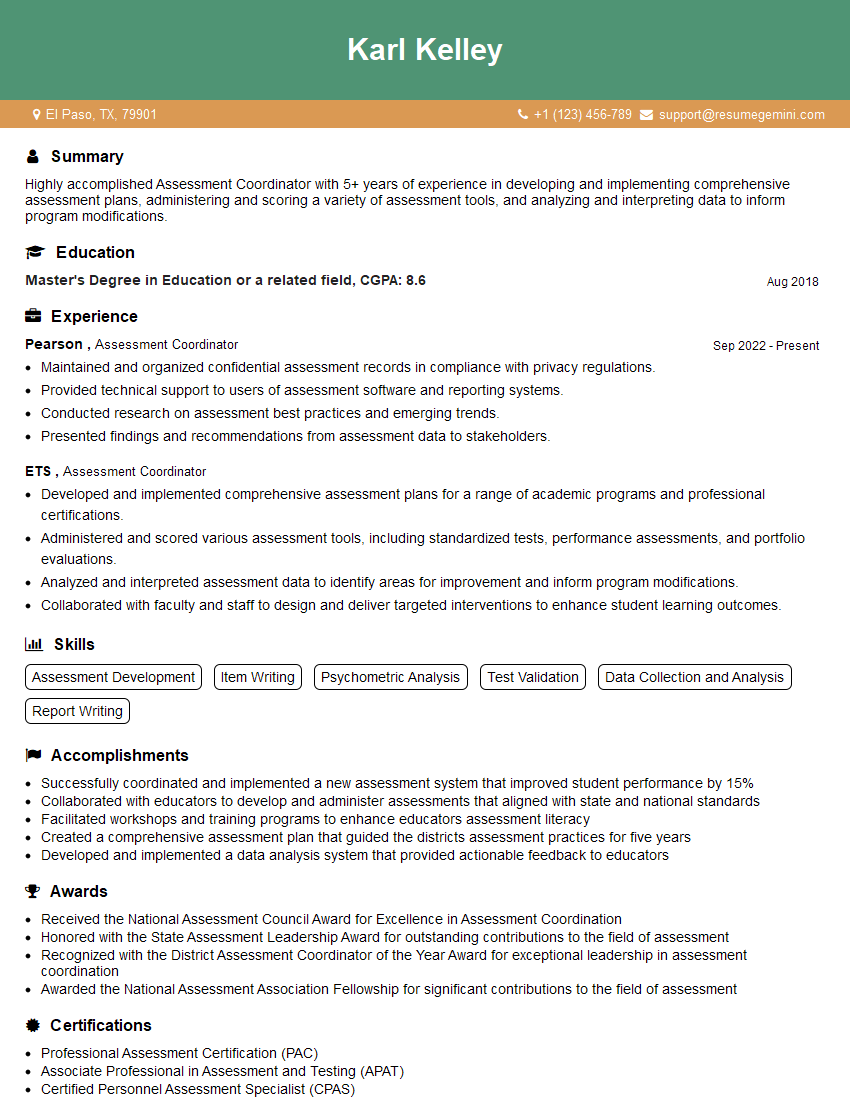
Assessment Coordinator Resume Sample
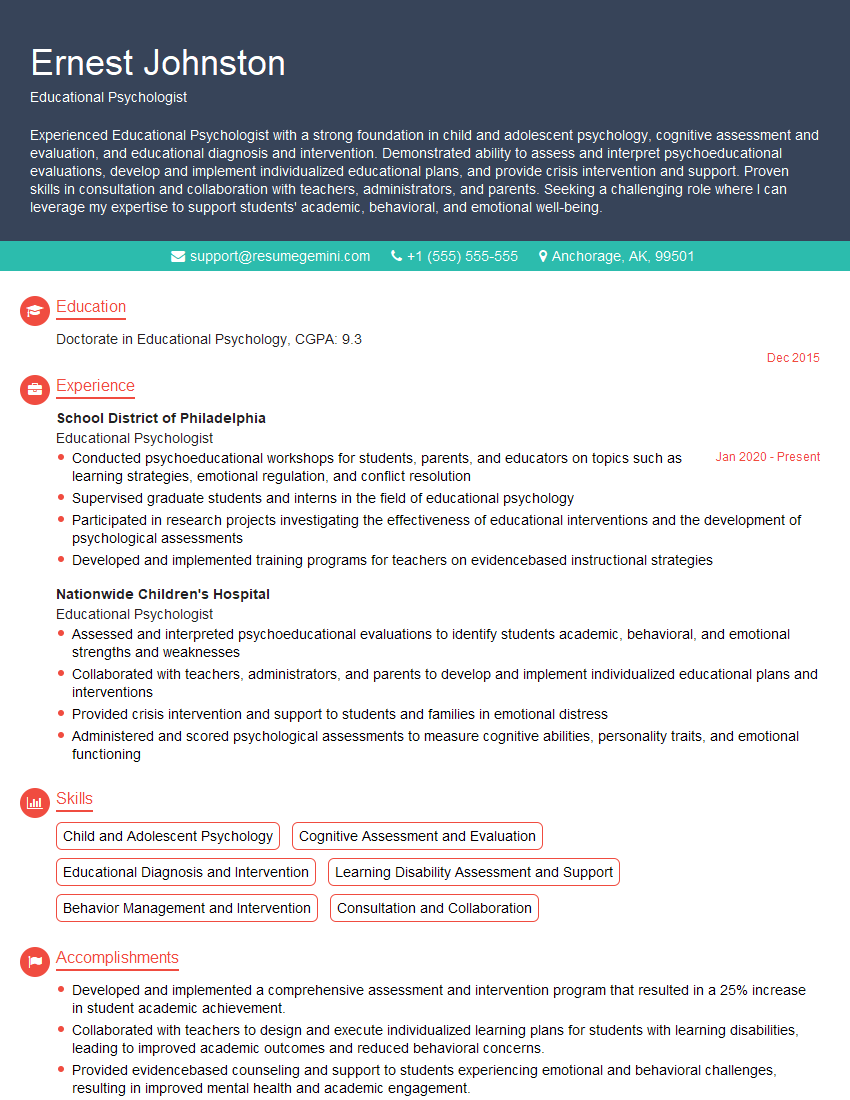
Educational Psychologist Resume Sample
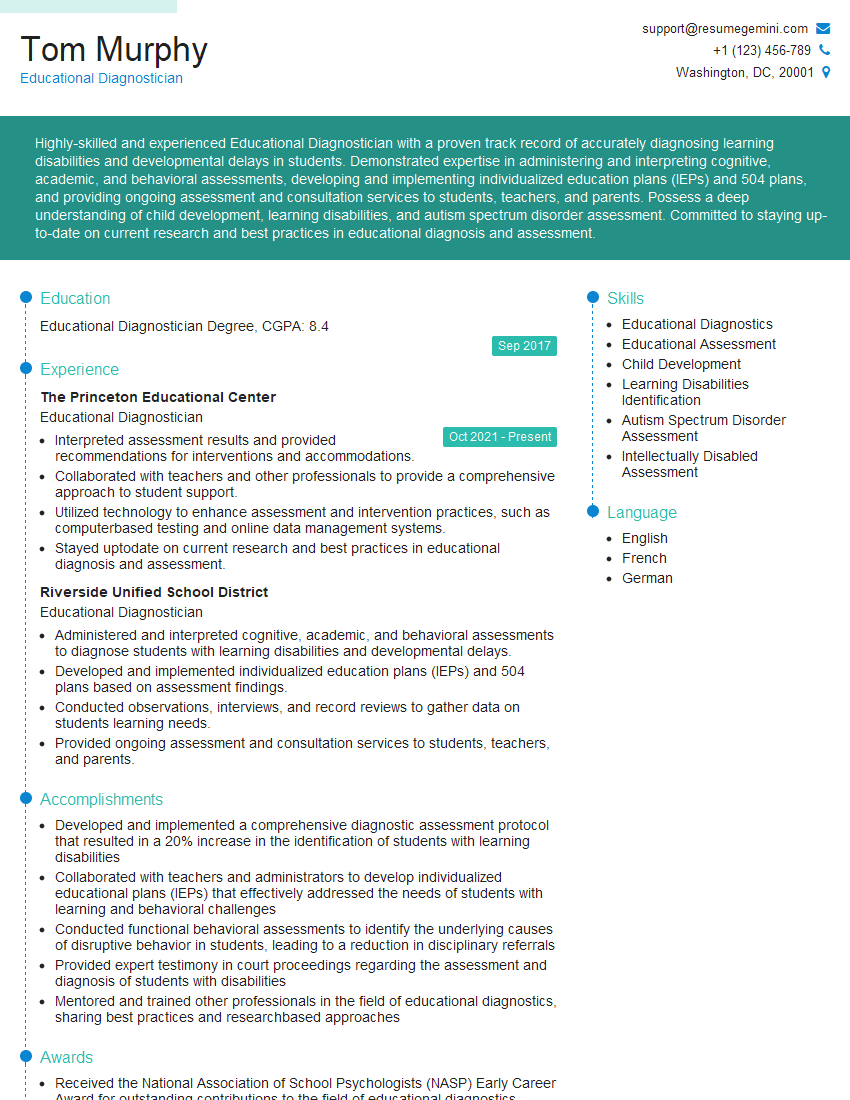
Educational Diagnostician Resume Sample
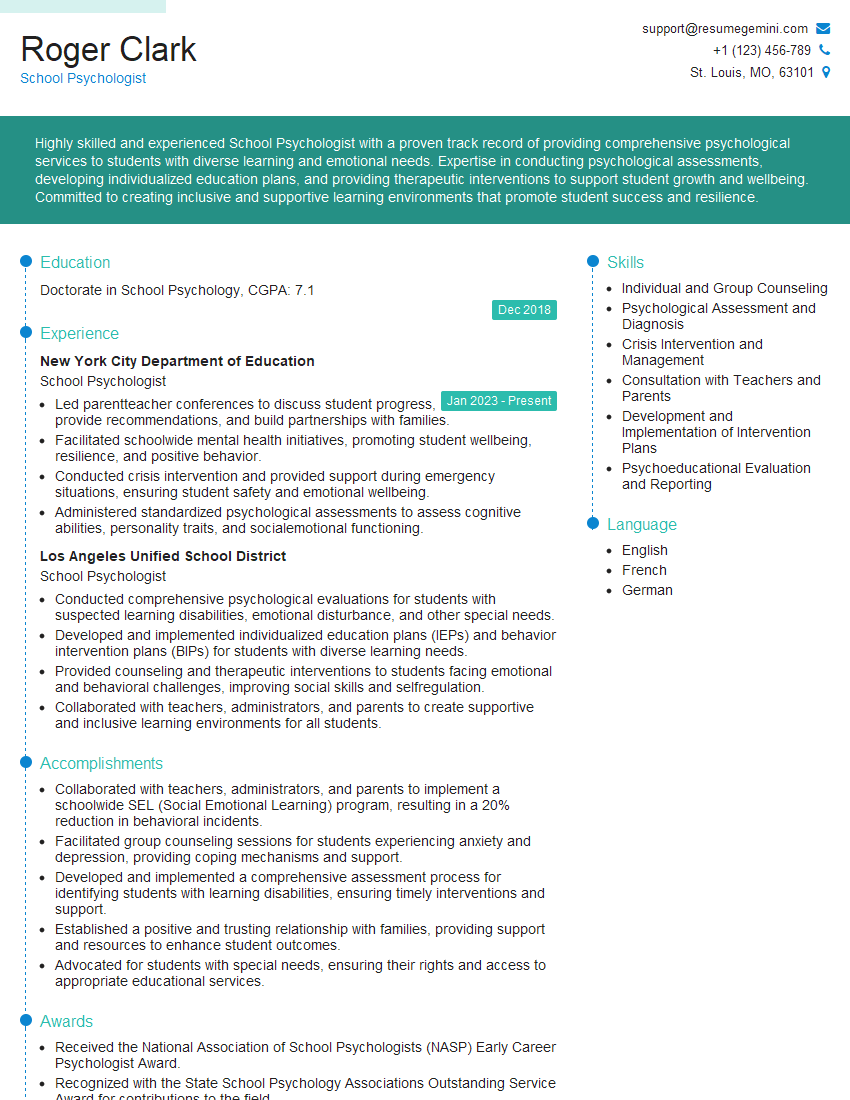
School Psychologist Resume Sample
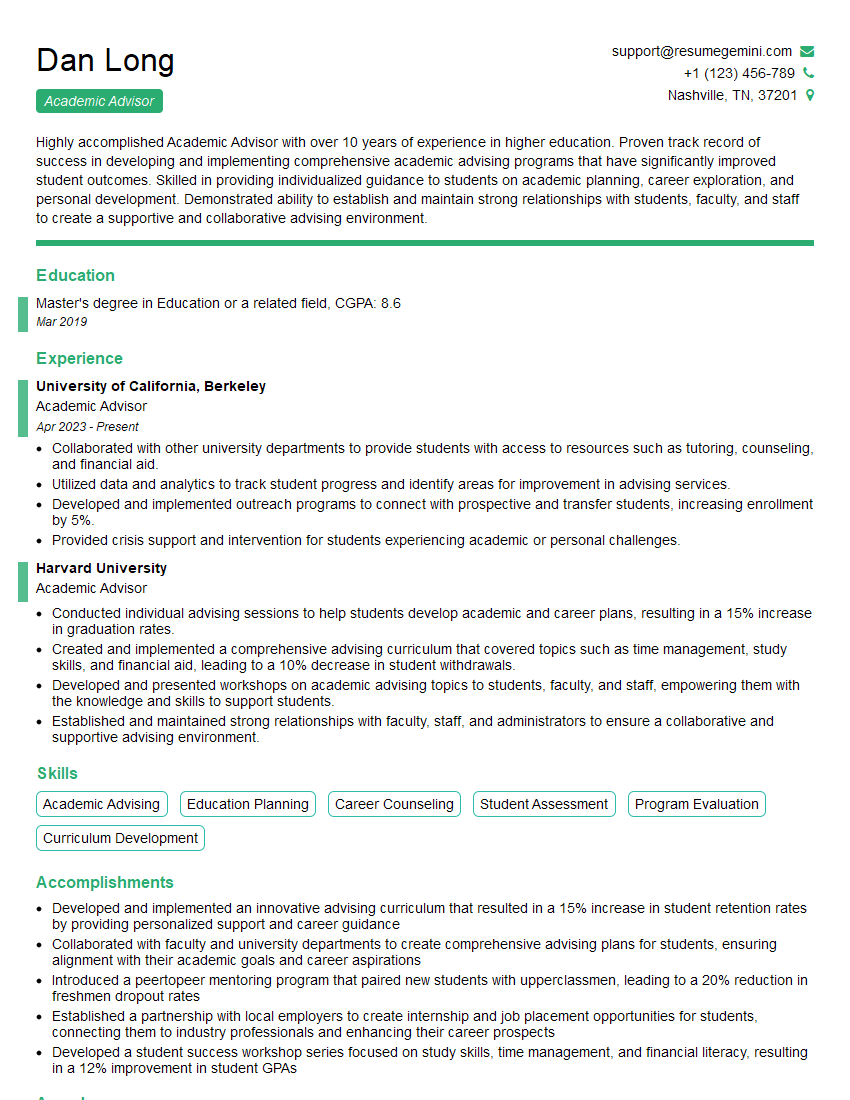
Academic Advisor Resume Sample
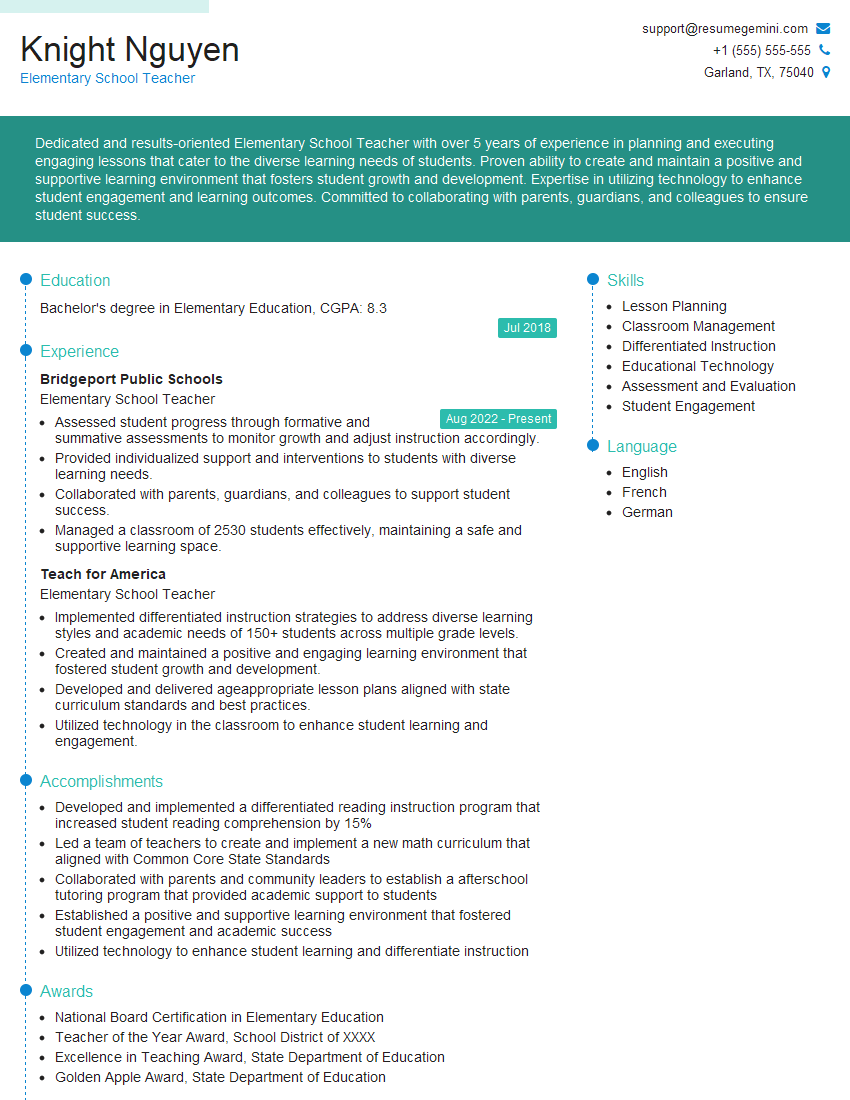
Elementary School Teacher Resume Sample
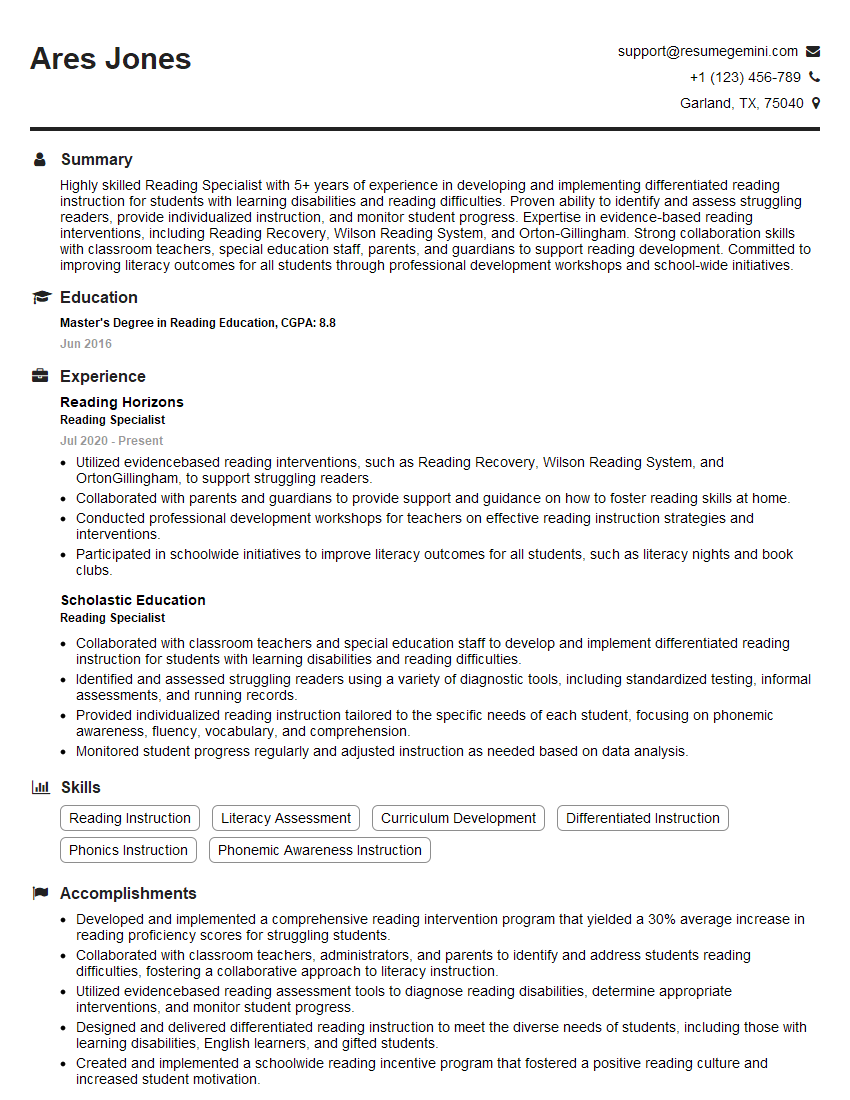
Reading Specialist Resume Sample
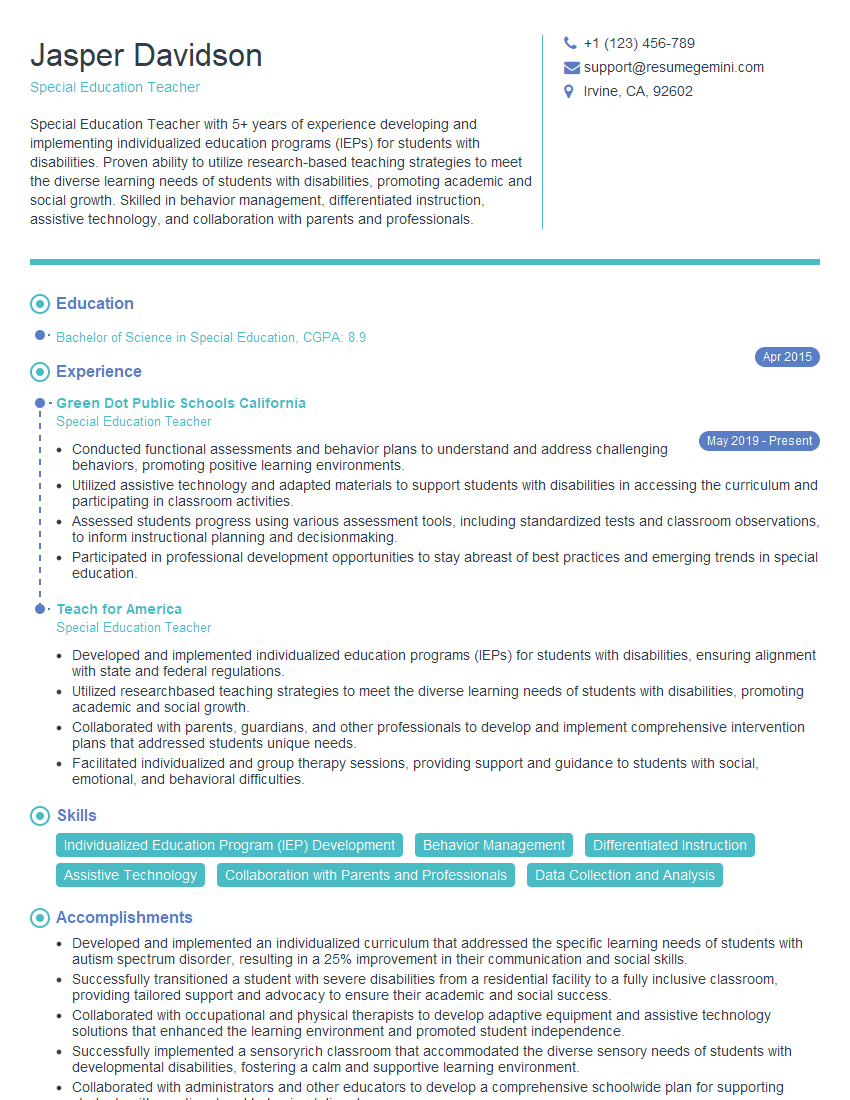
Special Education Teacher Resume Sample
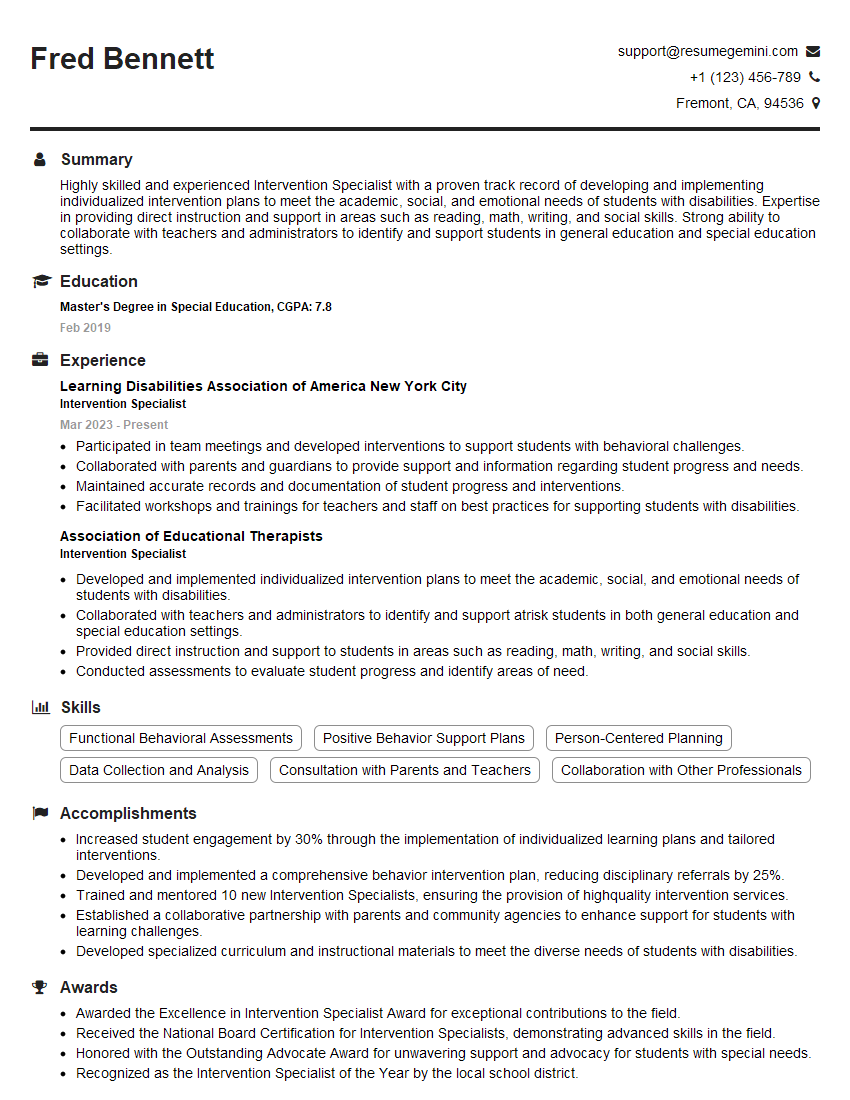
Intervention Specialist Resume Sample
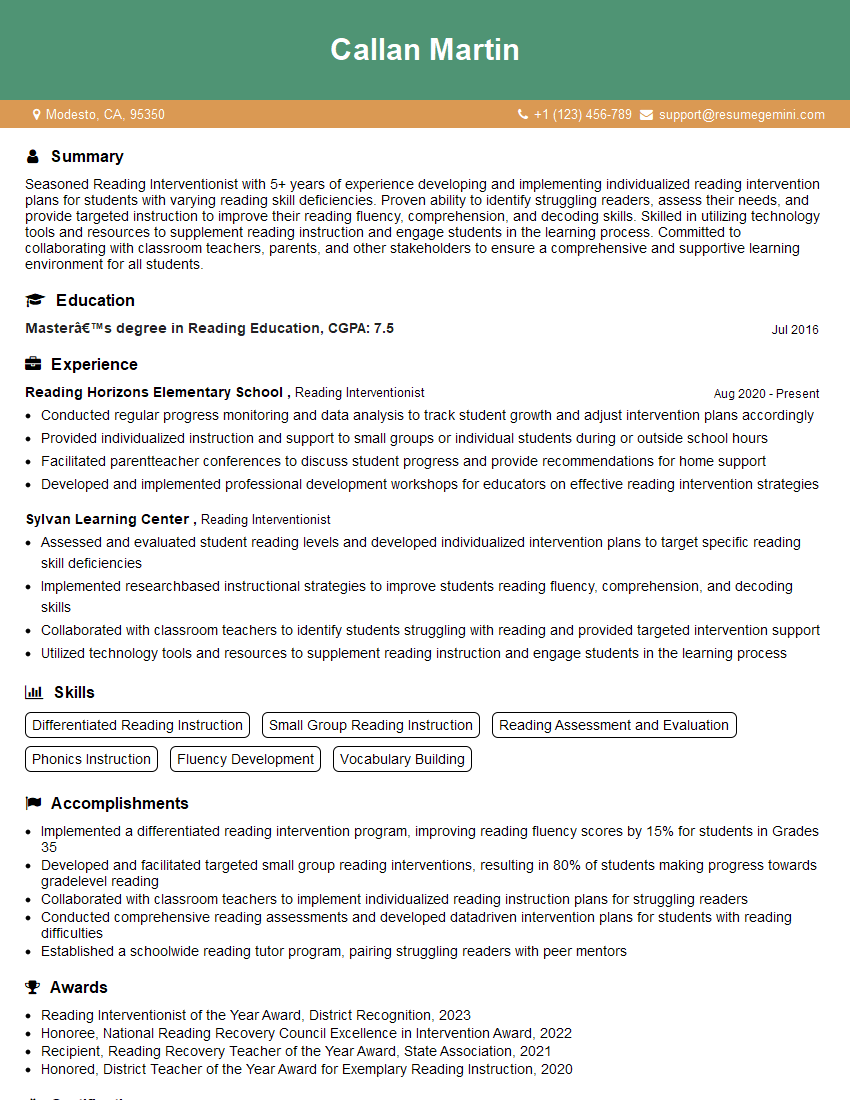
Reading Interventionist Resume Sample
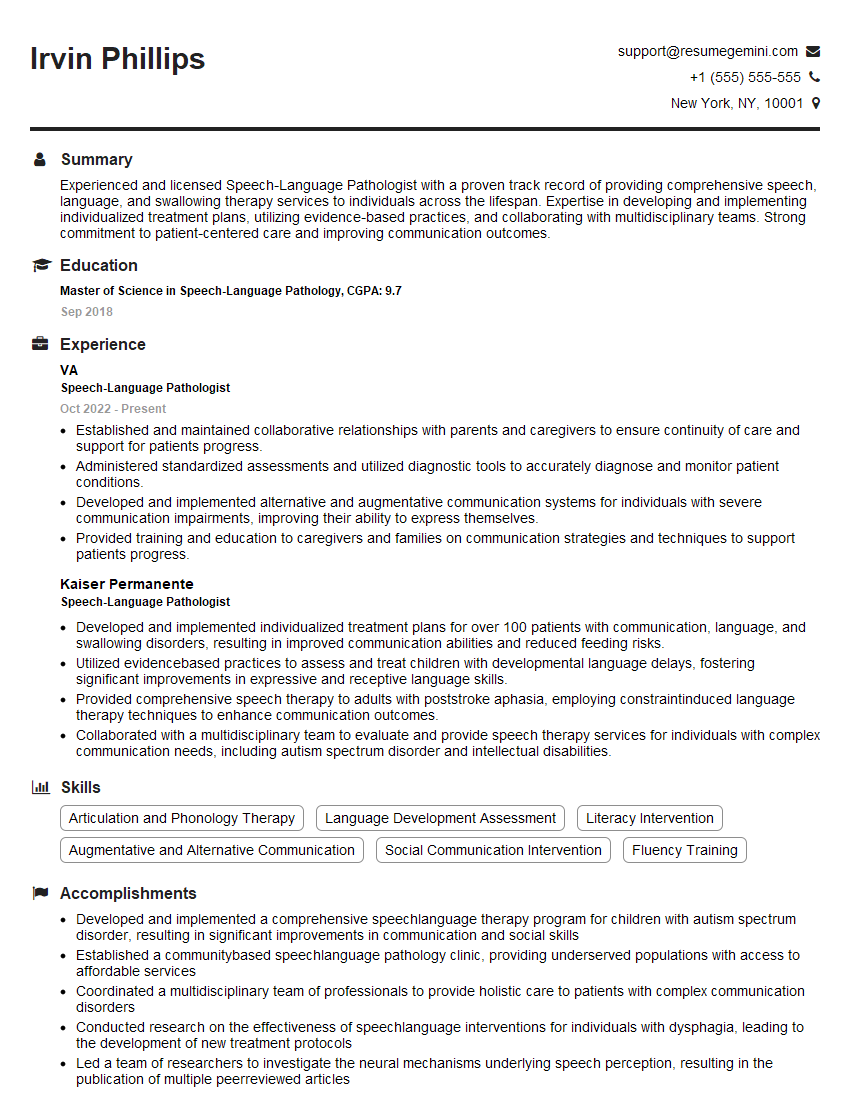
Speech-Language Pathologist Resume Sample
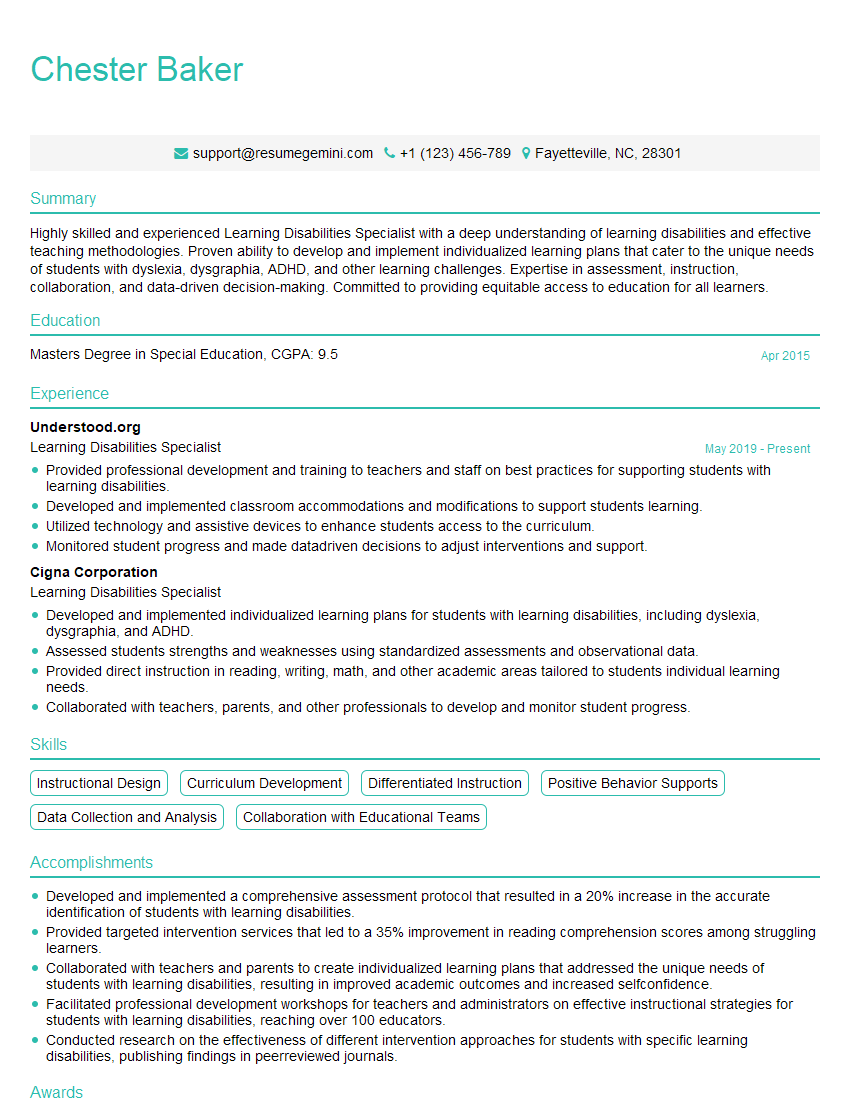
Learning Disabilities Specialist Resume Sample
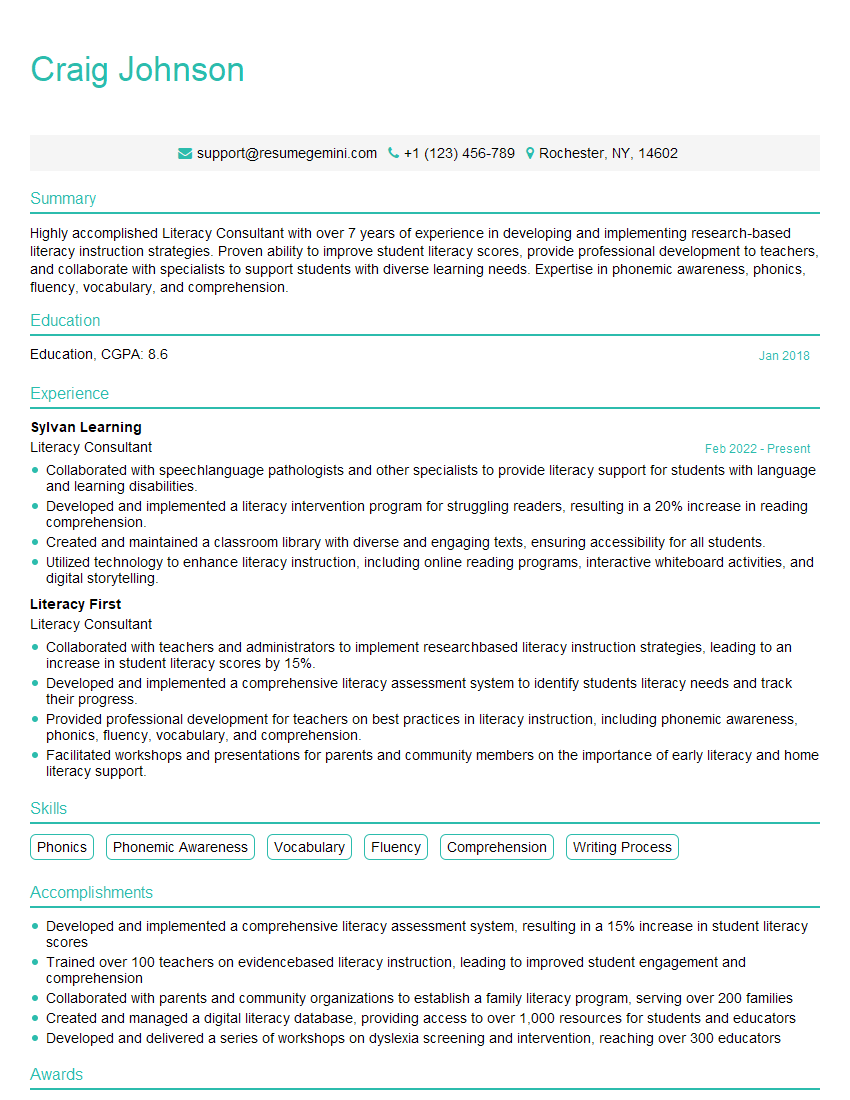
Literacy Consultant Resume Sample
- Assessment Coordinator
- Educational Psychologist
- Educational Diagnostician
- School Psychologist
- Academic Advisor
- Elementary School Teacher
- Reading Specialist
- Special Education Teacher
- Intervention Specialist
- Reading Interventionist
- Speech-Language Pathologist
- Learning Disabilities Specialist
- Literacy Consultant
Explore more articles
Users Rating of Our Blogs
Share Your Experience
We value your feedback! Please rate our content and share your thoughts (optional).
What Readers Say About Our Blog
I Redesigned Spongebob Squarepants and his main characters of my artwork.
https://www.deviantart.com/reimaginesponge/art/Redesigned-Spongebob-characters-1223583608
IT gave me an insight and words to use and be able to think of examples
Hi, I’m Jay, we have a few potential clients that are interested in your services, thought you might be a good fit. I’d love to talk about the details, when do you have time to talk?
Best,
Jay
Founder | CEO