Every successful interview starts with knowing what to expect. In this blog, we’ll take you through the top Ability to Provide Feedback and Support interview questions, breaking them down with expert tips to help you deliver impactful answers. Step into your next interview fully prepared and ready to succeed.
Questions Asked in Ability to Provide Feedback and Support Interview
Q 1. Describe your process for delivering constructive criticism.
Delivering constructive criticism is a delicate art, focusing on behavior, not personality. My process begins with establishing a safe and comfortable environment for the recipient. I start by highlighting something positive they’ve done, building rapport and trust before addressing areas needing improvement. I then use the SBI (Situation-Behavior-Impact) model: I describe the specific situation, the observed behavior, and the impact that behavior had. I avoid generalizations and focus on observable actions. Finally, I collaborate with the individual to brainstorm solutions and create an action plan for improvement. I always end by reaffirming their value to the team and my belief in their ability to grow.
- Situation: ‘During last week’s presentation…’
- Behavior: ‘…you consistently interrupted colleagues.’
- Impact: ‘…this disrupted the flow and prevented others from fully contributing.’
This structured approach ensures the feedback is clear, actionable, and less likely to be perceived as a personal attack.
Q 2. How do you tailor your feedback to different personality types?
Tailoring feedback to different personality types is crucial for its effectiveness. For example, individuals who are detail-oriented and analytical respond well to data-driven feedback with specific examples and measurable goals. I might provide a chart showcasing performance trends or a detailed breakdown of areas for improvement. On the other hand, individuals who are more intuitive and relationship-oriented benefit from a more empathetic and collaborative approach, focusing on the overall impact of their actions on the team and encouraging open dialogue. I’d use less direct language, emphasize strengths, and frame feedback as an opportunity for growth and development. Understanding individual communication styles — whether they prefer direct, indirect, or a blend — is key to selecting the most effective approach.
Q 3. How do you handle situations where feedback is not well-received?
When feedback isn’t well-received, it’s important to stay calm and approach the situation with empathy. I’d start by acknowledging their feelings and validating their perspective. Perhaps they feel overwhelmed, misunderstood, or unfairly criticized. Openly asking, ‘How did you feel receiving this feedback?’ can provide valuable insights. If defensiveness persists, I might rephrase the feedback, focusing on the impact of their actions rather than directly criticizing their character. If necessary, I’d offer to revisit the conversation at a later time when they’re more receptive. Ultimately, the goal is to foster a collaborative environment where feedback is viewed as an opportunity for improvement, not a personal attack.
If the situation remains unresolved despite these efforts, I would involve a more senior member of the team or HR to provide additional support and mediation.
Q 4. Give an example of a time you provided feedback that resulted in significant improvement.
I once worked with a team member who struggled with time management, consistently missing deadlines. Instead of directly criticizing their work ethic, I used the SBI model to provide specific examples of missed deadlines and their impact on the project timeline. We then collaboratively brainstormed strategies to improve their time management skills, such as prioritizing tasks, using project management tools, and setting realistic deadlines. We also scheduled regular check-in meetings to monitor their progress. The result was a significant improvement in their time management, resulting in consistently meeting deadlines and an overall increase in their productivity and confidence. This experience reinforced the importance of collaborative feedback and focusing on solutions rather than assigning blame.
Q 5. How do you ensure your feedback is specific, measurable, achievable, relevant, and time-bound (SMART)?
Ensuring feedback is SMART (Specific, Measurable, Achievable, Relevant, and Time-bound) is paramount. To make feedback specific, I avoid vague statements and focus on concrete examples. Instead of saying ‘Improve your communication,’ I’d say ‘In your next presentation, clearly articulate the three key takeaways within the first five minutes.’ Making it measurable means quantifying the goal. For example, ‘Increase your client conversion rate by 15% within the next quarter.’ Achievability involves setting realistic expectations; the goal should be challenging but attainable. Relevance ensures the feedback directly relates to the individual’s role and responsibilities. Finally, setting a timeframe creates accountability and provides a clear deadline for improvement, e.g., ‘By the end of next month, implement the new project management system.’
Q 6. How do you balance positive reinforcement with constructive criticism?
Balancing positive reinforcement with constructive criticism is essential. I always start by highlighting the individual’s strengths and accomplishments before addressing areas needing improvement. This positive framing creates a more receptive environment for constructive feedback. I utilize a ratio of approximately 3:1 positive to constructive feedback. For example, I might praise three aspects of their performance before offering one area for development. This approach helps to maintain morale and motivation while ensuring that crucial areas for improvement aren’t overlooked. It’s about focusing on growth, not solely on shortcomings.
Q 7. Describe your approach to mentoring or coaching others.
My approach to mentoring and coaching focuses on building a collaborative partnership. I begin by understanding the individual’s goals and aspirations. I then work with them to identify areas for growth and development, creating a tailored plan that addresses their specific needs. This includes setting clear expectations, providing regular feedback and guidance, and offering support throughout the process. I encourage open communication and actively listen to their concerns and challenges. My role is to guide and empower them, fostering their self-reliance and confidence to take ownership of their development. Regular check-in meetings, constructive criticism, and celebrating successes are all integral parts of the process. The focus is always on their growth and empowering them to reach their full potential.
Q 8. How do you identify the learning needs of individuals?
Identifying individual learning needs is crucial for effective feedback and support. It’s not a one-size-fits-all approach; it requires a combination of methods tailored to the specific person and context.
- Performance Reviews and Data Analysis: Reviewing past performance data, project outcomes, and key performance indicators (KPIs) highlights areas where improvement is needed. For example, consistently missing deadlines might indicate a need for time management training.
- Direct Observation: Observing individuals in their work environment provides valuable insights into their strengths and weaknesses. For example, witnessing a struggle with a particular software could suggest targeted training on that software.
- Self-Assessment and Feedback Surveys: Encouraging individuals to self-assess their skills and providing anonymous feedback surveys allow them to identify their own development areas and offer valuable perspectives. This is particularly effective when paired with 360-degree feedback.
- One-on-One Conversations: Open and honest conversations are essential. Asking questions like, “What are your career goals?”, “What challenges are you facing?”, and “What areas do you feel you could improve in?” allows for a deeper understanding of their needs.
By combining these methods, a comprehensive understanding of individual learning needs can be built, allowing for personalized and targeted support.
Q 9. How do you measure the effectiveness of your feedback and support?
Measuring the effectiveness of feedback and support requires a multi-faceted approach that goes beyond simply asking if someone “felt supported.” It involves tracking tangible changes and improvements.
- Performance Improvement: Track KPIs and other measurable metrics to see if performance improves in areas where feedback and support were provided. For instance, if feedback focused on improving code quality, measure the reduction in bugs post-feedback.
- Skill Development: Assess if individuals demonstrate improved skills or knowledge as a result of the support provided. Did they successfully apply the new skill learned in a project?
- Employee Satisfaction Surveys: Incorporate questions about the effectiveness of feedback and support within employee satisfaction surveys. This provides valuable qualitative data about employee perceptions.
- Follow-up Conversations: Regularly check in with individuals to discuss their progress and address any lingering challenges. Open-ended questions like, “How are you feeling about your progress?” or “Is there anything else I can assist you with?” encourage feedback.
- Increased Confidence and Motivation: Observe if the feedback and support has increased their confidence to tackle new challenges and has boosted their overall motivation.
By combining these methods, you can gain a holistic view of the effectiveness of your approach, allowing for continuous improvement in your support strategies.
Q 10. How do you provide support to team members experiencing challenges?
Providing support to struggling team members requires empathy, patience, and a structured approach.
- Active Listening and Understanding: Begin by actively listening to understand the root cause of their challenges. Avoid jumping to conclusions or offering solutions prematurely.
- Collaboration and Brainstorming: Work collaboratively with the team member to brainstorm potential solutions. Encourage them to take ownership of the problem-solving process.
- Resource Provision: Provide access to relevant resources, including training materials, mentors, or additional support staff. This could involve arranging training courses, assigning a mentor, or providing additional documentation.
- Setting Realistic Goals and Expectations: Help them to break down large tasks into smaller, more manageable steps. Setting achievable goals promotes a sense of accomplishment and builds confidence.
- Regular Check-ins: Schedule regular check-ins to monitor progress, provide ongoing support, and adjust strategies as needed. This demonstrates your commitment to their success.
Remember to focus on the individual’s strengths and build upon them. Celebrating small wins along the way boosts morale and encourages continued effort.
Q 11. What techniques do you use to actively listen and understand perspectives?
Actively listening and understanding diverse perspectives are foundational skills for providing effective feedback and support.
- Nonverbal Cues: Pay attention to nonverbal cues like body language, facial expressions, and tone of voice. These often reveal unspoken feelings and emotions.
- Paraphrasing and Summarizing: Regularly paraphrase and summarize what the individual has said to ensure understanding and to show that you are actively engaged in the conversation.
- Open-Ended Questions: Ask open-ended questions that encourage detailed responses rather than simple “yes” or “no” answers. For example, instead of asking, “Did you understand the instructions?”, ask, “Can you walk me through how you approached the task?”
- Empathy and Validation: Show empathy by acknowledging their feelings and validating their perspective, even if you don’t necessarily agree with their viewpoint. For example, “I understand this is frustrating,” or “I can see why you feel that way.”
- Creating a Safe Space: Establish a safe and non-judgmental environment where individuals feel comfortable sharing their thoughts and feelings honestly without fear of retribution.
By consistently employing these techniques, you create a foundation of trust and mutual understanding, paving the way for more effective communication and support.
Q 12. How do you address performance issues with empathy and professionalism?
Addressing performance issues requires a delicate balance of empathy and professionalism.
- Private and Respectful Setting: Address performance issues in a private and respectful setting, ensuring the individual feels comfortable and safe to discuss their performance openly.
- Focus on Specific Behaviors and Impacts: Focus on specific behaviors rather than making general or personal attacks. Clearly explain the impact of their actions on the team or organization.
- Active Listening and Understanding: Actively listen to their perspective, understanding the reasons behind their performance issues. Are there external factors or personal challenges affecting their work?
- Collaborative Problem-Solving: Collaboratively work with the individual to develop a plan for improvement, setting realistic goals and expectations.
- Positive Reinforcement and Support: Recognize and reinforce positive behaviors and contributions to build morale and foster a sense of encouragement.
- Documentation: Maintain accurate documentation of the conversation and agreed-upon action plan.
Remember to emphasize growth and development, framing the conversation as an opportunity for improvement rather than a condemnation of past actions.
Q 13. How do you handle disagreements or conflicting viewpoints when providing feedback?
Handling disagreements or conflicting viewpoints during feedback requires skillful navigation and a focus on finding common ground.
- Neutral Facilitation: Act as a neutral facilitator, encouraging open communication and active listening from all parties involved.
- Focus on Shared Goals: Remind everyone of the shared goals and objectives. Align individual perspectives with the overall team goals.
- Identify Areas of Agreement: Focus on identifying areas of agreement to build a foundation for constructive discussion.
- Respectful Communication: Maintain a respectful tone and avoid interrupting or dismissing any viewpoints.
- Structured Approach: Employ a structured approach to the conversation. For example, utilize a problem-solving framework to work through the disagreement systematically.
- Compromise and Collaboration: Encourage compromise and collaboration to find mutually agreeable solutions.
The goal is to find a solution that is acceptable to all parties and advances the shared goals of the team or organization. Remember, disagreements can be opportunities for growth and improvement if handled constructively.
Q 14. How do you prioritize different feedback requests or support needs?
Prioritizing feedback requests and support needs requires a strategic approach that considers urgency, impact, and individual needs.
- Urgency and Impact: Prioritize requests based on urgency and their potential impact on the team or organization. Immediate needs that could negatively affect critical projects or deadlines should take precedence.
- Individual Needs and Development Goals: Consider individual needs and development goals when prioritizing requests. Support those who need assistance to meet critical deadlines or achieve key milestones.
- Workload Management: Assess your own workload and capacity when scheduling feedback and support sessions. Avoid overcommitting and ensure you can provide effective and timely assistance.
- Communication and Transparency: Communicate your prioritization strategy transparently to all stakeholders. Explain the reasoning behind your decisions to manage expectations and build trust.
- Regular Review and Adjustment: Regularly review your prioritization strategy and adjust it as needed based on changing circumstances and priorities.
Using a prioritization matrix (e.g., a simple urgency/impact matrix) can be a valuable tool for visually organizing and making informed decisions about prioritization.
Q 15. What resources do you utilize to support your own learning and development in this area?
Continuously honing my ability to provide feedback and support requires a multifaceted approach to learning and development. I leverage several key resources to stay current and improve my skills.
Professional Development Courses: I actively seek out online courses and workshops focused on effective communication, feedback techniques, coaching methodologies, and conflict resolution. Platforms like Coursera, LinkedIn Learning, and Udemy offer valuable resources in these areas.
Books and Articles: I regularly read books and articles written by experts in organizational behavior, communication, and leadership. This allows me to explore different perspectives and best practices in providing constructive feedback and support.
Mentorship and Peer Learning: I actively seek mentorship from experienced professionals in my field and engage in peer-to-peer learning through professional networks. Sharing experiences and receiving feedback from others is invaluable.
Reflection and Self-Assessment: After every feedback session, I take time to reflect on what went well, what could have been improved, and how I can adapt my approach for future interactions. Using self-assessment tools helps identify areas for growth.
Career Expert Tips:
- Ace those interviews! Prepare effectively by reviewing the Top 50 Most Common Interview Questions on ResumeGemini.
- Navigate your job search with confidence! Explore a wide range of Career Tips on ResumeGemini. Learn about common challenges and recommendations to overcome them.
- Craft the perfect resume! Master the Art of Resume Writing with ResumeGemini’s guide. Showcase your unique qualifications and achievements effectively.
- Don’t miss out on holiday savings! Build your dream resume with ResumeGemini’s ATS optimized templates.
Q 16. How do you ensure that your feedback is actionable and implementable?
Actionable feedback isn’t just about identifying problems; it’s about providing clear solutions and guidance for improvement. To ensure my feedback is implementable, I follow these key steps:
Specificity: I avoid vague statements. Instead, I use concrete examples and specific behaviors to illustrate my points. For example, instead of saying “your presentation was disorganized,” I might say, “The transition between slides 5 and 6 felt abrupt; perhaps incorporating a brief summary slide would improve the flow.”
Focus on Behaviors, Not Personality: I concentrate on observable behaviors and their impact, rather than making judgments about someone’s character. This helps maintain a respectful and constructive tone.
Balance Positive and Constructive Feedback: I always start with positive reinforcement before addressing areas for improvement. This creates a receptive environment and ensures the feedback is received positively.
Suggest Concrete Steps: I don’t just point out weaknesses; I propose specific, actionable steps the individual can take to improve. This empowers them to make tangible progress.
Collaboration: I encourage a two-way conversation where the recipient can ask clarifying questions and share their perspective. This ensures the feedback aligns with their understanding and goals.
Q 17. How do you facilitate open communication and encourage two-way dialogue when providing feedback?
Open communication is the cornerstone of effective feedback. To foster a two-way dialogue, I employ several strategies:
Active Listening: I actively listen to the recipient’s response and acknowledge their feelings and perspectives. This demonstrates respect and builds trust.
Creating a Safe Space: I strive to create a safe and non-judgmental environment where the individual feels comfortable sharing their thoughts and concerns without fear of retribution.
Asking Open-Ended Questions: Instead of asking yes/no questions, I utilize open-ended questions like “How do you feel about this?” or “What are your thoughts on how we can address this?” to encourage them to elaborate.
Summarizing and Paraphrasing: To ensure mutual understanding, I frequently summarize and paraphrase the recipient’s responses to confirm my comprehension.
Follow-up: After the feedback session, I follow up to check on their progress and offer further support if needed. This demonstrates my commitment to their growth and development.
Q 18. Describe a time you had to give difficult feedback. What was your approach?
I once had to deliver difficult feedback to a team member whose performance had consistently fallen short of expectations. My approach was carefully planned to ensure it was both constructive and respectful.
Private Setting: I scheduled a private meeting in a comfortable and neutral setting to allow for an open and honest conversation.
Data-Driven Approach: I presented concrete examples of their performance issues, referencing specific projects and deadlines. This avoided any perception of bias or personal opinion.
Focus on Impact: I explained the impact of their underperformance on the team and the overall project goals. This helped them understand the broader consequences.
Collaborative Problem Solving: Instead of simply criticizing their shortcomings, I worked collaboratively with them to identify the root causes of their performance issues and brainstorm potential solutions.
Support and Resources: I offered them the necessary support and resources to improve, including training opportunities, mentorship, or additional guidance.
Follow-up and Monitoring: I established a follow-up plan to monitor their progress and provide ongoing support.
While the feedback was difficult to deliver, this structured approach ensured a productive conversation focused on improvement rather than blame.
Q 19. How do you document feedback and support provided?
Documentation is crucial for maintaining accountability and ensuring continuity of support. I typically document feedback and support provided using a combination of methods:
Performance Management System: Formal feedback is documented in the company’s performance management system. This ensures a clear record of performance reviews, goals set, and progress tracked.
Email and Meeting Notes: For informal feedback and support, I send follow-up emails summarizing key points discussed and action items agreed upon. Meeting notes are also maintained for important discussions.
Project Management Tools: For project-related feedback, I use project management tools like Asana or Jira to track comments, feedback, and progress on tasks.
Personal Notes: In some cases, I maintain personal notes to track my interactions and observations, which helps me monitor individual progress and tailor future support.
These methods allow me to maintain a comprehensive record of my interactions and ensure consistency in my support.
Q 20. How do you maintain confidentiality when providing feedback and support?
Maintaining confidentiality is paramount when providing feedback and support. I adhere to strict ethical and professional guidelines to protect sensitive information:
Need-to-Know Basis: I only share information with individuals who have a legitimate need to know, such as supervisors, HR personnel, or team members directly involved in the issue.
Data Security: I ensure that all electronic documentation is stored securely and only accessible to authorized personnel.
Professional Boundaries: I maintain clear professional boundaries and avoid gossiping or sharing information outside of appropriate channels.
Company Policies: I am always mindful of and adhere to company policies regarding confidentiality and data protection.
By strictly observing these practices, I safeguard the privacy and trust of those I support.
Q 21. How do you adapt your communication style to suit different situations and audiences?
Adapting my communication style is essential for effective feedback. I tailor my approach based on the individual, the context, and the nature of the feedback.
Audience Awareness: I consider the recipient’s communication preferences, personality, and level of experience when choosing my delivery method and tone. Some individuals respond better to direct feedback, while others prefer a more indirect or nuanced approach.
Contextual Sensitivity: The context of the feedback also influences my communication style. For example, a formal performance review requires a different approach than informal feedback on a specific project.
Medium Selection: I choose the appropriate communication medium—email, face-to-face meeting, phone call—based on the sensitivity and complexity of the feedback. Complex feedback is often best delivered in a face-to-face setting, while less sensitive feedback can be delivered via email.
Nonverbal Communication: I am mindful of my nonverbal cues—body language, tone of voice, facial expressions—to ensure they align with my verbal message. Maintaining eye contact, using a calm and reassuring tone, and projecting empathy are crucial.
By adjusting my style, I ensure the feedback is well-received, understood, and acted upon effectively.
Q 22. How do you handle situations where you need to escalate an issue beyond your scope of support?
Escalating an issue involves a structured process to ensure timely resolution when a problem exceeds my capabilities. First, I thoroughly document the issue, including all relevant details and steps already taken. This ensures clear communication with the next level of support. Then, I identify the appropriate escalation point – this might be a senior team member, a specialist department, or an external vendor, depending on the nature of the problem. Finally, I communicate the issue clearly and concisely, using the previously documented information, and follow up to ensure the issue is being addressed appropriately and keep the user informed of progress.
For example, if a user is experiencing a persistent software bug that I’m unable to troubleshoot after exhausting standard procedures, I would document the error messages, steps to reproduce the bug, user’s system information and then escalate it to our development team, providing them with all the collected data. I’d also inform the user of the escalation and the expected timeframe for a resolution.
Q 23. How do you measure the success of your coaching or mentoring efforts?
Measuring the success of coaching and mentoring hinges on observable changes in the mentee’s performance and development. I use a multi-faceted approach. Firstly, I set clear, measurable goals with the mentee at the outset. These goals might include specific skill acquisition, improved performance metrics, or increased confidence in handling particular tasks. Regular check-ins allow me to track progress towards these goals. Secondly, I utilize feedback mechanisms such as 360-degree reviews or self-assessments to gain a comprehensive perspective on the mentee’s growth. Finally, I observe the mentee’s performance on the job, looking for evidence of improved efficiency, problem-solving abilities, and overall contribution to the team.
For instance, if I’m mentoring a junior team member on project management, I’d track their completion rates of projects, their ability to meet deadlines, their proactive problem-solving skills and the quality of their work. Improvements in these areas would indicate successful mentoring.
Q 24. Describe a time when you successfully helped a team member overcome a significant challenge.
In a previous role, a team member was struggling with a particularly complex technical challenge, impacting their project deadlines. They were feeling overwhelmed and frustrated. I started by actively listening to their concerns and validating their feelings. We then broke down the problem into smaller, more manageable tasks, creating a clear action plan with milestones. I provided regular support and guidance, offering resources and connecting them with other team members who had relevant expertise. I also helped them develop better time management strategies. Through this collaborative approach, the team member successfully overcame the challenge, delivered the project on time, and gained valuable confidence in their abilities.
This experience reinforced my belief in the power of empathetic support, structured problem-solving, and leveraging team expertise to help others succeed.
Q 25. How do you promote a culture of continuous feedback and improvement within a team?
Fostering a culture of continuous feedback and improvement requires a proactive and multifaceted approach. I begin by establishing clear communication channels and making feedback a regular part of our team interactions. This includes regular one-on-one meetings, team retrospectives, and opportunities for peer-to-peer feedback. I emphasize the importance of constructive criticism, focusing on behaviors and results rather than personal attacks. I also provide training on effective feedback delivery and reception, helping team members to give and receive feedback constructively. Furthermore, I actively solicit feedback from team members on processes and procedures, encouraging them to identify areas for improvement.
A practical example is introducing a weekly ‘feedback Friday’ session, where team members can share their successes, challenges, and suggestions for improvement in a safe and supportive environment. This creates a rhythm for feedback and makes it a normal part of team operations.
Q 26. How do you deal with resistance to feedback?
Resistance to feedback is often rooted in fear, defensiveness, or a lack of understanding. My approach is to build rapport and trust first, ensuring the individual feels safe and valued. I start by acknowledging their perspective and validating their feelings. I then frame the feedback as an opportunity for growth and development rather than a criticism. I focus on specific behaviors and their impact, avoiding generalizations or personal attacks. If the resistance persists, I might adjust my approach, perhaps scheduling multiple shorter conversations or involving a neutral third party to facilitate the dialogue. The key is patience and persistence, remembering that the goal is to foster growth, not to win an argument.
For example, if someone is defensive about feedback on a presentation, I might start by acknowledging the strengths of the presentation before gently addressing areas for improvement, focusing on actionable steps they can take to enhance their future presentations.
Q 27. What are your strategies for building rapport and trust with individuals you are providing feedback to?
Building rapport and trust is crucial for effective feedback. I begin by actively listening to the individual, demonstrating genuine interest in their perspective and experiences. I use empathetic language, acknowledging their efforts and contributions. I create a safe and comfortable environment for the conversation, ensuring confidentiality and focusing on a collaborative approach to improvement. I also strive to be transparent and authentic in my own communication, building credibility and trust through consistent actions. Showing genuine care for the individual’s professional development and well-being is essential.
A simple example is starting a feedback conversation with something like, ‘I appreciate all the hard work you’ve put into this project. I have a few suggestions that I think could make it even better.’ This sets a positive and collaborative tone.
Q 28. How do you track your progress and impact when providing ongoing support?
Tracking progress and impact when providing ongoing support requires a systematic approach. I use a combination of methods to monitor effectiveness. Regular check-ins with the individual allow me to assess their progress towards agreed-upon goals. I document key milestones achieved, challenges encountered, and adjustments made to the support plan. I also utilize quantitative metrics where applicable, such as improvements in performance indicators or completion rates. Qualitative feedback, gathered through surveys or informal conversations, helps to understand the overall impact of the support provided. This data provides valuable insights, enabling me to refine my support strategies and demonstrate the value of my contributions.
For instance, I might track the number of successful project completions, improvements in customer satisfaction scores, or the reduction in the number of support tickets raised by the individual. This data demonstrates the tangible impact of my ongoing support.
Key Topics to Learn for Ability to Provide Feedback and Support Interviews
- Constructive Criticism Techniques: Learn how to deliver feedback that is specific, actionable, and focuses on behavior rather than personality. Understand the importance of framing feedback positively and offering solutions.
- Active Listening and Empathetic Communication: Practice truly understanding the other person’s perspective before responding. Develop skills in reflecting back what you’ve heard to ensure comprehension and build rapport.
- Tailoring Feedback to the Audience: Recognize that different individuals respond to feedback in different ways. Adapt your approach based on the person’s personality, experience level, and relationship to you.
- Providing Support and Mentorship: Explore strategies for offering practical assistance and guidance. Understand how to empower others to develop their skills and overcome challenges.
- Handling Difficult Conversations: Develop skills in navigating sensitive situations and delivering challenging feedback with tact and professionalism. Learn techniques for de-escalation and conflict resolution.
- Seeking and Accepting Feedback: Demonstrate self-awareness by showing your willingness to receive and act upon feedback yourself. This highlights your commitment to continuous improvement.
- Utilizing Different Feedback Methods: Explore various methods for providing feedback, such as one-on-one meetings, written reviews, or group feedback sessions. Understand the advantages and disadvantages of each.
- Measuring the Effectiveness of Feedback: Learn how to assess whether your feedback has been received and acted upon. This demonstrates your commitment to positive outcomes.
Next Steps
Mastering the ability to provide feedback and support is crucial for career advancement. It demonstrates strong interpersonal skills, leadership potential, and a commitment to team success. To increase your job prospects, create an ATS-friendly resume that highlights these crucial skills. ResumeGemini is a trusted resource that can help you build a professional resume showcasing your abilities. Examples of resumes tailored to highlight your skills in providing feedback and support are available within ResumeGemini to guide you. Take the next step towards a successful career by crafting a compelling resume that showcases your strengths.
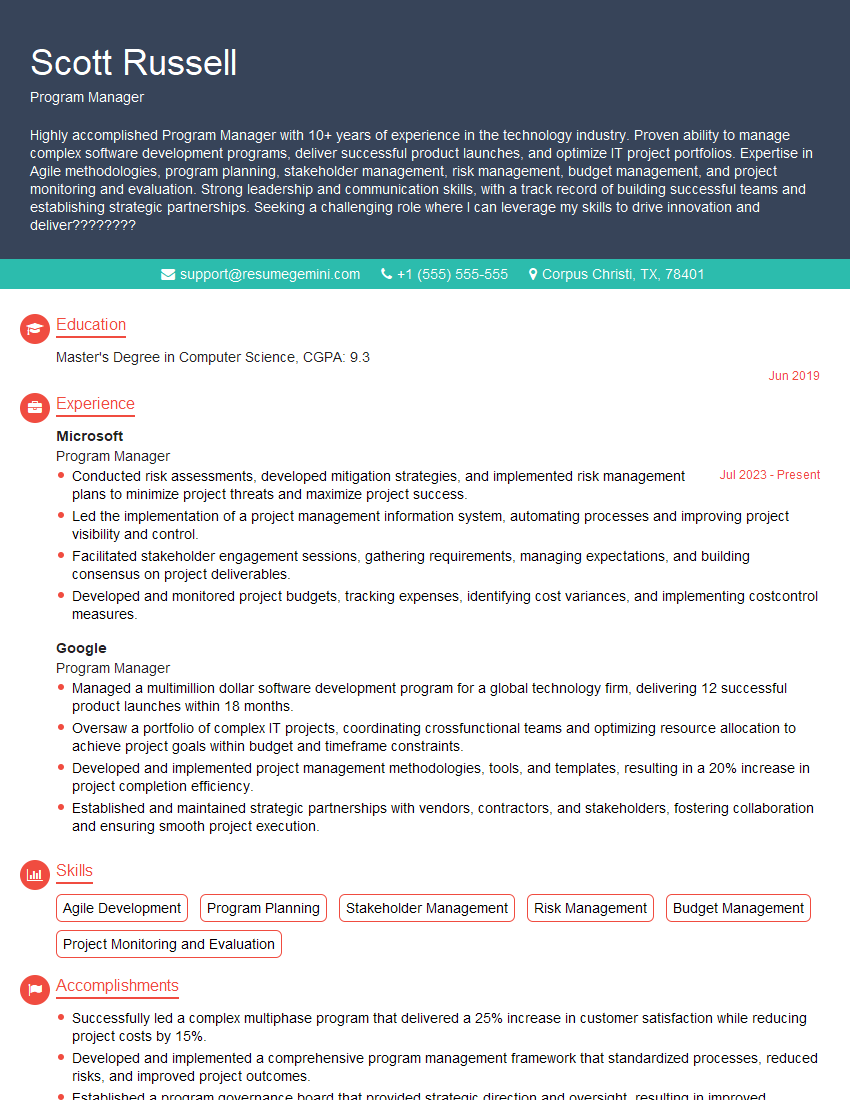
Program Manager Resume Sample
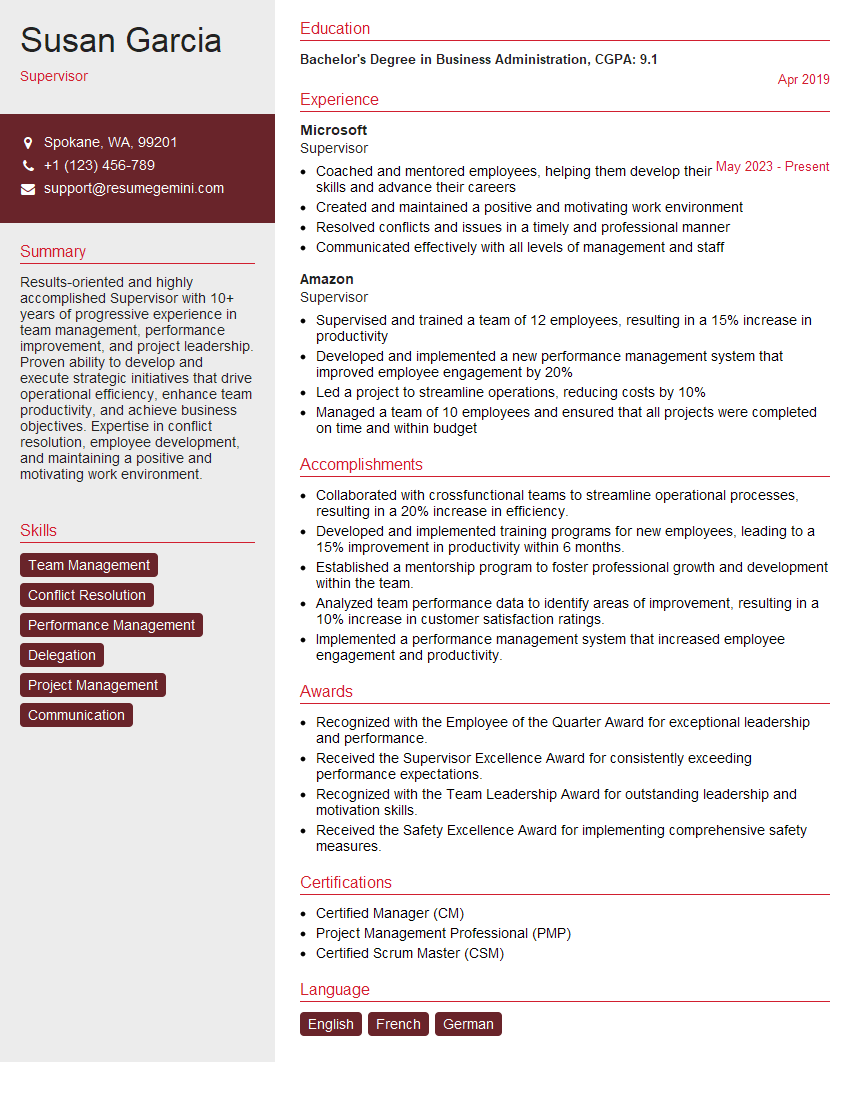
Supervisor Resume Sample
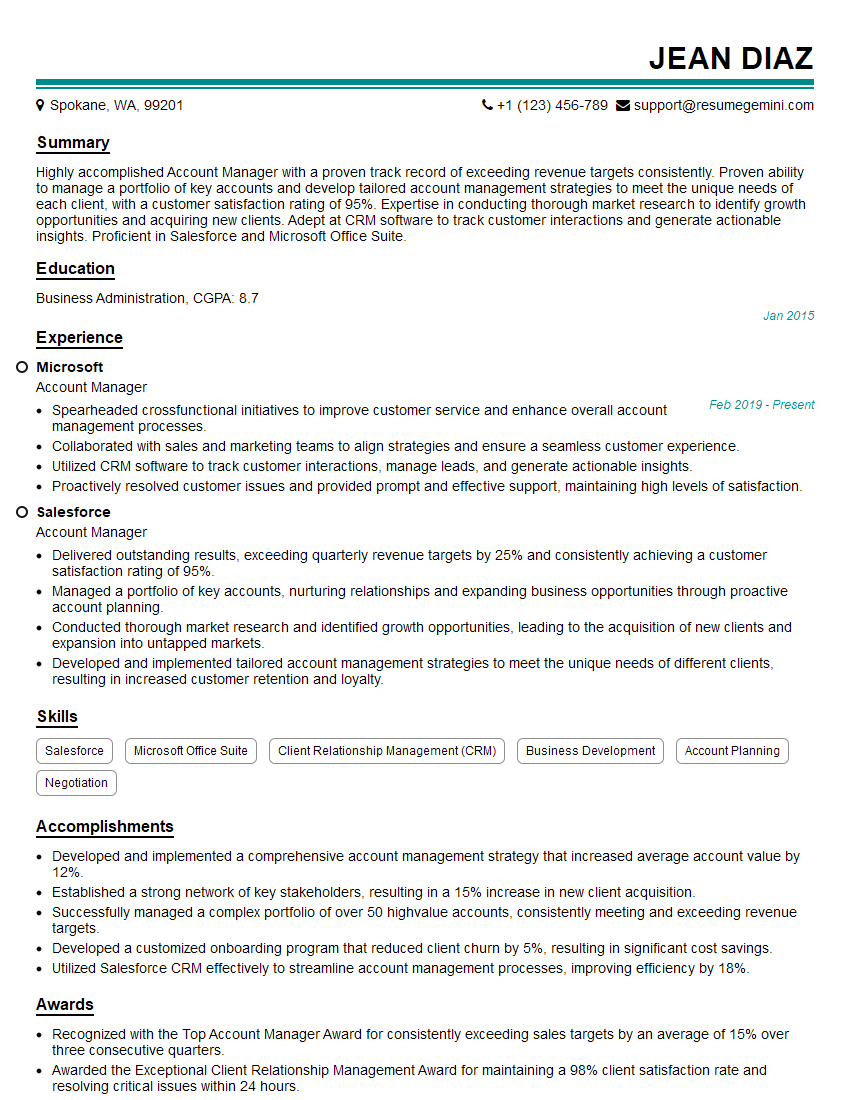
Account Manager Resume Sample
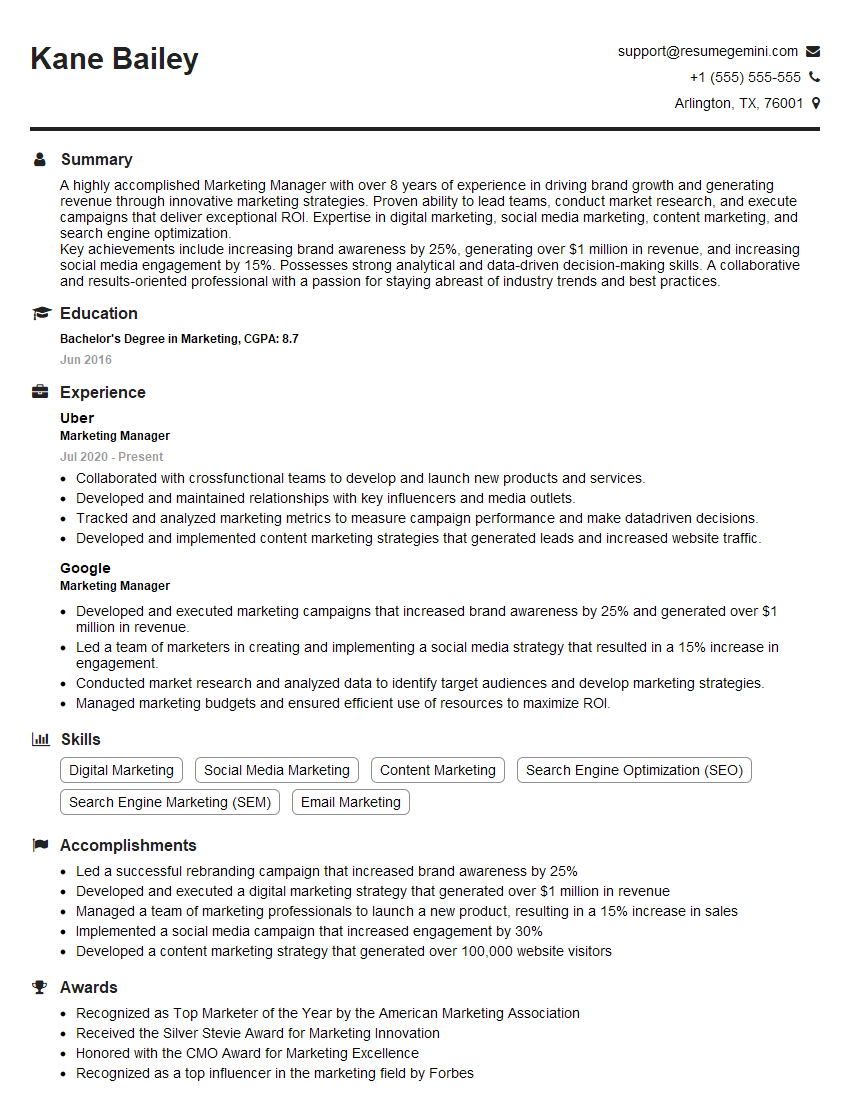
Marketing Manager Resume Sample
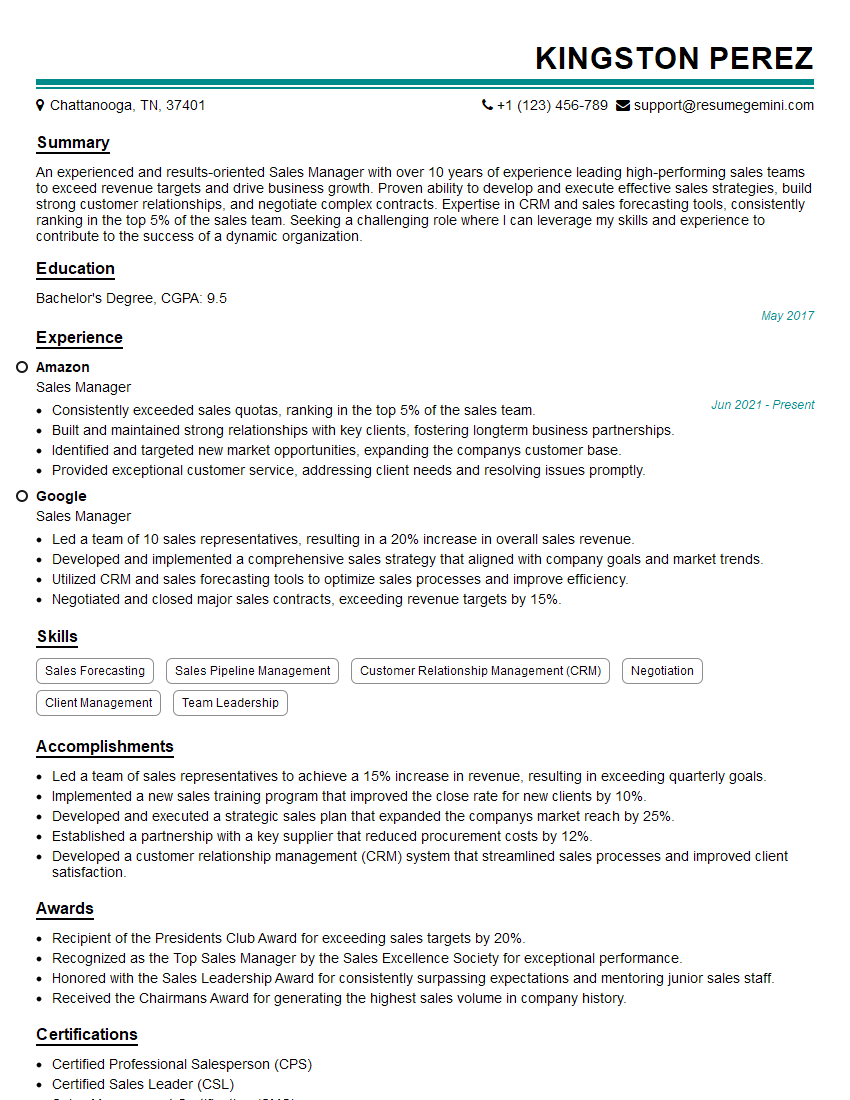
Sales Manager Resume Sample
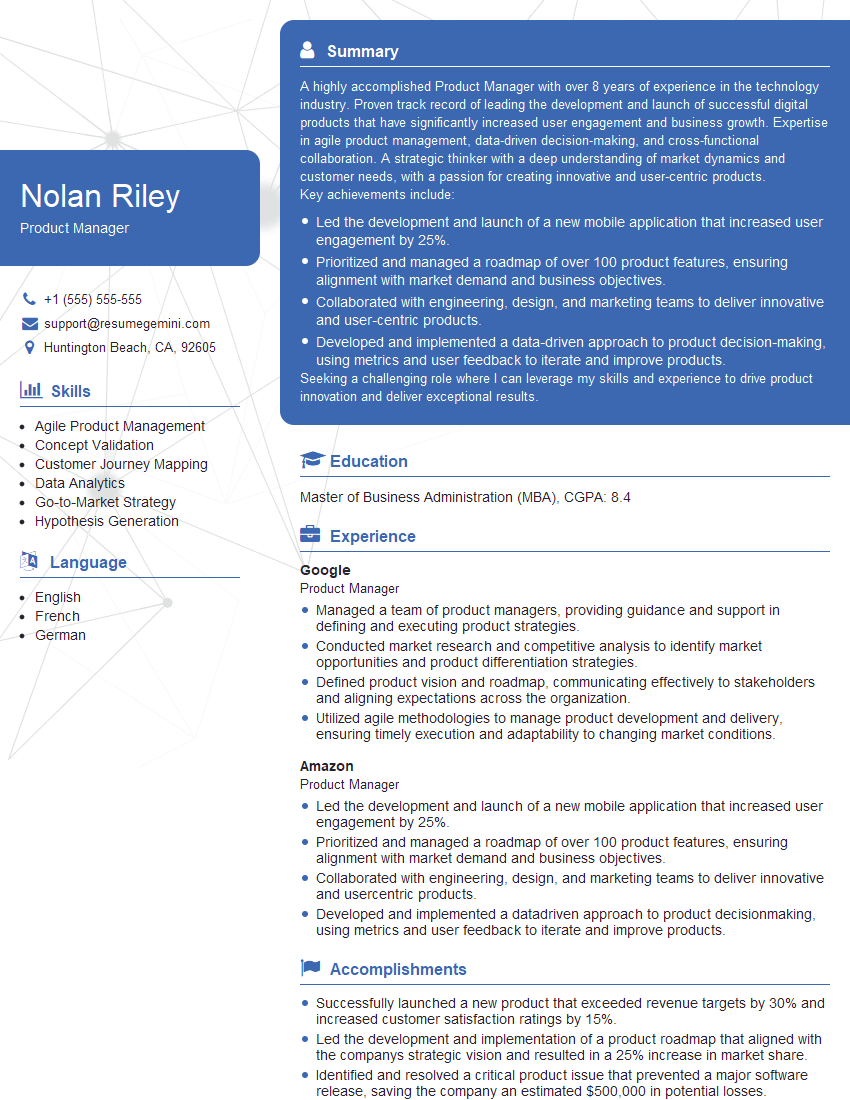
Product Manager Resume Sample
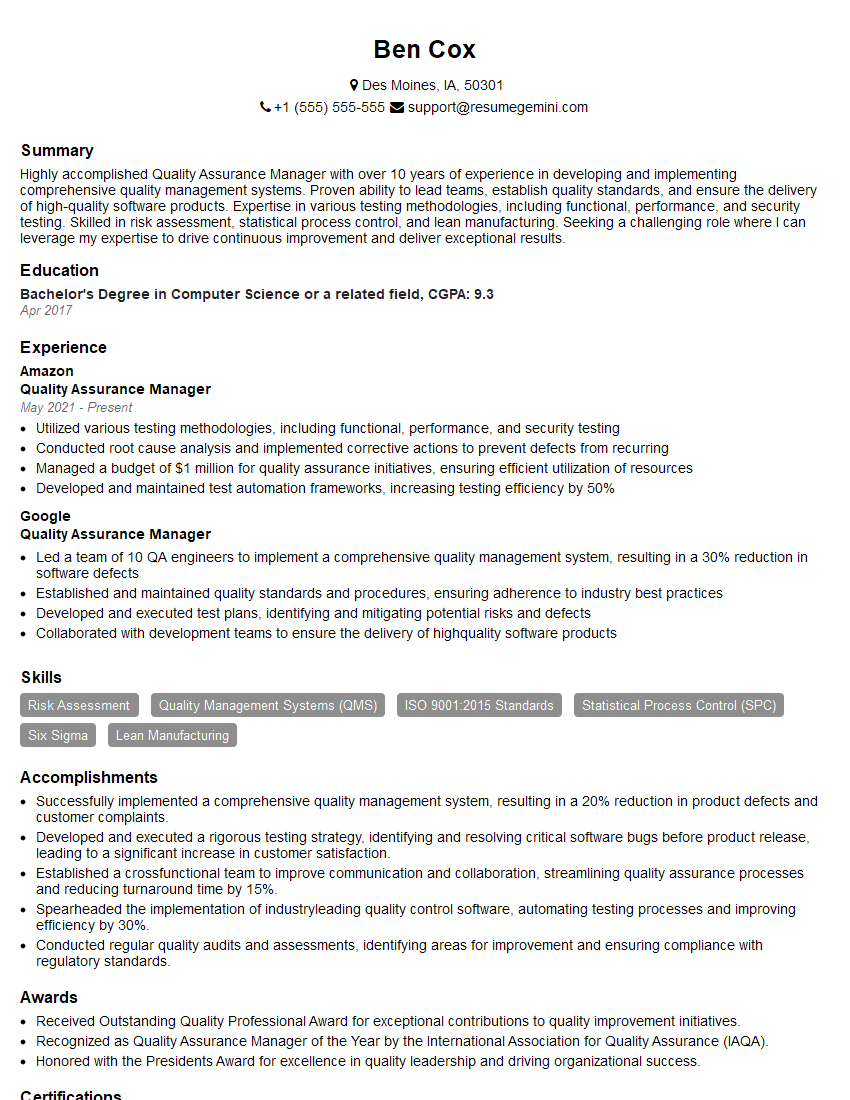
Quality Assurance Manager Resume Sample
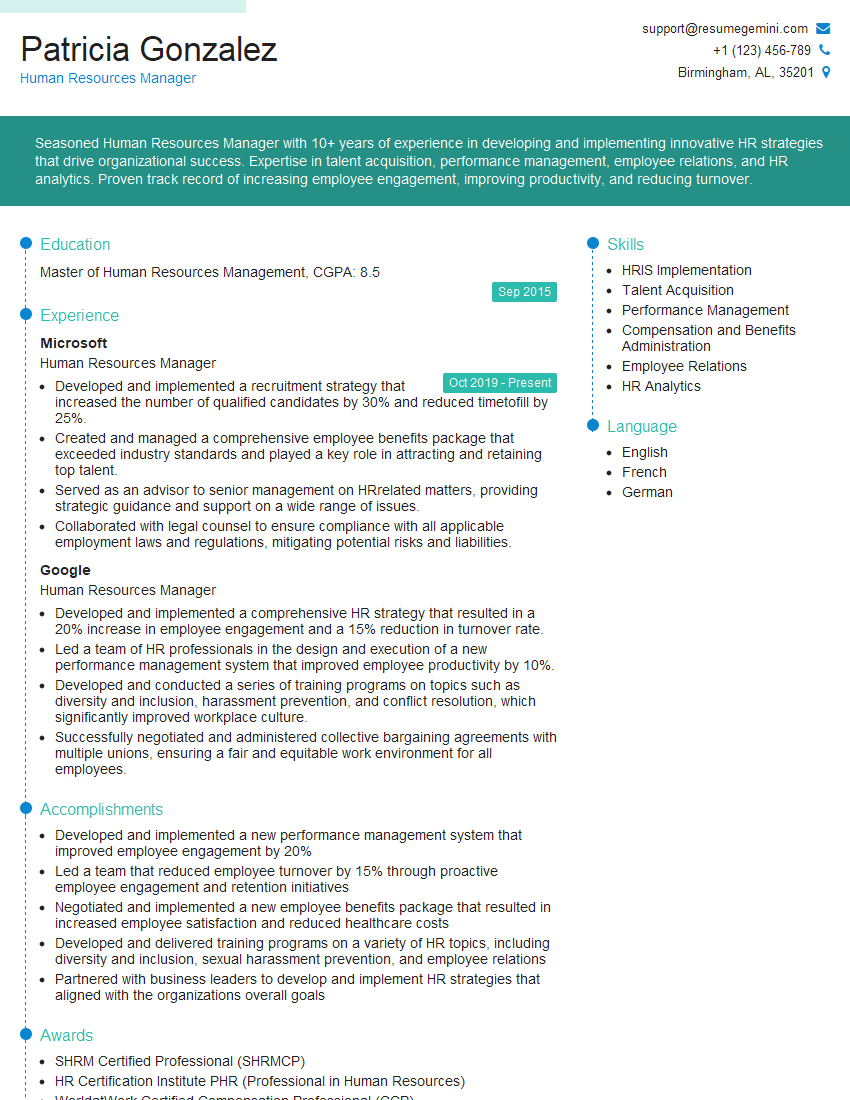
Human Resources Manager Resume Sample

Project Manager Resume Sample
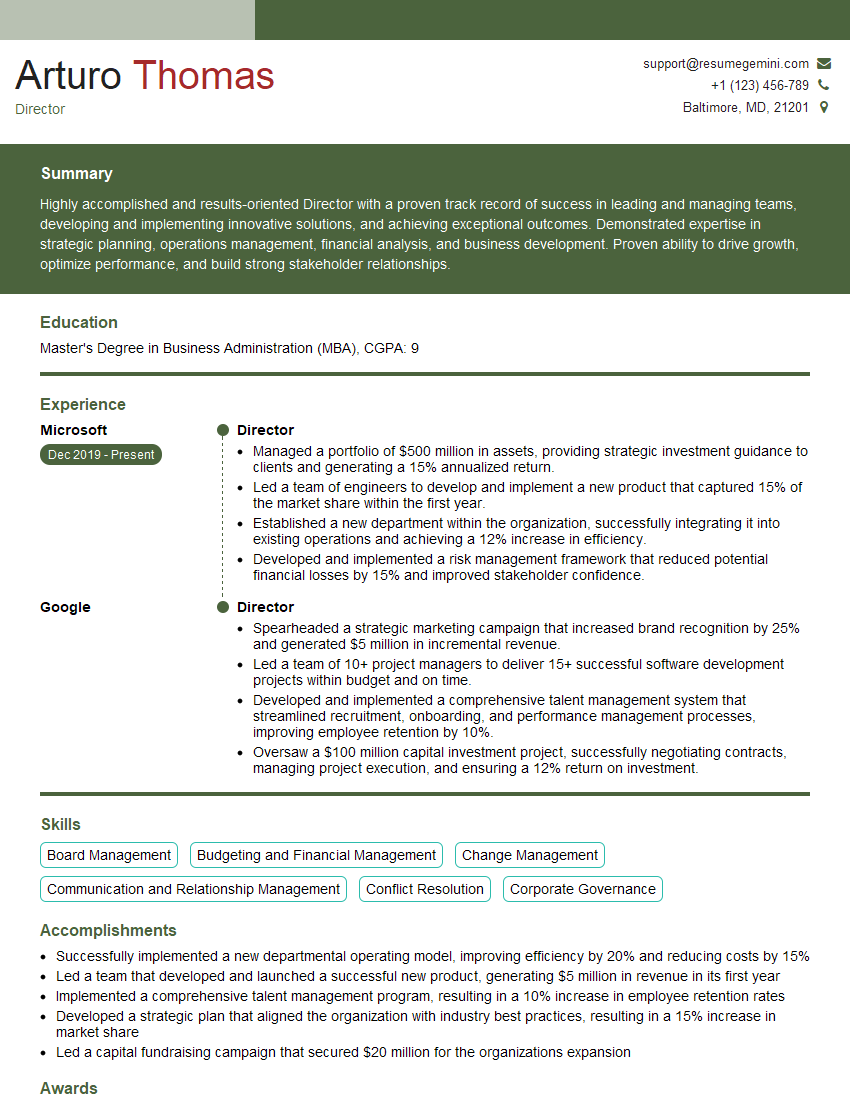
Director Resume Sample

Instructor Resume Sample

Professor Resume Sample
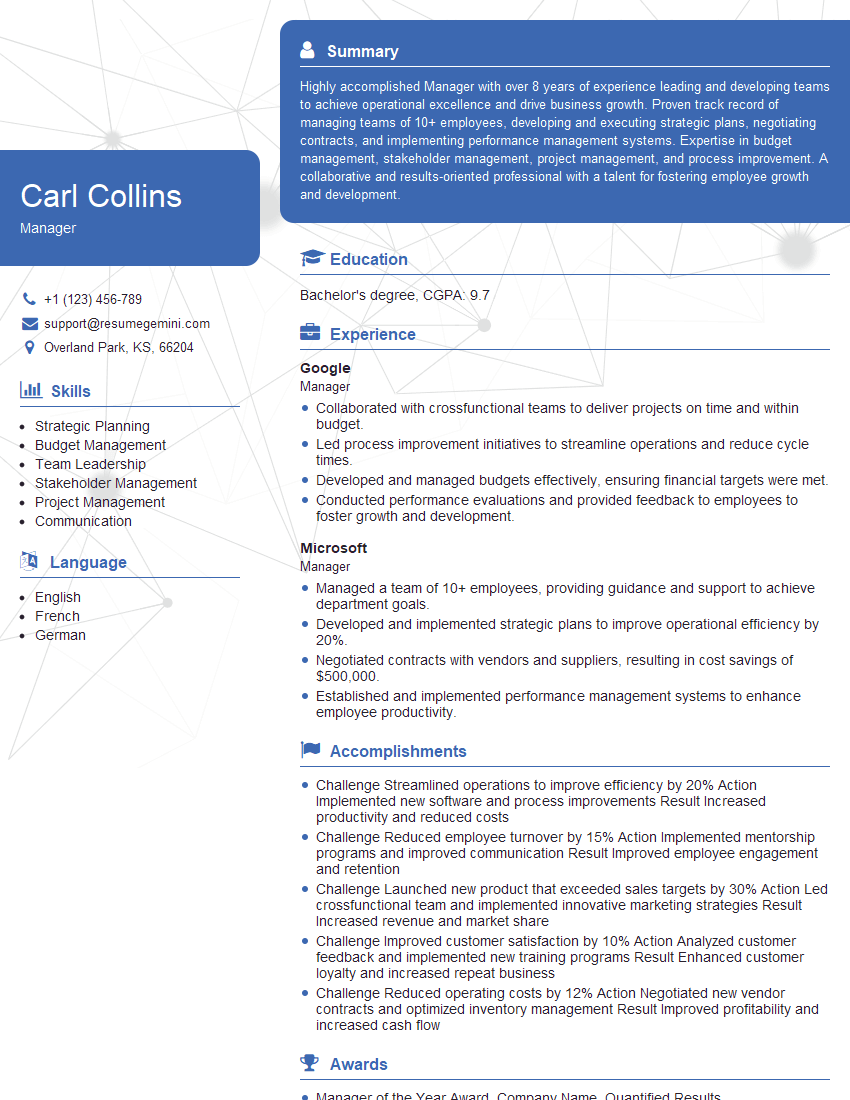
Manager Resume Sample
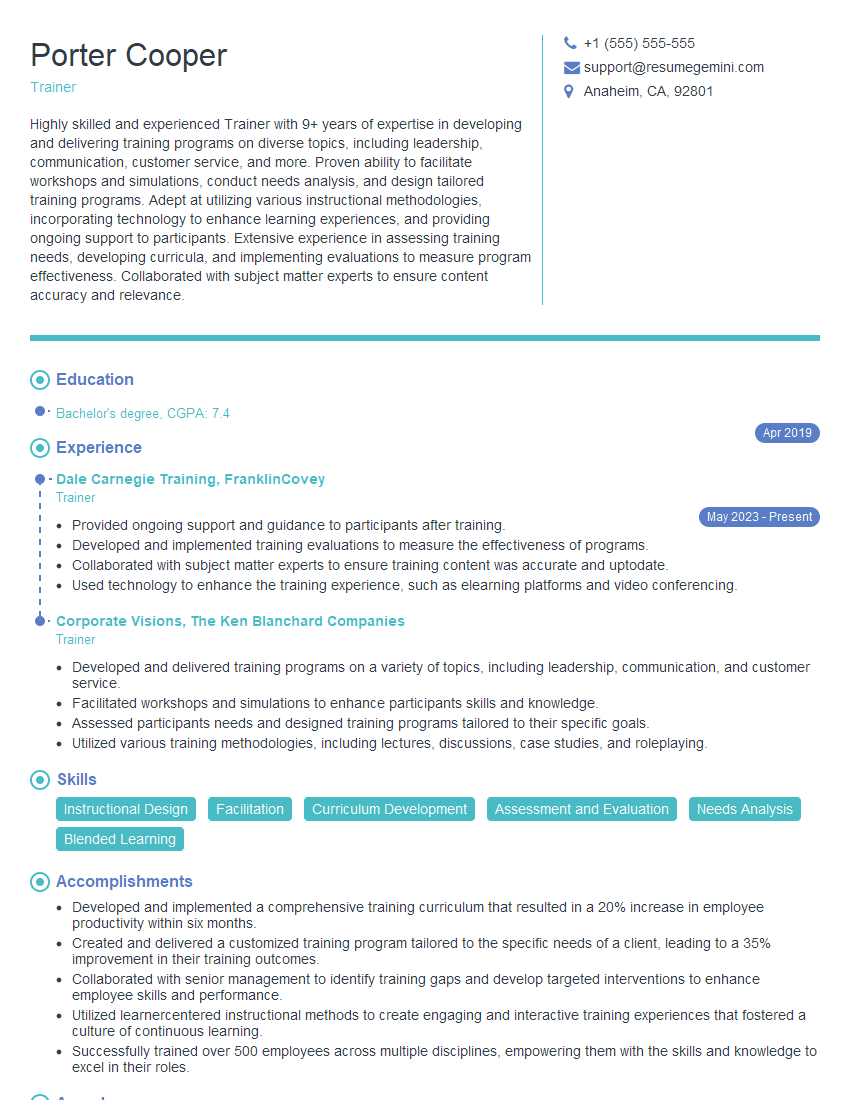
Trainer Resume Sample
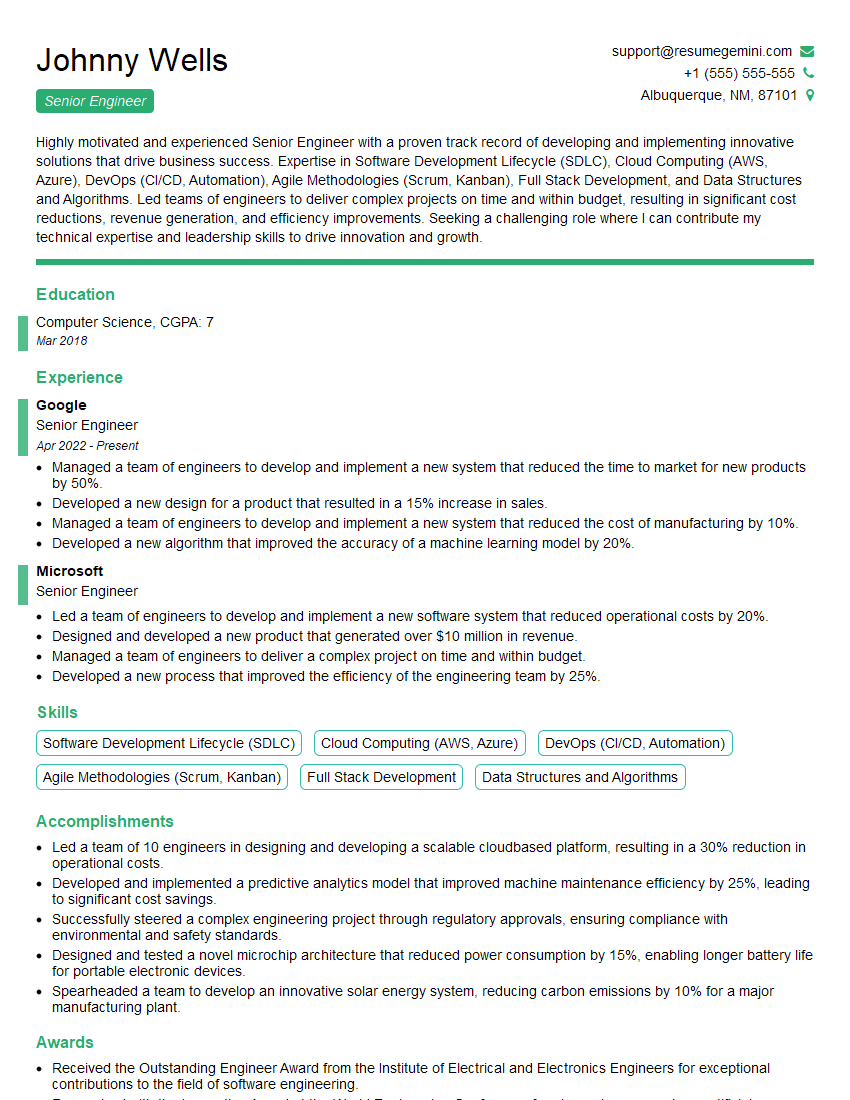
Senior Engineer Resume Sample
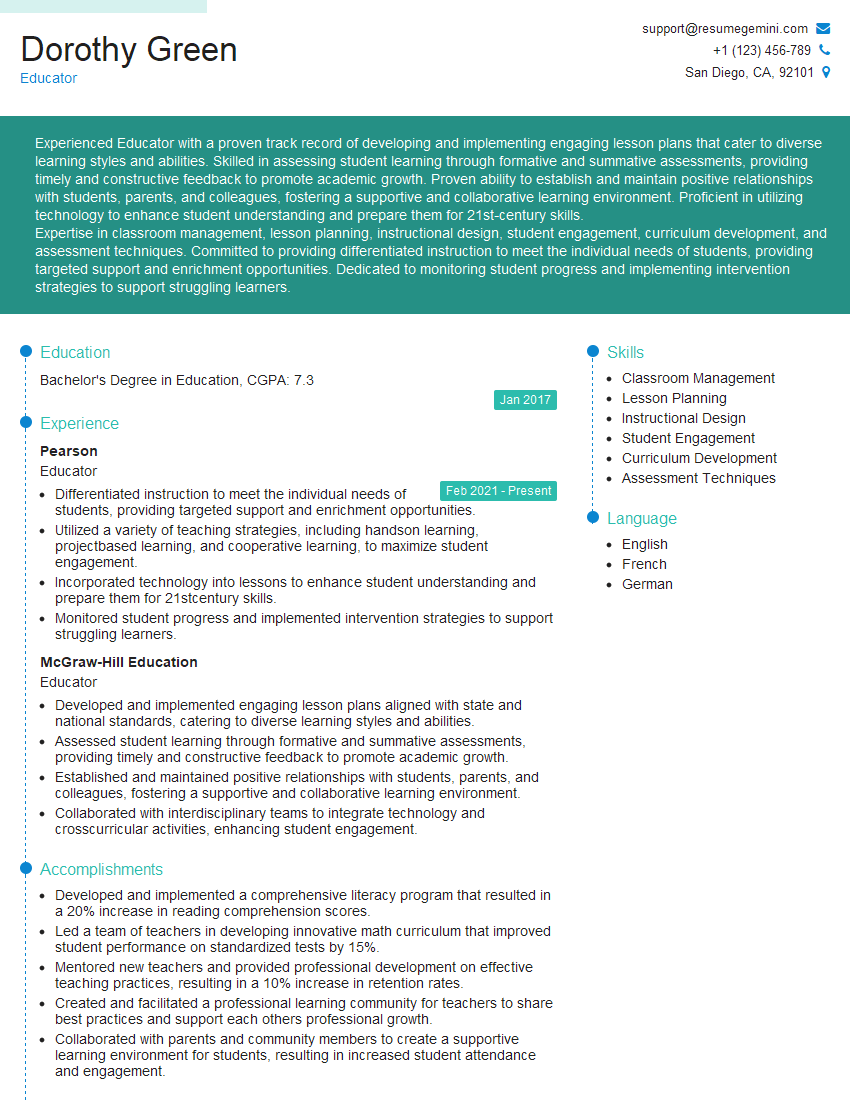
Educator Resume Sample
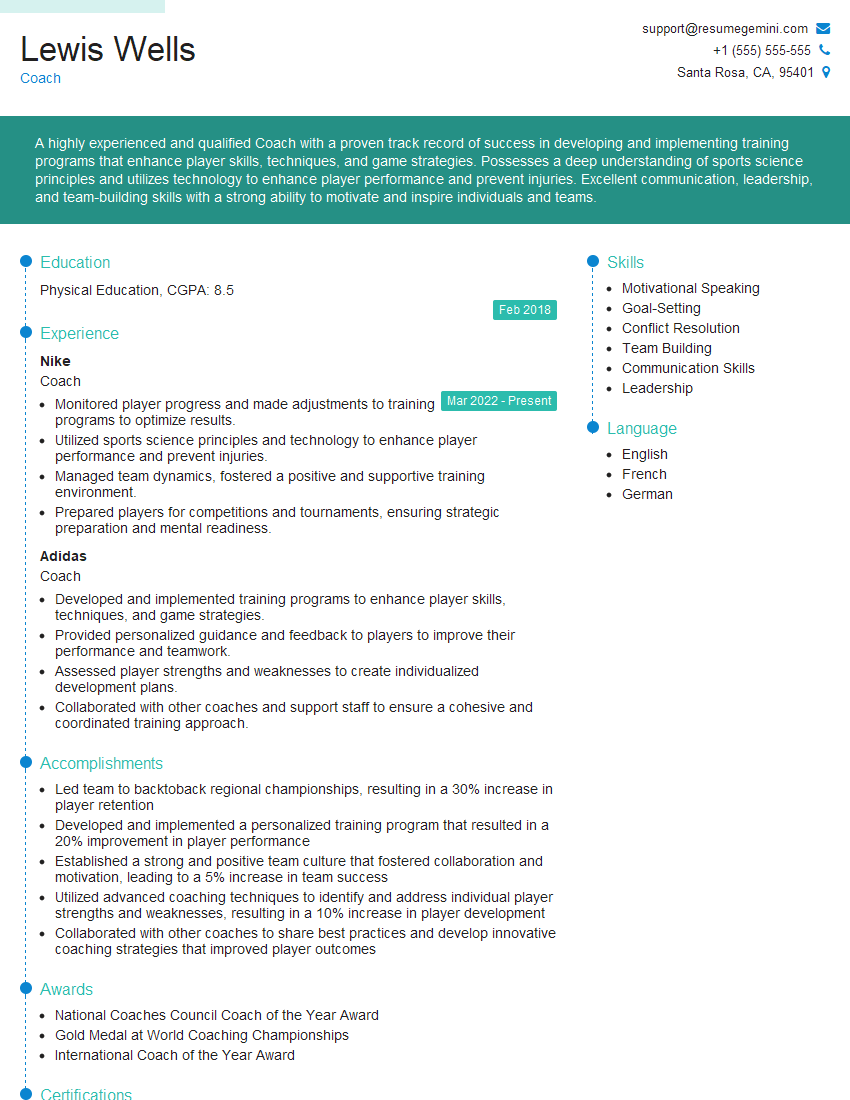
Coach Resume Sample
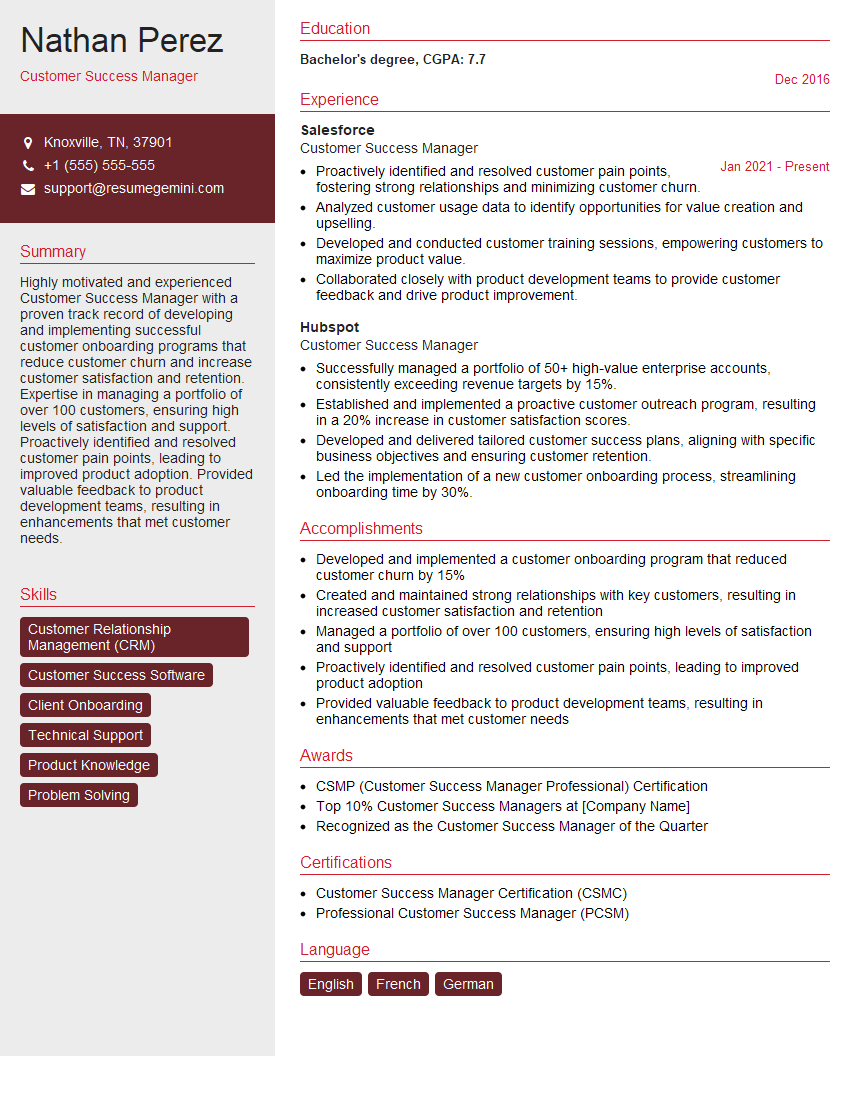
Customer Success Manager Resume Sample
Explore more articles
Users Rating of Our Blogs
Share Your Experience
We value your feedback! Please rate our content and share your thoughts (optional).
What Readers Say About Our Blog
I Redesigned Spongebob Squarepants and his main characters of my artwork.
https://www.deviantart.com/reimaginesponge/art/Redesigned-Spongebob-characters-1223583608
IT gave me an insight and words to use and be able to think of examples
Hi, I’m Jay, we have a few potential clients that are interested in your services, thought you might be a good fit. I’d love to talk about the details, when do you have time to talk?
Best,
Jay
Founder | CEO