Every successful interview starts with knowing what to expect. In this blog, we’ll take you through the top Knowledge of Orton-Gillingham Approach interview questions, breaking them down with expert tips to help you deliver impactful answers. Step into your next interview fully prepared and ready to succeed.
Questions Asked in Knowledge of Orton-Gillingham Approach Interview
Q 1. Explain the Orton-Gillingham multisensory approach.
The Orton-Gillingham (OG) approach is a multisensory method for teaching reading and spelling. “Multisensory” means it engages multiple senses simultaneously – visual, auditory, kinesthetic (movement), and tactile (touch) – to enhance learning and retention. Imagine learning the sound of /k/ by seeing the letter ‘k’, hearing the sound, tracing it with your finger, and then writing it in the air or on a surface. This simultaneous engagement strengthens neural pathways and makes learning more effective for students who struggle with traditional methods.
For example, when teaching the letter ‘b’, a teacher might show the letter (visual), say the sound /b/ (auditory), have the student trace the letter with their finger (kinesthetic/tactile), and then write the letter multiple times (kinesthetic/tactile). This multisensory approach helps solidify the letter-sound connection in the student’s mind.
Q 2. Describe the five key components of the Orton-Gillingham approach.
The five key components of the Orton-Gillingham approach are:
- Sequential, multisensory instruction: Skills are taught in a specific order, building upon previously learned concepts, and utilizing all senses.
- Structure: The program is highly structured and systematic, providing clear steps for learning and progress monitoring.
- Direct, explicit instruction: The teacher clearly models the skill, provides immediate feedback, and offers explicit guidance.
- Systematic review: Regular review of previously learned concepts is essential to prevent forgetting and strengthen memory retention. This is crucial for building fluency and automaticity.
- Diagnostic teaching: Teachers continuously assess the student’s progress and adjust instruction based on their individual needs. This personalized approach ensures effective learning for all students.
These components work together to create a powerful and effective learning experience, particularly beneficial for students with dyslexia or other learning differences.
Q 3. How does the OG approach address phonological awareness?
The OG approach addresses phonological awareness through explicit and systematic instruction in the sounds of language. It starts with the smallest units of sound (phonemes) and builds progressively to larger units like syllables and words. Activities might include:
- Phoneme isolation: Identifying the individual sounds in words (e.g., identifying the /k/ in ‘cat’).
- Phoneme blending: Combining individual sounds to form words (e.g., blending /k/ /æ/ /t/ to make ‘cat’).
- Phoneme segmentation: Breaking words into individual sounds (e.g., breaking ‘cat’ into /k/ /æ/ /t/).
- Rhyming: Identifying words that rhyme, which helps develop auditory discrimination skills.
- Syllable manipulation: Breaking words into syllables and manipulating them (e.g., adding or deleting syllables).
These activities are often done using multisensory techniques, such as clapping out syllables or using manipulatives to represent sounds. The emphasis is on building a strong foundation in understanding the sound structure of language, which is crucial for successful reading and spelling.
Q 4. Explain how you would teach grapheme-phoneme correspondence using the OG method.
Teaching grapheme-phoneme correspondence (the relationship between letters and sounds) using the OG method involves a multisensory approach. For example, teaching the grapheme ‘sh’:
- Introduce the sound: I’d start by saying the /ʃ/ sound clearly and having the student repeat it.
- Introduce the grapheme: I’d show the student the letters ‘sh’ written on a card.
- Multisensory activities: We’d then trace the ‘sh’ with our fingers on a textured surface (tactile), write it in the air (kinesthetic), and say the sound simultaneously (auditory).
- Connecting to words: Next, we’d introduce words containing ‘sh’, such as ‘ship’, ‘shoe’, and ‘sheep’, writing them on the board and repeatedly saying the words, emphasizing the /ʃ/ sound. Students would use manipulatives or letter tiles to build the words.
- Review and practice: Throughout the lesson and in subsequent lessons, we’d continue to review and practice the sound and its corresponding grapheme through various activities, including reading and writing exercises.
Throughout, I would provide explicit instruction, immediate feedback, and adjust my teaching based on the student’s response and understanding, ensuring a strong foundation in grapheme-phoneme correspondence is built.
Q 5. Describe your experience with differentiating instruction within an OG framework.
Differentiating instruction within an OG framework is crucial because students learn at different paces and have varying needs. My approach involves:
- Pre-assessments: I use a variety of assessments to determine a student’s current skill level in phonological awareness, phonics, fluency, and vocabulary.
- Individualized lesson plans: Based on pre-assessments, I develop individualized lesson plans that target specific skills and build upon prior knowledge. Some students might need more time on a specific phoneme, while others might move more quickly.
- Flexible grouping: I often use small group instruction to target specific needs and allow for differentiated instruction. This may involve grouping students according to similar skill levels or specific needs.
- Modified activities: I adapt activities based on individual learning styles and preferences. Some students might benefit from more hands-on activities, while others might prefer visual or auditory approaches.
- Progress monitoring: I regularly monitor student progress and adjust my instruction as needed. This continuous assessment ensures that students are receiving the support they need to succeed.
For instance, one student might need extra practice with blending sounds, while another might be ready for multisyllabic word work. By constantly adjusting my approach, I can help every student achieve success using the OG method.
Q 6. How do you assess a student’s reading level to determine their need for OG instruction?
Assessing a student’s reading level to determine their need for OG instruction involves a multi-faceted approach. I use a combination of:
- Formal assessments: Standardized tests like the Woodcock-Johnson or the Wechsler Individual Achievement Test can provide a comprehensive overview of reading skills.
- Informal assessments: I use informal measures, such as oral reading fluency assessments, phonics inventories, and informal reading inventories, to gain a deeper understanding of specific reading strengths and weaknesses.
- Observations: Direct observation of the student’s reading and writing behavior provides valuable qualitative data. I observe their reading accuracy, fluency, comprehension, and spelling skills.
- Curriculum-based measures: These assessments directly measure student progress on specific curriculum skills. This helps me track their progress with targeted OG instruction.
By combining these assessment methods, I can create a holistic picture of a student’s reading abilities and determine if the Orton-Gillingham approach is the appropriate intervention.
Q 7. What are some common challenges students face when learning to read using the Orton-Gillingham approach, and how do you address them?
Common challenges students face with the OG approach can include:
- Frustration with the slow pace: Some students may find the systematic and sequential nature of OG slower than traditional methods. This can lead to frustration. Addressing this involves positive reinforcement, celebrating small victories, and frequently linking the learning to real-world application and relevance.
- Difficulty with auditory processing: Students with auditory processing difficulties may struggle to discriminate between similar sounds. Addressing this requires explicit instruction in auditory discrimination, and using visual and tactile aids to support auditory learning.
- Maintaining motivation: Keeping students engaged and motivated throughout the process is key. This involves using a variety of engaging activities, incorporating games, and celebrating progress regularly.
Addressing these challenges involves patience, a flexible approach, and creative problem-solving. I find that incorporating games, using a variety of materials, offering choices, providing frequent positive reinforcement, and building strong rapport with the student are highly effective strategies.
Q 8. How do you incorporate technology into Orton-Gillingham instruction?
Technology can significantly enhance Orton-Gillingham (OG) instruction, but it’s crucial to remember that it should supplement, not replace, the multisensory, structured approach. We shouldn’t let technology overshadow the core principles of OG.
Interactive Whiteboards and Software: Programs like Read Naturally and Lexia Learning can provide engaging practice with phonics, fluency, and vocabulary. Interactive whiteboards allow for visual demonstrations of word building and sound manipulation.
Speech-to-Text and Text-to-Speech Software: These tools can help students hear words pronounced correctly, check their own writing, and improve their reading fluency. For example, a student can dictate a sentence and then review it for accuracy.
Digital Flashcards and Games: Apps and websites offer interactive ways to practice spelling patterns, sight words, and vocabulary. The gamification aspect often boosts motivation and engagement.
Assistive Technology: For students with additional needs, assistive technology like text-to-speech software and word prediction can be integrated to support reading and writing.
The key is thoughtful integration. Technology should be used to reinforce concepts taught through the multisensory OG method, not as a standalone solution. For instance, after teaching the short vowel ‘a’ sound using manipulatives and kinesthetic activities, I might use an app to provide additional practice.
Q 9. Explain the role of systematic and explicit instruction in the OG method.
Systematic and explicit instruction are cornerstones of the OG approach. Think of it like building a house: you wouldn’t start with the roof; you need a solid foundation.
Systematic: This means following a carefully planned sequence of skills. We begin with the most basic phonetic elements and gradually build upon them. For example, we start with single consonants, then move to consonant blends, short vowels, long vowels, and so on, following a logical progression. Each skill is taught thoroughly before moving on.
Explicit: This means clearly and directly teaching each skill. We don’t assume students will inherently understand; instead, we model the skill, provide ample opportunities for practice, and give clear, corrective feedback. This means showing students exactly *how* to blend sounds to read words, not just expecting them to figure it out.
The combination of systematic and explicit instruction ensures that students develop a strong foundation in phonemic awareness, phonics, spelling, and reading fluency. It’s not just about memorization; it’s about understanding the underlying rules and patterns of the English language.
Q 10. How do you monitor student progress and adjust instruction accordingly in an OG program?
Monitoring progress is an ongoing process in OG. It’s not a one-size-fits-all approach. We need to be flexible and adapt based on individual student needs.
Regular Assessments: I use a variety of formative assessments, including informal probes (quick checks of specific skills), curriculum-based measurements (CBM), and other standardized or informal assessments to track progress in reading accuracy, fluency, and comprehension.
Data-Driven Instruction: Assessment results inform my instructional decisions. If a student is struggling with a particular skill, I will spend more time on that skill, using different teaching strategies, or providing additional practice. I might use different manipulatives or change the activity to cater to their learning styles.
Observation: Close observation during lessons is vital. I note student engagement, understanding, and any signs of frustration or confusion. This helps me tailor my instruction to their immediate needs.
Parent Communication: I regularly communicate with parents to provide updates on their child’s progress and collaborate on strategies to support learning at home.
For example, if a student consistently struggles with digraphs, I would dedicate more time to teaching and practicing them using various multisensory techniques before moving on to other concepts.
Q 11. Describe your experience working with students with dyslexia using the Orton-Gillingham approach.
I’ve worked with numerous students with dyslexia using the OG approach. I’ve seen firsthand its effectiveness in helping students overcome reading and spelling challenges.
One student, let’s call him Alex, struggled immensely with reading in the traditional classroom. He was frustrated and lacked confidence. Using the OG approach, we began with building a strong foundation in phonemic awareness, focusing on the sounds of individual letters and their combinations. We used multisensory techniques – manipulatives, tracing letters in sand, and writing in the air – to engage his different learning pathways. Gradually, he started to decode words successfully, and his confidence grew. He transitioned from struggling to becoming a confident reader. These successes are incredibly rewarding.
Another example is Sarah. Her spelling was highly inconsistent. Using the OG approach, we systematically taught her letter-sound correspondences, common spelling patterns, and morphological analysis. This structured approach made her spelling significantly more accurate and consistent. These cases highlight that the success of OG relies on the systematic, structured, and multi-sensory approach which caters to the unique needs of dyslexic learners.
Q 12. What are some modifications you might make to the Orton-Gillingham approach for students with diverse learning needs?
The OG approach is adaptable for diverse learners. Modifications are key to ensuring success for every student.
Addressing Attention Challenges: For students with ADHD, I might incorporate movement breaks, shorter lesson segments, and highly engaging activities.
Visual Supports: Students with visual processing difficulties might benefit from color-coded materials, graphic organizers, and enlarged print.
Auditory Supports: For students with auditory processing challenges, I might use visual aids alongside auditory input, provide repeated instructions, and break down tasks into smaller, more manageable steps.
Technology Integration: As previously discussed, assistive technology can be valuable for students with various learning differences.
Differentiated Instruction: I might adjust the pace, level of complexity, or type of activities based on individual needs. Some students might need more time on specific skills or more repetition than others.
The core principles of OG remain the same, but the implementation can be adjusted to meet the specific learning styles and needs of each student. The goal remains to build a strong foundation in literacy skills using multisensory methods.
Q 13. How do you collaborate with parents and other professionals to support students using the OG approach?
Collaboration is essential for successful OG implementation. Parents and other professionals play crucial roles in supporting the student’s learning journey.
Parent Communication: I regularly communicate with parents, explaining the OG approach, sharing progress updates, and providing strategies for home practice. This includes sharing materials, assignments, and suggesting engaging activities parents can do with their child at home.
Collaboration with Other Professionals: I work closely with other professionals, such as school psychologists, special education teachers, and occupational therapists, to develop a comprehensive support plan for each student. This may involve sharing assessment data, coordinating interventions, and adapting the OG approach to address any additional needs.
Team Meetings: Regular team meetings help us to share insights, discuss progress, and adjust strategies as needed. It’s a collaborative approach designed to ensure the student receives the most effective support possible.
For example, collaborating with an occupational therapist might help address underlying motor skill challenges that could impact a student’s ability to write or manipulate objects during OG lessons. This ensures a holistic approach to literacy development.
Q 14. Describe your experience with different Orton-Gillingham programs or curricula.
My experience encompasses various OG programs and curricula, each with its strengths and nuances. I’ve worked with Wilson Reading System, Barton Reading & Spelling, and other programs tailored to the OG approach.
The Wilson Reading System is known for its comprehensive and systematic approach, providing a detailed sequence of skills and explicit instruction. Barton Reading & Spelling offers a slightly different approach, focusing on a more integrated phonics and spelling curriculum. These differences allow for flexibility in selecting the most suitable program for individual student needs. My selection depends on the student’s specific needs, age, and prior learning experiences. It’s important to choose a curriculum that best addresses their challenges and learning style.
Regardless of the specific program used, I always prioritize the core principles of OG: multisensory instruction, systematic and explicit teaching, and ongoing progress monitoring. The method is adaptable; the program is a tool to achieve the goals set for the student’s success.
Q 15. How do you ensure that your Orton-Gillingham instruction is research-based?
My Orton-Gillingham (OG) instruction is deeply rooted in research. I regularly consult the foundational texts by Orton and Gillingham, as well as contemporary research on reading acquisition and intervention. This includes studies on phonological awareness, phonics, fluency, vocabulary, and comprehension. For example, I stay updated on research demonstrating the effectiveness of systematic and explicit instruction, a cornerstone of the OG approach. I also incorporate findings on the importance of multisensory techniques, such as the use of visual, auditory, kinesthetic, and tactile modalities, which have been shown to significantly improve learning outcomes in students with dyslexia and other reading difficulties. I actively participate in professional development opportunities focused on the latest research in this field to ensure my practice remains current and evidence-based.
Career Expert Tips:
- Ace those interviews! Prepare effectively by reviewing the Top 50 Most Common Interview Questions on ResumeGemini.
- Navigate your job search with confidence! Explore a wide range of Career Tips on ResumeGemini. Learn about common challenges and recommendations to overcome them.
- Craft the perfect resume! Master the Art of Resume Writing with ResumeGemini’s guide. Showcase your unique qualifications and achievements effectively.
- Don’t miss out on holiday savings! Build your dream resume with ResumeGemini’s ATS optimized templates.
Q 16. How do you teach morphology using a multisensory approach?
Teaching morphology using a multisensory approach within OG involves making the study of word parts engaging and memorable. We begin with concrete examples. For instance, let’s take the word unbreakable. Students would first manipulate letter tiles to build the word, experiencing its physical form. Then, we break it down: un- (prefix meaning ‘not’), break (root word), and -able (suffix meaning ‘capable of’). Each part is explored separately using different modalities. We might sound out each morpheme, write it on the board, trace it in sand or on a whiteboard, or even act out its meaning. For example, acting out ‘breakable’ might involve mimicking something breaking. This hands-on, multisensory approach strengthens memory and understanding of word formation, enabling students to decode and spell more complex words independently. We use color-coding to distinguish prefixes, suffixes, and root words, further enhancing visual memory.
Q 17. Explain how you would use the OG approach to address spelling difficulties.
Addressing spelling difficulties with OG involves a systematic, sequential approach. We start by assessing the student’s phonological awareness and their ability to segment sounds in words. Then, we systematically introduce letter-sound relationships, focusing on accurate pronunciation and the corresponding graphemes. For example, if a student struggles to spell ‘ship’, we’d break it down phoneme by phoneme (/sh/, /i/, /p/), connecting each sound to its letter(s) using multisensory techniques like writing the sounds in sand, tracing letters in the air, or using letter tiles. We gradually increase word complexity, reinforcing previously learned skills. We also address common spelling patterns and rules explicitly. If a student misspells ‘neighbor’, we might explore the ‘ei’ vowel combination and its sound. Regular assessments and targeted interventions ensure that the student masters each skill before moving on, building a strong foundation for accurate spelling.
Q 18. Describe your experience with fluency instruction using Orton-Gillingham.
Fluency instruction within an OG framework emphasizes repeated reading of decodable texts, gradually increasing in length and complexity. Initially, I use texts that directly align with the student’s phonetic knowledge, ensuring they can accurately decode each word. This builds confidence and automaticity. We incorporate repeated readings, focusing on accuracy, rate, and expression. We might use timers to monitor reading speed and provide positive reinforcement for improvement. I also model fluent reading, emphasizing intonation and phrasing, and we work on prosody and expression together. For students struggling with certain words or passages, I might employ techniques like choral reading or echo reading to improve accuracy and build confidence. The goal is not just to read quickly, but to read with comprehension and expression.
Q 19. How do you build rapport with students and create a positive learning environment within an Orton-Gillingham program?
Building rapport is crucial in an OG program. I prioritize creating a safe and supportive learning environment where students feel comfortable taking risks and making mistakes. I start by getting to know each student individually, understanding their interests, learning styles, and past experiences with reading. I use positive reinforcement and praise to celebrate successes, no matter how small. I also emphasize the student’s strengths and build upon them. For example, if a student excels in art, I might incorporate art-based activities into our reading lessons. Open communication with the student and their family is paramount, ensuring everyone understands the process and feels involved in the student’s progress. Creating a collaborative and encouraging atmosphere is key to fostering a positive learning experience.
Q 20. What are some strategies for engaging students with varying learning styles within an OG framework?
Engaging students with diverse learning styles within an OG framework requires flexibility and creativity. I use a multisensory approach, ensuring that lessons incorporate visual, auditory, kinesthetic, and tactile modalities. For visual learners, I use color-coded charts and graphic organizers. For auditory learners, I emphasize oral instruction and repeated readings. Kinesthetic learners benefit from hands-on activities like manipulating letter tiles, writing in sand, or using modeling clay to form letters. Tactile learners might benefit from tracing letters on textured surfaces. I also differentiate instruction by providing varied activities and materials, adjusting the level of support based on each student’s needs. Regular assessment helps me monitor progress and adapt my teaching strategies accordingly.
Q 21. How do you address the emotional and social aspects of learning difficulties when using the OG approach?
Addressing the emotional and social aspects of learning difficulties is integral to the OG approach. Students struggling with reading often experience frustration, anxiety, and low self-esteem. I create a supportive and non-judgmental environment where students feel safe to express their emotions. I celebrate their progress and build their confidence through positive feedback and encouragement. I might incorporate mindfulness or relaxation techniques to help manage anxiety. Collaboration with parents, school counselors, and other professionals is crucial. Open communication ensures a consistent approach to support the student’s emotional and social well-being. The goal is to foster a sense of self-efficacy and resilience, empowering students to overcome their challenges and believe in their ability to succeed.
Q 22. How do you adapt your teaching strategies for students with different learning profiles?
The Orton-Gillingham approach is inherently adaptable because it’s multi-sensory and systematic. I adjust my teaching based on a student’s specific strengths and weaknesses, identified through ongoing assessment. For example, a student who struggles with auditory processing might benefit from more visual aids like color-coded charts or manipulatives. Conversely, a student who excels visually might need less emphasis on visual cues and more focus on kinesthetic activities, such as tracing letters in sand or writing on a whiteboard. I also modify the pace of instruction; some students need more time to process information, while others move quickly. The key is to provide consistent, explicit instruction tailored to the individual learning style and pace.
- Visual Learners: Using flashcards, graphic organizers, and color-coding.
- Auditory Learners: Incorporating rhymes, songs, and verbal repetition.
- Kinesthetic Learners: Utilizing hands-on activities like building words with letter tiles or writing in sand.
Ultimately, I aim for a personalized learning experience that caters to each student’s unique needs while adhering to the structured, sequential nature of the Orton-Gillingham method.
Q 23. What are some limitations of the Orton-Gillingham approach?
While the Orton-Gillingham approach is highly effective for many students with dyslexia and other learning differences, it does have some limitations. One is the intensive, one-on-one or small-group instruction it often requires. This can make it expensive and challenging to implement in resource-constrained settings. Another limitation is the time commitment involved; it can take considerable time to achieve fluency, particularly for students with severe difficulties. Furthermore, while Orton-Gillingham addresses phonological awareness, phonics, fluency, vocabulary, and spelling, it may not explicitly address comprehension strategies as comprehensively as other reading interventions. Finally, the lack of standardized assessment tools specifically designed for Orton-Gillingham makes measuring progress against external benchmarks more challenging than with some other approaches.
Q 24. Describe how you would integrate the Orton-Gillingham approach with other literacy interventions.
Orton-Gillingham’s strength lies in its systematic and explicit instruction, making it a great foundation to build upon. I often integrate it with other interventions to create a comprehensive literacy program. For example, I might use the Orton-Gillingham approach to build foundational phonetic skills and then supplement this with a program focused on reading comprehension, like reciprocal teaching. Or, if a student struggles with writing, I’d use the structured approach of Orton-Gillingham for spelling and writing, while simultaneously incorporating assistive technology like speech-to-text software to support written expression. The key is to create a cohesive plan where each intervention supports and complements the other.
Think of it as building a house: Orton-Gillingham provides the solid foundation (phonics, spelling), while other interventions add the walls (comprehension), roof (fluency), and finishing touches (vocabulary). The goal is a strong, functional whole.
Q 25. Explain your understanding of the role of assessment in the Orton-Gillingham method.
Assessment is crucial in Orton-Gillingham, informing every aspect of instruction. It’s not a one-time event but rather an ongoing process. I use a variety of assessments, both formative and summative. Formative assessments, like daily probes and informal observations during lessons, help me monitor progress in real-time and adjust my instruction accordingly. These are frequent checks to see if what I’m doing is actually working for the student. Summative assessments, such as standardized tests (when appropriate) and more formal probes, provide a broader picture of the student’s overall progress. This data helps me identify areas where the student needs more support, track their growth over time, and demonstrate the effectiveness of the intervention to parents and other stakeholders. For example, I might track a student’s accuracy in blending sounds, their spelling performance, and their reading fluency. The consistent monitoring ensures that the teaching is meeting the student’s individual needs.
Q 26. How would you explain the Orton-Gillingham approach to parents?
I explain Orton-Gillingham to parents by emphasizing its multi-sensory and systematic nature. I explain that it’s a structured approach that teaches the building blocks of reading and spelling explicitly, focusing on the sounds of language (phonemes) and their corresponding letter combinations (graphemes). I explain how it builds upon the student’s strengths, addresses their weaknesses, and moves sequentially through skills. I often use the analogy of learning a new language; Orton-Gillingham provides the rules and structure needed to successfully decode and encode words. I’d share examples of how it uses multiple senses (seeing, hearing, touching, and saying) to help students learn and retain information. I also stress the importance of consistency and practice at home, highlighting the collaborative nature of supporting a student’s literacy development.
Q 27. Describe a time you had to adapt your Orton-Gillingham instruction to meet a student’s individual needs.
I once worked with a student who had severe phonological processing difficulties. He struggled to discriminate between similar-sounding phonemes like /b/ and /p/. While the Orton-Gillingham approach provided a strong framework, I had to adapt it to address his specific challenge. I incorporated more visual and kinesthetic activities. For instance, I used colored blocks representing sounds, allowing him to physically manipulate them while blending and segmenting words. I also emphasized exaggerated pronunciation to help him differentiate between sounds. Additionally, I slowed the pace of instruction and provided more opportunities for repetition and practice. Through careful monitoring and adjustments, we successfully built his phonological awareness, eventually leading to improvements in his reading and spelling.
Key Topics to Learn for Your Orton-Gillingham Approach Interview
Ace your interview by mastering these key areas of the Orton-Gillingham Approach. Remember, a deep understanding of both theory and practice is key!
- The Orton-Gillingham Principles: Understand the core tenets of the approach, including its multisensory, sequential, and explicit nature. Be prepared to discuss how these principles contribute to effective reading and spelling instruction.
- Phonemic Awareness and Phonological Processing: Demonstrate your knowledge of how the Orton-Gillingham approach addresses these crucial pre-reading skills. Be ready to discuss practical activities and assessments used to evaluate and improve these skills.
- Phonics and Word Study: Explain the systematic and explicit phonics instruction inherent in the Orton-Gillingham approach. Be prepared to discuss specific techniques for teaching letter-sound relationships, blending, segmenting, and spelling.
- Morphology and Syntax: Illustrate your understanding of how the Orton-Gillingham approach integrates morphological awareness and syntactic understanding into reading and writing instruction. Consider discussing examples of activities that target these areas.
- Reading Fluency and Comprehension: Explain how the Orton-Gillingham approach supports the development of fluent reading and comprehension skills. Be prepared to discuss strategies for improving reading rate, accuracy, and understanding.
- Differentiation and Assessment: Discuss how the Orton-Gillingham approach is adapted to meet the diverse needs of learners. Explain your understanding of various assessment tools used to monitor progress and make instructional decisions.
- Practical Application: Be ready to discuss specific Orton-Gillingham lesson plans, activities, and materials. Consider examples from your experience (if applicable) showcasing your practical application of the methodology.
Next Steps: Set Yourself Up for Success
Mastering the Orton-Gillingham Approach significantly enhances your value as a skilled educator. To maximize your job prospects, a strong, ATS-friendly resume is crucial. This is where ResumeGemini comes in. ResumeGemini provides a powerful platform to craft a compelling resume that highlights your expertise in the Orton-Gillingham Approach. We offer examples of resumes tailored specifically to this field, giving you a head start in creating a document that showcases your unique skills and experience. Invest the time – it will pay off!
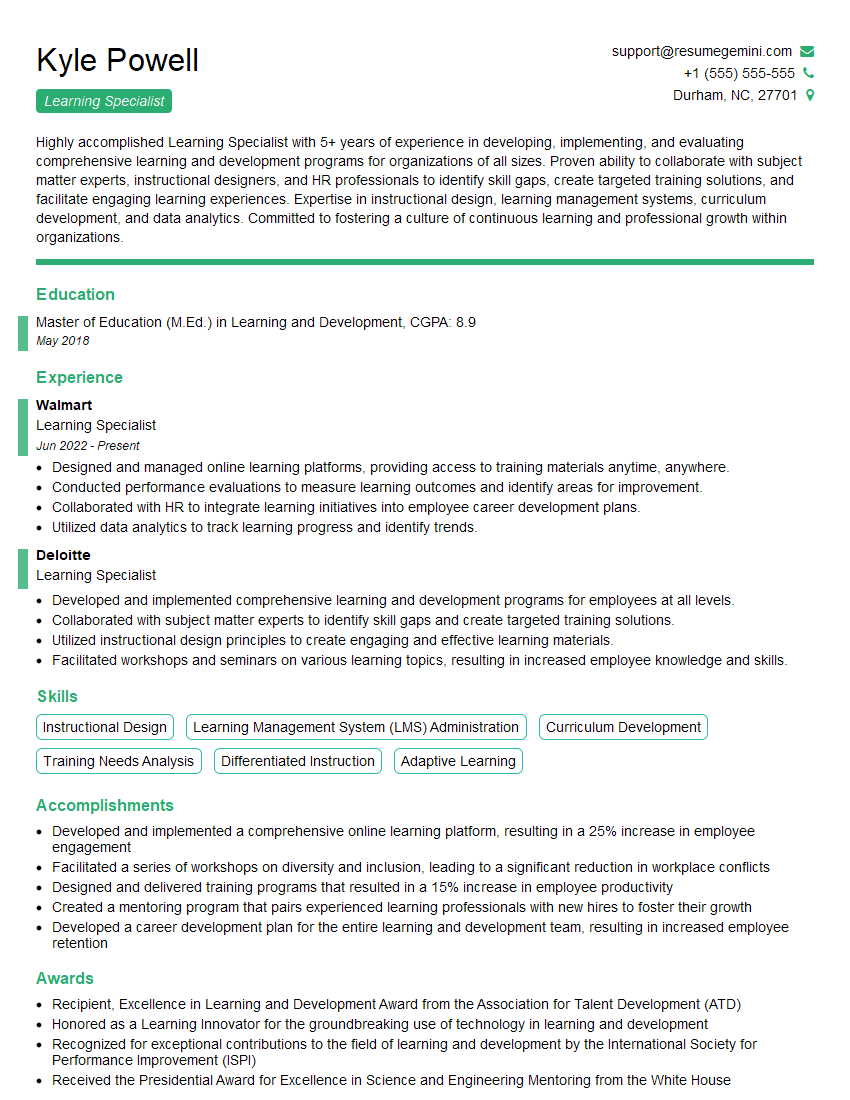
Learning Specialist Resume Sample
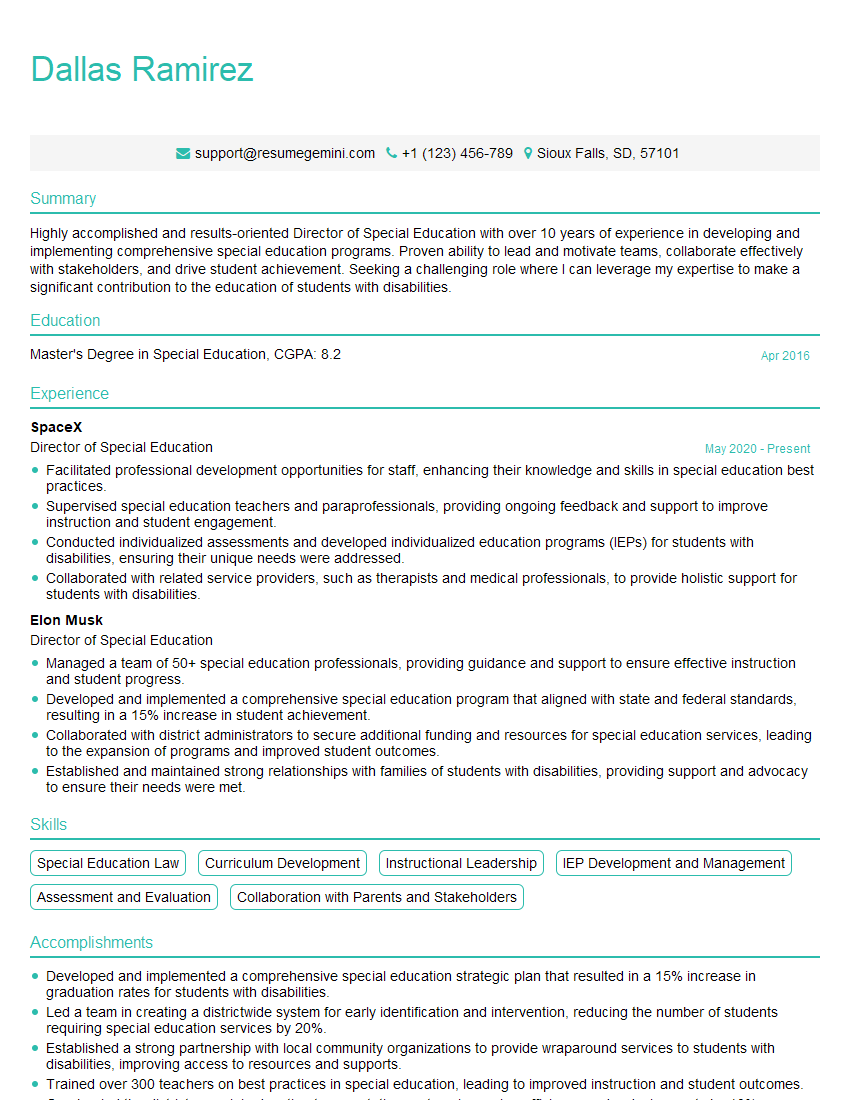
Director of Special Education Resume Sample

Curriculum Developer Resume Sample
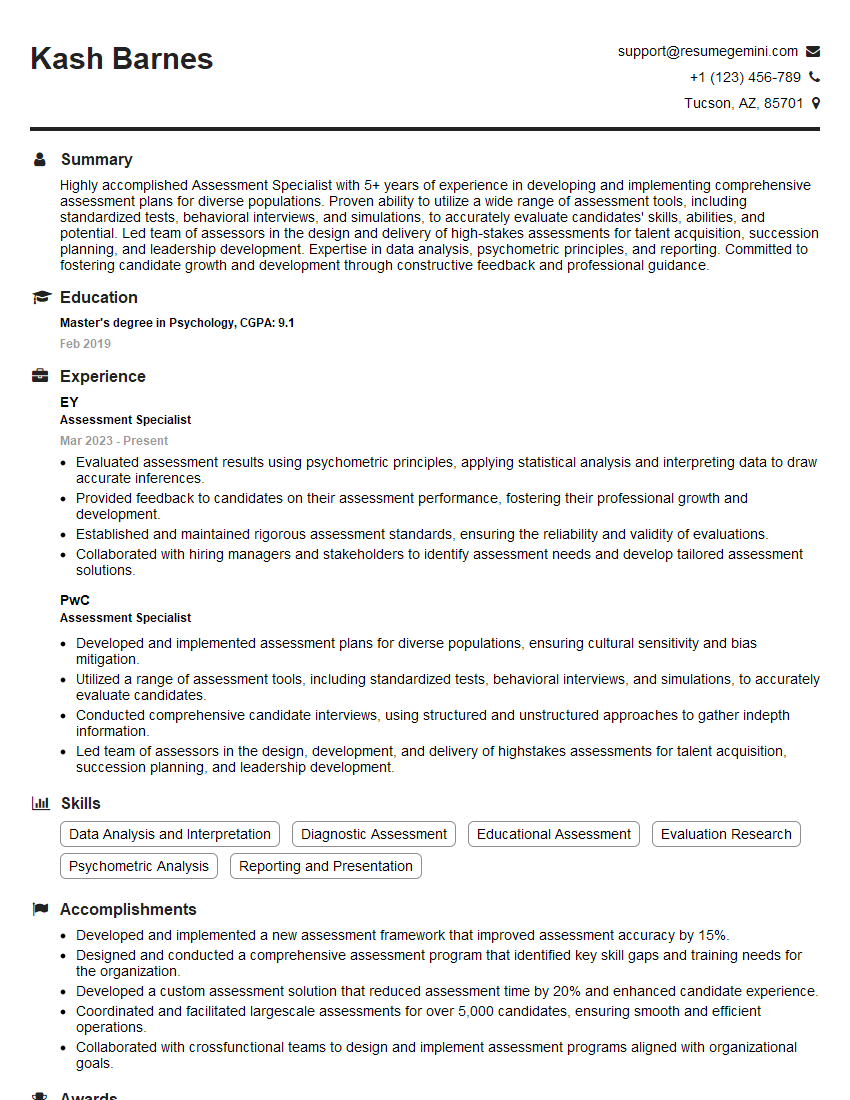
Assessment Specialist Resume Sample
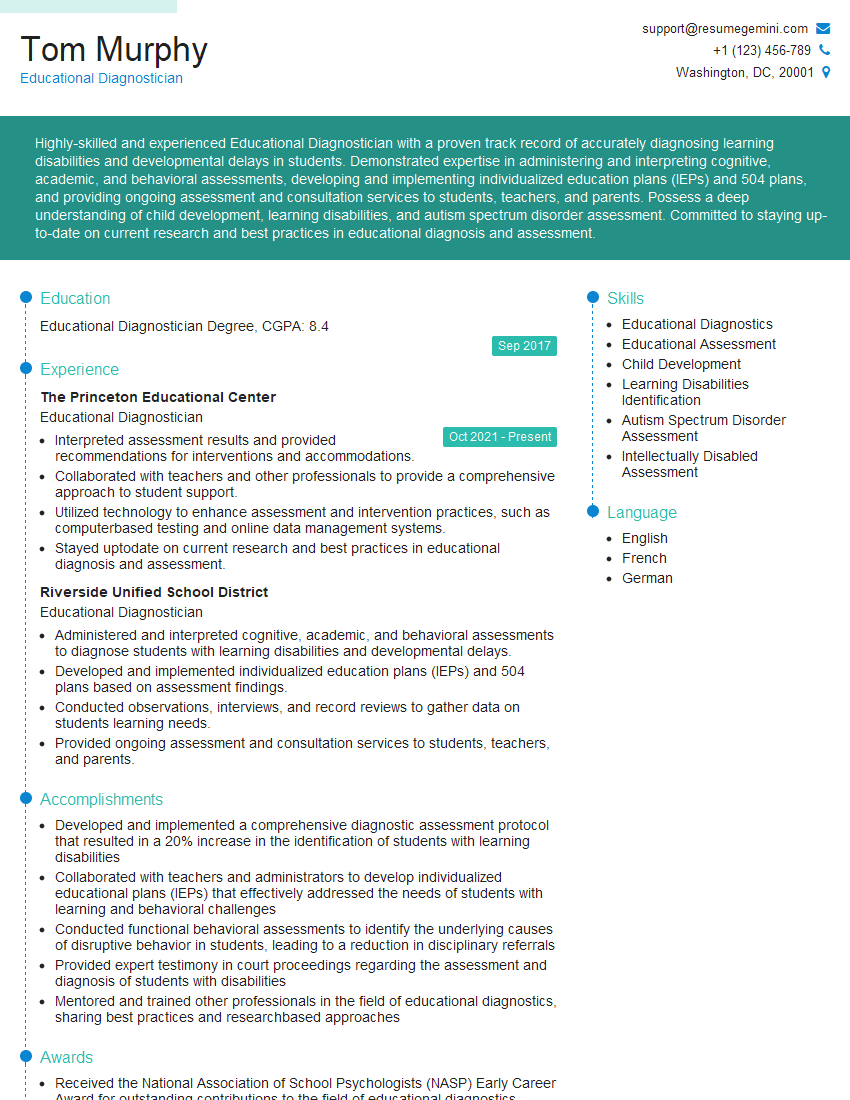
Educational Diagnostician Resume Sample
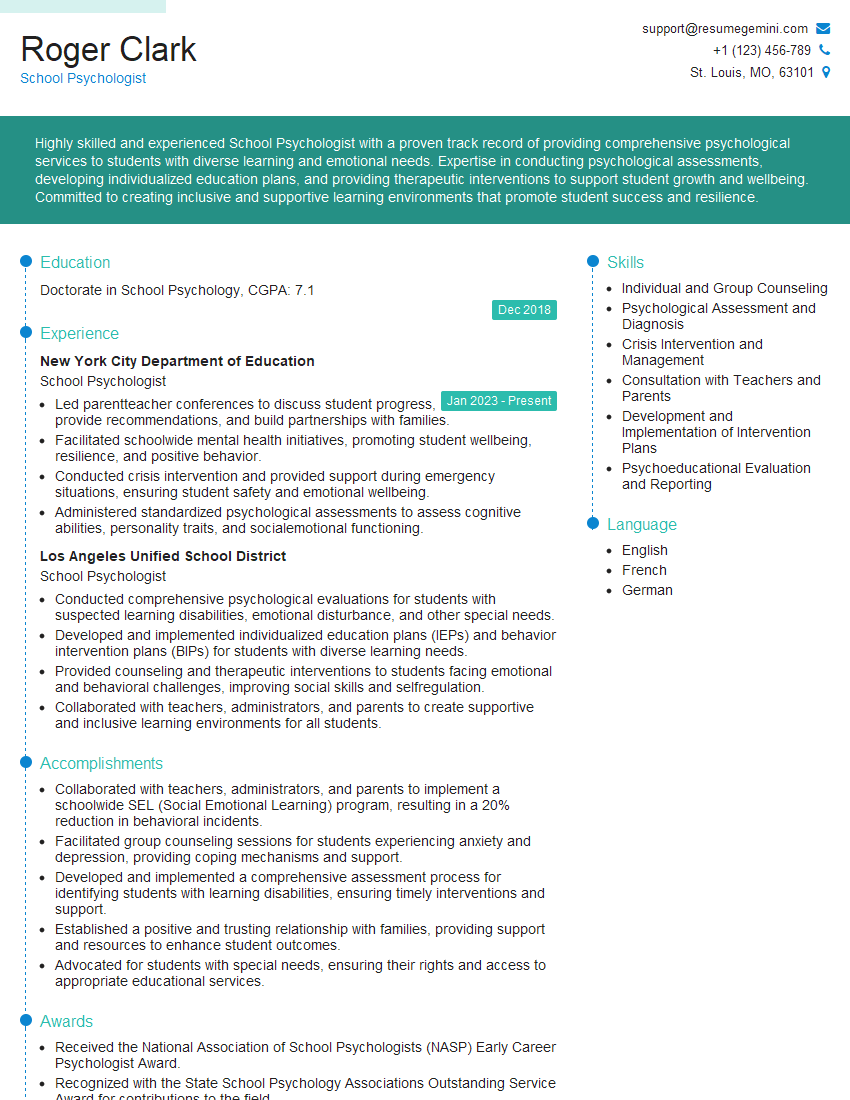
School Psychologist Resume Sample
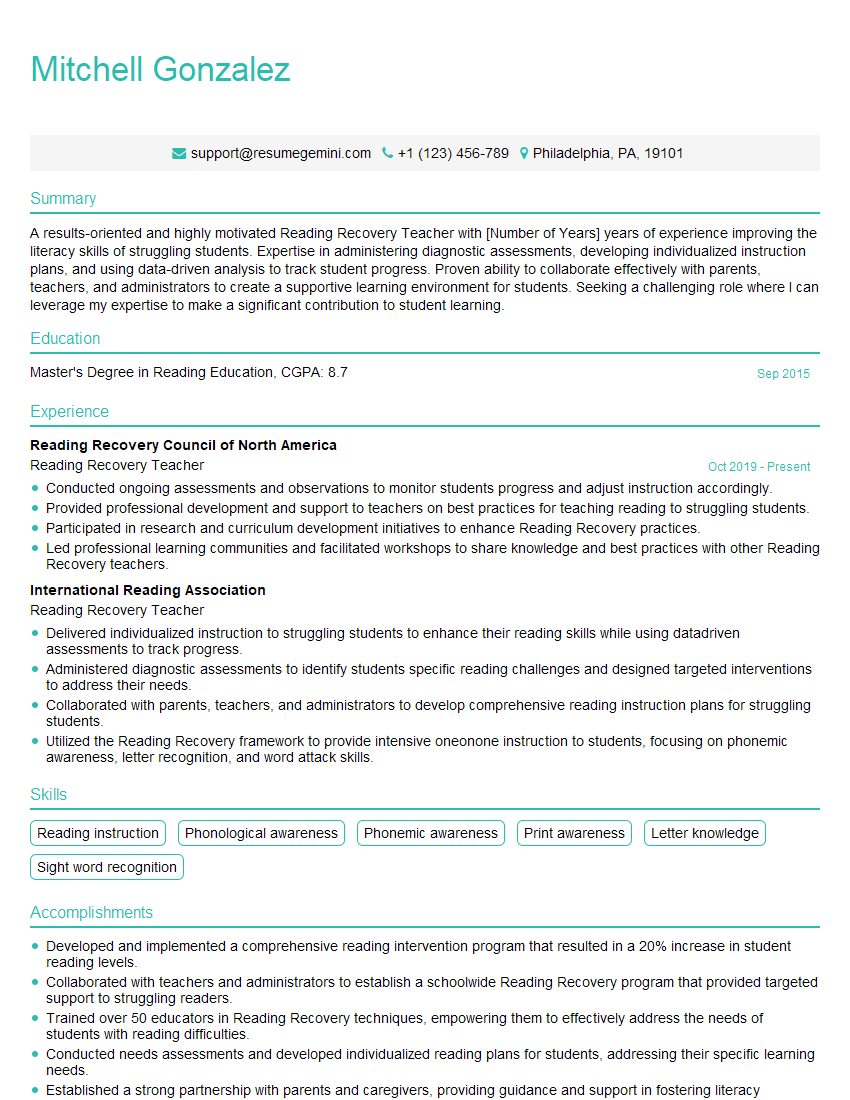
Reading Recovery Teacher Resume Sample
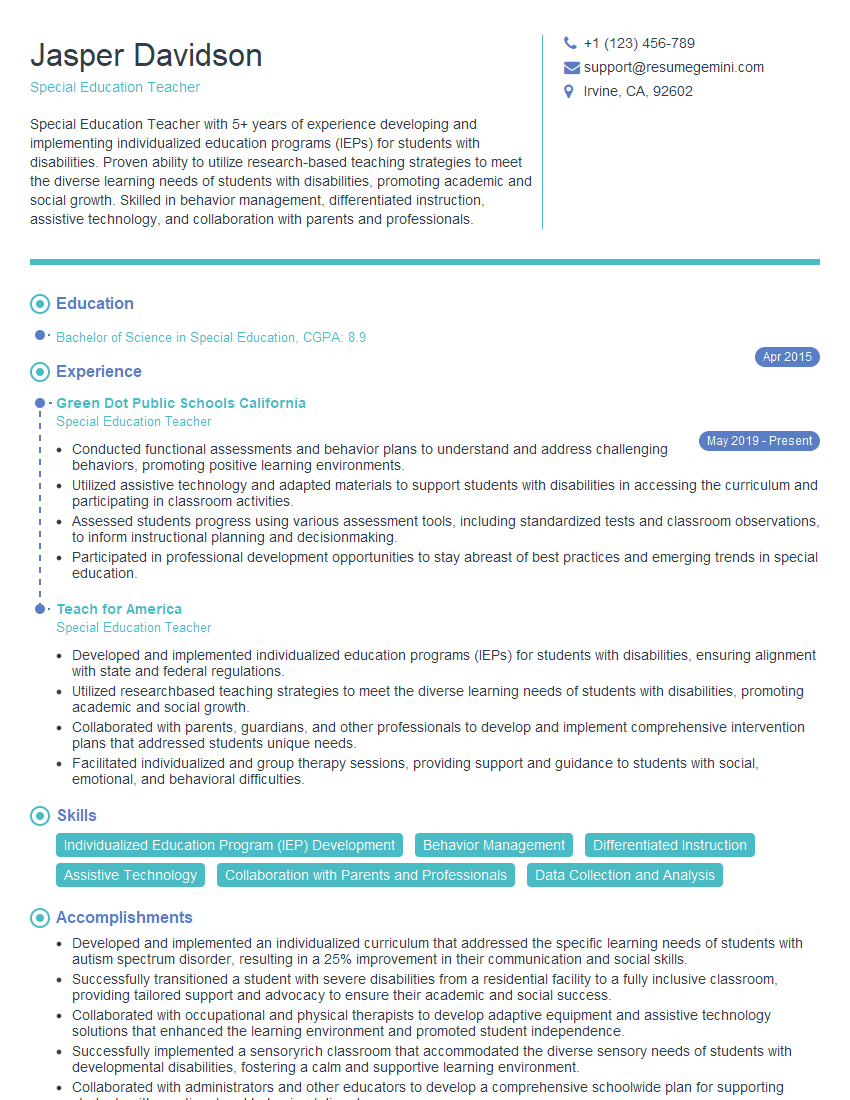
Special Education Teacher Resume Sample
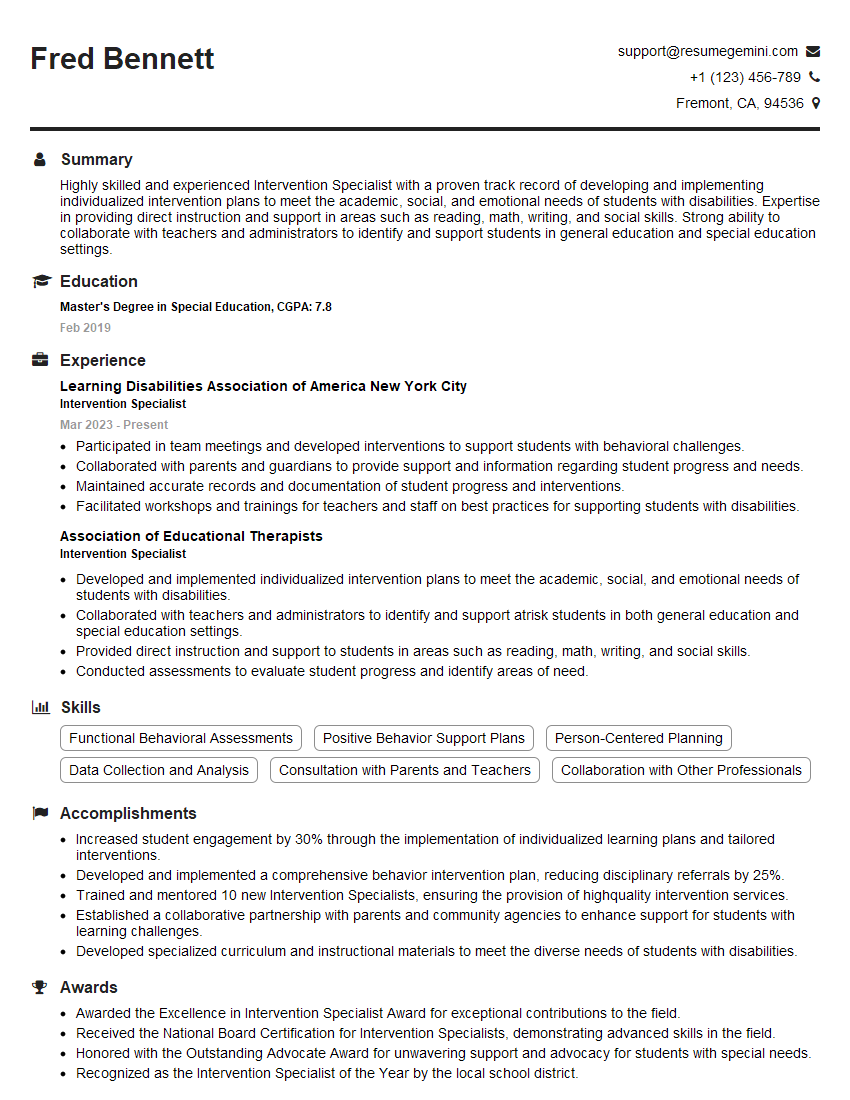
Intervention Specialist Resume Sample
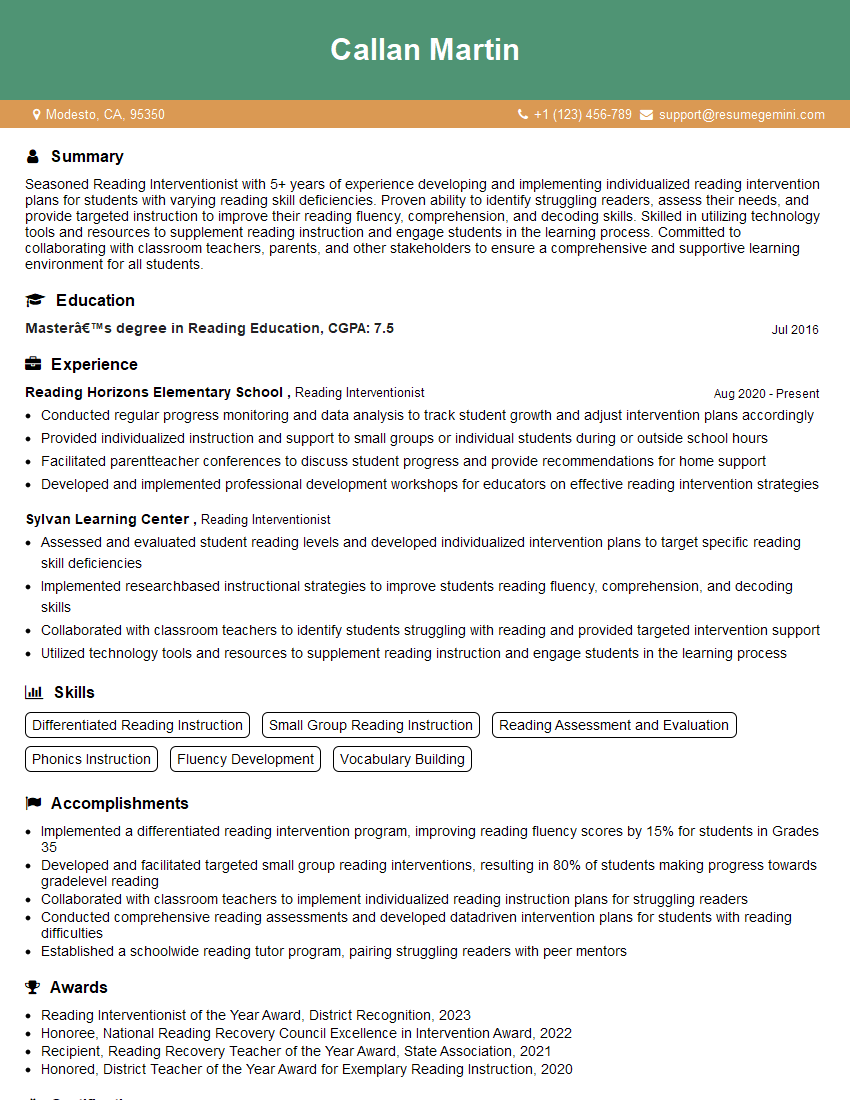
Reading Interventionist Resume Sample
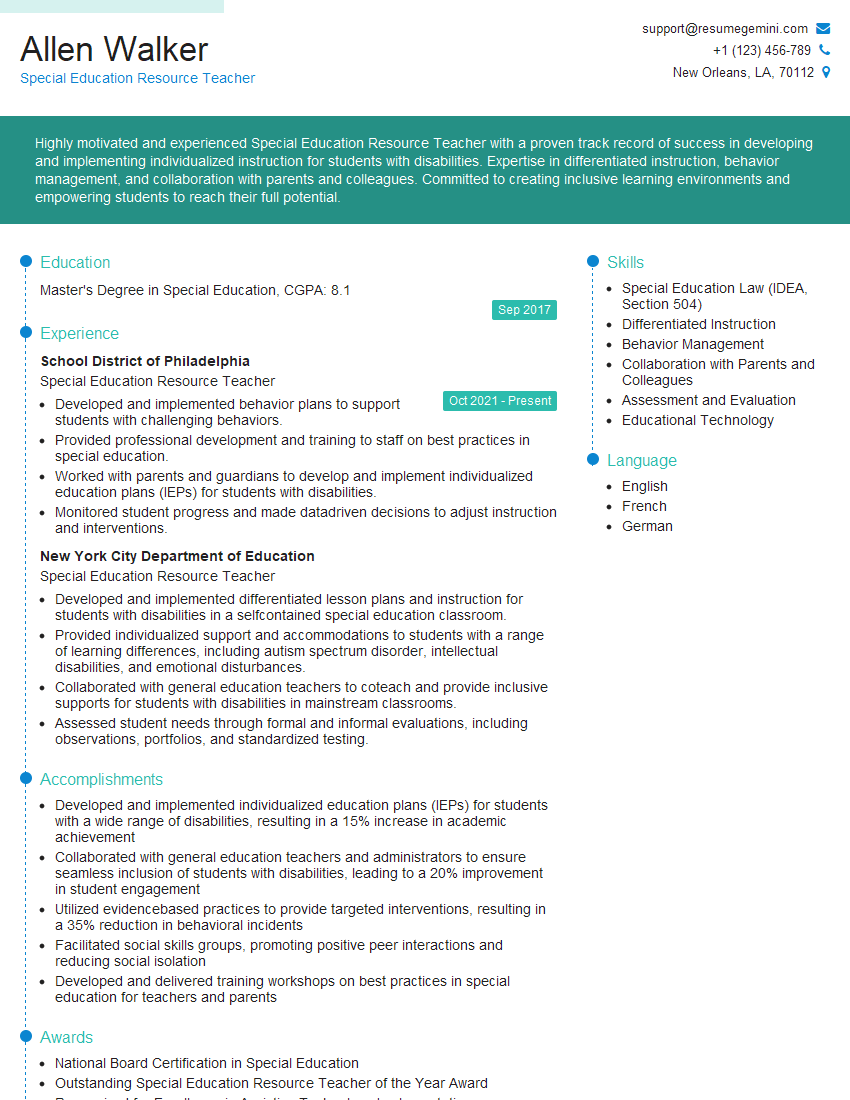
Special Education Resource Teacher Resume Sample
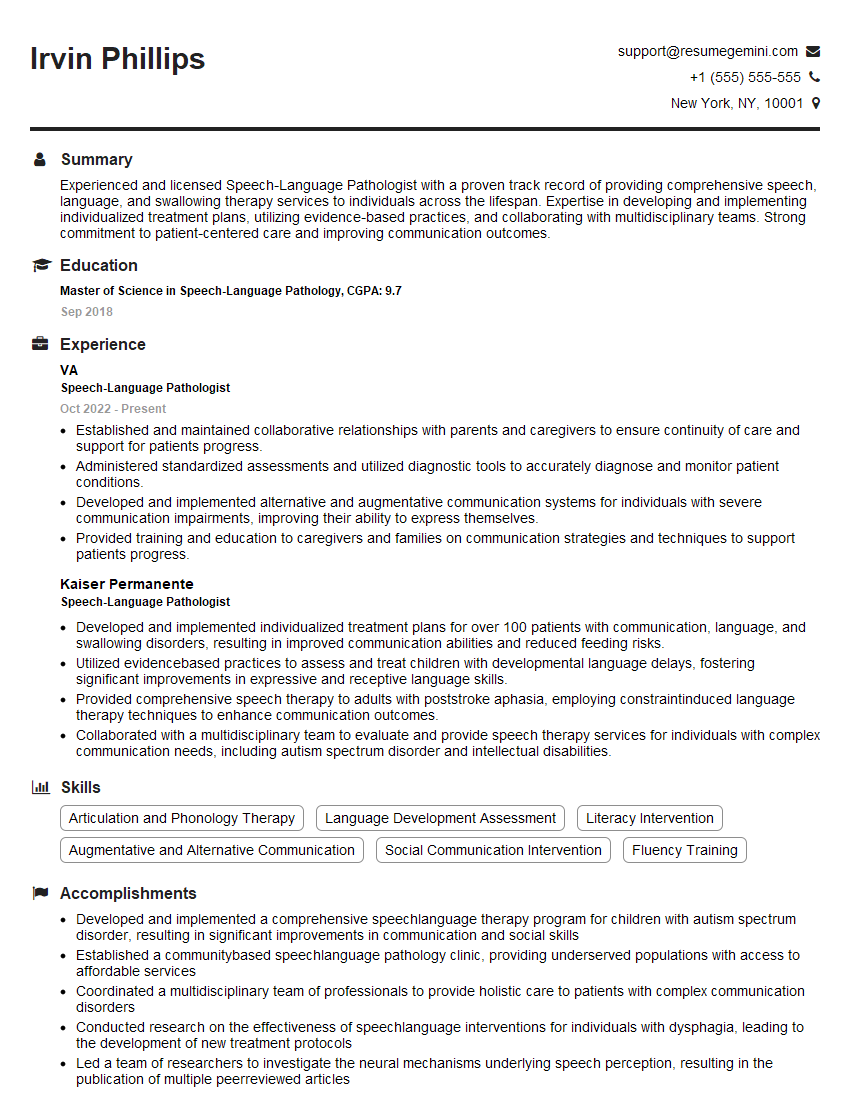
Speech-Language Pathologist Resume Sample
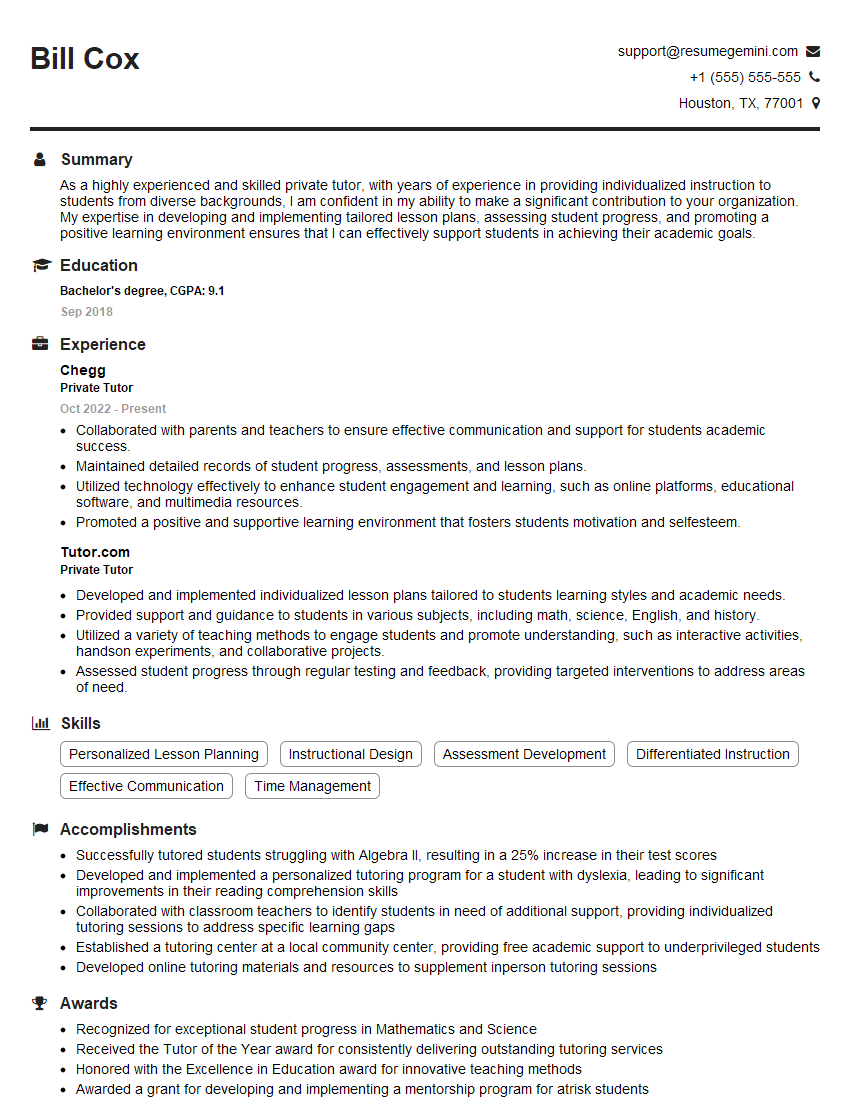
Private Tutor Resume Sample
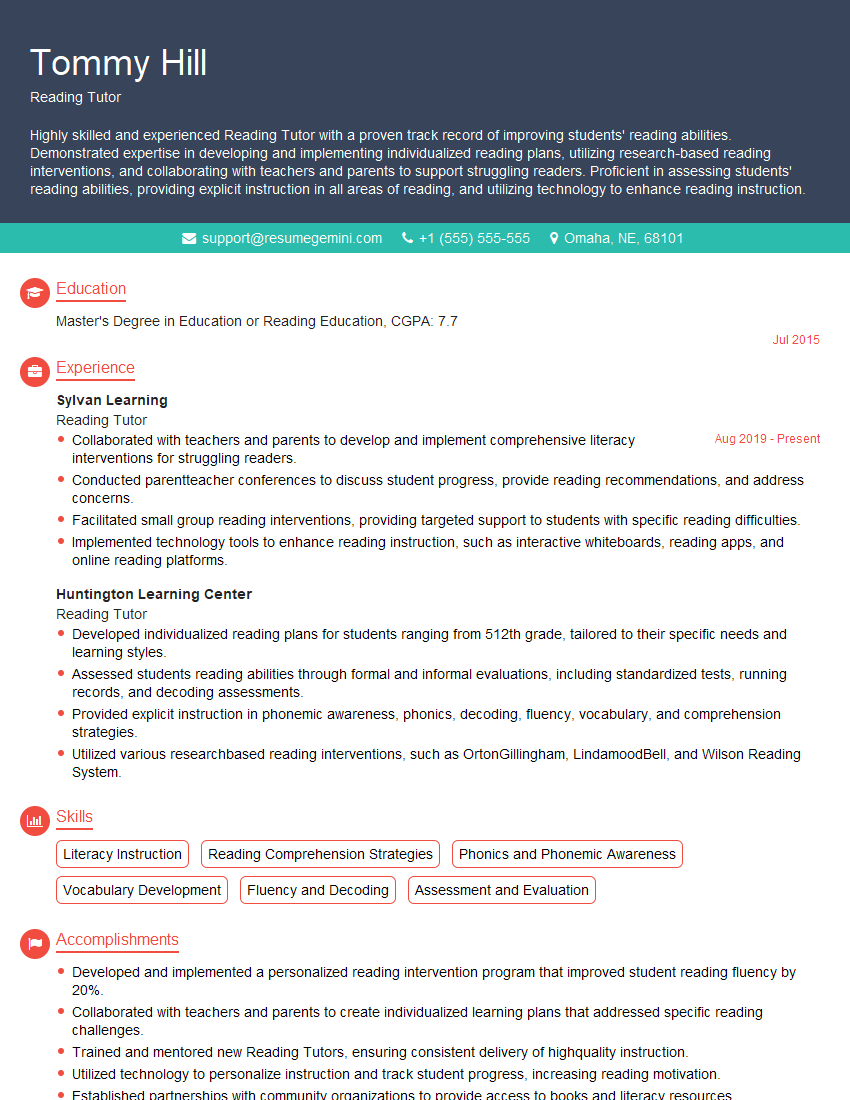
Reading Tutor Resume Sample
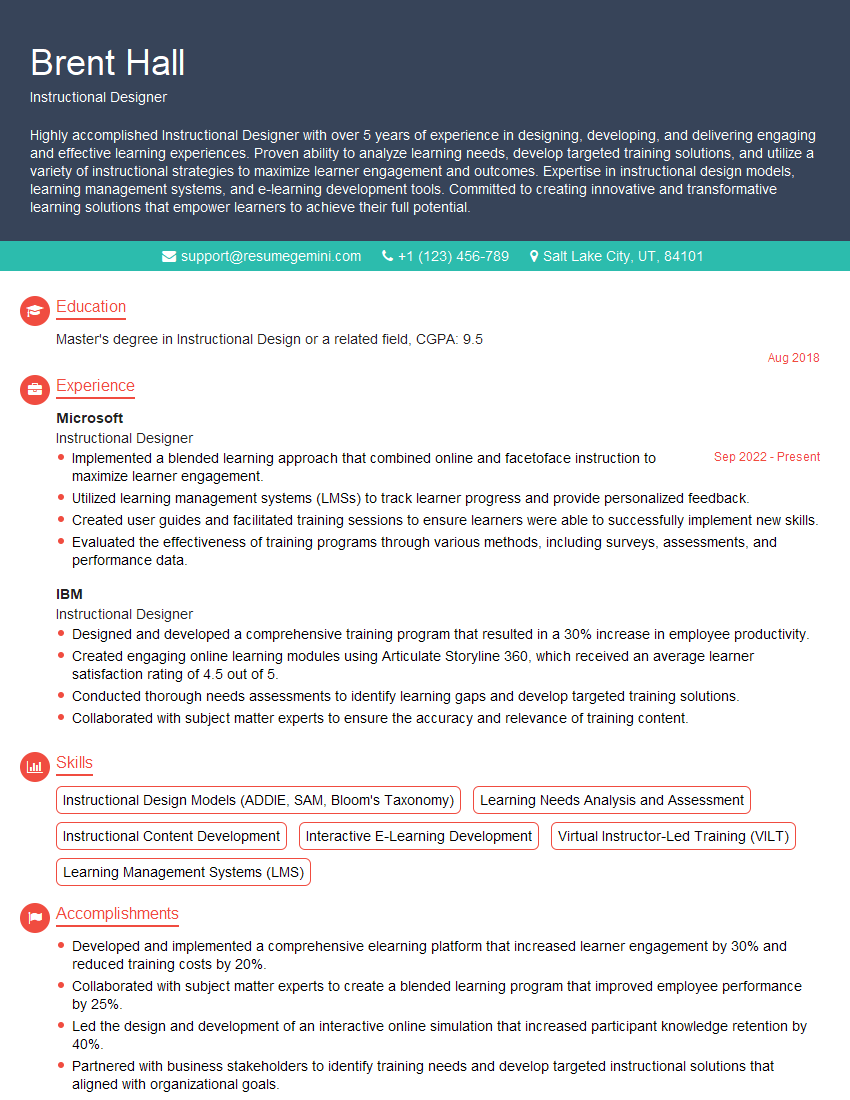
Instructional Designer Resume Sample
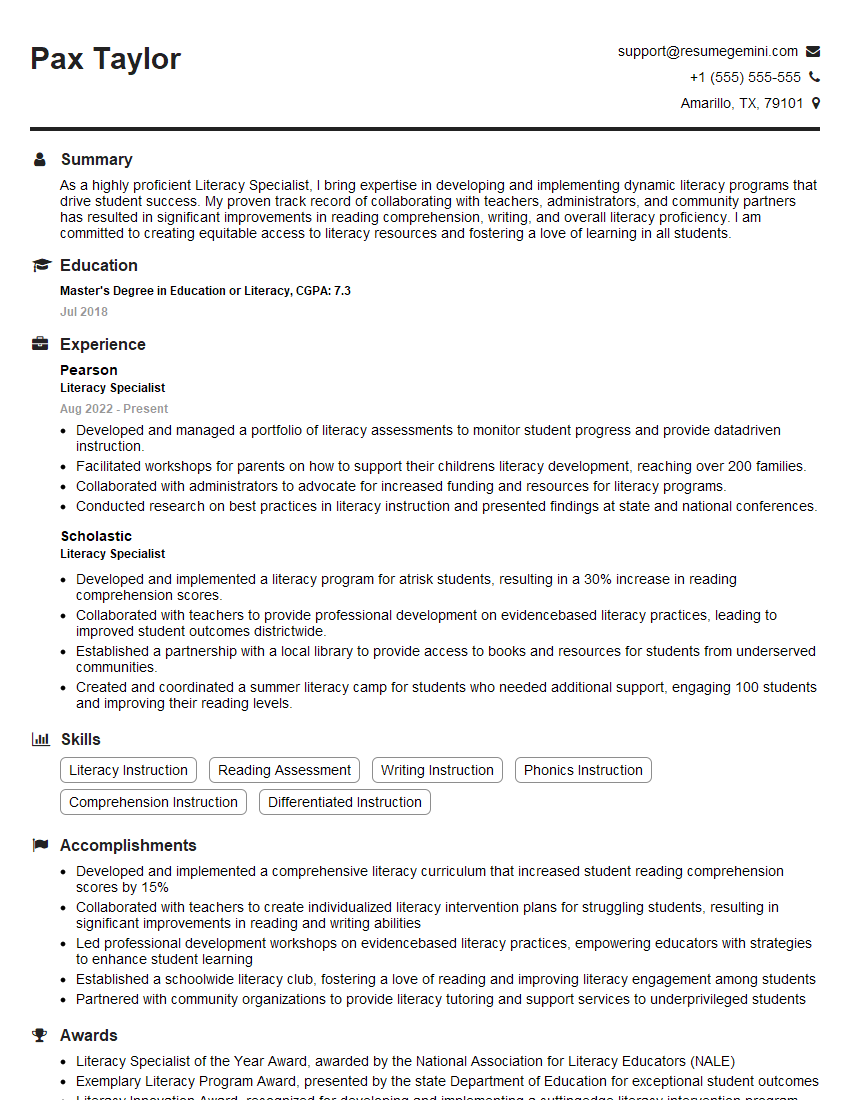
Literacy Specialist Resume Sample
- Learning Specialist
- Director of Special Education
- Curriculum Developer
- Assessment Specialist
- Educational Diagnostician
- School Psychologist
- Reading Recovery Teacher
- Special Education Teacher
- Intervention Specialist
- Reading Interventionist
- Special Education Resource Teacher
- Speech-Language Pathologist
- Private Tutor
- Reading Tutor
- Instructional Designer
- Literacy Specialist
Explore more articles
Users Rating of Our Blogs
Share Your Experience
We value your feedback! Please rate our content and share your thoughts (optional).
What Readers Say About Our Blog
I Redesigned Spongebob Squarepants and his main characters of my artwork.
https://www.deviantart.com/reimaginesponge/art/Redesigned-Spongebob-characters-1223583608
IT gave me an insight and words to use and be able to think of examples
Hi, I’m Jay, we have a few potential clients that are interested in your services, thought you might be a good fit. I’d love to talk about the details, when do you have time to talk?
Best,
Jay
Founder | CEO