Preparation is the key to success in any interview. In this post, we’ll explore crucial Understanding of Dyslexia and Other Reading Disorders interview questions and equip you with strategies to craft impactful answers. Whether you’re a beginner or a pro, these tips will elevate your preparation.
Questions Asked in Understanding of Dyslexia and Other Reading Disorders Interview
Q 1. Explain the difference between dyslexia, dysgraphia, and dyscalculia.
Dyslexia, dysgraphia, and dyscalculia are all specific learning disabilities that affect different academic areas. Think of them as challenges affecting different cognitive pathways.
- Dyslexia primarily affects reading and spelling. Individuals with dyslexia struggle to decode words, often reversing letters or words (e.g., reading ‘was’ as ‘saw’), and have difficulty with phonological processing (the ability to manipulate sounds in language).
- Dysgraphia is a learning disability that impacts writing abilities. It’s not simply messy handwriting; it involves difficulties with motor planning for writing, spelling, and organizing written thoughts. A child with dysgraphia might struggle to form letters, write within lines, or express ideas coherently on paper.
- Dyscalculia affects mathematical abilities. Students with dyscalculia struggle with number sense, memorizing math facts, performing calculations, and understanding mathematical concepts. They may have trouble with number sequencing, telling time, or understanding spatial relationships.
While these are distinct, they can co-occur. A child might have dyslexia and dysgraphia, experiencing difficulties with both reading and writing.
Q 2. Describe the phonological awareness skills crucial for successful reading.
Phonological awareness is the bedrock of successful reading. It’s the understanding that spoken language is made up of smaller units of sound, like syllables, onsets (the beginning sounds of words), and rimes (the vowel and ending sounds). Strong phonological awareness skills are crucial because they allow children to connect sounds with letters and ultimately decode written words.
- Rhyming: Recognizing words that rhyme (cat, hat, bat) is a foundational skill.
- Syllable segmentation: Breaking down words into individual syllables (e.g., ‘butter’ into ‘but-ter’).
- Phoneme blending: Combining individual sounds to create a word (e.g., /c/-/a/-/t/ to make ‘cat’).
- Phoneme segmentation: Separating a word into its individual sounds (e.g., breaking ‘cat’ into /c/-/a/-/t/).
- Phoneme manipulation: Changing sounds in words (e.g., changing ‘cat’ to ‘hat’ by replacing /c/ with /h/).
For example, a child with poor phonological awareness might struggle to blend the sounds /b/-/l/-/u/ to read the word ‘blue’ even if they recognize the individual letters.
Q 3. What are the key components of a comprehensive reading assessment?
A comprehensive reading assessment should include multiple components to provide a holistic understanding of a student’s reading abilities and challenges.
- Oral Reading Fluency: Measures accuracy, rate, and prosody (expression) during oral reading.
- Phonological Awareness Assessment: Assesses skills like rhyming, blending, and segmentation.
- Phonics Assessment: Evaluates the student’s ability to decode words using letter-sound relationships.
- Vocabulary Assessment: Measures receptive and expressive vocabulary knowledge.
- Reading Comprehension Assessment: Evaluates understanding of text through questioning and tasks.
- Informal Reading Inventories (IRI): These are individualized assessments that assess reading level, strategies, and areas of strength and weakness.
Observations of the student’s reading behaviors, such as self-correction strategies or reliance on context clues, are also valuable components of a comprehensive assessment.
Q 4. Outline the stages of reading development.
Reading development is a gradual process, not a single leap. It typically progresses through these stages:
- Pre-reading Stage (Birth-Kindergarten): Develops foundational literacy skills, such as print awareness (understanding that print carries meaning), phonological awareness, and vocabulary.
- Emergent Reading (Kindergarten-Grade 1): Begins to decode simple words, recognizing some letter-sound relationships and using picture clues to understand text.
- Early Reading (Grades 1-2): Improves decoding skills, reading simple texts with increasing fluency, and expanding vocabulary.
- Transitional Reading (Grades 2-3): Reads with greater fluency and accuracy, comprehending more complex texts.
- Fluent Reading (Grades 4 and beyond): Reads with speed and accuracy, focusing on comprehension and applying reading strategies.
It’s important to note that these are broad stages, and individual children may progress at different rates.
Q 5. How do you differentiate instruction for students with varying levels of reading proficiency?
Differentiated instruction is crucial for supporting diverse learners. It means adapting teaching methods and materials based on individual students’ reading abilities and needs.
- For struggling readers: Focus on explicit phonics instruction, providing intensive practice with foundational skills, and using multi-sensory approaches (e.g., tracing letters in sand, using manipulatives). Offer shorter, simpler texts with ample support.
- For on-grade-level readers: Provide challenging texts, encourage independent reading, and focus on developing comprehension strategies. Incorporate activities that promote critical thinking and higher-order thinking skills.
- For advanced readers: Offer opportunities for independent reading projects, encourage exploration of diverse genres, and challenge them with complex texts and advanced vocabulary.
Regular assessment and monitoring of progress are vital to ensure that instruction remains appropriately challenging and supportive for each student.
Q 6. What are some effective strategies for teaching phonics?
Effective phonics instruction involves systematic and explicit teaching of letter-sound relationships. Here are some strategies:
- Multi-sensory techniques: Engaging multiple senses enhances learning. This could involve tracing letters in sand, using letter tiles, or writing letters in shaving cream.
- Systematic instruction: Introduce letter sounds in a logical sequence, starting with common sounds and gradually introducing more complex ones.
- Explicit instruction: Clearly model and explain letter-sound correspondences. Don’t assume students will pick up on patterns implicitly.
- Decodable texts: Use texts containing words that students can already decode, allowing them to practice their skills with confidence.
- Games and activities: Incorporate fun and engaging activities to reinforce learning. Examples include phonics bingo, word building games, or rhyming games.
For example, instead of just saying ‘the letter ‘b’ makes the /b/ sound,’ demonstrate it by making the sound while tracing the letter, showing a picture of a bear beginning with ‘b,’ and having the child say the sound multiple times.
Q 7. Explain the role of fluency in reading comprehension.
Fluency, the ability to read accurately, quickly, and with expression, is not simply a speed contest; it’s the bridge between decoding and comprehension. Think of it as the engine that powers comprehension.
When students read fluently, they:
- Spend less time decoding individual words: This allows them to focus their cognitive resources on understanding the meaning of the text.
- Process information more efficiently: They can build mental representations of the story, characters, and events more effectively.
- Enjoy reading more: Fluent reading is less effortful and more enjoyable, encouraging a positive attitude toward reading.
A student who struggles with fluency may understand individual words but may not grasp the overall meaning because they’re too focused on decoding. Improving fluency directly improves comprehension, making reading a more rewarding and meaningful experience.
Q 8. Describe different types of assistive technology used for students with reading difficulties.
Assistive technology plays a crucial role in supporting students with reading difficulties. These tools bridge the gap between their learning needs and the demands of the curriculum. They can be broadly categorized into software, hardware, and adaptive learning aids.
Text-to-Speech (TTS) Software: This converts written text into audible speech, allowing students to ‘hear’ the words while reading along. Examples include NaturalReader and Read&Write Gold. This helps students struggling with decoding and fluency.
Speech-to-Text Software: This allows students to dictate their thoughts and ideas, bypassing the challenges of written expression. Dragon NaturallySpeaking is a popular example. This is particularly beneficial for students who struggle with writing speed and accuracy.
Graphic Organizers and Mind Mapping Software: Tools like MindManager or XMind help students visually organize information, improving comprehension and note-taking. This is helpful for students who struggle with organizing thoughts and ideas.
Adaptive Learning Platforms: These platforms adjust the difficulty level of reading materials based on the student’s performance, providing personalized support. Many platforms incorporate elements of gamification to increase engagement.
Hardware: Examples include adjustable height desks for better posture, ergonomic keyboards to reduce strain, and specialized visual aids like colored overlays.
The selection of assistive technology should be individualized, based on the student’s specific needs and learning profile. A comprehensive assessment is key to determining the most effective tools.
Q 9. How would you adapt classroom activities to accommodate a student with dyslexia?
Adapting classroom activities for a student with dyslexia involves creating a supportive and inclusive learning environment. This requires a multi-faceted approach focusing on differentiated instruction and maximizing strengths.
Modified Reading Materials: Provide texts with larger font sizes, increased spacing between lines, and dyslexia-friendly fonts like OpenDyslexic. Consider using audiobooks or graphic novels.
Structured Tasks: Break down complex tasks into smaller, manageable steps. Provide clear instructions and visual aids to enhance understanding.
Multisensory Activities: Incorporate activities that engage multiple senses (visual, auditory, kinesthetic, tactile). For example, have students trace words with their fingers while saying them aloud.
Alternative Assessment Methods: Allow students to demonstrate their understanding through oral presentations, projects, or drawings, instead of solely relying on written tests.
Collaborative Learning: Encourage peer tutoring or group work to foster social interaction and provide additional support.
Positive Reinforcement: Focus on the student’s strengths and celebrate their progress, rather than dwelling on their weaknesses.
For example, instead of a traditional essay, a student could create a presentation or a video summarizing a book. The goal is to assess understanding, not writing ability, thereby reducing anxiety.
Q 10. What are some common challenges faced by students with dyslexia in the classroom?
Students with dyslexia often face unique challenges in the classroom, stemming from their difficulties with reading, writing, and spelling. These can impact their academic performance, self-esteem, and social-emotional well-being.
Decoding Difficulties: They may struggle to sound out words, leading to slow reading speed and poor comprehension.
Spelling and Writing Challenges: They may make frequent spelling errors and struggle with written expression, affecting their ability to participate fully in classroom activities.
Organizational Problems: They may have difficulty organizing their thoughts and work, leading to incomplete assignments or lost materials.
Memory Issues: Some students with dyslexia experience challenges with working memory, impacting their ability to retain information and follow multi-step instructions.
Social-Emotional Impact: The frustration and challenges associated with dyslexia can lead to low self-esteem, anxiety, and social isolation.
It’s crucial to understand that dyslexia is not a lack of intelligence. These challenges stem from neurological differences in how the brain processes language.
Q 11. Describe your experience using informal reading inventories.
Informal Reading Inventories (IRIs) are invaluable tools for assessing a student’s reading abilities. They provide a snapshot of their current reading level and identify areas of strength and weakness. My experience involves using IRIs to diagnose specific reading difficulties and to monitor a student’s progress over time.
The process typically involves administering a series of graded reading passages and assessing the student’s accuracy, fluency, and comprehension. Based on the results, I can identify specific areas of difficulty, such as phonetic decoding, fluency, or vocabulary. For example, a student might excel at comprehension but struggle with accuracy, suggesting a need for more phonics instruction.
I use this information to tailor my instruction to meet the student’s individual needs. It helps me choose appropriate reading materials, develop targeted interventions, and track their progress. Regular IRIs are essential for evaluating the effectiveness of interventions and adjusting strategies as needed. The data provides a concrete basis for IEP development or modification.
Q 12. How do you collaborate with parents and other professionals to support students with reading disorders?
Collaboration is paramount in supporting students with reading disorders. Effective intervention requires a unified approach involving parents, teachers, specialists, and sometimes other professionals like occupational therapists or psychologists.
Parent Communication: Regular communication with parents is crucial. This involves sharing assessment results, explaining the student’s strengths and weaknesses, and collaboratively developing strategies for home support. I often schedule parent-teacher conferences to discuss progress and concerns.
Collaboration with Specialists: I work closely with specialists like reading interventionists and speech-language pathologists to ensure the student receives comprehensive support tailored to their unique needs. Regular meetings and shared information are crucial for consistency in interventions.
Multidisciplinary Team Meetings: In cases requiring intensive support, I participate in multidisciplinary team meetings to coordinate interventions and ensure alignment among all professionals involved in the student’s care.
A strong collaborative network creates a cohesive support system for the student, ensuring that the interventions at school are complemented and reinforced at home.
Q 13. What are some evidence-based interventions for students with dyslexia?
Evidence-based interventions for students with dyslexia focus on systematic and explicit instruction in the foundational skills of reading. These interventions are backed by robust research and have proven effective in improving reading outcomes.
Systematic Phonics Instruction: This involves teaching students the relationships between letters and sounds in a sequential and structured manner. This is crucial for developing accurate decoding skills.
Explicit Instruction in Phonological Awareness: This focuses on teaching students to manipulate the sounds in words, such as rhyming, blending, and segmenting. Strong phonological awareness is a predictor of reading success.
Fluency Instruction: This involves providing opportunities for repeated reading of text at the student’s instructional level to build reading speed and accuracy.
Vocabulary Instruction: This involves explicitly teaching new vocabulary words and strategies for learning new words independently.
Comprehension Strategies Instruction: This involves teaching students strategies for monitoring their comprehension, such as making predictions, summarizing, and questioning.
These interventions are often delivered using a multisensory approach, engaging multiple learning channels simultaneously. The key is consistent, structured instruction, tailored to the individual student’s needs.
Q 14. Explain the multisensory approach to reading instruction.
The multisensory approach to reading instruction engages multiple senses simultaneously to enhance learning and memory. This is particularly beneficial for students with dyslexia who often benefit from a more concrete and hands-on approach to learning.
For example, when teaching a new letter or sound, the teacher might:
Visual: Show the letter on a flashcard or write it on the board.
Auditory: Say the letter sound aloud, emphasizing the pronunciation.
Kinesthetic: Have the student trace the letter in the air, sand, or on a textured surface.
Tactile: Have the student form the letter with playdough or other manipulative materials.
By engaging multiple senses, the information is processed and stored in the brain in multiple ways, making it more likely to be retained and retrieved. This creates a stronger neural pathway and improves learning efficiency. A common example is using colored tiles to represent sounds in a word, forming a visual representation that complements auditory and kinesthetic learning.
Q 15. How would you address a student’s frustration with reading?
Addressing a student’s frustration with reading requires a multifaceted approach focused on understanding the root cause of their difficulty and building their confidence. It’s crucial to remember that frustration often stems from a feeling of inadequacy or failure, not just the act of reading itself.
- Identify the source of frustration: Is it decoding difficulties, comprehension challenges, a specific type of text, or the pressure of classroom expectations? A thorough assessment is vital.
- Break down tasks: Instead of tackling a whole chapter, focus on smaller, manageable sections. Success with smaller tasks boosts confidence.
- Provide positive reinforcement: Celebrate small victories. Focus on effort and improvement, not just perfection. Positive feedback is more effective than criticism.
- Adjust the reading material: Select texts that match the student’s reading level and interests. Engaging content makes reading more enjoyable.
- Offer alternative formats: Audiobooks, graphic novels, and digital texts with text-to-speech features can be valuable tools.
- Collaborate with the student: Engage them in setting realistic goals and finding strategies that work best for them. This fosters ownership and motivation.
- Seek professional support: If frustration persists, collaborate with specialists such as reading interventionists or educational psychologists.
For example, a student struggling with decoding might benefit from targeted phonics instruction, while a student struggling with comprehension might need explicit strategies for summarizing and questioning the text. Understanding the individual needs is key.
Career Expert Tips:
- Ace those interviews! Prepare effectively by reviewing the Top 50 Most Common Interview Questions on ResumeGemini.
- Navigate your job search with confidence! Explore a wide range of Career Tips on ResumeGemini. Learn about common challenges and recommendations to overcome them.
- Craft the perfect resume! Master the Art of Resume Writing with ResumeGemini’s guide. Showcase your unique qualifications and achievements effectively.
- Don’t miss out on holiday savings! Build your dream resume with ResumeGemini’s ATS optimized templates.
Q 16. What are some strategies for promoting reading motivation and engagement?
Promoting reading motivation and engagement involves creating a positive and supportive learning environment where students feel comfortable taking risks and exploring different types of literature. This is achieved through a combination of techniques that cater to individual learning styles and preferences.
- Choice and autonomy: Allowing students to select books and genres that interest them fosters intrinsic motivation. Book talks and classroom libraries can help broaden their horizons.
- Engaging activities: Reading shouldn’t be a passive activity. Incorporate activities such as dramatic readings, book clubs, creative writing assignments, and projects related to the books they are reading.
- Connect reading to real life: Show students how reading skills are applicable outside the classroom. This might involve exploring topics related to their hobbies or current events.
- Use technology: Interactive e-books, educational apps, and online reading platforms can make reading more engaging for digital natives.
- Collaboration and peer support: Book clubs and partner reading allow students to share their thoughts and engage in discussions with their peers, making reading a social experience.
- Positive feedback and encouragement: Regular praise and constructive feedback build confidence and create a positive association with reading.
For example, a student interested in sports might be motivated to read biographies of famous athletes, while a student who enjoys art might be drawn to books about art history or creative writing.
Q 17. How do you monitor student progress and adjust instruction accordingly?
Monitoring student progress and adjusting instruction requires a systematic approach that involves regular assessment, data analysis, and flexible teaching practices. It’s not a one-size-fits-all approach; it necessitates ongoing adaptation based on individual student needs.
- Regular assessments: Use a combination of formative (ongoing) and summative (end-of-unit) assessments. This might include reading fluency checks, comprehension quizzes, informal observations, and standardized tests.
- Data analysis: Analyze assessment data to identify areas of strength and weakness. Look for patterns and trends in student performance.
- Differentiated instruction: Adjust instruction based on individual student needs. This might involve providing additional support for struggling students, challenging advanced learners, or modifying assignments to meet diverse learning styles.
- Progress monitoring charts: Track student progress visually to identify areas where interventions are needed and celebrate successes.
- Collaboration with parents and specialists: Communicate regularly with parents and specialists to share progress and develop a cohesive support plan.
- Curriculum adjustments: If necessary, adjust the curriculum to better meet the needs of the students.
For instance, if a student consistently struggles with fluency, I might implement targeted interventions focusing on phonics skills and repeated reading. If a student excels in decoding but struggles with comprehension, I might incorporate strategies for improving comprehension, such as graphic organizers and questioning techniques.
Q 18. Describe your experience with different types of reading assessments (e.g., Woodcock-Johnson, WIAT).
I have extensive experience administering and interpreting various reading assessments, including the Woodcock-Johnson Tests of Achievement (WJ-IV) and the Wechsler Individual Achievement Test (WIAT-IV). These tests provide comprehensive data on a student’s reading abilities.
- Woodcock-Johnson (WJ-IV): The WJ-IV offers a broad range of assessments covering various cognitive abilities and achievement areas, including reading fluency, reading comprehension, and phonological processing. It’s known for its strong psychometric properties and detailed reports.
- Wechsler Individual Achievement Test (WIAT-IV): The WIAT-IV focuses specifically on academic achievement and provides detailed information about reading skills, including word reading, reading fluency, and reading comprehension. It’s also widely used and respected.
- Other assessments: I also utilize other assessments, such as informal reading inventories (IRIs) and curriculum-based measurements (CBMs), to gain a more holistic understanding of a student’s reading abilities. These are helpful for monitoring progress over time.
The choice of assessment depends on the specific questions I’m trying to answer about a student’s reading abilities. For example, if I’m concerned about a student’s overall academic achievement, the WIAT-IV might be a suitable choice. If I’m interested in exploring cognitive abilities that underlie reading difficulties, the WJ-IV might be more appropriate.
Q 19. Explain the concept of explicit and systematic phonics instruction.
Explicit and systematic phonics instruction is a research-based approach to teaching reading that focuses on the relationship between letters and sounds. It’s crucial for developing strong decoding skills.
- Explicit instruction: Teachers directly model and explain the skills and strategies involved in reading. They provide clear explanations and demonstrate how to apply phonics rules.
- Systematic instruction: The instruction follows a logical sequence, gradually building upon previously learned concepts. It covers all the necessary letter-sound relationships in a structured manner.
For example, a systematic phonics program might start with teaching the letter sounds for consonants, followed by short vowels, then blending sounds to read CVC words (consonant-vowel-consonant). The explicit instruction would involve showing students how to blend sounds together, providing practice opportunities, and offering feedback.
In contrast to implicit instruction, where students are expected to infer letter-sound relationships, explicit and systematic phonics instruction ensures that all students have the opportunity to learn the essential building blocks of reading. This is particularly important for students who might otherwise struggle to acquire these skills independently.
Q 20. What are some strategies to support students with comprehension difficulties?
Supporting students with comprehension difficulties requires a range of strategies aimed at improving their ability to understand and make meaning from text. It involves teaching them how to actively engage with the text and use various comprehension strategies.
- Pre-reading activities: Activating prior knowledge, previewing the text, and setting a purpose for reading can significantly improve comprehension.
- During-reading strategies: Teach students to use strategies like summarizing, questioning, visualizing, and making connections to the text.
- Post-reading activities: Engage students in discussions, writing activities, and projects that help them process and synthesize information from the text.
- Graphic organizers: Visual aids like story maps, character charts, and KWL charts (Know, Want to know, Learned) can help students organize and understand information.
- Vocabulary instruction: Direct instruction of key vocabulary words before, during, and after reading is essential.
- Scaffolding: Provide support as needed, gradually reducing assistance as students become more independent.
For example, before reading a historical fiction novel, I might have students brainstorm what they already know about the time period. During reading, I might encourage them to ask questions about the plot or characters. After reading, we might have a class discussion about the main themes or write character analyses.
Q 21. How do you identify and address reading difficulties in a diverse student population?
Identifying and addressing reading difficulties in a diverse student population requires sensitivity to cultural backgrounds, linguistic differences, and individual learning styles. A culturally responsive approach is essential.
- Universal screening: Implement universal screening measures to identify students who may be at risk for reading difficulties, regardless of their background.
- Culturally responsive assessment: Use assessment tools that are appropriate for the student’s cultural and linguistic background. Avoid using assessments that might disadvantage students due to cultural biases.
- Differentiated instruction: Provide instruction that meets the unique needs of each student. Consider the student’s language proficiency, cultural background, and learning style when planning instruction.
- Collaboration with families and communities: Involve families and communities in the assessment and intervention process. Respect and leverage their cultural knowledge and perspectives.
- Multilingual support: Provide support for students who are learning to read in a language other than their native language. This may involve bilingual instruction or support from ESL specialists.
- Culturally relevant materials: Use reading materials that reflect the diverse backgrounds and experiences of the students. This helps students connect with the texts and enhances their engagement.
For example, if I have a student who is an English language learner, I might use assessment tools that are appropriate for their language proficiency and incorporate materials that reflect their cultural background. I would also collaborate closely with the student’s family and utilize resources such as bilingual dictionaries and translators.
Q 22. How do you differentiate instruction based on students’ learning styles?
Differentiated instruction recognizes that students learn in diverse ways. Instead of a one-size-fits-all approach, it tailors teaching methods, materials, and assessment to meet individual learning needs. For students with dyslexia or other reading disorders, this is crucial. We must consider their specific strengths and weaknesses.
For example, a student struggling with phonological awareness (the ability to hear and manipulate sounds in words) might benefit from explicit phonics instruction using multisensory techniques like tracing letters in sand or building words with magnetic tiles. Another student might need more support with fluency, so I might use repeated readings of age-appropriate texts or utilize assistive technology like text-to-speech software. A student with visual processing difficulties could benefit from using colored overlays or large print materials. Careful assessment is key to understanding each student’s unique needs and tailoring instruction accordingly.
- Assessment: Comprehensive assessments including phonological awareness tests, reading fluency measures, and informal reading inventories help pinpoint areas of strength and weakness.
- Multisensory techniques: Incorporating visual, auditory, kinesthetic, and tactile learning modalities (like using manipulatives) greatly aids comprehension.
- Technology: Assistive technologies such as text-to-speech and speech-to-text software can level the playing field for many students.
- Differentiated activities: Providing varied tasks—such as writing summaries, creating illustrations, or participating in class discussions—allows students to demonstrate understanding in different ways.
Q 23. What are the ethical considerations in working with students with reading disorders?
Ethical considerations in working with students with reading disorders center around ensuring fairness, respect, and inclusivity. This involves:
- Avoiding labeling and stigmatization: Focusing on individual learning needs and strengths rather than dwelling on deficits. For example, instead of labeling a child as “dyslexic,” I would focus on their specific reading challenges and the strategies to overcome them.
- Providing appropriate and effective interventions: Using research-based methods and collaborating with specialists to ensure the student receives the most effective support. This often involves close monitoring and ongoing adjustment of interventions.
- Respecting students’ individual rights: Including the student and their family in the decision-making process regarding interventions and accommodations. Their voices and preferences matter.
- Maintaining confidentiality: Protecting sensitive information according to relevant laws and regulations (as discussed in the following answer). This builds trust and encourages open communication.
- Advocating for equitable access to resources: Ensuring students have equal access to appropriate support and educational materials, regardless of their learning challenges or socioeconomic background.
Q 24. How do you maintain confidentiality when working with students and their families?
Confidentiality is paramount. I adhere strictly to laws like FERPA (Family Educational Rights and Privacy Act) in the US and similar regulations in other countries. This means:
- Secure storage of records: Keeping all student records locked away physically and secured digitally with appropriate passwords and access controls.
- Limited access to information: Sharing information only with those who have a legitimate educational need to know, such as parents, school administrators, and collaborating professionals with written permission.
- Protecting electronic information: Utilizing secure digital platforms and avoiding discussions about student information in public spaces.
- Proper disposal of documents: Shredding or securely deleting student records when appropriate.
- Open communication with parents: Gaining informed consent before sharing information with third parties and ensuring parents are regularly updated on their child’s progress.
I make sure to explain confidentiality expectations clearly to both parents and students, emphasizing the importance of protecting their private information.
Q 25. What professional development activities have you pursued related to dyslexia and reading interventions?
My professional development has been extensive and ongoing. I’ve participated in workshops and training sessions focused on evidence-based interventions for dyslexia and other reading difficulties, including:
- Multisensory structured language education (MSLE): This approach integrates visual, auditory, kinesthetic, and tactile learning modalities to enhance phonological awareness and decoding skills.
- Systematic phonics instruction: Training on how to explicitly teach letter-sound relationships, blending, and segmenting sounds.
- Reading fluency interventions: Learning various strategies to improve reading rate, accuracy, and expression. This included repeated reading, partner reading, and use of assistive technology.
- Assessment and diagnostic tools: Developing proficiency in administering and interpreting standardized and informal reading assessments to identify specific learning needs.
- Collaboration with specialists: Training on effective collaboration with speech-language pathologists, educational psychologists, and other professionals involved in supporting students with reading difficulties.
I regularly attend conferences and webinars to stay abreast of the latest research and best practices in the field.
Q 26. Describe a time you had to adapt your teaching methods to meet the needs of a student with a specific reading difficulty.
One student, Alex, struggled intensely with decoding multisyllabic words. Traditional phonics instruction wasn’t effective. After assessment, I realised he had difficulty breaking down words into smaller units. So I adapted my approach:
- Morphemic analysis: We focused on breaking down words into their meaningful parts (morphemes), like prefixes, suffixes, and roots. This helped him understand the meaning behind complex words.
- Visual supports: I used color-coded charts to highlight morphemes and practiced with word-building activities.
- Technology integration: I introduced him to text-to-speech software which helped him follow along with longer passages and build vocabulary, also providing positive reinforcement.
- Frequent feedback and positive reinforcement: I provided regular, specific feedback emphasizing his progress and celebrating even small successes.
This multi-pronged approach improved Alex’s decoding ability significantly. The combination of targeted instruction, visual cues, technological assistance, and positive reinforcement proved far more effective than a traditional approach.
Q 27. How would you explain the importance of early intervention for students with dyslexia to parents?
Early intervention for dyslexia is crucial because the brain’s plasticity is highest during the early years. The earlier intervention starts, the better the chances of success. Imagine trying to build a tower with crooked bricks – the higher it gets, the more unstable it becomes. Similarly, if reading difficulties go unaddressed, they can lead to cascading challenges in other academic areas and negatively impact a child’s self-esteem.
Early intervention means providing support as soon as difficulties are identified, typically around kindergarten or first grade. This can include evidence-based interventions focusing on phonological awareness, phonics, fluency, vocabulary, and comprehension. Early intervention can help prevent the frustration and negative experiences that often accompany reading difficulties, allowing students to develop a positive attitude towards reading. The goal is to equip them with the tools to become successful, confident readers.
Q 28. Describe your knowledge of IEPs/504 plans and their implementation.
IEPs (Individualized Education Programs) and 504 plans are legal documents outlining specific accommodations and support services for students with disabilities. IEPs are for students with disabilities that significantly affect their educational performance, requiring specialized instruction and services. 504 plans are for students with disabilities that don’t require specialized instruction but need accommodations to access the general education curriculum. I am familiar with the processes involved in developing, implementing, and monitoring both IEPs and 504 plans.
My role includes:
- Participating in IEP/504 meetings: Contributing my expertise in reading instruction and assessment, offering recommendations for appropriate interventions and accommodations.
- Implementing recommendations: Adapting my teaching methods and classroom environment to meet the student’s individual needs as outlined in the IEP or 504 plan.
- Monitoring progress: Regularly assessing the student’s progress to ensure the effectiveness of interventions and to make necessary adjustments.
- Collaborating with team members: Working closely with parents, specialists, administrators, and other teachers to provide comprehensive support.
- Maintaining accurate documentation: Keeping detailed records of interventions implemented, student progress, and IEP/504 plan updates.
Both IEPs and 504 plans are essential tools for creating a supportive and inclusive learning environment, ensuring students receive the support they need to reach their full potential.
Key Topics to Learn for Understanding of Dyslexia and Other Reading Disorders Interview
- Neurobiological Basis of Dyslexia: Understanding the neurological differences that contribute to dyslexia, including phonological processing deficits and weaknesses in rapid automatized naming.
- Diagnostic Criteria and Assessment: Familiarize yourself with various assessment methods used to identify dyslexia and other reading disorders, such as phonological awareness tests, reading fluency measures, and comprehension assessments. Be prepared to discuss the importance of comprehensive evaluation.
- Types of Reading Disorders: Go beyond dyslexia. Learn about other reading difficulties, such as surface dyslexia, deep dyslexia, and dysgraphia, and how they differ in their presentation and underlying causes.
- Intervention Strategies and Educational Approaches: Explore evidence-based interventions, including multisensory structured language education (MSLE), phonics-based instruction, and assistive technology. Be prepared to discuss the adaptation of teaching methods to suit diverse learning needs.
- Comorbid Conditions: Understand the frequent co-occurrence of dyslexia with other learning disabilities (e.g., ADHD, processing disorders) and how these conditions interact and influence intervention strategies.
- Accommodations and Support: Discuss the importance of providing appropriate accommodations and support in educational and workplace settings to help individuals with dyslexia and other reading disorders reach their full potential. This includes assistive technologies and modifications to assessment methods.
- Advocacy and Ethical Considerations: Understand the ethical implications of diagnosing and supporting individuals with reading disorders, including advocating for inclusive educational practices and equitable access to resources.
Next Steps
Mastering the understanding of dyslexia and other reading disorders is crucial for career advancement in education, special education, psychology, and related fields. A strong understanding of these conditions demonstrates your commitment to inclusive and effective practices. To maximize your job prospects, crafting an ATS-friendly resume is essential. ResumeGemini is a trusted resource that can help you build a professional and impactful resume that highlights your skills and experience effectively. Examples of resumes tailored to this specific area of expertise are available through ResumeGemini, showcasing how to best present your qualifications.
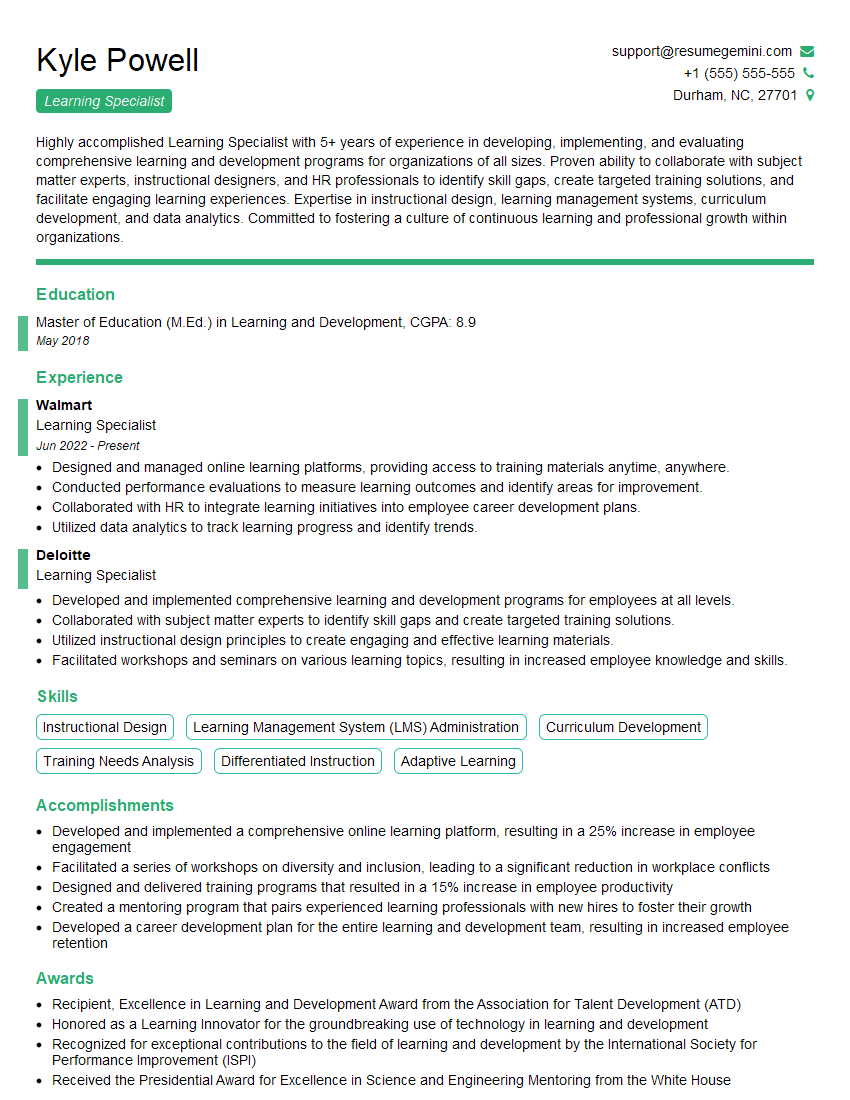
Learning Specialist Resume Sample
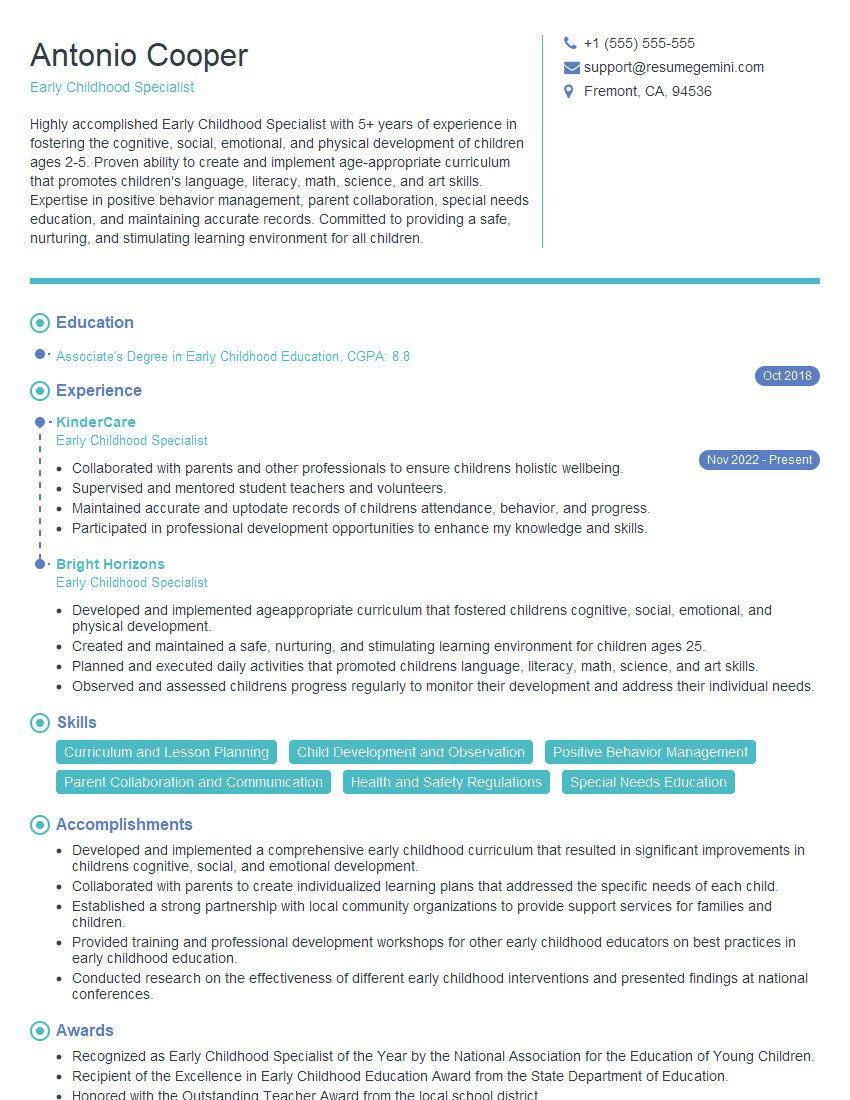
Early Childhood Specialist Resume Sample
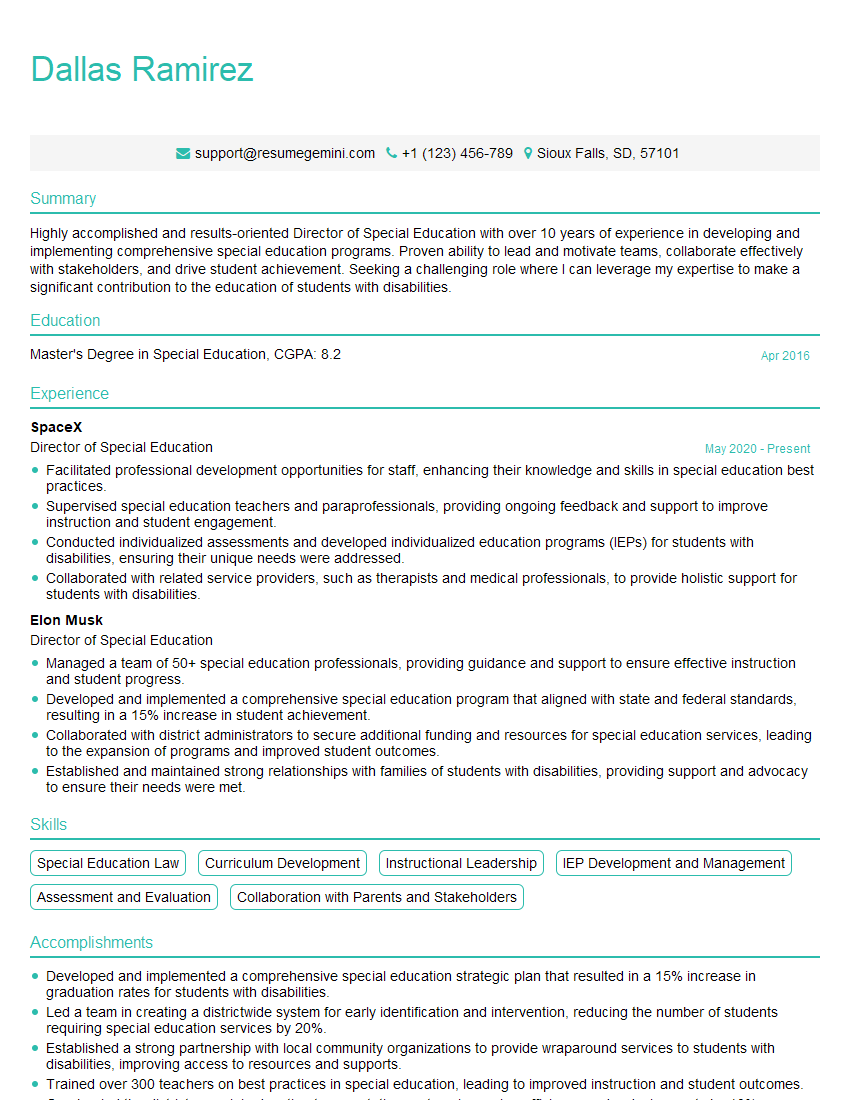
Director of Special Education Resume Sample
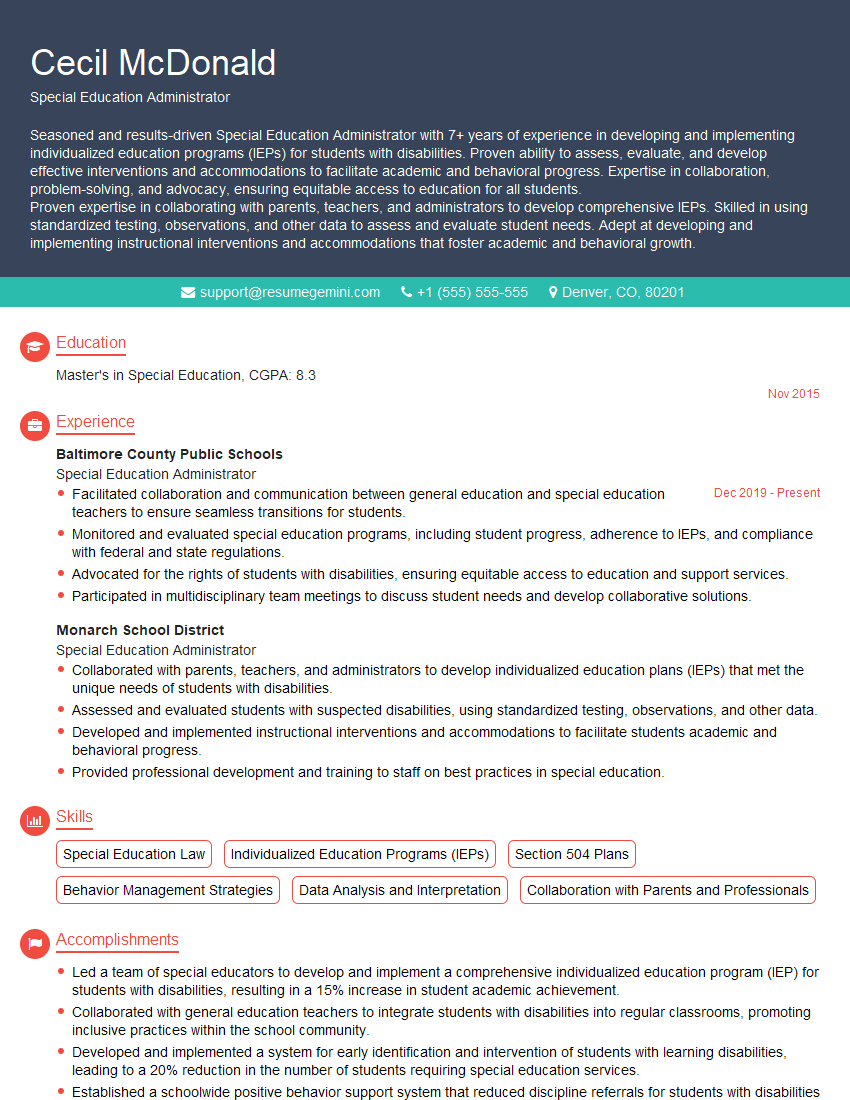
Special Education Administrator Resume Sample
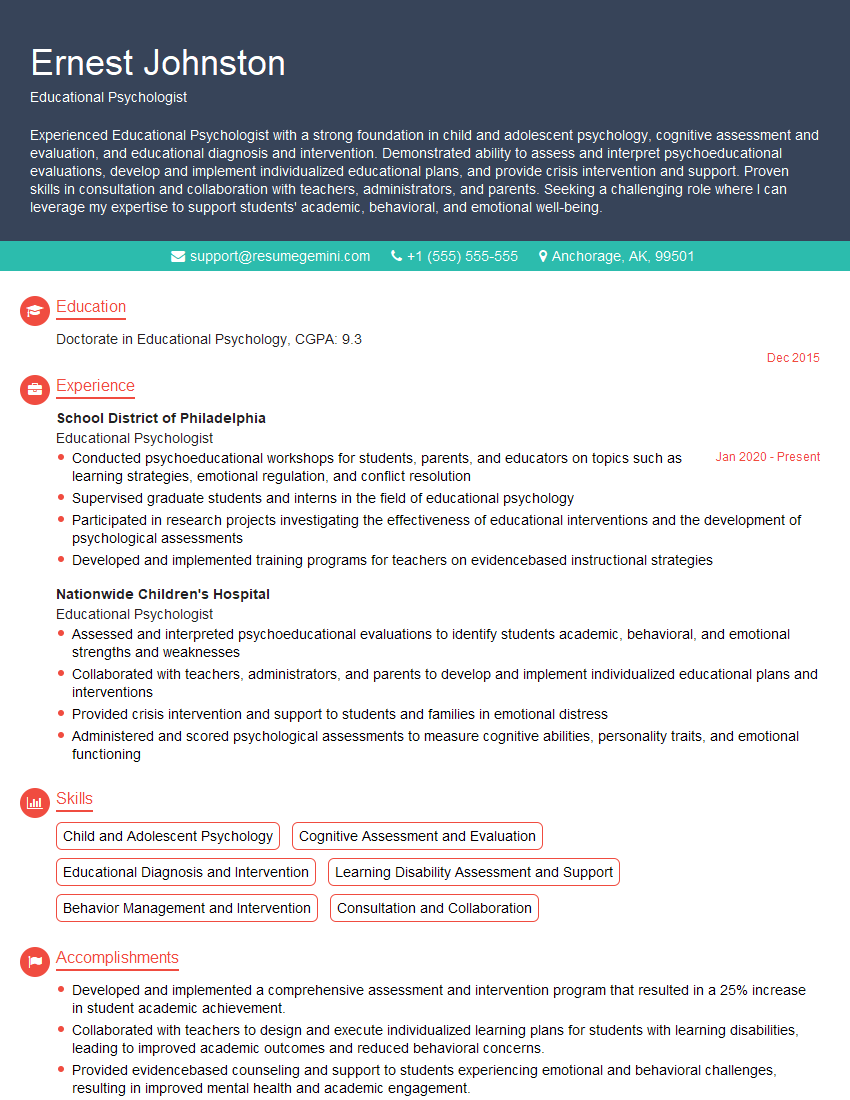
Educational Psychologist Resume Sample
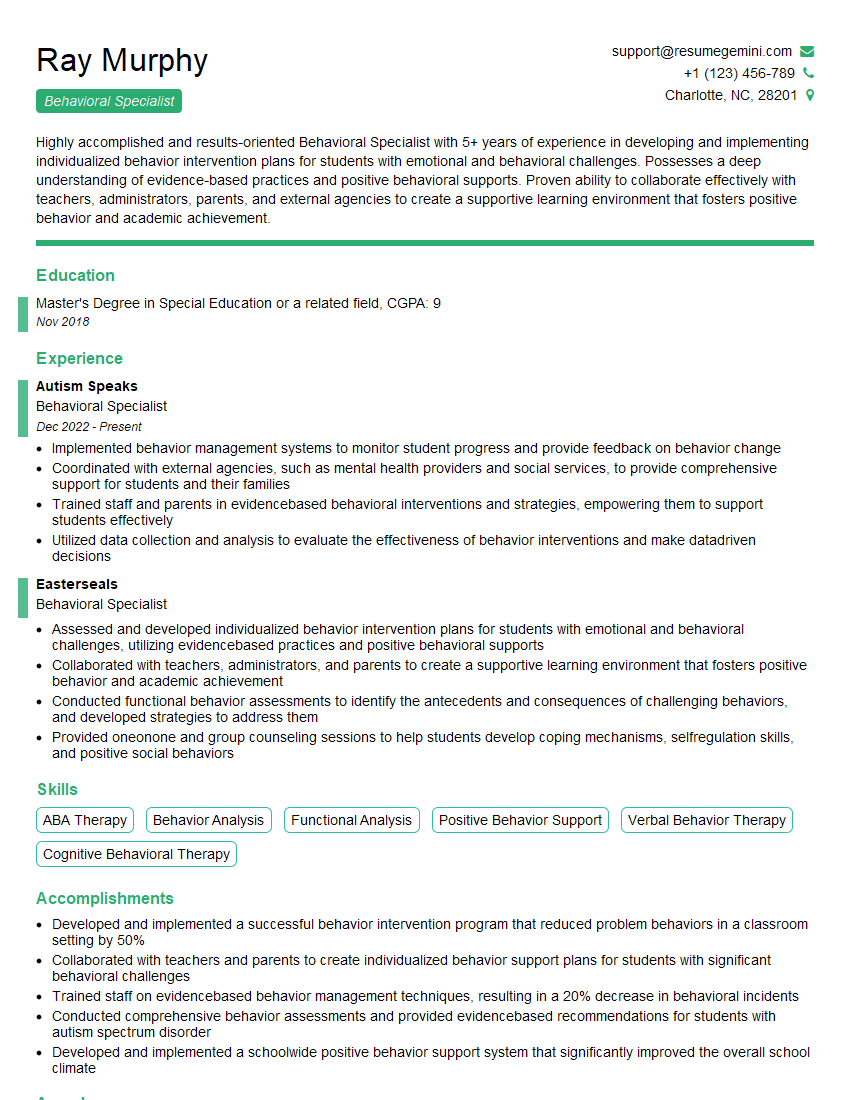
Behavioral Specialist Resume Sample
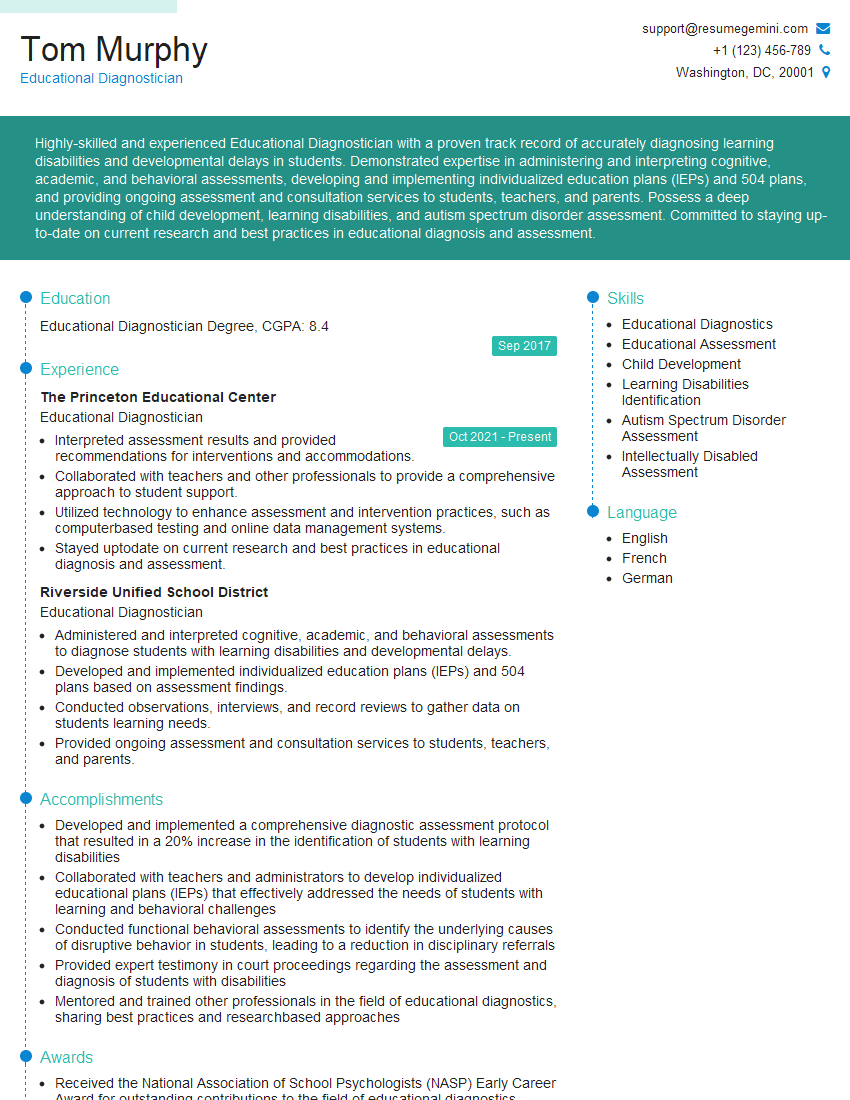
Educational Diagnostician Resume Sample
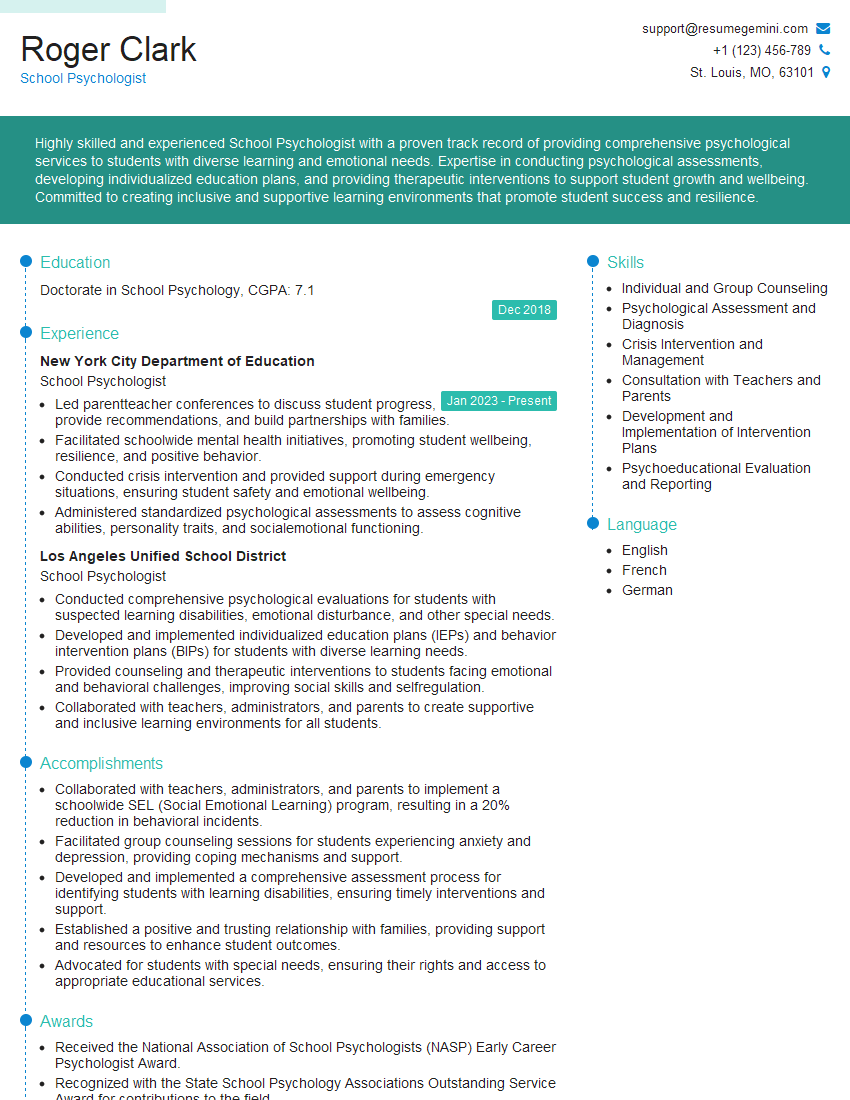
School Psychologist Resume Sample
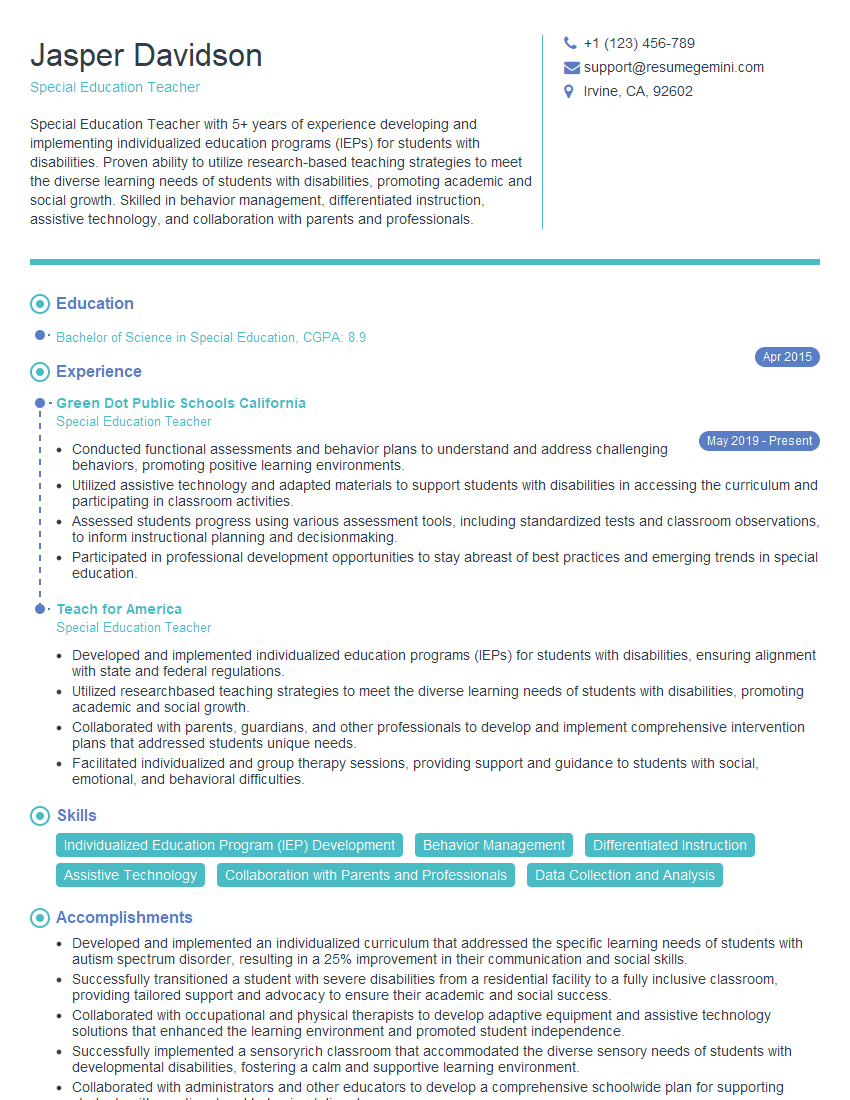
Special Education Teacher Resume Sample
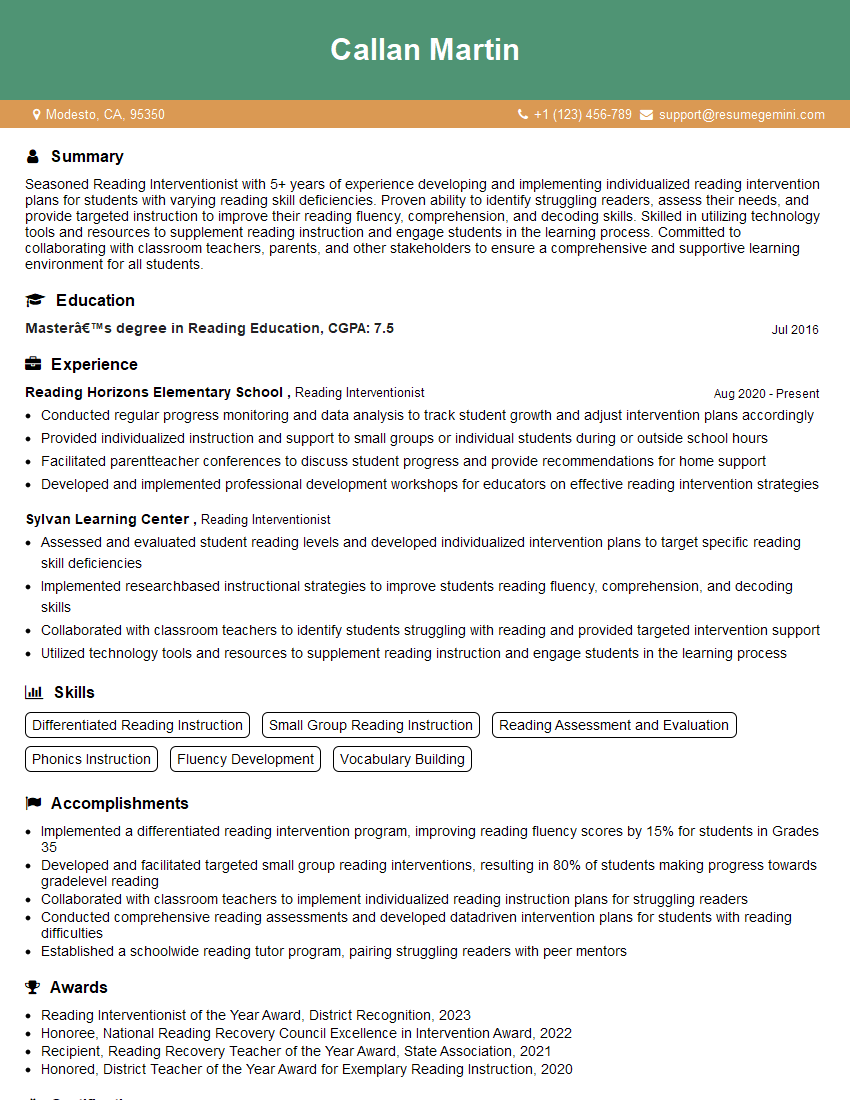
Reading Interventionist Resume Sample
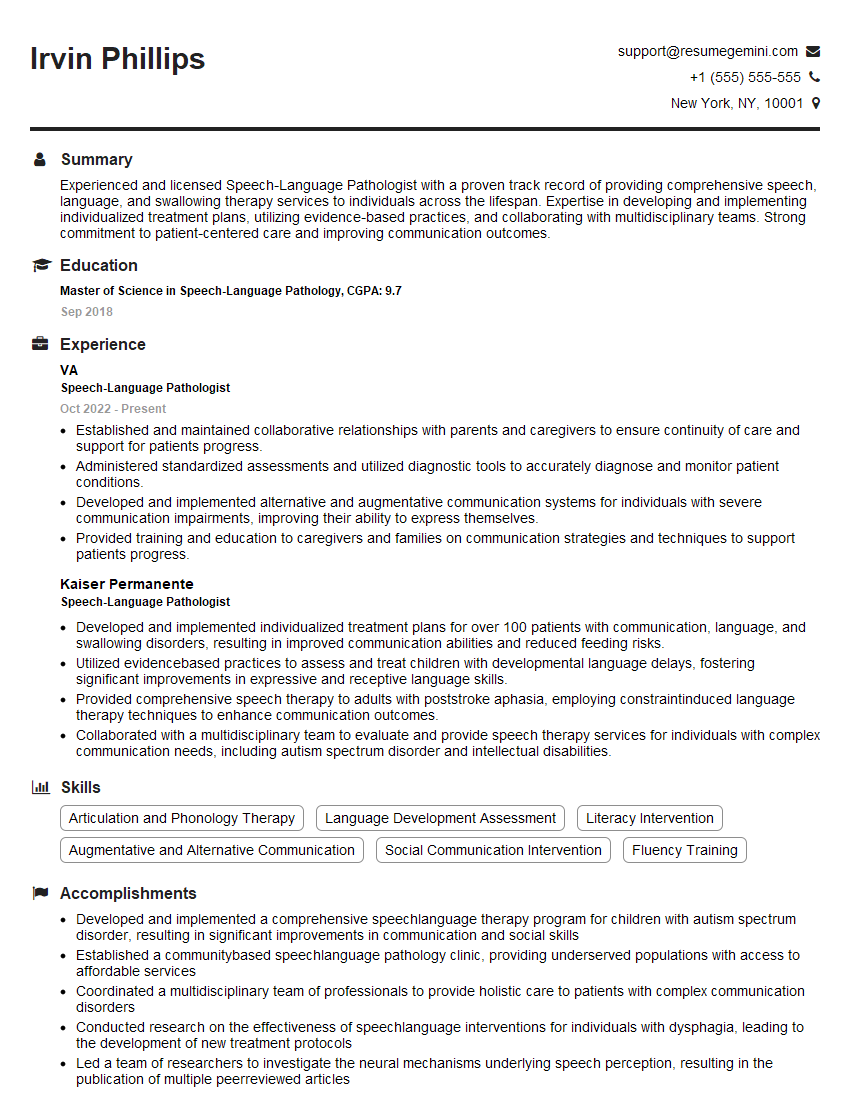
Speech-Language Pathologist Resume Sample
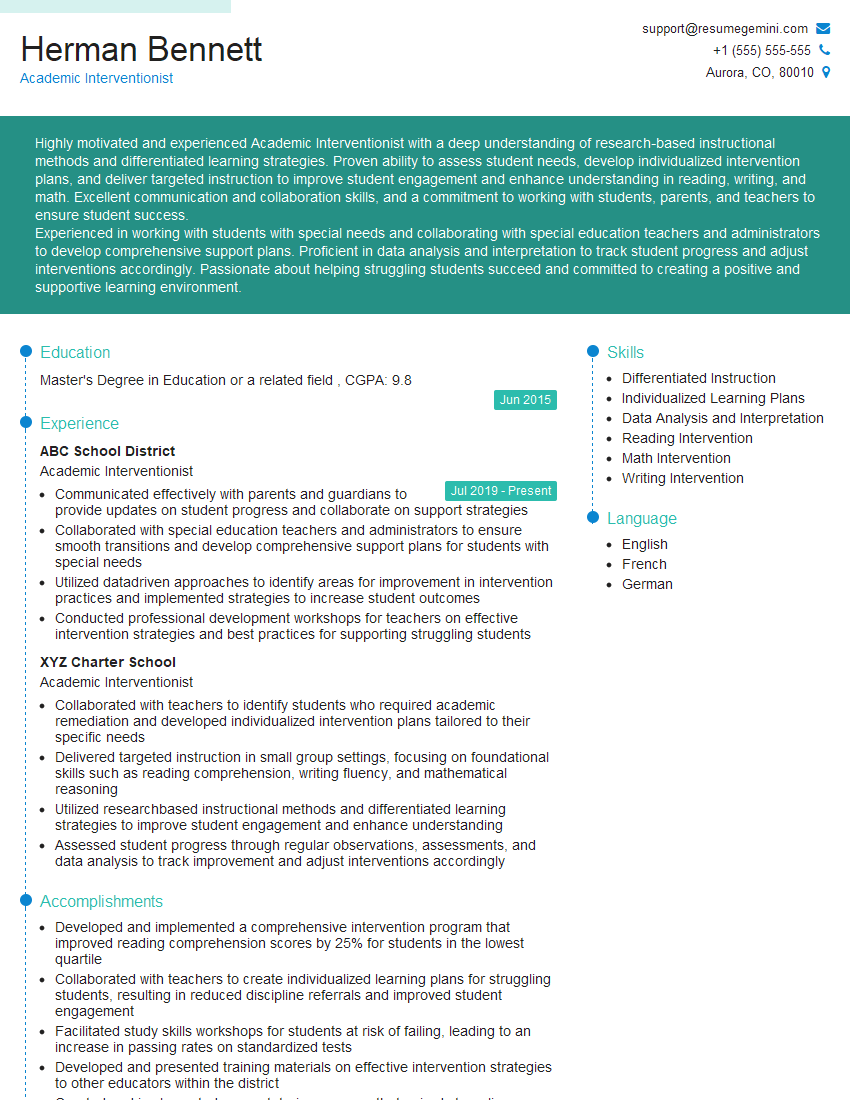
Academic Interventionist Resume Sample
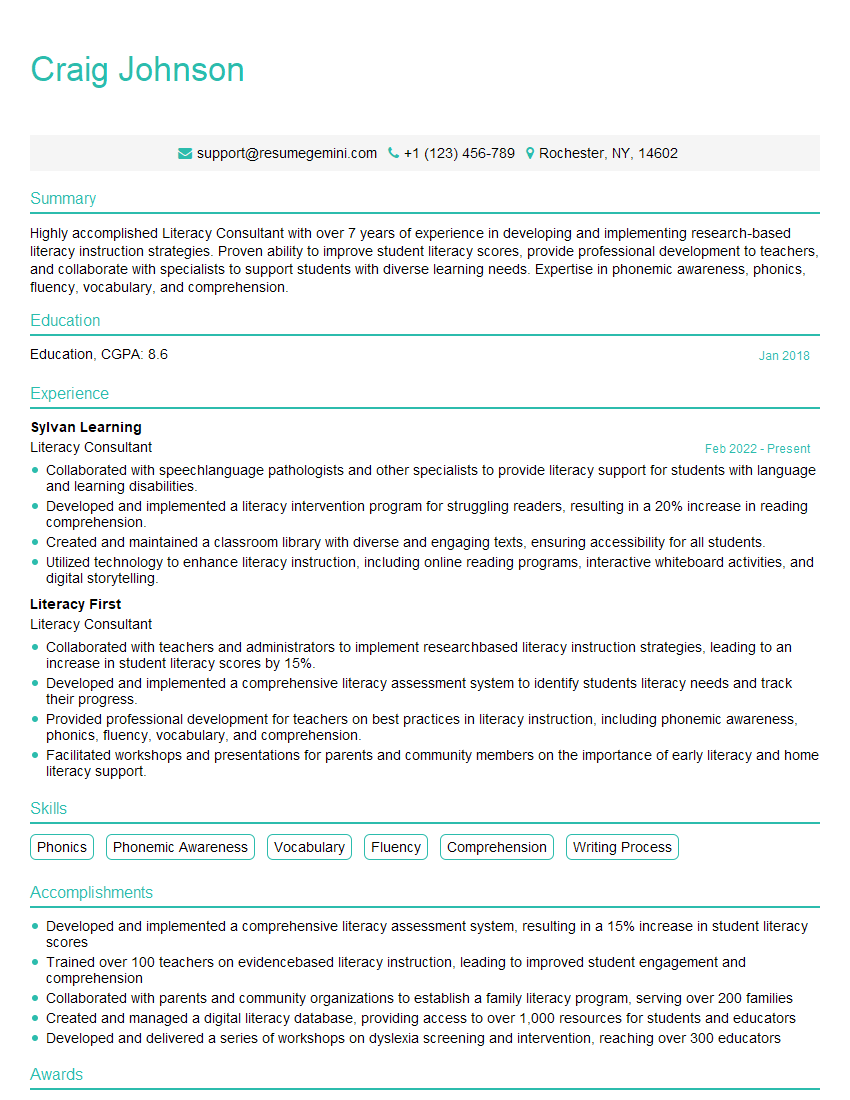
Literacy Consultant Resume Sample
- Learning Specialist
- Early Childhood Specialist
- Director of Special Education
- Special Education Administrator
- Educational Psychologist
- Behavioral Specialist
- Educational Diagnostician
- School Psychologist
- Special Education Teacher
- Reading Interventionist
- Speech-Language Pathologist
- Academic Interventionist
- Literacy Consultant
Explore more articles
Users Rating of Our Blogs
Share Your Experience
We value your feedback! Please rate our content and share your thoughts (optional).
What Readers Say About Our Blog
I Redesigned Spongebob Squarepants and his main characters of my artwork.
https://www.deviantart.com/reimaginesponge/art/Redesigned-Spongebob-characters-1223583608
IT gave me an insight and words to use and be able to think of examples
Hi, I’m Jay, we have a few potential clients that are interested in your services, thought you might be a good fit. I’d love to talk about the details, when do you have time to talk?
Best,
Jay
Founder | CEO