The right preparation can turn an interview into an opportunity to showcase your expertise. This guide to Tractortrailer certification interview questions is your ultimate resource, providing key insights and tips to help you ace your responses and stand out as a top candidate.
Questions Asked in Tractortrailer certification Interview
Q 1. Describe your experience with pre-trip inspections.
Pre-trip inspections are crucial for safety and preventing roadside breakdowns. Think of it as a thorough health check for your truck before every trip. My inspections follow a standardized checklist, meticulously examining every component from tires and lights to brakes and coupling systems. I start at the front of the tractor, checking the headlights, turn signals, wipers, and mirrors, ensuring they are functioning correctly. I then move to the engine compartment, checking fluid levels (oil, coolant, brake fluid, power steering fluid), belts, hoses, and the battery. Next, I proceed to the trailer, inspecting the tires, lights, and the coupling mechanism to ensure it’s securely attached. I meticulously check for any leaks, damage, or unusual wear and tear. I always pay close attention to the brake system, both the tractor and trailer brakes, looking for any signs of wear or damage. Finally, I perform a walk-around to check for any potential hazards or obstructions.
For example, once I noticed a small crack in a tire sidewall during a pre-trip inspection. This seemingly minor issue could have led to a blowout on the highway. By catching it early, I prevented a potentially dangerous situation. Thorough inspections aren’t just about rules; they’re about safety and responsibility.
Q 2. Explain the proper procedures for securing different types of cargo.
Securing cargo is paramount to prevent accidents and damage. The method depends entirely on the type of cargo. For instance, palletized goods are generally secured using straps and chains, ensuring they are tightly fastened and evenly distributed to prevent shifting during transit. I utilize ratchet straps for most loads, ensuring they are properly tensioned and secured to appropriate tie-down points. For loose cargo, I use a combination of tarps and netting, preventing shifting and ensuring the cargo stays contained within the trailer. Bulk cargo like liquids or powders require specialized containers and securing mechanisms to prevent spillage or leaks. Heavy items require more securement points and potentially stronger straps or chains. Before securing, I always ensure the trailer floor is clean and clear to maintain a level base. Proper documentation of cargo securing is vital, and I always maintain detailed records of the process.
For example, when hauling oversized pipes, I utilize specialized bracing and multiple securing points to prevent them from shifting during transit. Each load requires a unique strategy considering its weight, size, and shape.
Q 3. How do you manage your hours of service (HOS) regulations?
I meticulously manage my Hours of Service (HOS) regulations using electronic logging devices (ELDs). This ensures compliance with federal regulations and prevents fatigue-related accidents. The ELD tracks my driving time, on-duty time, and off-duty time, automatically recording all activities. I understand the limitations of my driving time windows and plan my routes accordingly, factoring in rest breaks and potential delays. I always ensure I have sufficient time for rest before starting a new shift and never drive when fatigued. Regularly reviewing my ELD records helps me understand my driving patterns and identify potential issues in my scheduling. I also understand the rules regarding exceptions and sleeper berth use. I make sure to keep the ELD current and accurate and I take responsibility for any discrepancies.
For instance, if I anticipate a long journey, I plan my breaks and sleeper berth time well in advance to ensure I’m well-rested and compliant with HOS regulations.
Q 4. What are the different types of endorsements available for a CDL?
Various endorsements can be added to a Commercial Driver’s License (CDL) to authorize drivers to operate specific types of vehicles or transport particular cargo. Some common endorsements include:
- Passenger (P): Allows operation of vehicles designed to carry 16 or more passengers, including buses.
- School Bus (S): Allows operation of school buses.
- Hazardous Materials (H): Allows transportation of hazardous materials.
- Tanker (N): Allows operation of vehicles designed to transport liquids or gases in bulk.
- Doubles/Triples (T): Allows operation of vehicles with two or more trailers.
Each endorsement requires additional training and testing to demonstrate proficiency in handling the specific type of vehicle or cargo. Obtaining the necessary endorsements is essential for legal operation and ensuring safety on the road.
Q 5. Describe your experience driving in various weather conditions.
Driving in various weather conditions requires adaptability and a keen understanding of vehicle dynamics. In snowy or icy conditions, I reduce speed significantly, increase following distance, and use smooth braking techniques to avoid skidding. I’m familiar with different traction control systems and utilize them appropriately. In heavy rain, I reduce speed, increase following distance, and use my wipers and defoggers to ensure maximum visibility. I’m aware of hydroplaning risks and avoid sudden maneuvers. In high winds, I remain alert and maintain a firm grip on the steering wheel, and avoid driving next to large trucks or high-profile vehicles. I also closely monitor weather forecasts and adjust my routes or schedules accordingly to minimize risks associated with inclement weather.
For example, during a blizzard, I had to delay my trip until the weather improved significantly to ensure the safety of myself and others on the road. Safety is always the top priority.
Q 6. How do you handle emergency situations while driving a tractor-trailer?
Handling emergencies requires quick thinking and a calm demeanor. My first priority is always safety – my own, and that of others on the road. In case of a tire blowout, I maintain control of the vehicle, gradually reducing speed and safely pulling over to the side of the road. If I encounter a mechanical failure, I safely pull over to the side of the road, activate hazard lights, and contact my dispatcher for assistance. In case of an accident, I immediately assess the situation, check for injuries, call emergency services, and provide details of the incident. I’m trained in providing basic first aid and will render assistance if needed, while also keeping my personal safety in mind. I meticulously document every incident and cooperate fully with law enforcement and insurance personnel.
For instance, I once experienced a brake failure on a downhill stretch. My immediate reaction was to use the engine brake and gradually reduce speed. I safely managed to stop without causing any harm or accidents. This required quick thinking and experience in using available safety measures.
Q 7. Explain your understanding of different braking systems.
Tractor-trailers utilize various braking systems for optimal control and safety. The primary system is the service brake, typically air-powered, which is activated by the brake pedal. These brakes apply pressure to the wheels of both the tractor and the trailer. The engine brake (Jake brake) is a supplementary braking system that utilizes the engine to help slow down the vehicle, reducing the workload on the service brakes. Auxiliary braking systems, such as exhaust brakes and retarders, offer additional braking power, particularly on steep grades. Parking brakes engage to keep the vehicle stationary when parked. ABS (Anti-lock Braking System) prevents wheel lockup during braking, allowing for better steering control in emergency situations. Understanding the function and limitations of each system is critical for safe operation. Regular inspections and maintenance are essential to ensure all braking systems are functioning optimally. It’s crucial to always use a combination of braking systems, particularly when descending steep grades, and never rely solely on one type.
Understanding how these systems interact is essential. For example, while descending a steep grade, I would utilize engine braking and retarders in conjunction with the service brakes to maintain a safe speed. This prevents overreliance on the service brakes, preventing brake fade and ensuring safe and controlled descent.
Q 8. Describe your experience with maintaining vehicle logs.
Maintaining accurate vehicle logs is paramount for compliance and efficient operation. My experience involves meticulously recording all relevant information, including hours of service, location of stops, cargo details, and any maintenance performed. I utilize both electronic logging devices (ELDs) and paper logs, ensuring adherence to all applicable regulations. For example, I always record my start and end times precisely, noting any breaks taken, and ensure that the information in the ELD is perfectly synchronized with any supporting paperwork. This meticulous approach prevents violations and simplifies audits, providing a clear history of my driving and operational activities.
- Electronic Logging Devices (ELDs): I am proficient in using ELDs, ensuring accurate data capture and automatic record-keeping.
- Paper Logs: I maintain neat and legible paper logs as backup and in situations where ELDs may not be functional.
- Data Verification: I routinely verify the accuracy of my logs to avoid discrepancies and ensure regulatory compliance.
Q 9. How do you ensure the safety of your cargo during transit?
Cargo safety is my top priority. My approach involves a multi-layered strategy starting with proper pre-trip inspections. I check for secure load placement, proper use of tie-downs and restraints, and ensure the cargo is compatible with the trailer. Throughout transit, I maintain safe driving speeds, avoid harsh braking or acceleration, and conduct regular checks to prevent shifting or damage. For example, I use appropriate tie-down techniques specific to the type of cargo – whether it’s pallets, oversized equipment, or hazardous materials. If I detect any anomalies during transit, I immediately stop to address the issue before continuing the journey.
- Pre-Trip Inspection: Thorough visual inspection of the cargo and securing mechanisms before departure.
- Transit Monitoring: Regular checks during transit to detect any shifting or damage.
- Safe Driving Practices: Maintaining safe speeds and avoiding harsh maneuvers to minimize risk.
- Emergency Procedures: Knowing how to handle unexpected events like accidents or cargo damage.
Q 10. Explain your understanding of weight distribution and its importance.
Understanding weight distribution is critical for safe and efficient operation. It refers to how the total weight of the tractor-trailer is balanced across its axles. Proper weight distribution prevents overloading individual axles, reduces tire wear, enhances vehicle stability, and improves braking performance. An improperly balanced load can lead to dangerous situations like jackknifing or trailer sway. For instance, a heavy load concentrated at the rear can cause instability at high speeds, while overloading a single axle can cause damage to the vehicle and a potential traffic violation. I always check the weight distribution before setting off and ensure it complies with legal limits and safety guidelines. I utilize weight scales to verify the distribution and make adjustments if necessary.
- Legal Limits: Adherence to all axle weight limits specified by regulations.
- Load Balancing: Strategic placement of cargo to achieve optimal weight distribution.
- Weight Verification: Use of weight scales to check and confirm proper distribution.
- Preventive Maintenance: Regular inspections to ensure the vehicle’s structural integrity to handle the weight.
Q 11. How do you perform a post-trip inspection?
A post-trip inspection is a crucial step in maintaining vehicle safety and preventing accidents. This involves a thorough examination of the tractor and trailer after each trip. My post-trip inspection includes checks for tire pressure and condition, brake function, fluid levels (engine oil, coolant, brake fluid), lights, signals, and the overall condition of the chassis. I also check for any damage to the trailer, such as dents or loose panels, and make sure that the cargo compartment is secure. I document any findings, including minor issues, in my logbook, which helps schedule timely repairs and prevents larger problems in the future. For instance, if I notice a slight leak, I’ll document it, enabling preemptive maintenance to avoid a costly breakdown down the road. I consider this a critical component of proactive vehicle maintenance.
- Tire Inspection: Checking for wear and tear, proper inflation, and damage.
- Brake System Check: Testing brake function and checking fluid levels.
- Fluid Levels: Inspecting engine oil, coolant, and brake fluid.
- Lights and Signals: Verifying the functionality of all lights and turn signals.
- Documentation: Recording all findings in the vehicle’s logbook.
Q 12. What are the regulations concerning hazardous materials transportation?
Regulations governing hazardous materials transportation are stringent and critical for public safety. These regulations, often dictated by the Department of Transportation (DOT), involve proper classification of hazardous materials, securing the shipment according to specific guidelines, using appropriate placards and markings, and having the necessary training and documentation. This includes understanding the Emergency Response Guidebook (ERG) and knowing how to respond to spills or accidents involving hazardous materials. For example, transporting flammable liquids requires specific container types, securing methods, and placards. Failure to comply can lead to severe penalties, including hefty fines and legal consequences. My experience includes extensive training in hazardous materials handling and transportation, ensuring I can safely and legally transport such materials.
- Hazardous Materials Classification: Accurate identification of the type and hazard class.
- Proper Packaging and Securing: Use of appropriate containers and securement methods.
- Placarding and Marking: Adhering to DOT regulations for marking and labeling.
- Emergency Response: Understanding emergency procedures in case of spills or accidents.
- Documentation: Maintaining accurate shipping papers and other required documentation.
Q 13. Describe your experience with using GPS navigation systems.
GPS navigation systems are indispensable tools for efficient and safe routing. I am highly proficient in using these systems, utilizing them for planning routes, avoiding traffic congestion, and finding efficient pathways. Beyond simple navigation, I use GPS features to track my location, monitor driving hours, and often utilize the GPS data to prepare accurate trip logs. For example, if I encounter unexpected road closures, the GPS allows me to quickly reroute, ensuring timely deliveries and avoiding delays. The accuracy of GPS data significantly improves the efficiency and safety of long-haul trucking operations.
- Route Planning: Utilizing GPS to plan efficient and safe routes.
- Traffic Avoidance: Navigating around traffic congestion to save time.
- Location Tracking: Monitoring vehicle location for efficiency and safety.
- Data Integration: Using GPS data to enhance logbook accuracy.
Q 14. How do you handle challenging road conditions, such as ice or snow?
Handling challenging road conditions, like ice or snow, requires extra caution and experience. My approach includes significantly reducing speed, increasing following distance, and anticipating slippery patches. I often adjust my driving style, using gradual acceleration and braking to maintain control. Chain installation is a crucial skill, and I am experienced in installing and using tire chains appropriately when required. When conditions are particularly severe, I might delay my trip if it’s deemed unsafe or consider alternative routes. Safety is the ultimate priority, and my decisions are always guided by ensuring the safety of myself, the cargo, and other drivers. For example, I might use lower gears to help maintain momentum on icy inclines and avoid harsh maneuvers that could cause loss of control. The key is to be proactive, not reactive.
- Reduced Speed: Significantly lowering speed to maintain control.
- Increased Following Distance: Providing a larger safety cushion between vehicles.
- Gradual Acceleration and Braking: Avoiding abrupt movements that could lead to skidding.
- Tire Chains: Proper installation and use of tire chains when necessary.
- Route Adjustments: Considering alternative routes or delaying the trip in severe conditions.
Q 15. Explain your understanding of vehicle maintenance and preventative measures.
Vehicle maintenance is paramount for safe and efficient operation of a tractortrailer. Preventative measures are key to avoiding breakdowns and ensuring longevity. My approach involves a multi-faceted strategy focusing on regular inspections, diligent record-keeping, and proactive repairs.
Daily Inspections: Before every trip, I conduct a thorough pre-trip inspection, checking tire pressure, fluid levels (engine oil, coolant, brake fluid), lights, wipers, and overall structural integrity of the tractor and trailer. I meticulously document any issues in my logbook.
Scheduled Maintenance: I adhere strictly to the manufacturer’s recommended maintenance schedule, which includes things like oil changes, filter replacements, and belt inspections. This prevents minor issues from escalating into major problems.
Addressing Issues Promptly: If I notice even a minor problem, I report it immediately to the dispatcher and follow the company’s procedures for repair. Ignoring small issues can lead to costly and dangerous breakdowns down the road.
Cleanliness: Maintaining a clean truck and trailer is crucial. Dirt and debris can damage components and obscure potential problems. Regular cleaning allows for better identification of issues.
For example, I once noticed a slight leak in my coolant reservoir during a pre-trip inspection. I reported it immediately, and the leak was repaired before it caused any serious damage. This proactive approach prevented a potential breakdown and ensured the safety of my cargo and myself.
Career Expert Tips:
- Ace those interviews! Prepare effectively by reviewing the Top 50 Most Common Interview Questions on ResumeGemini.
- Navigate your job search with confidence! Explore a wide range of Career Tips on ResumeGemini. Learn about common challenges and recommendations to overcome them.
- Craft the perfect resume! Master the Art of Resume Writing with ResumeGemini’s guide. Showcase your unique qualifications and achievements effectively.
- Don’t miss out on holiday savings! Build your dream resume with ResumeGemini’s ATS optimized templates.
Q 16. How do you communicate effectively with dispatchers and customers?
Effective communication is the cornerstone of my job. With dispatchers, I maintain clear and concise communication regarding my location, estimated time of arrival (ETA), any unforeseen delays, and potential problems. I use clear and professional language, avoiding jargon.
With customers, I focus on building rapport and providing updates on the delivery schedule. I am always polite and respectful, acknowledging any concerns they may have. I strive to be proactive, informing customers of any potential delays rather than reacting only when problems arise. I understand the value of transparency.
For example, if I encounter unexpected traffic congestion, I immediately notify both the dispatcher and the customer, providing them with an updated ETA and the reason for the delay. This proactive approach minimizes misunderstandings and builds trust.
Q 17. Describe your experience with dealing with traffic and congestion.
Dealing with traffic and congestion is an unavoidable aspect of long-haul trucking. My experience has taught me the importance of defensive driving and route planning. I utilize GPS navigation systems and traffic apps to identify potential congestion areas and plan alternative routes whenever possible. I am always aware of my surroundings, maintaining a safe following distance and avoiding abrupt maneuvers.
I also prioritize my safety by never driving while fatigued or under the influence. I know that driving safely, even in heavy traffic, is the most important aspect of the job.
For instance, if I’m approaching a known traffic bottleneck, I’ll slow down early, signal my intentions clearly, and maintain a safe following distance to avoid becoming involved in an accident. Patience and awareness are key to navigating congested areas safely.
Q 18. What are your strategies for staying alert and avoiding fatigue while driving?
Staying alert and avoiding fatigue is critical for safe driving. My strategies include prioritizing sleep, maintaining a healthy diet, and avoiding long stretches behind the wheel without breaks. I utilize rest stops and designated sleep areas to take regular naps and ensure I am well-rested.
Regular Breaks: I take short breaks every couple of hours to stretch my legs and clear my head. These short breaks are far more effective than trying to push through long periods of driving without rest.
Adequate Sleep: I ensure I get at least eight hours of sleep each night, and I never drive if I am feeling tired or drowsy. Prioritizing sleep is non-negotiable for me.
Hydration and Nutrition: Staying hydrated and eating healthy foods helps maintain alertness. I avoid sugary drinks and heavy meals that can cause drowsiness.
Awareness of Warning Signs: I am constantly aware of the signs of fatigue, such as yawning, drifting eyes, and difficulty concentrating. If I experience any of these symptoms, I pull over immediately and rest.
For example, during a particularly long haul, I scheduled multiple short breaks, even if it meant arriving a little later. The safety of myself and others on the road is paramount.
Q 19. How do you manage your time effectively while on the road?
Time management on the road requires careful planning and execution. I utilize route planning software to optimize delivery routes, considering factors such as traffic, weather, and delivery deadlines. I always factor in additional time for unexpected delays or unforeseen circumstances.
Route Planning: I use GPS navigation and traffic apps to choose the most efficient route, avoiding known congestion areas. I pre-plan my stops and rest breaks.
Logbook Management: Maintaining an accurate logbook is crucial for compliance with Hours of Service regulations. I meticulously track my driving time, breaks, and on-duty time.
Prioritization: I prioritize tasks and address urgent issues promptly. This keeps me organized and on schedule.
For example, I might plan my deliveries so that I can consolidate several stops in a single area, minimizing unnecessary mileage and maximizing my time efficiency.
Q 20. Explain your understanding of different types of trailers and their uses.
Trailers come in various types, each suited for specific cargo needs. Understanding these differences is vital for safe and efficient transportation.
Dry Van Trailers: These are enclosed trailers used for general freight, offering protection from the elements. They’re versatile and suitable for a wide variety of goods.
Refrigerated Trailers (Reefer): These trailers maintain a controlled temperature, ideal for transporting perishable goods like food and pharmaceuticals. They require specialized equipment and maintenance.
Flatbed Trailers: These open trailers are used for hauling oversized or heavy cargo that cannot be enclosed. Securing the load properly is crucial for safety.
Tank Trailers: Designed for transporting liquids or gases, these trailers require specific handling procedures and adherence to hazardous materials regulations.
Lowboy Trailers: These trailers have a low deck height, making them ideal for transporting extremely tall or heavy equipment. Specialized equipment may be required for loading and unloading.
Understanding the characteristics and limitations of each trailer type is essential for safe and efficient operation. For instance, I wouldn’t attempt to haul a load of frozen chicken in a flatbed trailer – I’d need a refrigerated trailer to maintain the necessary temperature.
Q 21. Describe your experience with coupling and uncoupling trailers.
Coupling and uncoupling trailers is a critical skill requiring precision and safety awareness. I follow a step-by-step procedure every time, ensuring all connections are secure before moving. This involves:
Pre-coupling Inspection: I inspect the trailer’s lights, brakes, and coupling mechanisms for any damage or defects before attempting to couple.
Aligning the Tractor and Trailer: I carefully align the tractor’s fifth wheel with the trailer’s kingpin, ensuring they are properly centered.
Securing the Coupling: I raise the landing gear, back the tractor slowly into the trailer until the kingpin is seated in the fifth wheel, and then lower the fifth wheel to firmly secure the coupling.
Connecting Air and Electrical Lines: I ensure all air and electrical lines are connected securely, checking the lights and air pressure.
Post-coupling Inspection: Finally, I conduct a thorough inspection to verify that everything is securely connected before moving.
Uncoupling: The process of uncoupling mirrors the coupling process, but in reverse. I use chocks to secure the trailer while I disconnect everything, and then ensure everything is correctly stowed.
Safety is paramount during coupling and uncoupling. Never rush the process, and always ensure that all connections are secure. Improper coupling can lead to serious accidents.
Q 22. What are the different types of cargo you have experience hauling?
Throughout my career, I’ve hauled a diverse range of cargo. This includes everything from general freight, such as pallets of consumer goods and manufactured items, to more specialized loads like oversized machinery and construction materials. I’ve also transported hazardous materials, requiring meticulous adherence to safety regulations and proper documentation. Experience with refrigerated goods (reefers) is also a significant part of my background, demanding precise temperature control and careful handling to maintain product integrity. Each type of cargo presents unique challenges and requires specific handling techniques and securing methods to ensure safe and efficient transportation.
- General Freight: This is the bread and butter of trucking, encompassing a wide variety of packaged goods.
- Oversized/Heavy Haul: Requires specialized permits, route planning, and securement techniques due to size and weight restrictions.
- Hazardous Materials (Hazmat): Demands strict adherence to regulations, including proper placarding, documentation, and emergency response procedures.
- Refrigerated Goods (Reefers): Maintaining precise temperature throughout transit is critical to preserving perishable goods.
Q 23. How do you deal with mechanical issues while on the road?
Dealing with mechanical issues on the road requires a calm and methodical approach. My first priority is always safety. I’ll safely pull over to the side of the road, away from traffic, and activate hazard lights. Then, I conduct a preliminary assessment of the problem, if possible. This might involve checking fluids, tire pressure, or visually inspecting for obvious damage. If the problem is minor and I have the skills and tools to fix it safely (like a flat tire), I’ll do so. However, for more serious issues, I immediately contact my dispatcher or fleet maintenance team. I’ll provide them with the location, a description of the problem, and any relevant information, such as error codes from the vehicle’s diagnostic system. I’ll also follow their instructions regarding roadside assistance or towing. Waiting for professional help, I ensure the vehicle remains secure, especially important with hazardous materials, and I follow all necessary safety procedures while waiting for assistance.
Q 24. Explain your understanding of the rules of the road and traffic laws.
My understanding of rules of the road and traffic laws is comprehensive and up-to-date. I’m thoroughly familiar with state and federal regulations concerning commercial vehicle operation, including hours-of-service regulations, weight limits, speed restrictions, and the proper use of signals and mirrors. Understanding these regulations is paramount for safe operation, and I always prioritize adherence. I’m also aware of specific regulations concerning hazardous materials transportation and the proper procedures for navigating different road conditions, such as inclement weather. Regularly reviewing the latest updates and changes to these regulations is part of my ongoing professional development. I treat any deviation from these laws as a serious matter, understanding that even minor violations can lead to accidents and severe consequences.
Q 25. How do you prioritize safety in all aspects of your driving?
Safety is my absolute top priority. It’s not just a job requirement; it’s a personal commitment. I begin each day with a pre-trip inspection, meticulously checking tires, lights, brakes, and other critical systems. On the road, I maintain a safe following distance, avoid distractions (cell phones are never used while driving), and am constantly aware of my surroundings. I am especially vigilant in adverse weather conditions, adjusting my speed and driving style accordingly. I prioritize proper load securement to prevent shifting during transit, crucial for both safety and preventing damage to the cargo. Regular vehicle maintenance and proactive attention to potential mechanical issues are also vital parts of my safety strategy. I view safety not just as my responsibility, but as a responsibility towards other drivers and the public.
Q 26. Describe your experience with using electronic logging devices (ELDs).
I have extensive experience using Electronic Logging Devices (ELDs). I’m proficient in recording my hours of service accurately and ensuring compliance with all regulations. I understand the importance of properly documenting my driving time, on-duty time, and off-duty time, and I can troubleshoot common ELD issues. I’m also familiar with using different ELD systems and software. Understanding how to effectively manage my Hours of Service (HOS) using the ELD prevents fatigue-related accidents and ensures I comply with legal regulations. I also use the ELD data to track my driving efficiency and identify areas for improvement, such as reducing idling time or optimizing routes. For example, if I see a pattern of exceeding HOS limits on a particular route, I can suggest a more efficient route to my dispatcher to ensure I remain compliant.
Q 27. What are your strategies for fuel efficiency?
Fuel efficiency is a critical aspect of cost-effective trucking. My strategies focus on several key areas. I maintain a consistent speed, avoiding aggressive acceleration and braking. I anticipate traffic flow to minimize unnecessary stops and starts. I also plan routes to avoid unnecessary idling, which significantly contributes to fuel consumption. Proper tire inflation is crucial as under-inflated tires increase rolling resistance. Regular vehicle maintenance, especially keeping the engine properly tuned, is also paramount. I often use predictive cruise control features when available to optimize my speed based on the terrain and traffic conditions. Furthermore, I’m careful to maintain a consistent speed, especially while climbing hills. A combination of these practices leads to significant fuel savings over time.
Q 28. How do you adapt your driving to different terrains?
Adapting my driving to different terrains is essential for safe and efficient operation. On mountainous roads, I downshift appropriately to maintain engine speed and control, using lower gears to manage descents and prevent brake overheating. In icy or snowy conditions, I reduce speed significantly, increase following distance, and avoid sudden braking or steering maneuvers. On unpaved roads or construction zones, I am alert to potential hazards such as potholes or uneven surfaces, adjusting my speed and driving style accordingly. I carefully assess the road conditions before proceeding and adjust my driving technique based on the specific challenges presented. Prioritizing safe and efficient navigation through a diverse range of terrains is a skill honed through years of experience. For instance, I know that in heavy snow, using tire chains can be essential, and I would know when and how to properly install them.
Key Topics to Learn for Tractortrailer Certification Interview
- Vehicle Inspection and Maintenance: Understanding pre-trip and post-trip inspection procedures, recognizing potential mechanical issues, and knowing basic preventative maintenance practices.
- Safe Driving Practices: Mastering defensive driving techniques, understanding regulations concerning speed limits, hours of service, and load securement, and applying knowledge of safe driving in various weather conditions.
- Regulations and Compliance: Familiarizing yourself with federal and state regulations pertaining to commercial driving, including licensing requirements, weight restrictions, and hazardous materials transportation.
- Logbook and Documentation: Understanding the importance of accurate record-keeping, proper completion of logbooks, and the implications of discrepancies in documentation.
- Map Reading and Navigation: Demonstrating proficiency in using maps, GPS systems, and other navigational tools to plan efficient routes and avoid delays.
- Communication and Customer Service: Highlighting skills in effective communication with dispatchers, clients, and other drivers, demonstrating professionalism and problem-solving abilities in various situations.
- Emergency Procedures: Knowing how to handle emergency situations such as tire blowouts, brake failures, and accidents, including proper reporting procedures.
- Cargo Handling and Securement: Understanding techniques for safe loading, unloading, and securing of various types of cargo to prevent shifting or damage during transit.
- Understanding of ELDs (Electronic Logging Devices): Demonstrating knowledge of how ELDs work, their importance in compliance, and troubleshooting basic issues.
Next Steps
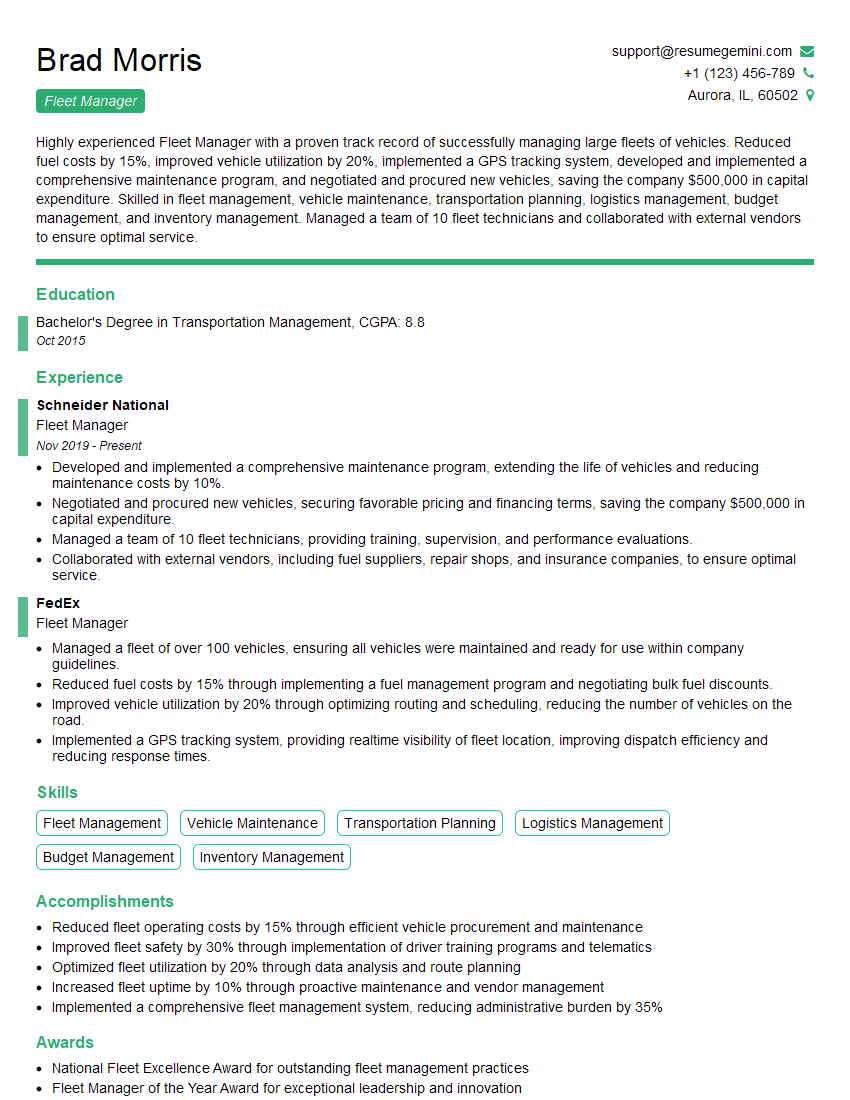
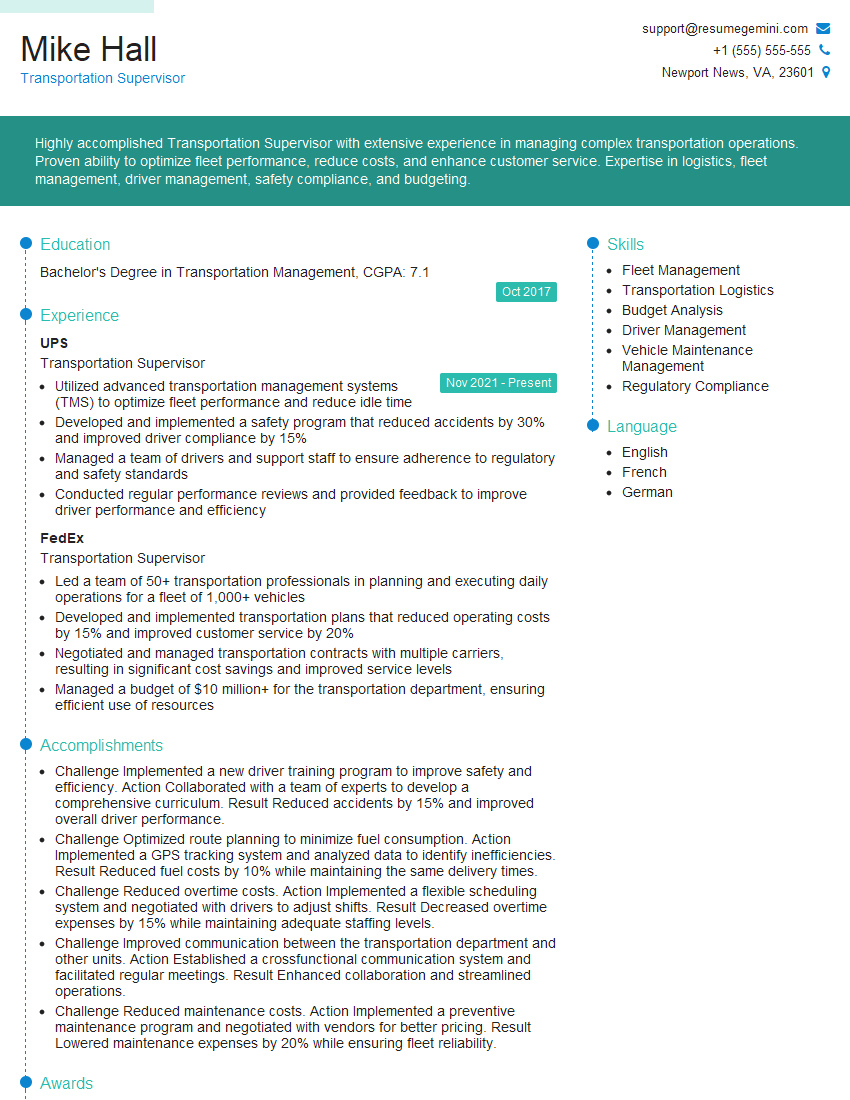
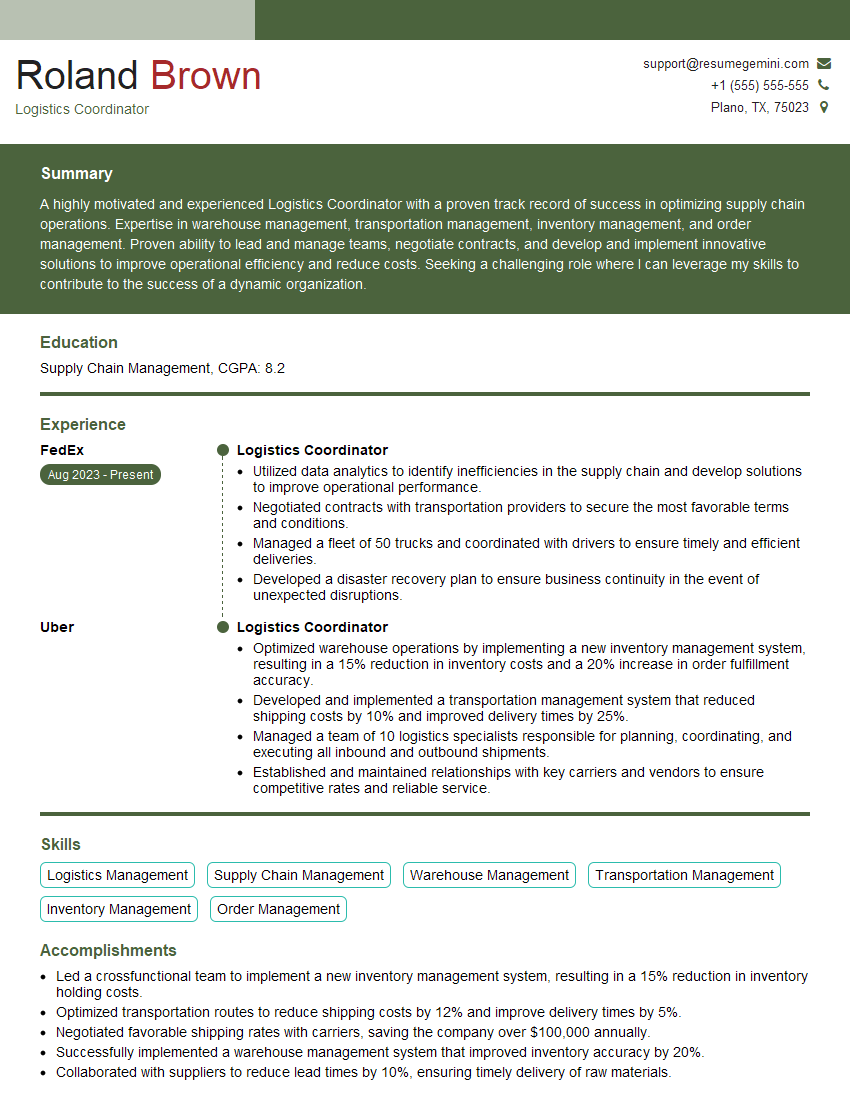
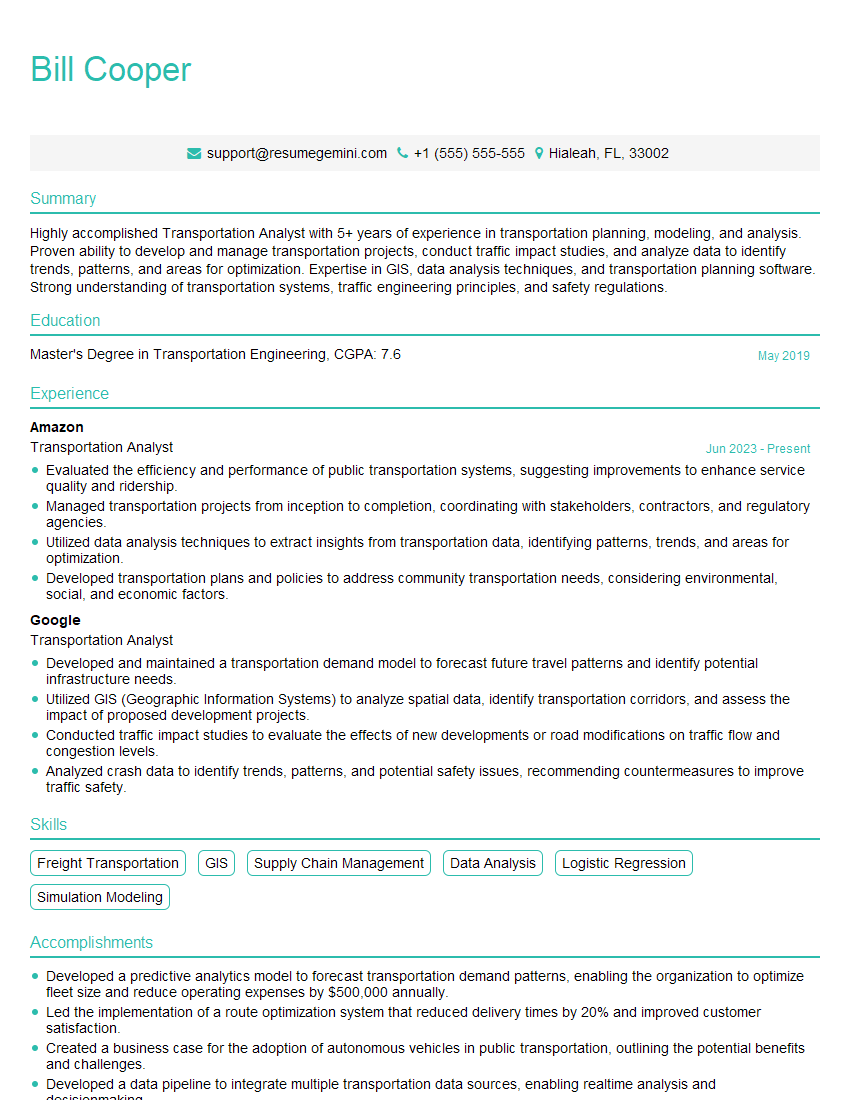
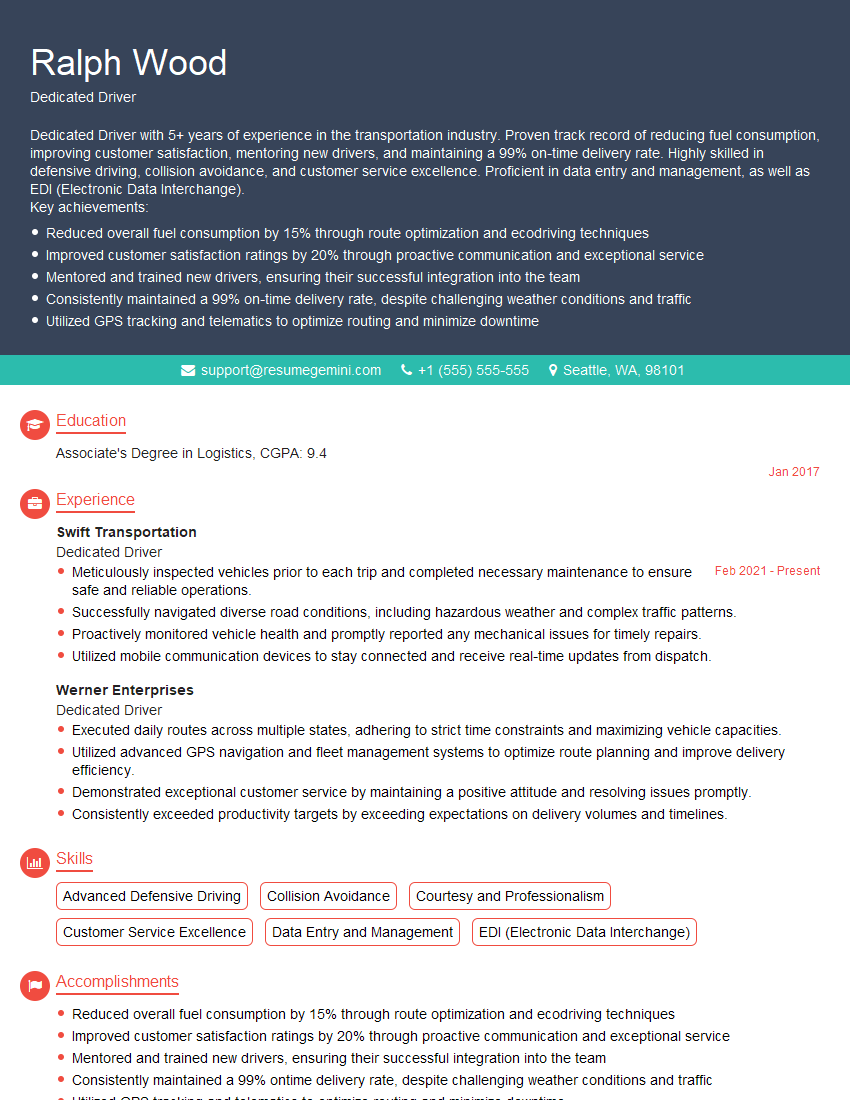
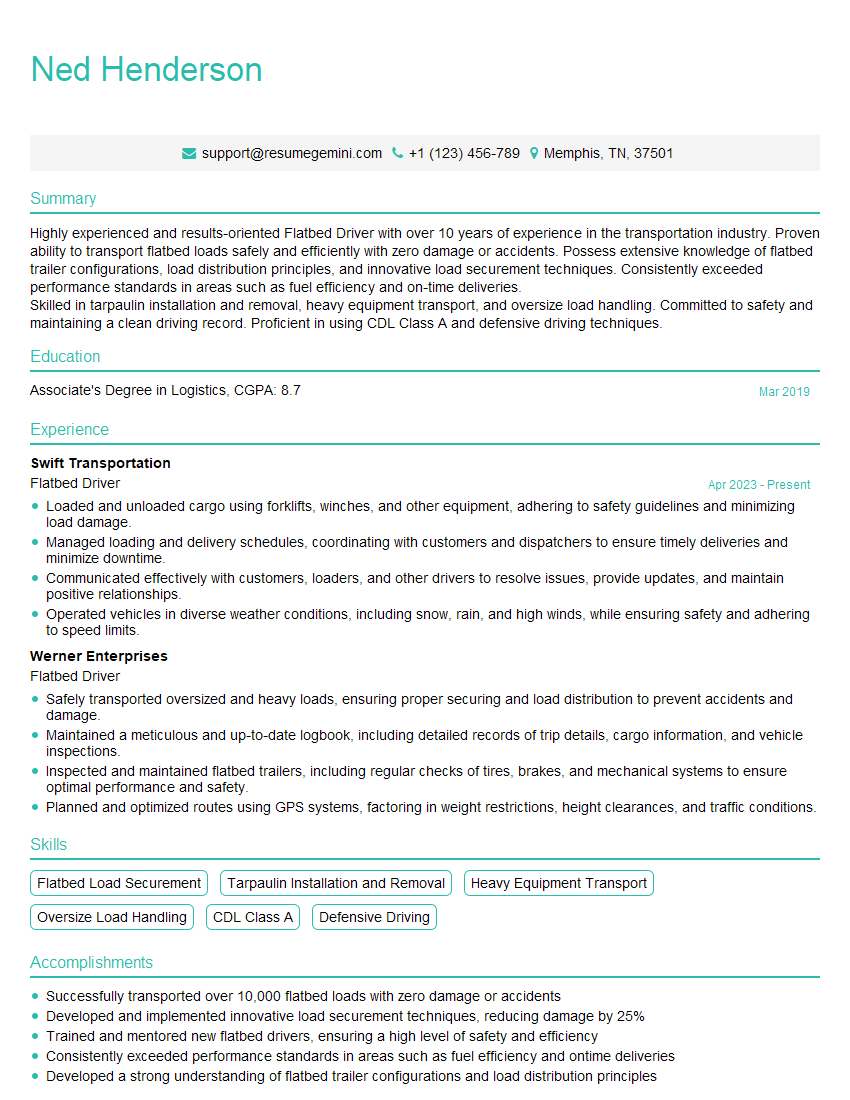
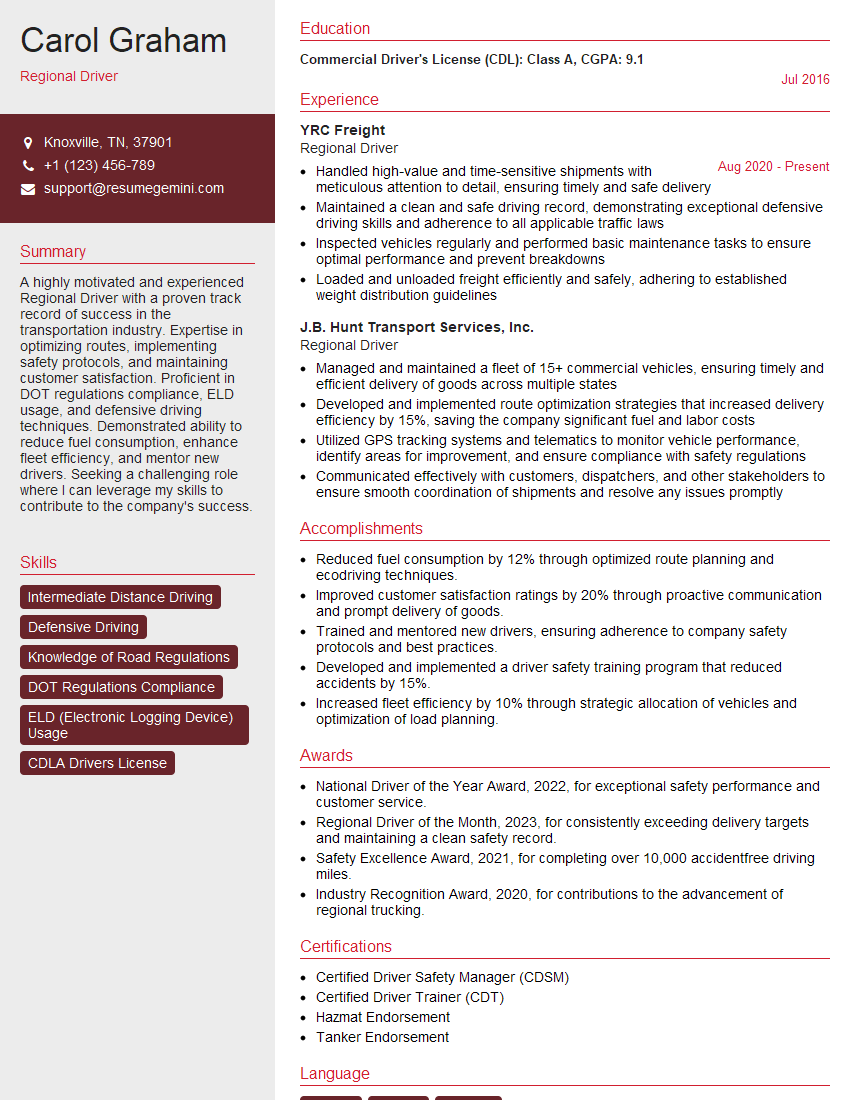
Mastering your Tractortrailer certification opens doors to a rewarding and stable career with excellent earning potential. To maximize your job prospects, creating a strong, ATS-friendly resume is crucial. This is where ResumeGemini can be a valuable asset. ResumeGemini helps you build a professional resume that highlights your skills and experience effectively. Examples of resumes tailored specifically to Tractortrailer certification are available to help you get started. Invest in your future – craft a compelling resume that showcases your qualifications and gets you noticed.

Explore more articles
Users Rating of Our Blogs
Share Your Experience
We value your feedback! Please rate our content and share your thoughts (optional).
What Readers Say About Our Blog
I Redesigned Spongebob Squarepants and his main characters of my artwork.
https://www.deviantart.com/reimaginesponge/art/Redesigned-Spongebob-characters-1223583608
IT gave me an insight and words to use and be able to think of examples
Hi, I’m Jay, we have a few potential clients that are interested in your services, thought you might be a good fit. I’d love to talk about the details, when do you have time to talk?
Best,
Jay
Founder | CEO