Are you ready to stand out in your next interview? Understanding and preparing for Understanding of Reading Comprehension Strategies interview questions is a game-changer. In this blog, we’ve compiled key questions and expert advice to help you showcase your skills with confidence and precision. Let’s get started on your journey to acing the interview.
Questions Asked in Understanding of Reading Comprehension Strategies Interview
Q 1. Explain the difference between literal and inferential comprehension.
Literal comprehension involves understanding the explicit information stated directly in a text. Think of it as understanding the surface meaning. For example, if a text says, “The cat sat on the mat,” literal comprehension means understanding that a cat was present and it was sitting on a mat. Inferential comprehension, on the other hand, goes beyond the explicit information to make logical deductions and interpretations based on clues within the text. It involves reading *between the lines*. Using the same example, an inference might be that the cat was tired because it chose to sit down, or that it was a domestic cat because it was comfortable indoors on a mat. Inferential comprehension requires deeper thinking and involves using prior knowledge and context clues to arrive at a conclusion not explicitly stated.
Q 2. Describe three different reading comprehension strategies and when to use each.
Three crucial reading comprehension strategies are:
- Predicting: Before reading, or even during reading, students make predictions about what might happen next based on the title, illustrations, or what they’ve already read. This active engagement keeps them focused and helps them to monitor their understanding. For example, after reading the beginning of a mystery novel, a student might predict who the culprit is based on character introductions. This prediction guides their reading and enhances comprehension.
- Visualizing: This strategy involves creating mental images of what’s being described in the text. It enhances engagement and helps readers to retain information more effectively. For instance, while reading a description of a bustling marketplace, a student can visualize the sights, sounds, and smells, bringing the text to life. This mental imagery creates a richer and more memorable experience.
- Questioning: Throughout the reading process, students should constantly ask themselves questions – What is the main idea? What does this word mean? Why did the character act that way? This active questioning promotes critical thinking and a deeper understanding of the text. A student reading a historical account might ask, “What were the underlying causes of this conflict?” and actively seek answers within the text.
Q 3. How would you assess a student’s reading comprehension skills?
Assessing a student’s reading comprehension involves a multi-faceted approach. It’s not just about answering comprehension questions at the end of a passage. We need a holistic view. Here are some methods:
- Formal Assessments: Standardized tests, curriculum-based measurements (CBMs), and reading comprehension tests provide quantitative data on a student’s performance compared to peers and benchmarks. These tests often include various question types – multiple choice, short answer, and essay – assessing both literal and inferential understanding.
- Informal Assessments: These are more observational. I use strategies like reading aloud and having the student explain what they’ve read, asking open-ended questions, observing their reading habits, and conducting informal reading inventories. These approaches offer insight into their reading fluency and comprehension strategies.
- Analyzing Student Work: Examining their responses to reading assignments, including essays, summaries, projects, and even informal discussions reveals their thought processes and understanding. This provides rich qualitative data complementing the quantitative data from formal assessments.
Combining these approaches offers a comprehensive picture of a student’s strengths and weaknesses in reading comprehension.
Q 4. What are some common challenges students face with reading comprehension?
Many students struggle with reading comprehension for various reasons:
- Weak Vocabulary: A limited vocabulary makes it challenging to understand the meaning of words and phrases, hindering comprehension.
- Lack of Background Knowledge: Prior knowledge about the topic greatly impacts understanding. Students lacking context may struggle with complex texts.
- Poor Reading Fluency: Difficulty in decoding words quickly and accurately consumes cognitive resources, leaving less for comprehension.
- Ineffective Reading Strategies: Students who don’t use active comprehension strategies (like predicting, visualizing, questioning) often struggle to make sense of what they are reading.
- Learning Differences: Dyslexia, ADHD, and other learning differences can significantly impact reading comprehension.
Q 5. How do you differentiate instruction to meet the diverse needs of learners in reading comprehension?
Differentiated instruction is key to meeting diverse learner needs. I tailor my teaching based on students’ individual strengths and weaknesses. This involves:
- Providing varied texts: Offering different genres, reading levels, and formats caters to varied interests and abilities.
- Using flexible grouping: Small group instruction allows for targeted support based on specific needs. Some students might benefit from collaborative work, while others thrive in one-on-one settings.
- Employing diverse assessment methods: Using a range of assessment methods – oral presentations, projects, written responses – allows students to demonstrate comprehension in various ways.
- Offering varied instructional strategies: Different students learn in different ways. I employ a variety of strategies, including graphic organizers, think-alouds, and reciprocal teaching, catering to different learning styles.
- Utilizing technology: Interactive whiteboards, e-readers, and educational apps can provide engaging and customized learning experiences.
Regular monitoring of student progress and adapting instruction accordingly is essential for ensuring all students succeed.
Q 6. Explain the role of vocabulary knowledge in reading comprehension.
Vocabulary knowledge is fundamentally crucial for reading comprehension. It’s like having the right tools for a job. Without a strong vocabulary, readers struggle to understand the meanings of words, phrases, and sentences, severely hindering their ability to grasp the overall meaning of the text. A rich vocabulary allows for fluent reading, quicker processing, and improved comprehension. Think about it: if you encounter an unfamiliar word, you might have to stop to look up its meaning, disrupting your flow and concentration. However, a solid vocabulary enables readers to quickly process the text, making it easier to focus on the main ideas and build connections within the text. Therefore, building vocabulary is an essential component of improving reading comprehension skills.
Q 7. How can background knowledge influence a reader’s understanding of a text?
Background knowledge significantly influences a reader’s understanding. It acts as a bridge, connecting what they already know to the new information presented in the text. Imagine reading a text about the American Civil War. If a student has existing knowledge about slavery, abolitionist movements, and key historical figures, they’ll understand the text much more deeply. They can make connections between the information presented and their existing schema, leading to richer comprehension. Conversely, a reader with limited background knowledge may struggle to make sense of the complex historical events and relationships. Therefore, activating prior knowledge before reading, through discussions, pre-reading activities, or graphic organizers, can significantly enhance comprehension.
Q 8. Describe effective strategies for improving students’ reading fluency and its impact on comprehension.
Reading fluency, the ability to read accurately, quickly, and with expression, is the cornerstone of comprehension. Improving fluency directly impacts a student’s ability to understand and process text. We can improve fluency through several effective strategies:
- Repeated Readings: Students reread the same text multiple times, focusing on accuracy and pacing. Each time, their fluency increases. Think of it like practicing a musical piece – the more you practice, the better you play!
- Choral Reading: Students read aloud together, mimicking a fluent reader’s pace and intonation. This provides immediate feedback and builds confidence.
- Partner Reading: Students take turns reading aloud to each other, providing support and encouragement. This allows for peer learning and practice in a less pressure-filled environment.
- Audio-Assisted Reading: Students listen to a fluent reader and then read along, mimicking the reader’s pace and expression. This is especially helpful for students who struggle with accuracy.
- Use of Technology: Apps and software can offer interactive fluency practice and immediate feedback. These often incorporate elements like games and progress tracking to engage students.
The impact on comprehension is significant. As fluency improves, students spend less cognitive energy decoding words and more energy understanding meaning, making inferences, and making connections to their prior knowledge. It’s like having a clear road to your destination – once the road is clear (fluency), you can focus on reaching your goal (comprehension).
Q 9. How would you teach students to identify the main idea and supporting details in a text?
Teaching students to identify the main idea and supporting details is crucial for deep comprehension. I use a multi-faceted approach:
- Modeling: I explicitly model how to identify the main idea by asking questions like, “What is the most important point the author is trying to make?” Then, I show how supporting details answer questions like, “What evidence does the author provide to support the main idea?” I use graphic organizers (discussed further in question 7) to visually represent the relationships.
- Graphic Organizers: These visual aids – like mind maps, flowcharts, or main idea webs – provide a structure for students to organize information. A simple main idea web has the main idea in the center, with supporting details radiating outward.
- Questioning Strategies: I use guiding questions before, during, and after reading to help students locate the main idea and details. Example questions include: “What is this paragraph mostly about?” or “What details support the statement that…?”
- Summarization: I encourage students to summarize paragraphs or sections of text in their own words, focusing on the main idea and key supporting details. This ensures they have grasped the essential information.
For example, when reading a text about the Amazon rainforest, the main idea might be “The Amazon rainforest is essential for global climate regulation.” Supporting details would then include facts about biodiversity, carbon absorption, and the impact of deforestation.
Q 10. What are some effective techniques for teaching students to make inferences and draw conclusions from text?
Making inferences and drawing conclusions requires students to go beyond the literal text and engage in critical thinking. I teach this through:
- Modeling: I explicitly model how to make inferences by pointing out textual clues (words, phrases, descriptions) and connecting them to background knowledge. For example, if the text describes someone shivering and wearing a heavy coat, we infer it’s cold outside.
- Think-Alouds: I verbalize my own thought process as I read, sharing my inferences and how I arrived at them. This makes the process transparent to students.
- Text-Based Evidence: I emphasize that inferences must be grounded in the text – they cannot be random guesses. Students must cite specific evidence to support their conclusions.
- Discussion and Debate: Encouraging classroom discussions and debates around interpretations of the text helps students refine their inferential skills and consider different perspectives.
- Graphic Organizers: Using a cause-and-effect chart or a character analysis chart can help students organize evidence and draw reasoned conclusions.
For instance, if a story describes a character repeatedly looking over their shoulder and walking quickly, we can infer they are scared or being followed. This is not explicitly stated, but it is a reasonable conclusion based on the textual evidence.
Q 11. How do you incorporate metacognitive strategies into reading comprehension instruction?
Metacognition, or thinking about one’s thinking, is essential for effective reading. I incorporate metacognitive strategies by:
- Pre-reading Strategies: Before reading, students predict what the text will be about based on the title, headings, and illustrations. This activates prior knowledge and sets a purpose for reading.
- During-Reading Strategies: Students monitor their comprehension while reading, stopping to clarify confusing parts, reread sections if necessary, or ask questions to clarify their understanding. This involves actively checking whether the text makes sense.
- Post-Reading Strategies: After reading, students reflect on their comprehension, summarizing the text, identifying what they learned, and considering what they found challenging. This is a critical time for self-assessment and learning from mistakes.
- Self-Questioning: I encourage students to ask themselves questions like, “Do I understand this?”, “What is confusing me?”, “What strategy could I use to understand this better?”
In essence, I encourage students to become active participants in their learning, rather than passive receivers of information. It is like building a house – students are not just given the bricks, they are actively involved in laying each one.
Q 12. Explain the importance of questioning strategies in enhancing reading comprehension.
Questioning strategies are vital because they promote active engagement and deeper comprehension. Questions serve several purposes:
- Before Reading: Anticipation guides focus the reader’s attention on specific aspects of the text (e.g., What do I already know about this topic? What do I expect to learn?).
- During Reading: Clarification questions help to identify and resolve confusion or ambiguity (e.g., What does this word mean? Why did this event happen?).
- After Reading: Evaluation and reflection questions encourage deeper processing and synthesis of the information (e.g., What was the main idea? What were the most important events? How does this text connect to my prior knowledge?).
- Types of Questions: I use various question types, including literal (recall information), inferential (draw conclusions), and evaluative (assess the text). A balance of question types encourages multifaceted engagement with the material.
By regularly asking and answering questions, students construct meaning, identify key details, and make connections. It is like a detective solving a case – each question leads to a new clue that helps to solve the puzzle.
Q 13. How do you address students who struggle with decoding skills and their impact on comprehension?
Students with decoding difficulties often struggle with reading comprehension because they expend too much energy on word recognition, leaving little capacity for understanding. Addressing this requires a multi-pronged approach:
- Assessment: First, I conduct a thorough assessment to identify the specific decoding challenges (e.g., phonics, fluency, sight words). This helps me tailor instruction to their needs.
- Explicit Phonics Instruction: For students struggling with phonics, I provide explicit and systematic instruction, focusing on letter-sound relationships, blending, and segmenting. This builds the foundation for accurate reading.
- Repeated Readings: As mentioned earlier, repeated readings of decodable texts are crucial. The texts should align with their current decoding skills.
- Differentiated Instruction: I provide differentiated instruction, offering varied levels of support based on their needs. This might involve providing shorter texts, simplified versions, or using assistive technologies.
- Collaboration: I work closely with special education teachers and other support staff to create a comprehensive plan. Parent involvement is also key.
It’s vital to remember that decoding challenges don’t mean a student lacks comprehension ability; it often just needs proper support and targeted instruction to unlock their potential.
Q 14. Describe how you would use graphic organizers to support reading comprehension.
Graphic organizers are powerful visual tools that support reading comprehension by providing structure and organization for information. Different organizers serve different purposes:
- Story Maps: These help organize narrative texts, outlining the setting, characters, plot events, problem, and solution.
- Main Idea Webs: These visually represent the main idea and supporting details, as discussed earlier.
- KWL Charts: These help activate prior knowledge (what students already Know), determine what they Want to learn, and record what they Learned after reading.
- Venn Diagrams: These facilitate comparison and contrast between two texts or characters.
- Character Maps: These allow students to visually represent character traits and relationships.
I use graphic organizers collaboratively with students, modeling how to fill them in and encouraging them to use them independently. This visual representation helps students organize their thoughts and improve their understanding. It’s like using a blueprint to build a house – it provides a visual roadmap that guides the construction.
Q 15. What are some effective ways to monitor students’ reading comprehension progress?
Monitoring reading comprehension progress requires a multifaceted approach combining formative and summative assessments. Formative assessments, like observations during reading, informal questioning, and quick checks for understanding, provide ongoing feedback and allow for timely adjustments to instruction. Summative assessments, such as reading tests and projects, offer a broader picture of student comprehension at specific points in time.
- Running Records: Observing students read aloud allows for identification of fluency issues and comprehension breakdowns. Note instances of rereading, self-correction, and substitution errors, which can indicate comprehension challenges.
- Think-Alouds: Students verbalize their thought processes while reading, revealing their strategies and areas of difficulty. This provides invaluable insight into their comprehension approach.
- Text-Based Questions: Asking questions that require students to refer back to the text promotes close reading and demonstrates their understanding of specific details and inferences.
- Graphic Organizers: Utilizing tools like story maps, character charts, or KWL charts helps students organize information and visually represent their understanding.
For example, I regularly use running records to identify students struggling with decoding, which often impacts comprehension. Based on this data, I might provide targeted phonics instruction or support with fluency strategies.
Career Expert Tips:
- Ace those interviews! Prepare effectively by reviewing the Top 50 Most Common Interview Questions on ResumeGemini.
- Navigate your job search with confidence! Explore a wide range of Career Tips on ResumeGemini. Learn about common challenges and recommendations to overcome them.
- Craft the perfect resume! Master the Art of Resume Writing with ResumeGemini’s guide. Showcase your unique qualifications and achievements effectively.
- Don’t miss out on holiday savings! Build your dream resume with ResumeGemini’s ATS optimized templates.
Q 16. How do you adapt reading materials and activities to accommodate diverse learning styles and needs?
Accommodating diverse learning styles and needs is crucial for effective reading instruction. This involves providing a variety of materials and activities that cater to different learning preferences and abilities. Some students might benefit from visual aids, while others might learn best through kinesthetic activities or auditory input.
- Differentiated Instruction: This approach tailors instruction to meet individual student needs. For example, providing students with varying levels of text complexity allows them to access materials appropriate to their reading level.
- Multiple Modalities: Incorporating various methods of instruction, such as visual aids (graphic organizers, illustrations), auditory learning (audiobooks, read-alouds), and kinesthetic activities (acting out scenes, building models), ensures that diverse learning styles are addressed.
- Technology Integration: Using technology such as assistive reading tools (text-to-speech software, audiobooks) or interactive learning platforms can help students with specific needs access and engage with reading materials more effectively.
- Choice and Flexibility: Giving students choices in their reading selections and activities encourages engagement and allows them to pursue their interests.
In my classroom, I often provide students with a choice of books at their reading level, some with accompanying audio versions, allowing them to experience the story in multiple modalities. I might also differentiate activities by offering a variety of options – some written, some oral, and some visual – catering to different learning preferences.
Q 17. Explain the relationship between reading comprehension and writing skills.
Reading comprehension and writing skills are inextricably linked. Strong reading comprehension skills provide the foundation for effective writing, while proficient writing strengthens comprehension abilities. Reading exposes students to different writing styles, vocabulary, and sentence structures, enriching their writing repertoire.
- Vocabulary Development: Reading expands vocabulary, which directly enhances writing fluency and precision.
- Sentence Structure and Syntax: Exposure to diverse sentence structures through reading improves a student’s ability to construct complex and varied sentences in their own writing.
- Organization and Coherence: Understanding how authors organize and structure their texts helps students develop better organization and coherence in their writing.
- Genre Awareness: Reading different genres introduces students to various writing styles and conventions, improving their ability to write effectively in different contexts.
For example, a student who regularly reads novels will likely develop a stronger understanding of narrative structure, character development, and plot progression, which will directly improve their ability to write compelling stories.
Q 18. How do you use formative and summative assessment to inform your reading instruction?
Formative and summative assessments play complementary roles in informing my reading instruction. Formative assessments provide ongoing feedback and allow for timely adjustments, while summative assessments offer a broader overview of student learning at specific intervals.
- Formative Assessments: Examples include exit tickets, quick writes, think-pair-share activities, and informal observations. These assessments inform my instruction by highlighting areas where students need additional support or clarification.
- Summative Assessments: These include unit tests, projects, and presentations that provide a more comprehensive evaluation of student learning. This data helps me adjust my long-term instructional plans.
For instance, if formative assessments reveal a common misunderstanding of a specific literary device, I can adjust my instruction to provide additional examples and practice opportunities. Summative assessment results then indicate the overall effectiveness of my instruction in addressing this concept.
Q 19. Describe your approach to teaching comprehension skills in different subject areas.
Teaching comprehension skills across different subject areas requires adapting strategies to the specific content and demands of each subject. However, the core principles of comprehension remain the same – making connections, questioning, visualizing, and inferring.
- Science: Students learn to interpret data from graphs and charts, analyze experiments, and draw conclusions based on evidence.
- Social Studies: Students analyze primary and secondary sources, identify cause-and-effect relationships, and synthesize information from multiple perspectives.
- Mathematics: Students analyze word problems, interpret mathematical notations, and explain their reasoning processes.
In science, for example, I might use graphic organizers to help students understand complex processes, while in social studies, I might encourage debates to promote critical thinking and analysis of different perspectives. The key is to adapt the strategies to the specific demands of each subject while maintaining a focus on the core comprehension skills.
Q 20. What are some effective strategies for promoting independent reading?
Promoting independent reading requires creating a classroom culture that values reading for pleasure and providing students with the resources and support to pursue their reading interests.
- Classroom Library: A well-stocked classroom library with diverse genres and reading levels is essential to encourage independent reading.
- Book Talks and Recommendations: Sharing personal reading experiences and recommending books to students helps them discover new authors and genres.
- Independent Reading Time: Dedicated time for independent reading allows students to pursue their interests and develop a love of reading.
- Reading Challenges and Goals: Setting reading goals and participating in reading challenges can motivate students to read independently.
- Student Choice: Allowing students to choose their own reading materials greatly increases their engagement and motivation.
I often have students share their reading experiences with the class, creating a sense of community and excitement around reading. We also participate in reading challenges, celebrating milestones and fostering a positive and supportive environment.
Q 21. How do you address students’ reading comprehension needs in a diverse classroom?
Addressing diverse reading comprehension needs in a classroom requires differentiated instruction, culturally responsive teaching, and access to appropriate resources.
- Differentiated Instruction: Providing materials and activities at varying levels of complexity and using varied instructional methods caters to students’ diverse skill levels and learning styles.
- Culturally Responsive Teaching: Using culturally relevant materials and strategies creates a more inclusive and engaging learning environment for all students.
- Access to Resources: Providing access to assistive technologies, bilingual materials, and other support services ensures that all students have the resources they need to succeed.
- Collaboration and Communication: Working closely with families and support staff to understand students’ individual needs and develop individualized learning plans is critical.
In my classroom, I use a variety of assessment methods to identify students’ strengths and weaknesses, and I adjust my instruction accordingly. I also incorporate diverse literature representing various cultures and backgrounds to engage all students and foster a sense of belonging. I regularly communicate with parents and support staff to ensure that all students’ needs are being met.
Q 22. Describe your experience with various reading assessments (e.g., standardized tests, informal assessments).
My experience with reading assessments is extensive, encompassing both standardized tests like the Woodcock-Johnson IV Tests of Achievement and the Dynamic Indicators of Basic Early Literacy Skills (DIBELS), and informal assessments such as running records, anecdotal notes, and portfolio assessments. Standardized tests provide a quantitative measure of a student’s reading ability compared to national norms, pinpointing specific strengths and weaknesses. For example, the WJ IV can identify specific deficits in phonological awareness, decoding, or reading fluency. Informal assessments, however, allow for a more qualitative, in-depth understanding of a student’s reading process. A running record, for instance, allows me to observe a student’s reading strategies in real time, noting error patterns and self-correction behaviors. I use a combination of both approaches to gain a holistic view of a student’s reading comprehension skills. This blended approach ensures that I’m not relying solely on a snapshot in time, provided by a standardized test, but am also incorporating more ongoing and detailed observation of the student’s skills and development.
Q 23. How do you use technology to support reading comprehension instruction?
Technology plays a crucial role in my reading comprehension instruction. I utilize various digital tools to enhance engagement and personalize learning. For example, I use interactive online reading platforms like Raz-Kids and Lexia Learning to provide students with individualized reading practice tailored to their skill levels. These platforms offer immediate feedback, allowing students to monitor their progress. Furthermore, I incorporate educational games and apps that focus on vocabulary building, phonics, and comprehension skills. I also leverage digital storytelling tools, where students can create their own digital stories, enhancing their understanding of narrative structure and improving their writing skills simultaneously. Finally, I use educational videos and podcasts to expose students to diverse reading materials and voices, expanding their exposure beyond traditional textbooks.
Q 24. Explain your understanding of the Common Core State Standards related to reading comprehension.
My understanding of the Common Core State Standards (CCSS) for reading comprehension is thorough. The CCSS emphasize the importance of close reading, critical thinking, and evidence-based analysis. They outline specific skills students should master at each grade level, focusing on key areas like determining central ideas, interpreting literary elements, integrating information from multiple sources, and analyzing author’s choices. For example, a 4th-grade standard might focus on determining the main idea of a text and supporting it with evidence from the text. In my classroom, I ensure my instruction aligns directly with these standards. I design lessons that explicitly address the skills outlined in the CCSS, using a variety of texts and activities to engage students and promote mastery. Regular assessments help me monitor student progress and adjust my instruction accordingly to ensure every student meets or exceeds expectations.
Q 25. How do you foster a positive and supportive learning environment for reading?
Creating a positive and supportive learning environment for reading is paramount. I foster this through several strategies. First, I build strong relationships with my students, creating a safe and welcoming classroom where everyone feels comfortable taking risks and participating. I also incorporate choice and student voice into my lessons, allowing students to select books based on their interests and participate in collaborative projects. Furthermore, I celebrate reading success and growth frequently, highlighting improvements and achievements, rather than focusing solely on grades. I implement positive reinforcement, using praise, rewards, and encouragement to motivate students and build their confidence. Lastly, I promote a growth mindset, emphasizing that reading skills are developed through effort and practice. A supportive classroom culture provides the necessary foundation for students to overcome challenges and develop a love of reading.
Q 26. How do you incorporate critical thinking skills into reading comprehension instruction?
I integrate critical thinking skills into reading comprehension instruction by encouraging students to go beyond simply understanding the text. I encourage students to question the author’s purpose, identify bias, evaluate evidence, and draw inferences. For instance, after reading a historical text, students might be asked to compare and contrast different perspectives or analyze the author’s potential biases. We engage in discussions and debates, challenging students to support their claims with evidence from the text. I also use activities like analyzing propaganda techniques, identifying logical fallacies, and evaluating the credibility of sources. Such tasks encourage students to think critically about what they read and apply their knowledge to real-world situations. This deep engagement with the text fosters critical thinking and enhances reading comprehension.
Q 27. Describe your experience working with students with learning disabilities in reading comprehension.
I have significant experience working with students with learning disabilities in reading comprehension. My approach is highly individualized and differentiated, adapting my instruction based on each student’s unique needs and learning profile. I collaborate closely with special education teachers and utilize various assistive technologies and strategies. For students with dyslexia, for example, I might use multi-sensory techniques, such as highlighting key words, using graphic organizers, and providing additional time for reading. For students with ADHD, I might incorporate movement breaks and utilize shorter reading assignments, breaking down larger texts into manageable chunks. I regularly monitor their progress using formative assessments and adjust my instruction accordingly. Collaboration with parents and specialists is key to developing a comprehensive support plan for each student. Providing consistent, targeted support creates a positive and effective learning environment for all students, fostering success and a love for reading.
Q 28. How do you ensure that your instruction is aligned with the needs of all learners?
Differentiation is central to my teaching philosophy. I ensure my instruction meets the needs of all learners through various strategies. I utilize tiered assignments, offering different levels of challenge and support based on student ability. I provide various modes of instruction, such as visual aids, auditory materials, and kinesthetic activities to cater to different learning styles. I also incorporate flexible grouping, allowing students to work independently, in pairs, or in small groups depending on the task and their needs. Regular formative assessments help me monitor student progress and adapt my instruction accordingly, providing students with additional support or enrichment opportunities as needed. Open communication with students and their families ensures that all individuals feel heard and that learning needs are adequately addressed. This individualized approach allows me to meet every learner where they are and effectively support their growth in reading comprehension.
Key Topics to Learn for Understanding of Reading Comprehension Strategies Interview
- Identifying Main Ideas and Supporting Details: Understanding how to discern the central theme of a text and the evidence supporting it. Practical application includes summarizing complex information concisely and accurately.
- Inference and Implication: Developing skills to read between the lines and draw logical conclusions based on textual evidence. This is crucial for critical analysis and problem-solving in many professional settings.
- Vocabulary Acquisition and Context Clues: Mastering the ability to understand unfamiliar words through context and employing effective vocabulary-building strategies. This directly impacts comprehension speed and accuracy.
- Analyzing Author’s Purpose and Tone: Identifying the author’s intent (to inform, persuade, entertain) and recognizing the emotional tone conveyed in the writing. This enhances critical reading and evaluation skills.
- Identifying Text Structures and Organizational Patterns: Recognizing different text structures (chronological, compare/contrast, cause/effect) to improve comprehension and retention. This is valuable for efficient processing of various types of information.
- Evaluating Arguments and Evidence: Developing the ability to critically assess the strength of arguments and the validity of supporting evidence. This skill is essential for making informed decisions in professional and personal contexts.
- Applying Reading Strategies to Different Text Types: Demonstrating proficiency in adapting reading strategies based on the type of text (e.g., literary works, scientific articles, business reports). This showcases versatility and adaptability.
Next Steps
Mastering understanding of reading comprehension strategies is vital for career advancement. Strong comprehension skills are essential for effective communication, critical thinking, and problem-solving – highly valued attributes across various professions. To significantly enhance your job prospects, creating an ATS-friendly resume is crucial. ResumeGemini is a trusted resource that can help you build a professional and impactful resume. We provide examples of resumes tailored to highlight expertise in Understanding of Reading Comprehension Strategies, ensuring your skills are effectively presented to potential employers. Take the next step towards your dream career – build your best resume with ResumeGemini.
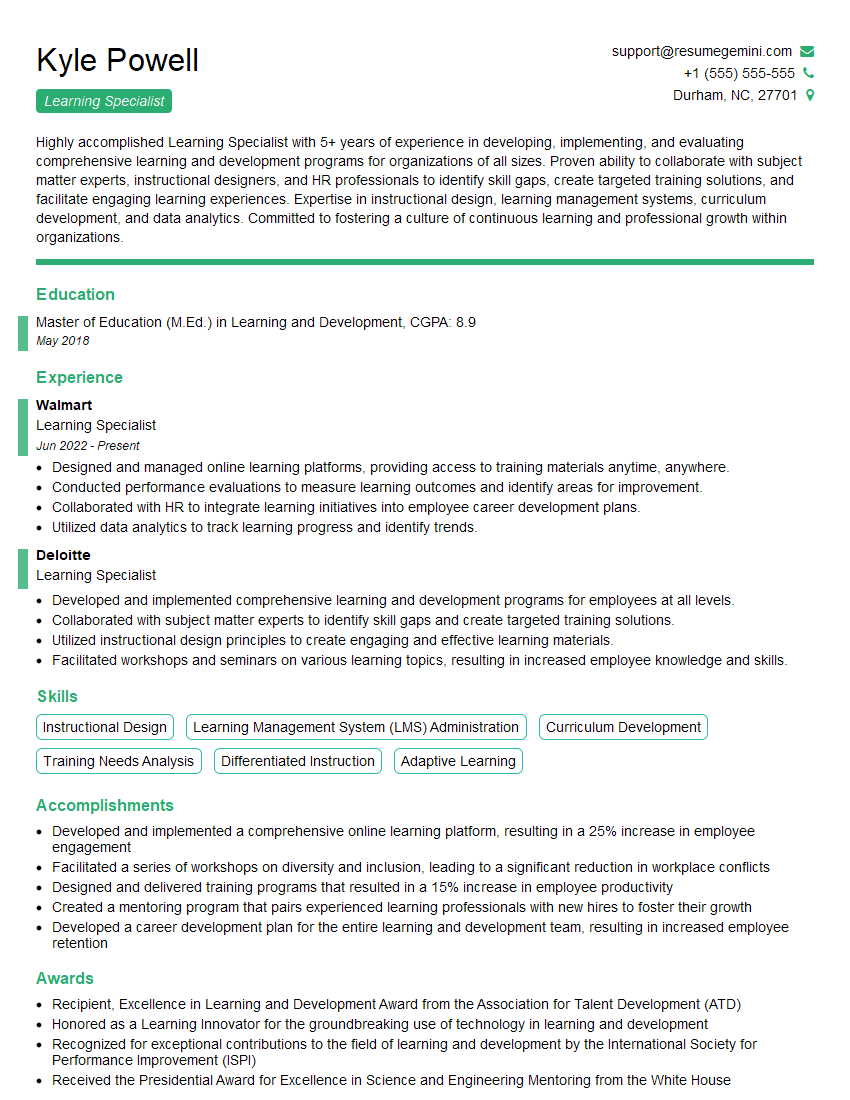
Learning Specialist Resume Sample
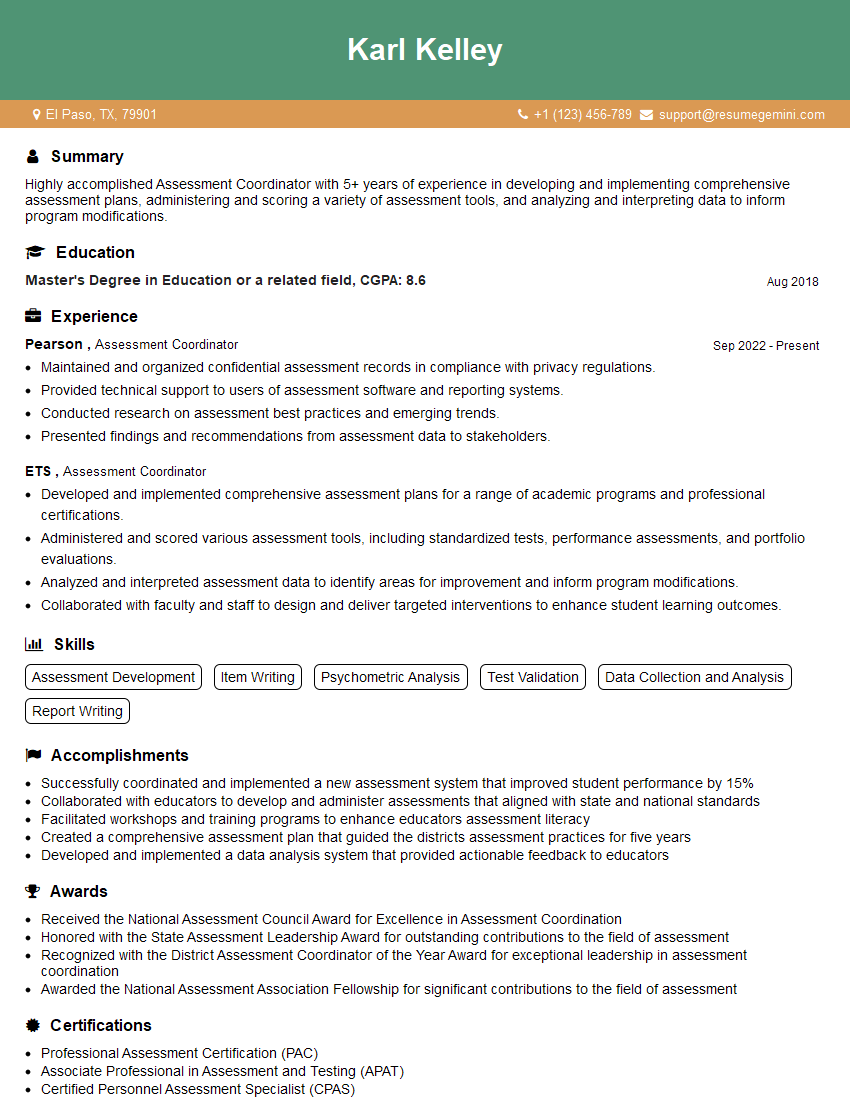
Assessment Coordinator Resume Sample
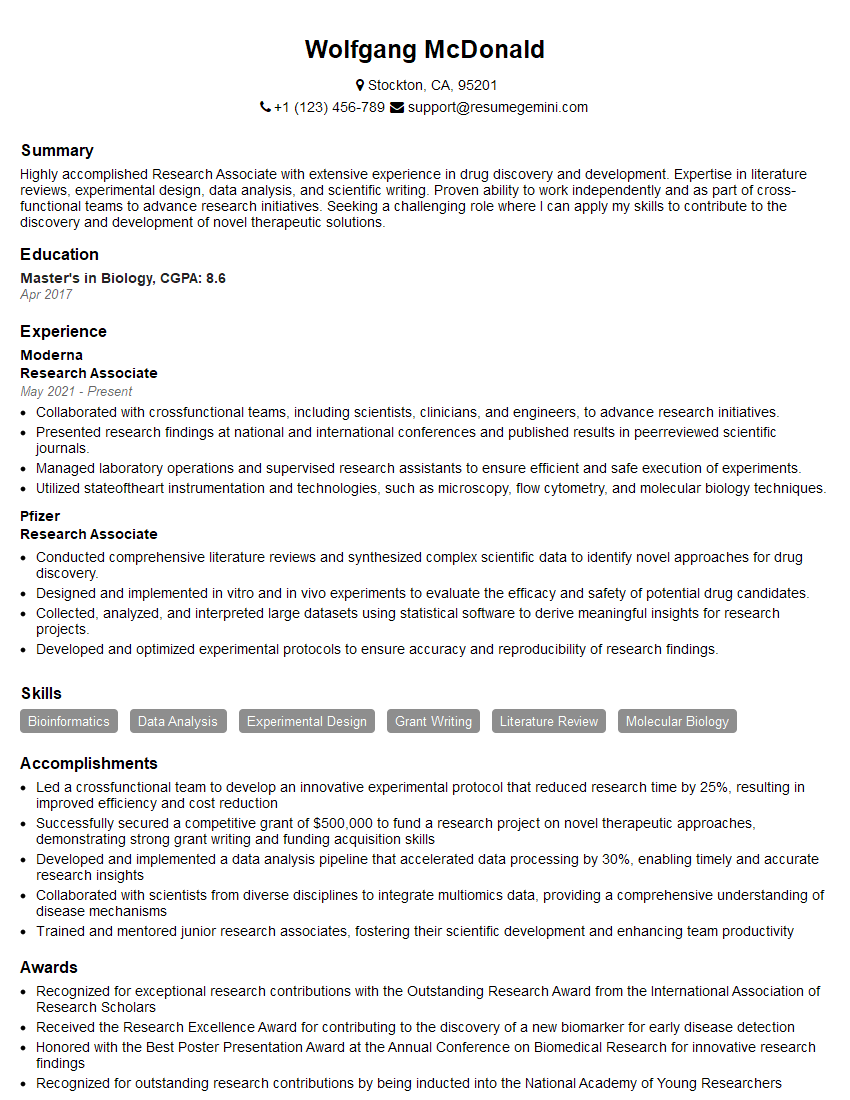
Research Associate Resume Sample

Training Specialist Resume Sample
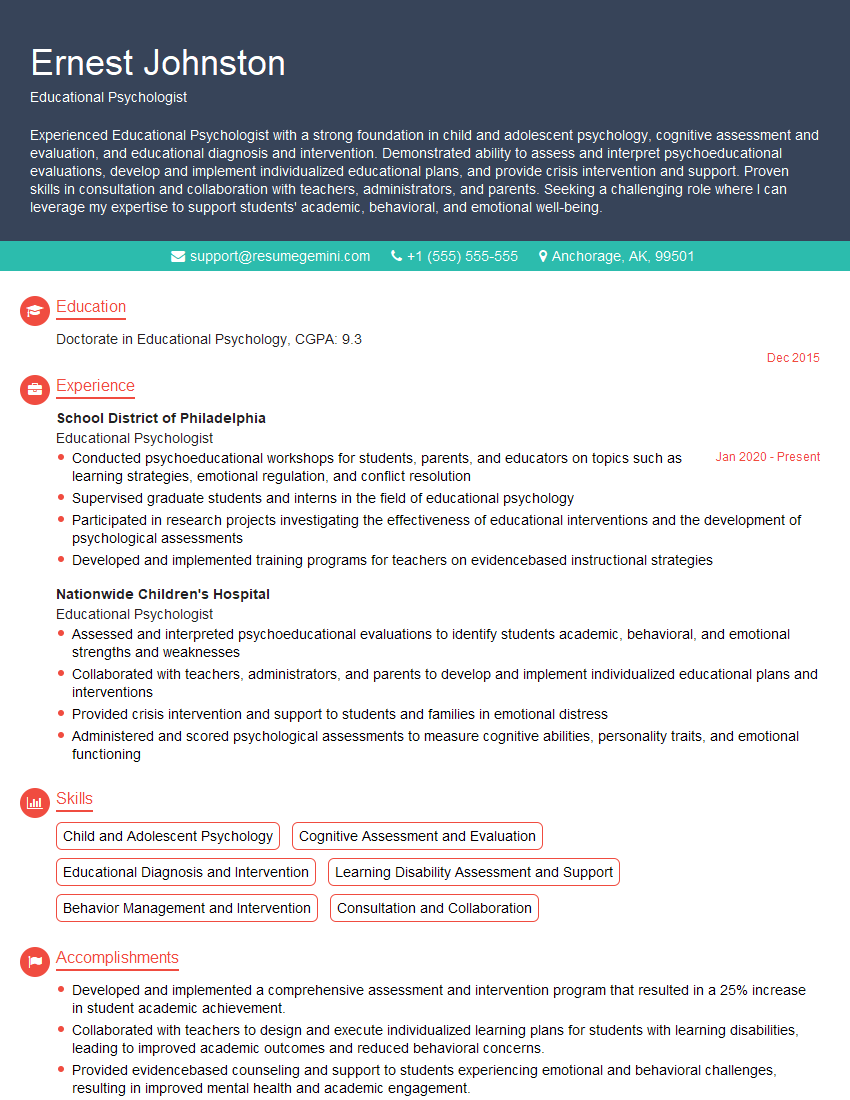
Educational Psychologist Resume Sample
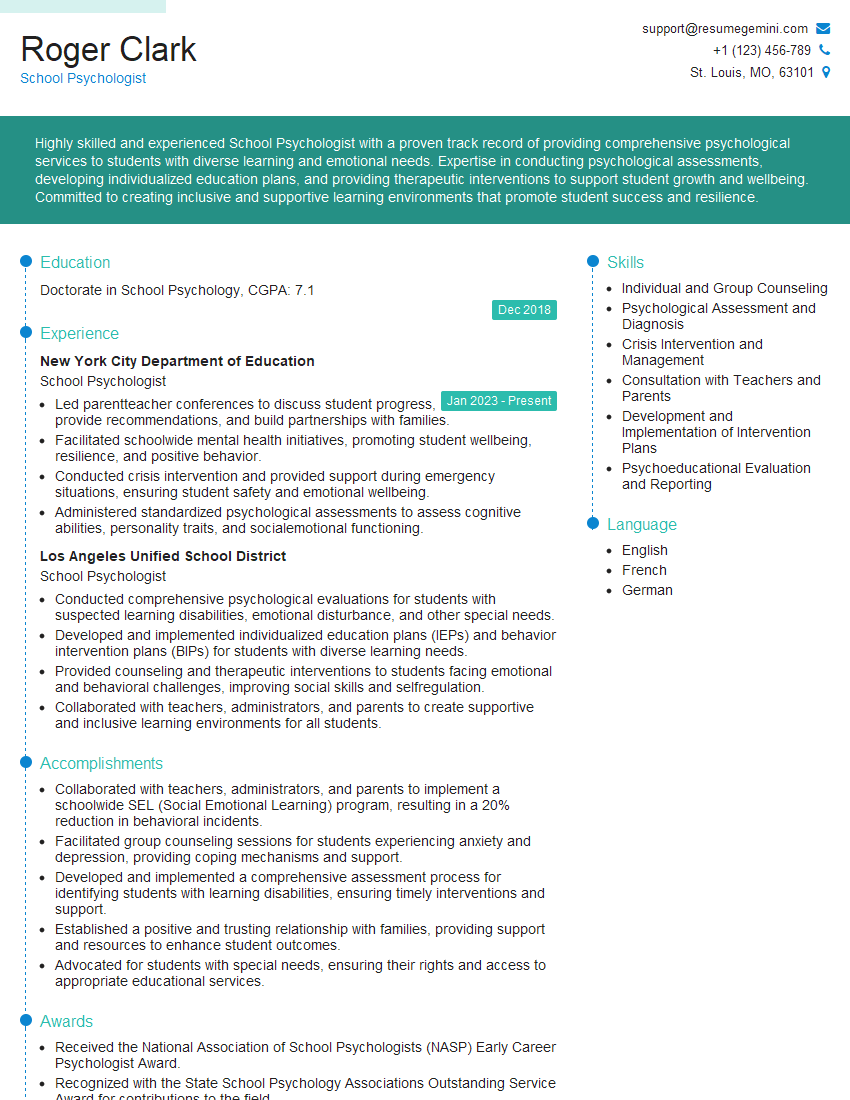
School Psychologist Resume Sample
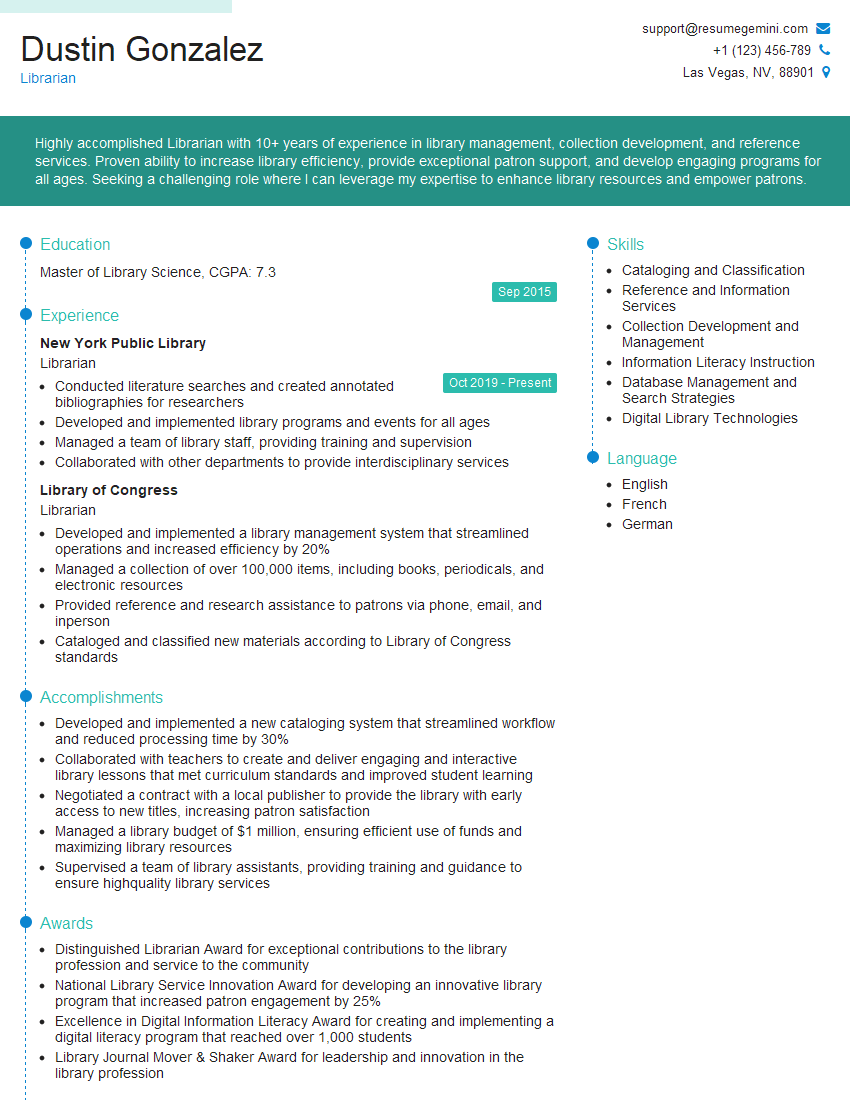
Librarian Resume Sample
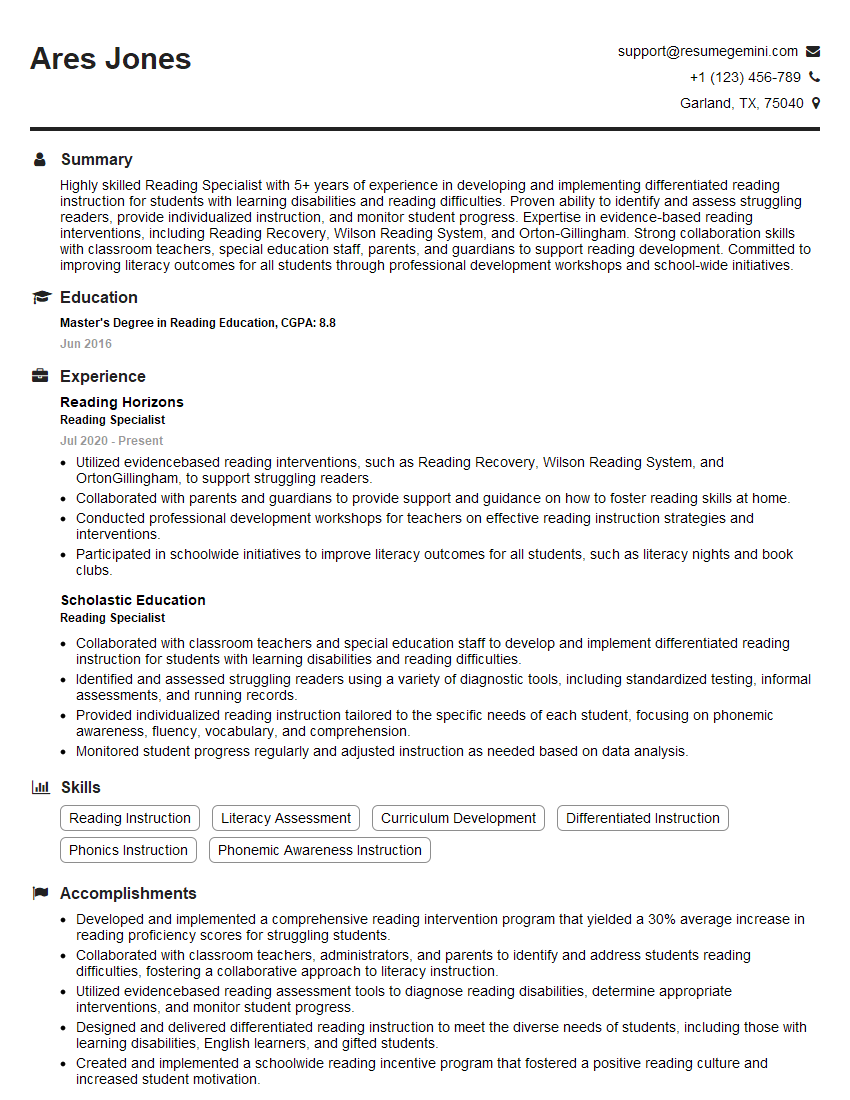
Reading Specialist Resume Sample
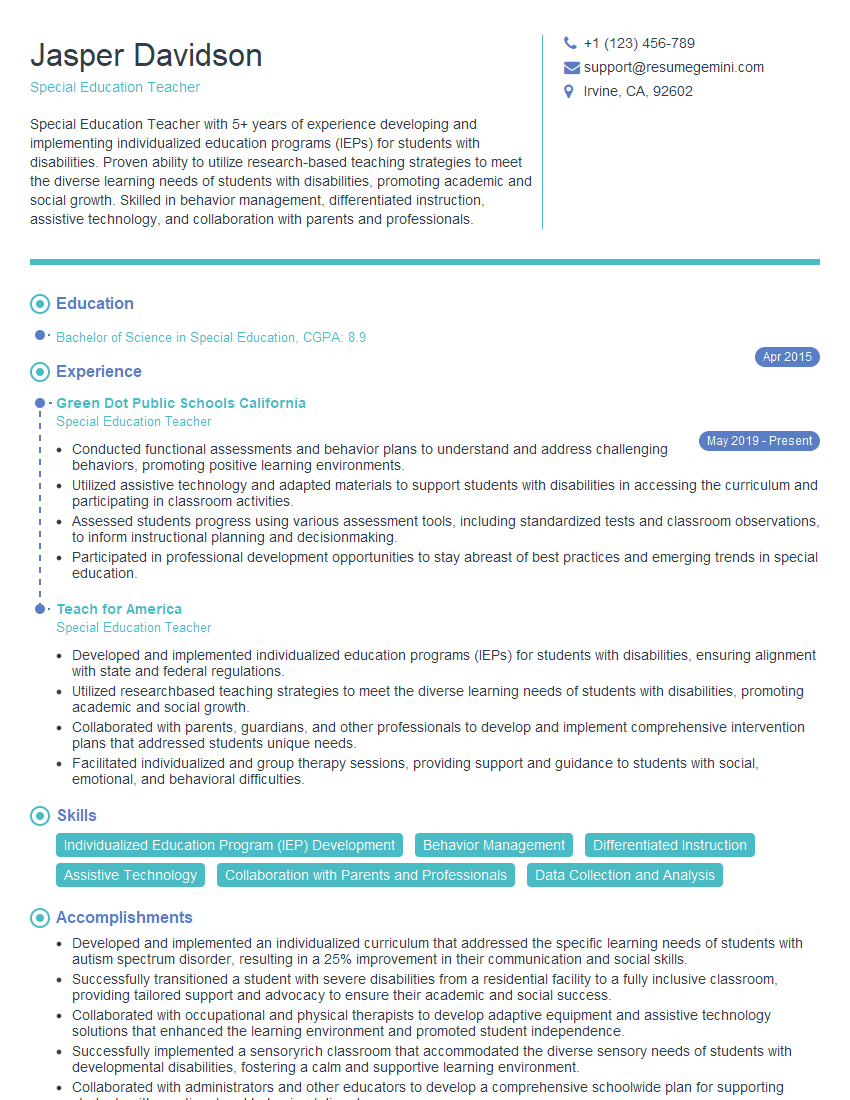
Special Education Teacher Resume Sample
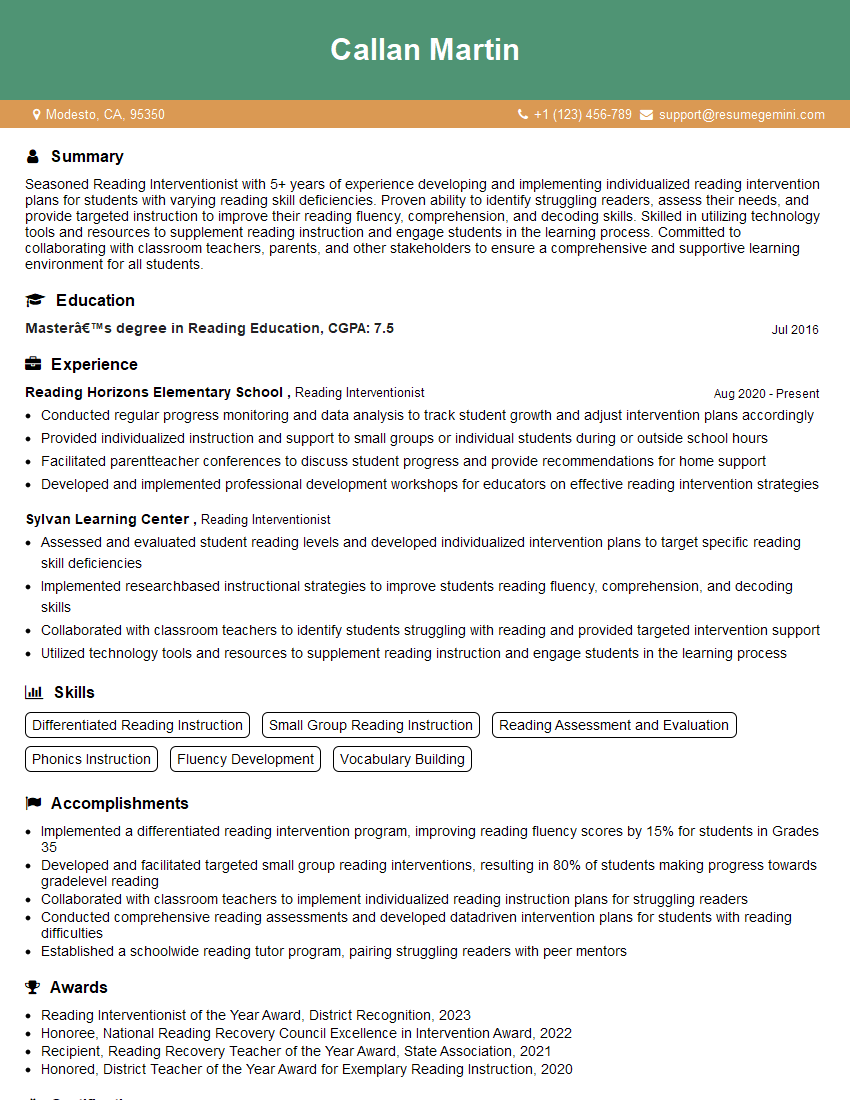
Reading Interventionist Resume Sample
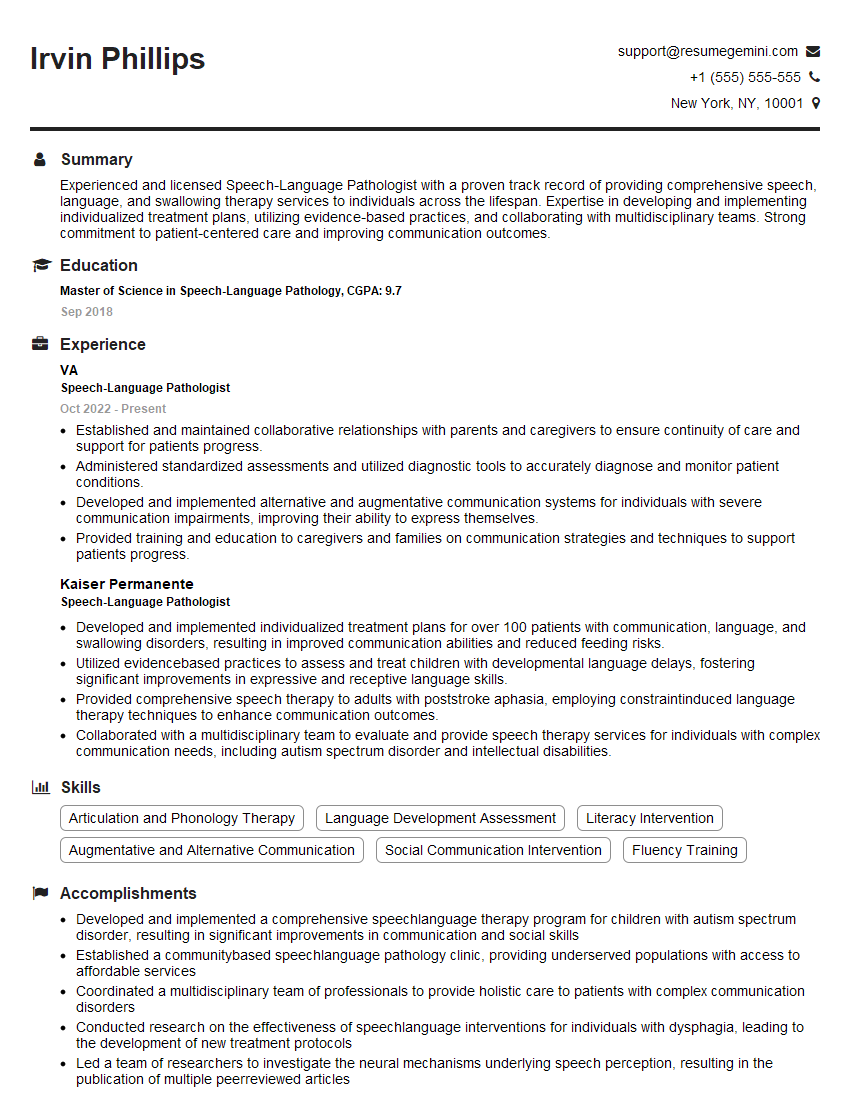
Speech-Language Pathologist Resume Sample
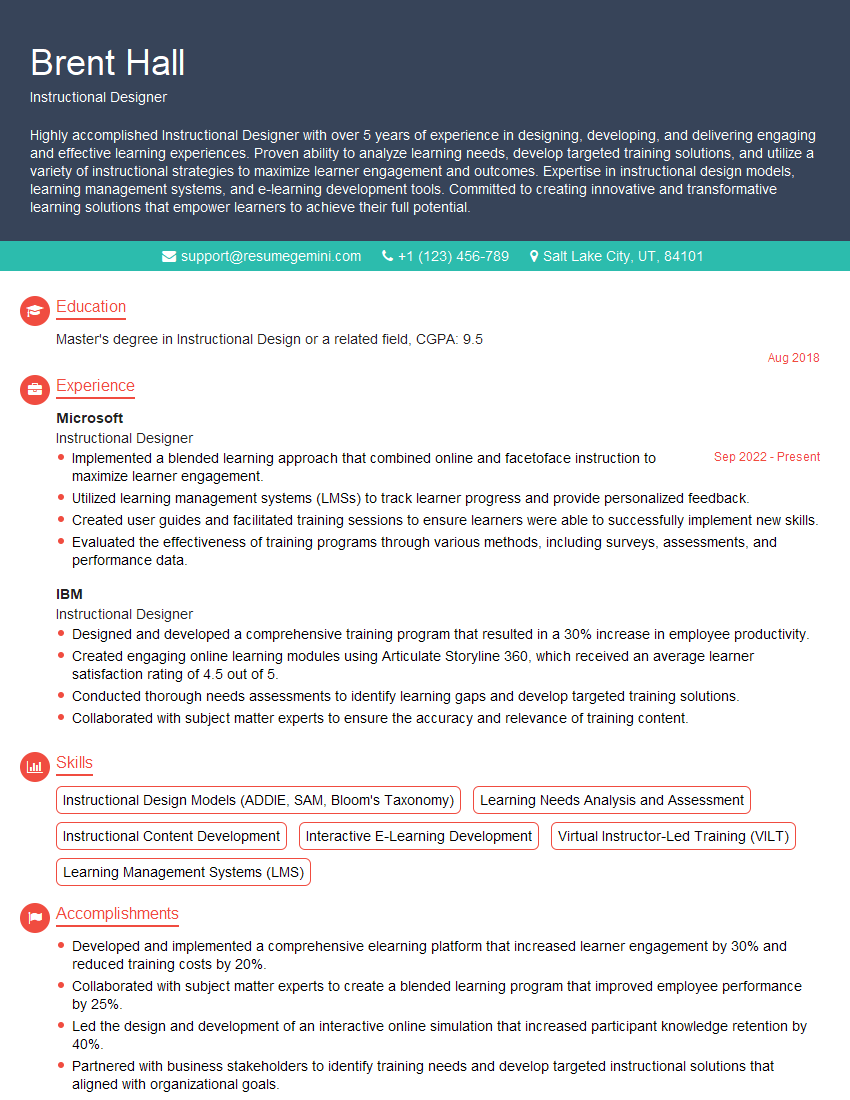
Instructional Designer Resume Sample
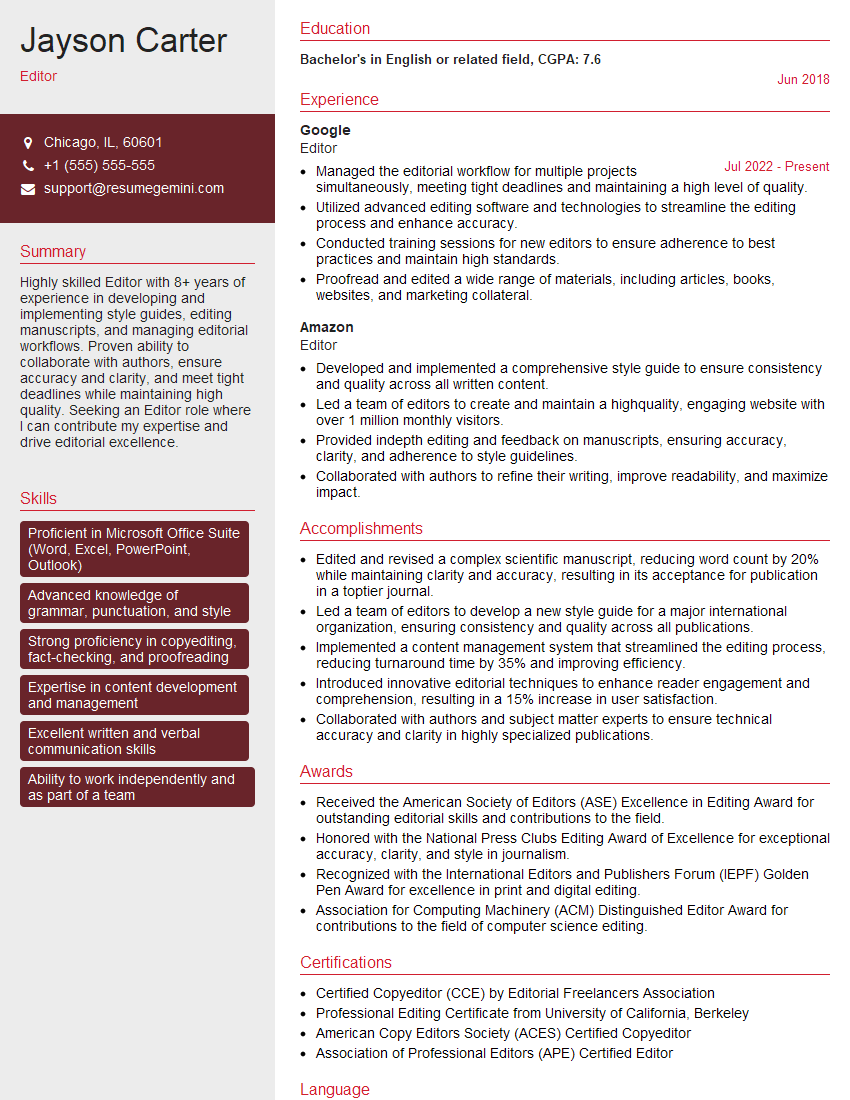
Editor Resume Sample
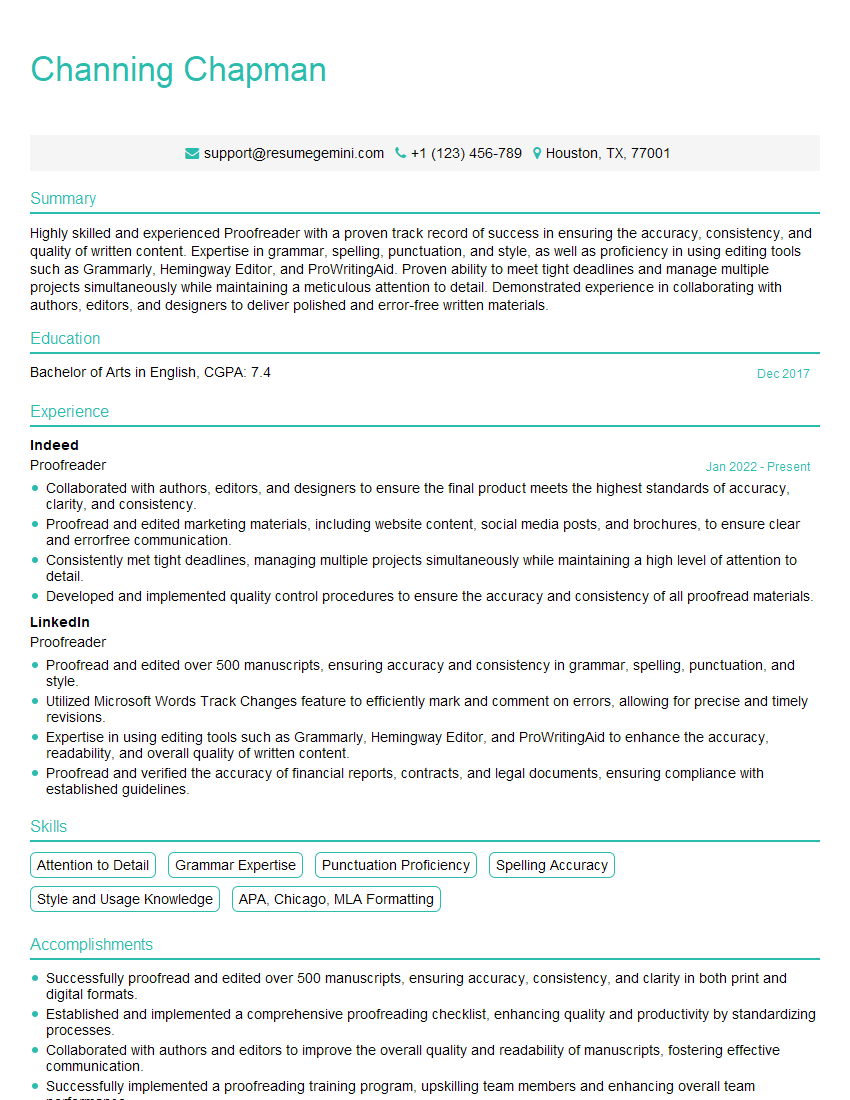
Proofreader Resume Sample
Explore more articles
Users Rating of Our Blogs
Share Your Experience
We value your feedback! Please rate our content and share your thoughts (optional).
What Readers Say About Our Blog
I Redesigned Spongebob Squarepants and his main characters of my artwork.
https://www.deviantart.com/reimaginesponge/art/Redesigned-Spongebob-characters-1223583608
IT gave me an insight and words to use and be able to think of examples
Hi, I’m Jay, we have a few potential clients that are interested in your services, thought you might be a good fit. I’d love to talk about the details, when do you have time to talk?
Best,
Jay
Founder | CEO