Cracking a skill-specific interview, like one for Physical stamina certification, requires understanding the nuances of the role. In this blog, we present the questions you’re most likely to encounter, along with insights into how to answer them effectively. Let’s ensure you’re ready to make a strong impression.
Questions Asked in Physical stamina certification Interview
Q 1. Explain the physiological processes underlying physical stamina.
Physical stamina, the ability to sustain prolonged physical activity, relies on a complex interplay of physiological systems. It’s not simply about strength or speed, but the body’s capacity to deliver oxygen and nutrients to working muscles while efficiently removing waste products like lactic acid.
Cardiovascular System: The heart’s efficiency in pumping blood, the lungs’ ability to take in oxygen, and the circulatory system’s capacity to deliver oxygenated blood to muscles are crucial. A stronger heart pumps more blood with each beat, increasing oxygen delivery.
Respiratory System: Efficient gas exchange in the lungs is vital for providing sufficient oxygen and removing carbon dioxide. Increased lung capacity and efficient breathing patterns enhance stamina.
Musculoskeletal System: Muscle fibers’ ability to use oxygen (oxidative capacity) directly impacts stamina. Endurance training increases the number of mitochondria (the powerhouses of the cell) in muscle cells, improving their energy production.
Metabolic System: The body’s ability to utilize energy sources (carbohydrates, fats) and convert them into usable fuel for muscles is critical. Efficient metabolism delays fatigue.
Neuromuscular System: The nervous system’s role in coordinating muscle contractions and maintaining efficient movement patterns contributes significantly to endurance performance. Improved neuromuscular coordination reduces energy waste.
Think of it like a well-oiled machine: each system must work optimally for peak stamina. A weakness in one area, like poor cardiovascular fitness, will limit overall performance, much like a faulty engine in a car.
Q 2. Describe different methods for assessing an individual’s physical stamina.
Assessing physical stamina involves various methods, each targeting different aspects of endurance. The choice depends on the specific goals and context.
Graded Exercise Test (GXT): This involves progressively increasing the intensity of exercise (e.g., on a treadmill or cycle ergometer) while monitoring heart rate, blood pressure, and oxygen consumption. The test continues until exhaustion, providing a measure of cardiovascular fitness.
Submaximal Tests: These tests estimate maximal oxygen uptake (VO2 max) without pushing individuals to complete exhaustion. Examples include the YMCA 3-minute step test or the Rockport walk test. These are useful for large-group assessments or individuals with limited fitness levels.
Field Tests: Timed runs (e.g., 1.5-mile run, Cooper test) or other endurance-based activities provide practical measures of stamina in a real-world setting. These are cost-effective and easy to administer.
Lactate Threshold Test: This test determines the exercise intensity at which lactate production exceeds removal, marking the onset of fatigue. It provides insights into the body’s ability to handle metabolic stress during prolonged exercise.
For instance, a marathon runner might benefit from a lactate threshold test to optimize training intensity, while a firefighter might be assessed using a GXT to ensure their cardiovascular fitness is adequate for demanding situations.
Q 3. What are the key components of a comprehensive stamina training program?
A comprehensive stamina training program must incorporate several key components for optimal results. It’s about building a strong foundation and progressively challenging the body.
Aerobic Training: This forms the backbone of stamina training, emphasizing activities that elevate heart rate and breathing for extended periods. Examples include running, cycling, swimming, and elliptical training. Consistency is key.
Strength Training: While not directly endurance-focused, strength training improves muscle power and efficiency, reducing energy expenditure during endurance activities and preventing injuries. Focus should be on compound exercises.
Flexibility and Mobility Training: Maintaining flexibility and mobility improves range of motion, prevents injuries, and promotes efficient movement patterns, optimizing energy use during endurance activities. Yoga, Pilates, and stretching are beneficial.
Interval Training: This involves alternating periods of high-intensity exercise with periods of rest or low-intensity exercise. It improves both aerobic and anaerobic capacity, enhancing speed and endurance. Examples include HIIT (High-Intensity Interval Training).
Recovery: Adequate rest and recovery are crucial to prevent overtraining and allow the body to adapt to the training stimulus. This includes sufficient sleep, proper nutrition, and rest days.
Imagine building a house: aerobic training is the foundation, strength training provides structural support, and flexibility/mobility ensures the structure is well-aligned and moves efficiently. Interval training is adding extra reinforcement for better performance, and recovery is the maintenance phase.
Q 4. How do you adapt training programs for individuals with different fitness levels?
Adapting stamina training programs to different fitness levels is crucial to prevent injuries and ensure progress. A personalized approach is essential.
Assessment: Start with a thorough assessment of the individual’s current fitness level, including medical history, exercise history, and any limitations. This could include a fitness test mentioned previously.
Gradual Progression: Begin with low-intensity exercise and gradually increase the duration, intensity, and frequency of workouts over time. This avoids overwhelming the body and reduces injury risk.
Individualization: Tailor the program to the individual’s goals, preferences, and limitations. Some might prefer running, while others might prefer swimming. Consider individual physical limitations and any medical conditions.
Monitoring Progress: Regularly monitor the individual’s progress and adjust the program accordingly. This could involve tracking workout data, assessing perceived exertion, and observing any signs of overtraining.
Communication: Maintain open communication with the individual to address any concerns or questions and provide support and motivation. This builds trust and promotes adherence to the program.
For example, a beginner might start with short walks, gradually increasing duration and distance, while a seasoned athlete might incorporate advanced interval training and hill sprints.
Q 5. Discuss the importance of periodization in stamina training.
Periodization in stamina training is the systematic variation of training variables (volume, intensity, frequency) over time to optimize performance and prevent overtraining. It’s like a carefully planned journey, not a sprint.
Macrocycle: The overall training plan, often spanning a year or more, encompassing various training phases.
Mesocycle: Shorter periods within the macrocycle, typically lasting several weeks or months, each focusing on a specific training goal (e.g., base building, strength development, peak performance).
Microcycle: The shortest period, usually a week, detailing daily or weekly training sessions.
During the base building mesocycle, the focus might be on building an aerobic base with low-intensity, long-duration training. As the program progresses, the mesocycle might shift to strength development with higher intensity workouts. The final mesocycle is dedicated to peaking and maximizing performance before a competition.
Without periodization, athletes risk overtraining and plateauing. It ensures consistent progress, allowing the body to adapt and recover effectively.
Q 6. Explain the role of nutrition in optimizing physical stamina.
Nutrition plays a vital role in optimizing physical stamina. It fuels the body, provides the building blocks for repair, and supports overall health.
Carbohydrates: The primary fuel source for endurance activities. Consuming sufficient carbohydrates (complex carbs are best) ensures adequate energy stores (glycogen) in muscles and liver.
Protein: Essential for muscle repair and growth. Adequate protein intake supports muscle recovery after strenuous exercise.
Fats: Provide sustained energy, especially during prolonged activities. Healthy fats support hormone production and overall health.
Hydration: Maintaining adequate hydration is crucial for optimal performance. Dehydration can significantly impair stamina.
Micronutrients: Vitamins and minerals support various bodily functions and play a crucial role in energy metabolism and recovery.
Think of nutrition as the fuel for your endurance engine. Without proper fuel, the engine will sputter and eventually fail. A balanced diet rich in carbohydrates, protein, healthy fats, and plenty of fluids is essential for optimal performance.
Q 7. How do you address overtraining and burnout in your clients?
Addressing overtraining and burnout is a crucial aspect of responsible stamina training. Early detection and intervention are key.
Monitoring: Regularly monitor clients for signs of overtraining, such as decreased performance, persistent fatigue, increased resting heart rate, muscle soreness, and changes in mood.
Reduced Training Volume/Intensity: If signs of overtraining are detected, reducing the training volume (duration or frequency) and/or intensity is crucial. This allows the body to recover.
Increased Rest and Recovery: Ensuring sufficient sleep, adequate nutrition, and incorporating active recovery strategies (e.g., light exercise, stretching) are important for promoting recovery.
Addressing Psychological Factors: Burnout often has a psychological component. Open communication, stress management techniques, and setting realistic goals are essential in preventing burnout.
De-loading Periods: Incorporating planned de-loading periods (periods of significantly reduced training) into the training program helps prevent overtraining and allows the body to fully recover.
It’s important to remember that pushing oneself is crucial for progress, but pushing too hard consistently leads to negative consequences. A well-structured program with adequate rest and recovery is paramount to preventing overtraining and burnout.
Q 8. Describe your experience in designing and implementing stamina-focused workouts.
Designing and implementing stamina-focused workouts requires a holistic approach, considering the individual’s current fitness level, goals, and potential limitations. I begin with a thorough assessment, including a health history questionnaire and fitness testing (e.g., VO2 max test, lactate threshold test). This helps determine their baseline fitness and identify any areas needing special attention. Then, I create a progressive program incorporating various training modalities. For instance, a beginner might start with continuous training at a moderate intensity, gradually increasing duration. More advanced individuals might benefit from interval training incorporating high-intensity bursts followed by periods of recovery. The program meticulously balances volume (duration and frequency of training), intensity (effort level), and rest, avoiding overtraining. I always incorporate exercises targeting different energy systems – aerobic, anaerobic, and alactic – to build overall stamina. For example, a program might include long slow distance running for aerobic development, high-intensity interval sprints for anaerobic capacity, and plyometrics for power development. I also factor in cross-training activities to prevent overuse injuries and maintain motivation.
For example, I recently worked with a client aiming to complete a marathon. We started with a base building phase focusing on long, slow runs. Gradually, we incorporated interval training, tempo runs, and hill repeats to enhance their speed and endurance. We also incorporated strength training to build supporting muscle groups.
Q 9. How do you monitor clients’ progress and make adjustments to their training plans?
Monitoring progress and adjusting training plans is crucial for optimal results and injury prevention. I employ a multi-faceted approach. Regular feedback sessions – both in-person and sometimes remotely – are vital. During these sessions, I assess their perceived exertion, record their workout data (distance, time, heart rate, pace), and track their subjective well-being. I also incorporate objective measures like fitness tests (repeated at intervals) to quantify improvements in key metrics like VO2 max or lactate threshold. Furthermore, I use wearable technology like heart rate monitors and GPS trackers to gather data objectively. If a client plateaus, or experiences pain or fatigue, we adjust the training plan. Adjustments might include reducing volume, intensity, or frequency, focusing on recovery, or incorporating different training modalities to address weaknesses. For instance, if a runner experiences knee pain, we might reduce running volume, incorporate strength training to improve stability, and incorporate low-impact cross-training like swimming.
Q 10. What are the common injuries associated with stamina training, and how can they be prevented?
Stamina training, while beneficial, carries the risk of various injuries if not approached carefully. Common issues include overuse injuries like runner’s knee (patellofemoral pain syndrome), plantar fasciitis, shin splints, IT band syndrome, and stress fractures. These often stem from inadequate warm-up, improper running form, insufficient rest, and progressive overload. Muscle strains and pulls are also possibilities. Prevention focuses on a gradual increase in training volume and intensity, proper running technique, adequate rest and recovery, strength training to support muscles, and incorporating flexibility and mobility exercises. A good warm-up and cool-down are essential. I also emphasize proper footwear and running surface selection. Listen to your body – pain is a warning sign and should never be ignored. Proper hydration and nutrition are also vital.
Q 11. How do you motivate clients to adhere to their training programs?
Maintaining client motivation is paramount to achieving long-term success. I build rapport and create a supportive environment, emphasizing the journey rather than solely focusing on the end goal. Setting realistic, achievable goals and celebrating small milestones is crucial. I regularly provide positive reinforcement and encouragement, acknowledging their effort and progress. Regular check-ins help keep them accountable, and I use a variety of strategies to prevent boredom, such as incorporating different training environments, activities, and training partners. I also personalize their program, making it relevant to their life and interests. Finally, education is key; understanding the ‘why’ behind the training plan increases adherence.
Q 12. Explain the importance of proper warm-up and cool-down routines.
Proper warm-up and cool-down routines are crucial for injury prevention and performance optimization. A warm-up gradually increases heart rate, blood flow, and muscle temperature, preparing the body for exercise. It typically involves light cardio, followed by dynamic stretching (movements like arm circles, leg swings) that mimic the movements of the workout. A cool-down gradually lowers the heart rate, allowing the body to recover. It includes light cardio and static stretching (holding stretches for 20-30 seconds), promoting flexibility and reducing muscle soreness. Think of a warm-up as preparing your car engine before a long drive and a cool-down as allowing it to slowly cool down after a journey.
Q 13. Describe different types of stamina training (e.g., interval, continuous).
Stamina training encompasses various methods targeting different energy systems. Continuous training involves sustained effort at a moderate intensity for an extended period, improving aerobic capacity. Interval training alternates between high-intensity bursts and periods of rest or lower intensity, enhancing both aerobic and anaerobic fitness. Fartlek training, meaning ‘speed play’ in Swedish, involves varying pace and intensity during a run, improving endurance and speed. Tempo training focuses on sustained effort at a comfortably hard pace, increasing lactate threshold. Each method has its advantages. Continuous training builds a strong aerobic base, interval training improves speed and power, fartlek provides variety and improves pacing, and tempo running elevates lactate threshold. The choice depends on the individual’s goals and fitness level.
Q 14. How do you incorporate flexibility and mobility training into a stamina program?
Flexibility and mobility training are often overlooked but are critical components of a comprehensive stamina program. They enhance range of motion, improve posture, prevent muscle imbalances, and reduce injury risk. I incorporate flexibility and mobility exercises both before and after stamina workouts. Before, dynamic stretches prepare muscles; afterward, static stretches improve recovery and flexibility. Specific exercises might include yoga, Pilates, foam rolling, and active releases. For runners, focusing on hip flexibility, hamstring flexibility, and ankle mobility is particularly important. Regular inclusion of these exercises improves overall performance, prevents injuries, and enhances recovery. Insufficient flexibility can lead to muscle tightness and imbalances that negatively impact running efficiency and increase injury risk.
Q 15. What are the benefits of strength training for enhancing stamina?
Strength training is crucial for enhancing stamina, not just for building muscle mass. It improves your body’s efficiency in using energy, leading to better endurance. Think of it like this: a stronger engine (your muscles) can work for a longer time without getting exhausted.
- Improved Muscle Efficiency: Stronger muscles require less effort to perform the same tasks, leaving you less fatigued during prolonged activities. For example, a stronger cyclist can maintain a higher cadence with less muscular strain.
- Increased Power Output: Strength training increases the force your muscles can generate. This is particularly beneficial in activities requiring bursts of power, such as interval training or sprinting, ultimately enhancing overall stamina.
- Enhanced Bone Density: Strength training strengthens bones, reducing the risk of injury and allowing you to engage in more strenuous activities without compromising your stamina due to bone-related issues.
- Improved Metabolism: Increased muscle mass boosts your metabolism, meaning your body burns more calories at rest, contributing to greater energy reserves for endurance activities.
In practical terms, incorporating strength training, like squats, deadlifts, and lunges, into your stamina training program can significantly improve performance in endurance sports like running, cycling, or swimming.
Career Expert Tips:
- Ace those interviews! Prepare effectively by reviewing the Top 50 Most Common Interview Questions on ResumeGemini.
- Navigate your job search with confidence! Explore a wide range of Career Tips on ResumeGemini. Learn about common challenges and recommendations to overcome them.
- Craft the perfect resume! Master the Art of Resume Writing with ResumeGemini’s guide. Showcase your unique qualifications and achievements effectively.
- Don’t miss out on holiday savings! Build your dream resume with ResumeGemini’s ATS optimized templates.
Q 16. How do you address the psychological aspects of stamina training?
The psychological aspect of stamina training is often overlooked, but it’s as crucial as the physical side. Mental toughness is a key component of maintaining stamina. A positive mindset can push you through tough workouts and races when your body wants to quit.
- Goal Setting and Visualization: Setting realistic, achievable goals and visualizing success can enhance motivation and perseverance. For example, visualizing crossing the finish line in a marathon can boost your mental strength during the race.
- Mindfulness and Meditation: Practices like mindfulness and meditation can help manage stress and anxiety, which can negatively impact stamina. These techniques promote a sense of calm, focusing your attention on the present moment and improving focus.
- Positive Self-Talk: Replacing negative thoughts with positive affirmations can build confidence and resilience. For example, telling yourself ‘I can do this’ instead of ‘I’m too tired’ makes a significant difference.
- Stress Management Techniques: Implementing relaxation techniques like deep breathing exercises or progressive muscle relaxation can improve mental and physical recovery, crucial for maintaining stamina during prolonged training periods.
A certified stamina coach helps athletes develop these mental skills, building a resilient mindset essential for achieving peak performance.
Q 17. Discuss the role of recovery in optimizing stamina gains.
Recovery is not a passive period; it’s an active process vital for optimizing stamina gains. Your body rebuilds and adapts during recovery, making you stronger and more resilient. Neglecting recovery leads to overtraining, injuries, and plateaus.
- Sleep: Adequate sleep (7-9 hours) is crucial for muscle repair and hormonal balance, both directly affecting stamina.
- Nutrition: A balanced diet provides the necessary nutrients for muscle recovery and energy replenishment. Prioritize protein, complex carbohydrates, and healthy fats.
- Active Recovery: Light activities like walking or stretching improve blood flow, reduce muscle soreness, and aid in recovery without adding excessive stress.
- Hydration: Dehydration hinders performance and recovery. Maintain adequate hydration throughout the day, especially after intense training.
- Stress Reduction: Stress hormones can interfere with recovery. Incorporating stress management techniques is beneficial.
Imagine your body as a car: intense training is like driving at high speed. Recovery is like taking the car to the garage for maintenance. Without proper maintenance, the car will eventually break down. Similarly, neglecting recovery will hinder your stamina progress.
Q 18. What are the different types of stamina (e.g., aerobic, anaerobic)?
Stamina isn’t a single entity; it encompasses different energy systems. The two primary types are:
- Aerobic Stamina: This refers to the ability to sustain prolonged physical activity using oxygen to generate energy. Activities like long-distance running, cycling, or swimming primarily rely on aerobic stamina. The body uses oxygen to break down carbohydrates and fats for energy.
- Anaerobic Stamina: This refers to the ability to perform high-intensity activities for short durations without sufficient oxygen. Activities like sprinting, weightlifting, or short bursts of intense exercise rely on anaerobic stamina. The body uses stored energy (creatine phosphate and glycogen) to produce energy quickly.
Many activities require a blend of both aerobic and anaerobic stamina. For example, a soccer game involves both sustained running (aerobic) and short bursts of sprinting (anaerobic).
Q 19. Explain the concept of VO2 max and its significance in stamina training.
VO2 max, or maximal oxygen consumption, measures the maximum amount of oxygen your body can utilize during intense exercise. It’s a key indicator of cardiovascular fitness and a crucial factor in stamina training. A higher VO2 max signifies a greater capacity to sustain intense exercise.
Think of it as the engine’s horsepower – a higher VO2 max translates to a more powerful ‘engine’ capable of handling greater workloads for longer durations. Improving your VO2 max is a primary focus of stamina training programs. This is typically measured through a graded exercise test, often on a treadmill or cycle ergometer.
In training, targeting VO2 max involves incorporating high-intensity interval training (HIIT) and continuous endurance exercises to gradually increase the body’s oxygen uptake capacity.
Q 20. How do you use heart rate monitoring to guide stamina training?
Heart rate monitoring is a valuable tool in guiding stamina training. Your heart rate reflects your body’s exertion level and oxygen consumption. By monitoring your heart rate, you can personalize your training intensity and ensure optimal results without overtraining.
- Determining Training Zones: Heart rate zones are calculated based on your maximum heart rate (MHR), often estimated as 220 minus your age. Each zone corresponds to a different intensity level (e.g., warm-up, easy pace, tempo, interval, maximum). Training within specific zones targets specific physiological adaptations.
- Monitoring Recovery: Heart rate recovery (the rate at which your heart rate returns to normal after exercise) indicates the effectiveness of your recovery strategies. A slower recovery suggests a need for more rest or better recovery techniques.
- Preventing Overtraining: Consistently high heart rates, particularly during rest periods, indicate overtraining and the need to reduce training volume or intensity.
For instance, an athlete aiming to improve aerobic stamina might spend a significant amount of time training in the aerobic training zone (typically 70-80% of MHR). Using a heart rate monitor allows them to maintain the prescribed intensity level without guessing.
Q 21. Describe different methods for measuring lactate threshold.
The lactate threshold is the point during exercise where lactate production exceeds lactate clearance. It’s a crucial indicator of endurance capacity, as exceeding this threshold leads to rapid fatigue. Several methods measure lactate threshold:
- Incremental Exercise Test (Lactate Threshold Test): This is the gold standard. It involves progressively increasing exercise intensity while measuring blood lactate levels at specific intervals. The lactate threshold is identified as the point where lactate concentration starts to rise exponentially.
- Ventilatory Threshold Test (VT1 and VT2): This method uses changes in ventilation (breathing rate) to estimate lactate threshold. VT1 represents the first ventilatory threshold (where breathing becomes noticeably harder), and VT2 represents the second ventilatory threshold (a more significant increase in breathing rate). VT2 is often a close approximation of the lactate threshold.
- Conconi Test: This involves performing an incremental exercise test and analyzing the relationship between speed/power and heart rate. A sudden deviation in this relationship indicates the lactate threshold.
Each method has advantages and limitations, and the best choice depends on the available resources and individual needs. A certified professional can determine the most appropriate method and interpret the results accurately.
Q 22. What are the ethical considerations in providing stamina training?
Ethical considerations in stamina training are paramount. They revolve around informed consent, client safety, and professional boundaries. Before embarking on any training program, clients must fully understand the risks involved, the training methods employed, and their own limitations. This involves clear and accessible communication, avoiding jargon and ensuring comprehension. I always obtain a signed waiver outlining these aspects. Another critical ethical consideration is maintaining client confidentiality. All personal information shared, including medical history and training progress, remains strictly confidential. Finally, it’s crucial to avoid any conflicts of interest, such as recommending products for personal gain, and to always act in the best interests of my clients.
For example, if a client expresses discomfort during a session, I immediately stop and address their concerns. If they reveal a pre-existing condition I wasn’t aware of, I adjust the program accordingly or refer them to a medical professional. I believe building trust and transparency is fundamental to ethical practice.
Q 23. How do you ensure the safety of your clients during training sessions?
Client safety is my top priority. This starts with a thorough health assessment, including a medical history review, to identify any potential risks or limitations. I always ensure clients are properly warmed up before any strenuous activity and cooled down afterward, preventing injuries. Throughout the sessions, I closely monitor their form, heart rate, and overall well-being, intervening immediately if any issues arise. I also customize training plans to each individual’s fitness level and goals, avoiding pushing them beyond their capabilities. The training environment must also be safe, with proper equipment maintenance and emergency procedures in place. I always carry a first-aid kit and have a plan in case of emergency.
For instance, if a client is struggling with a particular exercise, I might adjust the intensity, modify the movement, or offer alternative exercises. If they experience dizziness or chest pain, the session stops immediately, and medical assistance is sought if necessary.
Q 24. Explain your experience with different types of fitness equipment.
My experience encompasses a wide range of fitness equipment, from traditional cardio machines like treadmills, stationary bikes, and elliptical trainers to resistance training tools such as dumbbells, barbells, resistance bands, and weight machines. I’m proficient in using functional training equipment including kettlebells, medicine balls, and suspension trainers. I’m also comfortable incorporating bodyweight exercises to maximize versatility and accessibility. I understand the strengths and limitations of each piece of equipment and can effectively integrate them into a comprehensive stamina training program tailored to individual needs.
For example, I might use treadmills to improve cardiovascular endurance, resistance bands to enhance muscular strength and endurance, and bodyweight exercises for agility and flexibility. I prioritize proper technique and form to maximize results and minimize injury risk.
Q 25. How do you modify training programs for individuals with specific medical conditions?
Modifying training programs for individuals with specific medical conditions requires a cautious and collaborative approach. I always obtain a doctor’s clearance before starting any program and work closely with clients and their healthcare providers to develop a safe and effective plan. Modifications might include adjusting exercise intensity, duration, or type. For example, an individual with asthma might require more frequent rest periods and focus on low-impact activities. Someone with arthritis might benefit from exercises that minimize joint stress. I might also need to adjust the training schedule and incorporate flexibility and mobility exercises. The key is to listen to the client’s body, monitor their progress closely, and make adjustments as needed.
I had a client with diabetes who required careful monitoring of blood sugar levels before, during, and after training sessions. We adjusted the program based on these readings, ensuring the training was both effective and safe for managing their condition.
Q 26. What are your professional development goals related to stamina training?
My professional development goals include enhancing my knowledge of specialized training techniques like high-intensity interval training (HIIT) and plyometrics for stamina improvement. I also aim to expand my expertise in working with diverse populations, particularly older adults and individuals with disabilities. I plan to pursue certifications in specialized areas such as functional fitness and corrective exercise to further enhance my ability to provide personalized and safe training programs. I also plan on continuing my education by attending workshops and conferences and reading peer-reviewed articles to remain informed on the latest research and best practices in stamina training.
Specifically, I’m targeting a certification in functional movement screening to help me better identify and address movement limitations in my clients, which is crucial for building sustainable stamina and preventing injury.
Q 27. Describe your experience working with diverse populations.
I have extensive experience working with diverse populations, including people of various ages, fitness levels, ethnic backgrounds, and abilities. I adapt my communication style and training approaches to be sensitive to individual needs and preferences. For instance, I ensure the language I use is clear and understandable to all, and I modify exercises as necessary to account for physical limitations. I’m comfortable working with people from diverse cultural backgrounds and appreciate the enriching perspectives they bring. I view diversity as a strength, enabling me to create inclusive and effective training programs.
One particularly rewarding experience involved working with a group of senior citizens. I adapted the program to focus on functional fitness, incorporating exercises that improved balance, strength, and endurance for their daily lives. The positive impact on their mobility and confidence was truly gratifying.
Q 28. How do you stay current with the latest research and best practices in stamina training?
Staying current in stamina training involves continuous learning. I regularly read peer-reviewed journals and research articles from reputable organizations such as the American College of Sports Medicine (ACSM) and the National Strength and Conditioning Association (NSCA). I actively participate in professional development workshops and conferences, staying updated on the latest training methods, equipment, and safety protocols. I also maintain a network of colleagues and mentors with whom I exchange ideas and experiences. Furthermore, I regularly attend continuing education courses to maintain and update my certifications. This commitment to lifelong learning ensures I can provide my clients with the most effective and safe training programs available.
For example, I recently attended a workshop on the latest research on the benefits of high-intensity interval training (HIIT) for improving cardiovascular fitness. I incorporated this knowledge to enhance the effectiveness and efficiency of my training programs.
Key Topics to Learn for Physical Stamina Certification Interview
- Physiological Responses to Exercise: Understanding cardiovascular function, respiratory mechanics, and metabolic processes during physical exertion. This includes knowledge of heart rate, oxygen uptake, and lactate threshold.
- Training Principles and Program Design: Applying principles of overload, progression, specificity, and individualization to create effective training plans for improving physical stamina. This involves practical application in designing workouts for various fitness levels and goals.
- Assessment and Evaluation of Physical Fitness: Familiarizing yourself with various fitness tests and assessments (e.g., VO2 max testing, endurance runs) and interpreting the results to inform training strategies. This includes understanding the limitations and biases of different assessment methods.
- Nutritional Strategies for Endurance Performance: Understanding the role of macronutrients and micronutrients in supporting physical stamina, including hydration strategies and fueling techniques before, during, and after exercise.
- Recovery and Injury Prevention: Knowing the importance of adequate rest, recovery techniques (e.g., active recovery, sleep), and injury prevention strategies to avoid burnout and optimize performance. This involves understanding common injuries related to endurance training and their prevention.
- Exercise Safety and Risk Management: Identifying and mitigating risks associated with physical activity, including proper warm-up and cool-down procedures and recognizing signs of overtraining or potential health issues. This includes understanding appropriate responses to medical emergencies during exercise.
Next Steps
Mastering Physical Stamina certification significantly enhances your career prospects in fitness, healthcare, and related fields. It demonstrates your expertise and commitment to client safety and well-being. To maximize your job search success, it’s crucial to create a strong, ATS-friendly resume that highlights your skills and experience. ResumeGemini is a trusted resource that can help you build a professional and impactful resume tailored to the specific requirements of this field. Examples of resumes tailored to Physical Stamina certification are available, showcasing how to effectively present your qualifications to potential employers.
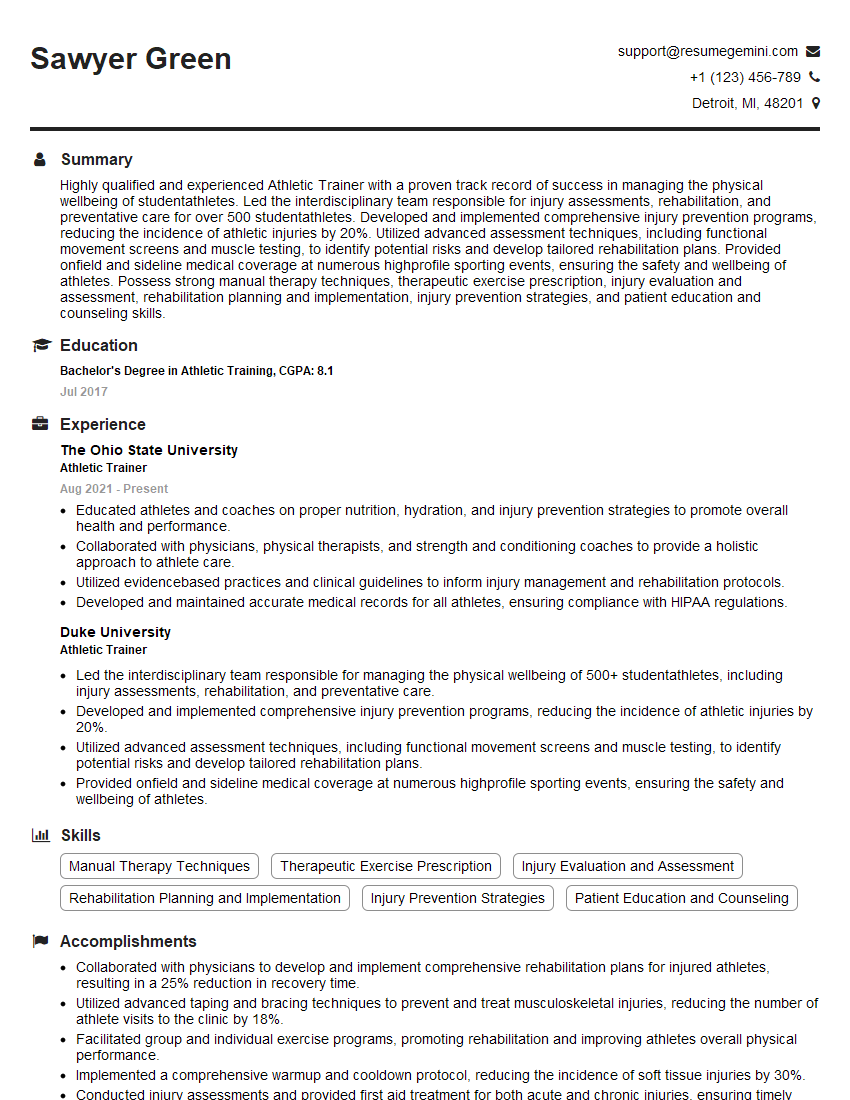
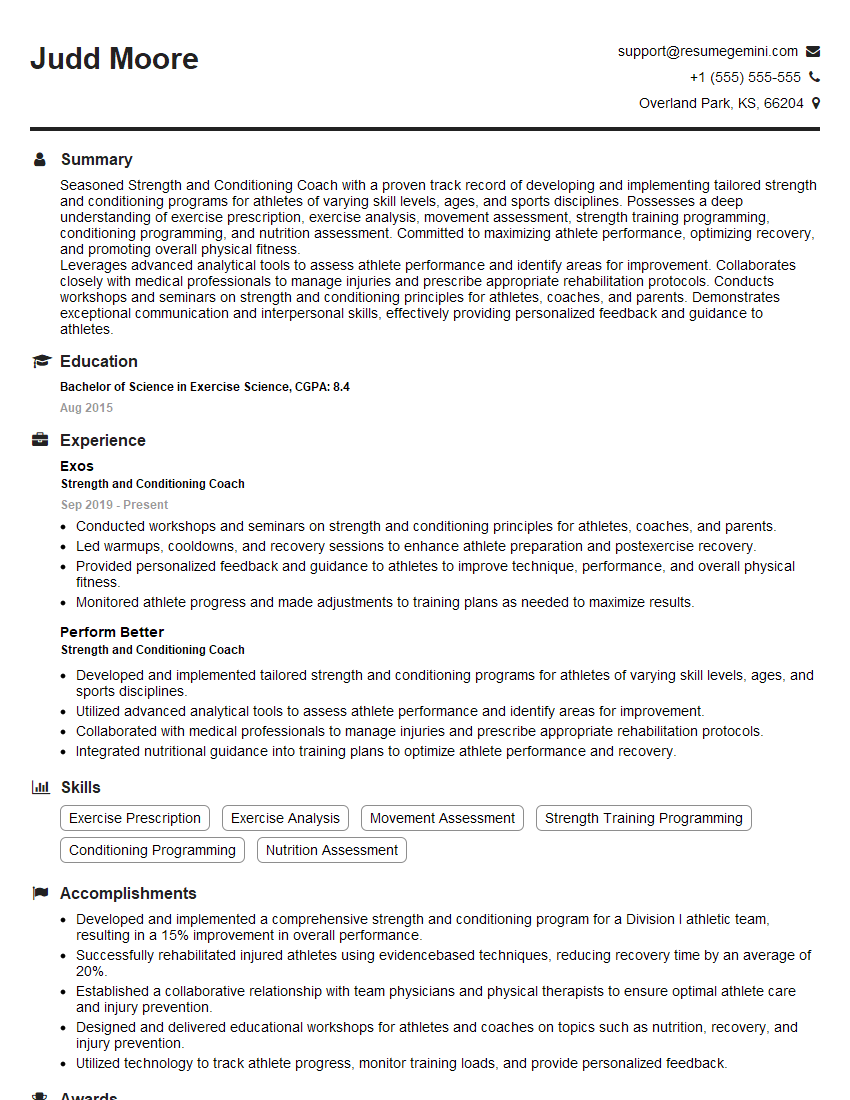
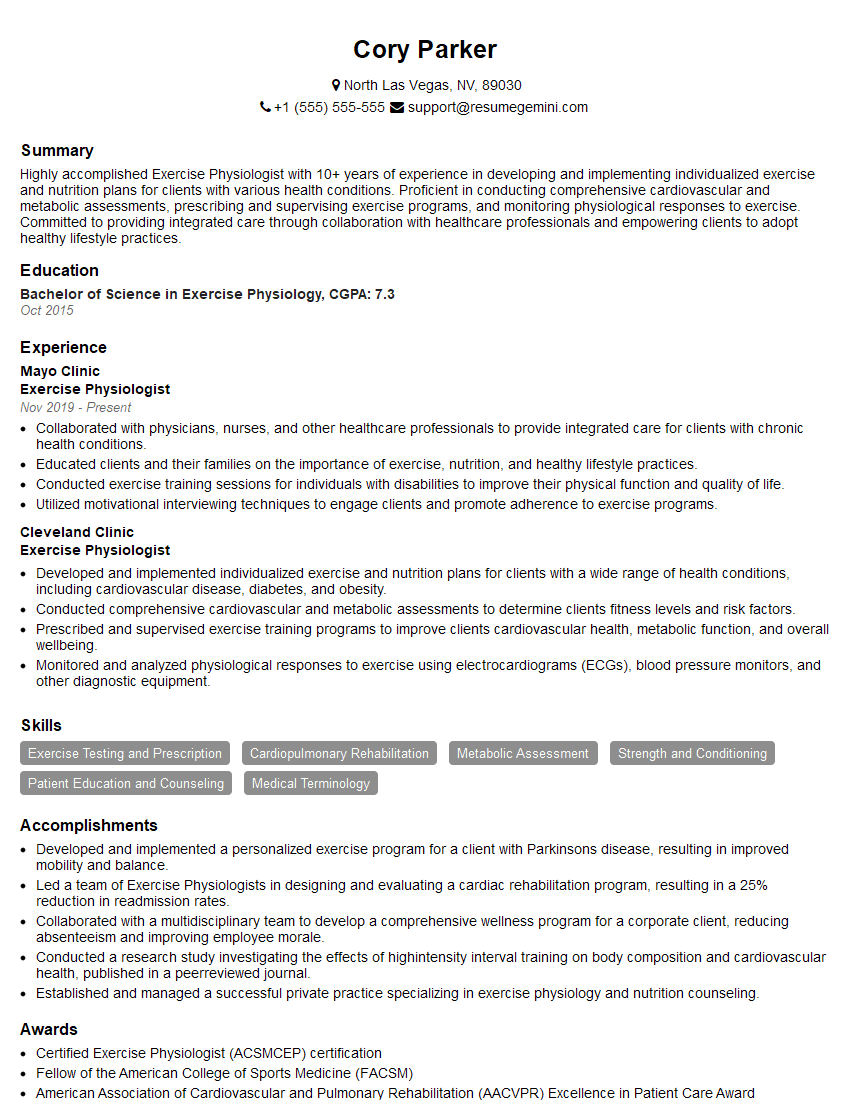
Explore more articles
Users Rating of Our Blogs
Share Your Experience
We value your feedback! Please rate our content and share your thoughts (optional).
What Readers Say About Our Blog
I Redesigned Spongebob Squarepants and his main characters of my artwork.
https://www.deviantart.com/reimaginesponge/art/Redesigned-Spongebob-characters-1223583608
IT gave me an insight and words to use and be able to think of examples
Hi, I’m Jay, we have a few potential clients that are interested in your services, thought you might be a good fit. I’d love to talk about the details, when do you have time to talk?
Best,
Jay
Founder | CEO