Interviews are more than just a Q&A session—they’re a chance to prove your worth. This blog dives into essential Communication and Inter-personal Skills interview questions and expert tips to help you align your answers with what hiring managers are looking for. Start preparing to shine!
Questions Asked in Communication and Inter-personal Skills Interview
Q 1. Describe your approach to resolving conflict within a team.
My approach to resolving team conflicts is rooted in a collaborative, solutions-focused methodology. I believe in fostering open communication and understanding before jumping to solutions. It starts with actively listening to all involved parties, ensuring everyone feels heard and respected. This creates a safe space for expressing concerns without judgment. I then work to identify the root cause of the conflict, moving beyond surface-level disagreements to uncover underlying issues. Once the root cause is clear, we collaboratively brainstorm solutions, focusing on options that benefit the team as a whole. Throughout the process, I facilitate respectful dialogue, ensuring everyone participates constructively. If necessary, I might use mediation techniques to help navigate disagreements and guide the team toward a mutually acceptable resolution. Finally, I ensure we document the agreed-upon solutions and establish clear steps for implementation and monitoring to prevent future recurrences. This structured approach ensures fairness, promotes team cohesion, and transforms conflict into an opportunity for growth.
For instance, in a past project, two team members had differing opinions on the best approach to a technical challenge. Instead of immediately intervening, I created a forum where both could present their perspectives and justify their reasoning. After actively listening to both, I identified the underlying issue: a misunderstanding of project goals. By clarifying the objectives, we collaboratively developed a hybrid approach leveraging the strengths of both initial proposals. This resulted not only in resolving the conflict but also in a more innovative and efficient solution.
Q 2. How do you handle giving critical feedback to a colleague?
Giving critical feedback is a delicate art, demanding both tact and directness. My approach centers on a ‘sandwich’ method: starting with positive reinforcement, highlighting the colleague’s strengths and contributions. This sets a positive tone and shows appreciation for their efforts. Next, I deliver the critical feedback, focusing on specific behaviors and their impact, avoiding generalizations or personal attacks. I use “I” statements to express my observations without assigning blame (e.g., “I noticed that the report lacked detail in section X, which made it difficult to understand Y”). Finally, I end on a positive note, offering constructive suggestions for improvement and reiterating my confidence in their abilities. This approach allows for a more receptive audience and makes the feedback less threatening. It’s also crucial to choose the right time and place for the feedback—a private setting is generally more appropriate.
For example, I once had to give feedback to a colleague whose presentations lacked clarity. I began by acknowledging their strong public speaking skills and the effort put into creating visually appealing slides. Then, I specifically pointed out areas where the content could be better organized and simplified for better comprehension, suggesting specific tools and techniques. I concluded by expressing my confidence in their ability to improve and offered to review their next presentation draft.
Q 3. Explain a time you had to communicate complex information to a non-technical audience.
I once had to explain a complex data analysis report, using statistical models, to a board of directors with limited technical backgrounds. To do so, I translated technical jargon into plain language, focusing on the story behind the data. I avoided overly technical terms and instead used clear analogies and visualizations. For example, I used a pie chart to illustrate market share instead of simply stating percentages. I also broke down the complex analysis into smaller, easily digestible parts, focusing on the key takeaways and their impact on business decisions. I prepared a handout summarizing the main points and key findings to complement the presentation, allowing them to refer back to the information later. By simplifying the language and focusing on the implications, I ensured the board understood the key insights and could make informed decisions based on the data. This approach also helped build trust and credibility.
Q 4. How do you build rapport with individuals from diverse backgrounds?
Building rapport with individuals from diverse backgrounds requires cultural sensitivity and genuine curiosity. It starts with recognizing that communication styles vary across cultures. I make a conscious effort to be aware of potential cultural differences in communication, such as direct vs. indirect communication styles, nonverbal cues, and personal space. I demonstrate respect by actively listening to understand their perspectives and experiences. I show genuine interest in learning about their backgrounds and cultures, asking thoughtful questions and being mindful of potentially sensitive topics. I also try to find common ground, focusing on shared interests or experiences to build connection. Adapting my communication style to their preferences, such as slowing down my speech or using simpler language if needed, further fosters mutual understanding and trust.
For example, during an international project, I collaborated with team members from various cultural backgrounds. I initiated informal meetings outside of work hours to understand their preferences and working styles better. This helped me build strong working relationships and improved team collaboration and communication significantly. Active listening, cultural sensitivity, and showing genuine respect are key to developing trust and meaningful interactions.
Q 5. Describe your preferred communication style and its effectiveness.
My preferred communication style is collaborative and transparent. I believe in open and honest communication, encouraging active participation from all parties. I aim to create an inclusive environment where everyone feels comfortable sharing their thoughts and ideas. I strive for clarity and precision in my communication, avoiding ambiguity and using clear, concise language. This ensures my message is understood correctly. I am also a strong listener, actively seeking to understand others’ perspectives before forming my own. The effectiveness of this style is reflected in increased team engagement, improved collaboration, and quicker problem resolution. Open communication facilitates trust and reduces misunderstandings, leading to higher productivity and improved team morale.
Q 6. How do you adapt your communication style to different situations and individuals?
Adapting my communication style involves considering the context, audience, and desired outcome. I adjust my language, tone, and delivery method to match the situation. For example, when communicating with senior management, I use a more formal tone and focus on the high-level impact. When interacting with junior team members, I use a more supportive and encouraging approach, providing guidance and mentoring. In informal settings, I use a more relaxed and conversational tone. Observing nonverbal cues, such as body language and facial expressions, helps me gauge the audience’s understanding and adjust my approach accordingly. This flexibility ensures effective communication in diverse situations, leading to better outcomes and stronger relationships.
Q 7. Share an example where active listening helped you solve a problem.
In a previous project, a team member expressed frustration about a delay caused by a technical glitch. Instead of offering immediate solutions, I practiced active listening, patiently hearing their concerns and frustrations. By truly understanding the emotional impact of the delay, I discovered the root cause of their frustration wasn’t just the delay itself, but also the lack of communication about the issue. Through active listening, I uncovered a miscommunication within the team and helped to address it by implementing a new system for project updates. The solution was straightforward but wouldn’t have been found without fully listening to the team member’s concerns. This demonstrates how active listening, beyond simply hearing words, helps identify underlying issues and promotes problem-solving, building stronger team relationships.
Q 8. How do you manage communication in a high-pressure environment?
In high-pressure situations, effective communication is paramount. My approach focuses on clarity, conciseness, and active listening. I prioritize structured communication, often using pre-defined agendas or checklists to keep discussions focused and productive. This helps to mitigate misunderstandings caused by stress or time constraints.
For example, during a critical project deadline, I would begin by summarizing the current situation concisely and then outline the immediate tasks and responsibilities. I would actively solicit input from team members, ensuring everyone is informed and feels heard, even amidst the pressure. Regular check-ins, using tools like quick stand-up meetings or instant messaging, maintain transparency and allow for early problem identification and resolution.
Beyond this, I emphasize empathy and understanding. Recognizing the pressure everyone is under allows for more forgiving communication, acknowledging potential mistakes as learning opportunities rather than points of contention. Taking deep breaths and practicing mindfulness helps me personally stay calm and composed, which directly affects my communication style.
Q 9. Explain your process for providing constructive feedback.
Constructive feedback should always aim to improve performance and build relationships. My process adheres to the SBI (Situation-Behavior-Impact) model. First, I clearly describe the Situation—the specific context in which the behavior occurred. Then, I objectively detail the Behavior itself, focusing on observable actions rather than subjective interpretations. Finally, I explain the Impact of that behavior—how it affected the team, project, or client.
For instance, instead of saying ‘You’re always late,’ I’d say, ‘During the last three project meetings, you arrived 15 minutes late (Situation). This resulted in a delay in starting the meeting (Behavior). Consequently, we lost valuable time for collaborative problem-solving (Impact).’ Following this, I offer specific suggestions for improvement and explore solutions collaboratively, rather than simply assigning blame.
I always prioritize a private setting for feedback delivery, ensuring a safe and respectful environment. I also focus on framing feedback as a growth opportunity, highlighting strengths alongside areas for development. Actively listening to their response and creating a two-way dialogue is crucial for ensuring the feedback is well-received and understood.
Q 10. How do you handle difficult conversations with clients or colleagues?
Difficult conversations require careful preparation and a strategic approach. I start by actively listening to understand their perspective completely, demonstrating empathy and seeking clarification where necessary. This avoids jumping to conclusions or becoming defensive. I maintain a calm and respectful tone, avoiding accusatory language. I focus on finding common ground and shared goals to build a collaborative environment for resolution.
For example, if a client is unhappy with a project deliverable, I would start by acknowledging their frustration and validating their concerns. I would then carefully explain the circumstances and any challenges encountered, offering evidence and data to support my points. I would then collaboratively brainstorm solutions, involving them in the process to foster ownership and buy-in. This approach ensures that they feel heard and that their input is valued.
If the conflict escalates, I’m prepared to involve a neutral third party – a manager or mediator – to facilitate a more productive conversation. The ultimate goal is a mutually acceptable solution that preserves the working relationship, even if it means compromising initially.
Q 11. Describe a time you had to negotiate a compromise.
During a project, my team faced conflicting priorities: delivering a high-quality product within a tight deadline. The initial project scope was overly ambitious for the timeframe. To negotiate a compromise, I facilitated a meeting involving all stakeholders (developers, designers, clients). We used a collaborative approach, brainstorming alternative solutions and assessing their trade-offs. We employed a prioritization matrix, weighing the importance of each feature against the resources required.
After analyzing our options, we decided to postpone some less critical features to a subsequent release. This allowed us to deliver a core, high-quality product on time, while maintaining a positive relationship with the client. The client understood the rationale and appreciated our transparent communication throughout the process. The postponed features were later implemented in a seamless and timely manner, strengthening trust and collaboration.
This negotiation emphasized active listening, clear articulation of concerns, and a collaborative problem-solving approach. It demonstrated my ability to find mutually beneficial solutions, even under pressure.
Q 12. How do you ensure clear and concise communication in written materials?
Clear and concise written communication is crucial for effective information transfer. I focus on using simple, direct language, avoiding jargon or overly technical terms unless the audience is specifically familiar with them. I structure my writing logically, using headings, subheadings, bullet points, and short paragraphs to enhance readability. I always proofread carefully to eliminate errors in grammar and spelling.
Before sending any written material, I consider my audience and tailor my communication style to their needs and expectations. For example, a technical report would require a different style and level of detail compared to an email to a client. I frequently use tools such as style guides and grammar checkers to ensure accuracy and consistency.
Additionally, I utilize visual aids like charts and graphs whenever appropriate to present complex information in an easily digestible format. I always strive to present information in a clear, concise and easily actionable manner to minimise any potential for misinterpretation.
Q 13. How do you use nonverbal cues to enhance communication?
Nonverbal cues significantly influence communication effectiveness, often conveying more than words alone. I pay close attention to my posture, maintaining an open and approachable stance. I use appropriate eye contact to show engagement and attentiveness, adapting it to cultural norms. My facial expressions reflect my emotions authentically, enhancing trustworthiness and understanding.
For instance, during presentations, I utilize hand gestures to emphasize points and maintain a natural flow. My tone of voice reflects the message I intend to convey: a calm tone for reassuring information, a more energetic tone for exciting news. I also observe the nonverbal cues of others, such as their body language and facial expressions, to gauge their level of engagement and understanding.
Being mindful of personal space and adapting my physical presence to the context (formal meeting vs informal brainstorming session) shows sensitivity and strengthens communication.
Q 14. How do you manage expectations with colleagues and clients?
Managing expectations involves proactive communication and clear agreements. I start by clearly defining project goals, timelines, and responsibilities with both clients and colleagues. This often involves creating a detailed project plan, which serves as a shared understanding and reference point. I use regular progress reports and updates, keeping everyone informed of any changes or potential challenges.
For example, if a project deadline is at risk of being missed, I inform my team and the client promptly, providing a transparent explanation of the reasons for the delay and proposing potential solutions. I always seek their input and collaboratively revise plans to ensure everyone remains informed and engaged. I regularly use project management software to ensure all expectations are documented, tracked, and readily accessible.
Open and honest communication builds trust and ensures everyone is working towards the same goals. This proactive approach helps prevent misunderstandings and conflicts, maintaining positive relationships and delivering projects effectively.
Q 15. Explain your experience with using various communication channels (email, phone, video conferencing).
Throughout my career, I’ve extensively utilized various communication channels, adapting my approach based on the context and audience. Email remains a cornerstone for formal communication, project updates, and documentation. I prioritize clear subject lines, concise writing, and proofreading to ensure my message is easily understood. For instance, when disseminating project updates to a large team, I use email to ensure everyone receives the same information simultaneously and maintain a record for future reference.
Phone calls are invaluable for real-time discussions requiring immediate feedback and nuanced understanding. I make sure to actively listen, clarify any ambiguities, and summarize key points to ensure alignment. An example would be addressing a client concern; a phone call allows for immediate problem-solving and relationship building.
Video conferencing tools like Zoom or Microsoft Teams are essential for collaborative projects and remote team meetings. I prepare an agenda beforehand, encourage active participation, and utilize screen sharing to enhance understanding. In a recent project involving cross-functional teams, video conferencing fostered collaboration and prevented misinterpretations that might have arisen from solely relying on emails or written communication.
Career Expert Tips:
- Ace those interviews! Prepare effectively by reviewing the Top 50 Most Common Interview Questions on ResumeGemini.
- Navigate your job search with confidence! Explore a wide range of Career Tips on ResumeGemini. Learn about common challenges and recommendations to overcome them.
- Craft the perfect resume! Master the Art of Resume Writing with ResumeGemini’s guide. Showcase your unique qualifications and achievements effectively.
- Don’t miss out on holiday savings! Build your dream resume with ResumeGemini’s ATS optimized templates.
Q 16. Describe a time you had to persuade someone to see your point of view.
In a previous role, I needed to persuade a senior team member to adopt a new project management software. They were resistant to change, citing familiarity with the existing system. I approached this by first actively listening to their concerns, acknowledging their expertise and experience with the current system. Then, I presented a structured argument, highlighting the new software’s benefits – improved efficiency, streamlined collaboration, and enhanced reporting capabilities – using concrete data to support my claims.
I also demonstrated the software, addressing their specific concerns hands-on. Finally, I proposed a pilot program, allowing them to test the software in a low-risk environment before full implementation. This phased approach addressed their apprehension and allowed them to see the practical benefits firsthand. The pilot program’s success eventually led to the team’s full adoption of the new software.
Q 17. How do you identify and address communication breakdowns?
Identifying communication breakdowns often involves actively listening for inconsistencies, contradictions, or misunderstandings. Observing nonverbal cues like body language and facial expressions is also critical. For example, if someone repeatedly avoids eye contact or seems disengaged during a conversation, it might signal a communication problem.
Addressing these breakdowns requires open and honest dialogue. I start by seeking clarification, restating my understanding of their perspective to ensure accurate comprehension. I use techniques like paraphrasing and summarizing to check for mutual understanding. If the issue persists, I might suggest seeking a neutral third party to facilitate mediation, ensuring all parties feel heard and understood.
Q 18. How do you prioritize communication tasks effectively?
I prioritize communication tasks based on urgency and importance, using methods like the Eisenhower Matrix (urgent/important). Urgent and important tasks, such as responding to immediate client requests, take precedence. Important but not urgent tasks, like planning for future projects, are scheduled proactively. I use tools like task management software (e.g., Asana, Trello) to track deadlines and allocate time effectively. This helps prevent feeling overwhelmed and ensures timely and focused communication efforts.
Regularly reviewing my task list and adjusting priorities based on changing circumstances is also crucial. For example, if a critical issue arises, I re-prioritize tasks to address it promptly while keeping the team informed of any schedule adjustments.
Q 19. How do you maintain professionalism in challenging communication situations?
Maintaining professionalism in challenging situations involves remaining calm, respectful, and objective. I focus on the issue at hand, separating the person from the problem. Active listening and empathy are crucial; understanding the other person’s perspective, even if I don’t agree, helps de-escalate tension. I avoid accusatory language and focus on collaborative problem-solving.
If emotions run high, I might suggest a brief pause to allow everyone to compose themselves. I always aim to find common ground and seek a mutually agreeable solution. Even if a perfect resolution isn’t immediately attainable, maintaining a professional and respectful tone helps preserve relationships and facilitates future communication.
Q 20. Describe your experience with public speaking or presentations.
I have extensive experience in public speaking and presentations, having delivered numerous presentations to diverse audiences – from small team meetings to large conferences. My approach involves thorough preparation, including outlining key messages, crafting compelling narratives, and creating visually engaging slides. I practice beforehand to ensure a smooth delivery and confident presentation.
I engage my audience by using relatable examples, incorporating humor when appropriate, and inviting questions and discussions. Utilizing visual aids and varying my tone of voice also helps maintain audience engagement. Feedback from previous presentations has helped me refine my style and consistently improve my presentation skills.
Q 21. How do you utilize technology to facilitate effective communication?
Technology significantly enhances communication. I leverage project management software for task coordination and document sharing, ensuring transparency and collaboration. Video conferencing tools facilitate remote team meetings and client interactions, bridging geographical distances. Communication platforms like Slack or Microsoft Teams streamline internal communication, allowing for quick responses and real-time updates.
I also utilize presentation software (PowerPoint, Google Slides) for creating engaging visuals and data visualization tools (Tableau, Power BI) to enhance understanding of complex information during presentations and meetings. Choosing the appropriate technology based on the communication goal is critical for optimizing efficiency and impact.
Q 22. How do you measure the effectiveness of your communication efforts?
Measuring communication effectiveness isn’t about vanity metrics; it’s about assessing whether your message achieved its intended impact. I use a multi-pronged approach. Firstly, I define clear, measurable objectives before any communication campaign. For example, if I’m launching a new product, my objective might be a 20% increase in leads within a month. Then, I use key performance indicators (KPIs) to track progress. These could include website traffic, social media engagement (likes, shares, comments), sales figures, customer feedback surveys, and even employee satisfaction surveys if the communication was internal.
Secondly, I analyze qualitative data. This might involve reviewing customer feedback comments for sentiment analysis, conducting focus groups to understand audience reception, or observing behavioral changes after communication is disseminated. For example, if a training session aimed to improve a specific skill, post-training assessments would provide crucial qualitative data. Finally, I continuously iterate and refine my communication strategies based on data analysis. If a particular message isn’t resonating, I adapt it to better connect with the target audience.
Q 23. How do you ensure confidentiality in communication?
Confidentiality is paramount. My approach involves a layered security strategy. Firstly, I only share information on a need-to-know basis. This means limiting access to sensitive data to those who require it to perform their job duties. Secondly, I utilize secure communication channels such as encrypted emails and secure messaging platforms. Thirdly, I adhere to all relevant data protection policies and regulations within the organization. I’m diligent in using strong passwords and following best practices for secure data storage. Finally, I consistently train myself and others on information security protocols, reinforcing the importance of confidentiality in all aspects of our work.
For instance, when handling sensitive client data, I would never discuss it in public areas or share it via unsecure channels. I would only use secure platforms approved by the organization and always be mindful of potential phishing scams or social engineering attempts. I also emphasize the importance of responsible information handling in team meetings and training sessions.
Q 24. Describe your understanding of different communication models.
I understand several communication models, each offering a different lens for analyzing the communication process. The Shannon-Weaver model, for example, highlights the linear flow of information from sender to receiver, emphasizing noise and feedback. This model is useful for understanding technical communication challenges, such as ensuring clarity in a technical manual. The transactional model, in contrast, is more dynamic, showcasing the simultaneous exchange of messages and the influence of context and shared meaning. This is particularly relevant in interpersonal communication where active listening and understanding of nonverbal cues are critical.
Then there’s the Schramm model, which emphasizes the importance of shared fields of experience between the sender and receiver for successful communication. This model is crucial in cross-cultural communication. Finally, the Berlo’s SMCR model (Source, Message, Channel, Receiver) highlights the various components that contribute to the overall effectiveness of the communication process. This model aids in the careful selection of channels, message framing, and understanding the receiver’s characteristics.
Understanding these diverse models enables me to choose the most appropriate approach depending on the communication scenario and desired outcome.
Q 25. Explain your approach to cross-cultural communication.
Cross-cultural communication requires sensitivity, awareness, and a willingness to adapt. My approach centers around understanding cultural nuances, including verbal and nonverbal communication styles. I begin by researching the cultures I’m engaging with. This includes understanding communication norms, values, and potential cultural differences in interpreting messages. I’m careful to avoid assumptions and stereotypes. Instead, I strive to actively listen and observe, seeking clarification when needed.
I also employ strategies to build rapport. Showing respect for cultural differences, using inclusive language, and demonstrating empathy builds trust and fosters effective communication. For example, in some cultures, direct eye contact is a sign of respect, while in others, it can be perceived as aggressive. Being aware of such nuances is crucial. Finally, I seek feedback to ensure my message is being received as intended and adjust my communication style accordingly. This iterative process is key to navigating the complexities of cross-cultural communication.
Q 26. How do you deal with individuals who have different communication styles than your own?
Effective communication relies on adapting to different styles. I embrace flexibility and employ active listening to understand perspectives different from my own. For instance, some individuals may prefer direct, concise communication, while others may be more indirect and nuanced. I strive to identify the individual’s communication style through observation and interaction, then adjust my own to create a comfortable and productive exchange. This might involve using different communication channels (email vs. in-person meeting), adapting my language (formal vs. informal), or adjusting the pace and flow of conversation.
If misunderstandings occur, I proactively seek clarification. I value open and honest dialogue, ensuring everyone feels heard and understood. My goal is to build a collaborative environment where diverse communication styles can coexist productively. For example, I might adjust my pace of speech when communicating with someone from a culture where slower speech is appreciated.
Q 27. How do you handle interruptions and distractions during communication?
Interruptions and distractions are inevitable, but I employ strategies to minimize their impact. First, I set the stage for focused communication. This might involve choosing a quiet environment, scheduling dedicated communication time, or using technology to minimize distractions (e.g., turning off notifications). If interrupted, I politely but firmly address the interruption, either by requesting a follow-up or briefly acknowledging the issue before returning to the main conversation. I use visual cues, such as nodding or making eye contact, to show that I’m actively listening, even during brief interruptions.
When dealing with persistent interruptions, I might suggest rescheduling the communication to a more appropriate time. I emphasize mutual respect for each other’s time and focus. For instance, I might say, “I appreciate you bringing that up, but let’s address it after we finish discussing the main topic. If we run short of time, we could schedule another brief meeting.”
Q 28. How do you stay informed about changes and updates relevant to your communication responsibilities?
Staying informed is crucial for effective communication. I leverage several methods. I subscribe to industry newsletters and publications relevant to my field, including those focusing on communication best practices and technological advancements. I actively participate in professional development workshops and conferences. Networking with peers provides valuable insights and keeps me updated on emerging trends and challenges. I also maintain a professional network on platforms like LinkedIn to stay abreast of the latest industry developments.
Finally, I regularly review internal communication channels, such as company memos and intranet updates, to stay informed about organizational changes and policies that affect my communication responsibilities. This multi-faceted approach ensures I remain current and can adapt my communication strategies accordingly.
Key Topics to Learn for Communication and Inter-personal Skills Interview
- Active Listening: Understanding the nuances of verbal and nonverbal cues, demonstrating empathy, and asking clarifying questions. Practical Application: Describe a situation where active listening helped you resolve a conflict or achieve a positive outcome.
- Verbal Communication: Articulating thoughts clearly and concisely, tailoring your message to your audience, and effectively presenting information. Practical Application: Prepare examples showcasing your ability to deliver persuasive presentations or explain complex ideas simply.
- Nonverbal Communication: Understanding and using body language, tone of voice, and facial expressions to enhance communication and build rapport. Practical Application: Reflect on how your nonverbal communication has contributed to successful interactions.
- Interpersonal Dynamics: Building and maintaining professional relationships, collaborating effectively in teams, and navigating diverse personalities. Practical Application: Share examples of teamwork, conflict resolution, and building consensus.
- Conflict Resolution: Identifying and addressing disagreements constructively, finding mutually acceptable solutions, and maintaining professional relationships. Practical Application: Prepare examples showcasing your ability to de-escalate tense situations and mediate conflicts.
- Emotional Intelligence: Recognizing and managing your own emotions and understanding the emotions of others to build strong relationships. Practical Application: Describe how your emotional intelligence has helped you succeed in challenging situations.
- Written Communication: Crafting clear, concise, and professional emails, reports, and other written materials. Practical Application: Be prepared to discuss your experience with writing in a professional context and your ability to tailor your writing style to different audiences.
Next Steps
Mastering communication and interpersonal skills is crucial for career advancement. These skills are highly valued across all industries, fostering stronger relationships, improved teamwork, and increased leadership potential. To significantly boost your job prospects, create a compelling and ATS-friendly resume that highlights these crucial skills. We strongly encourage you to use ResumeGemini, a trusted resource for building professional resumes. ResumeGemini provides examples of resumes tailored to Communication and Inter-personal Skills to help guide you in showcasing your abilities effectively. Invest the time to craft a resume that truly reflects your strengths – it’s an essential step in landing your dream job.
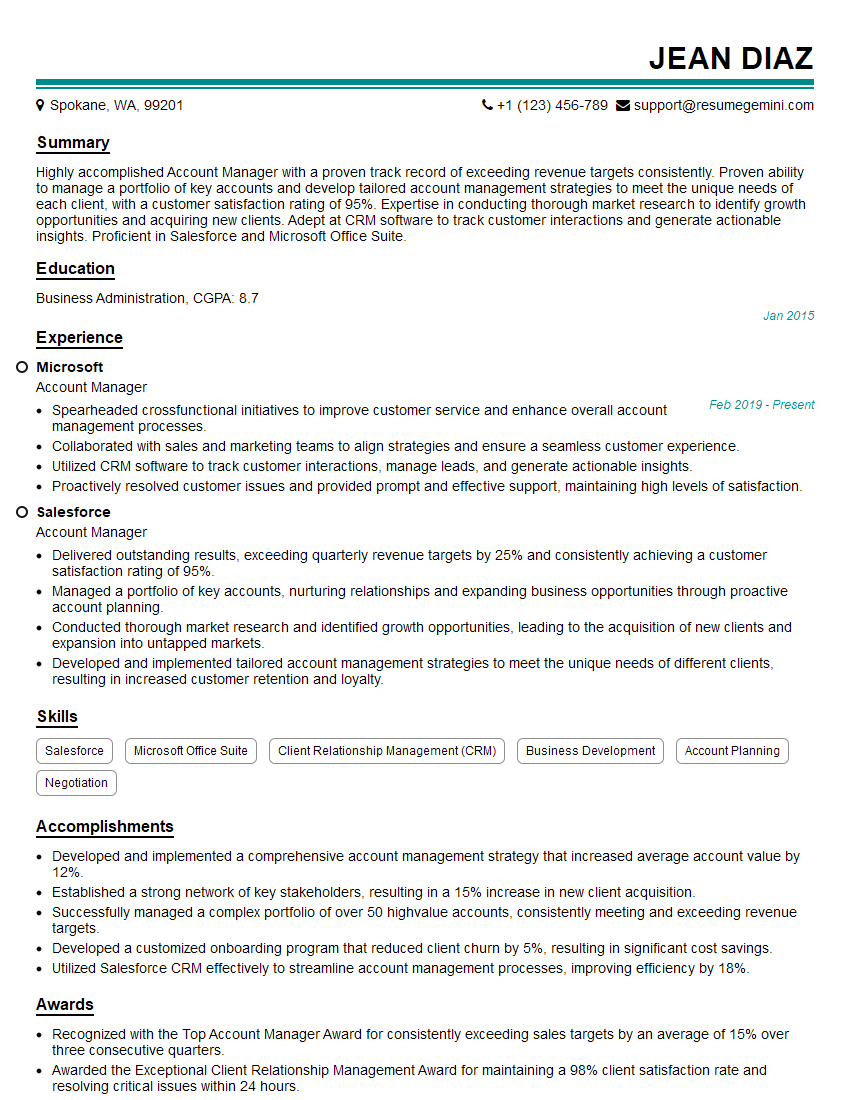
Account Manager Resume Sample
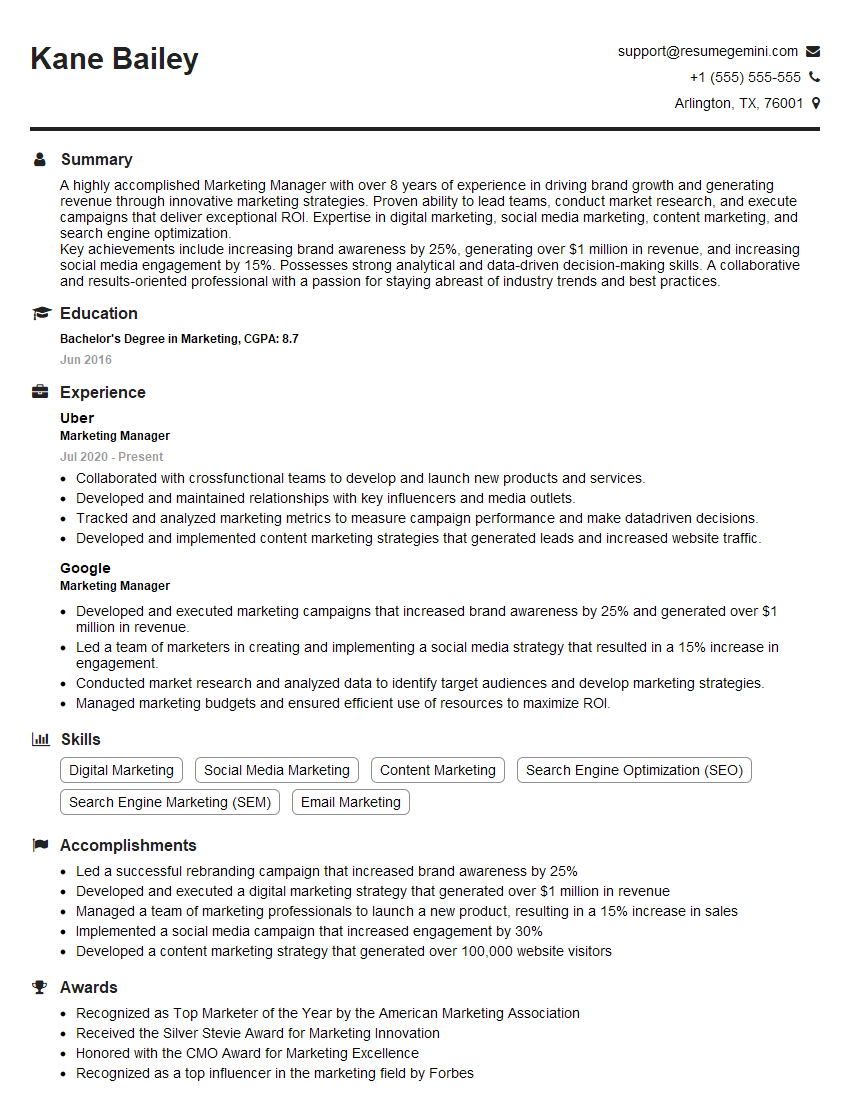
Marketing Manager Resume Sample
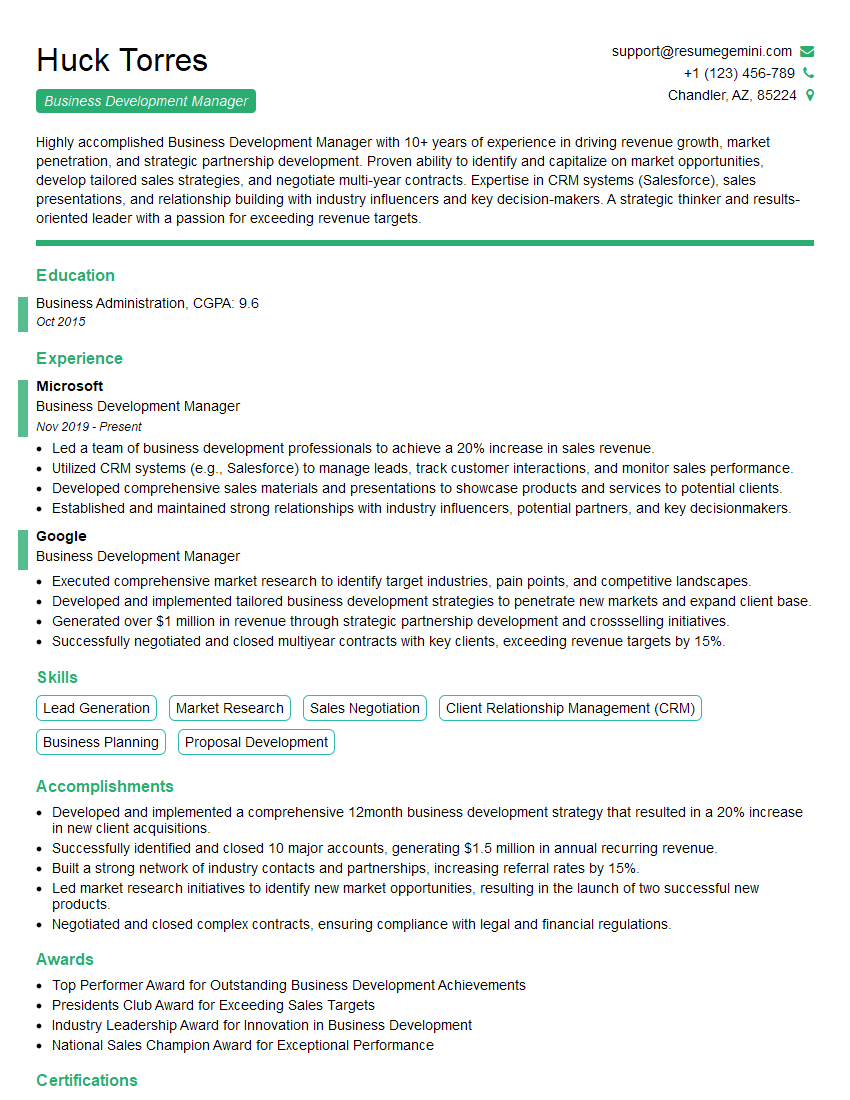
Business Development Manager Resume Sample
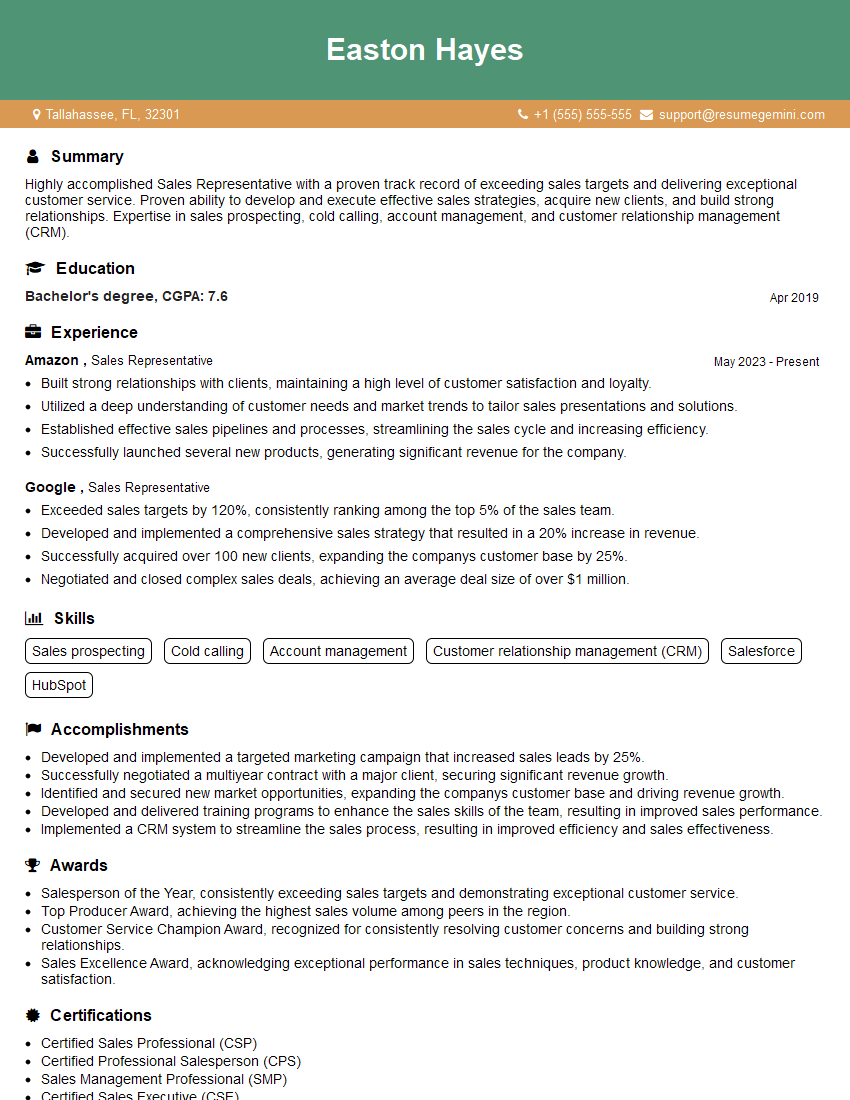
Sales Representative Resume Sample
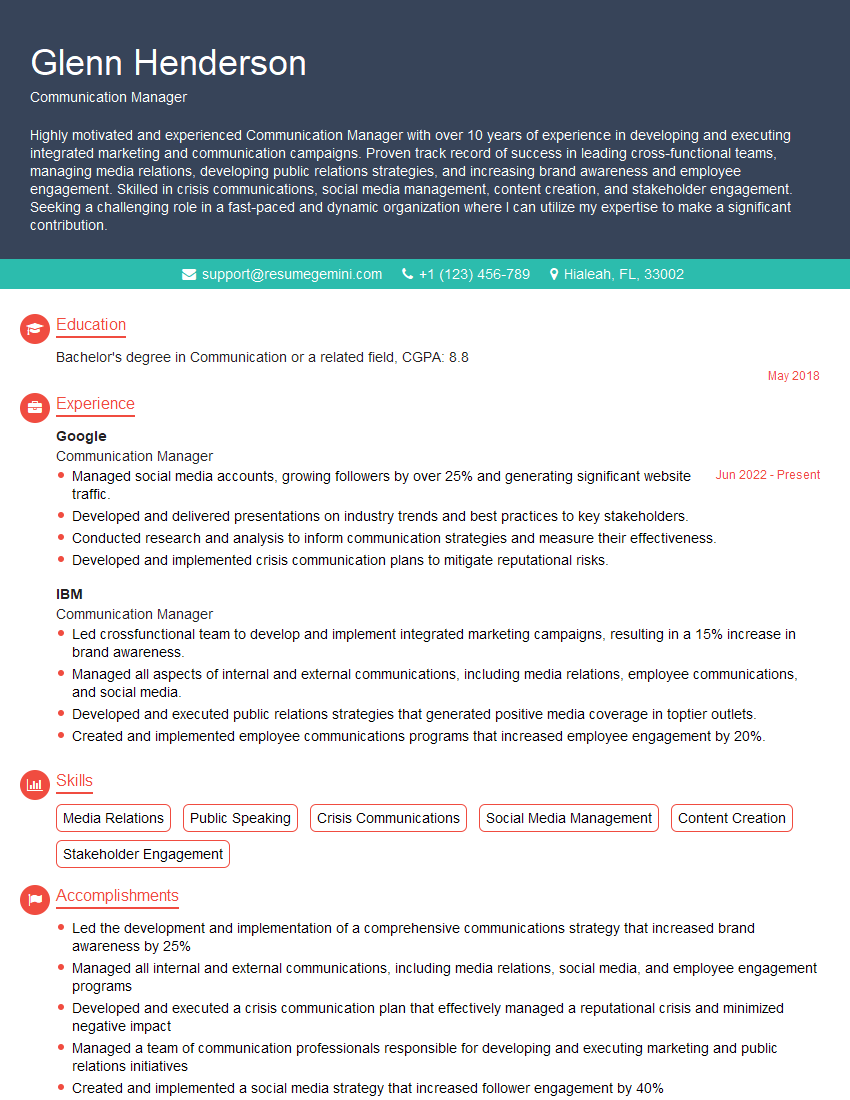
Communication Manager Resume Sample
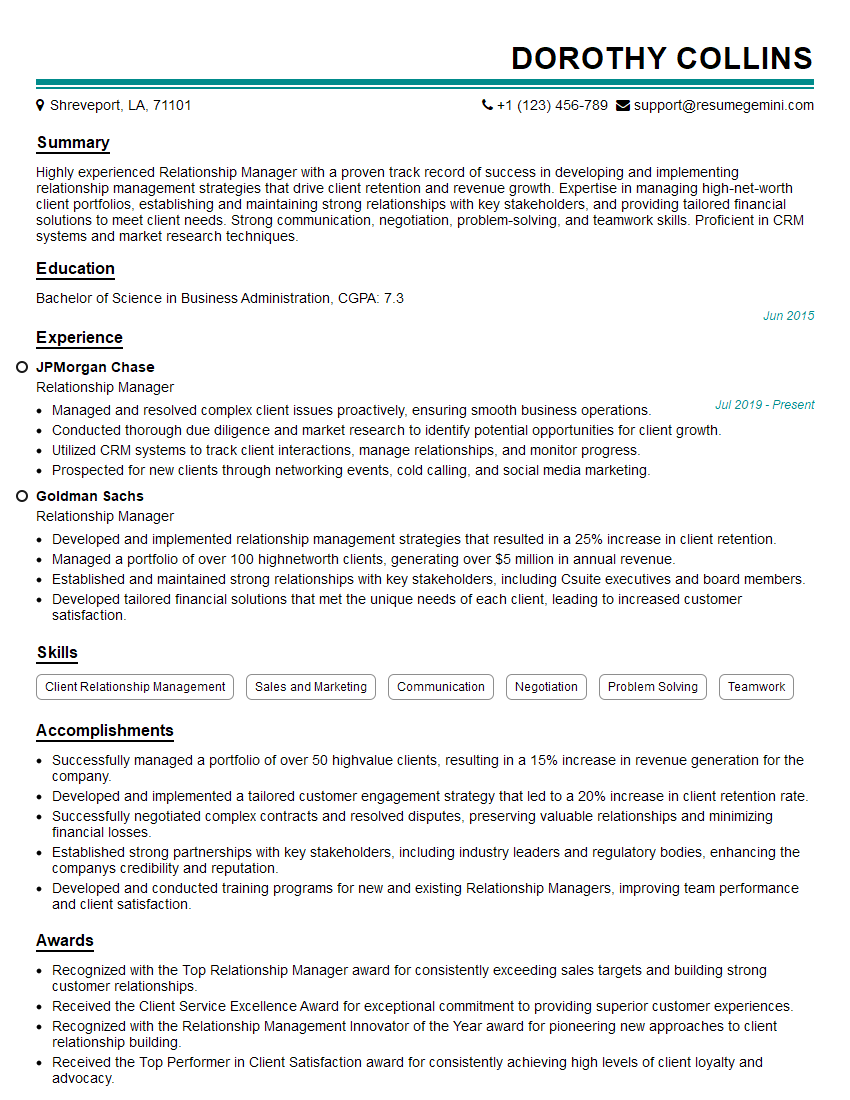
Relationship Manager Resume Sample
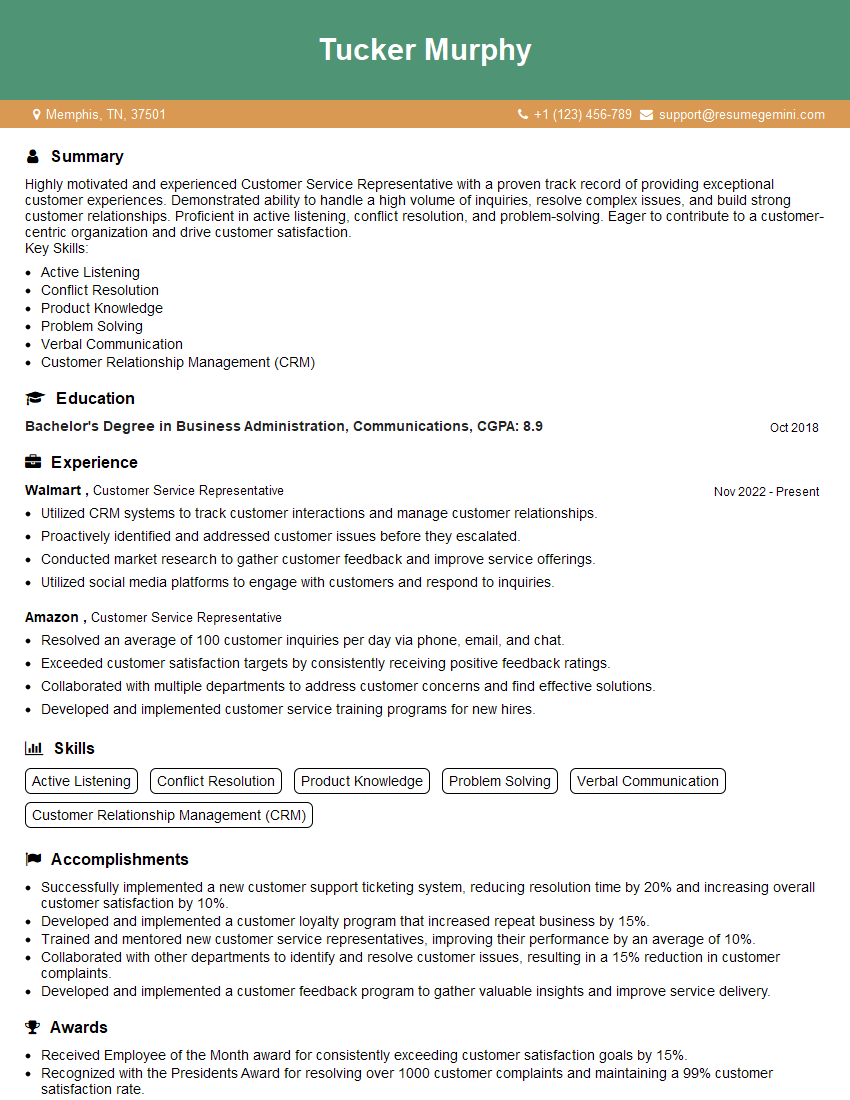
Customer Service Representative Resume Sample
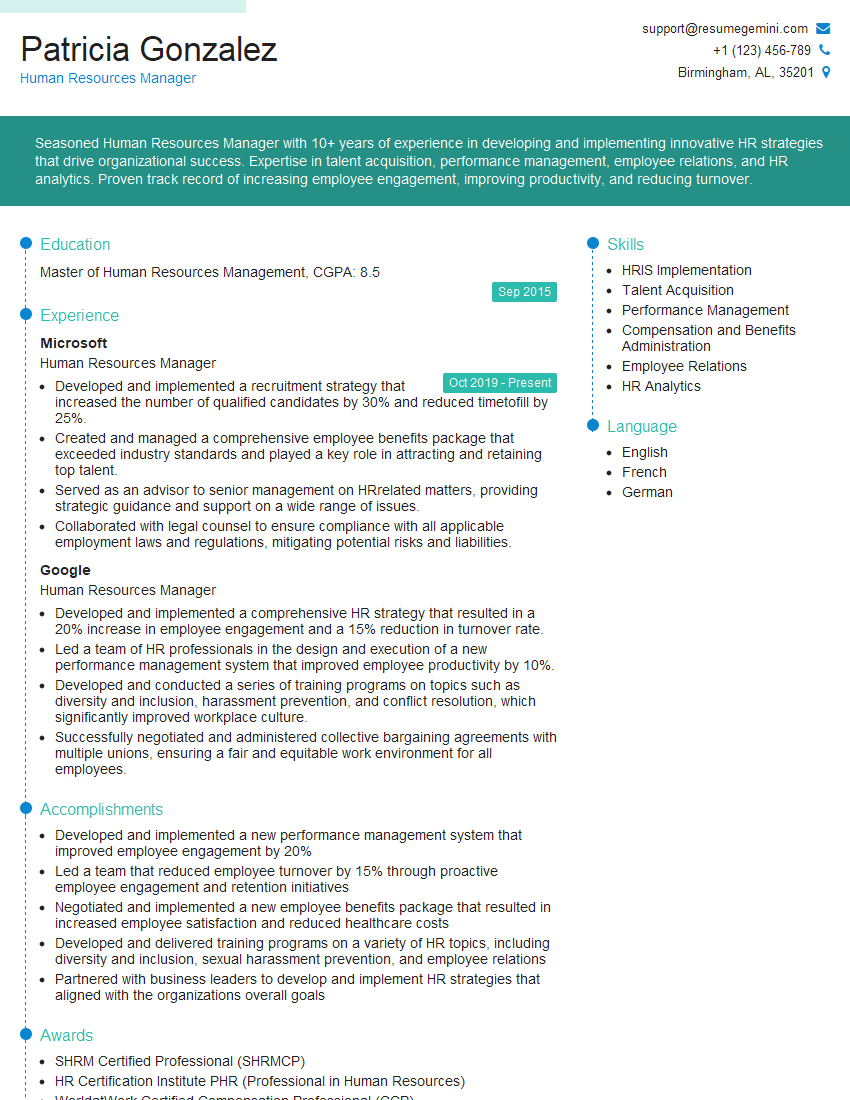
Human Resources Manager Resume Sample

Project Manager Resume Sample
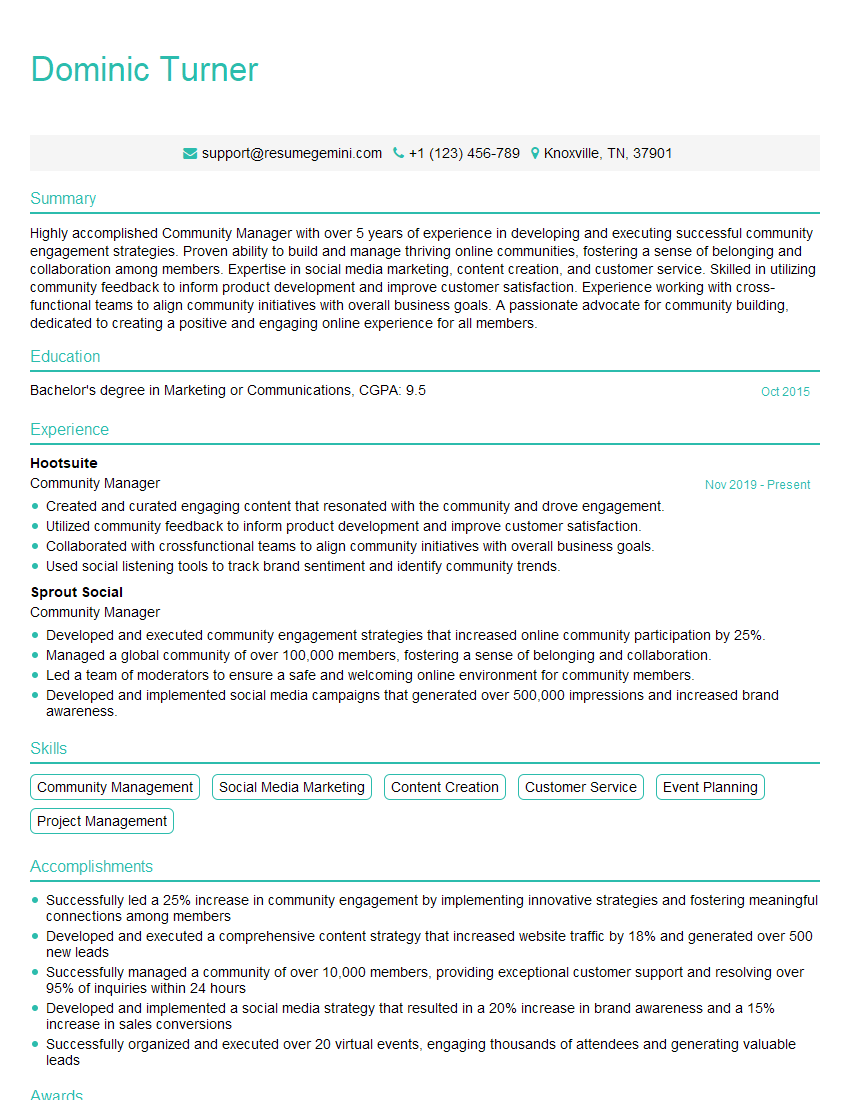
Community Manager Resume Sample
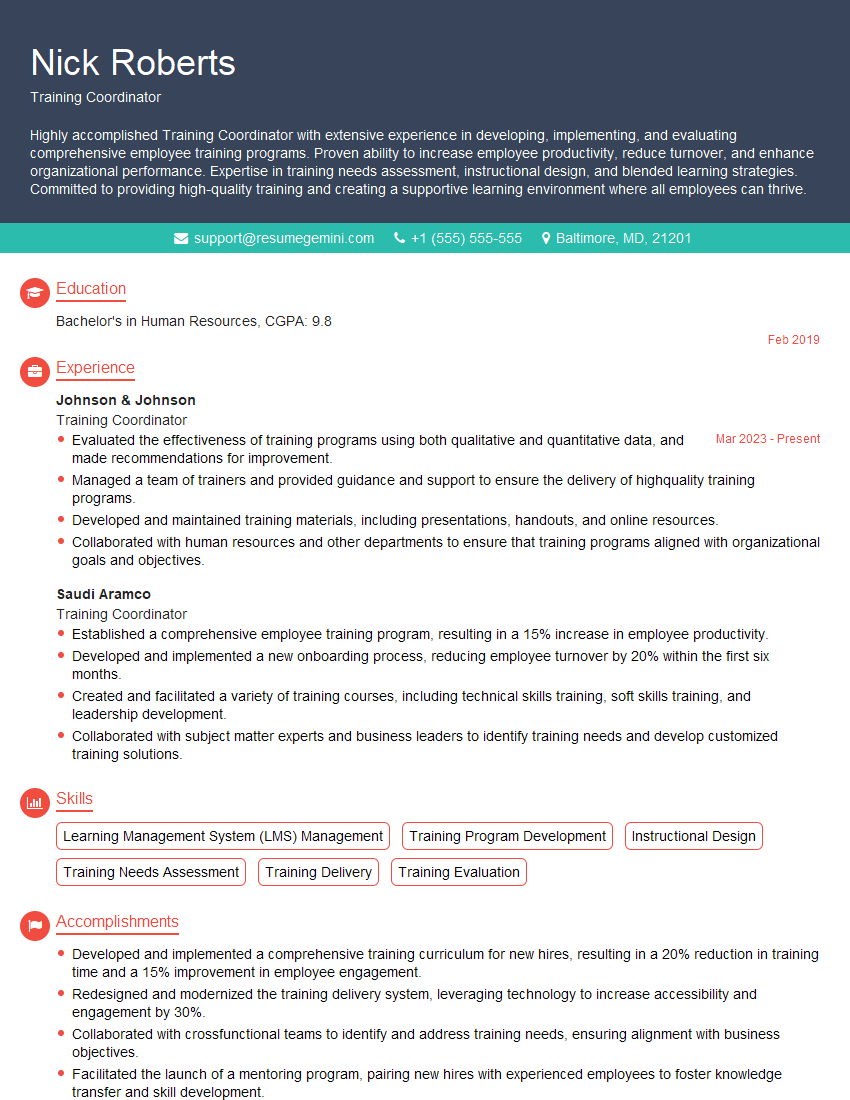
Training Coordinator Resume Sample
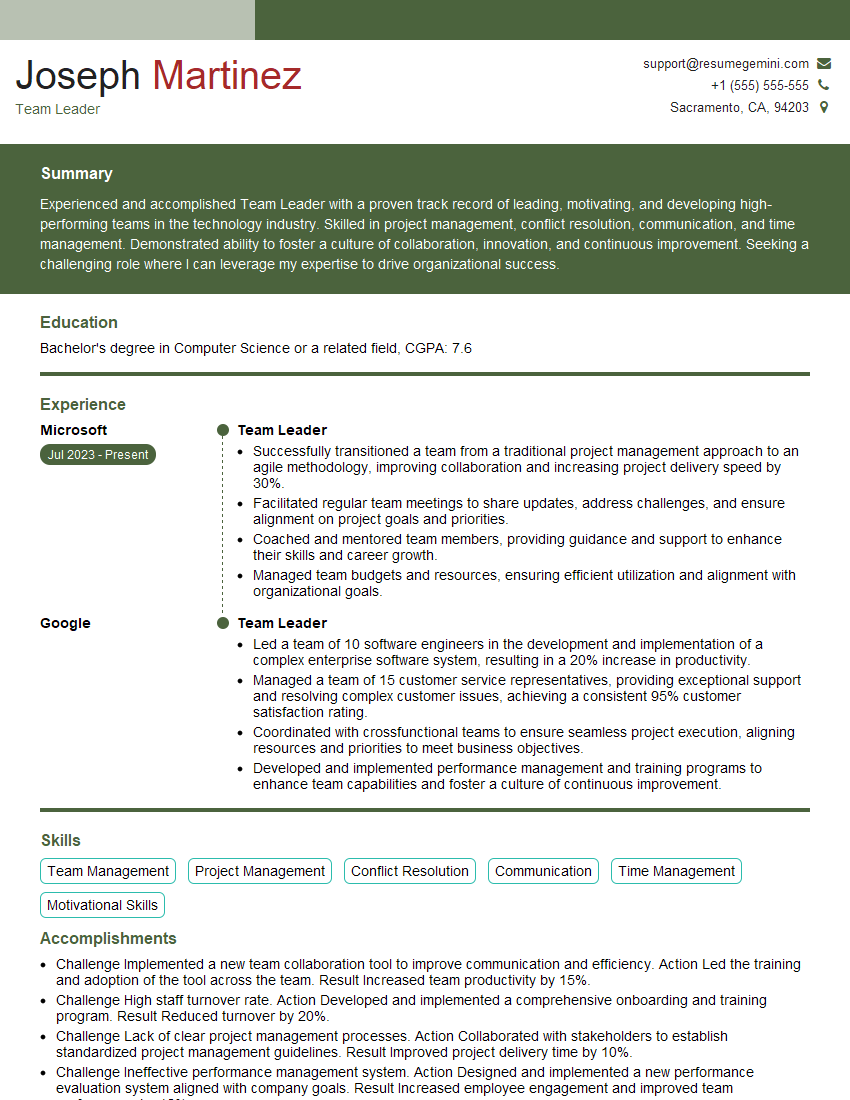
Team Leader Resume Sample
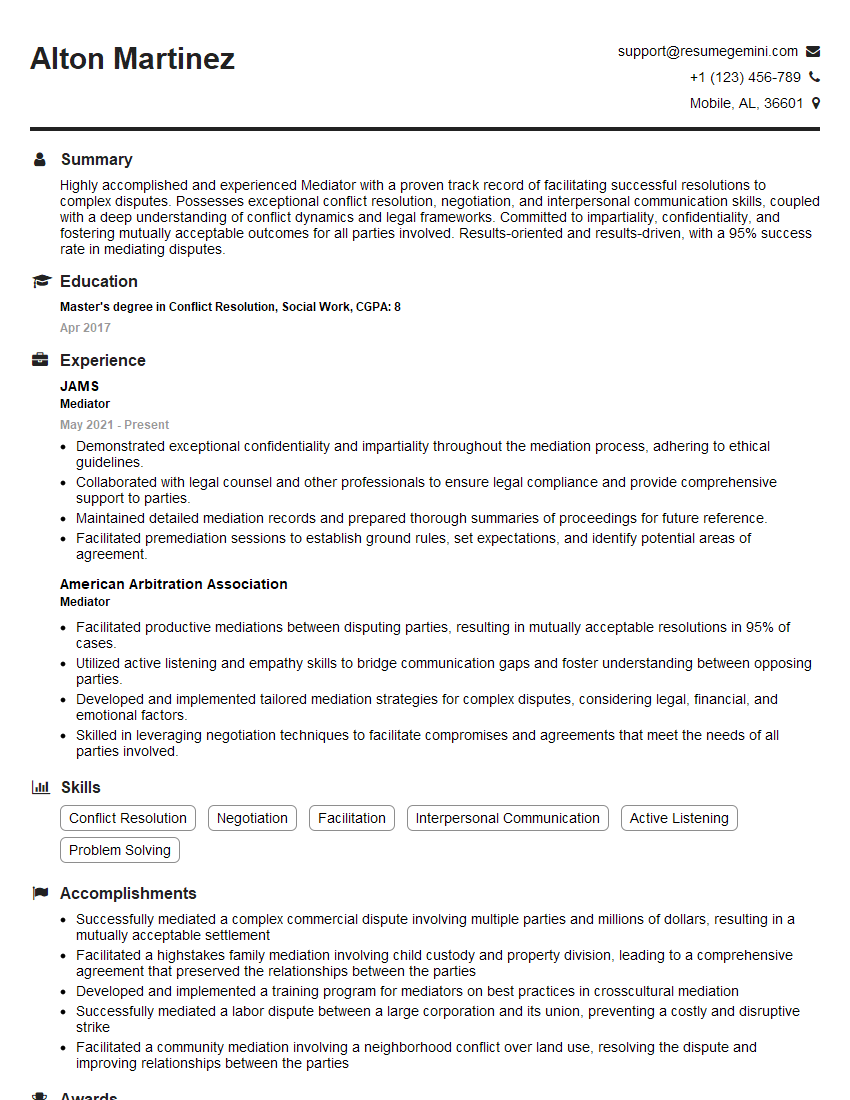
Mediator Resume Sample
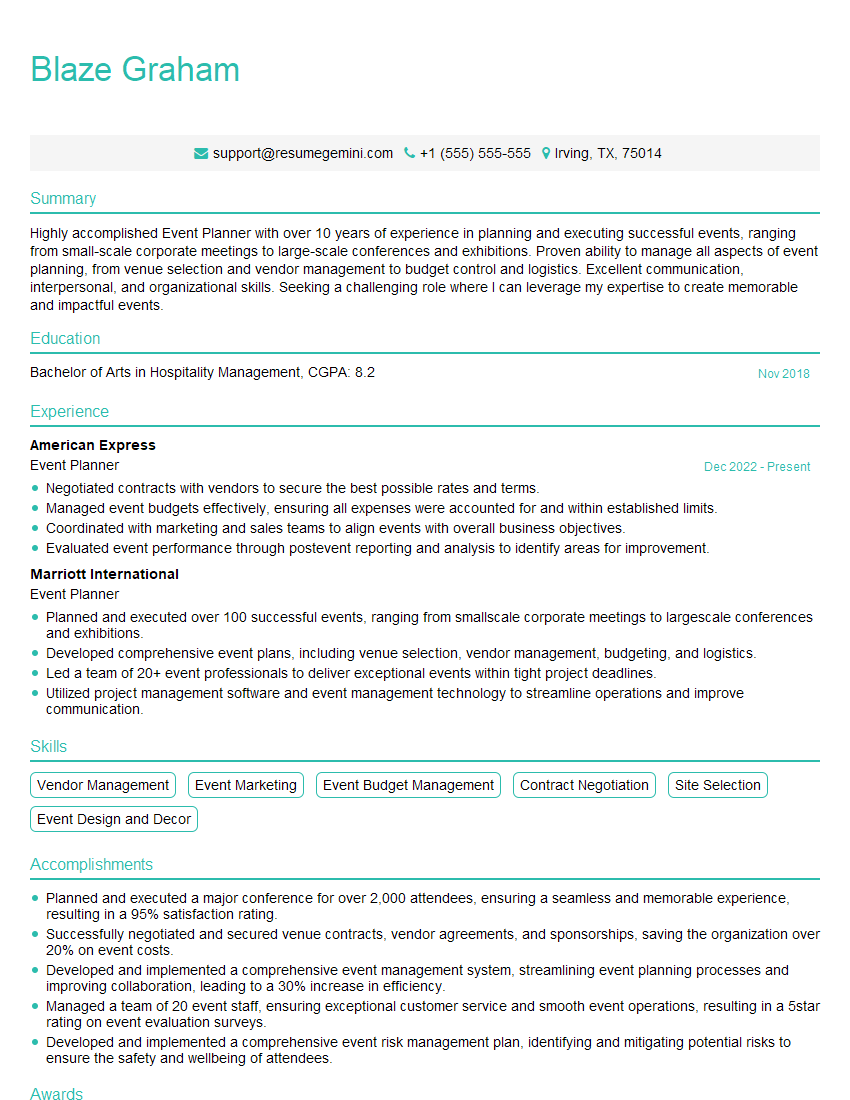
Event Planner Resume Sample

Social Media Manager Resume Sample
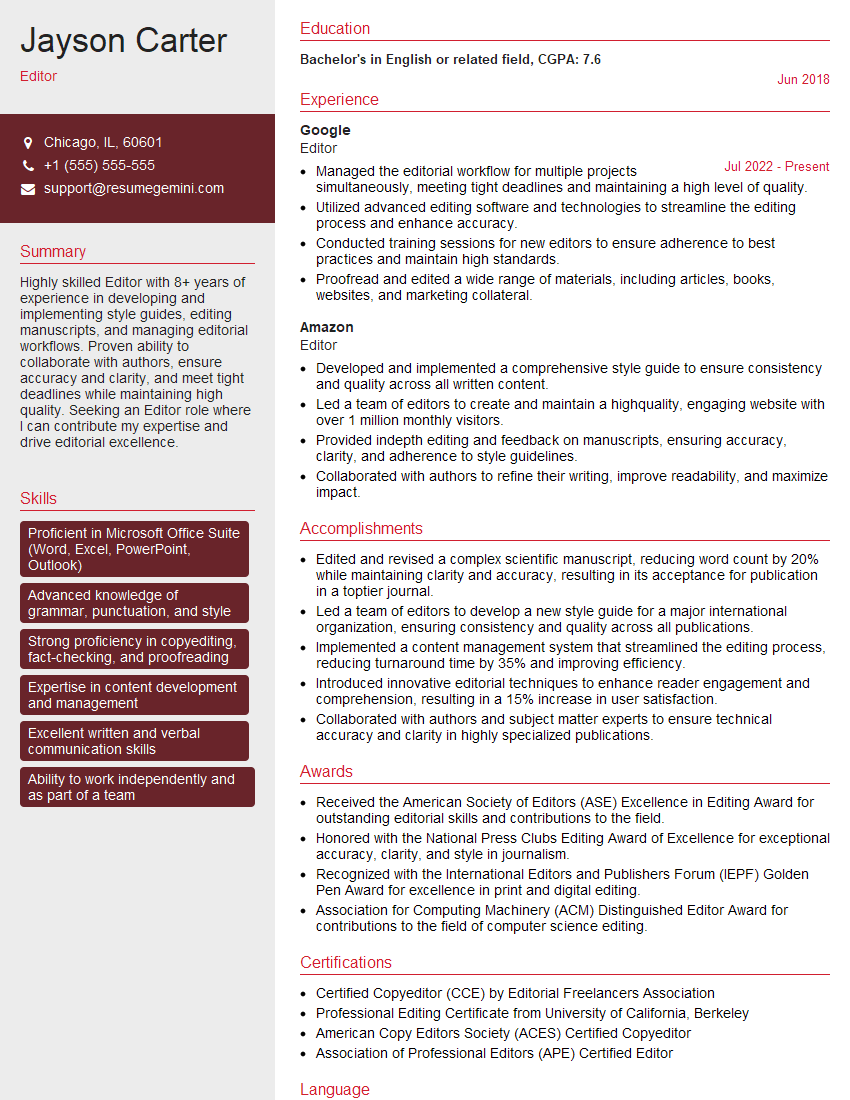
Editor Resume Sample
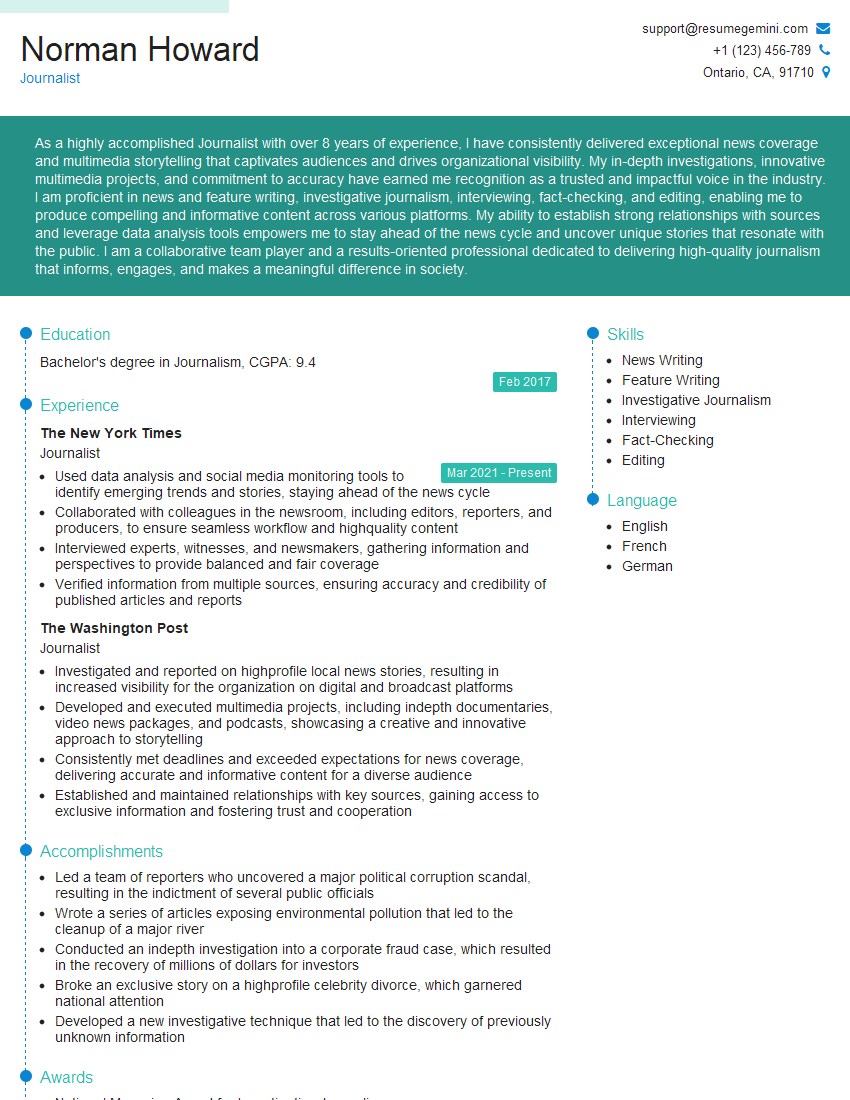
Journalist Resume Sample

Technical Writer Resume Sample

Copywriter Resume Sample
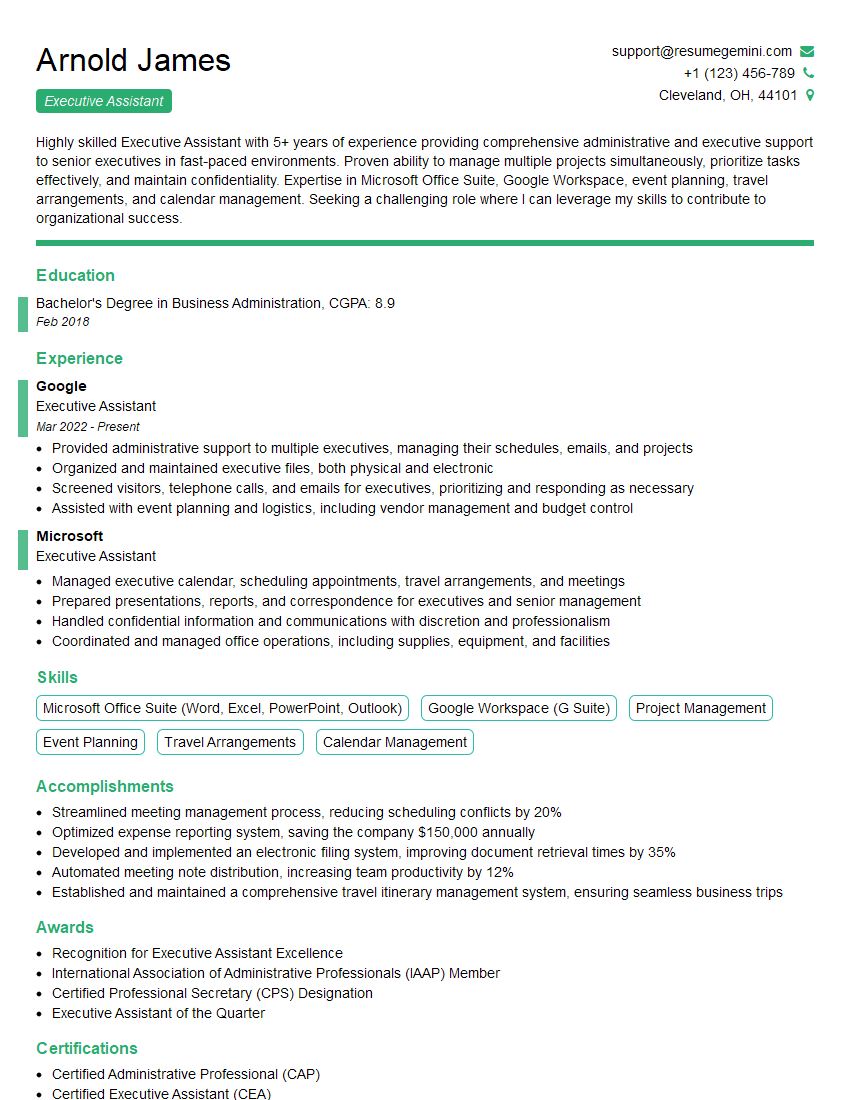
Executive Assistant Resume Sample
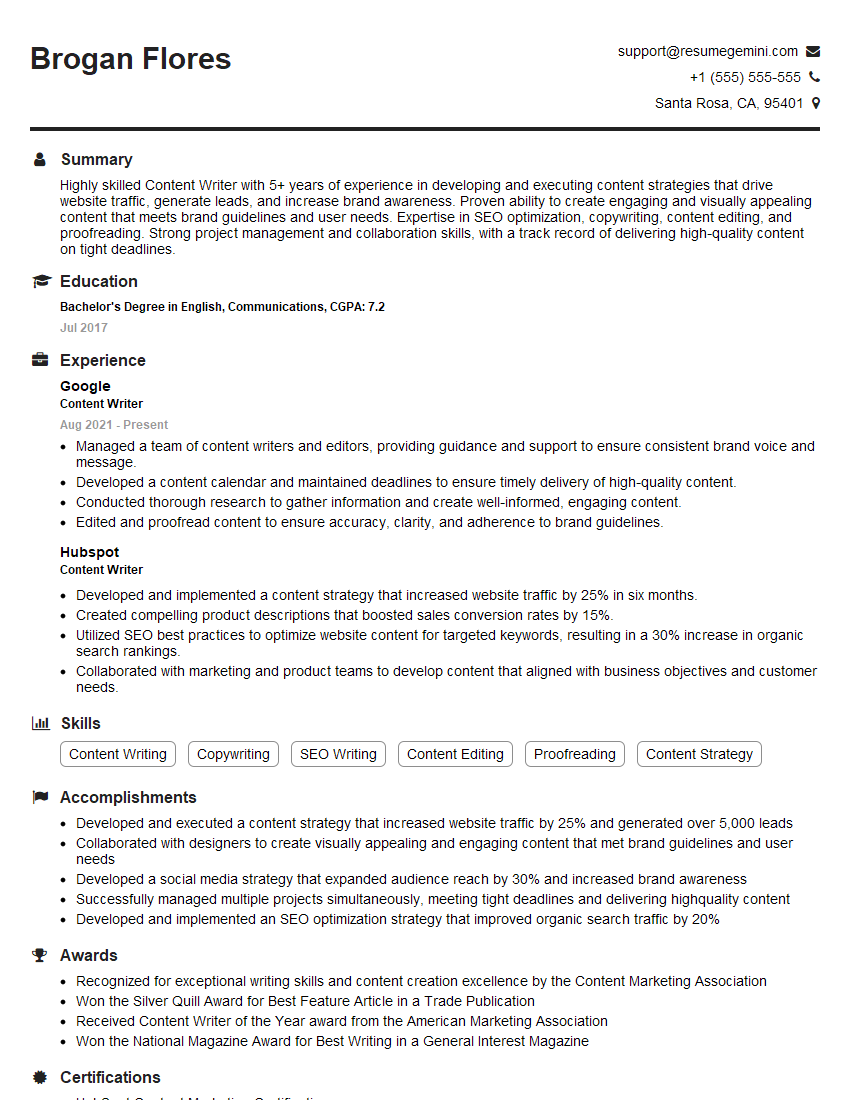
Content Writer Resume Sample
- Account Manager
- Marketing Manager
- Business Development Manager
- Sales Representative
- Communication Manager
- Relationship Manager
- Customer Service Representative
- Human Resources Manager
- Project Manager
- Community Manager
- Training Coordinator
- Team Leader
- Mediator
- Event Planner
- Social Media Manager
- Editor
- Journalist
- Technical Writer
- Copywriter
- Executive Assistant
- Content Writer
Explore more articles
Users Rating of Our Blogs
Share Your Experience
We value your feedback! Please rate our content and share your thoughts (optional).
What Readers Say About Our Blog
I Redesigned Spongebob Squarepants and his main characters of my artwork.
https://www.deviantart.com/reimaginesponge/art/Redesigned-Spongebob-characters-1223583608
IT gave me an insight and words to use and be able to think of examples
Hi, I’m Jay, we have a few potential clients that are interested in your services, thought you might be a good fit. I’d love to talk about the details, when do you have time to talk?
Best,
Jay
Founder | CEO