Unlock your full potential by mastering the most common Metalworking Safety interview questions. This blog offers a deep dive into the critical topics, ensuring you’re not only prepared to answer but to excel. With these insights, you’ll approach your interview with clarity and confidence.
Questions Asked in Metalworking Safety Interview
Q 1. Describe your experience with OSHA regulations related to metalworking.
My experience with OSHA regulations related to metalworking is extensive. I’ve spent over 15 years working in various metalworking environments, ensuring compliance with all relevant OSHA standards, including those pertaining to machine guarding, lockout/tagout procedures, personal protective equipment (PPE), hazard communication, and emergency response. I’m familiar with OSHA 1910 Subpart O (Machinery and Machine Guarding), which is pivotal in metalworking safety. I’ve been directly involved in OSHA inspections, conducting thorough self-inspections, and implementing corrective actions based on findings. For instance, in one facility, we identified a lack of proper machine guarding on a punch press. By working with the team, we implemented new guards and conducted comprehensive retraining, resulting in a significant reduction in near-miss incidents.
I understand the importance of staying updated on changes and revisions to these regulations. This includes keeping abreast of new technologies and their implications on safety practices. I’m proficient in interpreting OSHA standards and translating them into practical, actionable safety programs.
Q 2. Explain the hierarchy of controls in preventing workplace hazards in a metalworking environment.
The hierarchy of controls for preventing workplace hazards in metalworking follows a well-defined order of priority, aiming to eliminate hazards at their source whenever possible. Think of it as a pyramid, with the most effective control measures at the base.
- Elimination: This is the most effective way to control a hazard. It involves removing the hazard entirely. For example, if a process generates excessive noise, redesigning the process to reduce noise at the source is the best approach.
- Substitution: If elimination isn’t feasible, substituting a hazardous material or process with a safer alternative is the next best step. For example, replacing a solvent-based cleaning agent with a water-based one.
- Engineering Controls: These controls modify the workplace itself to reduce exposure to hazards. Examples in metalworking include machine guarding, local exhaust ventilation (LEV) systems for controlling fumes, and using enclosed systems to contain hazardous materials.
- Administrative Controls: These involve changes to work practices, such as implementing standard operating procedures (SOPs), job rotation to reduce repetitive strain injuries, providing adequate training, and establishing clear lines of communication.
- Personal Protective Equipment (PPE): PPE is the last line of defense. While crucial, it’s important to remember that PPE only protects the individual wearing it and doesn’t address the root cause of the hazard. This includes safety glasses, hearing protection, gloves, and respirators.
Ideally, you should always strive to implement controls from the base of the pyramid upwards, prioritizing the most effective methods first.
Q 3. How would you conduct a risk assessment for a new metalworking machine?
Conducting a risk assessment for a new metalworking machine involves a systematic approach to identify potential hazards and control measures. Here’s a step-by-step process:
- Identify Hazards: Examine the machine’s design and operating procedures, considering all potential hazards, such as pinch points, rotating parts, sharp edges, ejected materials, noise, vibration, and electrical hazards.
- Identify Who Might be Harmed: Determine who could be exposed to these hazards – operators, maintenance personnel, nearby workers, etc.
- Evaluate the Risks: Assess the likelihood of the hazard occurring and the severity of potential injuries. This often involves using a risk matrix to categorize risks as low, medium, or high.
- Determine Control Measures: Based on the risk assessment, identify appropriate control measures from the hierarchy of controls (elimination, substitution, engineering controls, administrative controls, PPE). For example, guarding a rotating chuck, providing adequate lighting, implementing lock-out procedures.
- Implement Controls: Put the chosen control measures into practice.
- Review and Monitor: Regularly review and update the risk assessment, particularly after any changes to the machine, process, or personnel.
Documentation is crucial throughout the process. A detailed report should record the findings, the implemented controls, and a schedule for future reviews.
Q 4. What are the common hazards associated with operating a CNC machine?
CNC machines, while highly efficient, present several hazards. These include:
- Moving parts: Rotating spindles, moving axes, and clamping mechanisms pose serious risks of crushing, shearing, or entanglement injuries.
- Sharp edges and cutting tools: The cutting tools themselves are extremely sharp, and the workpiece can also have sharp edges, leading to cuts and lacerations.
- Ejected materials: Chips, swarf (metal shavings), and other materials can be ejected from the machine at high velocity, causing eye injuries or impact injuries.
- Noise: CNC machines can generate significant noise levels, potentially causing hearing damage if proper hearing protection is not used.
- Coolants and lubricants: These fluids can be irritating to the skin and eyes or even toxic if inhaled.
- Electrical hazards: The machine’s electrical components pose a risk of electric shock.
- Ergonomic hazards: Prolonged operation can lead to musculoskeletal disorders (MSDs) due to awkward postures and repetitive movements.
Proper machine guarding, training, PPE, and regular maintenance are essential to mitigate these risks.
Q 5. How do you ensure proper lockout/tagout procedures are followed in a metalworking shop?
Ensuring proper lockout/tagout (LOTO) procedures are followed in a metalworking shop requires a multi-faceted approach. It starts with a comprehensive LOTO program that includes:
- Training: All authorized personnel must receive thorough training on the proper LOTO procedures, including the identification of energy sources, the use of lockout devices, and the verification of energy isolation.
- Procedures: Clear, concise written procedures must be established for each machine or piece of equipment. These procedures must specify the steps for isolating energy sources, applying lockout devices, and verifying the effectiveness of the lockout.
- Equipment: The shop must be adequately equipped with appropriate lockout devices, such as padlocks, tagout devices, and energy isolating devices.
- Periodic Inspections: Regular inspections of the LOTO program must be conducted to ensure that procedures are being followed and equipment is functioning correctly.
- Enforcement: Management must actively enforce the LOTO procedures. This includes regular audits and disciplinary action for non-compliance.
One example of a practical approach is conducting regular drills and simulations to ensure that employees can effectively perform LOTO procedures in real-world scenarios. This helps to reinforce training and identify any weaknesses in the system.
Q 6. Describe your experience with developing and delivering metalworking safety training.
I have extensive experience in developing and delivering metalworking safety training programs. My approach is to design training that’s engaging, relevant, and tailored to the specific needs of the workforce. I utilize a variety of methods, including classroom instruction, hands-on demonstrations, interactive exercises, and case studies. For example, I’ve developed a training module focusing on the safe operation of press brakes, that included a detailed walkthrough of the machine’s controls, common hazards associated with its use, and proper safety procedures. The module incorporated hands-on practice with a simulated press brake, allowing trainees to safely rehearse safe operating techniques. I also integrate real-world scenarios and near-miss incidents to help trainees understand the consequences of unsafe behavior. My training programs are documented and include pre- and post-training assessments to track learning and effectiveness. This allows for continuous improvement of the program itself.
I believe that effective safety training is an ongoing process; it isn’t a one-time event. Regular refresher training and updates are necessary to address changes in technology and processes and to maintain a strong safety culture.
Q 7. What are the different types of Personal Protective Equipment (PPE) used in metalworking?
The type of PPE used in metalworking depends largely on the specific hazards present. Here are some common examples:
- Eye protection: Safety glasses, goggles, or face shields are crucial to protect against flying debris, sparks, and chemical splashes.
- Hearing protection: Earplugs or earmuffs are essential to protect against excessive noise levels.
- Hand protection: Gloves provide protection against cuts, abrasions, chemical burns, and thermal hazards. Different types of gloves are used depending on the specific task (e.g., cut-resistant gloves, heat-resistant gloves, chemical-resistant gloves).
- Foot protection: Safety shoes or boots with steel toes protect against falling objects and crushing hazards.
- Respiratory protection: Respirators are necessary to protect against inhalation of harmful dusts, fumes, mists, or gases.
- Body protection: Aprons, coveralls, or other protective clothing may be required to protect against splashes, burns, or cuts.
- Head protection: Hard hats are often required to protect against falling objects.
It is crucial that PPE is properly selected, fitted, used, and maintained. Employees should be trained on the proper use and limitations of their PPE.
Q 8. Explain the importance of proper ventilation in a metalworking environment.
Proper ventilation in a metalworking environment is paramount for worker health and safety. It’s not just about fresh air; it’s about actively removing harmful airborne contaminants generated during various processes.
Many metalworking operations produce hazardous fumes, dusts, and mists. For instance, welding generates ozone and metal fumes, grinding produces fine metal particles, and machining can release oils and coolants. These substances can cause respiratory problems, eye irritation, skin irritation, and in some cases, serious illnesses like metal fume fever or silicosis. Adequate ventilation systems, such as local exhaust ventilation (LEV) at the source of the contaminant and general ventilation to circulate air throughout the workspace, are crucial to dilute or eliminate these hazards.
Imagine a welder working in a poorly ventilated space. The ozone and metal fumes could build up rapidly, leading to immediate respiratory distress and long-term health issues. Conversely, a well-ventilated shop ensures that these contaminants are removed before they reach harmful concentrations, protecting the worker’s well-being.
- Local Exhaust Ventilation (LEV): This system captures contaminants at their source, preventing them from spreading. Examples include hoods over welding stations or extraction systems on grinding wheels.
- General Ventilation: This involves using fans and air conditioning systems to circulate fresh air and dilute airborne contaminants across the entire work area.
Q 9. How would you handle a workplace accident involving a metalworking machine?
Handling a workplace accident involving a metalworking machine requires a swift, systematic response prioritizing safety and minimizing further injury.
- Ensure Scene Safety: Immediately shut down the machine and secure the area to prevent further accidents. If necessary, alert others to evacuate the immediate vicinity.
- Assess the Injury: Carefully evaluate the nature and severity of the injury. Check for bleeding, fractures, or burns.
- First Aid: Provide appropriate first aid, if trained to do so. This might involve controlling bleeding, applying bandages, or stabilizing fractures. However, never move an injured person unless absolutely necessary.
- Emergency Medical Services (EMS): Call EMS immediately. Provide clear and concise information about the accident, the victim’s condition, and the location. Keep the injured individual calm and comfortable.
- Accident Investigation: Once the injured person has received medical attention, begin a thorough investigation of the accident. This includes documenting the circumstances, taking photographs, and interviewing witnesses. Identify root causes and potential corrective actions.
- Reporting: Report the accident to the appropriate authorities and supervisors, according to company policies and regulations.
For example, if a worker suffers a laceration from a spinning lathe, the immediate priority is to stop the machine, apply pressure to the wound, and then call for medical assistance. Subsequent investigation might reveal a lack of machine guarding, leading to the implementation of safety improvements.
Q 10. What are the emergency procedures in case of a fire in a metalworking shop?
Fire safety in a metalworking shop is critical due to the presence of flammable materials and the risk of sparks and hot work. A well-defined emergency procedure is essential.
- Evacuation Plan: Establish clear evacuation routes and assembly points. Regular fire drills will familiarize workers with these procedures.
- Fire Suppression: Appropriate fire extinguishers (Class A, B, and C types for wood, oil, and electrical fires) must be readily available and workers should be trained in their use. Consider specialized extinguishers for metal fires (Class D).
- Emergency Shutdowns: Develop a system for quickly shutting down all machinery and turning off gas and electrical supplies.
- Alarm System: A reliable fire alarm system is mandatory and should be regularly tested. Workers need to understand the alarm signals and respond accordingly.
- Emergency Services: Know the procedures for contacting the local fire department and providing them with accurate information regarding the location and nature of the fire.
- Post-Incident Review: After a fire, conduct a thorough investigation to identify the cause and implement preventive measures.
For instance, a fire near a welding station might require immediate use of a Class A fire extinguisher (if involving nearby wood) and a Class D extinguisher (for the burning metal), followed by evacuation. Post-incident review would focus on improved fire suppression systems and safe storage of flammable materials.
Q 11. Describe your experience with conducting safety inspections in a metalworking facility.
My experience with safety inspections in metalworking facilities involves a systematic approach based on industry best practices and regulatory compliance.
I typically conduct inspections using a checklist covering key areas like:
- Machine Guarding: Verifying the presence and effectiveness of guards on all machinery, ensuring they are properly maintained and not bypassed.
- Personal Protective Equipment (PPE): Checking if appropriate PPE (e.g., eye protection, hearing protection, gloves) is available, used correctly, and in good condition.
- Housekeeping: Assessing the cleanliness and organization of the workplace, ensuring aisles are clear, and materials are stored safely.
- Electrical Safety: Inspecting electrical wiring, equipment grounding, and lockout/tagout procedures to prevent electrical hazards.
- Emergency Equipment: Verifying that fire extinguishers, first aid kits, and emergency exits are readily accessible and functioning.
- Ventilation: Evaluating the effectiveness of ventilation systems to control airborne contaminants.
During inspections, I observe worker practices, look for potential hazards, and document any deficiencies found. I then communicate my findings to management and follow up on corrective actions to ensure that hazards are eliminated or mitigated. For example, I may observe a worker operating a grinder without using a face shield; this would be immediately addressed, emphasizing the importance of proper PPE.
Q 12. How do you ensure compliance with noise level regulations in a metalworking environment?
Ensuring compliance with noise level regulations in a metalworking environment necessitates a multi-pronged approach.
- Noise Monitoring: Regular noise level measurements using sound level meters are essential to identify areas exceeding permissible exposure limits. This data helps pinpoint problem areas.
- Engineering Controls: Prioritizing engineering controls is vital. This involves implementing noise-reducing measures at the source. Examples include using quieter machinery, installing sound-absorbing barriers, or enclosing noisy equipment.
- Administrative Controls: These strategies focus on limiting worker exposure to noise. This includes job rotation, limiting work duration in high-noise areas, and scheduling breaks.
- Hearing Protection: Providing and enforcing the use of appropriate hearing protection (earplugs or earmuffs) is crucial, particularly when engineering and administrative controls are insufficient.
- Hearing Conservation Program: Implementing a comprehensive hearing conservation program involves regular audiometric testing, training on noise hazards, and record-keeping of employee hearing data. This ensures proactive monitoring of employee hearing health.
For example, in a machine shop with several noisy presses, we might start by installing sound-dampening enclosures around the presses, implementing a rotation schedule for workers, and providing high-quality earplugs. Regular hearing tests would monitor worker health, and detailed records would track exposure levels.
Q 13. What are the common causes of hand injuries in metalworking?
Hand injuries are common in metalworking due to the nature of the work, involving sharp edges, hot materials, and powerful machinery.
- Sharp Edges and Burrs: Contact with sharp edges of metalwork pieces can cause cuts, lacerations, and punctures.
- Pinch Points: Rotating machinery parts, such as gears, rollers, and belts, create pinch points that can crush or sever fingers.
- Impact Injuries: Striking a hand against a hard surface or being struck by flying debris during operations such as hammering, chipping, or grinding can cause bruises, fractures, or crush injuries.
- Burns: Contact with hot metal, sparks, or molten metal can cause serious burns.
- Improper Tool Use: Incorrect handling of tools such as hammers, chisels, and punches can lead to slips, falls, and impacts.
For example, failing to use appropriate safety gloves when handling sheet metal may lead to cuts, while neglecting to use a proper push stick to feed material into a machine might result in a crushed finger.
Q 14. Explain the importance of machine guarding in preventing accidents.
Machine guarding is crucial in preventing accidents by creating physical barriers to prevent contact with hazardous moving parts.
Effective machine guarding reduces the risk of various injuries, including:
- Caught-in/Caught-between injuries: Guards prevent hands, arms, or clothing from becoming entangled in moving parts.
- Crushing injuries: Guards protect against fingers, hands, or limbs being crushed by rollers, presses, or other mechanisms.
- Impact injuries: Guards help prevent workers from being struck by flying parts or tools.
- Burns: Guards can help shield workers from contact with hot surfaces or sparks.
Different types of guards are available based on the specific machine, including fixed guards, interlocked guards, and presence-sensing devices. For instance, a fixed guard on a circular saw prevents contact with the blade, while an interlocked guard on a press prevents operation unless the guard is in place. Presence-sensing devices automatically stop the machine when a hand or other body part enters the hazard zone.
The absence or failure of machine guarding can have devastating consequences. For example, a worker’s hand might be caught in an unguarded power press, leading to severe injury or amputation. Regular inspection and maintenance of guards are essential to ensure continued protection.
Q 15. How do you address employee concerns regarding safety in a metalworking setting?
Addressing employee safety concerns in a metalworking setting requires a multi-pronged approach focused on open communication, active listening, and prompt, effective action. It’s not enough to simply have safety rules; employees need to feel comfortable voicing their concerns without fear of reprisal.
- Open-Door Policy: Establish a clear and accessible communication channel, perhaps through regular safety meetings, suggestion boxes, or informal one-on-one discussions with supervisors. This creates a safe space for reporting hazards or expressing anxieties.
- Active Listening and Validation: When an employee raises a concern, actively listen, validate their feelings, and avoid dismissing their worries. Even if the concern seems minor, acknowledging it shows respect and demonstrates that safety is a priority.
- Prompt Investigation and Action: Thoroughly investigate each reported concern. This may involve a site visit, interviews, or review of safety records. Once the issue is understood, develop and implement a solution promptly. Follow up with the employee to let them know the actions taken.
- Training and Education: Regular safety training that covers specific hazards in the metalworking environment empowers employees to identify and mitigate risks themselves. This reduces anxieties by increasing their knowledge and control.
- Example: In a previous role, an employee expressed concern about the visibility of warning labels near a press brake. After investigating, we found the labels were faded and difficult to read. We immediately replaced them with larger, more visible labels and provided refresher training on press brake safety.
Career Expert Tips:
- Ace those interviews! Prepare effectively by reviewing the Top 50 Most Common Interview Questions on ResumeGemini.
- Navigate your job search with confidence! Explore a wide range of Career Tips on ResumeGemini. Learn about common challenges and recommendations to overcome them.
- Craft the perfect resume! Master the Art of Resume Writing with ResumeGemini’s guide. Showcase your unique qualifications and achievements effectively.
- Don’t miss out on holiday savings! Build your dream resume with ResumeGemini’s ATS optimized templates.
Q 16. What are the best practices for handling hazardous waste in a metalworking shop?
Handling hazardous waste in a metalworking shop requires strict adherence to local, state, and federal regulations. This includes proper segregation, storage, labeling, and disposal of materials like cutting fluids, metal shavings, chemical cleaners, and spent batteries.
- Segregation and Containment: Establish clearly marked collection points for different types of hazardous waste. Use appropriate containers to prevent spills and leaks. For example, oils should be stored separately from solvents in clearly labeled, leak-proof drums.
- Proper Labeling: All containers must be clearly labeled with the contents, hazards, and any necessary handling precautions. Use standardized hazard labels according to OSHA and other relevant regulations.
- Emergency Preparedness: Develop a spill response plan outlining procedures for containing and cleaning up accidental spills of hazardous materials. This plan should include training for employees on proper response techniques.
- Disposal: Engage a licensed hazardous waste disposal company to remove and dispose of the collected waste according to regulations. Maintain thorough records of all waste disposal activities.
- Employee Training: Provide comprehensive training to all employees handling hazardous materials on proper procedures for handling, storage, and disposal. This training should cover the specific hazards associated with the materials used in the shop.
- Example: We implemented a color-coded system for waste containers, making it easy for employees to identify the appropriate container for different waste streams. This improved compliance and reduced the risk of improper disposal.
Q 17. Describe your experience with investigating and analyzing workplace accidents.
Investigating workplace accidents requires a systematic approach to identify root causes, prevent recurrence, and improve safety procedures. My experience involves conducting thorough investigations, analyzing data, and recommending corrective actions.
- Immediate Response: Secure the accident scene, provide first aid if necessary, and notify emergency services as needed.
- Data Collection: Gather information from all relevant sources, including witness statements, injury reports, equipment logs, and photos of the accident scene.
- Root Cause Analysis: Use techniques like the “5 Whys” method to identify the underlying causes of the accident, moving beyond the immediate event to uncover deeper systemic issues.
- Corrective Actions: Develop and implement corrective actions to prevent similar accidents from occurring. These actions might involve retraining employees, modifying equipment, improving safety procedures, or changing workplace layout.
- Reporting and Documentation: Maintain thorough documentation of the investigation, including findings, corrective actions, and follow-up procedures.
- Example: In one investigation, a worker suffered a laceration from a sharp edge on a metal sheet. The investigation revealed that the protective guards on the cutting machine were improperly installed and not regularly inspected. This led to new training on proper guard installation and a regular inspection program.
Q 18. How do you promote a positive safety culture in a metalworking environment?
Promoting a positive safety culture is crucial in a metalworking environment. It’s about fostering a shared commitment to safety among all employees, from management to the shop floor. It’s not simply about following rules; it’s about developing a mindset where safety is seen as a core value.
- Leadership Commitment: Management must visibly demonstrate their commitment to safety through actions and words. This includes participating in safety meetings, actively addressing safety concerns, and rewarding safe behaviors.
- Employee Involvement: Encourage employee participation in safety initiatives, such as safety committees, audits, and hazard identification programs. Their input is invaluable.
- Recognition and Rewards: Recognize and reward employees who demonstrate safe work practices and contribute to safety improvements. This positive reinforcement encourages others to follow suit.
- Open Communication: Foster a culture of open communication where employees feel comfortable reporting hazards or near misses without fear of reprisal.
- Continuous Improvement: Regularly review and update safety procedures based on accident investigations, near-miss reports, and best practices in the industry.
- Example: We held regular ‘safety champions’ meetings where employees shared innovative safety ideas and discussed concerns. This resulted in several improvements to our safety procedures, and fostered a stronger sense of ownership.
Q 19. What are the key elements of an effective safety program for metalworking?
An effective safety program for metalworking encompasses several key elements, all working together to minimize risks and promote a safe work environment.
- Hazard Identification and Risk Assessment: A thorough assessment of all potential hazards within the workplace, including machinery, materials, processes, and the work environment itself. This assessment should identify risks and prioritize control measures.
- Engineering Controls: Implementing engineering controls to eliminate or reduce hazards at their source. This might include machine guarding, ventilation systems, or improved lighting.
- Administrative Controls: Establishing safe work procedures, providing training, developing emergency response plans, and implementing regular safety inspections.
- Personal Protective Equipment (PPE): Providing and ensuring the proper use of PPE, including safety glasses, hearing protection, gloves, and other appropriate equipment, tailored to specific tasks.
- Training and Education: Providing comprehensive safety training to all employees on the hazards associated with their jobs, safe work practices, and emergency procedures.
- Emergency Response Plan: A detailed plan outlining procedures for responding to various emergencies, such as fires, injuries, or equipment malfunctions.
- Record Keeping and Reporting: Maintaining detailed records of accidents, near misses, safety inspections, and training to track performance and identify areas for improvement.
- Regular Audits and Inspections: Conducting routine safety audits and inspections to identify hazards and ensure compliance with safety standards and procedures.
Q 20. Explain your understanding of ergonomic principles related to metalworking tasks.
Ergonomic principles focus on designing workplaces and tasks to fit the capabilities and limitations of the human body. In metalworking, this is crucial to prevent musculoskeletal disorders (MSDs).
- Workstation Design: Workstations should be designed to allow for proper posture, reducing strain on the back, neck, and shoulders. This includes adjustable chairs, properly positioned tools and materials, and adequate workspace.
- Tool Design: Hand tools should be designed to minimize hand fatigue and awkward postures. Power tools should have features to reduce vibration and strain.
- Material Handling: Implementing methods to reduce manual material handling, such as using lift assists, conveyors, or other mechanical aids, to reduce strain and injuries.
- Work Rotation and Breaks: Implementing work rotation and regular breaks to allow workers to change postures and rest, preventing fatigue and repetitive strain injuries.
- Training: Training employees on proper lifting techniques, posture, and the importance of taking breaks to prevent MSDs.
- Example: We implemented ergonomic assessments for all workstations involving repetitive tasks, leading to adjustments like tool placement changes, improved seating, and the introduction of anti-vibration gloves.
Q 21. How do you ensure proper housekeeping in a metalworking environment?
Proper housekeeping is fundamental to safety in a metalworking environment. A clean and organized workspace reduces the risk of slips, trips, falls, and other accidents. It also makes it easier to identify hazards.
- Regular Cleaning: Establish a regular cleaning schedule to remove debris, spills, and other hazards. This should include sweeping, mopping, and cleaning machinery.
- Designated Storage Areas: Establish designated storage areas for tools, materials, and waste to prevent clutter and obstructions.
- Spill Response Procedures: Develop and implement procedures for cleaning up spills immediately to prevent slips and falls.
- Waste Disposal: Dispose of waste properly to prevent build-up and hazards. This includes proper disposal of hazardous waste as well as regular removal of scrap metal.
- Regular Inspections: Conduct regular inspections to identify and address housekeeping issues before they become significant hazards.
- Employee Accountability: Make housekeeping a shared responsibility among all employees by educating them on its importance and assigning roles for maintaining cleanliness in specific areas.
- Example: We implemented a 5S system (Sort, Set in Order, Shine, Standardize, Sustain) to improve housekeeping, significantly reducing accidents and improving overall efficiency.
Q 22. Describe your experience with using and interpreting safety data sheets (SDS).
Safety Data Sheets (SDS), formerly known as Material Safety Data Sheets (MSDS), are crucial documents providing comprehensive information about hazardous chemicals used in metalworking. My experience with SDS involves not just using them, but actively interpreting their contents to ensure safe handling, storage, and disposal. This includes understanding sections detailing physical and chemical properties, health hazards, first aid measures, fire-fighting measures, accidental release measures, handling and storage, exposure controls/personal protection, physical and chemical properties, stability and reactivity, toxicological information, ecological information, disposal considerations, transport information, regulatory information, and other information.
For instance, when working with a new cutting fluid, I meticulously review the SDS to identify potential hazards like skin irritation or respiratory issues. Based on this, I’d implement appropriate control measures such as providing protective gloves and ensuring adequate ventilation. I also ensure the SDS is readily accessible to all workers and that they receive training on its contents. I regularly audit our SDS inventory to ensure it’s up-to-date and reflects the current chemicals used in our operations. Any changes in the SDS would immediately trigger a review of our safety procedures.
Q 23. What are the specific safety considerations for working with different types of metals?
Different metals present unique safety challenges. For example, working with aluminum requires caution regarding the potential for fires due to its fine dust and shavings. Appropriate fire suppression systems and regular cleaning are crucial. Welding aluminum generates fumes which can be harmful if inhaled, necessitating the use of proper ventilation and respirators.
Steel, while less reactive, poses risks related to sharp edges, hot metal burns, and the potential for injuries during cutting, grinding, or forming processes. Proper personal protective equipment (PPE), including safety glasses, gloves, and cut-resistant clothing, is essential. Working with heavy steel components necessitates the use of appropriate lifting techniques and equipment to prevent musculoskeletal injuries.
Then there are more exotic metals like titanium or beryllium. Titanium, while strong, can ignite if exposed to high temperatures requiring specific welding techniques and safety protocols. Beryllium, however, is highly toxic and poses serious health risks. Handling this material necessitates specialized training, highly controlled environments, and stringent respiratory protection. Each metal presents a unique set of hazards and requires a tailored safety approach.
Q 24. How do you ensure the proper maintenance and inspection of safety equipment?
Maintaining safety equipment is paramount to ensuring worker safety. Our process involves a comprehensive inspection program with regular scheduled checks and immediate attention to any observed damage or malfunction. This is documented meticulously. For example, we have a weekly checklist for inspecting fire extinguishers, ensuring they’re fully charged and accessible. Eye wash stations and emergency showers undergo monthly checks to ensure proper functionality. PPE, such as safety glasses and gloves, is regularly inspected for wear and tear, with damaged items replaced immediately. We also have a detailed maintenance schedule for our more complex equipment, like overhead cranes and press brakes, involving both preventative maintenance and detailed inspections after any significant use or repair. Calibration records are maintained for all measuring and monitoring equipment to ensure accuracy and reliability. Failure to maintain equipment properly can lead to increased risk and potential catastrophes.
Q 25. Describe your experience with implementing and managing safety improvement plans.
Implementing and managing safety improvement plans involves a structured approach. It starts with a thorough risk assessment identifying potential hazards. After hazard identification, we prioritize them based on severity and probability. Then we develop control measures tailored to each hazard, whether it involves engineering controls (e.g., installing machine guards), administrative controls (e.g., implementing lockout/tagout procedures), or the use of PPE. These plans are documented clearly and communicated effectively to all employees.
For instance, after an incident involving a minor burn, we implemented a comprehensive review of our welding safety protocols. This led to improved training on safe welding techniques, the introduction of more robust PPE, and the addition of fire suppression equipment. The effectiveness of our improvements is constantly monitored and evaluated through regular safety audits and incident reporting. Any deficiencies highlighted during these reviews are immediately addressed to refine our processes further.
Q 26. What are your strategies for engaging employees in safety initiatives?
Engaging employees in safety initiatives is crucial. We use a multi-pronged approach: Firstly, regular safety meetings provide a platform for discussions, sharing best practices, and addressing employee concerns. Secondly, we encourage employee feedback through suggestion boxes and open communication channels. Thirdly, we implement incentives and recognition programs to celebrate safe working practices. Fourthly, we provide comprehensive safety training that is tailored to the specific tasks and hazards each employee faces. Lastly, leadership visibility is essential; senior management actively participates in safety initiatives, setting a positive example and demonstrating their commitment to a safe working environment. Building a strong safety culture is a continuous process involving ongoing communication, training, and reinforcement.
Q 27. How familiar are you with the use of confined space entry permits in metalworking facilities?
Confined space entry permits are vital in metalworking facilities where workers may enter tanks, vessels, or other enclosed areas. My familiarity is extensive, including understanding the legal requirements and best practices for issuing and managing these permits. The permit system ensures that appropriate hazard assessments are conducted before entry, ensuring the presence of necessary safety measures such as atmospheric monitoring, ventilation, and rescue plans. The permit-to-work system, including detailed checklists and authorization signatures, ensures accountability and oversight. This prevents workers from entering potentially hazardous confined spaces without taking the necessary precautions.
For example, before entering a large tank for cleaning, a detailed atmospheric test is required to check for the presence of oxygen, flammable gases, or toxic substances. Proper ventilation and possibly respiratory protection are required depending upon the results. A designated attendant remains outside the confined space to monitor the worker’s condition and assist in emergencies. The confined space entry permit clearly outlines these steps, responsibilities, and emergency procedures.
Q 28. Explain your understanding of the role of a Joint Health and Safety Committee.
The Joint Health and Safety Committee (JHSC) plays a vital role in promoting workplace safety and health. It’s a collaborative body comprising management and worker representatives, working together to identify, assess, and control workplace hazards. I understand the importance of its role in establishing and reviewing safety policies, investigating incidents, participating in safety inspections, and promoting a culture of safety. The JHSC acts as a communication channel between management and workers, ensuring that safety concerns are addressed promptly and effectively.
In practice, the JHSC regularly meets to discuss safety issues, review accident reports, and inspect work areas. They also have the power to make recommendations for improvements to safety procedures and policies. Their involvement empowers employees, leading to a stronger safety culture and a more proactive approach to hazard identification and control. A functioning JHSC fosters trust and collaboration, leading to a safer and healthier working environment for all.
Key Topics to Learn for Your Metalworking Safety Interview
- Hazard Identification and Risk Assessment: Understanding common hazards in metalworking (e.g., machine-related, material-related, environmental) and applying appropriate risk assessment methodologies to mitigate them. Practical application includes conducting a risk assessment for a specific metalworking process.
- Personal Protective Equipment (PPE): Knowing the types of PPE required for various metalworking operations (e.g., eye protection, hearing protection, respiratory protection, hand protection) and their correct usage and limitations. Practical application includes selecting the appropriate PPE for a given task.
- Machine Guarding and Safe Operating Procedures: Understanding the importance of machine guarding and safe operating procedures for various metalworking machines (e.g., lathes, mills, presses). Practical application includes identifying and correcting unsafe machine conditions.
- Lockout/Tagout Procedures: Understanding and applying lockout/tagout procedures to prevent accidental machine activation during maintenance or repair. Practical application includes demonstrating the correct steps for lockout/tagout on a specific machine.
- Material Handling and Storage: Safe practices for handling and storing metal materials, including lifting techniques, avoiding strain injuries, and proper storage to prevent accidents. Practical application includes describing safe methods for handling heavy metal sheets.
- Emergency Procedures: Understanding and practicing emergency procedures in case of accidents or injuries, including first aid, evacuation plans, and contacting emergency services. Practical application involves outlining the steps to take in the event of a machine malfunction.
- Ergonomics and Workplace Safety: Understanding ergonomic principles to prevent musculoskeletal injuries and create a safe and efficient work environment. Practical application includes identifying and suggesting ergonomic improvements for a metalworking workstation.
- Regulatory Compliance: Familiarity with relevant safety regulations and standards in metalworking (OSHA, etc.). Practical application includes explaining how a specific regulation applies to a particular metalworking process.
Next Steps
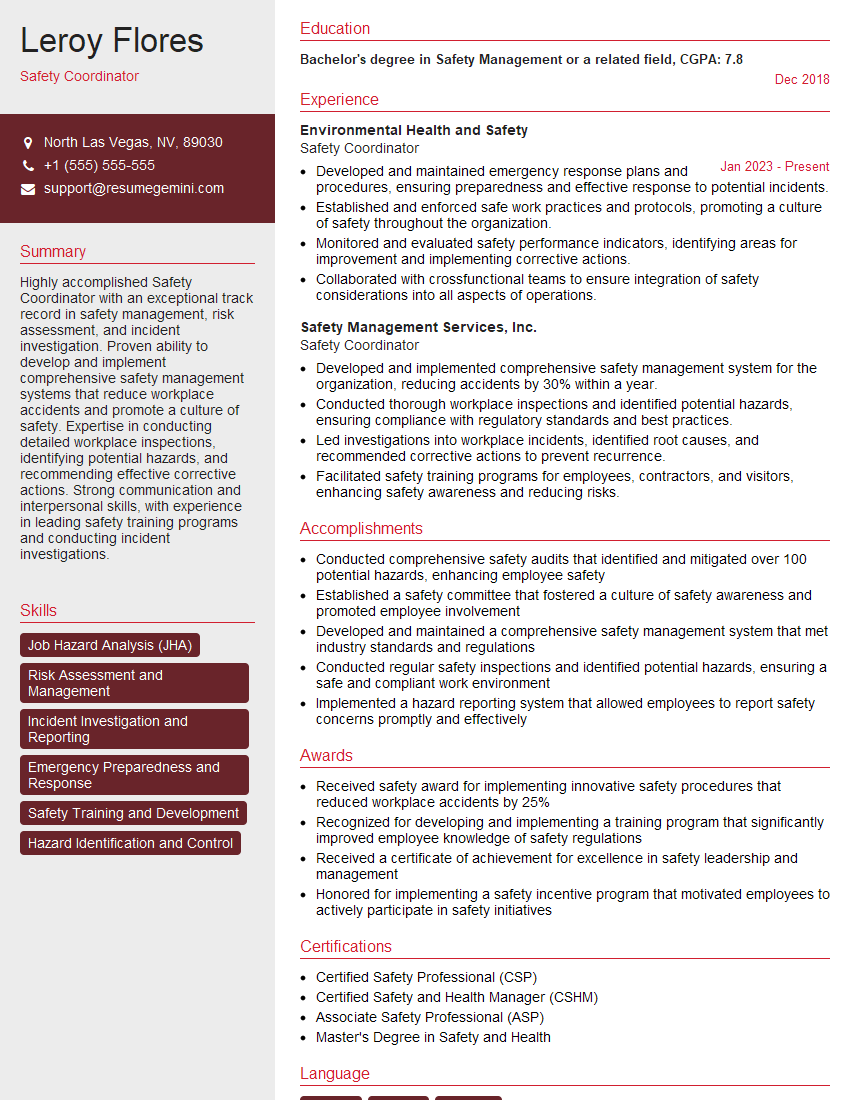
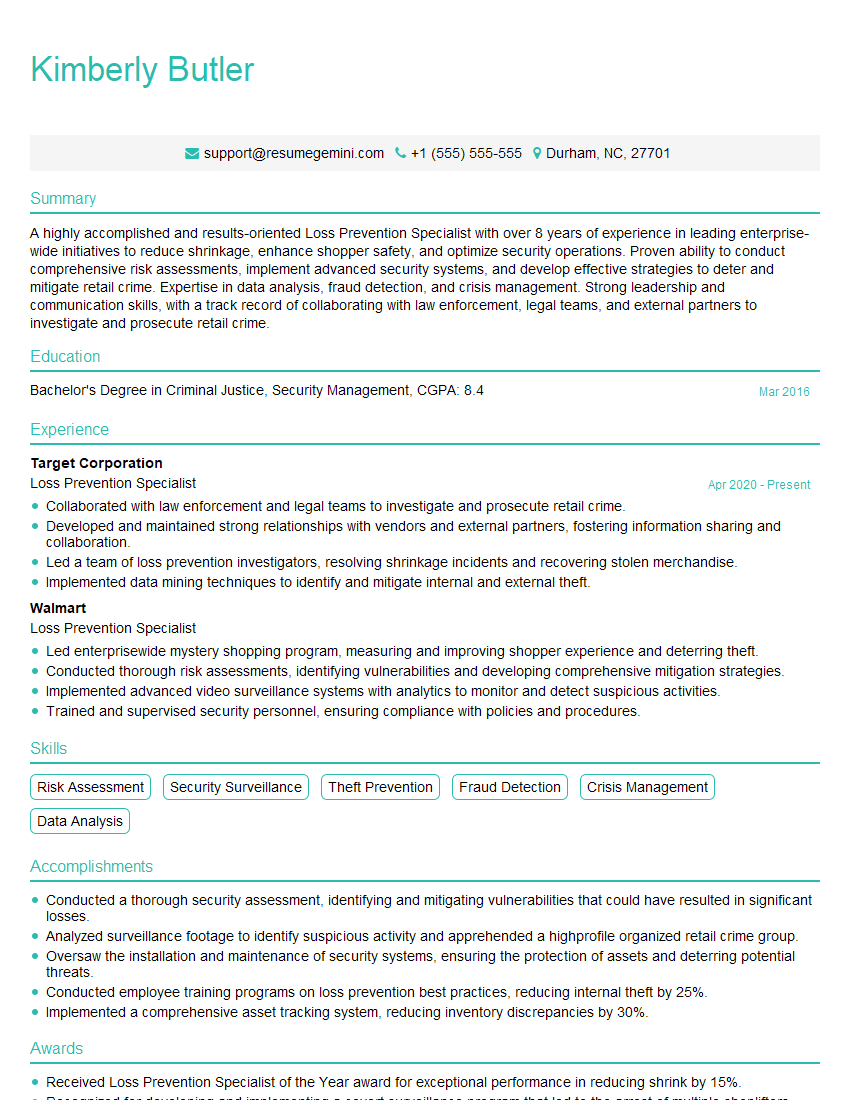
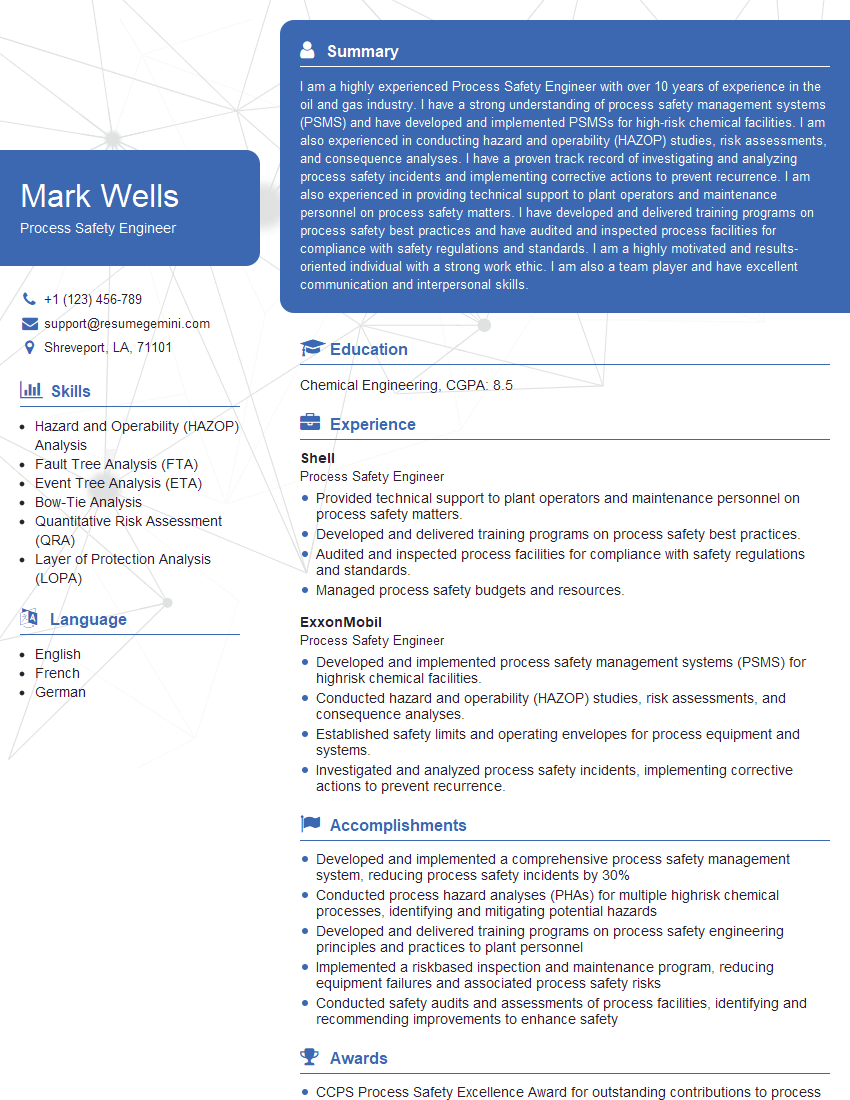
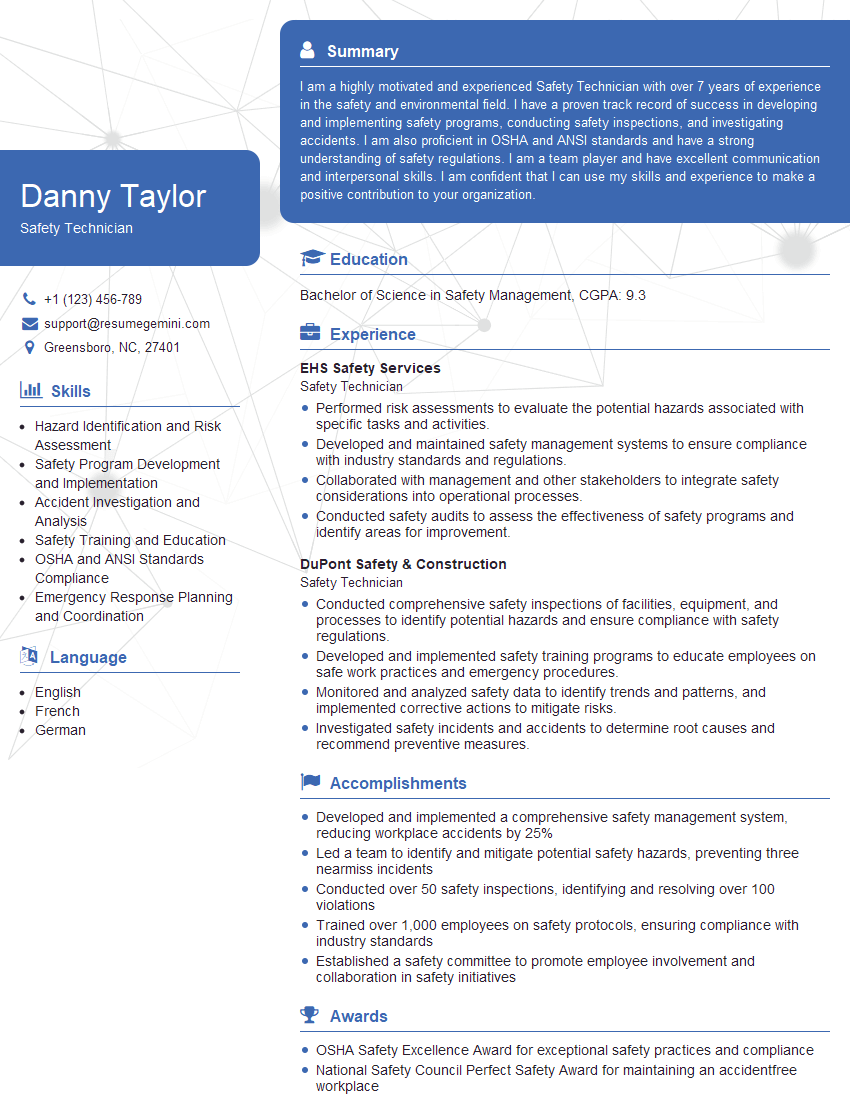
Mastering Metalworking Safety is crucial for a successful and safe career in this field. It demonstrates your commitment to workplace safety and protects both yourself and your colleagues. To significantly improve your job prospects, create an ATS-friendly resume that highlights your skills and experience effectively. ResumeGemini is a trusted resource to help you build a professional and impactful resume. We offer examples of resumes tailored to Metalworking Safety to guide you. Let ResumeGemini help you present yourself as the ideal candidate.
Explore more articles
Users Rating of Our Blogs
Share Your Experience
We value your feedback! Please rate our content and share your thoughts (optional).
What Readers Say About Our Blog
I Redesigned Spongebob Squarepants and his main characters of my artwork.
https://www.deviantart.com/reimaginesponge/art/Redesigned-Spongebob-characters-1223583608
IT gave me an insight and words to use and be able to think of examples
Hi, I’m Jay, we have a few potential clients that are interested in your services, thought you might be a good fit. I’d love to talk about the details, when do you have time to talk?
Best,
Jay
Founder | CEO