Preparation is the key to success in any interview. In this post, we’ll explore crucial Safe and Nurturing Environment interview questions and equip you with strategies to craft impactful answers. Whether you’re a beginner or a pro, these tips will elevate your preparation.
Questions Asked in Safe and Nurturing Environment Interview
Q 1. Describe your experience creating a safe and stimulating environment for children.
Creating a safe and stimulating environment for children is paramount. It involves meticulously designing a space that fosters their physical, emotional, cognitive, and social development. This goes beyond simply providing toys; it’s about creating a sense of security and encouraging exploration within defined boundaries.
In my experience, this begins with a thorough risk assessment of the physical space. Sharp corners are padded, choking hazards are removed, and age-appropriate materials are strategically placed. Beyond the physical, I focus on creating a predictable and consistent routine, which helps children feel secure and understand expectations. I incorporate various learning centers, each designed to stimulate different developmental areas. For example, a dramatic play area encourages social interaction and language development, while a quiet corner provides a space for self-regulation and individual exploration. I also prioritize positive reinforcement and encouragement, fostering a sense of accomplishment and self-esteem. For instance, I might praise a child’s effort in completing a puzzle, regardless of the outcome. I strive to make learning engaging, using a variety of interactive methods, games, and storytelling to capture their attention and make learning fun.
One memorable example was setting up a sensory bin with different textured materials like rice, beans, and water beads. The children were completely captivated, exploring the textures, learning about cause-and-effect, and expressing their creativity. This demonstrated how thoughtfully planned sensory experiences can significantly impact a child’s development.
Q 2. How do you identify and address potential hazards in a childcare setting?
Identifying and addressing potential hazards in a childcare setting is an ongoing process that requires vigilance and proactive measures. This involves a multi-layered approach, starting with a comprehensive initial assessment.
- Regular Inspections: I conduct routine inspections of the entire facility, paying close attention to areas like playgrounds, kitchens, and bathrooms. This includes checking for broken toys, loose wires, potential tripping hazards, and ensuring all equipment is securely fastened.
- Child’s Eye View: I regularly examine the environment from a child’s perspective, getting down on the floor to identify hazards that might be overlooked from an adult’s height.
- Staff Training: All staff members receive regular training on safety procedures, hazard identification, and emergency response protocols. This ensures everyone is aware of potential risks and knows how to respond appropriately.
- Documentation: All hazards identified and corrective actions taken are meticulously documented. This provides a record of safety measures and allows for ongoing improvement. A simple log book is sufficient.
For example, if I notice a loose railing on the playground, I would immediately address it by either fixing it myself or reporting it to the appropriate maintenance personnel, ensuring the area is temporarily secured until repairs are completed. This proactive approach minimizes risks to the children under my care.
Q 3. What strategies do you use to promote emotional regulation in children?
Promoting emotional regulation in children requires a combination of teaching, modeling, and creating a supportive environment. It’s about helping children understand and manage their feelings in healthy ways.
- Modeling: I model appropriate emotional responses in my own interactions with children and colleagues. This shows children how to handle stress and challenging emotions.
- Teaching Emotional Vocabulary: I help children identify and label their emotions using age-appropriate language. This provides them with tools to express themselves clearly.
- Calm-Down Strategies: I teach children various self-regulation techniques, such as deep breathing exercises, taking breaks in a quiet corner, and engaging in calming activities like drawing or listening to music.
- Positive Reinforcement: I encourage and praise children when they successfully manage their emotions. Positive feedback reinforces their progress and builds self-confidence.
- Empathy and Validation: I create a space where children feel safe to express their feelings without judgment. I validate their emotions, even if I don’t agree with their behavior.
For instance, if a child is feeling angry, I might say, ‘I see you’re feeling angry. Let’s take some deep breaths together,’ then guide them through a breathing exercise. I might also offer a distraction, such as a favorite book or a quiet activity, to help them calm down. The goal is not to suppress their emotions, but to help them manage them constructively.
Q 4. Explain your approach to handling challenging behaviors in children.
Handling challenging behaviors requires a calm, consistent, and proactive approach. It’s crucial to understand the underlying causes of the behavior before attempting to address it. Punishment is rarely effective; instead, a focus on positive reinforcement and redirecting behavior is key.
- Identifying Triggers: I carefully observe the child’s behavior to identify patterns and triggers. Is the behavior linked to hunger, fatigue, or a specific environment?
- Positive Reinforcement: I focus on rewarding positive behaviors. When a child exhibits appropriate behavior, I praise and reinforce it.
- Redirection: When a child engages in challenging behavior, I gently redirect their attention to a more appropriate activity.
- Setting Clear Boundaries and Expectations: I provide children with clear and consistent rules and expectations. This reduces uncertainty and improves behavior.
- Collaboration with Parents/Guardians: I work closely with parents/guardians to develop a consistent approach to managing challenging behaviors at home and in the childcare setting.
For example, if a child is hitting, I might say, ‘Hitting hurts. Let’s use our words to express our feelings’ and then help the child articulate their anger. I would simultaneously redirect the child to a calming activity. A consistent approach and clear communication with parents are essential to successfully manage these situations.
Q 5. How do you ensure the physical safety of children in your care?
Ensuring the physical safety of children is a top priority. It demands consistent vigilance and adherence to safety protocols.
- Supervision: Constant and attentive supervision is crucial, particularly in areas with potential hazards like playgrounds and stairs. The ratio of adults to children must meet or exceed regulations.
- Safe Spaces: The environment is designed to minimize risks. This includes securing potentially hazardous items, regularly inspecting equipment, and maintaining a clean and organized space.
- Emergency Procedures: All staff are thoroughly trained in emergency procedures, including first aid, CPR, and response to various incidents. Regular drills ensure preparedness.
- Transportation Safety: If transportation is provided, vehicles must meet safety standards, and appropriate car seats or restraints are used.
- Health and Hygiene: Regular handwashing and hygiene practices are emphasized to minimize the risk of illness. Ill children are separated and parents are notified.
For example, we conduct regular safety checks of playground equipment, and we have designated staff for playground supervision to ensure that children are always closely watched and that any potential hazards are addressed immediately. This proactive approach prevents accidents before they happen.
Q 6. How do you foster a sense of belonging and inclusion for all children?
Fostering a sense of belonging and inclusion is fundamental. It’s about creating a welcoming and accepting environment where every child feels valued and respected, regardless of their background or abilities.
- Diversity and Representation: The learning materials and activities reflect the diversity of the children in the group, including different cultures, ethnicities, abilities, and family structures.
- Positive Language: I use inclusive language and avoid making assumptions about children’s abilities or backgrounds.
- Individualized Attention: I recognize that each child has unique needs and learning styles. I provide individualized attention and support to ensure every child feels seen and heard.
- Collaborative Play: I encourage collaborative play and activities that allow children to interact and learn from one another.
- Celebrating Differences: We celebrate the unique qualities and contributions of each child. This creates a culture of acceptance and mutual respect.
For instance, during circle time, I might read books featuring diverse characters or use puppets representing different cultures and abilities. I also encourage children to share stories about their families and backgrounds. This helps build a sense of community and mutual understanding.
Q 7. Describe your experience with implementing emergency procedures.
Implementing emergency procedures requires rigorous training, regular drills, and clear communication. It’s about ensuring a swift and effective response to unexpected events.
- Emergency Plan Development: A comprehensive emergency plan outlines procedures for various scenarios, including fire, evacuation, medical emergencies, and severe weather. This plan is reviewed and updated regularly.
- Staff Training: All staff receive thorough training on emergency procedures, including evacuation routes, assembly points, and first aid/CPR. Regular drills ensure that staff are comfortable and competent in their roles during emergencies.
- Emergency Contact Information: Parents/guardians provide updated emergency contact information, including the names and numbers of authorized individuals to contact in case of an emergency.
- Communication Protocols: Clear communication protocols are in place to ensure that all staff, parents, and emergency services are kept informed during an emergency.
- Post-Incident Review: After every emergency or incident, a thorough review takes place to identify areas for improvement and to refine procedures. This ensures that the plan is constantly evolving and becoming more efficient.
For example, we conduct regular fire drills, practicing evacuation procedures and ensuring all children are accounted for promptly. This helps us assess the effectiveness of our plan and ensures that everyone knows exactly what to do in a real emergency. Regular practice builds confidence and reduces stress during a real event.
Q 8. How do you maintain a consistent and predictable routine for children?
Maintaining a consistent and predictable routine is crucial for children’s sense of security and well-being. It provides a framework that helps them understand what to expect, reducing anxiety and promoting a sense of calm. This routine doesn’t need to be rigid, but it should include regular, predictable times for key activities.
- Visual Schedules: Using pictures or symbols to represent daily activities (e.g., breakfast, playtime, naptime) allows even young children to understand the flow of the day. This is particularly helpful for children with autism or other developmental delays.
- Clear Transitions: Giving children warnings before transitions helps them prepare mentally. For example, “Five more minutes of playtime, then it’s time to clean up.”
- Consistent Bedtimes and Wake-up Times: A regular sleep schedule is essential for physical and emotional health. Consistent sleep patterns promote better mood regulation and concentration.
- Flexibility with Routine: While consistency is important, occasional deviations can be accommodated. Unexpected events, like a doctor’s appointment, can be integrated into the schedule with clear communication.
For example, in my previous role, I implemented a visual schedule with a group of preschoolers. This dramatically reduced morning tantrums and increased their independence in getting ready for the day. The children felt empowered by knowing what to expect, and the predictability decreased stress levels for both the children and the caregivers.
Q 9. What are your strategies for building positive relationships with children and their families?
Building positive relationships with children and their families is paramount. It fosters trust and creates a safe space where children feel comfortable expressing themselves and families feel supported. This involves active listening, empathy, and consistent communication.
- Active Listening: Truly hearing what children and parents are saying, validating their feelings, and showing genuine interest in their lives is essential. This includes making eye contact, paying attention to body language, and asking clarifying questions.
- Regular Communication: Open communication channels with families are crucial. Regular updates, progress reports, and opportunities for feedback help to maintain a strong working relationship.
- Building Trust: Consistency in actions and words is key to building trust. Following through on promises and maintaining confidentiality fosters a sense of security.
- Respectful Interactions: Addressing children and families with respect, regardless of their background or circumstances, is vital. Using kind and encouraging language creates a positive atmosphere.
I recall a situation where a parent was struggling with a child’s behavioral challenges. By actively listening to their concerns, offering support and resources, and collaborating on a behavior management plan, we were able to improve the child’s behavior and strengthen the parent-child relationship. This collaborative approach built trust and mutual respect.
Q 10. How do you adapt your approach to meet the individual needs of children with diverse backgrounds and abilities?
Adapting my approach to meet diverse needs is central to my practice. This requires cultural sensitivity, understanding of different learning styles, and awareness of potential developmental delays or disabilities.
- Cultural Competency: Understanding and respecting the cultural background of each child and family is vital. This involves learning about different customs, communication styles, and family structures.
- Individualized Learning Plans (ILPs): Developing ILPs based on each child’s strengths and needs ensures that they receive appropriate support and challenges. This might involve adapting activities, providing specialized materials, or implementing different teaching methods.
- Collaboration with Specialists: Working closely with therapists, special education teachers, and other professionals ensures that children with diverse abilities receive comprehensive support.
- Inclusive Environments: Creating a welcoming and inclusive environment where all children feel valued and accepted is paramount. This involves promoting positive interactions and ensuring accessibility.
For example, I worked with a child who was new to the country and spoke limited English. By incorporating visuals, using gestures, and collaborating with a bilingual translator, I successfully integrated the child into the classroom and supported their language development. This experience highlighted the importance of understanding and adapting to diverse linguistic and cultural backgrounds.
Q 11. How do you handle conflicts between children?
Conflict resolution is a critical skill in a nurturing environment. My approach prioritizes teaching children conflict resolution skills while maintaining a safe and calm environment.
- Active Listening and Empathy: Helping children articulate their feelings and perspectives allows them to understand each other’s viewpoints. I encourage them to explain what happened from their perspective.
- Mediation: I act as a neutral mediator, helping children to find mutually agreeable solutions. This involves guiding them through a process of negotiation and compromise.
- Teaching Conflict Resolution Skills: I explicitly teach skills like taking turns, sharing, and using “I” statements. Role-playing conflict scenarios can help children practice these skills.
- Setting Clear Expectations: Establishing clear rules and boundaries about acceptable behavior helps prevent conflicts. Consistent enforcement of these rules is also crucial.
In a situation where two children were arguing over a toy, I facilitated a discussion where each child explained their feelings. We then brainstormed solutions together, such as taking turns with the toy or finding an alternative activity. This process not only resolved the immediate conflict but also equipped the children with valuable conflict resolution skills.
Q 12. What are your methods for promoting children’s social and emotional development?
Promoting children’s social and emotional development involves creating opportunities for them to learn and practice essential social skills, understand and manage their emotions, and build positive relationships.
- Social Skills Activities: Structured activities like cooperative games, role-playing, and group projects help children practice sharing, teamwork, and communication skills.
- Emotional Literacy: Teaching children to identify, understand, and express their emotions is essential. This involves using age-appropriate language and providing opportunities for emotional regulation practice.
- Emotional Regulation Techniques: Teaching coping mechanisms such as deep breathing, counting, or taking a break can help children manage overwhelming emotions.
- Positive Reinforcement: Praising positive behavior and social skills reinforces desired actions and encourages repetition.
For example, I regularly use circle time to discuss feelings and social situations. We read stories about characters who are experiencing different emotions, and we engage in discussions about how to respond appropriately. Through these activities, children learn to empathize with others and develop their own emotional intelligence.
Q 13. Describe your experience with child development milestones.
My understanding of child development milestones is comprehensive and informs my practice. I’m familiar with developmental norms across various domains – physical, cognitive, social-emotional, and language – for different age groups. I use this knowledge to assess each child’s progress and tailor activities and support accordingly.
- Developmental Screening Tools: I’m proficient in using various screening tools to identify potential developmental delays or concerns.
- Individualized Assessments: I conduct individualized assessments to understand each child’s unique developmental profile.
- Curriculum Alignment: I align activities and learning experiences with age-appropriate developmental milestones.
- Early Intervention: I recognize the importance of early intervention and collaboration with specialists to address any developmental concerns.
For instance, I was able to identify a child who was experiencing a delay in language development through observation and play-based assessment. Early intervention through speech therapy led to significant progress. Understanding developmental milestones enabled me to recognize the delay promptly and facilitate appropriate support.
Q 14. How do you ensure confidentiality and privacy in your work with children and families?
Confidentiality and privacy are paramount. I adhere to strict ethical guidelines and legal requirements to protect the privacy of children and families. This involves careful handling of information and secure storage of records.
- Confidentiality Policies: I am thoroughly familiar with and strictly adhere to all relevant confidentiality policies and procedures.
- Secure Record Keeping: All records are maintained securely, both physically and electronically, in accordance with relevant regulations.
- Limited Information Sharing: I only share information with authorized individuals and only when necessary for the child’s well-being or required by law.
- Parental Consent: I always obtain informed consent from parents before sharing any information about their child.
I understand that breaching confidentiality can have serious consequences. For example, I would never discuss a child’s case with anyone outside the relevant professional team without explicit parental consent, and I would always ensure that any electronic records are password-protected and stored securely. This commitment to confidentiality establishes trust and ensures a safe and supportive environment for everyone involved.
Q 15. How do you respond to suspected child abuse or neglect?
Suspected child abuse or neglect requires immediate and decisive action. My first step is to ensure the child’s safety. This involves carefully observing the child for any signs of injury or distress, documenting any visible marks or inconsistencies in their account of events. I would then immediately report my concerns to my supervisor and the appropriate child protective services agency, adhering strictly to mandated reporting laws. This is not a decision taken lightly; I understand the gravity of such allegations and the potential impact on all parties involved. For example, if a child presents with unexplained bruises and is withdrawn and fearful, I would follow the established protocol to report it immediately, while simultaneously providing the child with a safe, comforting environment.
Following the report, I would collaborate with the investigating agency, providing all relevant information and documentation. My role is to support the investigation, not to make judgments about the situation, which requires trained professionals. Maintaining a neutral, professional stance and focusing on providing accurate information is crucial throughout the process. The focus remains on the child’s well-being and ensuring they receive necessary support.
Career Expert Tips:
- Ace those interviews! Prepare effectively by reviewing the Top 50 Most Common Interview Questions on ResumeGemini.
- Navigate your job search with confidence! Explore a wide range of Career Tips on ResumeGemini. Learn about common challenges and recommendations to overcome them.
- Craft the perfect resume! Master the Art of Resume Writing with ResumeGemini’s guide. Showcase your unique qualifications and achievements effectively.
- Don’t miss out on holiday savings! Build your dream resume with ResumeGemini’s ATS optimized templates.
Q 16. What are your strategies for managing stress and maintaining a positive work environment?
Working with children can be emotionally demanding. To manage stress and maintain a positive work environment, I employ several strategies. Prioritizing self-care is paramount: this includes ensuring I get adequate sleep, maintain a healthy diet, and engage in regular exercise. I also find it beneficial to practice mindfulness techniques, such as deep breathing exercises, to help center myself throughout the day. It’s essential to debrief after challenging situations, either with a colleague or supervisor, to process emotions and avoid burnout. Regularly connecting with my support network—friends, family, and other professionals in the field—also provides invaluable emotional resilience.
Creating a positive work environment involves fostering open communication and mutual respect among colleagues. This includes active listening, offering and accepting support, and celebrating successes together. We regularly engage in team-building activities and professional development opportunities to enhance collaboration and boost morale. A positive, supportive team is better equipped to handle the demands of our work and provide the best possible care for the children.
Q 17. How do you incorporate play-based learning into your daily routines?
Play-based learning is the cornerstone of early childhood education. I incorporate it into daily routines by designing activities that stimulate cognitive, social, emotional, and physical development. For example, block play encourages problem-solving and spatial reasoning, while dramatic play enhances social skills and imagination. Outdoor play allows children to explore their physical capabilities and engage with nature. We use different types of play—constructive, symbolic, games with rules, and exploratory play—to cater to diverse interests and learning styles. I actively participate in play, acting as a facilitator rather than a director, allowing children to lead the exploration and discovery. For instance, if children are engaging in pretend play as doctors, I would provide props and encourage their imaginative scenarios, allowing them to lead the narrative and learn through their experiences.
Regular assessments of play activities ensure that the challenges presented are appropriately aligned with each child’s developmental level. This allows for continuous adaptation and enrichment of play opportunities, ensuring that children constantly learn and grow through play.
Q 18. What are your strategies for promoting healthy eating habits in children?
Promoting healthy eating habits in children requires a holistic approach. We emphasize the importance of balanced meals and snacks, including plenty of fruits, vegetables, whole grains, and lean protein. Children are involved in meal preparation and selection whenever possible to foster ownership and engagement. We avoid using food as a reward or punishment and instead focus on education about nutrition. For example, we might have a ‘taste test’ session to introduce new fruits and vegetables, making it a fun and exploratory experience.
We also create a positive and enjoyable eating environment. Meals are a time for social interaction and conversation. We model healthy eating behaviors and emphasize the importance of mindful eating. We avoid restrictive dieting and focus on educating children about healthy choices. We also collaborate with parents to maintain consistency between home and childcare environments, ensuring that healthy eating is consistently promoted.
Q 19. How do you ensure the hygiene and health of the children in your care?
Maintaining the hygiene and health of children is a top priority. We follow strict handwashing protocols throughout the day, especially before meals and after using the toilet. Regular cleaning and disinfection of surfaces and toys are also implemented. We encourage children to wash their hands independently and reinforce good hygiene practices through songs and games. We have a detailed illness policy that includes procedures for isolating sick children and informing parents. We also monitor children for any signs of illness and maintain accurate records of their health.
We collaborate closely with parents and healthcare providers to ensure appropriate immunizations and regular health checkups. We provide a clean and safe environment that minimizes the risk of infection, ensuring that each child’s health and well-being is consistently monitored and prioritized. For example, we teach children how to cover their mouths when coughing or sneezing to prevent the spread of germs.
Q 20. What is your understanding of child development theories and how do you apply them in your work?
My understanding of child development theories, including Piaget’s stages of cognitive development, Erikson’s stages of psychosocial development, and Vygotsky’s sociocultural theory, significantly informs my practice. I use these frameworks to understand children’s cognitive abilities, emotional needs, and social interactions at different developmental stages. For example, understanding Piaget’s stages helps me to design age-appropriate activities and challenges that encourage cognitive growth. Knowing that preschoolers are in the preoperational stage helps me tailor activities to their concrete thinking abilities. Erikson’s theory helps me to understand and support children’s emotional development and navigate challenges related to autonomy and initiative.
Vygotsky’s Zone of Proximal Development (ZPD) is particularly valuable; I use it to guide my interactions, providing scaffolding and support to help children learn and grow within their capabilities. By identifying their ZPD, I can provide just the right level of challenge and assistance, fostering independence and confidence. I regularly adapt my teaching methods to accommodate individual learning styles and developmental needs, ensuring that each child receives appropriate support and encouragement.
Q 21. How do you use observation to assess a child’s needs and development?
Observation is a critical tool for assessing a child’s needs and development. I employ both planned and spontaneous observation techniques. Planned observations might involve focusing on a specific skill, such as a child’s fine motor development, while spontaneous observations involve recording natural occurrences in their daily activities. I use a variety of methods including anecdotal records (brief descriptions of significant events), running records (detailed accounts of a child’s behavior over time), checklists to track specific skills and developmental milestones, and portfolios to showcase children’s work and progress.
I focus on observing a child’s interactions with their environment and peers, paying attention to their play styles, communication skills, problem-solving abilities, emotional regulation, and social interactions. I interpret these observations considering their developmental stage and cultural background, avoiding biased interpretations. Observations are documented thoroughly and used to inform individualized plans that support each child’s unique needs and learning style, ensuring that their learning path is supported by evidence-based assessment.
Q 22. Describe your experience documenting children’s progress and development.
Documenting children’s progress is crucial for tracking their development and tailoring interventions. I utilize a variety of methods, including anecdotal records, checklists, developmental screenings, and portfolios. Anecdotal records involve detailed descriptions of a child’s behavior and learning during specific activities. For example, I might note a child’s engagement in a collaborative project, their problem-solving strategies, and their social interactions. Checklists offer a quick snapshot of skills mastered, like counting to ten or recognizing letters. Developmental screenings, such as the Ages & Stages Questionnaires (ASQ), provide standardized assessments to identify potential delays. Finally, portfolios showcase a child’s work over time, demonstrating their growth in various areas, such as art, literacy, and math. I ensure all documentation is objective, accurate, and respects child confidentiality.
For instance, if a child struggles with fine motor skills, I’d note the specific challenges (e.g., difficulty holding a crayon, inconsistent grip) and the strategies we used to support their development (e.g., using adapted tools, practicing with playdough). This detailed record provides valuable information for parents, teachers, and other professionals involved in the child’s care.
Q 23. How do you collaborate with parents and other professionals to support a child’s development?
Collaboration is essential for supporting a child’s development. I actively engage parents through regular communication, including daily updates, progress reports, and parent-teacher conferences. I believe in establishing a strong parent-teacher partnership built on mutual respect and trust. I leverage various communication tools, such as email, phone calls, and online platforms, to keep parents informed. Furthermore, I work collaboratively with other professionals, such as therapists, special education teachers, and school counselors, to develop individualized education plans (IEPs) or intervention strategies when necessary. This interdisciplinary approach ensures that we address a child’s needs holistically. For example, if a child demonstrates signs of developmental delay, we might involve a speech-language pathologist and an occupational therapist to conduct assessments and recommend therapies. Regular meetings and shared documentation guarantee a cohesive and supportive environment.
Q 24. How do you ensure compliance with all relevant safety regulations and policies?
Ensuring compliance with safety regulations and policies is paramount. My approach involves staying updated on local, state, and federal guidelines related to childcare. This includes adhering to rules surrounding child-to-staff ratios, emergency preparedness, health and hygiene procedures, and the safe use of equipment and materials. I regularly review and update our safety procedures to mitigate potential risks and conduct safety inspections of the premises. We have a comprehensive emergency plan detailing procedures for fire drills, lockdowns, and other emergencies, regularly practiced and reviewed with staff. Staff training includes first aid and CPR certifications, child abuse prevention, and safe handling of children. Documentation of all safety protocols and training is meticulous and readily available for inspection. For example, our daily safety checks include verifying the secure placement of all equipment, checking for potential hazards, and ensuring exits are clear. We maintain detailed logs of all accidents and incidents.
Q 25. Explain your experience developing and implementing lesson plans that are developmentally appropriate.
I develop developmentally appropriate lesson plans that consider children’s age, interests, and developmental stages. I utilize various learning theories, such as Piaget’s stages of cognitive development and Vygotsky’s sociocultural theory, to inform my planning. Lesson plans incorporate a balance of play-based learning, hands-on activities, and direct instruction, tailored to the specific learning goals. For instance, a lesson plan for preschoolers might focus on developing fine motor skills through activities like playdough or finger painting, while a plan for older children might involve more complex projects that incorporate literacy and numeracy skills. I ensure that learning activities are engaging, challenging, and promote creativity and critical thinking. The plans are flexible and adaptable to the children’s needs and interests. I frequently assess the effectiveness of my lesson plans and adjust them accordingly, using observations and assessments to guide future planning.
For example, if I notice children are struggling with a particular concept, I might adjust the lesson by breaking it down into smaller, more manageable parts, using visual aids, or incorporating different teaching strategies.
Q 26. How do you promote children’s independence and self-confidence?
Promoting children’s independence and self-confidence is a key aspect of my approach. I create a supportive environment where children are encouraged to try new things, make choices, and solve problems independently. I use positive reinforcement and praise to build their self-esteem. I provide age-appropriate challenges and opportunities for children to demonstrate their abilities. For example, I might allow children to choose their activities, help with classroom tasks, or lead group discussions. I also model self-confidence and independence in my own behavior. I explicitly teach children self-help skills such as dressing themselves, cleaning up after themselves, and managing their belongings. I give them choices whenever possible, allowing them to feel a sense of control and autonomy. If a child struggles, I offer gentle guidance and support, focusing on their strengths and building upon their successes. I celebrate their achievements, both big and small, to reinforce their sense of accomplishment.
Q 27. How would you respond to a parent’s concern about their child’s well-being?
Responding to a parent’s concern requires empathy, active listening, and a collaborative approach. I would begin by creating a safe and comfortable space for the parent to express their concerns without interruption. I would then actively listen to understand their perspective fully, asking clarifying questions to ensure I grasp the issue. Once I understand the concern, I would share my observations and perspectives objectively and collaboratively, acknowledging the parent’s feelings and validating their concerns. If the concern involves a safety issue or potential harm, I would take immediate action to address the situation, following established protocols and procedures. I might suggest strategies or solutions, but I would always involve the parent in the decision-making process. If the concern is complex or requires further investigation, I would outline the next steps, such as involving other professionals or conducting additional assessments. I would maintain open communication with the parent throughout the process, providing regular updates and seeking their input.
Q 28. Describe your knowledge of different parenting styles and their impacts on children.
Understanding different parenting styles and their impacts on children is crucial for effective collaboration with families. Common parenting styles include authoritative, authoritarian, permissive, and uninvolved. Authoritative parenting, characterized by high warmth and high control, is often associated with positive child outcomes, including independence, self-regulation, and academic success. Authoritarian parenting (high control, low warmth) may lead to children who are obedient but lack self-esteem. Permissive parenting (low control, high warmth) can result in children who are impulsive and lack self-discipline. Uninvolved parenting (low control, low warmth) is linked to negative developmental outcomes, including behavioral problems and low academic achievement. It’s important to remember that these are broad categories, and individual parenting styles are complex and nuanced. Instead of judging a parent’s style, I aim to understand their motivations and build a collaborative relationship focused on supporting the child’s well-being. I might provide resources or educational materials to help parents learn about different parenting approaches and strategies.
Key Topics to Learn for Safe and Nurturing Environment Interview
- Defining a Safe and Nurturing Environment: Understanding the core principles and their application in various settings (e.g., childcare, education, healthcare).
- Physical Safety and Security: Strategies for creating physically safe spaces, risk assessment, emergency procedures, and appropriate response to incidents.
- Emotional Safety and Well-being: Recognizing and addressing children’s emotional needs, fostering positive relationships, promoting self-esteem and resilience, and identifying signs of emotional distress.
- Creating Inclusive Environments: Understanding diversity, equity, and inclusion, and how to create a welcoming space for children from diverse backgrounds and with varying needs.
- Communication and Collaboration: Effective communication with children, parents, and colleagues; building collaborative relationships to support a child’s development.
- Ethical Considerations and Boundaries: Understanding professional boundaries, child protection policies, reporting procedures, and ethical decision-making in challenging situations.
- Practical Application: Developing strategies for conflict resolution, behavior management, and creating positive routines that promote a sense of safety and belonging.
- Trauma-Informed Practices: Understanding the impact of trauma on children and incorporating trauma-informed approaches into practice.
- Developmental Stages and Needs: Understanding the developmental milestones of children and how to adapt strategies to meet their age-appropriate needs in a safe and nurturing manner.
- Problem-Solving and Critical Thinking: Analyzing situations, identifying potential risks, and developing appropriate solutions to maintain a safe and supportive environment.
Next Steps
Mastering the concepts of a Safe and Nurturing Environment is crucial for career advancement in fields focused on child development and well-being. It demonstrates your commitment to the safety and holistic growth of children, making you a highly valuable candidate. To significantly boost your job prospects, creating an ATS-friendly resume is essential. We highly recommend using ResumeGemini to build a professional and impactful resume that highlights your skills and experience effectively. ResumeGemini provides examples of resumes tailored to Safe and Nurturing Environment roles, assisting you in crafting a document that stands out to recruiters.
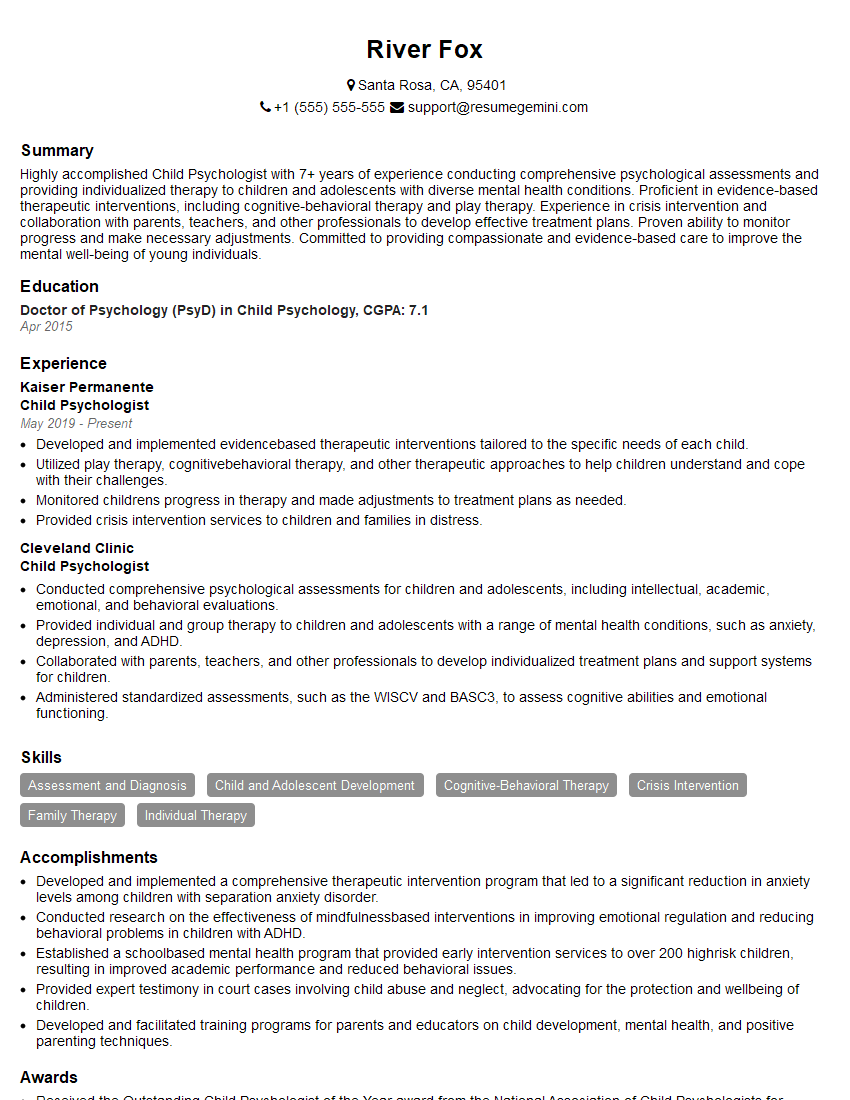
Child Psychologist Resume Sample
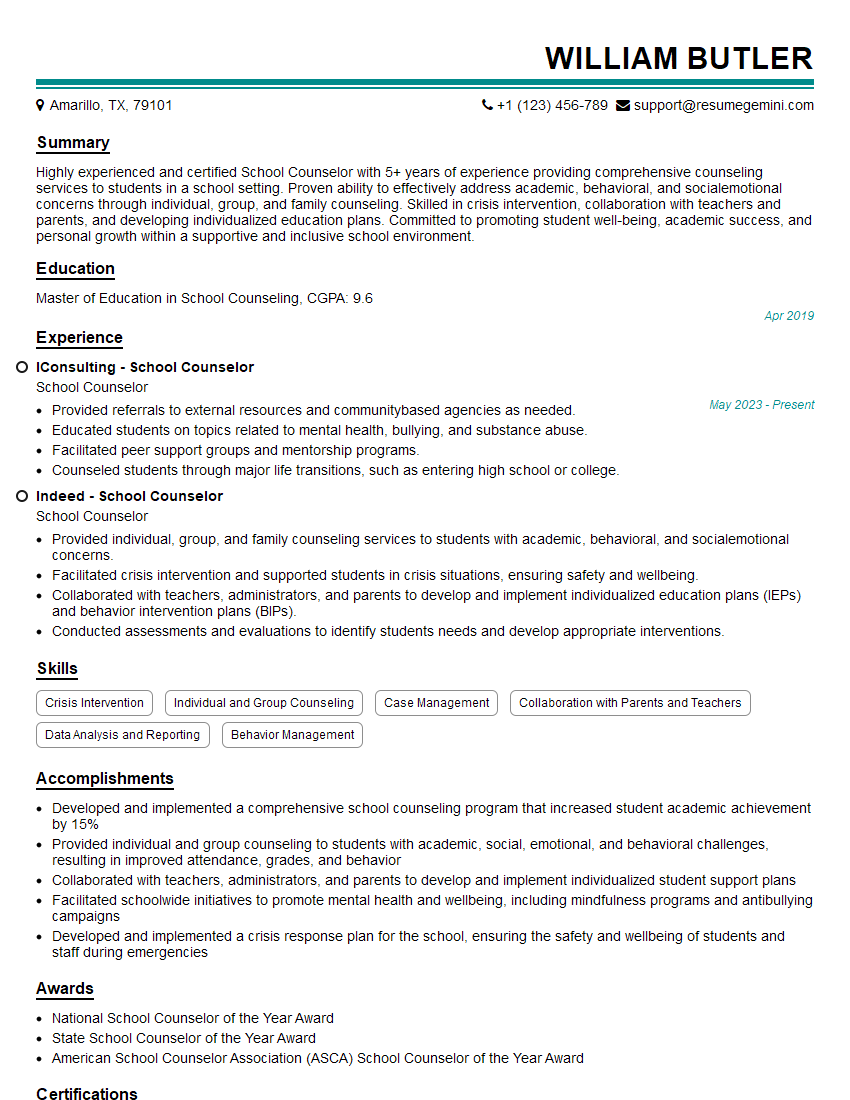
School Counselor Resume Sample
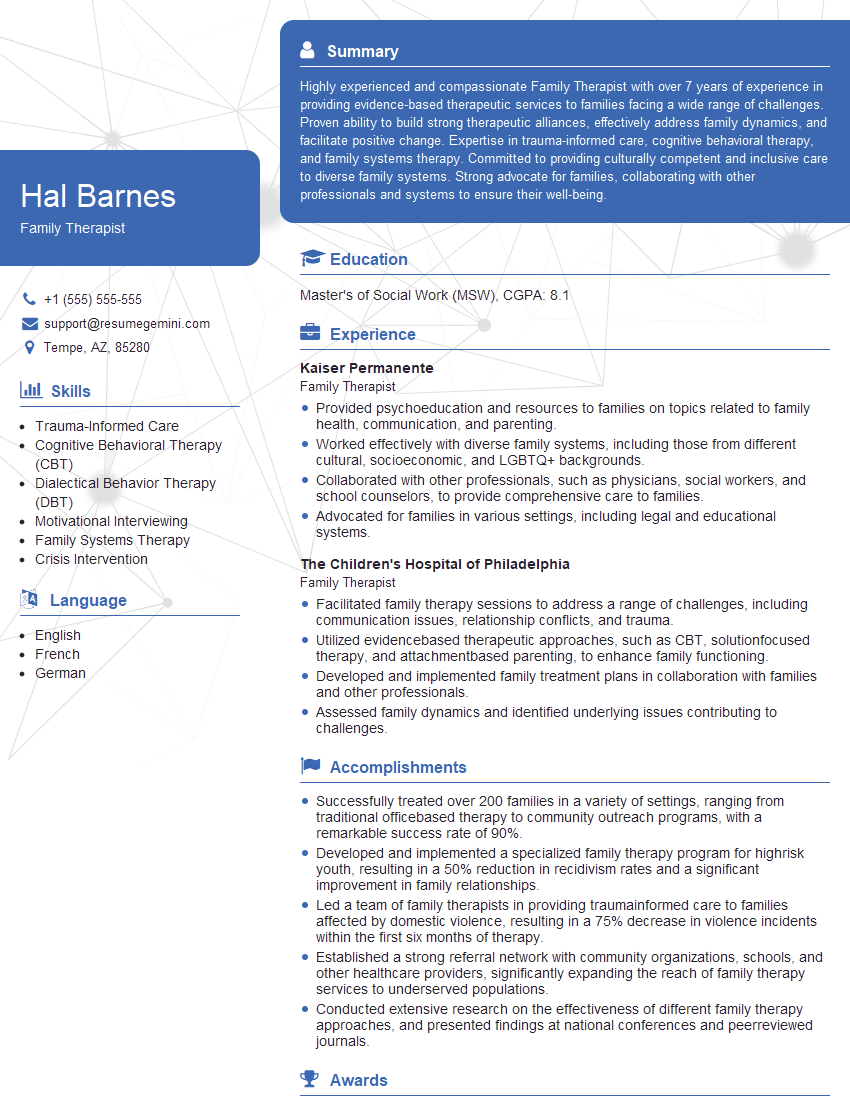
Family Therapist Resume Sample
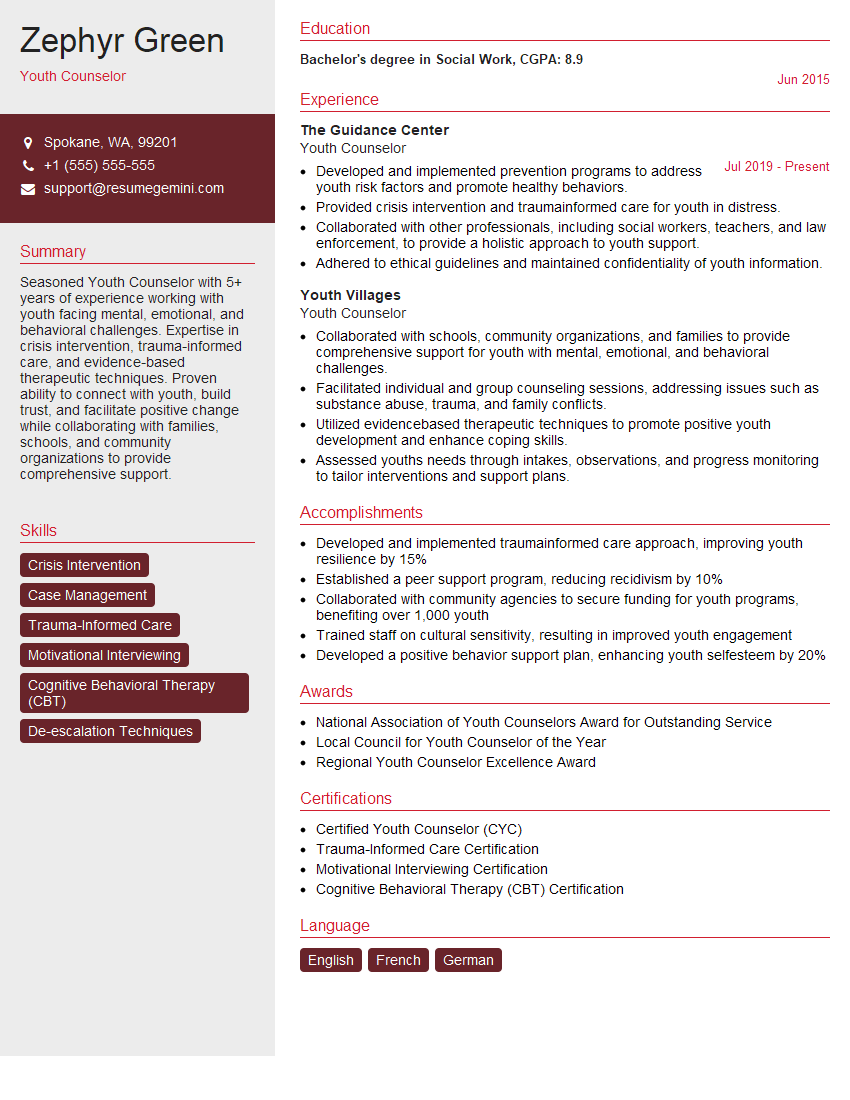
Youth Counselor Resume Sample
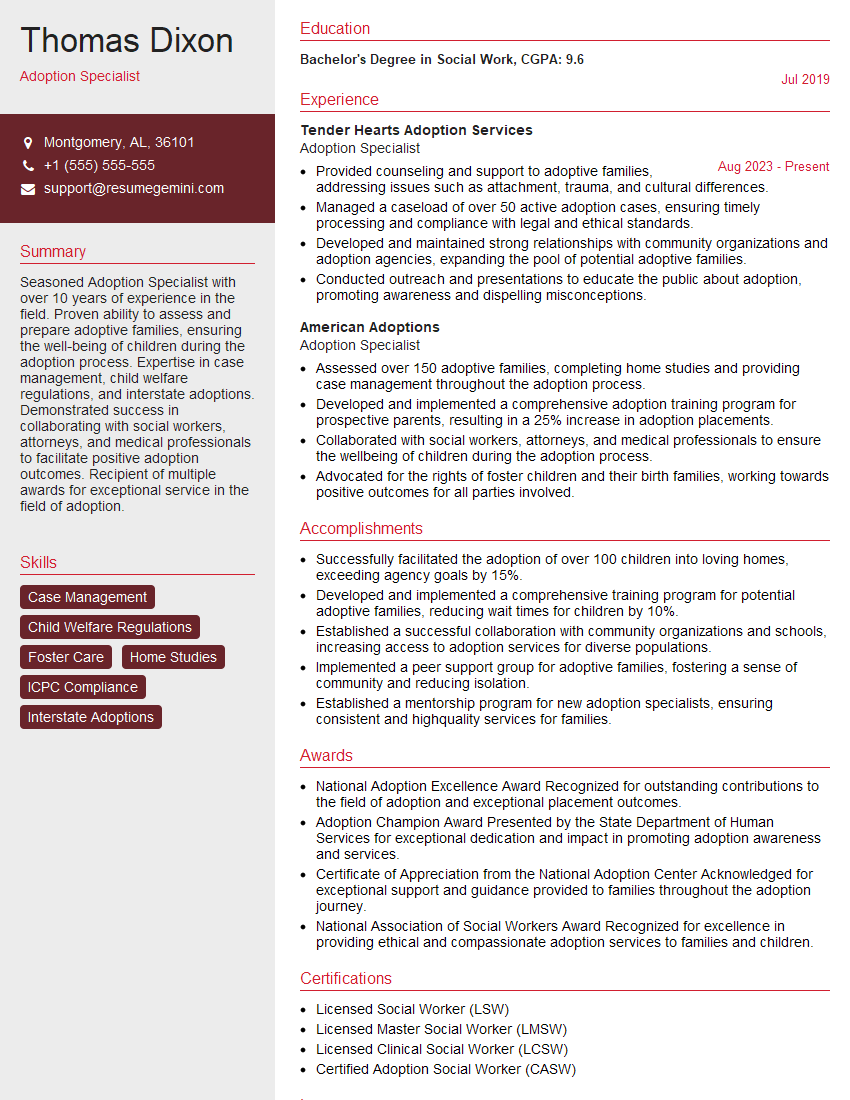
Adoption Specialist Resume Sample
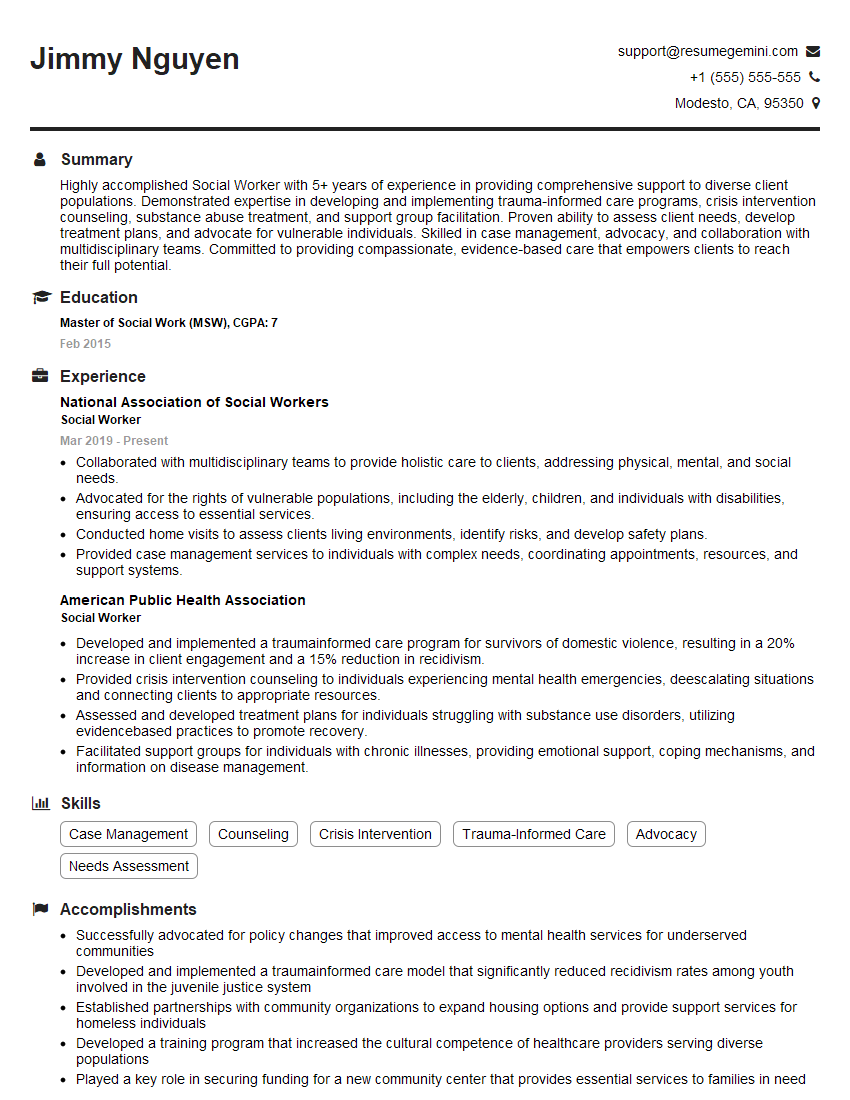
Social Worker Resume Sample
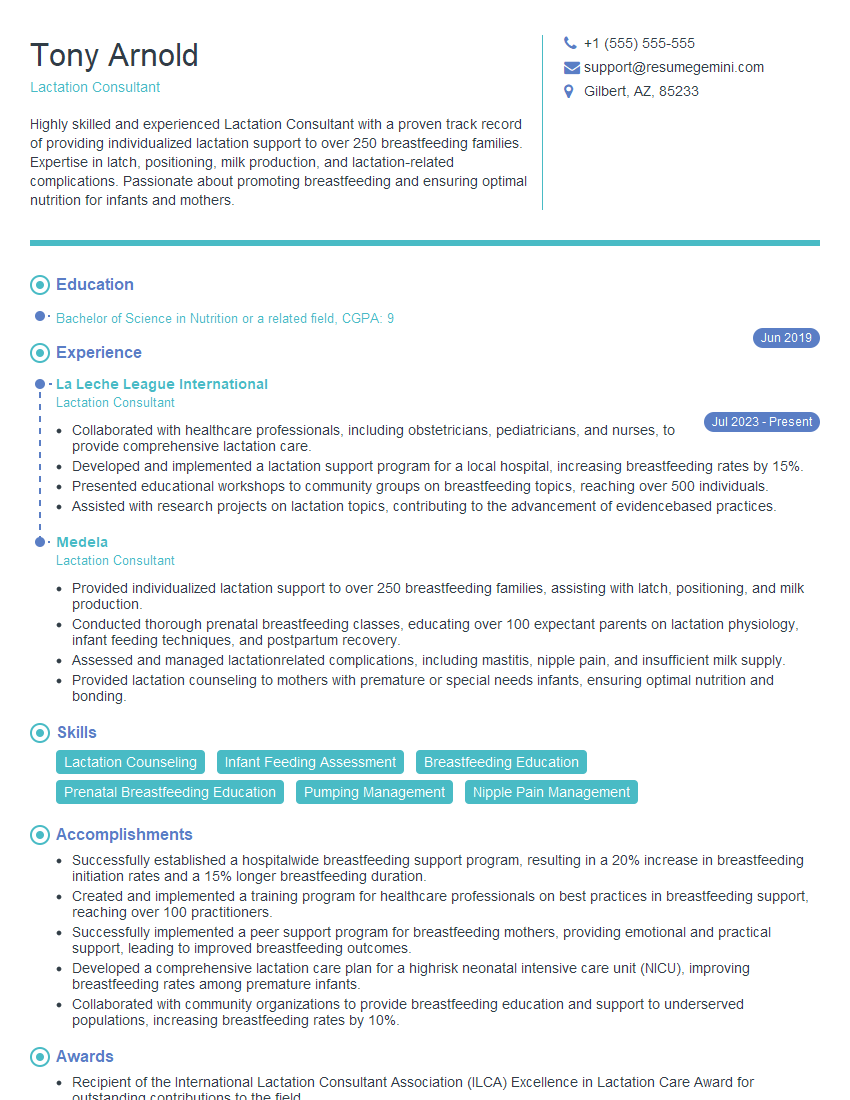
Lactation Consultant Resume Sample
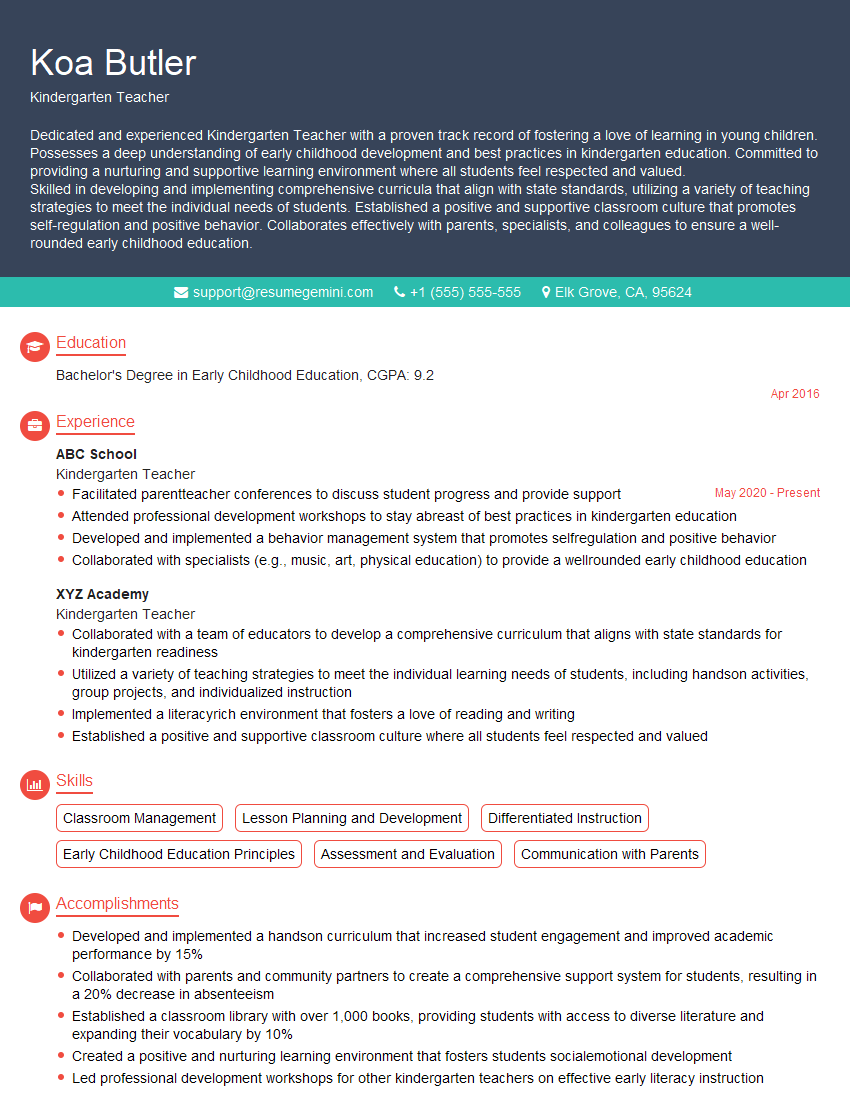
Kindergarten Teacher Resume Sample
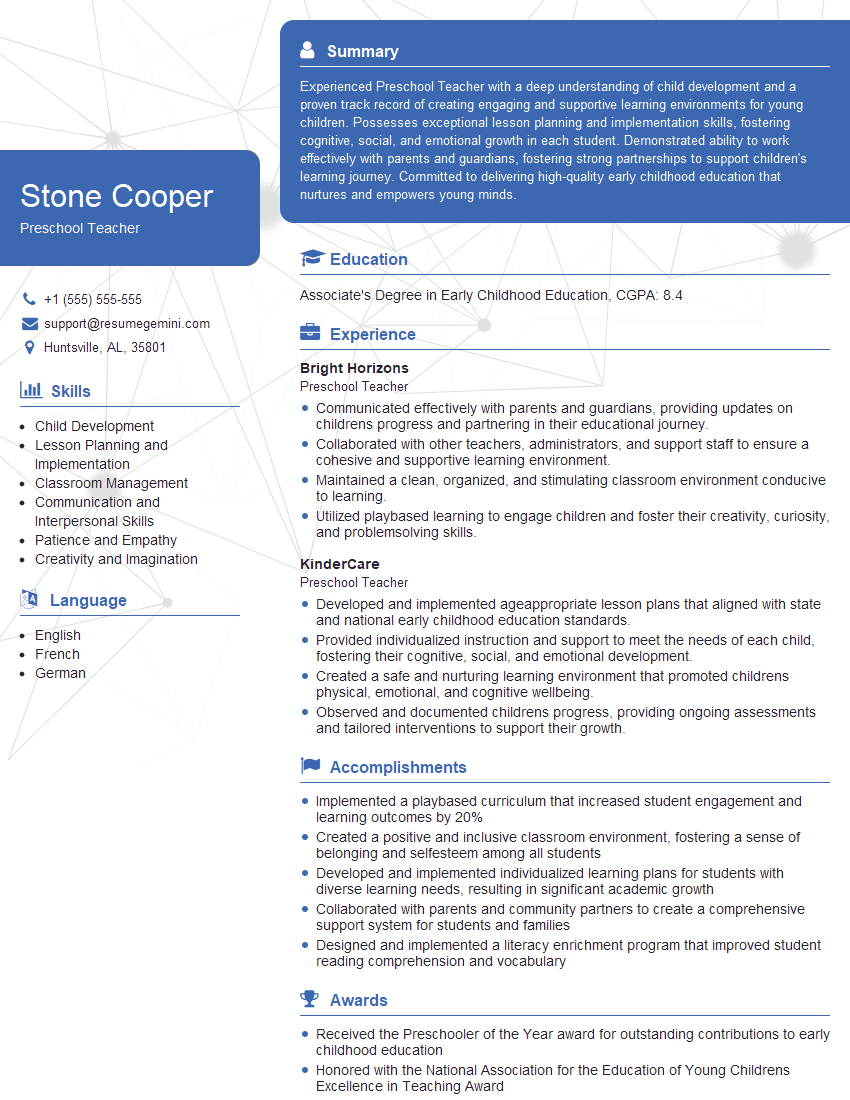
Preschool Teacher Resume Sample
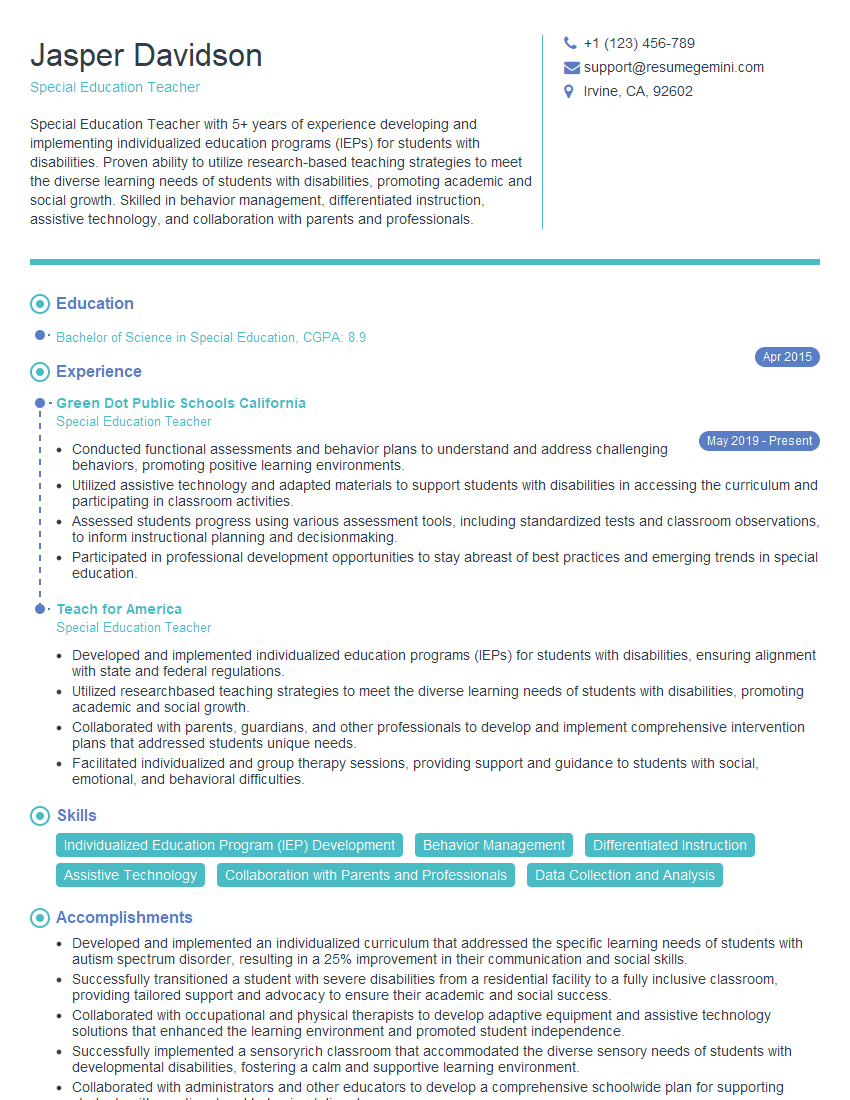
Special Education Teacher Resume Sample
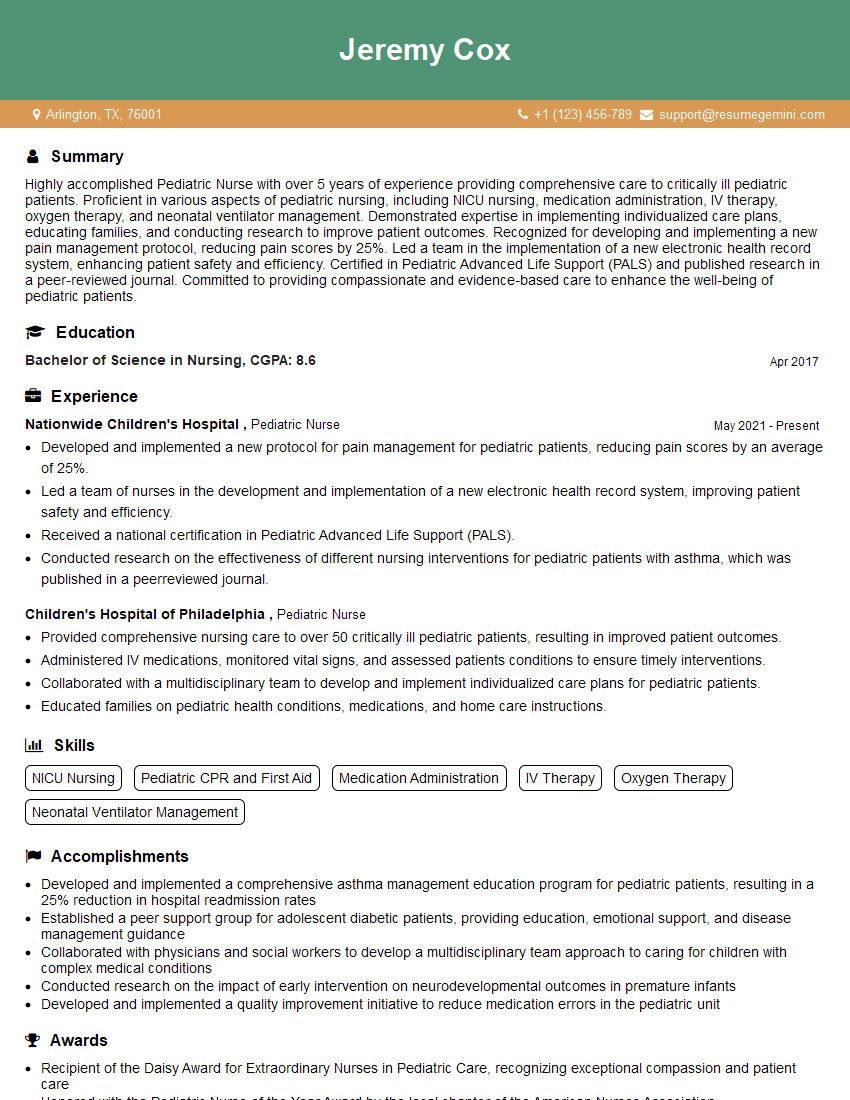
Pediatric Nurse Resume Sample
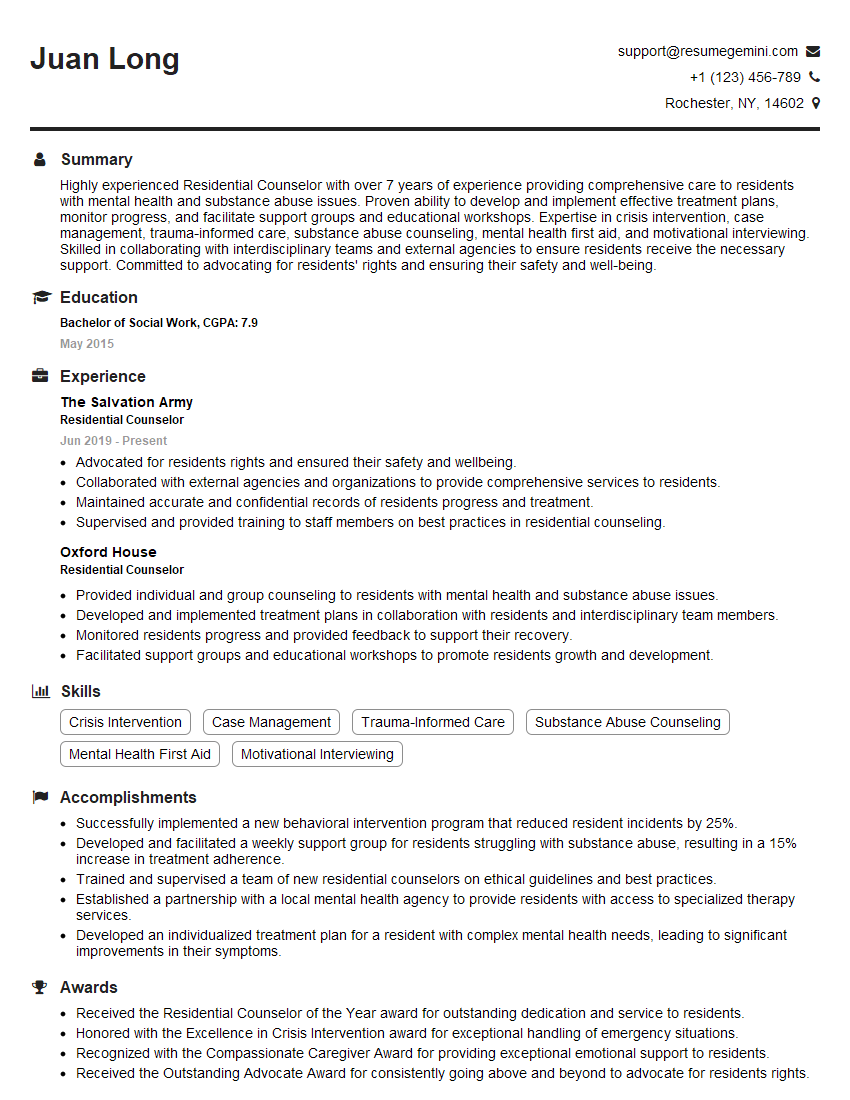
Residential Counselor Resume Sample
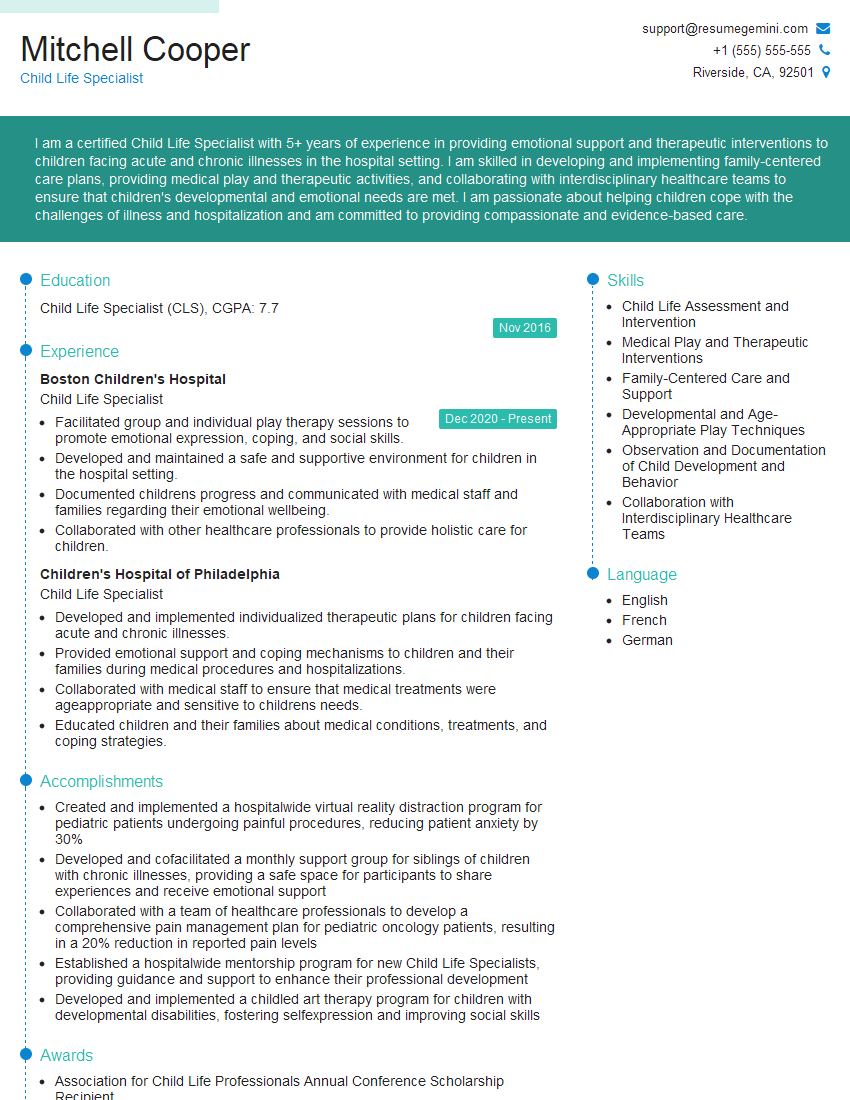
Child Life Specialist Resume Sample
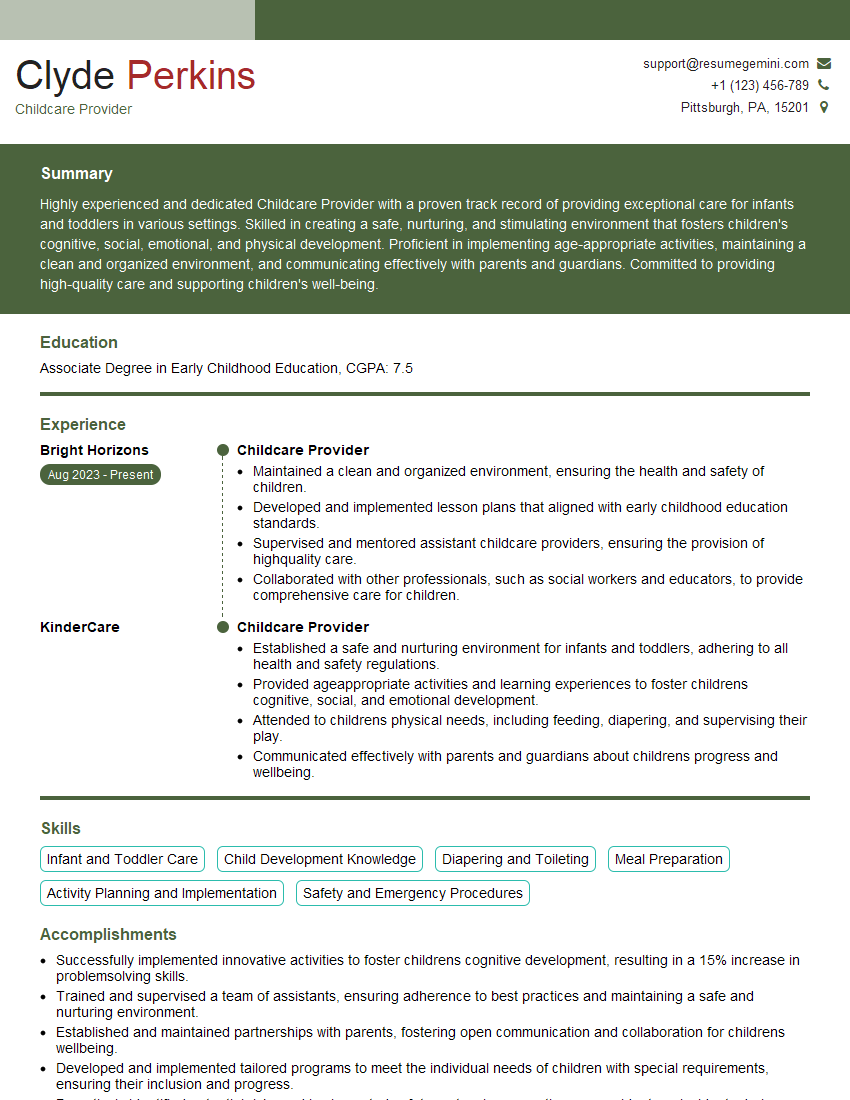
Childcare Provider Resume Sample
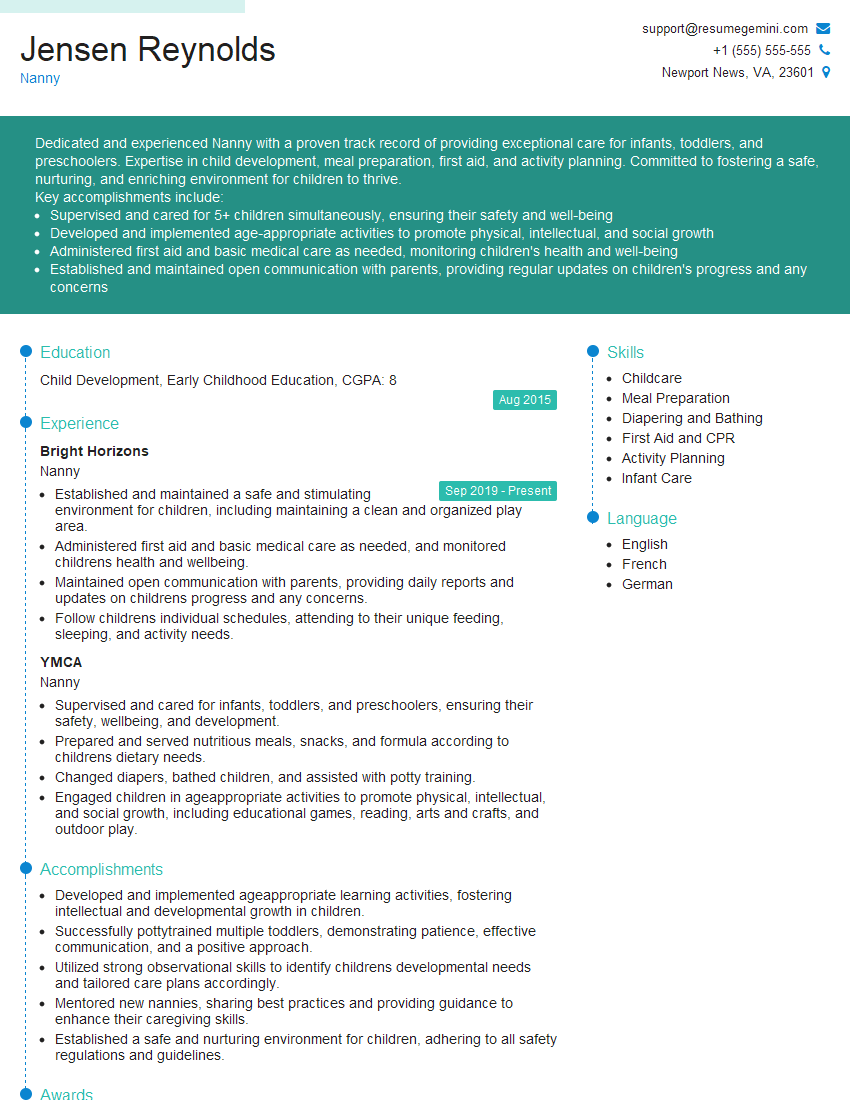
Nanny Resume Sample
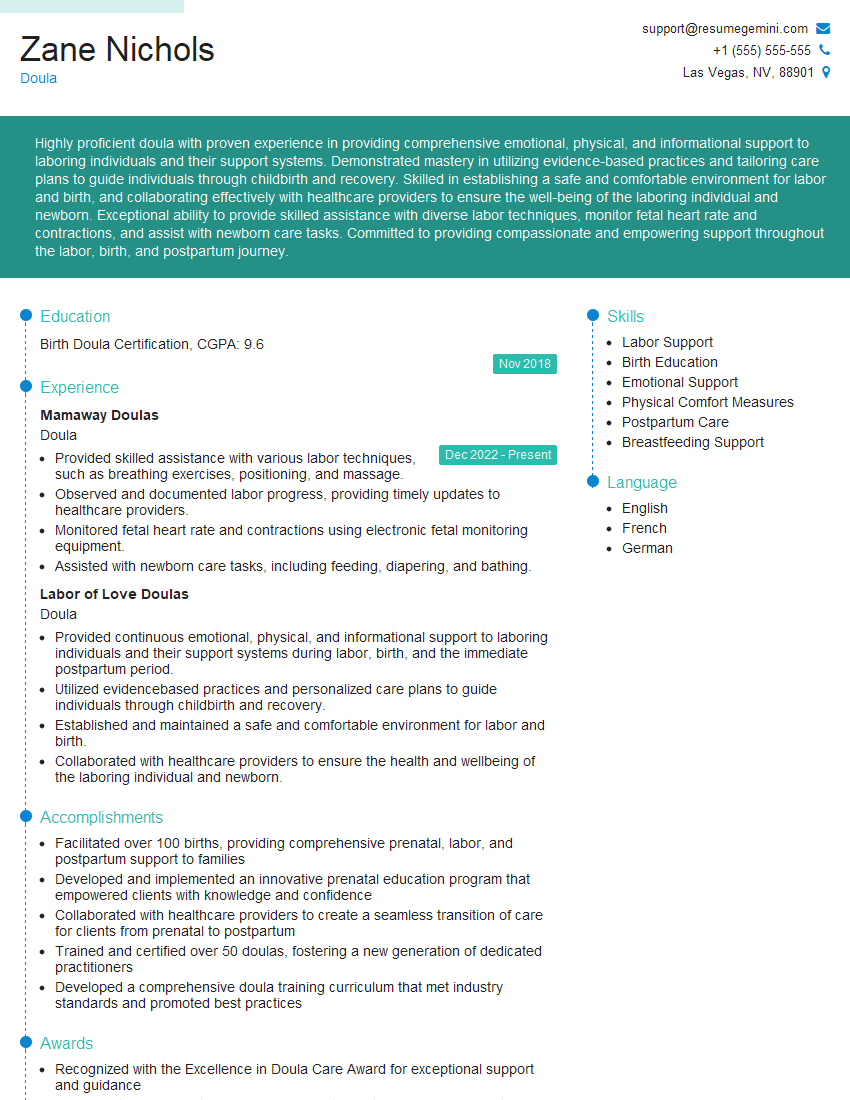
Doula Resume Sample
Explore more articles
Users Rating of Our Blogs
Share Your Experience
We value your feedback! Please rate our content and share your thoughts (optional).
What Readers Say About Our Blog
I Redesigned Spongebob Squarepants and his main characters of my artwork.
https://www.deviantart.com/reimaginesponge/art/Redesigned-Spongebob-characters-1223583608
IT gave me an insight and words to use and be able to think of examples
Hi, I’m Jay, we have a few potential clients that are interested in your services, thought you might be a good fit. I’d love to talk about the details, when do you have time to talk?
Best,
Jay
Founder | CEO