Unlock your full potential by mastering the most common Drafting Conventions interview questions. This blog offers a deep dive into the critical topics, ensuring you’re not only prepared to answer but to excel. With these insights, you’ll approach your interview with clarity and confidence.
Questions Asked in Drafting Conventions Interview
Q 1. Explain the importance of consistent formatting in legal documents.
Consistent formatting in legal documents is paramount for several reasons. It ensures clarity, professionalism, and avoids ambiguity – all crucial in a field where precision is paramount. Inconsistent formatting can lead to misinterpretations, which can have serious legal consequences. Think of it like this: a poorly formatted recipe could lead to a disastrous meal; a poorly formatted legal document could lead to a disastrous legal outcome.
Consistency improves readability, making it easier for judges, lawyers, and clients to understand the document’s content. It also enhances the document’s credibility and professionalism, projecting an image of competence and attention to detail. Imagine a legal brief with inconsistent font sizes, inconsistent spacing, and random capitalization – it would look unprofessional and undermine the persuasiveness of the argument.
- Improved Readability: Consistent formatting makes it easier to scan and digest information.
- Enhanced Professionalism: A well-formatted document reflects positively on the drafter and their firm.
- Reduced Ambiguity: Clear formatting minimizes the risk of misinterpretations.
- Increased Efficiency: Consistent formatting saves time during review and editing.
Q 2. What are the key differences between MLA, APA, and Chicago style guides?
MLA, APA, and Chicago styles are all citation and formatting guides, but they cater to different disciplines and have distinct features. Choosing the right style is essential for academic credibility and adherence to publication standards.
- MLA (Modern Language Association): Primarily used in the humanities, MLA focuses on author-page citations within the text and a Works Cited page listing the sources. It emphasizes the author’s role in scholarly discourse.
- APA (American Psychological Association): Predominantly used in the social sciences, APA emphasizes author-date citations within the text and a References page. It prioritizes clear and concise communication of research findings.
- Chicago: This style has two main forms: notes-bibliography and author-date. The notes-bibliography style uses footnotes or endnotes and a bibliography, commonly used in history and other humanities. The author-date system resembles APA, but with different formatting specifications. It’s versatile and adaptable to a variety of disciplines.
The key differences lie in citation styles (author-page vs. author-date), formatting elements (headings, spacing, quotes), and the organization of the bibliography/references page. Each style has specific rules for formatting everything from titles to in-text citations.
Q 3. Describe your experience with using style guides to ensure consistency in your work.
Throughout my career, I’ve extensively used style guides to maintain consistency. I’ve worked with all three major styles (MLA, APA, Chicago) and several others, depending on the project’s requirements. For example, I recently worked on a legal brief that required strict adherence to the Bluebook style, a specific legal citation guide. My process always involves:
- Initial Style Guide Selection: Identifying the appropriate style guide based on the client’s requirements or the publication’s guidelines.
- Template Creation: Developing a template document that incorporates all the style guide’s formatting requirements, including fonts, margins, headings, and citation styles.
- Consistent Application: Carefully following the style guide’s rules throughout the writing process, double-checking for consistency.
- Style Check Tools: Utilizing software tools (e.g., citation managers, grammar and style checkers) to ensure accuracy and consistency in citations and formatting.
- Peer Review: Having a colleague review the document for adherence to the selected style guide.
This systematic approach guarantees the final product is consistent, professional, and free of formatting errors, saving valuable time and resources in the long run.
Q 4. How do you handle conflicting style guidelines in a single document?
Handling conflicting style guidelines requires a thoughtful and strategic approach. The best solution always prioritizes clarity and consistency. My strategy typically involves:
- Identifying the Conflict: Pinpoint the specific areas where the guidelines differ.
- Prioritization: Determine which style guide to prioritize. This might depend on the client’s preferences, the intended audience, or the publication’s requirements. Often, one style guide will take precedence.
- Consistency Within Sections: Even when choosing a primary style, ensure consistency within each section of the document to avoid jarring transitions.
- Clear Communication: If forced to deviate from a style guide, clearly indicate the reason in a note or appendix, maintaining transparency and accountability.
- Internal Style Guide: For complex projects with multiple styles, creating an internal style guide that incorporates the most important aspects of each can help streamline the process.
For instance, if a legal brief requires Bluebook citations but the client prefers a certain font size not specified in Bluebook, I’d prioritize the Bluebook’s citation style while adhering to the client’s font preference, clearly documenting the rationale.
Q 5. What techniques do you employ to ensure clarity and precision in your writing?
Clarity and precision are achieved through careful planning and execution. My techniques include:
- Precise Language: Using specific and unambiguous terminology, avoiding jargon unless clearly defined.
- Active Voice: Employing active voice to make sentences more direct and easier to understand.
- Concise Sentences: Keeping sentences short and focused to enhance readability.
- Logical Structure: Organizing information logically, using headings, subheadings, and bullet points to improve readability.
- Strong Verbs and Nouns: Using strong verbs and nouns to convey meaning effectively.
- Proofreading and Editing: Thoroughly proofreading and editing for grammatical errors, typos, and inconsistencies.
For example, instead of writing “The contract was breached by the party,” I’d write “The party breached the contract.” This simple change improves clarity and strengthens the sentence.
Q 6. How do you ensure the readability and accessibility of your documents?
Ensuring readability and accessibility involves considering both visual and textual elements. My approach includes:
- Clear and Concise Language: Using simple language that is easy to understand for a wide audience.
- Appropriate Font and Size: Selecting a legible font (such as Arial or Times New Roman) in an appropriate size (12 points or larger).
- Sufficient White Space: Including ample white space between paragraphs, lines, and sections to break up large blocks of text.
- Headings and Subheadings: Using clear and concise headings and subheadings to break up the text and help readers navigate the document.
- Lists and Bullet Points: Employing lists and bullet points to organize information and improve readability.
- Accessibility Features: Considering accessibility standards (e.g., WCAG guidelines) when creating documents for individuals with disabilities. This can include using alt text for images, creating structured documents, and ensuring sufficient color contrast.
For instance, using numbered lists instead of lengthy paragraphs greatly enhances readability and aids comprehension. Similarly, employing sufficient color contrast ensures the document is easily accessible to those with visual impairments.
Q 7. Explain the importance of using plain language in legal or technical documents.
Plain language is crucial in legal and technical documents because it ensures that the intended audience—which may not be legal professionals—can understand the information presented. Complex legal jargon and overly technical language can lead to confusion, misinterpretations, and ultimately, legal challenges. Imagine a contract written entirely in legalese; a layperson would struggle to understand their rights and obligations.
Using plain language increases transparency, reduces ambiguity, and promotes informed decision-making. It fosters trust and confidence between parties involved. Consider the impact of using simple, direct language in a consumer contract versus using complex, potentially misleading terminology. The former promotes understanding and minimizes potential disputes.
Plain language doesn’t mean dumbing down the information; instead, it focuses on expressing complex information in a clear, concise, and easily understood manner. This often involves avoiding jargon, defining technical terms, and using shorter sentences and paragraphs. The goal is to ensure the reader understands the meaning accurately without needing a legal dictionary.
Q 8. How do you handle complex technical information to make it accessible to a non-technical audience?
Making complex technical information accessible to a non-technical audience is crucial for effective communication. My approach involves simplifying the language, using clear and concise explanations, and avoiding jargon whenever possible. I focus on explaining concepts using analogies and relatable examples that resonate with a broader audience. For instance, if explaining a complex algorithm, I might compare it to a familiar process, like a recipe or a step-by-step instruction manual. Visual aids like diagrams, charts, and infographics are also extremely helpful in breaking down complex information into digestible chunks. I also tailor the level of detail to the audience’s prior knowledge, ensuring I don’t overwhelm them with unnecessary technical details. Finally, I always strive to test the clarity of my explanations by seeking feedback from a member of the target audience to identify any points of confusion.
Example: Instead of saying “The system utilizes a distributed architecture based on microservices,” I would say, “The system is built like a team of specialists, each handling a specific task efficiently, and communicating with each other seamlessly.”
Q 9. Describe your experience with proofreading and editing documents for grammar, punctuation, and spelling.
Proofreading and editing are fundamental to my work. I meticulously check for grammatical errors, punctuation inconsistencies, and spelling mistakes, ensuring the document is polished and professional. My process involves multiple passes, each focusing on a different aspect of the text. The first pass often involves checking for overall coherence and flow, followed by a detailed review for grammar, punctuation and spelling. I utilize tools like Grammarly and ProWritingAid, but I always rely on a final, manual review to catch any nuances missed by automated tools. I am highly adept at identifying and correcting errors related to subject-verb agreement, tense consistency, pronoun reference, and comma splices. I also pay close attention to the style guide provided, ensuring consistent formatting and tone throughout the document. I’ve worked on countless documents, ranging from technical reports to marketing materials, consistently delivering high-quality, error-free work.
Q 10. How do you use version control systems to manage document revisions?
Version control systems are indispensable for managing document revisions, allowing me to track changes, revert to previous versions, and collaborate effectively with others. I am proficient in using Git, a widely adopted version control system. I utilize Git to create branches for new features or revisions, commit changes frequently with descriptive messages, and merge branches once reviews and testing are complete. This ensures that all modifications are properly documented and easily traceable. For example, if a reviewer suggests changes to a section, I create a new branch to incorporate the feedback, preserving the original version. This allows for easy comparison and reversion if needed. I always strive to maintain a clear and organized commit history, making it simple for others to understand the evolution of the document.
Example: git checkout -b new-feature (Creates a new branch named ‘new-feature’)git add . (Stages changes for commit)git commit -m "Implemented reviewer feedback" (Commits changes with a descriptive message)
Q 11. How do you ensure the accuracy and completeness of your documents?
Ensuring accuracy and completeness requires a multi-faceted approach. I meticulously cross-reference information from multiple reliable sources, and verify all facts, figures, and data before including them in the document. I use checklists to ensure I have addressed all required elements, and I create detailed outlines to plan the document’s structure and content. I also conduct thorough self-reviews before sharing the document with others. Furthermore, I employ techniques like peer reviews and subject matter expert consultations to gain diverse perspectives and identify potential inaccuracies or gaps in information. Finally, I always maintain a detailed record of all my sources and references, making it easy to track down information if necessary. This rigorous process ensures the delivery of accurate and comprehensive documents.
Q 12. What strategies do you use to meet deadlines while maintaining quality in your work?
Meeting deadlines without compromising quality requires careful planning and effective time management. I start by creating a detailed project schedule that breaks down tasks into smaller, manageable units. I prioritize tasks based on their urgency and importance, allocating sufficient time for each one. I also utilize tools like project management software (e.g., Asana, Trello) to track progress and identify potential delays. If I anticipate a potential delay, I proactively communicate with stakeholders to manage expectations. Furthermore, I frequently review my work to ensure I am on track and adjust my schedule as needed. Prioritization and proactive communication are key factors in maintaining quality while ensuring timely delivery.
Q 13. How do you incorporate feedback from reviewers into your documents?
Incorporating feedback is an iterative process that involves careful consideration and thoughtful implementation. I carefully review all comments and suggestions, understanding the context and intent behind each one. I then prioritize the feedback based on its impact and feasibility, focusing on the most critical changes first. I use version control systems to track revisions and ensure that all feedback is properly addressed. Whenever possible, I engage in a dialogue with the reviewer to clarify any ambiguities or concerns. I also document all implemented changes, explaining the rationale behind my decisions. This transparent approach ensures that all feedback is appropriately addressed and leads to improved documents.
Q 14. Describe your experience with collaborating with others on drafting documents.
Collaborating effectively involves clear communication, mutual respect, and a shared understanding of goals. I thrive in collaborative environments and have extensive experience working with diverse teams on complex documents. I actively participate in brainstorming sessions, contributing my expertise and seeking input from others. I utilize collaborative tools like Google Docs or Microsoft SharePoint to facilitate real-time editing and provide immediate feedback. I always ensure that communication channels are open and readily accessible, encouraging frequent updates and discussions. I am adept at resolving conflicts constructively, fostering a positive and productive team environment. Successful collaborative drafting hinges on open communication, respecting diverse perspectives and a commitment to achieving shared goals.
Q 15. How do you deal with ambiguity in instructions or source materials?
Ambiguity in instructions is a common challenge in drafting. My approach involves a multi-step process focused on clarification and verification. First, I carefully analyze the ambiguous section, highlighting the unclear parts. Then, I systematically explore potential interpretations, considering the context of the entire document and any relevant background information. If the ambiguity involves legal or technical terms, I conduct thorough research using reputable sources to ensure accuracy. Finally, I proactively seek clarification from the client or relevant stakeholders, documenting all communication and agreed-upon interpretations to avoid future misunderstandings. For example, if instructions mention ‘relevant data,’ I wouldn’t assume what constitutes ‘relevant’ – I’d ask for a specific definition or list of data points to include.
Career Expert Tips:
- Ace those interviews! Prepare effectively by reviewing the Top 50 Most Common Interview Questions on ResumeGemini.
- Navigate your job search with confidence! Explore a wide range of Career Tips on ResumeGemini. Learn about common challenges and recommendations to overcome them.
- Craft the perfect resume! Master the Art of Resume Writing with ResumeGemini’s guide. Showcase your unique qualifications and achievements effectively.
- Don’t miss out on holiday savings! Build your dream resume with ResumeGemini’s ATS optimized templates.
Q 16. Explain your process for creating outlines and structuring complex documents.
Structuring complex documents requires a robust outlining process. I typically begin by brainstorming the key topics and subtopics, using mind mapping or hierarchical lists to visualize the information flow. This initial brainstorming phase helps me identify any gaps or redundancies in the information. Next, I develop a detailed outline, assigning each section a clear purpose and defining the relationship between different parts. This outline serves as a blueprint for the entire document, ensuring logical progression and consistent flow. For instance, when drafting a legal contract, I’d outline sections for definitions, obligations, payment terms, dispute resolution, and termination clauses, each with its subsections. The outline is then continuously refined throughout the drafting process, adapting to new information or changes in requirements.
Q 17. How do you handle situations where you encounter conflicting information or contradictory instructions?
Conflicting information is a serious issue demanding careful handling. My approach begins with meticulously documenting each conflicting source, noting the discrepancies precisely. I then investigate the credibility and reliability of each source. This might involve cross-referencing information with multiple reputable sources, consulting with subject matter experts, or even verifying the information directly with the original source. Once I’ve assessed the validity of each piece of information, I prioritize the most reliable source. If the conflict remains unresolved, I clearly document the disagreement within the document itself, explaining the different perspectives and highlighting the rationale behind my chosen approach. For example, if two regulatory documents offer contradictory guidance, I would cite both sources, clearly explain the conflict, and then explain which interpretation I’ve chosen and why (based on precedence, recency, or consultation with an expert).
Q 18. What methods do you use to research and verify information for your documents?
Verifying information is crucial to maintain accuracy and credibility. I use a combination of methods, starting with reputable sources like peer-reviewed journals, government websites, established industry publications, and respected experts in the field. I cross-reference information from multiple sources to corroborate findings, looking for consistency and agreement. When dealing with statistical data, I check the methodology and source of the data to ensure its reliability. If necessary, I might also consult with specialists or subject-matter experts to validate complex information. For example, before stating a specific fact about a medical procedure, I would consult medical journals and possibly reach out to a medical professional for confirmation. This rigorous approach ensures the accuracy and trustworthiness of the information presented in my documents.
Q 19. Describe your experience using specialized software for document creation and management.
My experience with specialized software is extensive. I’m proficient in tools like Microsoft Word, Adobe Acrobat Pro, and various legal drafting software packages. Beyond basic word processing, I leverage advanced features such as automated indexing, cross-referencing, and style checking to maintain consistency and accuracy. I’m comfortable using version control systems like Git for collaborative projects and document management systems to track changes and maintain organized archives. Adobe Acrobat Pro’s redaction tools are particularly crucial when dealing with sensitive information. My proficiency extends to using software for data analysis and visualization to effectively present complex information within the document. For instance, I could use Excel and then incorporate relevant charts and graphs into a report directly.
Q 20. How do you ensure that your documents comply with relevant legal and regulatory requirements?
Compliance with legal and regulatory requirements is paramount. I meticulously review all relevant legislation, guidelines, and industry standards before starting the drafting process. Throughout the process, I ensure that the document’s language, formatting, and content adhere to all applicable regulations. I maintain a detailed record of all sources and references used to support claims or arguments. When dealing with specific legal or regulatory areas, I often consult with legal professionals to ensure complete compliance. Regular updates to relevant laws and regulations are essential, so I maintain ongoing professional development to keep abreast of any changes that might affect my work. For example, when drafting a privacy policy, I ensure it complies with regulations such as GDPR or CCPA, depending on the geographic scope of the document.
Q 21. How do you manage multiple projects with competing deadlines?
Managing multiple projects with competing deadlines requires effective prioritization and time management. I utilize project management tools and techniques such as creating detailed project timelines, breaking down large tasks into smaller, manageable steps, and assigning realistic deadlines to each task. I prioritize projects based on their urgency and importance, and I regularly track progress to identify and address any potential delays. Open communication with clients and stakeholders is vital; I keep them updated on progress, potential challenges, and any adjustments needed to the timeline. I use visual tools like Gantt charts to track overlapping deadlines and dependencies between different projects. Delegating tasks where possible and utilizing time-blocking techniques for focused work sessions ensures efficiency. A proactive approach, anticipating potential issues, is key to successfully managing multiple projects concurrently.
Q 22. What is your experience with using templates to ensure consistency in document design?
Templates are indispensable for maintaining consistency in document design. They act as pre-formatted frameworks, ensuring uniformity in elements like font styles, headings, spacing, and overall layout. Think of them as blueprints for your documents. My experience involves extensive use of both internally developed and commercially available templates, tailored to specific needs. For instance, I’ve worked with templates for contracts that automatically populate boilerplate clauses while allowing for customization of client-specific details. I’ve also created templates for internal reports that enforce a consistent brand identity, including specific logos and colour palettes.
In practice, I use a collaborative approach, ensuring that all team members understand and adhere to the established templates. This involves providing clear instructions and training on how to use them effectively. Regular reviews and updates to the templates themselves are also crucial to account for changes in style guides or legal requirements. We also use version control systems to track changes and ensure everyone is working from the most up-to-date version.
Q 23. Describe your familiarity with different types of legal documents (contracts, wills, etc.).
My familiarity with legal documents is extensive, covering a range of document types. I have significant experience with contracts, encompassing various forms like non-disclosure agreements (NDAs), service agreements, and sales contracts. I understand the nuances of contract language, including the importance of precise definitions, unambiguous clauses, and consideration of all potential risks and liabilities. My experience also extends to wills and trusts, where the accuracy and clarity of language are paramount due to the significant legal and financial implications. I am also conversant with powers of attorney, deeds, and other legal instruments.
Understanding the specific requirements and conventions for each document type is crucial. For example, a contract requires meticulous attention to detail and precise wording to avoid ambiguity, whereas a will requires clarity and conciseness to convey the testator’s intentions unambiguously. I approach each type with an awareness of its unique legal context and the potential consequences of any error or omission.
Q 24. How do you ensure confidentiality and data security when working with sensitive information?
Confidentiality and data security are paramount in my work. I adhere to strict protocols to protect sensitive information. This begins with understanding and complying with all relevant data protection regulations, such as GDPR and CCPA. My process includes using secure file storage and transfer methods, encrypting sensitive documents, and controlling access through password protection and user permissions. I always use secure platforms and avoid storing sensitive information on unsecured personal devices.
Further, I maintain a strict policy of never discussing confidential information outside of secure channels and only with authorized individuals. My workflow incorporates regular security audits to identify and mitigate potential vulnerabilities. For example, I regularly review access controls and update software to patch security flaws. I also maintain a detailed record of all actions involving sensitive data for audit trail purposes.
Q 25. What is your process for identifying and resolving inconsistencies in a document?
Identifying and resolving inconsistencies is a systematic process. It begins with a thorough review of the entire document, often using automated tools to highlight inconsistencies in formatting, style, or numbering. I then manually review the document, paying close attention to cross-references, definitions, and consistency in terminology. I frequently use a ‘compare’ function in word processing software to identify changes between drafts and to highlight areas requiring attention.
Once inconsistencies are identified, I prioritize them based on their potential impact. Critical inconsistencies, like conflicting clauses in a contract, are addressed immediately. Minor inconsistencies, such as minor formatting issues, might be grouped and resolved in a single editing pass. I meticulously document all changes made and maintain a clear audit trail to ensure accountability and traceability. Finally, I always perform a final proofread to ensure all identified inconsistencies have been successfully resolved.
Q 26. How do you adapt your writing style to suit different audiences and purposes?
Adapting writing style to different audiences and purposes is essential for effective communication. For instance, a legal contract demands precise, formal language, avoiding ambiguity, whereas a client communication requires a more accessible, concise style. I tailor my writing to the specific needs of each audience, considering their level of understanding and expectations. For highly technical audiences, I might use more specialized terminology; for less technical audiences, I would prioritize clarity and avoid jargon.
The purpose of the document also dictates my approach. A persuasive business proposal demands a different tone than a factual report. I use strong verbs and active voice to create impactful proposals. Reports require meticulous attention to detail and accurate data presentation. I employ a consistent style guide, adapted to each specific purpose, to ensure consistency and professionalism.
Q 27. Explain your understanding of the legal implications of inaccurate or misleading information in a document.
Inaccurate or misleading information in a document can have serious legal implications. This can lead to breach of contract claims, lawsuits for negligence, or even criminal charges, depending on the nature of the information and the context. For contracts, inaccurate information can invalidate the entire agreement or render specific clauses unenforceable. In wills and trusts, inaccurate information can lead to disputes among beneficiaries and result in costly litigation.
Therefore, accuracy and truthfulness are paramount. Before finalizing any document, I meticulously verify all information, cross-referencing data from multiple sources where possible. I always clearly identify any assumptions or estimations used and maintain detailed records of my sources. This due diligence helps minimize the risk of legal repercussions and protects both myself and my clients.
Key Topics to Learn for Drafting Conventions Interview
- Understanding Standard Formatting: Mastering consistent formatting rules like font styles, spacing, margins, and pagination crucial for professional documents.
- Effective Use of Headings and Subheadings: Learn how to structure documents logically using appropriate heading levels to improve readability and comprehension. Practice applying this in various document types.
- Grammar and Punctuation Precision: Demonstrate a strong grasp of grammar and punctuation rules to ensure error-free and professional documents. Be prepared to discuss common errors and their corrections.
- Visual Communication Principles: Understand how to effectively use visuals (tables, charts, diagrams) to enhance communication and clarity in your documents. Discuss the importance of proper labeling and integration.
- Style Guides and Their Application: Familiarize yourself with various style guides (e.g., Chicago, MLA, APA) and their practical application in different professional contexts. Be ready to discuss the differences and appropriate usage.
- Legal and Ethical Considerations: Understand the importance of accuracy and avoiding plagiarism in professional documents. Discuss the ethical implications of document creation and review.
- Document Review and Editing Techniques: Develop your skills in proofreading and editing documents for clarity, consistency, and accuracy. Be prepared to discuss effective strategies for identifying and correcting errors.
- Software Proficiency (relevant to drafting): Highlight your proficiency in relevant software (e.g., AutoCAD, Word, Adobe Acrobat) and demonstrate your understanding of their features related to drafting conventions.
Next Steps
Mastering drafting conventions is essential for career advancement in any field requiring professional communication. A strong understanding of these principles directly translates to creating clear, concise, and impactful documents, enhancing your credibility and professionalism. To maximize your job prospects, building an ATS-friendly resume is crucial. ResumeGemini is a trusted resource to help you create a professional and effective resume that highlights your skills and experience in drafting conventions. Examples of resumes tailored to showcase Drafting Conventions expertise are available, providing you with valuable templates and guidance.

Compliance Officer Resume Sample
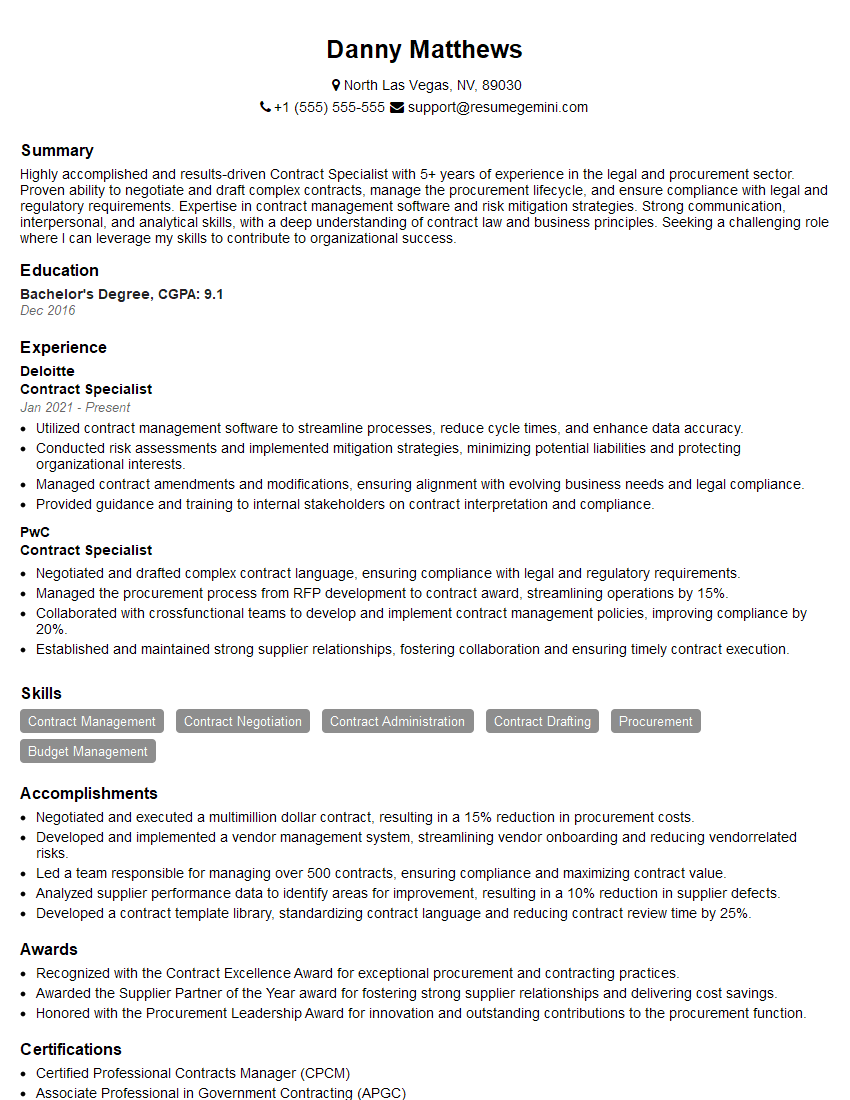
Contract Specialist Resume Sample
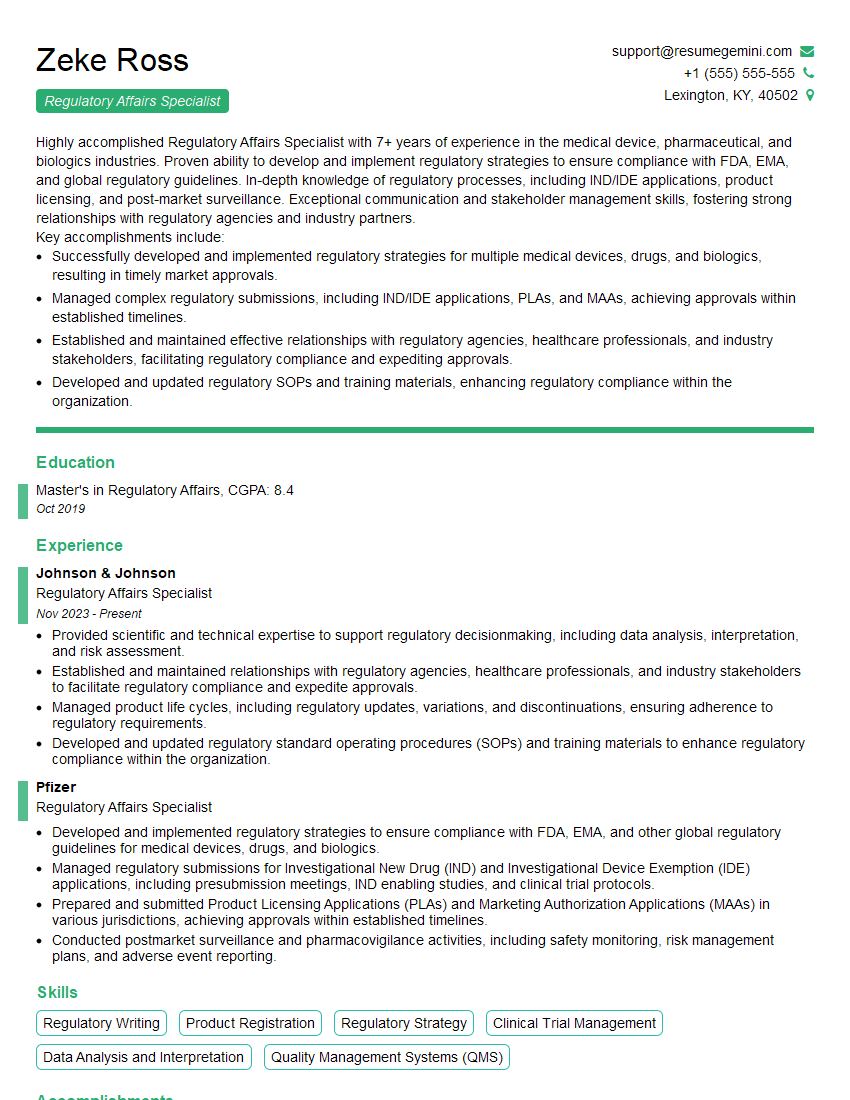
Regulatory Affairs Specialist Resume Sample
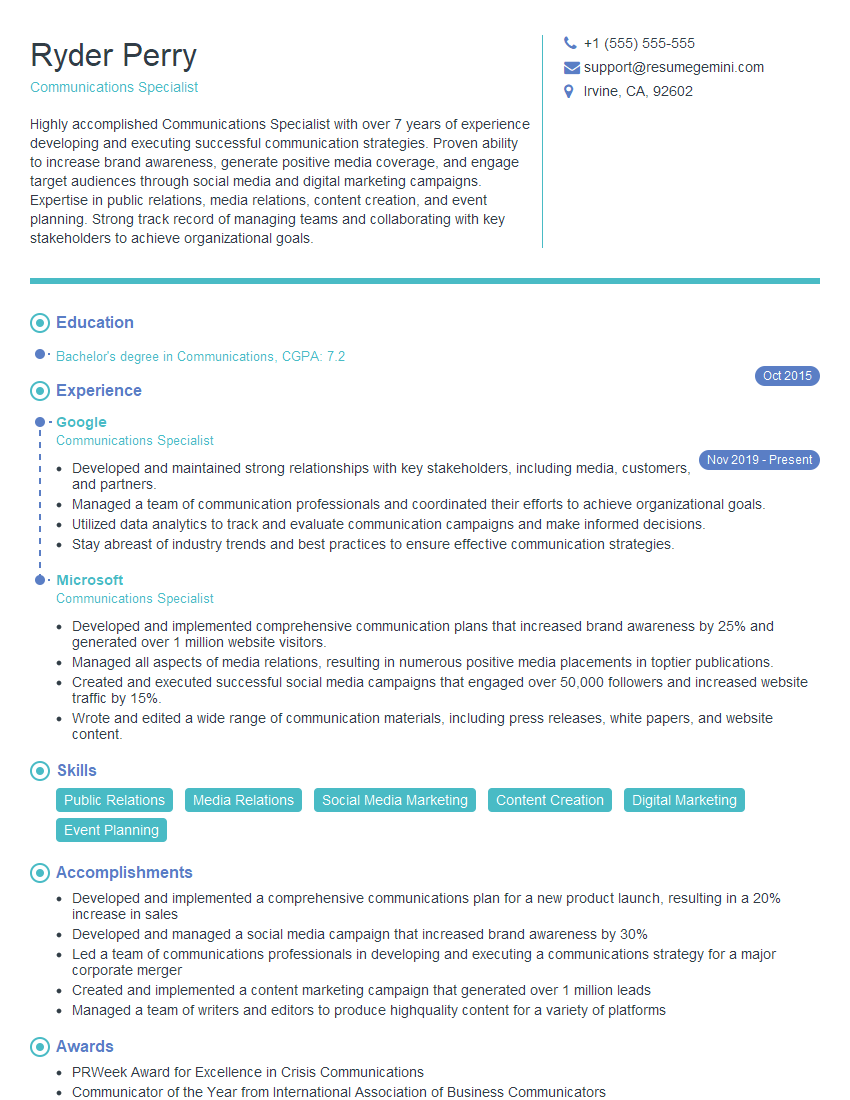
Communications Specialist Resume Sample

Information Architect Resume Sample

Content Strategist Resume Sample
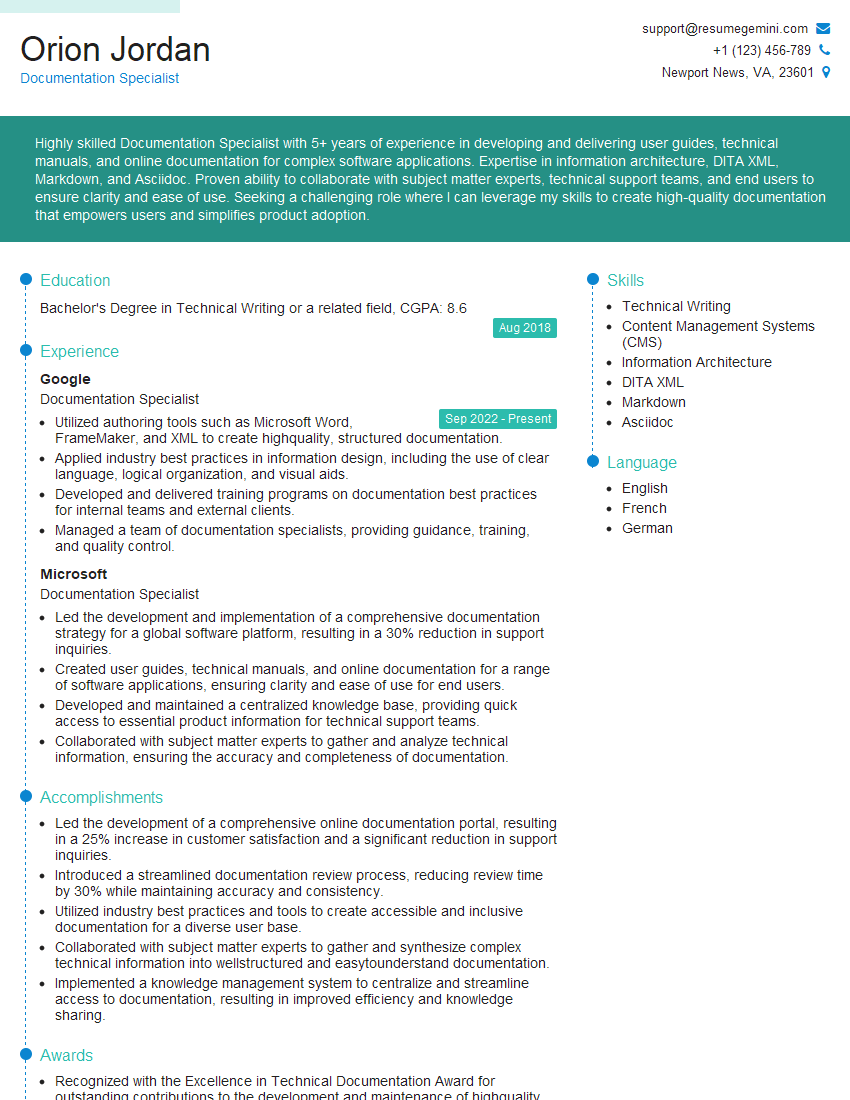
Documentation Specialist Resume Sample
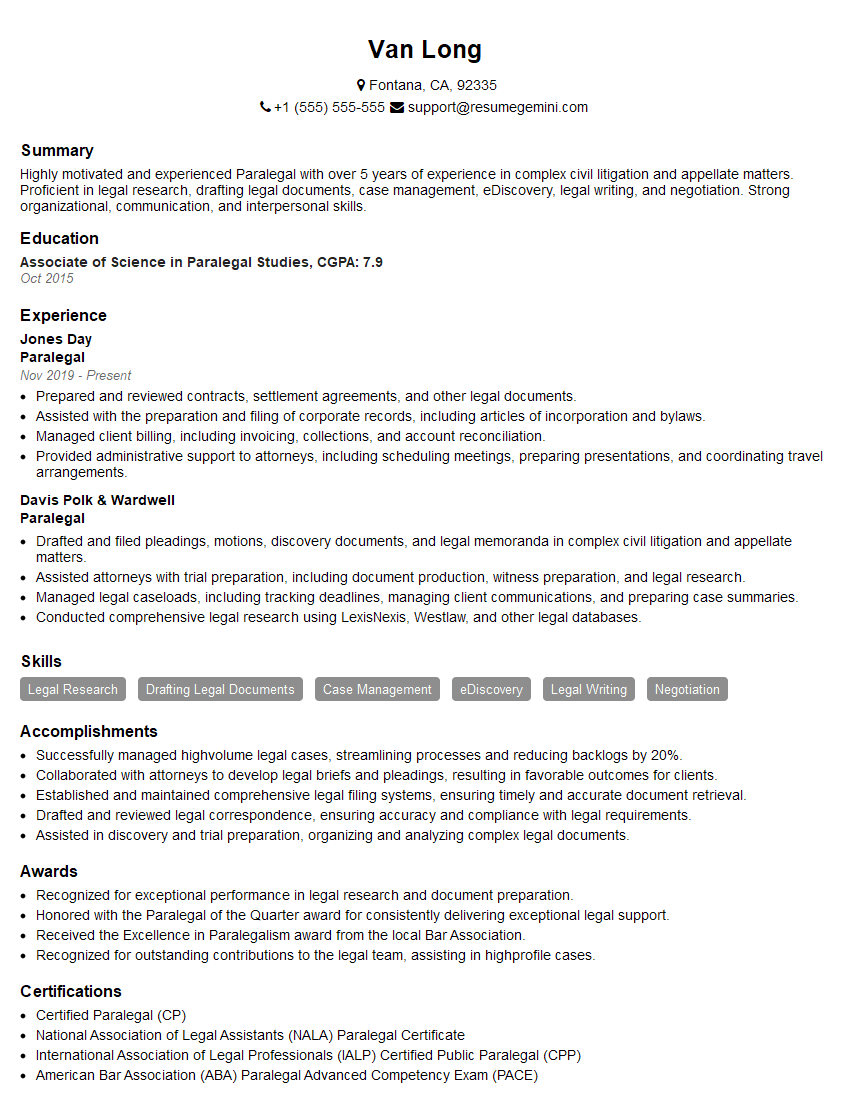
Paralegal Resume Sample
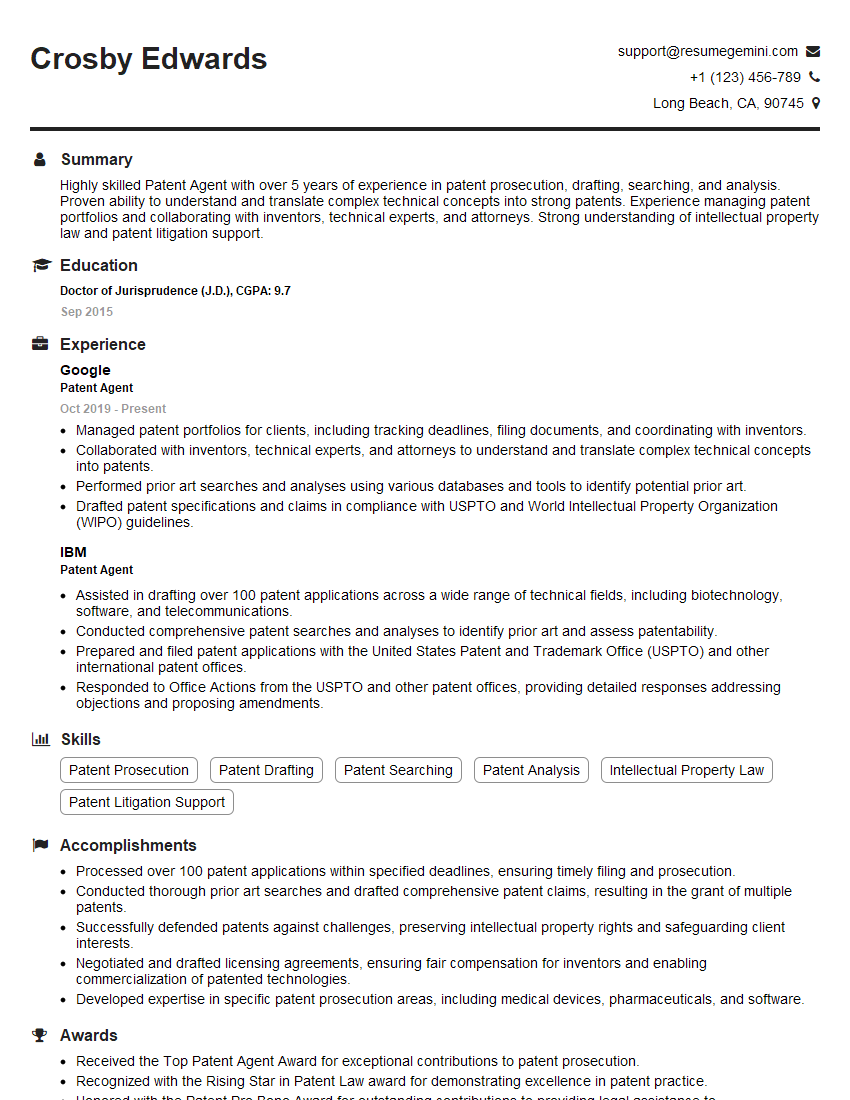
Patent Agent Resume Sample
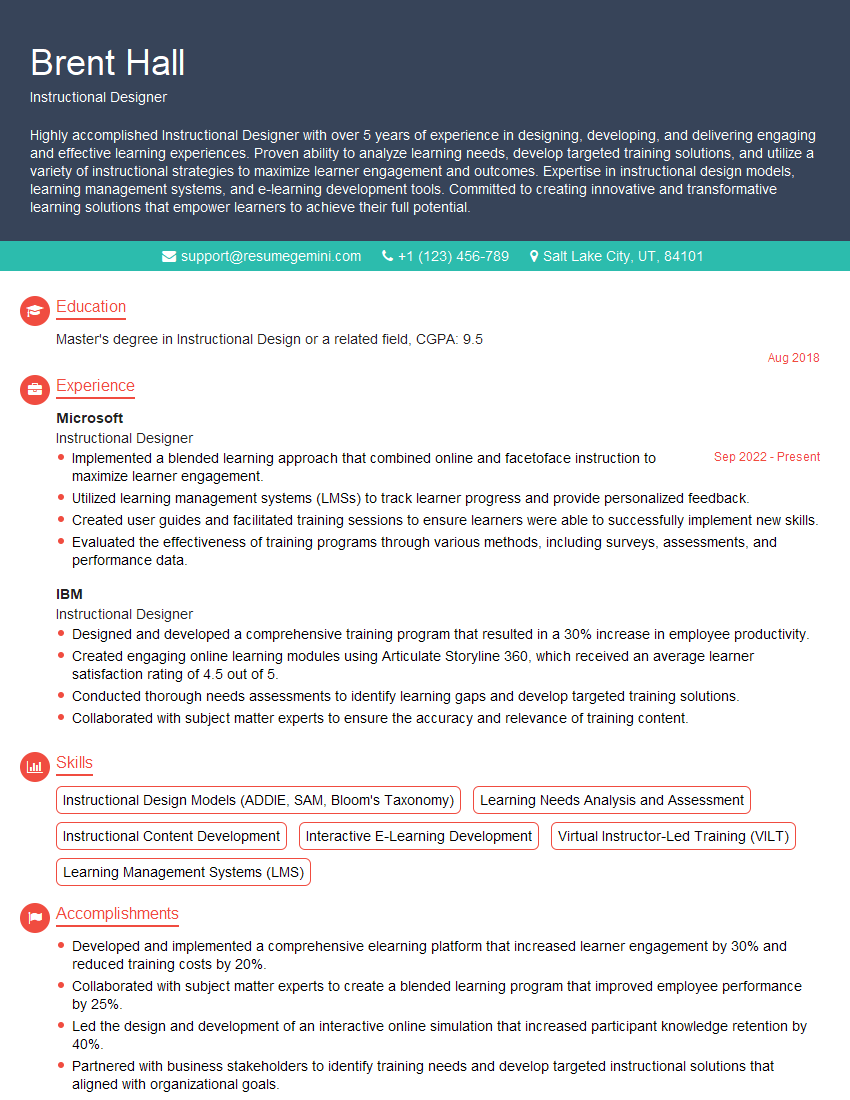
Instructional Designer Resume Sample
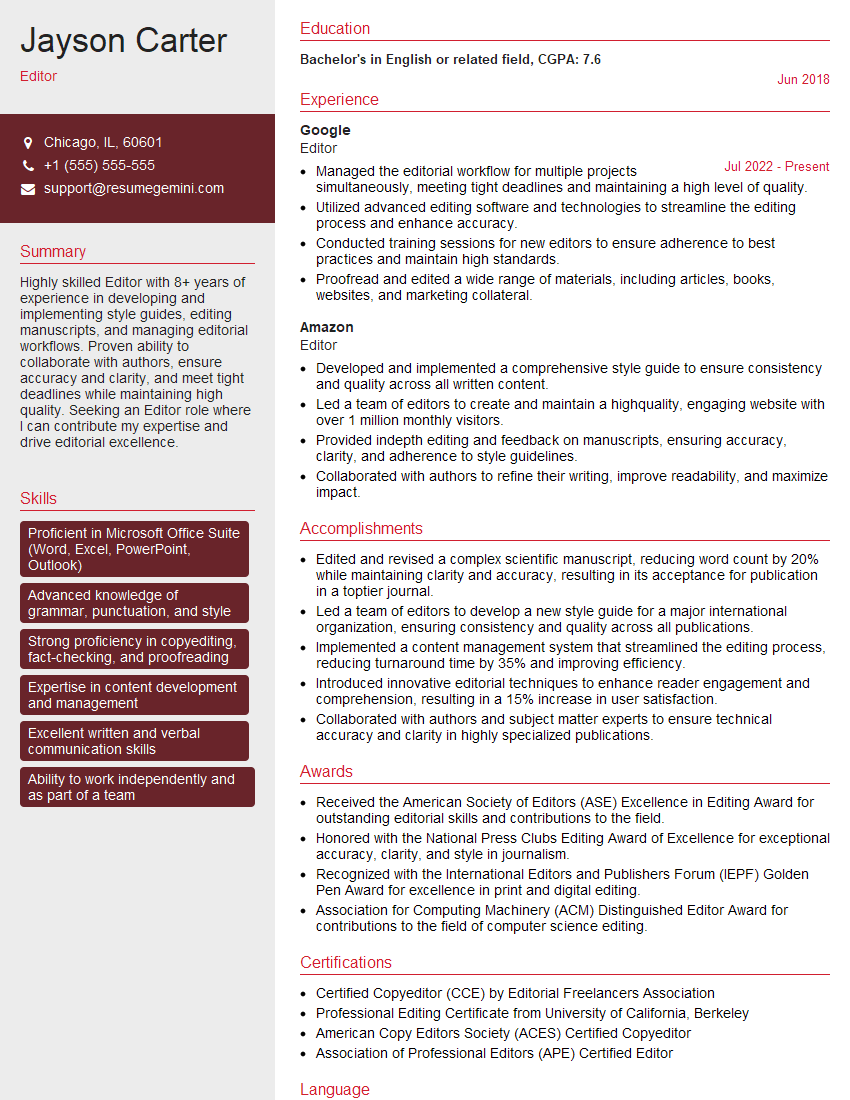
Editor Resume Sample
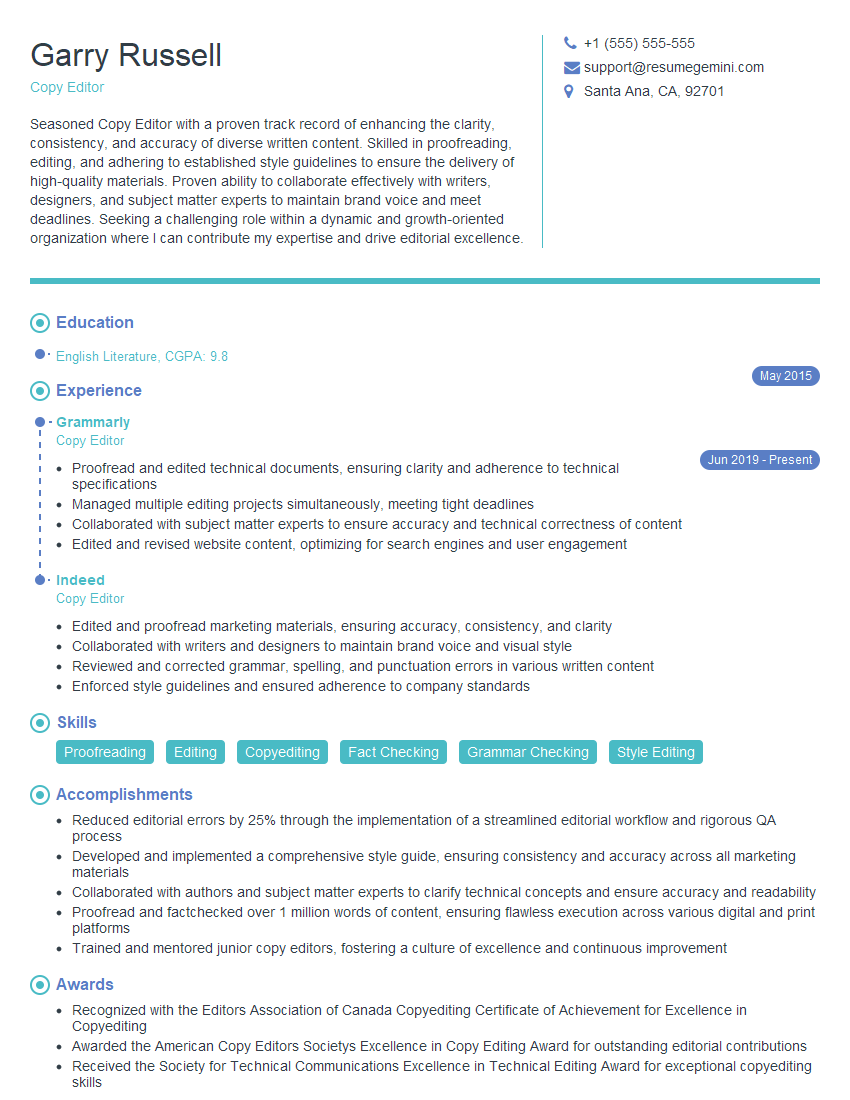
Copy Editor Resume Sample
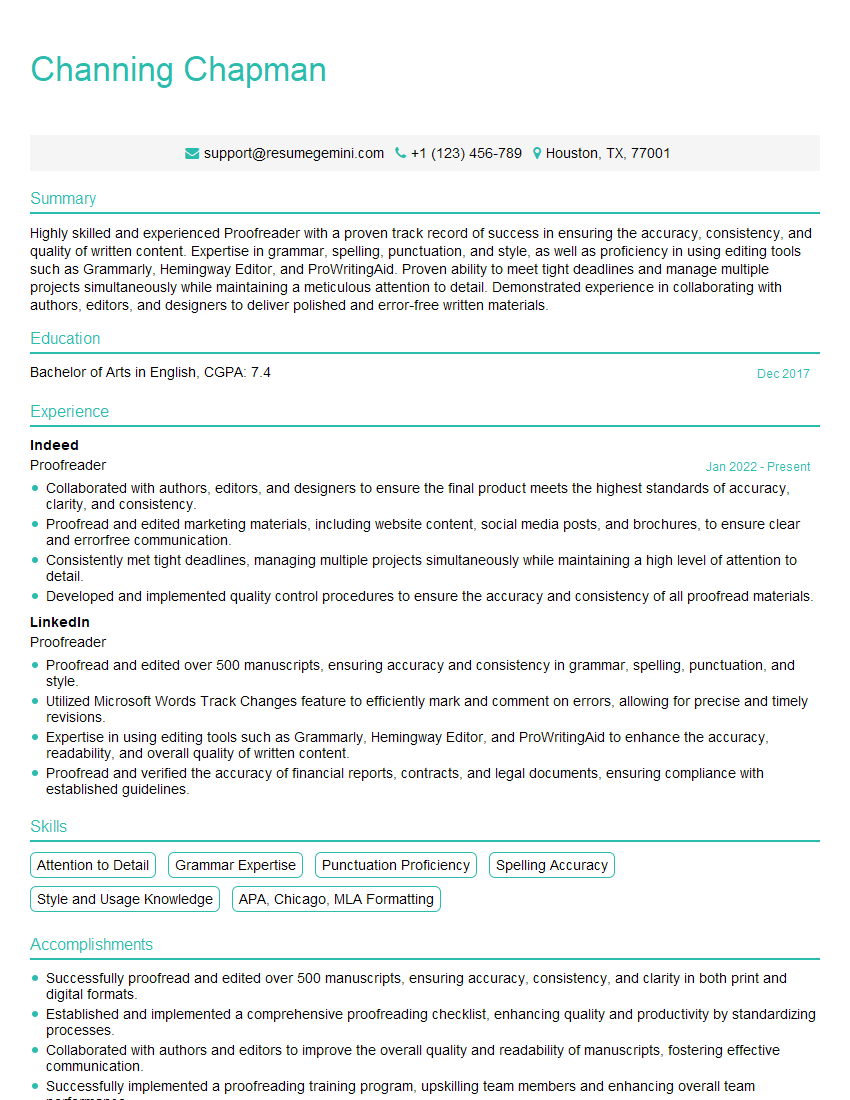
Proofreader Resume Sample
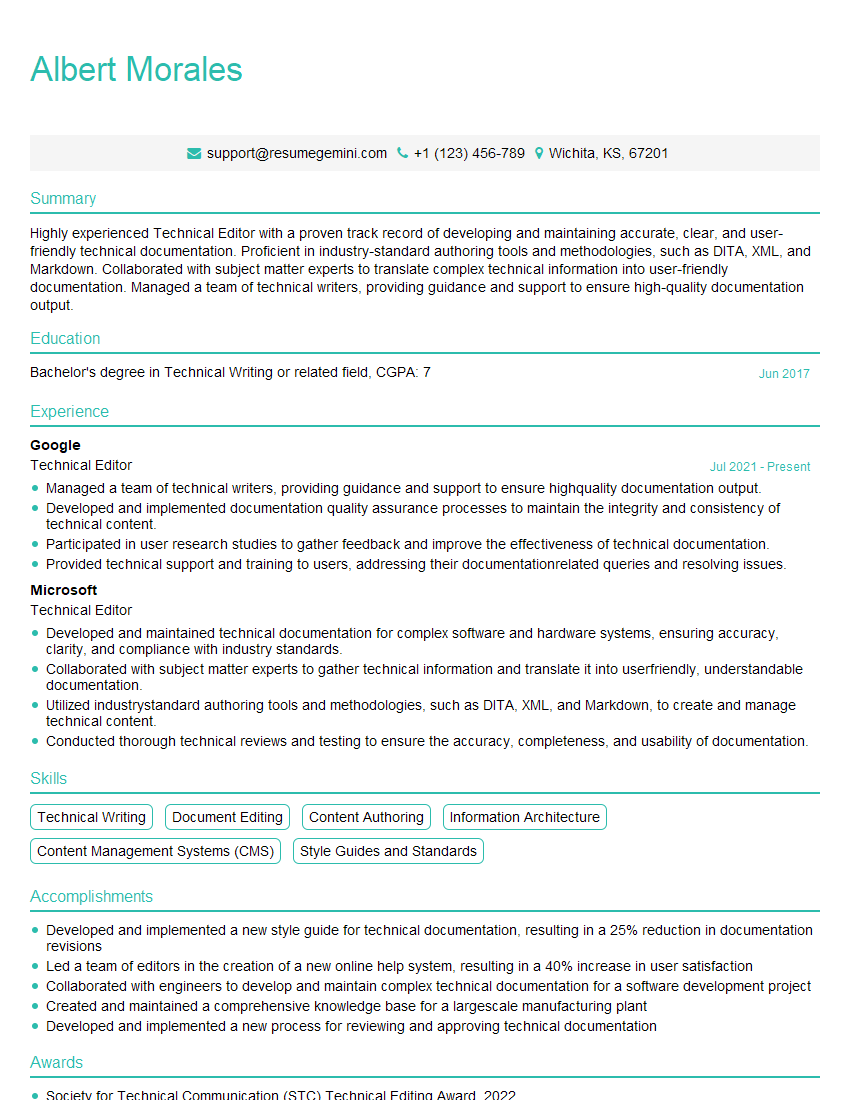
Technical Editor Resume Sample
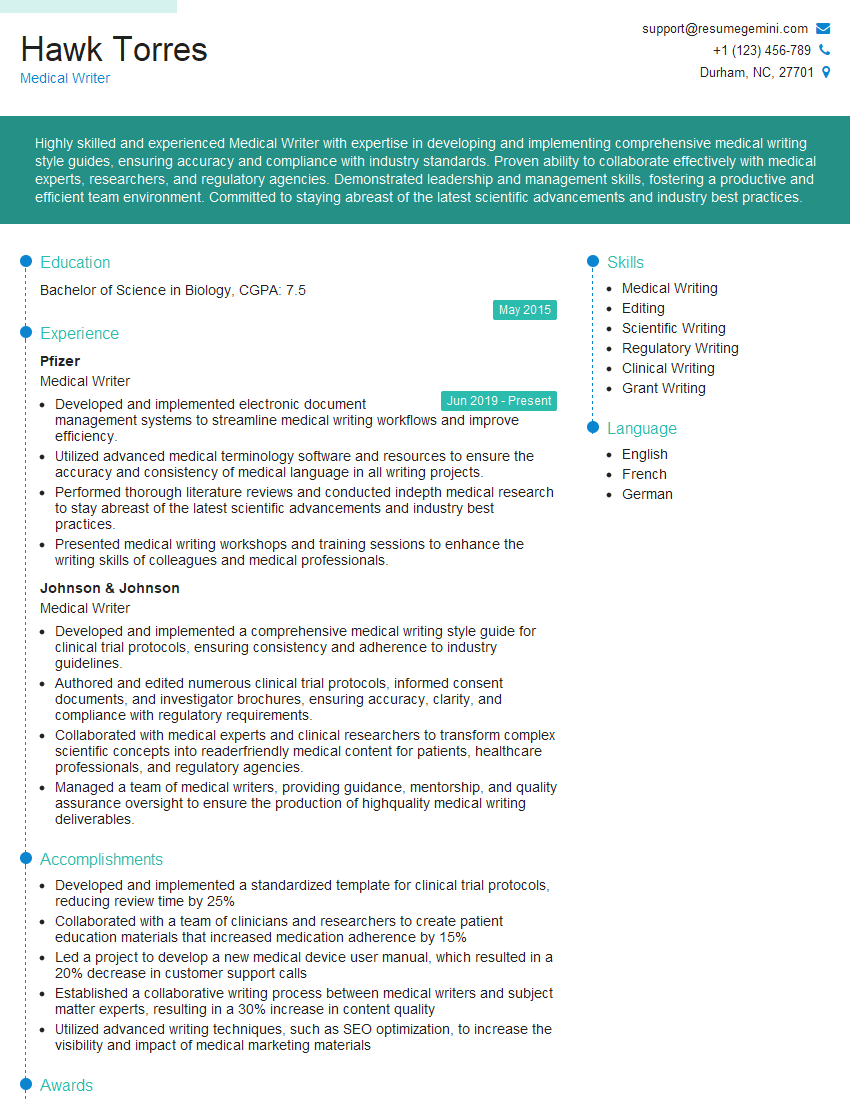
Medical Writer Resume Sample
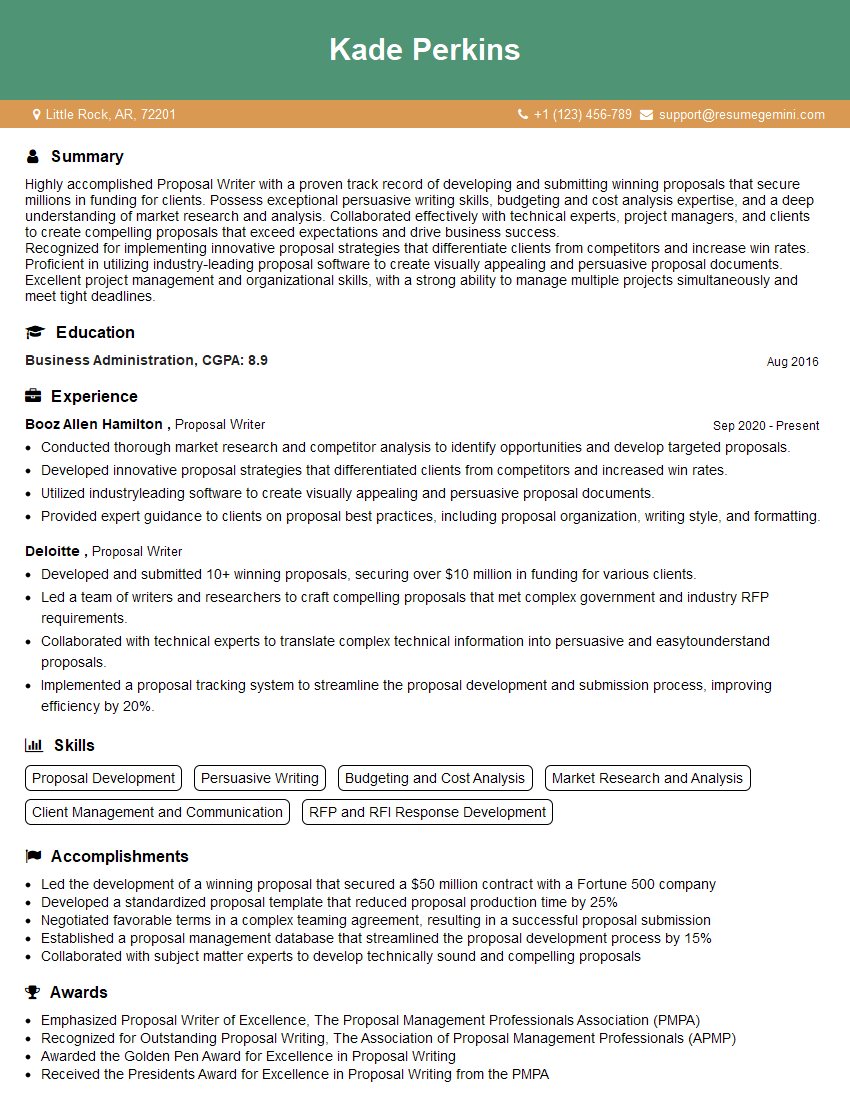
Proposal Writer Resume Sample
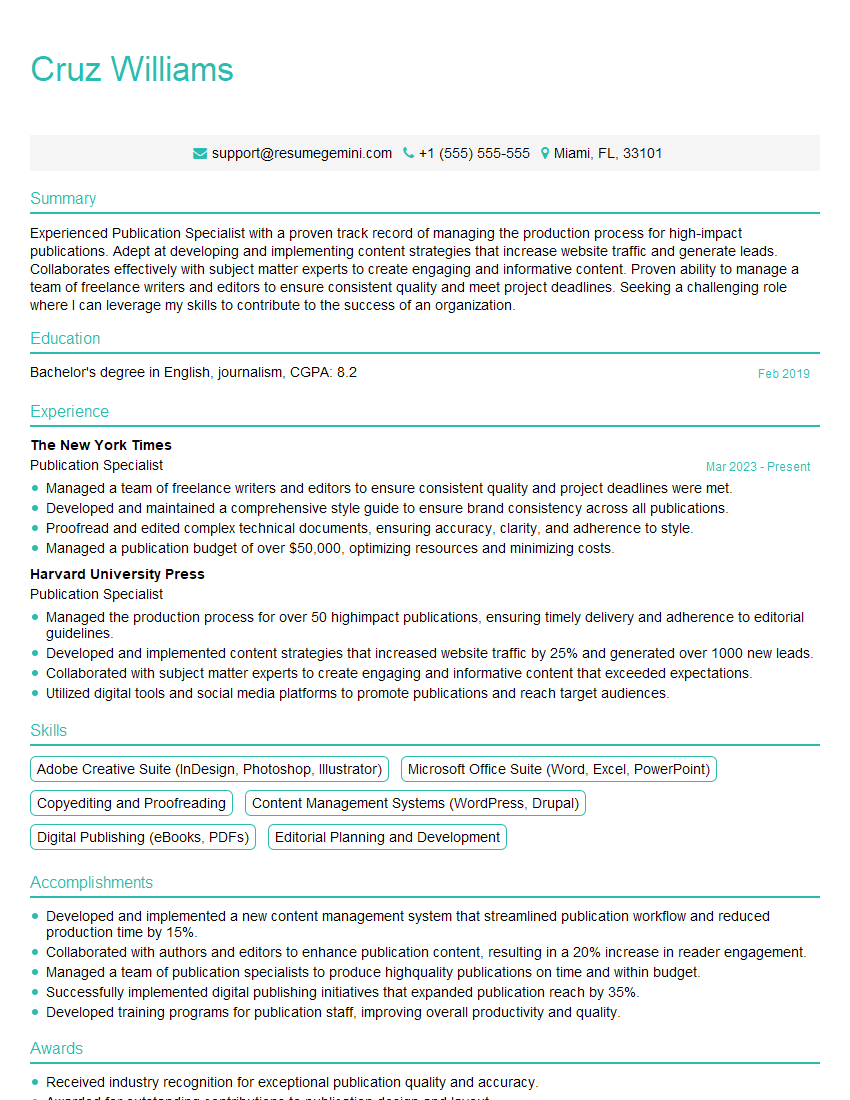
Publication Specialist Resume Sample

Technical Writer Resume Sample

Copywriter Resume Sample
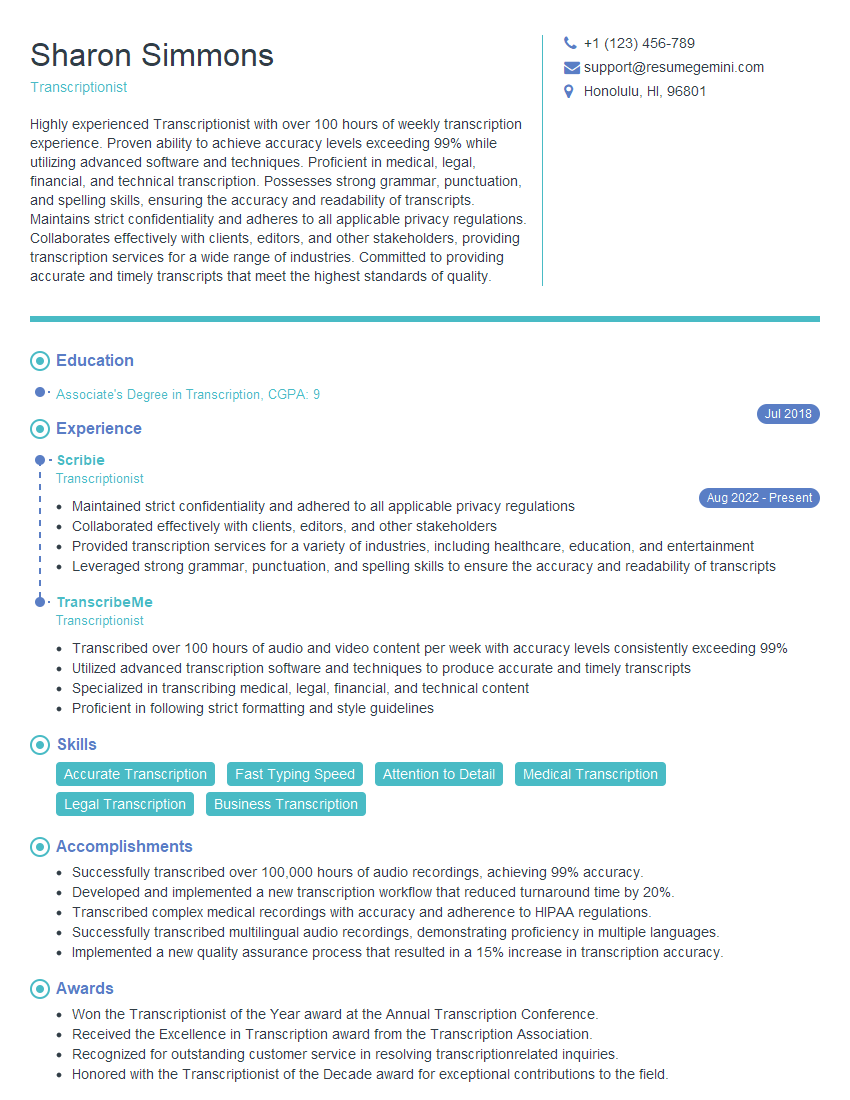
Transcriptionist Resume Sample
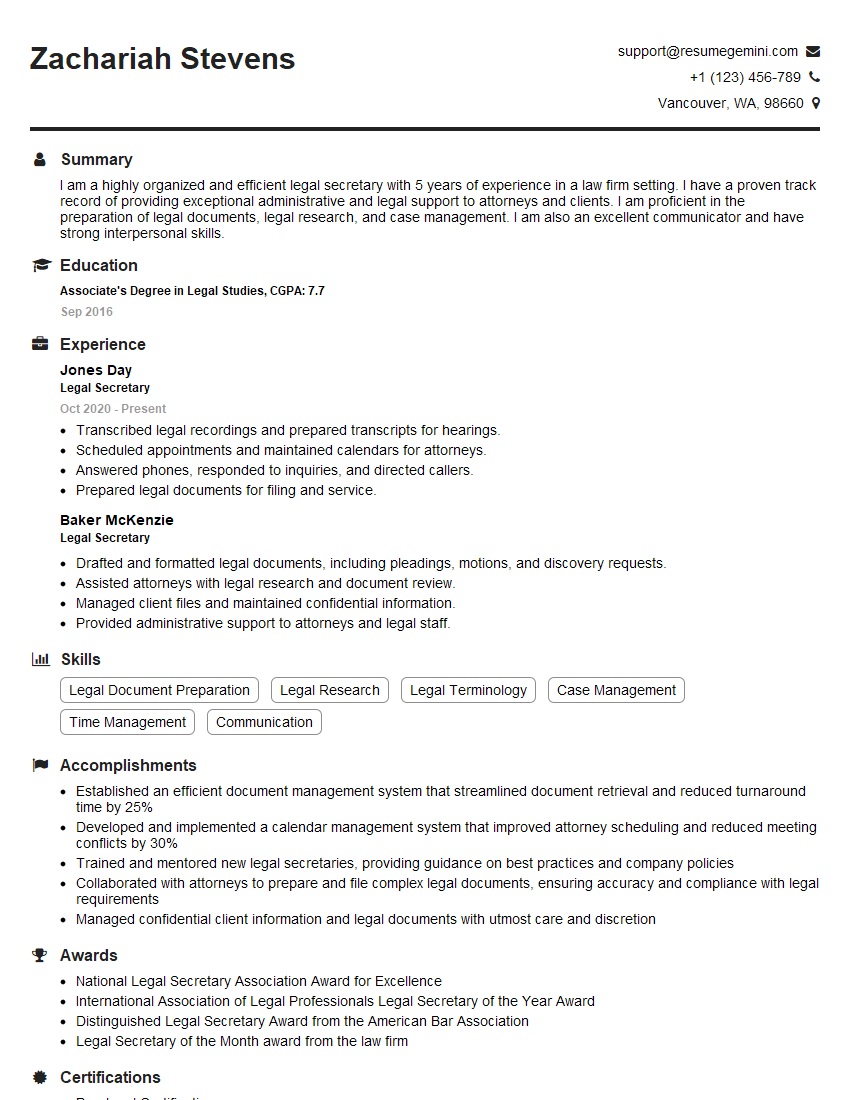
Legal Secretary Resume Sample
- Compliance Officer
- Contract Specialist
- Regulatory Affairs Specialist
- Communications Specialist
- Information Architect
- Content Strategist
- Documentation Specialist
- Paralegal
- Patent Agent
- Instructional Designer
- Editor
- Copy Editor
- Proofreader
- Technical Editor
- Medical Writer
- Proposal Writer
- Publication Specialist
- Technical Writer
- Copywriter
- Transcriptionist
- Legal Secretary
Explore more articles
Users Rating of Our Blogs
Share Your Experience
We value your feedback! Please rate our content and share your thoughts (optional).
What Readers Say About Our Blog
I Redesigned Spongebob Squarepants and his main characters of my artwork.
https://www.deviantart.com/reimaginesponge/art/Redesigned-Spongebob-characters-1223583608
IT gave me an insight and words to use and be able to think of examples
Hi, I’m Jay, we have a few potential clients that are interested in your services, thought you might be a good fit. I’d love to talk about the details, when do you have time to talk?
Best,
Jay
Founder | CEO